

Medical Tourism Blog in Costa Rica

Expert articles, guides, and patient stories on medical tourism in Costa Rica.

×
×

Facelift in Costa Rica Cost and Clinics

Facelift surgery in Costa Rica has become a major draw for international patients seeking natural, age-defying facial rejuvenation performed by board-certified plastic surgeons at lower prices than in the United States or Canada. Known for its modern private clinics, advanced surgical techniques, and recovery-focused care environment, Costa Rica offers one of the strongest medical tourism ecosystems in Latin America for facial plastic surgery. This guide explains the cost, types of facelifts available, candidacy, surgical process, recovery timeline, and how to choose the right surgeon. What Is a Facelift?. A facelift (rhytidectomy) is a facial rejuvenation surgery that tightens loose skin, repositions deep facial tissues, and smooths deeper folds to restore a younger and more refined facial contour. Modern facelift techniques focus on natural repositioning of muscle and tissue rather than simply pulling skin tight. Common goals include:. Reducing jowls and jawline heaviness. Lifting sagging midface and cheeks. Smoothing deep nasolabial folds. Improving neck and lower face laxity. Enhancing jawline definition. Why Choose Costa Rica for Facelift Surgery?. Board-certified surgeons trained in modern SMAS and deep-plane techniques. Accredited private surgical centers with high safety standards. Much lower cost than U.S. or Canada. Strong medical tourism support: logistics, hotel recovery options, bilingual staff. Natural-looking outcomes driven by experience with age-related facial surgery. Facelift Cost in Costa Rica. Facelift prices vary based on technique, surgeon experience, anesthesia, and whether a neck lift or eyelid surgery is combined. A facelift in Costa Rica typically costs between $4,000 and $6,000, depending on the surgeon, clinic, and whether neck tightening is included, while a mini facelift is slightly cheaper at around $3,500 to $4,500 as it focuses on mild to moderate sagging in the lower face. For patients seeking a more advanced and longer-lasting result, a deep plane facelift in Costa Rica generally ranges from $4,500 to $7,000, as it involves tightening deeper facial structures for more dramatic rejuvenation. Overall, Costa Rica offers high-quality facelift procedures at significantly lower prices compared to the U.S. and Canada, making it a popular destination for medical tourism. ProcedureTypical Range (USD). Mini Facelift$4,500 – $6,500. SMAS or Mid-Facelift$5,500 – $8,000. Deep Plane Facelift$7,000 – $10,000. Facelift + Neck Lift$6,500 – $9,500. Facelift + Blepharoplasty (eyes)$7,500 – $11,000. In the United States, the same surgeries frequently range from $12,000 to $25,000 or higher, making Costa Rica a more affordable yet high-quality alternative. Types of Facelifts Offered in Costa Rica. Mini Facelift. Targets early lower-face laxity and mild sagging. Less invasive with a shorter recovery. SMAS Facelift. Addresses deeper facial tissues (SMAS layer) for more structural rejuvenation and longer-lasting results. Deep Plane Facelift. Advanced technique lifting facial ligaments and midface structures directly. Provides the most natural and durable results, especially for advanced aging. Facelift with Neck Lift. Common combined approach to harmonize the jawline and neckline. Complementary Procedures (as add-ons). Upper or lower eyelid surgery. Brow lift. Chin contouring. Fat grafting for volume restoration. What Is Included in Facelift Packages in Costa Rica?. Typical inclusions:. Pre-operative consultation and surgical plan. Surgeon and anesthesia fees. Operating room and supplies. Post-operative dressing and follow-ups. Clinical transfers (varies by package tier). Compression chin/neck garments if required. Optional add-ons depending on package:. Recovery hotel or nurse-assisted care. Medications and cold therapy tools. Private driver or concierge service. Not usually included:. Airfare. Additional hotel nights beyond package limit. Prescription refills. Am I a Candidate?. You may be a good candidate if you:. Show lower face sagging, jowls, or neck laxity. Have moderate to advanced facial aging. Are in good general health. Are a non-smoker or have paused smoking well before surgery. Have realistic expectations for natural rejuvenation. Facelift Recovery Timeline. TimeframeWhat to Expect. Days 1–3Swelling, tightness, light bruising. Week 1Sutures typically removed; bruising begins resolving. Week 2Improved comfort; can resume light tasks and casual outings. Weeks 3–4Swelling significantly reduced; more defined contours appear. 6 WeeksReturn to public or social activity with near-final appearance. 3 MonthsFull refinement of lift and tissue settling. Most international patients stay in Costa Rica 7–10 days for follow-up and safe early monitoring. Facelift vs Mini Facelift. ConcernBest Option. Early aging, mild saggingMini Facelift. Pronounced jowls and jawline issuesSMAS or deep-plane Facelift. Neck laxity and vertical bandingFacelift + Neck Lift. Midface droop with volume lossDeep-plane or SMAS with fat grafting. Safety Considerations. Reputable Costa Rican clinics follow:. Accredited facilities. Board-certified surgeons. Advanced anesthesia care. Conservative OR times. Pre-operative medical screening. Post-op monitoring before travel. How to Choose a Facelift Surgeon in Costa Rica. When researching, verify:. Board certification in plastic or facial plastic surgery. Experience specifically in SMAS and deep-plane techniques. Before-and-after results of mature patients. Facility accreditation. Complication and revision policy. Structured post-op follow-up. Facelift is a highly technique-sensitive procedure, so choosing the surgeon is more important than the clinic brand name. Final Thoughts. Facelift surgery in Costa Rica offers a combination of high surgical expertise, modern facilities, lower overall cost, and strong post-operative care support for international patients. Whether you require a subtle mini lift or a full deep-plane facelift with neck refinement, Costa Rica provides an experienced and patient-centered environment to undergo rejuvenation with natural results. Contact MyMediTour for more details.

Dental Crown in Costa Rica Cost and Clinics

Dental crowns in Costa Rica have become a popular choice for patients from the U.S., Canada, and Europe looking to restore damaged teeth affordably. Costa Rica is known for its world-class dental clinics, experienced specialists, and internationally approved materials — all at a fraction of North American prices. Whether you need a single crown, a full-mouth restoration, or implant-supported crowns, the country offers exceptional care and craftsmanship in a beautiful, safe environment. With savings of up to 70% and short travel distances, Costa Rica is now one of the most trusted dental tourism destinations in the world. 1. What Are Dental Crowns?. “Dental crowns are custom-made caps placed over damaged or weakened teeth to restore strength, function, and appearance.”. Dental crowns protect and rebuild teeth that are broken, decayed, or worn down. They are also used after root canal treatments, on dental implants, or as part of a smile makeover. Crowns can be made from porcelain, zirconia, metal, or a combination of materials depending on the patient’s needs. They restore natural tooth shape and color, improving both function and aesthetics — allowing you to chew, speak, and smile confidently again. 2. Why Choose Costa Rica for Dental Crowns. “Costa Rica offers advanced dental care, U.S.-trained specialists, and affordable pricing for dental crowns.”. Costa Rica has earned global recognition for its modern dental technology and highly skilled professionals. Many local dentists are trained in the United States and Europe, using the same materials and systems found in international clinics. Key advantages include:. ISO and JCI-accredited dental centers. FDA-approved materials and equipment. Transparent pricing with clear treatment plans. English-speaking, patient-centered dental teams. Through MyMediTour, patients can find verified clinics, compare prices, and plan their entire dental trip effortlessly. 3. Dental Crowns Cost in Costa Rica. “The cost of dental crowns in Costa Rica ranges from $350 to $700 per tooth, depending on the material and complexity.”. Costa Rica offers one of the best values for restorative dentistry. Despite affordable prices, clinics maintain top international quality standards. Dental crowns in Costa Rica typically range from USD 300 to USD 650 per tooth, with many clinics quoting around USD 350–550 depending on the material used (e.g., porcelain-fused-to-metal, full porcelain, zirconia). Type of CrownAverage Cost (Per Tooth)U.S. Cost (Per Tooth)Savings. Porcelain Crown$400 – $600$1,200 – $2,000Up to 70%. Zirconia Crown$450 – $700$1,500 – $2,500Up to 72%. Porcelain-Fused-to-Metal (PFM)$350 – $500$1,000 – $1,800Up to 65%. Full-Mouth Crown Restoration$6,000 – $9,000$20,000 – $30,000Up to 70%. Factors Influencing Cost:. Crown material and manufacturing process. Dentist experience and training. Clinic accreditation and technology. Additional procedures (root canal, implant placement, etc.). 4. Types of Dental Crowns Available in Costa Rica. “Costa Rican clinics offer various crown materials such as porcelain, zirconia, metal, and PFM for both aesthetic and functional needs.”. Patients can choose from multiple types of crowns depending on their condition and cosmetic goals:. Porcelain Crowns: Natural appearance and excellent aesthetics for front teeth. Zirconia Crowns: Extremely durable, ideal for back teeth and full-arch restorations. Porcelain-Fused-to-Metal (PFM): Combines strength and natural look at a lower cost. Metal Crowns (Gold or Alloy): Highly durable for molars, though less aesthetic. Most clinics use CAD/CAM milling technology and digital scanning to create perfectly fitted crowns within days. 5. Dental Crown Procedure in Costa Rica. “The crown process takes 3–5 days, including tooth preparation, impression, and final placement.”. The procedure is efficient and ideal for dental tourists with limited time. Consultation & Examination: Digital imaging and assessment to plan the crown design. Tooth Preparation: Removal of decay and reshaping to fit the crown. Impression & Temporary Crown: Digital scans or molds are taken; a temporary crown is placed. Crown Fabrication: Crafted in an in-house lab using 3D CAD/CAM systems. Final Placement: The permanent crown is cemented and adjusted for bite comfort. Most clinics can complete this process in 3–5 working days, minimizing travel time. 6. Durability and Lifespan of Crowns. “High-quality dental crowns in Costa Rica can last 10–20 years or longer with proper care.”. The longevity of crowns depends on the material used, oral hygiene, and lifestyle habits. Porcelain and zirconia crowns are both strong and stain-resistant, providing long-lasting function and beauty. With regular dental checkups and good maintenance, many crowns can last two decades or more, equivalent to results in top U.S. clinics. 7. Best Cities in Costa Rica for Dental Crown Treatment. “San José, Escazú, and Santa Ana are leading destinations for advanced restorative dentistry.”. These cities are home to Costa Rica’s best dental clinics and specialists:. San José: Capital city with advanced multi-specialty dental centers. Escazú: Known for upscale clinics and medical tourism facilities. Santa Ana: Offers boutique dental studios with personalized care. All are within easy reach of Juan Santamaría International Airport, making travel and follow-up visits convenient for international patients. 8. Benefits of Getting Dental Crowns in Costa Rica. “Costa Rica combines affordability, safety, and modern dental technology for high-quality crown restorations.”. Patients from around the world travel to Costa Rica for its superior value and professional expertise:. Save up to 70% compared to U.S. costs. Modern digital dentistry and same-day crowns. Highly qualified, English-speaking professionals. ISO and JCI-accredited dental clinics. Relaxing post-treatment environment for recovery. With MyMediTour, patients can easily find accredited clinics, arrange appointments, and enjoy a seamless treatment journey. 9. Are Dental Crowns in Costa Rica Safe?. “Yes, Costa Rica maintains strict safety, sterilization, and quality control standards equal to those in the U.S. or Canada.”. Costa Rican clinics follow international infection-control protocols and use FDA-approved materials for every crown. The country’s dental system is backed by a strong reputation for patient safety, with many clinics accredited by ISO and Joint Commission International (JCI). Patients consistently report satisfaction rates above 95%, proving Costa Rica’s reliability for restorative dentistry. 10. Comparing Crowns to Other Restorative Options. “Crowns provide stronger, longer-lasting tooth protection than fillings or veneers.”. While veneers improve the appearance of front teeth, crowns restore both aesthetics and function. They reinforce damaged teeth, protect them from further decay, and support implants or bridges. Crowns are ideal for patients with extensive tooth damage, post-root canal treatments, or those seeking a full-mouth restoration. FAQs. 1. How long does it take to get a dental crown in Costa Rica?. Most treatments are completed within 3–5 days, depending on the clinic and lab time. 2. What materials are used for crowns?. Clinics use zirconia, porcelain, porcelain-fused-to-metal, and metal alloys, all of which are FDA-approved. 3. Are Costa Rican crowns the same quality as U.S. crowns?. Yes. Costa Rica uses the same international dental materials, brands, and equipment as clinics in the U.S. 4. Can I get crowns and other dental work together?. Absolutely. Many patients combine crowns, implants, or veneers during a single trip for full-mouth rehabilitation. 5. How do I maintain my dental crowns?. Brush twice daily, floss regularly, avoid chewing hard foods, and visit your dentist every six months for optimal longevity. Conclusion. Getting dental crowns in Costa Rica is a cost-effective and reliable way to restore your smile with world-class materials and care. With experienced dentists, advanced technology, and international safety standards, Costa Rica continues to rank among the best destinations for dental tourism worldwide. For tailored guidance, clinic comparisons, and treatment coordination, visit MyMediTour — the global leader in safe and affordable medical and dental travel.

How Much Does Deviated Septum Surgery Cost Without Insurance?

A deviated septum can cause chronic breathing problems, frequent sinus infections, snoring, headaches, and poor sleep quality. For many patients, surgery is the only long-term solution. However, for individuals without health insurance, the cost of deviated septum surgery can be surprisingly high—especially in the United States and Canada. Understanding how much deviated septum surgery costs without insurance is critical for uninsured patients, expats, retirees, and self-pay individuals who want relief from symptoms without facing overwhelming medical bills. This guide breaks down real-world costs, what influences pricing, and how patients reduce expenses by considering treatment abroad. What Is Deviated Septum Surgery?. Deviated septum surgery, also called septoplasty, is a procedure performed to straighten the nasal septum—the wall of cartilage and bone dividing the left and right nasal passages. When this structure is misaligned, it can partially or completely block airflow, making breathing difficult. Septoplasty is not a cosmetic procedure. Its primary goal is to restore normal airflow and improve nasal function. In many cases, it is combined with additional procedures such as turbinate reduction or sinus surgery to achieve optimal breathing results. The surgery is typically performed under general anesthesia and usually takes 30 to 90 minutes, depending on complexity. How Much Does Deviated Septum Surgery Cost Without Insurance in the U.S.?. Deviated septum surgery (septoplasty) without insurance in the U.S. typically costs $7,000 to $15,000, depending on the surgeon’s fees, facility charges, anesthesia, and whether additional procedures (like turbinate reduction or rhinoplasty) are performed. Without insurance, deviated septum surgery is billed at full hospital and provider rates, which significantly increases the total cost. Average Cost Range (Uninsured – U.S.). Basic septoplasty: $4,000 – $8,000. Septoplasty with turbinate reduction: $6,000 – $10,000. Septoplasty with sinus surgery: $8,000 – $15,000+. In major cities or hospital-based surgical centers, total charges can reach $18,000–$20,000 or more, especially when additional diagnostic testing and post-operative visits are billed separately. Detailed Cost Breakdown Without Insurance. Here is what uninsured patients are typically paying for:. Surgeon fees: $1,500 – $4,000. Anesthesia fees: $800 – $2,500. Operating room and facility fees: $2,000 – $6,000. Pre-operative consultations and imaging: $500 – $2,000. Post-operative care and medications: $500 – $2,000. Because insurers are not negotiating discounted rates, self-pay patients often receive itemized bills at maximum pricing levels. Why Deviated Septum Surgery Costs So Much Without Insurance. Several factors make septoplasty expensive for uninsured patients:. It requires a licensed ENT surgeon and anesthesiologist. Hospital or surgical center operating room fees are high. Diagnostic imaging such as CT scans adds to total costs. Post-surgical follow-ups and medications are billed separately. Additional nasal procedures increase operative time and cost. Even when medically necessary, hospitals treat uninsured cases as self-pay, resulting in higher financial responsibility for the patient. How Much Does Deviated Septum Surgery Cost Without Insurance Abroad?. Many uninsured patients choose medical tourism due to dramatic cost savings and transparent pricing. Average International Costs (Self-Pay). Mexico: $2,000 – $3,500. Costa Rica: $2,500 – $4,000. Turkey: $1,800 – $3,000. Thailand: $2,500 – $4,500. India: $1,500 – $2,800. In most international destinations, pricing is bundled and often includes:. Surgeon and anesthesia fees. Hospital stay or surgical facility charges. Pre-operative testing. Medications and follow-up care. Why Uninsured Patients Choose Septoplasty Abroad. Medical tourism has become a trusted option for deviated septum surgery due to several advantages:. Savings of 50–75% compared to U.S. costs. Internationally accredited hospitals. ENT surgeons with extensive septoplasty experience. Shorter waiting times for surgery. Transparent, all-inclusive pricing. For many patients, even after flights and accommodations, total expenses remain far lower than domestic self-pay surgery. Recovery Timeline and Hidden Costs. Typical Recovery After Septoplasty. Mild swelling and congestion for 1–2 weeks. Return to work in 5–10 days. Full healing within 4–6 weeks. Additional Costs to Consider. In the U.S., uninsured patients may face:. Extra follow-up visits: $150 – $400 per visit. Prescription medications: $100 – $300. Nasal splints removal fees. Abroad, many of these costs are already included in the surgical package, reducing financial uncertainty. Is Deviated Septum Surgery Worth the Cost Without Insurance?. For patients suffering from chronic breathing problems, untreated septal deviation can lead to:. Recurring sinus infections. Sleep apnea and fatigue. Reduced oxygen intake. Decreased quality of life. Surgery often provides permanent improvement, making it a long-term investment in health rather than a cosmetic expense. FAQs: How Much Does Deviated Septum Surgery Cost Without Insurance. How much does deviated septum surgery cost without insurance?. Without insurance, deviated septum surgery typically costs $4,000 to $15,000+ in the U.S., depending on complexity and additional procedures. Is septoplasty considered medically necessary?. Yes. Septoplasty is medically necessary when it corrects breathing obstruction or chronic sinus issues and is not considered cosmetic. Can I negotiate the cost if I’m uninsured?. Some providers offer self-pay discounts, but prices remain high compared to international options. Is it safe to have deviated septum surgery abroad?. Yes, when performed at accredited hospitals by experienced ENT surgeons, outcomes are comparable to U.S. standards. Does septoplasty permanently improve breathing?. Most patients experience long-term breathing improvement, though results depend on anatomy and adherence to post-operative care. How long does the surgery take?. The procedure typically takes 30–90 minutes, depending on complexity and whether additional nasal procedures are performed. Conclusion. The answer to how much deviated septum surgery costs without insurance can be shocking for many patients in the United States and Canada. High hospital fees, anesthesia costs, and lack of negotiated rates make self-pay septoplasty expensive. Fortunately, affordable alternatives exist. At MyMediTour, we help uninsured patients access trusted, accredited healthcare providers worldwide—offering transparent pricing, significant savings, and high-quality outcomes. If you’re considering deviated septum surgery without insurance, we can help you explore cost-effective options tailored to your needs.

Lap Band Surgery Cost Without Insurance

Lap Band surgery, also known as gastric banding or adjustable gastric band surgery, is a type of bariatric procedure that helps patients lose weight by limiting food intake. While it can be a highly effective, minimally invasive weight-loss solution, the cost of Lap Band surgery without insurance in the U.S. or Canada can be overwhelming for uninsured individuals. As more Americans, Canadians, expats, and retirees look for affordable options, medical tourism destinations are offering life-changing weight-loss surgery packages at a fraction of domestic costs — without compromising safety or quality. Cost of Lap Band Surgery Without Insurance in the U.S. vs Abroad. In the United States, Lap Band surgery without insurance costs between $12,000 and $25,000, depending on the surgeon’s experience, the hospital, and included follow-ups. In Canada, self-pay patients can expect similar costs, around $10,000 to $18,000, with long wait times in public healthcare. However, abroad, the same surgery can be performed by internationally certified bariatric surgeons at accredited hospitals for as low as one-third of U.S. prices. Many clinics offer all-inclusive medical tourism packages that include the surgery, anesthesia, hospital stay, hotel accommodation, pre-op tests, and airport transfers. CountryAverage Cost (USD)Savings vs U.S.Popular Cities. Mexico$4,000 – $6,000Up to 70% cheaperTijuana, Cancun, Monterrey. Costa Rica$5,000 – $6,500Up to 65% cheaperSan José, Escazú. Turkey$4,500 – $6,000Up to 70% cheaperIstanbul, Antalya. Thailand$6,000 – $8,000Up to 55% cheaperBangkok, Phuket. India$4,000 – $5,000Up to 75% cheaperNew Delhi, Chennai. South Korea$7,000 – $9,000Up to 45% cheaperSeoul, Busan. These savings, combined with shorter waiting times and personalized care, make international options attractive for those paying out of pocket. What Is Lap Band Surgery?. Lap Band surgery involves placing an adjustable silicone band around the upper portion of the stomach to create a smaller pouch. This limits how much you can eat and helps you feel full sooner. The band can be tightened or loosened over time, depending on your progress. The surgery is minimally invasive and reversible, making it one of the most flexible weight-loss procedures available. Why Medical Tourism Is the Smart Choice for the Uninsured. Uninsured and self-paying patients are turning to medical tourism because it offers access to skilled bariatric surgeons, advanced facilities, and holistic support — all at a fraction of the domestic price. In addition to affordability, patients benefit from:. Accredited Bariatric Centers: Hospitals abroad often meet or exceed international standards. Board-Certified Surgeons: Many trained in the U.S., U.K., or Europe. Comprehensive Care: Packages often include pre-op consultations, anesthesia, follow-ups, and accommodations. Comfortable Recovery: Recuperate in resort-like settings designed for medical travelers. Fast Scheduling: No waiting lists — surgeries can be booked within days. Best Countries for Affordable Lap Band Surgery. 🇲🇽 Mexico. Mexico is the most popular destination for uninsured North Americans seeking affordable bariatric surgery. With top facilities in Tijuana, Cancun, and Monterrey, patients can access safe, high-quality care for $4,000–$6,000 — including accommodation and ground transfers. Mexican hospitals follow strict infection-control protocols and employ English-speaking staff, ensuring a stress-free experience. 🇨🇷 Costa Rica. Costa Rica is a trusted destination for medical tourism due to its highly educated doctors and modern healthcare system. Bariatric centers in San José offer personalized Lap Band programs with strong aftercare support, costing around $5,000–$6,500, which includes hospital stay and pre-op exams. The country’s tropical environment also provides a peaceful atmosphere for recovery. 🇹🇷 Turkey. Turkey has become one of the top global destinations for bariatric surgery, offering excellent value, safety, and hospitality. Clinics in Istanbul and Antalya are equipped with advanced laparoscopic technology, and most offer all-inclusive packages that cover everything from accommodation to airport pickup. Patients save up to 70% compared to U.S. prices. 🇹🇭 Thailand. Thailand’s reputation for healthcare excellence makes it a reliable option for weight-loss procedures. Hospitals in Bangkok and Phuket provide Western-standard care with transparent pricing, typically $6,000–$8,000. Patients enjoy comfortable, private recovery rooms and professional English-speaking staff in a serene, tropical setting. 🇮🇳 India. India offers one of the lowest costs for Lap Band surgery worldwide — between $4,000 and $5,000 — without sacrificing quality. Hospitals in New Delhi and Chennai feature advanced bariatric centers led by internationally certified surgeons. English is widely spoken, and facilities cater specifically to international patients. 🇰🇷 South Korea. South Korea’s highly skilled surgeons and advanced technology make it a top-tier option for patients prioritizing safety and precision. While slightly more expensive ($7,000–$9,000), the level of care, surgical innovation, and post-op monitoring are exceptional, especially for patients seeking minimally invasive approaches. Benefits of Lap Band Surgery Abroad. Choosing to undergo Lap Band surgery overseas comes with a variety of advantages beyond just affordability:. Up to 70% Cost Savings without compromising safety or results. Internationally Accredited Hospitals that serve thousands of foreign patients each year. Custom Medical Tourism Packages that include everything from transport to hotel. Faster Access to Care with no waiting lists or insurance restrictions. Professional Aftercare Programs that support long-term weight management. Opportunity for a Wellness Vacation while recovering in beautiful destinations. Preparing for Your Medical Trip. Before traveling abroad for Lap Band surgery, consider these important steps:. Research your destination — choose countries with established medical tourism infrastructure. Verify surgeon credentials — look for board-certified bariatric surgeons. Review package details — confirm inclusions such as hospital stay, medication, and aftercare. Plan recovery time — most patients can return to normal activities within 1–2 weeks. Stay connected — many clinics offer online consultations after returning home. Conclusion: Affordable Lap Band Surgery Options for the Uninsured. For uninsured Americans, Canadians, expats, and retirees, the cost of Lap Band surgery without insurance in North America can be overwhelming. However, choosing reputable international destinations like Mexico, Costa Rica, Turkey, Thailand, India, and South Korea provides the same level of safety, expertise, and care at a fraction of the cost. At MyMediTour, we help patients access affordable, world-class bariatric centers abroad that combine medical excellence with compassionate care. Our team guides you through every step — from choosing the right country and hospital to managing travel and recovery — so you can focus on achieving your weight-loss goals safely and confidently. Take control of your health and your budget — explore affordable Lap Band surgery options abroad with myMediTour today.

Global Medical Tourism: An Expanding Frontier in Healthcare

Analyzing the Growth, Economic Impact, and Future Projections of Medical Tourism Worldwide. Medical tourism, the practice of traveling across international borders to obtain healthcare services, has witnessed significant growth over the past decade. With over 21 million medical tourists annually, the global medical tourism market is valued between $74 and $92 billion. It has been expanding at an approximate annual growth rate of 20%, reflecting its increasing prominence as a viable healthcare solution for many. Economic forecasts indicate substantial growth for this industry. By 2027, the market is projected to reach $273.72 billion, growing at a compound annual growth rate (CAGR) of 12.8%. Other estimates predict the market could grow to $337.0 billion by 2028, with an impressive CAGR of 23% between 2022 and 2028. These figures underscore the rising global demand for cross-border healthcare. Several factors drive the growth of medical tourism. Cost-effectiveness is one of the most compelling reasons for its popularity, as patients can save up to 50–70% on medical procedures abroad compared to costs in the United States or Western Europe. Countries such as India, Thailand, and Mexico are known for offering affordable yet high-quality treatments. Additionally, medical tourists seek access to advanced treatments and technologies not readily available in their home countries. Many are also drawn to destinations that promise shorter waiting times for procedures, particularly for elective surgeries. Combining medical treatment with travel is another appealing aspect. Patients often use their time abroad to explore new cultures and destinations, adding a leisure element to their healthcare journey. This trend has further boosted the appeal of medical tourism among patients seeking comprehensive experiences. Countries like Costa Rica, India, Malaysia, Mexico, Singapore, South Korea, Taiwan, Thailand, Turkey, and the United States have established themselves as leading destinations. These countries have invested heavily in medical infrastructure and often offer internationally accredited healthcare facilities, which attract millions of patients from around the globe. The rise of medical tourism has implications for both the healthcare and economic landscapes of host countries. Economically, it brings significant revenue to these nations, stimulating job creation and infrastructure development in both the healthcare and hospitality sectors. Healthcare providers in these countries often adhere to international accreditation standards, raising the quality of care and promoting trust among foreign patients. However, the growth of medical tourism also raises challenges. Ethical and regulatory considerations come into play as patients travel across borders, requiring robust policies to ensure their safety and the continuity of care. Quality assurance remains a key issue, as healthcare providers must consistently meet international standards to maintain their reputation and attract patients. The future of medical tourism looks bright, with continued globalization, rising healthcare costs in developed nations, and advancements in medical technologies fueling its growth. However, for the industry to sustain this momentum, stakeholders must address concerns about equitable access, regulatory frameworks, and ethical practices. With proper management and innovation, medical tourism can continue to provide millions with affordable and high-quality healthcare solutions. Source:. Medical Tourism Watch. (2023). Global Medical Tourism Statistics.

How Much Does a Broken Arm Cost Without Insurance?

Breaking an arm is one of the most common injuries in the United States, affecting children, adults, athletes, and seniors alike. Whether caused by a fall, car accident, sports injury, or workplace incident, a broken arm requires immediate medical attention to avoid complications such as improper healing, nerve damage, or long-term mobility issues. For uninsured patients, however, the financial burden of treating a broken arm can be overwhelming. Without health insurance, even a relatively straightforward fracture can turn into a major expense. Costs quickly add up from emergency room visits, imaging tests, casting, surgery, follow-up appointments, and physical therapy. Many uninsured Americans delay treatment because of cost concerns, which often leads to worse outcomes and even higher medical bills later. This comprehensive guide explains how much a broken arm costs without insurance, what factors influence pricing, typical treatment options, and ways uninsured patients can reduce expenses while still receiving safe, effective care. What Is Considered a Broken Arm?. A broken arm refers to a fracture in one or more of the three bones in the arm:. Humerus (upper arm bone). Radius (forearm bone on the thumb side). Ulna (forearm bone on the pinky side). Fractures can range from small hairline cracks to severe breaks where the bone shifts out of place or pierces the skin. The severity of the fracture directly impacts the cost of treatment. Common types of arm fractures include:. Simple (closed) fractures. Compound (open) fractures. Greenstick fractures (common in children). Comminuted fractures (bone breaks into multiple pieces). Displaced fractures. Each type requires a different level of medical care, which significantly affects pricing for uninsured patients. Average Cost of a Broken Arm Without Insurance. The cost of treating a broken arm without insurance varies widely depending on severity, location, and treatment approach. On average, uninsured patients can expect to pay anywhere from $1,000 to over $20,000. Without insurance in the U.S., the cost to treat a broken arm can vary widely based on severity and treatment needed — simple cases (X-rays, casting) often cost about $1,500 – $5,000+, while surgical treatment can run around $16,000 or much more if complications arise. A broken arm cost without insurance in the U.S. typically ranges from $1,500 to $5,000 for minor fractures treated with X-rays, splinting, or casting. More severe fractures requiring surgery, hospitalization, and follow-up care can raise total costs to $15,000–$30,000 or more, depending on complications and location. Here is a general cost range breakdown:. Minor, non-displaced fracture (cast only): $1,000 – $3,000. Emergency room visit + X-rays: $1,500 – $4,000. Closed reduction (bone realignment): $2,500 – $6,000. Surgery with plates or screws: $10,000 – $25,000+. Physical therapy (post-treatment): $1,000 – $5,000. These figures reflect cash-pay prices commonly billed to uninsured patients in the U.S. Emergency Room Costs for a Broken Arm. Most broken arms are treated initially in an emergency room or urgent care center. ER visits are often the most expensive part of treatment. Typical ER costs without insurance include:. ER admission fee: $1,200 – $3,500. X-rays: $300 – $1,000. Pain medication & splinting: $200 – $600. If the fracture is complex, the ER physician may consult an orthopedic specialist, increasing the bill further. Urgent care centers are usually cheaper than emergency rooms, but they can only handle uncomplicated fractures. Diagnostic Imaging Costs. Imaging is essential for diagnosing the type and severity of a broken arm. Without insurance, diagnostic costs typically include:. X-ray (multiple views): $200 – $1,200. CT scan (complex fractures): $1,000 – $3,000. MRI (rare cases): $1,500 – $5,000. Most simple arm fractures only require X-rays, but severe injuries may need advanced imaging. Casting and Immobilization Costs. If surgery is not required, treatment usually involves casting or splinting. Typical uninsured costs include:. Initial splint: $100 – $300. Full cast application: $300 – $800. Cast removal: $150 – $400. Follow-up visits: $150 – $350 per visit. Children may need multiple cast replacements as swelling decreases, increasing overall costs. Cost of Surgery for a Broken Arm Without Insurance. Surgery is required when the bone is severely displaced, shattered, or fails to heal properly. Surgical treatment costs may include:. Surgeon fees: $3,000 – $8,000. Hospital facility fees: $5,000 – $12,000. Anesthesia: $1,000 – $3,000. Metal plates, screws, rods: $2,000 – $5,000. Total surgical costs can exceed $20,000 for uninsured patients, especially if hospitalization is required. Follow-Up Care and Physical Therapy Costs. Healing a broken arm does not end when the cast comes off. Rehabilitation is often necessary to restore strength and mobility. Uninsured physical therapy costs:. Per session: $100 – $250. Typical course (10–20 sessions): $1,000 – $5,000. Skipping therapy can result in stiffness, chronic pain, or limited function. Factors That Affect the Cost of a Broken Arm. Several variables influence how much you will pay without insurance:. Severity and type of fracture. Whether surgery is required. Location of treatment (hospital vs clinic). Geographic region. Number of follow-up visits. Physical therapy needs. Complications such as infection or delayed healing. Even two patients with similar injuries may receive very different bills. Broken Arm Costs: United States vs Other Countries. One reason many uninsured patients explore care outside the U.S. is the dramatic price difference. Approximate costs for broken arm treatment:. United States: $1,000 – $25,000+. Mexico: $500 – $3,500. Turkey: $700 – $4,000. Thailand: $800 – $4,500. Costa Rica: $900 – $5,000. In many countries, treatment includes consultations, imaging, casting, and follow-ups at bundled prices far lower than U.S. cash rates. Why Costs Are So High Without Insurance. Hospitals often charge uninsured patients their highest list prices, known as chargemaster rates. These prices are significantly higher than what insurance companies or government programs negotiate. Key reasons include:. No negotiated discounts. High administrative overhead. Expensive malpractice insurance. Fragmented billing systems. As a result, uninsured patients often pay the most. How to Reduce Broken Arm Costs Without Insurance. If you are uninsured, consider these strategies to reduce expenses:. Ask for self-pay or cash discounts. Request itemized bills and negotiate. Use urgent care instead of ER when appropriate. Compare prices at imaging centers. Ask about payment plans. Seek care at nonprofit hospitals. Consider international treatment for complex cases. Being proactive can save thousands of dollars. Risks of Delaying Treatment Due to Cost. Delaying treatment to avoid medical bills can cause serious complications:. Improper bone healing. Chronic pain. Permanent loss of function. Need for corrective surgery later. Early treatment is always more affordable and safer in the long run. Is Medical Tourism an Option for Broken Arm Treatment?. For patients needing surgery or prolonged care, traveling abroad can be a cost-effective solution. Many international hospitals offer modern facilities, English-speaking doctors, and orthopedic specialists trained in the U.S. or Europe. Patients often receive:. Faster treatment. Lower total costs. Transparent pricing. Personalized care. This option is especially attractive for uninsured individuals facing high U.S. surgical bills. FAQs: Broken Arm Cost Without Insurance. How much does it cost to fix a broken arm without insurance?. Costs range from $1,000 to over $20,000, depending on fracture severity and treatment method. Can a broken arm heal without medical treatment?. Minor fractures may heal, but improper treatment increases the risk of permanent damage and complications. Is urgent care cheaper than the emergency room?. Yes. Urgent care can be significantly cheaper for simple fractures that do not require surgery. How much does a cast cost without insurance?. Casting typically costs $300 to $800, not including imaging or follow-up visits. How expensive is surgery for a broken arm?. Surgery can cost $10,000 to $25,000 or more for uninsured patients. Can I negotiate hospital bills if I don’t have insurance?. Yes. Many hospitals offer discounts, payment plans, or financial assistance for self-pay patients. Are children’s broken arms cheaper to treat?. Often yes, especially if surgery is not required, but multiple cast changes may increase costs. Does physical therapy add significantly to the cost?. Yes. Physical therapy can add $1,000 to $5,000 to total expenses. Is treatment abroad safe for broken arms?. Yes, when performed at accredited hospitals with qualified orthopedic specialists. What happens if a broken arm is left untreated?. Untreated fractures can heal incorrectly, leading to chronic pain, deformity, or loss of function. Final Thoughts. A broken arm without insurance can place a heavy financial burden on individuals and families. From emergency care to imaging, casting, surgery, and rehabilitation, costs add up quickly in the U.S. healthcare system. Understanding these expenses allows uninsured patients to make informed decisions and seek alternatives that fit their budget. Exploring cost-saving strategies, negotiating bills, and even considering treatment outside the country can significantly reduce financial stress. With proper planning and timely care, it is possible to treat a broken arm safely without facing lifelong medical debt. For patients seeking affordable, transparent options, services like MyMediTour help connect individuals with quality orthopedic care worldwide, offering a practical path forward when insurance is not an option.

Liposuction in Costa Rica Prices and Clinics

Liposuction in Costa Rica has become a leading choice for patients seeking safe, high-quality body contouring with experienced board-certified surgeons and significantly lower treatment costs compared to the United States and Canada. Modern clinics, accredited surgical centers, and a strong medical tourism infrastructure make Costa Rica a reliable destination for patients who want a slimmer, more contoured figure with a predictable and professional recovery process. This guide explains costs, techniques, candidate suitability, recovery timelines, safety protocols, and what to look for when choosing a clinic. What Is Liposuction?. Liposuction is a surgical body-contouring procedure that removes excess fat from targeted areas that are resistant to diet and exercise. It is not a weight-loss procedure but a sculpting technique designed to improve shape, proportion, and silhouette. Common treatment areas:. Abdomen and flanks. Waistline and back. Outer and inner thighs. Hips and buttock contour. Arms and bra-roll area. Male chest (gynecomastia contouring). Submental (chin/neck). Why Choose Costa Rica for Liposuction?. Board-certified plastic surgeons with high case volume in body contouring. Accredited, modern private surgical centers. Lower treatment costs than the United States or Canada. English-speaking care teams and dedicated patient coordinators. Recovery hotels and structured post-op follow-up. A calm, low-stress environment for early healing. Liposuction Cost in Costa Rica. Liposuction in Costa Rica typically costs between $2,500 and $4,000, depending on the treatment area, the amount of fat to be removed, and the clinic or surgeon selected. Smaller areas like the chin or arms tend to be on the lower end of the range, while more extensive procedures such as abdomen 360° or multiple areas can reach $4,000+. Many clinics also offer package pricing that includes anesthesia, surgical fees, post-operative garments, and follow-up visits, making Costa Rica a popular and cost-effective destination for body contouring procedures. Liposuction pricing depends on the number of areas treated, operating time, technique used, and your BMI. Below are cost ranges:. Type of LiposuctionTypical Range (USD). 1–2 small areas$2,500 – $4,000. Abdomen + flanks$3,500 – $5,500. Lipo 360 (full torso sculpting)$4,500 – $7,500. Lipo with fat transfer (BBL or hip dip filling)$6,000 – $9,500. Add-on areas (arms/inner thighs)+$800 – $1,500 each. Compared to the United States, where Lipo 360 can range from $8,000 to $14,000, Costa Rica offers substantial savings even after travel and accommodation. Liposuction Techniques Used in Costa Rica. Tumescent Lipo (Traditional). The most frequently used approach; safe, versatile, and proven for large and small areas. Vaser Liposuction. Uses ultrasound to emulsify fat before removal, useful for more athletic or definition-based contouring. Power-Assisted Liposuction (PAL). Helps surgeons perform precise, even fat extraction with less trauma to tissues. High-Definition Liposuction (HD). More advanced sculpting, often for athletic shaping or abdominal etching, available at select clinics. What Does a Liposuction Package Typically Include?. Most Costa Rican clinics include:. Pre-operative evaluation and surgical planning. Surgeon fee, anesthesia, and OR charges. Compression garments. Post-operative follow-ups and dressing changes. Airport/hotel transfers (depending on package tier). Some packages also include recovery hotel stays and nurse assistance. Not usually included: flights, extra hotel nights, prescription refills, and lymphatic massage unless stated in writing. Who Is a Good Candidate?. You are likely a suitable candidate if you:. Are close to your ideal weight but have localized fat deposits. Have good skin elasticity and healthy underlying tissue. Are in good medical condition and non-smoking. Understand that contouring, not weight loss, is the primary goal. Higher BMI patients may still be eligible depending on overall health and surgical safety assessment. Recovery Timeline. StageWhat Happens. Days 1–3Swelling, pressure, mild soreness, garment full time. First WeekWalking encouraged, gradual comfort gain. Weeks 2–3Light daily tasks, optional lymphatic drainage massage. Week 3–4Return to desk work, improved mobility. Weeks 6–8Resume light gym and activity, swelling continues to decrease. 3–6 MonthsFinal contouring takes shape with continued tightening. Most patients stay in Costa Rica for 7 to 10 days post-op for early check-ups. Safety Standards in Costa Rica. Reputable clinics follow:. Accredited surgical environments. Certified anesthesia teams. VTE/clot prevention protocols. BMI and operating time guidelines. Sterilization and infection control practices. Patient screening and medical clearance before surgery. Liposuction vs Tummy Tuck: When Each Is Appropriate. ConcernBest Option. Isolated fat deposits, good skin toneLiposuction. Loose skin and stretched musclesTummy tuck. Both excess fat and loose skinLipo + Tummy Tuck. Many patients combine Lipo 360 with abdominoplasty during Mommy Makeover surgery. How to Choose the Right Surgeon in Costa Rica. When evaluating clinics, confirm:. Board certification in plastic surgery. Before-and-after photos of body contouring cases. Experience with your technique type (traditional, Vaser, HD). Clear complication policy. Post-op follow-up structure and accessibility. Garment and massage instructions. Final Thoughts. Liposuction in Costa Rica offers a high standard of medical care, excellent value, and access to surgeons skilled in advanced body-contouring techniques. For patients traveling from North America, Costa Rica combines cost-efficiency with safe facilities, individualized care, and a supportive aftercare system. With proper surgical selection, realistic expectations, and adherence to post-operative instructions, patients can achieve refined, stable, and natural-looking contouring results. Contact MyMediTour for more details.

Stem Cell Therapy in Costa Rica Cost and Clinics

Stem cell therapy in Costa Rica has become one of the most sought-after options for international patients looking for affordable regenerative medicine. Known for its advanced healthcare system, experienced specialists, and competitive pricing, Costa Rica offers a strong combination of quality and affordability. Patients from the United States, Canada, and Europe are increasingly traveling to Costa Rica for stem cell treatments, especially for orthopedic, neurological, and autoimmune conditions. The major reason behind this trend is the significantly lower cost compared to Western countries, without compromising on medical standards. In this detailed guide, you will learn everything about the cost of stem cell therapy in Costa Rica, what factors influence pricing, types of treatments available, and how to plan your medical journey effectively. What is Stem Cell Therapy?. Stem cell therapy is a regenerative medical treatment that uses specialized cells to repair, replace, or regenerate damaged tissues in the body. These cells have the unique ability to develop into different types of cells, making them highly valuable in treating chronic and degenerative conditions. The procedure typically involves extracting stem cells from the patient’s body (such as bone marrow or fat tissue) or using donor-derived cells, processing them in a lab, and injecting them into the affected area. Stem cell therapy is widely used for conditions such as arthritis, spinal injuries, autoimmune diseases, neurological disorders, and even anti-aging treatments. While many treatments are still considered experimental, they have shown promising results in improving quality of life. Average Cost of Stem Cell Therapy in Costa Rica. The cost of stem cell therapy in Costa Rica generally ranges between $3,000 and $15,000, depending on the type and complexity of the treatment . For more advanced or multiple-session therapies, prices can go up to $30,000 in some cases . General Cost Overview:. Basic stem cell injections: $3,000 – $5,000. Orthopedic treatments (knee, hip, shoulder): $5,000 – $10,000. Autoimmune disease treatments: $7,000 – $12,000. Neurological therapies: $10,000 – $15,000. Comprehensive packages: $6,000 – $12,000+. On average, many clinics in San José offer treatment packages around $8,000 . Cost Comparison: Costa Rica vs Other Countries. Stem Cell Therapy in Costa Rica Cost typically ranges from $3,000 to $15,000 USD, depending on the condition being treated, type of stem cells used, and number of sessions required. More advanced or full treatment programs can reach $15,000–$30,000 USD, while simpler injections may start around $3,000–$5,000 USD. One of the biggest reasons patients choose Costa Rica is the cost savings compared to countries like the United States. Cost Comparison Table. Treatment TypeCosta Rica CostUSA Cost. Orthopedic Treatment$5,000 – $8,000$8,000 – $15,000. Neurological Treatment$10,000 – $15,000$25,000 – $50,000+. Autoimmune Treatment$7,000 – $12,000$20,000 – $40,000. Anti-Aging Therapy$8,000 – $12,000$15,000 – $25,000. Stem cell therapy in Costa Rica can be 40% to 80% cheaper than in the United States . Factors Affecting Stem Cell Therapy Cost. The cost of stem cell therapy is not fixed and varies based on several important factors:. Type of Condition. The more complex the condition, the higher the cost. Orthopedic treatments are usually cheaper than neurological or autoimmune therapies. Type of Stem Cells Used. Different sources of stem cells (bone marrow, adipose tissue, or umbilical cord) have varying costs. Number of Sessions. Some patients require multiple sessions, increasing the total cost. Clinic Reputation. Well-known clinics with experienced specialists may charge higher fees due to quality and expertise. Additional Services. Packages may include consultation, lab tests, imaging, medications, and post-treatment care. What Does the Cost Include?. Most stem cell therapy packages in Costa Rica are comprehensive and may include:. Initial consultation and evaluation. Stem cell extraction and processing. Injection or infusion procedure. Laboratory testing. Post-treatment follow-up. Medications and rehabilitation support. Some clinics also offer bundled packages that include accommodation and transportation, making the overall experience more convenient for international patients. Types of Stem Cell Therapy Available in Costa Rica. Costa Rica offers a wide range of stem cell therapies tailored to different medical needs. Orthopedic Stem Cell Therapy. Used for treating joint pain, arthritis, ligament injuries, and sports injuries. Neurological Stem Cell Therapy. Applied for conditions such as Parkinson’s disease, multiple sclerosis, and spinal cord injuries. Autoimmune Disease Treatment. Helps manage conditions like lupus, rheumatoid arthritis, and Crohn’s disease. Anti-Aging and Wellness Therapy. Focuses on improving skin health, energy levels, and overall vitality. Cardiovascular and Chronic Disease Treatment. Emerging therapies aimed at improving heart and organ function. Why Choose Costa Rica for Stem Cell Therapy?. Costa Rica has established itself as a leading destination for medical tourism, particularly in regenerative medicine. Affordable Treatment Costs. Patients can save up to 80% compared to Western countries. High-Quality Healthcare. Many clinics follow international standards and are equipped with advanced technology. Experienced Medical Professionals. Doctors are often trained internationally and specialize in regenerative medicine. Short Waiting Times. Unlike many countries, patients can access treatment quickly. Ideal Recovery Environment. Costa Rica’s natural beauty provides a peaceful setting for recovery and healing. Duration of Stay in Costa Rica. Most stem cell therapy programs require patients to stay for 3 to 7 days. A typical schedule includes:. Day 1: Consultation and diagnostic tests. Day 2: Preparation and cell extraction. Day 3–5: Stem cell administration and monitoring. Some advanced treatments may require longer stays or follow-up visits. Travel and Additional Costs. When planning for stem cell therapy in Costa Rica, it’s important to consider additional expenses:. Travel Costs. Flights can range between $500 and $1,500 depending on your location. Accommodation. Hotels typically cost $50 to $200 per night. Food and Transportation. Daily expenses may range from $30 to $100. Total Estimated Budget. Including all expenses, the total trip cost can range from $6,000 to $18,000+. Is Stem Cell Therapy Covered by Insurance?. In most cases, stem cell therapy is considered experimental and is not covered by insurance . Patients are usually required to pay out-of-pocket, although some clinics may offer financing options. Risks and Considerations. While stem cell therapy offers promising results, it is important to understand the risks:. Treatments may not guarantee results. Some therapies are still under research. Complications or side effects may occur. Refunds are rarely offered. Patients should always consult with their doctor and verify clinic credentials before proceeding. How to Choose the Right Clinic. Selecting the right clinic is crucial for a safe and successful treatment. Key Factors to Consider:. Accreditation and certifications. Doctor qualifications and experience. Patient reviews and testimonials. Transparency in pricing. Detailed treatment plan. Avoid clinics that promise guaranteed cures or push for quick payments. Success Rate and Results. The effectiveness of stem cell therapy varies depending on the condition and individual response. Many patients report:. Reduced pain and inflammation. Improved mobility. Better quality of life. However, results can last from 1 to 3 years, and some patients may require repeat treatments. Who is a Good Candidate?. Stem cell therapy may be suitable for:. Patients with chronic pain or joint issues. Individuals with autoimmune diseases. Patients seeking alternative treatments. People looking for anti-aging solutions. It is not recommended for patients with certain medical conditions without proper evaluation. Advantages of Stem Cell Therapy in Costa Rica. Lower treatment costs. Access to advanced therapies. Minimal waiting time. Personalized treatment plans. Opportunity to combine treatment with travel. Disadvantages to Consider. Limited insurance coverage. Experimental nature of treatments. Travel-related expenses. Variable results. Future of Stem Cell Therapy in Costa Rica. Costa Rica continues to grow as a hub for regenerative medicine. With ongoing research and technological advancements, the country is expected to offer even more advanced and effective treatments in the future. The increasing demand from international patients is also encouraging clinics to improve standards, safety protocols, and treatment outcomes. Final Thoughts. Stem cell therapy in Costa Rica offers an attractive combination of affordability, quality, and accessibility. With treatment costs ranging from $3,000 to $15,000, patients can access advanced regenerative medicine at a fraction of the cost compared to Western countries. However, it is essential to approach treatment with realistic expectations, thorough research, and proper medical consultation. While stem cell therapy holds great promise, it is still evolving, and outcomes may vary. For patients seeking alternative treatment options and cost-effective solutions, Costa Rica remains one of the top destinations in the world for stem cell therapy.

How Much is Rotator Cuff Surgery Without Insurance?

The question “How much is rotator cuff surgery without insurance?” is becoming more important as uninsured Americans, Canadians, expats, and retirees struggle with the extremely high out-of-pocket cost of orthopedic care. A torn rotator cuff—whether due to sports injury, repetitive strain, or age-related degeneration—often requires surgical repair to restore mobility and relieve pain. However, in the U.S. and Canada, the cost of rotator cuff surgery without insurance can be financially overwhelming, with prices ranging from $12,000 to over $50,000 based on tear severity, surgical technique, surgeon fees, imaging, anesthesia, and postoperative therapy. Rotator cuff surgery without insurance typically costs $12,000–$55,000 in the U.S., depending on tear severity and surgical technique. Many uninsured patients choose medical tourism in Mexico, Costa Rica, Turkey, Thailand, or South Korea, where the same surgery ranges from $3,500–$10,500, offering savings of up to 80%. With these high expenses, many patients are now exploring medical tourism as a safe and cost-effective option, receiving the same high-quality surgery abroad at a fraction of domestic prices. How Much Is Rotator Cuff Surgery Without Insurance in the United States?. Rotator cuff surgery is one of the most common and expensive shoulder procedures due to its complexity and the specialized equipment required. Average U.S. Self-Pay Costs. Type of Rotator Cuff SurgeryAverage Cost (U.S.) Without Insurance. Partial Tear Repair$12,000 – $22,000. Full-Thickness Tear Repair$18,000 – $35,000. Massive Tear Repair$25,000 – $45,000. Open Rotator Cuff Surgery$20,000 – $40,000. Arthroscopic Repair$15,000 – $30,000. Revision Surgery$30,000 – $55,000+. Extra costs:. MRI Scan: $800 – $2,000. Physical Therapy: $1,000 – $3,000. Post-op medications: $100 – $300. These additional fees often push uninsured patients to explore more affordable options abroad. Rotator Cuff Surgery Cost Abroad: A More Affordable Option. Medical tourism destinations offer the same surgical techniques—arthroscopic repair, tendon reattachment, anchors, graft augmentation—at much lower prices. Cost Comparison: U.S. vs. Top Medical Tourism Countries. CountryRotator Cuff Surgery Cost. United States$12,000 – $55,000. Mexico$3,500 – $7,500. Costa Rica$4,000 – $8,000. Turkey$4,500 – $8,500. Thailand$5,000 – $9,000. South Korea$6,000 – $10,500. Savings: Patients typically save 50–80%, even after accounting for travel. Best Countries for Affordable Rotator Cuff Surgery Abroad. 1. Mexico. Mexico is a top destination for U.S. and Canadian patients. Why it stands out:. Orthopedic surgeons trained in the U.S. Modern arthroscopy equipment. Very affordable physiotherapy. Short travel distance and quick scheduling. 2. Costa Rica. Costa Rica is known for safe, high-quality shoulder surgery. Highlights:. Accredited private hospitals. Specialists in complex and massive tears. Excellent post-op care environment. 3. Turkey. Turkey is a global leader in orthopedic surgeries and sports medicine. Benefits:. European-certified surgeons. Advanced arthroscopic tools and biologic graft options. All-inclusive packages with hotel and transfers. 4. Thailand. Famous for internationally trained surgeons and world-class hospitals. Advantages:. Precision-driven surgical outcomes. Exceptional patient service. Smooth recovery experience. 5. South Korea. One of the top destinations for complex shoulder injuries. Why Korea is preferred:. Surgeons treating elite athletes. Modern imaging and rehabilitation systems. High surgical success rates. What Affects the Cost of Rotator Cuff Surgery Without Insurance?. Several factors influence your final cost:. Tear size and severity (partial vs. massive tear). Surgical method (arthroscopic vs. open). Need for grafts or biologics. Hospital vs. outpatient surgical center. Surgeon experience and credentials. Imaging (MRI/X-rays). Physical therapy duration. Geographic location. Medical tourism packages simplify these variables with fixed, transparent pricing. Benefits of Getting Rotator Cuff Surgery Abroad. For uninsured patients, medical tourism offers:. 50–80% lower cost. No waiting lists (common in Canada). Internationally trained orthopedic surgeons. State-of-the-art operating rooms. Fixed-cost, all-inclusive packages. Quality rehabilitation programs. Faster scheduling and recovery planning. Tips for Planning Rotator Cuff Surgery Abroad. To ensure a safe and smooth treatment experience:. Send your MRI scans for surgeon review. Request a detailed cost breakdown (surgery, implants, therapy). Verify the surgeon’s certifications and experience. Confirm what’s included in your package (hotel, transfers, tests). Plan to stay 10–14 days abroad for initial healing. Arrange post-op physical therapy at home. Ask about virtual follow-up consultations. FAQs: Rotator Cuff Surgery Without Insurance. 1. How much is rotator cuff surgery without insurance in the U.S.?. It typically costs $12,000 to $55,000, depending on the severity of the tear and the surgical technique used. 2. Why is rotator cuff surgery expensive?. Costs include surgeon fees, anesthesia, imaging, operating room charges, implants (anchors), and physical therapy—all billed at full price when you are uninsured. 3. How much can I save by getting rotator cuff surgery abroad?. You can save 50–80%, with prices ranging from $3,500 to $10,500 in top medical tourism destinations. 4. Is it safe to get rotator cuff surgery abroad?. Yes. Many surgeons abroad are internationally trained and work in accredited, modern hospitals that meet global healthcare standards. 5. How long do I need to stay abroad after surgery?. Most patients stay 10–14 days for monitoring, wound checks, and initial rehabilitation. 6. Do medical tourism packages include rehabilitation?. Many packages offer early-stage physiotherapy or optional full rehab programs at very affordable rates. 7. Does MyMediTour help arrange rotator cuff surgery abroad?. Yes—MyMediTour assists with selecting accredited hospitals, arranging transparent pricing, coordinating travel, and ensuring safe, smooth treatment abroad. Conclusion. The cost of rotator cuff surgery without insurance in the U.S. can easily exceed $12,000–$55,000, making it unaffordable for many patients. Thankfully, medical tourism offers a safe, reliable, and cost-effective alternative, with world-class rotator cuff surgery available abroad for $3,500–$10,500. Whether you choose Mexico, Costa Rica, Turkey, Thailand, or South Korea, you can access high-quality care, modern technology, and experienced orthopedic surgeons while saving thousands of dollars. At MyMediTour, we connect you with accredited hospitals, trusted surgeons, and transparent all-inclusive packages—helping you get your shoulder repaired affordably and safely. Contact us to explore your options and begin your medical journey with confidence.

How Much Does Oral Surgery Cost Without Insurance?

Oral surgery cost without insurance can come as a surprise to many patients across the United States and Canada. Simple procedures such as tooth extractions or wisdom tooth removal can range from $250 to $1,500 per tooth, while complex treatments like jaw correction or dental implants can exceed $5,000–$20,000. Without dental or health coverage, these out-of-pocket expenses often become unaffordable, leading many patients to delay treatment or seek cheaper alternatives abroad. Fortunately, medical and dental tourism has opened new, affordable pathways for high-quality oral surgery in destinations like Mexico, Costa Rica, Turkey, Thailand, and South Korea, where world-class care costs up to 70% less than in North America. Oral surgery cost without insurance ranges from $70 to $3,500 or more, depending on the procedure’s complexity and the area treated. Simple tooth extractions typically cost $70–$300 per tooth, while surgical or impacted extractions can range from $300–$1,000. More advanced procedures such as dental implants, bone grafts, or jaw surgeries usually fall between $2,000 and $3,500 per area. Prices vary based on the oral surgeon’s experience, anesthesia type, and clinic location, but patients without insurance can expect to pay significantly more out of pocket for complex oral or maxillofacial treatments. Cost of Oral Surgery in the US vs Abroad. The cost of oral surgery without insurance varies widely depending on the procedure, surgeon experience, and facility type. In the United States, even a straightforward wisdom tooth removal performed under sedation can easily exceed $2,000–$3,000, while full jaw reconstruction or multiple dental implants may surpass $25,000. Below is a cost comparison of common oral surgeries in the US/Canada vs top international destinations:. Oral Surgery ProcedureAverage Cost (USA/Canada)Average Cost Abroad (Mexico / Costa Rica / Turkey / Thailand / South Korea). Simple Tooth Extraction$250 – $600$60 – $120. Surgical Tooth Extraction$400 – $1,000$100 – $250. Wisdom Tooth Removal (All 4)$1,200 – $3,000$350 – $700. Dental Implant (per tooth)$3,000 – $6,000$800 – $1,500. Bone Grafting$1,500 – $4,000$400 – $900. Full Mouth Reconstruction$20,000 – $45,000$7,000 – $15,000. Jaw Surgery / Orthognathic Surgery$25,000 – $40,000$8,000 – $15,000. As shown, even complex oral and maxillofacial surgeries can be completed abroad at 60–75% lower cost without sacrificing quality. These savings make international treatment a smart choice for uninsured Americans, retirees, and expats seeking affordable yet advanced dental solutions. Why Oral Surgery Is So Expensive Without Insurance. Oral surgery in North America carries a high price tag due to several factors:. Specialized training: Oral surgeons are dental specialists who undergo years of additional education. Hospital and anesthesia fees: Procedures often require general anesthesia or advanced surgical suites. Limited insurance coverage: Even with dental insurance, most policies cap benefits at $1,000–$1,500 per year. Administrative and overhead costs: The US and Canadian healthcare systems involve higher operational expenses, malpractice insurance, and staffing costs. These factors combine to make oral surgery financially inaccessible for many patients without coverage — which is why medical tourism has become a practical and growing trend. Best Countries for Affordable Oral Surgery. Several countries have earned global reputations for delivering affordable, high-quality oral and maxillofacial surgery. Each offers distinct advantages in cost, technology, and international patient services. 🇲🇽 Mexico. Mexico is the top destination for oral surgery for Americans and Canadians. Border cities like Los Algodones, Tijuana, and Cancun are home to hundreds of dental clinics offering extractions, implants, and full-mouth rehabilitation at up to 70% lower cost. Many surgeons are trained in the US, use FDA-approved materials, and speak fluent English. Travel and lodging costs remain low, making it convenient for short trips. Average savings: 60–75%. Best for: Tooth extractions, implants, bone grafting, full-mouth restorations. 🇨🇷 Costa Rica. Costa Rica is renowned for its medical and dental tourism ecosystem. Oral surgeons in San José and Escazú practice in accredited facilities equipped with advanced imaging and implant technology. The country emphasizes sustainable healthcare and English-speaking care teams, ideal for retirees and expats. Average savings: 65–70%. Best for: Complex oral surgeries, full arch implants, orthognathic (jaw) procedures. 🇹🇷 Turkey. Turkey combines European medical standards with affordable pricing. In Istanbul and Antalya, oral and maxillofacial clinics offer digital implant planning, 3D scanning, and sedation dentistry. Surgeons are internationally certified, and recovery can be paired with a relaxing Mediterranean stay. Average savings: 70%. Best for: Advanced oral surgeries, bone grafting, and dental implant packages. 🇹🇭 Thailand. Thailand’s reputation for excellence in healthcare extends to dental and oral surgery. Clinics in Bangkok and Phuket offer luxurious facilities, bilingual staff, and accreditation from international health organizations like JCI. Many patients enjoy combining treatment with tourism in one of Asia’s most popular destinations. Average savings: 65–75%. Best for: Full mouth reconstruction, dental implants, oral pathology treatments. 🇰🇷 South Korea. South Korea leads Asia in oral and facial reconstructive surgery thanks to its integration of medical technology and cosmetic precision. Clinics in Seoul often combine dental implantology with jaw alignment and aesthetic procedures, delivering impressive results for both function and appearance. Average savings: 50–60%. Best for: Jaw realignment, complex bone grafting, implant-supported prosthetics. Benefits of Getting Oral Surgery Abroad. Seeking oral surgery abroad offers multiple benefits beyond affordability:. Significant Cost Savings: Up to 70% lower than US/Canada prices. Modern Equipment: Clinics use digital imaging, 3D printing, and advanced anesthesia. Experienced Surgeons: Many trained in the US, UK, or Europe. Shorter Wait Times: Immediate scheduling compared to months-long queues. Comprehensive Packages: Includes airport transfers, hotel stays, and post-op care. Vacation-like Recovery: Recover in warm, peaceful destinations. These advantages help patients access life-changing oral treatments without financial stress or quality compromise. What to Expect: Typical Procedures and Their Global Pricing. 1. Tooth Extractions:. Performed for decayed, damaged, or impacted teeth. Abroad, simple extractions cost $60–$100, while surgical removals range $120–$250. 2. Wisdom Tooth Removal:. Four-tooth extractions under local anesthesia average $400–$700 abroad, compared to $2,000–$3,000 in the US. 3. Dental Implants:. Single-tooth implants abroad average $900–$1,500, including the titanium post and crown. In the US, this can exceed $5,000 per tooth. 4. Bone Grafting:. Used to strengthen the jaw before implants. Abroad, expect $400–$900, while US prices often exceed $3,000. 5. Jaw (Orthognathic) Surgery:. To correct bite or alignment issues, abroad costs $8,000–$15,000, compared to $25,000–$40,000 in the US. 6. Full Mouth Reconstruction:. Complete restoration abroad costs $7,000–$15,000, compared to $20,000–$45,000 domestically. Tips for Planning Your Oral Surgery Abroad. Before booking your trip, consider these essential planning steps:. Verify credentials: Choose a surgeon certified by recognized dental or medical boards. Confirm clinic accreditation: Look for JCI or ISO certification for hospital standards. Ask for detailed estimates: Clarify all inclusions — surgery, materials, anesthesia, post-care, and travel. Review patient testimonials: Genuine reviews offer insight into service quality. Plan sufficient recovery time: Stay at least 5–10 days post-procedure for checkups. Prepare documentation: Carry medical records, imaging, and prescriptions. Potential Concerns and How to Address Them. Some patients worry about follow-up care and communication when receiving treatment abroad. Leading clinics mitigate this by offering:. Free online consultations before and after treatment. Digital X-rays and reports for your local dentist. Extended warranties on implants or prosthetics. 24/7 patient coordinators who speak English or French. With proper preparation, the process can be as safe and smooth as undergoing treatment locally — often with superior hospitality and lower stress. Why Choose MyMediTour. At MyMediTour, we specialize in connecting international patients with accredited dental and surgical clinics in countries such as Mexico, Costa Rica, Turkey, Thailand, and South Korea. Our vetted partners offer state-of-the-art facilities, transparent pricing, and personalized travel coordination to make your medical journey stress-free and affordable. Whether you need wisdom tooth removal, dental implants, or full jaw reconstruction, our expert coordinators guide you through every step — from choosing the right clinic to arranging transfers and accommodations. Conclusion. Getting oral surgery without insurance can be financially overwhelming in the United States or Canada, where even basic dental extractions or implants can cost thousands. By exploring trusted international destinations, patients can access world-class care for a fraction of the cost, enjoy shorter wait times, and recover in beautiful surroundings. Countries like Mexico, Costa Rica, Turkey, Thailand, and South Korea have proven that affordable oral surgery abroad does not mean compromising quality or safety. At MyMediTour, we help uninsured patients, expats, and retirees find reliable, cost-effective healthcare solutions worldwide. Contact us today to learn how we can help you plan a safe, affordable, and rewarding trip for your oral surgery.

Cataract Surgery Cost Without Insurance

Cataract surgery is one of the most common and life-restoring eye procedures performed worldwide. It involves removing a cloudy lens from the eye and replacing it with a clear artificial intraocular lens (IOL), restoring sharp vision and improving daily life. However, for uninsured patients in the United States or Canada, the cost of cataract surgery without insurance can be extremely expensive — leaving many to delay or avoid a procedure that could significantly improve their vision and quality of life. Thankfully, high-quality, affordable cataract surgery is available through medical tourism. Countries like Mexico, Costa Rica, Turkey, Thailand, and India offer internationally accredited ophthalmology centers, world-class eye surgeons, and modern technology — all at a fraction of U.S. prices. Cost of Cataract Surgery Without Insurance in the U.S. vs Abroad. In the United States, cataract surgery without insurance typically costs between $3,500 and $6,000 per eye, depending on whether a standard or premium IOL (such as multifocal or toric lenses) is used. The total price often includes the surgeon’s fee, facility charges, anesthesia, and lens cost. In Canada, private cataract surgery can range from $2,800 to $5,000 per eye, with long wait times in the public system pushing patients toward private or overseas options. Abroad, the same surgery — often performed by ophthalmologists trained in the U.S. or Europe — can cost 60–80% less, with modern facilities and personalized care. CountryAverage Cost (Per Eye, USD)Savings vs U.S.Popular Cities. Mexico$1,200 – $2,000Up to 70% cheaperTijuana, Cancun, Mexico City. Costa Rica$1,500 – $2,200Up to 65% cheaperSan José, Escazú. Turkey$1,200 – $2,000Up to 70% cheaperIstanbul, Ankara. Thailand$1,800 – $2,500Up to 60% cheaperBangkok, Phuket. India$800 – $1,500Up to 80% cheaperNew Delhi, Chennai, Mumbai. South Korea$2,000 – $3,000Up to 50% cheaperSeoul, Busan. With similar or better surgical outcomes, traveling abroad can make cataract surgery both affordable and stress-free for uninsured or self-paying patients. What Happens During Cataract Surgery?. Cataract surgery is a quick and painless outpatient procedure that usually takes less than 30 minutes per eye. The surgeon makes a tiny incision to remove the cloudy lens using ultrasound (phacoemulsification) and replaces it with a clear artificial lens. Modern laser-assisted techniques ensure precision and fast recovery. Most patients experience improved vision within 24–48 hours and can resume normal activities within a week. Why Choose Medical Tourism for Cataract Surgery?. For uninsured patients, medical tourism offers access to advanced ophthalmic care at affordable prices. Many international hospitals provide specialized eye care departments, cutting-edge equipment, and highly experienced surgeons who perform thousands of cataract surgeries each year. Key Advantages:. Significant Cost Savings: Up to 80% lower than U.S. prices. Highly Skilled Surgeons: Many trained or certified in Western institutions. Modern Eye Technology: Includes laser-assisted cataract removal and premium IOLs. Shorter Wait Times: Immediate appointments available. Comprehensive Packages: Include consultation, surgery, follow-up, and local accommodation. Patient-Friendly Care: Dedicated support for international visitors. Best Countries for Affordable Cataract Surgery. 🇲🇽 Mexico. Mexico is one of the top destinations for affordable ophthalmic care. Clinics in Tijuana, Cancun, and Mexico City provide advanced cataract surgery using phacoemulsification and laser-assisted methods. With costs as low as $1,200 per eye, and English-speaking eye specialists, Mexico offers excellent value for uninsured Americans seeking reliable eye treatment close to home. 🇨🇷 Costa Rica. Costa Rica’s healthcare system is internationally respected, especially in ophthalmology. In San José and Escazú, eye centers equipped with the latest imaging and laser technology perform cataract surgeries at $1,500–$2,200 per eye. Surgeons often hold U.S. board certifications, ensuring top-quality care and safety. Costa Rica’s calm environment also promotes a comfortable, stress-free recovery. 🇹🇷 Turkey. Turkey combines medical expertise with affordability. Istanbul is home to advanced eye hospitals using premium IOL implants and the latest femtosecond laser systems. Cataract surgery packages typically range between $1,200 and $2,000 per eye, including consultations, anesthesia, and aftercare — making it ideal for uninsured patients seeking high-quality treatment and cultural exploration. 🇹🇭 Thailand. Thailand’s world-famous medical facilities, including Bumrungrad International and Bangkok Hospital, offer Western-standard cataract care in modern, luxury settings. At $1,800–$2,500 per eye, patients benefit from clear pricing, personalized attention, and fast recovery in one of Asia’s top medical tourism hubs. 🇮🇳 India. India is globally recognized for its excellence in eye care. Surgeons at leading hospitals like Aravind Eye Hospital and Apollo Hospitals perform millions of cataract surgeries annually with exceptional outcomes. The cost ranges from $800 to $1,500 per eye, including premium IOLs, consultation, and aftercare — making India one of the best options for those without insurance. 🇰🇷 South Korea. Known for cutting-edge precision and advanced medical technology, South Korea offers cataract surgery with state-of-the-art diagnostic tools and laser systems. Costs range from $2,000–$3,000 per eye, with world-class care and detailed post-operative monitoring. Seoul’s ophthalmic hospitals are particularly popular among medical travelers from Asia and the Middle East. Benefits of Having Cataract Surgery Overseas. Opting for cataract surgery abroad can help uninsured patients regain clear vision affordably, while enjoying several key benefits:. Cost savings up to 80% compared to U.S. clinics. Access to advanced technology, including laser-assisted surgery and premium lenses. Comprehensive aftercare and personalized service. Minimal waiting times and flexible scheduling. English-speaking specialists with international training. Recovery in peaceful, scenic destinations. Things to Consider Before Traveling for Cataract Surgery. Before booking your cataract surgery abroad, take these practical steps:. Confirm surgeon credentials and ensure the facility is accredited. Ask about lens options — standard vs multifocal or toric. Check what’s included in your package (consultations, medication, follow-ups). Plan recovery time — allow 5–7 days before flying home. Arrange medical travel insurance for added peace of mind. Bring recent eye exams or prescriptions for better pre-op planning. Conclusion: Affordable Cataract Surgery Options for the Uninsured. For uninsured Americans, Canadians, expats, and retirees, the cost of cataract surgery without insurance in North America can be financially overwhelming. But with reputable hospitals abroad offering world-class treatment at 60–80% lower prices, there’s no need to delay care. Destinations such as Mexico, Costa Rica, Turkey, Thailand, India, and South Korea provide safe, affordable, and effective cataract surgery performed by internationally trained eye specialists. At MyMediTour, we connect patients with trusted ophthalmology centers and board-certified surgeons worldwide. Our team helps you find the right destination, manage your travel, and ensure a smooth, stress-free medical journey. Regain your vision and peace of mind — explore affordable cataract surgery abroad with myMediTour today.

Knee Surgery Cost Without Insurance

Knee surgery cost without insurance is often overwhelming for uninsured Americans, Canadians, expats, and retirees. Whether it’s a knee replacement, ACL repair, meniscus surgery, or arthroscopy, hospital fees in the U.S. and Canada can easily climb into tens of thousands of dollars. With no insurance coverage, patients face not only surgeon fees but also anesthesia, operating room charges, imaging, implants, and post-operative physical therapy—making knee surgery one of the most expensive orthopedic procedures in North America. For this reason, more patients are exploring medical tourism as a practical alternative. Countries like Mexico, Costa Rica, Turkey, Thailand, and South Korea offer the exact same orthopedic procedures—performed by internationally trained surgeons—at a fraction of U.S. prices. By seeking care abroad, uninsured individuals can save 50%–80% without compromising safety or quality. Knee Surgery Cost Without Insurance in the U.S. Knee surgery prices vary widely depending on the type of procedure, location, and hospital. Below are typical U.S. self-pay prices:. Type of Knee SurgeryAverage Cost Without Insurance (U.S.). Total Knee Replacement$30,000 – $60,000. Partial Knee Replacement$22,000 – $35,000. ACL Reconstruction$20,000 – $50,000. Meniscus Repair$5,000 – $12,000. Knee Arthroscopy$4,000 – $18,000. Cartilage Restoration$10,000 – $25,000. These costs usually don’t include post-operative rehab, which can add another $1,000–$3,000. Knee Surgery Cost Abroad for Uninsured Patients. Medical tourism destinations provide safe, modern, and accredited orthopedic care at dramatically lower prices. Below is a cost comparison showing how much uninsured patients can save by traveling abroad. Knee Surgery Cost Comparison: U.S. vs. Top Destinations. CountryTotal Knee ReplacementACL ReconstructionMeniscus Surgery. United States$30,000 – $60,000$20,000 – $50,000$5,000 – $12,000. Mexico$8,000 – $12,000$4,500 – $7,000$1,500 – $3,000. Costa Rica$10,000 – $14,000$5,000 – $7,500$2,000 – $3,500. Turkey$9,500 – $13,500$4,000 – $6,500$1,800 – $3,200. Thailand$11,000 – $16,000$5,000 – $8,000$2,000 – $4,000. South Korea$14,000 – $20,000$6,000 – $9,000$2,500 – $4,500. Savings:. Uninsured patients typically save up to 70–80% by choosing a reputable medical tourism country. Best Countries for Affordable Knee Surgery Abroad. 1. Mexico. Mexico is one of the closest and most convenient destinations for U.S. and Canadian patients. Why it’s popular for knee surgery:. Orthopedic surgeons often trained in the U.S. Modern private hospitals with advanced imaging and surgical robotics. Short travel time and affordable follow-up packages. English-speaking medical staff in major cities. Typical Savings: 60–75%. 2. Costa Rica. Costa Rica is known for safe medical tourism, strict healthcare regulations, and affordable orthopedic procedures. Why patients choose Costa Rica:. Accredited orthopedic centers. Renowned for joint reconstruction and sports injury treatments. Recovery in peaceful, relaxing environments. Very high patient satisfaction. Typical Savings: 50–70%. 3. Turkey. Turkey is a global orthopedic hub with some of the most advanced knee surgery techniques. Reasons it's a top choice:. Surgeons with European board certifications. Affordable packages including hotel + transfers. Cutting-edge operating rooms and robotic knee replacement systems. Ideal for full knee replacement at a significantly lower cost. Typical Savings: 65–80%. 4. Thailand. Thailand combines Western-standard medical care with exceptional hospitality. Highlights:. Internationally accredited hospitals. Highly experienced knee and sports injury surgeons. Smooth patient coordination for foreigners. Comfortable recovery environments. Typical Savings: 50–75%. 5. South Korea. South Korea is known for advanced orthopedic and sports medicine technology. Why Korea stands out:. Specialists treating athletes and high-performance patients. Ultra-modern medical infrastructure. Reputation for precision surgical outcomes. Typical Savings: 40–60%. What Influences Knee Surgery Cost Without Insurance?. Several factors can increase or decrease your final self-pay price:. Type of procedure (replacement vs. repair). Severity of knee damage. Choice of implants (standard vs. premium). Hospital or surgeon fees. Diagnostic imaging (MRI, X-ray). Physical therapy requirements. Length of hospital stay. Destination country. This is why many uninsured patients prefer all-inclusive medical tourism packages—they eliminate uncertainty and offer a fixed, transparent price. Benefits of Getting Knee Surgery Overseas. Choosing medical tourism for knee surgery provides several advantages, especially for uninsured patients:. Biggest Benefits. Up to 80% cost savings. No waiting lists, unlike Canada. Internationally trained orthopedic surgeons. Modern hospitals and advanced surgical technology. All-inclusive packages covering surgery, hotel, transfers, and aftercare. Personalized treatment instead of rushed hospital systems. Ideal recovery environment for faster healing. Tips for Planning Knee Surgery Abroad. Here are essential steps to follow:. Verify surgeon credentials and international training. Ask for a detailed cost breakdown (surgery, implants, stay, rehab). Check what’s included in the package (hotel, airport pickup, medications). Ensure the hospital receives international patients regularly. Prepare medical records in advance (X-rays, MRI, reports). Plan 2–3 weeks for recovery abroad for major knee surgeries. Confirm post-op physical therapy arrangements. Conclusion. Knee surgery cost without insurance can be financially overwhelming in the U.S. and Canada, but medical tourism offers a realistic and safe alternative. Countries like Mexico, Costa Rica, Turkey, Thailand, and South Korea provide world-class orthopedic care at a fraction of the price—making high-quality knee surgery accessible even without insurance. By traveling abroad, uninsured patients can save thousands of dollars, avoid long waiting periods, and still receive excellent surgical outcomes. At MyMediTour, we specialize in helping patients access affordable, internationally accredited orthopedic surgeons worldwide. Whether you need knee replacement, ACL repair, or meniscus surgery, we can guide you through every step of your medical journey. Contact us to learn how we can help you plan a safe, affordable knee surgery abroad and regain mobility without financial strain.

Hair Transplants in Costa Rica Cost and Clinics

Thinking about restoring your hairline abroad? Costa Rica has become a go-to destination for men and women seeking high-quality, affordable hair restoration with a side of tropical sunshine. This guide walks you through everything—techniques, candidacy, costs, how to choose a clinic, what recovery feels like, and how to plan your trip—so you can make a confident, well-informed decision. Why Costa Rica for Hair Restoration?. International-standard care at lower prices: Modern clinics, English-speaking medical teams, and outcomes comparable to North America/Europe, often at 40–70% lower total cost. Experienced surgeons: Many physicians trained or certified with international societies and use microscopic graft preparation and strict graft-handling protocols. Ease of travel: Well-connected flights into San José (SJO) and Liberia (LIR), medical-tourism-savvy hotels, and clinic-provided transfers. Recovery-friendly setting: Warm climate, quality accommodations, and plenty of quiet spaces to rest during the first week. Good to know: Always verify a surgeon’s personal experience (years in hair surgery, cases per year, and before/after portfolio) rather than relying on clinic marketing alone. Are You a Candidate?. You’re likely a good candidate if you have:. Pattern hair loss (male/female androgenetic alopecia) with a stable medical history. Adequate donor supply at the back/sides of the scalp (or beard/chest hair for select cases). Realistic goals about hairline design and density. You may need a different plan if you have: active scalp disease, uncontrolled medical conditions, unrealistic density goals, or very limited donor hair. A reputable clinic will offer medical therapy (finasteride/minoxidil/low-level laser) or staging the transplant over time. Techniques Explained (FUE vs. FUT vs. DHI). FUE (Follicular Unit Excision). Individual grafts are punched and extracted. Pros: No linear scar, quicker gym return, flexible hairstyles. Cons: Shaving often required; overharvesting can thin the donor if poorly planned. FUT/Strip (Follicular Unit Transplantation). A narrow strip is removed; grafts are dissected under microscopes; the donor is sutured. Pros: Efficient for large sessions, preserves surrounding donor hair. Cons: Linear scar (usually hidden), slightly longer wound care. DHI (Direct Hair Implantation). A variation of FUE where grafts are placed with implanter pens. Pros: Precise angle and direction; can minimize out-of-body time. Cons: Similar fundamentals and outcomes to well-done FUE; success still depends on the team. Which is “best”?. Outcomes depend more on planning, graft handling, and team skill than on the acronym. Choose the surgeon, not just the technique. What Happens During a Hair Transplant (Step-by-Step). Design & planning: Hairline mapping, donor assessment, graft number estimate (e.g., 1,800–3,000+ for hairline/temples; crown often needs more). Preparation: Photos, trimming (FUE), local anesthesia, mild oral sedation. Harvesting: FUE punches or FUT strip; grafts kept in chilled, sterile solution. Site creation: Surgeon makes recipient sites controlling angle, direction, and density. Placement: Technicians or surgeon/tech team place grafts with forceps or implanter pens. Dressings & instructions: You’ll leave with a care kit and detailed aftercare. Time in chair: 5–9 hours for typical sessions; megasessions may span 2 days. Expected Results & Timeline. Days 1–7: Redness, tiny scabs; sleep head elevated. Weeks 2–6: Transplanted hairs shed (normal!). Months 3–4: Early regrowth; texture is thin and fuzzy. Months 6–8: Noticeable improvement; style starts to cooperate. Months 12–15: Final density and caliber; subtle refinements can continue. Risks & How Clinics Reduce Them. Common: Swelling, redness, temporary shock loss, ingrown hairs, folliculitis. Less common: Poor growth from graft trauma/overheating/drying, unnatural hairline, donor depletion. Minimization: Proper graft hydration, gentle handling, realistic density per cm², conservative donor planning, and surgeon-led site creation. Cost of Hair Transplants in Costa Rica (Typical Ranges). Hair transplants in Costa Rica typically range from USD 2,800 to USD 4,500 for an average session of around 2,000–3,000 grafts, with the total price varying based on the number of grafts required, the technique used (FUE, DHI, or FUT), the size of the treatment area, and the surgeon’s experience. Smaller procedures for mild thinning can start around USD 2,000–2,500, while more advanced restorations with a higher graft count or specialized techniques may reach USD 5,000 or more. Many clinics offer packages that include consultation, anesthesia, post-operative care, and follow-up visits, making the treatment both affordable and convenient for international patients seeking natural-looking results at a lower cost compared to the U.S. or Canada. Important: Prices vary by surgeon reputation, technique, graft count, anesthesia, add-ons (PRP, exosomes), and aftercare. Use these as orientation ranges, not quotes. ProcedureTypical Range (USD)Notes. FUE (1,500–2,500 grafts)$3,200 – $6,200Many hairline/front-third cases fall here. FUE (2,500–3,500+ grafts)$5,000 – $9,000Larger sessions and crown work cost more. FUT (strip)$3,000 – $7,000Efficient for higher graft numbers. Beard/eyebrow FUE$1,800 – $3,500Smaller, specialized work. PRP add-on (per session)$150 – $400Optional biologic support. Per-graft estimates: roughly $1.5–$3.0 per graft in Costa Rica, with premier surgeons at the higher end. A personalized plan after an online consult is the only way to get a precise quote. How Many Grafts Do I Need?. Conservative hairline & temples: 1,200–1,800 grafts. Hairline + mid-scalp: 2,000–3,000 grafts. Crown (variable): 1,500–3,500+ grafts depending on size and hair characteristics. Scar repair / touch-ups: 300–800 grafts. Thickness, curl, and contrast between hair and skin can make fewer grafts look fuller. Your surgeon will simulate density to match your goals and donor limits. Choosing a Clinic in Costa Rica: A Checklist. Surgeon credentials: Ask who designs the hairline, creates the sites, and supervises graft handling. Case volume & photos: Look for many consistent, well-lit before/after sets with angles and close-ups, not just a few “hero” cases. Graft accounting: Transparent documentation of harvested vs. placed grafts. Team stability: How long have the technicians worked together?. Anesthesia & safety: Emergency protocols, sterile processing, and peri-operative medications. Donor management policy: Conservative extraction patterns and long-term planning. Aftercare support: Clear instructions, virtual follow-ups at 1, 3, 6, and 12 months. Contracts & inclusions: Does the package cover meds, shampoo kit, PRP, hotel, and transfers?. Top Areas to Consider. San José & Escazú: Largest concentration of private surgical centers and medical-tourism hotels; easy airport transfers. Guanacaste (Liberia): Ideal if you want a resort recovery; fewer specialized clinics—many patients still fly into SJO for surgery and rest by the coast afterward. Pre-Op Preparation. 3–4 weeks out: Stabilize shedding with medical therapy if advised; stop smoking; disclose all meds. 7–10 days out: Avoid blood thinners/NSAIDs/alcohol as instructed; arrange time off work. Day before: Gentle wash, hydrate, confirm ride and payment method, pack button-down shirts. What to bring: loose hat/hoodie (not tight caps), neck pillow, saline spray, microfiber towel, phone/tablet, and entertainment for the clinic day. Aftercare: What the First Week Looks Like. Sleeping: 30–45° elevation for 3–4 nights to reduce swelling. Washing: Clinic-specific gentle soak/suds/rinse routine begins day 2–3; do not pick scabs. Activities: Light walks okay day 2; avoid gym/sauna/pools/alcohol for ~10–14 days. Sun: Strict protection; UV can darken redness and irritate grafts. Sample 7-Day Medical-Tourism Itinerary. Day 0 (Arrival): Check-in, pre-op consult, labs/photos. Day 1 (Surgery): FUE/FUT session; back to hotel with aftercare kit. Day 2: First wash at clinic, swelling control; rest/read/stream. Day 3–4: Short city walks, light meals, clinic check. Day 5–6: Redness/scabs settling; photo check-in. Day 7: Clearance to fly; continue remote follow-ups at home. Alternatives & Adjuncts. Medical therapy: Finasteride/dutasteride (men), minoxidil (topical/oral per physician), low-level laser therapy. PRP/exosomes: May support hair quality; evidence varies—best as an adjunct. SMP (Scalp Micropigmentation): Cosmetic camo for thinning or scars. Hair systems/wigs: Non-surgical option for extensive loss or limited donor. Frequently Asked Questions. How long will results last?. Transplanted hair is typically permanent (donor-dominant), but native hair can keep thinning. Most patients stay on medical therapy to preserve surrounding hair. Will it look natural?. With proper hairline design and micro-/macro-irregularities, yes. Avoid clinics that promise extreme density in one go—overpacking risks poor growth. Is FUE scarless?. No. FUE creates thousands of tiny dot scars spread out; FUT creates a single linear scar. Both are usually well-hidden with normal hair length. How painful is it?. You’ll feel numbing injections; most describe the procedure as pressure/tugging. Post-op discomfort is typically mild to moderate for 24–72 hours. When can I work out?. Light cardio at 10–14 days; heavy lifting/sauna/swimming usually after 2–3 weeks (follow your surgeon’s timeline). Can women get hair transplants?. Yes—especially for high hairlines, part-line density, or temple framing—after ruling out diffuse unpatterned hair loss or medical causes. Red Flags (Walk Away If You See…). Guaranteed graft counts without donor assessment. Minimal surgeon involvement (technician-run surgery). No sterile protocols or vague answers about complications. Pressure sales, same-day discounts, or refusal to share full-face, multi-angle photo results. Ethical & Safety Notes. Hair transplantation is surgery. Choose clinics that prioritize long-term donor preservation over “max grafts.”. Bring a full medical history and be open about medications and supplements. This guide is informational and not a substitute for medical advice. Always consult a qualified physician. Quick Summary (If You’re Skimming). Costa Rica offers high-quality, affordable hair transplants with modern FUE/FUT/DHI techniques. Expect $3k–$9k for typical sessions depending on grafts/technique/surgeon. Best results come from conservative planning, surgeon-led design, and meticulous graft handling. Plan a 7-day trip for surgery + initial recovery and follow detailed aftercare for optimal growth. Contact MyMediTour for more details.

Detached Retina Surgery Cost Without Insurance

A detached retina is a serious eye condition that requires urgent medical attention to prevent permanent vision loss. For patients without health insurance, the detached retina surgery cost without insurance in the United States or Canada can be extremely high, often placing lifesaving eye care out of reach. This financial burden forces many uninsured patients to delay treatment or look for more affordable alternatives. In this detailed guide, we break down how much detached retina surgery costs without insurance, what factors influence pricing, how costs compare between the U.S. and overseas destinations, and why medical tourism has become a practical option for high-quality, affordable retinal care. What Is Detached Retina Surgery?. Detached retina surgery is a procedure performed to reattach the retina—the light-sensitive tissue at the back of the eye—after it separates from its normal position. Retinal detachment can be caused by aging, trauma, severe myopia, diabetic eye disease, or previous eye surgery. Depending on the severity and type of detachment, surgery may involve pneumatic retinopexy, scleral buckle surgery, or vitrectomy. Early treatment is critical, as untreated retinal detachment can lead to irreversible vision loss or blindness. Average Detached Retina Surgery Cost Without Insurance. Without insurance coverage, retinal surgery is among the more expensive ophthalmic procedures due to the specialized equipment, surgeon expertise, and urgency involved. Detached retina surgery cost without insurance typically ranges from $5,000 to $15,000, depending on the type of procedure required (laser surgery, scleral buckle, or vitrectomy), the severity of the detachment, surgeon fees, and hospital or outpatient facility charges. Typical Cost Range in the U.S. (Without Insurance). $8,000 to $15,000 for minor retinal detachment repair. $15,000 to $30,000+ for complex vitrectomy or advanced retinal surgery. These costs may not include diagnostic imaging, post-operative visits, medications, or follow-up procedures, which can significantly increase the final bill. What Factors Affect Detached Retina Surgery Costs?. Several elements determine how much you may pay out of pocket:. Type of surgery required (pneumatic retinopexy, scleral buckle, vitrectomy). Severity and location of retinal detachment. Surgeon’s experience and specialization. Hospital or outpatient surgical center fees. Anesthesia costs. Pre-surgery diagnostic tests (OCT, ultrasound, retinal imaging). Post-operative care and medications. Emergency procedures or advanced retinal damage typically result in higher overall costs. Detached Retina Surgery Cost: U.S. vs Abroad. Because of the high price of retinal surgery in North America, many uninsured patients consider treatment overseas, where the same procedures are available at significantly reduced costs. Cost Comparison by Country (Approximate). United States: $8,000 – $30,000+. Canada (private pay): $6,000 – $15,000. Mexico: $3,000 – $6,000. Costa Rica: $3,500 – $6,500. Turkey: $3,000 – $5,500. Thailand: $4,000 – $7,000. South Korea: $4,500 – $8,000. In many medical tourism destinations, prices often include surgeon fees, operating room charges, anesthesia, and initial follow-up care. Why Is Detached Retina Surgery Cheaper Abroad?. Lower costs abroad are not due to reduced quality, but rather systemic differences in healthcare economics. Key reasons include:. Lower operating and labor costs. High-volume ophthalmology centers specializing in retinal care. Government regulation of healthcare pricing in some countries. Competitive international patient programs. Many hospitals abroad are internationally accredited and equipped with advanced retinal imaging and surgical technology. Best Countries for Affordable Detached Retina Surgery. Turkey. Turkey is widely known for advanced ophthalmology centers offering retinal surgery at a fraction of U.S. costs, with highly trained retinal specialists. Mexico. Mexico offers fast access to retinal surgery for U.S. patients, especially those seeking urgent treatment close to home. Thailand. Thailand combines modern eye hospitals, English-speaking staff, and strong experience in treating international patients. Costa Rica. Costa Rica is a trusted destination for high-quality eye care, particularly for North American patients seeking affordability and safety. Benefits of Medical Tourism for Retinal Surgery. Choosing treatment abroad offers several advantages beyond cost savings:. Faster access to urgent retinal care. Transparent, all-inclusive pricing. Personalized attention for international patients. Modern surgical techniques and equipment. Comfortable recovery environments. For uninsured patients, medical tourism can make timely retinal treatment financially possible. Recovery and Aftercare Costs to Consider. Recovery from detached retina surgery varies based on procedure type and severity. Patients should plan for additional costs such as:. Follow-up eye exams. Prescription eye drops and medications. Protective eyewear or positioning equipment. Possible additional procedures if complications occur. Even with these expenses, total costs abroad are usually far lower than U.S. surgery alone. FAQs: Detached Retina Surgery Cost Without Insurance. How much does detached retina surgery cost without insurance?. In the U.S., costs typically range from $8,000 to over $30,000, depending on complexity and hospital fees. Is detached retina surgery cheaper overseas?. Yes. Patients often save 50–70% by having retinal surgery in countries like Turkey, Mexico, or Thailand. Is retinal surgery abroad safe?. When performed at accredited eye hospitals by experienced retinal specialists, detached retina surgery abroad is considered safe and effective. How urgent is detached retina surgery?. Retinal detachment is a medical emergency. Delaying treatment can lead to permanent vision loss. How long do I need to stay abroad after surgery?. Most patients stay 5–10 days to allow for surgery, early recovery, and follow-up exams before returning home. Will I need follow-up care after returning home?. Yes. Continued monitoring by a local ophthalmologist is usually recommended after retinal surgery. Conclusion: Managing Detached Retina Surgery Costs Without Insurance. The detached retina surgery cost without insurance can be overwhelming in the U.S. or Canada, especially given the urgency of treatment. Medical tourism offers a realistic solution—providing timely, high-quality retinal care at a significantly lower cost. At MyMediTour, we help uninsured Americans, Canadians, expats, and retirees access trusted eye hospitals and experienced retinal specialists worldwide. From cost transparency to travel coordination, we make it easier to receive the care you need without unnecessary financial strain. Contact us today to explore safe and affordable options for detached retina surgery.

Hip Replacement Surgery Cost Without Insurance

For many uninsured Americans and Canadians, the idea of getting a hip replacement surgery often feels financially impossible. In the United States, this life-changing procedure can easily exceed $35,000 to $60,000 without insurance coverage — a figure that drives countless patients to delay or avoid surgery altogether. But chronic hip pain, arthritis, and limited mobility can severely impact quality of life. Today, more people are discovering a practical solution: traveling abroad for hip replacement surgery. Medical tourism has opened the door to world-class orthopedic care at a fraction of U.S. prices, often in destinations such as Mexico, Costa Rica, Turkey, Thailand, and India, where modern hospitals and English-speaking orthopedic specialists provide outstanding care for self-pay patients. Understanding Hip Replacement Surgery. Hip replacement, or total hip arthroplasty, is a procedure where the damaged or arthritic hip joint is replaced with a prosthetic implant made of metal, ceramic, or plastic components. It’s designed to restore mobility, reduce chronic pain, and improve the patient’s quality of life. Common Reasons for Hip Replacement:. Osteoarthritis or rheumatoid arthritis. Hip fractures or deformities. Severe joint pain limiting daily activity. Failed previous hip surgeries. The procedure can take 1–2 hours, followed by a hospital stay of 2–4 days, with full recovery within a few months. While medical advances have made hip replacements safer and longer-lasting, the cost in North America remains a significant obstacle for uninsured individuals. Hip Replacement Surgery Cost Without Insurance in the U.S. and Canada. In the U.S., patients without insurance can expect to pay between $35,000 and $60,000 for a hip replacement, depending on the hospital and type of implant used. In Canada, where public healthcare may not cover elective orthopedic procedures for non-residents or long-term expats, private clinics charge between CAD $25,000 and $40,000. Why It’s Expensive in the U.S. and Canada:. High hospital overheads and facility fees. Surgeon and anesthesiologist costs. Implant device and material costs. Pre-surgery tests and extended recovery care. Lack of insurance-negotiated discounts. This is why thousands of Americans and Canadians — especially retirees and expats — are turning toward medical tourism for orthopedic solutions abroad. Cost of Hip Replacement Surgery Abroad. Across top medical tourism destinations, hip replacement surgery is dramatically more affordable, with no compromise on quality or safety. Many hospitals abroad offer all-inclusive packages that cover surgeon fees, implants, hospital stay, anesthesia, and even post-operative physiotherapy. CountryAverage Cost (USD)Highlights. United States$35,000 – $60,000Without insurance coverage. Mexico$8,000 – $12,000Close to U.S., top orthopedic surgeons, modern facilities. Costa Rica$9,000 – $14,000Accredited hospitals, bilingual staff, excellent recovery support. Turkey$10,000 – $15,000JCI-accredited orthopedic hospitals, all-inclusive medical packages. Thailand$12,000 – $17,000World-renowned hospitals with rehabilitation programs. India$6,000 – $10,000Highly skilled surgeons, low costs, FDA-approved implants. On average, patients can save 50–80% compared to U.S. prices — even after including travel and accommodation. Why Surgery Abroad Makes Financial and Medical Sense. Patients often assume that lower cost means lower quality — but in modern medical tourism, that’s far from the truth. Many international hospitals have state-of-the-art operating rooms, advanced prosthetic technology, and internationally accredited orthopedic surgeons. Key Reasons to Consider Surgery Abroad:. Substantial cost savings for uninsured or self-pay patients. Hospitals accredited by Joint Commission International (JCI) and ISO. Shorter wait times — surgeries can be scheduled within days. Access to high-quality prosthetic materials used in the U.S. Recovery in relaxing, patient-focused environments. The result: you receive world-class orthopedic care at a manageable cost, often in a destination known for hospitality and comfort. Best Destinations for Hip Replacement Surgery Abroad. Mexico. A favorite among U.S. patients, Mexico offers hip replacement surgery for $8,000–$12,000, often performed by U.S.-trained orthopedic surgeons. Cities like Tijuana, Cancun, and Monterrey are equipped with modern hospitals, advanced imaging, and rehabilitation centers designed for international patients. Costa Rica. With costs between $9,000 and $14,000, Costa Rica’s private hospitals provide North American-level healthcare in a safe and peaceful environment. Many facilities cater specifically to medical tourists, offering concierge-style services and English-speaking orthopedic teams. Turkey. Turkey is a rising destination for joint replacement, with world-class orthopedic surgeons and JCI-accredited hospitals in Istanbul, Izmir, and Antalya. Packages typically include accommodation, airport transfers, physiotherapy, and follow-up care, priced around $10,000 to $15,000. Thailand. Thailand combines high-end medicine with luxury care. Leading hospitals in Bangkok specialize in orthopedic surgeries, offering advanced technology, five-star facilities, and English-speaking specialists for $12,000 to $17,000. India. India provides some of the lowest costs worldwide for hip replacement, from $6,000 to $10,000, with outcomes comparable to Western hospitals. Top orthopedic centers in Delhi, Chennai, and Mumbai are internationally accredited and use FDA-approved implants. Benefits of Getting Hip Replacement Surgery Overseas. Save up to 80% compared to U.S. costs. Accredited hospitals meeting global safety standards. Experienced orthopedic surgeons trained internationally. All-inclusive medical packages (surgery, stay, transfers, and therapy). Short wait times for surgery scheduling. Peaceful recovery environments in scenic destinations. Many hospitals abroad have entire departments dedicated to international patients, offering end-to-end support — from medical visas to physiotherapy follow-up. Tips for Planning Your Hip Replacement Abroad. Review hospital accreditations and surgeon credentials before committing. Compare package details — confirm if implants, medications, and rehab are included. Ask for patient references or testimonials. Arrange post-surgery physiotherapy (many hospitals include this). Ensure travel insurance covers complications. Consult with MyMediTour to match with the best country, surgeon, and package for your needs. FAQs About Hip Replacement Surgery Without Insurance. 1. How much does hip replacement surgery cost without insurance in the U.S.?. Between $35,000 and $60,000, depending on the hospital, surgeon, and implant type. This price usually excludes rehab or physiotherapy. 2. What’s the cost of hip replacement abroad?. In leading medical tourism destinations, the surgery ranges between $6,000 and $15,000, depending on country and package inclusions. 3. Is it safe to have hip replacement surgery abroad?. Yes. Many hospitals abroad are internationally accredited and use FDA-approved implants with U.S. or European-trained orthopedic surgeons. 4. How long will I need to stay abroad for hip replacement surgery?. Most patients stay 10 to 14 days for surgery, recovery, and follow-up before flying home. 5. What’s included in a typical medical tourism package?. Packages usually include consultation, surgery, implant, hospital stay, anesthesia, medications, accommodation, airport transfers, and basic physiotherapy. 6. How long does a hip replacement last?. Modern implants typically last 15 to 20 years, and in many cases, even longer with proper care. 7. Can MyMediTour help me find affordable hospitals?. Yes — MyMediTour connects patients with reliable, accredited orthopedic hospitals and negotiates affordable prices tailored for uninsured patients. Conclusion: A Global Path to Affordable Mobility. A hip replacement can restore independence, reduce pain, and bring back freedom of movement — yet, without insurance, it’s financially daunting in North America. Fortunately, medical tourism offers a cost-effective and safe solution. Countries like Mexico, Costa Rica, Turkey, Thailand, and India provide world-class orthopedic care at a fraction of U.S. costs, allowing uninsured patients to receive life-changing treatment without financial strain. At MyMediTour, we specialize in connecting international patients with accredited hospitals, experienced surgeons, and transparent pricing. From your first consultation to full recovery, our team ensures a smooth, stress-free experience. Take the first step toward a pain-free, active life — contact MyMediTour today to plan your affordable hip replacement surgery abroad.

Ankle Ligament Surgery Cost Without Insurance

Ankle injuries are common, but when ligaments are torn or severely damaged, surgery may be the only option to restore stability and prevent long-term complications. For uninsured patients in the United States or Canada, the ankle ligament surgery cost without insurance can be surprisingly high, often creating financial stress on top of physical pain. As a result, many patients explore alternative solutions, including affordable treatment options abroad, without compromising safety or quality of care. This detailed guide explains how much ankle ligament surgery costs without insurance, what factors influence pricing, how costs compare between the U.S. and other countries, and how medical tourism can significantly reduce expenses. What Is Ankle Ligament Surgery?. Ankle ligament surgery is performed to repair or reconstruct damaged ligaments that stabilize the ankle joint. These injuries often result from sports accidents, falls, repeated ankle sprains, or trauma that causes chronic ankle instability. The procedure may involve repairing torn ligaments, tightening stretched ligaments, or reconstructing them using grafts. Surgery is typically recommended when conservative treatments such as physical therapy, bracing, and medications fail to relieve pain or instability. Average Ankle Ligament Surgery Cost Without Insurance. Without health insurance, ankle ligament surgery can be a major out-of-pocket expense. Costs vary widely depending on the complexity of the injury, location, surgeon’s fees, and hospital charges. Ankle ligament surgery cost without insurance in the U.S. typically ranges from $12,000 to $20,000 or more, depending on the complexity of the injury, the surgical technique used (arthroscopic vs open repair), surgeon fees, facility charges, and geographic location. Typical Cost Range in the U.S. (Without Insurance). $12,000 to $25,000 for standard ankle ligament repair. $25,000 to $40,000+ for complex ligament reconstruction or additional procedures. These prices often exclude post-operative physical therapy, imaging, follow-up visits, and medications, which can add several thousand dollars more. What Affects the Cost of Ankle Ligament Surgery?. Several factors determine the final cost when you do not have insurance:. Type of surgery (simple repair vs. ligament reconstruction). Severity of ligament damage. Hospital or surgical center fees. Surgeon’s experience and specialization. Anesthesia and operating room costs. Pre-operative imaging (MRI, X-rays). Post-surgery rehabilitation and physical therapy. Patients with chronic instability or multiple ligament injuries usually face higher costs due to longer surgical time and extended recovery care. Ankle Ligament Surgery Cost: U.S. vs Abroad. One of the biggest reasons uninsured patients consider medical tourism is the dramatic price difference for the same procedure. Cost Comparison by Country (Approximate). United States: $12,000 – $40,000. Canada (private pay): $10,000 – $22,000. Mexico: $4,000 – $7,500. Costa Rica: $5,000 – $8,000. Turkey: $4,500 – $7,000. Thailand: $5,500 – $9,000. South Korea: $6,000 – $10,000. In many international destinations, these prices often include surgeon fees, hospital stay, anesthesia, and initial follow-up care. Why Ankle Ligament Surgery Is Cheaper Abroad. Lower costs overseas do not mean lower quality. Instead, savings are driven by differences in healthcare systems and operating expenses. Key reasons include:. Lower hospital and labor costs. Government-regulated medical pricing in some countries. High patient volume and specialized orthopedic centers. Competitive medical tourism markets. Many international hospitals are accredited, use modern technology, and employ surgeons trained in the U.S. or Europe. Best Countries for Affordable Ankle Ligament Surgery. Mexico. Mexico is a top choice for uninsured Americans due to proximity, shorter travel times, and significantly lower orthopedic surgery costs. Many facilities cater specifically to international patients. Turkey. Turkey is globally recognized for affordable, high-quality orthopedic care. Hospitals often offer all-inclusive packages with advanced surgical techniques. Costa Rica. Known for excellent healthcare standards, Costa Rica combines modern hospitals with experienced orthopedic surgeons at competitive prices. Thailand. Thailand offers internationally accredited hospitals, English-speaking medical staff, and cost savings of up to 70% compared to U.S. prices. Additional Benefits of Medical Tourism for Ankle Surgery. Beyond cost savings, traveling abroad for ankle ligament surgery offers several advantages:. Shorter wait times for surgery. Personalized care for international patients. Access to advanced rehabilitation programs. Opportunity to recover in a relaxed environment. Transparent pricing with fewer hidden fees. For uninsured patients, these benefits can make treatment both affordable and accessible. Recovery and Rehabilitation Costs to Consider. Recovery after ankle ligament surgery typically takes several weeks to months. While international packages may include initial care, patients should budget for:. Physical therapy sessions. Mobility aids (brace, crutches, walking boot). Follow-up consultations. Time off work. Even with these added expenses, total costs abroad often remain far lower than surgery alone in the U.S. FAQs: Ankle Ligament Surgery Cost Without Insurance. How much does ankle ligament surgery cost without insurance?. In the U.S., the cost typically ranges from $12,000 to over $40,000, depending on procedure complexity and hospital fees. Is ankle ligament surgery cheaper outside the U.S.?. Yes. Many patients save 50–70% by having surgery in countries like Mexico, Turkey, or Costa Rica. Does the quoted cost usually include everything?. Abroad, packages often include surgeon fees, hospital stay, anesthesia, and basic aftercare. In the U.S., most costs are billed separately. Is it safe to have ankle ligament surgery abroad?. When performed at accredited hospitals by qualified orthopedic surgeons, ankle ligament surgery abroad is considered safe and effective. How long do I need to stay overseas after surgery?. Most patients stay 7–14 days, allowing time for surgery, early recovery, and follow-up before traveling home. Will I need physical therapy after surgery?. Yes. Physical therapy is essential for restoring ankle strength, mobility, and stability after ligament surgery. Conclusion: Is Ankle Ligament Surgery Without Insurance Affordable?. For uninsured patients, the ankle ligament surgery cost without insurance in the U.S. can be financially overwhelming. Fortunately, medical tourism offers a practical and proven alternative, allowing patients to receive high-quality orthopedic care at a fraction of the cost. At MyMediTour, we specialize in connecting uninsured Americans, Canadians, expats, and retirees with trusted, affordable healthcare providers worldwide. From treatment planning to travel coordination, we help make ankle ligament surgery safe, accessible, and cost-effective. Reach out today to explore your options and take the next step toward pain-free mobility.

Dental Veneers in Costa Rica Cost and Clinics

Dental veneers in Costa Rica are among the most popular cosmetic dental treatments for international patients seeking a confident, radiant smile. The country is well-known for exceptional cosmetic dentistry, advanced technology, and English-speaking dentists offering premium results at highly affordable prices. Whether you wish to correct discoloration, gaps, chips, or uneven teeth, Costa Rica’s clinics provide porcelain and composite veneers that rival the finest U.S. results — at nearly 70% lower cost. With skilled specialists and luxurious recovery settings, Costa Rica is one of the best destinations for dental tourism and smile makeovers. 1. What Are Dental Veneers?. “Dental veneers are thin, custom-made shells placed on the front surface of teeth to improve color, shape, and alignment.”. Dental veneers are cosmetic restorations designed to transform the look of your smile. Made from porcelain or composite resin, they are permanently bonded to the front of the teeth to correct imperfections such as discoloration, gaps, chips, or uneven shapes. These ultra-thin layers mimic natural enamel, offering a smooth, lifelike shine. Costa Rican clinics often use digital smile design (DSD), allowing patients to preview their results before treatment begins. 2. Why Choose Costa Rica for Dental Veneers. “Costa Rica offers advanced cosmetic dentistry, certified dentists, and affordable veneers costing up to 70% less than in the U.S.”. Costa Rica is a top destination for dental tourism, offering high-quality cosmetic procedures with globally trained professionals. Many cosmetic dentists are educated in the U.S. and Europe, ensuring treatment standards that match international expectations. Clinics are equipped with 3D imaging, CAD/CAM technology, and precision fabrication systems for custom veneers. Additional advantages include:. ISO and JCI-accredited dental facilities. English-speaking, highly trained staff. Transparent pricing with no hidden costs. Stress-free recovery in a tropical environment. With support from MyMediTour, patients can easily plan their treatment and travel arrangements in one seamless process. 3. Dental Veneers Cost in Costa Rica. “The cost of dental veneers in Costa Rica ranges from $250 to $550 per tooth, depending on the material and clinic.”. The affordability of veneers in Costa Rica is one of the key reasons international patients choose the country. Despite the lower cost, the quality of materials and technology remains on par with North American standards. Type of VeneerAverage Cost (Per Tooth)Average U.S. CostSavings. Porcelain Veneer$400 – $550$1,200 – $2,500Up to 70%. Composite Veneer$250 – $350$800 – $1,200Up to 65%. Lumineers (No-Prep)$450 – $600$1,500 – $2,800Up to 75%. Full Smile Makeover (10 Teeth)$3,500 – $5,000$12,000 – $18,000Up to 70%. Cost depends on:. Material type (porcelain, composite, or no-prep). Dentist expertise and clinic accreditation. Number of veneers required. Design and laboratory technology. 4. Types of Veneers Available in Costa Rica. “Costa Rican clinics offer porcelain, composite, and no-prep veneers depending on aesthetic goals and budget.”. Patients can choose from several veneer options based on budget and cosmetic goals:. Porcelain Veneers: Highly durable, stain-resistant, and natural in appearance. Composite Veneers: More affordable, completed in a single visit. Lumineers / No-Prep Veneers: Ultra-thin and require minimal enamel removal. Porcelain veneers are the most popular due to their strength, aesthetics, and longevity. 5. Veneer Procedure in Costa Rica. “The veneer process takes 3–5 days and includes consultation, preparation, and bonding.”. The veneer process in Costa Rica is efficient and often completed in under a week. Consultation & Smile Design: Dentists assess your teeth and create a personalized plan using digital imaging. Preparation: A thin layer of enamel is gently removed to make room for veneers. Temporary Veneers (if required): Protect teeth while the final veneers are being crafted. Placement: Permanent veneers are bonded securely and polished for a flawless finish. Many clinics offer in-house dental laboratories, ensuring quick turnaround times and precise fit. 6. Durability and Maintenance of Veneers. “Porcelain veneers in Costa Rica can last 10–20 years with proper care.”. High-quality veneers are built to last. Porcelain veneers typically last up to two decades, while composite veneers last around 5–8 years. With proper oral hygiene, regular checkups, and avoidance of hard foods, your veneers can retain their shine and structure for many years. Most Costa Rican clinics offer warranties on porcelain veneers, giving patients added confidence. 7. Best Cities in Costa Rica for Veneer Treatment. “San José, Escazú, and Santa Ana are top destinations for affordable cosmetic dentistry.”. The majority of high-end cosmetic dental clinics are located in:. San José: Home to internationally certified dental centers near major hospitals. Escazú: A favorite among medical tourists, known for its upscale clinics. Santa Ana: Offers boutique dental studios and personalized smile design services. All three cities are within 30 minutes of Juan Santamaría International Airport, making travel easy and convenient. 8. Benefits of Getting Veneers in Costa Rica. “Costa Rica combines affordability, advanced technology, and personalized cosmetic care for veneers.”. Patients choose Costa Rica for veneers because they receive top-tier results at affordable prices:. Up to 70% cost savings. Advanced imaging and design systems. Fast treatment timeline (3–5 days). English-speaking dental teams. Beautiful, relaxing recovery options. Through MyMediTour, you can compare accredited clinics and plan an all-inclusive dental tourism package with confidence. 9. Are Veneers in Costa Rica Safe and Reliable?. “Yes, Costa Rica maintains high safety and hygiene standards in dental clinics accredited by global organizations.”. Costa Rica upholds strict dental hygiene and sterilization standards that meet or exceed U.S. requirements. Clinics use FDA-approved materials, follow ISO and JCI protocols, and maintain transparent communication throughout the process. The success rate for veneer treatments is consistently above 95%, making the country one of the most trusted destinations for cosmetic dentistry abroad. 10. Comparing Veneers to Other Cosmetic Treatments. “Veneers offer longer-lasting and more aesthetic results than whitening or bonding.”. Veneers provide a complete aesthetic transformation, addressing multiple issues like color, shape, and alignment in one solution. While teeth whitening brightens enamel temporarily, veneers deliver a permanent, stain-resistant result with superior symmetry and shine. For patients with worn, chipped, or uneven teeth, veneers offer unmatched cosmetic value. FAQs. 1. How long does it take to get veneers in Costa Rica?. Most patients complete their treatment within 3–5 days, depending on the number of veneers. 2. Are the materials the same as used in the U.S.?. Yes, clinics use high-end materials such as Emax, Ivoclar, and 3M, ensuring U.S.-equivalent quality. 3. How many veneers do I need for a smile makeover?. Typically 6–10 veneers are applied on upper front teeth for a complete visible transformation. 4. Do veneers hurt?. The process is minimally invasive and performed under local anesthesia; patients report little to no discomfort. 5. Can veneers be combined with other treatments?. Yes. Veneers can be combined with implants, whitening, or gum contouring for a comprehensive smile design. Conclusion. Choosing dental veneers in Costa Rica means achieving a stunning, natural-looking smile at a price far lower than in the U.S. or Europe. With certified dentists, modern cosmetic technology, and exceptional care quality, Costa Rica has become a trusted global hub for dental tourism. To explore trusted clinics, compare veneer costs, and plan your dental journey safely, visit MyMediTour — the industry leader in affordable, world-class medical tourism.

How Much is Hernia Surgery Without Insurance?

Hernia surgery cost without insurance can be a major financial burden for Americans and Canadians. In the United States, even a routine hernia repair can cost between $4,000 and $11,000 for an uncomplicated outpatient case — and more than $15,000–$25,000 for complex or emergency procedures that require hospital stays. Because most general health or employer plans don’t fully cover surgical costs, uninsured or under-insured patients often face huge out-of-pocket bills. Hernia surgery without insurance generally ranges from $4,000 to $6,000 for standard open repairs, while laparoscopic or more advanced techniques typically fall in the $5,000 to $10,000+ range depending on location, facility, and complexity. Fortunately, thousands of people each year are now turning to medical tourism for affordable and safe hernia surgery in destinations such as Mexico, Costa Rica, Turkey, Thailand, and South Korea, where the same procedure can cost 60–80 percent less without compromising quality or safety. Cost of Hernia Surgery in the U.S. vs Abroad. Prices in North America depend on the type of hernia (inguinal, umbilical, hiatal, incisional, or femoral), anesthesia, hospital stay, and whether mesh is used. The following table compares the average cost of hernia repair in the U.S./Canada with top international destinations:. Procedure TypeAverage Cost (USA/Canada)Average Cost Abroad (Mexico / Costa Rica / Turkey / Thailand / South Korea). Inguinal Hernia (Open)$4,000 – $8,000$1,200 – $2,000. Inguinal Hernia (Laparoscopic)$6,000 – $12,000$2,000 – $3,500. Umbilical / Ventral Hernia$7,000 – $13,000$2,000 – $3,800. Hiatal Hernia Repair$10,000 – $20,000$3,500 – $6,000. Complex / Recurrent Cases$15,000 – $25,000 +$5,000 – $8,000. That means a patient paying $10,000 for a laparoscopic hernia repair in the U.S. could spend $2,500 in Mexico or $3,000 in Thailand, often including hospital, anesthesia, and surgeon fees. Why Hernia Surgery Costs So Much Without Insurance. Hospital and anesthesia fees: Even minor outpatient surgery requires an operating room and anesthesiologist. Surgeon expertise: Board-certified general surgeons command high rates. Medical supplies and mesh: Imported or branded mesh can add $1,000–$3,000 to the bill. Diagnostic and facility costs: Pre-op labs, imaging, and follow-up visits quickly add up. Overhead expenses: U.S. hospitals charge more due to insurance administration and compliance costs. Without coverage, you pay every component yourself — from consultations to post-op recovery — making travel abroad an appealing alternative. Best Countries for Affordable Hernia Surgery. 🇲🇽 Mexico. Mexico remains the top destination for affordable general surgery among Americans. Hospitals in Tijuana, Cancun, and Guadalajara perform laparoscopic hernia repairs using U.S.-FDA-approved mesh and modern laparoscopic systems. English-speaking staff and short flights make Mexico the most accessible option. Average savings: 70–80 %. Best for: Inguinal and umbilical hernias, quick recovery packages. 🇨🇷 Costa Rica. Costa Rica offers JCI-accredited hospitals and highly trained surgeons. Patients recover in peaceful surroundings while paying a fraction of U.S. rates. Clinics often bundle the surgeon, mesh, anesthesia, hospital stay, and transfers in one transparent package. Average savings: 65–75 %. Best for: Laparoscopic ventral or incisional hernias, all-inclusive surgery+hotel deals. 🇹🇷 Turkey. Turkey combines European surgical standards with competitive prices. Hospitals in Istanbul and Antalya offer laparoscopic and robotic hernia repair with advanced 3D visualization systems. Average savings: 70 %. Best for: Complex or recurrent hernia cases, robotic or mesh-free techniques. 🇹🇭 Thailand. Bangkok’s and Phuket’s private hospitals are world-renowned for minimally invasive general surgery. Packages typically include private rooms, nursing care, and follow-ups. Average savings: 65–75 %. Best for: Hiatal hernia and laparoscopic inguinal repairs. 🇰🇷 South Korea. South Korea’s hospitals use cutting-edge surgical robots and ultra-sterile theaters. English-speaking coordinators assist medical tourists from arrival to recovery. Average savings: 50–65 %. Best for: Complex or recurrent hernia repairs and robotic surgery. Benefits of Getting Hernia Surgery Abroad. Massive cost savings: Up to 80 percent cheaper than U.S./Canada prices. Modern technology: Laparoscopic and robotic methods minimize scarring and downtime. Highly qualified surgeons: Many trained or board-certified in the U.S./Europe. Personalized care: Short wait times, private recovery suites, and attentive staff. All-inclusive packages: Cover consultation, anesthesia, hospital stay, and transportation. Peaceful recovery: Rest in resort-like settings with warm climates. Typical Procedure & Recovery Overview. Diagnosis: Ultrasound or CT confirms hernia type. Surgical repair: Either open or laparoscopic; synthetic mesh reinforces the abdominal wall. Duration: 45–90 minutes for simple cases; hospital stay 1–2 days. Recovery: Light activity in 3–5 days; full recovery in 2–4 weeks. Abroad, clinics often schedule pre-op testing and surgery within the same trip, saving weeks of waiting. Tips for Planning a Hernia Surgery Trip. Verify board certification of the surgeon and hospital accreditation (JCI / ISO). Request a written cost breakdown and confirm it covers mesh, anesthesia, and hospital stay. Ensure post-operative care and communication options for follow-ups online. Allow 7–10 days abroad for recovery before flying home. Carry all medical records and previous imaging results. Addressing Common Concerns. Is it safe to get hernia surgery abroad?. Yes—provided you choose accredited hospitals with experienced surgeons. Many centers treating international patients maintain infection rates and outcomes comparable to or better than U.S. averages. What about follow-up care?. Clinics typically provide online consultations and discharge summaries so your local physician can monitor healing. Can I combine surgery with a short vacation?. Absolutely. Many patients recover comfortably in coastal resorts or wellness hotels while under medical supervision. Cost Example: Realistic Savings. DestinationExample Package (Laparoscopic Inguinal Hernia)Total CostTypical Savings vs U.S. Los Algodones, MexicoSurgeon + Hospital + Mesh + 1 Night Stay~$2,200–75 %. San José, Costa RicaLaparoscopic Hernia Package + Hotel~$2,600–70 %. Istanbul, TurkeyRobotic Hernia Repair Package~$3,200–65 %. Bangkok, ThailandInpatient 2 Nights + Anesthesia~$3,000–68 %. Even after airfare and lodging, the overall expense remains dramatically lower than domestic costs. Best Country by Category. CategoryCountryWhy. Cheapest OverallMexicoClosest to U.S., lowest travel cost. Most Comprehensive PackagesCosta RicaJCI hospitals + hotel + transport. Most Advanced TechnologySouth KoreaRobotic and 3D laparoscopic systems. Best Recovery DestinationThailandResort environment & premium hospitality. Top for Complex CasesTurkeySpecialized hernia & general surgery centers. FAQs. 1. How long will I need to stay abroad after surgery?. Plan at least one week for a minor hernia and up to two weeks for more complex cases. 2. What type of anesthesia is used?. Most laparoscopic repairs use general anesthesia; local or spinal may be used for open repairs. 3. Will insurance in my home country reimburse me?. Generally not, but some international insurance or financing partners can help. 4. Are hernia meshes abroad safe?. Yes. Reputable hospitals use FDA- or CE-approved meshes identical to those in the U.S. 5. Can I bring a travel companion?. Yes—most clinics provide companion lodging and discounted hotel options. Conclusion. Hernia surgery without insurance in the United States or Canada can easily cost tens of thousands of dollars, placing necessary treatment out of reach for many. Traveling abroad offers a proven solution: modern hospitals, experienced surgeons, and transparent prices at a fraction of domestic costs. Destinations such as Mexico, Costa Rica, Turkey, Thailand, and South Korea provide affordable, safe, and comfortable surgical experiences tailored to international patients. At MyMediTour, we connect you with accredited hospitals and surgeons worldwide to ensure safe, high-quality, and cost-effective hernia treatment. Contact us today to start planning your affordable surgical trip and take the first step toward recovery—without the financial stress of uninsured medical bills.

All on 4 Dental Implants in Costa Rica Cost and Clinics

All-on-4 dental implants in Costa Rica are one of the most advanced and cost-effective solutions for patients who have lost multiple teeth or want to replace traditional dentures. This full-arch restoration technique uses four strategically placed titanium implants to support an entire set of teeth — providing strength, stability, and a natural look. Costa Rica has become a top global destination for dental tourism thanks to its world-class dentists, high-quality materials, and significant cost savings. Patients can expect the same technology and implant systems used in the U.S. or Europe, at a much lower price. 1. What Are All-on-4 Dental Implants?. “All-on-4 dental implants are a full-arch restoration system using four implants to support an entire set of replacement teeth.”. The All-on-4 technique involves placing four implants in each jaw — two vertically in the front and two angled in the back — to maximize bone contact and stability. This innovative method provides full-mouth restoration without needing individual implants for each missing tooth. It’s ideal for patients with significant tooth loss, denture discomfort, or bone resorption. The result is a permanent, secure, and beautiful new smile that looks and feels natural. 2. Why Choose Costa Rica for All-on-4 Dental Implants. “Costa Rica offers premium All-on-4 implant solutions with internationally trained dentists and affordable pricing.”. Costa Rica’s reputation for high-quality dental tourism is built on experience, safety, and advanced technology. Local dentists often hold international certifications and have trained in countries like the U.S., Germany, or Spain. Clinics are equipped with 3D imaging, digital design labs, and computer-guided implant systems, ensuring precision and long-term success. Key benefits include:. Up to 70% savings compared to U.S. or Canada. ISO and JCI-accredited clinics. Biocompatible, FDA-approved materials. English-speaking dental teams. Short travel distance from North America. With assistance from MyMediTour, patients can find trusted clinics and plan their entire All-on-4 journey with confidence. 3. All-on-4 Dental Implants Cost in Costa Rica. “The average cost of All-on-4 dental implants in Costa Rica ranges from $8,500 to $13,000 per arch, compared to $25,000–$35,000 in the United States.”. Costa Rica offers one of the best value options in the world for full-mouth restorations. Procedure TypeAverage Cost (USD)Average U.S. Cost (USD)Savings. All-on-4 (One Arch)$8,500 – $13,000$25,000 – $35,000Up to 70%. All-on-6 (One Arch)$10,000 – $15,000$30,000 – $40,000Up to 65%. Full-Mouth All-on-4 (Both Arches)$16,000 – $25,000$50,000 – $70,000Up to 70%. Temporary Fixed Teeth (Same-Day)$1,000 – $2,000$4,000 – $6,000Up to 60%. What Affects the Price:. Implant system (Nobel Biocare, Straumann, or Neodent). Bone grafting or sinus lift needs. Temporary vs. final restoration type. Dentist’s experience and clinic accreditation. 4. The All-on-4 Implant Procedure in Costa Rica. “The procedure is completed in two stages over 4–6 months, starting with implant placement and followed by permanent teeth installation.”. The process begins with a full digital evaluation and CT scan to plan implant positioning. Step 1: Implant placement — four titanium posts are inserted into the jawbone under local anesthesia. Step 2: Temporary teeth — a fixed bridge is attached for immediate function. Step 3: Healing phase — osseointegration occurs over 3–6 months. Step 4: Permanent restoration — custom porcelain or zirconia teeth are installed for a natural, durable finish. Advanced clinics often offer immediate-load All-on-4 implants, allowing patients to leave with a same-day smile. 5. Durability and Longevity of All-on-4 Implants. “With proper care, All-on-4 implants can last 20 years or more, with a 95–98% success rate.”. Costa Rican dentists use globally recognized implant systems like Nobel Biocare, Zimmer, and Straumann, ensuring exceptional quality and lifespan. The titanium posts integrate with bone permanently, and the fixed bridge is made from long-lasting materials like zirconia or hybrid acrylic. Regular oral hygiene and annual checkups help maintain optimal function for decades. 6. Recovery and Aftercare in Costa Rica. “Most patients recover comfortably within a week and can resume normal eating within days.”. Following surgery, patients may experience mild swelling or tenderness for a few days. Clinics provide medication, post-op instructions, and follow-up appointments. Recovery in Costa Rica is especially comfortable thanks to its tranquil settings, luxury accommodations, and excellent post-treatment care. Patients often combine their stay with a short vacation for rest and healing. 7. Best Cities in Costa Rica for All-on-4 Dental Treatment. “San José, Escazú, and Santa Ana are top destinations for advanced implant dentistry.”. San José: Home to Costa Rica’s largest dental centers and hospitals. Escazú: Known for premium clinics with English-speaking specialists. Santa Ana: Offers boutique dental practices with personalized care. All three cities are close to Juan Santamaría International Airport, providing easy access for international patients. 8. Benefits of Getting All-on-4 Implants in Costa Rica. “Costa Rica combines affordability, expertise, and state-of-the-art implant systems for full-mouth restorations.”. Choosing Costa Rica offers:. Massive cost savings (60–70%). Short treatment times and immediate-load options. FDA-approved materials and advanced surgical planning. Personalized patient care in a comfortable environment. Opportunity to recover in a peaceful, tropical setting. Patients can easily coordinate treatment, travel, and accommodation through MyMediTour for a seamless experience. 9. Safety and Quality Standards. “Costa Rica’s dental implant clinics follow the same sterilization and safety protocols as top clinics in the U.S.”. The country’s dental system is built on ISO and JCI standards, ensuring strict infection control and equipment sterilization. Clinics use CBCT 3D imaging and computer-guided surgery, increasing implant precision and success rates. With a 95–98% success rate, All-on-4 procedures in Costa Rica are both safe and reliable for international patients. 10. All-on-4 vs. Traditional Implants. “All-on-4 uses fewer implants and less surgery, making it faster, more affordable, and ideal for patients with limited bone.”. Unlike traditional implants that require one post per tooth, the All-on-4 technique uses only four implants per arch, reducing cost and recovery time. It avoids extensive bone grafting, making it suitable for patients with bone loss. The result is a stable, fixed smile that looks and feels completely natural — often delivered in one trip. FAQs. 1. How long does the All-on-4 treatment take in Costa Rica?. Most patients complete implant placement and temporary teeth within 5–7 days. Final restorations are placed after 3–6 months. 2. Are All-on-4 implants painful?. No. The procedure is performed under local anesthesia and sedation; recovery discomfort is minimal. 3. What implant brands do Costa Rican clinics use?. Clinics typically use Nobel Biocare, Straumann, Neodent, and Zimmer systems — identical to those used in U.S. clinics. 4. Can I eat normally after the procedure?. Yes, patients can eat soft foods within a few days and resume a normal diet after the healing phase. 5. Are All-on-4 implants permanent?. Yes. With proper hygiene and care, the implants can last for 20 years or more. Conclusion. All-on-4 dental implants in Costa Rica provide one of the most effective and affordable ways to restore a full smile with permanent results. With top-rated clinics, international-quality materials, and expert implantologists, patients receive exceptional value and world-class care. For safe, affordable, and expertly managed All-on-4 treatment abroad, visit MyMediTour — the global leader in trusted medical and dental tourism.

Cheapest Countries for Hair Transplant in the World

Hair loss affects millions worldwide, leading many to seek permanent solutions like hair transplant surgery. While effective, the cost of this procedure can be quite high in Western countries. That’s why patients often look for the cheapest countries for hair transplant in the world, where affordability doesn’t compromise on quality. Countries like Turkey, India, and Mexico have become popular hubs due to advanced medical facilities, experienced surgeons, and significantly lower prices compared to the US or UK. With the support of trusted medical tourism platforms such as mymeditour, patients can explore these destinations confidently and find the right option tailored to their budget and expectations. The cheapest countries for hair transplant in the world include Turkey, India, Mexico, Thailand, Hungary, Poland, Costa Rica, and the UAE, with costs starting from $1,200. Why Do Hair Transplant Costs Vary by Country?. "Hair transplant costs vary by country due to labor costs, clinic overheads, medical tourism demand, and surgeon expertise.". Hair transplant pricing is not universal—it depends on several factors:. Labor costs: Surgeons and medical staff in Asia or Eastern Europe often charge less compared to the US or UK. Medical tourism demand: Countries with large volumes of international patients (like Turkey) lower costs due to economies of scale. Technology and methods: FUE (Follicular Unit Extraction) usually costs more than FUT (Follicular Unit Transplantation). Reputation and accreditation: Internationally accredited clinics charge more but ensure safety and quality. This explains why Western patients save up to 70% by traveling abroad for treatment. Cheapest Countries for Hair Transplant in the World. Below are the top affordable destinations, their average costs, and why they stand out:. 1. Turkey. "Turkey is the cheapest and most popular country for hair transplant, with costs ranging from $1,500 to $3,500. The country is regarded as the global capital of hair restoration, performing tens of thousands of surgeries every year. Clinics in Istanbul and other major cities offer modern techniques like FUE and DHI at prices much lower than in the US or UK, while still maintaining high success rates and international patient satisfaction.". Turkey is the global leader in hair transplants, especially in Istanbul. The country performs thousands of procedures monthly thanks to highly trained surgeons and advanced clinics. Cost Range: $1,500 – $3,500. Why Turkey? Specialized clinics for hair transplant in Turkey focusing only on hair restoration. Packages including accommodation and airport transfers. Experienced surgeons with global recognition. 2. India. India offers some of the cheapest hair transplants in the world, costing between $1,200 and $2,500. Patients benefit from a wide network of modern clinics in cities like Delhi, Mumbai, and Bangalore, where surgeons trained in advanced techniques provide excellent results at a fraction of Western prices. With English-speaking doctors and affordable aftercare, India has become one of the leading destinations for budget-conscious patients worldwide. India’s thriving medical tourism industry makes it an attractive destination for hair restoration. Cost Range: $1,200 – $2,500. Why India? Low healthcare costs with advanced infrastructure. English-speaking doctors and staff. Major cities like Delhi, Mumbai, and Bangalore known for quality clinics. 3. Mexico. "In Mexico, hair transplant costs range from $2,000 to $3,800, making it a popular choice for patients traveling from the US and Canada. The country combines convenience of location with internationally trained surgeons and accredited clinics, especially in cities like Tijuana, Cancun, and Mexico City. Many clinics also offer all-inclusive packages, which adds further value for international medical tourists.". For North Americans, Mexico is both affordable and conveniently located. Cost Range: $2,000 – $3,800. Why Mexico? Close proximity to the US. Well-equipped private hospitals. Surgeons trained in international techniques. 4. Thailand. "Thailand provides hair transplants at $2,000 to $4,000, making it both affordable and reliable for international patients. Known as a global hub for cosmetic surgery, Thailand offers high-quality treatments in cities such as Bangkok and Phuket. Many clinics are JCI-accredited, ensuring international healthcare standards, while the country’s strong tourism infrastructure makes it easy for patients to combine medical care with a relaxing holiday.". Thailand has long been a hub for cosmetic procedures. Cost Range: $2,000 – $4,000. Why Thailand? Internationally accredited clinics. Medical tourism packages in Bangkok and Phuket. Blend of treatment and holiday experience. 5. Hungary. "In Hungary, hair transplant procedures cost between $2,200 and $4,000, offering European standards of care at significantly lower prices than Western Europe. Budapest has become a leading destination for medical tourism, with highly qualified surgeons using advanced techniques like FUE and DHI. Patients from across Europe choose Hungary for its affordability, short travel distance, and consistent treatment quality.". As one of Europe’s top medical tourism spots, Hungary provides excellent healthcare at affordable rates. Cost Range: $2,200 – $4,000. Why Hungary? Skilled surgeons trained in Europe. Convenient for EU travelers. Strong reputation in dental and cosmetic procedures. 6. Poland. "Hair transplants in Poland cost between $2,000 and $3,500, providing a balance of affordability and high medical standards. Clinics in Warsaw, Krakow, and Gdansk have gained popularity among international patients, especially those from the UK and Western Europe, who save up to 50% compared to home-country prices. Poland’s growing reputation in cosmetic medicine makes it a safe and cost-effective option.". Poland has rapidly grown as a medical tourism hub. Cost Range: $2,000 – $3,500. Why Poland? Affordable yet high-quality healthcare. Clinics in Warsaw, Krakow, and Gdansk. Short travel for UK and EU patients. 7. Costa Rica. "Costa Rica offers some of the lowest hair transplant costs worldwide, ranging from $2,500 to $4,000. With experienced surgeons and clinics for hair transplant in Costa Rica, the country has become a popular choice for international patients. Despite the lower costs, many clinics use the same advanced techniques as those in Western nations, making Costa Rica one of the best-value destinations for hair restoration.". Cost Range: $2,500 – $4,000. Why Costa Rica? Very low living and healthcare costs. Highly experienced surgeons. Increasing popularity worldwide. 8. United Arab Emirates (UAE). "In the UAE, hair transplants cost between $3,000 and $6,000, attracting patients who want luxury healthcare at competitive prices. For Hair Transplant in Dubai and Abu Dhabi house state-of-the-art clinics with internationally certified surgeons, ensuring both safety and premium comfort. The UAE is especially popular among patients from the Middle East, Europe, and Asia who prefer a blend of world-class facilities and convenience of travel.". The UAE, particularly Dubai, attracts patients seeking premium medical tourism. Cost Range: $3,000 – $6,000. Why UAE? Luxury clinics with state-of-the-art technology. Convenient for Middle Eastern and Western patients. High patient comfort and privacy. Cost Comparison Table. CountryAverage Cost Range (USD). Turkey$1,500 – $3,500. India$1,200 – $2,500. Mexico$2,000 – $3,800. Thailand$2,000 – $4,000. Hungary$2,200 – $4,000. Poland$2,000 – $3,500. Colombia$2,500 – $4,000. UAE$3,000 – $6,000. FAQs. 1. What is the average cost of hair transplants abroad?. Hair transplant procedures abroad typically cost between $1,500 and $5,000 USD, depending on the country, clinic, and number of grafts required. This is significantly lower than in the US, where costs can exceed $10,000. Countries like Turkey and Mexico are popular for affordable yet high-quality procedures. 2. Why are hair transplants cheaper in other countries?. Lower costs abroad are mainly due to reduced labor expenses, lower clinic overhead, and favorable currency exchange rates. High patient volume in countries like Turkey also allows clinics to offer competitive pricing without compromising quality. 3. What is the success rate of hair transplants abroad?. Hair transplant success rates are generally 90% to 95%, depending on the surgeon’s expertise, technique used, and patient factors. Proper aftercare and following medical instructions play a key role in achieving optimal results. 4. Is it safe to get a hair transplant abroad?. Yes, hair transplants abroad are safe when performed at reputable clinics. Many facilities follow international standards and use modern techniques. However, it is important to research the clinic, surgeon credentials, and patient reviews before choosing a provider. 5. How long do I need to stay abroad for a hair transplant?. Most patients stay for 3 to 7 days. The procedure itself usually takes one day, with additional days for consultation, recovery, and follow-up checks before returning home. 6. What techniques are used in hair transplants abroad?. Common techniques include FUE (Follicular Unit Extraction), FUT (Follicular Unit Transplantation), and DHI (Direct Hair Implantation). FUE and DHI are widely preferred due to minimal scarring and quicker recovery times. 7. Are hair transplant results permanent?. Yes, results are generally permanent because transplanted hair follicles are resistant to hair loss. However, natural hair thinning may continue, so some patients may need additional sessions over time. 8. Does US insurance or HSA/FSA cover hair transplants abroad?. Hair transplants are usually considered cosmetic, so US insurance does not cover them, whether done domestically or abroad. HSA/FSA funds are typically not eligible unless the procedure is medically necessary, so patients should confirm with their provider. 9. What travel and legal considerations should US patients know?. US patients usually do not need a visa for short stays in countries like Turkey or Mexico. Travel planning includes flights, accommodation near the clinic, and scheduling appointments. Legally, patients should understand clinic policies, consent forms, and that regulations differ by country. 10. What happens after returning to the US?. After returning home, most follow-up care can be done remotely with the clinic. Minor concerns can be managed through virtual consultations, while local US doctors can handle any complications if needed. Most clinics also provide aftercare instructions and ongoing support for international patients. Conclusion. Finding the cheapest countries for hair transplant in the world helps patients save thousands while still receiving high-quality care. Options like Turkey, India, Mexico, and others provide advanced facilities at a fraction of Western costs. With the guidance of mymeditour, the leader in medical tourism, patients can confidently choose the right destination for their needs, ensuring safety, affordability, and trusted support.

How Much Does Neck Surgery Cost Without Insurance?

Neck pain caused by spinal conditions can severely impact mobility, work, and overall quality of life. When conservative treatments fail, neck surgery may be the only effective option. However, for uninsured patients, the answer to how much does neck surgery cost without insurance can be alarming. In the United States and Canada, out-of-pocket costs for cervical spine surgery are often extremely high, pushing many patients to delay treatment or seek affordable alternatives abroad. This in-depth guide explains the average cost of neck surgery without insurance, what factors affect pricing, how U.S. costs compare with international options, and why medical tourism is increasingly chosen by uninsured patients. What Is Neck Surgery?. Neck surgery, also known as cervical spine surgery, is performed to treat conditions affecting the cervical vertebrae, discs, nerves, or spinal cord. Common reasons for surgery include herniated discs, spinal stenosis, degenerative disc disease, fractures, or nerve compression causing chronic pain, numbness, or weakness. Depending on the diagnosis, procedures may include cervical discectomy, spinal fusion, disc replacement, or decompression surgery. The complexity of the condition largely determines the cost. Average Neck Surgery Cost Without Insurance. Neck surgery without insurance typically costs between $15,000 and $80,000 in the U.S., depending on the procedure type, hospital, and surgeon expertise. More complex surgeries such as cervical fusion or disc replacement are at the higher end of this range, while minor procedures cost less. Without insurance coverage, neck surgery is one of the most expensive orthopedic or neurosurgical procedures due to its complexity and the specialized care required. Typical Cost Range in the U.S. (Without Insurance). $20,000 to $35,000 for simple cervical discectomy. $40,000 to $70,000+ for cervical spinal fusion. $45,000 to $90,000+ for multi-level fusion or disc replacement. These figures often exclude post-operative rehabilitation, imaging, medications, and follow-up visits, which can add thousands more to the total cost. What Factors Affect the Cost of Neck Surgery?. Several variables influence how much you may pay out of pocket:. Type of neck surgery (discectomy, fusion, disc replacement). Number of spinal levels treated. Surgeon’s experience (orthopedic vs neurosurgeon). Hospital or surgical center fees. Anesthesia and operating room costs. Pre-operative imaging (MRI, CT scans). Length of hospital stay. Post-surgery rehabilitation and physical therapy. More complex surgeries involving the spinal cord typically carry higher risks and costs. Neck Surgery Cost: U.S. vs Abroad. Due to the high cost of spine surgery in North America, many uninsured patients consider treatment abroad, where the same procedures are available at a fraction of the price. Cost Comparison by Country (Approximate). United States: $20,000 – $90,000+. Canada (private pay): $18,000 – $45,000. Mexico: $8,000 – $15,000. Turkey: $9,000 – $18,000. Costa Rica: $10,000 – $20,000. Thailand: $12,000 – $25,000. South Korea: $15,000 – $30,000. In many destinations, these prices often include surgeon fees, hospital stay, anesthesia, and initial post-operative care. Why Is Neck Surgery Cheaper Abroad?. Lower costs abroad are driven by healthcare system efficiencies rather than reduced quality. Key reasons include:. Lower labor and facility costs. High-volume spine centers specializing in cervical surgery. Government regulation of healthcare pricing in some countries. Competitive medical tourism markets. Many international spine surgeons are internationally trained and operate in accredited hospitals with advanced surgical technology. Best Countries for Affordable Neck Surgery. Turkey. Turkey is a leading destination for spine surgery, offering modern hospitals, experienced neurosurgeons, and competitive pricing. Mexico. Mexico provides accessible and affordable neck surgery options for U.S. patients, often with shorter travel and recovery logistics. Thailand. Thailand is known for internationally accredited hospitals and advanced spine care for international patients. South Korea. South Korea offers cutting-edge spinal techniques and high success rates, especially for disc replacement surgeries. Benefits of Medical Tourism for Neck Surgery. Choosing neck surgery abroad offers several advantages:. Savings of 50–70% compared to U.S. prices. Shorter wait times for surgery. Transparent, bundled pricing. Dedicated international patient coordinators. Access to advanced spinal technology. For uninsured patients, medical tourism can make life-changing neck surgery financially achievable. Recovery and Aftercare Costs to Consider. Recovery from neck surgery varies by procedure and patient health. Additional costs may include:. Physical therapy and rehabilitation. Cervical collars or braces. Prescription pain medications. Follow-up imaging and consultations. Even with these added expenses, total costs abroad are usually significantly lower than surgery alone in the U.S. FAQs: How Much Does Neck Surgery Cost Without Insurance?. How much does neck surgery cost without insurance in the U.S.?. Costs typically range from $20,000 to over $90,000, depending on the procedure and complexity. Is neck surgery cheaper overseas?. Yes. Patients often save 50–70% by having neck surgery in countries like Turkey, Mexico, or Thailand. Is neck surgery safe abroad?. When performed at accredited hospitals by experienced spine surgeons, neck surgery abroad is considered safe and effective. How long do I need to stay abroad after neck surgery?. Most patients stay 10–21 days, depending on surgery type and early recovery needs. Will I need follow-up care after returning home?. Yes. Continued monitoring by a local spine specialist or physical therapist is usually recommended. Conclusion: Is Neck Surgery Without Insurance Affordable?. For uninsured patients, understanding how much neck surgery costs without insurance often reveals an overwhelming financial challenge in the U.S. or Canada. Medical tourism offers a practical and proven alternative—providing high-quality spine surgery at a fraction of the cost. At MyMediTour, we help uninsured Americans, Canadians, expats, and retirees access trusted spine surgeons and accredited hospitals worldwide. From treatment coordination to travel planning, we make neck surgery more affordable, transparent, and accessible. Contact us today to explore your options and take the next step toward lasting pain relief.

Shoulder Replacement Surgery Cost Without Insurance

Shoulder replacement is a major orthopedic procedure used to treat severe arthritis, rotator cuff damage, fractures, and chronic shoulder pain that no longer responds to medication or therapy. But for uninsured Americans, Canadians, expats, and retirees, the cost of shoulder replacement surgery in the U.S. can be financially overwhelming. Because of this, many patients are now choosing medical tourism as a safer, more affordable alternative—receiving high-quality shoulder replacement abroad at a fraction of the price. This guide explains how much shoulder replacement surgery costs without insurance, compares U.S. vs. global prices, and explores the best medical tourism destinations for orthopedic care. Shoulder Replacement Surgery Cost Without Insurance in the U.S. Shoulder replacement (also called shoulder arthroplasty) involves replacing damaged parts of the shoulder joint with artificial components. The cost varies based on implant type, hospital fees, surgeon experience, and whether you need a total, partial, or reverse shoulder replacement. Average U.S. Self-Pay Costs. Shoulder replacement surgery without insurance typically costs $16,500 to $35,500 for outpatient procedures in the U.S. Higher-cost cases or inpatient stays can push total expenses toward $40,000 to $60,000+. Procedure TypeU.S. Cost (Without Insurance). Total Shoulder Replacement$22,000 – $50,000. Partial Shoulder Replacement (Hemiarthroplasty)$15,000 – $35,000. Reverse Shoulder Replacement$28,000 – $60,000. Additional costs you may pay separately:. MRI or CT scans: $500 – $2,500. Surgeon fees. Implants (high-cost component). Hospital stay (2–3 nights). Physical therapy for months after surgery. For uninsured patients, the final bill often ends up between $30,000 and $70,000, depending on complexity. Shoulder Replacement Surgery Cost Abroad (Affordable Alternatives). Medical tourism allows patients to save 50–75% while receiving care at modern orthopedic hospitals with experienced joint replacement surgeons. Average Prices by Country. CountryTotal Shoulder Replacement. Mexico$9,000 – $16,000. Costa Rica$10,000 – $17,000. Turkey$10,500 – $18,000. Thailand$12,000 – $20,000. South Korea$14,000 – $22,000. Most packages include:. Pre-operative evaluation. Surgeon + anesthesia fees. Implant costs. Hospital stay (all-inclusive). Postoperative checkups. Airport transfers and patient support. For uninsured individuals, the difference is massive: a surgery that costs $45,000+ in the U.S. can be done abroad for around $12,000–$18,000, often with VIP-level hospitality. Best Countries for Shoulder Replacement Surgery Abroad. 🇲🇽 Mexico. Closest and most cost-effective for U.S. patients, offering advanced orthopedic centers with U.S.-trained surgeons. Why Mexico is a top choice:. 50–70% savings compared to U.S. prices. Short travel distance. Modern hospitals with English-speaking staff. Excellent outcomes for joint replacement. 🇹🇷 Turkey. Turkey is one of the most popular destinations worldwide for joint replacement due to its large orthopedic hospitals and internationally certified surgeons. Benefits of Turkey:. High surgical volume (better outcomes). Advanced implants and technology. All-inclusive surgery + rehab packages. Great for complex shoulder cases. 🇨🇷 Costa Rica. Known for quality and safety, Costa Rica offers excellent orthopedic care at affordable prices. Why choose Costa Rica:. Accredited private hospitals. American-trained orthopedic surgeons. Comfortable, peaceful recovery environment. 🇹🇭 Thailand. Thailand offers world-class orthopedic departments with experience in joint reconstruction. Why Thailand stands out:. Highly advanced surgical technology. Strong international patient support. Premium hospital experience. 🇰🇷 South Korea. A global leader in orthopedic and robotic joint surgery. Why South Korea is preferred:. Precision surgical techniques. Excellent outcomes for reverse shoulder replacement. Strong rehabilitation programs. Benefits of Getting Shoulder Replacement Surgery Abroad. 50–75% lower cost than U.S. hospitals. Experienced orthopedic surgeons with global training. Advanced imaging & implants. International patient services and English-speaking staff. Shorter wait times. Transparent pricing with no hidden bills. Comfortable recovery and personalized attention. Tips for Planning Your Shoulder Replacement Trip. Bring your MRI or CT scans. Verify implant brands used by the hospital. Ask for a full package breakdown. Confirm hospital accreditation. Allow 10–14 days abroad for initial recovery before flying. Plan for physical therapy back home. FAQs. 1. How much is shoulder replacement surgery without insurance?. Shoulder replacement surgery typically costs $22,000–$60,000 in the U.S. without insurance, depending on whether you need total, partial, or reverse replacement. 2. How much does shoulder replacement surgery cost abroad?. Abroad, the same surgery costs $9,000–$20,000, depending on the country and implant type. 3. Is reverse shoulder replacement more expensive?. Yes. Reverse shoulder replacement involves a more complex implant and usually costs $28,000–$60,000 in the U.S. 4. Which country is the cheapest for shoulder replacement?. Mexico is generally the most affordable, offering surgery for $9,000–$16,000. 5. Are shoulder replacement surgeries abroad safe?. Yes, when performed in accredited hospitals by experienced orthopedic surgeons. Countries such as Turkey, Mexico, Thailand, and South Korea are globally recognized for orthopedic care. 6. How long is recovery after shoulder replacement?. Most patients regain basic mobility in 4–6 weeks, while full recovery can take 3–6 months, depending on the procedure. 7. Will shoulder replacement abroad include implants?. Most medical tourism packages include high-quality implants, but always request a detailed breakdown to confirm. 8. Is physical therapy required after surgery?. Yes. Shoulder replacement requires structured physical therapy to restore movement and strength. 9. Can I fly soon after shoulder replacement abroad?. Most patients can travel home safely 10–14 days after surgery, depending on swelling, pain control, and mobility. 10. Does medical tourism really save money for shoulder replacement?. Absolutely. Many uninsured patients save 50–75%, even after adding travel and accommodation costs. Conclusion. Shoulder replacement surgery without insurance in the U.S. can cost $22,000 to $60,000, making it unaffordable for many patients. However, top medical tourism destinations like Mexico, Turkey, Costa Rica, Thailand, and South Korea offer the same surgery—with modern technology and experienced surgeons—for $9,000 to $20,000. At MyMediTour, we help patients connect with accredited hospitals and top joint replacement surgeons abroad. Contact MyMediTour to explore affordable shoulder replacement options and begin your medical travel journey with confidence.

Costa Rica: A Premier Destination for Medical Tourism

Affordable Healthcare in a Tropical Paradise. Costa Rica is more than just a traveler's paradise known for its lush rainforests and pristine beaches—it has also established itself as a leading destination for medical tourism. With its combination of world-class healthcare services, significant cost savings, and the opportunity to recover in an idyllic setting, Costa Rica offers a holistic approach to medical care. This article provides a detailed overview of why Costa Rica is an increasingly popular choice for international patients seeking high-quality, affordable medical treatments. A Healthcare System Ranked Among the Best. Costa Rica’s healthcare system consistently ranks as one of the top in Latin America. According to the World Health Organization (WHO), Costa Rica is a standout performer, providing high-quality care comparable to that in developed countries. Its dual public-private healthcare system ensures patients have access to advanced medical services. Private hospitals, in particular, are known for their state-of-the-art facilities and internationally trained staff. Many doctors and specialists have completed education or training in the United States or Europe, ensuring they meet global medical standards. Institutions like Clinica Biblica and Hospital CIMA have earned Joint Commission International (JCI) accreditation, a benchmark for excellence in patient care and safety. Cost Savings That Make Healthcare Accessible. For many international patients, the cost of medical procedures in their home countries is prohibitive. Costa Rica provides a solution, offering treatments that cost 50–70% less than in the United States while maintaining high standards of care. Examples of Cost Savings in Costa Rica:. Heart Bypass Surgery: $24,000 in Costa Rica vs. up to $130,000 in the U.S. (Savings: 70–80%). Hip Replacement: $12,000 in Costa Rica vs. up to $43,000 in the U.S. (Savings: 60–70%). Dental Implant: $800 in Costa Rica vs. $2,500 in the U.S. (Savings: 68%). Facelift Surgery: $4,000 in Costa Rica vs. $12,000 in the U.S. (Savings: 66%). These cost advantages make Costa Rica particularly attractive for uninsured or underinsured patients in the United States, where healthcare expenses can be overwhelming. A Wide Range of Medical Services. Costa Rica offers a comprehensive array of medical services to meet the diverse needs of international patients. Among the most sought-after procedures are:. Cosmetic and Plastic Surgery: Facelifts, tummy tucks, and liposuction are performed by experienced surgeons at a fraction of U.S. costs. Dental Treatments: Known for top-tier dental care, Costa Rica specializes in implants, veneers, and full-mouth restorations. Orthopedic Procedures: From knee and hip replacements to sports injury treatments, Costa Rica is a leader in orthopedic care. Cardiology and Cardiovascular Surgery: Hospitals in Costa Rica are equipped to handle complex heart surgeries with outcomes comparable to those in the U.S. General Surgeries: Hernia repairs, bariatric surgeries, and other common procedures are performed with high success rates. These services are supported by advanced diagnostic and treatment technologies, ensuring patients receive the best possible care. World-Class Facilities and Expertise. Costa Rica’s private hospitals rival those in the United States and Europe. Facilities such as Clinica Biblica, Hospital CIMA, and Hospital La Catolica are well-equipped with the latest medical technologies. These institutions emphasize patient safety, quality assurance, and personalized care. Costa Rica’s medical professionals are another significant advantage. Many doctors are bilingual and have received training abroad, bringing expertise and global perspectives to their practices. This combination of advanced facilities and skilled professionals creates a seamless experience for international patients. A Stress-Free Recovery in Paradise. One of the unique advantages of choosing Costa Rica for medical tourism is the ability to recover in a serene and beautiful environment. The country’s tropical climate, stunning landscapes, and commitment to wellness make it an ideal place for recuperation. Patients can recover while enjoying:. Tenorio National Park, Costa Rica Beaches: Costa Rica’s Pacific and Caribbean coasts offer tranquil settings for relaxation. Wellness Retreats: Many resorts and spas cater specifically to medical tourists, offering holistic recovery programs. Monteverde, Costa Rica Eco-Tourism: Nature lovers can explore rainforests, waterfalls, and wildlife reserves as part of their post-procedure healing journey. Poas Volcano National Park, Costa Rica This blend of healthcare and leisure enhances the overall experience, making recovery as enjoyable as the treatment itself. Convenience and Accessibility. Costa Rica’s proximity to the United States and Canada makes it a convenient destination for medical tourism. Direct flights from major cities such as Miami, Houston, and Los Angeles take only a few hours. The country also offers visa-free entry for U.S. and Canadian citizens, simplifying travel logistics. Additionally, Costa Rica’s use of the U.S. dollar in many establishments and its bilingual medical staff make it easier for international patients to navigate their treatment journey. Government Support for Medical Tourism. The Costa Rican government actively supports the medical tourism industry, recognizing its economic and social benefits. Initiatives include:. Investment in Healthcare Infrastructure: The government partners with private entities to maintain high standards of care. Marketing Efforts: Costa Rica promotes itself as a safe and reliable medical tourism destination through global campaigns. These efforts ensure that the country remains competitive in the global medical tourism market. San Carlos La Fortuna Town - Arenal Volcano la Fortuna Church in Costa Rica Safety and Peace of Mind. Costa Rica is one of the safest countries in Central America, offering international patients peace of mind during their medical journey. The country’s stable political environment, excellent infrastructure, and high standards of healthcare regulation make it a trustworthy choice for medical tourists. Considerations for Medical Tourist. While Costa Rica offers numerous advantages, patients should take the following steps to ensure a successful experience:. Research Providers: Choose accredited hospitals and experienced doctors with positive reviews. Plan for Recovery: Allow adequate time for rest and follow-up care before traveling home. Understand Costs: Confirm procedure pricing and inquire about additional fees or services. Purchase Travel Insurance: Ensure coverage for medical emergencies and complications. Why Choose Costa Rica for Medical Tourism?. Costa Rica’s unique combination of high-quality healthcare, affordability, and natural beauty makes it a standout choice for medical tourism. Whether seeking life-changing surgeries, cosmetic enhancements, or dental care, patients can trust Costa Rica to deliver exceptional results. Its world-class facilities, experienced professionals, and commitment to patient satisfaction set it apart as a premier destination. For those looking to combine top-tier medical care with a rejuvenating recovery experience, Costa Rica offers the perfect blend of health and paradise. With its reputation for excellence and significant cost savings, it’s no wonder that thousands of international patients choose Costa Rica every year for their medical needs.

ACL Surgery Cost Without Insurance

The ACL surgery cost without insurance can be overwhelming for many uninsured Americans, Canadians, expats, and retirees. Anterior Cruciate Ligament (ACL) reconstruction is one of the most common orthopedic procedures, especially among athletes and individuals with knee trauma. However, in the U.S. and Canada, the cost of ACL surgery without insurance can easily range from $20,000 to $50,000 due to surgeon fees, anesthesia, operating room charges, graft selection, hospital stay, diagnostics, and postoperative physical therapy. Because of these high upfront costs, thousands of patients are now choosing medical tourism to receive safe, professional, and affordable ACL surgery abroad. Countries like Mexico, Costa Rica, Turkey, Thailand, and South Korea offer world-class orthopedic care with internationally trained surgeons at a fraction of U.S. hospital prices—helping uninsured patients save 50% to 80%. ACL Surgery Cost Without Insurance in the U.S. ACL reconstruction surgery in the United States is expensive due to the complexity of the procedure and the costs associated with grafts, arthroscopy equipment, and rehabilitation. Here are the typical U.S. self-pay prices for uninsured patients:. Type of ACL ProcedureAverage U.S. Cost (Self-Pay). ACL Reconstruction (Standard)$20,000 – $50,000. ACL Repair (InternalBrace or Primary Repair)$15,000 – $35,000. ACL Revision Surgery$30,000 – $60,000. Meniscus Repair + ACL Surgery$25,000 – $55,000. ACL Arthroscopy + Diagnosis$5,000 – $12,000. These prices often do not include physical therapy, which can add $1,000–$3,000 to the total cost. ACL Surgery Cost Abroad for Uninsured Patients. Medical tourism countries offer significantly lower ACL surgery prices with excellent outcomes. Cost Comparison: ACL Surgery in the U.S. vs. Top Destinations. CountryACL Reconstruction Cost. United States$20,000 – $50,000. Mexico$4,000 – $7,000. Costa Rica$5,000 – $7,500. Turkey$4,000 – $6,500. Thailand$5,000 – $8,000. South Korea$6,000 – $9,000. Average Savings: 50%–80% for uninsured patients. Best Countries for Affordable ACL Surgery Abroad. 1. Mexico. Mexico is one of the closest and most affordable destinations for U.S. and Canadian patients. Highlights:. U.S.-trained orthopedic surgeons. Modern sports medicine centers. Fast recovery packages. Very affordable physiotherapy and follow-up care. 2. Costa Rica. Costa Rica is known for its high-quality healthcare and safe patient environments. Why patients choose Costa Rica:. Accredited orthopedic clinics. Specialists in sports injuries and ligament reconstruction. Ideal for combining surgery and recovery. Transparent pricing for uninsured patients. 3. Turkey. Turkey is a global sports medicine hub. What makes Turkey popular:. European-certified orthopedic surgeons. Modern arthroscopy and graft preparation systems. All-inclusive packages (hotel + surgery + transfers). Great value for ACL reconstruction and revision surgeries. 4. Thailand. Thailand offers advanced orthopedic treatment with exceptional patient care. Benefits:. State-of-the-art hospitals. Very experienced ACL surgeons. Strong international patient support. Excellent rehab facilities. 5. South Korea. Korea is renowned for orthopedic precision and sports medicine expertise. Why Korea stands out:. Surgeons treating pro athletes. Ultra-modern imaging and surgical equipment. High success and low complication rates. Factors Affecting ACL Surgery Cost Without Insurance. The price may vary depending on:. Type of graft (hamstring, patellar, quadriceps, allograft). Surgeon experience and reputation. Hospital or surgical center fees. Need for additional repairs (meniscus, cartilage). Imaging requirements (MRI, X-ray). Use of advanced techniques (robotic-assisted, internal brace). Length of stay and rehabilitation requirements. Medical tourism packages typically combine these elements into one transparent, affordable price. Benefits of Getting ACL Surgery Abroad. Choosing to travel overseas for ACL surgery offers significant advantages:. Major cost savings (up to 80%). No waiting lists, unlike Canada. Highly trained sports-injury surgeons. Modern arthroscopic facilities. All-inclusive packages for uninsured patients. Personalized treatment plans. Vacation-like recovery environments. Tips for Planning ACL Surgery Abroad. Follow these steps for a smooth medical trip:. Send MRI results to confirm your diagnosis. Check surgeon credentials and fellowship training. Ask for a detailed cost breakdown (surgery, grafts, rehab). Confirm if physical therapy is included. Plan for at least 10–14 days abroad for initial recovery. Arrange for post-op follow-up via telemedicine. Verify the hospital’s international patient services. Conclusion. The ACL surgery cost without insurance in the U.S. can be financially overwhelming, but medical tourism offers a safe, affordable alternative. Countries like Mexico, Costa Rica, Turkey, Thailand, and South Korea provide high-quality ACL reconstruction at a fraction of the cost—allowing uninsured patients to save thousands without sacrificing safety or results. At MyMediTour, we connect patients to accredited orthopedic surgeons and trusted hospitals worldwide, helping you access affordable ACL surgery with complete travel and medical support. Contact us to explore your options and begin your journey toward a safe, effective, and budget-friendly ACL reconstruction abroad.

Laparoscopic Surgery Cost Without Insurance

Laparoscopic surgery is one of the most commonly performed minimally invasive surgical techniques today. While it offers faster recovery, less pain, and smaller scars compared to open surgery, the laparoscopic surgery cost without insurance can be extremely high in countries like the United States and Canada. For uninsured patients, hospital bills alone can become financially overwhelming, often forcing people to delay or avoid necessary treatment. Because of these rising healthcare costs, many uninsured Americans, Canadians, expats, and retirees are now looking for more affordable options. One increasingly popular solution is seeking laparoscopic surgery abroad, where the same procedures are offered at significantly lower prices without sacrificing quality or safety. What Is Laparoscopic Surgery?. Laparoscopic surgery is a minimally invasive surgical technique performed through small incisions using a thin camera and specialized instruments. This method allows surgeons to operate with precision while minimizing damage to surrounding tissues. As a result, patients typically experience quicker healing, reduced pain, and shorter hospital stays. Laparoscopic surgery is commonly used for gallbladder removal, appendectomy, hernia repair, gynecological procedures, bariatric surgery, and diagnostic abdominal surgeries. Despite its benefits, advanced technology and specialized training contribute to the high cost when insurance coverage is not available. How Much Does Laparoscopic Surgery Cost Without Insurance in the US and Canada?. In the United States and Canada, uninsured patients are charged full self-pay rates. These costs vary depending on the type of procedure, hospital location, surgeon expertise, and length of hospital stay. Average cost ranges without insurance:. United States: $15,000 to $35,000. Canada (private/self-pay): $10,000 to $25,000. These costs may include surgeon fees, anesthesia, operating room charges, pre-operative testing, medications, and post-operative care. Even short hospital stays can significantly increase the total bill, making laparoscopic surgery financially inaccessible for many uninsured patients. Laparoscopic Surgery Cost Without Insurance Abroad. Laparoscopic surgery cost without insurance in the U.S. typically ranges from $6,000 to $25,000 or more, depending on the specific procedure (e.g., gallbladder removal vs. hernia repair), surgeon fees, anesthesia, facility charges, and case complexity, with more intricate or multi-site operations pushing total costs higher. Many international healthcare destinations offer laparoscopic surgery at a fraction of the cost seen in North America. Patients often save between 50% and 80% by choosing treatment overseas. Average international cost ranges:. Mexico: $4,000 to $7,000. Costa Rica: $4,500 to $8,000. Turkey: $3,500 to $6,500. Thailand: $4,000 to $7,500. South Korea: $5,000 to $9,000. These prices are often bundled, meaning they include hospital fees, surgeon charges, anesthesia, medications, and follow-up care. This transparent pricing structure helps uninsured patients plan their treatment without fear of unexpected expenses. Why Is Laparoscopic Surgery Cheaper Abroad?. Lower costs abroad are not the result of reduced medical standards. Instead, they are driven by differences in healthcare systems and economic factors. Key reasons include:. Lower hospital operational and labor costs. Reduced malpractice insurance expenses. Favorable currency exchange rates. Government-supported medical tourism sectors. High patient volumes that lower per-procedure costs. Many international hospitals follow the same surgical protocols and safety standards used in Western countries. Best Countries for Affordable Laparoscopic Surgery. Several destinations have earned strong reputations for providing affordable, high-quality laparoscopic procedures. Mexico is popular due to its proximity to the United States, modern private hospitals, and experienced surgeons. Turkey has become a global medical tourism hub, offering advanced surgical techniques and internationally trained doctors. Thailand is known for excellent hospital infrastructure and patient-centered care. Costa Rica attracts retirees and expats seeking quality care with shorter travel distances and personalized services. Each of these destinations provides cost savings while maintaining high clinical standards. Benefits of Getting Laparoscopic Surgery Overseas. Traveling abroad for surgery offers advantages beyond affordability. Key benefits include:. Significant reduction in out-of-pocket costs. Shorter waiting times for surgery. Access to highly experienced surgeons. All-inclusive pricing models. Comfortable recovery environments. For uninsured patients, these benefits often mean receiving timely treatment instead of postponing surgery due to financial constraints. What Is Usually Included in International Surgery Packages?. Unlike hospitals in the US and Canada, many international providers offer bundled packages. These often include:. Surgeon and anesthesia fees. Hospital stay and nursing care. Pre-operative assessments. Medications and medical supplies. Post-operative follow-up visits. This approach offers clarity and cost control, which is especially important for self-paying patients. Important Tips for Uninsured Patients Considering Surgery Abroad. Research surgeon credentials and experience. Confirm hospital accreditation and safety standards. Ask for a detailed cost breakdown in advance. Plan travel and recovery time carefully. Arrange follow-up care before returning home. Proper planning greatly reduces risks and improves outcomes. Is Laparoscopic Surgery Abroad Safe?. Yes, when performed at reputable hospitals, laparoscopic surgery abroad is considered very safe. Many surgeons have international training and extensive experience treating foreign patients. Hospitals that serve international patients typically maintain strict infection control, anesthesia protocols, and post-operative monitoring comparable to North American standards. Final Thoughts. For patients struggling with the laparoscopic surgery cost without insurance, traveling abroad can be a practical and affordable solution. Instead of facing overwhelming medical bills at home, uninsured individuals can access the same advanced surgical care overseas at a much lower cost, often with better service and faster access to treatment. With careful research and planning, laparoscopic surgery abroad can provide both financial relief and high-quality medical outcomes—making it a smart option for those without insurance coverage.

How Much Does Brain Surgery Cost Without Insurance?

Brain surgery is one of the most complex and lifesaving medical procedures performed today. Whether it’s required for a brain tumor, aneurysm, traumatic brain injury, epilepsy, hydrocephalus, or other neurological conditions, surgery often cannot be delayed without risking serious complications or death. Unfortunately, for uninsured Americans, Canadians, expats, and retirees, the cost of brain surgery in the U.S. can be financially devastating. This forces many families into impossible decisions—delay needed care, take on massive medical debt, or search desperately for more affordable alternatives. But today, a growing number of patients are finding relief through medical tourism, where they can access world-class neurosurgeons, advanced technology, and internationally accredited hospitals abroad for a fraction of the U.S. cost. Brain surgery is no longer something only accessible to those with excellent insurance coverage. Through global healthcare options, safe, high-quality treatment is possible—even for those who believed it was out of reach. This comprehensive guide provides an in-depth look at how much brain surgery costs without insurance, how prices differ across the world, what types of procedures exist, which destinations offer the best combination of quality and affordability, and how medical tourism can transform access to neurological care. Understanding Brain Surgery Costs. Brain surgery is expensive because it requires:. Highly specialized neurosurgeons. Dedicated surgical teams. Operating rooms equipped with microscopes, neuronavigation systems, intraoperative MRI/CT. Intensive care unit (ICU) care. Complex anesthesia. Advanced imaging. In many cases, long hospital stays. These factors contribute to why neurosurgery ranks among the most expensive medical procedures in the world. How Much Does Brain Surgery Cost Without Insurance in the U.S.?. The cost of brain surgery without insurance can vary widely, but estimates commonly start around $26,000 to $31,000 for less complex procedures such as a standard craniotomy for a brain tumor. In the United States, uninsured patients pay the full cost of care—meaning hospital charges, surgeon fees, anesthesia, imaging, ICU care, medications, pathology, and post-operative care all add up to staggering totals. Average U.S. Costs (Self-Pay, Without Insurance). Type of Brain SurgeryTypical U.S. Cost (Without Insurance). Brain Tumor Surgery$80,000 – $200,000+. Aneurysm Clipping$100,000 – $250,000+. Aneurysm Coiling (Endovascular)$60,000 – $150,000. Craniotomy for Injury/Trauma$50,000 – $150,000. Epilepsy Surgery$60,000 – $150,000. Hydrocephalus (VP Shunt)$30,000 – $70,000. Pituitary Tumor Surgery (Endoscopic)$40,000 – $90,000. AVM (Arteriovenous Malformation) Surgery$80,000 – $200,000+. Additional expenses often billed separately. ICU stay: $3,000 – $10,000 per night. Intraoperative MRI or CT: $2,000 – $8,000. Anesthesiologist fees: $3,000 – $8,000. Surgeon fees: $15,000 – $50,000+. Medications: $1,000 – $5,000. Pre-operative imaging: $2,000 – $6,000. Pathology: $1,000 – $4,000. Many uninsured patients face six-figure bills, and even a “minor” brain procedure often exceeds $40,000 – $70,000. This financial burden pushes patients to seek other options—particularly in countries where the same surgeries are performed by internationally trained neurosurgeons at a fraction of U.S. pricing. How Much Does Brain Surgery Cost Abroad?. Medical tourism for neurosurgery has grown rapidly, as more international hospitals now offer:. Neurosurgical ICUs. Neuronavigation systems. Brain mapping. Endoscopic skull base surgery. Intraoperative imaging. Minimally invasive neurosurgery. Hybrid operating rooms. These hospitals treat thousands of international patients each year, offering transparent, significantly lower prices. Average Cost of Brain Surgery Abroad. CountryBrain Tumor SurgeryAneurysm RepairCraniotomy. Mexico$18,000 – $40,000$20,000 – $45,000$15,000 – $35,000. Costa Rica$22,000 – $45,000$25,000 – $50,000$18,000 – $38,000. Turkey$25,000 – $50,000$28,000 – $55,000$20,000 – $40,000. Thailand$28,000 – $55,000$30,000 – $60,000$20,000 – $45,000. South Korea$30,000 – $60,000$35,000 – $70,000$25,000 – $50,000. Savings:. Patients typically save 50–80% compared to U.S. prices—even after factoring in travel costs. Why Brain Surgery Is More Affordable Abroad. There are several reasons:. 1. Lower hospital operating costs. International hospitals often have lower overhead while maintaining modern technology. 2. Competitive medical markets. Countries like Turkey, Mexico, Thailand, and South Korea compete globally for medical tourism, pushing prices down. 3. Transparent package pricing. Most countries offer all-inclusive rates, unlike the U.S. where each department bills separately. 4. Government support. Some nations subsidize hospitals to encourage medical tourism. 5. Lower malpractice insurance costs. Neurosurgeons abroad pay dramatically less in liability insurance. Best Countries for Brain Surgery Abroad. Below are the top medical tourism destinations known for neurosurgery expertise, affordability, and international patient infrastructure. 🇹🇷 Turkey (Top Choice for Complex Neurosurgery). Turkey is a global neurosurgery hub, offering advanced brain tumor, aneurysm, skull base, and epilepsy surgery. Hospitals in Istanbul and Ankara use:. Intraoperative MRI. Neuronavigation. Endoscopic skull base systems. Advanced ICU neuro-monitoring. Why Turkey is ideal:. Worldwide reputation for neurosurgery. Leading brain tumor & aneurysm specialists. Modern medical cities with advanced operating rooms. Affordable compared to U.S./Canada. Strong international patient departments. Typical prices:. $25,000 – $55,000 for major brain surgery. 🇲🇽 Mexico (Most Affordable for North Americans). Mexico offers high-quality neurosurgery at very accessible prices for uninsured Americans. Why Mexico is popular:. Large neurosurgical hospitals. U.S.-trained neurosurgeons. Short travel distances. Safe, modern facilities. Best for:. Brain tumors, shunts, trauma, endoscopic pituitary surgery. Typical prices:. $18,000 – $40,000. 🇨🇷 Costa Rica (Safe & Highly Regarded). Costa Rica is well-known for accredited hospitals with modern neurosurgical units. Why choose Costa Rica:. Western-trained specialists. High safety ratings. Smooth international coordination. Typical prices:. $22,000 – $50,000. 🇹🇭 Thailand (Luxury Hospital Experience). Thailand is globally recognized for premium hospitals with cutting-edge neurosurgical technology. Why Thailand stands out:. Advanced imaging & intraoperative tech. Strong support teams. Excellent outcomes. Typical prices:. $28,000 – $60,000. 🇰🇷 South Korea (Best for Precision Neurosurgery). South Korea is a world leader in difficult neurosurgical procedures, especially:. Skull base surgery. AVM & aneurysm repairs. Deep brain stimulation. Brain tumors near critical structures. Typical prices:. $30,000 – $70,000. Types of Brain Surgery and Their Costs Abroad. 1. Craniotomy. Used for tumors, bleeding, or injuries. Abroad: $15,000 – $40,000. U.S.: $50,000 – $150,000+. 2. Brain Tumor Removal. One of the most complex procedures. Abroad: $20,000 – $60,000. U.S.: $80,000 – $200,000+. 3. Aneurysm Clipping & Coiling. Life-threatening condition requiring immediate care. Abroad: $25,000 – $60,000. U.S.: $100,000 – $250,000+. 4. Pituitary Tumor Surgery. Often done endoscopically. Abroad: $18,000 – $40,000. U.S.: $40,000 – $90,000. 5. VP Shunt for Hydrocephalus. Abroad: $10,000 – $25,000. U.S.: $30,000 – $70,000. 6. Epilepsy Surgery. Abroad: $20,000 – $45,000. U.S.: $60,000 – $150,000. Benefits of Getting Brain Surgery Overseas. 1. Cost Savings of 50–80%. Even highly complex procedures cost significantly less abroad. 2. Access to Top Neurosurgeons. Many surgeons abroad trained in the U.S., Europe, or South Korea. 3. Modern Technology. Leading hospitals use:. Intraoperative MRI. Neuro-navigation. Endoscopic equipment. Hybrid operating rooms. 4. Minimal Wait Times. Immediate scheduling compared to long waitlists in Canada. 5. All-Inclusive Packages. Transparent pricing avoids surprise bills. 6. Dedicated International Patient Teams. Coordinators manage:. Visas. Airport pickup. Hotel arrangements. Medical records. Translation. Tips for Planning Medical Travel for Brain Surgery. Send MRI/CT scans in advance. Request the surgeon’s experience and case volume. Check hospital accreditation. Ask about ICU facilities. Confirm implant or device brands (for shunts, coils, clips). Discuss risks openly. Ask about length of stay. Prepare for travel restrictions post-surgery. Most patients spend 10–21 days abroad, depending on surgery complexity. FAQs. 1. How much does brain surgery cost without insurance in the U.S.?. It typically costs $50,000 to $200,000+, depending on the procedure. 2. How much does brain surgery cost abroad?. Between $18,000 and $60,000, depending on the country and complexity. 3. Is brain surgery safe abroad?. Yes—if performed in accredited hospitals with experienced neurosurgeons. Turkey, Thailand, Mexico, South Korea, and Costa Rica are top choices. 4. What is the cheapest country for brain surgery?. Mexico generally offers the lowest pricing while maintaining high standards. 5. Can I travel after brain surgery?. Most patients can fly 2–4 weeks after surgery, depending on recovery. Always follow the surgeon’s advice. 6. Do hospitals abroad offer ICU care?. Yes. Major medical tourism destinations have neurosurgical ICUs equipped for complex cases. 7. Is medical tourism really affordable for brain surgery?. Yes. Patients typically save 50–80%, even after including airfare and accommodation. Conclusion. Brain surgery without insurance in the U.S. is extremely expensive—often exceeding $80,000 to $200,000, putting lifesaving care out of reach for many Americans, Canadians, expats, and retirees. But through trusted medical tourism destinations such as Turkey, Mexico, Costa Rica, Thailand, and South Korea, patients can access internationally trained neurosurgeons, advanced technology, and modern hospitals for $18,000 to $60,000, a fraction of U.S. prices. At MyMediTour, we help patients connect with accredited hospitals, verified neurosurgeons, and safe, affordable treatment pathways abroad. If you're uninsured or facing overwhelming medical bills, our team can guide you through every step of planning your neurosurgery overseas—with confidence, safety, and transparency.

Carpal Tunnel Syndrome Surgery Cost Without Insurance

Carpal tunnel syndrome surgery cost without insurance is a major concern for many uninsured Americans, Canadians, expats, and retirees suffering from persistent hand numbness, tingling, wrist pain, or weakness caused by median nerve compression. Because carpal tunnel release is often the only long-term solution when conservative treatments fail, the financial burden in the U.S. and Canada can be overwhelming. This is why many patients are now turning to medical tourism to access safe, affordable, high-quality carpal tunnel surgery abroad at a fraction of the local cost. Carpal tunnel surgery without insurance typically costs around $1,700 to $8,400 depending on the facility, technique, and region. What Is Carpal Tunnel Syndrome Surgery?. Carpal tunnel release surgery is a procedure that relieves pressure on the median nerve by cutting the transverse carpal ligament. This widens the carpal tunnel space and reduces nerve compression. The surgery may be performed using two main techniques:. Open carpal tunnel release. Endoscopic carpal tunnel release. Both methods are effective, with endoscopic surgery offering faster recovery and less post-operative discomfort. Carpal Tunnel Syndrome Surgery Cost Without Insurance in the U.S. & Canada. Without insurance, the cost of carpal tunnel surgery varies depending on the hospital, surgeon expertise, surgical method, and anesthesia fees. Surgery may be performed in a hospital, surgical center, or outpatient clinic. Average Cost in the United States:. Open carpal tunnel release: $3,000 – $7,500. Endoscopic carpal tunnel release: $4,500 – $10,000. Bilateral (both hands): $6,000 – $15,000. Average Cost in Canada (Self-Pay or Non-Citizens):. $2,500 – $6,000 per hand, depending on the facility. These prices typically exclude diagnostic tests, pre-op consultations, splints, medications, and follow-ups, which can add several hundred dollars. Carpal Tunnel Surgery Cost Abroad. Medical tourism offers significant cost savings—often 50–70% less—for the same procedure performed by experienced orthopedic and hand surgeons. International Cost Comparison. CountryEstimated Cost (USD)Notes. Mexico$1,200 – $2,500Very popular for orthopedic and hand surgeries. Costa Rica$1,500 – $3,000Strong track record with international patients. Turkey$2,000 – $3,500Advanced clinics and experienced surgeons. Thailand$2,200 – $4,000Excellent medical facilities and hospitality. South Korea$2,800 – $5,000High-tech, specialist-level care. Even when travel is included, total cost is significantly lower than U.S. pricing. Best Countries for Affordable Carpal Tunnel Surgery Without Insurance. 1. Mexico. Mexico is the top choice for Americans and Canadians due to its:. Affordable, transparent pricing. Proximity and short travel time. English-speaking orthopedic and hand surgeons. Accredited surgical centers in Tijuana, Cancun, Monterrey, Guadalajara, and Mexico City. 2. Costa Rica. Costa Rica offers:. High-quality orthopedic and hand surgery. Excellent post-operative care. Lower costs compared to North America. A well-established medical tourism ecosystem. 3. Turkey. Turkey has become a global hub for surgical procedures. Benefits include:. Modern hospitals with advanced technology. Highly trained orthopedic specialists. Affordable all-inclusive surgical packages. Istanbul and Antalya are top locations for hand surgery. 4. Thailand. Thailand is known for:. Precision surgical techniques. Highly experienced orthopedic teams. Comfortable recovery environments. Great value for international patients. 5. South Korea. South Korea is ideal for patients needing complex or revision carpal tunnel surgery due to:. Leading-edge medical technology. World-class surgeons. Exceptional clinical outcomes. Types of Carpal Tunnel Surgery. 1. Open Carpal Tunnel Release. Traditional method. Small incision on the palm. Highly effective and lower cost. Recovery: 4–6 weeks. 2. Endoscopic Carpal Tunnel Release. Minimally invasive. Small incisions at the wrist. Faster healing and less scarring. Recovery: 2–4 weeks. 3. Bilateral Surgery (Both Hands). Often performed separately due to post-operative limitations, but can sometimes be done together abroad at a reduced package price. Why Patients Choose Carpal Tunnel Surgery Abroad. Major Cost Savings. Pay 50–70% less compared to U.S./Canada. Experienced Surgeons. Many international surgeons specialize in minimally invasive hand surgery. Faster Access. Quick scheduling compared to long waitlists in Canada or certain U.S. regions. Better Experience. Private hospital rooms, attentive patient support, and smooth care coordination. Factors Affecting Carpal Tunnel Surgery Price. Surgical method (open vs. endoscopic). Whether one or both hands are treated. Surgeon expertise and hospital type. Type of anesthesia. Location of the surgery (hospital vs. outpatient center). Additional diagnostics (EMG, nerve conduction study). Post-operative therapy requirements. Tips for Planning Carpal Tunnel Surgery Abroad. Share EMG/Nerve conduction test results ahead of time. Ask whether endoscopic surgery is available. Check if follow-up teleconsultations are included. Review surgeon credentials and success rates. Organize a short recovery stay before flying home. Use a trusted medical tourism facilitator like myMediTour. Frequently Asked Questions (FAQs). 1. How much is carpal tunnel surgery without insurance in the U.S.?. Carpal tunnel syndrome surgery cost without insurance ranges from $3,000 to $10,000 depending on whether the surgery is open or endoscopic. 2. Is endoscopic carpal tunnel surgery more expensive?. Yes, it typically costs $1,000–$2,000 more than open surgery because it requires specialized equipment and training, but recovery is usually faster. 3. How long does recovery take?. Endoscopic: 2–4 weeks. Open surgery: 4–6 weeks. Full grip strength can take several months to return. 4. Is traveling abroad for carpal tunnel surgery safe?. Yes—when you choose accredited hospitals and qualified surgeons. Many international providers specialize in orthopedic procedures and offer excellent results. 5. Can both hands be done at the same time?. It’s possible, but not always recommended. Many surgeons abroad offer discounted bilateral packages, but daily activities become difficult during early recovery. 6. Does carpal tunnel surgery provide permanent relief?. Most patients experience long-term or permanent symptom improvement, though recurrence is possible if the underlying cause persists. 7. What tests are needed before surgery?. Typically:. Nerve conduction study. EMG. Physical exam. Medical history review. 8. How soon can I fly home after surgery abroad?. Most patients fly home 3–5 days after surgery, especially if endoscopic. Conclusion. Carpal tunnel syndrome surgery cost without insurance can be extremely expensive in the U.S. and Canada, but affordable, high-quality options abroad offer a realistic solution. With savings of up to 70%, experienced surgeons, modern technology, and seamless international care, destinations like Mexico, Costa Rica, Turkey, Thailand, and South Korea provide exceptional value and excellent outcomes. At MyMediTour, we help patients access world-class orthopedic and hand surgery abroad at affordable prices. Contact us today to explore your best options and begin planning a safe, cost-effective medical journey toward pain-free, functional living.

Jaw Surgery Cost Without Insurance

Jaw surgery, also known as orthognathic surgery, is often needed to correct problems with jaw alignment, bite irregularities, breathing issues, or facial asymmetry. It can dramatically improve function, appearance, and quality of life — but for those without insurance, the price in the United States or Canada can be staggering. Jaw surgery (orthognathic surgery) without insurance in the U.S. generally costs $10,000 to $20,000 for a single-jaw procedure and $30,000 to $55,000 or more for double-jaw surgery, depending on factors such as the complexity of the case, hospital and facility fees, surgeon experience, and geographic location. In the U.S., jaw surgery without insurance typically costs between $20,000 and $40,000, depending on the complexity of the case and whether both jaws (upper and lower) are involved. In more complicated procedures that include bone grafting or orthodontic adjustments, the cost can exceed $50,000. Because orthognathic surgery is sometimes classified as elective, many insurance companies only cover partial expenses — leaving uninsured or self-pay patients to handle the full amount. This has led many to explore medical tourism, where patients can receive safe, high-quality care abroad at a fraction of North American prices. What Is Jaw Surgery (Orthognathic Surgery)?. Jaw surgery involves repositioning or reshaping the upper jaw (maxilla), lower jaw (mandible), or both to restore proper function and facial balance. It is often performed in collaboration with orthodontists to ensure correct bite alignment and facial aesthetics. Common Reasons for Jaw Surgery. Severe overbite, underbite, or crossbite. Difficulty chewing, swallowing, or speaking. Chronic jaw pain (TMJ disorders). Sleep apnea caused by jaw misalignment. Facial asymmetry or deformities due to trauma or congenital conditions. Jaw surgery can take several hours, depending on the type of correction. Recovery usually requires 2–3 weeks for initial healing, with full results visible after several months. Jaw Surgery Cost Without Insurance in the U.S. and Canada. Without insurance, jaw surgery costs in North America can vary depending on whether it’s single-jaw or double-jaw, the surgeon’s experience, and hospital facility fees. Single-jaw surgery (upper or lower): $20,000 – $30,000. Double-jaw surgery: $30,000 – $50,000. Additional costs: Anesthesia, x-rays, CT scans, braces or splints ($3,000–$6,000 extra). Canada (private clinics): CAD $25,000 – $40,000. These expenses often exclude orthodontic work and post-operative care, which makes surgery abroad an increasingly attractive solution. Cost of Jaw Surgery Abroad. CountryAverage Cost (USD)Highlights. United States$20,000 – $50,000Extremely costly for uninsured patients. Mexico$6,000 – $10,000Affordable maxillofacial specialists, short recovery time. Costa Rica$7,000 – $11,000English-speaking surgeons and advanced dental-surgical facilities. Turkey$6,500 – $12,000JCI-level surgical quality and transparent packages. Thailand$8,000 – $13,000Modern maxillofacial centers and attentive post-operative care. India$5,000 – $9,000Highly experienced surgeons at the world’s most affordable prices. Patients save 60–80% on total costs while accessing advanced surgical technologies and internationally trained maxillofacial surgeons. Why More Patients Are Choosing Jaw Surgery Abroad. Medical tourism destinations have become leading centers for maxillofacial and reconstructive procedures. Many clinics abroad use 3D imaging, surgical planning software, and titanium fixation systems identical to those used in U.S. hospitals — but at far lower costs. Advantages of Surgery Abroad. Major cost reduction for uninsured or self-pay patients. Modern, internationally accredited surgical facilities. Highly trained oral and maxillofacial surgeons. Comprehensive packages including anesthesia, surgery, imaging, and follow-up. Shorter wait times and flexible scheduling. Supportive recovery environments and personalized care. Best Destinations for Jaw Surgery Abroad. Mexico. Average Cost: $6,000 – $10,000. Overview: Mexico is a leading destination for complex dental and facial surgeries for U.S. and Canadian patients. Surgeons specialize in corrective jaw procedures with advanced imaging and minimally invasive techniques. Why It’s Popular: Affordable pricing for single- or double-jaw procedures. English-speaking staff and short travel time. All-inclusive surgical packages. Efficient scheduling and follow-up care before returning home. Costa Rica. Average Cost: $7,000 – $11,000. Overview: Costa Rica offers high-quality dental and facial surgery with North American-standard care at far lower prices. Why It’s Popular: Modern surgical facilities for orthognathic and reconstructive procedures. English-speaking specialists trained internationally. Personalized post-surgery care in a peaceful recovery setting. Turkey. Average Cost: $6,500 – $12,000. Overview: Turkey has earned global recognition for advanced cosmetic and reconstructive surgeries, including orthognathic operations. Its healthcare system provides excellent results for a fraction of Western prices. Why It’s Popular: 3D planning and minimally invasive surgical techniques. Transparent pricing with complete treatment plans. High surgical success rates and strong patient satisfaction. Thailand. Average Cost: $8,000 – $13,000. Overview: Thailand combines medical expertise with patient-centered hospitality. Its surgeons are skilled in both functional and aesthetic jaw reconstruction. Why It’s Popular: Use of advanced diagnostic and imaging systems. Short waiting times and efficient scheduling. Comfortable recovery environments with attentive nursing. India. Average Cost: $5,000 – $9,000. Overview: India provides the most cost-effective option for jaw surgery worldwide, with internationally certified oral and maxillofacial surgeons. Why It’s Popular: Extensive experience handling complex jaw realignment cases. Use of FDA-approved implants and materials. Low costs for surgery, imaging, and accommodation combined. Comprehensive care and post-operative monitoring. Benefits of Getting Jaw Surgery Overseas. Save up to 80% compared to U.S. costs. Access to modern surgical technology and international specialists. Comprehensive, all-inclusive packages with transparent pricing. Minimal waiting times for consultation and surgery. Multilingual staff and supportive post-operative care. Excellent long-term outcomes with faster recovery. Tips for Planning Your Medical Trip. Confirm the surgeon’s qualifications in oral and maxillofacial surgery. Request a detailed treatment plan, including surgical type and recovery expectations. Ensure the facility maintains proper accreditation and safety certifications. Clarify what’s included in the package (imaging, anesthesia, and medications). Plan a stay of 2–3 weeks abroad to allow for recovery and follow-up. Bring recent X-rays or CT scans for pre-evaluation. Coordinate your trip with a reliable facilitator like MyMediTour for verified options and smooth travel management. FAQs About Jaw Surgery Without Insurance. 1. How much does jaw surgery cost without insurance in the U.S.?. The average cost ranges from $20,000 to $50,000, depending on whether one or both jaws are operated on. 2. How much does jaw surgery cost abroad?. Abroad, jaw surgery typically costs between $5,000 and $13,000, including anesthesia and hospitalization. 3. Is jaw surgery abroad safe?. Yes. Many countries maintain international medical accreditation and use the same surgical equipment and materials found in U.S. hospitals. 4. Is orthognathic surgery covered by insurance?. It may be covered only if it’s deemed medically necessary. For uninsured patients, paying out of pocket in the U.S. can be extremely expensive. 5. How long will I need to stay abroad after jaw surgery?. Most patients stay 2–3 weeks to allow for recovery, follow-up, and adjustment before flying home. 6. Does jaw surgery abroad include orthodontic work?. Packages typically cover the surgical portion only; orthodontic treatment (braces) may be done locally before and after surgery. 7. Can MyMediTour help me find affordable options?. Yes. MyMediTour helps patients locate trusted, accredited surgeons abroad who specialize in corrective jaw surgery, providing complete coordination and cost transparency. Conclusion: A Smarter Way to Access Affordable Jaw Surgery. Jaw misalignment, chronic pain, or bite problems shouldn’t be left untreated because of cost. For uninsured or self-pay patients, jaw surgery abroad provides a safe and affordable alternative to high U.S. prices. Destinations like Mexico, Costa Rica, Turkey, Thailand, and India offer skilled surgeons, advanced surgical technology, and all-inclusive treatment packages at up to 80% savings. MyMediTour helps patients connect with qualified maxillofacial specialists, transparent pricing, and stress-free coordination, ensuring that essential care is within reach — no insurance required.

Dental Work in Costa Rica Cost and Clinics

Dental work in Costa Rica offers some of the best value in the world, combining exceptional quality with affordable prices. The country has become a top destination for dental tourism, attracting thousands of patients from the United States, Canada, and Europe every year. Costa Rica’s dental clinics feature modern technology, internationally trained dentists, and world-class materials — all at prices up to 70% lower than those found in North America. Whether you need a simple filling or a full-mouth restoration, Costa Rica provides professional care and outstanding results at a fraction of the cost. 1. Why Choose Costa Rica for Dental Work. “Costa Rica offers world-class dentistry, U.S.-trained specialists, and affordable pricing for all major procedures.”. Costa Rica’s dental industry is globally recognized for its high standards, English-speaking professionals, and internationally accredited facilities. Patients can expect:. FDA-approved materials and modern 3D imaging technology. ISO and JCI-certified clinics ensuring strict hygiene. U.S.-educated dentists with years of experience. Seamless medical tourism services via MyMediTour. With low travel costs and short flight times from the U.S., Costa Rica is an ideal destination for high-quality, low-cost dental care. 2. Dental Work Cost in Costa Rica (Full Price Chart). “Dental procedures in Costa Rica cost 60–70% less than in the U.S. without compromising quality or safety.”. Below is a detailed comparison of average dental procedure prices in Costa Rica versus the United States:. Dental ProcedureAverage Cost in Costa Rica (USD)Average Cost in the U.S. (USD)You Save. Dental Cleaning (Prophylaxis)$60 – $100$150 – $30060%. Dental Fillings (Composite)$70 – $150$200 – $40065%. Tooth Extraction (Simple)$80 – $150$250 – $45065%. Surgical Extraction / Wisdom Tooth$150 – $300$400 – $80060%. Root Canal (Front Tooth)$250 – $400$900 – $1,20070%. Root Canal (Molar)$350 – $550$1,200 – $1,80070%. Dental Crown (Porcelain)$400 – $600$1,200 – $2,00065%. Zirconia Crown$450 – $700$1,500 – $2,50070%. Dental Veneer (Porcelain)$400 – $550$1,200 – $2,50070%. Composite Veneer$250 – $350$800 – $1,00065%. Teeth Whitening (Laser or Zoom)$250 – $400$800 – $1,20065%. Dental Implant (Single Tooth)$750 – $1,200$3,000 – $5,00070%. All-on-4 Dental Implants (Per Arch)$8,500 – $13,000$25,000 – $35,00070%. All-on-6 Dental Implants (Per Arch)$10,000 – $15,000$30,000 – $40,00065%. Full Mouth Restoration (Implants + Crowns)$16,000 – $25,000$50,000 – $70,00070%. Dentures (Complete Set)$500 – $900$1,800 – $3,50070%. Partial Denture$350 – $600$1,000 – $1,80065%. Dental Bridge (3 Units)$1,000 – $1,500$3,000 – $4,50065%. Bone Grafting (Per Area)$400 – $800$1,500 – $2,50070%. Sinus Lift$800 – $1,200$2,500 – $4,00065%. Orthodontics (Traditional Braces)$2,000 – $2,800$5,000 – $7,00060%. Invisalign (Clear Aligners)$3,000 – $4,500$6,000 – $8,00050%. Gum Surgery (Per Quadrant)$250 – $500$900 – $1,50065%. Smile Design / Full Cosmetic Makeover$3,000 – $6,000$10,000 – $20,00070%. 3. Most Popular Dental Procedures Among Tourists. “Implants, crowns, veneers, and All-on-4 restorations are the most sought-after dental treatments in Costa Rica.”. International patients frequently travel for:. Dental implants and full-mouth restorations – for long-lasting results and major savings. Veneers and crowns – for cosmetic smile transformations. Teeth whitening and cosmetic dentistry – for fast, aesthetic results. Orthodontic treatments – for teenagers and adults seeking affordable care. Costa Rica’s dental clinics specialize in digital smile design, same-day crowns, and implant dentistry, giving patients both speed and precision. 4. Quality Standards and Safety. “Costa Rica maintains international standards for dental care, using the same materials and equipment found in top U.S. clinics.”. The country’s dental system follows ISO and JCI accreditation protocols, and materials are sourced from trusted global brands such as Nobel Biocare, Straumann, 3M, and Ivoclar. Clinics use 3D digital scanners, CAD/CAM milling units, and CBCT imaging, ensuring accurate treatment planning and lasting results. Hygiene and sterilization procedures meet or exceed those used in the United States and Canada. 5. Duration of Dental Treatments in Costa Rica. “Most dental procedures can be completed within one week, making Costa Rica ideal for short medical trips.”. Cleanings, fillings, and extractions: Same-day treatment. Crowns and veneers: 3–5 days. Dental implants: 2 visits (implant placement and final restoration after 3–6 months). All-on-4 implants: Usually completed in 5–7 days for initial placement. Orthodontics: Regular visits every few weeks or combined with home follow-up plans. Many clinics provide express dental vacation packages, allowing patients to combine treatment with leisure travel. 6. Best Cities for Dental Work in Costa Rica. “San José, Escazú, and Santa Ana lead the country in high-quality, affordable dental services.”. San José: The capital city and primary hub for international dental patients. Escazú: Known for upscale clinics with U.S.-trained dentists and digital labs. Santa Ana: Offers personalized, boutique-style dental studios. All three cities are within 30 minutes of Juan Santamaría International Airport, making them convenient for travelers. 7. Benefits of Getting Dental Work in Costa Rica. “Costa Rica offers affordability, safety, and world-class results in a relaxing destination.”. Key advantages include:. 60–70% lower costs than U.S. or Canada. English-speaking dental professionals. Top-tier technology and materials. Minimal waiting times and fast procedures. Opportunity to enjoy eco-tourism, beaches, and recovery in comfort. With MyMediTour, patients can compare clinics, review costs, and arrange complete travel and dental care support. 8. Are Dental Procedures in Costa Rica Safe?. “Yes, dental work in Costa Rica is safe, reliable, and performed under international quality standards.”. The country has earned a strong reputation for safety and success in medical and dental tourism. Clinics operate under U.S.-equivalent protocols, using sterilized equipment, advanced imaging, and experienced specialists. The overall patient satisfaction rate exceeds 95%, with results matching or exceeding those of U.S. clinics. FAQs. 1. How much can I really save on dental work in Costa Rica?. You can save 60–70% on most dental procedures, including implants, veneers, and crowns. 2. How long do I need to stay for treatment?. Basic treatments can be completed in 1–5 days, while implants or full restorations may require two visits several months apart. 3. Are materials used in Costa Rica the same as in the U.S.?. Yes. Clinics use FDA-approved brands such as Nobel Biocare, Straumann, Emax, and 3M. 4. Can I combine multiple treatments in one trip?. Absolutely. Most clinics offer customized full-mouth restoration packages combining implants, crowns, and veneers. 5. Does dental insurance cover treatment abroad?. Some U.S. and Canadian insurance plans offer partial reimbursement for international dental work. Check with your provider. Conclusion. Dental work in Costa Rica provides the perfect blend of affordability, safety, and quality for patients seeking expert dental care abroad. With advanced technology, internationally trained dentists, and transparent pricing, Costa Rica has become a global leader in dental tourism. For a personalized treatment plan, price comparison, or travel coordination, visit MyMediTour — the world’s trusted facilitator for affordable medical and dental tourism.

Tonsil Removal Surgery Cost Without Insurance

For many uninsured Americans and Canadians, chronic throat infections, difficulty swallowing, or frequent tonsillitis can severely affect daily life. When medication fails to control these issues, doctors often recommend tonsil removal surgery, known medically as tonsillectomy. However, in the United States and Canada, the cost of tonsil removal surgery without insurance is far from affordable. In the U.S., the average price ranges between $5,000 and $9,000 for adults and $3,000 to $6,000 for children. Because this is considered an elective procedure, many insurance plans don’t cover it unless medically necessary. As a result, uninsured patients are turning toward medical tourism for more affordable solutions, saving thousands by undergoing the same safe, effective surgery abroad. What Is Tonsil Removal Surgery (Tonsillectomy)?. Tonsillectomy is a common ear, nose, and throat (ENT) procedure that involves the surgical removal of the two oval-shaped tissue pads (tonsils) located at the back of the throat. It is usually performed under general anesthesia and typically takes 30 to 60 minutes. When It’s Recommended. Recurrent tonsillitis (multiple infections per year). Breathing or swallowing difficulties caused by enlarged tonsils. Sleep apnea or snoring due to airway obstruction. Persistent sore throat or abscesses. Suspicious growths requiring removal. Recovery is usually one to two weeks, and most patients can return home the same day or after a short observation period. While it’s a routine operation, the cost can be unexpectedly high for uninsured individuals. Tonsil Removal Surgery Cost Without Insurance in the U.S. and Canada. In the U.S., hospitals and outpatient surgical centers bill separately for facility fees, anesthesia, surgeon charges, and post-operative care. This makes the total cost rise quickly. Average U.S. Cost (Adults): $5,000 – $9,000. Average U.S. Cost (Children): $3,000 – $6,000. Canada (Private Clinics): CAD $4,000 – $7,000. Additional Costs: Pre-op exams, anesthesia, and recovery medications ($500–$1,500 extra). For patients without insurance, paying these costs out of pocket is often unrealistic — prompting many to explore international options for the same procedure at far lower prices. Cost of Tonsil Removal Surgery Abroad. CountryAverage Cost (USD)Highlights. United States$5,000 – $9,000Expensive for uninsured or self-pay patients. Mexico$1,000 – $2,500Short travel time, English-speaking ENT surgeons. Costa Rica$1,800 – $2,800Accredited facilities and strong patient care. Turkey$1,500 – $2,700Affordable, modern ENT technology, global standards. Thailand$2,000 – $3,000Experienced surgeons, patient-focused recovery. India$900 – $1,800Most affordable, internationally trained ENT specialists. Patients typically save 60–80% by traveling abroad, even after accounting for airfare and accommodation. Why Consider Tonsil Removal Surgery Abroad. The rapid growth of medical tourism has made ENT and general surgeries far more accessible to uninsured and self-pay patients. Countries like Mexico, Costa Rica, Turkey, Thailand, and India offer world-class facilities with international accreditations and experienced specialists at transparent, inclusive prices. Advantages of Surgery Abroad. Major cost savings without compromising safety. English-speaking ENT surgeons trained internationally. Modern operating technology and sterile standards. Minimal wait times — often same-week scheduling. Comprehensive care packages that include anesthesia, surgery, and aftercare. Supportive recovery environments with attentive nursing. Best Destinations for Tonsil Removal Surgery Abroad. Mexico. Average Cost: $1,000 – $2,500. Why It’s Popular: Convenient for North American travelers, short flights, and ENT specialists familiar with treating international patients. Facilities in Mexico often provide all-inclusive packages covering surgery, medications, and transfers. Costa Rica. Average Cost: $1,800 – $2,800. Why It’s Popular: Safe, English-friendly, and known for patient-centered healthcare. Many private clinics in Costa Rica cater to medical travelers, offering personalized surgical and post-operative care. Turkey. Average Cost: $1,500 – $2,700. Why It’s Popular: Turkey offers modern medical infrastructure, internationally certified surgeons, and transparent pricing structures. Patients benefit from comprehensive ENT care with full recovery support. Thailand. Average Cost: $2,000 – $3,000. Why It’s Popular: Combines high-quality medical services with excellent patient hospitality. ENT procedures are performed using advanced equipment with professional, multilingual teams. India. Average Cost: $900 – $1,800. Why It’s Popular: Among the most affordable destinations for ENT surgery. Surgeons are globally trained, facilities are modern, and the country offers strong aftercare and follow-up services. Benefits of Getting Tonsil Removal Surgery Overseas. Save up to 80% compared to U.S. prices. Access to accredited ENT centers maintaining international safety standards. Shorter waiting times and flexible scheduling. All-inclusive pricing with no hidden charges. Personalized care and multilingual medical teams. Comfortable recovery settings. Tips for Planning Your Medical Trip. Research the surgeon’s ENT specialization and credentials. Verify the clinic’s international or regional accreditation. Request a complete cost breakdown before traveling. Schedule 5–7 days for surgery and recovery. Arrange medical travel insurance that covers emergencies. Consult with a trusted facilitator like MyMediTour for verified hospitals, price comparisons, and coordination. FAQs About Tonsil Removal Surgery Without Insurance. 1. How much does tonsil removal cost without insurance in the U.S.?. On average, the procedure costs $5,000 to $9,000 for adults and around $3,000 to $6,000 for children. 2. How much cheaper is tonsillectomy abroad?. In countries like India, Mexico, and Turkey, the cost ranges between $900 and $3,000, including anesthesia and post-operative care. 3. Are foreign ENT surgeons qualified and safe?. Yes. Many ENT surgeons abroad are board-certified and trained internationally, maintaining the same medical standards found in North America. 4. How long will I need to stay abroad after surgery?. Most patients recover enough to travel home within 5–7 days after the procedure. 5. What’s included in medical tourism surgery packages?. Packages typically include consultation, anesthesia, surgery, recovery care, medications, and airport transfers. 6. Is adult tonsil removal more complex than for children?. Yes, adults may experience a slightly longer recovery period and higher cost due to anesthesia and surgical time, but both age groups see excellent results. 7. Can MyMediTour help arrange this procedure?. Yes. MyMediTour assists patients in finding trusted, affordable ENT specialists abroad, managing every aspect from quotation to travel coordination. Conclusion: Affordable ENT Surgery Options Without Insurance. Living with chronic throat pain or repeated tonsil infections shouldn’t depend on insurance coverage. For uninsured patients, tonsil removal surgery abroad offers a practical, affordable, and safe alternative. Destinations like Mexico, Costa Rica, Turkey, Thailand, and India combine affordability with international healthcare standards, helping patients receive quality care at a fraction of U.S. prices. MyMediTour helps individuals connect with accredited medical providers, experienced surgeons, and affordable treatment packages tailored for self-pay patients. It’s time to take control of your health — explore affordable tonsil removal options abroad and experience safe, high-quality care within your budget.

Dental Implants in Costa Rica Cost and Clinics

Dental implants in Costa Rica have become one of the most sought-after treatments for international dental tourists. The country offers advanced implant technology, internationally trained specialists, and top-tier clinics at a fraction of U.S. prices. Whether you need a single implant or a full-mouth restoration, Costa Rica delivers world-class care, modern equipment, and English-speaking professionals in a safe, scenic destination. With cost savings of up to 70%, excellent patient care, and convenient travel options, Costa Rica is now a global hub for dental tourism — making it the ideal place for restoring your smile affordably and safely. Dental implants in Costa Rica typically range from USD 800 to USD 1,500 for a single implant with abutment and crown, while full-arch solutions like All-on-4 usually cost USD 7,000 to USD 12,000 per arch, depending on the clinic, materials used, and case complexity. The final price can vary based on the number of implants required, bone grafting needs, and the type of prosthetic restoration, but overall Costa Rica offers high-quality dental care at significantly lower prices than the U.S. or Canada, making it one of the most affordable destinations for implant dentistry. 1. What Are Dental Implants?. “Dental implants are artificial tooth roots placed into the jawbone to replace missing teeth and support crowns, bridges, or dentures.”. Dental implants are titanium posts surgically inserted into the jawbone to act as artificial tooth roots that support natural-looking restorations. A dental implant serves as a stable, long-term solution for missing teeth. Made from biocompatible titanium or zirconia, it fuses with your bone through osseointegration, providing unmatched stability. Once healed, an abutment and crown are attached, creating a durable and natural-looking tooth replacement. Compared to dentures or bridges, implants maintain jawbone health, prevent bone loss, and improve chewing and speech — offering a permanent, comfortable, and aesthetic solution. 2. Why Choose Costa Rica for Dental Implants?. “Costa Rica offers high-quality dental implant treatments at 50–70% lower cost than in the U.S. or Canada, with internationally accredited clinics and English-speaking dentists.”. Costa Rica combines affordability, modern facilities, and internationally trained specialists, making it a leading destination for dental implants. Costa Rica’s dental tourism sector has rapidly grown due to its world-class care standards and affordable pricing. Many local dentists are trained in the U.S. or Europe, ensuring procedures meet global standards. Clinics use 3D imaging, CAD/CAM technology, and digital implant planning to enhance precision. The country’s proximity to North America, low travel costs, and scenic recovery environment make it a preferred choice for patients seeking value and quality. ISO and JCI-accredited clinics. Advanced materials and technology. Personalized care and transparent pricing. Seamless coordination via MyMediTour, the industry leader in global medical travel. 3. Dental Implant Cost in Costa Rica. “The cost of dental implants in Costa Rica ranges from $750 to $1,200 per implant, compared to $3,000–$5,000 in the United States.”. On average, a single dental implant in Costa Rica costs between $750 and $1,200, while full-mouth restorations range from $12,000 to $25,000. Costa Rica’s pricing offers a major advantage for dental tourists. Despite the lower cost, quality and materials remain equivalent to top international standards. Procedure TypeAverage Cost (USD)U.S. Cost (USD). Single Dental Implant$750 – $1,200$3,000 – $5,000. All-on-4 Implants$8,500 – $13,000$25,000 – $35,000. Full-Mouth Implants$12,000 – $25,000$45,000 – $60,000. Implant-Supported Bridge$2,000 – $3,500$6,000 – $9,000. Factors Affecting Cost:. Implant material (Titanium vs. Zirconia). Clinic accreditation and dentist expertise. Additional procedures (bone graft, sinus lift). Crown type (porcelain, zirconia, or metal-ceramic). 4. The Dental Implant Procedure in Costa Rica. “The dental implant procedure involves placement of a titanium post, healing for osseointegration, and attaching a crown for a natural tooth replacement.”. The procedure usually occurs in two stages over several months — implant placement and restoration. Consultation & Planning: 3D imaging and impressions are used to design a personalized treatment plan. Implant Placement: The titanium post is surgically inserted into the jawbone under local anesthesia. Healing (3–6 months): Osseointegration occurs as the implant fuses with the bone. Abutment & Crown: A connector (abutment) and custom crown are attached to complete the restoration. Advanced clinics in Costa Rica offer immediate-load implants (“same-day implants”) for eligible patients, reducing treatment time. 5. How Long Do Dental Implants Last?. “With proper care, dental implants in Costa Rica can last 20 years or longer, often a lifetime.”. Concise Answer:. Dental implants are designed to be permanent; with good oral hygiene and regular checkups, they can last 20–25 years or more. Implants are highly durable due to biocompatible materials and precision placement. Longevity depends on:. Bone density and oral hygiene. Absence of smoking or gum disease. Regular dental visits. Costa Rica’s top dental clinics provide lifetime guarantees on implant fixtures, ensuring peace of mind for international patients. 6. Popular Dental Implant Types in Costa Rica. “Costa Rican clinics offer various implant types such as single implants, All-on-4, and full-mouth restorations using titanium or zirconia materials.”. Patients can choose between several implant systems tailored to their needs and budgets. Detailed Explanation:. Single Dental Implants: Replace individual missing teeth. All-on-4 Implants: Support a full arch of teeth using four implants. All-on-6 or All-on-8: Provide more stability for extensive restorations. Zirconia Implants: Metal-free and ideal for aesthetic zones. Dentists use advanced systems like Nobel Biocare, Straumann, and Zimmer, ensuring compatibility with global implant components. 7. Recovery and Aftercare in Costa Rica. “Patients typically recover within 5–10 days after dental implant surgery, with full healing over several months.”. Recovery is quick and comfortable, supported by Costa Rica’s advanced post-care protocols and peaceful recovery environment. After surgery, patients usually stay 3–5 days for initial follow-up. Mild swelling and discomfort subside within a week. Dentists provide post-op instructions, antibiotics, and dietary guidelines. Costa Rica’s tranquil environment — beaches, mountains, and eco-lodges — makes it ideal for a relaxing recovery experience. 8. Best Cities in Costa Rica for Dental Implants. “San José, Escazú, and Santa Ana are the most popular cities for high-quality, affordable dental implant clinics.”. San José and Escazú host internationally accredited dental centers serving most foreign patients. San José: Home to top-rated clinics near major hospitals. Escazú: Known as “Costa Rica’s Beverly Hills,” offering premium dental care. Santa Ana: Offers boutique dental studios and all-inclusive treatment packages. These cities have JCI-accredited hospitals, luxury recovery hotels, and easy airport access for international travelers. 9. Benefits of Getting Dental Implants in Costa Rica. “Costa Rica offers affordable pricing, global-quality standards, and an excellent recovery environment for dental implants.”. Patients enjoy a combination of affordability, safety, and natural results — often saving thousands while maintaining quality. Up to 70% savings compared to U.S. costs. English-speaking, U.S.-trained dentists. Modern equipment and materials. Quick appointments and short waiting times. Option for combining treatment with vacation. Through MyMediTour, patients can easily compare clinics, plan travel, and ensure accredited care. 10. Are Dental Implants in Costa Rica Safe?. “Yes, dental implants in Costa Rica are safe when performed in certified, accredited clinics using high-quality materials.”. Costa Rica maintains high medical standards and uses the same technology found in U.S. and European clinics. The country’s healthcare system is ranked among the best in Latin America, and dental facilities follow ISO and JCI guidelines. Strict sterilization protocols, advanced imaging systems, and experienced specialists ensure excellent safety outcomes. Most patients report a 98% success rate, equal to global averages. FAQs. 1. How long do I need to stay in Costa Rica for dental implants?. Most patients stay 7–10 days for the initial procedure and return after 3–6 months for final crown placement. 2. Are the materials used the same as in the U.S.?. Yes. Clinics use FDA-approved brands like Nobel Biocare, Straumann, and Zimmer, ensuring identical quality standards. 3. Can I get financing or package deals?. Many clinics offer all-inclusive dental tourism packages, covering treatment, hotel, and transportation at a discounted rate. 4. Do I need a bone graft before getting implants?. If bone loss has occurred, your dentist may recommend bone grafting or sinus lift to ensure implant stability. 5. Is Costa Rica good for full-mouth restorations?. Absolutely. Costa Rica is known for All-on-4 and full-mouth dental implant solutions with experienced specialists and modern labs. Conclusion. Dental implants in Costa Rica provide one of the best combinations of affordability, expertise, and long-term success for international patients. With globally trained dentists, state-of-the-art clinics, and transparent costs, Costa Rica continues to attract thousands seeking a confident, natural smile. For personalized guidance, clinic comparisons, and medical travel assistance, explore MyMediTour — the global leader in safe and affordable medical tourism.

Brachymetatarsia Surgery Cost Without Insurance

Brachymetatarsia surgery is a specialized orthopedic foot procedure that can significantly improve comfort, mobility, and confidence for people living with this condition. However, for patients without health insurance, the cost of brachymetatarsia surgery without insurance can be a major financial burden—especially in the United States and Canada, where out-of-pocket medical expenses are among the highest in the world. Because this condition is sometimes considered cosmetic rather than medically necessary, insurance companies may deny coverage entirely. As a result, many uninsured patients explore private-pay options or look abroad for affordable, high-quality care. This complete guide explains what brachymetatarsia surgery involves, how much it costs without insurance, and why medical travel has become a practical solution for many patients. What Is Brachymetatarsia?. Brachymetatarsia is a congenital or developmental condition in which one or more metatarsal bones in the foot—most commonly the fourth metatarsal—are abnormally short. This causes the affected toe to appear shorter and may disrupt normal foot alignment. Beyond cosmetic concerns, brachymetatarsia can lead to functional problems such as foot pain, difficulty walking, calluses, imbalance, and discomfort when wearing shoes. In many adults, these symptoms worsen over time, making surgical correction an important consideration. What Is Brachymetatarsia Surgery?. Brachymetatarsia surgery is an orthopedic procedure designed to lengthen the shortened metatarsal bone and restore normal toe alignment. The primary goals of surgery are to improve weight distribution, relieve pain, enhance walking mechanics, and improve the appearance of the foot. There are two main surgical approaches:. Gradual lengthening (callotasis): The bone is slowly lengthened over time using an external fixation device. Single-stage lengthening: A bone graft is used to lengthen the metatarsal in one operation. The choice of technique depends on the degree of shortening, patient age, bone quality, and surgeon preference. Recovery typically takes several months and requires careful follow-up. Brachymetatarsia Surgery Cost Without Insurance in the U.S. In the United States, the cost of brachymetatarsia surgery without insurance is high due to hospital fees, surgeon expertise, anesthesia costs, and post-operative care. Because the surgery is often categorized as elective or cosmetic, insurance coverage is frequently denied. Average U.S. Costs (Without Insurance). Single toe correction: $15,000 – $25,000. Multiple toes or both feet: $25,000 – $40,000+. These costs may not include physical therapy, follow-up imaging, or treatment of complications, which can further increase the total expense. Brachymetatarsia Surgery Cost Without Insurance in Canada. In Canada, publicly funded healthcare does not usually cover brachymetatarsia surgery unless there is a strong medical justification. As a result, many patients turn to private clinics. Average Private Costs in Canada. Per foot: CAD $18,000 – $35,000. Wait times for private consultations may also be lengthy, pushing some patients to seek faster and more affordable options abroad. Brachymetatarsia Surgery Cost Without Insurance Abroad. Medical tourism has become increasingly popular for orthopedic foot surgeries due to significant cost savings and access to experienced surgeons. Many international hospitals offer transparent, bundled pricing for self-pay patients. Brachymetatarsia surgery cost without insurance typically ranges from $5,000 to $12,000+, depending on the complexity of the procedure, the surgeon’s fees, facility charges, and geographic location. Costs may be higher if multiple bones are lengthened or if advanced fixation techniques and imaging are required. Average Costs by Country (Per Foot). Mexico: $6,000 – $9,000. Turkey: $5,000 – $8,000. Costa Rica: $7,000 – $10,000. Thailand: $6,500 – $10,500. South Korea: $7,500 – $12,000. Patients can often save 50% to 70% compared to U.S. prices, even after accounting for travel and accommodation. Why Brachymetatarsia Surgery Is Cheaper Abroad. Lower costs abroad do not mean lower quality. Price differences are mainly due to:. Lower hospital operating costs. Reduced administrative and insurance overhead. Government-supported healthcare systems. Competitive international pricing for self-pay patients. Many surgeons abroad are internationally trained and perform these procedures regularly for global patients. What Is Usually Included in International Surgery Packages?. One of the major advantages of undergoing brachymetatarsia surgery abroad is bundled pricing. Unlike fragmented billing systems in the U.S., international providers often offer clear, all-inclusive packages. These may include:. Surgeon and anesthesia fees. Operating room and hospital charges. Pre-operative testing and imaging. Medications during hospital stay. Follow-up visits before discharge. Travel, lodging, and extended rehabilitation may be separate, depending on the provider. Recovery Timeline and Additional Costs. Recovery from brachymetatarsia surgery is gradual and requires patience. Patients may need crutches or a protective shoe initially, followed by progressive weight-bearing. Typical Recovery Phases. First 2–4 weeks: Limited weight-bearing and swelling control. 1–3 months: Bone healing and gradual mobility improvement. 3–6 months: Return to normal footwear and activities. Additional costs may include physical therapy, follow-up X-rays, and custom orthotics, regardless of where the surgery is performed. Is Brachymetatarsia Surgery Worth It Without Insurance?. For many uninsured patients, the physical discomfort and long-term foot problems caused by brachymetatarsia outweigh the cost of surgery. However, paying U.S. prices out of pocket can be financially devastating. Choosing treatment abroad allows patients to access the same surgical techniques at a fraction of the cost, making surgery achievable without taking on overwhelming debt. Important Factors to Consider Before Surgery Abroad. Before choosing a destination or provider, patients should carefully evaluate:. Surgeon experience with brachymetatarsia cases. Hospital standards and safety protocols. Post-operative care and follow-up plans. Recovery timeline before returning home. Planning ahead ensures both safety and a smooth recovery process. FAQs: Brachymetatarsia Surgery Cost Without Insurance. How much does brachymetatarsia surgery cost without insurance?. Without insurance, brachymetatarsia surgery can cost $15,000 to $30,000 per foot in the U.S., while international options may range from $5,000 to $12,000 per foot. Is brachymetatarsia surgery considered cosmetic?. It is often labeled as cosmetic, but many patients undergo surgery for pain relief, walking difficulty, and functional improvement—not just appearance. Why doesn’t insurance usually cover this surgery?. Insurance companies may deny coverage because the condition is congenital and not considered life-threatening, even when symptoms are significant. Is surgery abroad safe for brachymetatarsia?. Yes, when performed at reputable hospitals by experienced orthopedic surgeons. Many facilities abroad specialize in treating international patients. How long do I need to stay abroad after surgery?. Most patients stay 10–21 days for initial recovery and follow-up before returning home, depending on the surgical technique used. Are results permanent?. Yes, once the bone heals properly, the lengthening is permanent, provided post-operative care instructions are followed. Can both feet be treated at the same time?. In some cases, yes, but this depends on overall health, surgeon recommendation, and recovery planning. Conclusion. The cost of brachymetatarsia surgery without insurance can be prohibitively high in the United States and Canada, forcing many patients to delay or forgo treatment. Fortunately, high-quality, affordable surgical options exist abroad, allowing uninsured patients to achieve lasting relief and improved foot function at a fraction of the cost. With proper planning, careful provider selection, and realistic recovery expectations, brachymetatarsia surgery can be both accessible and successful—even without insurance.

How Much is Meniscus Surgery Without Insurance?

Meniscus tears are one of the most common knee injuries among adults, athletes, and physically active individuals. When left untreated, they can lead to chronic pain, swelling, and long-term joint damage. But for uninsured Americans, Canadians, expats, and retirees, the cost of meniscus surgery in the U.S. or Canada is often shockingly high, making treatment financially out of reach. This is why many patients are now choosing medical tourism to access safe, high-quality orthopedic care at far more affordable prices abroad. This guide breaks down how much meniscus surgery costs without insurance, compares U.S. vs. overseas prices, and highlights the best medical tourism destinations for knee procedures. Meniscus Surgery Cost Without Insurance in the U.S. Meniscus surgery (meniscectomy or meniscus repair) is typically performed arthroscopically, but U.S. pricing remains extremely high due to facility fees, surgeon costs, imaging, and anesthesia. The cost of meniscus surgery without insurance typically ranges from $5,000 to $15,000, with simpler arthroscopic procedures often costing around $5,000–$10,000 and more complex repairs reaching $8,000–$15,000 depending on the facility, surgeon, and rehab needs. Average U.S. Self-Pay Costs. Procedure TypeU.S. Cost (Without Insurance). Arthroscopic Partial Meniscectomy$7,000 – $18,000. Meniscus Repair (more complex)$12,000 – $30,000. Bilateral / both knees (if required)$15,000 – $40,000+. Extras that increase the bill:. MRI scan: $500 – $2,000. Surgeon fees billed separately. Facility or operating room charges. Pre-op labs. Post-op physical therapy. For uninsured patients, the total can easily exceed $20,000–$30,000, even for a simple outpatient procedure. Meniscus Surgery Cost Abroad (Affordable Options). Medical tourism offers significant savings for knee procedures. Countries like Mexico, Turkey, Costa Rica, Thailand, and South Korea provide U.S.-equivalent orthopedic care at a fraction of the cost. Average Prices by Country. CountryMeniscus Surgery Cost. Mexico$3,000 – $6,500. Costa Rica$3,200 – $6,800. Turkey$3,500 – $7,000. Thailand$4,000 – $8,000. South Korea$4,500 – $9,000. Most international packages include:. Consultation. Arthroscopic surgery. Surgeon fees. Anesthesia. Hospital stay (if needed). Postoperative follow-ups. Airport pickup in many cases. For uninsured patients, the savings can reach 50–70%, even after adding travel costs. Best Destinations for Meniscus Surgery Abroad. 🇲🇽 Mexico. Mexico remains the most convenient and affordable option for U.S. and Canadian patients needing knee surgery quickly and safely. Why Mexico is popular:. Arthroscopic surgery available at modern orthopedic centers. U.S.-trained sports medicine surgeons. Very affordable pricing. Short travel time for follow-up appointments. 🇹🇷 Turkey. Turkey is known globally for advanced orthopedic care, arthroscopic knee surgery, and sports injury treatment. Why Turkey is ideal for meniscus surgery:. High-volume orthopedic hospitals. Modern operating rooms and imaging technology. Excellent patient coordination services. All-inclusive medical tourism packages. 🇨🇷 Costa Rica. Costa Rica is favored by North American patients seeking safe, accredited, high-quality orthopedic care. Why Costa Rica stands out:. Western-trained knee specialists. Transparent pricing. Great for recovery due to calm, peaceful environment. Strong medical tourism infrastructure. 🇹🇭 Thailand. Thailand provides luxury-level hospital experiences while offering affordable orthopedic procedures. Why Thailand works well for knee surgery:. World-class orthopedic departments. Advanced arthroscopy techniques. Smooth international patient process. 🇰🇷 South Korea. South Korea offers some of the most advanced orthopedic and sports medicine technologies in the world. Why South Korea is preferred for complex cases:. Precision arthroscopy. Highly specialized orthopedic surgeons. Excellent outcomes for athletes and active patients. Benefits of Getting Meniscus Surgery Abroad. 50–70% lower cost than U.S./Canada. Minimally invasive arthroscopic techniques. Highly trained orthopedic surgeons. Faster scheduling (no long wait times). Modern imaging (MRI, CT) available at lower prices. Comfortable recovery facilities. Transparent package pricing. For uninsured patients, this combination of affordability and surgical expertise is a major advantage. Tips for Planning Your Meniscus Surgery Trip. Bring or upload your MRI beforehand. Confirm if you need meniscectomy or meniscus repair. Ask for total package pricing. Check surgeon experience with arthroscopy. Plan for 5–10 days of recovery before flying back. Prepare for physical therapy after returning home. FAQs. 1. How much is meniscus surgery without insurance?. Meniscus surgery without insurance typically costs $7,000–$18,000 for a meniscectomy and $12,000–$30,000 for meniscus repair in the U.S. 2. What is the cheapest country for meniscus surgery?. Mexico offers the lowest pricing, with arthroscopic meniscus surgery costing $3,000–$6,500, depending on the complexity. 3. Is meniscus repair more expensive than meniscectomy?. Yes. Meniscus repair costs more because it requires suturing the tear, longer operating time, and more complex surgical work. 4. Do hospitals abroad include MRI in the package?. Some do. Others charge separately, but MRI pricing abroad is usually 50–70% cheaper than in the U.S. 5. How long is recovery after meniscus surgery?. Most patients resume light activities within 1–2 weeks. Full recovery takes 4–6 weeks for meniscectomy and 3–4 months for meniscus repair. 6. Is it safe to get knee surgery abroad?. Yes. Countries like Mexico, Turkey, Thailand, and Costa Rica have internationally accredited orthopedic hospitals and experienced knee surgeons. 7. Does medical tourism really save money?. Absolutely. Patients typically save 50–70% even after considering travel costs. 8. Should I get both knees treated in one trip if needed?. It’s possible and commonly done, but your surgeon will decide based on your arthroscopy results. 9. Will I need physical therapy after returning home?. Yes. Most surgeons recommend post-op physical therapy for full recovery. 10. Can I fly soon after meniscus surgery abroad?. Most patients can safely fly 5–7 days after a meniscectomy and 7–10 days after a repair, depending on swelling and mobility. Conclusion. Meniscus surgery without insurance in the U.S. ranges from $7,000 to $30,000, depending on the complexity of the tear and whether repair or removal is required. For many uninsured patients, these prices simply aren’t feasible. However, medical tourism destinations such as Mexico, Turkey, Costa Rica, Thailand, and South Korea offer the same arthroscopic knee surgery for $3,000 to $7,000, making treatment far more affordable without compromising on quality or safety. At MyMediTour, we help uninsured patients access accredited orthopedic surgeons and trusted hospitals abroad. Contact MyMediTour to explore safe, affordable options for your meniscus surgery.

The Rise of Medical Tourism: A Global Perspective

Exploring the Economic, Social, and Healthcare Impacts of a Growing Industry. Medical tourism has emerged as a transformative force in the global healthcare landscape, allowing millions of individuals to access affordable, high-quality medical services beyond their home countries. This industry, which involves patients traveling abroad for treatments ranging from cosmetic surgeries to life-saving procedures, has seen exponential growth in recent years, driven by economic, technological, and healthcare disparities across nations. Market Growth and Future Projections. The global medical tourism market is expanding rapidly, with some estimates projecting its valuation to exceed $179 billion by 2026. This growth is supported by several key factors, including the rising costs of healthcare in developed countries, long wait times for treatments, and the appeal of combining healthcare with travel experiences. Patients increasingly seek countries where medical services are significantly cheaper yet meet international quality standards, creating a surge in cross-border healthcare demand. Cost Savings as a Primary Driver. Cost savings are among the primary motivators for medical tourists. In countries such as the United States, where medical treatments are prohibitively expensive, patients can save up to 80% on equivalent procedures abroad. For instance, a heart bypass surgery costing over $100,000 in the U.S. may be performed for $10,000 to $15,000 in countries like India or Thailand. Similarly, dental and cosmetic procedures are significantly more affordable in countries such as Mexico and Turkey. Access to Specialized Care and Advanced Technologies. Access to specialized care and advanced medical technologies also fuels the growth of medical tourism. Many countries with robust healthcare systems, including Singapore, South Korea, and Germany, attract patients seeking cutting-edge treatments unavailable in their home countries. These destinations have invested heavily in medical infrastructure, ensuring that their facilities meet international standards and that their healthcare professionals are highly trained. Healthcare Meets Leisure: A Unique Appeal. The integration of travel and healthcare further enhances the appeal of medical tourism. Many patients view their medical trips as opportunities for rejuvenation, combining necessary medical treatments with leisure and cultural exploration. Destinations such as Thailand, Costa Rica, and Malaysia market themselves as wellness hubs, offering a blend of medical care and holistic experiences. Economic Impact on Host Nations. The rise of medical tourism has significant economic implications. Host countries benefit from the influx of foreign patients, which boosts their healthcare sectors and stimulates related industries such as hospitality and tourism. The revenue generated supports job creation, infrastructure development, and the global reputation of these nations as premier healthcare destinations. Challenges in Medical Tourism. However, the rapid growth of medical tourism presents challenges as well. Regulatory and ethical concerns arise, particularly regarding the quality and safety of care across borders. Countries must establish robust policies to protect medical tourists, ensuring that providers adhere to international accreditation standards. Continuity of care remains a critical issue, as follow-up treatments and long-term patient monitoring can be challenging when care is delivered internationally. Future Outlook. Looking ahead, the future of medical tourism appears bright. Advances in telemedicine and digital health tools are likely to complement traditional medical tourism, enabling patients to access pre- and post-treatment care remotely. Furthermore, as healthcare costs in developed countries continue to rise, and as emerging markets enhance their healthcare infrastructure, medical tourism is expected to remain a critical component of the global healthcare system. Source:. Medical Tourism Magazine. (2023). The Rise of Medical Tourism: A Global Perspective.

Cost of Skin Removal Surgery After Weight Loss Without Insurance

Skin removal surgery after major weight loss can be life-changing — but for uninsured Americans and Canadians, the price can feel overwhelming. Procedures like tummy tuck, arm lift, thigh lift, or full lower-body lift are rarely covered by insurance unless deemed medically necessary, leaving patients to pay the full amount out of pocket. Because prices in the U.S. and Canada are some of the highest in the world, many people look for safe, affordable options abroad — where the same surgery can cost 50–70% less while maintaining excellent medical standards. What Is Skin Removal Surgery After Weight Loss?. After significant weight loss — whether through bariatric surgery or natural methods — many people are left with loose, excess skin around the abdomen, arms, thighs, breasts, or buttocks. Skin removal procedures help reshape the body by removing this extra skin, improving comfort, mobility, hygiene, and confidence. Common procedures include:. Abdominoplasty (tummy tuck). Panniculectomy. Brachioplasty (arm lift). Thigh lift. Breast lift. Lower body lift / 360° body lift. Cost of Skin Removal Surgery After Weight Loss Without Insurance (U.S. vs. Abroad). Skin removal surgery after major weight loss (body contouring) without insurance typically ranges from about $5,000 to $15,000 for single-area procedures (such as an arm lift or tummy tuck), while more extensive full-body lifts or multi-area surgeries can cost $10,000 to $30,000 or more, depending on the number of areas treated, surgeon fees, anesthesia, facility costs, and geographic location. Skin removal surgery in the U.S. is expensive due to surgeon fees, anesthesia, operating room costs, and facility charges. Without insurance, patients often pay tens of thousands of dollars, especially when combining multiple procedures. Average Cost in the U.S. (Uninsured):. Tummy Tuck: $12,000 – $22,000. Panniculectomy: $10,000 – $18,000. Arm Lift: $7,500 – $12,000. Thigh Lift: $9,000 – $15,000. Lower Body Lift: $22,000 – $40,000. Full Body Lift Package: $35,000 – $70,000+. Average Cost Abroad (Uninsured Medical Tourists):. ProcedureMexicoTurkeyThailandCosta Rica. Tummy Tuck$3,500 – $6,000$3,000 – $5,000$4,000 – $6,500$4,000 – $6,000. Arm Lift$2,500 – $4,000$2,000 – $3,500$2,800 – $4,200$2,800 – $4,000. Thigh Lift$3,000 – $5,000$2,500 – $4,500$3,500 – $5,500$3,000 – $5,000. Lower Body Lift$7,000 – $12,000$6,000 – $10,000$8,000 – $14,000$7,000 – $12,000. Savings for uninsured patients:. 50–70% cheaper than U.S. prices — even after airfare and accommodation. Best Countries for Affordable Skin Removal Surgery After Weight Loss. Mexico. Mexico is one of the top global destinations for body contouring and post-bariatric cosmetic surgery. Patients benefit from:. Board-certified plastic surgeons specializing in weight-loss transformation. English-speaking staff. Close travel distance from the U.S. and Canada. Modern private hospitals with high-tech operating rooms. Popular cities: Tijuana, Cancun, Monterrey, Guadalajara, Mexicali. Turkey. Turkey is known for high-quality cosmetic surgery at very affordable rates. Internationally accredited hospitals. Surgeons with thousands of post-bariatric cases. All-inclusive packages with hotel + VIP transport. Strong medical tourism infrastructure in Istanbul and Ankara. Thailand. Thailand combines luxury recovery environments with medical excellence. JCI-accredited hospitals. Highly skilled cosmetic surgeons. Excellent patient experience for long recoveries. Costa Rica. Costa Rica is a favorite for North Americans seeking safe, affordable surgery. U.S.-trained plastic surgeons. Modern clinics and smooth English communication. Peaceful recovery surroundings. Why More Patients Travel Abroad for Skin Removal Surgery. Choosing medical tourism allows uninsured patients to access affordable treatment without compromising safety. Additional advantages include:. Massive cost savings (often 60% or more). Shorter wait times than in North America. Private rooms and personalized care. All-inclusive packages covering surgery, hotel, tests, garments, transport. Experienced surgeons who specialize in post-bariatric transformations. What’s Included in Medical Tourism Packages?. Many international clinics offer complete packages, such as:. Pre-operative tests. Surgeon + anesthesia fees. Hospital + operating room. Post-op medications. Compression garments. Hotel stay for recovery. Airport & clinic transportation. Follow-up care. This makes budgeting easier for uninsured patients. Tips for Planning Skin Removal Surgery Overseas. Verify the surgeon’s credentials and patient reviews. Confirm what’s included in the package (hotel, transfers, garments, medication). Ask for before-and-after photos. Ensure the hospital is accredited or internationally recognized. Plan for 10–21 days of recovery abroad depending on the procedure. Bring a support companion if possible. Benefits of Getting Skin Removal Surgery Overseas. Affordable pricing for uninsured patients. High-quality standards and modern technology. More relaxing recovery environments. Surgeons with extensive experience in large-volume skin removal cases. Conclusion. For uninsured Americans, Canadians, expats, and retirees, the cost of skin removal surgery after weight loss in North America can be unaffordable. Traveling abroad offers a safe, modern, and cost-effective alternative — often at less than half the price. Countries like Mexico, Turkey, Thailand, and Costa Rica provide exceptional results with internationally accredited surgeons and medical tourism-friendly facilities. At myMediTour, we connect you with trusted, world-class doctors and hospitals offering affordable body contouring surgeries worldwide. Contact us to plan a safe, seamless, and budget-friendly medical trip for your skin removal procedure. You deserve to complete your weight-loss journey confidently — and affordably. You said:. include faqs before conclusion as well. ChatGPT said:. Below is the updated version with FAQs added before the conclusion, keeping your structure and tone consistent. Cost of Skin Removal Surgery After Weight Loss Without Insurance. Skin removal surgery after major weight loss can be life-changing — but for uninsured Americans and Canadians, the price can feel overwhelming. Procedures such as tummy tuck, arm lift, thigh lift, and full lower-body lift are rarely covered by insurance unless considered medically necessary, leaving patients to pay the entire bill out of pocket. Because prices in the U.S. and Canada are among the highest globally, many patients explore medical tourism to access safe, high-quality surgery at 50–70% lower prices. What Is Skin Removal Surgery After Weight Loss?. After significant weight loss, many people experience sagging, loose skin around the abdomen, arms, chest, thighs, and buttocks. Skin removal procedures reshape the body by removing and tightening excess skin, improving comfort, mobility, hygiene, and self-confidence. Common procedures include:. Abdominoplasty (tummy tuck). Panniculectomy. Brachioplasty (arm lift). Thigh lift. Breast lift. Lower body lift / 360° body lift. Cost of Skin Removal Surgery After Weight Loss Without Insurance (U.S. vs Abroad). Average U.S. Prices (Uninsured):. Tummy Tuck: $12,000 – $22,000. Panniculectomy: $10,000 – $18,000. Arm Lift: $7,500 – $12,000. Thigh Lift: $9,000 – $15,000. Lower Body Lift: $22,000 – $40,000. Full Body Lift Package: $35,000 – $70,000+. Average Medical Tourism Prices:. ProcedureMexicoTurkeyThailandCosta Rica. Tummy Tuck$3,500 – $6,000$3,000 – $5,000$4,000 – $6,500$4,000 – $6,000. Arm Lift$2,500 – $4,000$2,000 – $3,500$2,800 – $4,200$2,800 – $4,000. Thigh Lift$3,000 – $5,000$2,500 – $4,500$3,500 – $5,500$3,000 – $5,000. Lower Body Lift$7,000 – $12,000$6,000 – $10,000$8,000 – $14,000$7,000 – $12,000. Savings: 50–70% compared to U.S. prices — even after travel. Best Countries for Affordable Skin Removal Surgery After Weight Loss. Mexico. Mexico is a top destination for post-weight-loss body contouring with:. Certified plastic surgeons. Modern private hospitals. English-speaking staff. Short travel distance for U.S./Canada. Popular cities: Tijuana, Cancun, Monterrey, Guadalajara, Mexicali. Turkey. Turkey is known for high standards and attractive all-inclusive packages. Internationally accredited hospitals. Experienced surgeons. VIP transfers + hotel stays. Strong medical tourism support. Thailand. Ideal for patients wanting exceptional care and comfortable recovery. JCI-accredited hospitals. Skilled cosmetic surgeons. Resort-style recovery. Costa Rica. Safe, close, affordable, and patient-friendly. U.S.-trained surgeons. English-speaking staff. Peaceful recovery atmosphere. Why More Patients Travel Abroad for Skin Removal Surgery. Dramatic savings for uninsured patients. Shorter waiting periods. High-quality facilities. Personalized postoperative care. Package-based pricing that simplifies budgeting. What’s Included in Medical Tourism Packages?. Many clinics offer packages including:. Surgeon + anesthesia fees. Hospital charges. Pre-operative tests. Post-operative garments. Medication. Hotel stay. Transportation. Follow-ups. Tips for Planning Surgery Overseas. Verify surgeon credentials and before-and-after photos. Check everything included in the package. Choose accredited hospitals. Plan 10–21 days for recovery abroad. Bring medical records from home. FAQs About Skin Removal Surgery After Weight Loss. 1. Is skin removal surgery ever covered by insurance?. Insurance rarely covers it unless there is a documented medical need (severe infections, mobility limitations, etc.). Most cosmetic lifts are fully out-of-pocket. 2. How many procedures can be done at once?. Many surgeons safely combine tummy tuck + breast lift, or thigh lift + arm lift during a single operation, depending on overall health. 3. How long is recovery after skin removal surgery?. Recovery generally ranges from 2–4 weeks for moderate procedures and 4–8 weeks for extensive body lifts. 4. Is it safe to get skin removal surgery abroad?. Yes — when choosing accredited hospitals and qualified board-certified surgeons. Countries like Mexico, Turkey, and Thailand have strong reputations in post-bariatric surgery. 5. How much can I save through medical tourism?. Most patients save between 50% and 70%, even after hotel and flight costs. 6. How soon after weight loss can I get skin removal surgery?. Most surgeons require weight stabilization for at least 6–12 months before surgery. 7. Do medical tourism packages include accommodation?. Many do — especially in Turkey and Mexico, where 7–14 days of hotel stay are commonly included. Conclusion. For uninsured Americans, Canadians, expats, and retirees, the cost of skin removal surgery after weight loss without insurance can be extremely high in the U.S. and Canada. Medical tourism offers a safe and affordable solution, providing access to accredited surgeons, modern hospitals, and package-based pricing that delivers exceptional value. At myMediTour, we help patients connect with trusted hospitals and top specialists abroad. Contact us to plan a safe, affordable, and seamless medical trip for your skin removal procedure and complete your transformation with confidence.

Average Cost of Shoulder Surgery Without Insurance

The average cost of shoulder surgery without insurance can be financially overwhelming for uninsured Americans, Canadians, expats, and retirees. Whether it’s a rotator cuff repair, shoulder arthroscopy, labrum repair, or even a full shoulder replacement, U.S. and Canadian hospitals charge extremely high rates due to surgeon fees, anesthesia, operating room charges, imaging, specialized implants, and postoperative therapy. For self-pay patients, bills can easily reach tens of thousands of dollars. This is why more people are now turning to medical tourism as a smart and affordable alternative. Countries like Mexico, Costa Rica, Turkey, Thailand, and South Korea offer the same orthopedic procedures—performed by highly trained surgeons—at a fraction of North American prices. With modern hospitals, English-speaking staff, and transparent all-inclusive treatment packages, these destinations make shoulder surgery far more accessible for uninsured patients. Average Cost of Shoulder Surgery Without Insurance in the U.S. Below is a breakdown of common shoulder procedures and what uninsured patients typically pay in the U.S.:. Shoulder ProcedureAverage Cost in the U.S. (Self-Pay). Shoulder Arthroscopy$8,000 – $25,000. Rotator Cuff Repair$12,000 – $45,000. Labrum (SLAP) Repair$10,000 – $35,000. Dislocated Shoulder Surgery$6,000 – $20,000. Total Shoulder Replacement$22,000 – $60,000. Reverse Shoulder Replacement$28,000 – $65,000. These prices may not include diagnostics (MRI + X-ray), physical therapy, medications, or overnight hospital stays—raising total out-of-pocket expenses even further. Average Cost of Shoulder Surgery Abroad (Affordable Options). The average cost of shoulder surgery without insurance ranges from about $4,800 to $24,300, with simpler arthroscopic procedures starting near the low end and full shoulder replacements or more complex repairs reaching toward the higher end. Medical tourism provides access to world-class orthopedic surgeons—but at far more affordable, all-inclusive rates. Here’s how prices compare:. Shoulder Surgery Cost Comparison: U.S. vs. Top Medical Tourism Countries. CountryArthroscopyRotator Cuff RepairShoulder Replacement. United States$8,000 – $25,000$12,000 – $45,000$22,000 – $60,000. Mexico$2,500 – $5,000$4,000 – $8,000$10,000 – $18,000. Costa Rica$3,000 – $6,000$5,000 – $9,500$11,000 – $19,000. Turkey$3,500 – $6,500$4,500 – $8,500$11,000 – $16,000. Thailand$4,000 – $7,000$6,000 – $10,000$13,000 – $20,000. South Korea$5,000 – $9,000$7,000 – $12,500$15,000 – $22,000. Savings: Medical tourists often save 50%–80% on shoulder surgery compared to U.S. self-pay prices. Best Destinations for Affordable Shoulder Surgery Abroad. 1. Mexico. Mexico is one of the top orthopedic destinations for uninsured North Americans. Why it’s a leading choice:. Board-certified surgeons trained in the U.S. Modern facilities with advanced arthroscopy and imaging. Short travel times from the U.S. and Canada. Very affordable rehabilitation options. 2. Costa Rica. Costa Rica known for safety, regulation, and medical transparency. Highlights:. Accredited orthopedic centers. Specialists in rotator cuff and labrum repairs. Excellent patient satisfaction. Affordable recovery environments. 3. Turkey. Turkey is a major orthopedic hub with advanced surgical technology. Why it's popular:. European-trained shoulder surgeons. Precision arthroscopy and prosthetic systems. All-inclusive surgery + hotel packages. Great value for shoulder replacements. 4. Thailand. A top-rated global medical tourism destination. Benefits:. Internationally accredited hospitals. Skilled surgeons with high success rates. Organized patient services. Ideal for combining treatment with a relaxing recovery. 5. South Korea. South Korea offers highly specialized orthopedic care. Why Korea stands out:. Surgeons experienced in complex shoulder repairs. State-of-the-art imaging and minimally invasive surgery. Reputation for excellent surgical outcomes. What Determines the Cost of Shoulder Surgery Without Insurance?. Prices can vary depending on:. Type of procedure (repair vs. total replacement). Hospital or surgeon fees. Implant types (premium prosthetics cost more). Extent of the injury (partial tear vs. full tear). Imaging needs (MRI costs $300–$800 abroad; $1,000+ in the U.S.). Overnight stay vs. outpatient procedure. Physical therapy and rehab requirements. Medical tourism packages typically bundle many of these expenses into one transparent price—helping uninsured patients stay within budget. Benefits of Getting Shoulder Surgery Abroad. Traveling abroad for shoulder surgery offers enormous advantages:. 50%–80% lower costs. No long waiting lists. Internationally trained orthopedic surgeons. Modern hospitals and high surgical standards. All-inclusive pricing (hotel, surgery, transfers). Personalized, attentive medical care. Ideal recovery environments (beaches, resorts). For uninsured patients, this combination of quality + affordability makes medical tourism a practical and safe solution. Tips for Planning Shoulder Surgery Abroad. Before you travel, keep these points in mind:. Review surgeon credentials and international training. Request a detailed price quote for your specific procedure. Confirm what’s included (imaging, hospital stay, medications, therapy). Bring MRI or ultrasound reports for evaluation. Plan at least 10–14 days abroad for rotator cuff or labrum surgeries. Arrange for post-op physical therapy—essential for shoulder recovery. Ask about follow-up telemedicine support. FAQs: Average Cost of Shoulder Surgery Without Insurance. 1. How much does shoulder surgery cost without insurance in the U.S.?. The cost typically ranges from $8,000 to $60,000, depending on the procedure. Arthroscopy and minor repairs fall on the lower end, while rotator cuff repairs and total shoulder replacements are significantly more expensive for uninsured patients. 2. Why is shoulder surgery so expensive without insurance?. The cost includes surgeon fees, anesthesia, operating room time, imaging (MRI/X-rays), specialized implants, medications, hospital stay, and physical therapy. Without insurance, patients must pay the full price for every component. 3. What is the cheapest place to get shoulder surgery?. Countries such as Mexico, Costa Rica, Turkey, Thailand, and South Korea offer safe, modern, and much more affordable orthopedic surgery—often 50%–80% cheaper than U.S. hospitals. 4. Is it safe to get shoulder surgery abroad?. Yes. Many top medical tourism destinations have internationally accredited hospitals, board-certified orthopedic surgeons, English-speaking staff, and modern surgical technology. Safety is comparable to North American standards when choosing reputable facilities. 5. How long do I need to stay abroad after shoulder surgery?. Most patients should plan to stay 10–14 days for arthroscopy or minor repairs, and 2–3 weeks for major procedures such as rotator cuff repair or shoulder replacement. This allows time for initial healing and post-operative monitoring. 6. Do medical tourism packages include everything?. Most orthopedic surgery packages include:. Surgery and surgeon fees. Hospital stay. Pre-operative tests. Medications. Airport transfers. Hotel accommodation. Follow-up visits. However, physical therapy may be optional, so always check the package details. 7. Can I travel alone for shoulder surgery abroad?. Many patients do, but it's ideal to bring a companion—especially after procedures that limit arm mobility. Some hospitals offer medical attendants or support services for solo travelers. 8. How do I know if I'm a good candidate for shoulder surgery abroad?. You may qualify if you have an MRI/X-ray confirming your diagnosis, are medically stable for travel, and have a surgeon's recommendation. Most international hospitals offer free virtual consultations to review your case before scheduling. 9. What is the recovery time for shoulder surgery?. Recovery varies by procedure:. Arthroscopy: 4–6 weeks. Labrum repair: 8–12 weeks. Rotator cuff repair: 3–6 months. Shoulder replacement: 4–6 months. Physical therapy plays a major role in recovery. 10. Does MyMediTour help with shoulder surgery abroad?. Yes. MyMediTour connects patients with accredited orthopedic centers, verifies surgeon credentials, arranges costs and packages, and coordinates travel, accommodation, and aftercare—making the entire process smooth and affordable. Conclusion. The average cost of shoulder surgery without insurance can place a heavy financial burden on patients in the U.S. and Canada, with procedures often ranging from $8,000 to over $60,000. Traveling abroad opens the door to world-class orthopedic care at dramatically lower prices—often saving 50%–80% while still receiving excellent quality and safety. Whether it's arthroscopy, rotator cuff repair, or full shoulder replacement, top destinations like Mexico, Costa Rica, Turkey, Thailand, and South Korea offer an affordable path to recovery for uninsured patients. At MyMediTour, we help patients access accredited hospitals and experienced orthopedic surgeons worldwide. If you're exploring shoulder surgery abroad, we can guide you through every step—from cost comparisons to travel coordination. Contact us to plan a safe, affordable medical trip and regain your shoulder function without the financial stress.

Pilonidal Cyst Surgery Cost Without Insurance

Pilonidal cyst surgery is a common but often urgent procedure for people suffering from painful cysts or abscesses near the tailbone. However, without insurance, the cost of treatment in the U.S. or Canada can be surprisingly high. Many uninsured patients face out-of-pocket bills ranging from minor drainage procedures to more complex excisions that require surgical removal. Because of these expenses, medical tourism has quickly become a popular and practical alternative — offering safe, high-quality care at a fraction of U.S. prices. What Is Pilonidal Cyst Surgery?. A pilonidal cyst forms near the tailbone when hair becomes trapped under the skin, leading to inflammation, infection, and chronic discomfort. When the cyst becomes infected, it can develop into an abscess that requires prompt drainage. In many cases, repeat infections or persistent sinus tracts make surgical removal the best long-term solution. Types of pilonidal procedures include:. Incision & Drainage (I&D): Removes pus and relieves acute infection. Simple Excision: Removes the cyst and surrounding tissue. Cleft Lift Surgery: A more advanced procedure for chronic or recurrent cases. Laser-assisted treatments: Minimally invasive for selected patients. These approaches help eliminate infection, prevent recurrence, and restore comfort and mobility. Pilonidal Cyst Surgery Cost Without Insurance (U.S. vs. Abroad). The cost varies significantly depending on the procedure type, hospital fees, anesthesia, and surgeon expertise. Average U.S. Costs (Uninsured):. Incision & Drainage: $1,200 – $3,000. Simple Excision: $3,500 – $7,500. Complex Excision / Cleft Lift: $6,000 – $12,000. Recurrent Case Surgery: $8,000 – $15,000. Because these procedures often require follow-up care, packing changes, or additional visits, total expenses can increase further. Average Costs Abroad:. CountryIncision & DrainageExcisionCleft Lift / Complex. Mexico$400 – $900$1,200 – $2,500$2,500 – $4,000. Turkey$350 – $800$1,000 – $2,200$2,200 – $3,800. Costa Rica$500 – $1,000$1,500 – $2,800$2,500 – $4,200. Thailand$600 – $1,200$1,800 – $3,200$3,000 – $4,500. Savings: 50–70% lower than U.S. pricing — even after travel and accommodation. Why Consider Pilonidal Cyst Surgery Abroad?. 1. Major Cost Savings. Uninsured patients can save thousands by choosing accredited hospitals abroad. 2. High-Quality Medical Facilities. Destinations like Turkey, Mexico, Thailand, and Costa Rica offer:. Board-certified surgeons. Modern, well-equipped operating theaters. English-speaking staff. Excellent infection control standards. 3. Shorter Wait Times. Patients can schedule surgery quickly without the long delays common in North America. 4. All-Inclusive Pricing. Many clinics bundle:. Surgeon fees. Anesthesia. Hospital stay. Lab tests. Follow-up visits. This makes budgeting much easier. Best Countries for Affordable Pilonidal Cyst Surgery. Mexico. A top choice for uninsured North Americans due to:. Proximity. English-speaking surgeons. Specialized colorectal and general surgery teams. Affordable all-inclusive packages. Popular cities: Tijuana, Monterrey, Cancun, Mexicali. Turkey. Globally known for medical tourism excellence, offering:. JCI-accredited hospitals. Experienced surgeons in chronic pilonidal disease. Package pricing with hotel + transport. Costa Rica. Offers a comfortable recovery setting and:. U.S.-trained surgeons. Patient-friendly hospitals. High standards of postoperative care. Thailand. Ideal for those seeking both treatment and a smooth recovery:. World-class medical centers. Skilled surgeons. Excellent patient experience. Benefits of Getting Pilonidal Cyst Treatment Overseas. Lower out-of-pocket costs. Access to surgeons who routinely treat advanced and recurrent cases. Personalized care and private rooms. Short wait times. Opportunity to combine recovery with a calm, supportive environment. Tips for Planning Pilonidal Cyst Surgery Abroad. Verify the surgeon’s credentials and ask for patient reviews. Confirm what’s included in the package price. Ask about drainage, packing, and follow-up requirements. Plan to stay 5–10 days depending on the type of surgery. Bring your medical history, imaging, and prior treatment notes. FAQs. 1. Is pilonidal cyst surgery medically necessary?. Yes, especially when the cyst is infected, painful, or chronically recurring. Without treatment, infections can worsen over time. 2. Is incision and drainage enough to fix the problem?. I&D relieves the infection but does not prevent recurrence. Many patients later require excision or cleft lift surgery. 3. How long is recovery after pilonidal cyst surgery?. Recovery ranges from 1–3 weeks for simple excision and 3–6 weeks for complex or cleft lift procedures. 4. Is pilonidal cyst surgery painful?. Patients may experience moderate discomfort during the first week, but pain is manageable with medication. 5. Is it safe to have pilonidal cyst surgery abroad?. Yes — as long as you choose accredited hospitals and experienced surgeons specializing in pilonidal disease. 6. What causes pilonidal cysts to recur?. Deep clefts, trapped hair, improper wound healing, and untreated sinus tracts are the most common causes. 7. Can I travel alone for this surgery?. It’s recommended to bring someone, especially if undergoing excision or cleft lift, but many clinics offer assisted recovery support. Conclusion. For uninsured patients, the pilonidal cyst surgery cost without insurance in the U.S. can be financially overwhelming. Medical tourism offers a safe, affordable, and high-quality alternative — with savings of up to 70% and access to experienced surgeons across top destinations like Mexico, Turkey, Thailand, and Costa Rica. At MyMediTour, we specialize in connecting patients with trusted international hospitals offering cost-effective pilonidal cyst treatments. Contact us to explore your options and plan a safe, smooth, and affordable medical journey.

How Much Does Herniated Disc Surgery Cost Without Insurance?

For uninsured Americans, Canadians, expats, and retirees, the cost of herniated disc surgery in the U.S. or Canada can be overwhelming. Spinal issues like a herniated or slipped disc often cause severe pain, numbness, or mobility problems that require timely surgical intervention—but without insurance, the price becomes a major barrier. That’s why many patients today are exploring medical tourism, where they can receive the same high-quality spinal surgery at a fraction of the cost abroad. This guide explains how much herniated disc surgery costs without insurance, compares U.S. prices vs. top global destinations, and shows why traveling overseas is becoming a smart, safe, and affordable choice. The cost of surgery for a herniated disc without insurance in the U.S. typically ranges from $20,000 to $50,000 for less complex procedures like a microdiscectomy, and can reach $60,000 to $110,000 or more for more extensive surgeries such as spinal fusion. Cost of Herniated Disc Surgery Without Insurance in the U.S. Herniated disc surgery costs in the United States vary based on the type of procedure, surgeon experience, hospital fees, and complexity of the case. Without insurance, patients pay the full cost out of pocket. Average U.S. Costs (Self-Pay). Procedure TypeU.S. Cost (Without Insurance). Microdiscectomy$15,000 – $40,000. Laminectomy$25,000 – $50,000. Artificial Disc Replacement$35,000 – $75,000. Spinal Fusion (if required)$50,000 – $150,000+. These prices include hospital stay, surgeon fees, anesthesia, imaging, and postoperative care. Many hospitals charge additional fees for MRIs, physical therapy, and follow-up visits. Why it's so expensive:. U.S. spine surgery costs are driven by high hospital facility fees, expensive imaging, and specialist charges. Herniated Disc Surgery Cost Abroad (Affordable Options for Uninsured Patients). Medical tourism allows uninsured patients to save 50–80% on herniated disc surgery while receiving care in modern, internationally accredited hospitals. Average Prices by Country. CountryMicrodiscectomyLaminectomyFusion (if needed). Mexico$5,000 – $10,000$6,000 – $12,000$9,000 – $18,000. Costa Rica$6,000 – $10,000$7,000 – $13,000$10,000 – $20,000. Turkey$6,000 – $10,000$7,000 – $14,000$12,000 – $22,000. Thailand$7,000 – $12,000$8,000 – $14,000$14,000 – $25,000. South Korea$7,000 – $13,000$8,500 – $15,000$15,000 – $28,000. These prices usually include:. Pre-operative evaluation. Surgeon and anesthesia fees. Operating room charges. Hospital stay. Postoperative checkups. Airport–clinic transfers (in many packages). Best Countries for Herniated Disc Surgery Abroad. 🇲🇽 Mexico. Mexico is one of the most popular destinations for uninsured Americans due to proximity, short travel time, and large English-speaking medical staff. Cities like Tijuana, Monterrey, Cancun, and Mexico City provide advanced spine centers with internationally trained neurosurgeons. Why choose Mexico:. 60–70% savings. U.S.-trained spine surgeons. Fast scheduling. Great for quick recovery trips. 🇹🇷 Turkey. Turkey is a global hub for neurosurgery and orthopedics, equipped with modern medical cities, robotic spine surgery technology, and internationally accredited hospitals. Why choose Turkey:. Highly experienced neurosurgeons. Modern imaging and minimally invasive techniques. All-inclusive spine surgery packages. Excellent outcome records for disc surgeries. 🇨🇷 Costa Rica. Costa Rica is known for safe, reliable, and affordable medical tourism with Western-quality healthcare standards. Why choose Costa Rica:. Accredited private hospitals. English-speaking spine surgeons. Peaceful recovery environment. Lower cost yet high safety standards. 🇹🇭 Thailand. Thailand is famous for world-class hospitals and comprehensive orthopedic programs. Why choose Thailand:. Luxury hospital experience. Minimally invasive spine surgery expertise. Highly organized international patient services. 🇰🇷 South Korea. A global leader in advanced spine technology, nerve monitoring, and precision microsurgery. Why choose South Korea:. Cutting-edge surgical equipment. Specialists in disc replacement and fusion. Excellent outcomes in complex spine cases. Benefits of Getting Herniated Disc Surgery Overseas. Massive cost savings (50–80% less than U.S. self-pay prices). Shorter wait times—often surgery within days. High-quality, internationally accredited hospitals. English-speaking neurosurgeons and staff. Advanced minimally invasive techniques. Personalized care and case coordinators for foreign patients. Why Uninsured Patients Choose Medical Tourism. Without insurance, U.S. hospital bills can feel impossible to manage. For many people:. Paying $40,000–$80,000 upfront is not realistic. Delaying surgery worsens symptoms. Overseas packages include surgery + hotel + transport + follow-ups. This combination of affordability, safety, and support makes medical tourism an attractive solution. Tips for Planning Your Medical Trip Abroad. Verify surgeon credentials and years of spine surgery experience. Check if the hospital serves international patients. Ask for a full cost breakdown (no hidden fees). Confirm what’s included in the package—medications, hotel, transfers, follow-ups. Bring all MRI/CT scans. Plan for post-surgery recovery days before flying home. FAQs. 1. How much does herniated disc surgery cost without insurance?. Herniated disc surgery without insurance typically costs $20,000–$80,000 in the U.S., depending on whether you need a microdiscectomy, laminectomy, or spinal fusion. More complex surgeries like fusion can exceed $100,000. 2. What is the cheapest country for herniated disc surgery?. Mexico and Turkey are among the most affordable and reliable options, offering herniated disc surgery for $5,000–$12,000, with modern hospitals and experienced neurosurgeons. 3. Why is herniated disc surgery so expensive in the United States?. U.S. prices are driven by high hospital facility fees, surgeon charges, anesthesia, imaging costs, and multi-day hospital stays. Without insurance, patients pay the full amount out of pocket. 4. Does medical tourism for spine surgery really save money?. Yes. Traveling abroad for spine surgery can save 50–80% compared to U.S. self-pay costs. Many hospitals abroad offer all-inclusive packages with surgery, hospital stay, medications, and airport transfers. 5. Is it safe to get herniated disc surgery in another country?. If you choose accredited hospitals and experienced neurosurgeons, medical tourism is very safe. Countries like Mexico, Turkey, Thailand, Costa Rica, and South Korea have internationally recognized spine centers. 6. How long is the recovery after herniated disc surgery?. Most patients return to light activities within 2–4 weeks after a microdiscectomy, while more complex surgeries like fusion may require 6–12 weeks for recovery. 7. What’s included in medical tourism spine surgery packages?. Packages often include:. Surgeon & hospital fees. Anesthesia. Pre-op tests. Post-op care. Airport & hotel transfers. Dedicated care coordinator. Some packages also include hotel stays for you and a companion. 8. Can I fly after herniated disc surgery abroad?. Yes, but you should usually wait 7–10 days after a microdiscectomy or 10–14 days after a more invasive surgery. Your surgeon abroad will give personalized clearance before your return flight. 9. Do I need to bring my MRI or CT scan for surgery abroad?. Yes. Hospitals abroad require updated imaging (MRI preferred) to assess your condition and confirm if you need microdiscectomy, laminectomy, or fusion. 10. Is spinal fusion always required for a herniated disc?. No. Most patients only need a microdiscectomy, which is less invasive and less expensive. Fusion is only recommended if there’s instability or multiple levels affected. Conclusion. Herniated disc surgery cost without insurance can be extremely high in the United States, often reaching $20,000 to $80,000 or more depending on the procedure. By choosing trusted medical tourism destinations like Mexico, Turkey, Costa Rica, Thailand, or South Korea, uninsured patients can receive the same high-quality spinal care for as low as $5,000–$12,000, saving thousands without compromising safety or outcomes. At MyMediTour, we connect patients with accredited spine surgeons and world-class hospitals abroad—helping you access safe, affordable, and transparent spine care options. If you're struggling with high costs, contact MyMediTour to explore trusted, cost-effective solutions for your herniated disc surgery.

Inguinal Hernia Surgery Cost WithOut Insurance

An inguinal hernia occurs when a portion of the intestine or fatty tissue protrudes through a weak spot in the lower abdominal wall, creating a visible bulge in the groin. While often not life-threatening, it can cause persistent pain, discomfort, and restricted activity — and surgery is usually the only permanent solution. However, for uninsured Americans and Canadians, the cost of inguinal hernia surgery can be prohibitive. In the United States, prices typically range between $6,000 and $15,000 depending on the hospital, surgical method, and type of mesh used. Because most insurance plans classify this as elective unless complications occur, patients often must cover the full cost out of pocket. Inguinal hernia surgery cost without insurance in the U.S. typically ranges from $4,000 to $11,000, with cash-pay outpatient prices often between $5,000 and $6,000 depending on the facility, state, and complexity. Fortunately, patients are increasingly finding affordable, safe, and high-quality alternatives abroad. Through medical tourism, countries such as Mexico, Costa Rica, Turkey, Thailand, and India provide world-class hernia repair surgery at 60–80% lower prices than in North America. Understanding Inguinal Hernia Surgery. An inguinal hernia repair, also called herniorrhaphy or hernioplasty, involves repositioning the protruding tissue and reinforcing the abdominal wall with stitches or a mesh implant. Common Surgical Techniques. Open hernia repair (Herniorrhaphy): A single incision in the groin area to access and repair the hernia. Laparoscopic hernia repair: A minimally invasive procedure using small incisions, a camera, and surgical mesh for faster recovery. Recovery is typically 1–2 weeks for laparoscopic surgery and 3–4 weeks for open repair. Both techniques are highly effective, with success rates above 95%. Inguinal Hernia Surgery Cost Without Insurance in the U.S. and Canada. Without insurance coverage, patients face significant costs due to separate billing for surgeon fees, anesthesia, mesh materials, and hospital stays. Open Hernia Repair: $6,000 – $10,000. Laparoscopic Hernia Repair: $8,000 – $15,000. Canadian Private Clinics: CAD $7,000 – $12,000. Additional Expenses: Pre-operative imaging, lab tests, anesthesia, and post-surgery follow-up ($500–$1,500 extra). For self-pay patients, this financial burden often leads to delaying treatment, which can increase the risk of hernia strangulation or intestinal obstruction — medical emergencies that require immediate attention. Cost of Inguinal Hernia Surgery Abroad. CountryAverage Cost (USD)Highlights. United States$6,000 – $15,000Without insurance coverage. Mexico$1,800 – $3,200Close to U.S., bilingual surgeons, quick recovery options. Costa Rica$2,200 – $3,800Accredited care with affordable outpatient procedures. Turkey$2,000 – $3,500Advanced laparoscopic technology, transparent packages. Thailand$2,500 – $4,000Renowned for minimally invasive surgery and hospitality. India$1,200 – $2,800Lowest costs worldwide, experienced general surgeons. Patients typically save up to 70% by opting for surgery abroad, with full medical supervision and international-standard care. Why Consider Surgery Abroad. Medical tourism allows uninsured patients to access the same surgical standards and outcomes as Western hospitals — at a fraction of the cost. Most international hospitals use FDA-approved surgical mesh, sterile environments, and advanced anesthesia monitoring systems. Advantages of Having Surgery Overseas. Significant savings on procedure and hospital fees. Qualified general and laparoscopic surgeons with international credentials. Modern facilities meeting or exceeding Western safety standards. Comprehensive packages including consultation, anesthesia, and aftercare. Short waiting times and flexible scheduling. Comfortable recovery settings in calm environments. Best Destinations for Inguinal Hernia Surgery Abroad. Mexico. Average Cost: $1,800 – $3,200. Overview: Mexico remains a top destination for North American patients seeking affordable hernia repair. Most procedures are done laparoscopically, allowing patients to return home within a week. Why It’s Popular: Affordable and efficient surgical procedures. English-speaking staff and easy travel access. Shorter wait times and flexible scheduling. Transparent, all-inclusive pricing. Costa Rica. Average Cost: $2,200 – $3,800. Overview: Costa Rica offers safe, patient-centered care for general and laparoscopic hernia repair. Clinics focus on quality, personal attention, and affordable pricing for U.S. and Canadian visitors. Why It’s Popular: Accredited medical system and bilingual surgeons. Low infection rates and strong patient outcomes. Relaxed environment ideal for recovery. Turkey. Average Cost: $2,000 – $3,500. Overview: Turkey’s modern medical infrastructure and competitive pricing make it one of the best choices for uninsured patients. Laparoscopic hernia repair is performed using advanced mesh technology and imaging equipment. Why It’s Popular: Highly skilled surgeons trained in Europe and the U.S. JCI-standard facilities and complete surgical packages. Affordable combination of surgery, accommodation, and recovery care. Thailand. Average Cost: $2,500 – $4,000. Overview: Thailand is world-renowned for high-quality surgical care, efficient scheduling, and patient-friendly service. Inguinal hernia surgeries here often include pre-operative tests and anesthesia in one comprehensive package. Why It’s Popular: English-speaking medical staff and fast scheduling. Excellent success rates for laparoscopic procedures. Comfortable, resort-like recovery environments. India. Average Cost: $1,200 – $2,800. Overview: India offers the most affordable hernia repair globally, with experienced general surgeons performing high volumes of laparoscopic and open procedures annually. Why It’s Popular: Board-certified surgeons using global surgical mesh brands. Internationally accredited clinics with transparent pricing. Extremely low costs with full post-surgical follow-up care. Benefits of Getting Hernia Surgery Overseas. Save 60–80% on total treatment cost. Access to modern laparoscopic technology. Shorter recovery times and minimal scarring. Internationally trained and experienced surgeons. All-inclusive packages with no hidden fees. Personalized post-surgery support. Tips for Planning Your Medical Trip. Verify the surgeon’s specialization in hernia and laparoscopic surgery. Check facility accreditation and patient safety certifications. Request a full cost breakdown (surgery, anesthesia, mesh, and follow-up). Plan a 7–10-day stay for recovery before flying home. Bring medical records and any previous diagnostic imaging. Purchase travel insurance that covers medical emergencies. Coordinate your trip with a trusted facilitator like MyMediTour for secure arrangements. FAQs About Inguinal Hernia Surgery Without Insurance. 1. How much does inguinal hernia surgery cost without insurance in the U.S.?. Between $6,000 and $15,000, depending on whether it’s an open or laparoscopic repair. 2. How much cheaper is hernia surgery abroad?. In destinations like India, Mexico, and Turkey, prices range from $1,200 to $4,000, including anesthesia and recovery care. 3. Is laparoscopic hernia surgery available abroad?. Yes. Most international surgeons specialize in laparoscopic repairs, offering quicker healing and minimal scarring. 4. Is hernia surgery abroad safe?. Yes. Many hospitals abroad follow international safety standards and use FDA-approved surgical mesh. 5. How long should I stay abroad after surgery?. Usually 7–10 days to ensure recovery and follow-up evaluation before travel. 6. Will the hernia return after surgery?. Recurrence is rare, especially with proper mesh reinforcement and surgeon expertise. 7. Can MyMediTour help me find affordable options?. Yes. MyMediTour assists uninsured patients in finding trusted, accredited surgeons abroad for safe and cost-effective hernia repair. Conclusion: Safe and Affordable Surgery Without Insurance. For uninsured or self-pay patients, inguinal hernia surgery abroad is a smart, affordable, and safe alternative to high U.S. costs. With modern surgical methods, transparent pricing, and highly qualified surgeons, you can receive top-quality care without financial stress. Countries like Mexico, Costa Rica, Turkey, Thailand, and India provide excellent medical standards and proven outcomes, helping patients restore their health and comfort affordably. MyMediTour connects patients with reliable hospitals, skilled surgeons, and all-inclusive treatment packages, making it easier than ever to access life-changing care — even without insurance.

Cyst Removal Surgery Cost Without Insurance

Cysts can appear anywhere on the body — from the skin and scalp to internal organs — often causing discomfort, swelling, or cosmetic concerns. While cyst removal is a relatively minor surgical procedure, the cost can be surprisingly high for those without insurance in the United States or Canada. In the U.S., cyst removal surgery without insurance typically costs $3,000 to $10,000, depending on the size, location, and whether the procedure is done in a hospital or outpatient clinic. For uninsured or self-pay patients, even small cyst removals can become a financial burden. Fortunately, more patients are discovering affordable options abroad. Through medical tourism, countries such as Mexico, Costa Rica, Turkey, Thailand, and India offer safe, professional cyst removal surgery at 60–80% lower costs than in North America — often performed by experienced general or plastic surgeons in accredited medical facilities. What Is Cyst Removal Surgery?. Cyst removal, or cyst excision, is a simple outpatient procedure that involves surgically removing the cyst sac and its contents to prevent recurrence. It can be performed under local or general anesthesia, depending on the cyst’s size and location. Common Types of Cysts Removed Surgically. Sebaceous or epidermoid cysts (on the scalp, face, or back). Ovarian cysts. Ganglion cysts (on the wrist or hand). Pilar cysts (on the scalp). Breast cysts. Cysts caused by infections or blockages. The procedure generally takes 30 to 60 minutes, and recovery is quick — usually within a few days. However, the lack of insurance coverage makes the cost prohibitive for many patients in North America. Cyst Removal Surgery Cost Without Insurance in the U.S. and Canada. Without insurance, cyst removal pricing depends on the facility type, anesthesia, and post-surgery pathology testing. Small skin cyst (outpatient): $1,500 – $3,000. Larger or complex cysts (requiring anesthesia): $4,000 – $10,000. Ovarian cyst surgery (laparoscopic): $10,000 – $20,000. Canada (private clinics): CAD $2,500 – $7,000. Because each component (surgeon, facility, anesthesia, pathology) is billed separately, uninsured patients often face higher total bills than expected — prompting many to explore international treatment options. Cost of Cyst Removal Surgery Abroad. CountryAverage Cost (USD)Highlights. United States$3,000 – $10,000Expensive for uninsured or cash-pay patients. Mexico$800 – $1,800Quick access, experienced surgeons, short stay. Costa Rica$1,200 – $2,000Affordable outpatient care, English-speaking specialists. Turkey$1,000 – $2,200Accredited facilities, transparent all-inclusive prices. Thailand$1,200 – $2,500Skilled surgeons, modern clinics, fast recovery setup. India$600 – $1,500Among the most economical options, globally trained doctors. Patients can save up to 75% on their total medical bill while receiving professional care in internationally accredited settings. Why Cyst Removal Abroad Is a Smart Choice. For uninsured or self-pay patients, traveling abroad for cyst removal can make medical and financial sense. The procedure is quick, low-risk, and easily arranged through international patient services. Advantages of Surgery Abroad. Substantial cost savings compared to U.S. prices. Experienced surgeons trained in dermatology, general, or plastic surgery. High hygiene and surgical safety standards. All-inclusive packages covering procedure, anesthesia, and follow-up care. Minimal travel and recovery time (often under a week). No long waiting lists — surgeries scheduled within days. Best Destinations for Cyst Removal Surgery Abroad. Mexico. Average Cost: $800 – $1,800. Why It’s Popular: Convenient for U.S. and Canadian travelers, offering quick outpatient cyst removal under local anesthesia. Affordable packages in Mexico often include medications and follow-up visits. Costa Rica. Average Cost: $1,200 – $2,000. Why It’s Popular: Costa Rica is a safe and affordable destination for minor surgeries, with English-speaking specialists and modern outpatient centers. Turkey. Average Cost: $1,000 – $2,200. Why It’s Popular: Turkey offers transparent pricing, skilled cosmetic and general surgeons, and advanced medical standards ideal for uninsured patients. Thailand. Average Cost: $1,200 – $2,500. Why It’s Popular: Renowned for medical tourism excellence, efficient scheduling, and comfortable recovery environments for international patients. India. Average Cost: $600 – $1,500. Why It’s Popular: Among the most cost-effective destinations for cyst removal, performed by experienced surgeons using modern medical techniques. Benefits of Getting Cyst Removal Surgery Overseas. Save 60–80% compared to domestic healthcare costs. Receive care from qualified, internationally trained surgeons. Short waiting periods and flexible scheduling. Clean, modern facilities that meet global safety standards. All-inclusive packages with clear cost transparency. Quick recovery time, allowing return home within a few days. Tips for Planning Your Medical Trip. Research the surgeon’s credentials and experience with cyst removal. Verify that the facility maintains proper accreditation and infection control standards. Request a written quote that includes all costs (anesthesia, consultation, and medications). Plan a short stay of 3–5 days for treatment and post-procedure monitoring. Arrange travel insurance that covers unforeseen medical events. Use a trusted facilitator like MyMediTour to compare destinations and coordinate logistics. FAQs About Cyst Removal Surgery Without Insurance. 1. How much does cyst removal cost without insurance in the U.S.?. It typically costs between $3,000 and $10,000, depending on the cyst type and surgical complexity. 2. Is cyst removal cheaper abroad?. Yes. In countries such as Mexico, Turkey, and India, cyst removal ranges from $600 to $2,500, often including anesthesia and aftercare. 3. Is the surgery painful or risky?. The procedure is generally safe and low-risk, performed under local or general anesthesia with minimal discomfort. 4. How long does recovery take?. Most patients return to normal activity within 2–5 days after minor cyst removal. 5. Can cysts return after surgery?. Recurrence is rare if the entire cyst sac is removed properly. Proper aftercare further minimizes this risk. 6. How long do I need to stay abroad for surgery?. Usually 3–5 days, enough for the procedure and initial recovery before returning home. 7. Can MyMediTour help me find affordable cyst removal abroad?. Yes. MyMediTour connects patients with qualified surgeons and accredited clinics worldwide, ensuring safe and affordable treatment for uninsured individuals. Conclusion: Affordable and Safe Care Without Insurance. Cyst removal surgery may be simple, but the cost in North America can make it inaccessible for those without insurance. For uninsured or self-pay patients, traveling abroad for cyst removal offers a safe, affordable, and efficient solution. Countries such as Mexico, Costa Rica, Turkey, Thailand, and India provide modern surgical care at transparent prices, often including everything from consultation to follow-up. MyMediTour helps patients find trusted international doctors, clear pricing, and seamless coordination, ensuring affordable access to quality medical care worldwide. Take the first step toward safe and affordable cyst removal — and regain confidence and comfort without financial stress.

How Much Does Ankle Surgery Cost Without Insurance?

Millions of uninsured Americans and Canadians face overwhelming medical expenses when orthopedic injuries occur, especially those involving the ankle—a complex joint essential for mobility and daily functioning. Whether it’s a severe fracture, torn ligaments, tendon rupture, or degenerative arthritis, ankle surgery in the US can quickly become unaffordable without private insurance coverage. Prices often balloon due to high hospital fees, specialist charges, operating room costs, imaging, anesthesia, and inpatient stays. For this reason, many uninsured patients explore medical tourism as a practical and safe alternative. Countries like Mexico, Costa Rica, Turkey, and Thailand offer orthopedic surgeries performed by internationally trained surgeons at a fraction of US costs—without compromising quality, safety, or outcomes. With transparent packages, shorter wait times, and modern medical facilities, traveling abroad for ankle surgery has become a smart solution for patients managing out-of-pocket expenses. Cost of Ankle Surgery in the US vs Abroad. Ankle surgery without insurance typically costs $5,000 to $20,000 or more in the U.S., depending on the type of procedure (e.g., arthroscopy vs. reconstruction), complexity, surgeon fees, and facility charges. The cost of ankle surgery varies depending on the severity of the condition and the specific procedure required. In the United States, hospitals and surgical centers operate under high overhead, making orthopedic surgeries extremely expensive for uninsured individuals. Average Cost in the United States (Without Insurance). Ligament repair (ATFL/CFL): $10,000 – $18,000. Fracture fixation (plates, screws, rods): $18,000 – $35,000. Tendon reconstruction: $15,000 – $30,000. Ankle fusion (arthrodesis): $25,000 – $40,000+. Ankle arthroscopy: $7,000 – $12,000. Total ankle replacement: $30,000 – $55,000+. These estimates include surgeon fees, anesthesia, facility charges, imaging (MRI/X-rays), and postoperative care. A hospital stay of even 1–2 nights can add thousands of dollars to the final bill. Average Cost Abroad (Medical Tourism Destinations). CountryEstimated Cost. Mexico$3,000 – $7,000. Costa Rica$4,000 – $8,000. Turkey$3,500 – $7,500. Thailand$4,000 – $8,500. South Korea$6,000 – $12,000. These prices often cover hospital fees, surgeon costs, medications, anesthesia, and initial follow-up appointments—making them highly attractive for uninsured patients. Why Mexico Is One of the Top Choices for Ankle Surgery. Mexico has emerged as a leading destination for orthopedic procedures due to its affordability and advanced medical infrastructure. Many hospitals offer package-based pricing, making budgeting simple and predictable. Key Advantages of Choosing Mexico. Highly experienced orthopedic surgeons with international training. Accredited private hospitals using modern surgical technology. English-speaking staff familiar with international patient needs. Significantly lower surgery costs—up to 75% cheaper. Shorter waiting times, allowing faster treatment of fractures and ligament tears. Convenient travel distance for US and Canadian patients. Cities such as Tijuana, Cancun, Monterrey, Guadalajara, and Mexico City are recognized for providing excellent orthopedic care and post-surgical rehabilitation services. Other Top Medical Tourism Destinations for Ankle Surgery. Costa Rica. Well known for its patient-focused healthcare system, Costa Rica provides affordable orthopedic surgeries in high-standard facilities. Many orthopedic surgeons specialize in trauma care and complex ankle reconstruction. Turkey. Turkey offers world-class medical technology and some of the highest surgical success rates globally. Istanbul, Ankara, and Antalya are top hubs for orthopedic surgery, attracting thousands of international patients yearly for ankle fusion, replacement, and ligament reconstruction. Thailand. Thailand’s hospitals are internationally accredited, offering Western-style orthopedic care with exceptional hospitality. Recovery in a warm, relaxing environment helps many patients heal comfortably after surgery. South Korea. A global leader in precision orthopedic and sports-injury treatments, South Korea excels in minimally invasive ankle surgery techniques. Clinics cater to athletes, making it ideal for tendon repairs and ligament reconstructions. Types of Ankle Surgeries Commonly Performed Overseas. Many destinations offer the same advanced surgical procedures available in the US and Canada, often performed by specialists who treat large volumes of orthopedic cases. Open Reduction and Internal Fixation (ORIF) for fractures. Ligament reconstruction for chronic instability. Tendon repair or transfer for ruptures or dysfunction. Arthroscopy for cartilage damage or loose bodies. Ankle fusion for severe arthritis. Total ankle replacement for end-stage joint degeneration. Each surgery type is matched with a personalized treatment plan based on imaging, severity, and patient lifestyle. What Makes Medical Tourism a Safer & More Affordable Option. Uninsured patients often benefit from choosing international hospitals because of the cost savings and specialized care tailored to orthopedic recovery. Major Benefits. Up to 75% reduction in overall treatment cost. Modern operating rooms equipped with advanced imaging. Surgeons highly experienced in complex ankle injuries. Transparent pricing with no surprise billing. Comfortable recovery settings in warm climates. Easier scheduling and faster treatment timelines. Ideal for retirees, expats, and those without private insurance. For many, the savings alone justify exploring treatment abroad, especially when combined with high-quality care. Tips for Planning Ankle Surgery Abroad. To ensure a safe, smooth experience, patients should prepare carefully:. Confirm the surgeon’s credentials, certifications, and specialization. Request a detailed medical plan including diagnosis, imaging, and expected recovery. Verify everything included in the surgical package price. Bring all relevant medical records, MRI results, and X-rays. Plan for a comfortable accommodation close to the hospital. Arrange support for mobility during the first days after surgery. Understand the recovery timeline and follow-up expectations. Good planning reduces complications and ensures a stress-free medical journey. FAQs About Ankle Surgery Without Insurance. 1. Why is ankle surgery so expensive in the US for uninsured patients?. Hospital overhead, surgeon fees, implants, imaging tests, and anesthesia all contribute to high surgical costs. Without insurance, patients must cover the full amount out of pocket, which can easily exceed $20,000–$40,000. 2. Is ankle surgery cheaper outside the US?. Yes. Countries like Mexico, Costa Rica, Turkey, and Thailand offer ankle surgeries at 60–75% lower prices, with the same quality standards found in US private hospitals. 3. Are surgeons abroad qualified for orthopedic procedures?. Absolutely. Many orthopedic surgeons abroad have US, Canadian, or European fellowships, extensive trauma experience, and operate in internationally accredited hospitals. 4. How long do I need to stay overseas after ankle surgery?. Most patients need 7–10 days for complex surgeries or 3–5 days for minimally invasive procedures to ensure safe follow-up before flying home. 5. Can I get financing for ankle surgery abroad?. Several medical tourism centers offer payment plans or staged deposits, making treatment more affordable for uninsured individuals. 6. Is it safe to fly after ankle surgery?. Yes—but only after your surgeon confirms it. Patients typically wait 5–10 days, depending on swelling, mobility, and procedure type. 7. What is included in a surgical package overseas?. Most packages include consultations, surgeon fees, hospital stay, anesthesia, medications, imaging, and airport/hotel transfers. 8. Will I need physical therapy after surgery?. Yes. Physiotherapy is essential for proper healing. Many destinations include initial sessions and offer guidance for continued therapy back home. Conclusion. Ankle surgery without insurance can be financially devastating in the US or Canada, with costs often exceeding tens of thousands of dollars. By choosing medical tourism destinations like Mexico, Costa Rica, Turkey, Thailand, or South Korea, patients can receive world-class orthopedic care at a fraction of the price. These countries provide modern facilities, experienced surgeons, transparent pricing, and personalized support for international patients. At MyMediTour, we help uninsured patients access high-quality, affordable ankle surgery abroad through trusted hospitals and specialists. Contact us today to plan a safe, cost-effective medical journey and take the first step toward pain-free mobility.

Bariatric Surgery Cost Without Insurance

Bariatric surgery — also known as weight loss surgery — includes several life-changing procedures such as gastric sleeve (VSG), gastric bypass, Lap Band, and duodenal switch. These surgeries help patients achieve long-term weight loss by altering the digestive system, improving metabolic health, and reducing obesity-related conditions like diabetes, sleep apnea, and high blood pressure. However, for uninsured or self-paying individuals in the United States or Canada, the cost of bariatric surgery without insurance can be financially overwhelming. Bariatric surgery cost without insurance typically ranges from $15,000 to $26,000 in the United States, though some procedures can reach up to $33,000 depending on the type of surgery (such as gastric sleeve, gastric bypass, or lap band), the hospital location, and additional post-operative care. These high costs often lead many uninsured patients to seek more affordable and high-quality options abroad in countries like Mexico, Turkey, Costa Rica, Thailand, and India, where bariatric surgery packages can start from as low as $4,000 to $8,000, including hospital stay and surgeon fees. Fortunately, medical tourism has opened the doors for affordable, high-quality bariatric care abroad. Countries like Mexico, Turkey, Costa Rica, Thailand, and India offer world-class hospitals, experienced surgeons, and comprehensive packages — often for 60–80% less than in North America. Cost of Bariatric Surgery Without Insurance in the U.S. vs Abroad. In the United States, the average cost of bariatric surgery without insurance ranges widely depending on the procedure:. Gastric Sleeve (VSG): $14,000 – $25,000. Gastric Bypass: $18,000 – $30,000. Lap Band: $12,000 – $20,000. Duodenal Switch: $20,000 – $35,000. In Canada, self-pay prices are similar, from $15,000 to $25,000, with limited public coverage and long waiting lists for non-urgent obesity surgeries. Abroad, uninsured patients can access the same procedures — performed by experienced, internationally trained bariatric surgeons — for a fraction of the cost, with all-inclusive packages covering hospital stay, anesthesia, hotel, and transfers. CountryAverage Cost (USD)Savings vs U.S.Popular ProceduresTop Cities. Mexico$4,000 – $6,500Up to 75% cheaperGastric Sleeve, Bypass, Lap BandTijuana, Cancun, Monterrey. Costa Rica$5,000 – $7,000Up to 70% cheaperGastric Sleeve, BypassSan José, Escazú. Turkey$4,000 – $6,000Up to 75% cheaperGastric Sleeve, BypassIstanbul, Antalya. Thailand$6,000 – $8,000Up to 60% cheaperGastric Sleeve, BypassBangkok, Phuket. India$4,000 – $5,500Up to 80% cheaperGastric Sleeve, BypassNew Delhi, Chennai, Mumbai. South Korea$7,000 – $9,000Up to 50% cheaperGastric Sleeve, BypassSeoul, Busan. These figures demonstrate how medical tourism makes life-saving procedures financially accessible for uninsured Americans and Canadians. Why Bariatric Surgery Is So Expensive Without Insurance. The high cost of bariatric surgery in the U.S. and Canada comes from hospital fees, surgeon charges, pre- and post-op testing, anesthesia, and overnight stays. Since most insurance plans classify weight-loss surgery as “elective,” many patients must pay the entire cost themselves — creating barriers to treatment. Traveling abroad eliminates these barriers by offering transparent pricing, comprehensive packages, and high-quality care from internationally accredited facilities. Best Countries for Affordable Bariatric Surgery. 🇲🇽 Mexico. Mexico is the most popular destination for uninsured patients seeking affordable bariatric surgery. Top hospitals in Tijuana, Cancun, and Monterrey specialize in weight-loss procedures for international patients. Packages typically include surgery, pre-op tests, hotel stays, and airport transfers, costing between $4,000 and $6,500. Many surgeons have U.S. board certifications and perform thousands of successful surgeries annually. 🇨🇷 Costa Rica. Costa Rica combines high medical standards with a strong reputation for bariatric care. Surgeons in San José and Escazú offer gastric sleeve and bypass surgeries in accredited hospitals for around $5,000–$7,000. Patients benefit from personalized programs, English-speaking staff, and a relaxing recovery environment surrounded by nature. 🇹🇷 Turkey. Turkey’s modern bariatric hospitals in Istanbul and Antalya provide luxury care and cutting-edge laparoscopic techniques at low prices. Packages averaging $4,000–$6,000 include surgery, tests, hotel accommodation, and transfers. Turkey is ideal for patients seeking world-class surgical quality with strong aftercare and patient support. 🇹🇭 Thailand. Thailand is globally recognized for healthcare excellence, offering gastric sleeve and bypass surgeries in internationally accredited hospitals such as Bumrungrad International and Bangkok Hospital. At $6,000–$8,000, patients enjoy premium service, multilingual staff, and resort-style recovery. 🇮🇳 India. India offers some of the world’s most affordable bariatric surgery rates — around $4,000–$5,500 — performed by highly experienced surgeons in New Delhi, Chennai, and Mumbai. With advanced laparoscopic technology and comprehensive care packages, India provides exceptional results at minimal cost. 🇰🇷 South Korea. South Korea’s hospitals offer advanced obesity treatments with precise surgical methods and robotic assistance. Costs range between $7,000 and $9,000, slightly higher than other destinations but reflecting its world-class innovation and meticulous post-op care. Benefits of Bariatric Surgery Abroad. Patients choosing bariatric surgery overseas experience multiple benefits, including:. Huge Savings: Save up to 80% on total procedure cost. Expert Bariatric Surgeons: Many trained in the U.S. or Europe. Accredited Facilities: JCI- and ISO-certified hospitals. All-Inclusive Packages: Cover surgery, anesthesia, accommodation, and aftercare. No Waiting Lists: Immediate access to surgery. Comfortable Recovery: Healing in a peaceful, resort-like environment. Global Aftercare Support: Virtual check-ins and nutrition counseling available. Preparing for Your Medical Trip Abroad. Before scheduling bariatric surgery overseas, it’s essential to prepare carefully:. Research the destination and verify hospital accreditations. Check surgeon credentials — look for bariatric certifications and success rates. Understand what’s included in your medical package (tests, hotel, follow-up visits). Review travel logistics — ensure you can stay 7–10 days for recovery. Bring medical records such as blood tests and BMI documentation. Plan post-op nutrition and remote consultations for follow-up. Recovery and Aftercare Abroad. Most bariatric surgeries are performed laparoscopically, allowing for a faster recovery. Patients usually stay 2–3 nights in the hospital and 7–10 days in the destination for initial recovery. After returning home, follow-up support is often provided via virtual consultations and online nutrition programs, ensuring continuous guidance and safe long-term results. Conclusion: Affordable Bariatric Surgery Options for the Uninsured. For uninsured or self-paying individuals, the cost of bariatric surgery without insurance in the U.S. or Canada can feel impossible — but choosing treatment abroad makes it achievable and safe. Destinations such as Mexico, Costa Rica, Turkey, Thailand, India, and South Korea offer world-class surgeons, modern facilities, and comprehensive medical tourism packages that make transformative weight-loss procedures financially accessible. At MyMediTour, we connect patients with trusted, accredited bariatric hospitals and expert surgeons across the globe. From pre-surgery guidance to post-op support, our team ensures a seamless, affordable, and life-changing experience. Take control of your health and your future — explore affordable bariatric surgery abroad with myMediTour today.

Fistula Surgery Cost Without Insurance

Fistula surgery is often medically necessary, not optional. Yet for patients without health insurance, the fistula surgery cost without insurance can be financially overwhelming—especially in the United States and Canada, where surgical care comes with high hospital and surgeon fees. Many uninsured patients delay treatment due to cost, even though untreated fistulas can worsen, cause infections, and severely affect quality of life. This comprehensive guide explains how much fistula surgery costs without insurance, what factors influence pricing, how costs compare in the U.S. versus other countries, and why many uninsured patients explore affordable treatment options abroad. What Is a Fistula?. A fistula is an abnormal connection between two organs or between an organ and the skin. It most commonly develops due to infection, inflammation, surgery complications, trauma, or conditions such as Crohn’s disease. Common types of fistulas include anal fistulas, rectovaginal fistulas, enterocutaneous fistulas, and urinary fistulas. Symptoms may include pain, discharge, recurrent infections, skin irritation, and difficulty with bowel or urinary function. In most cases, surgery is required to permanently resolve the condition. What Is Fistula Surgery?. Fistula surgery involves closing or repairing the abnormal passage while preserving surrounding tissues and organ function. The surgical approach depends on the type, location, complexity, and severity of the fistula. Common surgical techniques include fistulotomy, seton placement, advancement flap repair, LIFT procedure, and minimally invasive approaches. The goal is to eliminate infection, promote proper healing, and prevent recurrence while minimizing complications. Fistula Surgery Cost Without Insurance in the U.S. In the United States, the cost of fistula surgery without insurance varies widely based on fistula type, surgical complexity, hospital setting, and whether complications are present. Average U.S. Costs (Without Insurance). Simple anal fistula surgery: $8,000 – $15,000. Complex or recurrent fistula surgery: $15,000 – $30,000+. Hospital-based procedures with complications: $30,000 – $50,000+. These prices often exclude follow-up visits, imaging, medications, and potential repeat procedures, which can significantly increase total expenses. Fistula Surgery Cost Without Insurance in Canada. In Canada, medically necessary fistula surgery is typically covered under public healthcare. However, long wait times and limited access to specialists may push some patients toward private care or treatment abroad. Fistula surgery cost without insurance typically ranges from $3,000 to $10,000+ in the U.S., depending on the fistula’s location and complexity, the surgical technique required (simple fistulotomy vs. seton placement or advancement flap), the surgeon’s fees, and facility charges. Average Private-Pay Costs in Canada. Private fistula surgery: CAD $10,000 – $25,000. Pricing depends on urgency, hospital setting, and the complexity of the fistula. Fistula Surgery Cost Without Insurance Abroad. Many uninsured patients consider treatment abroad due to significantly lower prices and faster access to care. International hospitals often provide transparent, bundled pricing for self-pay patients. Average Costs by Country. Mexico: $4,000 – $7,000. Turkey: $3,500 – $6,000. India: $2,500 – $5,000. Thailand: $4,000 – $8,000. Costa Rica: $4,500 – $7,500. Savings can range from 50% to 70% compared to U.S. costs, even after accounting for travel and accommodation. Why Fistula Surgery Is More Affordable Abroad. Lower surgical costs overseas are largely due to structural healthcare differences rather than lower quality. Key reasons include:. Lower hospital operating and staffing costs. Reduced administrative and insurance overhead. High-volume specialty centers with standardized procedures. Government-regulated pricing in many countries. Many surgeons abroad are internationally trained and routinely treat complex fistula cases for both local and international patients. What Is Typically Included in Overseas Surgery Packages?. Unlike the fragmented billing system in the U.S., many international providers offer bundled packages for fistula surgery. These packages often include:. Surgeon and anesthesia fees. Hospital or surgical facility charges. Pre-operative evaluation and imaging. Medications during hospital stay. Post-operative follow-up before discharge. Additional services such as accommodation, airport transfers, or extended aftercare may be optional or included depending on the provider. Recovery Time and Additional Expenses. Recovery after fistula surgery depends on the procedure type and individual healing response. Typical Recovery Timeline. First 1–2 weeks: Pain management, wound care, limited activity. 2–6 weeks: Gradual healing and return to daily routines. 6–12 weeks: Full recovery for most patients. Potential additional costs may include wound care supplies, follow-up imaging, medications, and treatment for recurrence if needed. Is Fistula Surgery Worth It Without Insurance?. Delaying fistula surgery due to cost can lead to worsening infections, abscess formation, and repeated hospital visits—often resulting in higher long-term expenses. For uninsured patients, paying out of pocket in the U.S. may not be realistic. Seeking treatment abroad can make surgery affordable, timely, and accessible while still maintaining high standards of medical care. Important Factors to Consider Before Surgery. Before proceeding with fistula surgery, patients should evaluate:. The experience of the surgeon with their specific fistula type. The likelihood of recurrence and need for follow-up care. Post-operative wound care requirements. Time needed for recovery before travel. Careful planning plays a critical role in achieving successful outcomes. FAQs: Fistula Surgery Cost Without Insurance. How much does fistula surgery cost without insurance?. Without insurance, fistula surgery typically costs $8,000 to $30,000 in the U.S., while international options may range from $2,500 to $8,000 depending on complexity and location. Is fistula surgery considered medically necessary?. Yes, fistula surgery is generally considered medically necessary because untreated fistulas can cause infection, pain, and serious complications. Why is fistula surgery so expensive in the U.S.?. High hospital fees, surgeon charges, anesthesia costs, and administrative overhead contribute to the high price of surgery without insurance. Is fistula surgery abroad safe?. Yes, when performed at reputable hospitals by experienced surgeons. Many international centers specialize in colorectal and general surgery for global patients. How long is hospitalization after fistula surgery?. Hospital stays usually range from same-day discharge to 2–3 days, depending on the procedure and patient condition. Can fistulas come back after surgery?. Yes, recurrence is possible, especially in complex cases, but proper surgical technique and follow-up significantly reduce this risk. Will I need more than one surgery?. Some complex or chronic fistulas may require staged procedures rather than a single operation. Conclusion. The fistula surgery cost without insurance can be a major obstacle for patients in the U.S. and Canada, even though the procedure is often medically necessary. High domestic prices force many uninsured patients to delay treatment or seek alternatives. By understanding cost differences and exploring affordable treatment options abroad, patients can access timely, effective fistula surgery without facing crippling financial stress. With proper planning and informed decision-making, high-quality care is achievable—even without insurance.

How Much is Carpal Tunnel Surgery Without Insurance?

Carpal tunnel syndrome is one of the most common hand and wrist conditions in the United States, causing numbness, tingling, and weakness due to pressure on the median nerve. For uninsured Americans, Canadians, expats, and retirees, the cost of carpal tunnel surgery can be unexpectedly high—often putting essential treatment out of reach. Because of these rising prices, many patients are now turning to medical tourism to receive the same surgery abroad at a significantly lower cost. This guide breaks down how much carpal tunnel surgery costs without insurance, compares U.S. vs. overseas pricing, and highlights the most affordable destinations for safe, high-quality care. Carpal tunnel surgery without insurance generally ranges from $1,700 to $8,400 depending on the facility, geographic location, and complexity of the procedure. Carpal Tunnel Surgery Cost Without Insurance in the U.S. Carpal tunnel release surgery is a relatively short and straightforward procedure, but without insurance, prices vary widely depending on the hospital, surgeon fees, anesthesia type, and whether the procedure is open or endoscopic. Average U.S. Self-Pay Costs. Type of SurgeryU.S. Cost (Without Insurance). Open Carpal Tunnel Release$3,000 – $8,000. Endoscopic Carpal Tunnel Release$4,000 – $12,000. Bilateral Surgery (both hands)$6,000 – $16,000+. These costs may or may not include anesthesia fees, facility charges, surgeon fees, tests, and postoperative visits. Many patients receive separate bills for:. Nerve conduction studies. Preoperative labs. Post-surgery follow-up. Wrist splints or therapy. For someone without insurance, the total can easily reach $10,000 or more. Carpal Tunnel Surgery Cost Abroad (Affordable Options). Medical tourism has become a highly reliable and cost-effective solution. Many international hospitals offer all-inclusive packages, making it easier for uninsured patients to receive affordable and safe care. Average Prices by Country. CountryCarpal Tunnel Surgery (One Hand). Mexico$1,000 – $2,500. Costa Rica$1,200 – $2,800. Turkey$1,300 – $3,000. Thailand$1,500 – $3,200. South Korea$2,000 – $4,000. Many packages include:. Consultation. Surgeon & hospital fees. Local anesthesia or light sedation. Postoperative checkups. Airport pickup & patient coordinator services. Compared to U.S. prices, patients can save 50–80% while receiving surgery from internationally trained hand specialists. Best Destinations for Carpal Tunnel Surgery Abroad. 🇲🇽 Mexico. Mexico is the top choice for U.S. patients due to proximity and high-quality orthopedic and hand surgery centers. Cities like Tijuana, Cancun, Monterrey, and Mexico City offer modern facilities with English-speaking surgeons. Why choose Mexico:. Extremely affordable prices. Fast scheduling. Ideal for a short medical trip. Minimally invasive options available. 🇹🇷 Turkey. Turkey is known for advanced orthopedic centers, experienced hand surgeons, and high-quality patient care. Hospitals use modern techniques including endoscopic carpal tunnel release. Why choose Turkey:. Accredited hospitals. Advanced imaging and minimally invasive surgery. Highly trained microsurgeons. Great value for money. 🇨🇷 Costa Rica. Costa Rica continues to be a leading destination for medical travel with excellent standards of care. Why choose Costa Rica:. Safe destination. Accredited private hospitals. Western-trained specialists. Affordable, transparent pricing. 🇹🇭 Thailand. Thailand offers world-class hospitals with international patient departments and modern surgical technology. Why choose Thailand:. Exceptional hospital infrastructure. High-quality endoscopic carpal tunnel surgery. Great for combining surgery with a comfortable recovery environment. 🇰🇷 South Korea. A world leader in nerve and hand microsurgery with precise techniques and advanced equipment. Why choose South Korea:. Global reputation for nerve surgery. Highly specialized hand surgeons. Excellent post-surgical rehabilitation options. Benefits of Getting Carpal Tunnel Surgery Overseas. 50–80% cost reduction compared to U.S. pricing. Modern, internationally accredited hospitals. Fast appointment availability. Transparent pricing with no hidden fees. Minimally invasive and endoscopic options. English-speaking staff and coordinators. Comfortable recovery environments. Medical tourism makes quality care affordable for people who delay treatment because of high U.S. costs. Tips for Planning Your Medical Trip. Ask for a full package breakdown (surgery, anesthesia, medications). Bring your nerve conduction study results if already done. Verify the surgeon’s credentials and years of hand surgery experience. Check pre- and post-op instructions before traveling. Plan a few days for recovery before flying home. FAQs. 1. How much is carpal tunnel surgery without insurance?. Carpal tunnel surgery without insurance typically costs $3,000–$12,000 in the U.S., depending on whether the procedure is open or endoscopic and whether one or both hands are treated. 2. What is the cheapest country for carpal tunnel surgery?. Mexico, Turkey, and Costa Rica offer surgery from $1,000–$3,000, making them the most affordable options for uninsured patients. 3. Does endoscopic carpal tunnel surgery cost more than open surgery?. Yes. Endoscopic surgery usually costs $1,000–$4,000 more because it requires specialized equipment and technical skill, but it offers faster recovery and less scarring. 4. Why is U.S. carpal tunnel surgery so expensive without insurance?. High surgeon fees, hospital facility charges, anesthesia costs, and diagnostic testing contribute to the overall expense. Without insurance, patients pay all costs upfront. 5. Is carpal tunnel surgery safe abroad?. Yes—if performed in accredited hospitals with experienced hand surgeons. Countries like Mexico, Turkey, Thailand, and Costa Rica have strong reputations for orthopedic and nerve surgery. 6. How long does recovery take?. Most patients return to light activities in 7–14 days. Full recovery, including grip strength, may take 4–6 weeks, depending on the technique used. 7. Does medical tourism really save money for carpal tunnel surgery?. Absolutely. Patients typically save 50–80% compared to U.S. prices, especially when choosing all-inclusive packages. 8. Do I need a nerve conduction study before surgery abroad?. Most surgeons prefer recent diagnostic tests. You can bring results from the U.S. or have the test done abroad for a lower cost. 9. Can bilateral carpal tunnel surgery be done in one trip?. Yes. Many patients treat both hands during the same trip, especially in affordable destinations. Discuss suitability with your surgeon. 10. Is carpal tunnel surgery painful?. Most procedures are done under local anesthesia or light sedation. Mild soreness and swelling are common, but pain is usually manageable with medication. Carpal tunnel surgery without insurance in the U.S. can cost $3,000 to $12,000, and even more if both hands need treatment. For uninsured patients, the financial burden can be significant. By choosing medical tourism destinations such as Mexico, Turkey, Costa Rica, Thailand, or South Korea, you can receive safe and effective carpal tunnel surgery for as low as $1,000–$3,000, with high-quality care and modern medical facilities. At MyMediTour, we help patients access affordable, world-class hospitals and trusted hand surgeons abroad. Contact MyMediTour to explore safe, transparent, and affordable options for your carpal tunnel surgery.

LINX Surgery Cost Without Insurance

LINX surgery is an advanced surgical option for people suffering from chronic gastroesophageal reflux disease (GERD) who do not get adequate relief from medications. While the procedure is highly effective for many patients, the LINX surgery cost without insurance can be a major concern in the United States and Canada, where self-pay surgical prices are often extremely high. This detailed guide explains how much LINX surgery costs without insurance, what affects the price, how U.S. costs compare with international options, and how uninsured patients can reduce their overall expenses. What Is LINX Surgery?. LINX surgery is a minimally invasive anti-reflux procedure that involves placing a small ring of magnetic titanium beads around the lower esophageal sphincter. The magnetic device strengthens the sphincter to prevent acid reflux while still allowing food and liquids to pass normally. The procedure is typically performed laparoscopically under general anesthesia and usually takes less than one hour. LINX surgery is commonly recommended for patients with moderate to severe GERD who do not respond well to long-term medication therapy. Average LINX Surgery Cost Without Insurance. Without insurance coverage, LINX surgery can be costly due to the specialized implant and surgical expertise required. Typical Cost Range (United States). Low end: $18,000. Average range: $25,000 – $35,000. High end: $45,000 or more. These prices reflect self-pay rates and may vary depending on the hospital, surgeon, and region. Cost Breakdown of LINX Surgery. Understanding the cost components helps uninsured patients better anticipate expenses. Surgeon’s fee: $4,000 – $8,000. Hospital or surgical facility fees: $8,000 – $18,000. LINX device (implant): $5,000 – $8,000. Anesthesia fees: $2,000 – $4,000. Preoperative testing and diagnostics: $500 – $2,000. Post-operative care and follow-ups: $500 – $1,500. The LINX device itself is one of the main contributors to the overall cost. Factors That Affect LINX Surgery Cost Without Insurance. Several factors influence the final price for uninsured patients:. Hospital vs outpatient surgical center. Surgeon experience and specialization. Geographic location. Complexity of GERD and prior surgeries. Length of hospital stay. Whether costs are bundled or itemized. Hospitals in major metropolitan areas often charge significantly more than regional or specialty centers. LINX Surgery Cost: US vs International Options. LINX surgery cost without insurance typically ranges from $20,000 to $35,000 or more in the U.S., depending on the surgeon’s fees, hospital or surgical center charges, anesthesia, pre- and post-operative testing, and geographic location. Due to high self-pay prices in the U.S., many uninsured patients explore treatment abroad. Approximate Cost Comparison. United States: $25,000 – $45,000. Mexico: $10,000 – $14,000. Turkey: $9,000 – $13,000. Costa Rica: $11,000 – $15,000. Thailand: $10,500 – $15,500. South Korea: $12,000 – $18,000. International prices often include the LINX device, surgeon fees, hospital stay, anesthesia, and basic aftercare, resulting in substantial savings. Why Uninsured Patients Consider LINX Surgery Abroad. Medical tourism has become increasingly popular for GERD treatment due to affordability and quality care. Modern hospitals with advanced minimally invasive surgery units. Surgeons experienced in anti-reflux procedures. Transparent, package-based pricing. Short waiting times. Dedicated international patient services. Uninsured patients may save 50–65% compared to U.S. self-pay costs. Recovery and Aftercare Costs. Recovery after LINX surgery is generally faster than traditional anti-reflux surgeries. Most patients are discharged the same day or within 24 hours. Return to normal activities within 1–2 weeks. Dietary adjustments required during early recovery. Additional costs may include medications, follow-up visits, and dietary consultations, which are usually modest. Additional Expenses to Consider. When planning LINX surgery without insurance, patients should also budget for:. Travel and accommodation if surgery is done abroad. Time off work during recovery. Follow-up imaging or evaluations. Rare complications requiring additional care. Even with these added expenses, international treatment often remains more affordable. Tips to Reduce LINX Surgery Cost Without Insurance. Ask providers about self-pay or cash discounts. Request bundled pricing that includes the LINX device and anesthesia. Compare prices across hospitals and surgical centers. Consider international medical travel options. Confirm all costs in writing before surgery. Careful planning can significantly reduce out-of-pocket expenses. Frequently Asked Questions (FAQs). How much does LINX surgery cost without insurance?. Without insurance, LINX surgery typically costs between $25,000 and $35,000 in the U.S., with higher prices in major hospitals. Is the LINX device included in the surgery cost?. Not always. In some U.S. hospitals, the device is billed separately unless bundled pricing is offered. Is LINX surgery cheaper outside the U.S.?. Yes. Many countries offer the procedure at 40–60% lower cost for uninsured patients. Is LINX surgery better than fundoplication?. LINX is less invasive and preserves natural anatomy, but suitability depends on individual GERD severity and anatomy. How long does recovery take after LINX surgery?. Most patients resume normal activities within 1–2 weeks, with continued improvement over several months. Can I negotiate LINX surgery costs if uninsured?. Yes. Many hospitals offer self-pay discounts, payment plans, or bundled packages. Does LINX surgery permanently cure GERD?. LINX surgery significantly reduces GERD symptoms for many patients, but long-term outcomes vary. Is LINX surgery safe abroad?. Many international hospitals meet high safety standards and have surgeons experienced in LINX implantation. Conclusion. The LINX surgery cost without insurance can be overwhelming for uninsured patients, particularly in the United States where the implant and hospital fees drive prices upward. Understanding cost components, recovery expenses, and international alternatives empowers patients to make informed decisions. For many uninsured individuals, comparing providers, negotiating self-pay rates, or considering treatment abroad can make LINX surgery a far more affordable and accessible solution for long-term GERD relief.

Costa Rica Plastic Surgery Packages

Costa Rica is one of Latin America’s most trusted destinations for plastic and cosmetic surgery—combining board-certified surgeons, modern private hospitals, and wellness-focused recovery options with prices that are often 40–70% lower than in the U.S. or Canada. This in-depth guide covers what’s typically included in packages, common procedures and costs, how to choose a clinic, sample itineraries, safety essentials, and FAQs—so you can plan confidently. Plastic surgery packages in Costa Rica typically range from about USD 2,000 to USD 9,000, depending on the type of procedure and inclusions. For example, common all-inclusive packages include: breast augmentation around USD 3,500–5,000, tummy tuck USD 4,000–6,500, liposuction USD 2,500–4,000, facelift USD 4,000–7,000, and Brazilian butt lift (BBL) USD 4,500–7,000. These packages often cover surgeon and hospital fees, anesthesia, post-op care, and sometimes accommodation and transport. Why Costa Rica?. High standards of care: Private surgical centers in San José, Escazú, and Santa Ana use modern operating suites, stringent sterilization protocols, and English-speaking care teams. Value without cutting corners: Competitive pricing stems from lower overhead—not from compromising on equipment or safety. Medical-tourism infrastructure: Many clinics bundle airport transfers, hotel partnerships, nursing support, and translators. Recovery-friendly setting: Mild climate, quiet boutique hotels, and experienced post-op caregivers (nurses/“recovery homes”). Tip: Focus on the surgeon’s individual credentials and case results, not just a clinic brand. What Do “Plastic Surgery Packages” Usually Include?. Most providers offer modular bundles. Expect some combination of:. Pre-Trip & Arrival. Virtual consultation and surgical candidacy screening. Medical clearance labs/prescriptions guidance. Airport pickup and clinic/hotel transfers. Surgery & Hospital. Surgeon and anesthesia fees. Operating room and supplies. Compression garments and post-op medications starter kit. One night of hospital observation (varies by procedure/health status). Recovery & Aftercare. Follow-up appointments and dressing changes. Lymphatic drainage massages (for lipo/tummy tuck, where indicated). On-call nurse or daily check-ins. Recovery hotel or partnered accommodation (often 5–10 nights). Concierge Services. Bilingual patient coordinator. Sim card or clinic WhatsApp line. City errands, pharmacy runs, basic groceries starter pack. Typically Not Included. International flights, travel insurance, additional meds, lab re-tests, extra hotel nights, complication management beyond standard policies, and elective add-ons (e.g., PRP, scar therapy). Popular Procedures & Typical Package Ranges (USD). Ranges vary by surgeon reputation, facility level, anesthesia time, BMI, and whether you bundle multiple procedures. Use as orientation, not a quote. Procedure (single-focus)Typical Package Range*Notes. Breast Augmentation (implants)$3,200 – $5,800Includes implants, OR, anesthesia, 1–2 follow-ups. Breast Lift (mastopexy)$3,500 – $6,500Lift only; add implants increases cost. Breast Reduction$3,800 – $6,800May include 1 night hospital. Rhinoplasty (nose)$3,500 – $6,500Functional + aesthetic may cost more. Eyelid Surgery (blepharoplasty)$2,000 – $4,000Upper/lower varies. Facelift / Neck Lift$5,500 – $9,500Technique and OR time drive range. Liposuction (1–2 areas)$2,500 – $4,500More areas ↑ price. Tummy Tuck (abdominoplasty)$4,500 – $7,800Includes garment; often 1 night in clinic. BBL (fat transfer)$4,000 – $7,000Usually bundled with lipo 360. Mommy Makeover (custom combo)$7,500 – $12,500+Commonly BA/BL + tummy tuck + lipo. Gynecomastia Surgery$2,800 – $4,500Lipo + gland excision as needed. *Package ranges assume basic hotel/recovery support is included. Premium hotels, additional nights, or VIP nursing adjust totals. Package Types You’ll See. Essentials Package: Surgery + anesthesia + OR + standard post-op + limited hotel nights + transfers. Comfort Package: Adds more hotel nights, daily nursing check-ins, lymphatic massages (if indicated), and priority clinic transport. VIP Package: Boutique hotel/suite, extended nursing, private driver, nutritionist, extra therapies (e.g., scar care, LED), and flexible check-in/out. How Bundling Lowers Costs. Shared OR/Anesthesia time: Combining procedures (e.g., breast lift + augmentation) is more time-efficient than separate trips. Hotel partnerships: Clinics leverage negotiated “medical rates.”. Streamlined logistics: One coordinator manages labs, transport, and follow-ups—saving time and add-on fees. Safety first: There’s a limit to how much can be safely combined in one session (OR time, blood loss, positioning). Let the surgeon set safe boundaries. Sample Itineraries. Single Procedure (e.g., Rhinoplasty). Day 0: Arrival, pre-op consult, labs, photos. Day 1: Surgery, same-day discharge or 1 night observation. Day 2–3: Clinic check, dressing care. Day 5–7: Splint removal (if used), fly home when cleared. Body Contouring (e.g., Lipo 360 ± BBL). Day 0: Arrival, garment fitting, pre-op. Day 1: Surgery, 1 night clinic. Day 2–3: Nursing support, first gentle shower per instructions. Day 4–7: Lymphatic massages (if prescribed), walking, pain control. Day 8–10: Follow-up; fly home when cleared. Mommy Makeover. Stay: 10–14 days recommended. Milestones: Drain removal around days 3–7, garment adjustments, gradual mobility, wound checks before travel. Selecting a Surgeon & Clinic: A Thorough Checklist. Credentials & Experience. Board certification in plastic surgery (not merely “cosmetic surgeon”). Years in practice, case volume for your exact procedure(s). Hospital/surgical center accreditation and anesthesia team qualifications. Results. Multiple consistent before/after sets with standardized lighting and angles. Clear scar placement strategies and long-term results (6–12 months). Safety & Policies. Screening for BMI, smoking, anemia, and medical comorbidities. Written complications policy (what’s covered, what isn’t, costs for returns to OR). VTE prevention protocols, infection control steps, antibiotic policy. Max OR time rules and staged approach for larger transformations. Aftercare. Daily check-ins initially; on-call access. Clear instructions (garments, positioning, drain care, meds). Structured virtual follow-ups at 1, 3, 6, 12 months. Transparency. Itemized package with inclusions/exclusions. Realistic recovery timeline and time-off guidance. Refund/reschedule terms and force-majeure policy. Recovery Hotels & “Nurse-Hosted” Homes. What to expect: Adjustable beds or supportive pillows, step-free rooms, in-room meals, compression garment help, and daily vitals checks. Questions to ask: Nurse qualifications, overnight supervision, medication handling, infection control, transport to clinic. Travel & Practicalities. Airports: SJO (San José) is most common; LIR (Liberia) for beach recoveries. Visas: Many nationalities receive visa-free entry for short stays—confirm requirements before booking. Language: English widely spoken in private medical settings. Payments: Deposits secure surgery dates; balance due pre-op (card, bank transfer; ask about fees). Insurance: Standard travel insurance often excludes elective surgery; consider complication-only or medical-tourism add-on policies. Preparing for Surgery (Timeline). 4–6 Weeks Before. Complete virtual consults; share medical history. Stop nicotine and limit alcohol; optimize sleep and iron (if anemic). Arrange time off work, child care, and pet care. 2 Weeks Before. Lab work and medical clearance. Pause supplements/meds that increase bleeding, per surgeon. Begin prehab: walking, protein-rich diet, hydration. Week of Travel. Fill prescriptions (pain control, antibiotics if prescribed). Try on compression garments and loose clothing. Pack: button-down tops, slip-on shoes, wedge pillow, meds list, phone charger, gauze, gentle cleanser, scar gel (if advised). Recovery Milestones (Generalized). Days 1–3: Swelling/pressure, frequent short walks, hydration. Days 4–7: Shower per instructions, garment adjustments, drain removal (if used). Weeks 2–3: Return to desk work (procedure-dependent), light cardio. Weeks 4–6: Gradual return to normal activities; avoid heavy lifting until cleared. Months 3–6: Swelling continues to resolve; scars maturing. 12 Months: Final contouring and scar fade (silicone therapy, sunscreen). Always follow your surgeon’s exact timeline. Example “All-In” Cost Scenarios (Hypothetical). Rhinoplasty – Comfort Package: $4,800 Includes: surgery, anesthesia, OR, 5 hotel nights, transfers, 2 follow-ups. Tummy Tuck + Lipo Flanks – Comfort+: $7,200 Includes: 1 night clinic, 8 hotel nights, garments, 2 lymphatic massages, nurse check-ins. Mommy Makeover – VIP: $12,900 Includes: BA (implants) + tummy tuck + lipo 360, 2 clinic nights, 10 hotel nights, private driver, daily nurse, extended follow-ups. Red Flags—When to Walk Away. “One-size-fits-all” packages that ignore your BMI/comorbidities. Guaranteed outcomes, extreme “same-day discount” pressure. Minimal surgeon involvement; vague answers about accreditation. Refusal to provide full complication policy in writing. No realistic limits on combined procedures/OR time. FAQs. How far in advance should I book?. Popular surgeons fill calendars 1–3 months ahead; book early to match flights/hotels. Can I bring a companion?. Yes; many recovery hotels have companion rates. If traveling solo, consider a package with nurse support. Will I need drains or massages?. Depends on technique and surgeon preference. Your plan will specify drain care and whether lymphatic drainage is indicated. What if a complication occurs?. Ask for the written policy. Some clinics offer discounted or covered returns to OR for early complications; others bill at cost. Separate complication insurance can help. How do I compare quotes fairly?. Normalize for: surgeon time, facility level, anesthesia type, included hotel nights, nursing, garments/massages, and follow-ups. Cheaper isn’t better if it trims safety or aftercare. Quick Comparison: Costa Rica vs. Home Country. Care quality: Comparable in private centers. Total cost: Often significantly lower (even after flights/hotel). Convenience: Requires travel and 7–14 days on site for safe follow-up. Aftercare: Strong local ecosystem if you pick the right package. Bottom Line. Costa Rica’s plastic surgery packages can deliver excellent outcomes and a smooth experience—when you choose by surgeon, safety, and aftercare quality, not by headline price. Build a short-list, verify credentials, demand transparent, written inclusions, and plan enough time for recovery before flying home. Contact MyMediTour for more details.

Breast Reduction Surgery Cost Without Insurance

Breast reduction surgery, also known as reduction mammaplasty, is a transformative procedure designed to reduce excess breast tissue, fat, and skin to achieve a breast size that’s proportionate to your body. Many women choose this surgery to alleviate chronic neck, back, and shoulder pain, improve posture, and enhance self-confidence. Unfortunately, for uninsured patients in the United States or Canada, the cost of breast reduction surgery without insurance can be extremely high — often making it out of reach for those who need it most. In most cases, insurance companies only cover the procedure if it’s deemed medically necessary, and even then, approval can take months. For those paying out of pocket, exploring medical tourism has become a smart and affordable solution. Countries like Mexico, Costa Rica, Turkey, Thailand, and South Korea offer exceptional quality and safety standards at a fraction of U.S. prices — making this a practical and accessible option for uninsured patients. Cost of Breast Reduction Surgery Without Insurance in the U.S. vs Abroad. The cost of breast reduction in the U.S. without insurance typically ranges from $8,000 to $15,000, depending on the surgeon’s reputation, city, anesthesia, and hospital or clinic fees. In Canada, the cost is slightly lower, between $7,000 and $12,000, but long wait times and limited public coverage make private treatment equally expensive for uninsured individuals. When compared internationally, patients can save 50–70% by traveling abroad while still receiving expert surgical care. Many overseas clinics offer all-inclusive packages that cover the procedure, anesthesia, post-surgery garments, hotel stays, and even airport transfers. CountryAverage Cost (USD)Estimated SavingsPopular Cities. Mexico$3,000 – $5,000Up to 65% cheaperTijuana, Cancun, Mexico City. Costa Rica$3,500 – $5,500Up to 60% cheaperSan José, Escazú. Turkey$3,000 – $4,500Up to 70% cheaperIstanbul, Antalya. Thailand$3,800 – $5,200Up to 55% cheaperBangkok, Phuket. South Korea$5,000 – $7,000Up to 40% cheaperSeoul, Busan. These cost differences highlight why thousands of uninsured Americans and Canadians now choose to travel overseas for cosmetic and reconstructive surgeries. Why Choose Medical Tourism for Breast Reduction Surgery?. For many patients, the decision to undergo breast reduction abroad isn’t just about cost — it’s about receiving world-class medical care with personalized attention and minimal delays. Here are key reasons medical tourism is growing for uninsured patients:. Substantial Cost Savings: Procedures abroad cost 50–70% less than in North America. Accredited Hospitals: Many clinics abroad hold Joint Commission International (JCI) or ISO accreditation. Experienced Surgeons: Surgeons trained in the U.S., U.K., or Europe often lead these facilities. No Waiting Lists: Immediate booking and faster recovery timelines. Tourism Value: Combine your procedure with a serene, affordable recovery vacation. Best Countries for Affordable Breast Reduction Surgery. Mexico. Mexico is one of the most sought-after destinations for uninsured North Americans. Its close proximity allows for convenient travel, and top cities like Tijuana, Cancun, and Mexico City offer world-class plastic surgery centers. Clinics often feature bilingual staff, board-certified surgeons, and modern surgical technology. The affordability, safety, and personalized post-operative care make Mexico a leading choice for breast reduction surgery without insurance. Costa Rica. Costa Rica has built a strong reputation for medical tourism excellence, particularly for aesthetic and reconstructive procedures. Surgeons in San José and Escazú are internationally certified, and facilities follow U.S. medical standards. With breast reduction costs ranging from $3,500 to $5,500, patients enjoy major savings while recovering in a lush, peaceful environment known for its natural beauty and wellness resorts. Turkey. Turkey is another top-tier destination offering affordable, high-quality cosmetic procedures. Istanbul is home to world-renowned surgeons and luxurious clinics that cater to international patients. Most packages include hotel accommodations, transfers, and translator assistance. Turkey’s low operating costs allow patients to save up to 70% without compromising on medical standards, making it ideal for uninsured Americans and Europeans alike. Thailand. Thailand has long been a global leader in medical tourism. In Bangkok and Phuket, hospitals such as Bumrungrad International and Bangkok Hospital are famous for their 5-star service, modern equipment, and compassionate patient care. The combination of affordable surgery and a tropical recovery destination has made Thailand especially popular among expats and retirees seeking safe, affordable procedures. South Korea. Known as the world’s plastic surgery capital, South Korea provides cutting-edge procedures with precision and artistry. Clinics in Seoul and Busan specialize in advanced techniques for both medical and aesthetic breast reductions. While prices are higher than in other destinations, the level of detail, surgical innovation, and overall quality make it a top choice for those seeking premium care at 40–50% less than U.S. prices. Benefits of Having Breast Reduction Surgery Abroad. Choosing to undergo breast reduction overseas offers multiple advantages beyond cost savings:. Affordable All-Inclusive Packages: Cover surgery, anesthesia, hospital stay, and hotel accommodation. International Expertise: Many surgeons trained in the U.S., U.K., or Europe. Multilingual Medical Staff: Communication made easy for international patients. Comprehensive Aftercare: Includes follow-up visits and customized post-op garments. Relaxed Recovery Environment: Heal in a serene, resort-like setting. Faster Scheduling: Procedures can be booked within days instead of months. Things to Consider Before Traveling. Before finalizing your breast reduction abroad, keep these essential points in mind:. Verify credentials of the surgeon and clinic — look for board certification and patient reviews. Request before-and-after photos of previous surgeries. Clarify inclusions — check if accommodation, anesthesia, and aftercare are part of your package. Plan your recovery stay — most patients need 10–14 days before flying home. Arrange follow-up care — ensure you have access to remote consultations after returning. Conclusion: A Smart, Affordable Choice for the Uninsured. For uninsured Americans, Canadians, expats, and retirees, the cost of breast reduction surgery without insurance can be overwhelming at home. But thanks to the rise of trusted international healthcare hubs, it’s now possible to receive safe, high-quality surgery abroad for a fraction of the price. From Mexico’s proximity and affordability to Turkey’s luxury packages and Thailand’s hospitality, patients have multiple reliable options to achieve their desired results without financial strain. At MyMediTour, we specialize in connecting patients with accredited hospitals and experienced surgeons worldwide. Our team ensures a smooth, safe, and affordable medical travel experience — from consultation to recovery. Take the first step toward comfort and confidence with a breast reduction surgery that fits your budget and lifestyle.

Tummy Tuck in Costa Rica Cost and Clinics

A tummy tuck in Costa Rica, medically known as abdominoplasty, is a cosmetic procedure that removes excess fat and skin while tightening abdominal muscles to restore a smooth, firm appearance. It’s one of the most popular plastic surgeries among international patients seeking both quality and affordability. Costa Rica has earned a strong reputation as a global medical tourism hub due to its advanced healthcare system, board-certified surgeons, and cost-effective cosmetic treatments. Many patients from the United States, Canada, and Europe travel here each year to achieve beautiful results while recovering in a peaceful, tropical environment. MyMediTour connects patients with trusted medical professionals and guides them through every step, from consultation to safe recovery. Tummy Tuck in Costa Rica Cost. The average tummy tuck cost in Costa Rica ranges between $3,000 and $6,000 depending on the complexity of the procedure, body type, and hospital facilities. This is significantly lower than in the United States, where the same surgery can cost upwards of $10,000. Type of ProcedureAverage Cost (USD). Mini Tummy Tuck$2,800 – $3,800. Full Tummy Tuck$3,500 – $5,500. Extended Tummy Tuck$4,500 – $6,000. Costa Rica’s pricing includes anesthesia, surgical fees, post-operative care, and hospital stay. Patients often find that even with travel and accommodation expenses, the total cost remains far more affordable than in their home countries. What Is a Tummy Tuck?. A tummy tuck, or abdominoplasty, is a cosmetic surgery that flattens and tightens the abdominal area by removing excess skin and fat while strengthening the underlying muscles. This procedure is ideal for individuals with stretched or sagging skin due to pregnancy, significant weight loss, or aging. It not only improves body shape but can also enhance posture and self-confidence. Some patients also notice improved core stability and reduced back discomfort after muscle tightening during surgery. Why Choose Costa Rica for a Tummy Tuck. Costa Rica has become one of the most trusted destinations for medical tourism, especially for plastic surgery. The country’s healthcare system is ranked among the best in Latin America and meets international standards for safety and quality. Plastic surgeons are often trained in the United States or Europe and fluent in English, ensuring clear communication and comfort for international patients. Key reasons to choose Costa Rica include:. Affordable, all-inclusive surgery packages. JCI and ISO-accredited hospitals. Highly qualified plastic surgeons with international training. Safe, modern facilities with personalized care. A peaceful and scenic recovery environment. Types of Tummy Tuck Procedures. Costa Rica offers several types of tummy tuck procedures to meet different patient needs and body types. Mini Tummy Tuck: Best for patients with minor loose skin or fat below the navel. It involves a smaller incision and faster recovery time. Full Tummy Tuck: Removes excess skin and fat from both upper and lower abdomen and tightens the abdominal muscles. Extended Tummy Tuck: Recommended for individuals who have undergone major weight loss. It targets the abdomen, hips, and flanks for more comprehensive contouring. Each type is personalized to the patient’s anatomy and desired results after a detailed consultation and pre-surgery evaluation. Preparation for Tummy Tuck Surgery in Costa Rica. Preparation plays a crucial role in achieving safe and satisfying results. Patients are usually asked to maintain a stable weight and adopt healthy habits before surgery. Preparation steps include:. Completing a medical evaluation and sharing previous health records. Avoiding smoking for at least 4 weeks before surgery. Stopping certain medications such as aspirin or anti-inflammatory drugs. Arranging a companion or caretaker for the first few days post-surgery. Planning travel, accommodation, and recovery period ahead of time. Recovery and Aftercare. Recovery after a tummy tuck in Costa Rica typically takes two to four weeks, depending on the procedure type and the patient’s healing rate. Most patients stay in Costa Rica for 10 to 14 days after surgery to attend follow-up appointments and ensure proper recovery before flying home. During the first few days, patients may experience mild swelling and discomfort, which gradually improves. Light walking is encouraged to promote blood circulation, but heavy lifting or strenuous activity should be avoided for 6 weeks. Aftercare recommendations:. Wear compression garments to reduce swelling. Keep incisions clean and dry. Follow the surgeon’s instructions carefully. Eat nutritious foods and stay hydrated. Attend scheduled follow-up visits or virtual consultations. Risks and Safety Considerations. Tummy tuck surgery is considered safe when performed by qualified, certified plastic surgeons in accredited hospitals. However, like all surgical procedures, it carries potential risks such as infection, bleeding, or temporary numbness. These are rare and can be minimized by following pre- and post-surgery guidelines. Costa Rica maintains strict health regulations and uses modern sterilization and anesthesia techniques. Choosing an accredited facility and experienced surgeon greatly enhances safety and outcome predictability. Benefits of Getting a Tummy Tuck in Costa Rica. A tummy tuck not only improves physical appearance but can also have positive psychological and health benefits. Key advantages include:. Enhanced abdominal firmness and contour. Improved posture and core support. Removal of loose, sagging skin. Boosted self-confidence and comfort in clothing. Affordable access to high-quality care abroad. Combining the medical excellence of Costa Rica with its relaxing, tropical recovery environment makes it one of the most rewarding destinations for this procedure. Medical Tourism Experience in Costa Rica. Costa Rica has built a strong reputation for medical tourism thanks to its well-organized healthcare system and patient-friendly infrastructure. The country offers seamless travel experiences, easy visa access, and English-speaking healthcare staff. Patients enjoy a stress-free recovery in serene settings surrounded by nature, helping them heal both physically and emotionally. From personalized pre-surgery consultations to safe post-operative monitoring, international patients receive world-class attention and care throughout their stay. FAQs. 1. How much does a tummy tuck cost in Costa Rica?. The cost ranges between $3,000 and $6,000 depending on the type of tummy tuck and individual needs. 2. Is tummy tuck surgery in Costa Rica safe?. Yes, the procedure is performed in accredited hospitals by internationally certified surgeons who follow global safety standards. 3. How long is the recovery period after tummy tuck surgery?. Most patients recover within 2 to 4 weeks, with initial rest and light activity encouraged during the first phase. 4. Can I combine tummy tuck with other procedures?. Yes, many patients combine tummy tuck with liposuction, breast lift, or mommy makeover for complete body contouring. 5. How do I plan my tummy tuck surgery in Costa Rica?. MyMediTour helps patients coordinate travel, connect with certified surgeons, and arrange recovery support for a seamless experience. Conclusion. Choosing a tummy tuck in Costa Rica is a smart decision for those seeking affordable, safe, and high-quality body contouring. The country’s combination of advanced healthcare, expert surgeons, and breathtaking natural surroundings provides an exceptional experience for international patients. Whether you’re looking to restore your post-pregnancy shape or enhance your overall silhouette, Costa Rica delivers outstanding results at a fraction of the cost found elsewhere. For personalized assistance and guidance throughout your medical journey, visit MyMediTour.com – MediTour Facilitators, the trusted name in international medical tourism.
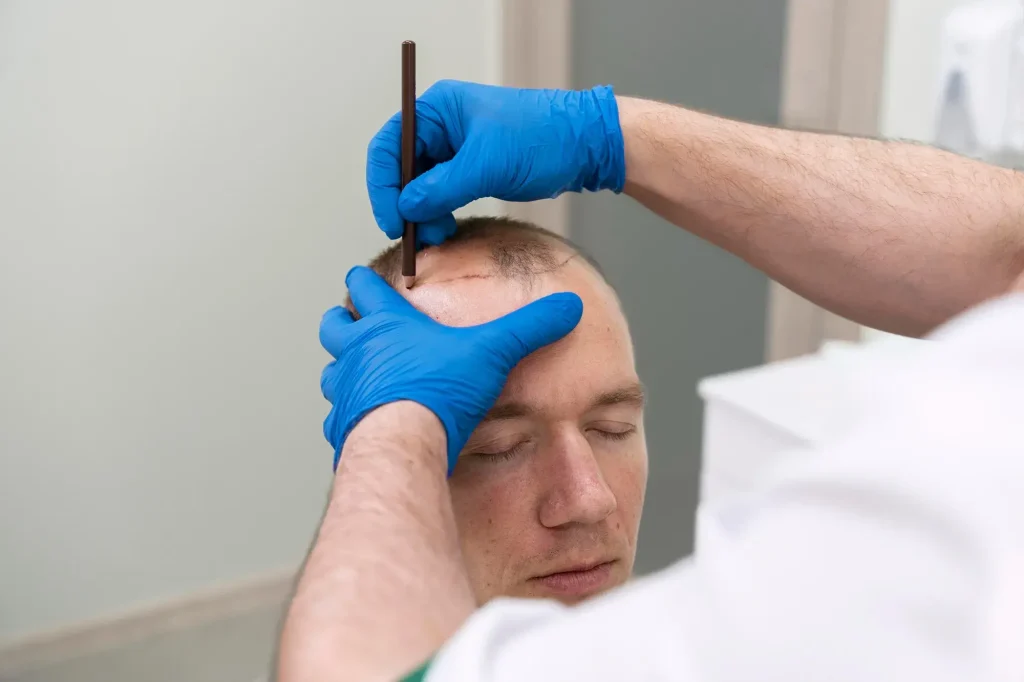
TMJ Surgery Cost Without Insurance

TMJ surgery cost without insurance can be extremely high for many uninsured Americans, Canadians, expats, and retirees who suffer from chronic jaw pain, limited mouth opening, headaches, or persistent jaw clicking caused by temporomandibular joint disorders. Because TMJ conditions often require specialized surgeons and advanced techniques such as arthroscopy or open-joint surgery, the cost in the U.S. and Canada can be financially out of reach. This is why medical tourism has become a practical and increasingly popular solution, offering high-quality TMJ treatment abroad at a fraction of the price. What Is TMJ Surgery?. TMJ (temporomandibular joint) surgery is a procedure used to treat moderate to severe TMJ disorders that don’t respond to non-surgical treatments. Surgery may involve removing scar tissue, repairing joint damage, repositioning the disc, or replacing part of the jaw joint entirely. It is considered only after conservative treatments like medications, splints, physical therapy, and injections have failed. TMJ surgery includes several types, from minimally invasive arthroscopy to more complex open-joint procedures and total joint replacement. TMJ Surgery Cost Without Insurance (U.S. & Canada). TMJ surgery cost without insurance typically ranges from $10,000 to over $50,000, depending on the procedure type, complexity, and hospital fees. Without insurance, TMJ surgery in the U.S. and Canada becomes extremely costly because it involves advanced imaging, anesthesia, highly specialized oral & maxillofacial surgeons, and hospital-based operating rooms. Average TMJ Surgery Costs in the U.S.:. TMJ Arthrocentesis: $3,000 – $8,000. TMJ Arthroscopy: $6,000 – $15,000. TMJ Open-Joint Surgery: $20,000 – $45,000. TMJ Total Joint Replacement: $35,000 – $70,000+. Average TMJ Surgery Cost in Canada (Self-Pay/Non-Residents):. $8,000 – $30,000+, depending on the type of surgery and hospital. These prices exclude MRI scans, consultations, physical therapy, and follow-ups—often adding thousands to the final bill. Cost of TMJ Surgery Abroad. Medical tourism offers significant savings for TMJ patients, often 50–70% cheaper than U.S. pricing. Many hospitals abroad specialize in maxillofacial surgery and use advanced technology comparable to Western standards. Cost Comparison Table. CountryEstimated Cost (USD)Notes. Mexico$3,000 – $9,000Highly affordable TMJ arthroscopy & open-joint surgery. Costa Rica$4,000 – $10,000Strong reputation for oral/maxillofacial care. Turkey$4,500 – $12,000Advanced TMJ centers, modern facilities. Thailand$5,000 – $13,000Excellent surgical precision & diagnostic tech. South Korea$7,000 – $16,000World-class TMJ experts, high-tech surgery. Even with travel and accommodation included, patients save thousands compared to the U.S. or Canada. Best Countries for TMJ Surgery Without Insurance. 1. Mexico. Mexico is the leading choice for TMJ patients due to:. Affordable TMJ arthroscopy and open-joint procedures. Short travel distance for U.S. and Canadian patients. Experienced oral & maxillofacial surgeons. Modern technology and English-speaking staff. Cities like Tijuana, Cancun, Mexico City, Los Algodones, and Guadalajara are top destinations. 2. Costa Rica. Costa Rica has an excellent reputation for:. Skilled maxillofacial surgeons. Safe, clean, and accredited private hospitals. High medical standards at lower prices. Costa Rica is especially popular for minimally invasive TMJ techniques. 3. Turkey. Turkey offers advanced jaw surgery capabilities with:. Experienced TMJ surgeons. State-of-the-art hospitals. High success rates for arthroscopy and disc procedures. Affordable, all-inclusive surgical packages. Istanbul, Antalya, and Izmir are the main medical hubs. 4. Thailand. Thailand combines quality medical care with comfort and affordability. Benefits include:. Advanced diagnostic imaging. Surgeons experienced in complex TMJ cases. Sophisticated arthroscopy systems. Exceptional patient support. 5. South Korea. For complex TMJ disorders and total joint replacement, South Korea is a top choice due to:. Cutting-edge surgical techniques. Expertise in severe TMJ degeneration. High-precision robotic and minimally invasive methods. Types of TMJ Surgery and Their Costs. 1. TMJ Arthrocentesis. Minimally invasive. Needle irrigation to remove inflammation. Best for early-stage TMJ disorders. Cost Abroad: $1,500 – $3,500. 2. TMJ Arthroscopy. Small incisions. Removes adhesions or repositions the disc. Short recovery time. Cost Abroad: $3,000 – $7,000. 3. TMJ Open-Joint Surgery. Required for advanced degeneration. Removes bone spurs, repairs tissues. Higher cost due to complexity. Cost Abroad: $7,000 – $12,000+. 4. TMJ Total Joint Replacement. For severe joint damage. Replaces the entire TMJ with prosthetic components. Cost Abroad: $10,000 – $18,000+. Why Many Patients Choose TMJ Surgery Abroad. Affordability. Save 50–70% compared to U.S. hospital fees. High Surgical Expertise. Many international surgeons specialize in TMJ disorders specifically. Faster Scheduling. Avoid months-long waitlists seen in Canada and some U.S. states. Better Patient Experience. Personalized care, private hospital rooms, and attentive follow-up support. What Affects the Cost of TMJ Surgery?. Type of surgery required. Surgeon’s expertise. Hospital accreditation. Diagnostic imaging (MRI, CT scans). Anesthesia type. Length of hospital stay. Whether physical therapy is included. Understanding these factors helps you choose the best destination and budget more effectively. Tips for Planning TMJ Surgery Abroad. Share your MRI/CT scan with the surgeon ahead of time. Verify your surgeon’s TMJ specialization. Check if physical therapy is included in the package. Prepare medical records and medication history. Ask about recovery time and follow-up options. Work with a trusted medical tourism advisor for safety and clarity. Frequently Asked Questions (FAQs). 1. How much is TMJ surgery without insurance in the U.S.?. TMJ surgery cost without insurance ranges from $6,000 to $45,000+ depending on the type of procedure. 2. Is TMJ surgery covered by insurance?. Many insurers view TMJ surgery as partially elective, so coverage varies. For uninsured patients, the full cost must be paid out-of-pocket. 3. Is it cheaper to get TMJ surgery abroad?. Yes. TMJ surgery abroad often costs 50–70% less, with prices starting around $3,000 depending on the country. 4. Does TMJ surgery work?. Most patients experience significant improvement in pain, jaw mobility, and overall function—especially with arthroscopy and open-joint procedures. 5. How long does recovery take after TMJ surgery?. Arthroscopy: 1–2 weeks. Open-joint surgery: 4–6 weeks. Joint replacement: 6–12 weeks. Physical therapy is often required. 6. Can TMJ surgery fix jaw clicking?. Yes. Arthroscopy or disc repositioning is often effective for chronic clicking, locking, and restricted movement. 7. Is it safe to travel abroad for TMJ surgery?. Yes—provided you choose internationally accredited hospitals and skilled maxillofacial surgeons. Many destinations offer comprehensive patient assistance and modern surgical care. 8. What medical tests do I need before TMJ surgery?. Most surgeons require:. MRI scan of the TMJ. CT scan for bone evaluation. Dental and medical history. Physical examination. 9. Will I need physical therapy afterward?. Yes. TMJ surgery almost always requires post-operative physiotherapy to restore mobility and prevent scar tissue buildup. Conclusion. TMJ surgery cost without insurance can be financially overwhelming in the U.S. and Canada, but affordable options abroad make high-quality jaw surgery accessible for all. Countries like Mexico, Costa Rica, Turkey, Thailand, and South Korea offer modern hospitals, expert TMJ surgeons, and savings of up to 70%, making medical tourism a practical and safe solution for long-term relief. At MyMediTour, we help patients find the best destinations for advanced TMJ surgery worldwide—at prices they can afford. Contact us today to explore your options and plan a smooth, safe, and cost-effective journey toward pain-free living.

Broken Collarbone Surgery Cost Without Insurance

A broken collarbone, also known as a clavicle fracture, is a common injury caused by falls, sports accidents, or vehicle collisions. While many minor fractures heal without surgery, more severe or displaced breaks often require surgical repair. For uninsured patients in the United States and Canada, the most pressing concern after diagnosis is understanding the broken collarbone surgery cost without insurance and how to manage such a large out-of-pocket expense. This detailed guide explains the average costs, what influences pricing, how expenses compare internationally, and what uninsured patients can do to reduce their financial burden. What Is Broken Collarbone Surgery?. Broken collarbone surgery is performed to realign and stabilize fractured sections of the clavicle using metal plates, screws, or rods. The goal is to ensure proper bone healing, restore shoulder function, and reduce the risk of long-term complications such as deformity or chronic pain. Surgery is typically recommended for displaced fractures, multiple fracture fragments, open fractures, or cases where the bone has shortened significantly. The procedure is carried out by an orthopedic surgeon, usually under general anesthesia. Average Broken Collarbone Surgery Cost Without Insurance. Without health insurance, clavicle surgery can be financially overwhelming due to combined hospital, surgeon, and anesthesia fees. Typical Cost Range (United States). Low end: $10,000. Average range: $15,000 – $28,000. High end: $40,000 or more. The final cost depends heavily on the complexity of the fracture, the surgical facility, and the length of hospital stay. Cost Breakdown of Broken Collarbone Surgery. Understanding each component of the bill helps uninsured patients anticipate expenses more accurately. Orthopedic surgeon fee: $3,000 – $7,000. Hospital or surgical facility charges: $6,000 – $18,000. Anesthesia fees: $1,500 – $3,500. Imaging and diagnostics (X-rays, CT scans): $500 – $2,000. Implants (plates and screws): $1,000 – $4,000. Medications and supplies: $300 – $1,000. Physical therapy and follow-up care: $1,500 – $4,500. Each additional service or complication can increase the total out-of-pocket cost. Factors That Affect Broken Collarbone Surgery Cost. Several variables influence how much uninsured patients ultimately pay:. Severity and type of fracture. Number of fragments involved. Type of implant used. Hospital vs outpatient surgery center. Surgeon experience and specialization. Geographic location. Post-operative rehabilitation needs. Urban hospitals and trauma centers generally charge significantly more than outpatient orthopedic facilities. Broken Collarbone Surgery Cost: US vs International Options. Broken collarbone (clavicle) surgery cost without insurance in the U.S. typically ranges from $7,000 to $20,000, depending on the severity of the fracture, whether plates and screws are used, the surgeon’s fees, facility charges, imaging (X-rays/CT), and anesthesia costs, with more complex or hospitalized cases on the higher end of the range. Due to high self-pay costs in North America, many uninsured patients explore treatment abroad. Approximate Cost Comparison. United States: $15,000 – $40,000. Mexico: $5,000 – $8,000. Turkey: $4,500 – $7,500. Costa Rica: $6,000 – $9,000. Thailand: $5,500 – $8,500. South Korea: $7,000 – $11,000. International pricing often includes surgeon fees, hospital stay, anesthesia, and implants, making costs far more predictable. Why Uninsured Patients Consider Surgery Abroad. International orthopedic centers attract patients due to a strong balance of affordability and quality care. Modern hospitals with advanced surgical equipment. Highly experienced orthopedic surgeons. Transparent, all-inclusive pricing. Shorter waiting times. Dedicated international patient support services. Savings of 60–70% compared to U.S. self-pay costs are common. Recovery and Rehabilitation Costs. Recovery after collarbone surgery typically involves:. Sling immobilization for 3–6 weeks. Gradual shoulder movement exercises. Physical therapy lasting 6–12 weeks. Rehabilitation costs are often separate and can add several thousand dollars, especially without insurance coverage. Additional Expenses to Plan For. Uninsured patients should also consider:. Travel and accommodation (if surgery is abroad). Lost income during recovery. Follow-up imaging or consultations. Hardware removal surgery in rare cases. Planning ahead helps prevent unexpected financial strain. Tips to Reduce Broken Collarbone Surgery Costs Without Insurance. Ask hospitals for self-pay or cash discounts. Compare prices between hospitals and outpatient surgical centers. Request bundled pricing that includes implants and anesthesia. Consider international treatment for major savings. Clarify post-surgery therapy costs in advance. Proactive cost management can significantly lower the total expense. Frequently Asked Questions (FAQs). How much does broken collarbone surgery cost without insurance?. Without insurance, surgery typically costs between $15,000 and $28,000 in the U.S., with complex cases exceeding $40,000. Is surgery always required for a broken collarbone?. No. Many fractures heal with non-surgical treatment, but displaced or severe breaks often require surgery. Are implants included in the surgery cost?. Not always. Plates and screws may be billed separately, especially in U.S. hospitals. Is collarbone surgery cheaper outside the U.S.?. Yes. Many countries offer the same procedure at 50–70% lower cost for uninsured patients. How long is recovery after surgery?. Initial healing takes 6–8 weeks, with full recovery usually achieved within 3–6 months. Can I negotiate surgery costs if uninsured?. Yes. Many providers offer reduced rates or payment plans for self-pay patients. Will physical therapy be included in the price?. Most of the time, physical therapy is billed separately and should be budgeted for. Is international collarbone surgery safe?. Many international hospitals maintain high standards, use modern implants, and employ experienced orthopedic surgeons. Conclusion. The broken collarbone surgery cost without insurance can be financially daunting for many patients. With self-pay prices in the U.S. often reaching tens of thousands of dollars, uninsured individuals must explore every available option. By understanding cost breakdowns, comparing domestic and international prices, and planning rehabilitation expenses carefully, patients can access effective treatment without unnecessary financial hardship.





How Much Does Foot Surgery Cost Without Insurance?

Foot surgery can be life-changing for patients struggling with chronic pain, deformities, instability, nerve damage, or difficulty walking. Conditions such as bunions, hammertoes, fractures, plantar fasciitis, neuromas, tendon tears, and arthritis affect mobility and quality of life—yet many uninsured Americans, Canadians, expats, and retirees delay treatment due to high medical costs. In the United States, even the simplest foot procedures can cost thousands of dollars, while more complex surgeries push patients into overwhelming debt. This financial burden has led many people to explore medical tourism, where high-quality foot and ankle surgery is available at a fraction of U.S. pricing. This detailed guide explains how much foot surgery costs without insurance, the differences between U.S. and international prices, what influences the total cost, the best countries for affordable orthopedic foot care, and why medical tourism is becoming a leading choice for uninsured patients. Understanding Foot Surgery Costs. Foot surgery without insurance generally ranges from around $3,000 to $12,000, depending on the procedure type and complexity (for example, hammertoe or neuroma removal tends to be at the lower end, while full foot reconstruction can approach $10,000 or more). Foot surgery ranges from simple outpatient procedures to complex reconstructive surgery involving bones, joints, tendons, and nerves. Costs vary based on:. Procedure complexity. Surgeon experience. Hospital or surgery center fees. Imaging requirements. Anesthesia type. Postoperative physical therapy. Need for plates, screws, or implants. Whether one or both feet are treated. Because the foot contains 26 bones, 33 joints, and over 100 ligaments, even minor procedures require precision and expertise, contributing to high surgical costs. How Much Does Foot Surgery Cost Without Insurance in the U.S.?. Uninsured patients in the United States pay the full cost of surgery, including:. Surgeon fees. Hospital or ambulatory surgery center fees. Anesthesia fees. Pre-op tests. Imaging (X-ray, CT, MRI). Post-op appointments. Implants or screws if required. Below are average prices for common foot surgeries without insurance. Average U.S. Self-Pay Costs. Foot ProcedureTypical Cost (Without Insurance). Bunion Surgery (Hallux Valgus Correction)$5,000 – $15,000. Hammertoe Surgery$3,000 – $10,000. Plantar Fasciitis Surgery$5,000 – $12,000. Ankle Ligament Repair / Foot Tendon Repair$8,000 – $20,000. Neuroma Removal (Morton’s Neuroma)$4,000 – $10,000. Foot or Ankle Fracture Surgery$12,000 – $30,000. Flat Foot Reconstruction$15,000 – $40,000. Achilles Tendon Surgery$8,000 – $18,000. Arthroscopy (Foot or Ankle)$7,000 – $15,000. Ankle Fusion$25,000 – $50,000. Total Ankle Replacement$30,000 – $60,000. Additional expenses often billed separately:. X-ray: $200–$500. CT scan: $500–$3,000. MRI scan: $900–$3,000. Physical therapy: $50–$150 per session. Medical supplies (boots, splints): $150–$600. Hardware (screws, plates): $800–$4,000. For uninsured patients, the total bill can easily exceed $10,000 to $40,000, depending on the procedure. Why Foot Surgery Is Expensive in the U.S. 1. High facility fees. Operating room charges range from $3,000 to $10,000 per hour. 2. Specialist surgeon fees. Podiatric and orthopedic foot surgeons command high rates. 3. Imaging requirements. Most cases require X-ray + MRI. 4. Hardware and implants. Surgical screws, plates, and anchors significantly add to the bill. 5. Postoperative care. Follow-ups, therapy, and medical devices increase the total cost. Because of these factors, uninsured patients frequently seek more affordable options abroad. How Much Does Foot Surgery Cost Abroad?. Many international hospitals and orthopedic centers offer advanced foot and ankle surgery performed by U.S.-trained or European-trained specialists—at dramatically lower prices. Average Costs Abroad. CountryTypical Price Range (Foot Surgery). Mexico$2,000 – $7,500. Costa Rica$2,500 – $8,000. Turkey$2,800 – $9,000. Thailand$3,500 – $10,000. South Korea$4,000 – $12,000. Savings. Patients can save 50–70%, even after including flights and hotel costs. Why Foot Surgery Costs Less Abroad. 1. Lower hospital overhead. International hospitals maintain high quality at lower operational costs. 2. Lower surgeon fees. Specialists often earn comparable incomes through higher patient volume rather than inflated fees. 3. Transparent, all-inclusive pricing. Packages avoid surprise billing. 4. Competitive medical tourism markets. Countries like Mexico and Turkey offer globally competitive orthopedic services. 5. Lower cost of implants. Screws, plates, and anchors cost significantly less. Best Countries for Foot Surgery Abroad. Below are the leading medical tourism destinations offering safe, modern, and affordable foot surgery for uninsured patients. 🇲🇽 Mexico – Top Choice for U.S. Patients. Mexico offers some of the most affordable and convenient foot and ankle surgeries for North American patients. Why Mexico is ideal:. Very close to the U.S., easy travel. Modern orthopedic hospitals. U.S.-trained foot & ankle surgeons. Excellent for bunion, hammertoe, fractures, Achilles, neuroma. Typical price:. $2,000–$7,500. 🇹🇷 Turkey – Best for Advanced Reconstructive Foot Surgery. Turkey is a global orthopedic hub known for:. Arthroscopic surgery. Flat foot reconstruction. Advanced deformity correction. Tendon and ligament repairs. State-of-the-art imaging. Why Turkey stands out:. Highly experienced foot & ankle specialists. Large medical cities with advanced OR suites. English-speaking international patient teams. Typical price:. $2,800–$9,000. 🇨🇷 Costa Rica – Safe, Accredited Hospitals. Costa Rica offers excellent orthopedic care with strong safety standards. Why choose Costa Rica:. Accredited private hospitals. Western-trained surgeons. Clean, reliable healthcare system. Great for bunions, hammertoes, fractures. Typical price:. $2,500–$8,000. 🇹🇭 Thailand – Premium Hospital Experience. Thailand is known for high-quality orthopedic and sports medicine services. Why Thailand is popular:. Luxury hospital facilities. Highly trained surgeons. Advanced imaging and arthroscopy. Typical price:. $3,500–$10,000. 🇰🇷 South Korea – Best for Complex Foot & Ankle Cases. South Korea excels in complicated orthopedic cases, including:. Flatfoot reconstruction. Achilles tendon repair. Arthritis-related surgeries. Total ankle replacement. Why choose South Korea:. Precision-focused surgical techniques. Modern orthopedic centers. Strong rehab programs. Typical price:. $4,000–$12,000. Types of Foot Surgery and Costs Abroad. Below are common procedures and typical international pricing. 1. Bunion Surgery. Corrects bone deformity at the big toe. Abroad: $2,000–$4,500. U.S.: $5,000–$15,000. 2. Hammertoe Correction. Straightens curled toes. Abroad: $1,800–$4,000. U.S.: $3,000–$10,000. 3. Achilles Tendon Surgery. Repairs ruptured or inflamed tendons. Abroad: $3,000–$6,000. U.S.: $8,000–$18,000. 4. Morton’s Neuroma Surgery. Removes nerve tissue causing pain. Abroad: $2,000–$4,500. U.S.: $4,000–$10,000. 5. Plantar Fasciitis Surgery. Releases tension in the plantar fascia. Abroad: $2,500–$5,000. U.S.: $5,000–$12,000. 6. Foot & Ankle Fracture Surgery. Requires plates or screws. Abroad: $4,000–$8,500. U.S.: $12,000–$30,000. 7. Flatfoot Reconstruction. Complex tendon realignment. Abroad: $6,000–$12,000. U.S.: $15,000–$40,000. 8. Total Ankle Replacement. Artificial ankle joint replacement. Abroad: $10,000–$18,000. U.S.: $30,000–$60,000. Benefits of Getting Foot Surgery Overseas. 1. Massive cost savings. Save thousands compared to U.S. hospitals. 2. Access to experienced specialists. Many surgeons abroad perform hundreds of procedures per year. 3. Shorter wait times. Immediate scheduling is common. 4. All-inclusive packages. Consistent pricing with no surprise bills. 5. Modern technology. Digital X-ray, MRI, arthroscopy, and advanced implants are widely available. 6. Personalized patient care. Hospitals abroad offer dedicated international coordinators. What Affects the Cost of Foot Surgery Abroad?. Complexity of the condition. Whether implants are required. One foot vs. both feet. Hospital type (standard vs. premium). Surgeon expertise. Physio requirements. Hotel stay & travel duration. Even with all factors included, medical tourism remains significantly cheaper. Tips for Planning Your Foot Surgery Trip Abroad. Share X-rays/MRI results in advance. Ask for a full treatment plan and cost breakdown. Confirm the type of anesthesia used. Bring comfortable walking aids for recovery. Allow 5–14 days abroad depending on surgery type. Schedule physical therapy sessions back home. FAQs. 1. How much does foot surgery cost without insurance?. It ranges from $3,000 to $40,000 in the U.S., depending on the type of foot surgery. 2. How much does foot surgery cost abroad?. Most foot surgeries abroad cost $2,000–$9,000, depending on the country and procedure. 3. What country is cheapest for foot surgery?. Mexico typically offers the most affordable orthopedic foot surgery. 4. Is foot surgery abroad safe?. Yes, when performed in accredited hospitals with trained orthopedic surgeons. 5. Will I need physical therapy after foot surgery?. Most procedures require physical therapy for 4–12 weeks. 6. How long after foot surgery can I fly?. Most patients can safely travel home 7–14 days after surgery, depending on swelling and mobility. 7. Do hospitals abroad use high-quality implants?. Yes. Many use U.S., German, or Swiss-made screws, plates, and fixation devices. 8. Does medical tourism save money for foot surgery?. Absolutely—patients save 50–70% even after travel and hotel expenses. Conclusion. Foot surgery without insurance in the U.S. can cost anywhere from $3,000 to over $40,000, depending on the condition and complexity of the procedure. For uninsured patients, these costs can be devastating. However, medical tourism destinations like Mexico, Turkey, Costa Rica, Thailand, and South Korea offer high-quality orthopedic foot and ankle surgery for $2,000 to $9,000, delivering significant savings without compromising safety or outcomes. At MyMediTour, we help patients connect with accredited hospitals and experienced orthopedic surgeons across the world. Whether you need bunion correction, Achilles tendon repair, fracture surgery, or advanced reconstructive procedures, MyMediTour can guide you through safe, affordable treatment options abroad—making top-quality foot care accessible, even without insurance.

Breast Augmentation in Costa Rica Cost and Clinics

Breast augmentation in Costa Rica has become one of the most popular cosmetic procedures for women seeking fuller, natural-looking breasts at an affordable price. The country combines world-class medical standards, experienced surgeons, and tropical recovery environments that make it a top choice for international patients. With significantly lower costs compared to the United States and Canada, Costa Rica offers high-quality results without compromising safety or technology. MyMediTour assists patients in planning their treatment journey, connecting them with verified professionals and guiding them from consultation to complete recovery. Breast Augmentation in Costa Rica Cost. The cost of breast augmentation in Costa Rica typically ranges from $3,000 to $5,500 depending on the implant type, surgical technique, and hospital facilities. In the United States, this same procedure can cost between $8,000 and $12,000, making Costa Rica a much more affordable choice. Type of SurgeryAverage Cost (USD). Silicone Implants$3,200 – $5,000. Saline Implants$3,000 – $4,800. Breast Lift with Implants$4,500 – $6,000. The cost usually includes consultation, anesthesia, surgery, post-operative care, and follow-up visits. Even with travel and accommodation, total expenses remain far below North American prices while maintaining top-tier quality and safety. What Is Breast Augmentation?. Breast augmentation, or augmentation mammoplasty, is a cosmetic procedure designed to enhance breast size and shape using implants or fat transfer. It helps improve symmetry, restore volume lost after pregnancy or weight loss, and enhance overall body proportions. The implants are placed either under the breast tissue or beneath the chest muscle, depending on the patient’s anatomy and aesthetic goals. Why Choose Costa Rica for Breast Augmentation. Costa Rica has become one of the leading destinations for cosmetic surgery due to its combination of affordability, advanced healthcare, and strict safety protocols. The country’s plastic surgeons are internationally trained, fluent in English, and often hold certifications recognized in North America and Europe. Key reasons include:. Highly qualified, board-certified surgeons. Modern hospitals and surgical centers with international accreditation. Affordable, all-inclusive treatment packages. Safe, tourist-friendly environment for recovery. Personalized care and easy communication with medical teams. Types of Breast Implants Available. Costa Rica offers several options to meet different body types and aesthetic preferences. Silicone Gel Implants – Known for their soft, natural feel and realistic texture. Saline Implants – Filled with sterile saltwater and can be adjusted for symmetry during surgery. Anatomical (Teardrop) Implants – Designed to mimic the natural shape of the breast. Round Implants – Provide more fullness in the upper breast area for a more pronounced look. During consultation, the surgeon helps determine the best option based on patient goals, skin elasticity, and chest anatomy. The Breast Augmentation Procedure. The surgery is performed under general anesthesia and typically takes one to two hours. The surgeon makes a small incision either around the areola, in the armpit, or beneath the breast fold. Implants are then inserted and positioned carefully to achieve the desired look. Once the procedure is complete, incisions are closed with fine sutures, and a compression garment is placed to support healing. Most patients can return to normal activities within 7 to 10 days, with full recovery expected in four to six weeks. Recovery and Aftercare. Recovery after breast augmentation in Costa Rica is generally smooth and well-monitored. Patients are encouraged to stay for about 7 to 10 days post-surgery to allow proper healing and follow-up visits. Post-operative care tips include:. Wearing a support bra continuously for several weeks. Avoiding heavy lifting or strenuous activity. Sleeping on the back to prevent pressure on the chest. Attending follow-up appointments for incision checks and healing assessment. Mild swelling and soreness are normal during the first few days and typically subside quickly. Risks and Safety. Like all surgeries, breast augmentation carries minimal but potential risks such as infection, capsular contracture, or changes in nipple sensitivity. Choosing accredited hospitals and experienced surgeons minimizes these risks. Costa Rica’s healthcare standards are regulated by national health authorities and international accreditation agencies, ensuring safe practices and modern equipment. Benefits of Breast Augmentation. Breast augmentation offers both aesthetic and emotional benefits. Improved breast shape, size, and proportion. Restored volume after pregnancy or weight loss. Enhanced body balance and posture. Increased self-confidence and body satisfaction. Long-lasting results with proper care. Costa Rica’s holistic approach to patient care ensures a supportive, positive experience throughout the entire journey. Medical Tourism in Costa Rica. Costa Rica’s thriving medical tourism industry attracts thousands of patients every year for cosmetic and reconstructive procedures. The country’s healthcare system ranks among the best in Latin America, emphasizing safety, affordability, and patient satisfaction. With scenic recovery destinations, warm hospitality, and English-speaking staff, patients can focus entirely on their healing experience. MyMediTour helps coordinate the entire process, from consultations to post-surgery support, ensuring transparency and peace of mind. FAQs. 1. How much does breast augmentation cost in Costa Rica?. The cost typically ranges from $3,000 to $5,500 depending on implant type and procedure complexity. 2. Is breast augmentation safe in Costa Rica?. Yes, it’s performed by certified plastic surgeons in accredited hospitals that meet global safety standards. 3. How long do I need to stay in Costa Rica after the surgery?. Patients generally stay for 7 to 10 days for recovery and follow-up appointments before flying home. 4. What types of implants are used?. Both silicone and saline implants are available, with options for round or anatomical shapes depending on preference. 5. Can breast augmentation be combined with other procedures?. Yes, many patients combine it with breast lift or tummy tuck for comprehensive body contouring. Conclusion. Breast augmentation in Costa Rica offers the perfect combination of safety, affordability, and aesthetic excellence. Patients from around the world choose Costa Rica for its experienced surgeons, modern facilities, and personalized care approach. Whether you want to restore lost volume or enhance your natural shape, Costa Rica provides exceptional results in a peaceful environment designed for recovery and rejuvenation. For professional guidance and medical tourism coordination, contact MyMediTour.com – MediTour Facilitators, your trusted partner for safe and affordable healthcare abroad.

Cost of Gastric Sleeve Surgery Without Insurance

For many uninsured Americans, Canadians, expats, and retirees struggling with obesity, gastric sleeve surgery (also called sleeve gastrectomy) can be a life-changing solution. Unfortunately, in the United States and Canada, the price of gastric sleeve surgery without insurance is prohibitively high — averaging $15,000 to $25,000 — putting it out of reach for most. That’s why more patients are choosing to travel abroad for their weight-loss surgery, where the same procedure can cost as little as $3,500 to $7,000, often in modern, accredited hospitals with internationally trained bariatric surgeons. This guide explains everything you need to know about the cost of gastric sleeve surgery without insurance, how prices compare across top destinations, and why medical tourism has become the most practical and affordable option for weight-loss surgery today. What Is Gastric Sleeve Surgery?. Gastric sleeve surgery is a minimally invasive bariatric procedure that permanently removes about 75-80% of the stomach, leaving behind a narrow tube or “sleeve.”. This smaller stomach limits food intake and reduces hunger hormones, helping patients lose up to 60-70% of excess weight within the first year. Benefits of Gastric Sleeve Surgery. Significant and long-term weight loss. Reduction or remission of obesity-related diseases (diabetes, hypertension, sleep apnea). Laparoscopic approach with small incisions and faster recovery. No intestinal rerouting like gastric bypass. Improved self-confidence and mobility. Although it’s one of the most effective weight-loss surgeries, the lack of insurance coverage or extremely high deductibles in the U.S. and Canada have forced many to explore more affordable alternatives overseas. Cost of Gastric Sleeve Surgery Without Insurance in the U.S. and Canada. Without insurance, patients in North America pay steep prices due to high hospital charges, anesthesia costs, and administrative fees. The cost of Gastric Sleeve Surgery without insurance typically ranges from $15,000 to $25,000 in the U.S., depending on factors such as surgeon expertise, hospital fees, and geographic location. Here’s what you can expect domestically:. Average Cost in the U.S.: $15,000 – $25,000. Average Cost in Canada (private clinics): CAD $16,000 – $23,000. Hospital Stay: 2–3 nights typically not included in the base quote. Additional Costs: Pre-op lab work, anesthesia, and aftercare can add $2,000–$4,000 more. Because weight-loss surgery is often considered “elective,” most private insurance plans won’t cover it unless specific medical criteria are met — making self-paying patients look abroad for better options. Gastric Sleeve Surgery Cost Comparison: U.S. vs. Top Medical Tourism Countries. CountryAverage Cost (USD)Highlights. United States$15,000 – $25,000Standard hospital-based pricing, not covered without insurance. Mexico$4,000 – $6,500Close to U.S., English-speaking surgeons, high bariatric success rate. Costa Rica$6,000 – $8,000Accredited hospitals with North American-trained doctors. Turkey$4,500 – $7,000JCI-accredited hospitals with all-inclusive packages. Thailand$7,000 – $9,000Luxury healthcare facilities and expert bariatric teams. India$3,500 – $6,000Globally experienced surgeons and low-cost recovery packages. By choosing one of these destinations, uninsured patients can save up to 70% — even after including airfare, accommodation, and post-operative care. Why Surgery Abroad Costs Less (But Quality Remains High). The lower cost abroad is due to:. Lower hospital overheads and medical staff costs. Government-backed medical tourism programs encouraging affordability. Favorable exchange rates for U.S. and Canadian patients. All-inclusive medical tourism packages covering surgery, anesthesia, hospital stay, and airport transfers. In most cases, hospitals abroad provide international patient departments with coordinators fluent in English, ensuring clear communication and a smooth surgical journey. Top Countries for Gastric Sleeve Surgery Abroad. 1. Mexico. Average cost: $4,000 – $6,500. Cities: Tijuana, Cancun, Monterrey. Why it’s popular: Close to the U.S. border (easy access). Accredited bariatric centers in Mexico specializing in sleeve gastrectomy. Packages include pre-op tests, hotel stay, and transportation. Surgeons often trained in the U.S. 2. Turkey. Average cost: $4,500 – $7,000. Cities: Istanbul, Izmir, Antalya. Why it’s popular: JCI-accredited hospitals with Western-level facilities. Highly experienced bariatric surgeons in Turkey. All-inclusive packages with airport transfers and hotel accommodation. Growing reputation for medical tourism excellence. 3. Costa Rica. Average cost: $6,000 – $8,000. Why it’s popular: Safe, English-speaking destination for North Americans. Internationally accredited private hospitals in Costa Rica(e.g., Hospital CIMA). Strong focus on post-op follow-up and recovery care. Friendly, tropical environment for recuperation. 4. Thailand. Average cost: $7,000 – $9,000. Why it’s popular: State-of-the-art hospitals like Bumrungrad and Bangkok Hospital. Medical tourism hub with English-speaking professionals. High success rates and luxury patient care experience. 5. India. Average cost: $3,500 – $6,000. Why it’s popular: Low-cost medical procedures with internationally trained surgeons. Hospitals equipped with modern bariatric technologies. Affordable recovery options and post-surgery monitoring. Benefits of Getting Gastric Sleeve Surgery Overseas. ✅ Massive cost savings (up to 70%). ✅ Internationally accredited hospitals maintaining Western-quality standards. ✅ English-speaking, board-certified surgeons. ✅ Comprehensive packages (consultation, labs, anesthesia, post-op care). ✅ Minimal waiting times and flexible scheduling. ✅ Stress-free recovery in beautiful destinations. Many patients combine their medical trip with a short vacation, turning their journey into a positive and rejuvenating experience. Safety and Quality Assurance Abroad. Contrary to misconceptions, many hospitals abroad meet or exceed U.S. and European standards. Facilities in Mexico, Turkey, Costa Rica, and Thailand hold international accreditations like:. JCI (Joint Commission International). ISO 9001 Quality Management Systems. Temos International Healthcare Accreditation. Surgeons often have global certifications or memberships with bodies like the American Society for Metabolic and Bariatric Surgery (ASMBS), ensuring high surgical safety standards and ethical patient care. Tips for Planning Your Gastric Sleeve Surgery Trip Abroad. Verify accreditation of the hospital and surgeon credentials. Ask for a written quote — confirm if it includes anesthesia, hospital stay, hotel, and transfers. Read patient reviews and request before-and-after photos. Plan follow-up care (some hospitals offer teleconsultation post-return). Consider travel insurance that covers medical complications. Prepare medical records and get pre-surgery clearance from your local doctor. Choose a reputable facilitator like MyMediTour for seamless coordination. FAQs About Gastric Sleeve Surgery Without Insurance. 1. How much does gastric sleeve surgery cost without insurance in the U.S.?. It typically costs between $15,000 and $25,000, depending on the hospital, surgeon, and location. This does not usually include pre-op and post-op services. 2. Is gastric sleeve surgery cheaper abroad?. Yes — countries like Mexico, Turkey, and India offer the same procedure for $3,500–$7,000, including hospital stay, anesthesia, and follow-up care. 3. Are surgeons abroad qualified and safe?. Absolutely. Most leading bariatric surgeons abroad are board-certified, trained internationally, and operate in JCI-accredited hospitals with high safety records. 4. How long do I need to stay abroad after gastric sleeve surgery?. Patients typically stay 7–10 days for pre-op testing, surgery, and recovery before traveling home. 5. What’s included in the medical tourism packages?. Most packages include consultation, surgery, anesthesia, hospital stay, post-op medication, airport transfers, and accommodation. 6. Is the surgery reversible?. No — gastric sleeve surgery permanently reduces the size of your stomach. However, it offers long-term results with proper lifestyle changes. 7. What kind of weight loss can I expect?. Most patients lose 60–70% of excess body weight within 12–18 months post-surgery. 8. Will I need follow-up care after returning home?. Yes. Follow-ups (either online or with your local physician) ensure proper recovery, diet adjustment, and nutritional monitoring. 9. Can MyMediTour help me find the right hospital abroad?. Yes — <a href="https://www.mymeditour.com/">MyMediTour</a> specializes in connecting patients with trusted international hospitals and accredited bariatric surgeons for affordable, high-quality care. Conclusion: A Smarter Way to Access Affordable Weight-Loss Surgery. For those without insurance or facing high out-of-pocket costs, gastric sleeve surgery abroad provides a safe, affordable, and effective alternative. With up to 70% savings, world-class care, and beautiful destinations, you can achieve your health goals without financial strain. At MyMediTour, we help uninsured and self-pay patients find reliable, accredited hospitals and skilled surgeons abroad for gastric sleeve surgery and other medical procedures. From initial consultation to travel logistics and aftercare, our team ensures a smooth, safe, and stress-free experience. Take the first step toward a healthier life — contact MyMediTour today to plan your affordable gastric sleeve surgery abroad.

Cost of Mommy Makeover in Costa Rica

A Mommy Makeover in Costa Rica is among the most sought-after cosmetic procedures for international patients seeking full-body rejuvenation after pregnancy or significant weight changes. Costa Rica has built a strong reputation for safe, high-quality plastic surgery performed in modern private medical facilities with board-certified surgeons, all at far more affordable prices than in the United States or Canada. This guide explains what a Mommy Makeover includes, cost ranges, candidacy, recovery expectations, and what to look for when selecting a clinic. What Is a Mommy Makeover?. A Mommy Makeover refers to a personalized combination of plastic surgery procedures designed to address common post-pregnancy changes affecting the breasts, abdomen, waistline, and overall silhouette. Rather than scheduling surgeries separately, patients combine them in a single operative session to minimize cost and recovery time. Common combinations include:. Breast augmentation. Breast lift or breast lift with implants. Breast reduction. Tummy tuck (abdominoplasty). Liposuction or Lipo 360. Brazilian Butt Lift (in selected cases). Mons lift or pubic area contouring when appropriate. The exact plan varies according to anatomy, goals, and surgical safety guidelines such as BMI and estimated operating time. Why Choose Costa Rica for a Mommy Makeover?. Competitive pricing compared to North America. Board-certified plastic surgeons with strong case volume. Accredited private surgical centers. English-speaking medical teams. Structured aftercare and dedicated medical tourism services. Calm, recovery-friendly environment. Mommy Makeover Cost in Costa Rica. Pricing is influenced by the number of procedures combined, surgical time, the surgeon’s experience, and BMI-related complexity. The cost of a “Mommy Makeover” in Costa Rica typically ranges from USD 7,000 to USD 10,000, though some clinics quote starting prices around USD 9,000 or more depending on the number of procedures included, surgeon reputation, and clinic facilities. CombinationTypical Range (USD). Breast Lift + Tummy Tuck$7,000 – $10,000. Breast Augmentation + Tummy Tuck$7,500 – $10,500. Breast Lift + Lipo 360 + Tummy Tuck$8,500 – $12,000. Mommy Makeover with BBL$9,000 – $13,500. Premium or VIP packages$11,000 – $15,000. This is significantly lower than the United States, where the same surgery commonly ranges from $18,000 to $30,000 or more. What Do Costa Rica Mommy Makeover Packages Include?. Typical inclusions:. Pre-operative consultation and medical review. Surgeon, anesthesia, and operating room fees. Compression garment or surgical bra. Follow-up visits and wound care. Airport and clinic transfers. Recovery hotel or medical accommodation (varies by package tier). Frequently not included:. International flights. Additional nights beyond package limit. Prescription refills after initial supply. Private nursing upgrades unless specified. Who Is a Good Candidate?. You may be a suitable candidate if you:. Have finished childbearing. Have abdominal muscle separation, loose skin, or volume loss after pregnancy. Have breast deflation, sagging, or asymmetry. Are in good overall health and non-smoking. Have a BMI usually below 32. Understand realistic enhancement versus repair-based results. Procedure Overview. Tummy Tuck: Repairs abdominal wall separation and removes excess skin. Breast Surgery: Augmentation, lift, lift with implants, or reduction. Liposuction: Refines waistline and flanks; can support fat transfer when applicable. Optional Enhancements: Mons lift or BBL for contour balancing. Recovery Timeline. StageWhat Happens. Days 1–3Swelling and tenderness, drains if used, assisted mobility. Week 1Compression garment, rest, short walks. Weeks 2–3Light household activity, reduced swelling. Weeks 3–4Return to desk work for many patients. 6–8 WeeksGradual return to exercise. 3–6 MonthsShape definition, restored contour becomes visible. 12 MonthsFinal results and scar maturation. Most patients stay in Costa Rica for 10 to 14 days before flying home for safety monitoring during early healing. Safety Standards. High-quality Mommy Makeover programs in Costa Rica emphasize:. Accredited surgical centers. Anesthesia safety protocols. Controlled time limits for combined procedures. Pre-operative medical screening. DVT (clot) prevention strategies. BMI and staging guidelines. How to Choose the Right Surgeon. When comparing clinics, verify the following:. Board certification in plastic surgery. Specialization in Mommy Makeovers, not just general cosmetic work. Before and after results from real patients. Complication policy and revision protocols. Clinic accreditation and anesthesia credentials. Post-operative follow-up system. Recovery hotel or nursing support partnership. Length of Stay and Travel Planning. Recommended stay: 10 to 14 days. Arrive one day before surgery for pre-op evaluation. Follow-up checks occur in the early post-op period before return flight. Extended stay recommended for larger combinations or slower recovery cases. Final Thoughts. A Mommy Makeover in Costa Rica offers an excellent balance of surgical quality, affordability, structured aftercare, and patient-centered recovery. With proper surgeon selection and realistic expectations, patients can achieve meaningful and lasting improvements in body contour, posture, and self-confidence while benefiting from Costa Rica’s established medical tourism infrastructure. Contact MyMediTour for more details.

Gastric Bypass Surgery Cost Without Insurance

Gastric bypass surgery, also known as Roux-en-Y gastric bypass, is a proven bariatric procedure that helps patients lose weight and improve obesity-related health problems such as diabetes, hypertension, and sleep apnea. It works by creating a smaller stomach pouch and rerouting part of the digestive system to limit calorie absorption. While it’s an effective, life-saving operation, the cost of gastric bypass surgery without insurance in the U.S. or Canada can be financially overwhelming — often exceeding what most uninsured or self-paying patients can afford. For this reason, an increasing number of patients are turning to medical tourism to access high-quality, affordable weight-loss surgery abroad. Countries like Mexico, Turkey, Costa Rica, Thailand, India, and South Korea offer world-class bariatric care at a fraction of North American prices, making surgery accessible and safe for uninsured patients. Cost of Gastric Bypass Surgery Without Insurance in the U.S. vs Abroad. In the United States, gastric bypass surgery without insurance typically costs between $18,000 and $30,000, depending on the surgeon’s experience, hospital fees, and pre-operative testing. In Canada, private patients can expect to pay $15,000 to $25,000, with long waiting times for publicly funded options. By choosing surgery abroad, uninsured patients can save 60–80% of these costs while receiving the same level of medical quality and safety. CountryAverage Cost (USD)Savings vs U.S.Popular Cities. Mexico$5,500 – $7,000Up to 75% cheaperTijuana, Cancun, Monterrey. Costa Rica$6,000 – $7,500Up to 70% cheaperSan José, Escazú. Turkey$5,000 – $6,500Up to 75% cheaperIstanbul, Antalya. Thailand$7,000 – $8,500Up to 60% cheaperBangkok, Phuket. India$4,500 – $6,000Up to 80% cheaperNew Delhi, Chennai, Mumbai. South Korea$8,000 – $9,500Up to 50% cheaperSeoul, Busan. Many international hospitals also offer all-inclusive packages that cover the procedure, hospital stay, anesthesia, hotel accommodation, airport transfers, and post-operative support — making the experience smooth and predictable for patients traveling from abroad. Why Gastric Bypass Surgery Is So Costly Without Insurance. The high cost in the U.S. and Canada includes surgeon and anesthesiologist fees, hospital operating room charges, pre- and post-op care, and facility expenses. Because many insurance companies classify bariatric surgery as an “elective” or “weight-loss” procedure, it’s not covered unless it’s medically justified — leaving self-paying patients responsible for the full cost. Medical tourism removes these barriers by providing transparent, fixed-price packages and world-class care from internationally certified bariatric surgeons. Best Countries for Affordable Gastric Bypass Surgery. 🇲🇽 Mexico. Mexico is the leading destination for affordable bariatric procedures. Top cities like Tijuana, Cancun, and Monterrey have internationally accredited hospitals specializing in gastric bypass surgery for international patients. Prices start at $5,500, and many packages include everything from ground transfers to hotel accommodation. Surgeons are often U.S. board-certified, and recovery care is comprehensive and bilingual. 🇨🇷 Costa Rica. Costa Rica is known for its safe, patient-focused medical environment and modern hospitals that meet U.S. standards. In San José, gastric bypass surgery typically costs $6,000–$7,500, including pre-op testing and hospital stay. Costa Rica’s medical professionals are internationally trained, and the country’s peaceful surroundings provide an ideal recovery atmosphere. 🇹🇷 Turkey. Turkey combines world-class hospitals with luxury medical tourism services. In Istanbul and Antalya, gastric bypass surgery costs around $5,000–$6,500, including accommodations and transfers. Clinics use advanced laparoscopic techniques and are fully equipped for international patients seeking affordable and professional care. 🇹🇭 Thailand. Thailand’s hospitals are globally renowned for medical tourism. In Bangkok and Phuket, premium hospitals like Bumrungrad International and Bangkok Hospital offer gastric bypass surgery between $7,000 and $8,500 with exceptional hospitality, multilingual staff, and resort-style recovery. 🇮🇳 India. India provides some of the world’s most affordable bariatric procedures. Top hospitals in New Delhi, Chennai, and Mumbai perform gastric bypass surgery for as low as $4,500, using minimally invasive technology. Surgeons are internationally accredited and experienced in treating global patients, offering high success rates at a fraction of U.S. costs. 🇰🇷 South Korea. South Korea is known for its advanced surgical systems and precision medicine. Hospitals in Seoul and Busan provide gastric bypass surgery with robotic assistance and 3D imaging for $8,000–$9,500. While slightly higher than other countries, South Korea offers premium service and meticulous post-operative monitoring. Benefits of Gastric Bypass Surgery Abroad. Choosing to undergo gastric bypass overseas offers many advantages beyond cost savings:. Save up to 80% on total surgery expenses. Accredited hospitals with modern equipment and strict hygiene standards. Experienced, English-speaking surgeons trained internationally. Comprehensive packages including pre- and post-op care. Shorter waiting times — no insurance delays or approvals. Relaxing recovery in world-class tourism destinations. Ongoing aftercare with online dietitian and surgeon follow-ups. Preparing for Your Medical Trip Abroad. Before you travel for gastric bypass surgery, consider these important steps:. Verify surgeon credentials — look for certifications from ASMBS, IFSO, or international boards. Review package inclusions — confirm costs for pre-op tests, anesthesia, and hospital stay. Plan for recovery — expect 10–14 days abroad before returning home. Bring relevant medical history — including BMI, lab results, and medications. Discuss diet and follow-up care — many hospitals provide nutrition counseling remotely. Arrange travel insurance for medical trips for extra peace of mind. Recovery and Results. Gastric bypass patients generally stay 2–3 nights in the hospital and 10–14 days in the destination before flying home. Full recovery takes 4–6 weeks, and most patients experience rapid weight loss within the first six months. Modern overseas facilities provide dedicated post-op coordinators, online check-ins, and nutritional support to ensure safe and lasting outcomes. Conclusion: Affordable Gastric Bypass Options for the Uninsured. For uninsured Americans, Canadians, expats, and retirees, the cost of gastric bypass surgery without insurance can feel impossible to afford at home. But with medical tourism, safe and affordable options are now available globally. Destinations such as Mexico, Costa Rica, Turkey, Thailand, India, and South Korea provide modern bariatric centers, skilled surgeons, and cost-effective packages that make this life-changing surgery financially accessible. At MyMediTour, we connect patients with trusted, internationally accredited hospitals and expert bariatric surgeons worldwide. From consultation to recovery, our team ensures your journey is safe, affordable, and stress-free. Take control of your health and future — explore affordable gastric bypass surgery abroad with myMediTour today.

Ovarian Cyst Removal Surgery Cost Without Insurance

The cost of an ovarian cyst removal surgery without insurance typically ranges from $10,000 to $11,300 in the U.S., depending on the region and facility. Ovarian cyst removal surgery cost without insurance can be overwhelming for many uninsured Americans, Canadians, expats, and retirees. In the U.S. and Canada, surgical treatment for ovarian cysts—especially when laparoscopic or robotic-assisted—can cost thousands of dollars out-of-pocket. Because this is a medically necessary procedure for many women dealing with pain, cyst rupture risk, or potential malignancy, the financial burden often forces patients to delay or avoid care. This is why medical tourism has become a practical and increasingly popular option, allowing patients to receive safe, high-quality ovarian cyst removal abroad at a fraction of the price. What Is Ovarian Cyst Removal Surgery?. Ovarian cyst removal (cystectomy) is a procedure to remove fluid-filled sacs from the surface or inside the ovary. Most women undergo laparoscopic surgery, which is minimally invasive and offers faster recovery, less pain, and minimal scarring. In more complex cases—such as very large cysts, endometriomas, or suspected malignancy—open surgery may be required. Because ovarian cysts can cause severe pain, menstrual irregularities, infertility issues, or complications like rupture or torsion, timely treatment is essential. Ovarian Cyst Removal Surgery Cost Without Insurance (U.S. & Canada). Without insurance, ovarian cyst removal is expensive in the U.S. and Canada because costs include surgeon fees, anesthesia, pathology, operating room charges, imaging, and facility fees. Average Cost in the U.S. (Self-Pay):. Laparoscopic ovarian cyst removal: $8,000 – $20,000+. Open cystectomy: $12,000 – $30,000+. Emergency cyst surgery: $15,000 – $50,000+. Average Cost in Canada (without coverage or for non-residents):. $7,000 – $15,000+, depending on hospital and urgency. Because these prices exclude pre-op tests, imaging, and follow-ups, many patients end up paying significantly more. Cost of Ovarian Cyst Removal Surgery Abroad. Medical tourism offers dramatic savings—often 50–70% lower—without compromising quality. Many countries have JCI-accredited hospitals, English-speaking gynecologists, and advanced laparoscopic technology. Cost Comparison Table. CountryEstimated Cost (USD)Notes. Mexico$3,000 – $6,000Popular for affordability, proximity, English-speaking surgeons. Turkey$3,500 – $7,000Highly advanced gynecologic surgery centers. Costa Rica$3,500 – $6,500Known for safe, affordable laparoscopic procedures. Thailand$4,000 – $8,000Excellent women’s health hospitals. South Korea$5,000 – $9,000World-class minimally invasive surgical expertise. Patients can save thousands—even when factoring in travel—while receiving modern, specialist-led care. Best Countries for Affordable Ovarian Cyst Removal Without Insurance. 1. Mexico. Mexico is a top choice for uninsured patients from the U.S. and Canada due to:. Short travel distance. Modern laparoscopic gynecology centers. Affordable pricing and transparent packages. English-speaking medical teams. Cities like Tijuana, Cancun, Mexico City, and Guadalajara are major hubs for gynecologic care. 2. Costa Rica. Costa Rica is known for:. Safe, accredited private hospitals. Experienced gynecologic surgeons specializing in laparoscopic cystectomy. Lower prices than North America. Strong medical tourism infrastructure. Patients often combine recovery with a peaceful environment. 3. Turkey. Turkey ranks among the world’s best destinations for laparoscopic gynecologic surgery. Patients choose Turkey for:. Highly trained gynecologic oncologists and minimally invasive surgeons. Modern technology, including robotic systems. Transparent pricing. International patient care departments. Popular medical cities include Istanbul, Izmir, and Antalya. 4. Thailand. Thailand blends surgical excellence with hospitality. Benefits include:. World-renowned medical centers. Surgeons skilled in complex ovarian cyst cases. High-quality pre- and post-operative care. Comfortable recovery settings. 5. South Korea. For complex or recurrent cysts, South Korea offers cutting-edge gynecologic surgery. Known for:. Advanced imaging and diagnostic capabilities. Precision laparoscopic/robotic surgery. High success rates and low complication rates. Benefits of Getting Ovarian Cyst Removal Overseas. Choosing to travel abroad provides multiple financial and clinical advantages:. Affordability. 50–70% savings compared to U.S. prices. All-inclusive packages that include hospital stay, surgeon fees, imaging, and medications. High-Quality Care. Modern hospitals with internationally accredited standards. Specialists experienced in treating international patients. Advanced laparoscopic and robotic surgical systems. Shorter Wait Times. Immediate scheduling. Faster diagnosis and treatment, especially for symptomatic cysts. Comfortable Recovery Options. Healing in peaceful, tourist-friendly environments. Availability of private rooms and on-site family accommodation options. Types of Ovarian Cyst Removal Procedures. Different surgery types influence cost and recovery time. Laparoscopic Cystectomy (Most Common). Minimally invasive. 3–4 tiny incisions. Short hospital stay. Fast recovery. Lower complication risk. Laparotomy (Open Surgery). Larger incision. Necessary for very large cysts or malignancy concerns. Longer recovery. Higher cost. Oophorectomy (Ovary Removal). Only performed when the ovary cannot be preserved. Cost may be slightly higher. Most international hospitals specialize in ovary-sparing laparoscopic procedures to preserve fertility. Cost Factors. Several elements influence ovarian cyst removal surgery cost:. Type of surgery (laparoscopic vs. open). Size and complexity of cyst. Surgeon experience. Hospital accreditation. Whether pathology, imaging, and medications are included. Length of hospital stay. Emergency vs. scheduled surgery. Understanding these factors helps patients choose the best destination and budget accurately. Tips for Planning Ovarian Cyst Removal Abroad. Verify surgeon credentials and laparoscopic surgery experience. Confirm what’s included in the package price. Prepare medical records and imaging before travel. Ask about fertility-preserving techniques. Review aftercare and follow-up instructions. Ensure clear communication with the medical team. Use a trusted medical tourism coordinator to avoid risk. Is Traveling Abroad for Ovarian Cyst Removal Safe?. Yes—when choosing accredited hospitals and vetted specialists. Many leading hospitals abroad cater specifically to international patients and maintain safety standards comparable to or higher than those in North America. Most destinations offer 24/7 multilingual support, streamlined care coordination, and dedicated patient managers to guide you through each step. Frequently Asked Questions (FAQs). 1. How much does ovarian cyst removal surgery cost without insurance?. Ovarian cyst removal surgery cost without insurance generally ranges from $8,000 to $20,000+ in the U.S., depending on the type of surgery, hospital fees, and complexity. Abroad, the same procedure can cost $3,000 to $7,000, offering significant savings. 2. Is laparoscopic ovarian cyst removal cheaper than open surgery?. Yes. Laparoscopic cystectomy is usually less expensive because it requires a shorter hospital stay, fewer medications, and less recovery time. Open surgery costs more due to longer inpatient care and more extensive surgical involvement. 3. Can ovarian cyst removal be done as an outpatient procedure?. In many cases, laparoscopic cyst removal is performed as an outpatient procedure. However, some hospitals—especially in the U.S.—still require 1 night of observation. Abroad, most patients go home the same day or after 1 night. 4. Does ovarian cyst removal affect fertility?. Most laparoscopic cystectomies preserve the ovary and do not affect fertility. In fact, removing certain cysts (like endometriomas) can improve fertility. Only in rare or complex cases is the entire ovary removed. 5. How long is the recovery time after ovarian cystectomy?. Recovery varies by technique:. Laparoscopic surgery: 1–2 weeks. Open surgery: 4–6 weeks. Most women can return to normal activities faster after minimally invasive procedures. 6. Is it safe to travel abroad for ovarian cyst removal?. Yes—if you select accredited hospitals with experienced gynecologic surgeons. Many medical tourism destinations offer international patient departments, English-speaking staff, modern laparoscopic technology, and comprehensive surgical packages. 7. What should I bring with me for surgery abroad?. You should bring:. Transvaginal ultrasound report. CT/MRI results (if any). Recent blood tests. Your medical history. Medication list. This helps your surgeon plan the safest and most effective treatment. 8. Will I need follow-up care after returning home?. Most patients only require a tele-consultation after 1–2 weeks. You may need a follow-up ultrasound in your home country after 4–6 weeks. International hospitals usually provide full surgical reports for your primary doctor. 9. Can ovarian cysts come back after removal?. Yes, cysts can recur depending on the underlying cause (like endometriosis or PCOS). However, expert laparoscopic surgery reduces recurrence rates significantly. Conclusion. Ovarian cyst removal surgery cost without insurance can be financially overwhelming in the U.S. and Canada, making medical tourism a smart and accessible alternative. With savings of up to 70%, high-quality gynecologic care, modern surgical technology, and experienced specialists, destinations like Mexico, Costa Rica, Turkey, Thailand, and South Korea provide exceptional value and safety. At myMediTour, we connect patients with world-class hospitals and trusted gynecologic surgeons worldwide. If you’re considering affordable ovarian cyst removal abroad, our team can help you plan a safe, smooth, and cost-effective medical journey. Contact us today to explore your best options and take the next step toward relief and recovery.

Spinal Fusion Surgery Cost Without Insurance

Spinal fusion surgery is one of the most important procedures for patients suffering from chronic back pain, spinal instability, or degenerative disc disease. But in the United States or Canada, undergoing spinal fusion surgery without insurance can be financially overwhelming — with costs typically ranging from $80,000 to $150,000 depending on complexity. For uninsured or self-pay patients, such prices are simply unaffordable. This has led to a growing number of Americans, Canadians, retirees, and expats exploring medical tourism as an alternative — receiving the same advanced spinal procedures abroad at a fraction of domestic costs. Countries like Mexico, Turkey, India, Thailand, and Costa Rica now offer world-class orthopedic and neurosurgical care in modern, accredited hospitals with English-speaking surgeons — often at 60–80% lower prices. What Is Spinal Fusion Surgery?. Spinal fusion is a complex orthopedic procedure that involves permanently joining two or more vertebrae to eliminate painful motion and stabilize the spine. It is commonly performed to treat conditions such as:. Degenerative disc disease. Herniated or collapsed discs. Spinal deformities (scoliosis, kyphosis). Spinal fractures or trauma. Chronic lower back pain unresponsive to other treatments. During the operation, the surgeon uses bone grafts, screws, and metal rods to fuse the targeted vertebrae, allowing them to heal into a single, solid bone. Recovery typically takes several months, followed by physiotherapy to restore flexibility and strength. While the procedure is highly effective, its cost in North America without insurance can be astronomical. Spinal Fusion Surgery Cost Without Insurance in the U.S. and Canada. The cost of Spinal Fusion Surgery without insurance in the U.S. typically ranges from $50,000 to $150,000 or more, depending on the number of vertebrae involved, the complexity of the procedure, implants/hardware used, hospital stay duration, and geographic location. In the United States, the cost of spinal fusion depends on the type of fusion (single-level or multi-level), location, and hospital type (private or academic). Single-level spinal fusion: $80,000 – $120,000. Multi-level spinal fusion: $100,000 – $150,000 or more. Canadian private clinics: CAD $60,000 – $100,000 (for non-residents or elective cases). Breakdown of U.S. Costs:. Surgeon and anesthesiologist fees: $10,000–$20,000. Hospital stay (3–5 days): $30,000–$50,000. Implants and hardware: $20,000–$40,000. Pre- and post-operative care: $10,000+. Because spinal fusion is often categorized as elective, uninsured patients must cover the entire bill themselves — pushing many to seek affordable options abroad. Cost of Spinal Fusion Surgery Abroad. Thanks to lower medical overheads and internationally accredited hospitals, the cost of spinal fusion abroad can be reduced by up to 75%. Below is a comparison of typical prices across leading medical tourism destinations:. CountryAverage Cost (USD)Highlights. United States$80,000 – $150,000Standard private hospital cost, uninsured. Mexico$15,000 – $25,000U.S.-trained spine surgeons, border convenience. Costa Rica$18,000 – $28,000Accredited hospitals with modern spinal centers. Turkey$20,000 – $30,000JCI-accredited hospitals, neurosurgery experts. Thailand$22,000 – $35,000Luxury care in top-tier hospitals like Bumrungrad. India$10,000 – $20,000Globally experienced orthopedic surgeons, advanced equipment. Patients traveling abroad can expect comprehensive packages including pre-operative imaging, surgery, hospital stay, anesthesia, post-operative care, and rehabilitation. Why Spinal Surgery Abroad Can Be Safe and Affordable. International hospitals today maintain world-class safety standards, advanced diagnostic imaging, and highly skilled spine specialists. In fact, many surgeons abroad have trained or practiced in the United States, UK, or Germany and use the same FDA-approved implants. Reasons for Cost Advantage:. Lower medical labor and facility costs. Reduced administrative overhead. Favorable currency exchange rates. Government-backed medical tourism incentives. Transparent, all-inclusive pricing. This means uninsured patients can access the same level of medical excellence at a fraction of what it would cost at home. Best Destinations for Spinal Fusion Surgery Abroad. Mexico. Average Cost: $15,000 – $25,000. Overview: Mexico is one of the most sought-after destinations for patients from the United States and Canada seeking affordable spinal fusion surgery. Its close proximity, short flight times, and competitive pricing make it ideal for uninsured or self-pay patients. Why It’s Popular: Modern orthopedic and spine care centers equipped with advanced surgical technology. English-speaking and internationally trained neurosurgeons. Personalized pre- and post-operative programs designed for international patients. Short recovery and travel convenience — patients can often return home within two to three weeks. Patient Advantage: High-quality medical care at up to 70% lower cost than U.S. prices, with easy access and familiar cultural environment. Turkey. Average Cost: $20,000 – $30,000. Overview: Turkey has become a global hub for complex orthopedic and neurosurgical procedures, including spinal fusion surgery. The country’s healthcare system combines European medical standards with modern infrastructure and competitive pricing. Why It’s Popular: JCI-accredited healthcare facilities and internationally certified surgeons. Advanced operating technologies such as intraoperative imaging and robotic assistance. Customized post-surgery rehabilitation programs for foreign patients. Medical tourism support services that cover airport transfers, interpretation, and accommodation. Patient Advantage: Turkey’s reputation for blending world-class expertise with affordability makes it one of the top destinations for uninsured patients seeking advanced spinal care abroad. Costa Rica. Average Cost: $18,000 – $28,000. Overview: Known for its safety, accessibility, and hospitality, Costa Rica has established itself as a trusted destination for North Americans seeking affordable orthopedic and spinal procedures. Why It’s Popular: Modern, internationally accredited private clinics with U.S.-standard surgical equipment. English-speaking specialists with international training. Strong emphasis on patient comfort, follow-up care, and rehabilitation support. Scenic and peaceful environment ideal for recovery after spine surgery. Patient Advantage: Costa Rica provides a balanced combination of affordability, quality, and comfort, offering high surgical success rates in a relaxing destination. Thailand. Average Cost: $22,000 – $35,000. Overview: Thailand is globally recognized for its medical tourism excellence and advanced surgical care. Patients travel here for spinal fusion and other complex orthopedic surgeries, supported by cutting-edge medical facilities and luxurious recovery environments. Why It’s Popular: World-renowned spine and neurosurgery departments equipped with robotic and minimally invasive technology. English-speaking healthcare teams accustomed to treating international patients. Efficient scheduling and minimal waiting times for surgery. Seamless integration of medical care with comfortable, resort-like recovery options. Patient Advantage: Patients receive high-standard medical care and personalized attention, while recovering in a calm, vacation-style setting — often at half the U.S. cost. India. Average Cost: $10,000 – $20,000. Overview: India remains one of the most cost-effective destinations in the world for spinal fusion surgery, attracting thousands of international patients each year. The combination of experienced spine surgeons, modern technology, and extremely low costs makes it a leading choice. Why It’s Popular: Globally trained orthopedic and neurosurgeons performing high-volume complex spine procedures. Use of FDA- and CE-approved implants and surgical materials. Comprehensive packages including surgery, hospital stay, physiotherapy, and travel coordination. Affordable recovery and accommodation costs, allowing longer and safer post-op stays. Patient Advantage: India offers unmatched value for money, making it ideal for uninsured patients seeking safe, high-quality spinal fusion surgery without financial strain. Benefits of Getting Spinal Fusion Surgery Overseas. 💰 Save 60–80% compared to U.S. costs. 🏥 Access to JCI-accredited hospitals and internationally trained surgeons. 👨‍⚕️ Modern minimally invasive techniques with advanced imaging and monitoring. 🌎 Comprehensive packages (surgery, hospital stay, transfers, medications, rehab). 🕒 Shorter waiting periods than domestic hospitals. 🌴 Comfortable recovery environments with personalized care. Many hospitals abroad have International Patient Departments that coordinate every detail — from airport pickup to rehabilitation — ensuring a seamless experience for medical travelers. Tips for Planning Spinal Fusion Surgery Abroad. Verify hospital accreditations such as JCI, ISO, or national health authority certifications. Review surgeon credentials and ask for case studies or success rates. Confirm what’s included in the package (implants, physiotherapy, medications). Prepare your medical history and imaging reports before travel. Plan adequate recovery time before flying back home (minimum 2–3 weeks). Consider travel or complications insurance. Partner with a trusted facilitator like MyMediTour to manage hospital selection and logistics. FAQs About Spinal Fusion Surgery Without Insurance. 1. How much does spinal fusion cost without insurance in the U.S.?. Prices range between $80,000 and $150,000, depending on the number of vertebrae fused and the hospital’s pricing. 2. Why is spinal fusion surgery so expensive?. Costs include specialized implants, extended hospital stays, imaging, anesthesia, and surgeon expertise — all billed separately in U.S. hospitals. 3. How much does spinal fusion surgery cost abroad?. Abroad, the cost typically ranges from $10,000 to $30,000, depending on country, hospital, and complexity. 4. Is spinal fusion surgery abroad safe?. Yes, when performed in accredited international hospitals by qualified surgeons. Many facilities meet or exceed U.S. safety standards and use globally certified materials. 5. Which country is the cheapest for spinal fusion?. India often offers the lowest costs, starting from around $10,000, followed by Mexico and Turkey, while maintaining excellent safety records. 6. How long should I stay abroad after spinal fusion?. Patients generally stay 2–3 weeks for surgery, early rehabilitation, and medical clearance before traveling home. 7. Will my implants and materials be the same as in the U.S.?. Yes, most hospitals abroad use FDA- or CE-approved implants from leading manufacturers. 8. Can MyMediTour assist with planning and coordination?. Absolutely. <a href="https://www.mymeditour.com/">MyMediTour</a> helps uninsured patients find accredited spine centers and coordinate all aspects of medical travel safely and affordably. Conclusion: Affordable Path to Pain Relief and Stability. Living with severe back pain shouldn’t be a financial burden. For patients without insurance, spinal fusion surgery abroad offers a practical and affordable way to regain mobility and improve quality of life — without compromising on care. Destinations such as Mexico, Turkey, Costa Rica, Thailand, and India provide world-class spine surgery for a fraction of U.S. costs, supported by modern technology and internationally trained specialists. At MyMediTour, we connect patients with trusted hospitals, certified spine surgeons, and transparent treatment packages worldwide. Our mission is to make high-quality medical care accessible and affordable — even without insurance. Contact MyMediTour today to explore affordable spinal fusion surgery options abroad and start your journey toward lasting relief and renewed mobility.

How Much Does a Broken Leg Cost Without Insurance?

A broken leg is a serious and often life-disrupting injury that can affect people of all ages. Whether caused by a fall, car accident, sports injury, or workplace incident, leg fractures usually require urgent medical attention, imaging, immobilization, and sometimes surgery. For people without health insurance, the financial impact of treating a broken leg can be just as painful as the injury itself. In the United States, healthcare costs are among the highest in the world, and uninsured patients often face the full cash price of treatment. Even a simple leg fracture can result in thousands of dollars in medical bills, while more complex injuries can exceed tens of thousands. This article provides a complete, detailed breakdown of how much a broken leg costs without insurance, what factors affect pricing, and how uninsured patients can manage or reduce expenses. What Is Considered a Broken Leg?. A broken leg refers to a fracture in one or more of the major bones of the lower limb. These include:. Femur (thigh bone) – the strongest and largest bone in the body. Tibia (shin bone) – the primary weight-bearing bone of the lower leg. Fibula – the smaller bone running alongside the tibia. Leg fractures can be mild or severe and may involve one or multiple bones. The type and location of the fracture play a major role in determining treatment complexity and overall cost. Common types of leg fractures include:. Hairline or stress fractures. Simple (closed) fractures. Compound (open) fractures. Displaced fractures. Comminuted fractures (bone breaks into several pieces). More severe fractures often require surgery, hospitalization, and extensive rehabilitation, significantly increasing costs for uninsured patients. Average Cost of a Broken Leg Without Insurance. The cost of treating a broken leg without insurance varies widely depending on severity, treatment method, and healthcare setting. On average, uninsured patients can expect total costs ranging from $2,000 to over $35,000. Without insurance in the U.S., treating a broken leg can cost about $2,500 – $2,500+ for non-surgical care like casting and basic treatment, but if surgery is required it often ranges from roughly $17,000 to $35,000 USD or more depending on severity and hospital charges. General cost estimates include:. Mild fracture treated with cast only: $2,000 – $5,000. Emergency room visit + X-rays: $2,500 – $6,000. Closed reduction and casting: $4,000 – $8,000. Surgery with metal rods, plates, or screws: $15,000 – $35,000+. Rehabilitation and physical therapy: $1,500 – $6,000. Femur fractures are typically the most expensive due to surgical requirements and longer recovery times. Emergency Room Costs for a Broken Leg. Most broken legs require immediate evaluation in an emergency room, especially if the patient cannot bear weight or if the injury resulted from trauma. Typical emergency room costs without insurance include:. ER visit and evaluation: $1,500 – $4,000. Initial imaging (X-rays): $300 – $1,200. Pain management and splinting: $300 – $800. If the injury is severe, an orthopedic specialist may be consulted, adding several hundred to several thousand dollars to the bill. Urgent care centers may be less expensive, but they can only manage simple fractures that do not require surgery. Diagnostic Imaging Costs. Accurate diagnosis is essential for proper treatment. Imaging costs without insurance can add significantly to the total bill. Typical imaging prices include:. X-rays (multiple views): $250 – $1,500. CT scan (complex fractures): $1,200 – $4,000. MRI (ligament or joint involvement): $1,500 – $6,000. Most broken legs require multiple X-ray views, especially during follow-up appointments to monitor healing. Casting, Bracing, and Immobilization Costs. If surgery is not required, immobilization is the primary treatment method. Uninsured casting and bracing costs may include:. Temporary splint: $150 – $400. Full leg cast: $500 – $1,200. Walking boot or brace: $400 – $1,500. Cast removal: $200 – $500. Follow-up visits: $200 – $400 per appointment. Children and patients with swelling may need cast changes, increasing overall costs. Cost of Broken Leg Surgery Without Insurance. Surgery is often required for displaced fractures, femur breaks, or injuries involving joints. Surgical treatment represents the highest expense for uninsured patients. Typical surgical costs include:. Orthopedic surgeon fees: $4,000 – $10,000. Hospital facility charges: $7,000 – $15,000. Anesthesia: $1,500 – $4,000. Implants (rods, plates, screws): $2,000 – $6,000. Total surgical costs frequently exceed $25,000, especially when hospitalization is required. Hospital Stay Costs. Many broken leg surgeries require an inpatient hospital stay. Without insurance, hospitalization costs may include:. Per night hospital stay: $2,000 – $5,000. Medications and nursing care: $1,000 – $3,000. Post-operative monitoring: $500 – $2,000. Longer stays quickly escalate the total bill. Physical Therapy and Rehabilitation Costs. Recovery from a broken leg often requires weeks or months of rehabilitation to restore strength, balance, and mobility. Physical therapy costs without insurance:. Per session: $120 – $300. Typical treatment course (12–24 sessions): $1,500 – $6,000. Skipping physical therapy can lead to stiffness, weakness, chronic pain, and long-term mobility problems. Factors That Affect Broken Leg Treatment Costs. Several variables influence how much an uninsured patient will pay:. Which bone is broken (femur fractures cost more). Severity and displacement of the fracture. Need for surgery or hospitalization. Geographic location of the hospital. Number of follow-up visits. Rehabilitation duration. Complications such as infection or delayed healing. Even two patients with similar injuries may receive dramatically different bills. Broken Leg Cost Comparison: United States vs Other Countries. Because of high U.S. medical costs, many uninsured patients explore treatment abroad for complex fractures or surgery. Approximate broken leg treatment costs:. United States: $2,000 – $35,000+. Mexico: $800 – $5,000. Turkey: $1,000 – $6,000. Thailand: $1,200 – $6,500. Costa Rica: $1,500 – $7,000. In many cases, international prices include consultations, imaging, surgery, hospital stay, and follow-ups in one bundled fee. Why Broken Leg Treatment Is So Expensive Without Insurance. Uninsured patients are typically charged full list prices, which are much higher than negotiated insurance rates. Key reasons include:. No insurer-negotiated discounts. High hospital overhead costs. Expensive malpractice insurance. Fragmented billing systems. As a result, uninsured individuals often pay the highest rates in the healthcare system. How Uninsured Patients Can Reduce Broken Leg Costs. If you do not have insurance, consider these cost-saving strategies:. Request cash-pay discounts. Ask for itemized bills and negotiate charges. Use urgent care when appropriate. Compare imaging center prices. Apply for hospital financial assistance programs. Set up payment plans. Explore international treatment options. Proactive planning can reduce medical bills by thousands of dollars. Risks of Delaying Treatment Due to Cost. Avoiding or delaying treatment because of cost can result in:. Improper bone healing. Permanent deformity. Chronic pain. Limited mobility. Need for more expensive corrective surgery later. Early and proper treatment is always safer and more cost-effective. Is Medical Tourism an Option for Broken Leg Treatment?. For patients facing surgery or prolonged care, medical tourism can offer substantial savings. Many international hospitals provide modern facilities, experienced orthopedic surgeons, and transparent pricing. Benefits often include:. Lower overall costs. Shorter wait times. Comprehensive treatment packages. Personalized care for international patients. This option is increasingly popular among uninsured and underinsured individuals. FAQs: Broken Leg Cost Without Insurance. How much does a broken leg cost without insurance?. Costs typically range from $2,000 to over $35,000, depending on severity and treatment. Is a broken leg more expensive than a broken arm?. Yes. Broken legs often cost more due to weight-bearing bones, surgery needs, and longer rehabilitation. How much does broken leg surgery cost without insurance?. Surgical treatment can cost $15,000 to $35,000 or more, especially with hospitalization. Can a broken leg heal without surgery?. Some fractures heal with casting, but displaced or femur fractures usually require surgery. Are emergency rooms the only option?. Urgent care may handle simple fractures, but severe injuries require emergency or hospital care. How much does physical therapy add to the total cost?. Physical therapy can add $1,500 to $6,000 to the total bill. Can hospitals reduce bills for uninsured patients?. Yes. Many hospitals offer self-pay discounts, financial aid, or payment plans. Is treatment abroad safe for broken legs?. Yes, when provided by accredited hospitals and qualified orthopedic surgeons. What happens if a broken leg is left untreated?. Untreated fractures can lead to permanent disability, chronic pain, or deformity. How long does recovery from a broken leg take?. Recovery typically takes 8 weeks to several months, depending on fracture severity. Final Thoughts. A broken leg without insurance can create a significant financial burden, especially in the United States where medical costs are exceptionally high. From emergency care and imaging to surgery, hospitalization, and rehabilitation, expenses can quickly escalate into tens of thousands of dollars. Understanding these costs empowers uninsured patients to explore smarter options, negotiate bills, and seek affordable care without compromising safety. Whether through cost-saving strategies or considering treatment outside the U.S., it is possible to manage a broken leg responsibly and avoid overwhelming medical debt while achieving a full recovery. Contact MyMediTour for more details.

How Much Does Heart Surgery Cost Without Insurance?

Heart surgery is one of the most expensive medical procedures in the world, especially for people who do not have health insurance. For uninsured Americans, Canadians, expats, and retirees, the financial shock of needing heart surgery can be overwhelming. Many patients delay or avoid treatment simply because they fear the cost more than the surgery itself. Understanding the true cost of heart surgery without insurance is the first step toward making an informed and potentially life-saving decision. When heart disease, blocked arteries, valve problems, or congenital heart conditions require surgical intervention, time is often critical. Without insurance, patients are typically billed the full hospital rate, which includes surgeon fees, operating room costs, anesthesia, hospital stays, medications, and post-operative care. These charges can quickly reach six figures in countries like the United States and Canada. As a result, more uninsured patients are exploring alternatives such as self-pay options, payment plans, and medical travel abroad. In recent years, medical tourism has become a practical solution for people who need heart surgery but cannot afford domestic prices. High-quality hospitals in other countries now offer advanced cardiac procedures at a fraction of the cost, often with comparable outcomes. This article explains how much heart surgery costs without insurance, what factors influence pricing, and why traveling abroad may be a realistic option for many patients. Understanding Heart Surgery and Why It Is So Expensive. Heart surgery refers to a wide range of procedures designed to repair or improve heart function. These surgeries are complex, highly specialized, and resource-intensive. They require experienced cardiac surgeons, advanced equipment, intensive care units, and long hospital stays, all of which contribute to the high overall cost. Unlike minor surgeries, heart procedures often involve teams of specialists working together, including cardiologists, anesthesiologists, perfusionists, and critical care nurses. Post-surgical recovery may include several days in an intensive care unit followed by extended hospitalization. For uninsured patients, every day spent in the hospital adds significantly to the final bill. Another reason heart surgery is costly is the risk involved. Hospitals charge higher fees to account for the advanced technology, potential complications, and extensive monitoring required. Even a straightforward procedure can become expensive if complications arise, which is why hospitals often charge premium rates upfront for uninsured patients. Average Cost of Heart Surgery Without Insurance in the United States. Heart Surgery Cost Without Insurance (U.S.) typically ranges from about $30,000 to over $200,000 USD for common open-heart procedures like bypass surgery or valve repair/replacement, though more complex surgeries (e.g., multiple bypasses or transplants) can exceed $300,000 USD or more. In the United States, heart surgery without insurance is among the most expensive medical treatments. The final cost depends on the type of surgery, hospital location, surgeon experience, and length of hospital stay. On average, uninsured patients can expect to pay anywhere from $70,000 to over $200,000 USD. Common heart surgery costs without insurance in the US include:. Coronary artery bypass grafting (CABG): $90,000 to $200,000. Heart valve repair or replacement: $80,000 to $180,000. Open heart surgery (general): $100,000 to $250,000. Minimally invasive heart surgery: $60,000 to $120,000. Heart Surgery ProcedureEstimated Cost Range (USD, Without Insurance). Coronary Artery Bypass Grafting (CABG)$50,000 – $200,000+ (varies widely by hospital) . Open-Heart Surgery (general range)$30,000 – $200,000+ depending on complexity . Angioplasty with Stent$20,000 – $50,000+ without insurance. Heart Valve Repair/Replacement$50,000 – $200,000+ depending on valve and hospital . Heart Transplant$500,000 – $1,000,000+ (very high complexity) . These prices often exclude follow-up visits, rehabilitation, or unexpected complications. Many hospitals require uninsured patients to pay a large deposit upfront before surgery is scheduled, which can make access to care extremely difficult. Cost of Heart Surgery Without Insurance in Canada. Although Canada has a publicly funded healthcare system, uninsured individuals, expats, or non-residents may still face high costs. Private or out-of-province care can be expensive, especially for specialized cardiac procedures. Without insurance, heart surgery in Canada may range from $50,000 to $150,000 USD equivalent, depending on the procedure and facility. Long wait times in public hospitals also push some patients to seek private or international options. For urgent heart conditions, waiting months is not always possible, which leads many patients to consider treatment abroad. What Factors Influence the Cost of Heart Surgery?. The cost of heart surgery without insurance is not fixed. Several factors influence how much a patient ultimately pays. The type of procedure is the most significant factor. Open heart surgery costs more than minimally invasive or catheter-based procedures. The severity of the condition also matters, as complex cases require longer operating times and extended ICU care. Hospital location plays a major role. Urban hospitals and renowned medical centers often charge significantly higher rates than regional facilities. Length of hospital stay is another key factor, as ICU and recovery room costs accumulate daily. Finally, post-operative care such as medications, physical therapy, cardiac rehabilitation, and follow-up tests can add thousands of dollars to the final bill. Without insurance, every service is billed separately. Comparing Heart Surgery Costs: US vs International Destinations. The dramatic price difference between domestic and international heart surgery is one of the main reasons patients consider medical travel. In many countries, the same procedures are offered at 50–80% lower costs without sacrificing quality. Typical heart surgery costs without insurance abroad include:. Mexico: $25,000 to $45,000. Costa Rica: $28,000 to $50,000. Turkey: $20,000 to $40,000. Thailand: $22,000 to $45,000. South Korea: $30,000 to $55,000. These prices often include hospital fees, surgeon costs, anesthesia, and inpatient care, making them far more transparent than pricing in the US or Canada. Why Heart Surgery Is More Affordable Abroad. Lower heart surgery costs in other countries are not a reflection of lower quality. Instead, they result from lower labor costs, reduced administrative expenses, and government-regulated pricing in many healthcare systems. Medical malpractice insurance costs are also significantly lower, which reduces the financial burden on hospitals. Many international hospitals specialize in treating foreign patients and perform a high volume of heart surgeries each year. This experience allows them to streamline procedures, reduce complications, and offer competitive pricing. Patients often receive more personalized care and shorter wait times compared to domestic hospitals. Quality and Safety of Heart Surgery Overseas. One of the biggest concerns patients have is safety. Many international cardiac hospitals are equipped with modern technology and staffed by surgeons trained in the US, Europe, or internationally recognized institutions. Outcomes for common heart surgeries in top medical tourism destinations often match or exceed those seen in Western countries. Hospitals that cater to international patients typically follow strict safety protocols, maintain advanced ICUs, and provide English-speaking medical staff. For uninsured patients, this combination of quality and affordability can be life-changing. Additional Benefits of Traveling Abroad for Heart Surgery. Beyond cost savings, medical travel offers several other benefits. Patients often experience shorter wait times, allowing surgery to be scheduled quickly. This is especially important for heart conditions that cannot be delayed. Recovery environments abroad are often calmer and less stressful. Many patients recover in private rooms with personalized nursing care. Some destinations also offer integrated rehabilitation programs, making recovery smoother and more efficient. For retirees and expats, combining treatment with a temporary stay in a comfortable destination can reduce emotional stress and improve overall well-being during recovery. Hidden Costs to Consider When Paying Out of Pocket. Even when traveling abroad, patients should understand all potential expenses. Travel costs, accommodation for companions, and extended stays may add to the overall budget. However, even after accounting for these expenses, total costs are often far lower than domestic surgery prices. It is also important to consider follow-up care once the patient returns home. Some patients choose to have initial recovery and follow-ups abroad before returning, while others coordinate care with a local cardiologist. Tips for Planning Heart Surgery Without Insurance. Planning is essential when paying out of pocket for heart surgery. Patients should gather medical records, diagnostic reports, and imaging studies in advance. This allows hospitals to provide accurate treatment plans and cost estimates. Key planning tips include:. Confirm what is included in the quoted price. Ask about surgeon experience and procedure volume. Understand recovery timelines and post-surgery care. Plan for follow-up consultations. Being informed reduces stress and helps patients make confident decisions. Is Heart Surgery Without Insurance Worth the Risk?. For many uninsured patients, the real risk is not getting surgery at all. Untreated heart conditions can lead to severe complications or death. When domestic costs are unaffordable, exploring alternative options becomes a necessity rather than a choice. Medical travel has allowed thousands of patients to access life-saving heart surgery they otherwise could not afford. With proper planning and trusted coordination, the risks can be managed effectively. Final Thoughts on Heart Surgery Cost Without Insurance. Heart surgery without insurance is undeniably expensive, especially in countries like the United States and Canada. Costs can easily exceed what most individuals can pay out of pocket. However, affordable, high-quality alternatives exist beyond domestic borders. By understanding cost factors, comparing international options, and planning carefully, uninsured patients can regain control over their healthcare decisions. Access to heart surgery should not depend solely on insurance status or financial privilege. At MyMediTour, we specialize in connecting patients with affordable, world-class healthcare providers abroad. We help uninsured individuals explore safe, transparent, and cost-effective options for heart surgery without compromising quality or outcomes. Taking the first step toward treatment could be the decision that saves your life.

Glaucoma Surgery Cost Without Insurance

The cost of glaucoma surgery without insurance can be a major financial challenge for patients in the United States and Canada. Glaucoma is a progressive eye disease that can lead to permanent vision loss if left untreated, yet many uninsured or underinsured patients delay surgery due to high out-of-pocket expenses. Unfortunately, postponing treatment often worsens the condition and increases the risk of blindness. For many patients, seeking glaucoma surgery abroad has become a practical and cost-effective solution. International hospitals offer advanced glaucoma treatments performed by experienced ophthalmologists at significantly lower prices—without compromising safety, quality, or outcomes. What Is Glaucoma Surgery?. Glaucoma surgery refers to a group of procedures designed to lower intraocular pressure inside the eye. Elevated eye pressure damages the optic nerve over time, leading to gradual vision loss. When eye drops and medications fail to control pressure, surgery becomes necessary. There are several surgical approaches depending on the severity and type of glaucoma. These include traditional surgical methods that create new drainage pathways, minimally invasive glaucoma surgeries, and laser-based procedures. The primary goal of glaucoma surgery is not to restore lost vision but to preserve remaining eyesight and slow disease progression. Average Glaucoma Surgery Cost Without Insurance in the U.S. and Canada. Glaucoma surgery cost without insurance typically ranges from $2,500 to $10,000+, depending on the type of procedure (laser vs. trabeculectomy vs. drainage device), surgeon fees, facility charges, and geographic location. Without insurance coverage, glaucoma surgery costs in North America are among the highest in the world. Prices vary based on the procedure type, surgeon expertise, hospital setting, and post-operative care requirements. Typical self-pay costs include:. United States: $4,000 to $10,000 per eye. Canada (private/self-pay): $5,000 to $9,000 per eye. These figures often exclude diagnostic testing, follow-up appointments, medications, and management of complications, which can push the total cost even higher. Glaucoma Surgery Cost Without Insurance: U.S. vs International Destinations. Medical tourism has made glaucoma surgery far more affordable for uninsured patients. In many countries, high-quality eye care is available at a fraction of U.S. and Canadian prices. Average international costs:. Mexico: $1,800 – $3,500. Costa Rica: $2,000 – $4,000. Turkey: $1,500 – $3,000. Thailand: $2,000 – $4,500. South Korea: $2,500 – $5,000. These prices frequently include surgeon fees, hospital costs, and basic aftercare, offering greater transparency for self-pay patients. Best Countries for Affordable Glaucoma Surgery. Several countries have built strong reputations for affordable and high-quality ophthalmology care. Mexico is popular due to its proximity to the U.S., experienced surgeons, and lower treatment costs. Turkey has emerged as a global hub for eye surgery, offering advanced technology and internationally trained specialists. Costa Rica attracts retirees with its high healthcare standards and English-speaking medical teams. Thailand and South Korea are known for modern private hospitals, cutting-edge laser treatments, and strong international patient services. Each destination provides safe, regulated medical environments that meet global standards while remaining far more affordable than North America. What Factors Affect the Cost of Glaucoma Surgery?. The final cost of glaucoma surgery without insurance depends on multiple factors, including:. Type of glaucoma procedure performed. Use of laser treatment versus traditional surgery. Surgeon’s experience and hospital reputation. Severity and complexity of the condition. Pre-operative testing and post-operative care. Country where the surgery is performed. Understanding these variables helps patients make informed financial and medical decisions. Benefits of Getting Glaucoma Surgery Abroad. Choosing overseas treatment offers several advantages beyond cost savings:. Substantial reduction in out-of-pocket expenses. Faster access to surgery with minimal wait times. Highly experienced ophthalmologists trained internationally. Modern hospitals with advanced eye-care technology. Transparent pricing and bundled treatment packages. Many hospitals also provide personalized care for international patients, including travel coordination and recovery assistance. Best Countries for Affordable Glaucoma Surgery. Mexico. Mexico is a top choice for Americans due to proximity, affordable pricing, and internationally trained ophthalmologists. Many clinics near the U.S. border specialize in treating international patients. Turkey. Turkey has become a global leader in eye care, offering advanced glaucoma procedures in modern, internationally accredited hospitals at highly competitive prices. Costa Rica. Known for high healthcare standards and English-speaking medical staff, Costa Rica is popular among retirees seeking safe, affordable eye surgery. Dubai. Dubai UAE combines world-class private hospitals with experienced ophthalmologists and patient-friendly medical tourism infrastructure. South Korea. South Korea is ideal for patients seeking cutting-edge laser glaucoma treatments and advanced surgical technology at lower costs than the U.S. Important Considerations Before Traveling for Surgery. Before deciding on treatment abroad, patients should:. Confirm surgeon credentials and glaucoma specialization. Understand what is included in the treatment package. Ask about recovery time and follow-up care. Plan for medications and protective eye care post-surgery. Allow adequate time before flying home. Proper planning ensures safety, comfort, and successful outcomes. Frequently Asked Questions (FAQs). How much does glaucoma surgery cost without insurance?. Glaucoma surgery without insurance typically costs $4,000 to $10,000 per eye in the U.S. and $5,000 to $9,000 in Canada. International options can reduce costs by 50–75%. Is glaucoma surgery necessary if I don’t have symptoms?. Yes. Glaucoma often progresses silently without noticeable symptoms until significant vision loss occurs. Surgery may be essential to prevent irreversible damage. Can glaucoma surgery restore lost vision?. No. Glaucoma surgery cannot restore vision already lost but can prevent further deterioration by lowering eye pressure. Is it safe to get glaucoma surgery abroad?. Yes, when performed in accredited hospitals by qualified ophthalmologists. Many international centers meet or exceed global safety standards. How long does recovery take after glaucoma surgery?. Initial recovery usually takes 1–2 weeks, but complete healing and pressure stabilization may take several months, depending on the procedure. Will I need follow-up care after surgery?. Yes. Follow-up visits are essential to monitor eye pressure and healing. Many patients can continue follow-ups with a local ophthalmologist after returning home. Are laser glaucoma procedures cheaper than traditional surgery?. Laser treatments are often less expensive and minimally invasive, but they may not be suitable for all glaucoma types or advanced cases. Can both eyes be treated at the same time?. Typically, surgeries are done one eye at a time to reduce risk and allow proper monitoring. Final Thoughts. The cost of glaucoma surgery without insurance can be financially overwhelming in North America, but affordable, high-quality alternatives exist abroad. Medical tourism offers uninsured patients access to timely, safe, and effective treatment—often saving thousands of dollars while preserving vision. If you are considering glaucoma surgery without insurance, exploring international care options could be a life-changing decision. With proper planning and guidance, affordable eye care is well within reach.

How Much Does Gallbladder Surgery Cost Without Insurance?

Gallbladder problems such as gallstones, inflammation, or bile duct obstruction can cause severe abdominal pain, nausea, and digestive discomfort. When these symptoms become chronic, doctors often recommend gallbladder removal surgery, medically known as cholecystectomy. The cost of gallbladder surgery without insurance in the U.S. typically ranges from $6,490 on the low end up to $10,808 or more, depending on your state, facility type (surgery center vs hospital), and complexity of the procedure. However, for Americans and Canadians without insurance, this common procedure can be financially overwhelming. In the United States, the average cost of gallbladder surgery ranges between $15,000 and $25,000, depending on the hospital, the surgical method used, and post-operative care needs. Because it’s often classified as a non-emergency or elective procedure, uninsured patients must cover the full amount. This high price is driving many individuals to seek affordable medical care abroad, where the same surgery can be performed safely at a fraction of the U.S. cost. What Is Gallbladder Surgery (Cholecystectomy)?. Gallbladder removal is one of the most commonly performed abdominal surgeries worldwide. The procedure involves removing the gallbladder — a small organ that stores bile produced by the liver — to relieve pain and prevent complications from gallstones or infection. Types of Gallbladder Surgery. Laparoscopic cholecystectomy: A minimally invasive surgery using small incisions and a camera (most common). Open cholecystectomy: Traditional surgery through a larger incision, used for complex cases. Laparoscopic methods usually allow same-day discharge or a one-night hospital stay, while open surgery may require a longer recovery period. Gallbladder Surgery Cost Without Insurance in the U.S. and Canada. In North America, costs can vary widely depending on whether the surgery is laparoscopic or open, and where it’s performed. Laparoscopic gallbladder removal: $15,000 – $20,000. Open gallbladder surgery: $20,000 – $25,000 or more. Canadian private clinics: CAD $14,000 – $22,000. Anesthesia and facility fees: Often add $3,000 – $5,000. Surgeon’s fee: $2,000 – $4,000. For uninsured or self-pay patients, these totals can easily exceed annual income, making treatment abroad an increasingly practical alternative. Cost of Gallbladder Surgery Abroad. CountryAverage Cost (USD)Highlights. United States$15,000 – $25,000Expensive for uninsured patients. Mexico$3,000 – $5,000Affordable, safe laparoscopic options close to the U.S. Costa Rica$4,000 – $6,000English-speaking surgeons and accredited facilities. Turkey$3,500 – $6,000JCI-level quality, all-inclusive pricing. Thailand$4,500 – $6,500Advanced technology and smooth patient experience. India$2,000 – $4,000Extremely cost-effective, experienced general surgeons. Patients can save 60–80% by traveling abroad, even when factoring in travel and lodging expenses. Why Choose Surgery Abroad. Choosing to have gallbladder surgery overseas offers significant benefits beyond cost savings. Leading international hospitals and clinics maintain high standards of surgical care while providing transparent, all-inclusive pricing for uninsured patients. Advantages. Massive savings compared with North American hospitals. Experienced, board-certified general surgeons. Advanced laparoscopic equipment and minimally invasive techniques. English-speaking medical teams. Short waiting times — often immediate scheduling. Comfortable recovery environments. Best Destinations for Gallbladder Surgery Abroad. Mexico. Average Cost: $3,000 – $5,000. Overview: Mexico is one of the most popular destinations for uninsured Americans seeking affordable surgical procedures, including gallbladder removal. The country’s close proximity allows for easy travel, low flight costs, and short recovery times before returning home. Why It’s Popular: Surgeons experienced in laparoscopic and minimally invasive cholecystectomy. English-speaking medical professionals familiar with North American patients. Transparent, all-inclusive pricing that often includes anesthesia, medications, and one-night hospital stay. Quick access to outpatient facilities with efficient recovery and follow-up care. Patient Advantage: Mexico offers the ideal blend of quality, convenience, and cost savings, with travel distances as short as a few hours from the U.S. Costa Rica. Average Cost: $4,000 – $6,000. Overview: Costa Rica has become a trusted medical tourism hub for North Americans seeking affordable, high-quality general and surgical care. The country’s healthcare system emphasizes patient safety, personalized care, and accessibility for English-speaking visitors. Why It’s Popular: Accredited private clinics equipped for laparoscopic procedures. English-speaking surgical teams trained in North America and Europe. Affordable package pricing with no hidden costs. Short recovery time in a peaceful, tropical setting ideal for rest and healing. Patient Advantage: Costa Rica provides Western-standard healthcare in a welcoming and relaxing environment, ideal for patients who want safe, affordable treatment close to home. Turkey. Average Cost: $3,500 – $6,000. Overview: Turkey has quickly become a world leader in medical tourism, particularly for advanced surgical procedures. The country’s blend of European medical standards, highly trained surgeons, and affordable pricing makes it a top destination for gallbladder removal abroad. Why It’s Popular: Surgeons with international training and expertise in minimally invasive laparoscopic techniques. Modern surgical infrastructure and accredited healthcare centers. Packages that include pre-surgery testing, anesthesia, medications, and hotel stay. Excellent coordination and aftercare for international patients. Patient Advantage: Turkey is known for providing world-class medical quality and cost transparency, ensuring peace of mind for uninsured patients seeking reliable surgery options abroad. Thailand. Average Cost: $4,500 – $6,500. Overview: Thailand is globally recognized for its exceptional medical tourism services and compassionate care. The country’s medical facilities combine state-of-the-art technology with a hospitality-driven healthcare experience, attracting patients from around the world. Why It’s Popular: Highly experienced general surgeons specializing in laparoscopic gallbladder surgery. English-speaking medical staff and efficient patient coordination services. Short waiting times and smooth pre- and post-operative processes. Comfortable, patient-focused recovery environments that encourage rest and wellness. Patient Advantage: Thailand offers premium-quality surgery at mid-range prices, making it ideal for uninsured patients seeking both comfort and reliability during their medical journey. India. Average Cost: $2,000 – $4,000. Overview: India is one of the world’s most cost-effective destinations for gallbladder surgery, offering internationally accredited surgical care at remarkably low prices. With a strong focus on medical expertise and affordability, India attracts patients from North America, the Middle East, and Europe. Why It’s Popular: Skilled surgeons performing laparoscopic and open cholecystectomy using advanced imaging and equipment. Use of FDA- and CE-approved surgical materials. Comprehensive treatment packages that include diagnostics, anesthesia, hospital stay, and medications. Affordable post-surgical care, allowing patients to extend recovery if needed. Patient Advantage: India delivers exceptional value for money, offering safe, professional care and transparent pricing for uninsured patients seeking dependable surgical outcomes. Benefits of Getting Gallbladder Surgery Overseas. Save up to 80% compared to U.S. hospital prices. Receive care in modern surgical facilities with high safety standards. Quick recovery times due to minimally invasive methods. All-inclusive pricing that covers anesthesia, medication, and follow-up. Short waiting lists and immediate scheduling. Access to personalized patient support and interpreters. Tips for Planning Your Medical Trip. Confirm the surgeon’s credentials and experience in laparoscopic surgery. Verify hospital accreditation and safety record. Request a written quote listing all fees. Plan at least 7–10 days abroad for surgery and recovery. Bring medical records and recent diagnostic imaging. Purchase travel insurance covering medical complications. Use a reputable facilitator like MyMediTour for verified hospital selection and trip coordination. FAQs About Gallbladder Surgery Without Insurance. 1. How much does gallbladder surgery cost without insurance in the U.S.?. The average cost ranges from $15,000 to $25,000, depending on whether it’s laparoscopic or open surgery. 2. How much does it cost abroad?. In leading medical tourism destinations, the cost ranges between $2,000 and $6,500, depending on the country and procedure type. 3. Is laparoscopic surgery available abroad?. Yes. Most international hospitals perform laparoscopic gallbladder removal, which involves smaller incisions and quicker recovery. 4. Is it safe to have gallbladder surgery overseas?. Yes. Many facilities abroad follow international surgical and sterilization standards, with surgeons trained in the U.S. or Europe. 5. How long will I need to stay abroad?. Most patients stay 7–10 days for surgery, recovery, and medical clearance to travel home. 6. What’s included in international surgery packages?. Packages usually cover consultation, anesthesia, surgery, hospital stay, medication, and airport transfers, ensuring transparent pricing. 7. Can MyMediTour assist me with the process?. Yes. MyMediTour helps patients find affordable, accredited clinics and surgeons abroad, providing full support from inquiry to recovery. Conclusion: Affordable and Safe Surgery Without Insurance. For uninsured or self-pay patients, gallbladder surgery abroad offers a cost-effective, reliable, and safe solution to a painful medical problem. Instead of paying overwhelming hospital bills in the U.S. or Canada, patients can receive high-quality surgical care in destinations like Mexico, Costa Rica, Turkey, Thailand, and India — all at a fraction of the price. MyMediTour helps patients access trusted international surgeons, transparent pricing, and stress-free medical coordination. By exploring global healthcare options, you can regain your health and peace of mind — without financial hardship.

How Much Does Hemorrhoid Surgery Cost Without Insurance?

Hemorrhoid surgery cost without insurance can be unexpectedly high for patients across the United States and Canada. A simple hemorrhoid removal may cost $2,000 to $5,000, while more advanced procedures such as hemorrhoidectomy or stapled hemorrhoidopexy can reach $8,000 to $15,000 when hospital and anesthesia fees are included. Because most basic health or employer plans classify hemorrhoid surgery as a non-emergency or elective procedure, uninsured patients face the full out-of-pocket expense. Hemorrhoid surgery without insurance often costs $3,800 to over $10,000, depending on the severity of the condition, the procedure type, and the facility. For example, prices for a hemorrhoidectomy in the U.S. range from approximately $3,909 to $7,463 in Texas. For this reason, more Americans, Canadians, expats, and retirees are choosing to travel abroad for treatment. In top medical tourism destinations such as Mexico, Costa Rica, Turkey, Thailand, and South Korea, hemorrhoid surgery can cost as little as $900 to $2,500 — often in internationally accredited hospitals using the same surgical techniques and FDA-approved equipment found in the U.S. Cost of Hemorrhoid Surgery in the U.S. vs Abroad. Prices vary depending on the type of hemorrhoid, treatment method, anesthesia, and hospital setting. Below is a cost comparison showing the average range of common hemorrhoid procedures at home and overseas:. Procedure TypeAverage Cost (USA/Canada)Average Cost Abroad (Mexico / Costa Rica / Turkey / Thailand / South Korea). Rubber Band Ligation (non-surgical)$1,000 – $2,000$250 – $600. Infrared Coagulation / Laser Treatment$1,500 – $3,500$500 – $1,000. Hemorrhoidectomy (surgical removal)$4,000 – $8,000$1,200 – $2,500. Stapled Hemorrhoidopexy (PPH)$6,000 – $12,000$2,000 – $3,500. Advanced / Recurrent Cases$10,000 – $15,000 +$3,000 – $4,500. The difference is clear: even with airfare and accommodation, the total cost abroad remains 60 – 80 percent lower than what an uninsured patient would pay in North America. Why Hemorrhoid Surgery Is So Expensive Without Insurance. Hospital & Operating Room Fees – Hospitals charge per hour for theater use, equipment, and staff. Anesthesiologist & Surgeon Fees – Highly trained specialists command significant rates. Pre- and Post-operative Testing – Colonoscopy, labs, and follow-ups quickly add thousands. Private Facility Overheads – Administrative and malpractice costs raise base pricing. Lack of Coverage – Most policies only partially reimburse or exclude hemorrhoid treatments. For uninsured or under-insured patients, paying these fees individually can make local surgery financially impossible — motivating them to look abroad for affordable, high-quality alternatives. Best Countries for Affordable Hemorrhoid Surgery. 🇲🇽 Mexico. Mexico is the most popular option for uninsured Americans seeking low-cost hemorrhoid treatment. Clinics in Tijuana, Cancun, and Guadalajara use modern laser and stapled techniques with English-speaking doctors and U.S.-trained colorectal surgeons. Average savings: 70 – 80 %. Best for: Laser hemorrhoidectomy and stapled hemorrhoidopexy. 🇨🇷 Costa Rica. Costa Rica’s JCI-accredited hospitals in San José provide advanced colorectal and proctology services. Procedures often include the surgeon’s fee, anesthesia, hospital room, and airport transfers under one transparent quote. Average savings: 65 – 75 %. Best for: Surgical hemorrhoidectomy with short recovery stays. 🇹🇷 Turkey. Turkey’s Istanbul and Antalya hospitals perform minimally invasive and laser-assisted hemorrhoid removals at a fraction of Western prices. Surgeons are internationally board-certified and clinics are ISO-accredited. Average savings: 70 %. Best for: Laser or stapled hemorrhoid surgery with advanced post-op care. 🇹🇭 Thailand. Thailand offers luxury-level hospitals with international departments in Bangkok and Phuket. Packages often include private recovery suites and personalized nursing support. Average savings: 65 – 75 %. Best for: Complex or combined anorectal procedures. 🇰🇷 South Korea. South Korea’s advanced colorectal centers use 3D imaging, laser systems, and refined microsurgical tools to ensure minimal pain and quick recovery. Average savings: 55 – 65 %. Best for: Recurrent or complex hemorrhoid cases needing precision surgery. Benefits of Getting Hemorrhoid Surgery Abroad. Save up to 80 percent compared with U.S./Canada pricing. Modern, minimally invasive techniques such as laser and Doppler-guided methods. Internationally trained surgeons experienced with foreign patients. Short wait times – appointments and surgery within days. All-inclusive packages – procedure, medications, lodging, and transport. Peaceful recovery – rest in tropical or coastal locations. Understanding the Types of Hemorrhoid Procedures. Rubber Band Ligation: An office-based treatment that cuts blood flow to the hemorrhoid. Infrared Coagulation / Laser Therapy: Targets tissue precisely to shrink hemorrhoids. Hemorrhoidectomy: Traditional surgical removal under anesthesia, best for severe cases. Stapled Hemorrhoidopexy: A modern approach that repositions tissue with minimal pain. Abroad, hospitals typically include pre-operative evaluation, anesthesia, and one-night stay within the quoted price. Typical Recovery Timeline. Day 1–2: Hospital discharge; mild discomfort managed with medication. Day 3–7: Light activities; avoid strenuous exercise. Week 2–3: Return to normal work; follow-up visit or virtual check-in. Week 4–6: Full recovery and resolution of symptoms. International hospitals provide post-op care instructions in English and tele-consultation follow-ups for patients returning home. Tips for Planning Your Surgery Trip. Check credentials: Choose board-certified colorectal or general surgeons. Confirm accreditation: Hospitals should hold JCI or ISO certification. Request a written package quote: Include anesthesia, mesh/stapler, and hospital stay. Plan adequate recovery time: Stay abroad for at least 7–10 days post-surgery. Bring medical history: Carry colonoscopy reports or previous treatment records. Addressing Common Concerns. Is hemorrhoid surgery abroad safe?. Yes. Accredited hospitals maintain surgical standards equal to those in the U.S., with sterile facilities and Western-trained specialists. Will language be an issue?. No. Most major medical tourism hospitals employ bilingual staff and patient coordinators fluent in English. What if I need follow-up care back home?. Clinics provide discharge documents, photos, and online consultations for your local doctor to review. Cost Example: Realistic Savings. DestinationPackage DetailsEstimated CostSavings vs U.S. Tijuana, MexicoLaser Hemorrhoidectomy + 1-Night Stay~$1,300–75 %. San José, Costa RicaStapled Surgery + Hotel Transfer~$1,900–70 %. Istanbul, Turkey2 Nights Inpatient + Anesthesia~$2,300–68 %. Bangkok, ThailandPremium Laser + Private Room~$2,800–65 %. Even after adding travel expenses, patients save thousands and receive quality post-operative care. Best Country by Category. CategoryCountryHighlight. Cheapest OverallMexicoBorder proximity + lowest total cost. Best Patient SupportCosta RicaFully inclusive packages & English staff. Most Advanced TechnologySouth Korea3D imaging & laser precision. Best Vacation RecoveryThailandResort-style hospitals & warm climate. Top for Complex CasesTurkeySpecialized colorectal centers. FAQs. 1. How long do I need to stay abroad after surgery?. Usually 7–10 days, depending on the method used and your healing speed. 2. Is the procedure painful?. Minimally invasive and laser options cause much less discomfort than traditional surgery. 3. Can hemorrhoids return?. Recurrence is rare if treated properly and lifestyle adjustments are made. 4. What anesthesia is used?. Local, spinal, or general anesthesia — chosen based on the procedure and patient comfort. 5. Do overseas hospitals use safe, approved equipment?. Yes, reputable centers use FDA- and CE-certified surgical instruments and disposable staplers. Conclusion. Hemorrhoid surgery without insurance in the U.S. or Canada can cost $4,000 to $15,000, leaving many patients to postpone care. However, by exploring trusted international destinations, you can receive the same advanced treatment for $900 to $3,000, often with better hospitality, shorter wait times, and a smoother recovery. Countries such as Mexico, Costa Rica, Turkey, Thailand, and South Korea have established world-class hospitals that cater to international patients with transparent, affordable packages. At MyMediTour, we connect uninsured patients with accredited surgeons and hospitals worldwide, ensuring safe, high-quality, and cost-effective care. Contact us today to learn how to plan your affordable hemorrhoid surgery abroad — and start your recovery without financial strain.

Artificial Disk Replacement in Costa Rica Cost and Clinics

Chronic back and neck pain can slowly take control of your life. From limiting daily activities to affecting sleep and productivity, spinal issues are among the most frustrating medical conditions patients face today. In countries like the United States and Canada, treatment often comes with extremely high costs and long waiting periods, forcing many patients to delay care. This is where Costa Rica has emerged as a powerful alternative. Known for its advanced healthcare system and strong medical tourism infrastructure, Costa Rica offers Artificial Disc Replacement (ADR) procedures at significantly lower costs—without compromising on quality. Patients today are no longer just seeking affordable care—they are looking for efficient, modern, and patient-centered treatment options, and Costa Rica delivers exactly that. What is Artificial Disc Replacement?. Artificial Disc Replacement (ADR) is an advanced spinal procedure designed to replace a damaged or degenerated disc in the spine with a prosthetic implant. Unlike traditional spinal fusion surgery, ADR preserves natural movement in the spine. The procedure is commonly performed for:. Degenerative disc disease. Herniated discs. Chronic lower back or neck pain. Disc-related nerve compression. Why ADR is Preferred Over Spinal Fusion. Artificial disc replacement has become increasingly popular because it offers several advantages over traditional fusion surgery:. Maintains natural spine movement. Reduces stress on surrounding discs. Faster recovery time. Lower risk of adjacent segment degeneration. Improved long-term mobility. Because of these benefits, ADR is considered a modern and more functional solution for many spinal conditions. Why Costa Rica is a Leading Destination for ADR. Costa Rica has built a strong reputation in medical tourism, particularly for advanced procedures like artificial disc replacement. 1. Internationally Accredited Hospitals. Many hospitals in Costa Rica meet global standards and are accredited by organizations like the Joint Commission International, ensuring high levels of safety and quality. 2. Highly Qualified Spine Surgeons. Spine specialists in Costa Rica often:. Train in the United States or Europe. Follow international surgical protocols. Use advanced techniques and implants. Many are affiliated with global organizations such as the American Academy of Orthopaedic Surgeons, ensuring world-class expertise. 3. Affordable Healthcare Without Compromise. Costa Rica offers 40% to 70% cost savings compared to the US, making it a highly attractive option for patients seeking value without sacrificing quality. 4. Easy Travel and Patient-Friendly Environment. Costa Rica is known for:. Safe and stable environment. High-quality infrastructure. English-speaking medical staff. Strong focus on patient comfort. This makes the entire medical journey smooth and stress-free. Cost of Artificial Disc Replacement in Costa Rica. Artificial disc replacement in Costa Rica typically costs between $3,000 and $12,000, depending on factors such as the number of discs replaced (single vs multiple levels), type of implant used, hospital quality, and surgeon expertise; basic procedures can start from around $3,000–$5,000, while more advanced or multi-level surgeries may range from $8,000 to $12,000+, still significantly lower than countries like the U.S., where the same procedure can exceed $30,000. One of the biggest reasons patients choose Costa Rica is affordability. Average Cost Comparison. ProcedureUSA CostCosta Rica Cost. Single-Level ADR$35,000 – $60,000$15,000 – $22,000. Two-Level ADR$60,000 – $90,000$20,000 – $30,000. What’s Included in the Cost?. Most hospitals in Costa Rica offer comprehensive packages, which typically include:. Surgeon and anesthesia fees. Hospital stay. Artificial disc implant. Pre-operative tests. Post-operative care. Transportation assistance. This transparency helps patients plan their treatment without unexpected expenses. Best Cities in Costa Rica for Spine Surgery. Best Cities in Costa Rica for Spine Surgery. San José – Medical Excellence Hub. San José, the capital, is home to the country’s most advanced hospitals and spine centers. It offers:. Cutting-edge technology. Experienced specialists. International patient departments. Escazú – Premium Healthcare Experience. Often called the “Beverly Hills of Costa Rica,” Escazú offers:. Modern private hospitals. Luxury accommodations. High-end recovery facilities. This makes it ideal for patients seeking comfort along with treatment. Advanced Technology in ADR Procedures. Costa Rica continues to invest in modern medical technology to improve patient outcomes. Precision Surgical Techniques. Surgeons use advanced imaging and minimally invasive techniques to ensure:. Accurate implant placement. Reduced tissue damage. Faster recovery. High-Quality Implants. Artificial discs used in Costa Rica are:. FDA-approved (in many cases). Designed for durability and flexibility. Built to mimic natural disc movement. Post-Surgery Monitoring. Patients benefit from:. Digital follow-ups. Remote consultations. Personalized rehabilitation plans. Step-by-Step Treatment Journey. The process of getting ADR in Costa Rica is streamlined and patient-friendly. Step 1: Initial Consultation. Patients share MRI scans and medical history online for evaluation. Step 2: Treatment Plan. Doctors recommend the best approach and provide a detailed cost estimate. Step 3: Travel Coordination. Hospitals assist with accommodation, airport pickup, and scheduling. Step 4: Surgery. The procedure typically takes a few hours and requires a short hospital stay. Step 5: Recovery. Patients stay in Costa Rica for monitoring and early rehabilitation. Step 6: Return Home. Most patients can travel back within 7 to 10 days, depending on recovery. Safety and Quality Standards. Safety is one of the strongest reasons why patients trust Costa Rica. Hospital Accreditation. Choose facilities accredited by:. Joint Commission International. Surgeon Certification. Ensure your surgeon is board-certified and experienced in spinal procedures. High Medical Standards. Costa Rica’s private healthcare system follows strict safety protocols comparable to those in North America. Benefits of Choosing Costa Rica for ADR. Patients traveling to Costa Rica for artificial disc replacement enjoy several advantages:. Significant cost savings. Access to modern technology. Highly trained surgeons. Short waiting times. Comfortable recovery environment. Personalized patient care. Risks and Considerations. While ADR is generally safe, patients should be aware of potential risks. Possible Risks. Infection. Implant complications. Nerve damage. Travel-related discomfort. How to Minimize Risks. Choose accredited hospitals. Verify surgeon experience. Follow post-surgery instructions. Stay for recommended recovery period. Frequently Asked Questions. Is Artificial Disc Replacement safe in Costa Rica?. Yes, when performed in accredited hospitals by experienced surgeons, it is considered safe and reliable. How much can I save?. Patients typically save between 40% and 70% compared to US costs. Do doctors speak English?. Yes, most medical professionals are fluent in English. How long do I need to stay?. Patients usually stay for 7 to 10 days for proper recovery and monitoring. Will insurance cover ADR abroad?. Coverage is limited, but some reimbursement options may exist depending on your provider. What happens after I return home?. You will receive a detailed recovery plan and can continue follow-ups remotely. Final Thoughts: Is Costa Rica the Right Choice?. Artificial Disc Replacement in Costa Rica offers a powerful combination of advanced medical care, affordability, and patient comfort. For individuals struggling with chronic spinal pain and high treatment costs at home, it presents a practical and effective solution. Instead of waiting months or paying excessively high prices, patients can take control of their health with timely, high-quality treatment in a trusted international destination. Costa Rica is not just an alternative—it’s a smart, modern healthcare decision for those seeking long-term relief and improved quality of life.

Cost of Appendix Surgery Without Insurance

Appendicitis is a medical emergency that requires immediate treatment, often leaving patients with no time to consider costs—especially if they don’t have health insurance. In the United States and Canada, the cost of appendix surgery without insurance can be unexpectedly high, placing a significant financial burden on uninsured patients. For this reason, many individuals explore more affordable options, including negotiated cash prices or medical treatment abroad. Understanding the full cost of appendix surgery without insurance helps patients make informed decisions, plan financially, and evaluate alternative care options without compromising safety or quality. What Is Appendix Surgery?. Appendix surgery, medically known as an appendectomy, is a procedure performed to remove an inflamed or infected appendix. It is usually done on an emergency basis to prevent rupture, which can lead to life-threatening complications such as peritonitis or sepsis. The surgery can be performed using an open approach or a laparoscopic (minimally invasive) technique. Laparoscopic appendectomy is more common today due to faster recovery times and smaller incisions, but it may cost more than open surgery. Cost of Appendix Surgery Without Insurance in the U.S. Appendix surgery (appendectomy) without insurance typically costs between $7,000 and $33,000, depending on whether the procedure is laparoscopic or open, the severity of the condition (ruptured vs. non-ruptured appendix), hospital fees, surgeon charges, anesthesia, and length of hospital stay. For uninsured patients in the United States, appendix surgery can be extremely expensive, primarily because it is treated as an emergency procedure. Average Cost Range (Uninsured – U.S.). Open appendectomy: $7,000 – $18,000. Laparoscopic appendectomy: $10,000 – $30,000+. In complicated cases involving appendix rupture, infection, or extended hospitalization, total costs can exceed $35,000–$50,000. Why Appendix Surgery Is So Expensive Without Insurance. Several factors contribute to the high cost of appendix surgery without insurance:. Emergency room admission fees. Diagnostic imaging (CT scans, ultrasounds, lab tests). Surgeon and anesthesia fees. Operating room and hospital facility charges. Post-operative medications and recovery room stay. Overnight or multi-day hospitalization in severe cases. Without insurance-negotiated rates, hospitals typically bill uninsured patients at full list prices. Cost of Appendix Surgery Without Insurance in Other Countries. Many uninsured patients choose to receive appendix surgery abroad due to significantly lower costs and comparable medical standards. Average International Costs. Mexico: $2,500 – $4,500. Costa Rica: $3,000 – $5,500. Turkey: $2,000 – $4,000. Thailand: $3,000 – $6,000. India: $1,800 – $3,500. In most international destinations, these prices often include surgeon fees, anesthesia, hospital stay, medications, and basic aftercare. Why Patients Consider Appendix Surgery Abroad. Medical tourism has become a practical solution for uninsured patients seeking affordable emergency or urgent surgical care. Key reasons include:. Costs up to 70–80% lower than the U.S. Modern hospitals with international accreditation. Highly trained surgeons experienced with emergency procedures. Shorter wait times. Transparent, bundled pricing. Many hospitals abroad also have dedicated international patient departments that assist with travel coordination and post-operative care. Is Traveling Abroad Safe for Appendix Surgery?. Appendix surgery is one of the most commonly performed emergency surgeries worldwide. When performed in accredited hospitals by experienced surgeons, outcomes abroad are comparable to those in the U.S. and Canada. Patients should ensure that the facility is properly accredited, surgeons are board-certified, and post-surgical follow-up plans are clearly outlined before traveling. Recovery and Aftercare Costs. Recovery from appendix surgery typically includes:. Hospital stay: 1–3 days (longer if ruptured). Medications for pain and infection control. Follow-up visits. In the U.S., post-operative care can add $1,000–$5,000 or more to the total bill. Abroad, aftercare is often included or significantly less expensive. FAQs: Cost of Appendix Surgery Without Insurance. How much does appendix surgery cost without insurance?. The cost of appendix surgery without insurance typically ranges from $7,000 to $30,000+ in the United States, depending on the type of surgery and complications. Why is appendix surgery more expensive as an emergency?. Emergency surgeries involve ER admission, immediate diagnostics, rapid surgical intervention, and higher hospital resource usage, all of which increase costs. Is laparoscopic appendectomy more expensive than open surgery?. Yes, laparoscopic appendectomy generally costs more upfront, but it often results in faster recovery and fewer complications, which may reduce overall expenses. Can hospitals offer discounts to uninsured patients?. Some hospitals provide self-pay discounts or financial assistance programs, but discounts vary widely and are not guaranteed. Is it cheaper to get appendix surgery abroad?. Yes, appendix surgery abroad can cost 60–80% less than in the U.S., often with bundled pricing that includes hospital stay and surgeon fees. How long is recovery after appendix surgery?. Most patients recover within 2–4 weeks, though recovery may take longer if the appendix ruptured or complications occurred. Conclusion. The cost of appendix surgery without insurance can be overwhelming, particularly in the United States where emergency medical care is extremely expensive. For uninsured patients, exploring alternatives such as negotiated cash pricing or medical treatment abroad can significantly reduce financial stress while maintaining high standards of care. At MyMediTour, we help uninsured patients connect with trusted, accredited healthcare providers worldwide, offering affordable and transparent treatment options. If you’re facing appendix surgery without insurance, we can guide you toward safe, cost-effective solutions that fit your medical and financial needs.

Achilles Tendon Surgery Cost Without Insurance

Achilles tendon injuries can be painful, mobility-limiting, and disruptive to everyday life. For uninsured patients in the United States or Canada, the biggest concern after diagnosis is often the high price of surgery. Understanding the Achilles tendon surgery cost without insurance is essential for planning treatment, exploring alternatives, and avoiding unexpected financial stress. This guide provides a complete cost breakdown, explains what affects pricing, compares domestic and international options, and helps uninsured patients make informed decisions. What Is Achilles Tendon Surgery?. Achilles tendon surgery is a procedure performed to repair a torn or ruptured Achilles tendon, which connects the calf muscles to the heel bone. The surgery may involve stitching the torn tendon ends together or reconstructing the tendon using grafts, depending on the severity of the injury. This procedure is commonly recommended when the tendon rupture is complete, when conservative treatments fail, or when the patient is physically active and requires full strength restoration. Surgery is usually performed by an orthopedic surgeon and can be done as an open or minimally invasive procedure. Average Achilles Tendon Surgery Cost Without Insurance. Without insurance, Achilles tendon surgery can be very expensive due to hospital fees, surgeon charges, anesthesia, and post-operative care. Achilles tendon surgery cost without insurance typically ranges from $5,000 to $15,000 or more in the U.S., depending on whether the repair is open or minimally invasive, the surgeon’s fees, facility charges, anesthesia, and geographic location. More complex cases or those requiring grafts or extended rehabilitation can increase the total cost. Typical Cost Range (United States). Low end: $12,000. Average range: $18,000 – $30,000. High end: $45,000 or more. These figures represent self-pay rates and can vary widely depending on location, hospital type, and complexity of the injury. Cost Breakdown of Achilles Tendon Surgery. For uninsured patients, it is important to understand what makes up the total cost. Surgeon’s fee: $3,000 – $8,000. Hospital or surgical center fees: $6,000 – $20,000. Anesthesia fees: $1,500 – $4,000. Imaging and diagnostics: $500 – $2,000. Medications and supplies: $300 – $1,000. Post-operative physical therapy: $1,500 – $5,000. Even minor complications or extended rehabilitation can significantly increase the final bill. Factors That Affect Achilles Tendon Surgery Cost. Several variables influence how much you may pay without insurance:. Type of surgery: Open repair is generally more expensive than minimally invasive techniques. Severity of rupture: Complete ruptures often require more complex repair. Hospital vs outpatient center: Hospitals typically charge more. Surgeon experience: Highly specialized orthopedic surgeons may have higher fees. Geographic location: Urban areas and high-cost states charge more. Rehabilitation duration: Longer physical therapy increases total cost. Understanding these factors allows patients to negotiate or compare options more effectively. Achilles Tendon Surgery Cost: US vs International Options. Many uninsured patients consider traveling abroad to reduce costs while still receiving high-quality care. Approximate Cost Comparison. United States: $18,000 – $45,000. Mexico: $6,000 – $9,000. Turkey: $5,000 – $8,000. Costa Rica: $7,000 – $10,000. Thailand: $6,500 – $9,500. South Korea: $8,000 – $12,000. These prices often include surgeon fees, hospital stay, anesthesia, and basic post-operative care, offering substantial savings for uninsured patients. Why Uninsured Patients Choose Treatment Abroad. International medical destinations have become popular due to a combination of affordability and quality. Modern hospitals with advanced orthopedic technology. Surgeons trained internationally with extensive experience. Shorter wait times compared to public healthcare systems. Transparent, all-inclusive pricing. Dedicated international patient departments. For many patients, the savings can exceed 60–70% compared to domestic self-pay costs. Additional Costs to Consider. Even with lower surgical prices, patients should plan for additional expenses:. Travel and accommodation. Post-surgery mobility aids. Extended stay for recovery. Follow-up visits or physical therapy at home. Factoring in these costs still often results in significant overall savings. Recovery and Rehabilitation Costs. Recovery from Achilles tendon surgery can take several months. Initial immobilization with a cast or boot. Gradual weight-bearing over 6–8 weeks. Physical therapy lasting 3–6 months. Rehabilitation costs are frequently overlooked but are a crucial part of the total expense, especially for uninsured patients paying out of pocket. Tips to Reduce Achilles Tendon Surgery Costs Without Insurance. Request a self-pay discount from hospitals. Compare outpatient surgery centers instead of hospitals. Ask for bundled pricing that includes anesthesia and follow-ups. Consider medical tourism options with transparent packages. Plan rehabilitation costs in advance. Being proactive can reduce unexpected expenses and improve financial planning. Frequently Asked Questions (FAQs). How much does Achilles tendon surgery cost without insurance?. Without insurance, Achilles tendon surgery typically costs between $18,000 and $30,000 in the U.S., with some cases exceeding $45,000. Is Achilles tendon surgery cheaper in other countries?. Yes. Many patients save 50–70% by undergoing surgery in countries like Mexico, Turkey, or Thailand. Does the cost include physical therapy?. Usually not. Physical therapy is often billed separately and can add several thousand dollars to the total cost. Can I negotiate the price if I am uninsured?. Yes. Many hospitals and surgeons offer self-pay discounts or payment plans for uninsured patients. Is surgery always necessary for a ruptured Achilles tendon?. Not always. Some partial tears can be treated non-surgically, but complete ruptures often require surgery for optimal recovery. How long is recovery after Achilles tendon surgery?. Initial recovery takes about 6–8 weeks, with full recovery and return to sports often requiring 6–12 months. Are international hospitals safe for this surgery?. Many international hospitals follow strict medical standards, use modern equipment, and have experienced orthopedic surgeons. Will I need to stay abroad for long after surgery?. Most patients stay 7–14 days post-surgery before traveling home, depending on recovery progress. Conclusion. The Achilles tendon surgery cost without insurance can be overwhelming, especially for patients facing sudden injury and limited financial options. With U.S. self-pay prices often reaching tens of thousands of dollars, exploring alternatives is essential. For many uninsured patients, international treatment offers a practical solution—combining affordability, quality care, and faster access to surgery. With proper planning and guidance, it is possible to receive effective treatment without financial hardship.

How Much Does Wrist Surgery Cost Without Insurance?

Wrist pain and injuries can make even simple daily activities difficult, especially when surgery is required to restore movement or relieve chronic pain. For patients without health coverage, understanding how much wrist surgery costs without insurance is essential before making treatment decisions. In the United States and Canada, out-of-pocket costs for wrist surgery can be high, leading many uninsured patients to delay care or look for more affordable options overseas. This complete guide explains the cost of wrist surgery without insurance, what influences pricing, how U.S. costs compare with international destinations, and why medical tourism has become a trusted solution for affordable orthopedic care. What Is Wrist Surgery?. Wrist surgery refers to a group of orthopedic procedures used to treat injuries or conditions affecting the wrist joint, bones, ligaments, tendons, or nerves. Common reasons for wrist surgery include fractures, carpal tunnel syndrome, ligament tears, arthritis, tendon damage, and nerve compression. Depending on the condition, wrist surgery may be minimally invasive (arthroscopy) or open surgery. The complexity of the procedure directly impacts the overall cost and recovery time. Average Wrist Surgery Cost Without Insurance. Wrist surgery without insurance generally ranges from $5,000 to $25,000 in the U.S., depending on the specific procedure and facility. More complex reconstructive or ligament repair surgeries tend to be at the higher end of this range. Without insurance, wrist surgery costs can vary widely based on the type of procedure and where it is performed. Typical Cost Range in the U.S. (Without Insurance). $3,000 to $6,000 for minor wrist procedures (e.g., carpal tunnel release). $7,000 to $15,000 for wrist fracture repair or ligament surgery. $15,000 to $30,000+ for complex wrist reconstruction or arthritis surgery. These prices often do not include imaging tests, physical therapy, medications, or follow-up appointments, which can add thousands to the final cost. What Factors Affect the Cost of Wrist Surgery?. Several elements influence how much you may pay out of pocket:. Type of wrist surgery (arthroscopy, fracture repair, nerve release). Severity of injury or condition. Surgeon’s experience and specialization. Hospital vs. outpatient surgical center. Anesthesia fees. Pre-operative imaging (X-rays, MRI, CT scans). Post-operative rehabilitation and physical therapy. Geographic location. More complex procedures involving multiple structures of the wrist tend to be more expensive. Wrist Surgery Cost: U.S. vs Abroad. Because orthopedic surgery is costly in North America, uninsured patients increasingly consider treatment abroad, where high-quality care is available at much lower prices. Cost Comparison by Country (Approximate). United States: $3,000 – $30,000+. Canada (private pay): $3,500 – $18,000. Mexico: $2,000 – $5,000. Turkey: $2,500 – $6,000. Costa Rica: $3,000 – $6,500. Thailand: $3,500 – $8,000. South Korea: $5,000 – $12,000. Many international providers offer bundled pricing that includes surgeon fees, hospital costs, anesthesia, and initial aftercare. Why Is Wrist Surgery Cheaper Abroad?. Lower international costs are driven by healthcare system efficiencies rather than reduced standards of care. Key reasons include:. Lower hospital and labor expenses. High-volume orthopedic centers. Government-regulated medical pricing in some countries. Competitive medical tourism markets. Many overseas orthopedic surgeons are internationally trained and operate in accredited hospitals using modern surgical techniques. Best Countries for Affordable Wrist Surgery. Turkey. Turkey is well known for advanced orthopedic surgery, offering experienced surgeons and modern hospitals at affordable prices. Mexico. Mexico is a popular option for U.S. patients seeking cost-effective wrist surgery with short travel times. Thailand. Thailand offers internationally accredited hospitals, advanced orthopedic care, and strong experience treating international patients. Costa Rica. Costa Rica combines high-quality healthcare with transparent pricing, making it a reliable choice for wrist surgery. Benefits of Medical Tourism for Wrist Surgery. Traveling abroad for wrist surgery offers multiple advantages:. Cost savings of up to 60–70%. Shorter waiting times. Transparent, all-inclusive pricing. Dedicated international patient services. Access to modern orthopedic technology. For uninsured patients, medical tourism can make necessary wrist surgery far more affordable. Recovery and Aftercare Costs to Consider. Recovery depends on the type of wrist surgery performed. Patients should budget for:. Physical therapy sessions. Wrist splints or braces. Prescription medications. Follow-up visits and imaging. Even with these added expenses, total costs abroad usually remain significantly lower than U.S. surgery alone. FAQs: How Much Does Wrist Surgery Cost Without Insurance?. How much does wrist surgery cost without insurance in the U.S.?. Costs typically range from $3,000 for minor procedures to over $30,000 for complex wrist reconstruction. Is wrist surgery cheaper overseas?. Yes. Many patients save 50–70% by having wrist surgery in countries like Turkey, Mexico, or Thailand. Is wrist surgery abroad safe?. When performed by qualified orthopedic surgeons at accredited hospitals, wrist surgery abroad is considered safe and effective. How long do I need to stay abroad after wrist surgery?. Most patients stay 5–14 days, depending on the procedure and early recovery needs. Will I need physical therapy after wrist surgery?. Yes. Physical therapy is often essential for restoring wrist strength, flexibility, and function. Conclusion: Is Wrist Surgery Without Insurance Affordable?. For uninsured patients, the answer to how much wrist surgery costs without insurance often highlights the financial challenges of U.S. healthcare. Fortunately, medical tourism offers a proven alternative, providing high-quality orthopedic care at a fraction of the cost. At MyMediTour, we connect uninsured Americans, Canadians, expats, and retirees with trusted orthopedic surgeons and accredited hospitals worldwide. From transparent pricing to full travel coordination, we make wrist surgery more accessible and affordable. Contact us today to explore your options and take the next step toward pain-free movement.

Hydrocele Surgery Cost Without Insurance

A hydrocele is a condition in which fluid builds up around one or both testicles, causing scrotal swelling and discomfort. While hydroceles are usually not life-threatening, they can become painful, interfere with daily activities, or raise concerns about underlying conditions. For uninsured patients in the United States and Canada, one of the biggest challenges is understanding the hydrocele surgery cost without insurance and planning for the full out-of-pocket expense. This complete guide explains average costs, price breakdowns, key cost factors, international alternatives, and ways uninsured patients can reduce expenses. What Is Hydrocele Surgery?. Hydrocele surgery, medically known as hydrocelectomy, is a surgical procedure used to remove fluid-filled sacs surrounding the testicle. The surgeon drains the fluid and repairs or removes the sac to prevent recurrence. The procedure is usually performed under general or regional anesthesia and is often done as an outpatient surgery. Hydrocelectomy is commonly recommended when the hydrocele causes pain, discomfort, cosmetic concerns, or continues to grow over time. Average Hydrocele Surgery Cost Without Insurance. Hydrocele surgery cost without insurance typically ranges from $3,000 to $8,000, depending on the surgeon’s fees, facility charges, anesthesia, and geographic location. More complex cases or hospital stays can increase the total cost. Without insurance, hydrocele surgery costs can vary significantly depending on the surgical setting and complexity. Typical Cost Range (United States). Low end: $4,000. Average range: $6,500 – $12,000. High end: $18,000 or more. Most uninsured patients pay the full amount upfront unless a self-pay discount or payment plan is offered. Cost Breakdown of Hydrocele Surgery. Understanding the individual components of the total bill helps uninsured patients plan more accurately. Urologist or surgeon fee: $1,500 – $4,000. Hospital or outpatient surgical center fees: $2,500 – $7,000. Anesthesia fees: $800 – $2,500. Preoperative tests and imaging: $300 – $1,200. Medications and supplies: $200 – $700. Follow-up visits: $200 – $800. Outpatient surgery centers are generally less expensive than hospital-based procedures. Factors That Affect Hydrocele Surgery Cost. Several factors influence how much hydrocele surgery costs without insurance:. Type of surgical facility (hospital vs outpatient center). Size and complexity of the hydrocele. One-sided vs bilateral hydrocele. Type of anesthesia used. Surgeon experience and location. Geographic region. Urban hospitals and high-cost states typically charge more than regional or outpatient facilities. Hydrocele Surgery Cost: US vs International Options. Due to rising healthcare costs, many uninsured patients explore treatment abroad for hydrocele surgery. Approximate Cost Comparison. United States: $6,500 – $18,000. Mexico: $2,000 – $3,500. Turkey: $1,800 – $3,000. Costa Rica: $2,500 – $4,000. Thailand: $2,200 – $3,800. India: $1,500 – $2,800. International prices often include surgeon fees, anesthesia, hospital stay, and basic post-operative care, offering substantial savings. Why Uninsured Patients Choose Surgery Abroad. Medical tourism destinations are popular for hydrocele surgery because they combine affordability with quality care. Modern hospitals with advanced urology departments. Experienced urologists performing high volumes of procedures. Transparent, package-based pricing. Short waiting times. Dedicated international patient coordination. Many uninsured patients save 60–75% compared to U.S. self-pay prices. Recovery and Aftercare Costs. Recovery from hydrocele surgery is usually straightforward. Most patients return home the same day. Light activities resume within a few days. Full recovery typically occurs within 2–4 weeks. Additional costs may include pain medications, supportive garments, and follow-up appointments, which are often modest compared to surgical fees. Additional Expenses to Consider. Uninsured patients should also plan for:. Time off work during recovery. Transportation to and from the surgical facility. Travel and accommodation if surgery is performed abroad. Rare complications requiring additional treatment. Planning ahead helps avoid financial surprises. Tips to Reduce Hydrocele Surgery Cost Without Insurance. Ask for self-pay or cash discounts. Choose an outpatient surgical center when possible. Request bundled pricing that includes anesthesia and follow-ups. Compare costs across regions or countries. Confirm all charges in writing before scheduling surgery. Taking these steps can significantly lower total expenses. Frequently Asked Questions (FAQs). How much does hydrocele surgery cost without insurance?. Without insurance, hydrocele surgery typically costs between $6,500 and $12,000 in the U.S., with higher prices in hospital settings. Is hydrocele surgery considered major surgery?. It is generally considered a minor to moderate outpatient procedure with a short recovery period. Can a hydrocele go away without surgery?. In adults, hydroceles usually do not resolve on their own and may require surgery if symptoms worsen. Is hydrocele surgery cheaper outside the U.S.?. Yes. Many countries offer the procedure at 50–75% lower cost for uninsured patients. Does the cost include anesthesia?. Not always. In the U.S., anesthesia may be billed separately unless bundled pricing is offered. How long does recovery take after hydrocele surgery?. Most patients recover within 2–4 weeks, with minimal long-term restrictions. Can I negotiate the price if I am uninsured?. Yes. Many providers offer reduced rates, payment plans, or cash-pay discounts. Is hydrocele surgery safe abroad?. Many international hospitals meet high medical standards and employ experienced urologists who regularly treat international patients. Conclusion. The hydrocele surgery cost without insurance can be a significant concern for uninsured patients, especially in the United States where self-pay prices continue to rise. Understanding cost components, recovery expenses, and alternative options is essential for making an informed decision. For many patients, exploring international treatment or outpatient surgical centers offers an affordable path to safe and effective care without overwhelming financial burden.

Discover the latest articles, patient guides, and destination insights for medical tourism in Costa Rica. From clinic comparisons and cost breakdowns to travel tips and patient success stories, our content helps you plan your medical journey with confidence.

Why Trust Our Medical Tourism Content?

1 What to expect from medical tourism in Costa Rica
2 Top procedures and specialties available in Costa Rica
3 Patient visa, travel, and accommodation logistics
4 Cost guides and payment options for international patients
5 Clinic quality standards and accreditation in Costa Rica

Frequently Asked Questions

What procedures are popular in Costa Rica?

Browse our Costa Rica articles to discover the most in-demand procedures, top-rated clinics, and specialist surgeons available in the region.

How do I prepare for medical travel to Costa Rica?

Our Costa Rica guides cover visa requirements, accommodation options, pre-travel consultations, and what to expect during your stay and recovery.

How do I find a trusted clinic abroad?

Look for internationally accredited facilities, board-certified surgeons, and verified patient reviews. Our articles and clinic guides walk you through the vetting process step by step.

Get a Free Quote