


Brain surgery in the United States costs between $50,000 and $200,000 or more without insurance — and for complex craniotomies or stereotactic radiosurgery, bills can exceed $500,000. These figures leave many patients with serious neurological conditions facing impossible choices: take on devastating debt, delay treatment, or explore internationally accredited neurology centers where the same surgical expertise costs 60–80% less. This guide explains what insurance typically excludes, what drives these costs, and what neurology-specialized hospitals abroad offer for patients who need brain surgery.
What Does Insurance Actually Cover for Brain Surgery?
Brain surgery is rarely classified as elective — most procedures are medically necessary by definition. Yet significant out-of-pocket costs remain common due to how insurers structure coverage for high-cost neurosurgical procedures:
| Coverage Scenario | Typical Insurance Response |
|---|---|
| Emergency craniotomy (trauma, acute hemorrhage) | Covered; deductible and out-of-pocket maximum apply — often $5,000–$10,000+ owed even with coverage |
| Elective craniotomy (tumor resection) | Covered if medically necessary; prior authorization required; second opinion may be mandated |
| Stereotactic radiosurgery (Gamma Knife, CyberKnife) | Covered by most plans for eligible diagnoses; some plans require peer review before approval |
| Out-of-network neurosurgeon at in-network hospital | Out-of-network billing applies; $20,000–$80,000 surprise bills reported for neurosurgery |
| High-deductible plan with $5,000–$10,000 deductible | Patient pays 100% until deductible met; deductible is a fraction of the total bill |
| Procedures classified as experimental (intraoperative MRI, HIFU) | Often denied pending FDA approval category; patient must appeal with clinical evidence |
How Much Does Brain Surgery Cost Without Insurance?
Brain surgery costs vary dramatically based on procedure type, facility, and complexity. The figures below represent all-in costs for uninsured patients — surgeon fees, anesthesia, facility charges, intensive care, and standard post-operative monitoring are all included.
| Procedure / Facility Type | Low Estimate | High Estimate | Average |
|---|---|---|---|
| Craniotomy — academic medical center | $80,000 | $200,000 | $130,000 |
| Craniotomy — community hospital | $50,000 | $120,000 | $80,000 |
| Gamma Knife radiosurgery | $30,000 | $80,000 | $50,000 |
| CyberKnife radiosurgery | $25,000 | $70,000 | $45,000 |
| Deep brain stimulation (DBS) — complete | $80,000 | $200,000 | $130,000 |
What Drives Brain Surgery Costs So High in the US?
- Neurosurgical ICU costs: Post-operative ICU monitoring runs $5,000–$15,000 per day — most craniotomy patients spend 1–7 days in the ICU, adding $15,000–$100,000 to the bill.
- Specialist fee stacking: Neurosurgery cases involve the primary surgeon, neuroanesthesiologist, neurophysiologist (for intraoperative monitoring), and sometimes a neuroradiologist — each billed separately.
- Intraoperative imaging equipment: Intraoperative MRI or CT-guided navigation suites add $15,000–$40,000 in facility charges per case.
- Surgical hardware and implants: Cranial plates, fixation hardware, dural grafts, and surgical sealants are billed at hospital markup — often 3–10x their actual cost.
- Extended inpatient stay: Most open craniotomy patients require 5–14 days of inpatient care — at US hospital rates of $3,000–$8,000 per day, this alone accounts for the majority of the final bill.
Financial Assistance Options if You’re Uninsured
For uninsured patients facing brain surgery, the financial burden can be existential. These programs may offer partial relief:
- Hospital charity care and financial hardship programs: Major academic medical centers — Mayo Clinic, Johns Hopkins, Cleveland Clinic — offer substantial assistance to uninsured patients who qualify financially. Apply before treatment begins.
- ACS Cancer Programs and disease-specific foundations: Organizations like the National Brain Tumor Society and American Brain Tumor Association maintain financial assistance directories for brain tumor patients — grants, travel assistance, and insurance navigation support.
- Negotiated cash-pay rates: Uninsured patients who engage the hospital’s financial counselor before surgery can often reduce bills by 30–50% — academic centers have established self-pay rate schedules.
- Medicaid emergency enrollment: Uninsured patients who meet income criteria may qualify for emergency Medicaid, which can cover medically necessary neurosurgical procedures in most states.
- Medical crowdfunding: GoFundMe and similar platforms have raised millions for brain surgery patients — social networks and community support can meaningfully offset costs.
- International neurology centers: For planned, non-emergency procedures, internationally accredited neurosurgery centers in Germany, India, Turkey, and Thailand offer the same surgical outcomes at a fraction of US costs.
How Much Does Brain Surgery Cost Abroad?
International neurosurgery centers — particularly in India, Germany, Turkey, and Israel — serve thousands of international patients annually for planned neurological procedures. Many employ neurosurgeons trained at top European and American institutions. For non-emergency craniotomies and radiosurgery, the cost difference is substantial without compromising outcomes.
| Country | Estimated Cost (Craniotomy) | Savings vs US Average | Notes |
|---|---|---|---|
| Mexico | $15,000 – $35,000 | 73–88% | Available for planned procedures; best for US patients seeking proximity; major private hospitals in Monterrey and Mexico City |
| Turkey | $12,000 – $30,000 | 77–91% | Istanbul JCI-accredited hospitals; European-trained neurosurgeons; advanced neuronavigation available |
| Thailand | $15,000 – $35,000 | 73–88% | Bumrungrad and Bangkok Hospital neurosurgery units with intraoperative MRI capability |
| India | $8,000 – $20,000 | 85–94% | AIIMS, Apollo, Fortis — world-class neurosurgery at dramatically lower cost; English-speaking neurosurgeons |
| Germany | $25,000 – $60,000 | 54–81% | Among the world’s best neurosurgical centers; Charité Berlin and Heidelberg University Hospital internationally renowned |
| Israel | $20,000 – $50,000 | 62–85% | Top-tier neurosurgery particularly for complex tumor resection; Sheba Medical Center ranks globally |
Neurology Clinics Featured by MyMediTour
MyMediTour connects patients with verified neurology and neurosurgery centers across leading medical tourism destinations. Each clinic is reviewed for accreditation, neurosurgical expertise, English-language patient support, and technology availability before being featured on the platform.

Leading tertiary non-profit comprehensive hospital in Xiamen, Fujian Province, China, providing advanced medical care…
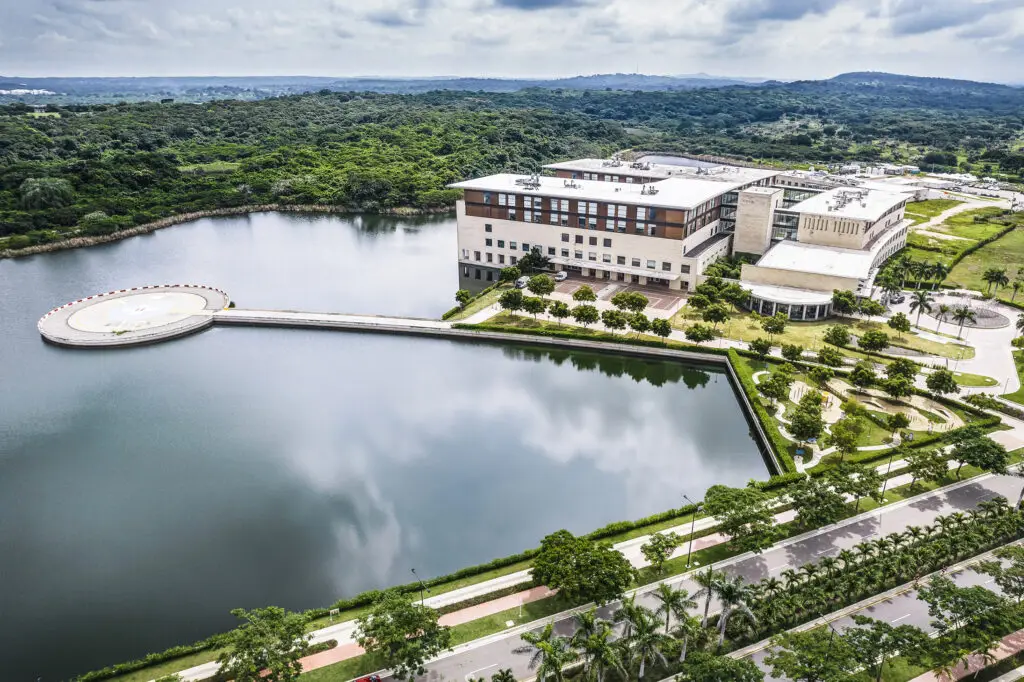
Hospital Serena del Mar – Carlos Haime – is the most modern high-complexity medical…
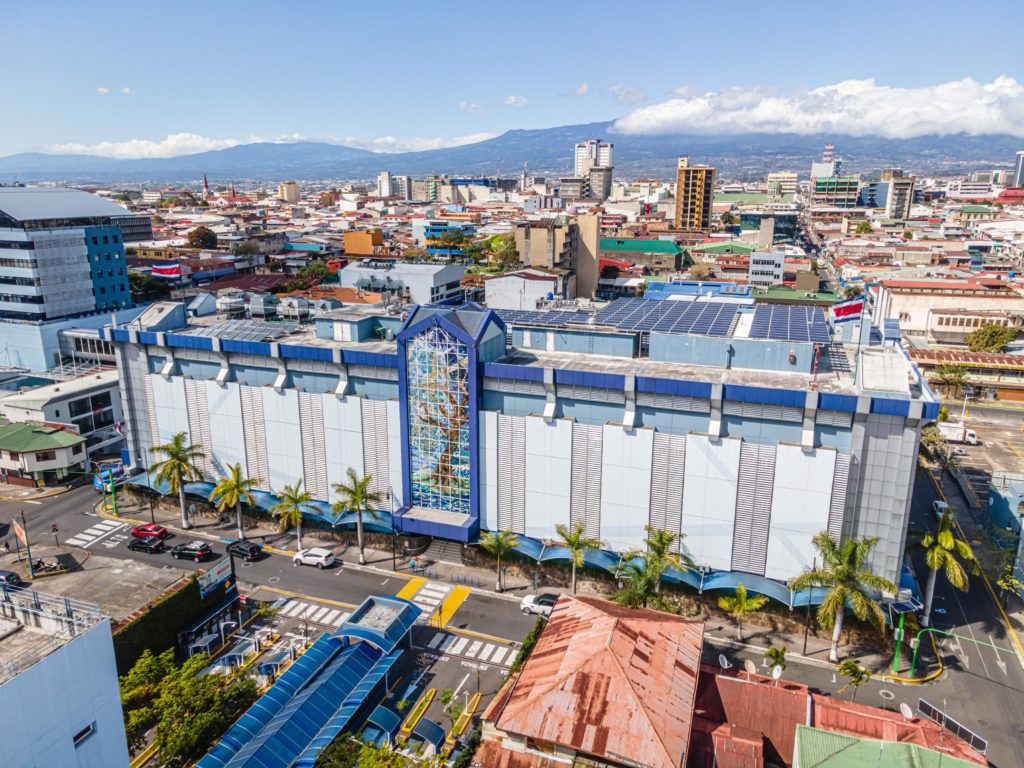
Medical Tourism Center Clínica Bíblica Hospital is Costa Rica’s leading private hospital and a…
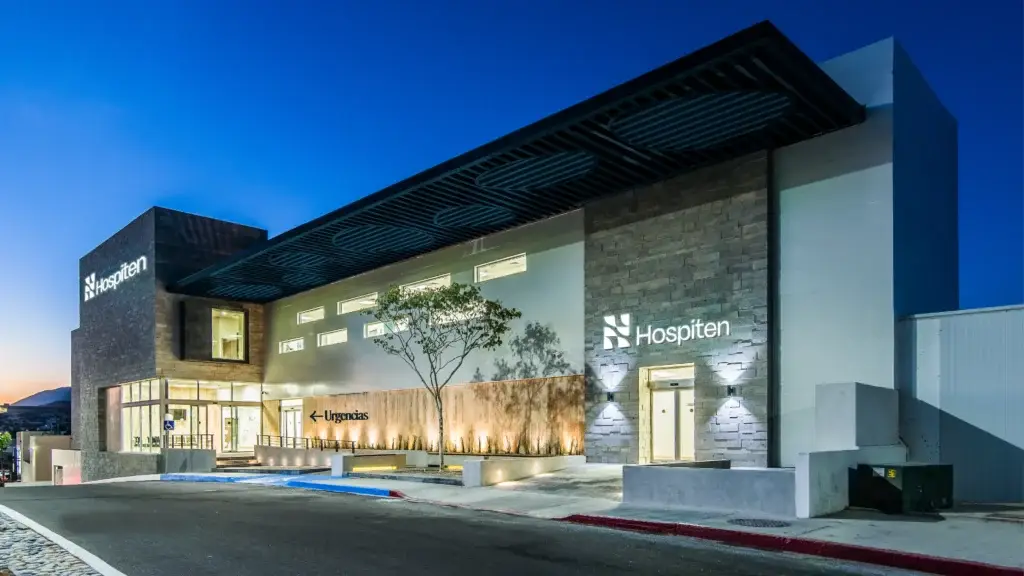
Hospiten. International Hospital Network for Advanced Healthcare & Medical Tourism. Hospiten is an international…
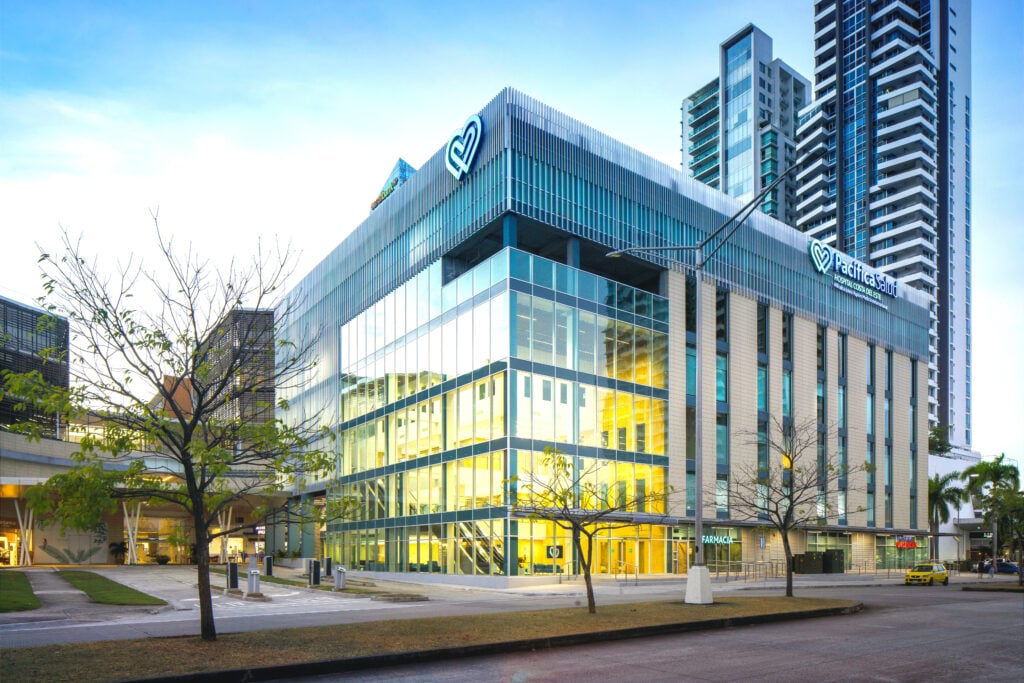
Pacifica Salud Hospital. Panama’s Premier Private Hospital, Affiliated with Johns Hopkins Medicine International. Pacífica…
Hospiten. International Hospital Network for Advanced Healthcare & Medical Tourism. Hospiten is an international…
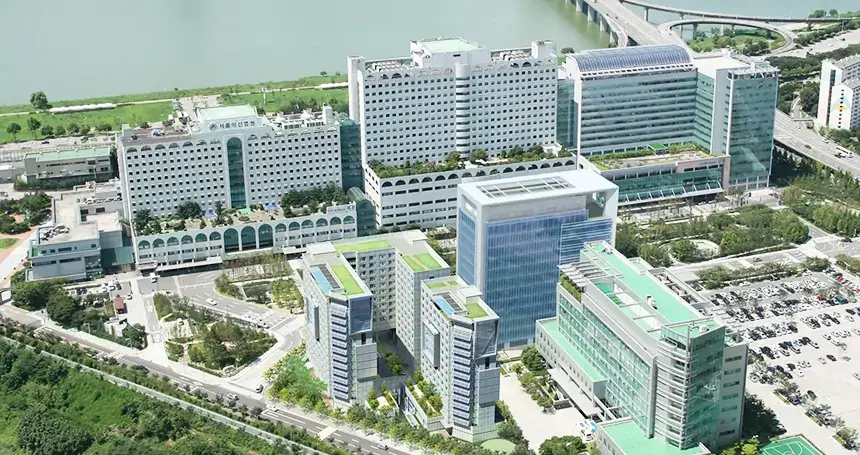
Asan Medical Center (AMC) is the largest hospital in South Korea and one of…
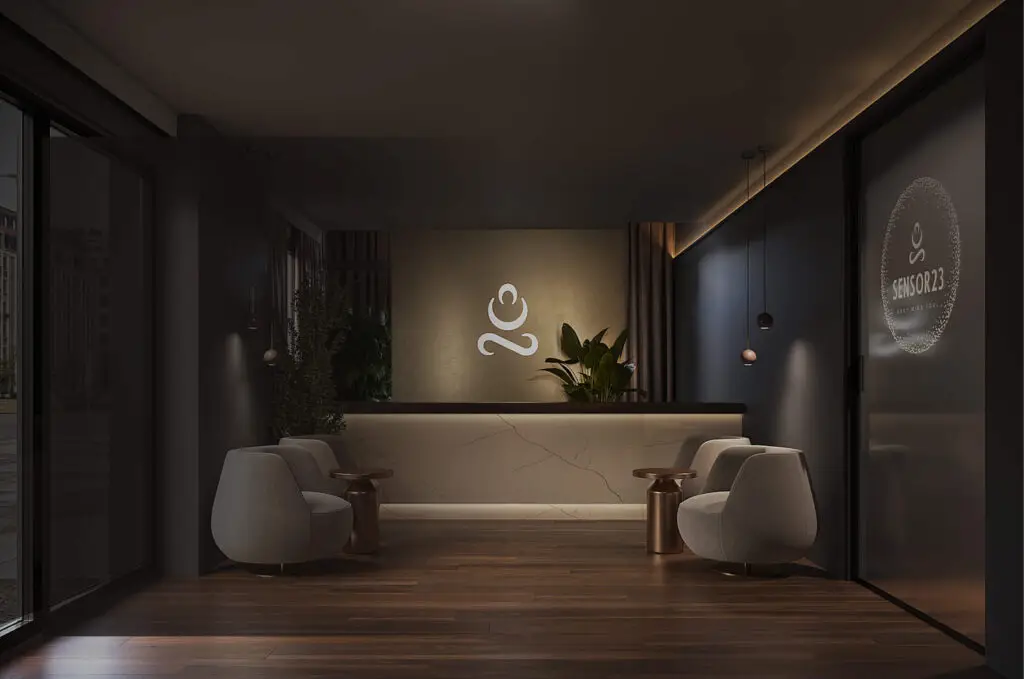
Sensor 23 is a brain, mental health, recovery and wellness center in Barcelona, Spain,…
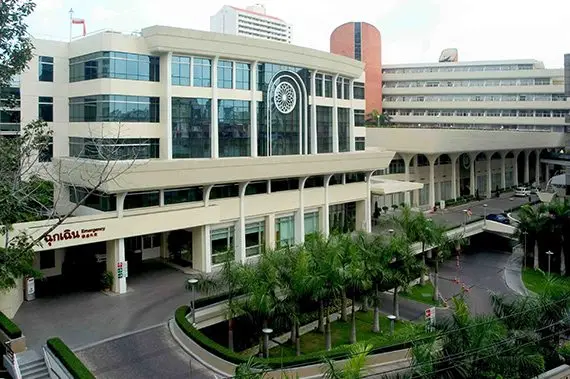
Samitivej Hospital is one of Thailand’s leading private hospital networks, serving local patients, expatriates,…

Memorial Hospital is Turkey’s most internationally recognized healthcare network, known for pioneering medical breakthroughs,…
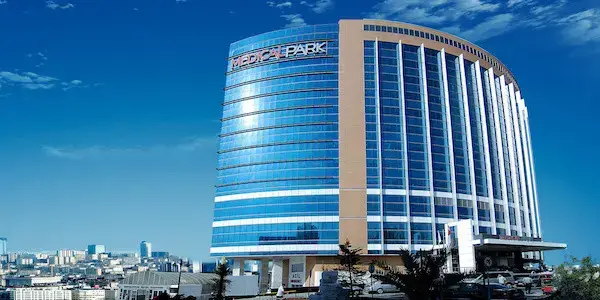
Medical Park Hospital. Turkey’s Largest Private Hospital Network for Advanced Care. Medical Park Hospital…
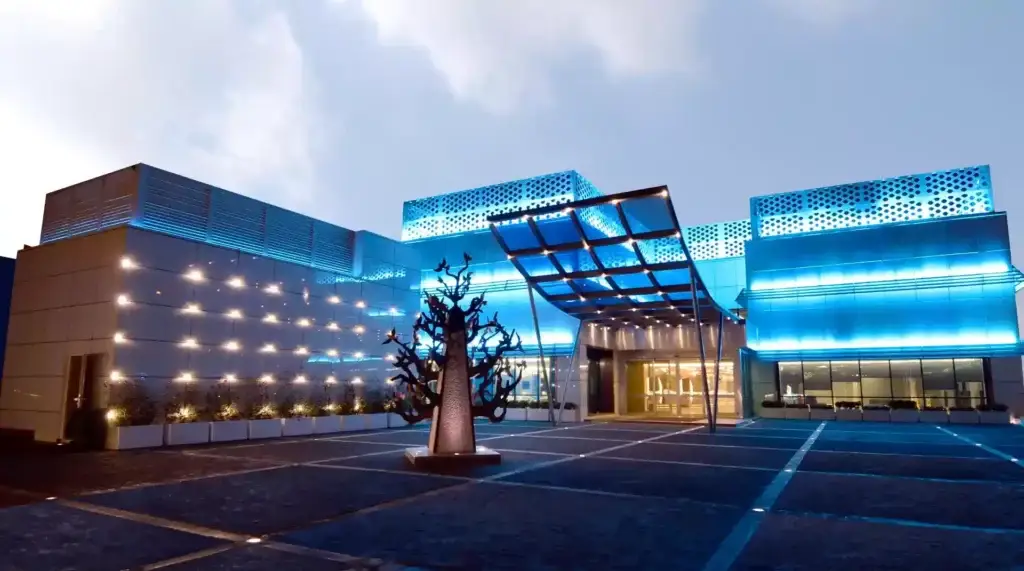
Liv Hospital. Turkey’s Premier Destination for Advanced Medicine & International Healthcare. Liv Hospital Istanbul…

With multiple modern facilities across the city, Avicenna Hospital combines advanced medical technology, multidisciplinary…

Pendik Yüzyıl Hospital. Comprehensive Healthcare in Istanbul's Asian Side. Pendik Yüzyıl Hospital is a…
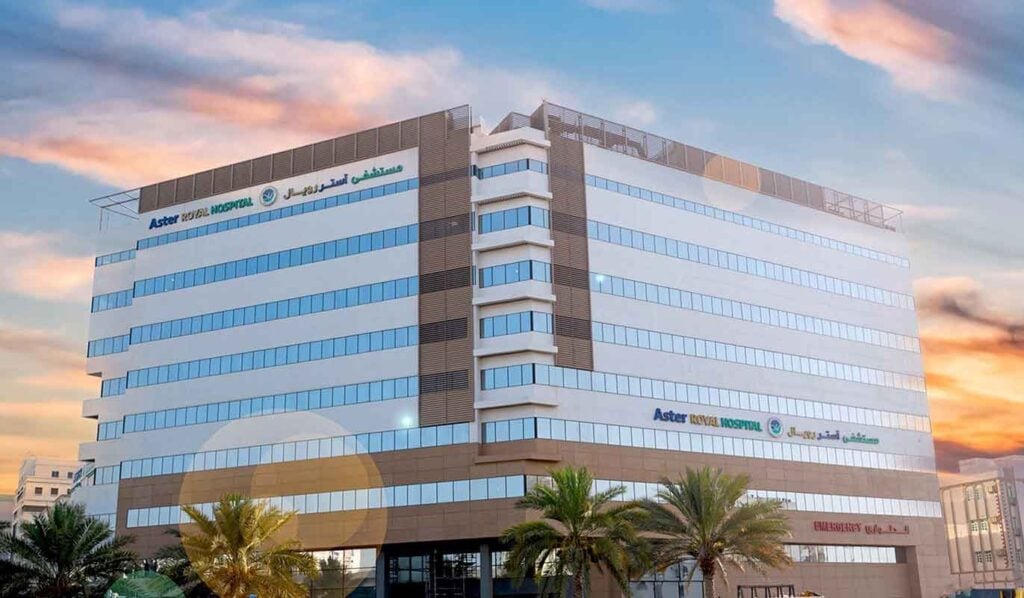
Aster DM Healthcare. Accessible, Affordable & Quality Healthcare Across the Middle East & Asia.…
Is Quality Lower Abroad?
For neurosurgery, this question carries more weight than almost any other specialty. The answer depends entirely on facility and surgeon selection. Germany’s university hospitals — Charité Berlin, Heidelberg — are routinely ranked among the world’s top neurosurgical centers. India’s Apollo Hospitals and Fortis healthcare system perform thousands of complex craniotomies annually using the same neuronavigation and intraoperative monitoring technology as leading US centers. Israel’s Sheba Medical Center consistently ranks in global top-10 hospital lists for neurosurgical outcomes.
JCI accreditation provides one meaningful benchmark — it requires patient safety protocols, surgical infection control standards, and quality reporting that mirror US Joint Commission requirements. For non-emergency, planned procedures, seeking care at a JCI-accredited international center with a neurosurgery department that handles significant case volume is a defensible and often safer choice than care at an underfunded US community hospital. MyMediTour’s curation focuses specifically on institutions where these standards can be verified.
How to Verify a Clinic’s Credentials Before You Go
- Confirm JCI accreditation at jointcommissioninternational.org — and for European centers, look for ISO certification or national ministry of health accreditation.
- Research the neurosurgeon’s training and publications: Top international neurosurgeons publish peer-reviewed research — search PubMed for their name to assess expertise in your specific condition.
- Request imaging review before travel: Send your MRI/CT scans to the international neurosurgeon for a formal second-opinion report before committing to travel.
- Confirm intraoperative monitoring capability: For complex cases, verify the center has intraoperative neurophysiological monitoring (IOM) and neuronavigation — essential for safe tumor and vascular surgery near eloquent cortex.
- Ask about neurosurgical ICU protocols: A dedicated neurological ICU with neurocritical care specialists is essential for post-craniotomy monitoring — confirm this exists at the center.
- Get an all-inclusive written quote: Confirm the quote covers surgeon, anesthesia, ICU stay, inpatient days, imaging, hardware, and post-operative care — ask specifically what is NOT included.
- Plan for follow-up neurology: Confirm your international center will send complete operative notes and pathology to your local neurologist for continuity of care after returning home.
Brain Surgery Recovery: What to Expect
Recovery from brain surgery depends significantly on the type and location of the procedure. Craniotomy recovery is more demanding than radiosurgery and requires careful travel planning.
| Phase | Timeframe | What Happens | Travel Considerations |
|---|---|---|---|
| Neurosurgical ICU | Day 0–3 | Continuous neurological monitoring; medication management; gradual mobilization | Remain at facility; family/companion essential |
| Inpatient step-down | Days 4–10 | Transfer to regular neurology ward; physical and occupational therapy begins; wound assessment | Remain at destination; plan 3–4 week total stay for open craniotomy |
| Early outpatient recovery | Weeks 2–4 | Fatigue is significant; headaches common; cognitive rest important; wound healing | Most surgeons clear patients to fly after week 3–4 with medical clearance |
| Full functional recovery | Months 1–6 | Progressive neurological rehabilitation; cognitive function restoration; return to activity | Remote follow-up via video; local neurologist essential for ongoing care |
Risk Assessment: US vs. Abroad
| Risk Factor | US | Top International Centers |
|---|---|---|
| Surgical complication rate (craniotomy) | 5–15% (varies by complexity) | Comparable at high-volume JCI-accredited centers |
| Post-operative infection (SSI) | 1–5% | Under 2% at top-accredited neurosurgery centers |
| Intraoperative monitoring availability | Standard at major centers | Available at JCI-accredited centers — confirm before selecting facility |
| Follow-up neurology access | Easy domestically | Requires coordination with local neurologist; remote consult available |
| Language and communication barriers | None | Low at centers with international patient programs; medical interpreters standard |
| Financial catastrophe risk | Very high ($50,000–$200,000+) | Low at all-inclusive international centers ($8,000–$35,000) |
Frequently Asked Questions
Is it safe to have brain surgery abroad?
For planned, non-emergency procedures at JCI-accredited centers with dedicated neurosurgery departments, international brain surgery has outcomes comparable to care at US community hospitals. The key variables are the surgeon’s experience with your specific condition, the center’s intraoperative monitoring capabilities, and the quality of the neurological ICU. Thorough vetting — including a remote second-opinion review of your imaging — is essential before choosing an international center for neurosurgery.
Can I get a second opinion from an international neurosurgeon before deciding?
Yes. Many leading international neurosurgery centers offer formal remote second-opinion consultations — you send your MRI, CT, and pathology reports, and a neurosurgeon reviews them and provides a written treatment recommendation. This service often costs $200–$500 and is the most important step before committing to international neurosurgery.
How long will I need to stay in the country after brain surgery?
Most international neurosurgery programs require a minimum 3–4 week stay for open craniotomy patients. This covers the ICU period, inpatient stay, and initial outpatient rehabilitation. Radiosurgery (Gamma Knife, CyberKnife) patients typically need only 3–7 days at the destination since no open incision is involved.
What happens if I need rehabilitation after brain surgery abroad?
Most international neurosurgery centers have inpatient rehabilitation units — however, extended rehabilitation is best managed at home. Your international center should provide complete discharge documentation, physiotherapy and occupational therapy protocols, and medical records that your local rehabilitation team can follow. Request all records in English before leaving.
Will my US doctors follow up if I have brain surgery abroad?
Most US neurologists and neurosurgeons will provide follow-up care for patients who had surgery abroad — they may not prescribe medications based on another surgeon’s plan without review, but they will assess your neurological status, order appropriate imaging, and coordinate ongoing care. Bring all operative reports, pathology, imaging CDs, and discharge summaries home with you.
Brain surgery is among the most consequential medical decisions a person faces. If the cost of care in the US is creating barriers to treatment, internationally accredited neurosurgery centers offer a path to the same surgical expertise at a fraction of the cost. Browse verified neurology and neurosurgery clinics below to begin your research and request a formal consultation.
Leading tertiary non-profit comprehensive hospital in Xiamen, Fujian Province, China, providing advanced medical care…
Hospital Serena del Mar – Carlos Haime – is the most modern high-complexity medical…
Medical Tourism Center Clínica Bíblica Hospital is Costa Rica’s leading private hospital and a…
Hospiten. International Hospital Network for Advanced Healthcare & Medical Tourism. Hospiten is an international…
Pacifica Salud Hospital. Panama’s Premier Private Hospital, Affiliated with Johns Hopkins Medicine International. Pacífica…
Hospiten. International Hospital Network for Advanced Healthcare & Medical Tourism. Hospiten is an international…
Asan Medical Center (AMC) is the largest hospital in South Korea and one of…
Sensor 23 is a brain, mental health, recovery and wellness center in Barcelona, Spain,…
Samitivej Hospital is one of Thailand’s leading private hospital networks, serving local patients, expatriates,…
Medical Park Hospital. Turkey’s Largest Private Hospital Network for Advanced Care. Medical Park Hospital…
Memorial Hospital is Turkey’s most internationally recognized healthcare network, known for pioneering medical breakthroughs,…
Liv Hospital. Turkey’s Premier Destination for Advanced Medicine & International Healthcare. Liv Hospital Istanbul…
Pendik Yüzyıl Hospital. Comprehensive Healthcare in Istanbul's Asian Side. Pendik Yüzyıl Hospital is a…
With multiple modern facilities across the city, Avicenna Hospital combines advanced medical technology, multidisciplinary…
Aster DM Healthcare. Accessible, Affordable & Quality Healthcare Across the Middle East & Asia.…
Explore Tours in Costa Rica
Discover the best places to visit in Costa Rica and explore its rich culture, breathtaking landscapes, iconic attractions, and unforgettable travel experiences.

Costa Rica: Off Road Rainforest and Waterfalls ATV Tour
Embark on an exhilarating ATV adventure through the picturesque Manuel Antonio countryside, where lush…

Costa Rica: One day Tour Isla Tortuga with Lunch from Puntarenas
Escape to paradise with a day trip to Isla Tortuga, the perfect destination for relaxation and adventure. Whether…

Costa Rica: Full Day Poas Volcano, La Paz Waterfall Gardens and Coffee Plantation Experience
Experience the best of Costa Rica on this full-day combo tour from San Jose, blending coffee, nature, and wildlife…

Costa Rica: Manuel Antonio Park Nature Guided Tour with a Nature Specialist
Discover the incredible biodiversity of Costa Rica on a guided nature hike through Manuel Antonio National Park,…

Costa Rica: La Fortuna Waterfall, Hanging Bridges, Arenal Volcano Combo Tour
Experience the best of Costa Rica’s natural wonders on this full-day small-group adventure in La Fortuna. Begin…
4 Responses
Article très informatif sur le coût d’une chirurgie du cerveau sans assurance, les explications sont claires et permettent de mieux comprendre les différents frais impliqués. Contenu utile et bien structuré, merci pour ces informations !
Merci beaucoup pour votre retour! Nous sommes ravis que l’article vous ait été utile et qu’il vous ait permis de mieux comprendre les différents aspects liés aux coûts. Notre objectif est de fournir des informations claires et pratiques pour aider les patients à prendre des décisions éclairées. N’hésitez pas à nous contacter si vous avez des questions ou si vous souhaitez en savoir plus sur les options de traitement à l’international.
Très bonne article ravie de le lire.
Merci beaucoup pour votre aimable commentaire. Nous sommes ravis que l’article vous ait plu. Chez MyMediTour, nous nous engageons à fournir des informations claires, fiables et utiles pour aider les patients à mieux comprendre leurs options de traitement, y compris à l’international. N’hésitez pas à nous contacter si vous avez des questions ou souhaitez en savoir plus.
Leave a Comment
Share your thoughts on this article, or ask us a question -- we'd love to hear from you.