




Ankle surgery covers a broad spectrum of procedures — from total ankle replacement and ankle fusion to open reduction internal fixation (ORIF) for fractures and arthroscopic treatment of cartilage damage. Each addresses a different pathology, and each carries a distinct cost. Without insurance, ankle surgery in the United States typically costs between $10,000 and $40,000 — with total ankle arthroplasty at the high end and outpatient arthroscopic procedures at the lower end. For Americans without adequate coverage, these costs can be financially devastating. This guide breaks down what you can expect to pay for each type of ankle surgery, what drives those prices, and how medical travel can reduce your bill by up to 85%.
What Does Insurance Actually Cover for Ankle Surgery?
Insurance coverage for ankle surgery depends on the specific procedure, how well the medical necessity is documented, and your plan’s deductible and coinsurance structure. Emergency procedures — such as ORIF for acute ankle fractures — are almost always covered as medically necessary. Elective reconstructive procedures like total ankle replacement may require extensive documentation of failed conservative treatment and prior authorization. Patients with high-deductible plans often find that even “covered” procedures leave them with thousands of dollars in out-of-pocket costs.
| Coverage Scenario | Typical Insurance Response |
|---|---|
| Ankle fracture ORIF (emergency) | Covered as medically necessary; patient pays deductible + coinsurance |
| Total ankle replacement (end-stage arthritis) | Usually covered after extensive documentation; prior authorization required; deductible + coinsurance apply |
| Ankle fusion (arthrodesis) | Generally covered for end-stage ankle arthritis after failed conservative care |
| Arthroscopic cartilage repair (osteochondral defect) | Coverage varies; may be denied as experimental depending on technique used |
| No insurance (uninsured) | Full billed charges — typically $10,000–$40,000 before negotiation |
How Much Does Ankle Surgery Cost Without Insurance?
According to FAIR Health data on lower extremity orthopedic procedures, ankle surgery costs vary widely by procedure type and facility. For uninsured patients, the total all-in cost (surgeon fee, facility, anesthesia, implants, and post-operative care) ranges from $10,000 to $40,000 in the United States. Total ankle replacement sits at the upper end of this range due to the cost of the implant system itself ($8,000–$15,000 wholesale), the complexity of the procedure, and the length of hospital stay. ORIF for a simple bimalleolar fracture falls in the mid-range, while outpatient ankle arthroscopy falls at the lower end.
| US Region | Estimated Cost Without Insurance | Notes |
|---|---|---|
| Northeast (NY, MA, CT) | $25,000–$40,000 | Highest facility and implant billing in the country |
| West Coast (CA, WA, OR) | $22,000–$38,000 | High cost of living; complex procedures approach the top of the range |
| Midwest (IL, OH, MI) | $16,000–$28,000 | Mid-range pricing; some academic centers offer negotiated self-pay rates |
| South (TX, FL, GA) | $13,000–$24,000 | More price competition; ASC options available for appropriate cases |
| Rural/Small Market | $10,000–$20,000 | Lower overhead; foot and ankle specialists may require travel to major center |
What Drives Ankle Surgery Costs So High in the US?
The US ankle surgery cost premium is driven by a combination of structural healthcare system factors and procedure-specific cost elements.
- Total ankle replacement implant cost: The FDA-approved total ankle arthroplasty systems (INBONE, STAR, Zimmer) are extremely expensive devices — the implant alone is often $8,000–$15,000 when billed through a US hospital, more than the entire cost of the same surgery abroad.
- Hospital facility fees: A separate facility fee adds $8,000–$18,000 on top of the surgeon’s charge for major ankle procedures, even when performed as outpatient surgery.
- Foot and ankle specialist fees: Total ankle replacement and ankle fusion are technically demanding — surgeons with sufficient volume command premium fees, often $4,000–$9,000 for the surgeon’s component.
- ORIF hardware markups: Titanium plates, screws, and intramedullary nails used in fracture fixation are billed at 300–500% of wholesale cost through US hospitals.
- Post-operative care and rehabilitation: Physical therapy following major ankle surgery runs 3–6 months — billed separately and often only partially covered, adding $2,000–$5,000 to the total cost.
Financial Assistance Options if You’re Uninsured
If you’re facing ankle surgery costs without coverage, these options can reduce your financial burden before you consider medical debt or financing.
- Hospital charity care: Nonprofit hospitals must offer financial assistance programs. Income-qualifying patients may receive 50–100% discounts on hospital charges — apply through the hospital’s financial assistance office before surgery whenever possible.
- Self-pay negotiation: Hospitals and surgery centers often offer 20–40% discounts to uninsured patients paying out of pocket — always negotiate before accepting any quote, and ask about lump-sum payment discounts.
- Ambulatory surgery centers: Appropriate ankle procedures (arthroscopy, simple ORIF) performed at an ASC can reduce costs by 40–60% compared to hospital outpatient rates.
- Medicaid: If your income qualifies, Medicaid covers ankle surgery at minimal or no cost. Check eligibility through your state’s Medicaid office — emergency procedures may qualify for emergency Medicaid even if you don’t normally qualify.
- Interest-free payment plans: Most hospitals offer 12–24 month interest-free payment plans for uninsured patients — preferable to external medical financing products with deferred interest.
- Medical travel abroad: For elective ankle surgery (total ankle replacement, fusion, non-urgent fracture fixation), traveling to accredited orthopedic centers in Mexico, Turkey, Thailand, India, Colombia, or Poland saves $8,000–$30,000 compared to US prices.
How Much Does Ankle Surgery Cost Abroad?
International orthopedic centers in leading medical tourism destinations perform the full range of ankle procedures — including total ankle replacement, arthrodesis, ORIF, and arthroscopic procedures — using the same globally recognized implant systems. The following all-inclusive cost estimates cover surgeon fee, facility, anesthesia, implants, and standard post-operative care.
| Country | Estimated Cost | Savings vs. US | Notes |
|---|---|---|---|
| Mexico | $3,000–$8,000 | Up to 85% | Monterrey and Mexico City have foot and ankle specialists; proximity to US |
| Turkey | $2,800–$7,000 | Up to 85% | Istanbul private hospitals perform TAR and ankle fusion at internationally competitive rates |
| Thailand | $3,500–$9,000 | Up to 82% | Bangkok international hospitals with advanced orthopedic implant inventory; strong post-op rehabilitation |
| India | $2,000–$5,500 | Up to 87% | Highest savings; Delhi and Mumbai centers with JCI accreditation perform complex ankle reconstruction |
| Colombia | $2,800–$7,000 | Up to 84% | Medellín and Bogotá growing orthopedic sectors; TAR and fusion available at leading centers |
| Poland | $2,500–$6,500 | Up to 83% | EU medical standards; Warsaw and Kraków centers perform full ankle reconstruction spectrum |
Orthopedic Clinics Featured by MyMediTour
MyMediTour partners with internationally accredited orthopedic facilities that perform the full spectrum of ankle surgery — from total ankle replacement and fusion to fracture fixation and arthroscopic procedures. Each clinic is vetted for surgical expertise, implant availability, and post-operative rehabilitation capabilities.

Leading tertiary non-profit comprehensive hospital in Xiamen, Fujian Province, China, providing advanced medical care…

Hospital Serena del Mar – Carlos Haime – is the most modern high-complexity medical…

Medical Tourism Center Clínica Bíblica Hospital is Costa Rica’s leading private hospital and a…

Orthopedic surgeon based in San José, Costa Rica, with specialized training in hip and…

Orthopedic surgeon in Athens, Greece, specializing in hip and knee reconstructive surgery. His work…

Hospiten. International Hospital Network for Advanced Healthcare & Medical Tourism. Hospiten is an international…
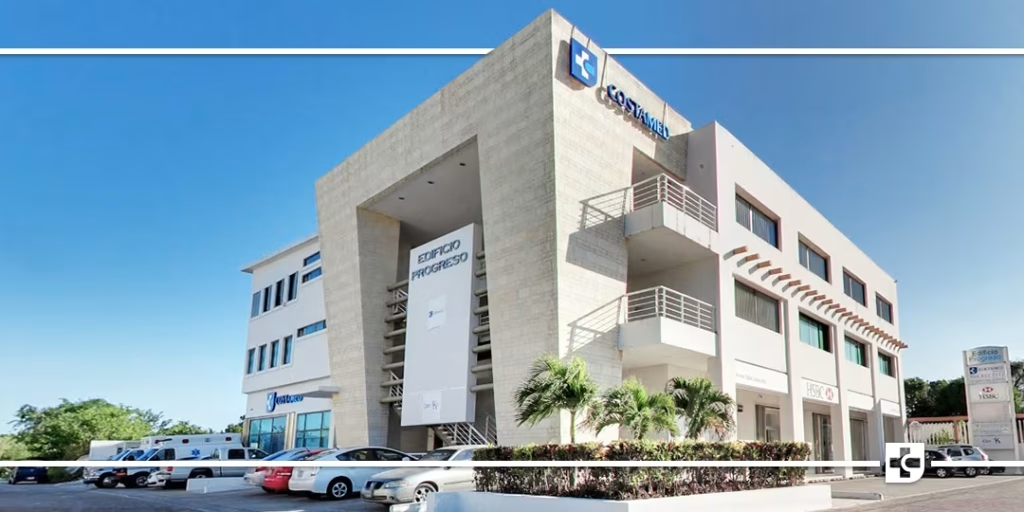
CostaMed Medical Group. Private Hospitals in Cancun, Playa del Carmen, Cozumel & Tulum. CostaMed…
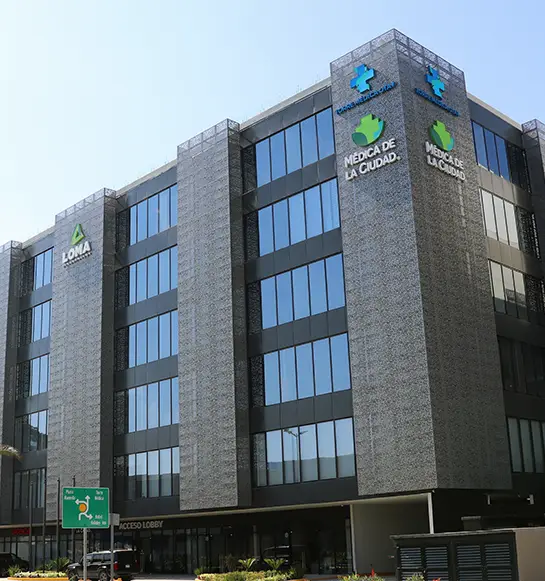
Médica de la Ciudad is a rapidly growing private hospital network in Mexico dedicated…
Hospiten. International Hospital Network for Advanced Healthcare & Medical Tourism. Hospiten is an international…

Pacifica Salud Hospital. Panama’s Premier Private Hospital, Affiliated with Johns Hopkins Medicine International. Pacífica…

Gangnam JS Hospital. Korea’s Leading Hospital for Cartilage Regeneration & Stem Cell Treatment of…

Asan Medical Center (AMC) is the largest hospital in South Korea and one of…

Samitivej Hospital is one of Thailand’s leading private hospital networks, serving local patients, expatriates,…

With multiple modern facilities across the city, Avicenna Hospital combines advanced medical technology, multidisciplinary…

Medical Park Hospital. Turkey’s Largest Private Hospital Network for Advanced Care. Medical Park Hospital…

Memorial Hospital is Turkey’s most internationally recognized healthcare network, known for pioneering medical breakthroughs,…

Pendik Yüzyıl Hospital. Comprehensive Healthcare in Istanbul's Asian Side. Pendik Yüzyıl Hospital is a…

Liv Hospital. Turkey’s Premier Destination for Advanced Medicine & International Healthcare. Liv Hospital Istanbul…

Aster DM Healthcare. Accessible, Affordable & Quality Healthcare Across the Middle East & Asia.…
Is Quality Lower Abroad?
For most ankle procedures, the quality at JCI-accredited international centers is comparable to leading US orthopedic facilities. Total ankle replacement is the one procedure that warrants extra scrutiny when selecting an international provider — it’s technically demanding, the implant selection matters, and surgeon volume is strongly correlated with outcomes. At top-tier centers in Turkey, Thailand, and India, foot and ankle surgeons perform total ankle replacement using FDA-cleared and CE-marked implant systems with outcomes data that rivals US benchmarks. The key is choosing a high-volume center with documented TAR outcomes — not just a general orthopedic hospital.
For ankle fusion, ORIF, and arthroscopic procedures, the international quality case is even more straightforward. These are highly standardized procedures using globally available hardware, and an experienced foot and ankle surgeon in Mexico City or Istanbul performs them with identical technique to their US counterpart. Post-operative rehabilitation protocols are the same evidence-based progressions — what varies is the price the patient pays for identical care. MyMediTour’s facility evaluation process specifically checks for ankle surgery sub-specialty volume before recommending any provider.
How to Verify a Clinic’s Credentials
These credential checkpoints apply to any facility you’re considering for ankle surgery, regardless of location.
- JCI accreditation: The baseline international quality standard for any surgical procedure — confirms hospital-level systems for infection control, patient safety, and outcomes tracking.
- Foot and ankle sub-specialty certification: The surgeon should have specific fellowship training or recognized sub-specialty certification in foot and ankle surgery — not just general orthopedics.
- Ankle surgery case volume: For TAR specifically, ask how many total ankle replacements the surgeon performs annually — fewer than 20/year significantly elevates complication risk for this technically demanding procedure.
- Implant brand and system: Ask which total ankle replacement system will be used — reputable options include INBONE (Wright Medical), STAR (Stryker), and Hintermann Series (Newdeal). Confirm the implant is from a recognized manufacturer.
- Pre-operative planning capability: TAR and complex ankle fusion require advanced pre-operative CT imaging and planning — confirm the facility has this capability.
- On-site physiotherapy: Ankle surgery recovery requires intensive rehabilitation — confirm dedicated physical therapists are on staff and included in the post-op care package.
- International patient coordination: A dedicated coordinator who manages your records, imaging, and logistics is essential for a smooth medical travel experience.
- Telemedicine follow-up: Post-operative follow-up should continue after you return home — confirm the facility offers video consultations with the operating surgeon.
Ankle Surgery Recovery: What to Expect
Recovery varies significantly by procedure type. The following table summarizes recovery phases for the most common ankle surgery types, with travel planning guidance.
| Phase | Timeframe | What Happens | Travel Considerations |
|---|---|---|---|
| Post-op (all procedures) | Days 1–5 | Ankle immobilized; non-weight-bearing; pain management; wound monitoring | Remain at or near facility for daily checks |
| Early recovery | Days 5–14 | Suture removal around day 10–14; cast/splint transition; swelling management | Minimum 10–14 days in-country before flying; DVT prophylaxis |
| Immobilization/Boot phase | Weeks 2–8 | Non-weight-bearing to partial weight-bearing (fusion/TAR); weight-bearing in boot (ORIF) | Can fly after 14 days with compression stockings; continue physio locally |
| Progressive loading | Weeks 8–16 | Gradual transition to full weight-bearing; physiotherapy intensifies; imaging check | Telemedicine follow-up with operating surgeon; local imaging as needed |
| Full recovery | Months 4–12 | Return to full daily activity; strength and balance restored; TAR patients continue at upper end | Home-based PT and walking program; full TAR recovery can take 12–18 months |
Risk Assessment: US vs. Abroad
| Risk Factor | US Treatment | Abroad (Accredited Facility) |
|---|---|---|
| Surgeon qualifications | ABOS board-certified; foot/ankle fellowship | Nationally certified; many fellowship-trained; TAR volume critical to verify |
| Implant quality (TAR) | FDA-cleared devices (INBONE, STAR, Hintermann) | Same or CE-marked equivalent systems at leading international centers |
| Facility standards | JCAHO accredited | JCI accredited; equivalent international standards |
| Emergency response | Full US healthcare system accessible | On-site ICU and vascular surgery at major accredited hospitals |
| Complication management | Immediate specialist access for revision | Managed on-site; telemedicine for post-return complications; local orthopedist backup |
| Financial risk | Very high — implant costs, surprise bills, balance billing all common | All-inclusive pricing; no surprise costs |
Frequently Asked Questions
What is the difference between ankle replacement and ankle fusion?
Total ankle replacement (arthroplasty) resurfaces the damaged joint surfaces with a metal and polyethylene implant, preserving motion — similar in concept to hip or knee replacement. Ankle fusion (arthrodesis) eliminates the joint entirely by fusing the tibia and talus bones together, eliminating motion but also eliminating pain. Fusion has a longer track record and lower revision rate, while replacement preserves motion and reduces stress on adjacent joints. The choice between them depends on patient age, activity level, bone quality, and degree of deformity — your orthopedic surgeon will recommend the appropriate procedure.
How long does ankle replacement surgery take?
Total ankle replacement typically takes 2–3 hours under general or spinal anesthesia. Ankle fusion takes 1.5–2.5 hours. ORIF for ankle fractures typically takes 1–2 hours. Most patients stay 1–2 nights in hospital after TAR or fusion; simpler procedures (arthroscopy, uncomplicated ORIF) are often outpatient with same-day discharge.
How long does it take to walk normally after ankle replacement?
Most total ankle replacement patients are partial weight-bearing in a boot by 6 weeks, transitioning to regular footwear by 10–12 weeks. Full, pain-free walking is typically achieved by 4–6 months, with continued improvement in strength and range of motion through 12–18 months post-surgery. Ankle fusion patients typically follow a similar timeline to weight-bearing but adapt their gait permanently to the fused joint — most find this transition smoother than anticipated.
Is total ankle replacement available at international orthopedic centers?
Yes — total ankle replacement is performed at leading orthopedic centers in Turkey, Thailand, Mexico, India, Colombia, and Poland. The implant systems used are either the same FDA-cleared devices used in the US or CE-marked European equivalents with comparable long-term data. Surgeon volume is the critical variable to verify — ask how many TAR procedures the surgeon performs annually before booking.
How soon can I fly after ankle surgery?
For most ankle procedures, flying is safe after 10–14 days once wounds are healing and initial post-operative swelling has decreased. Lower extremity surgery carries elevated DVT risk — you’ll need compression stockings and possibly anticoagulant medication for your flight home. Your surgeon will provide specific DVT prophylaxis recommendations and clear you for travel after reviewing your wound at the two-week post-op visit.
Does MyMediTour help coordinate ankle surgery abroad?
Yes. MyMediTour connects patients with pre-screened orthopedic facilities in Mexico, Turkey, Thailand, India, Colombia, and Poland for the full range of ankle surgery procedures. The platform provides all-inclusive cost quotes, surgeon credential verification, logistics coordination, and post-return rehabilitation protocol handoff — so you have full transparency and support at every stage of your medical travel.
Ankle surgery costs of $10,000–$40,000 without insurance don’t have to be a barrier to the care you need. Whether you need a total ankle replacement, fusion, fracture repair, or arthroscopic procedure, medical travel to accredited orthopedic centers in Mexico, Turkey, Thailand, India, Colombia, or Poland delivers the same quality surgery at 70–87% lower cost. MyMediTour connects you with pre-screened facilities, verified surgeons, and transparent pricing so your decision is fully informed.
Leading tertiary non-profit comprehensive hospital in Xiamen, Fujian Province, China, providing advanced medical care…
Hospital Serena del Mar – Carlos Haime – is the most modern high-complexity medical…
Medical Tourism Center Clínica Bíblica Hospital is Costa Rica’s leading private hospital and a…
Orthopedic surgeon based in San José, Costa Rica, with specialized training in hip and…
Orthopedic surgeon in Athens, Greece, specializing in hip and knee reconstructive surgery. His work…
Médica de la Ciudad is a rapidly growing private hospital network in Mexico dedicated…
Hospiten. International Hospital Network for Advanced Healthcare & Medical Tourism. Hospiten is an international…
CostaMed Medical Group. Private Hospitals in Cancun, Playa del Carmen, Cozumel & Tulum. CostaMed…
Hospiten. International Hospital Network for Advanced Healthcare & Medical Tourism. Hospiten is an international…
Pacifica Salud Hospital. Panama’s Premier Private Hospital, Affiliated with Johns Hopkins Medicine International. Pacífica…
Gangnam JS Hospital. Korea’s Leading Hospital for Cartilage Regeneration & Stem Cell Treatment of…
Asan Medical Center (AMC) is the largest hospital in South Korea and one of…
Samitivej Hospital is one of Thailand’s leading private hospital networks, serving local patients, expatriates,…
Pendik Yüzyıl Hospital. Comprehensive Healthcare in Istanbul's Asian Side. Pendik Yüzyıl Hospital is a…
Memorial Hospital is Turkey’s most internationally recognized healthcare network, known for pioneering medical breakthroughs,…
Medical Park Hospital. Turkey’s Largest Private Hospital Network for Advanced Care. Medical Park Hospital…
Liv Hospital. Turkey’s Premier Destination for Advanced Medicine & International Healthcare. Liv Hospital Istanbul…
With multiple modern facilities across the city, Avicenna Hospital combines advanced medical technology, multidisciplinary…
Aster DM Healthcare. Accessible, Affordable & Quality Healthcare Across the Middle East & Asia.…
Featured Orthopedics Procedures in Costa Rica
Procedures discussed in this article, available across Costa Rica.

Shoulder Arthroscopy in San Jose, Costa Rica by Clinica Biblica Hospital
Minimally Invasive Care for Lasting Shoulder Relief. Shoulder pain and stiffness can limit daily activities, from…
Robotic-Assisted Knee Replacement Surgery in San José, Costa Rica by Dr. Aria Ravery
Advanced Robotic Knee Arthroplasty for Personalized Planning, Precise Implant Positioning & Improved Mobility.…

Artificial Disc Replacement in San Jose, Costa Rica by Clinica Biblica Hospital
Artificial Disc Replacement (ADR) is a modern alternative to spinal fusion, designed to relieve chronic neck or…

Simple and Complex Fracture Management in San José, Costa Rica by Dr. Aria Ravery
Comprehensive Orthopedic Trauma Care for Accurate Alignment, Stable Healing & Functional Recovery. Simple and…

Non-Surgical Therapeutic Management in San José, Costa Rica by Dr. Aria Ravery
Personalized Conservative Orthopedic Care for Pain Relief, Improved Mobility & Functional Recovery. Dr. Aria…

Minor Hand and Upper Extremity Procedures in San José, Costa Rica by Dr. Aria Ravery
Focused Orthopedic Care for Carpal Tunnel Syndrome, Trigger Finger & Symptomatic Ganglion Cysts. Dr. Aria…
Recommended Orthopedics Clinics in Costa Rica
Trusted clinics specializing in Orthopedics across Costa Rica.

Clinica Biblica Hospital
Medical Tourism Center Clínica Bíblica Hospital is Costa Rica’s leading private hospital and a pioneer in…

Dr. Aria Ravery
Orthopedic surgeon based in San José, Costa Rica, with specialized training in hip and knee reconstruction, hip…
Explore Tours in Costa Rica
Discover the best places to visit in Costa Rica and explore its rich culture, breathtaking landscapes, iconic attractions, and unforgettable travel experiences.

Costa Rica: La Fortuna Waterfall, Hanging Bridges, Arenal Volcano Combo Tour
Experience the best of Costa Rica’s natural wonders on this full-day small-group adventure in La Fortuna. Begin…

Costa Rica: Manuel Antonio Park Nature Guided Tour with a Nature Specialist
Discover the incredible biodiversity of Costa Rica on a guided nature hike through Manuel Antonio National Park,…

Costa Rica: Full Day Poas Volcano, La Paz Waterfall Gardens and Coffee Plantation Experience
Experience the best of Costa Rica on this full-day combo tour from San Jose, blending coffee, nature, and wildlife…

Costa Rica: One day Tour Isla Tortuga with Lunch from Puntarenas
Escape to paradise with a day trip to Isla Tortuga, the perfect destination for relaxation and adventure. Whether…

Costa Rica: Off Road Rainforest and Waterfalls ATV Tour
Embark on an exhilarating ATV adventure through the picturesque Manuel Antonio countryside, where lush…
More Orthopedics Articles About Costa Rica
Keep reading about Orthopedics care and travel in Costa Rica.

TMJ Surgery Cost Without Insurance
TMJ surgery cost without insurance can be extremely high for many uninsured Americans, Canadians, expats, and…

ACL Surgery Cost Without Insurance
Anterior cruciate ligament (ACL) reconstruction is one of the most common orthopedic surgeries in the United…

How Much is Meniscus Surgery Without Insurance?
The meniscus — the C-shaped cartilage that acts as the knee's shock absorber between the femur and tibia — is one…

Hip Replacement Surgery Cost Without Insurance
Total hip arthroplasty is one of the most transformative orthopedic procedures performed today. When hip cartilage…

Spinal Fusion Surgery Cost Without Insurance
Spinal fusion surgery without insurance in the United States carries some of the highest price tags in all of…

Ankle Ligament Surgery Cost Without Insurance
Chronic ankle instability — the feeling that your ankle repeatedly "gives way" — is one of the most undertreated…
Leave a Comment
Share your thoughts on this article, or ask us a question -- we'd love to hear from you.