




Skin removal surgery after significant weight loss — including panniculectomy, body lift, arm lift, and thigh lift — costs between $8,000 and $25,000 or more in the United States without insurance, depending on how many body areas are addressed. For patients who have worked hard to lose 100 or more pounds, the excess skin left behind isn’t just a cosmetic concern: it causes chronic skin infections, rashes, and mobility problems. Yet most insurance plans classify these procedures as cosmetic and deny coverage outright, even when a physician documents medical necessity.
The frustration is compounded by the fact that US health insurers set an impossibly high bar for medical necessity — while the same procedures, performed by board-certified plastic surgeons in internationally accredited hospitals, are available for 60–75% less in Mexico, Turkey, Thailand, and Colombia. This guide gives you accurate cost data, explains the bill line by line, and walks through what it takes to plan post-bariatric body contouring surgery abroad safely.
Skin Removal Surgery Cost in the United States Without Insurance
According to FAIR Health Consumer and CMS data, post-bariatric body contouring costs vary significantly based on the number of body areas treated and whether procedures are staged or combined. The ranges below reflect typical out-of-pocket costs at accredited US facilities — uninsured patients paying list price often pay 20–40% above these figures.
| Cost Component | Panniculectomy | Lower Body Lift | Multiple Body Area Contouring |
|---|---|---|---|
| Surgeon Fee | $3,500–$6,000 | $5,000–$9,000 | $9,000–$18,000 |
| Anesthesia | $1,000–$2,000 | $1,500–$3,000 | $2,500–$5,000 |
| Facility Fee | $2,500–$5,000 | $4,000–$7,000 | $6,000–$12,000 |
| Pre-op Imaging/Labs | $400–$800 | $500–$1,000 | $600–$1,200 |
| Post-op Garments/Supplies | $200–$400 | $300–$600 | $500–$1,000 |
| Follow-up Visits | $300–$600 | $400–$800 | $600–$1,200 |
| Drains and Wound Care | $200–$400 | $300–$600 | $500–$900 |
| Total Estimated Range | $8,000–$14,000 | $12,000–$21,000 | $19,000–$38,000+ |
Sources: FAIR Health Consumer (fairhealthconsumer.org), Centers for Medicare & Medicaid Services (CMS) procedure cost data
What’s Actually Inside a Body Contouring Bill
Post-bariatric skin removal involves multiple layered costs that are easy to underestimate when comparing quotes. Understanding every line item helps you evaluate international quotes accurately and avoid hidden charges.
- Surgeon fee: The plastic surgeon’s professional fee for the procedure; multi-area contouring often involves multiple billing codes combined into one quote.
- Anesthesia: General anesthesia administered by an anesthesiologist; longer and more complex multi-area procedures mean higher anesthesia time and cost.
- Facility/OR fee: Operating room time, nursing staff, disposable supplies, and sterile draping — typically the largest line item for multi-area cases.
- Pathology fees: Removed tissue may be sent to pathology for examination; billed separately and often unexpected.
- Pre-operative labs and clearance: Blood panel, EKG for older patients, nutritional bloodwork (important post-bariatric), and medical clearance from your primary care physician.
- Compression garments: Medical-grade compression garments worn for 6–8 weeks post-op are billed separately and not always included in surgical quotes.
- Surgical drains: Post-bariatric body contouring typically requires Jackson-Pratt drains for several days post-op; drain care supplies are a separate cost.
- Follow-up wound care visits: Multiple post-op visits to monitor healing, remove drains, and check for seroma — a common complication of large skin excisions.
- Scar treatment: Silicone sheeting, massage, or laser treatments for scar management in the months following surgery are additional costs not included in surgical fees.
- Medications: Prescription antibiotics, anti-nausea medication, and pain management in the immediate post-op period.
Under federal law, hospitals must publish a machine-readable price list and a patient-friendly cost estimator. You have the right to request an itemized bill after any procedure and dispute charges that don’t match what was agreed. Always request a written global fee quote that specifies which procedure codes are included and which components (anesthesia, facility, garments) are bundled versus billed separately.
Financial Assistance Options in the US Before You Consider Traveling Abroad
Medicaid
Medicaid rarely covers body contouring after weight loss, but exceptions exist when a physician documents chronic, recurrent skin infections, intertrigo, or functional impairment caused by excess skin. A panniculectomy (removal of the lower abdominal apron) is more likely to receive Medicaid approval than a full body lift or arm lift, which are typically classified as cosmetic. Document all skin infections with physician visit notes before submitting a prior authorization request.
Hospital Charity Care
Nonprofit hospitals are federally required to maintain financial assistance programs for patients below certain income thresholds (typically 200–400% of the federal poverty level). These programs can reduce surgical bills by 50–100% for qualifying patients. Ask specifically for the hospital’s financial assistance or charity care policy — note that most charity care programs apply only to facility fees, not the surgeon’s professional fee, which is billed separately.
Self-Pay Negotiation
Cash-paying patients at plastic surgery practices often receive discounts of 10–25% from the posted list price, particularly for staged procedures booked together. Get itemized written quotes from at least three board-certified plastic surgeons in your region. Academic medical center plastic surgery departments sometimes offer lower rates than private practices.
Medical Cost Assistance Organizations
Several nonprofits specifically help with surgical costs: NeedyMeds (needymeds.org) maintains a database of patient assistance programs; the Patient Advocate Foundation (patientadvocate.org) provides case managers who can help document and appeal medical necessity denials; and RxAssist helps reduce post-operative medication costs. The Body Contouring Academy and some plastic surgery training programs also offer reduced-cost procedures performed by supervised residents under attending physician oversight.
Skin Removal Surgery Abroad: Real Costs and Savings by Country
For patients who have exhausted domestic options, internationally accredited plastic surgery centers offer substantial savings on post-bariatric body contouring. The costs below are all-inclusive estimates covering surgeon, hospital, anesthesia, and one-night stay for each procedure type — not stripped-down quotes that omit facility fees or garments.
| Country | Panniculectomy | Lower Body Lift | Multiple Body Area Contouring | Savings vs. US |
|---|---|---|---|---|
| Mexico | $2,500–$4,500 | $4,000–$7,000 | $7,000–$14,000 | 65–70% |
| Turkey | $2,000–$4,000 | $3,500–$6,500 | $6,500–$13,000 | 65–75% |
| Thailand | $2,500–$4,500 | $4,000–$7,500 | $7,500–$15,000 | 60–70% |
| Colombia | $2,000–$4,000 | $3,500–$6,500 | $6,000–$12,000 | 65–75% |
| India | $1,800–$3,500 | $3,000–$6,000 | $5,500–$11,000 | 70–80% |
| Czech Republic | $3,000–$5,000 | $4,500–$8,000 | $8,000–$15,000 | 55–65% |
Bariatric Surgery Clinics Abroad

Odonto Liuzzi Dental Clinic. Rio de Janeiro's Humanized Dental Clinic for Smile Rehabilitation &…
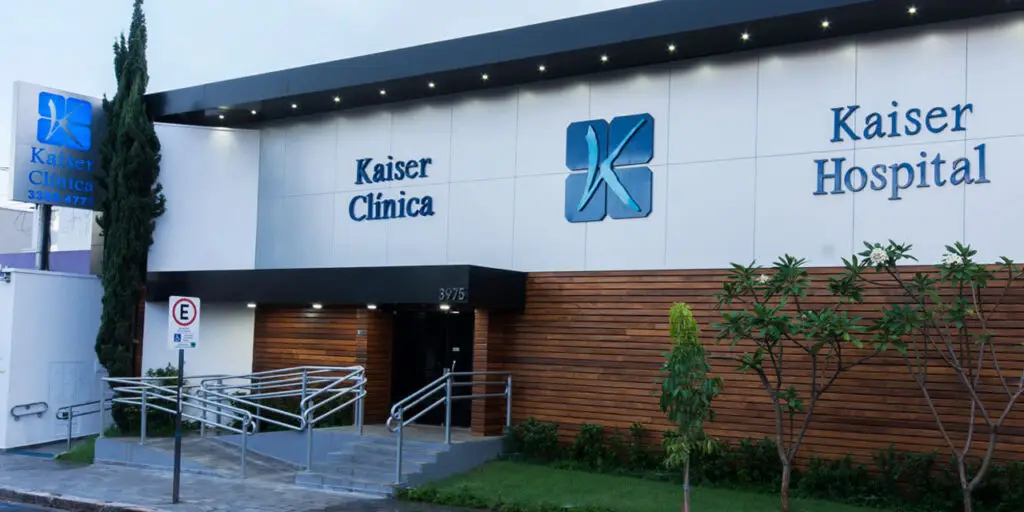
Kaiser Hospital Dia. Advanced Digestive Health, Bariatric & Robotic Surgery in Brazil. The hospital…
With more than 25 years of experience and thousands of procedures performedaesthetic and reconstructive…

Dr. Alexandre Charão is an internationally recognized plastic surgeon based in Rio de Janeiro,…

Prof. Dr. Kaiser Jr. General Surgery & Proctology in Brazil. Prof. Dr. Roberto Luiz…

Dr. Renato Sá Plastic Surgery. Refined Beauty, Natural Harmony & High-End Plastic Surgery in…
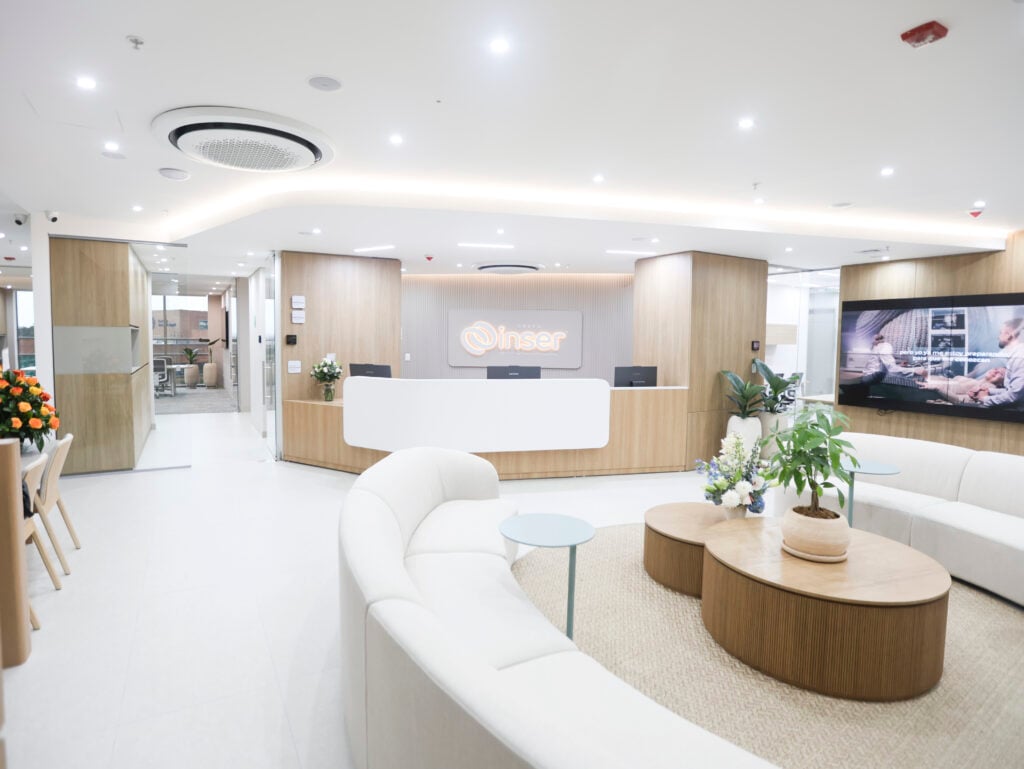
Inser Human Fertility Institute. Colombia’s Leading Fertility Institute – Where Science Meets Love. Inser…
StemCells Colombia. Advanced Stem Cell Therapy & Regenerative Medicine in Medellín, Colombia. Stem Cells…

Hospital Serena del Mar – Carlos Haime – is the most modern high-complexity medical…
Malo Dental Clinic. A high-complexity center for advanced oral rehabilitation in Colombia. Malo Dental…
Aesthetic Dental Care. Costa Rica’s Premier Clinic for Full-Mouth Rehabilitation. Aesthetic Dental Care is…
Orthopedic surgeon based in San José, Costa Rica, with specialized training in hip and…
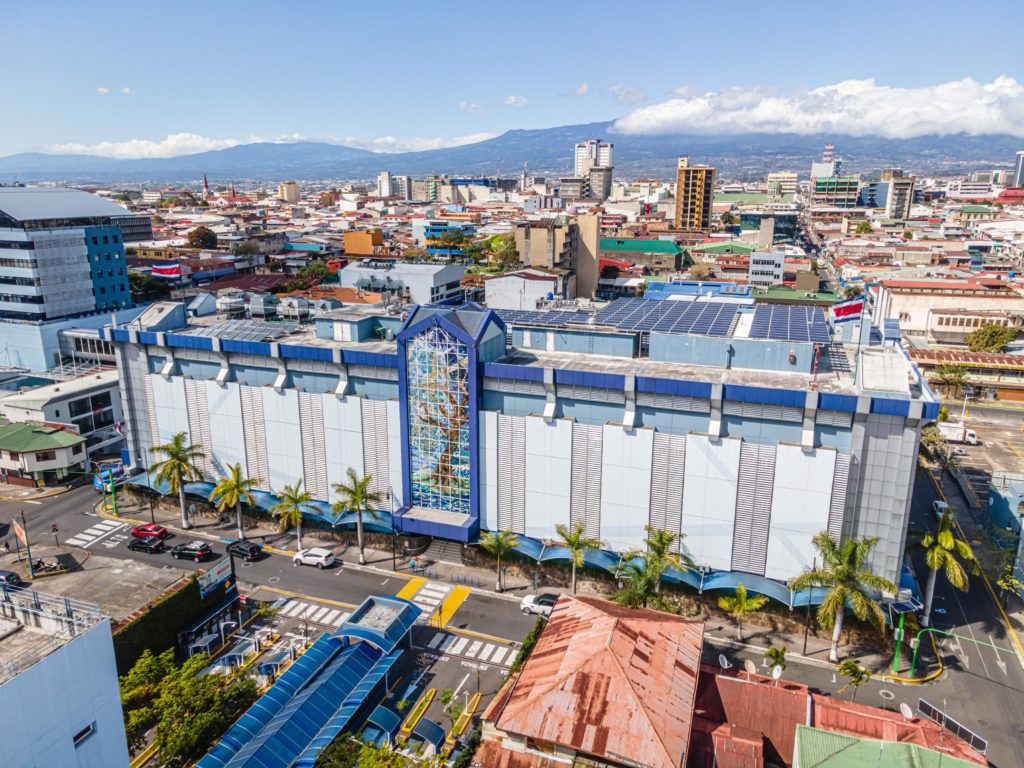
Medical Tourism Center Clínica Bíblica Hospital is Costa Rica’s leading private hospital and a…
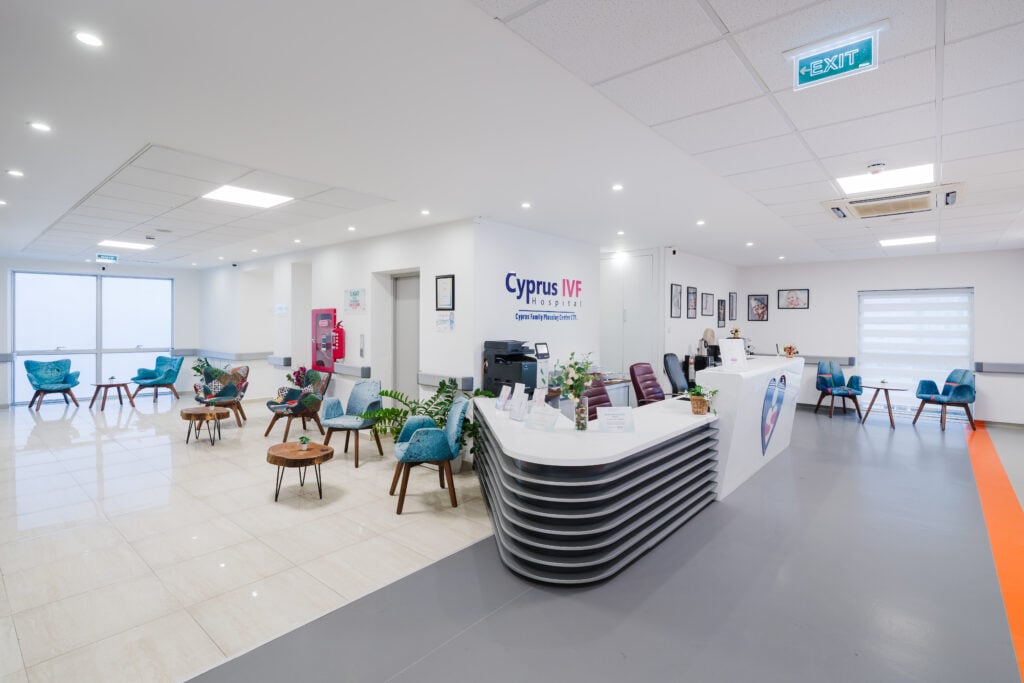
Cyprus IVF Hospital. Northern Cyprus’ Advanced Fertility & IVF Center. Cyprus IVF Hospital is…
SwissMed Health. Europe’s Leading Clinical Longevity & Regenerative Medicine Center. SwissMed Health is an…
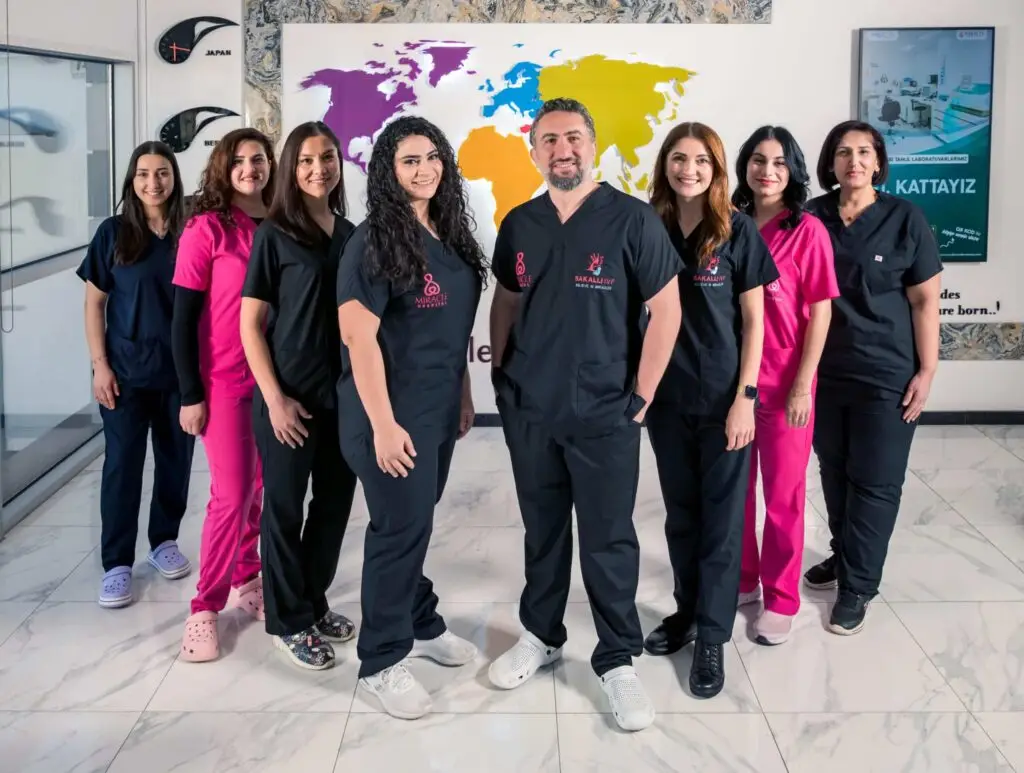
Sakalli IVF is a leading fertility clinic in Northern Cyprus, offering IVF, ICSI, IUI,…
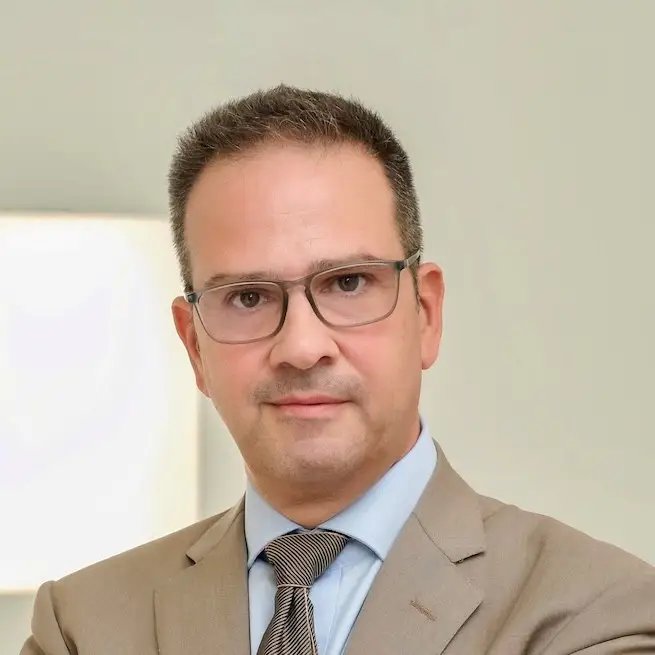
Orthopedic surgeon in Athens, Greece, specializing in hip and knee reconstructive surgery. His work…
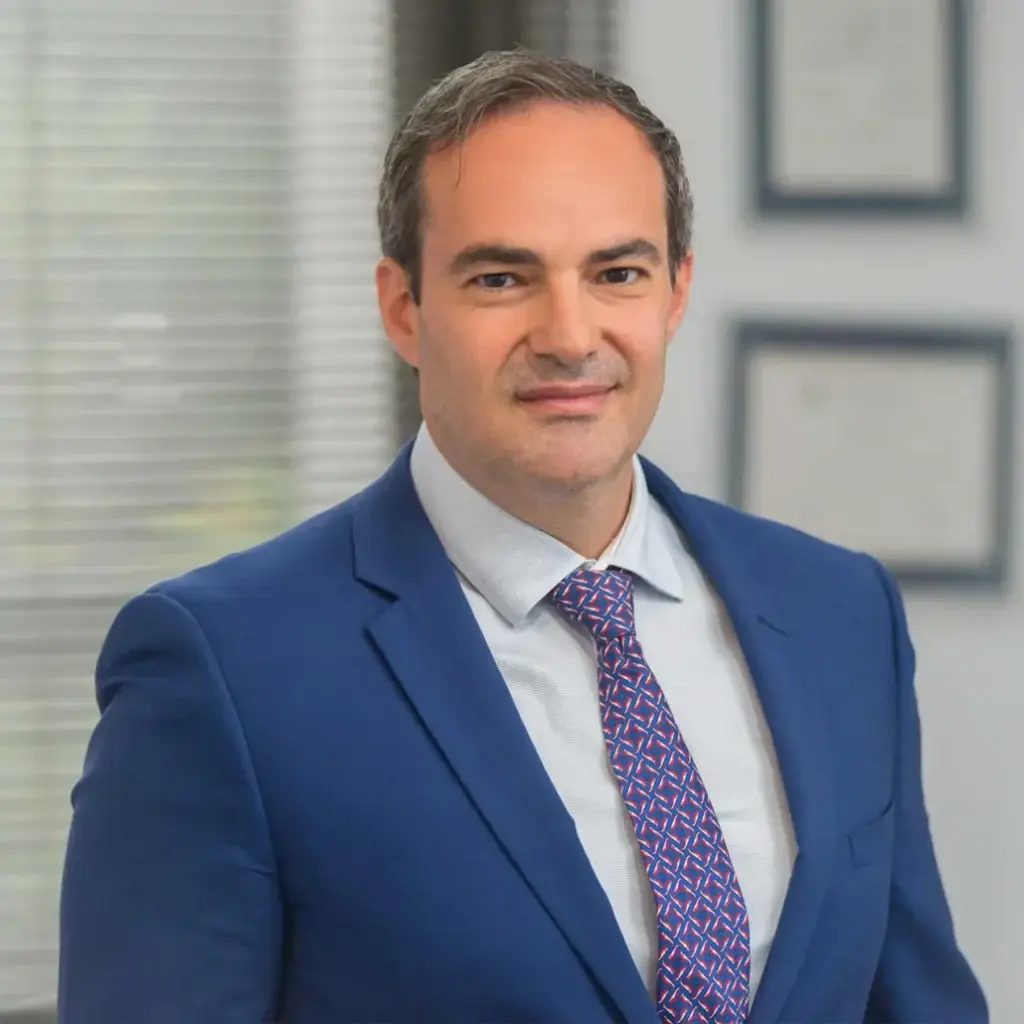
Dr. Michael S. Kourkoulos MD, MSc, FRCS. Advanced Gastrointestinal, Bariatric & Robotic Surgery in…

Led by internationally recognized fertility specialist Dr. Athanasios Garavelas, the clinic combines scientific excellence,…

Cocoon Medical Spa is an aesthetic, anti-aging and wellness clinic in Bali, Indonesia, offering…

Cell Grand Clinic. Advanced Regenerative Medicine & Stem Cell Therapy in Osaka, Japan. Cell…
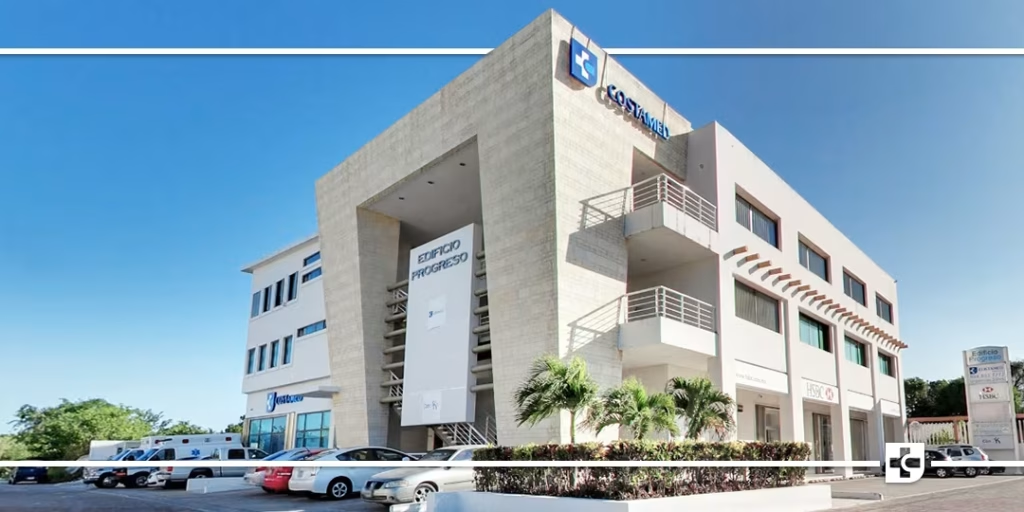
CostaMed Medical Group. Private Hospitals in Cancun, Playa del Carmen, Cozumel & Tulum. CostaMed…
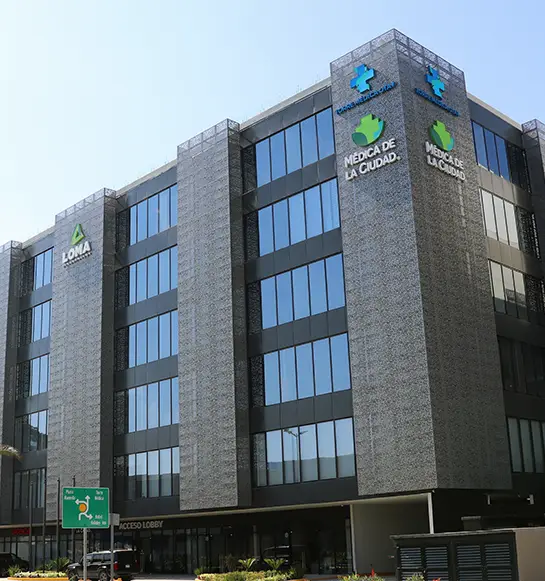
Médica de la Ciudad. Advanced Private Healthcare Network in Mexico for International Patients. Médica…

Hospiten. International Hospital Network for Advanced Healthcare & Medical Tourism. Hospiten is an international…

Endodontics specialist at Consultorio de Especialidades Dentales Mérida, a dental clinic in Mérida, Mexico…
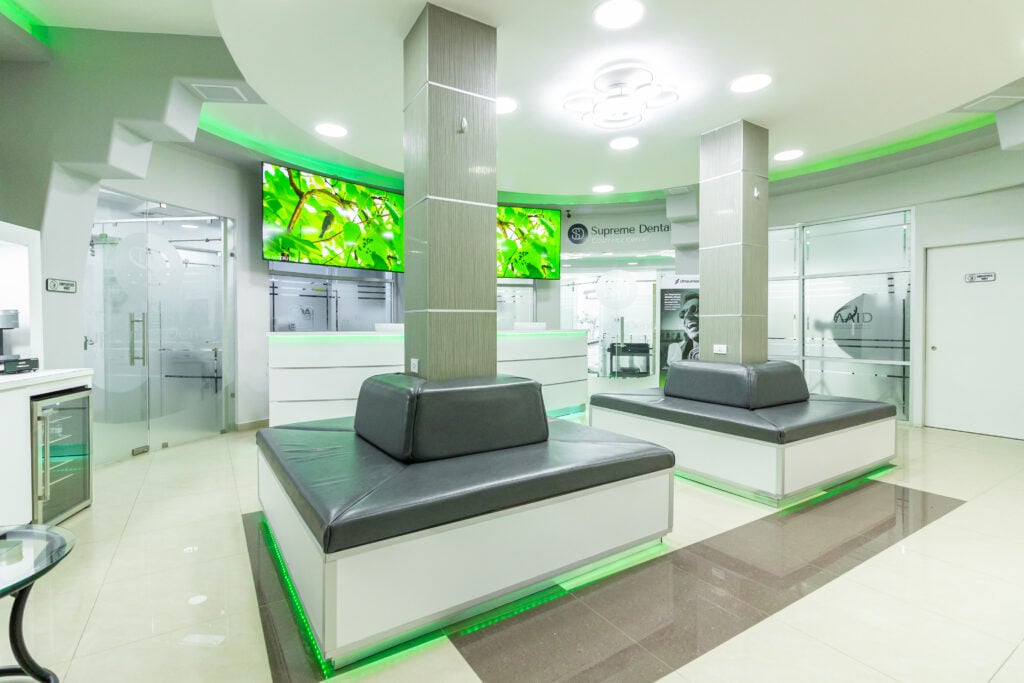
Supreme Dental Clinic. Mexico’s Premier Dental Clinic in Los Algodones. Supreme Dental Clinic is…
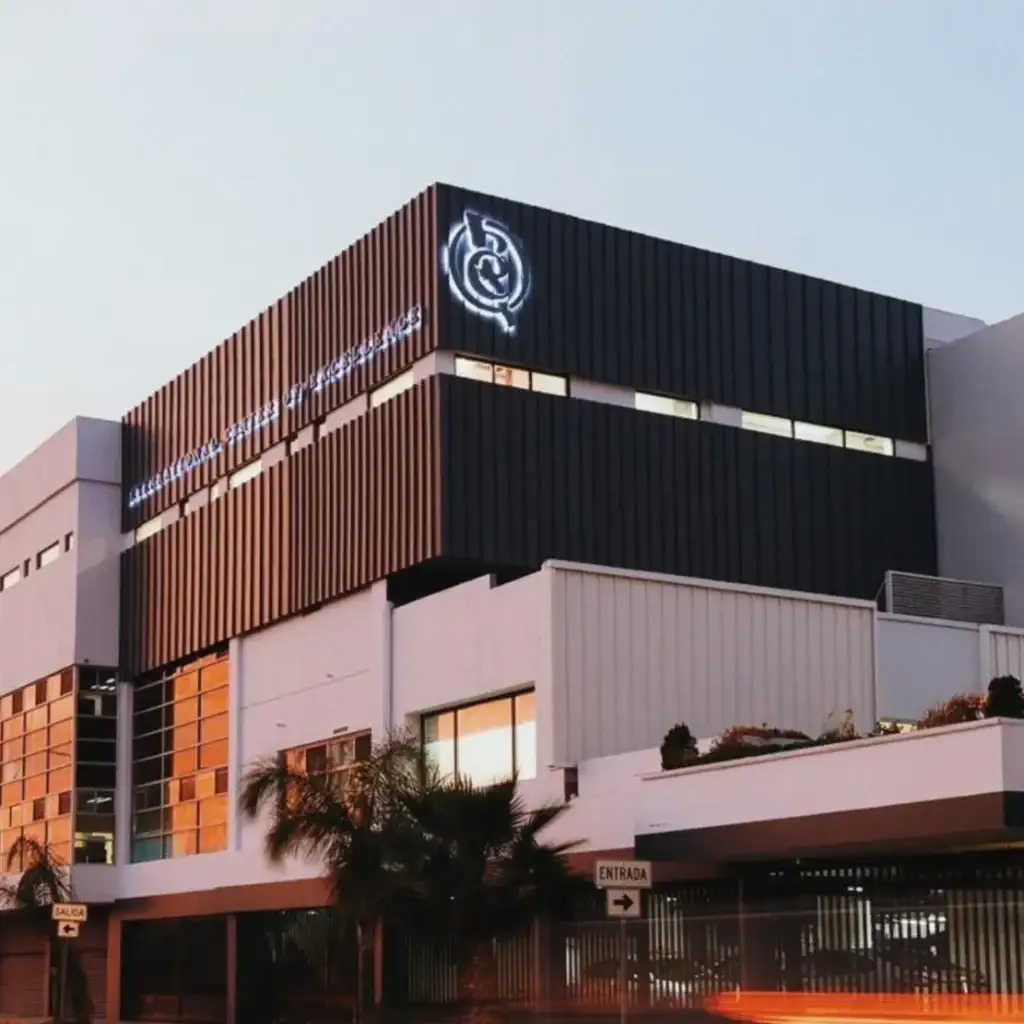
Hospital BCN. Advanced Bariatric, Plastic Surgery & Wellness Care in Tijuana, Mexico. Hospital BCN…

Dra. Itzel Iniesta is a facial and body aesthetic medicine specialist in Mérida, Mexico,…
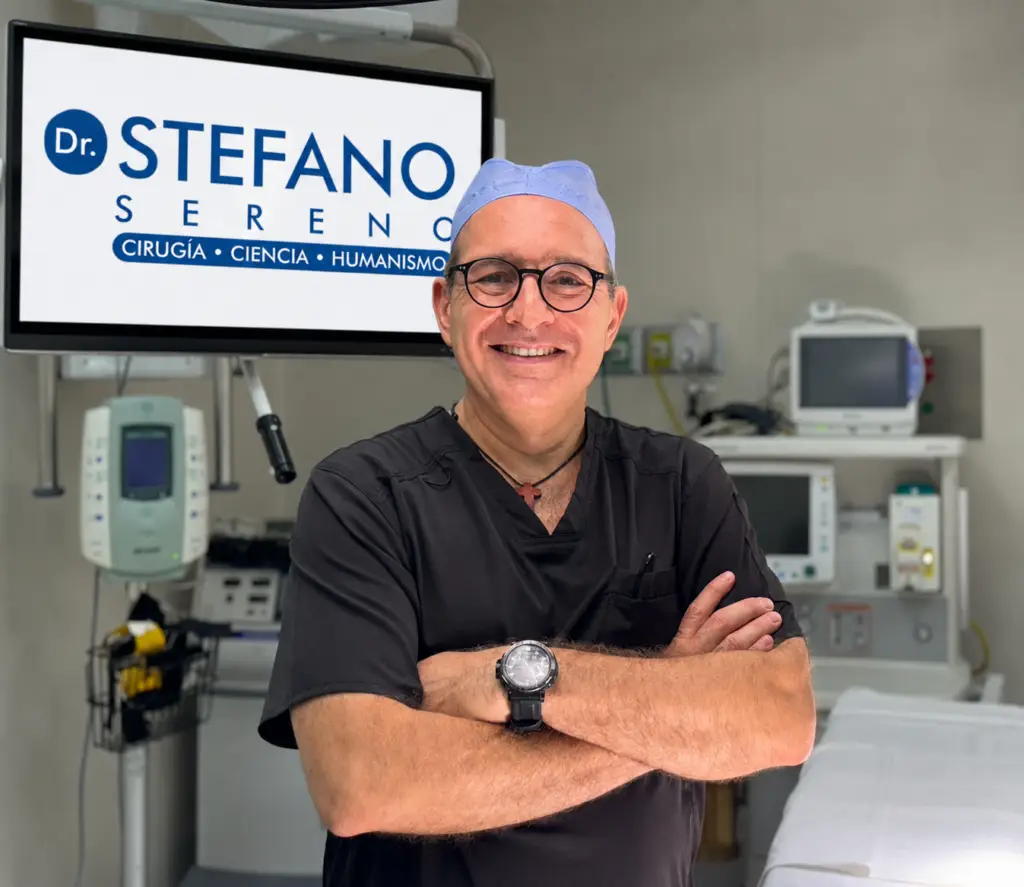
Bariatric and general surgeon in Mexico, specializing in gastric sleeve, gastric bypass, metabolic surgery,…

José Cortés Institute. Mexico City’s Advanced Center for Plastic Surgery & Aesthetic Medicine. José…
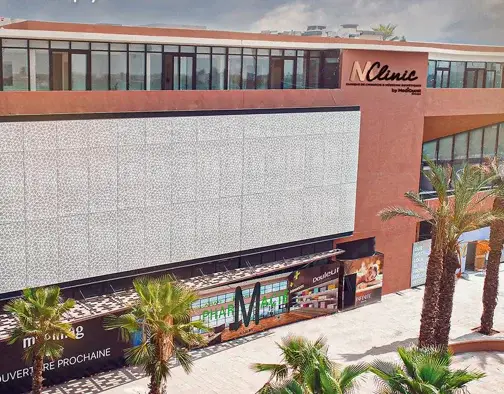
MClinic Marrakech. Luxury Cosmetic Surgery, Aesthetic Medicine & Hair Transplants in Morocco. Luxury aesthetic…
Hospiten. International Hospital Network for Advanced Healthcare & Medical Tourism. Hospiten is an international…
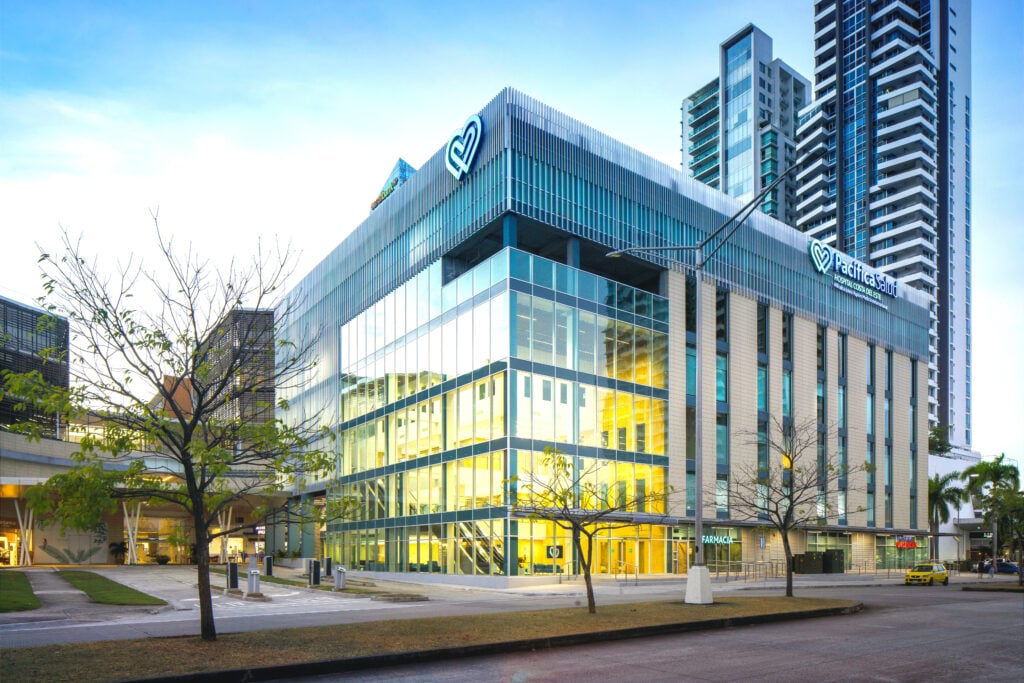
Pacifica Salud Hospital. Panama’s Premier Private Hospital, Affiliated with Johns Hopkins Medicine International. Pacífica…
Teeth Q Dental Surgeons. Advanced Dental Care Across Singapore. eeth Q Dental Surgeons is…


Gangnam JS Hospital. Korea’s Leading Hospital for Cartilage Regeneration & Stem Cell Treatment of…

Asan Medical Center (AMC) is the largest hospital in South Korea and one of…

Elite Plastic Surgery. South Korea’s Premier Center for Detail-Oriented, Safety-Driven Aesthetic Surgery. Elite Plastic…
Bright Eye Clinic Gangnam. Seoul’s Leading Eye Clinic for SMILE LASIK, Vision Correction &…

Sensor 23 is a brain, mental health, recovery and wellness center in Barcelona, Spain,…
Hospital Capilar. Spain’s Specialized Hair Transplant & Hair Restoration Clinic. Hospital Capilar is a…

Wansiri Hospital is Southeast Asia's newest beauty and wellness hospital, created to deliver the…

EDNA Wellness is a surgeon-led regenerative medicine and stem cell clinic in Bangkok, Thailand,…
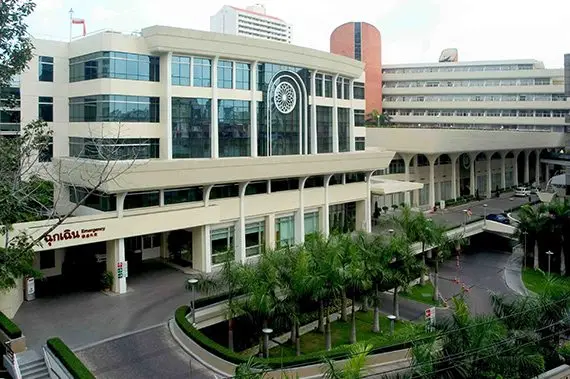
Samitivej Hospital is one of Thailand’s leading private hospital networks, serving local patients, expatriates,…

With multiple modern facilities across the city, Avicenna Hospital combines advanced medical technology, multidisciplinary…

Memorial Hospital is Turkey’s most internationally recognized healthcare network, known for pioneering medical breakthroughs,…
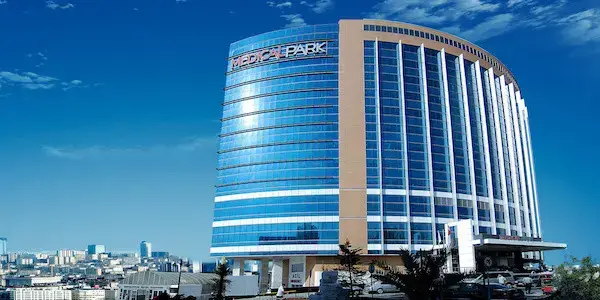
Medical Park Hospital. Turkey’s Largest Private Hospital Network for Advanced Care. Medical Park Hospital…

HospitalXP. Turkey’s Premier Center for Advanced Hair Transplantation & Hair Restoration Medicine. HospitalXP Istanbul…

Tower Dental Clinic. Turkey’s Premier Center for Advanced Implantology, Cosmetic Dentistry & Full-Mouth Rehabilitation.…
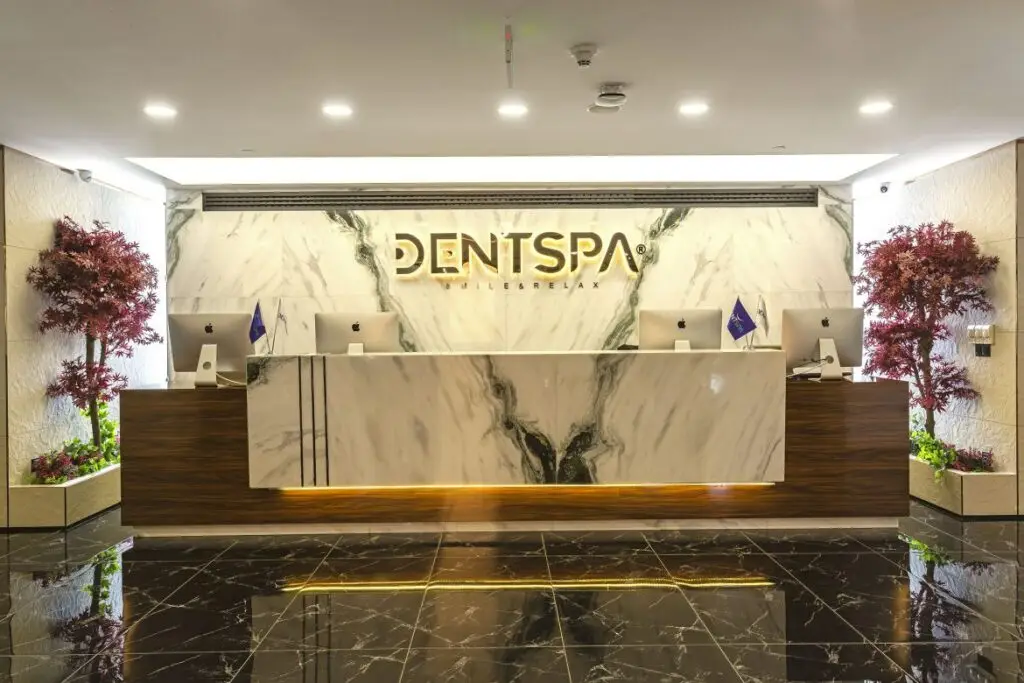
DentSpa Istanbul is one of Turkey’s leading dental centers for cosmetic dentistry, restorative treatments,…

Dr. Gürkan Kayabaşoğlu is a facial plastic surgeon based in Istanbul, Turkey, specializing exclusively…

International Plus. Turkey’s Premium Provider for Aesthetic, Dental, Bariatric & Hair Restoration Care. International…
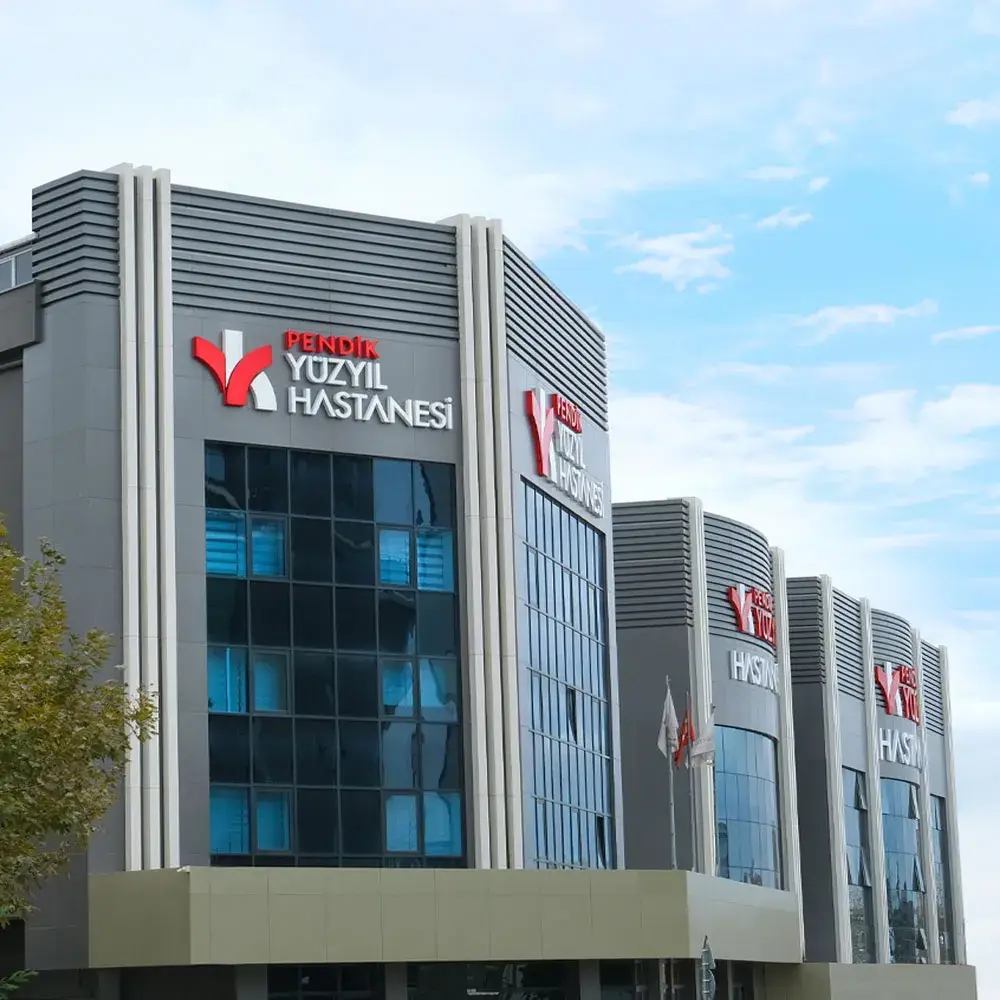
Pendik Yüzyıl Hospital. Comprehensive Healthcare in Istanbul's Asian Side. Pendik Yüzyıl Hospital is a…
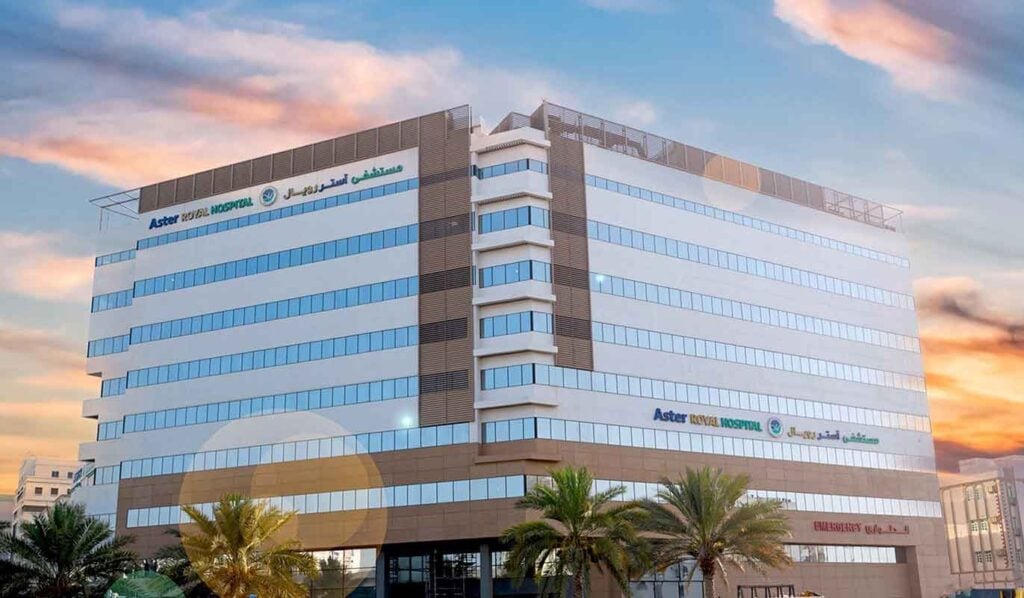
Aster DM Healthcare. Accessible, Affordable & Quality Healthcare Across the Middle East & Asia.…
Is Quality Lower Abroad? What the Accreditation Data Shows
Joint Commission International (JCI) — the global arm of the same body that accredits US hospitals — applies identical standards for surgical safety, infection control, and patient rights. As of 2024, over 1,000 hospitals outside the US hold JCI accreditation. For plastic and reconstructive surgery specifically, several internationally accredited centers publish complication and revision rates that compare favorably to US academic medical centers. Three JCI-accredited hospitals with established plastic surgery programs include Bumrungrad International Hospital in Bangkok, Thailand; Anadolu Medical Center in Gebze, Turkey; and Fortis Healthcare in New Delhi, India. A 2019 study published in JAMA Surgery found that outcomes at accredited international surgical centers were statistically comparable to US benchmarks for elective plastic and reconstructive procedures when patient selection criteria were similar. Accreditation status is verifiable directly at jointcommissioninternational.org.
What to Verify Before Choosing an International Body Contouring Center
- JCI or equivalent accreditation: Confirm current accreditation status on the JCI website directly — not on the clinic’s own marketing pages or brochures.
- Plastic surgeon’s board certification and post-bariatric volume: Verify the surgeon is board-certified by a recognized national plastic surgery board and specifically performs post-bariatric body contouring — not just cosmetic procedures on non-weight-loss patients.
- All-inclusive written quote: The quote must explicitly include surgeon fee, anesthesia, facility fee, compression garments, drains, and at least two post-op follow-up visits — not just the surgeon’s professional fee.
- Staged procedure planning: Multi-area contouring is safer when staged across separate procedures rather than performed in a single marathon session. Confirm the program’s approach to staging and recovery time between sessions.
- Nutritional status assessment: Post-bariatric patients are at elevated risk for nutritional deficiencies (iron, B12, protein, zinc) that impair wound healing. Reputable programs will require current nutritional lab work before clearing patients for surgery.
- Evacuation and complication coverage: Purchase international medical evacuation insurance before travel. Body contouring carries real risks of seroma, wound dehiscence, and infection — understand in writing who bears financial responsibility for complications that emerge after you return home.
How to Plan Skin Removal Surgery Abroad: A Practical Timeline
6–8 Weeks Before Travel
Complete a full nutritional blood panel with your US physician: protein levels, iron, B12, zinc, and vitamin D are all critical to wound healing and are commonly deficient in post-bariatric patients. Correct any deficiencies before surgery — most international programs will require proof of adequate nutritional status. Research and contact at least two internationally accredited plastic surgery programs for written, itemized quotes. Verify surgeon credentials and hospital accreditation independently. Purchase travel health and medical evacuation insurance.
2–3 Weeks Before Travel
Confirm your procedure date and arrange accommodation near the hospital for recovery. Post-bariatric body contouring requires longer recovery stays than most surgical medical tourism — plan for at least 7–10 days near the facility before flying, and longer for multi-area procedures. Stop any supplements that affect bleeding (fish oil, vitamin E, NSAIDs) at least two weeks before surgery as directed by your surgeon.
After Surgery
Do not fly until your drains are removed and your surgeon has cleared you for travel — typically 7–14 days for panniculectomy, longer for multi-area procedures. Collect all operative notes, pathology reports (if tissue was submitted), and your surgeon’s direct contact information before discharge. Schedule a US follow-up with a board-certified plastic surgeon or your primary care physician within one week of returning home. Wound dehiscence and seroma can develop weeks post-op — having a domestic physician who can manage these complications is essential before you leave.
Honest Risk Assessment: What Can Go Wrong
- Seroma (fluid collection): The most common complication of large skin excisions; occurs in 15–30% of body lift patients. Seromas require aspiration (needle drainage) which may need to be repeated multiple times — having a domestic provider who can manage this is non-negotiable.
- Wound dehiscence: Post-bariatric patients face elevated risk of wound separation, particularly at tension points like the lower abdomen and flanks, due to nutritional deficiencies and the mechanical stress of large skin excisions. This risk is manageable with proper pre-op nutritional optimization.
- DVT and pulmonary embolism: Body contouring procedures are among the higher-risk elective surgeries for DVT. Flying internationally within 7–10 days of a major body lift dramatically elevates this risk — do not rush your departure.
- Continuity of care gaps: The most significant international surgery risk is not the procedure itself but the handoff to home-country care. Seromas, wound infections, and dehiscence commonly present 2–6 weeks post-op — well after you have returned home. Securing a domestic provider before you travel is not optional.
Frequently Asked Questions
Does insurance cover skin removal surgery after weight loss?
Rarely, and only under specific medical necessity criteria. A panniculectomy may be covered when the overhanging abdominal skin causes documented, recurrent skin infections or intertrigo that has failed conservative treatment. Full body lifts, arm lifts, and thigh lifts are almost universally classified as cosmetic and denied. If you believe your case meets medical necessity criteria, work with your physician to document the clinical evidence thoroughly before submitting a prior authorization request — and be prepared to appeal an initial denial.
How long after bariatric surgery should I wait before getting skin removal?
Most plastic surgeons recommend waiting until your weight has been stable for at least 12–18 months after reaching your lowest post-bariatric weight. Operating during active weight loss leads to suboptimal results and increases the risk of revision surgery. Your nutritional markers — particularly protein, iron, and B12 — must also be fully optimized before any elective skin removal procedure.
Can all areas (abdomen, arms, thighs) be done at once internationally?
Technically possible, but not recommended by most responsible plastic surgeons. Combining more than two major body areas in a single surgical session significantly increases operating time, blood loss, anesthesia risk, and complication rates. Most experienced international programs will stage multi-area contouring across two or more procedures separated by adequate recovery time. Be cautious of programs that aggressively promote single-session full-body transformations — this is a patient safety issue, not just a marketing preference.
What is the recovery time for a lower body lift?
A lower body lift (circumferential body lift addressing the abdomen, flanks, and buttocks) requires 2–4 weeks of limited activity and 6–8 weeks before returning to full physical function. Compression garments are worn for 6–8 weeks. International programs typically require a minimum 10–14 day stay near the facility before clearing patients for a long-haul flight — plan your travel accordingly.
Will my results look the same as if I had surgery in the US?
Results depend on surgeon skill, technique, and patient factors — not geography. A board-certified plastic surgeon with documented post-bariatric body contouring experience at an accredited international facility can achieve equivalent outcomes to a US surgeon with the same qualifications. Research the surgeon’s before/after portfolio specifically for post-bariatric patients (not standard cosmetic cases), and request to speak with previous patients when possible.
What’s the total cost including travel and accommodation?
For a patient traveling from the continental US to Mexico or Colombia for a panniculectomy, total costs including surgery, flights, hotel for 8–10 nights, and local transportation typically range from $4,500 to $7,000 — still well below the $8,000–$14,000 US price floor for the procedure alone. For a lower body lift in Turkey or Thailand, all-in costs including airfare typically run $7,000–$12,000 versus $12,000–$21,000 in the US.
The Bottom Line
Skin removal surgery after weight loss costs $8,000–$38,000 or more in the United States without insurance — an amount that places a medically important procedure beyond reach for many post-bariatric patients. Before pursuing any surgical option, exhaust domestic avenues: document medical necessity thoroughly for any insurance appeal, ask about hospital charity care programs, and get competing self-pay quotes from at least three board-certified plastic surgeons. If international surgery becomes your path forward, JCI-accredited plastic surgery centers in Mexico, Turkey, Thailand, and Colombia perform these procedures at 60–75% below US prices with documented safety standards. The non-negotiables are preparation and planning: verify nutritional status before surgery, allow adequate recovery time before flying, and secure a domestic provider for post-op follow-up care before you book your flight.
Get a free, no-obligation quote from internationally accredited body contouring centers →
Featured Plastic Surgery Procedures in Costa Rica
Procedures discussed in this article, available across Costa Rica.

Face Lifting in San Jose
Rejuvenate your appearance with a face lift in Costa Rica, where expert plastic surgeons use advanced, minimally…

Tummy Tuck in San Jose
Achieve a toned, sculpted abdomen with a tummy tuck in Costa Rica, where expert plastic surgeons combine advanced…
Rhinoplasty Procedure in San Jose
Refine your facial harmony and enhance your confidence with a rhinoplasty in Costa Rica, where expert plastic…

Breast Augmentation in San Jose
Enhance your curves and confidence with breast augmentation in Costa Rica, where highly skilled plastic surgeons…

Liposculpture in San Jose
Achieve a beautifully contoured physique with advanced liposculpture in Costa Rica, where expert plastic surgeons…
Recommended Plastic Surgery Clinics in Costa Rica
Trusted clinics specializing in Plastic Surgery across Costa Rica.
Clinica Biblica Hospital
Medical Tourism Center Clínica Bíblica Hospital is Costa Rica’s leading private hospital and a pioneer in…
Explore Tours in Costa Rica
Discover the best places to visit in Costa Rica and explore its rich culture, breathtaking landscapes, iconic attractions, and unforgettable travel experiences.

Costa Rica: Off Road Rainforest and Waterfalls ATV Tour
Embark on an exhilarating ATV adventure through the picturesque Manuel Antonio countryside, where lush…

Costa Rica: Full Day Poas Volcano, La Paz Waterfall Gardens and Coffee Plantation Experience
Experience the best of Costa Rica on this full-day combo tour from San Jose, blending coffee, nature, and wildlife…

Costa Rica: La Fortuna Waterfall, Hanging Bridges, Arenal Volcano Combo Tour
Experience the best of Costa Rica’s natural wonders on this full-day small-group adventure in La Fortuna. Begin…

Costa Rica: One day Tour Isla Tortuga with Lunch from Puntarenas
Escape to paradise with a day trip to Isla Tortuga, the perfect destination for relaxation and adventure. Whether…

Costa Rica: Manuel Antonio Park Nature Guided Tour with a Nature Specialist
Discover the incredible biodiversity of Costa Rica on a guided nature hike through Manuel Antonio National Park,…
More Plastic Surgery Articles About Costa Rica
Keep reading about Plastic Surgery care and travel in Costa Rica.

Cost of Mommy Makeover in Costa Rica
A Mommy Makeover in Costa Rica is among the most sought-after cosmetic procedures for international patients…

Costa Rica: A Premier Destination for Medical Tourism
Affordable Healthcare in a Tropical Paradise. Costa Rica is more than just a traveler's paradise known for its…
Cyst Removal Surgery Cost Without Insurance
Cyst removal surgery without insurance in the United States typically costs between $1,500 and $8,000 — with the…

Facelift in Costa Rica Cost and Clinics
Facelift surgery in Costa Rica has become a major draw for international patients seeking natural, age-defying…

Breast Reduction Surgery Cost Without Insurance
Breast reduction surgery, also known as reduction mammaplasty, is a transformative procedure designed to reduce…

Tummy Tuck in Costa Rica Cost and Clinics
A tummy tuck in Costa Rica, medically known as abdominoplasty, is a cosmetic procedure that removes excess fat and…
Leave a Comment
Share your thoughts on this article, or ask us a question -- we'd love to hear from you.