



Rotator cuff tears are among the most common shoulder injuries in adults, affecting roughly 2 million Americans per year. The rotator cuff is a group of four muscles and their tendons — the supraspinatus, infraspinatus, subscapularis, and teres minor — that stabilize the shoulder joint and power nearly every overhead arm movement. When one or more of these tendons tears, either from acute trauma or degenerative wear, surgery is often the only path to full strength and function. Arthroscopic rotator cuff repair in the United States costs between $15,000 and $40,000 without insurance, and many patients are shocked to find that even with coverage, they owe thousands. This article explains exactly what drives those costs, what insurance actually covers, and why thousands of patients are choosing accredited international orthopedic centers to have their rotator cuff repaired at 80–90% less than the US price.
What Does Insurance Actually Cover for Rotator Cuff Repair?
Rotator cuff repair is generally classified as medically necessary when the tear is full-thickness or causes significant functional impairment documented by MRI and clinical exam. However, the path from “covered” to “paid for” is rarely straightforward. Prior authorization, deductibles, coinsurance, and out-of-network billing surprises routinely leave patients with large out-of-pocket balances. Here is how coverage scenarios typically unfold:
| Coverage Scenario | Typical Insurance Response |
|---|---|
| Prior authorization required | Most plans require pre-authorization; partial tears frequently denied if conservative treatment (injections, PT) was not first attempted for 6–12 weeks |
| Elective classification risk | Partial-thickness tears may be classified as elective; insurers sometimes deny or delay approval pending additional imaging or specialist review |
| Out-of-network surgeon or facility | Out-of-network providers can expose patients to 40–60% cost-sharing even after the deductible is met |
| Annual deductible applies | Patients with $3,000–$7,000 deductibles pay all costs until the threshold is met — often the entirety of the outpatient facility fee |
| Coinsurance after deductible | Standard plans cover 70–80% after the deductible; patients owe 20–30%, often $3,000–$9,000 on a full-thickness repair |
| SLAP repair denial risk | SLAP (superior labrum anterior to posterior) repairs are sometimes denied as insufficiently documented or cosmetic in the context of degenerative disease |
How Much Does Rotator Cuff Repair Cost Without Insurance?
FAIR Health consumer cost data and CMS procedure pricing show significant variation in rotator cuff repair costs depending on whether the tear is partial or full-thickness, the number of tendons involved, and whether SLAP repair or biceps tenodesis is performed concurrently. Hospital-based arthroscopic rotator cuff repair in a high-cost urban market can approach $40,000 all-in; the same procedure at a freestanding ASC with a cash-pay negotiated rate may run $12,000–$18,000. The estimates below reflect realistic all-in costs including surgeon, facility, anesthesia, and standard post-op imaging.
| Region / Facility Type | Low Estimate | High Estimate | Average |
|---|---|---|---|
| Urban hospital (Northeast / West Coast) | $28,000 | $40,000 | $34,000 |
| Suburban hospital (Midwest / Southeast) | $18,000 | $32,000 | $25,000 |
| Ambulatory surgery center (any region) | $15,000 | $26,000 | $20,000 |
| Academic medical center | $26,000 | $40,000 | $33,000 |
| Rural or community hospital | $16,000 | $28,000 | $22,000 |
| Cash-pay negotiated rate (ASC) | $12,000 | $18,000 | $15,000 |
What Drives Rotator Cuff Repair Costs So High in the US?
Arthroscopic rotator cuff repair typically takes 1–2 hours and is performed as an outpatient procedure, yet the total cost routinely reaches five figures. Several systemic factors in US healthcare account for this disparity:
- Operating room and facility fees: US hospitals charge $10,000–$22,000 in facility fees for arthroscopic shoulder surgery, covering OR time, equipment, nursing, and recovery room — before any physician bills are added.
- Anchor and implant costs: Rotator cuff repair anchors (suture anchors, knotless anchors, all-suture anchors) cost $300–$800 each, and most repairs use 2–6 anchors depending on tear size, adding $600–$4,800 in hardware alone.
- Anesthesia fees: General or regional anesthesia for shoulder surgery typically runs $1,500–$3,000 as a separate charge billed by an independent anesthesiologist.
- Surgeon’s professional fee: Shoulder surgeons in the US charge $3,000–$7,000 for rotator cuff repair, with sub-specialists and sports medicine fellowship-trained surgeons commanding the higher end.
- Post-operative physical therapy: Rotator cuff rehabilitation spans 4–6 months; 20–30 PT sessions at $150–$400 per visit adds $3,000–$12,000 to the total cost of recovery.
Financial Assistance Options if You’re Uninsured
Uninsured patients facing a $15,000–$40,000 rotator cuff repair bill have several avenues worth exploring before booking internationally or delaying necessary treatment:
- Hospital charity care programs: Nonprofit hospitals receiving federal funding must maintain charity care policies; income-qualified patients (up to 200–400% of federal poverty level) may receive substantial bill reductions or full forgiveness.
- CareCredit and Prosper Healthcare Lending: Medical-specific financing products offer deferred-interest promotions (6–24 months) and installment loans up to $65,000 — often accepted by orthopedic practices and ASCs.
- Self-pay discounts: Hospitals and ASCs routinely offer 20–40% discounts for patients paying in full before or at the time of service; always request the explicit self-pay rate in writing.
- Ambulatory surgery centers vs. hospitals: For an elective outpatient procedure like rotator cuff repair, a freestanding ASC can cut the facility fee by 40–60% versus a hospital setting with no compromise in clinical outcomes.
- State indigent care and assistance programs: Several states operate programs for uninsured residents covering medically necessary orthopedic procedures; contact your state’s department of health for current eligibility criteria.
- Direct negotiation with the surgical practice: Many orthopedic surgeons will negotiate a reduced professional fee for cash-pay uninsured patients — a direct, respectful conversation before scheduling can yield 15–30% off the stated rate.
How Much Does Rotator Cuff Repair Cost Abroad?
Internationally accredited orthopedic centers in Mexico, Turkey, Thailand, India, Colombia, and Poland perform arthroscopic rotator cuff repair using the same techniques and implant systems as top US facilities — at 75–90% lower total cost. The savings stem from structural economic differences, not quality compromises. Many of these centers treat a high volume of international patients specifically, maintaining English-speaking staff, international insurance liaisons, and telemedicine follow-up programs for post-return care.
| Country | Estimated Cost | Savings vs. US Average | Notes |
|---|---|---|---|
| Mexico | $3,500–$6,500 | 75–85% | Close proximity to the US; Monterrey and Mexico City have established orthopedic hospitals serving North American patients; same-brand suture anchors used |
| Turkey | $3,000–$5,500 | 80–90% | Istanbul’s private hospital sector includes JCI-accredited centers with sports medicine subspecialty programs; strong arthroscopy infrastructure |
| Thailand | $4,000–$7,000 | 75–85% | Bumrungrad International and Bangkok Hospital are globally recognized; English-speaking orthopedic teams; high volume of shoulder surgery cases |
| India | $2,000–$4,000 | 85–95% | Apollo and Fortis networks offer the lowest price point with JCI accreditation; internationally trained shoulder surgeons widely available |
| Colombia | $3,000–$5,500 | 80–90% | Bogotá and Medellín have modern orthopedic facilities; US-trained surgeons common; growing medical tourism infrastructure |
| Poland | $2,800–$5,000 | 80–90% | EU medical standards and oversight; competitive pricing for Eastern European destinations; popular with North American and Western European patients |
Orthopedic Clinics Featured by MyMediTour
MyMediTour partners with verified orthopedic clinics across the globe’s top medical tourism destinations. Every clinic in our network has been evaluated for accreditation status, surgeon fellowship training, patient volume, outcome data, and the international patient support infrastructure needed to make your medical travel experience safe and seamless.

Leading tertiary non-profit comprehensive hospital in Xiamen, Fujian Province, China, providing advanced medical care…
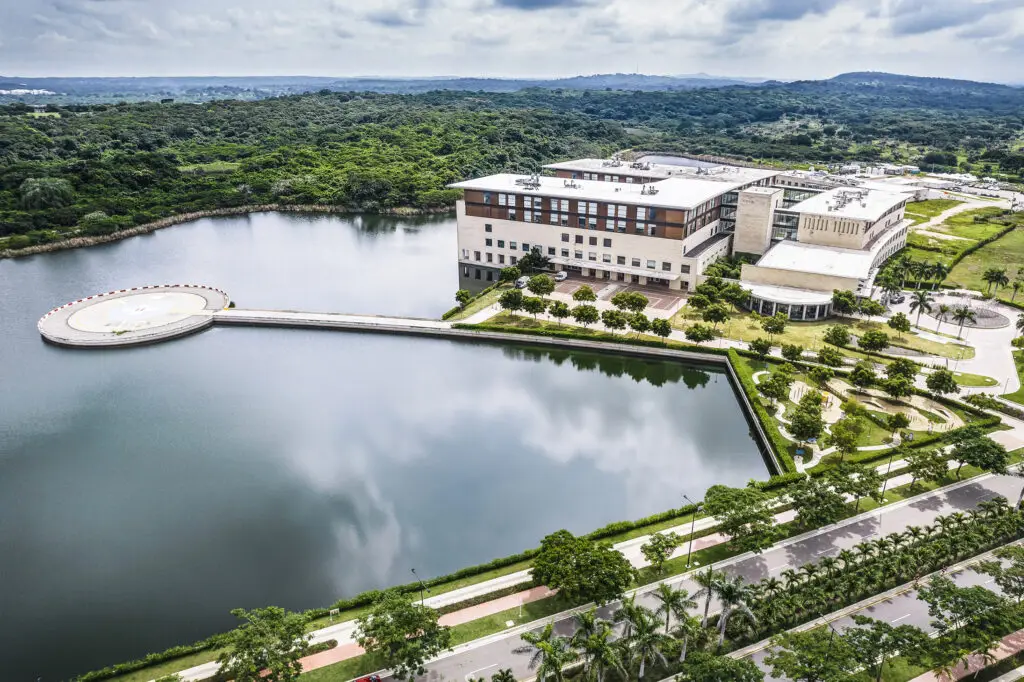
Hospital Serena del Mar – Carlos Haime – is the most modern high-complexity medical…
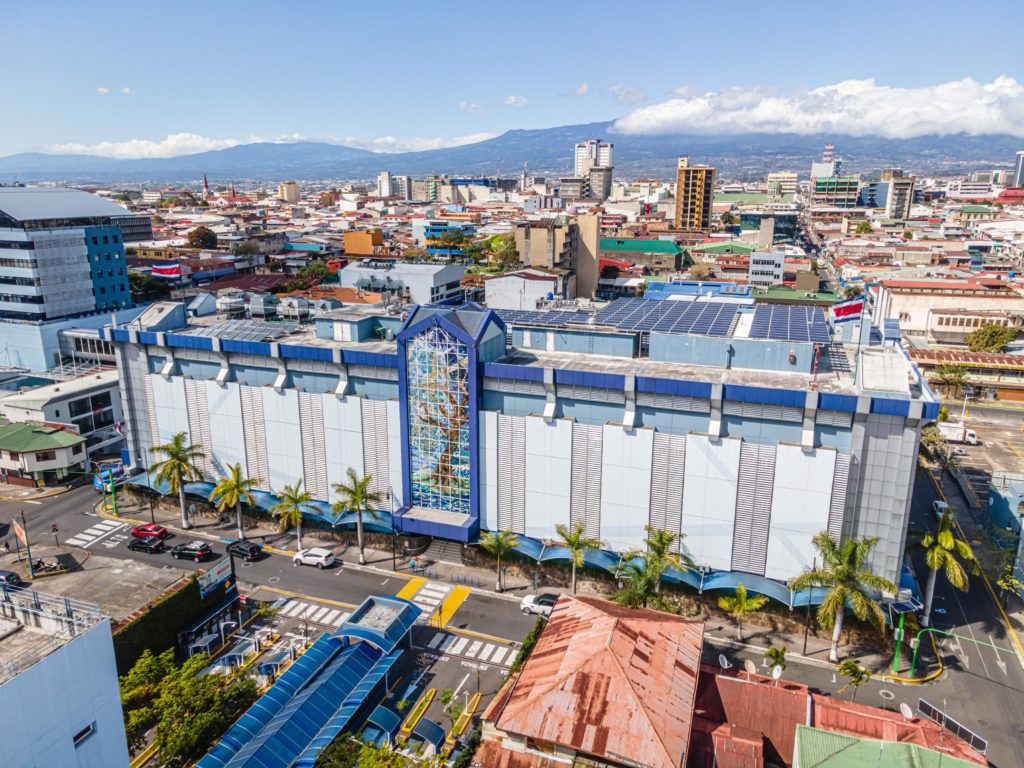
Medical Tourism Center Clínica Bíblica Hospital is Costa Rica’s leading private hospital and a…
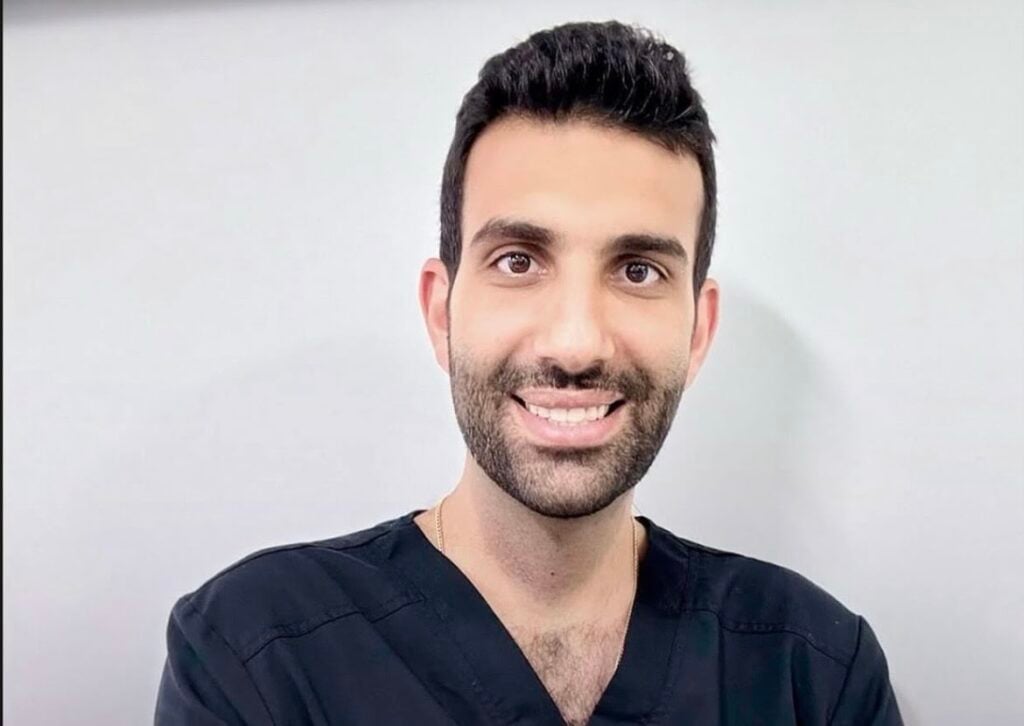
Orthopedic surgeon based in San José, Costa Rica, with specialized training in hip and…
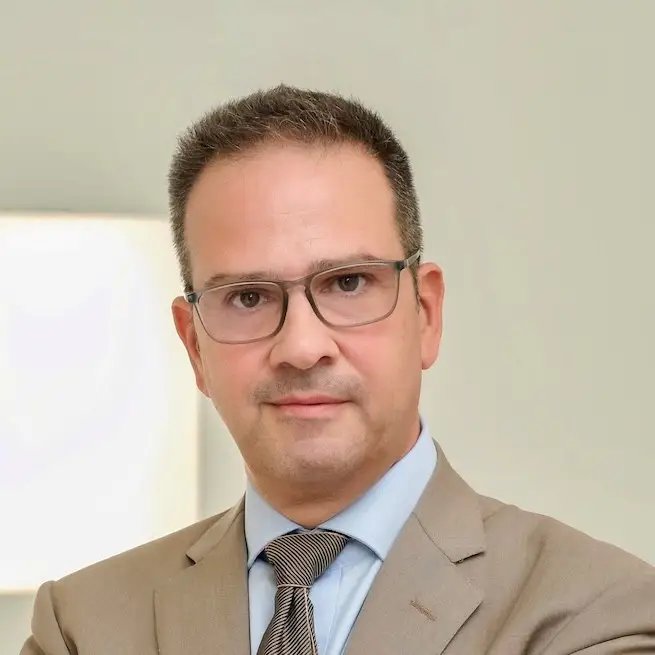
Orthopedic surgeon in Athens, Greece, specializing in hip and knee reconstructive surgery. His work…
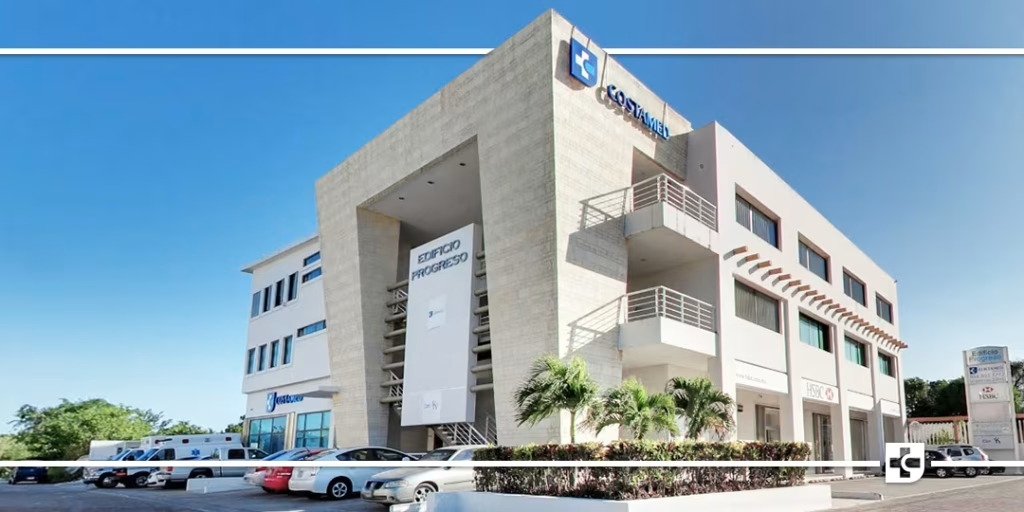
CostaMed Medical Group is a network of private hospitals in Mexico’s Caribbean, with locations…

Hospiten is an international private hospital network with more than 50 years of experience…
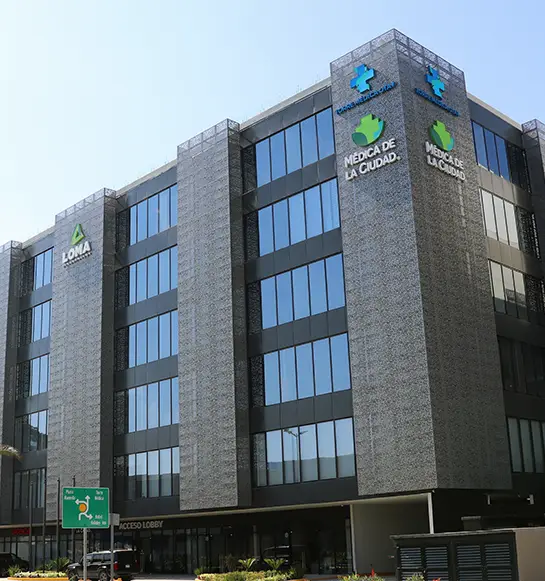
Médica de la Ciudad is a rapidly growing private hospital network in Mexico dedicated…
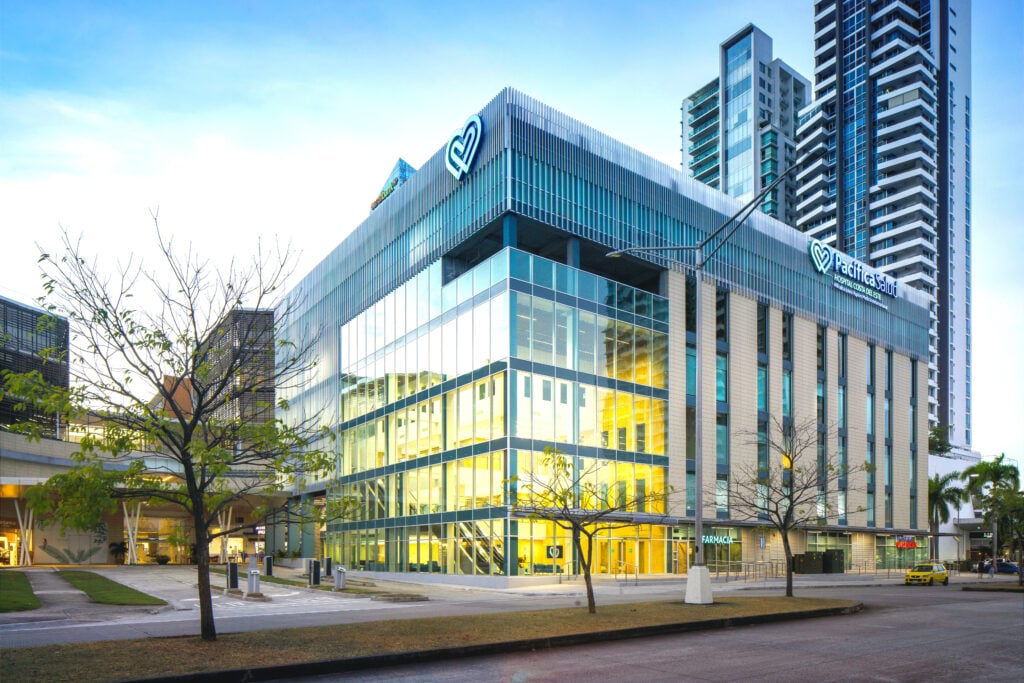
Pacífica Salud Hospital is one of Latin America’s most advanced private hospital systems, born…
Hospiten is an international private hospital network with more than 50 years of experience…
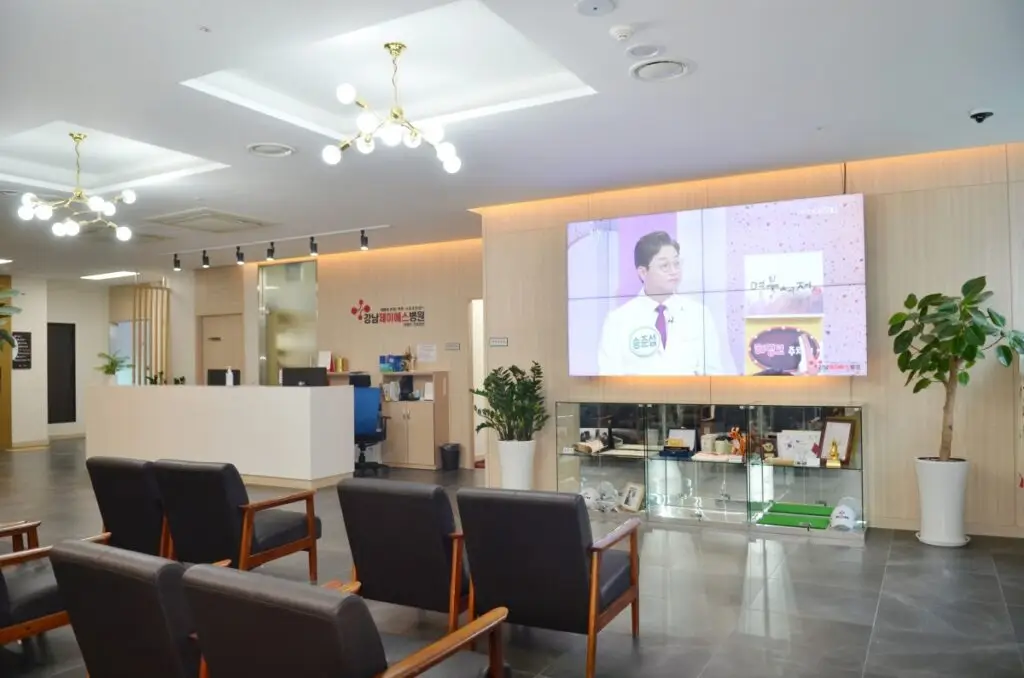
Gangnam JS Hospital is a specialized orthopedic and regenerative medicine hospital in Seoul, South…

Asan Medical Center (AMC) is the largest hospital in South Korea and one of…
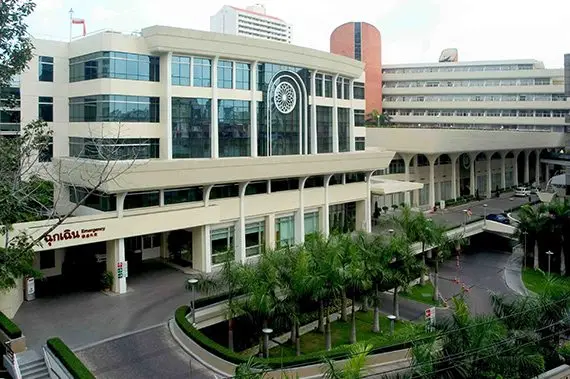
Samitivej Hospital is one of Thailand’s leading private hospital networks, serving local patients, expatriates,…

Pendik Yüzyıl Hospital is a full-service private hospital located in Pendik, Istanbul, serving both…

Liv Hospital Istanbul is one of Turkey’s leading private hospitals, internationally recognized for its…

Memorial Hospital is Turkey’s most internationally recognized healthcare network, known for pioneering medical breakthroughs,…

With multiple modern facilities across the city, Avicenna Hospital combines advanced medical technology, multidisciplinary…

Medical Park Hospital is the flagship brand of MLP Care, Turkey’s largest private hospital…

Aster DM Healthcare is a leading international healthcare group delivering multi-specialty medical care through…
Is Quality Lower Abroad?
The idea that surgery quality necessarily decreases outside the United States does not hold up to scrutiny. Joint Commission International (JCI) accreditation — issued by the same body that accredits US hospitals — evaluates international hospitals on infection control, surgical safety checklists, patient identification protocols, medication safety, and quality improvement programs. Hundreds of hospitals in Mexico, Turkey, Thailand, India, and Eastern Europe carry JCI certification, meeting the same structural standards as accredited US facilities.
Arthroscopic rotator cuff repair is a globally standardized technique. The suture anchors used — from manufacturers like Arthrex, Smith & Nephew, DePuy Synthes, and Conmed — are the same products available in US operating rooms. Many of the surgeons performing these procedures at top international centers completed their fellowship training in the US, UK, Germany, or France. What international clinics lack is the US hospital system’s administrative overhead, liability insurance burden, and facility fee markup — factors that inflate cost without improving the surgical result.
How to Verify a Clinic’s Credentials Before You Go
Selecting the right clinic for rotator cuff repair abroad requires structured due diligence. Use this checklist before committing to any international provider:
- Confirm JCI or national accreditation: Verify the facility’s current accreditation status at jointcommissioninternational.org or through the country’s national hospital accreditation body.
- Request the surgeon’s CV and fellowship credentials: Confirm board certification in orthopedic surgery and ask specifically about shoulder surgery fellowship training and annual case volume.
- Ask for rotator cuff repair volume statistics: A surgeon performing 80–150+ shoulder arthroscopies per year has measurably better outcomes than a low-volume provider — ask directly.
- Confirm implant manufacturer and model: Specify name-brand suture anchors (Arthrex FiberTak, Smith & Nephew Twinfix, or equivalent) and request written confirmation of implant sourcing before surgery.
- Get a written all-inclusive cost quote: The quote should explicitly cover surgeon fee, facility fee, anesthesia, anchors/implants, hospital stay, post-op imaging, and any included physical therapy — with no open-ended items.
- Understand the complication management protocol: Ask what happens if you need revision surgery or develop infection after returning home — a reputable clinic has a documented process and will not simply go silent.
- Review patient testimonials for the same procedure: Ask for references from patients who specifically had rotator cuff repair, not just general shoulder surgery or other procedures.
- Work through a vetted facilitator: MyMediTour pre-screens clinics so you are not navigating credential verification alone — a significant advantage for first-time medical travelers.
Rotator Cuff Repair Recovery: What to Expect
| Phase | Timeframe | What Happens | Travel Considerations |
|---|---|---|---|
| Immediate post-op | Days 1–3 | Arm in sling, ice and compression, pain management, wound monitoring | Remain near the clinic; no flying during this phase |
| Early recovery | Weeks 1–2 | Wound check, suture removal, passive range-of-motion exercises, continued sling use | Most patients cleared to fly home at 7–10 days with arm in sling and aisle seat recommended |
| Passive to active-assisted motion | Weeks 3–6 | Gradual progression of shoulder ROM, pendulum exercises, pain settles significantly | Continue PT at home using the clinic’s protocol; telemedicine check-ins with surgeon |
| Strengthening phase | Months 2–4 | Active range of motion restored, rotator cuff strengthening begins, daily function improving | No travel restrictions; normal low-demand activity progressively resumes |
| Return to full function | Months 4–6 | Overhead activities restored, sport-specific loading for athletes, final imaging if needed | No restrictions; clearance based on clinical and functional milestones |
Risk Assessment: US vs. Abroad
| Risk Factor | US | Top International Clinics |
|---|---|---|
| Surgical site infection | ~1% for arthroscopic shoulder surgery | Comparable at JCI-accredited centers; arthroscopic technique minimizes soft tissue exposure |
| Re-tear rate | 15–25% at 2 years (depends on tear size and tissue quality) | Equivalent; re-tear is driven by biology and repair technique, not geography |
| Surgeon experience | High variation; fellowship-trained shoulder specialists have significantly better outcomes | Top medical tourism centers selectively credential high-volume shoulder surgeons — verify before booking |
| Implant quality | Name-brand anchors standard at reputable facilities | Same brands available internationally; confirm in writing |
| Post-op rehabilitation continuity | Easy access to local PT | Requires coordination — clinic provides protocol; local PT executes; telemedicine bridges the gap |
| Access to care if complications arise post-return | Immediate local access | Most complications present during in-country stay; post-return issues require local orthopedic follow-up |
Frequently Asked Questions
How much does rotator cuff surgery cost without insurance in the US?
Without insurance, arthroscopic rotator cuff repair in the United States costs between $15,000 and $40,000 for the complete episode of care, including surgeon fee, facility fee, anesthesia, implants (suture anchors), and post-operative imaging. The wide range reflects differences in facility type (hospital vs. ASC), geographic market, and tear complexity. A straightforward partial-thickness repair at a freestanding ASC in a lower-cost market may approach $12,000–$15,000 with cash-pay negotiation; a complex full-thickness multi-tendon repair at a major academic medical center can exceed $40,000.
What is the difference between a partial and full rotator cuff tear repair cost?
Partial-thickness tears that require debridement and smoothing (not full anchor-based repair) typically cost $3,000–$8,000 less than full-thickness repairs that require suture anchors and tendon-to-bone fixation. Full-thickness tears involving multiple tendons, or combined rotator cuff repair with SLAP repair or biceps tenodesis, add $2,000–$6,000 in additional surgeon time and implant costs. Internationally, both procedures remain significantly less expensive than their US equivalents.
Is rotator cuff surgery abroad as safe as in the United States?
Arthroscopic rotator cuff repair at a JCI-accredited international center carries complication rates comparable to reputable US facilities. The procedure itself — portal placement, anchor insertion, suture passage, and knot tying — is technically identical worldwide. The variables that drive outcomes are surgeon experience and tissue quality, not geography. The key precaution for international patients is ensuring adequate in-country recovery time (minimum 7–10 days) before flying, and arranging competent local physical therapy before departure.
How long is recovery after rotator cuff repair?
Recovery from arthroscopic rotator cuff repair typically spans 4–6 months before return to full overhead activity, and up to 9–12 months for athletes returning to throwing sports or heavy manual labor. The first 6 weeks are spent in a sling with passive range-of-motion exercises; active strengthening begins around week 6–8; return to light overhead activity occurs around month 3–4. This timeline is the same whether surgery is performed in the US or abroad — the biology of tendon-to-bone healing is not geography-dependent.
What happens if my rotator cuff repair fails after surgery abroad?
Re-tear rates for rotator cuff repair range from 15–25% at two years, regardless of where surgery is performed. If imaging after returning home suggests a re-tear or repair failure, the appropriate next step is consultation with a local orthopedic surgeon who can review the operative report and imaging from your international procedure. Reputable international clinics provide complete operative documentation and are accessible via telemedicine for consultation. Revision surgery can be performed locally with the original operative records in hand.
What should an all-inclusive rotator cuff repair quote abroad include?
A legitimate all-inclusive quote for rotator cuff repair abroad should explicitly list: surgeon’s fee, facility/OR fee, anesthesia fee, suture anchor implants (brand and quantity), hospital room and nursing for the inpatient or observation period, post-op imaging (X-ray, and ultrasound if indicated), post-op medications, and the initial sling. Physical therapy during the in-country stay is often included or offered at a flat daily rate. Any items listed as “additional charges may apply” warrant a direct clarifying conversation before you sign anything.
Rotator cuff repair is a procedure where delaying treatment leads to larger tears, muscle atrophy, and worse surgical outcomes — yet the US price tag puts surgery out of reach for millions of uninsured and underinsured patients. At $2,000–$7,000 at accredited international orthopedic centers versus $15,000–$40,000 in the US, medical tourism for rotator cuff repair is not a compromise — it is a clinically sound, financially rational choice when the right clinic is selected. MyMediTour exists to make that selection process transparent, safe, and straightforward.
Leading tertiary non-profit comprehensive hospital in Xiamen, Fujian Province, China, providing advanced medical care…
Hospital Serena del Mar – Carlos Haime – is the most modern high-complexity medical…
Medical Tourism Center Clínica Bíblica Hospital is Costa Rica’s leading private hospital and a…
Orthopedic surgeon based in San José, Costa Rica, with specialized training in hip and…
Orthopedic surgeon in Athens, Greece, specializing in hip and knee reconstructive surgery. His work…
Hospiten is an international private hospital network with more than 50 years of experience…
Médica de la Ciudad is a rapidly growing private hospital network in Mexico dedicated…
CostaMed Medical Group is a network of private hospitals in Mexico’s Caribbean, with locations…
Hospiten is an international private hospital network with more than 50 years of experience…
Pacífica Salud Hospital is one of Latin America’s most advanced private hospital systems, born…
Gangnam JS Hospital is a specialized orthopedic and regenerative medicine hospital in Seoul, South…
Asan Medical Center (AMC) is the largest hospital in South Korea and one of…
Samitivej Hospital is one of Thailand’s leading private hospital networks, serving local patients, expatriates,…
Memorial Hospital is Turkey’s most internationally recognized healthcare network, known for pioneering medical breakthroughs,…
Medical Park Hospital is the flagship brand of MLP Care, Turkey’s largest private hospital…
Pendik Yüzyıl Hospital is a full-service private hospital located in Pendik, Istanbul, serving both…
Liv Hospital Istanbul is one of Turkey’s leading private hospitals, internationally recognized for its…
With multiple modern facilities across the city, Avicenna Hospital combines advanced medical technology, multidisciplinary…
Aster DM Healthcare is a leading international healthcare group delivering multi-specialty medical care through…
Featured Orthopedics Procedures in Costa Rica
Procedures discussed in this article, available across Costa Rica.
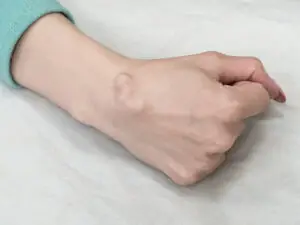
Ganglion Cyst Excision in San José, Costa Rica by Dr. Aria Ravery
Focused Surgical Removal of Painful or Recurrent Ganglion Cysts for Improved Comfort, Movement & Daily…

Joint and Soft Tissue Injections in San José, Costa Rica by Dr. Aria Ravery
Targeted Non-Surgical Orthopedic Care for Joint Pain, Osteoarthritis, Tendon Injuries & Inflammation. Dr. Aria…
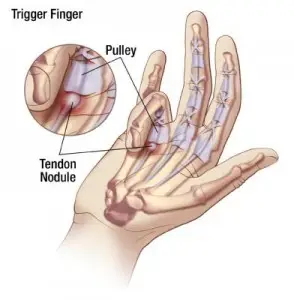
Trigger Finger Release in San José, Costa Rica by Dr. Aria Ravery
Targeted Hand Surgery to Relieve Finger Locking, Catching & Painful Tendon Restriction. Dr. Aria Ravery offers…
Total Hip Replacement in San Jose, Costa Rica by Clinica Biblica Hospital
Restoring Mobility and Quality of Life with Advanced Orthopedic Care. Total Hip Replacement (THR), also known as…
Non-Surgical Therapeutic Management in San José, Costa Rica by Dr. Aria Ravery
Personalized Conservative Orthopedic Care for Pain Relief, Improved Mobility & Functional Recovery. Dr. Aria…

Lumbar Discectomy + Fusion, 1 Level in San Jose, Costa Rica by Clinica Biblica Hospital
Advanced Spine Surgery for Lasting Pain Relief and Stability. Lumbar Discectomy + Fusion is a highly effective…
Recommended Orthopedics Clinics in Costa Rica
Trusted clinics specializing in Orthopedics across Costa Rica.
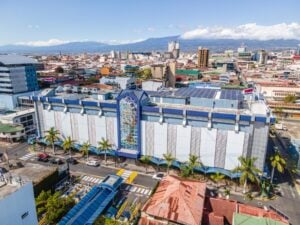
Clinica Biblica Hospital
Medical Tourism Center Clínica Bíblica Hospital is Costa Rica’s leading private hospital and a pioneer in…
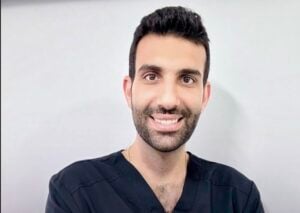
Dr. Aria Ravery
Orthopedic surgeon based in San José, Costa Rica, with specialized training in hip and knee reconstruction, hip…
Explore Tours in Costa Rica
Discover the best places to visit in Costa Rica and explore its rich culture, breathtaking landscapes, iconic attractions, and unforgettable travel experiences.

Costa Rica: One day Tour Isla Tortuga with Lunch from Puntarenas
Escape to paradise with a day trip to Isla Tortuga, the perfect destination for relaxation and adventure. Whether…

Costa Rica: La Fortuna Waterfall, Hanging Bridges, Arenal Volcano Combo Tour
Experience the best of Costa Rica’s natural wonders on this full-day small-group adventure in La Fortuna. Begin…

Costa Rica: Manuel Antonio Park Nature Guided Tour with a Nature Specialist
Discover the incredible biodiversity of Costa Rica on a guided nature hike through Manuel Antonio National Park,…

Costa Rica: Off Road Rainforest and Waterfalls ATV Tour
Embark on an exhilarating ATV adventure through the picturesque Manuel Antonio countryside, where lush…

Costa Rica: Full Day Poas Volcano, La Paz Waterfall Gardens and Coffee Plantation Experience
Experience the best of Costa Rica on this full-day combo tour from San Jose, blending coffee, nature, and wildlife…
More Orthopedics Articles About Costa Rica
Keep reading about Orthopedics care and travel in Costa Rica.

Average Cost of Shoulder Surgery Without Insurance
Shoulder surgery costs in the United States range from $10,000 to $55,000 without insurance, depending on the…

How Much Does Foot Surgery Cost Without Insurance?
Foot surgery covers a wide spectrum of procedures — from bunion removal (bunionectomy) and hammertoe correction to…

Knee Surgery Cost Without Insurance
Knee surgery without insurance in the United States can cost anywhere from $25,000 to over $55,000—a figure that…
TMJ Surgery Cost Without Insurance
TMJ surgery cost without insurance can be extremely high for many uninsured Americans, Canadians, expats, and…

Artificial Disk Replacement in Costa Rica Cost and Clinics
Artificial disc replacement (ADR) surgery in Costa Rica is performed at specialist spinal surgery centers in San…

How Much Does Herniated Disc Surgery Cost Without Insurance?
A herniated disc diagnosis in the United States can come with a surgical bill ranging from $20,000 to $75,000 or…
Leave a Comment
Share your thoughts on this article, or ask us a question -- we'd love to hear from you.