

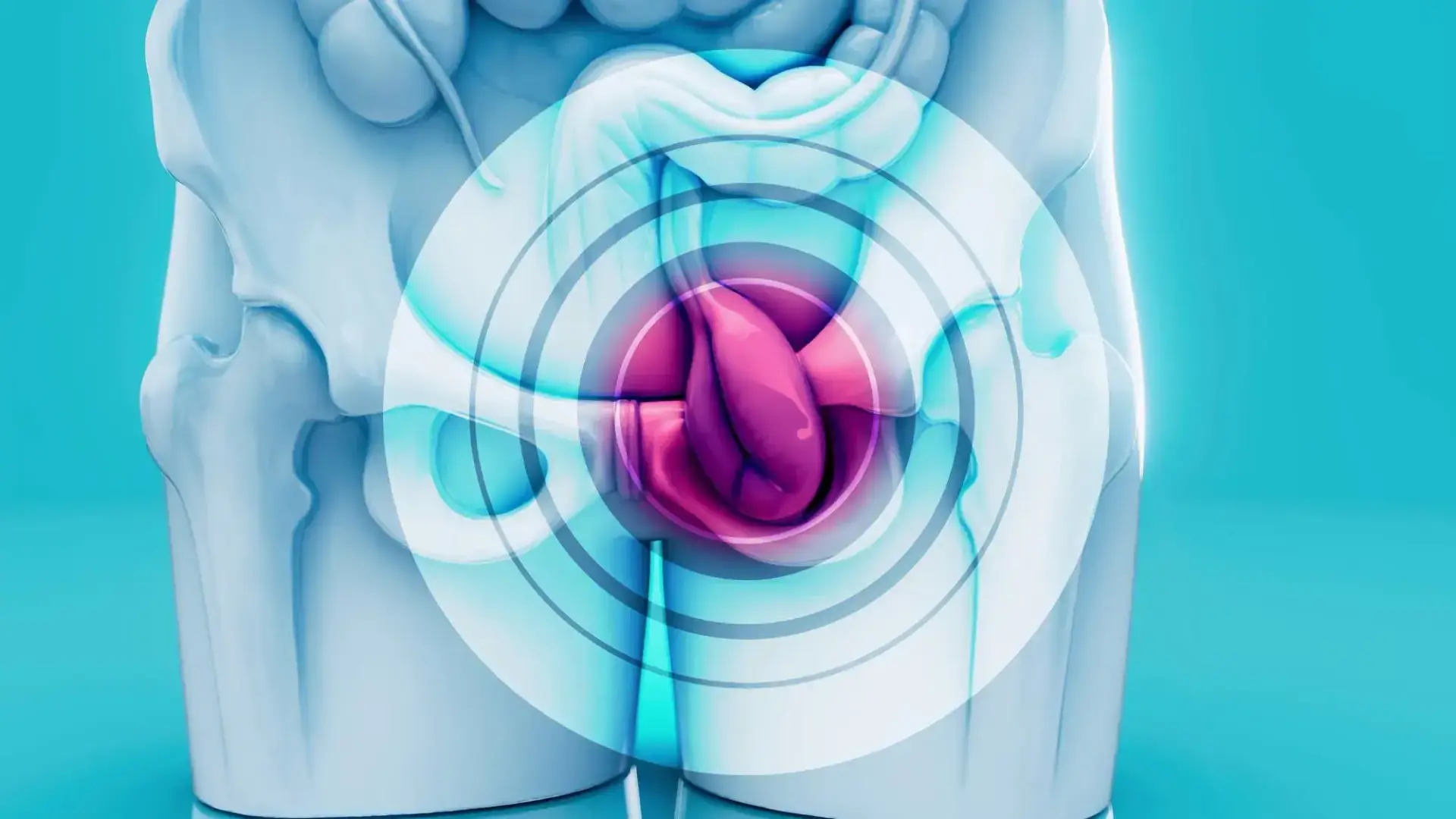


Laparoscopic surgery without insurance in the United States carries a price tag that shocks most patients: anywhere from $8,000 to $30,000 depending on the procedure, facility, and whether complications arise. For a country where nearly 26 million people remain uninsured and millions more face high deductibles, that number can mean the difference between getting care and going without.
Your concern about cost is completely valid — and you have more options than you may realize. This guide breaks down exactly what drives laparoscopic surgery costs in the US, what financial assistance exists before you consider alternatives, and what patients are actually paying when they choose to have the same procedures done abroad at internationally accredited hospitals.
Laparoscopic Surgery Cost in the United States Without Insurance
According to FAIR Health Consumer data and CMS hospital charge records, laparoscopic procedures vary significantly by type and complexity. The figures below reflect typical out-of-pocket costs for uninsured patients at US facilities.
| Cost Component | Typical Range (Uninsured) |
|---|---|
| Laparoscopic cholecystectomy (gallbladder removal) | $8,000 – $18,000 |
| Laparoscopic hernia repair | $7,000 – $16,000 |
| Laparoscopic colectomy (colon surgery) | $15,000 – $30,000 |
| Anesthesia fee | $1,500 – $3,500 |
| Facility / operating room fee | $3,000 – $8,000 |
| Post-operative recovery room | $500 – $1,500 |
| Pre-op imaging (CT scan, ultrasound) | $400 – $1,200 |
| Total estimated out-of-pocket | $8,000 – $30,000+ |
Sources: FAIR Health Consumer (fairhealthconsumer.org), CMS Hospital Charge Data (cms.gov)
What’s Actually Inside a Laparoscopic Surgery Bill
A single laparoscopic surgery generates multiple separate bills from different providers. Understanding each line item helps you negotiate and verify accuracy before paying.
- Surgeon fee: The primary surgeon’s professional service charge, billed separately from the facility
- Anesthesiology fee: Billed by the anesthesiologist or CRNA, often from a separate practice group
- Facility / operating room fee: The hospital or surgery center’s charge for use of the OR and equipment
- Trocar and port supplies: Disposable laparoscopic instruments used to create the small incisions
- Surgical mesh or hardware (if applicable): For hernia repairs, mesh materials can add $500–$2,000 to the bill
- Pre-operative imaging: CT scans, ultrasounds, or X-rays needed to plan the surgery
- Laboratory tests: Blood work, urinalysis, and pre-surgical panels ordered before the procedure
- Follow-up office visits: Post-surgical check-ups billed separately by the surgeon’s practice
- Prescription medications: Pain management, antibiotics, and anti-nausea drugs prescribed after surgery
- Home care or assistive support: Post-discharge nursing visits or equipment for recovery at home
Under the federal No Surprises Act, you have the right to request an itemized bill and a Good Faith Estimate before any non-emergency procedure. Always ask for both — billing errors in medical invoices are common, and an itemized review can reduce your total significantly.
Financial Assistance Options in the US Before You Consider Traveling Abroad
Medicaid
If your income falls below 138% of the federal poverty level (in expansion states), you may qualify for Medicaid, which covers most surgical procedures at little or no cost. Check your eligibility at healthcare.gov — enrollment is open year-round for Medicaid regardless of the ACA open enrollment window.
Hospital Charity Care
Every nonprofit hospital in the US is legally required to offer financial assistance programs (charity care) as a condition of their tax-exempt status. These programs can reduce or entirely eliminate your bill. Ask the hospital’s financial counselor before or immediately after your procedure — eligibility is often based on income, not assets.
Self-Pay Negotiation
Hospitals routinely accept 40–60% of their billed charges from uninsured self-pay patients who ask. Call the billing department directly, explain you are uninsured, and request the hospital’s self-pay discount rate or their cash-pay price. Many facilities have unpublished discounts specifically for this situation.
Medical Cost Assistance Organizations
Several nonprofits help uninsured and underinsured patients navigate costs and find assistance programs: NeedyMeds maintains a database of patient assistance programs; the Patient Advocate Foundation offers case management for underinsured patients; and RxAssist helps with prescription costs after surgery.
Laparoscopic Surgery Abroad: Real Costs and Savings by Country
For patients who have exhausted domestic options, or who simply cannot afford US prices even with discounts, internationally accredited hospitals offer laparoscopic procedures at a fraction of US costs — with no compromise in surgical technique or technology. Below are real price ranges from established medical tourism destinations.
| Country | Laparoscopic Cholecystectomy | Laparoscopic Hernia Repair | Laparoscopic Colectomy | Est. Savings vs. US |
|---|---|---|---|---|
| Mexico | $2,500 – $5,000 | $2,000 – $4,500 | $5,000 – $10,000 | 60–75% |
| Colombia | $2,000 – $4,500 | $2,000 – $4,000 | $4,500 – $9,000 | 65–78% |
| Thailand | $2,500 – $5,500 | $2,500 – $5,000 | $6,000 – $12,000 | 60–72% |
| India | $1,500 – $3,500 | $1,500 – $3,000 | $3,500 – $8,000 | 70–82% |
| Turkey | $2,000 – $4,000 | $2,000 – $4,000 | $5,000 – $10,000 | 65–78% |
| Malaysia | $2,500 – $5,000 | $2,000 – $4,500 | $5,500 – $11,000 | 60–72% |
General Surgery Clinics Abroad

Prof. Dr. Kaiser Jr. General Surgery & Proctology in Brazil. Prof. Dr. Roberto Luiz…


Samitivej Hospital is one of Thailand’s leading private hospital networks, serving local patients, expatriates,…
Is Quality Lower Abroad? What the Accreditation Data Shows
Joint Commission International (JCI) is the global gold standard for hospital accreditation — the same organization that accredits hospitals in the United States. JCI-accredited hospitals abroad meet identical safety, staffing, and outcomes standards as top US facilities. Many surgeons at these hospitals completed their training or fellowships in the US, UK, or Europe.
Three JCI-accredited hospitals with established laparoscopic surgery programs: Bumrungrad International Hospital (Bangkok, Thailand), Anadolu Medical Center (Gebze, Turkey), and Fortis Healthcare (multiple locations, India). A 2019 study in JAMA Surgery found no statistically significant difference in major complication rates between high-volume international centers and comparable US hospitals for elective laparoscopic procedures.
What to Verify Before Choosing an International General Surgery Center
- JCI or equivalent accreditation: Confirm current accreditation status directly at jointcommissioninternational.org
- Surgeon credentials: Ask for the operating surgeon’s board certification, fellowship training, and laparoscopic case volume
- Technology and equipment: Verify the facility uses modern laparoscopic towers (HD camera systems, harmonic scalpel, surgical robotics where available)
- All-inclusive pricing: Get a written quote that includes surgeon, anesthesia, facility, implants, post-op medications, and follow-up
- Continuity-of-care plan: Confirm what happens if you need additional care after returning home — who is your contact point?
- Patient coordinator access: A dedicated English-speaking coordinator should be reachable before, during, and after your trip
How to Plan Laparoscopic Surgery Abroad: A Practical Timeline
6–8 Weeks Before Surgery
Request quotes from 2–3 accredited facilities. Gather all US diagnostic records (imaging, lab work, prior surgical history). Have a video consultation with the surgeon abroad. Verify travel insurance covers medical evacuation. Book flights and accommodation — many hospitals partner with nearby hotels for discounted patient rates.
2–3 Weeks Before Surgery
Complete any additional pre-op labs requested by the international surgical team. Confirm your all-inclusive quote in writing. Arrange for a companion — most facilities recommend a travel partner for laparoscopic procedures. Notify your US primary care physician and arrange post-discharge follow-up at home.
After Surgery
Plan to stay in-country for 3–7 days post-surgery depending on the procedure type. Before departure, obtain complete surgical notes, pathology reports (if applicable), and your surgeon’s direct contact for post-return questions. Share all records with your US physician within 48 hours of returning home.
Honest Risk Assessment: What Can Go Wrong
- Continuity of care: If a complication develops after you return home, your US providers will need complete records from the international facility — gaps in documentation are the most common problem reported by medical tourism patients
- DVT / travel thrombosis risk: Long-haul flights within days of abdominal surgery increase deep vein thrombosis risk; discuss anticoagulation protocols with your surgeon before flying
- Communication barriers: Even at English-speaking facilities, medical terminology nuances can be lost — bring a detailed written summary of your health history and medication list
- Legal recourse: Malpractice claims against foreign providers are extremely difficult to pursue from the US — accreditation and surgeon vetting are your primary protections
Frequently Asked Questions
How much does laparoscopic surgery cost without insurance in the US?
Depending on the procedure, uninsured patients in the US typically pay between $8,000 and $30,000 for laparoscopic surgery. Laparoscopic cholecystectomy (gallbladder removal) averages $8,000–$18,000, while more complex procedures like laparoscopic colectomy can reach $30,000 or more.
Is laparoscopic surgery safer than open surgery?
For most procedures, yes — laparoscopic (minimally invasive) surgery is associated with smaller incisions, lower infection rates, shorter hospital stays, and faster return to normal activity compared to open surgery. It is now the preferred approach for gallbladder removal, most hernia repairs, and many colon procedures.
Can I negotiate laparoscopic surgery costs with a US hospital?
Yes. Self-pay patients who proactively ask for a cash-pay discount often receive 40–60% off the standard billed rate. Nonprofit hospitals are also required to offer charity care programs — always ask the financial counselor before or immediately after your procedure.
How long is recovery after laparoscopic surgery?
Recovery depends on the specific procedure. For laparoscopic cholecystectomy, most patients return to light activity within 1–2 weeks. Laparoscopic hernia repair typically requires 2–3 weeks. More complex procedures like colectomy may require 4–6 weeks before full activity resumes.
Which countries are best for laparoscopic surgery abroad?
Mexico, Colombia, Thailand, India, Turkey, and Malaysia all have JCI-accredited hospitals with high-volume laparoscopic surgery programs. Thailand and India have particularly strong reputations for advanced laparoscopic and minimally invasive procedures at internationally recognized centers like Bumrungrad International and Fortis Healthcare.
Does travel insurance cover complications from surgery abroad?
Standard travel insurance typically does not cover elective medical procedures or their complications. You need a medical travel insurance policy that explicitly covers the surgical procedure you are having — and includes medical evacuation coverage. Always read the policy exclusions carefully before purchasing.
The Bottom Line
Laparoscopic surgery without insurance in the United States costs $8,000–$30,000 — a figure that forces many Americans to delay or forego necessary care. Before traveling abroad, exhaust every domestic option: Medicaid eligibility, hospital charity care, self-pay negotiation, and nonprofit assistance programs. If those options fall short, internationally accredited hospitals in Mexico, Colombia, Thailand, India, Turkey, and Malaysia perform the same laparoscopic procedures with the same equipment and equivalent safety standards at 60–80% less than US prices. The key is choosing a JCI-accredited facility, vetting your surgeon’s credentials, and planning your continuity of care before you book a flight. Get a free quote from verified international surgery centers today.
Featured Weight Loss Surgery Procedures in Costa Rica
Procedures discussed in this article, available across Costa Rica.
Laparoscopic Gastric Bypass in San Jose, Costa Rica by Clinica Biblica Hospital
A Proven Bariatric Surgery for Sustainable Weight Loss. Obesity is a growing global challenge, often linked with…
Recommended Weight Loss Surgery Clinics in Costa Rica
Trusted clinics specializing in Weight Loss Surgery across Costa Rica.

Clinica Biblica Hospital
Medical Tourism Center Clínica Bíblica Hospital is Costa Rica’s leading private hospital and a pioneer in…
Explore Tours in Costa Rica
Discover the best places to visit in Costa Rica and explore its rich culture, breathtaking landscapes, iconic attractions, and unforgettable travel experiences.

Costa Rica: La Fortuna Waterfall, Hanging Bridges, Arenal Volcano Combo Tour
Experience the best of Costa Rica’s natural wonders on this full-day small-group adventure in La Fortuna. Begin…

Costa Rica: One day Tour Isla Tortuga with Lunch from Puntarenas
Escape to paradise with a day trip to Isla Tortuga, the perfect destination for relaxation and adventure. Whether…

Costa Rica: Full Day Poas Volcano, La Paz Waterfall Gardens and Coffee Plantation Experience
Experience the best of Costa Rica on this full-day combo tour from San Jose, blending coffee, nature, and wildlife…

Costa Rica: Manuel Antonio Park Nature Guided Tour with a Nature Specialist
Discover the incredible biodiversity of Costa Rica on a guided nature hike through Manuel Antonio National Park,…

Costa Rica: Off Road Rainforest and Waterfalls ATV Tour
Embark on an exhilarating ATV adventure through the picturesque Manuel Antonio countryside, where lush…
More Weight Loss Surgery Articles About Costa Rica
Keep reading about Weight Loss Surgery care and travel in Costa Rica.

Lap Band Surgery Cost Without Insurance
Lap band surgery in the United States costs between $14,000 and $22,000 without insurance — and that's before…

Cost of Gastric Sleeve Surgery Without Insurance
For many uninsured Americans, Canadians, expats, and retirees struggling with obesity, gastric sleeve surgery…

Gastric Bypass Surgery Cost Without Insurance
Gastric bypass surgery, also known as Roux-en-Y gastric bypass, is a proven bariatric procedure that helps…

Bariatric Surgery Cost Without Insurance
Bariatric surgery — also known as weight loss surgery — includes several life-changing procedures such as gastric…
Leave a Comment
Share your thoughts on this article, or ask us a question -- we'd love to hear from you.