



Lap band surgery in the United States costs between $14,000 and $22,000 without insurance — and that’s before factoring in the mandatory pre-surgical evaluations, nutritional counseling, and the band adjustment visits you’ll need for years afterward. For millions of Americans who don’t qualify for insurance coverage or whose plans exclude bariatric procedures, that price tag represents a life-changing procedure they simply cannot afford.
That frustration is valid, and it’s not a reason to give up. An increasing number of patients are turning to internationally accredited hospitals in Mexico, Turkey, Thailand, and Colombia — where the same adjustable gastric band procedure, performed by board-certified surgeons in JCI-accredited facilities, costs a fraction of what US hospitals charge. This guide gives you the unvarnished numbers and what you need to know before making any decision.
Lap Band Surgery Cost in the United States Without Insurance
According to FAIR Health Consumer and CMS data, the out-of-pocket cost for adjustable gastric band surgery varies significantly based on the procedure type, facility, and geographic region. The figures below represent typical costs at in-network rates — uninsured patients often pay 20–40% more at list price.
| Cost Component | Band Placement | Band Adjustment | Band Removal/Revision |
|---|---|---|---|
| Surgeon Fee | $4,500–$7,500 | $200–$500 | $3,500–$6,000 |
| Anesthesia | $1,500–$2,500 | $0–$300 | $1,200–$2,000 |
| Facility Fee | $6,000–$10,000 | $300–$800 | $5,000–$9,000 |
| Band Device (Implant) | $3,000–$5,000 | N/A | N/A |
| Pre-op Imaging/Labs | $500–$1,200 | $0–$200 | $400–$900 |
| Post-op Follow-up Visits | $400–$800 | Included | $300–$600 |
| Nutritional Counseling | $300–$600 | $100–$300 | $200–$400 |
| Total Estimated Range | $14,000–$22,000 | $600–$2,100 | $10,000–$18,000 |
Sources: FAIR Health Consumer (fairhealthconsumer.org), Centers for Medicare & Medicaid Services (CMS) procedure cost data
What’s Actually Inside a Lap Band Bill
Lap band surgery bills are rarely a single charge. Understanding the line items helps you negotiate, compare international quotes, and avoid surprise costs that appear weeks after your procedure.
- Surgeon fee: The bariatric surgeon’s professional fee for placing the adjustable gastric band laparoscopically.
- Anesthesia: General anesthesia administered by an anesthesiologist or CRNA; billed separately from the surgical team.
- Hospital/facility fee: Operating room time, nursing staff, disposables — often the largest single line item on the bill.
- Band device (implant): The adjustable silicone band itself (e.g., Allergan LAP-BAND or Obtech); priced separately as a durable medical device.
- Fluoroscopy/port imaging: X-ray or fluoroscopic guidance used during adjustments to confirm saline fill volume.
- Pre-operative labs: Blood panel, cardiac clearance, sleep study if apnea is suspected, and nutritional bloodwork.
- Post-operative follow-up visits: Required office visits in the weeks following surgery; often bundled but sometimes billed per visit.
- Band adjustment visits: Each saline fill adjustment after placement is a separate billable visit — patients average 4–6 adjustments in the first year alone.
- Nutritional and psychological counseling: Often required pre-op by the bariatric program; may be billed by separate providers outside the hospital.
- Medications: Proton pump inhibitors, anti-nausea drugs, and pain management in the immediate post-op period.
Under federal law, hospitals must publish a machine-readable price list and a patient-friendly cost estimator. You have the right to request an itemized bill after any procedure and dispute charges that don’t match what was agreed upon. Ask the surgeon’s billing office for a global fee quote that bundles surgical and hospital components before committing to any program.
Financial Assistance Options in the US Before You Consider Traveling Abroad
Medicaid
Medicaid coverage for bariatric surgery varies by state. Approximately 23 states and DC cover lap band surgery for adults who meet clinical criteria (typically BMI ≥ 40, or ≥ 35 with a qualifying comorbidity). Contact your state Medicaid office or use the KFF Medicaid Bariatric Coverage tracker to check your state’s current policy before ruling this option out.
Hospital Charity Care
Nonprofit hospitals are federally required to maintain financial assistance programs for patients below certain income thresholds (commonly 200–400% of the federal poverty level). These programs can reduce your bill by 50–100%. Ask the hospital’s financial counselor specifically about their charity care or financial assistance policy — not the payment plan desk, which handles financing, not discounts.
Self-Pay Negotiation
Uninsured patients who pay upfront in cash often receive discounts of 20–40% from the list price. Some bariatric programs offer all-inclusive self-pay packages that bundle the surgeon, anesthesia, and facility fees into a single quote. Get competing quotes from at least three programs in your region before accepting any price as fixed.
Medical Cost Assistance Organizations
Several nonprofits specifically help with surgical costs: NeedyMeds (needymeds.org) maintains a database of patient assistance programs; the Patient Advocate Foundation (patientadvocate.org) provides case managers who negotiate directly with providers; and RxAssist helps reduce post-op medication costs. These resources won’t cover the full surgery but can meaningfully reduce the total financial burden.
Lap Band Surgery Abroad: Real Costs and Savings by Country
For patients who have exhausted domestic options, international bariatric programs in JCI-accredited hospitals offer substantial savings. The costs below are all-inclusive estimates covering the surgeon, hospital, band device, one overnight stay, and immediate post-op care — not stripped-down prices that exclude the implant or facility fee.
| Country | Band Placement | Band Adjustment | Band Removal/Revision | Savings vs. US |
|---|---|---|---|---|
| Mexico | $4,500–$6,500 | $200–$400 | $3,500–$5,500 | 65–70% |
| Turkey | $4,000–$6,000 | $150–$350 | $3,000–$5,000 | 65–75% |
| Thailand | $5,000–$7,500 | $200–$450 | $4,000–$6,500 | 55–65% |
| Colombia | $4,000–$6,000 | $150–$350 | $3,000–$5,000 | 65–75% |
| India | $3,500–$5,500 | $100–$300 | $2,500–$4,500 | 70–80% |
| Czech Republic | $5,500–$8,000 | $200–$400 | $4,500–$7,000 | 50–60% |
Bariatric Surgery Clinics Abroad
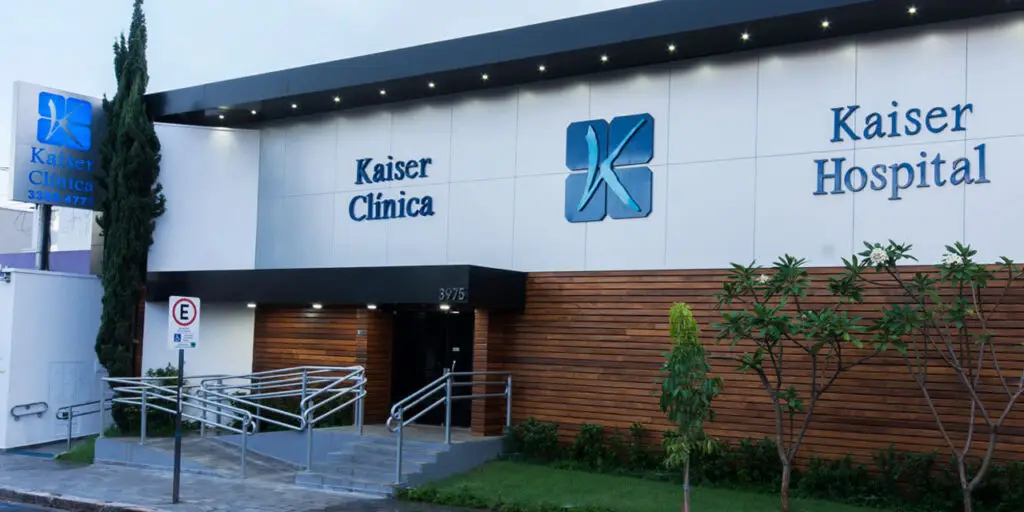
The hospital combines advanced diagnostic capabilities, modern surgical infrastructure, and a multidisciplinary medical team…

Prof. Dr. Roberto Luiz Kaiser Júnior is a Brazilian general surgeon and proctologist recognized…

Leading tertiary non-profit comprehensive hospital in Xiamen, Fujian Province, China, providing advanced medical care…

Hospital Serena del Mar – Carlos Haime – is the most modern high-complexity medical…

Medical Tourism Center Clínica Bíblica Hospital is Costa Rica’s leading private hospital and a…
Director of the Department of Upper Gastrointestinal, Reflux and Obesity Surgery at Euroclinic Athens,…

Hospiten is an international private hospital network with more than 50 years of experience…
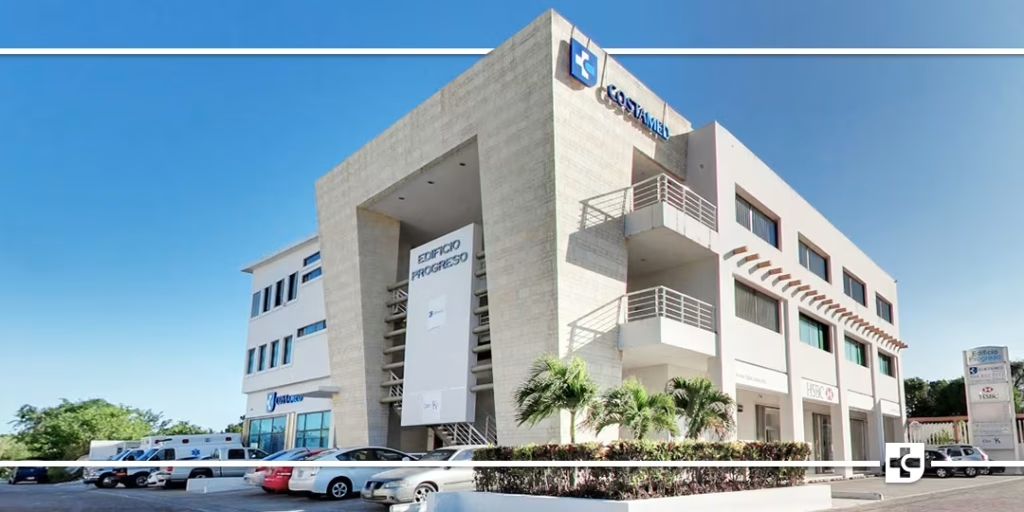
CostaMed Medical Group is a network of private hospitals in Mexico’s Caribbean, with locations…

Hospital BCN is a private medical center in Tijuana, Mexico, serving international patients with…
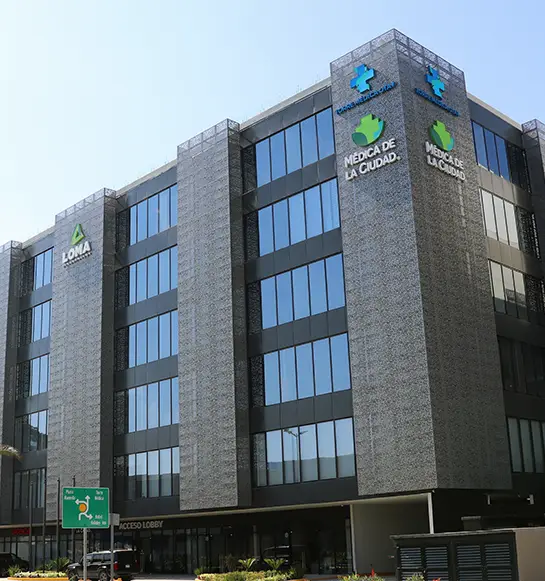
Médica de la Ciudad is a rapidly growing private hospital network in Mexico dedicated…

Bariatric and general surgeon in Mexico, specializing in gastric sleeve, gastric bypass, metabolic surgery,…

Dr. Mario Ruvalcaba is a board-certified general and bariatric surgeon in Merida, Yucatan, Mexico,…
Hospiten is an international private hospital network with more than 50 years of experience…

Pacífica Salud Hospital is one of Latin America’s most advanced private hospital systems, born…

Asan Medical Center (AMC) is the largest hospital in South Korea and one of…

Samitivej Hospital is one of Thailand’s leading private hospital networks, serving local patients, expatriates,…

Pendik Yüzyıl Hospital is a full-service private hospital located in Pendik, Istanbul, serving both…

With multiple modern facilities across the city, Avicenna Hospital combines advanced medical technology, multidisciplinary…

Liv Hospital Istanbul is one of Turkey’s leading private hospitals, internationally recognized for its…

Memorial Hospital is Turkey’s most internationally recognized healthcare network, known for pioneering medical breakthroughs,…

International Plus focuses on delivering high-quality plastic surgery, dental treatments, bariatric surgery, and hair…

Medical Park Hospital is the flagship brand of MLP Care, Turkey’s largest private hospital…

Aster DM Healthcare is a leading international healthcare group delivering multi-specialty medical care through…
Is Quality Lower Abroad? What the Accreditation Data Shows
Joint Commission International (JCI) — the global arm of the same body that accredits US hospitals — applies identical standards for surgical safety, infection control, and patient rights. As of 2024, over 1,000 hospitals outside the US hold JCI accreditation. For bariatric surgery specifically, several internationally accredited centers publish complication and revision rates comparable to major US academic programs. Three JCI-accredited hospitals with established bariatric programs include Bumrungrad International Hospital in Bangkok, Thailand; Anadolu Medical Center in Gebze, Turkey; and Fortis Healthcare in New Delhi, India. A 2018 meta-analysis in Surgery for Obesity and Related Diseases found that 30-day complication rates for laparoscopic adjustable gastric banding at high-volume international centers were consistent with US benchmarks. Accreditation status is verifiable directly at jointcommissioninternational.org.
What to Verify Before Choosing an International Bariatric Center
- JCI or equivalent accreditation: Confirm current accreditation status directly on the JCI website — not on the clinic’s own marketing pages.
- Surgeon’s board certification and volume: Verify the bariatric surgeon holds certification from a recognized national board and has specific, documented lap band placement volume in the past 12 months.
- All-inclusive written quote: The quote must explicitly include the band device, facility fee, anesthesia, and at least one post-op visit — not just the surgeon’s professional fee.
- Band adjustment follow-up plan: Confirm whether the international program has a protocol for follow-up adjustments at home, or can refer you to a US-based physician experienced with internationally placed bands.
- Medical records and documentation: Ensure you receive all operative notes, fluoroscopy images, and the band’s serial number and model documentation before leaving — these are required for US follow-up care.
- Evacuation and complication coverage: Purchase international medical evacuation insurance before travel. Understand the clinic’s written complication policy and who bears financial responsibility for any revision surgery needed after you return home.
How to Plan Lap Band Surgery Abroad: A Practical Timeline
6–8 Weeks Before Travel
Complete pre-operative requirements with your US physician: bloodwork, cardiac clearance, nutritional assessment, and any required psychological evaluation. Request all records in a shareable digital format. Research and contact at least two internationally accredited bariatric programs for written, itemized quotes. Verify surgeon credentials and hospital accreditation independently. Purchase travel health and medical evacuation insurance.
2–3 Weeks Before Travel
Confirm your procedure date and begin any program-required pre-op diet (typically a 2-week liver-shrinking diet before laparoscopic banding). Arrange accommodation near the hospital for recovery — most programs recommend staying 3–5 days post-op before flying. Identify a US-based bariatric physician willing to provide band adjustment follow-up for an internationally placed device and confirm this before your departure.
After Surgery
Plan to remain near the facility for at least 3–5 days post-operatively. Do not fly with significant abdominal distension or uncontrolled pain. Collect all operative documentation, the band model and lot number, and the surgeon’s direct contact information before discharge. Schedule your first US follow-up appointment within two weeks of returning home and share the operative notes with your domestic physician. Band adjustments typically begin 4–6 weeks post-op once the surgical site has healed.
Honest Risk Assessment: What Can Go Wrong
- Band slippage or erosion: The most common long-term complication of adjustable banding, occurring in approximately 5–10% of patients over five years; requires revision or removal surgery regardless of where the original procedure was performed.
- Port or tubing complications: The subcutaneous port used for saline adjustments can flip, leak, or become infected — any of which requires a minor surgical correction that may not be easily arranged at the original international center.
- Post-operative travel risks: Flying within 48–72 hours of abdominal surgery increases DVT risk. Most responsible international programs now include a mandatory minimum stay requirement before clearing patients for air travel.
- Continuity of care gaps: The most significant risk of international surgery is not the procedure itself but the transition back to home-country care. Having a US provider willing to manage your band adjustments and monitor for complications is non-negotiable — not optional.
Frequently Asked Questions
Does insurance ever cover lap band surgery?
Yes — when medical criteria are met. Most commercial insurers and Medicare cover adjustable gastric banding for patients with a BMI ≥ 40, or ≥ 35 with at least one obesity-related comorbidity (type 2 diabetes, hypertension, sleep apnea). The challenge is that many employer-sponsored plans specifically exclude all bariatric surgery as a benefit. Check your Summary of Benefits and Coverage under the Exclusions section before assuming you have no coverage.
Is lap band still performed internationally, or have surgeons switched to sleeve gastrectomy?
Sleeve gastrectomy has largely replaced lap band as the most commonly performed bariatric procedure worldwide, including at international centers. However, lap band placement is still offered at most major bariatric programs for patients who prefer a reversible, non-stapling option. It also remains the most common revision pathway for patients converting from an existing band to a sleeve. When contacting an international program, ask how many bands they placed in the past 12 months — volume directly correlates with outcomes.
How do I find a US doctor who will manage an internationally placed band?
This requires proactive legwork before you travel. Contact bariatric programs at your nearest academic medical center and ask directly whether they provide ongoing care for internationally placed bands. Some programs decline on principle; others accommodate it with full medical records. The American Society for Metabolic and Bariatric Surgery (ASMBS) surgeon finder at asmbs.org can help you locate board-certified bariatric surgeons in your area to contact before your trip.
What is the recovery time for lap band surgery?
Most patients return to light activity within 1–2 weeks and to normal desk work within 2–3 weeks of laparoscopic band placement. The procedure is less invasive than sleeve or bypass surgery, and most international programs discharge patients within 24–48 hours. However, you should not fly internationally within 48–72 hours of surgery due to DVT risk — plan for at least 5 days near the hospital before your return flight.
Can I get band adjustments in another country if I travel internationally?
Major bariatric centers internationally can perform band adjustments, but relying on this as a plan is not advisable. The international program that placed your band should provide at least one adjustment visit before you leave. For ongoing adjustments at home, you need an established relationship with a US-based bariatric surgeon or a fluoroscopy-equipped bariatric program before you travel — not after.
What’s the total cost including travel and accommodation?
For a patient traveling from the continental US to Mexico — the most common destination for US bariatric medical tourists — total out-of-pocket costs including surgery, flights, hotel for 5–7 nights, and local transportation typically range from $6,000 to $9,000. That remains well below the $14,000–$22,000 US price floor. Travel to Turkey or Thailand adds airfare costs, but lower surgical prices often offset this; total all-in costs for those destinations typically run $7,000–$11,000.
The Bottom Line
Lap band surgery without insurance in the United States costs $14,000–$22,000 — a price that puts a meaningful weight-loss intervention out of reach for many patients who need it. Before making any decision, exhaust domestic options: check your state’s Medicaid coverage, ask about hospital charity care programs, and get competing self-pay quotes. If international surgery becomes your path forward, JCI-accredited bariatric centers in Mexico, Turkey, Thailand, and Colombia perform this procedure at 65–80% below US prices with documented safety outcomes. The key is preparation: verify credentials independently, obtain a fully itemized written quote, and — critically — secure a US-based provider for follow-up care before you book your flight.
Get a free, no-obligation quote from internationally accredited bariatric surgery centers →
Featured Weight Loss Surgery Procedures in Costa Rica
Procedures discussed in this article, available across Costa Rica.
Laparoscopic Gastric Bypass in San Jose, Costa Rica by Clinica Biblica Hospital
A Proven Bariatric Surgery for Sustainable Weight Loss. Obesity is a growing global challenge, often linked with…
Recommended Weight Loss Surgery Clinics in Costa Rica
Trusted clinics specializing in Weight Loss Surgery across Costa Rica.

Clinica Biblica Hospital
Medical Tourism Center Clínica Bíblica Hospital is Costa Rica’s leading private hospital and a pioneer in…
Explore Tours in Costa Rica
Discover the best places to visit in Costa Rica and explore its rich culture, breathtaking landscapes, iconic attractions, and unforgettable travel experiences.

Costa Rica: La Fortuna Waterfall, Hanging Bridges, Arenal Volcano Combo Tour
Experience the best of Costa Rica’s natural wonders on this full-day small-group adventure in La Fortuna. Begin…

Costa Rica: One day Tour Isla Tortuga with Lunch from Puntarenas
Escape to paradise with a day trip to Isla Tortuga, the perfect destination for relaxation and adventure. Whether…

Costa Rica: Full Day Poas Volcano, La Paz Waterfall Gardens and Coffee Plantation Experience
Experience the best of Costa Rica on this full-day combo tour from San Jose, blending coffee, nature, and wildlife…

Costa Rica: Manuel Antonio Park Nature Guided Tour with a Nature Specialist
Discover the incredible biodiversity of Costa Rica on a guided nature hike through Manuel Antonio National Park,…

Costa Rica: Off Road Rainforest and Waterfalls ATV Tour
Embark on an exhilarating ATV adventure through the picturesque Manuel Antonio countryside, where lush…
More Weight Loss Surgery Articles About Costa Rica
Keep reading about Weight Loss Surgery care and travel in Costa Rica.

Bariatric Surgery Cost Without Insurance
Bariatric surgery costs in the United States range from $15,000 to $50,000 without insurance, depending on the…

Gastric Bypass Surgery Cost Without Insurance
Gastric bypass surgery costs between $20,000 and $50,000 in the United States without insurance — placing it among…

Cost of Gastric Sleeve Surgery Without Insurance
Gastric sleeve surgery — sleeve gastrectomy — costs between $15,000 and $35,000 in the United States without…

Laparoscopic Surgery Cost Without Insurance
Laparoscopic surgery without insurance in the United States carries a price tag that shocks most patients:…
Leave a Comment
Share your thoughts on this article, or ask us a question -- we'd love to hear from you.