




Knee surgery without insurance in the United States can cost anywhere from $25,000 to over $55,000—a figure that leaves millions of uninsured or underinsured Americans choosing between their financial stability and their mobility. Whether you’re facing a total knee replacement, an ACL reconstruction, or a meniscus repair, the out-of-pocket cost in the American healthcare system is staggering by any international comparison.
This guide covers exactly what drives those costs, what financial assistance is available domestically, and how thousands of Americans are accessing the same surgery at internationally-accredited hospitals abroad for 50–75% less—with outcomes data to back it up.
Knee Surgery Cost in the United States Without Insurance
Prices vary significantly by facility type, geographic region, procedure complexity, and surgeon experience. The following ranges are sourced from FAIR Health Consumer and CMS hospital charge data.
| Procedure/Scenario | Low Estimate | High Estimate |
|---|---|---|
| Partial knee replacement (unicompartmental) | $18,000 | $35,000 |
| Total knee replacement (standard) | $28,000 | $55,000 |
| Robotic-assisted total knee replacement | $35,000 | $65,000 |
| Anesthesia (separately billed) | $1,500 | $3,500 |
| Hospital/facility fee | $8,000 | $20,000 |
| Post-surgical physical therapy (16–24 sessions) | $2,400 | $6,000 |
| Imaging (X-ray, MRI pre-op) | $800 | $3,000 |
| Total estimated out-of-pocket | $25,000 | $65,000+ |
Sources: FAIR Health Consumer cost estimates; CMS hospital charge data. Ranges reflect 10th–90th percentile variation and will differ by ZIP code, implant manufacturer, and facility type.
What’s Actually Inside a Knee Surgery Bill
A single knee surgery invoice typically bundles multiple separately-billed line items. Understanding each component helps you negotiate and compare international quotes apples-to-apples:
- Surgeon’s fee — The orthopedic surgeon’s professional charge, billed separately from the hospital.
- Anesthesiologist’s fee — Almost always a separate bill; varies by duration of surgery (typically 1.5–3 hours for total knee).
- Hospital/facility fee — Operating room, recovery room, nursing staff, and equipment.
- Implant components — Femoral component, tibial tray, polyethylene insert, and patellar button. Implant alone can cost $3,000–$8,000 at US list price.
- Diagnostic imaging — Pre-operative X-rays, weight-bearing films, and MRI for soft tissue assessment.
- Laboratory tests — Blood work, coagulation studies, and pre-op cardiac clearance.
- Physical therapy — Post-surgical rehabilitation is critical for outcomes; typically 16–24 sessions over 8–12 weeks.
- Follow-up visits — Surgeon check-ups at 2 weeks, 6 weeks, 3 months, and 1 year.
- Prescription medications — Blood thinners (DVT prophylaxis), pain management, and anti-inflammatories.
- Assistive devices — Walker, crutches, continuous passive motion (CPM) machine rental, and compression stockings.
Request an itemized bill immediately—hospitals are legally required to provide one, and it gives you leverage to dispute erroneous charges, which appear in an estimated 80% of medical bills (National Health Care Anti-Fraud Association).
Financial Assistance Options in the US Before You Consider Traveling Abroad
Medicaid Eligibility
If your household income is at or below 138% of the federal poverty level, you may qualify for Medicaid, which covers knee replacement surgery with little to no out-of-pocket cost in expansion states. Check eligibility and apply at healthcare.gov/medicaid-chip.
Hospital Charity Care (Financial Assistance Policies)
Under the Affordable Care Act, nonprofit hospitals must offer financial assistance programs. For uninsured patients earning under 200–400% of the federal poverty level, many hospitals discount bills by 50–100%. Call the hospital’s billing department before scheduling surgery and ask specifically for their “Financial Assistance Policy” or “Charity Care” application—not the payment plan office.
Self-Pay Negotiation
Uninsured patients can often negotiate rates directly with the provider. Reference the Medicare reimbursement rate for total knee replacement (typically $13,000–$18,000 all-in) as a negotiating anchor—it’s roughly 30–50% of chargemaster prices. Many facilities will accept it rather than send the account to collections. Ask for the self-pay or “prompt-pay” discount upfront.
Medical Cost Assistance Organizations
Organizations like NeedyMeds, Patient Advocate Foundation, and RxAssist connect patients with co-pay assistance, medication cost programs, and emergency financial aid for surgical expenses.
Knee Surgery Abroad: Real Costs and Savings by Country
Medical tourism for knee replacement and arthroscopic knee procedures has grown substantially over the past decade as internationally-accredited hospitals have matched US clinical standards—at dramatically lower price points. Here’s what patients are paying at JCI-accredited and equivalent facilities:
| Country | Partial Knee Replacement | Total Knee Replacement | Robotic-Assisted TKR | Savings vs. US |
|---|---|---|---|---|
| 🇲🇽 Mexico | $6,500 | $10,000 | $14,000 | 55–65% |
| 🇨🇴 Colombia | $6,000 | $9,500 | $13,000 | 60–70% |
| 🇹🇭 Thailand | $8,000 | $12,000 | $16,000 | 50–65% |
| 🇮🇳 India | $5,000 | $8,000 | $11,000 | 65–75% |
| 🇹🇷 Turkey | $6,000 | $10,000 | $14,000 | 55–70% |
| 🇲🇾 Malaysia | $7,000 | $11,000 | $15,000 | 50–60% |
Orthopedic Clinics Abroad

Leading tertiary non-profit comprehensive hospital in Xiamen, Fujian Province, China, providing advanced medical care…

Hospital Serena del Mar – Carlos Haime – is the most modern high-complexity medical…
Orthopedic surgeon based in San José, Costa Rica, with specialized training in hip and…

Medical Tourism Center Clínica Bíblica Hospital is Costa Rica’s leading private hospital and a…

Orthopedic surgeon in Athens, Greece, specializing in hip and knee reconstructive surgery. His work…

Médica de la Ciudad is a rapidly growing private hospital network in Mexico dedicated…

Hospiten. International Hospital Network for Advanced Healthcare & Medical Tourism. Hospiten is an international…

CostaMed Medical Group. Private Hospitals in Cancun, Playa del Carmen, Cozumel & Tulum. CostaMed…

Pacifica Salud Hospital. Panama’s Premier Private Hospital, Affiliated with Johns Hopkins Medicine International. Pacífica…
Hospiten. International Hospital Network for Advanced Healthcare & Medical Tourism. Hospiten is an international…

Asan Medical Center (AMC) is the largest hospital in South Korea and one of…

Gangnam JS Hospital. Korea’s Leading Hospital for Cartilage Regeneration & Stem Cell Treatment of…

Samitivej Hospital is one of Thailand’s leading private hospital networks, serving local patients, expatriates,…

With multiple modern facilities across the city, Avicenna Hospital combines advanced medical technology, multidisciplinary…

Medical Park Hospital. Turkey’s Largest Private Hospital Network for Advanced Care. Medical Park Hospital…

Liv Hospital. Turkey’s Premier Destination for Advanced Medicine & International Healthcare. Liv Hospital Istanbul…

Memorial Hospital is Turkey’s most internationally recognized healthcare network, known for pioneering medical breakthroughs,…

Pendik Yüzyıl Hospital. Comprehensive Healthcare in Istanbul's Asian Side. Pendik Yüzyıl Hospital is a…

Aster DM Healthcare. Accessible, Affordable & Quality Healthcare Across the Middle East & Asia.…
Is Quality Lower Abroad? What the Accreditation Data Shows
The concern is understandable—but the data tells a more nuanced story. The Joint Commission International (JCI), the global arm of the US-based Joint Commission, accredits hospitals in 70+ countries using the same clinical standards applied to US facilities. As of 2024, over 1,100 hospitals outside the US hold JCI accreditation—and several are among the world’s highest-volume knee replacement centers.
For knee surgery, internationally-accredited facilities with established orthopedic programs include:
- Bumrungrad International Hospital, Bangkok, Thailand — JCI-accredited since 2002; orthopedic center performs over 2,000 joint replacements annually; surgeons trained at US and European institutions; outcomes data publicly available.
- Medipol Mega University Hospital, Istanbul, Turkey — JCI-accredited; one of Europe’s largest orthopedic programs with robotic-assisted knee replacement capabilities and surgeons with fellowship training in Germany and the US.
- Apollo Hospitals, India — JCI-accredited network; among the world’s highest-volume joint replacement centers, performing over 10,000 knee procedures annually; publishes revision and complication rate data.
High surgical volume is a validated quality indicator: research published in JAMA Surgery consistently shows lower complication and revision rates at high-volume orthopedic centers. Many internationally-accredited hospitals perform significantly more knee replacements annually than the average US community hospital.
What to Verify Before Choosing an International Orthopedic Center
- JCI or equivalent accreditation — Verify directly at jcrinc.com. Demand the certificate number and expiry date, not just a logo on the website.
- Surgeon board certification — Ask for the surgeon’s orthopedic credentials; many at top international hospitals hold dual US/European board certification or fellowship training.
- Annual case volume for knee replacement — Ask how many total knee replacements the hospital and your specific surgeon perform annually. Target: 200+ per surgeon per year.
- Complication, revision, and infection rates — Reputable hospitals will share these on request. Compare against the US national revision rate (~3.5% at 10 years for primary TKR).
- All-inclusive written quote — Surgeon fee, anesthesia, facility, implant components, post-op physiotherapy, and any hardware. Hidden charges are a common complaint—get everything in writing.
- Continuity-of-care plan — What happens if you develop an infection, deep vein thrombosis, or implant issue after returning home? Get the hospital’s protocol in writing before you commit.
How to Plan Knee Surgery Abroad: A Practical Timeline
6–8 Weeks Before Travel
- Request quotes from 3–5 internationally-accredited orthopedic hospitals; use a medical tourism facilitator for pre-vetted options.
- Share weight-bearing X-rays, MRI reports, and surgical history with shortlisted surgeons for a virtual consultation.
- Confirm the all-inclusive price in writing and verify the hospital’s JCI accreditation certificate number at jcrinc.com.
- Purchase international medical travel insurance that covers surgical complications, deep vein thrombosis, and medical evacuation.
2–3 Weeks Before Travel
- Complete pre-operative testing (blood work, cardiac clearance, coagulation studies)—your overseas hospital may accept recent results from your US physician.
- Book flights with flexible change policies; arrange wheelchair assistance for the return journey.
- Plan for a companion or caregiver to travel with you—essential for the first 7–10 days of post-surgical mobility.
- Arrange a follow-up appointment with your US orthopedic physician or primary care doctor for 2–4 weeks after returning.
After Surgery
- Remain at the destination for at least 10–14 days for in-hospital recovery, physiotherapy sessions, and your surgeon’s first post-op check before flying.
- Obtain complete surgical records, operative notes, implant documentation, and imaging to bring home—your US physician needs these for any future care.
- Continue prescribed blood thinners and compression stocking protocols during the flight home; DVT risk peaks in the first 2–4 weeks post-operatively.
Honest Risk Assessment: What Can Go Wrong
Medical tourism for knee surgery is not without risk. These are real considerations, not scare tactics:
- Continuity-of-care gaps — Complications that emerge after you return home—infection, implant issues, stiffness—must be managed by a US physician who didn’t perform the surgery. Confirm your US orthopedic doctor is willing to provide follow-up care before you travel.
- Deep vein thrombosis (DVT) and pulmonary embolism — Long-haul flights following total knee replacement carry a clinically significant clot risk. Discuss DVT prophylaxis protocols (anticoagulants, compression stockings, in-flight mobility) thoroughly with your surgeon before booking the return flight.
- Communication barriers — English fluency varies even at international hospitals. Confirm your surgeon, nursing staff, and physiotherapy team communicate comfortably in English at your virtual consultation.
- Legal recourse limitations — Pursuing a malpractice claim against a foreign hospital from the US is extremely difficult and rarely successful. Choosing a JCI-accredited facility substantially reduces (but does not eliminate) the likelihood of needing to pursue this.
Frequently Asked Questions
Can I use US health insurance for knee surgery abroad?
Most standard US health insurance plans do not cover elective procedures performed abroad. Some employer-sponsored plans have begun offering international surgery benefits as a cost-containment strategy—check with your HR department or plan administrator. Medicare and Medicaid do not cover any care provided outside the United States.
Will US insurance cover complications from knee surgery abroad?
If you develop a complication after returning to the US, your domestic health insurance should cover emergency and follow-up treatment on US soil—subject to your plan’s terms. To cover complications at the destination before you return, purchase dedicated international medical travel insurance before departure.
How do I know if an international hospital’s knee implants are safe?
Ask specifically which implant brand and model will be used. Reputable international hospitals use the same FDA-cleared or CE-marked implants as US hospitals—Zimmer Biomet, Stryker, DePuy Synthes, and Smith+Nephew are the major manufacturers and are globally distributed. Avoid facilities that use unknown or unbranded implants.
Is it safe to fly after knee replacement surgery?
Most orthopedic surgeons recommend waiting a minimum of 10–14 days before a long-haul flight after total knee replacement, primarily due to DVT risk. Discuss your specific clot risk factors and prophylaxis plan with your surgeon well before booking return flights. Aisle seating and scheduled in-flight ambulation are standard recommendations.
How do I get my US doctor to manage follow-up care after surgery abroad?
Bring complete surgical records home: operative notes, implant documentation (brand, model, lot number), post-op X-rays, physiotherapy discharge notes, and medication prescriptions. Many US orthopedic physicians and primary care doctors will provide follow-up care even when they didn’t perform the procedure—the complete records are essential. Establish this relationship before you travel, not after.
What’s the best country for knee replacement abroad?
There is no single best country—the right choice depends on your procedure complexity, budget, available recovery time, and travel comfort. Mexico and Colombia offer the shortest travel time for US patients with established JCI-accredited orthopedic programs. Thailand and India offer the deepest cost savings with the highest annual volumes. Turkey combines competitive pricing with modern robotic-surgery facilities and surgeons with European fellowship training.
The Bottom Line
Knee surgery without insurance in the US costs $25,000–$65,000—a financial burden that leads many patients to delay necessary care for years, compounding damage and reducing their ultimate outcomes. Before accepting that delay or that debt, exhaust domestic financial assistance options and seriously evaluate internationally-accredited alternatives. Patients who do their homework—verifying JCI credentials, confirming implant brands, reviewing complication rates, and planning continuity of care—routinely access the same surgical quality abroad for $8,000–$16,000.
Get a free, no-obligation quote from MyMediTour’s network of internationally-accredited orthopedic centers. Our patient coordinators help you compare hospitals, verify credentials, review implant options, and plan every step of your journey.
Featured Orthopedics Procedures in Costa Rica
Procedures discussed in this article, available across Costa Rica.

Revision Joint Replacement Surgery in San José, Costa Rica by Dr. Aria Ravery
Advanced Hip & Knee Revision Surgery for Failed Implants, Improved Stability & Restored Joint Function.…

Partial Knee Replacement in San Jose, Costa Rica by Clinica Biblica Hospital
Restoring Mobility with Precision Care. Partial Knee Replacement (also called unicompartmental knee replacement)…

Minor Hand and Upper Extremity Procedures in San José, Costa Rica by Dr. Aria Ravery
Focused Orthopedic Care for Carpal Tunnel Syndrome, Trigger Finger & Symptomatic Ganglion Cysts. Dr. Aria…

Non-Surgical Therapeutic Management in San José, Costa Rica by Dr. Aria Ravery
Personalized Conservative Orthopedic Care for Pain Relief, Improved Mobility & Functional Recovery. Dr. Aria…
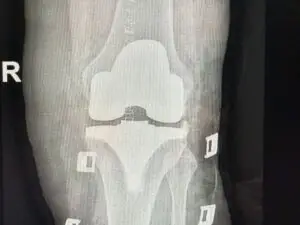
Robotic-Assisted Knee Replacement Surgery in San José, Costa Rica by Dr. Aria Ravery
Advanced Robotic Knee Arthroplasty for Personalized Planning, Precise Implant Positioning & Improved Mobility.…

Artificial Disc Replacement in San Jose, Costa Rica by Clinica Biblica Hospital
Artificial Disc Replacement (ADR) is a modern alternative to spinal fusion, designed to relieve chronic neck or…
Recommended Orthopedics Clinics in Costa Rica
Trusted clinics specializing in Orthopedics across Costa Rica.

Clinica Biblica Hospital
Medical Tourism Center Clínica Bíblica Hospital is Costa Rica’s leading private hospital and a pioneer in…
Dr. Aria Ravery
Orthopedic surgeon based in San José, Costa Rica, with specialized training in hip and knee reconstruction, hip…
Explore Tours in Costa Rica
Discover the best places to visit in Costa Rica and explore its rich culture, breathtaking landscapes, iconic attractions, and unforgettable travel experiences.

Costa Rica: La Fortuna Waterfall, Hanging Bridges, Arenal Volcano Combo Tour
Experience the best of Costa Rica’s natural wonders on this full-day small-group adventure in La Fortuna. Begin…

Costa Rica: Full Day Poas Volcano, La Paz Waterfall Gardens and Coffee Plantation Experience
Experience the best of Costa Rica on this full-day combo tour from San Jose, blending coffee, nature, and wildlife…

Costa Rica: Off Road Rainforest and Waterfalls ATV Tour
Embark on an exhilarating ATV adventure through the picturesque Manuel Antonio countryside, where lush…

Costa Rica: Manuel Antonio Park Nature Guided Tour with a Nature Specialist
Discover the incredible biodiversity of Costa Rica on a guided nature hike through Manuel Antonio National Park,…

Costa Rica: One day Tour Isla Tortuga with Lunch from Puntarenas
Escape to paradise with a day trip to Isla Tortuga, the perfect destination for relaxation and adventure. Whether…
More Orthopedics Articles About Costa Rica
Keep reading about Orthopedics care and travel in Costa Rica.

How Much Does Herniated Disc Surgery Cost Without Insurance?
A herniated disc diagnosis in the United States can come with a surgical bill ranging from $20,000 to $75,000 or…
TMJ Surgery Cost Without Insurance
TMJ surgery cost without insurance can be extremely high for many uninsured Americans, Canadians, expats, and…

Spinal Fusion Surgery Cost Without Insurance
Spinal fusion surgery without insurance in the United States carries some of the highest price tags in all of…

ACL Surgery Cost Without Insurance
Anterior cruciate ligament (ACL) reconstruction is one of the most common orthopedic surgeries in the United…

How Much Does Foot Surgery Cost Without Insurance?
Foot surgery covers a wide spectrum of procedures — from bunion removal (bunionectomy) and hammertoe correction to…

How Much is Rotator Cuff Surgery Without Insurance?
Rotator cuff tears are among the most common shoulder injuries in adults, affecting roughly 2 million Americans…
Leave a Comment
Share your thoughts on this article, or ask us a question -- we'd love to hear from you.