







Targeted Hand Surgery to Relieve Finger Locking, Catching & Painful Tendon Restriction
Dr. Aria Ravery offers a focused orthopedic approach for patients experiencing persistent finger locking, catching, stiffness, or pain that interferes with everyday hand function. Performed by orthopedic surgeon and traumatologist Dr. Aria Ravery , Trigger Finger Release is considered for appropriately selected patients whose symptoms remain troublesome despite conservative treatment. Dr. Aria Ravery provides trigger finger correction as part of his broader orthopedic practice in San José, Costa Rica, with treatment planning based on each patient’s symptoms, functional limitations, medical history, and previous care. The goal is to improve comfortable finger movement, reduce persistent symptoms, and help patients regain confidence in everyday hand use.
🩺 What Is Trigger Finger Release?
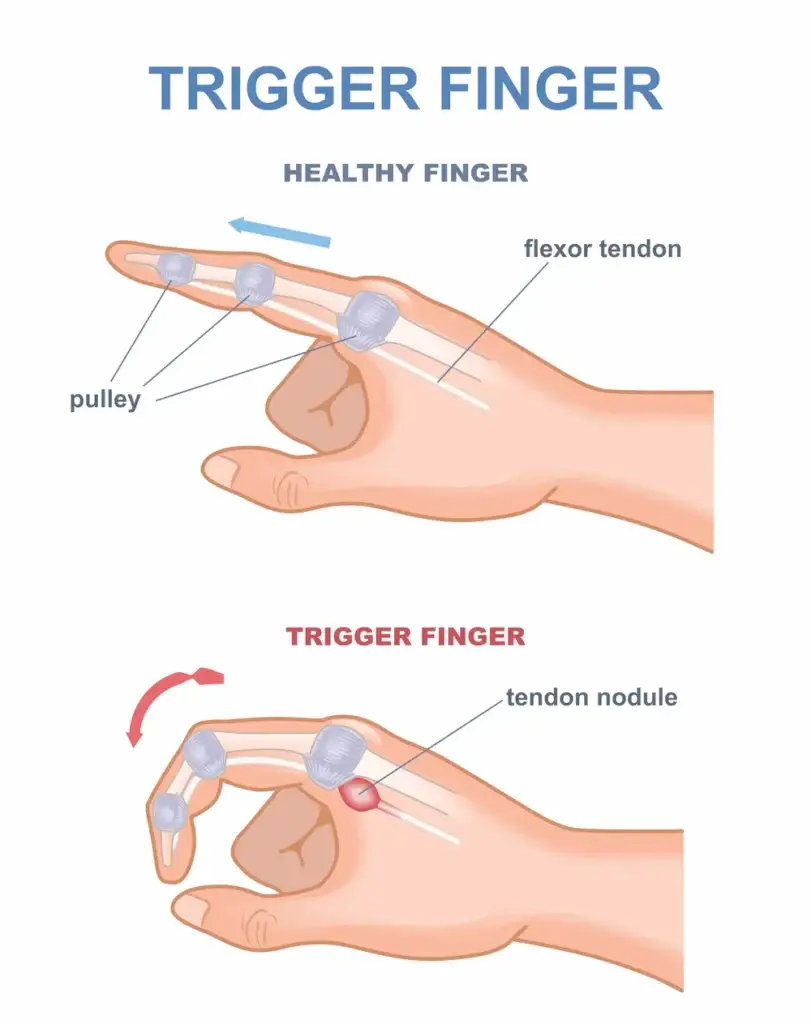
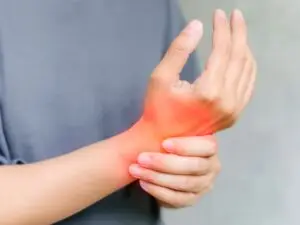
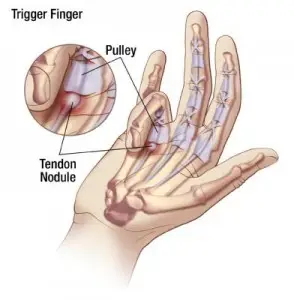
Trigger finger, or stenosing tenosynovitis, occurs when a flexor tendon cannot glide smoothly through its pulley system due to thickening or narrowing of the tendon sheath. This can cause clicking, popping, pain at the base of the finger, stiffness, or temporary locking in a bent position. Trigger Finger Release creates more space for tendon movement by opening the restrictive A1 pulley, allowing the tendon to glide freely without directly altering it. Mild cases may improve with splinting, medication, hand therapy, or steroid injections. Surgery is considered when symptoms persist or significantly affect daily activities. Treatment is tailored to the affected finger, severity, and patient needs, with the goal of restoring smooth, pain-free function.
🩺 Types of Trigger Finger Release
- Open Trigger Finger Release – A small incision is made near the base of the affected finger. The narrowed portion of the tendon pulley is carefully released to create more room for the tendon to glide.
- Percutaneous Trigger Finger Release – A needle or specialized instrument is introduced through a small puncture in selected patients to release the restrictive pulley without a conventional open incision.
- Trigger Thumb Release – Triggering can also affect the thumb. Treatment follows the same general principle of releasing the restrictive pulley so that the thumb tendon can move more freely.
🩺 Who Is a Good Candidate?
Trigger Finger Release may be appropriate for patients whose finger or thumb continues to catch, lock, or cause pain despite appropriate conservative management. Surgical candidacy depends on symptom severity, functional limitation, previous treatment, and the findings of an orthopedic evaluation.
✔️ Patients with persistent clicking, catching, or locking of a finger
✔️ Individuals with a finger that becomes stuck in a bent position
✔️ Patients experiencing pain or tenderness at the base of the affected digit
✔️ Individuals with trigger finger that interferes with gripping or everyday hand use
✔️ Patients whose symptoms persist despite activity modification or splinting
✔️ Patients with stiffness that limits normal finger movement

📝 Consultation & Preparation
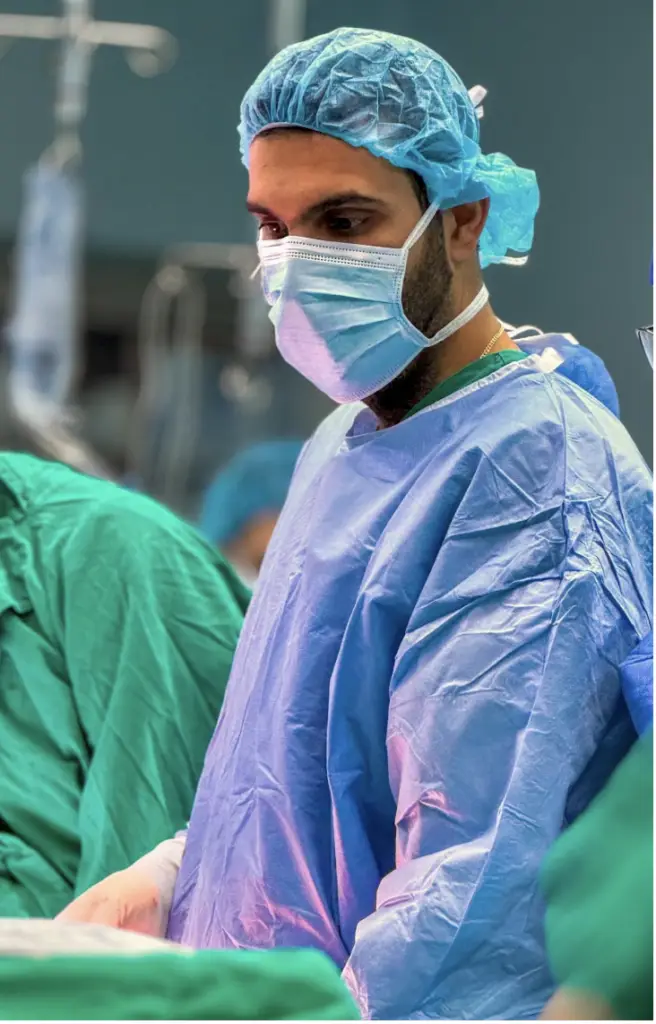
A careful orthopedic evaluation helps determine whether Trigger Finger Release is appropriate and whether non-surgical treatment should be considered first. Dr. Aria Ravery’s practice emphasizes individualized assessment and treatment planning rather than using the same approach for every orthopedic patient.
✔️ Review of finger locking, clicking, pain, and stiffness
✔️ Physical examination of the affected finger, thumb, palm, and tendon movement
✔️ Assessment of how symptoms affect work and everyday hand activities
✔️ Review of previous treatments, including splinting, medication, therapy, or injections
✔️ Review of medical history, previous procedures, allergies, and current medications
✔️ Evaluation of whether conservative treatment remains appropriate
✔️ Explanation of the proposed surgical approach when release is recommended
🩺 Recovery & Aftercare
Recovery after Trigger Finger Release focuses on healing, reducing swelling, maintaining gentle finger movement, and gradually returning to normal hand use while avoiding strain until recovery is complete.
✔️ Elevate the hand when recommended to help control early swelling
✔️ Begin gentle finger movement according to the surgeon’s instructions
✔️ Avoid unnecessary pressure directly over the surgical area during early healing
✔️ Use prescribed pain medication or other medication only as directed
✔️ Attend wound checks and follow-up appointments as scheduled
✔️ Follow instructions regarding sutures and dressing removal
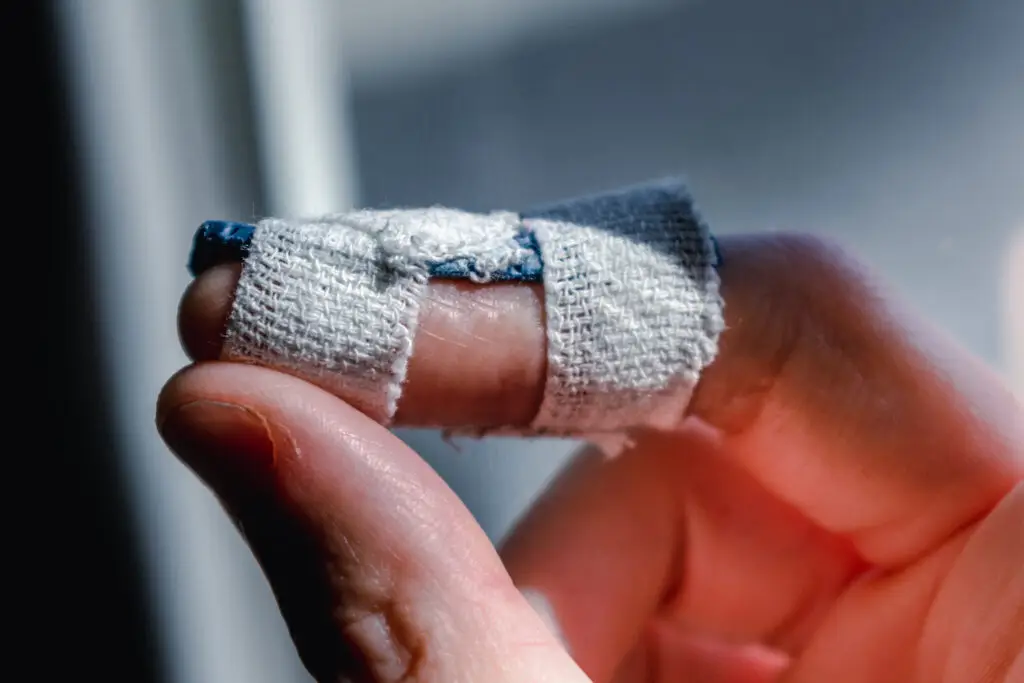
🌍 Why Choose Dr. Aria Ravery for Trigger Finger Release in San José?
Choosing an orthopedic surgeon for Trigger Finger Release requires careful evaluation of both the hand condition and the patient’s overall orthopedic needs, and Dr. Aria Ravery provides comprehensive orthopedic care in San José with an individualized, function-focused approach that progresses from conservative treatment to surgery when necessary.

✔️ Specialist training in Orthopedics and Traumatology
✔️ Trigger finger correction listed within his minor orthopedic surgical services
✔️ Individualized assessment before recommending operative treatment
✔️ Conservative orthopedic options considered when clinically appropriate
✔️ Focus on restoring movement and practical everyday function
✔️ Broad orthopedic and surgical background
✔️ Structured evaluation of symptoms and previous treatment
✔️ Private hospital affiliations in San José, Costa Rica