

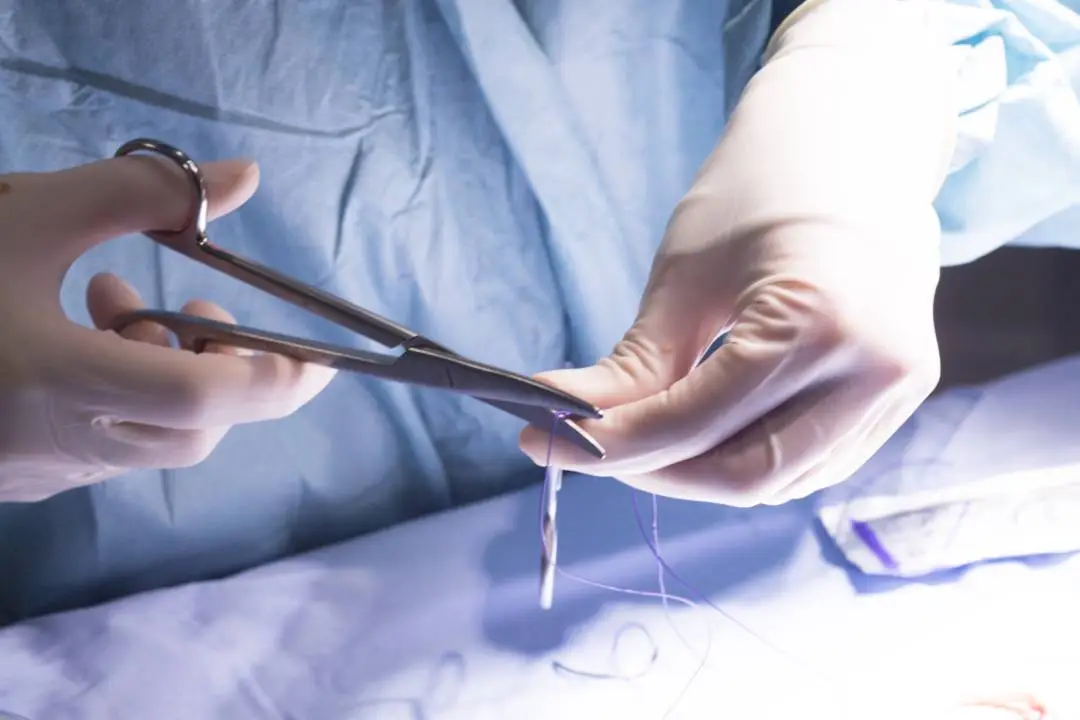





Advanced Hip & Knee Revision Surgery for Failed Implants, Improved Stability & Restored Joint Function
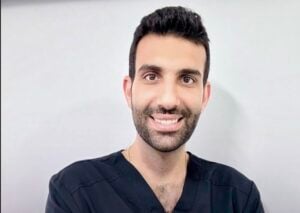
Dr. Aria Alexander Ravery Morovati provides specialized orthopedic procedure for patients experiencing problems with a previous hip or knee replacement. Although many joint replacements function successfully for years, an artificial joint may eventually develop complications such as loosening, wear, infection, instability, fracture around the implant, or persistent loss of function. In these situations, revision surgery may be recommended to remove, repair, or replace part or all of the existing prosthesis.
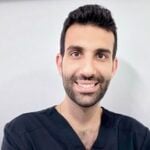
Dr. Aria Alexander Ravery Morovati provides specialized management of failed joint replacements, including complex revision procedures and component exchange when required. His practice focuses on hip and knee arthroplasty and joint reconstruction, supported by fellowship training in Adult Reconstruction and Joint Replacement Surgery at Toronto Western Hospital in Toronto, Canada.
🩺 What Is Revision Joint Replacement Surgery?
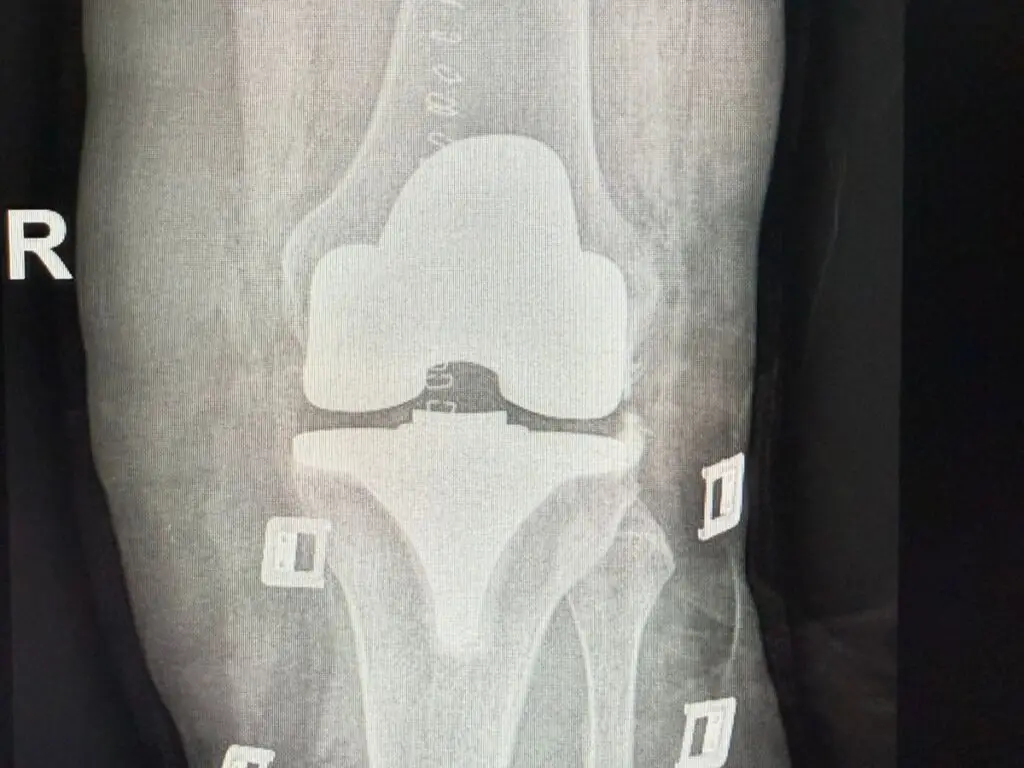
Revision Joint Replacement Surgery is performed when a previously implanted hip or knee prosthesis is no longer functioning properly. Unlike a primary joint replacement, it addresses an existing implant and surrounding bone and soft tissues, and may involve replacing one or more components or reconstructing the entire joint.
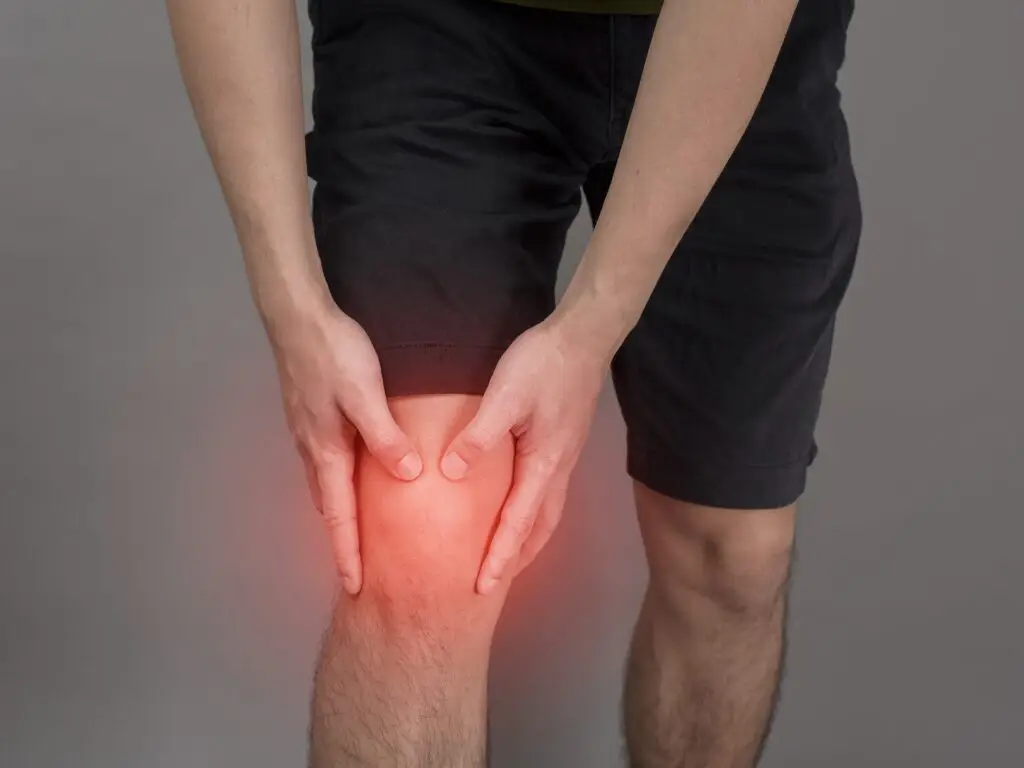
Implants can fail due to wear, loosening, instability, infection, trauma, or fractures around the prosthesis. Bone loss may also occur, sometimes requiring specialized revision components for stable fixation.
These procedures are more complex than primary replacements and require careful evaluation of the implant, bone quality, and cause of failure. Specialized techniques and implants are often needed.
The goal is to correct the problem, restore stability, reduce pain, and improve mobility through a highly individualized surgical plan.
🩺 Types of Revision Joint Replacement Surgery
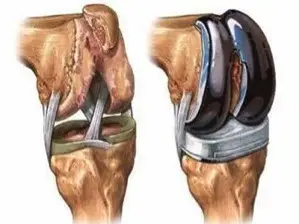
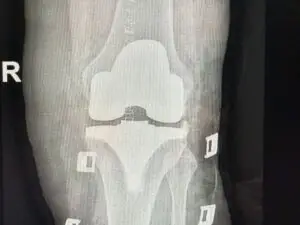
- Revision Total Knee Replacement – Removes or replaces one or more components of a previous knee replacement when problems such as loosening, wear, instability, infection, or bone loss affect the implant.
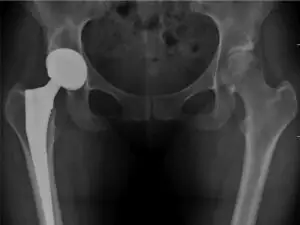
- Revision Total Hip Replacement – Reconstructs a previous hip replacement when components have become loose, worn, unstable, infected, damaged, or otherwise unable to function properly.
- Revision for Joint Replacement Infection – Treats infection involving an artificial hip or knee. Depending on the type and duration of infection, treatment can involve cleaning the joint, exchanging selected components, or removing and replacing the prosthesis through a staged treatment plan.
- Revision for Periprosthetic Fracture or Bone Loss – Addresses fractures or weakened bone around an existing implant. Specialized revision components may be required when the original prosthesis has become unstable or bone support has been compromised.
🩺 Who Is a Good Candidate?
Revision Joint Replacement Surgery may be considered for patients whose previous hip or knee replacement has developed a mechanical, structural, or infection-related problem. The decision is based on symptoms, examination findings, imaging studies, laboratory testing when appropriate, and the overall condition of the existing prosthesis.
✔️ Patients experiencing persistent or increasing pain around a previous hip or knee replacement
✔️ Individuals with evidence of implant loosening or excessive component wear
✔️ Patients experiencing recurrent instability or dislocation of a replaced joint
✔️ Individuals with stiffness or reduced mobility related to a failing joint replacement
✔️ Patients with a confirmed or suspected infection involving a joint prosthesis
✔️ Patients with bone loss surrounding a previous joint replacement
📝 Consultation & Preparation
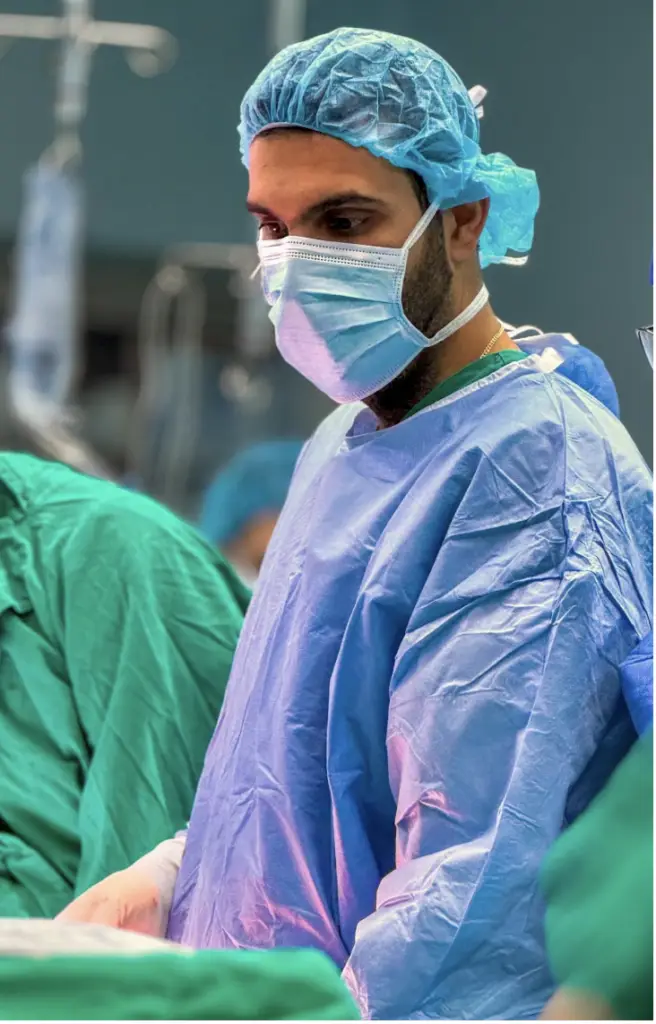
Careful planning is particularly important before Revision Joint Replacement Surgery because the surgeon must determine why the original implant is causing problems and understand the condition of the surrounding bone and soft tissues.
Dr. Aria Ravery evaluates each case individually before recommending the appropriate revision strategy.
✔️ Detailed review of the original hip or knee replacement and current symptoms
✔️ Review of previous operative reports and implant information when available
✔️ Assessment of pain, mobility, joint stability, and functional limitations
✔️ X-rays and additional imaging when required to evaluate implant position and surrounding bone
✔️ Evaluation for implant loosening, wear, fracture, instability, or bone loss
✔️ Blood tests or additional investigations when infection is suspected
🩺 Recovery & Aftercare
Recovery after Revision Joint Replacement Surgery varies considerably from one patient to another. Revision procedures can be more complex than first-time joint replacement surgery, particularly when infection, significant bone loss, fractures, or extensive reconstruction are involved. Rehabilitation is therefore tailored to the type of revision performed and the stability of the reconstructed joint.
✔️ Pain and swelling are expected during the early postoperative period and are managed according to the medical team’s instructions
✔️ Walking assistance with a walker, crutches, or another mobility aid may initially be required
✔️ Weight-bearing instructions depend on implant stability, bone quality, and the type of reconstruction performed
✔️ Physical therapy helps rebuild mobility, strength, balance, and joint function during rehabilitation
✔️ Prescribed medications should be taken according to the surgeon’s instructions

🌍 Why Choose Dr. Aria Ravery Morovati for Revision Joint Replacement Surgery?
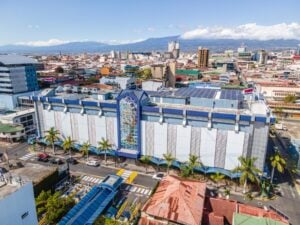
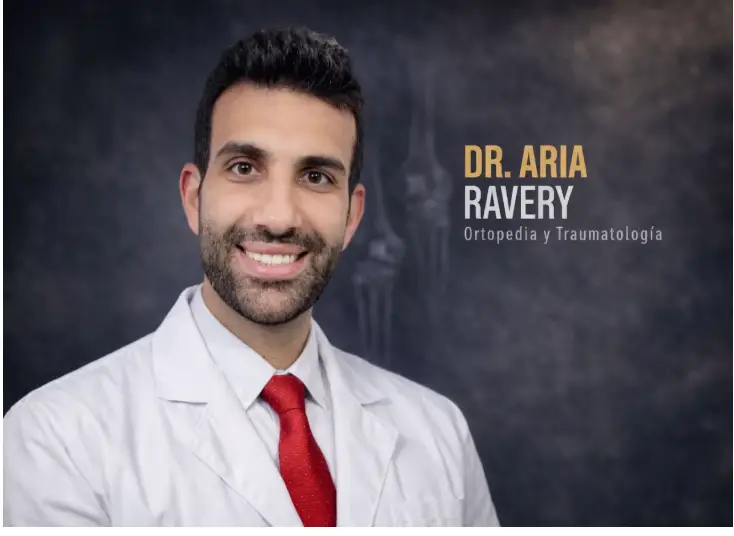
Revision joint replacement demands precise diagnosis, advanced surgical planning, and specialized expertise in complex hip and knee reconstruction. Dr. Aria Alexander Ravery Morovati focuses on degenerative joint disease, primary and revision hip and knee replacement, and the management of failed joint replacements. He completed fellowship training in Adult Reconstruction and Joint Replacement Surgery at Toronto Western Hospital in Canada and brings that specialized training to his orthopedic practice in San José, Costa Rica. Hospital Internacional La Católica is one of the facilities where he provides comprehensive orthopedic and traumatology care.
✔️ Specialized focus on hip and knee replacement surgery and joint reconstruction
✔️ Management of failed joint replacements and complex revision cases
✔️ Experience with revision procedures and component exchange when clinically necessary
✔️ Fellowship training in Adult Reconstruction and Joint Replacement Surgery at Toronto Western Hospital
✔️ Individual evaluation of implant loosening, wear, instability, infection, and other causes of joint replacement failure
✔️ Treatment planning based on the patient’s previous surgery, current implant, bone condition, and functional needs