








Specialized Median Nerve Decompression for Hand Numbness, Tingling, Weakness & Improved Daily Function
Dr. Aria Ravery offers a focused surgical approach for patients with carpal tunnel syndrome causing persistent numbness, tingling, hand weakness, reduced grip strength, or difficulty with daily activities. Performed by orthopedic surgeon and traumatologist Dr. Aria Ravery, Carpal Tunnel Release is considered for appropriately selected patients whose symptoms remain significant despite conservative treatment or who show signs of progressive nerve compression. Dr. Ravery provides carpal tunnel surgery as part of his broader orthopedic practice in San José, Costa Rica, with treatment planning based on each patient’s symptoms, nerve function, clinical findings, and previous care. The goal of treatment is to relieve median nerve compression, improve hand comfort and function, and help patients return to everyday activities with greater ease.
🩺 What Is Carpal Tunnel Release?
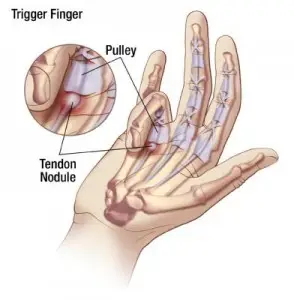
Carpal Tunnel Release is a surgical procedure that relieves pressure on the median nerve in the wrist. When this nerve is compressed, it can cause pain, tingling, numbness, weakness, and reduced hand coordination.

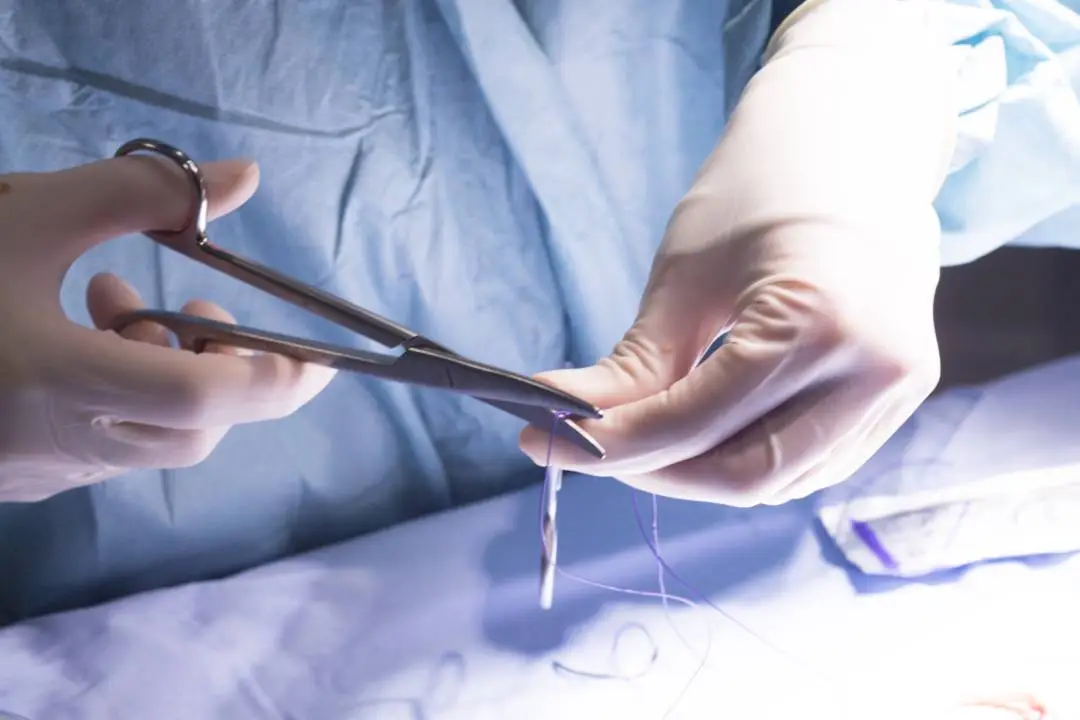
During surgery, the ligament forming the roof of the carpal tunnel is cut to create more space for the nerve, with the goal of decompression. It is recommended when symptoms persist despite conservative treatment or when nerve compression affects daily function, strength, sleep, or sensation, including progressive weakness.
Recovery varies: tingling and nighttime symptoms often improve early, while strength and fine motor function may take longer to recover. Overall, the procedure aims to relieve nerve pressure and improve hand function after proper orthopedic evaluation.
🩺 Types of Carpal Tunnel Release
- Open Carpal Tunnel Release – Uses a controlled incision at the palm and wrist to access and divide the transverse carpal ligament, relieving pressure on the median nerve.
- Mini-Open Carpal Tunnel Release – Uses a smaller incision while following the same basic principle of releasing the ligament and decompressing the median nerve.
- Endoscopic Carpal Tunnel Release – Uses a small camera and specialized instruments to visualize and release the ligament through a limited incision. This technique is not suitable for every patient.
🩺 Who Is a Good Candidate?
Carpal Tunnel Release may be appropriate for patients with persistent or progressive median nerve compression that interferes with sleep, work, hand strength, or everyday activities. Surgical candidacy depends on symptoms, examination findings, nerve function, and response to previous treatment.
✔️ Patients with persistent numbness or tingling in the thumb, index, middle, or part of the ring finger
✔️ Individuals with nighttime hand numbness that repeatedly interrupts sleep
✔️ Patients experiencing burning, discomfort, or abnormal sensations in the hand and wrist
✔️ Individuals with symptoms that continue despite wrist splinting or other conservative measures
✔️ Individuals with weakness or reduced coordination related to median nerve compression

📝 Consultation & Preparation
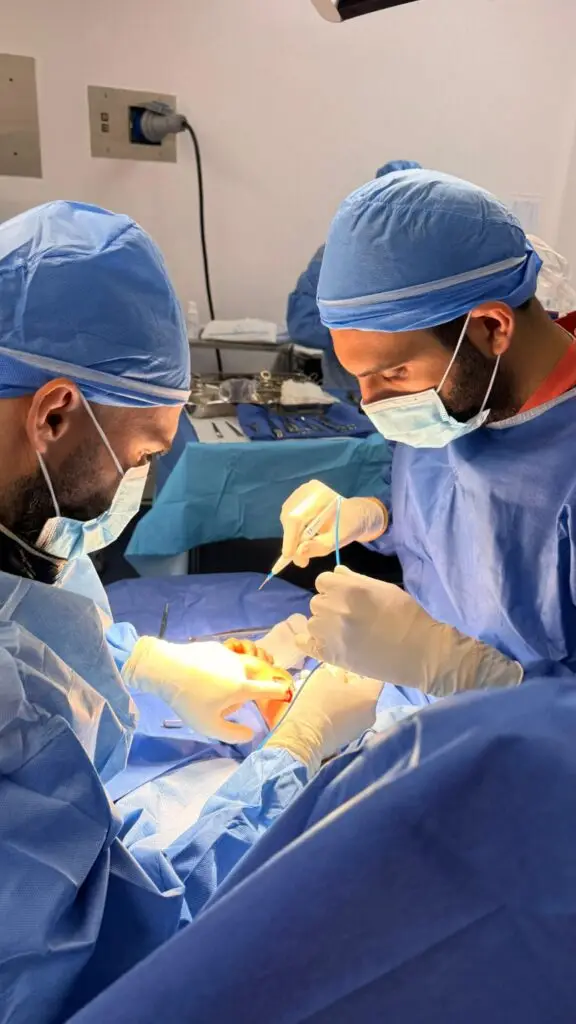
A careful evaluation is important before Carpal Tunnel Release because numbness and weakness in the hand can have several possible causes. Dr. Ravery’s broader orthopedic care model emphasizes clinical evaluation, diagnosis, consideration of conservative treatment, surgical planning when appropriate, and structured follow-up.
✔️ Detailed review of hand, wrist, and finger symptoms
✔️ Assessment of when symptoms started and how they have progressed
✔️ Physical examination of sensation, grip strength, muscle function, and wrist movement
✔️ Evaluation of the distribution of numbness and tingling
✔️ Review of previous treatments such as wrist splinting, medication, therapy, or injections
✔️ Nerve conduction studies or electromyography when clinically indicated
✔️ Review of medical conditions, previous operations, allergies, and current medications
✔️ Discussion of work activities, repetitive hand use, and functional limitations
🩺 Recovery & Aftercare
Recovery after Carpal Tunnel Release is generally progressive. The incision and surrounding tissues need time to heal, while the median nerve may recover at a different rate depending on how severely and how long it was compressed before surgery. Following postoperative instructions helps protect the surgical area and supports gradual return of hand function.
✔️ Mild soreness, swelling, or tenderness around the surgical area can occur during early recovery
✔️ Keeping the hand elevated may help control swelling during the initial healing period
✔️ Finger movement is commonly encouraged as permitted to help maintain mobility
✔️ Prescribed or recommended pain medication should be used only as directed
✔️ Heavy lifting, forceful gripping, and excessive pressure on the palm should initially be avoided

🌍 Why Choose Dr. Aria Ravery for Carpal Tunnel Release?
Selecting an orthopedic surgeon for Carpal Tunnel Release requires accurate diagnosis, as hand numbness, weakness, and tingling can stem from various orthopedic or neurological conditions. Dr. Aria Ravery, Orthopedics and Traumatology specialist in San José, Costa Rica, includes carpal tunnel release among his minor orthopedic procedures.

✔️ Specialist practice in Orthopedics and Traumatology
✔️ Carpal tunnel release specifically included within the practice’s minor orthopedic surgery services
✔️ Comprehensive orthopedic assessment before surgical treatment is considered
✔️ Individualized treatment planning based on symptoms, clinical findings, and functional limitations
✔️ Conservative treatment considered when appropriate before progression to surgery
✔️ Emphasis on restoring movement, function, and everyday independence
✔️ Structured postoperative follow-up and rehabilitation principles