Orthopedics — Medical Tourism Blog

Expert articles, guides, and patient stories on Orthopedics.

×
×

2020s Boom in Medical Tourism: A Global Healthcare Revolution

Exploring the Factors Driving Growth and Challenges in the Post-Pandemic Era. Medical tourism has undergone a dramatic resurgence in the 2020s, fueled by advancements in global healthcare, changing patient priorities, and a renewed focus on health and wellness following the COVID-19 pandemic. This booming industry has seen millions of patients crossing borders to access affordable, high-quality medical treatments while simultaneously benefiting from travel and leisure opportunities. The growth of medical tourism is transforming how healthcare is delivered and accessed worldwide. A Post-Pandemic Catalyst. The COVID-19 pandemic reshaped global healthcare, highlighting disparities in access and affordability. As nations began recovering, medical tourism emerged stronger, with patients seeking alternatives to strained healthcare systems. Long wait times, rising healthcare costs in developed nations, and the backlog of postponed elective procedures pushed many to explore medical options abroad. This pent-up demand has been a significant driver of the industry’s boom. Affordability and Value. One of the key appeals of medical tourism is its cost-effectiveness. Patients traveling abroad can save 50–80% on medical procedures compared to their home countries. Countries such as India, Thailand, and Mexico offer world-class care at a fraction of the cost, making them prime destinations for surgeries, dental work, and cosmetic procedures. For example, a hip replacement costing over $40,000 in the United States can be done for $8,000–$10,000 in India, including travel and accommodation. Access to Advanced Treatments. Beyond cost savings, medical tourists often seek specialized care or innovative treatments unavailable in their home countries. Destinations such as South Korea and Germany are renowned for cutting-edge procedures in areas like cancer treatment and fertility care. Meanwhile, countries like Turkey have gained prominence for advanced hair restoration and cosmetic surgeries. These nations have invested heavily in medical technology and infrastructure, earning them global recognition. Wellness and Longevity Tourism. The intersection of medical tourism and wellness tourism is another factor driving growth in the 2020s. Many destinations are marketing themselves as hubs for holistic health and wellness. Resorts and clinics offer programs combining medical care with spa treatments, yoga, and traditional medicine practices. This shift reflects a broader trend of patients seeking not just treatment but also preventive care and rejuvenation. Digital Health and Telemedicine Integration. Advancements in telemedicine have further bolstered medical tourism, enabling patients to consult with international doctors before traveling and to maintain follow-up care remotely after procedures. Digital health tools also streamline the patient experience, from booking consultations to accessing medical records, enhancing the overall convenience and safety of medical travel. The Future of Medical Tourism. The medical tourism industry is poised for sustained growth in the coming years. Emerging destinations are expected to challenge traditional leaders, offering new opportunities for patients seeking high-quality, cost-effective care. Innovations in technology, including AI-driven diagnostics and personalized medicine, are likely to enhance the precision and accessibility of medical tourism offerings. As the global demand for healthcare rises, medical tourism will continue to serve as a bridge between healthcare gaps, empowering patients to take control of their health. By addressing regulatory challenges, ensuring quality standards, and promoting equitable access, the industry can maintain its momentum as a transformative force in global healthcare. Source:. Rupa Health. (2020). 2020s Boom in Medical Tourism.

Hip Replacement in Mexico Cost and Clinics

Hip replacement in Mexico has become an increasingly popular option for international patients seeking affordable orthopedic treatment without compromising quality. Chronic hip pain caused by arthritis, injury, or degenerative joint disease can significantly impact mobility and daily life. When conservative treatments such as medications and physical therapy fail to provide relief, hip replacement surgery may become the best long-term solution. Healthcare costs in countries like the United States, Canada, and parts of Europe continue to rise, making hip replacement surgery financially challenging for many patients. Mexico offers a cost-effective alternative with experienced orthopedic surgeons, modern medical facilities, and comprehensive medical tourism services. This detailed guide explores the cost of hip replacement in Mexico, types of procedures available, benefits, recovery expectations, and why thousands of patients travel to Mexico for joint replacement surgery each year. Average Cost of Hip Replacement in Mexico. Hip replacement surgery in Mexico is significantly more affordable than in North America and Western Europe. The overall cost varies depending on the hospital, surgeon expertise, implant type, and complexity of the procedure. On average, hip replacement in Mexico typically ranges between $8,000 and $16,000. Some advanced procedures or premium packages may cost up to $18,000 or $20,000, depending on implant technology and hospital accommodation standards. Cost Comparison by Country. CountryAverage Hip Replacement Cost. United States$40,000 – $70,000. Canada (Private)$18,000 – $30,000. Mexico$8,000 – $16,000. Western Europe$20,000 – $35,000. Patients traveling to Mexico can often save between 50% and 70% compared to undergoing surgery in the United States. These savings are mainly due to lower operational costs, reduced administrative expenses, and favorable exchange rates rather than differences in medical quality or surgeon expertise. What Is Hip Replacement Surgery. Hip replacement surgery, also known as total hip arthroplasty, is a procedure that replaces damaged or worn hip joint components with artificial implants. The goal of surgery is to relieve pain, restore joint function, and improve mobility. The hip joint is a ball-and-socket joint where the femoral head (ball) fits into the acetabulum (socket) of the pelvis. During hip replacement surgery, damaged cartilage and bone are removed and replaced with prosthetic components made from durable materials such as metal alloys, ceramic, or polyethylene plastic. Types of Hip Replacement Procedures Available in Mexico. Orthopedic centers in Mexico offer several advanced hip replacement techniques tailored to each patient’s medical condition and lifestyle requirements. Total Hip Replacement. Total hip replacement is the most common procedure performed when arthritis or joint degeneration affects the entire hip joint. Both the ball and socket components of the hip joint are replaced with prosthetic implants designed to replicate natural movement. Partial Hip Replacement. Partial hip replacement replaces only the femoral head while preserving the natural socket. This procedure is usually recommended for patients who suffer from specific hip fractures or limited joint damage. Minimally Invasive Hip Replacement. Minimally invasive hip replacement uses smaller surgical incisions and advanced instruments to reduce tissue damage. This approach often leads to faster recovery, reduced blood loss, and less post-operative pain. Robotic-Assisted Hip Replacement. Some hospitals in Mexico offer robotic-assisted joint replacement using advanced computer navigation systems. This technique improves surgical precision and implant positioning, potentially enhancing long-term outcomes. Revision Hip Replacement. Revision hip replacement is performed when a previous hip implant fails or becomes worn out. This procedure is more complex and may cost more due to additional surgical requirements. What Is Included in Hip Replacement Packages in Mexico. Many hospitals in Mexico provide comprehensive treatment packages designed specifically for international patients. These packages simplify the treatment process and help patients manage costs effectively. Typical hip replacement packages may include:. Pre-operative medical evaluation and diagnostic imaging. Surgeon and anesthesia fees. Prosthetic hip implant. Hospital stay and nursing care. Medications during hospitalization. Post-operative follow-up appointments. Initial physiotherapy and rehabilitation. Premium packages may also include airport transportation, accommodation support, and personal medical travel coordinators. Factors That Influence Hip Replacement Cost in Mexico. The total cost of hip replacement surgery can vary depending on several important factors. Surgeon Experience and Training. Orthopedic surgeons with extensive experience and international training often charge higher fees but provide improved surgical outcomes and lower complication risks. Type and Brand of Implant. Hip implants vary in durability, material quality, and lifespan. Premium implants designed to last longer typically increase overall treatment costs. Hospital Accreditation and Technology. Internationally accredited hospitals equipped with advanced surgical technology generally charge higher fees but provide superior patient safety and care standards. Surgical Complexity. Partial hip replacement usually costs less than total or revision hip replacement procedures. Robotic-assisted surgery may also increase the total cost. Length of Hospital Stay and Rehabilitation. The duration of hospitalization and post-surgery physiotherapy programs can influence overall treatment expenses. Why Patients Choose Mexico for Hip Replacement Surgery. Mexico has become a global medical tourism destination due to several advantages that attract international patients seeking orthopedic treatment. Affordable Healthcare Services. Mexico offers high-quality surgical care at significantly lower costs compared to the United States and Canada. Many patients save thousands of dollars even after including travel and accommodation expenses. Highly Qualified Orthopedic Surgeons. Many orthopedic specialists in Mexico receive training in internationally recognized institutions and follow global surgical standards and treatment protocols. Modern Medical Facilities. Leading hospitals in Mexico use advanced surgical equipment, computer-assisted navigation technology, and internationally approved implants. Short Waiting Times. Patients can schedule hip replacement surgery in Mexico within weeks, avoiding long waiting lists common in publicly funded healthcare systems. Medical Tourism Support Services. Hospitals often provide multilingual staff, patient coordinators, and travel assistance services that make treatment planning easier for international patients. Popular Cities in Mexico for Hip Replacement Surgery. Several cities in Mexico have developed strong reputations for orthopedic surgery and joint replacement procedures. Tijuana. Tijuana is a leading medical tourism hub due to its proximity to the United States and high concentration of specialized orthopedic centers. Cancun. Cancun offers modern hospitals combined with resort-style recovery accommodations, making it attractive for patients seeking comfortable rehabilitation environments. Mexico City. Mexico City provides access to large multi-specialty hospitals and internationally trained orthopedic surgeons with advanced surgical technology. Guadalajara. Guadalajara is known for specialized orthopedic treatment centers and high success rates in joint replacement surgeries. Who Is a Candidate for Hip Replacement Surgery. Hip replacement surgery is recommended for patients experiencing severe hip pain and reduced mobility that interferes with daily activities. Common conditions that may require hip replacement include:. Osteoarthritis. Rheumatoid arthritis. Hip fractures. Degenerative joint disease. Avascular necrosis. Failed previous hip surgeries. Patients who do not respond to conservative treatments such as medications, injections, or physiotherapy may benefit from hip replacement surgery. Hip Replacement Surgery Procedure. Hip replacement surgery involves several stages designed to ensure patient safety and successful joint restoration. Pre-Surgery Evaluation. Patients undergo comprehensive medical assessments including imaging tests, blood tests, physical examination, and medical history evaluation. These tests help surgeons determine implant selection and surgical planning. Surgical Procedure. During surgery, damaged cartilage and bone are removed from the hip joint. The femoral head is replaced with a prosthetic ball attached to a metal stem inserted into the thigh bone. The socket is replaced with an artificial cup designed to support smooth joint movement. Post-Surgery Recovery. After surgery, patients remain in the hospital for monitoring and pain management. Physiotherapy begins shortly after surgery to improve mobility and strengthen surrounding muscles. Recovery Timeline After Hip Replacement Surgery. Recovery varies depending on individual health, surgical technique, and rehabilitation commitment. However, most patients follow a general recovery timeline. First Week. Patients typically stay in the hospital for two to four days while beginning assisted walking and physiotherapy exercises. First Month. Patients gradually increase mobility, perform strengthening exercises, and continue structured rehabilitation programs. Three to Six Months. Most patients regain normal daily activities and experience significant pain reduction during this phase. Full Recovery. Complete recovery and optimal joint function usually occur within six to twelve months following surgery. Risks and Complications of Hip Replacement Surgery. Hip replacement surgery generally has a high success rate, but like all major surgeries, it carries certain risks. Possible complications include:. Infection. Blood clots. Implant loosening or wear. Hip dislocation. Nerve or blood vessel injury. Persistent stiffness or pain. Choosing a qualified orthopedic surgeon and accredited hospital significantly reduces these risks and improves surgical outcomes. Success Rate of Hip Replacement Surgery in Mexico. Hip replacement surgery is widely recognized as one of the most successful orthopedic procedures. Most patients experience long-term pain relief, improved mobility, and enhanced quality of life. Modern surgical techniques and durable implant materials have increased implant lifespan, often lasting 15 to 20 years or longer. Many hospitals in Mexico maintain success rates comparable to leading international healthcare systems. Additional Expenses to Consider. While hip replacement surgery in Mexico is affordable, patients should also consider additional costs such as:. International airfare and travel expenses. Accommodation for family members. Extended physiotherapy or rehabilitation services. Medical travel insurance and pre-travel health tests. Planning these expenses in advance helps ensure a smooth medical tourism experience. How to Choose the Right Hospital for Hip Replacement in Mexico. Selecting the right orthopedic hospital is essential for successful treatment outcomes. Patients should consider the following factors when choosing a healthcare provider:. Hospital accreditation and safety standards. Surgeon qualifications and specialization. Patient reviews and treatment success rates. Availability of advanced surgical technology. Comprehensive rehabilitation and post-surgery care programs. Consulting with medical travel coordinators and reviewing treatment packages can help patients make informed healthcare decisions. Is Hip Replacement Surgery in Mexico Safe. Hip replacement surgery in Mexico is considered safe when performed by experienced surgeons in accredited hospitals. Many facilities follow strict international healthcare standards and use implants approved by global regulatory authorities. Patients are encouraged to research surgeon credentials, review hospital certifications, and discuss personalized treatment plans before traveling for surgery. Final Thoughts. Hip replacement in Mexico provides an affordable and reliable treatment option for patients suffering from chronic hip pain and mobility limitations. With treatment costs often reduced by more than half compared to North America and Europe, Mexico has become a leading destination for joint replacement surgery. From experienced orthopedic specialists and advanced medical facilities to personalized medical tourism services, Mexico offers comprehensive care for international patients seeking hip replacement surgery. Conducting proper research, choosing a reputable hospital, and following rehabilitation guidelines can help patients achieve successful treatment outcomes and long-term mobility improvement. For patients looking to restore joint function and improve quality of life without excessive healthcare expenses, hip replacement surgery in Mexico remains a trusted and cost-effective solution.

How Much Does Herniated Disc Surgery Cost Without Insurance?

For uninsured Americans, Canadians, expats, and retirees, the cost of herniated disc surgery in the U.S. or Canada can be overwhelming. Spinal issues like a herniated or slipped disc often cause severe pain, numbness, or mobility problems that require timely surgical intervention—but without insurance, the price becomes a major barrier. That’s why many patients today are exploring medical tourism, where they can receive the same high-quality spinal surgery at a fraction of the cost abroad. This guide explains how much herniated disc surgery costs without insurance, compares U.S. prices vs. top global destinations, and shows why traveling overseas is becoming a smart, safe, and affordable choice. The cost of surgery for a herniated disc without insurance in the U.S. typically ranges from $20,000 to $50,000 for less complex procedures like a microdiscectomy, and can reach $60,000 to $110,000 or more for more extensive surgeries such as spinal fusion. Cost of Herniated Disc Surgery Without Insurance in the U.S. Herniated disc surgery costs in the United States vary based on the type of procedure, surgeon experience, hospital fees, and complexity of the case. Without insurance, patients pay the full cost out of pocket. Average U.S. Costs (Self-Pay). Procedure TypeU.S. Cost (Without Insurance). Microdiscectomy$15,000 – $40,000. Laminectomy$25,000 – $50,000. Artificial Disc Replacement$35,000 – $75,000. Spinal Fusion (if required)$50,000 – $150,000+. These prices include hospital stay, surgeon fees, anesthesia, imaging, and postoperative care. Many hospitals charge additional fees for MRIs, physical therapy, and follow-up visits. Why it's so expensive:. U.S. spine surgery costs are driven by high hospital facility fees, expensive imaging, and specialist charges. Herniated Disc Surgery Cost Abroad (Affordable Options for Uninsured Patients). Medical tourism allows uninsured patients to save 50–80% on herniated disc surgery while receiving care in modern, internationally accredited hospitals. Average Prices by Country. CountryMicrodiscectomyLaminectomyFusion (if needed). Mexico$5,000 – $10,000$6,000 – $12,000$9,000 – $18,000. Costa Rica$6,000 – $10,000$7,000 – $13,000$10,000 – $20,000. Turkey$6,000 – $10,000$7,000 – $14,000$12,000 – $22,000. Thailand$7,000 – $12,000$8,000 – $14,000$14,000 – $25,000. South Korea$7,000 – $13,000$8,500 – $15,000$15,000 – $28,000. These prices usually include:. Pre-operative evaluation. Surgeon and anesthesia fees. Operating room charges. Hospital stay. Postoperative checkups. Airport–clinic transfers (in many packages). Best Countries for Herniated Disc Surgery Abroad. 🇲🇽 Mexico. Mexico is one of the most popular destinations for uninsured Americans due to proximity, short travel time, and large English-speaking medical staff. Cities like Tijuana, Monterrey, Cancun, and Mexico City provide advanced spine centers with internationally trained neurosurgeons. Why choose Mexico:. 60–70% savings. U.S.-trained spine surgeons. Fast scheduling. Great for quick recovery trips. 🇹🇷 Turkey. Turkey is a global hub for neurosurgery and orthopedics, equipped with modern medical cities, robotic spine surgery technology, and internationally accredited hospitals. Why choose Turkey:. Highly experienced neurosurgeons. Modern imaging and minimally invasive techniques. All-inclusive spine surgery packages. Excellent outcome records for disc surgeries. 🇨🇷 Costa Rica. Costa Rica is known for safe, reliable, and affordable medical tourism with Western-quality healthcare standards. Why choose Costa Rica:. Accredited private hospitals. English-speaking spine surgeons. Peaceful recovery environment. Lower cost yet high safety standards. 🇹🇭 Thailand. Thailand is famous for world-class hospitals and comprehensive orthopedic programs. Why choose Thailand:. Luxury hospital experience. Minimally invasive spine surgery expertise. Highly organized international patient services. 🇰🇷 South Korea. A global leader in advanced spine technology, nerve monitoring, and precision microsurgery. Why choose South Korea:. Cutting-edge surgical equipment. Specialists in disc replacement and fusion. Excellent outcomes in complex spine cases. Benefits of Getting Herniated Disc Surgery Overseas. Massive cost savings (50–80% less than U.S. self-pay prices). Shorter wait times—often surgery within days. High-quality, internationally accredited hospitals. English-speaking neurosurgeons and staff. Advanced minimally invasive techniques. Personalized care and case coordinators for foreign patients. Why Uninsured Patients Choose Medical Tourism. Without insurance, U.S. hospital bills can feel impossible to manage. For many people:. Paying $40,000–$80,000 upfront is not realistic. Delaying surgery worsens symptoms. Overseas packages include surgery + hotel + transport + follow-ups. This combination of affordability, safety, and support makes medical tourism an attractive solution. Tips for Planning Your Medical Trip Abroad. Verify surgeon credentials and years of spine surgery experience. Check if the hospital serves international patients. Ask for a full cost breakdown (no hidden fees). Confirm what’s included in the package—medications, hotel, transfers, follow-ups. Bring all MRI/CT scans. Plan for post-surgery recovery days before flying home. FAQs. 1. How much does herniated disc surgery cost without insurance?. Herniated disc surgery without insurance typically costs $20,000–$80,000 in the U.S., depending on whether you need a microdiscectomy, laminectomy, or spinal fusion. More complex surgeries like fusion can exceed $100,000. 2. What is the cheapest country for herniated disc surgery?. Mexico and Turkey are among the most affordable and reliable options, offering herniated disc surgery for $5,000–$12,000, with modern hospitals and experienced neurosurgeons. 3. Why is herniated disc surgery so expensive in the United States?. U.S. prices are driven by high hospital facility fees, surgeon charges, anesthesia, imaging costs, and multi-day hospital stays. Without insurance, patients pay the full amount out of pocket. 4. Does medical tourism for spine surgery really save money?. Yes. Traveling abroad for spine surgery can save 50–80% compared to U.S. self-pay costs. Many hospitals abroad offer all-inclusive packages with surgery, hospital stay, medications, and airport transfers. 5. Is it safe to get herniated disc surgery in another country?. If you choose accredited hospitals and experienced neurosurgeons, medical tourism is very safe. Countries like Mexico, Turkey, Thailand, Costa Rica, and South Korea have internationally recognized spine centers. 6. How long is the recovery after herniated disc surgery?. Most patients return to light activities within 2–4 weeks after a microdiscectomy, while more complex surgeries like fusion may require 6–12 weeks for recovery. 7. What’s included in medical tourism spine surgery packages?. Packages often include:. Surgeon & hospital fees. Anesthesia. Pre-op tests. Post-op care. Airport & hotel transfers. Dedicated care coordinator. Some packages also include hotel stays for you and a companion. 8. Can I fly after herniated disc surgery abroad?. Yes, but you should usually wait 7–10 days after a microdiscectomy or 10–14 days after a more invasive surgery. Your surgeon abroad will give personalized clearance before your return flight. 9. Do I need to bring my MRI or CT scan for surgery abroad?. Yes. Hospitals abroad require updated imaging (MRI preferred) to assess your condition and confirm if you need microdiscectomy, laminectomy, or fusion. 10. Is spinal fusion always required for a herniated disc?. No. Most patients only need a microdiscectomy, which is less invasive and less expensive. Fusion is only recommended if there’s instability or multiple levels affected. Conclusion. Herniated disc surgery cost without insurance can be extremely high in the United States, often reaching $20,000 to $80,000 or more depending on the procedure. By choosing trusted medical tourism destinations like Mexico, Turkey, Costa Rica, Thailand, or South Korea, uninsured patients can receive the same high-quality spinal care for as low as $5,000–$12,000, saving thousands without compromising safety or outcomes. At MyMediTour, we connect patients with accredited spine surgeons and world-class hospitals abroad—helping you access safe, affordable, and transparent spine care options. If you're struggling with high costs, contact MyMediTour to explore trusted, cost-effective solutions for your herniated disc surgery.

MyMediTour Accelerates Expansion in Mexico and Colombia with Fifteen New Healthcare Partnerships Across Major Medical Tourism Hotspots

MyMediTour, a fast-growing global medical tourism platform connecting international patients with accredited healthcare providers worldwide, has announced a major expansion in Mexico and Colombia with the addition of fifteen new medical partnerships established within the past two weeks. The rapid growth significantly strengthens the company’s position in a country widely recognized as one of the world’s top destinations for affordable, high-quality medical and dental care. A Strategic Expansion Amid Rising Cross-Border Healthcare Demand. As medical costs continue to surge in the United States and waiting times increase in Canada, more patients are crossing international borders in search of accessible, safe, and cost-effective care. Mexico and Colombia have become some of the primary destinations for these travelers—offering savings between 50% and 70% on many procedures while maintaining internationally accepted quality standards. MyMediTour’s new partnerships deepen the platform’s presence in several of Mexico’s and Colombia's most reputable healthcare hubs, broadening treatment options and enhancing accessibility for the platform’s global patient base. Expanded Network Across Colombia's and Mexico’s Leading Medical Tourism Cities. The latest agreements bring MyMediTour’s partner presence to a wider range of cities, each chosen for its medical reputation, travel convenience, safety, and established tourism infrastructure:. Bogotá, CO – Colombia’s capital for high-complexity medicine, offering top specialists in cardiology, oncology, neurosurgery, and advanced dental care. Known for cutting-edge hospitals and internationally trained physicians. Cali, CO – A major medical center recognized for orthopedics, ophthalmology, oncology, and dental specialties, supported by strong research institutions and reliable surgical outcomes. Cancún, MX – A leading destination for dental care, cosmetic surgery, bariatrics, and holistic recovery, enhanced by world-class resorts and easy international travel. Cartagena, CO – A coastal hub for cosmetic surgery, bariatric treatments, and advanced diagnostics, with accredited hospitals and a safe, tourism-friendly environment. Ciudad Juárez, MX – A border city offering affordable dental care, bariatric surgery, and cosmetic procedures, with convenient access from El Paso and short travel times for U.S. patients. Guadalajara, MX – A center of medical excellence for fertility, orthopedics, oncology, neurosurgery, and complex surgical specialties supported by strong university-level medicine. Los Algodones, MX (Molar City) – One of the world’s top destinations for affordable, high-quality dental treatments, known for its large concentration of experienced dental specialists. Medellín, CO – A world-class medical destination for cardiovascular care, fertility treatments, plastic surgery, and advanced diagnostics, known for modern hospitals and highly trained doctors. Mexico City, MX (CDMX) – Mexico’s premier location for complex procedures, top specialists, advanced hospital systems, and the most comprehensive range of medical services. Playa del Carmen, MX – A growing spot for cosmetic surgery, wellness medicine, and rehabilitation, offering high-quality clinics in a tranquil, tourism-friendly setting. Tijuana, MX – A major cross-border hub for bariatric surgery, orthopedics, dental care, and regenerative medicine, favored by U.S. patients for convenience and affordability. This geographic spread allows MyMediTour to match patients with cities best suited to their medical needs, travel preferences, and financial considerations. Comprehensive Range of Medical and Surgical Specialties. With the addition of these fifteen new providers, MyMediTour now facilitates care across a significantly expanded range of specialties, making Colombia and Mexico some of the company’s most diverse healthcare destinations. Patients can now access:. Bariatric Surgery: Gastric sleeve, gastric bypass, revisional bariatric surgery. Dental Care: Implants, veneers, full-mouth reconstruction, cosmetic dentistry. Cosmetic & Plastic Surgery: Liposuction, tummy tuck, BBL, facelift, rhinoplasty. Fertility Treatments: IVF, ICSI, egg freezing, donor programs. Orthopedics: Knee and hip replacements, spine surgery, sports medicine procedures. Ophthalmology: Cataract, LASIK, retinal surgeries. Cardiology & Vascular Procedures. Oncology & Advanced Medical Care. Stem Cell & Regenerative Medicine. General Surgery & GI Procedures. Dermatology, Anti-Aging & Wellness Medicine. This diversification ensures MyMediTour can meet the needs of patients ranging from elective surgery seekers to those requiring specialized or complex medical care. A Strengthened Network Built on Quality and Safety. Each new partnership underwent MyMediTour’s credentialing and vetting process, which evaluates standards of care, facility accreditation, technology, specialist expertise, infection control protocols, and patient safety measures. MyMediTour also prioritizes clinics and hospitals with experience treating international patients, multilingual staff, and transparent pricing systems. Executive Perspective. “Mexico and Colombia are cornerstones of our global expansion strategy,” said the MyMediTour President Vanessa Oliveira. “Securing fifteen partnerships in such a short period reflects both the strength of our relationships and the accelerating demand for high-quality, affordable treatments outside the U.S., Canada and Western Europe. Patients want trusted options, and both Mexico and Colombia continue to deliver a combination of value, safety, and world-class expertise.”. The company notes that many of the new partners offer end-to-end support services, including pre-operative evaluations, digital consultations, airport pickups, accommodations guidance, and post-treatment follow-up, essential components for international patient care, and wherever those services are not included, MyMediTour will expand the network of providers to cover the gaps. Mexico’s Rising Role in Global Medical Travel. According to industry analysts, Mexico receives more than a million medical tourists annually, with the greatest demand coming from dentistry, bariatrics, cosmetic surgery, fertility, orthopedics, and regenerative medicine. Its accessibility, cost advantages, and abundance of tourist-oriented cities make it particularly appealing to patients seeking a combined treatment-and-travel experience. MyMediTour’s expanded network positions the company to meet this growing demand while offering patients the structure, transparency, and support of a professional medical tourism coordinator. Colombia’s Expanding Presence in International Medical Tourism. Colombia has rapidly emerged as one of Latin America’s most trusted destinations for high-quality medical travel. Industry reports show that hundreds of thousands of international patients visit the country each year, driven by strengths in plastic surgery, cardiology, oncology, fertility, orthopedics, ophthalmology, and advanced dental care. With internationally accredited hospitals, highly trained specialists, and competitive pricing, Colombia offers a compelling combination of medical excellence and accessible care. Its major cities—Bogotá, Medellín, Cali, and Cartagena—have become recognized hubs for complex treatments supported by modern hospital networks, strong medical education, and a reputation for patient safety. The country’s appeal is further enhanced by its welcoming tourism environment, mild climate, and direct flight connections from the U.S., Canada, and Europe. MyMediTour’s newly expanded partnerships across Colombia allow the company to serve this growing demand with greater depth and specialization, ensuring patients receive transparent guidance, coordinated care, and a seamless experience from inquiry through recovery. About MyMediTour. MyMediTour is an international medical tourism platform that connects patients with accredited hospitals, clinics, and specialist providers across the world. Through its global network, the company supports a wide range of treatments including dental care, bariatric surgery, cosmetic surgery, fertility, orthopedics, cardiology, oncology, regenerative medicine, and more. MyMediTour provides full end-to-end coordination, ensuring patients receive safe, high-quality, and affordable care abroad along with personalized travel support and follow-up.

Hip Replacement Surgery Cost Without Insurance

For many uninsured Americans and Canadians, the idea of getting a hip replacement surgery often feels financially impossible. In the United States, this life-changing procedure can easily exceed $35,000 to $60,000 without insurance coverage — a figure that drives countless patients to delay or avoid surgery altogether. But chronic hip pain, arthritis, and limited mobility can severely impact quality of life. Today, more people are discovering a practical solution: traveling abroad for hip replacement surgery. Medical tourism has opened the door to world-class orthopedic care at a fraction of U.S. prices, often in destinations such as Mexico, Costa Rica, Turkey, Thailand, and India, where modern hospitals and English-speaking orthopedic specialists provide outstanding care for self-pay patients. Understanding Hip Replacement Surgery. Hip replacement, or total hip arthroplasty, is a procedure where the damaged or arthritic hip joint is replaced with a prosthetic implant made of metal, ceramic, or plastic components. It’s designed to restore mobility, reduce chronic pain, and improve the patient’s quality of life. Common Reasons for Hip Replacement:. Osteoarthritis or rheumatoid arthritis. Hip fractures or deformities. Severe joint pain limiting daily activity. Failed previous hip surgeries. The procedure can take 1–2 hours, followed by a hospital stay of 2–4 days, with full recovery within a few months. While medical advances have made hip replacements safer and longer-lasting, the cost in North America remains a significant obstacle for uninsured individuals. Hip Replacement Surgery Cost Without Insurance in the U.S. and Canada. In the U.S., patients without insurance can expect to pay between $35,000 and $60,000 for a hip replacement, depending on the hospital and type of implant used. In Canada, where public healthcare may not cover elective orthopedic procedures for non-residents or long-term expats, private clinics charge between CAD $25,000 and $40,000. Why It’s Expensive in the U.S. and Canada:. High hospital overheads and facility fees. Surgeon and anesthesiologist costs. Implant device and material costs. Pre-surgery tests and extended recovery care. Lack of insurance-negotiated discounts. This is why thousands of Americans and Canadians — especially retirees and expats — are turning toward medical tourism for orthopedic solutions abroad. Cost of Hip Replacement Surgery Abroad. Across top medical tourism destinations, hip replacement surgery is dramatically more affordable, with no compromise on quality or safety. Many hospitals abroad offer all-inclusive packages that cover surgeon fees, implants, hospital stay, anesthesia, and even post-operative physiotherapy. CountryAverage Cost (USD)Highlights. United States$35,000 – $60,000Without insurance coverage. Mexico$8,000 – $12,000Close to U.S., top orthopedic surgeons, modern facilities. Costa Rica$9,000 – $14,000Accredited hospitals, bilingual staff, excellent recovery support. Turkey$10,000 – $15,000JCI-accredited orthopedic hospitals, all-inclusive medical packages. Thailand$12,000 – $17,000World-renowned hospitals with rehabilitation programs. India$6,000 – $10,000Highly skilled surgeons, low costs, FDA-approved implants. On average, patients can save 50–80% compared to U.S. prices — even after including travel and accommodation. Why Surgery Abroad Makes Financial and Medical Sense. Patients often assume that lower cost means lower quality — but in modern medical tourism, that’s far from the truth. Many international hospitals have state-of-the-art operating rooms, advanced prosthetic technology, and internationally accredited orthopedic surgeons. Key Reasons to Consider Surgery Abroad:. Substantial cost savings for uninsured or self-pay patients. Hospitals accredited by Joint Commission International (JCI) and ISO. Shorter wait times — surgeries can be scheduled within days. Access to high-quality prosthetic materials used in the U.S. Recovery in relaxing, patient-focused environments. The result: you receive world-class orthopedic care at a manageable cost, often in a destination known for hospitality and comfort. Best Destinations for Hip Replacement Surgery Abroad. Mexico. A favorite among U.S. patients, Mexico offers hip replacement surgery for $8,000–$12,000, often performed by U.S.-trained orthopedic surgeons. Cities like Tijuana, Cancun, and Monterrey are equipped with modern hospitals, advanced imaging, and rehabilitation centers designed for international patients. Costa Rica. With costs between $9,000 and $14,000, Costa Rica’s private hospitals provide North American-level healthcare in a safe and peaceful environment. Many facilities cater specifically to medical tourists, offering concierge-style services and English-speaking orthopedic teams. Turkey. Turkey is a rising destination for joint replacement, with world-class orthopedic surgeons and JCI-accredited hospitals in Istanbul, Izmir, and Antalya. Packages typically include accommodation, airport transfers, physiotherapy, and follow-up care, priced around $10,000 to $15,000. Thailand. Thailand combines high-end medicine with luxury care. Leading hospitals in Bangkok specialize in orthopedic surgeries, offering advanced technology, five-star facilities, and English-speaking specialists for $12,000 to $17,000. India. India provides some of the lowest costs worldwide for hip replacement, from $6,000 to $10,000, with outcomes comparable to Western hospitals. Top orthopedic centers in Delhi, Chennai, and Mumbai are internationally accredited and use FDA-approved implants. Benefits of Getting Hip Replacement Surgery Overseas. Save up to 80% compared to U.S. costs. Accredited hospitals meeting global safety standards. Experienced orthopedic surgeons trained internationally. All-inclusive medical packages (surgery, stay, transfers, and therapy). Short wait times for surgery scheduling. Peaceful recovery environments in scenic destinations. Many hospitals abroad have entire departments dedicated to international patients, offering end-to-end support — from medical visas to physiotherapy follow-up. Tips for Planning Your Hip Replacement Abroad. Review hospital accreditations and surgeon credentials before committing. Compare package details — confirm if implants, medications, and rehab are included. Ask for patient references or testimonials. Arrange post-surgery physiotherapy (many hospitals include this). Ensure travel insurance covers complications. Consult with MyMediTour to match with the best country, surgeon, and package for your needs. FAQs About Hip Replacement Surgery Without Insurance. 1. How much does hip replacement surgery cost without insurance in the U.S.?. Between $35,000 and $60,000, depending on the hospital, surgeon, and implant type. This price usually excludes rehab or physiotherapy. 2. What’s the cost of hip replacement abroad?. In leading medical tourism destinations, the surgery ranges between $6,000 and $15,000, depending on country and package inclusions. 3. Is it safe to have hip replacement surgery abroad?. Yes. Many hospitals abroad are internationally accredited and use FDA-approved implants with U.S. or European-trained orthopedic surgeons. 4. How long will I need to stay abroad for hip replacement surgery?. Most patients stay 10 to 14 days for surgery, recovery, and follow-up before flying home. 5. What’s included in a typical medical tourism package?. Packages usually include consultation, surgery, implant, hospital stay, anesthesia, medications, accommodation, airport transfers, and basic physiotherapy. 6. How long does a hip replacement last?. Modern implants typically last 15 to 20 years, and in many cases, even longer with proper care. 7. Can MyMediTour help me find affordable hospitals?. Yes — MyMediTour connects patients with reliable, accredited orthopedic hospitals and negotiates affordable prices tailored for uninsured patients. Conclusion: A Global Path to Affordable Mobility. A hip replacement can restore independence, reduce pain, and bring back freedom of movement — yet, without insurance, it’s financially daunting in North America. Fortunately, medical tourism offers a cost-effective and safe solution. Countries like Mexico, Costa Rica, Turkey, Thailand, and India provide world-class orthopedic care at a fraction of U.S. costs, allowing uninsured patients to receive life-changing treatment without financial strain. At MyMediTour, we specialize in connecting international patients with accredited hospitals, experienced surgeons, and transparent pricing. From your first consultation to full recovery, our team ensures a smooth, stress-free experience. Take the first step toward a pain-free, active life — contact MyMediTour today to plan your affordable hip replacement surgery abroad.

Arthroscopic Surgery in Turkey Cost and Clinics

Individuals experiencing joint pain, stiffness, or sports-related injuries are increasingly seeking minimally invasive solutions instead of traditional open surgeries. Among these, arthroscopic surgery has become a highly preferred technique due to its precision, faster recovery, and reduced complications. Exploring arthroscopic surgery in Turkey provides access to experienced orthopedic specialists, advanced technology, and cost-effective treatment options for international patients. Undergoing this procedure involves using a small camera (arthroscope) to diagnose and treat joint problems through tiny incisions. Hospitals in Turkey operate within highly controlled surgical environments where orthopedic surgeons perform arthroscopy using high-definition imaging systems. Most patients experience reduced pain, quicker recovery, and improved joint function compared to conventional surgery. Testimonial Summary: Back to Sports. An athlete with a knee ligament injury reported that arthroscopic surgery in Istanbul allowed him to recover quickly and return to training within a few months. Did You Know?. Arthroscopic surgery requires only small incisions, often less than 1 cm, which significantly reduces scarring and recovery time. Why Turkey is a Leading Destination for Arthroscopic Surgery. Turkey has become a global hub for orthopedic procedures, including minimally invasive techniques like arthroscopy. The country offers a strong combination of affordability, experienced surgeons, and advanced medical facilities. The healthcare system supports modern surgical innovations, allowing hospitals to use high-definition arthroscopic equipment and minimally invasive techniques. This has led to a growing number of international patients choosing Turkey for joint treatments. Searching for reliable arthroscopic surgery hospitals in Turkey reveals facilities equipped with advanced operating rooms, rehabilitation services, and multilingual staff. These hospitals typically follow international safety standards and provide comprehensive care. Top Arthroscopic Surgery Procedures Available in Turkey. Facts. Turkey is recognized for its expertise in orthopedic surgery, particularly in sports injury treatments and minimally invasive procedures. Tips. Choose a hospital with specialized orthopedic surgeons experienced in arthroscopic procedures for the best results. Understanding the Science Behind Arthroscopic Surgery. Arthroscopic surgery is a minimally invasive procedure used to diagnose and treat joint conditions using a small camera called an arthroscope. During arthroscopic surgery in Turkey, the surgeon inserts the arthroscope through a small incision to view the joint on a screen. Specialized instruments are then used to repair damaged tissues such as ligaments, cartilage, or menisci. This technique reduces trauma to surrounding tissues and allows for precise treatment. It is commonly used for joints like the knee, shoulder, ankle, and hip. Most specialists consider arthroscopy an advanced and effective alternative to open surgery for many joint conditions. Stat Highlight. Clinical data shows that arthroscopic procedures have high success rates, with faster recovery times compared to traditional surgery. Key Benefits of Arthroscopic Surgery. Minimally invasive procedure. Smaller incisions and minimal scarring. Faster recovery and rehabilitation. Reduced post-operative pain. Shorter hospital stay. Cost of Arthroscopic Surgery in Turkey Compared to Other Countries. Arthroscopic surgery in Turkey typically costs between $1,800 and $6,500, depending on the joint being treated (knee, shoulder, hip), the complexity of the procedure, and the hospital or surgeon’s expertise; simpler procedures like meniscus repair may start around $2,200–$3,800, while more advanced or comprehensive arthroscopy procedures can reach $4,500–$6,500+, with some premium packages going slightly higher if they include hospital stay and additional services. Financial transparency is essential when considering orthopedic procedures abroad. The cost of arthroscopic surgery in Turkey is significantly lower than in Western countries while maintaining high standards of care. Patients benefit from advanced treatment options at a fraction of the cost. Procedure TypeAverage Cost in TurkeyUSA/UK Cost. Knee Arthroscopy$2,000 – $4,000$8,000 – $15,000. Shoulder Arthroscopy$2,500 – $5,000$10,000 – $18,000. Hip Arthroscopy$3,000 – $6,000$12,000 – $20,000. Alert. Costs may vary depending on the joint treated, procedure complexity, and hospital reputation. Always request a personalized treatment plan. The Comprehensive Consultation and Screening Process. Before undergoing arthroscopic surgery in Turkey, patients must complete a thorough orthopedic evaluation. Doctors typically perform imaging tests such as MRI scans, X-rays, and physical examinations to diagnose joint problems accurately. These tests help determine whether arthroscopy is the most suitable treatment option. In addition to imaging, patients are evaluated for overall health and any underlying conditions that may affect recovery. Proper screening ensures safe and effective treatment outcomes. Tips. Provide all previous medical reports and imaging results to help surgeons plan the procedure accurately. Common Pre-Procedure Evaluations. MRI scans and X-rays. Joint mobility and physical assessment. Medical history review. Treatment planning. What to Expect During the Arthroscopic Procedure. Understanding the procedure helps patients feel more prepared and confident. The process begins with anesthesia, either local, regional, or general depending on the case. The surgeon makes small incisions to insert the arthroscope and surgical instruments. The joint is examined in detail, and any damage is repaired using specialized tools. The procedure typically takes 30 minutes to 2 hours depending on complexity. Patients are closely monitored throughout the surgery to ensure safety. Did You Know?. Many arthroscopic procedures are performed on an outpatient basis, allowing patients to go home the same day. Recovery and Rehabilitation Timeline. Recovery after arthroscopic surgery in Turkey is generally faster than traditional surgery. Patients may experience mild swelling and discomfort during the first few days. Physical therapy is often recommended to restore strength and mobility. Most individuals return to normal activities within a few weeks, while full recovery may take a few months depending on the procedure. Stat Highlight. Most patients resume light activities within 2 to 4 weeks after arthroscopic surgery. Managing Expectations and Results. Arthroscopic surgery provides effective relief from joint pain and improves mobility, but realistic expectations are important. Patients can expect reduced pain, improved joint function, and quicker return to daily activities. However, recovery time may vary based on the severity of the condition and adherence to rehabilitation. Choosing an experienced orthopedic surgeon plays a key role in achieving successful outcomes. Testimonial Summary: Quick Recovery. A patient who underwent shoulder arthroscopy reported significant pain relief and regained full range of motion within weeks of the procedure. Who is an Ideal Candidate for Arthroscopic Surgery?. Arthroscopic surgery is suitable for individuals with joint problems that do not respond to conservative treatments. Ideal candidates include patients with ligament injuries, cartilage damage, or joint inflammation. It is commonly recommended for sports injuries and degenerative conditions. Patients should be in good overall health and willing to follow rehabilitation protocols. Tips. Early treatment of joint issues can prevent further damage and improve long-term outcomes. Risks and Safety Considerations. Although arthroscopic surgery is minimally invasive, some risks are associated with the procedure. Common risks include infection, swelling, and temporary stiffness. Rare complications may involve nerve damage or blood clots. Choosing experienced surgeons and accredited hospitals significantly reduces these risks. Facts. Advancements in arthroscopic technology have significantly improved surgical precision and reduced complication rates. Why International Patients Choose Turkey for Arthroscopic Surgery. Turkey offers a combination of affordability, expertise, and advanced medical care. Patients benefit from modern hospitals, shorter waiting times, and comprehensive treatment packages. The country’s strong reputation in orthopedic procedures continues to attract patients worldwide. How MyMediTour Supports Your Orthopedic Treatment Journey. Navigating orthopedic treatment abroad requires expert coordination and reliable support. MyMediTour connects patients with verified hospitals specializing in arthroscopic surgery in Turkey, ensuring safe and high-quality care. From consultation to recovery, the platform simplifies the entire process for international patients. Key Support Services. Access to experienced orthopedic surgeons. Transparent pricing and treatment plans. Assistance with travel and accommodation. Continuous patient support. Tips. Always choose internationally accredited hospitals for minimally invasive orthopedic procedures. Frequently Asked Questions About Arthroscopic Surgery in Turkey. Preparing for minimally invasive joint surgery abroad often raises important questions regarding safety, recovery, effectiveness, and long-term outcomes. Patients considering arthroscopic surgery in Turkey typically seek detailed information about procedural techniques, rehabilitation, and expected results. Understanding these aspects helps individuals make informed and confident decisions about their treatment journey. The following detailed answers address the most critical concerns for international patients. What is arthroscopic surgery and how does it differ from open surgery?. Arthroscopic surgery is a minimally invasive procedure that uses a small camera and specialized instruments to diagnose and treat joint conditions. Unlike open surgery, it requires only small incisions, reducing trauma to surrounding tissues. This approach leads to faster recovery, less pain, and minimal scarring while still providing highly effective treatment outcomes. Is arthroscopic surgery in Turkey safe for international patients?. Yes, arthroscopic surgery in Turkey is generally safe when performed in accredited hospitals by experienced orthopedic surgeons. Many facilities follow international healthcare standards and use advanced surgical technologies. Comprehensive pre-operative assessments and post-operative care ensure patient safety and successful recovery. How long does it take to recover after arthroscopic surgery?. Recovery time depends on the type of joint treated and the extent of the procedure. Most patients can resume light activities within 2 to 4 weeks. Full recovery, including return to sports or intense physical activity, may take several months depending on rehabilitation progress. Will I need physiotherapy after arthroscopic surgery?. Yes, physiotherapy is often essential for restoring strength, flexibility, and joint function. A structured rehabilitation program helps ensure optimal recovery and prevents future injuries. How long should I stay in Turkey after the procedure?. Most patients stay in Turkey for about 5 to 7 days to allow for surgery, initial recovery, and follow-up consultations. The duration may vary depending on the complexity of the procedure and individual recovery progress. What factors affect the cost of arthroscopic surgery in Turkey?. The cost depends on the joint being treated, the complexity of the procedure, hospital facilities, and surgeon expertise. Patients should request a detailed treatment plan to understand all costs involved. Are the results of arthroscopic surgery permanent?. The results can be long-lasting, especially if patients follow rehabilitation protocols and maintain joint health. However, underlying conditions or injuries may require additional treatment in the future. Who is not a suitable candidate for arthroscopic surgery?. Patients with severe joint damage or advanced arthritis may require open surgery or joint replacement instead. A thorough evaluation is necessary to determine the most appropriate treatment option. Can arthroscopic surgery treat all joint problems?. Arthroscopy is highly effective for many conditions, including ligament tears, cartilage damage, and inflammation. However, not all joint issues can be treated with this method, and alternative procedures may be required in some cases. How do I choose the best hospital for arthroscopic surgery in Turkey?. Choosing the right hospital involves evaluating surgeon experience, hospital accreditation, and patient reviews. Hospitals with specialized orthopedic departments and advanced arthroscopic equipment are the best options for safe and effective treatment. Final Thoughts. Arthroscopic surgery in Turkey is an advanced and effective solution for treating joint problems with minimal invasiveness. With experienced surgeons, modern hospitals, and affordable pricing, Turkey remains a top destination for orthopedic care. For patients seeking faster recovery and improved joint function, arthroscopic surgery offers a reliable and highly effective treatment option.

Ankle Ligament Surgery Cost Without Insurance

Ankle injuries are common, but when ligaments are torn or severely damaged, surgery may be the only option to restore stability and prevent long-term complications. For uninsured patients in the United States or Canada, the ankle ligament surgery cost without insurance can be surprisingly high, often creating financial stress on top of physical pain. As a result, many patients explore alternative solutions, including affordable treatment options abroad, without compromising safety or quality of care. This detailed guide explains how much ankle ligament surgery costs without insurance, what factors influence pricing, how costs compare between the U.S. and other countries, and how medical tourism can significantly reduce expenses. What Is Ankle Ligament Surgery?. Ankle ligament surgery is performed to repair or reconstruct damaged ligaments that stabilize the ankle joint. These injuries often result from sports accidents, falls, repeated ankle sprains, or trauma that causes chronic ankle instability. The procedure may involve repairing torn ligaments, tightening stretched ligaments, or reconstructing them using grafts. Surgery is typically recommended when conservative treatments such as physical therapy, bracing, and medications fail to relieve pain or instability. Average Ankle Ligament Surgery Cost Without Insurance. Without health insurance, ankle ligament surgery can be a major out-of-pocket expense. Costs vary widely depending on the complexity of the injury, location, surgeon’s fees, and hospital charges. Ankle ligament surgery cost without insurance in the U.S. typically ranges from $12,000 to $20,000 or more, depending on the complexity of the injury, the surgical technique used (arthroscopic vs open repair), surgeon fees, facility charges, and geographic location. Typical Cost Range in the U.S. (Without Insurance). $12,000 to $25,000 for standard ankle ligament repair. $25,000 to $40,000+ for complex ligament reconstruction or additional procedures. These prices often exclude post-operative physical therapy, imaging, follow-up visits, and medications, which can add several thousand dollars more. What Affects the Cost of Ankle Ligament Surgery?. Several factors determine the final cost when you do not have insurance:. Type of surgery (simple repair vs. ligament reconstruction). Severity of ligament damage. Hospital or surgical center fees. Surgeon’s experience and specialization. Anesthesia and operating room costs. Pre-operative imaging (MRI, X-rays). Post-surgery rehabilitation and physical therapy. Patients with chronic instability or multiple ligament injuries usually face higher costs due to longer surgical time and extended recovery care. Ankle Ligament Surgery Cost: U.S. vs Abroad. One of the biggest reasons uninsured patients consider medical tourism is the dramatic price difference for the same procedure. Cost Comparison by Country (Approximate). United States: $12,000 – $40,000. Canada (private pay): $10,000 – $22,000. Mexico: $4,000 – $7,500. Costa Rica: $5,000 – $8,000. Turkey: $4,500 – $7,000. Thailand: $5,500 – $9,000. South Korea: $6,000 – $10,000. In many international destinations, these prices often include surgeon fees, hospital stay, anesthesia, and initial follow-up care. Why Ankle Ligament Surgery Is Cheaper Abroad. Lower costs overseas do not mean lower quality. Instead, savings are driven by differences in healthcare systems and operating expenses. Key reasons include:. Lower hospital and labor costs. Government-regulated medical pricing in some countries. High patient volume and specialized orthopedic centers. Competitive medical tourism markets. Many international hospitals are accredited, use modern technology, and employ surgeons trained in the U.S. or Europe. Best Countries for Affordable Ankle Ligament Surgery. Mexico. Mexico is a top choice for uninsured Americans due to proximity, shorter travel times, and significantly lower orthopedic surgery costs. Many facilities cater specifically to international patients. Turkey. Turkey is globally recognized for affordable, high-quality orthopedic care. Hospitals often offer all-inclusive packages with advanced surgical techniques. Costa Rica. Known for excellent healthcare standards, Costa Rica combines modern hospitals with experienced orthopedic surgeons at competitive prices. Thailand. Thailand offers internationally accredited hospitals, English-speaking medical staff, and cost savings of up to 70% compared to U.S. prices. Additional Benefits of Medical Tourism for Ankle Surgery. Beyond cost savings, traveling abroad for ankle ligament surgery offers several advantages:. Shorter wait times for surgery. Personalized care for international patients. Access to advanced rehabilitation programs. Opportunity to recover in a relaxed environment. Transparent pricing with fewer hidden fees. For uninsured patients, these benefits can make treatment both affordable and accessible. Recovery and Rehabilitation Costs to Consider. Recovery after ankle ligament surgery typically takes several weeks to months. While international packages may include initial care, patients should budget for:. Physical therapy sessions. Mobility aids (brace, crutches, walking boot). Follow-up consultations. Time off work. Even with these added expenses, total costs abroad often remain far lower than surgery alone in the U.S. FAQs: Ankle Ligament Surgery Cost Without Insurance. How much does ankle ligament surgery cost without insurance?. In the U.S., the cost typically ranges from $12,000 to over $40,000, depending on procedure complexity and hospital fees. Is ankle ligament surgery cheaper outside the U.S.?. Yes. Many patients save 50–70% by having surgery in countries like Mexico, Turkey, or Costa Rica. Does the quoted cost usually include everything?. Abroad, packages often include surgeon fees, hospital stay, anesthesia, and basic aftercare. In the U.S., most costs are billed separately. Is it safe to have ankle ligament surgery abroad?. When performed at accredited hospitals by qualified orthopedic surgeons, ankle ligament surgery abroad is considered safe and effective. How long do I need to stay overseas after surgery?. Most patients stay 7–14 days, allowing time for surgery, early recovery, and follow-up before traveling home. Will I need physical therapy after surgery?. Yes. Physical therapy is essential for restoring ankle strength, mobility, and stability after ligament surgery. Conclusion: Is Ankle Ligament Surgery Without Insurance Affordable?. For uninsured patients, the ankle ligament surgery cost without insurance in the U.S. can be financially overwhelming. Fortunately, medical tourism offers a practical and proven alternative, allowing patients to receive high-quality orthopedic care at a fraction of the cost. At MyMediTour, we specialize in connecting uninsured Americans, Canadians, expats, and retirees with trusted, affordable healthcare providers worldwide. From treatment planning to travel coordination, we help make ankle ligament surgery safe, accessible, and cost-effective. Reach out today to explore your options and take the next step toward pain-free mobility.

Cartilage Injuries Treatment in Turkey Cost and Clinics

Cartilage damage in a weight-bearing joint can feel like a constant reminder that every step, squat, or twist has a limit. In recent years, increasing numbers of international patients have discovered that traveling to Turkey for cartilage repair opens doors to world-class techniques, shorter waiting times, and prices that keep personal finances intact. Whether your cartilage injury stems from sport, an accident, or gradual wear, the Turkish orthopedic scene offers modern arthroscopic suites, biologic labs able to culture your own chondrocytes, and rehabilitation centers overlooking the Bosphorus or Mediterranean coast. It is no longer a choice between quality and affordability; here, both exist side by side. Patients make the trip because cartilage treatments are highly specialized. Surgeons who perform hundreds of procedures each year refine micro skills that translate into smoother scopes, smaller incisions, and better graft integration. Add English-speaking teams accustomed to caring for guests from overseas, and you can focus on healing rather than logistics. Above all, coming to Turkey for cartilage surgery is about clarity. Packages clearly list what is included, coordinators guide you from first MRI upload to final video check-in, and transparent outcome data help set realistic expectations so you know exactly what recovery will look like—step by step. Treatment Highlights. Comprehensive cartilage solutions: Arthroscopic microfracture, osteochondral autograft transfer (OAT), osteochondral allograft (OCA), and Autologous Chondrocyte Implantation (ACI) performed by fellowship-trained surgeons. Key benefits: Alleviates pain, slows or stops progression to osteoarthritis, and restores joint surface integrity for improved mobility. Ideal candidates: Active adults aged 18-55 with focal chondral lesions up to 4 cm², stable ligaments, and a normal joint axis; larger or degenerative defects can be assessed for biologic or graft options. Destination advantages: JCI-accredited hospitals in Istanbul, Izmir, and the medical free zone of Antalya combine Western-grade facilities with holiday-worthy surroundings. Recovery expectations: Partial weight-bearing from week two, stationary cycling by week six, sport-specific drills around month four to six, full return to high-impact activity once MRI confirms graft maturity (typically nine to twelve months). Cost positioning: Up-front package rates 50-70 % lower than comparable care in United States while retaining premium implants and biologics. Typical stay: 7 days in-country for surgery plus early rehab, with optional physiotherapy extensions up to 14 days. Overview. Cartilage forms the smooth, shock-absorbing lining at the ends of bones. When it tears or erodes, the body cannot regenerate the matrix on its own, leading to mechanical pain and, eventually, arthritis. Modern orthopedic science offers multiple ways to restore that surface:. Microfracture stimulates marrow stem cells to form a fibrocartilage “patch.” OAT harvests cylindrical plugs of healthy cartilage from a non-weight-bearing area of the same joint and transplants them into the defect. OCA uses donor tissue when lesions are large or multilayered. ACI cultures millions of a patient’s own chondrocytes in a lab, then implants them beneath a collagen membrane for hyaline-like repair. Turkey’s leading centers keep all four techniques under one roof. The choice of method depends on lesion size, depth, biomechanical alignment, and activity level. Surgeons review MRI and, when needed, 3-D CT scans to build a tailored plan. Immediate goals are pain relief and joint preservation; long-term success is judged by the ability to return to work, sport, and daily life without catching or swelling. Why go abroad? Many insurance policies limit coverage for biologic implants, and waiting lists for complex grafts can exceed a year in some countries. Turkish hospitals invest in on-site cell culture labs and maintain active cadaveric donor programs, reducing wait time to weeks. Outcomes published in peer-reviewed journals show union rates and IKDC scores on par with major U.S. and European centers, giving patients confidence they are not trading cost for quality. How Much Does Cartilage Injury Treatment Cost in Turkey?. Cartilage repair packages in Turkey generally range between USD 4,000 and USD 20,000, depending on the technique (microfracture at the lower end, ACI at the higher). What moves the needle on price?. Procedure complexity and whether grafts or cell culture are required. Surgeon seniority and sub-specialization. Implant brand (allograft vs synthetic scaffold). Hospital accreditation level (JCI-accredited tertiary hospitals command more). Physiotherapy sessions and hotel class inside a bundle. Turkey delivers value because living costs, labor, and currency exchange keep baseline hospital expenses lower while maintaining imported implants identical to those used in Western facilities. Note that each quote is provisional; final pricing is confirmed only after the orthopedic team reviews your imaging and medical history. LocationTypical Package Price (USD)What’s Included*. Turkey$4,000 – $20,000Surgery, anesthesia, 3 nights private room, medications, airport transfers, initial physiotherapy. United States$18,000 – $23,000Surgery only; anesthesia, hospital stay, and rehab billed separately. *Example package; contents vary by provider. Who Is a Good Candidate for Cartilage Injury Treatment?. Localized cartilage defect causing pain or instability. Body-mass index below 35 (for optimal graft survival). Stable surrounding ligaments (or willingness to correct them concurrently). Non-smoker or committed to cessation during healing. Realistic expectations about recovery timeline. Commitment to physiotherapy for 6–12 months. Not ideal. Diffuse tri-compartmental arthritis. Active uncontrolled infection or systemic inflammatory disease. Severe malalignment unwilling to undergo osteotomy. Inability to adhere to weight-bearing restrictions post-op. A thorough orthopedic evaluation will confirm suitability and outline any prerequisites, such as weight reduction or alignment correction. Patient Journey: Step-by-Step. Initial inquiry – You submit an online form and recent MRI to a patient coordinator. Remote consultation – The surgeon explains findings via video, outlines options, and answers questions. Personalized plan & quotation – You receive a written treatment plan with exact techniques, stay length, and package price. Travel arrangements – Once you approve, visa guidance, hotel booking, and airport pickup are arranged by the coordinator. Arrival in Turkey – A driver meets you air-side and brings you to your hotel or hospital guest room. Pre-operative day – In-person physical exam, updated imaging if required, and anesthesia assessment. Surgery day – Arthroscopic cartilage repair performed under spinal or general anesthesia; procedure lasts 45-120 minutes. Hospital stay – 1–3 nights; physiotherapists begin continuous-passive-motion (CPM) and teach protected weight-bearing. Early rehabilitation – Move to partner hotel or residence; daily physio plus optional hydrotherapy in heated pools overlooking the sea. Discharge review – Surgeon reviews incisions, removes sutures if due, and provides a flash drive containing surgical footage and rehab protocol. Return home – Airport transfer and flight; crutches and compression supplied. Remote follow-up – Scheduled video calls at 2 weeks, 6 weeks, 3 months, and 1 year, plus MRI upload for objective healing confirmation. Destination – Why Choose Turkey?. Medical standards – Orthopedic units follow EU-equivalent accreditation (JCI, ISO) and participate in international trials on cartilage regeneration. International patient expertise – Multilingual coordinators, cashiers experienced in global insurance, and airport-to-recovery concierge service reduce friction. Cost-to-quality edge – By leveraging favorable exchange rates and lower facility overhead, Turkey offers cartilage surgery for roughly one-third U.S. prices while using identical implants. Travel convenience – Direct flights to Istanbul from 300+ cities; visa-on-arrival for many nationalities. Healing environment – Recover along the Aegean or Mediterranean coast where mild climate encourages gentle walking and pool therapy year-round. Inclusions . Pre-arrival video consultation. All hospital and operating room fees. Surgeon, assistant, and anesthesiologist fees. Arthroscopic cartilage repair procedure (microfracture / OAT / OCA / ACI per plan). One-on-one physiotherapy sessions during stay. Post-operative medications and knee brace. Airport transfers and local ground transport. Dedicated international patient coordinator. Exclusions . International airfare. Hotel accommodation beyond the standard package nights. Pre-existing condition work-up (e.g., cardiac clearance if needed). Additional imaging not related to cartilage lesion. Companion meals and activities. Extended rehabilitation beyond packaged sessions. Recovery & Aftercare. Expect to walk with crutches and toe-touch weight-bearing for the first two weeks if microfracture was performed; four to six weeks if a graft was implanted. CPM machines or stationary bikes keep the joint moving without shear. Swelling peaks at day three, then gradually subsides with elevation and cryotherapy. You may shower after 48 hours; swimming can restart once incisions close. Driving resumes once reflexes normalize—usually around week four for right-knee surgery or sooner for the left. High-impact sport is deferred until MRI shows matured repair tissue, typically at nine months for microfracture and twelve months for ACI or OCA. Long-term, expect durable pain relief and function for many years, provided body weight remains controlled and training loads are increased gradually. Risks & Considerations. All surgery carries inherent risks such as infection (<1 %), deep-vein thrombosis, and anesthesia reactions. Specific to cartilage repair, overgrowth of scar tissue may require a minor arthroscopic “tune-up,” while graft failure—though uncommon—can necessitate revision. Choosing a center that performs a high volume of cartilage procedures and following rehabilitation protocols strictly are the best safeguards. Informed decisions and realistic goals remain key elements of a successful outcome. FAQs. 1. What is the cost range of cartilage injury treatment in Turkey?. Prices generally run from USD 4,000 to USD 20,000, depending on the chosen technique and hospital tier. 2. How long should I plan to stay in Turkey?. Most patients stay 7 days: three nights in hospital and four nights nearby for early physio and surgeon check-ups. An extended rehab week is optional. 3. Is the procedure safe?. Turkish orthopedic centers follow international accreditation standards, use FDA- or CE-approved implants, and maintain infection rates comparable to top European hospitals. 4. How painful is recovery?. Discomfort is controlled with multimodal pain management; most patients rate pain 3–4/10 once nerve blocks wear off and report rapid improvement after day three. 5. When can I return to work?. Desk work is possible within two weeks. Jobs requiring prolonged standing or lifting may need 6–8 weeks, while manual labor resumes after full rehab clearance. 6. How soon will I see results?. Pain relief often starts within weeks, but full functional gains appear as the graft matures—around 6 months for microfracture and up to 12 months for ACI. 7. Are there travel restrictions after surgery?. You may fly home as soon as you can walk 50 meters on crutches and sit with the leg elevated; most patients meet this milestone by day six or seven. 8. Who is not a suitable candidate?. Diffuse knee arthritis, uncontrolled diabetes, severe malalignment, or inability to commit to rehabilitation can lower success rates and may disqualify some patients. 9. How long do the results last?. Well-executed cartilage repair can delay or prevent knee replacement for a decade or more, particularly in younger, active individuals who maintain joint health. 10. What kind of follow-up care will I receive?. Your package includes scheduled video calls, digital physio instructions, and MRI review at 6 and 12 months. Coordinators remain available for questions at any time. Ready to Restore Your Joint Health?. If knee pain is limiting your lifestyle, our team is ready to design a personalized cartilage repair journey in Turkey that balances medical excellence with concierge-level care. Reach out today for a complimentary imaging review and discover how quickly you can step back into the activities you love—with confidence, clarity, and full support every step of the way.

Medical Tourism: A Significant Trend Shaping Global Healthcare

Examining the Growth, Economic Impact, and Challenges of a Thriving Industry. Medical tourism has emerged as a transformative trend in the global healthcare sector, enabling millions of patients to access affordable and high-quality medical treatments abroad. The industry's rapid expansion is driven by the rising costs of healthcare in developed countries, advancements in medical technologies, and increasing globalization. The global medical tourism market is projected to surpass $200 billion in the next few years, highlighting its growing significance as an economic and healthcare phenomenon. Market Growth and Global Reach. Medical tourism is growing at an impressive rate, with millions of individuals traveling annually for healthcare services. The market’s estimated value exceeded $100 billion in 2022, and forecasts indicate continued growth at a compound annual growth rate (CAGR) of over 10% through 2030. Countries in Asia, the Middle East, and Latin America have established themselves as prominent medical tourism hubs, offering high-quality treatments at significantly lower costs than in Western nations. Cost Savings and Economic Appeal. Cost savings remain a primary motivator for medical tourism. Patients from the United States and Europe can save up to 80% on medical procedures by traveling to destinations such as India, Thailand, and Mexico. For instance, a knee replacement costing $50,000 in the U.S. may be available for $10,000 or less in India, including travel and accommodation expenses. These cost advantages have made medical tourism an attractive option for individuals seeking both elective and essential medical procedures. In addition to affordability, the industry generates substantial economic benefits for host countries. Revenues from medical tourism bolster local economies, creating jobs and fostering advancements in healthcare infrastructure. Countries like Singapore and South Korea, known for their cutting-edge medical technologies, have gained international recognition as top destinations for specialized care. Access to Advanced Healthcare. Medical tourism also provides patients with access to treatments and technologies unavailable in their home countries. Specialized procedures, such as fertility treatments, cancer care, and cosmetic surgeries, are among the most sought-after services. Destinations like Turkey and Malaysia are renowned for their expertise in these fields, offering state-of-the-art facilities and internationally accredited healthcare providers. Integration with Wellness Tourism. The integration of medical tourism with wellness tourism has further expanded the industry’s appeal. Patients often combine their healthcare journeys with spa treatments, yoga retreats, or traditional medicine practices, creating a holistic experience that blends medical care with relaxation and rejuvenation. This trend aligns with the increasing global focus on preventive care and overall well-being. Future Outlook. The future of medical tourism is bright, with technological advancements and globalization driving further growth. Innovations in telemedicine and digital health tools are expected to enhance pre- and post-treatment care, improving the overall patient experience. Emerging markets are also likely to challenge traditional leaders, offering new opportunities for patients seeking affordable and high-quality healthcare. As healthcare costs continue to rise in developed nations, and as countries invest in their healthcare infrastructures, medical tourism will remain a vital component of the global healthcare ecosystem. Addressing regulatory challenges, ensuring quality care, and promoting equitable access will be crucial for sustaining the industry's growth and its positive impact on global health. Source:. Yahoo Finance. (2023). Medical Tourism Statistics: A Significant Trend in Global Healthcare.
Arthroscopic Surgery in Mexico Cost and Clinics

Joint pain doesn’t just affect movement—it impacts your entire lifestyle. Whether it’s a sports injury, torn ligament, or chronic knee or shoulder pain, many patients in the United States and Canada delay treatment because of high costs and long waiting times. This is exactly why Mexico has become one of the most trusted destinations for arthroscopic surgery. Instead of waiting months or paying tens of thousands of dollars, patients are now traveling just a few hours away to receive fast, affordable, and high-quality orthopedic care. Mexico is no longer just an alternative—it’s a strategic healthcare decision for thousands of international patients each year. What is Arthroscopic Surgery?. Arthroscopic surgery is a minimally invasive orthopedic procedure used to diagnose and treat joint problems. Instead of large incisions, surgeons use:. A tiny camera (arthroscope). Small surgical instruments. Keyhole incisions. This allows doctors to treat issues like:. Torn ligaments (ACL injuries). Rotator cuff tears. Meniscus damage. Cartilage problems. Joint inflammation. Why Patients Prefer Arthroscopy. Smaller incisions. Faster recovery. Less pain. Lower risk of infection. Short hospital stays. Because of these advantages, arthroscopy has become the gold standard for joint repair worldwide. Why Mexico is Becoming a Global Hub for Orthopedic Surgery. Mexico’s rise in medical tourism is not accidental. It is the result of years of investment in healthcare infrastructure, international training, and patient-focused services. 1. Location Advantage. For North American patients, Mexico is incredibly accessible:. Border cities like Tijuana are minutes away. Cancun and Mexico City offer direct flights. Travel time is short and convenient. This proximity reduces travel stress, recovery complications, and overall expenses. 2. Highly Skilled Surgeons. Many orthopedic surgeons in Mexico:. Train in the US or Europe. Follow international surgical protocols. Are members of organizations like the American Academy of Orthopaedic Surgeons. This ensures patients receive globally recognized standards of care. 3. No Waiting Time. In countries like Canada, patients may wait 6 to 12 months for surgery. In Mexico, procedures can often be scheduled within a week, making it ideal for urgent cases. 4. Affordable Yet High-Quality Care. Mexico offers 50% to 75% savings without compromising quality. This is due to lower operational costs, reduced administrative expenses, and favorable exchange rates—not lower standards. Cost of Arthroscopic Surgery in Mexico. Arthroscopic surgery in Mexico typically costs between $2,000 and $7,000, with simpler procedures starting around $1,800–$3,500, while more advanced cases like ligament repair or combined treatments can range from $4,000 to $10,000+, depending on the joint involved (knee, shoulder, ankle), surgeon expertise, and hospital quality; overall, Mexico offers significant savings of up to 60–70% compared to the U.S., where similar procedures can exceed $10,000–$20,000. One of the biggest benefits of choosing Mexico is the dramatic reduction in cost. Average Cost Comparison. ProcedureUSA CostMexico Cost. Knee Arthroscopy$12,000 – $18,000$3,500 – $6,500. Shoulder Arthroscopy$15,000 – $25,000$4,500 – $8,000. ACL Reconstruction$15,000 – $30,000$5,000 – $9,500. Hip Arthroscopy$20,000+$6,000 – $11,000. What’s Included in the Cost?. Unlike many hospitals in the US, Mexican providers offer all-inclusive packages, which often cover surgeon fees, anesthesia, hospital stay, implants, and post-surgery care. This eliminates hidden costs and makes planning easier. Best Cities in Mexico for Arthroscopic Surgery. Tijuana & Mexicali – Quick Access Care. These cities are ideal for patients who want minimal travel and fast access to treatment. Hospitals here are experienced in handling international patients efficiently. Cancun – Healing in Comfort. Cancun combines modern hospitals with a relaxing environment. Many patients benefit from recovering in a calm, beachfront setting. Mexico City – Advanced Medical Technology. Mexico City is known for its advanced infrastructure and is best suited for complex or high-tech procedures, including robotic-assisted surgeries. Technology and Innovation in Mexican Orthopedics. Mexico has embraced advanced medical technologies to compete globally. AI-Based Surgical Planning. Doctors use advanced imaging to plan surgeries with precision before the patient even arrives. Modern Implants and Techniques. New-generation implants improve healing speed, stability, and long-term results. Telemedicine & Remote Rehab. Patients can continue recovery at home through remote monitoring and guided rehabilitation programs. Step-by-Step Patient Journey. Traveling for surgery is simpler than most people expect. Step 1: Online Consultation. Patients share MRI scans and medical history for evaluation. Step 2: Travel Planning. Hospitals assist with airport pickup, accommodation, and scheduling. Step 3: Surgery. The procedure usually lasts 60–90 minutes and is minimally invasive. Step 4: Recovery. Physical therapy begins within 24 hours. Step 5: Return Home. Patients typically return home within 3–10 days depending on the procedure. Safety Standards in Mexico. Safety is a top priority when choosing a medical destination. Hospital Accreditations. Look for certifications such as:. Joint Commission International. Consejo de Salubridad General. Surgeon Certification. Ensure your surgeon is certified by:. Mexican Council of Orthopedics and Traumatology. Medical Tourism Infrastructure. Top hospitals provide English-speaking staff, patient coordinators, and full support for international patients. Advantages of Choosing Mexico. Patients choose Mexico not just for cost but for the overall experience. Significant cost savings. No waiting time. High-quality care. Easy travel access. Comfortable recovery. Personalized support. Potential Risks and How to Avoid Them. Like any surgery, there are risks, but they can be minimized. Possible Risks. Infection. Travel discomfort. Post-surgery complications. How to Stay Safe. Choose accredited hospitals. Verify surgeon credentials. Follow recovery guidelines. Stay for recommended duration. Frequently Asked Questions. Is arthroscopic surgery in Mexico safe?. Yes, when performed in accredited hospitals, it meets international safety standards. How much can I save?. Most patients save between 50% and 75% compared to US costs. Do doctors speak English?. Yes, most surgeons and staff are bilingual. How long should I stay?. Minor procedures require 3–5 days, while major ones may need up to 10 days. Will insurance cover it?. Coverage is limited, but reimbursement options may be available. What happens after returning home?. Patients receive recovery plans and remote follow-up support. Is Mexico Worth It?. Arthroscopic surgery in Mexico offers a strong combination of affordability, speed, and quality care. For patients facing long wait times or high costs, it provides a practical and effective solution. Choosing Mexico allows patients to regain mobility faster while saving significantly—making it one of the smartest decisions in modern healthcare.

Stem Cell Therapy For Knees in Mexico Cost

Chronic knee pain can severely impact every aspect of life — from walking and climbing stairs to enjoying time with family. Conditions such as osteoarthritis, cartilage degeneration, meniscus tears, and ligament injuries often worsen over time, leaving patients dependent on pain medications or facing invasive surgery. In the United States and Canada, traditional treatments like corticosteroid injections or total knee replacement surgery can cost tens of thousands of dollars. For many patients paying the cost without insurance, the financial burden is overwhelming. Even those with insurance often face high deductibles, long wait times, and limited coverage for regenerative treatments. This is why stem cell therapy for knees in Mexico has become increasingly popular among international patients. Mexico offers advanced regenerative medicine options at significantly lower prices, often 50% to 70% less than U.S. costs. Through organized medical tourism, patients can access innovative, minimally invasive treatments in modern facilities while maintaining high safety standards. Stem cell therapy focuses on reducing inflammation, supporting tissue repair, and potentially improving joint function — all without the trauma of major surgery. For many patients, this represents hope for mobility restoration without draining retirement savings or taking on medical debt. 2. Why Choose Mexico for Stem Cell Therapy for Knees. Mexico has developed a strong reputation in regenerative medicine and orthopedic care. Several factors make it an attractive destination for patients seeking affordable treatment abroad. Significant Cost Savings. The primary reason patients choose Mexico is affordability. The cost of stem cell therapy for knees in Mexico is dramatically lower than in the United States. Even after including flights and accommodation, patients often save thousands of dollars. Stem Cell Therapy for Knees in Mexico Cost typically ranges from $2,500 to $10,000 USD per knee, depending on the type of stem cells used (e.g., PRP, bone‐marrow aspirate, adipose-derived), clinic, and number of injections. This range is generally much lower than similar treatments in the U.S., where costs often fall between $5,000 and $15,000+ per knee without insurance. Advanced Medical Facilities. Major Mexican cities feature modern clinics equipped with advanced laboratory technology for stem cell processing. Many facilities follow international sterilization and infection-control standards. Experienced Physicians. Orthopedic and regenerative medicine specialists in Mexico frequently receive training in the United States or Europe. Many are board-certified and experienced in treating international patients. Faster Access to Treatment. In Canada and some parts of the U.S., patients may wait months for orthopedic consultations. In Mexico, appointments and procedures are often scheduled within days or weeks. Personalized Patient Care. Medical tourism providers in Mexico typically offer concierge-style services, assisting with airport transfers, hotel arrangements, bilingual support, and follow-up coordination. Comfortable Recovery Environment. Mexico’s warm climate and hospitality create a comfortable environment for recovery, particularly for patients traveling from colder regions. 3. Cost Breakdown. Understanding financial expectations is essential when considering treatment abroad. The cost of stem cell therapy for knees in Mexico depends on the type of stem cells used (bone marrow-derived, adipose-derived, or umbilical cord-derived), whether one or both knees are treated, and the clinic’s technology level. Average Cost Comparison. Treatment TypeCost in Mexico (USD)Cost in USA (USD). Stem Cell Injection (1 Knee)$3,500 – $6,500$8,000 – $15,000. Stem Cell Injection (Both Knees)$6,500 – $10,000$15,000 – $25,000. PRP + Stem Cell Combination$4,000 – $7,500$10,000 – $18,000. Total Knee Replacement (for comparison)$12,000 – $18,000$35,000 – $60,000. What Is Usually Included. Most reputable clinics include:. Medical evaluation and imaging review. Stem cell harvesting or laboratory preparation. Injection procedure in sterile conditions. Post-procedure medications. Follow-up consultation. Even when factoring in travel expenses, total spending remains substantially lower than undergoing treatment in the U.S., especially for patients paying out of pocket. 4. How Medical Tourism Works. The process of traveling for stem cell therapy for knees in Mexico is structured and straightforward. Step 1: Remote Medical Review. Patients send MRI scans, X-rays, and medical history for evaluation. Step 2: Treatment Plan and Cost Quote. The clinic confirms candidacy and provides a detailed cost estimate. Step 3: Travel Coordination. Patients arrange flights and accommodation, often with assistance from a facilitator. Step 4: Arrival and Evaluation. An in-person consultation confirms eligibility and finalizes the treatment plan. Step 5: Stem Cell Procedure. The minimally invasive injection typically takes 1–3 hours. Step 6: Short Recovery Stay. Most patients remain in Mexico for 2–5 days for observation. Step 7: Ongoing Follow-Up. Doctors maintain remote communication to monitor recovery progress. This structured approach makes medical tourism safe, organized, and patient-centered. 5. Top Cities in Mexico for Stem Cell Therapy. Tijuana. Tijuana is highly accessible for U.S. patients, particularly those in California and the Southwest. Its proximity to the U.S. border makes travel easy and affordable. The city hosts numerous regenerative medicine clinics specializing in international care. Cancun. Known for its modern infrastructure and resort environment, Cancun offers high-end private hospitals and comfortable recovery options. Many Canadian and European patients choose Cancun for privacy and relaxation during treatment. Guadalajara. Guadalajara is recognized for its strong medical education system and advanced healthcare facilities. Treatment costs here are often slightly lower than in resort cities. Mexico City. As the capital, Mexico City offers some of the country’s most advanced hospitals and specialized regenerative medicine centers. It is ideal for patients requiring more complex orthopedic evaluation. 6. Real Patient Experiences. Michael, 60 – United States. After being quoted $42,000 for knee replacement surgery in the U.S., Michael opted for stem cell therapy in Mexico at $5,800. Within four months, he reported reduced pain and improved flexibility. Susan, 57 – Canada. Facing a long wait for orthopedic surgery, Susan traveled to Mexico and received bilateral stem cell injections for under $9,000. She appreciated the personalized care and quick scheduling. David, 50 – Texas. A former athlete, David sought to avoid surgery. After adipose-derived stem cell therapy, he returned to light jogging within six months. Patricia, 68 – Florida. Living on retirement income, Patricia found that stem cell therapy for knees in Mexico provided an affordable alternative that did not deplete her savings. 7. Accreditations & Quality Standards. Safety remains a top concern for international patients. Many reputable hospitals in Mexico follow international healthcare standards. Some facilities hold accreditation from globally recognized organizations and maintain strict infection-control protocols. Physicians often:. Hold board certifications in orthopedics or regenerative medicine. Have international fellowship training. Participate in ongoing medical education. Sterile laboratory processing and controlled injection environments are standard practices in leading clinics. 8. Safety, Legalities & Common Myths. Myth: Stem cell therapy in Mexico is unsafe. Fact: Reputable clinics operate under national health regulations and follow strict medical standards. Myth: It is experimental and unproven. Fact: Stem cell therapy is widely studied for joint conditions, though results vary depending on individual factors. Myth: Traveling for treatment is risky. Fact: Millions of patients engage in medical tourism each year safely with proper planning. Myth: Results are guaranteed. Fact: Outcomes depend on age, severity of cartilage damage, and overall health. 9. Budgeting for Travel & Living Costs. In addition to treatment costs, patients should consider:. Round-trip airfare: $300 – $800. Hotel accommodations: $80 – $200 per night. Meals: $20 – $50 per day. Local transportation: $50 – $150 total. Even including these expenses, overall costs remain significantly lower than comparable procedures in the United States. 10. How to Plan Your Medical Trip. Obtain updated MRI or X-ray scans. Request a detailed written treatment plan. Confirm what is included in the total cost. Verify physician credentials. Plan 3–5 recovery days in Mexico. Arrange travel insurance. Coordinate follow-up care at home. Ensure passport validity. Budget for incidental expenses. Discuss expectations and recovery timeline with your doctor. 11. How Care Pioneers Tour Supports Patients. Care Pioneers Tour acts as a neutral medical tourism facilitator, helping patients connect with vetted regenerative medicine providers in Mexico. Support services may include:. Medical record coordination. Transparent cost communication. Travel guidance. Bilingual assistance. Post-treatment follow-up coordination. The focus remains on affordability, patient safety, and seamless organization for international patients seeking affordable treatment abroad. 12. Frequently Asked Questions. 1. How much does stem cell therapy for knees in Mexico cost?. Most patients pay between $3,500 and $6,500 per knee. 2. Is it cheaper than knee replacement surgery?. Yes. It typically costs 50% to 70% less than U.S. surgical alternatives. 3. Is insurance accepted?. Most regenerative treatments are paid out of pocket, as coverage is limited. 4. How long does the procedure take?. The injection procedure usually takes one to three hours. 5. How soon can I walk afterward?. Most patients walk the same day with minor activity restrictions. 6. Are there risks?. Possible risks include temporary swelling, discomfort, or infection, though complications are uncommon in reputable clinics. 7. How long should I stay in Mexico?. Patients typically remain 2–5 days for monitoring. 8. Are stem cells ethically sourced?. Reputable clinics follow ethical sourcing and laboratory handling standards. 9. Can both knees be treated simultaneously?. Yes, many patients choose bilateral treatment. 10. How long do results last?. Results vary but may last several years depending on the patient’s condition and lifestyle. 13. Conclusion: A Cost-Effective Path to Knee Pain Relief. For patients struggling with chronic knee pain and escalating healthcare expenses, stem cell therapy for knees in Mexico offers a compelling solution. By combining advanced regenerative medicine, modern facilities, and substantial cost savings, Mexico continues to lead in orthopedic medical tourism. With treatment costs often 50% to 70% lower than in the United States, faster access to care, and personalized support services, international patients can pursue innovative therapy without financial devastation. If you are exploring minimally invasive alternatives to knee surgery and seeking affordable treatment abroad, Mexico provides a realistic, patient-centered option. Taking the first step toward regenerative care could restore mobility, reduce pain, and improve quality of life — without compromising your financial stability.

How Much is Rotator Cuff Surgery Without Insurance?

The question “How much is rotator cuff surgery without insurance?” is becoming more important as uninsured Americans, Canadians, expats, and retirees struggle with the extremely high out-of-pocket cost of orthopedic care. A torn rotator cuff—whether due to sports injury, repetitive strain, or age-related degeneration—often requires surgical repair to restore mobility and relieve pain. However, in the U.S. and Canada, the cost of rotator cuff surgery without insurance can be financially overwhelming, with prices ranging from $12,000 to over $50,000 based on tear severity, surgical technique, surgeon fees, imaging, anesthesia, and postoperative therapy. Rotator cuff surgery without insurance typically costs $12,000–$55,000 in the U.S., depending on tear severity and surgical technique. Many uninsured patients choose medical tourism in Mexico, Costa Rica, Turkey, Thailand, or South Korea, where the same surgery ranges from $3,500–$10,500, offering savings of up to 80%. With these high expenses, many patients are now exploring medical tourism as a safe and cost-effective option, receiving the same high-quality surgery abroad at a fraction of domestic prices. How Much Is Rotator Cuff Surgery Without Insurance in the United States?. Rotator cuff surgery is one of the most common and expensive shoulder procedures due to its complexity and the specialized equipment required. Average U.S. Self-Pay Costs. Type of Rotator Cuff SurgeryAverage Cost (U.S.) Without Insurance. Partial Tear Repair$12,000 – $22,000. Full-Thickness Tear Repair$18,000 – $35,000. Massive Tear Repair$25,000 – $45,000. Open Rotator Cuff Surgery$20,000 – $40,000. Arthroscopic Repair$15,000 – $30,000. Revision Surgery$30,000 – $55,000+. Extra costs:. MRI Scan: $800 – $2,000. Physical Therapy: $1,000 – $3,000. Post-op medications: $100 – $300. These additional fees often push uninsured patients to explore more affordable options abroad. Rotator Cuff Surgery Cost Abroad: A More Affordable Option. Medical tourism destinations offer the same surgical techniques—arthroscopic repair, tendon reattachment, anchors, graft augmentation—at much lower prices. Cost Comparison: U.S. vs. Top Medical Tourism Countries. CountryRotator Cuff Surgery Cost. United States$12,000 – $55,000. Mexico$3,500 – $7,500. Costa Rica$4,000 – $8,000. Turkey$4,500 – $8,500. Thailand$5,000 – $9,000. South Korea$6,000 – $10,500. Savings: Patients typically save 50–80%, even after accounting for travel. Best Countries for Affordable Rotator Cuff Surgery Abroad. 1. Mexico. Mexico is a top destination for U.S. and Canadian patients. Why it stands out:. Orthopedic surgeons trained in the U.S. Modern arthroscopy equipment. Very affordable physiotherapy. Short travel distance and quick scheduling. 2. Costa Rica. Costa Rica is known for safe, high-quality shoulder surgery. Highlights:. Accredited private hospitals. Specialists in complex and massive tears. Excellent post-op care environment. 3. Turkey. Turkey is a global leader in orthopedic surgeries and sports medicine. Benefits:. European-certified surgeons. Advanced arthroscopic tools and biologic graft options. All-inclusive packages with hotel and transfers. 4. Thailand. Famous for internationally trained surgeons and world-class hospitals. Advantages:. Precision-driven surgical outcomes. Exceptional patient service. Smooth recovery experience. 5. South Korea. One of the top destinations for complex shoulder injuries. Why Korea is preferred:. Surgeons treating elite athletes. Modern imaging and rehabilitation systems. High surgical success rates. What Affects the Cost of Rotator Cuff Surgery Without Insurance?. Several factors influence your final cost:. Tear size and severity (partial vs. massive tear). Surgical method (arthroscopic vs. open). Need for grafts or biologics. Hospital vs. outpatient surgical center. Surgeon experience and credentials. Imaging (MRI/X-rays). Physical therapy duration. Geographic location. Medical tourism packages simplify these variables with fixed, transparent pricing. Benefits of Getting Rotator Cuff Surgery Abroad. For uninsured patients, medical tourism offers:. 50–80% lower cost. No waiting lists (common in Canada). Internationally trained orthopedic surgeons. State-of-the-art operating rooms. Fixed-cost, all-inclusive packages. Quality rehabilitation programs. Faster scheduling and recovery planning. Tips for Planning Rotator Cuff Surgery Abroad. To ensure a safe and smooth treatment experience:. Send your MRI scans for surgeon review. Request a detailed cost breakdown (surgery, implants, therapy). Verify the surgeon’s certifications and experience. Confirm what’s included in your package (hotel, transfers, tests). Plan to stay 10–14 days abroad for initial healing. Arrange post-op physical therapy at home. Ask about virtual follow-up consultations. FAQs: Rotator Cuff Surgery Without Insurance. 1. How much is rotator cuff surgery without insurance in the U.S.?. It typically costs $12,000 to $55,000, depending on the severity of the tear and the surgical technique used. 2. Why is rotator cuff surgery expensive?. Costs include surgeon fees, anesthesia, imaging, operating room charges, implants (anchors), and physical therapy—all billed at full price when you are uninsured. 3. How much can I save by getting rotator cuff surgery abroad?. You can save 50–80%, with prices ranging from $3,500 to $10,500 in top medical tourism destinations. 4. Is it safe to get rotator cuff surgery abroad?. Yes. Many surgeons abroad are internationally trained and work in accredited, modern hospitals that meet global healthcare standards. 5. How long do I need to stay abroad after surgery?. Most patients stay 10–14 days for monitoring, wound checks, and initial rehabilitation. 6. Do medical tourism packages include rehabilitation?. Many packages offer early-stage physiotherapy or optional full rehab programs at very affordable rates. 7. Does MyMediTour help arrange rotator cuff surgery abroad?. Yes—MyMediTour assists with selecting accredited hospitals, arranging transparent pricing, coordinating travel, and ensuring safe, smooth treatment abroad. Conclusion. The cost of rotator cuff surgery without insurance in the U.S. can easily exceed $12,000–$55,000, making it unaffordable for many patients. Thankfully, medical tourism offers a safe, reliable, and cost-effective alternative, with world-class rotator cuff surgery available abroad for $3,500–$10,500. Whether you choose Mexico, Costa Rica, Turkey, Thailand, or South Korea, you can access high-quality care, modern technology, and experienced orthopedic surgeons while saving thousands of dollars. At MyMediTour, we connect you with accredited hospitals, trusted surgeons, and transparent all-inclusive packages—helping you get your shoulder repaired affordably and safely. Contact us to explore your options and begin your medical journey with confidence.
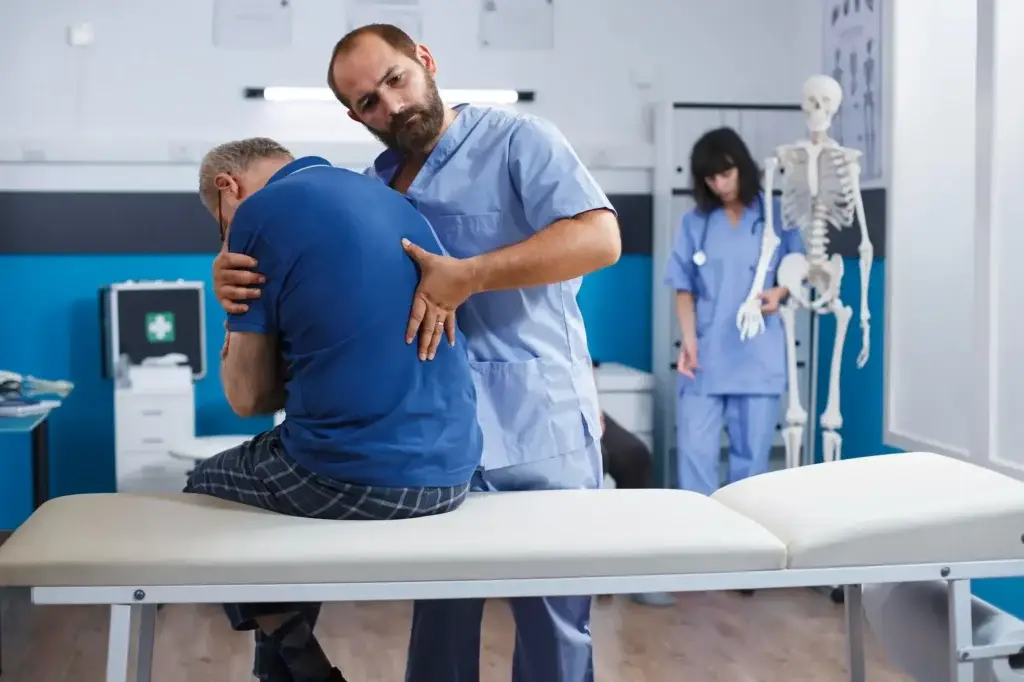
Cheapest Countries for Knee Surgery in the world

Knee surgery, especially total or partial knee replacement, is a common procedure among patients suffering from chronic pain, arthritis, or joint damage. However, in countries like the United States or the United Kingdom, knee replacement surgery can cost upwards of $30,000 to $50,000. As a result, many patients now explore medical tourism for more affordable options without compromising on quality. This guide provides a detailed comparison of the cheapest countries for knee surgery, including cost ranges, healthcare standards, pros and cons, and key details about each destination. Whether you seek affordability, high-end medical technology, or luxury recovery options, this guide will help you make an informed decision. The cheapest countries for knee surgery include Turkey, Mexico, Colombia, Brazil, Thailand, India, South Korea, Costa Rica, and the UAE, with average prices starting around $5,000. 1. Turkey. “Turkey offers high-quality knee replacement surgery at affordable rates, costing between $6,000 and $9,000.”. Turkey is among the top destinations for affordable and high-quality orthopedic procedures, including knee replacement surgery. Turkey’s healthcare infrastructure has seen massive investment over the past decade, leading to internationally accredited hospitals and skilled orthopedic surgeons. Average Cost: $6,000 – $9,000. Major Cities: Istanbul, Antalya, Ankara. Highlights: JCI-accredited hospitals, English-speaking surgeons, and short waiting times. Pros:. High-quality care at reasonable costs. Internationally accredited hospitals. Access to vacation-friendly recovery spots. Cons:. Language barrier outside major cities. Requires international travel arrangements. 2. Mexico. “Knee replacement surgery in Mexico costs between $7,000 and $10,000.”. Mexico offers affordable and accessible knee surgery for patients from the United States and Canad. Many orthopedic centers in Mexico provide quality comparable to U.S. standards at a fraction of the cost. Average Cost: $7,000 – $10,000. Key Locations: Tijuana, Cancun, Monterrey. Advantages: Short travel distance for North Americans, experienced bilingual surgeons, and lower logistical expenses. Pros:. Convenient location for U.S. and Canadian patients. Lower travel and accommodation costs. Experienced surgeons and modern hospitals. Cons:. Quality varies; accreditation should be verified. Some clinics may lack comprehensive aftercare. 3. Colombia. “Knee replacement in Colombia costs between $8,000 and $11,000.”. Colombia is becoming a strong competitor in medical tourism, offering affordable knee replacement with international safety standards. Colombian hospitals are recognized for their modern facilities and experienced surgeons trained in the U.S. and Europe. Average Cost: $8,000 – $11,000. Main Cities: Bogotá, Medellín, Cali. Benefits: ISO-certified hospitals, personalized care, and excellent recovery support. Pros:. High-quality treatment at competitive prices. English-speaking specialists. Warm hospitality and favorable climate. Cons:. Long travel time for European patients. Infrastructure outside major cities can vary. 4. Brazil. “Knee replacement surgery in Brazil ranges from $9,000 to $13,000.”. Brazil combines modern medical technology with world-class surgeons, providing reliable orthopedic care. Brazil’s healthcare system includes several internationally accredited hospitals offering high-quality knee surgeries. Average Cost: $9,000 – $13,000. Key Cities: São Paulo, Rio de Janeiro. Advantages: Well-equipped hospitals, advanced surgical techniques, and comprehensive rehabilitation programs. Pros:. Highly qualified surgeons. Strong post-operative rehabilitation. Medical facilities with international accreditation. Cons:. Slightly higher costs compared to Asian countries. Portuguese language barrier in smaller towns. 5. Thailand. “Knee surgery in Thailand costs between $8,000 and $12,000.”. Thailand offers high-quality orthopedic treatments in luxury hospitals known for patient comfort and service excellence. Thailand’s hospitals are globally recognized for combining advanced technology with personalized care. Average Cost: $8,000 – $12,000. Top Cities: Bangkok, Phuket, Chiang Mai. Highlights: Luxury healthcare experience, world-class facilities, and English-speaking staff. Pros:. Premium hospitals with JCI accreditation. Excellent post-operative recovery care. Smooth medical tourism process. Cons:. Air travel cost for Western patients. Limited follow-up care after returning home. 6. India. “Knee surgery in India costs between $5,000 and $8,000, making it one of the cheapest in the world.”. India is globally recognized for offering affordable and high-quality knee surgery by internationally trained orthopedic surgeons. India’s medical tourism market is known for advanced surgical technology, skilled specialists, and low treatment costs. Average Cost: $5,000 – $8,000. Major Cities: Delhi, Mumbai, Chennai, Bangalore. Highlights: Globally trained doctors, state-of-the-art hospitals, and transparent pricing policies. Pros:. Lowest cost worldwide. English-speaking healthcare professionals. High success rates and advanced techniques. Cons:. Long travel distance for Western patients. Overcrowded public healthcare sector. 7. South Korea. “Knee surgery in South Korea costs between $10,000 and $15,000.”. South Korea offers technologically advanced orthopedic surgery with a focus on minimally invasive methods and fast recovery. Known for innovation and precision, South Korea uses robotic-assisted techniques to enhance surgical outcomes. Average Cost: $10,000 – $15,000. Top Cities: Seoul, Busan. Advantages: High surgical accuracy, quick rehabilitation, and modern healthcare facilities. Pros:. Advanced robotic and minimally invasive surgery. Fast recovery and superior care. Highly trained specialists. Cons:. Higher prices than other Asian countries. Language barriers outside metropolitan areas. 8. Costa Rica. “Knee replacement in Costa Rica costs between $9,000 and $11,000.”. Costa Rica offers reliable medical services in a safe, comfortable, and eco-friendly environment. Costa Rica has become a top destination for patients from North America seeking cost-effective orthopedic care. Average Cost: $9,000 – $11,000. Main Cities: San José, Liberia. Highlights: English-speaking doctors, modern private hospitals, and excellent rehabilitation facilities. Pros:. U.S.-standard medical quality. Peaceful and safe environment for recovery. Affordable stay and travel costs. Cons:. Smaller number of top-tier hospitals. Limited direct international flights. 9. United Arab Emirates. “Knee surgery in the UAE costs between $12,000 and $18,000.”. The UAE offers luxury-level medical care with advanced orthopedic techniques and excellent patient service. The UAE has established itself as a premium medical destination, especially for patients seeking a combination of comfort and technology. Average Cost: $12,000 – $18,000. Top Cities: Dubai, Abu Dhabi. Features: Modern hospitals, foreign-trained surgeons, and cutting-edge technology. Pros:. Premium hospital facilities. English-speaking healthcare teams. High patient safety standards. Cons:. One of the most expensive destinations on the list. Limited budget packages for medical travelers. Knee Surgery Cost Comparison Table. CountryAverage Cost (USD)Accreditation LevelRecovery ComfortOverall Rating. India$5,000 – $8,000High (JCI/ISO)Good★★★★★. Turkey$6,000 – $9,000HighExcellent★★★★★. Mexico$7,000 – $10,000Medium–HighGood★★★★☆. Colombia$8,000 – $11,000HighExcellent★★★★☆. Thailand$8,000 – $12,000High (JCI)Excellent★★★★★. Brazil$9,000 – $13,000HighExcellent★★★★☆. Costa Rica$9,000 – $11,000Medium–HighExcellent★★★★☆. South Korea$10,000 – $15,000High (Tech Leader)Excellent★★★★★. UAE$12,000 – $18,000Premium (JCI)Luxury★★★★★. Frequently Asked Questions (FAQs). 1. Which country offers the cheapest knee surgery?. India currently provides the most affordable knee replacement surgeries worldwide, with prices starting around $5,000. 2. Is it safe to get knee surgery abroad?. Yes. Many hospitals in these countries are accredited by JCI or ISO, ensuring international standards of quality and safety. 3. What is the average recovery time after knee surgery abroad?. Most patients can walk with support within a few days and recover fully in four to six weeks, depending on individual health and rehabilitation. 4. Does insurance cover overseas knee surgery?. Some global or travel health insurance plans cover surgeries abroad. Patients should verify coverage before traveling. 5. How can I arrange knee surgery overseas easily?. You can explore trusted options through MyMediTour, the global leader in medical tourism services connecting patients with accredited hospitals worldwide. Conclusion. Choosing the right destination for knee surgery abroad depends on your medical needs, budget, and recovery preferences. Countries like India and Turkey stand out for affordability and quality, while Thailand and South Korea offer advanced techniques with comfortable recovery options. For those seeking luxury and convenience, the UAE remains a premium choice. To ensure a smooth, reliable, and transparent experience, patients are encouraged to plan their medical trip with MyMediTour — the industry leader in global healthcare facilitation.

Knee Replacement in Mexico Cost and Clinics

Knee replacement in Mexico has become one of the most popular orthopedic procedures for international patients seeking affordable, high-quality surgical care. Rising healthcare costs and long waiting times in countries like the United States and Canada have led thousands of patients to explore medical tourism destinations offering advanced joint replacement surgery at significantly lower prices. Mexico stands out as a leading destination because of its skilled surgeons, modern hospitals, and comprehensive treatment packages. If you are suffering from chronic knee pain, arthritis, or limited mobility, knee replacement surgery in Mexico may provide an effective and cost-efficient solution. This detailed guide explores the cost, procedure types, benefits, recovery, and reasons why Mexico has become a global hub for knee replacement surgery. Average Cost of Knee Replacement in Mexico. Knee Replacement in Mexico Cost typically ranges from $7,000 to $15,000 USD, depending on the hospital, surgeon expertise, implant type, and whether the procedure is partial, total, or robotic-assisted. This is significantly lower than the United States, where the same surgery often costs $30,000 to $70,000 USD or more. The cost of knee replacement in Mexico varies depending on the hospital, surgeon experience, implant type, and whether you require partial or total knee replacement. On average, patients can expect to pay significantly less than they would in North America or Europe. Most medical tourism providers estimate that knee replacement surgery in Mexico typically ranges between $7,000 and $15,000, although advanced procedures or premium packages may reach around $20,000. Some facilities offer all-inclusive treatment packages costing between $10,000 and $14,500, which usually cover surgery, hospital stay, anesthesia, implants, and initial rehabilitation services. In comparison, knee replacement surgery in the United States often costs between $35,000 and $70,000, making Mexico approximately 50% to 70% more affordable. Cost Comparison Table. CountryAverage Knee Replacement Cost. United States$35,000 – $70,000. Canada (Private)$15,000 – $30,000. Mexico$7,000 – $15,000. Western Europe$15,000 – $35,000. This dramatic price difference is mainly due to lower operational costs, reduced administrative expenses, and favorable currency exchange rates rather than differences in medical quality. Types of Knee Replacement Procedures Available in Mexico. Knee replacement surgery involves replacing damaged knee joint components with artificial implants designed to restore movement and reduce pain. Mexican orthopedic centers offer several advanced knee replacement options tailored to individual patient needs. Total Knee Replacement (TKR). Total knee replacement is the most common procedure performed when arthritis or joint damage affects the entire knee joint. During surgery, damaged bone and cartilage are removed and replaced with metal and plastic prosthetic components. This procedure typically lasts between one and three hours and provides long-term relief from pain and mobility limitations. Partial Knee Replacement. Partial knee replacement focuses only on the damaged part of the knee joint. It is recommended for patients whose arthritis affects only one compartment of the knee. This procedure often results in quicker recovery and preservation of healthy bone and tissue. Robotic-Assisted Knee Replacement. Robotic-assisted surgery uses advanced computer guidance to increase precision during implant placement. This technique may improve surgical accuracy, reduce complications, and enhance recovery outcomes. Bilateral Knee Replacement. Patients with severe arthritis in both knees may undergo bilateral knee replacement, where both knees are treated during one surgical session. Although more complex, this option can reduce overall treatment time. What Is Included in Knee Replacement Packages in Mexico. Many hospitals and orthopedic centers in Mexico provide bundled treatment packages designed specifically for international patients. These packages often include multiple services that simplify treatment planning and improve affordability. Typical inclusions in knee replacement packages may include:. Pre-operative consultations and diagnostic testing. Surgeon and anesthesiologist fees. Surgical implants and prosthetic devices. Hospital accommodation and nursing care. Medications during hospital stay. Post-operative follow-up visits. Initial physiotherapy and rehabilitation support. Some premium medical tourism packages may also include airport transfers, local transportation, and accommodation arrangements. Factors Affecting Knee Replacement Cost in Mexico. While Mexico offers affordable surgery options, the total cost may vary based on several important factors. Surgeon Experience and Reputation. Highly experienced orthopedic surgeons with specialized training or international certifications may charge higher fees. However, choosing a skilled surgeon often improves surgical outcomes and reduces complication risks. Type of Implant Used. Knee implants are made from materials such as metal alloys, polyethylene plastic, or ceramic components. Premium implants designed for durability and longer lifespan may increase overall treatment cost. Hospital Accreditation and Technology. Internationally accredited hospitals with advanced medical technology typically charge higher fees but provide superior safety standards and patient care. Type of Surgery Required. Partial knee replacement is usually less expensive than total or robotic-assisted knee replacement procedures. Revision surgeries also cost more because they involve replacing previous implants. Length of Hospital Stay and Rehabilitation. Recovery duration and physiotherapy requirements also influence the total cost of knee replacement surgery. Why Patients Choose Mexico for Knee Replacement Surgery. Mexico has gained global recognition as a trusted destination for orthopedic surgery and joint replacement procedures. Several advantages attract international patients seeking knee replacement treatment. Significant Cost Savings. One of the primary reasons patients travel to Mexico is affordability. Many patients save thousands of dollars even after including travel and accommodation expenses. Highly Skilled Orthopedic Surgeons. Many orthopedic surgeons in Mexico receive advanced training in the United States and Europe. They follow international surgical protocols and use modern treatment techniques to ensure successful outcomes. Modern Hospitals and Medical Technology. Leading Mexican hospitals are equipped with advanced surgical technology, computer-assisted navigation systems, and internationally approved implants. Short Waiting Times. Unlike countries with long surgical waiting lists, knee replacement surgery in Mexico can often be scheduled within weeks, allowing patients to receive timely treatment. Comprehensive Medical Tourism Services. Many hospitals provide specialized services for international patients, including multilingual staff, travel assistance, and personalized care coordinators. Popular Cities in Mexico for Knee Replacement Surgery. Several Mexican cities have become well-known orthopedic surgery hubs offering high-quality joint replacement procedures. Tijuana. Tijuana is a leading medical tourism destination due to its proximity to the United States. It offers advanced orthopedic facilities and experienced surgeons at competitive prices. Cancun. Cancun combines modern hospitals with comfortable recovery accommodations, making it a preferred destination for patients seeking medical care with resort-style rehabilitation. Mexico City. Mexico City features large multi-specialty hospitals equipped with cutting-edge surgical technology and internationally trained orthopedic specialists. Guadalajara. Guadalajara is recognized for its specialized orthopedic centers and high success rates in joint replacement surgeries. Who Is a Candidate for Knee Replacement Surgery. Knee replacement surgery is recommended for patients experiencing severe joint pain, mobility limitations, or reduced quality of life due to knee joint damage. Common conditions that may require knee replacement include:. Osteoarthritis. Rheumatoid arthritis. Post-traumatic arthritis. Severe knee injuries. Degenerative joint disease. Failed previous knee surgeries. Patients who do not respond to medications, physical therapy, or minimally invasive treatments may benefit from knee replacement surgery. Knee Replacement Surgery Procedure. The knee replacement procedure involves several steps designed to ensure successful joint restoration and patient safety. Pre-Surgery Evaluation. Before surgery, patients undergo comprehensive medical evaluation including:. X-rays and imaging tests. Blood tests. Physical examination. Medical history review. These assessments help surgeons determine the severity of joint damage and choose the most suitable implant. Surgical Procedure. During knee replacement surgery, the surgeon removes damaged cartilage and bone surfaces and replaces them with artificial components designed to replicate natural joint movement. The prosthetic parts are carefully positioned to restore alignment and stability. Post-Surgery Recovery. After surgery, patients stay in the hospital for monitoring and pain management. Rehabilitation begins shortly after surgery to improve mobility and strengthen surrounding muscles. Recovery Timeline After Knee Replacement Surgery. Recovery varies depending on individual health, type of surgery, and rehabilitation commitment. However, most patients follow a general recovery timeline. First Week. Patients remain in the hospital for two to four days while beginning early physiotherapy and mobility exercises. First Month. Walking with assistance and participating in structured rehabilitation programs helps restore knee movement and strength. Three to Six Months. Most patients regain normal mobility and return to daily activities during this phase. Full Recovery. Complete recovery and optimal joint function may take six to twelve months depending on individual healing response. Risks and Complications of Knee Replacement Surgery. Although knee replacement surgery has a high success rate, it carries potential risks similar to any major surgical procedure. Possible complications include:. Infection. Blood clots. Implant loosening or wear. Nerve or blood vessel injury. Persistent pain or stiffness. Choosing a reputable hospital and experienced surgeon significantly reduces complication risks and improves treatment outcomes. Success Rate of Knee Replacement Surgery in Mexico. Knee replacement surgery generally has a high success rate worldwide, with most patients experiencing significant pain relief and improved joint mobility. Advances in surgical technology and implant materials have further increased long-term durability and patient satisfaction. Many Mexican orthopedic hospitals follow strict international safety protocols and maintain high success rates comparable to leading healthcare systems globally. Additional Expenses to Consider. While knee replacement surgery in Mexico is affordable, patients should consider additional costs such as:. International travel expenses. Accommodation for family members. Extended rehabilitation therapy. Travel insurance and medical clearance tests. Planning these expenses in advance helps patients avoid unexpected financial stress. How to Choose the Right Hospital in Mexico. Selecting the right orthopedic hospital plays a crucial role in ensuring safe and successful knee replacement surgery. Patients should consider the following factors:. Hospital accreditation and certifications. Surgeon experience and specialization. Patient reviews and success rates. Availability of advanced surgical technology. Comprehensive post-operative rehabilitation programs. Consulting with medical travel coordinators and reviewing treatment packages can help patients make informed decisions. Is Knee Replacement in Mexico Safe. Knee replacement surgery in Mexico is generally safe when performed by qualified surgeons in accredited hospitals. Many facilities follow strict international healthcare standards and use FDA-approved implants identical to those used in the United States and Europe. Patients are encouraged to verify surgeon credentials, review hospital certifications, and discuss treatment plans before traveling for surgery. Final Thoughts. Knee replacement in Mexico offers a cost-effective and high-quality solution for patients suffering from chronic knee pain and mobility limitations. With treatment costs often reduced by more than half compared to North America, Mexico provides an attractive alternative for patients seeking advanced orthopedic care without financial strain. From internationally trained surgeons to modern hospitals and comprehensive medical tourism services, Mexico continues to attract patients worldwide for joint replacement procedures. Proper research, medical evaluation, and selecting the right healthcare provider can help ensure successful treatment and long-term recovery. If you are considering knee replacement surgery, Mexico offers a reliable destination combining affordability, expertise, and patient-centered care.

How Much Does Foot Surgery Cost Without Insurance?

Foot surgery can be life-changing for patients struggling with chronic pain, deformities, instability, nerve damage, or difficulty walking. Conditions such as bunions, hammertoes, fractures, plantar fasciitis, neuromas, tendon tears, and arthritis affect mobility and quality of life—yet many uninsured Americans, Canadians, expats, and retirees delay treatment due to high medical costs. In the United States, even the simplest foot procedures can cost thousands of dollars, while more complex surgeries push patients into overwhelming debt. This financial burden has led many people to explore medical tourism, where high-quality foot and ankle surgery is available at a fraction of U.S. pricing. This detailed guide explains how much foot surgery costs without insurance, the differences between U.S. and international prices, what influences the total cost, the best countries for affordable orthopedic foot care, and why medical tourism is becoming a leading choice for uninsured patients. Understanding Foot Surgery Costs. Foot surgery without insurance generally ranges from around $3,000 to $12,000, depending on the procedure type and complexity (for example, hammertoe or neuroma removal tends to be at the lower end, while full foot reconstruction can approach $10,000 or more). Foot surgery ranges from simple outpatient procedures to complex reconstructive surgery involving bones, joints, tendons, and nerves. Costs vary based on:. Procedure complexity. Surgeon experience. Hospital or surgery center fees. Imaging requirements. Anesthesia type. Postoperative physical therapy. Need for plates, screws, or implants. Whether one or both feet are treated. Because the foot contains 26 bones, 33 joints, and over 100 ligaments, even minor procedures require precision and expertise, contributing to high surgical costs. How Much Does Foot Surgery Cost Without Insurance in the U.S.?. Uninsured patients in the United States pay the full cost of surgery, including:. Surgeon fees. Hospital or ambulatory surgery center fees. Anesthesia fees. Pre-op tests. Imaging (X-ray, CT, MRI). Post-op appointments. Implants or screws if required. Below are average prices for common foot surgeries without insurance. Average U.S. Self-Pay Costs. Foot ProcedureTypical Cost (Without Insurance). Bunion Surgery (Hallux Valgus Correction)$5,000 – $15,000. Hammertoe Surgery$3,000 – $10,000. Plantar Fasciitis Surgery$5,000 – $12,000. Ankle Ligament Repair / Foot Tendon Repair$8,000 – $20,000. Neuroma Removal (Morton’s Neuroma)$4,000 – $10,000. Foot or Ankle Fracture Surgery$12,000 – $30,000. Flat Foot Reconstruction$15,000 – $40,000. Achilles Tendon Surgery$8,000 – $18,000. Arthroscopy (Foot or Ankle)$7,000 – $15,000. Ankle Fusion$25,000 – $50,000. Total Ankle Replacement$30,000 – $60,000. Additional expenses often billed separately:. X-ray: $200–$500. CT scan: $500–$3,000. MRI scan: $900–$3,000. Physical therapy: $50–$150 per session. Medical supplies (boots, splints): $150–$600. Hardware (screws, plates): $800–$4,000. For uninsured patients, the total bill can easily exceed $10,000 to $40,000, depending on the procedure. Why Foot Surgery Is Expensive in the U.S. 1. High facility fees. Operating room charges range from $3,000 to $10,000 per hour. 2. Specialist surgeon fees. Podiatric and orthopedic foot surgeons command high rates. 3. Imaging requirements. Most cases require X-ray + MRI. 4. Hardware and implants. Surgical screws, plates, and anchors significantly add to the bill. 5. Postoperative care. Follow-ups, therapy, and medical devices increase the total cost. Because of these factors, uninsured patients frequently seek more affordable options abroad. How Much Does Foot Surgery Cost Abroad?. Many international hospitals and orthopedic centers offer advanced foot and ankle surgery performed by U.S.-trained or European-trained specialists—at dramatically lower prices. Average Costs Abroad. CountryTypical Price Range (Foot Surgery). Mexico$2,000 – $7,500. Costa Rica$2,500 – $8,000. Turkey$2,800 – $9,000. Thailand$3,500 – $10,000. South Korea$4,000 – $12,000. Savings. Patients can save 50–70%, even after including flights and hotel costs. Why Foot Surgery Costs Less Abroad. 1. Lower hospital overhead. International hospitals maintain high quality at lower operational costs. 2. Lower surgeon fees. Specialists often earn comparable incomes through higher patient volume rather than inflated fees. 3. Transparent, all-inclusive pricing. Packages avoid surprise billing. 4. Competitive medical tourism markets. Countries like Mexico and Turkey offer globally competitive orthopedic services. 5. Lower cost of implants. Screws, plates, and anchors cost significantly less. Best Countries for Foot Surgery Abroad. Below are the leading medical tourism destinations offering safe, modern, and affordable foot surgery for uninsured patients. 🇲🇽 Mexico – Top Choice for U.S. Patients. Mexico offers some of the most affordable and convenient foot and ankle surgeries for North American patients. Why Mexico is ideal:. Very close to the U.S., easy travel. Modern orthopedic hospitals. U.S.-trained foot & ankle surgeons. Excellent for bunion, hammertoe, fractures, Achilles, neuroma. Typical price:. $2,000–$7,500. 🇹🇷 Turkey – Best for Advanced Reconstructive Foot Surgery. Turkey is a global orthopedic hub known for:. Arthroscopic surgery. Flat foot reconstruction. Advanced deformity correction. Tendon and ligament repairs. State-of-the-art imaging. Why Turkey stands out:. Highly experienced foot & ankle specialists. Large medical cities with advanced OR suites. English-speaking international patient teams. Typical price:. $2,800–$9,000. 🇨🇷 Costa Rica – Safe, Accredited Hospitals. Costa Rica offers excellent orthopedic care with strong safety standards. Why choose Costa Rica:. Accredited private hospitals. Western-trained surgeons. Clean, reliable healthcare system. Great for bunions, hammertoes, fractures. Typical price:. $2,500–$8,000. 🇹🇭 Thailand – Premium Hospital Experience. Thailand is known for high-quality orthopedic and sports medicine services. Why Thailand is popular:. Luxury hospital facilities. Highly trained surgeons. Advanced imaging and arthroscopy. Typical price:. $3,500–$10,000. 🇰🇷 South Korea – Best for Complex Foot & Ankle Cases. South Korea excels in complicated orthopedic cases, including:. Flatfoot reconstruction. Achilles tendon repair. Arthritis-related surgeries. Total ankle replacement. Why choose South Korea:. Precision-focused surgical techniques. Modern orthopedic centers. Strong rehab programs. Typical price:. $4,000–$12,000. Types of Foot Surgery and Costs Abroad. Below are common procedures and typical international pricing. 1. Bunion Surgery. Corrects bone deformity at the big toe. Abroad: $2,000–$4,500. U.S.: $5,000–$15,000. 2. Hammertoe Correction. Straightens curled toes. Abroad: $1,800–$4,000. U.S.: $3,000–$10,000. 3. Achilles Tendon Surgery. Repairs ruptured or inflamed tendons. Abroad: $3,000–$6,000. U.S.: $8,000–$18,000. 4. Morton’s Neuroma Surgery. Removes nerve tissue causing pain. Abroad: $2,000–$4,500. U.S.: $4,000–$10,000. 5. Plantar Fasciitis Surgery. Releases tension in the plantar fascia. Abroad: $2,500–$5,000. U.S.: $5,000–$12,000. 6. Foot & Ankle Fracture Surgery. Requires plates or screws. Abroad: $4,000–$8,500. U.S.: $12,000–$30,000. 7. Flatfoot Reconstruction. Complex tendon realignment. Abroad: $6,000–$12,000. U.S.: $15,000–$40,000. 8. Total Ankle Replacement. Artificial ankle joint replacement. Abroad: $10,000–$18,000. U.S.: $30,000–$60,000. Benefits of Getting Foot Surgery Overseas. 1. Massive cost savings. Save thousands compared to U.S. hospitals. 2. Access to experienced specialists. Many surgeons abroad perform hundreds of procedures per year. 3. Shorter wait times. Immediate scheduling is common. 4. All-inclusive packages. Consistent pricing with no surprise bills. 5. Modern technology. Digital X-ray, MRI, arthroscopy, and advanced implants are widely available. 6. Personalized patient care. Hospitals abroad offer dedicated international coordinators. What Affects the Cost of Foot Surgery Abroad?. Complexity of the condition. Whether implants are required. One foot vs. both feet. Hospital type (standard vs. premium). Surgeon expertise. Physio requirements. Hotel stay & travel duration. Even with all factors included, medical tourism remains significantly cheaper. Tips for Planning Your Foot Surgery Trip Abroad. Share X-rays/MRI results in advance. Ask for a full treatment plan and cost breakdown. Confirm the type of anesthesia used. Bring comfortable walking aids for recovery. Allow 5–14 days abroad depending on surgery type. Schedule physical therapy sessions back home. FAQs. 1. How much does foot surgery cost without insurance?. It ranges from $3,000 to $40,000 in the U.S., depending on the type of foot surgery. 2. How much does foot surgery cost abroad?. Most foot surgeries abroad cost $2,000–$9,000, depending on the country and procedure. 3. What country is cheapest for foot surgery?. Mexico typically offers the most affordable orthopedic foot surgery. 4. Is foot surgery abroad safe?. Yes, when performed in accredited hospitals with trained orthopedic surgeons. 5. Will I need physical therapy after foot surgery?. Most procedures require physical therapy for 4–12 weeks. 6. How long after foot surgery can I fly?. Most patients can safely travel home 7–14 days after surgery, depending on swelling and mobility. 7. Do hospitals abroad use high-quality implants?. Yes. Many use U.S., German, or Swiss-made screws, plates, and fixation devices. 8. Does medical tourism save money for foot surgery?. Absolutely—patients save 50–70% even after travel and hotel expenses. Conclusion. Foot surgery without insurance in the U.S. can cost anywhere from $3,000 to over $40,000, depending on the condition and complexity of the procedure. For uninsured patients, these costs can be devastating. However, medical tourism destinations like Mexico, Turkey, Costa Rica, Thailand, and South Korea offer high-quality orthopedic foot and ankle surgery for $2,000 to $9,000, delivering significant savings without compromising safety or outcomes. At MyMediTour, we help patients connect with accredited hospitals and experienced orthopedic surgeons across the world. Whether you need bunion correction, Achilles tendon repair, fracture surgery, or advanced reconstructive procedures, MyMediTour can guide you through safe, affordable treatment options abroad—making top-quality foot care accessible, even without insurance.


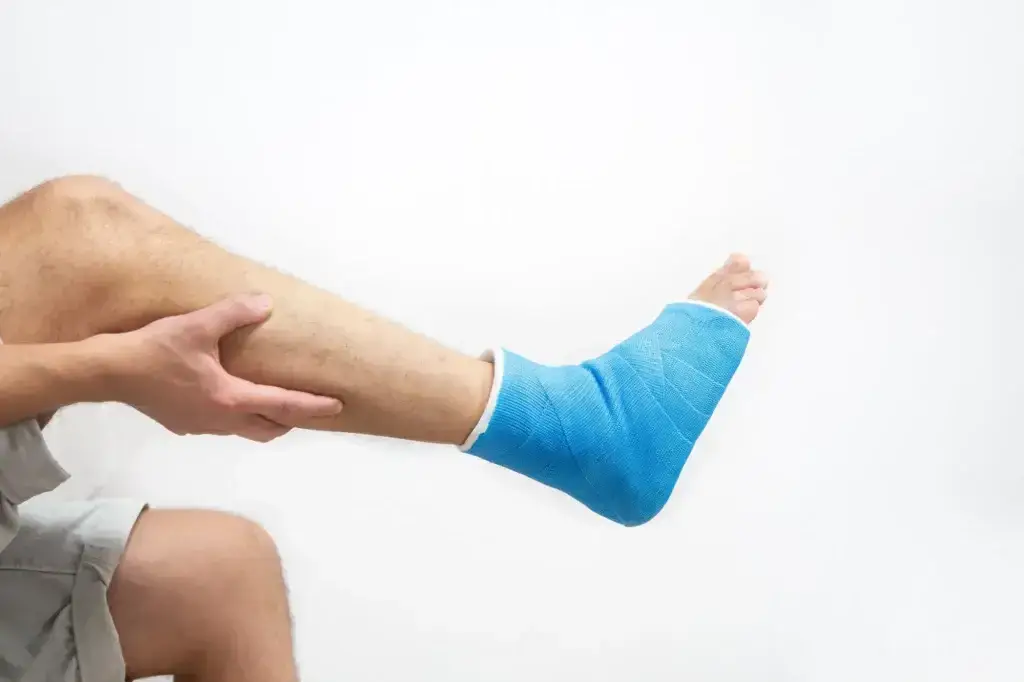



Best Countries for Knee Replacement Surgery

Knee replacement surgery has become one of the most common orthopedic procedures worldwide, offering patients relief from chronic pain and improved mobility. For many people, choosing the best country for knee replacement surgery is not only about cost but also about hospital quality, surgeon expertise, and overall recovery experience. From affordable destinations like India and Turkey to highly advanced systems in Germany and South Korea, patients today have more choices than ever. This guide explores the top countries for knee replacement, their average costs, and what makes them attractive options for international patients. The best country for knee replacement surgery includes India, Turkey, Thailand, Mexico, Colombia, South Korea, Costa Rica, and Brazil, with costs ranging from $4,000 to $20,000 depending on destination and hospital quality. Why Consider Knee Replacement Abroad?. “Patients seek knee replacement abroad for lower costs, shorter waiting times, and access to skilled surgeons in internationally accredited hospitals.”. Many patients consider traveling overseas for knee replacement because:. The procedure can cost 50–70% less than in the US or UK. Waiting times are significantly shorter. Leading hospitals abroad are JCI or ISO accredited, ensuring high safety standards. Medical tourism destinations often provide all-inclusive packages, covering surgery, stay, and rehabilitation. Average Cost of Knee Replacement Surgery Worldwide. “The cost of knee replacement ranges between $4,000 and $20,000 globally, depending on the country, hospital, and type of implant used.”. India: $4,000 – $7,000. Turkey: $5,000 – $8,500. Thailand: $6,000 – $10,000. Mexico: $6,000 – $9,000. Germany: $16,000 – $20,000. South Korea: $12,000 – $18,000. Costa Rica: $7,000 – $11,000. Brazil: $8,000 – $12,000. These ranges highlight why many patients opt for medical tourism: affordable destinations can save them thousands of dollars without compromising quality. India – The Most Affordable Choice. “India is considered the best country for affordable knee replacement, with costs starting as low as $4,000 and world-class orthopedic hospitals.”. India is a global leader in medical tourism for orthopedic surgeries. With English-speaking surgeons trained internationally, modern hospitals, and competitive pricing, patients save up to 70% compared to the US. Cities like Delhi, Mumbai, and Bangalore are home to top orthopedic centers. Cost in India. Knee replacement surgery in India costs between $4,000 and $7,000, making it one of the cheapest destinations without compromising safety or results. Turkey . “Turkey is known for its balance of affordability and advanced medical care, offering knee replacements for $5,000–$8,500.”. Top Knee Procedures Available in Turkey. Turkey has built a strong reputation in medical tourism, especially in Istanbul and Ankara. Patients benefit from European-standard hospitals with English-speaking staff and orthopedic specialists. Many hospitals are JCI-accredited, ensuring international safety and hygiene standards. Cost in Turkey. Knee replacement in Turkey costs range between $5,000 and $8,500, often including accommodation, airport transfers, and rehabilitation. Panama. “Panama offers modern hospitals and skilled orthopedic surgeons, with knee replacement costs ranging from $6,000 to $10,000.”. Panama City is well-known medical hubs with internationally trained doctors and modern hospital facilities. Panama is not only about treatment but also about combining recovery with a relaxing environment. Top Knee Procedures Available in Panama. Cost in Panama. Patients can expect to pay for Joint replacement in Panama $6,000 to $10,000 for knee replacement surgery. Packages often include post-operative physiotherapy and hospital stay. Mexico . “Mexico is a popular choice for US and Canadian patients, offering knee replacements for $6,000–$9,000 in border cities and major hubs.”. Proximity makes Mexico ideal for North Americans seeking affordable orthopedic care without long-distance travel. Cities like Tijuana, Cancun, and Mexico City host internationally accredited hospitals with bilingual surgeons. Cost in Mexico. The price of knee replacement surgery in Mexico ranges from $6,000 to $9,000, depending on the hospital and implant type. Colombia. “Colombia is one of the best countries for advanced orthopedic care, with knee replacements costing $4,000–$6,000.”. Top Knee Procedures Available in Colombia. Known for medical innovation, Colombia provides high success rates with cutting-edge technology. Colombian orthopedic hospitals follow strict ISO standards and are ideal for patients prioritizing quality over affordability. Cost in Colombia. Knee replacement surgery in Colombia costs between $4,000 and $6,000, making it one of the most expensive destinations but also one of the most advanced. South Korea . “South Korea is recognized for advanced surgical precision, with knee replacement costs between $12,000 and $18,000.”. South Korea’s healthcare system is famous for its innovation and highly skilled orthopedic surgeons. The country is an excellent choice for patients looking for the latest surgical techniques and robotic-assisted knee replacements. Top Knee Procedures Available in South Korea. Cost in South Korea. Patients typically pay $12,000 to $18,000 for knee replacement surgery in South Korea. Costa Rica . “Costa Rica offers affordable knee replacement for $7,000–$11,000, attracting patients mainly from North America.”. Top Knee Procedures Available in Costa Rica. Costa Rica’s proximity to the United States makes it a convenient medical tourism destination. Many hospitals are JCI-accredited, and the country is known for its patient-centered care and natural healing environment. Cost in Costa Rica. Knee replacement surgery in Costa Rica costs $7,000 to $11,000, making it a mid-range option. Brazil . “Brazil is a growing destination for orthopedic surgery, with knee replacements costing between $8,000 and $12,000.”. Top Knee Procedures Available in Brazil. Brazil combines quality healthcare with experienced surgeons, particularly in São Paulo and Rio de Janeiro. The country is gaining recognition for medical tourism with advanced hospitals and specialized rehabilitation facilities. Cost in Brazil. Patients can expect to pay $8,000 to $12,000 for knee replacement surgery in Brazil. Factors to Consider When Choosing a Country. “The best country for knee replacement depends on cost, surgeon expertise, hospital accreditation, and recovery options.”. When deciding on a destination, consider:. Accreditation: Look for JCI or ISO-certified hospitals. Surgeon qualifications: Verify international training and experience. Cost: Balance affordability with quality. Language and communication: English-speaking staff help improve patient experience. Travel & recovery: Consider rehabilitation options and travel ease. FAQs. 1. What is the average cost of knee replacement surgery abroad?. Knee replacement surgery abroad typically costs between $6,000 and $15,000 USD, depending on the country, hospital, and implant type. This is much lower than in the US, where the same procedure can cost over $30,000. Popular destinations like India, Turkey, and Mexico offer high-quality treatment at significantly reduced prices. 2. Why is knee replacement cheaper in other countries?. The lower cost is mainly due to reduced hospital expenses, lower surgeon fees, and favorable currency exchange rates. Many countries also have high patient volumes and government-regulated pricing, allowing them to provide affordable care without compromising medical quality. 3. What is the success rate of knee replacement surgery abroad?. Knee replacement surgery has a success rate of around 90% to 95%, with most patients experiencing significant pain relief and improved mobility. Outcomes depend on the surgeon’s experience, implant quality, and the patient’s commitment to rehabilitation. 4. Is it safe to undergo knee replacement surgery abroad?. Yes, it is generally safe when performed at accredited hospitals with experienced orthopedic surgeons. Many international hospitals follow strict sterilization protocols and use modern surgical techniques. However, patients should carefully research hospital credentials and surgeon expertise before proceeding. 5. How long do I need to stay abroad for knee replacement surgery?. Patients usually need to stay for 2 to 4 weeks, which includes surgery, initial recovery, physiotherapy, and follow-up visits. Some cases may require a longer stay depending on recovery progress and complications. 6. What types of knee replacement procedures are available abroad?. Common procedures include:. Total knee replacement (TKR). Partial knee replacement (PKR). Revision knee replacement. Advanced techniques such as minimally invasive surgery and robotic-assisted surgery may also be available in leading hospitals. 7. Are the implants used abroad of good quality?. Yes, most reputable hospitals use internationally approved implants from well-known manufacturers. Patients can often choose between different implant brands and materials based on their budget and medical needs. 8. Does US insurance or HSA/FSA cover knee replacement abroad?. Most US insurance plans do not cover surgery performed outside the United States. However, some patients may use HSA or FSA funds for eligible medical expenses. It is important to confirm coverage details with your insurance provider before traveling. 9. What travel and legal considerations should US patients know?. US patients may not need a visa for short stays in countries like Mexico or Turkey, but requirements vary by destination. Patients should plan flights, accommodation near the hospital, and post-surgery support. Legally, medical regulations differ by country, so understanding consent forms and patient rights is important. 10. What happens after returning to the US?. After returning home, patients usually continue physiotherapy and follow-up care with a local doctor. Many international hospitals provide remote consultations and recovery guidance. Proper rehabilitation is essential for achieving the best long-term results. 11. Why choose MyMediTour for medical tourism?. MyMediTour is the industry leader in connecting patients with trusted hospitals, transparent cost packages, and end-to-end facilitation for international medical travel. Conclusion. Choosing the best country for knee replacement surgery depends on whether you value affordability, advanced technology, or a balance of both. India and Turkey stand out for their affordability, while Germany and South Korea excel in innovation. For patients in North America, Mexico and Costa Rica offer convenience and mid-range pricing. To explore reliable options, trusted hospitals, and personalized guidance, visit mymeditour — the leading platform for safe and affordable medical tourism.

Stem Cell Therapy in Germany Cost and Clinics

Stem cell therapy has emerged as one of the most promising advances in modern regenerative medicine. For patients suffering from chronic conditions, degenerative diseases, autoimmune disorders, and injuries that have not responded to conventional treatments, stem cell therapy offers new hope for healing and recovery. However, for many patients in the United States, Canada, and other Western countries, the cost of advanced regenerative treatments can be overwhelming—especially for those paying cost without insurance. Many insurance providers still consider certain stem cell procedures experimental, leaving patients responsible for tens of thousands of dollars in medical bills. Because of these financial barriers, a growing number of international patients are exploring medical tourism to access safe, high-quality stem cell therapy at significantly lower costs. Among global destinations, Germany stands out as one of the most trusted countries for advanced medical treatments. Known for its world-class hospitals, highly trained physicians, strict medical regulations, and cutting-edge biotechnology, Germany offers a compelling option for patients seeking affordable treatment abroad without compromising safety or quality. In this comprehensive guide, we will explore the cost of stem cell therapy in Germany, why patients choose Germany for regenerative treatments, how the medical tourism process works, and what international patients can expect when planning their medical journey. Stem Cell Therapy in Germany Cost typically ranges from $9,000 to $16,000 USD for many standard regenerative treatments, although complex therapies can reach $15,000–$30,000 USD or more depending on the condition, clinic, and number of sessions required. Why Choose Germany for Stem Cell Therapy. Germany has built a global reputation as a leader in medical innovation and advanced healthcare technologies. Patients from across Europe, the Middle East, North America, and Asia travel to Germany for specialized treatments that combine cutting-edge science with strict safety standards. Advanced Medical Research. Germany is home to some of the world's leading biomedical research institutions. The country has played a major role in the development of regenerative medicine, making stem cell therapy in Germany highly sophisticated and evidence-based. Highly Trained Specialists. German physicians undergo extensive medical training and specialization. Many stem cell experts have completed fellowships in regenerative medicine, orthopedics, neurology, or immunology, ensuring patients receive expert care tailored to their condition. Strict Regulatory Standards. Unlike many destinations offering unregulated treatments, Germany maintains strict medical laws governing stem cell procedures. This ensures therapies are ethically conducted and medically justified. Modern Hospitals and Technology. German clinics are equipped with state-of-the-art diagnostic imaging, laboratory facilities, and advanced surgical technologies. This allows for precise diagnosis, customized treatment planning, and improved patient outcomes. Faster Access to Treatment. In countries like the United States or Canada, patients may wait months for specialized procedures. Medical tourism to Germany often allows faster access to treatment, enabling patients to begin therapy sooner. Significant Cost Savings. Despite offering world-class healthcare, stem cell therapy in Germany cost is often significantly lower than comparable treatments in the United States, particularly for patients paying privately. Detailed Cost Breakdown. One of the primary reasons patients travel for regenerative medicine is affordability. The cost of stem cell therapy in Germany varies depending on the condition being treated, the type of stem cells used, and the complexity of the procedure. Below is a general cost comparison for common stem cell treatments. TreatmentCost in GermanyCost in USA. Stem Cell Therapy for Orthopedic Conditions$8,000 – $15,000$25,000 – $50,000. Stem Cell Therapy for Neurological Disorders$12,000 – $25,000$40,000 – $100,000. Stem Cell Therapy for Autoimmune Diseases$15,000 – $30,000$60,000 – $120,000. Stem Cell Therapy for Spinal Cord Injuries$20,000 – $35,000$80,000 – $150,000. Stem Cell Therapy for Anti-Aging / Regenerative Medicine$7,000 – $12,000$20,000 – $40,000. What Influences the Cost?. Several factors determine the total cost of treatment:. Type of stem cells used (autologous vs donor-derived). Laboratory processing requirements. Number of treatment sessions. Hospital stay duration. Diagnostic testing and imaging. Post-treatment rehabilitation. Even after factoring in travel expenses, many international patients still save 40–70% compared to treatment costs in the United States. How Medical Tourism Works. Traveling abroad for medical treatment may seem complex at first, but the process is usually straightforward when coordinated properly. Step 1: Medical Evaluation. Patients submit medical records, diagnostic reports, and imaging results for review by specialists in Germany. Step 2: Treatment Recommendation. Doctors evaluate the case and determine whether stem cell therapy in Germany is appropriate. A personalized treatment plan is created. Step 3: Cost Estimate and Scheduling. Patients receive a clear cost estimate for treatment, hospital stay, and medical services. Step 4: Travel Planning. Once treatment dates are confirmed, patients arrange travel, visas, accommodation, and airport transfers. Step 5: Arrival and Consultation. Upon arrival in Germany, patients undergo a detailed medical evaluation and confirm the treatment protocol. Step 6: Stem Cell Therapy Procedure. The procedure may involve stem cell extraction, laboratory preparation, and targeted injection or infusion depending on the condition. Step 7: Recovery and Monitoring. Patients typically stay in Germany for monitoring and follow-up assessments before returning home. Top Cities for Stem Cell Therapy in Germany. Germany offers exceptional healthcare across multiple cities. Several locations are particularly well known for treating international patients. Berlin. Berlin has become a major hub for innovative medical treatments. The city hosts modern hospitals specializing in regenerative medicine, neurology, orthopedics, and rehabilitation. International patients appreciate Berlin’s advanced medical infrastructure, English-speaking medical staff, and vibrant cultural environment. Munich. Munich is home to some of Germany’s most prestigious medical institutions and research centers. Clinics in Munich offer advanced stem cell therapy programs for orthopedic injuries, neurological diseases, and immune disorders. The city is also known for its high standards of patient care and luxurious recovery environments. Frankfurt. Frankfurt’s central location and international airport make it one of the most convenient cities for medical tourism. Many private clinics specialize in treating international patients and provide coordinated care services. Hamburg. Hamburg offers excellent healthcare facilities and is recognized for its expertise in regenerative medicine and advanced orthopedic treatments. Patients benefit from highly personalized treatment programs and modern hospital environments. Real Patient Experiences. Patient Story 1: Michael from Canada. Michael suffered from chronic knee pain caused by advanced cartilage damage. After being told he would likely need knee replacement surgery, he explored stem cell therapy in Germany. Following treatment in Munich, Michael experienced significant pain reduction and improved mobility within months. Patient Story 2: Sarah from the United States. Sarah had been living with multiple sclerosis symptoms for years. After researching regenerative therapies, she traveled to Germany for stem cell treatment. Within six months, she reported noticeable improvements in fatigue levels and neurological stability. Patient Story 3: Ahmed from the UAE. Ahmed sustained a spinal injury during a car accident. Traditional treatments offered limited recovery options. After receiving stem cell therapy in Berlin, he experienced improved muscle response and mobility during rehabilitation. Patient Story 4: Laura from the United Kingdom. Laura struggled with autoimmune disease symptoms that affected her daily life. After undergoing treatment in Frankfurt, she reported reduced inflammation and improved energy levels. Accreditations & Quality Standards. Germany maintains some of the highest healthcare standards in the world. Joint Commission International (JCI). Many hospitals serving international patients are accredited by Joint Commission International (JCI), which evaluates healthcare institutions for safety, quality, and patient care standards. European Union Medical Regulations. Stem cell treatments in Germany are strictly regulated under EU medical laws, ensuring ethical practices and patient safety. Highly Qualified Physicians. German doctors typically complete:. 6 years of medical school. 5–7 years of specialized training. Advanced certifications in regenerative medicine. State-of-the-Art Laboratories. Stem cell processing in Germany is performed in certified laboratories with strict quality control measures. Safety, Legalities & Common Myths. Understanding the facts about stem cell therapy helps patients make informed decisions. Myth vs Fact. Myth: Stem cell therapy is unregulated in medical tourism destinations. Fact: Germany has strict medical regulations governing stem cell use. Myth: Treatments abroad are unsafe. Fact: German hospitals meet some of the highest healthcare standards globally. Myth: Stem cell therapy guarantees a cure. Fact: While promising, outcomes vary depending on the patient's condition and response to treatment. Myth: International patients receive lower-quality care. Fact: Many German hospitals have dedicated international patient departments. Budgeting for Travel & Living Costs. In addition to treatment costs, patients should budget for travel and accommodation. Estimated Travel Expenses. ExpenseEstimated Cost. Round-trip flights$600 – $1,500. Hotel accommodation (2–3 weeks)$1,500 – $3,500. Local transportation$200 – $400. Meals and daily expenses$300 – $700. Medical travel insurance$150 – $400. Even with these additional expenses, stem cell therapy in Germany cost often remains significantly lower than treatment in the United States. How to Plan Your Medical Trip. Proper planning ensures a smooth medical journey. Medical Tourism Planning Checklist. Gather medical records and diagnostic reports. Obtain physician evaluation for stem cell therapy. Request detailed treatment cost estimate. Schedule treatment dates. Apply for medical visa if required. Book flights and accommodation. Arrange travel insurance. Prepare medications and medical documents. Plan recovery time before returning home. How MyMediTour Supports Patients. Navigating treatment abroad can feel overwhelming, especially for patients traveling long distances. MyMediTour assists international patients by coordinating key aspects of the medical tourism journey. Support services may include:. Initial medical case review. Coordination with specialized German clinics. Treatment cost estimates. Travel and accommodation planning. Airport transfers and translation assistance. Appointment scheduling. Post-treatment follow-up coordination. This type of facilitation helps patients focus on recovery while logistical details are handled efficiently. Frequently Asked Questions (FAQs). 1. How much does stem cell therapy in Germany cost?. The stem cell therapy in Germany cost typically ranges from $8,000 to $35,000, depending on the condition being treated and the complexity of the therapy. 2. Is stem cell therapy in Germany safe?. Yes. Germany has strict medical regulations and highly qualified doctors, making it one of the safest countries for regenerative medicine. 3. What conditions can stem cell therapy treat?. Common conditions include:. Orthopedic injuries. Arthritis. Neurological disorders. Autoimmune diseases. Spinal cord injuries. Sports injuries. 4. How long do patients stay in Germany for treatment?. Most patients stay between 7 and 21 days, depending on the treatment plan and monitoring requirements. 5. Do German doctors speak English?. Yes. Many German physicians and medical staff speak English and are experienced in treating international patients. 6. Is stem cell therapy covered by insurance?. In most cases, regenerative therapies are not fully covered by insurance, which is why many patients seek affordable treatment abroad. 7. What types of stem cells are used?. Doctors may use:. Autologous stem cells (from the patient’s own body). Mesenchymal stem cells. Bone marrow-derived stem cells. 8. Are results guaranteed?. No medical treatment can guarantee outcomes. Results vary depending on the patient's condition, age, and overall health. 9. How soon can patients return home after treatment?. Many patients are able to travel home within one to two weeks, depending on recovery and doctor recommendations. 10. Is Germany a popular destination for medical tourism?. Yes. Germany treats hundreds of thousands of international patients each year, making it one of the leading global destinations for advanced medical care. Conclusion. Stem cell therapy represents one of the most exciting developments in modern medicine, offering hope to patients with conditions that previously had limited treatment options. However, the high cost of regenerative therapies in countries like the United States often makes treatment inaccessible for many people. For patients seeking safe, advanced, and affordable treatment abroad, Germany offers an excellent alternative. With its highly trained physicians, cutting-edge medical technology, strict safety regulations, and significantly lower costs, stem cell therapy in Germany has become an increasingly popular option for international patients. Even when factoring in travel expenses, many patients still save tens of thousands of dollars compared to domestic treatment costs while receiving world-class medical care. If you are considering regenerative medicine and exploring stem cell therapy in Germany cost, careful planning and expert guidance can help you access high-quality treatment while ensuring a smooth and safe medical journey abroad.

Knee Surgery Cost Without Insurance

Knee surgery cost without insurance is often overwhelming for uninsured Americans, Canadians, expats, and retirees. Whether it’s a knee replacement, ACL repair, meniscus surgery, or arthroscopy, hospital fees in the U.S. and Canada can easily climb into tens of thousands of dollars. With no insurance coverage, patients face not only surgeon fees but also anesthesia, operating room charges, imaging, implants, and post-operative physical therapy—making knee surgery one of the most expensive orthopedic procedures in North America. For this reason, more patients are exploring medical tourism as a practical alternative. Countries like Mexico, Costa Rica, Turkey, Thailand, and South Korea offer the exact same orthopedic procedures—performed by internationally trained surgeons—at a fraction of U.S. prices. By seeking care abroad, uninsured individuals can save 50%–80% without compromising safety or quality. Knee Surgery Cost Without Insurance in the U.S. Knee surgery prices vary widely depending on the type of procedure, location, and hospital. Below are typical U.S. self-pay prices:. Type of Knee SurgeryAverage Cost Without Insurance (U.S.). Total Knee Replacement$30,000 – $60,000. Partial Knee Replacement$22,000 – $35,000. ACL Reconstruction$20,000 – $50,000. Meniscus Repair$5,000 – $12,000. Knee Arthroscopy$4,000 – $18,000. Cartilage Restoration$10,000 – $25,000. These costs usually don’t include post-operative rehab, which can add another $1,000–$3,000. Knee Surgery Cost Abroad for Uninsured Patients. Medical tourism destinations provide safe, modern, and accredited orthopedic care at dramatically lower prices. Below is a cost comparison showing how much uninsured patients can save by traveling abroad. Knee Surgery Cost Comparison: U.S. vs. Top Destinations. CountryTotal Knee ReplacementACL ReconstructionMeniscus Surgery. United States$30,000 – $60,000$20,000 – $50,000$5,000 – $12,000. Mexico$8,000 – $12,000$4,500 – $7,000$1,500 – $3,000. Costa Rica$10,000 – $14,000$5,000 – $7,500$2,000 – $3,500. Turkey$9,500 – $13,500$4,000 – $6,500$1,800 – $3,200. Thailand$11,000 – $16,000$5,000 – $8,000$2,000 – $4,000. South Korea$14,000 – $20,000$6,000 – $9,000$2,500 – $4,500. Savings:. Uninsured patients typically save up to 70–80% by choosing a reputable medical tourism country. Best Countries for Affordable Knee Surgery Abroad. 1. Mexico. Mexico is one of the closest and most convenient destinations for U.S. and Canadian patients. Why it’s popular for knee surgery:. Orthopedic surgeons often trained in the U.S. Modern private hospitals with advanced imaging and surgical robotics. Short travel time and affordable follow-up packages. English-speaking medical staff in major cities. Typical Savings: 60–75%. 2. Costa Rica. Costa Rica is known for safe medical tourism, strict healthcare regulations, and affordable orthopedic procedures. Why patients choose Costa Rica:. Accredited orthopedic centers. Renowned for joint reconstruction and sports injury treatments. Recovery in peaceful, relaxing environments. Very high patient satisfaction. Typical Savings: 50–70%. 3. Turkey. Turkey is a global orthopedic hub with some of the most advanced knee surgery techniques. Reasons it's a top choice:. Surgeons with European board certifications. Affordable packages including hotel + transfers. Cutting-edge operating rooms and robotic knee replacement systems. Ideal for full knee replacement at a significantly lower cost. Typical Savings: 65–80%. 4. Thailand. Thailand combines Western-standard medical care with exceptional hospitality. Highlights:. Internationally accredited hospitals. Highly experienced knee and sports injury surgeons. Smooth patient coordination for foreigners. Comfortable recovery environments. Typical Savings: 50–75%. 5. South Korea. South Korea is known for advanced orthopedic and sports medicine technology. Why Korea stands out:. Specialists treating athletes and high-performance patients. Ultra-modern medical infrastructure. Reputation for precision surgical outcomes. Typical Savings: 40–60%. What Influences Knee Surgery Cost Without Insurance?. Several factors can increase or decrease your final self-pay price:. Type of procedure (replacement vs. repair). Severity of knee damage. Choice of implants (standard vs. premium). Hospital or surgeon fees. Diagnostic imaging (MRI, X-ray). Physical therapy requirements. Length of hospital stay. Destination country. This is why many uninsured patients prefer all-inclusive medical tourism packages—they eliminate uncertainty and offer a fixed, transparent price. Benefits of Getting Knee Surgery Overseas. Choosing medical tourism for knee surgery provides several advantages, especially for uninsured patients:. Biggest Benefits. Up to 80% cost savings. No waiting lists, unlike Canada. Internationally trained orthopedic surgeons. Modern hospitals and advanced surgical technology. All-inclusive packages covering surgery, hotel, transfers, and aftercare. Personalized treatment instead of rushed hospital systems. Ideal recovery environment for faster healing. Tips for Planning Knee Surgery Abroad. Here are essential steps to follow:. Verify surgeon credentials and international training. Ask for a detailed cost breakdown (surgery, implants, stay, rehab). Check what’s included in the package (hotel, airport pickup, medications). Ensure the hospital receives international patients regularly. Prepare medical records in advance (X-rays, MRI, reports). Plan 2–3 weeks for recovery abroad for major knee surgeries. Confirm post-op physical therapy arrangements. Conclusion. Knee surgery cost without insurance can be financially overwhelming in the U.S. and Canada, but medical tourism offers a realistic and safe alternative. Countries like Mexico, Costa Rica, Turkey, Thailand, and South Korea provide world-class orthopedic care at a fraction of the price—making high-quality knee surgery accessible even without insurance. By traveling abroad, uninsured patients can save thousands of dollars, avoid long waiting periods, and still receive excellent surgical outcomes. At MyMediTour, we specialize in helping patients access affordable, internationally accredited orthopedic surgeons worldwide. Whether you need knee replacement, ACL repair, or meniscus surgery, we can guide you through every step of your medical journey. Contact us to learn how we can help you plan a safe, affordable knee surgery abroad and regain mobility without financial strain.

Spinal Fusion Surgery Cost Without Insurance

Spinal fusion surgery is one of the most important procedures for patients suffering from chronic back pain, spinal instability, or degenerative disc disease. But in the United States or Canada, undergoing spinal fusion surgery without insurance can be financially overwhelming — with costs typically ranging from $80,000 to $150,000 depending on complexity. For uninsured or self-pay patients, such prices are simply unaffordable. This has led to a growing number of Americans, Canadians, retirees, and expats exploring medical tourism as an alternative — receiving the same advanced spinal procedures abroad at a fraction of domestic costs. Countries like Mexico, Turkey, India, Thailand, and Costa Rica now offer world-class orthopedic and neurosurgical care in modern, accredited hospitals with English-speaking surgeons — often at 60–80% lower prices. What Is Spinal Fusion Surgery?. Spinal fusion is a complex orthopedic procedure that involves permanently joining two or more vertebrae to eliminate painful motion and stabilize the spine. It is commonly performed to treat conditions such as:. Degenerative disc disease. Herniated or collapsed discs. Spinal deformities (scoliosis, kyphosis). Spinal fractures or trauma. Chronic lower back pain unresponsive to other treatments. During the operation, the surgeon uses bone grafts, screws, and metal rods to fuse the targeted vertebrae, allowing them to heal into a single, solid bone. Recovery typically takes several months, followed by physiotherapy to restore flexibility and strength. While the procedure is highly effective, its cost in North America without insurance can be astronomical. Spinal Fusion Surgery Cost Without Insurance in the U.S. and Canada. The cost of Spinal Fusion Surgery without insurance in the U.S. typically ranges from $50,000 to $150,000 or more, depending on the number of vertebrae involved, the complexity of the procedure, implants/hardware used, hospital stay duration, and geographic location. In the United States, the cost of spinal fusion depends on the type of fusion (single-level or multi-level), location, and hospital type (private or academic). Single-level spinal fusion: $80,000 – $120,000. Multi-level spinal fusion: $100,000 – $150,000 or more. Canadian private clinics: CAD $60,000 – $100,000 (for non-residents or elective cases). Breakdown of U.S. Costs:. Surgeon and anesthesiologist fees: $10,000–$20,000. Hospital stay (3–5 days): $30,000–$50,000. Implants and hardware: $20,000–$40,000. Pre- and post-operative care: $10,000+. Because spinal fusion is often categorized as elective, uninsured patients must cover the entire bill themselves — pushing many to seek affordable options abroad. Cost of Spinal Fusion Surgery Abroad. Thanks to lower medical overheads and internationally accredited hospitals, the cost of spinal fusion abroad can be reduced by up to 75%. Below is a comparison of typical prices across leading medical tourism destinations:. CountryAverage Cost (USD)Highlights. United States$80,000 – $150,000Standard private hospital cost, uninsured. Mexico$15,000 – $25,000U.S.-trained spine surgeons, border convenience. Costa Rica$18,000 – $28,000Accredited hospitals with modern spinal centers. Turkey$20,000 – $30,000JCI-accredited hospitals, neurosurgery experts. Thailand$22,000 – $35,000Luxury care in top-tier hospitals like Bumrungrad. India$10,000 – $20,000Globally experienced orthopedic surgeons, advanced equipment. Patients traveling abroad can expect comprehensive packages including pre-operative imaging, surgery, hospital stay, anesthesia, post-operative care, and rehabilitation. Why Spinal Surgery Abroad Can Be Safe and Affordable. International hospitals today maintain world-class safety standards, advanced diagnostic imaging, and highly skilled spine specialists. In fact, many surgeons abroad have trained or practiced in the United States, UK, or Germany and use the same FDA-approved implants. Reasons for Cost Advantage:. Lower medical labor and facility costs. Reduced administrative overhead. Favorable currency exchange rates. Government-backed medical tourism incentives. Transparent, all-inclusive pricing. This means uninsured patients can access the same level of medical excellence at a fraction of what it would cost at home. Best Destinations for Spinal Fusion Surgery Abroad. Mexico. Average Cost: $15,000 – $25,000. Overview: Mexico is one of the most sought-after destinations for patients from the United States and Canada seeking affordable spinal fusion surgery. Its close proximity, short flight times, and competitive pricing make it ideal for uninsured or self-pay patients. Why It’s Popular: Modern orthopedic and spine care centers equipped with advanced surgical technology. English-speaking and internationally trained neurosurgeons. Personalized pre- and post-operative programs designed for international patients. Short recovery and travel convenience — patients can often return home within two to three weeks. Patient Advantage: High-quality medical care at up to 70% lower cost than U.S. prices, with easy access and familiar cultural environment. Turkey. Average Cost: $20,000 – $30,000. Overview: Turkey has become a global hub for complex orthopedic and neurosurgical procedures, including spinal fusion surgery. The country’s healthcare system combines European medical standards with modern infrastructure and competitive pricing. Why It’s Popular: JCI-accredited healthcare facilities and internationally certified surgeons. Advanced operating technologies such as intraoperative imaging and robotic assistance. Customized post-surgery rehabilitation programs for foreign patients. Medical tourism support services that cover airport transfers, interpretation, and accommodation. Patient Advantage: Turkey’s reputation for blending world-class expertise with affordability makes it one of the top destinations for uninsured patients seeking advanced spinal care abroad. Costa Rica. Average Cost: $18,000 – $28,000. Overview: Known for its safety, accessibility, and hospitality, Costa Rica has established itself as a trusted destination for North Americans seeking affordable orthopedic and spinal procedures. Why It’s Popular: Modern, internationally accredited private clinics with U.S.-standard surgical equipment. English-speaking specialists with international training. Strong emphasis on patient comfort, follow-up care, and rehabilitation support. Scenic and peaceful environment ideal for recovery after spine surgery. Patient Advantage: Costa Rica provides a balanced combination of affordability, quality, and comfort, offering high surgical success rates in a relaxing destination. Thailand. Average Cost: $22,000 – $35,000. Overview: Thailand is globally recognized for its medical tourism excellence and advanced surgical care. Patients travel here for spinal fusion and other complex orthopedic surgeries, supported by cutting-edge medical facilities and luxurious recovery environments. Why It’s Popular: World-renowned spine and neurosurgery departments equipped with robotic and minimally invasive technology. English-speaking healthcare teams accustomed to treating international patients. Efficient scheduling and minimal waiting times for surgery. Seamless integration of medical care with comfortable, resort-like recovery options. Patient Advantage: Patients receive high-standard medical care and personalized attention, while recovering in a calm, vacation-style setting — often at half the U.S. cost. India. Average Cost: $10,000 – $20,000. Overview: India remains one of the most cost-effective destinations in the world for spinal fusion surgery, attracting thousands of international patients each year. The combination of experienced spine surgeons, modern technology, and extremely low costs makes it a leading choice. Why It’s Popular: Globally trained orthopedic and neurosurgeons performing high-volume complex spine procedures. Use of FDA- and CE-approved implants and surgical materials. Comprehensive packages including surgery, hospital stay, physiotherapy, and travel coordination. Affordable recovery and accommodation costs, allowing longer and safer post-op stays. Patient Advantage: India offers unmatched value for money, making it ideal for uninsured patients seeking safe, high-quality spinal fusion surgery without financial strain. Benefits of Getting Spinal Fusion Surgery Overseas. 💰 Save 60–80% compared to U.S. costs. 🏥 Access to JCI-accredited hospitals and internationally trained surgeons. 👨‍⚕️ Modern minimally invasive techniques with advanced imaging and monitoring. 🌎 Comprehensive packages (surgery, hospital stay, transfers, medications, rehab). 🕒 Shorter waiting periods than domestic hospitals. 🌴 Comfortable recovery environments with personalized care. Many hospitals abroad have International Patient Departments that coordinate every detail — from airport pickup to rehabilitation — ensuring a seamless experience for medical travelers. Tips for Planning Spinal Fusion Surgery Abroad. Verify hospital accreditations such as JCI, ISO, or national health authority certifications. Review surgeon credentials and ask for case studies or success rates. Confirm what’s included in the package (implants, physiotherapy, medications). Prepare your medical history and imaging reports before travel. Plan adequate recovery time before flying back home (minimum 2–3 weeks). Consider travel or complications insurance. Partner with a trusted facilitator like MyMediTour to manage hospital selection and logistics. FAQs About Spinal Fusion Surgery Without Insurance. 1. How much does spinal fusion cost without insurance in the U.S.?. Prices range between $80,000 and $150,000, depending on the number of vertebrae fused and the hospital’s pricing. 2. Why is spinal fusion surgery so expensive?. Costs include specialized implants, extended hospital stays, imaging, anesthesia, and surgeon expertise — all billed separately in U.S. hospitals. 3. How much does spinal fusion surgery cost abroad?. Abroad, the cost typically ranges from $10,000 to $30,000, depending on country, hospital, and complexity. 4. Is spinal fusion surgery abroad safe?. Yes, when performed in accredited international hospitals by qualified surgeons. Many facilities meet or exceed U.S. safety standards and use globally certified materials. 5. Which country is the cheapest for spinal fusion?. India often offers the lowest costs, starting from around $10,000, followed by Mexico and Turkey, while maintaining excellent safety records. 6. How long should I stay abroad after spinal fusion?. Patients generally stay 2–3 weeks for surgery, early rehabilitation, and medical clearance before traveling home. 7. Will my implants and materials be the same as in the U.S.?. Yes, most hospitals abroad use FDA- or CE-approved implants from leading manufacturers. 8. Can MyMediTour assist with planning and coordination?. Absolutely. <a href="https://www.mymeditour.com/">MyMediTour</a> helps uninsured patients find accredited spine centers and coordinate all aspects of medical travel safely and affordably. Conclusion: Affordable Path to Pain Relief and Stability. Living with severe back pain shouldn’t be a financial burden. For patients without insurance, spinal fusion surgery abroad offers a practical and affordable way to regain mobility and improve quality of life — without compromising on care. Destinations such as Mexico, Turkey, Costa Rica, Thailand, and India provide world-class spine surgery for a fraction of U.S. costs, supported by modern technology and internationally trained specialists. At MyMediTour, we connect patients with trusted hospitals, certified spine surgeons, and transparent treatment packages worldwide. Our mission is to make high-quality medical care accessible and affordable — even without insurance. Contact MyMediTour today to explore affordable spinal fusion surgery options abroad and start your journey toward lasting relief and renewed mobility.

Bone Fractures and Dislocations Treatment in Turkey Cost

Every year, thousands of people suffer bone breaks or joint dislocations that can disrupt careers, family life, and cherished hobbies. Choosing where—and how quickly—you heal makes a measurable difference. Turkey’s internationally accredited hospitals combine European-level orthopedic expertise with attentive hospitality, giving patients an attractive pathway to prompt, evidence-based care at sensible prices. Traveling for orthopedic treatment may sound daunting, yet it often means faster scheduling, a dedicated multilingual support team, and predictable fixed-price packages. Many travelers discover they can recover in modern facilities overlooking the Bosphorus or the Mediterranean while spending far less than “out-of-network” costs at home. Beyond affordability, patients value Turkey’s long record of treating international cases: surgeons in orthopedic clinics in Turkey perform thousands of trauma repairs each year, follow global evidence-based protocols, and use implants sourced from the same manufacturers trusted in Western Europe and North America. If a recent accident has left you with a fracture that needs realignment, plates, or screws—or a stubborn shoulder, knee, or finger out of place—a structured medical-tourism package in Turkey helps you restore stability, freedom of movement, and confidence in daily life. Treatment Highlights. Comprehensive trauma care: Closed reductions, open reduction–internal fixation (ORIF), minimally invasive screw/plate fixation, and ligament repair for unstable dislocations. Key benefits: Rapid scheduling, board-certified orthopedic surgeons, JCI-accredited hospitals, and bundled pricing with no surprise bills. Ideal candidates: Adults or adolescents with recent simple or complex fractures, non-union cases, or recurrent dislocations seeking timely surgical or non-surgical correction. Destination advantages: Favorable currency exchange, internationally trained surgeons, English-speaking care teams, and recovery locations near coastal resorts for stress-free healing. Recovery expectations: Outpatient casting or a 1- to 3-night hospital stay for ORIF, followed by physiotherapy either on-site or via guided tele-rehab; weight-bearing typically resumes in 4–8 weeks. Cost positioning: Mid-range to premium care at 50-70 % lower prices than the U.S. Average ORIF package US $4 000–US $7 500. Suggested stay: 7–10 days for surgery packages (arrival, work-up, procedure, early follow-up) or 3–5 days for closed reduction and casting. Overview Section. Bone fractures occur when excessive force or twisting causes a partial or complete break in a bone. Dislocations happen when trauma pushes a bone out of its joint socket, damaging surrounding ligaments. Standard orthopedic management aims to realign (reduce) the bone fragments or joint surfaces and immobilize them long enough for biological healing. Closed reduction re-positions the bone or joint without an incision, followed by immobilization with a cast, splint, or brace. Open reduction–internal fixation (ORIF) requires a small incision so the surgeon can align the fragments precisely and secure them with screws, plates, or rods. Modern titanium implants are biocompatible and designed to remain in place permanently unless removal is medically indicated. Why seek this care abroad? Three recurring reasons surface: (1) long waiting lists at home; (2) out-of-pocket expenses that can exceed US $15 000–US $30 000 for a single fracture in the United States ; and (3) the wish for a recuperative environment away from daily stress. Turkish providers offer prompt surgical slots, transparent bundled pricing, and hotel-level inpatient rooms, making them a logical alternative for self-pay, under-insured, or time-constrained patients. Outcomes mirror Western standards when patients follow postoperative protocols. Stable fixation typically restores daily-living autonomy within two months; high-impact sports may resume after physician clearance at 3–6 months. Recurrence of dislocation is rare after proper ligament repair, and hardware failure rates are comparable to those reported in U.S. trauma centers. How Much Does Bone Fracture & Dislocation Treatment Cost in Turkey?. Turkey’s orthopedic packages start around US $1 800 for simple closed reduction and US $4 000–US $7 500 for ORIF, depending on fracture complexity, implant choice, and length of stay. Prices in the United States frequently climb above US $13 000 for straightforward fixation and can exceed US $30 000 for multi-fragment repairs, before surgeon’s fees or implants. Key pricing factors. Fracture type (simple vs. comminuted). Number of bones involved. Need for image-guided or arthroscopic techniques. Operating-room time and implant brand. Surgeon's academic rank and case volume. Length of inpatient monitoring. Added physiotherapy, imaging, or lab tests. Turkey delivers value partly through a favorable exchange rate and lower facility overhead, yet maintains European-standard implants and consumables. Remember: your final quote follows imaging review and orthopedic evaluation. ProcedureAverage Price – TurkeyAverage Price – USASavings %. Closed reduction & cast (forearm)US $1 800 – 2 500US $5 000 – 8 00060 – 70 %. ORIF single long bone (e.g., tibia)US $4 000 – 6 500US $13 000 – 20 00050 – 70 %. ORIF complex joint fracture (ankle/shoulder)US $6 500 – 9 000US $20 000 – 30 00060 – 70 %. Figures are packaged estimates including surgeon, anesthesia, implants, ward stay, and routine medications. Who Is a Good Candidate for Bone Fracture or Dislocation Treatment Abroad?. Adults and teens with recent fractures requiring reduction or internal fixation. Patients with long-standing non-union needing revision plating or bone grafting. Individuals with recurrent shoulder, patella, or finger dislocations needing ligament stabilization. Medically stable travelers cleared for short-haul or medium-haul flights. Self-pay or high-deductible insurance holders seeking cost relief. Patients able to stay in Turkey for at least one postoperative review before flying home. Not ideal if:. You have uncontrolled diabetes, severe heart disease, or clotting disorders that raise surgical risk. The fracture involves spinal or pelvic instability requiring multi-disciplinary trauma care. You cannot travel with immobilization or pain medication. You lack a support companion for postoperative mobility assistance (unless you book nursing support). A surgeon’s review of imaging and labs ultimately determines suitability. Patient Journey: Step-by-Step. Initial Inquiry – Submit an online request; share emergency-room X-rays or CT scans. Virtual Consultation – Orthopedic surgeon reviews images, explains options, and provides a preliminary package quote. Treatment Plan Approval – You accept the plan, choose travel dates, and place a small deposit to secure operating-room time. Travel Logistics – A patient coordinator books airport pick-up, hotel (or hospital guest suite), and interpreters if needed. Arrival in Turkey – Meet your coordinator, transfer to accommodation, and rest. Pre-op Assessment (Day 1) – Physical exam, repeat imaging to confirm alignment, blood work, and anesthesia consultation. Procedure Day (Day 2 or 3) – Closed reduction under sedation or ORIF under general/regional anesthesia; average surgical time 45–120 minutes. Immediate Recovery – Post-anesthesia care followed by a private room stay; physiotherapist demonstrates limb elevation and basic exercises. Early Follow-Up (Day 4–7) – Wound check, dressing change, and discharge with protective splint or walking boot plus medication kit. Rehabilitation & Departure (Day 7–10) – In-clinic physiotherapy session, fit-to-fly letter, airport assistance, and remote-care app instructions. Remote Support (Weeks 2–12) – Scheduled video calls, digital X-ray upload reviews, and exercise progression guidance until union is confirmed. Destination Advantages. Turkey’s major metropolitan hubs—İstanbul, Ankara, İzmir, Antalya—house JCI-accredited hospitals equipped with laminar-flow operating suites and intra-operative 3-D imaging. Orthopedic departments treat both local trauma and a steady flow of international sports injuries, ensuring surgeons log high procedure volumes that reinforce skill. English fluency among nursing staff and round-the-clock interpreter access eliminates language barriers. Combined with efficient visa-free or e-visa entry for most nationalities, patients rarely wait longer than two weeks from first contact to surgery. The country’s tourism infrastructure means companions can relax in seaside resorts or explore UNESCO heritage sites while the patient recovers. Mild Mediterranean and Aegean climates provide a comfortable backdrop for early physiotherapy walks. Finally, fixed-price quotations remove the billing surprises that dominate many U.S. hospital stories—like five-figure invoices for “miscellaneous OR supplies.”. Package Inclusions. Virtual consultation and treatment-plan drafting. Pre-operative imaging and standard lab panels. Surgeon’s fee, anesthesia, and implants. Hospital room with meals and nursing. Post-op pain control and antibiotics. First dressing change and discharge kit. Airport pick-up / drop-off and local coordinator. 24/7 English-language support line for 90 days. Package Exclusions. International flights. Hotel stay beyond the basic package nights. Additional imaging unrelated to the treated injury. Treatment of unrelated medical conditions. Companion meals, tours, and personal expenses. Extended physiotherapy beyond the bundled sessions. Recovery & Aftercare. Most patients leave the hospital within 24–72 hours. Expect swelling and mild to moderate pain that responds to prescribed analgesics. Elevation and ice help control discomfort during the first week. Weeks 1–2: Protected limb use, gentle range-of-motion exercises for adjacent joints, and daily walks to prevent clots. Weeks 3–6: Gradual loading as advised; physiotherapist introduces strength work once early callus forms on follow-up X-ray. Weeks 7–12: Cast or boot removal (if applicable), full weight-bearing for lower-limb fractures, and return to desk work or driving as comfort allows. Months 3–6: High-impact sports resume after clinical and radiological union. Hardware removal is rarely necessary unless irritation occurs. Patients receive a digital physiotherapy program and video check-ins until discharge to local care. Risks & Considerations. Any orthopedic intervention carries risks such as infection (< 2 %), delayed union, nerve irritation, or deep-vein thrombosis. Choosing a board-certified trauma surgeon working in an accredited hospital mitigates most hazards. Adhering to weight-bearing restrictions and physiotherapy prevents mal-union and stiffness. Travel adds variables—long flights and unfamiliar routines—so an extra day of rest before departure and prescribed anticoagulants when indicated are prudent. Detailed informed-consent discussions, transparent complication protocols, and travel-insurance coverage build safety and peace of mind. Frequently Asked Questions. What is the cost range of bone fracture treatment in Turkey?. Packages run approximately US $1 800–US $7 500, depending on whether you need closed reduction or ORIF with implants. Final quotes follow surgeon review and may vary by hospital tier. How long should I plan to stay in Turkey?. Most surgical patients stay 7–10 days for work-up, surgery, and first follow-up. Simple dislocations treated with closed reduction may require only 3–5 days. Is fracture surgery in Turkey safe?. Yes. Leading hospitals follow international sterilization, implant, and anesthesia protocols and hold JCI or ISO accreditation. What is the typical recovery time?. Everyday activities often resume within 4–8 weeks, while high-impact sports may take 3–6 months depending on fracture complexity and adherence to physiotherapy. When will I see final results?. Radiological union is usually confirmed by three months, but full muscle strength and confidence in the limb can continue improving for up to one year. Do I need a companion during the trip?. A travel partner is recommended for assistance with luggage and daily tasks during the first few postoperative days, though some packages offer nursing support if traveling alone. How do I know if I’m a suitable candidate?. Upload recent X-rays or CT scans and share medical history; the orthopedic team reviews bone quality, fracture pattern, and general health before confirming eligibility. Will the procedure be painful?. Surgery is performed under general or regional anesthesia. Post-op pain is managed with multimodal medication and usually subsides to mild soreness within one week. How long do plates or screws stay in my body?. Modern titanium hardware is designed to remain permanently. Removal is only considered if it causes irritation or in pediatric cases to avoid growth-plate interference. What follow-up care is included after I return home?. Packages typically provide scheduled video consultations, remote review of follow-up imaging, and exercise progression advice for up to three months. Extended physiotherapy can be arranged locally. Ready to Take the Next Step?. A fractured bone or unstable joint shouldn’t decide your future. Our concierge team arranges every detail—from the first image review to your airport drop-off—so you can focus on healing. Reach out today for a no-obligation treatment plan and transparent package quote tailored to your injury, timeline, and travel preferences. Personalized orthopedic care in Turkey blends clinical excellence with warm hospitality; let us guide you toward restored mobility and peace of mind.

Cost of Elbow Surgery Without Insurance

Facing elbow pain or injury can be stressful—especially if you’re uninsured. For many Americans, Canadians, expats, and retirees, the cost of elbow surgery without insurance in the U.S. or Canada can be overwhelming, often reaching tens of thousands of dollars. Hospital fees, surgeon charges, anesthesia, imaging, and post-operative care add up quickly. The good news is that high-quality elbow surgery doesn’t have to come with a crushing bill. Many patients choose to travel abroad for treatment and save a significant amount—often 50–70% less—without compromising safety or outcomes. Below is a complete, transparent guide to help you understand pricing, options, and smarter ways to manage costs. What Is Elbow Surgery?. Elbow surgery refers to a range of procedures used to treat injuries and chronic conditions affecting the elbow joint. These surgeries aim to relieve pain, restore motion, and improve strength when non-surgical treatments fail. Common reasons for elbow surgery include fractures, tendon tears, nerve compression, arthritis, and repetitive-strain injuries. Procedures may be performed using open surgery or minimally invasive arthroscopy, depending on the condition. Average Cost of Elbow Surgery Without Insurance (U.S. & Canada). Without insurance, elbow surgery in North America is among the more expensive orthopedic procedures due to hospital overhead and specialist fees. Elbow surgery cost without insurance typically ranges from $6,000 to $18,000 or more in the U.S., depending on the type of procedure (e.g., arthroscopy, ligament repair, fracture fixation), surgeon fees, facility charges, anesthesia, and geographic location. More complex reconstructions or repairs can push the total cost toward the higher end of this range. Typical self-pay costs:. United States: USD $15,000 – $45,000. Canada (private care): USD $12,000 – $30,000. These prices may increase if complications occur or if prolonged rehabilitation is required. Cost of Elbow Surgery Abroad (Medical Tourism Comparison). Traveling overseas for elbow surgery can dramatically reduce costs while maintaining international standards of care. CountryAverage Cost (USD)Estimated Savings. Mexico$4,500 – $7,000Up to 65%. Turkey$3,800 – $6,500Up to 70%. Thailand$5,000 – $8,000Up to 60%. South Korea$6,000 – $9,000Up to 55%. Costa Rica$5,000 – $7,500Up to 60%. Prices often include surgeon fees, hospital stay, anesthesia, and basic follow-up care. Types of Elbow Surgery and Their Costs. Costs vary based on the specific procedure required:. Elbow Arthroscopy: $3,500 – $7,500 abroad. Elbow Fracture Repair: $4,500 – $9,000 abroad. Tendon or Ligament Repair: $4,000 – $8,500 abroad. Ulnar Nerve Decompression (Cubital Tunnel): $3,800 – $7,000 abroad. Elbow Replacement Surgery: $8,000 – $15,000 abroad. Why Consider Elbow Surgery Overseas?. Patients choose international treatment not only for cost savings but also for efficiency and quality. Key benefits include:. Board-certified orthopedic surgeons with global training. Modern hospitals with international accreditation. Shorter waiting times compared to public healthcare systems. Personalized care for international patients. Transparent, all-inclusive pricing. Many facilities specialize in treating foreign patients and offer English-speaking staff, travel assistance, and coordinated aftercare. What Affects the Cost of Elbow Surgery?. Several factors influence total pricing:. Severity of the condition. Type of surgical technique used. Length of hospital stay. Surgeon experience and credentials. Post-surgical physical therapy needs. Understanding these variables helps you compare quotes accurately and avoid hidden expenses. Recovery Time After Elbow Surgery. Recovery depends on the procedure performed:. Minor arthroscopic surgery: 2–4 weeks. Tendon or nerve repair: 6–12 weeks. Elbow replacement: 3–6 months. Physical therapy is crucial for regaining strength and mobility, and many international packages include initial rehab sessions. Is Elbow Surgery Abroad Safe?. Yes—when planned properly. Leading medical tourism destinations follow strict safety protocols, international sterilization standards, and use FDA-approved implants and equipment. Choosing reputable providers and coordinated care ensures safe outcomes. How to Plan Elbow Surgery Without Insurance. Obtain imaging and diagnosis before travel. Request an all-inclusive treatment quote. Verify surgeon credentials and hospital accreditation. Plan for post-operative recovery time abroad. Arrange follow-up care once home. FAQs – Cost of Elbow Surgery Without Insurance. How much does elbow surgery cost without insurance in the U.S.?. Most uninsured patients pay between $15,000 and $45,000, depending on complexity. Is elbow surgery cheaper abroad even with travel costs?. Yes. Even after flights and accommodation, patients often save 50–70%. What is the cheapest country for elbow surgery?. Turkey and Mexico are among the most affordable while maintaining high standards. Does medical tourism include physical therapy?. Many packages include initial rehabilitation; extended therapy may be arranged separately. Can I travel home shortly after elbow surgery?. Most patients can fly home within 7–14 days, depending on recovery progress. Are implants and materials the same quality abroad?. Yes. Reputable hospitals use internationally approved implants and devices. Final Thoughts. The cost of elbow surgery without insurance can be financially devastating in the U.S. or Canada. Medical tourism offers a proven alternative—combining affordability, safety, and high-quality orthopedic care. For uninsured patients, retirees, and expats, traveling abroad can make essential surgery achievable without long-term financial strain. At MyMediTour, we specialize in connecting patients with trusted, world-class hospitals and surgeons worldwide. Our team helps you compare costs, verify providers, and plan a safe, affordable journey for elbow surgery—so you can focus on recovery, not expenses.

ACL Surgery Cost Without Insurance

The ACL surgery cost without insurance can be overwhelming for many uninsured Americans, Canadians, expats, and retirees. Anterior Cruciate Ligament (ACL) reconstruction is one of the most common orthopedic procedures, especially among athletes and individuals with knee trauma. However, in the U.S. and Canada, the cost of ACL surgery without insurance can easily range from $20,000 to $50,000 due to surgeon fees, anesthesia, operating room charges, graft selection, hospital stay, diagnostics, and postoperative physical therapy. Because of these high upfront costs, thousands of patients are now choosing medical tourism to receive safe, professional, and affordable ACL surgery abroad. Countries like Mexico, Costa Rica, Turkey, Thailand, and South Korea offer world-class orthopedic care with internationally trained surgeons at a fraction of U.S. hospital prices—helping uninsured patients save 50% to 80%. ACL Surgery Cost Without Insurance in the U.S. ACL reconstruction surgery in the United States is expensive due to the complexity of the procedure and the costs associated with grafts, arthroscopy equipment, and rehabilitation. Here are the typical U.S. self-pay prices for uninsured patients:. Type of ACL ProcedureAverage U.S. Cost (Self-Pay). ACL Reconstruction (Standard)$20,000 – $50,000. ACL Repair (InternalBrace or Primary Repair)$15,000 – $35,000. ACL Revision Surgery$30,000 – $60,000. Meniscus Repair + ACL Surgery$25,000 – $55,000. ACL Arthroscopy + Diagnosis$5,000 – $12,000. These prices often do not include physical therapy, which can add $1,000–$3,000 to the total cost. ACL Surgery Cost Abroad for Uninsured Patients. Medical tourism countries offer significantly lower ACL surgery prices with excellent outcomes. Cost Comparison: ACL Surgery in the U.S. vs. Top Destinations. CountryACL Reconstruction Cost. United States$20,000 – $50,000. Mexico$4,000 – $7,000. Costa Rica$5,000 – $7,500. Turkey$4,000 – $6,500. Thailand$5,000 – $8,000. South Korea$6,000 – $9,000. Average Savings: 50%–80% for uninsured patients. Best Countries for Affordable ACL Surgery Abroad. 1. Mexico. Mexico is one of the closest and most affordable destinations for U.S. and Canadian patients. Highlights:. U.S.-trained orthopedic surgeons. Modern sports medicine centers. Fast recovery packages. Very affordable physiotherapy and follow-up care. 2. Costa Rica. Costa Rica is known for its high-quality healthcare and safe patient environments. Why patients choose Costa Rica:. Accredited orthopedic clinics. Specialists in sports injuries and ligament reconstruction. Ideal for combining surgery and recovery. Transparent pricing for uninsured patients. 3. Turkey. Turkey is a global sports medicine hub. What makes Turkey popular:. European-certified orthopedic surgeons. Modern arthroscopy and graft preparation systems. All-inclusive packages (hotel + surgery + transfers). Great value for ACL reconstruction and revision surgeries. 4. Thailand. Thailand offers advanced orthopedic treatment with exceptional patient care. Benefits:. State-of-the-art hospitals. Very experienced ACL surgeons. Strong international patient support. Excellent rehab facilities. 5. South Korea. Korea is renowned for orthopedic precision and sports medicine expertise. Why Korea stands out:. Surgeons treating pro athletes. Ultra-modern imaging and surgical equipment. High success and low complication rates. Factors Affecting ACL Surgery Cost Without Insurance. The price may vary depending on:. Type of graft (hamstring, patellar, quadriceps, allograft). Surgeon experience and reputation. Hospital or surgical center fees. Need for additional repairs (meniscus, cartilage). Imaging requirements (MRI, X-ray). Use of advanced techniques (robotic-assisted, internal brace). Length of stay and rehabilitation requirements. Medical tourism packages typically combine these elements into one transparent, affordable price. Benefits of Getting ACL Surgery Abroad. Choosing to travel overseas for ACL surgery offers significant advantages:. Major cost savings (up to 80%). No waiting lists, unlike Canada. Highly trained sports-injury surgeons. Modern arthroscopic facilities. All-inclusive packages for uninsured patients. Personalized treatment plans. Vacation-like recovery environments. Tips for Planning ACL Surgery Abroad. Follow these steps for a smooth medical trip:. Send MRI results to confirm your diagnosis. Check surgeon credentials and fellowship training. Ask for a detailed cost breakdown (surgery, grafts, rehab). Confirm if physical therapy is included. Plan for at least 10–14 days abroad for initial recovery. Arrange for post-op follow-up via telemedicine. Verify the hospital’s international patient services. Conclusion. The ACL surgery cost without insurance in the U.S. can be financially overwhelming, but medical tourism offers a safe, affordable alternative. Countries like Mexico, Costa Rica, Turkey, Thailand, and South Korea provide high-quality ACL reconstruction at a fraction of the cost—allowing uninsured patients to save thousands without sacrificing safety or results. At MyMediTour, we connect patients to accredited orthopedic surgeons and trusted hospitals worldwide, helping you access affordable ACL surgery with complete travel and medical support. Contact us to explore your options and begin your journey toward a safe, effective, and budget-friendly ACL reconstruction abroad.

How Much is Meniscus Surgery Without Insurance?

Meniscus tears are one of the most common knee injuries among adults, athletes, and physically active individuals. When left untreated, they can lead to chronic pain, swelling, and long-term joint damage. But for uninsured Americans, Canadians, expats, and retirees, the cost of meniscus surgery in the U.S. or Canada is often shockingly high, making treatment financially out of reach. This is why many patients are now choosing medical tourism to access safe, high-quality orthopedic care at far more affordable prices abroad. This guide breaks down how much meniscus surgery costs without insurance, compares U.S. vs. overseas prices, and highlights the best medical tourism destinations for knee procedures. Meniscus Surgery Cost Without Insurance in the U.S. Meniscus surgery (meniscectomy or meniscus repair) is typically performed arthroscopically, but U.S. pricing remains extremely high due to facility fees, surgeon costs, imaging, and anesthesia. The cost of meniscus surgery without insurance typically ranges from $5,000 to $15,000, with simpler arthroscopic procedures often costing around $5,000–$10,000 and more complex repairs reaching $8,000–$15,000 depending on the facility, surgeon, and rehab needs. Average U.S. Self-Pay Costs. Procedure TypeU.S. Cost (Without Insurance). Arthroscopic Partial Meniscectomy$7,000 – $18,000. Meniscus Repair (more complex)$12,000 – $30,000. Bilateral / both knees (if required)$15,000 – $40,000+. Extras that increase the bill:. MRI scan: $500 – $2,000. Surgeon fees billed separately. Facility or operating room charges. Pre-op labs. Post-op physical therapy. For uninsured patients, the total can easily exceed $20,000–$30,000, even for a simple outpatient procedure. Meniscus Surgery Cost Abroad (Affordable Options). Medical tourism offers significant savings for knee procedures. Countries like Mexico, Turkey, Costa Rica, Thailand, and South Korea provide U.S.-equivalent orthopedic care at a fraction of the cost. Average Prices by Country. CountryMeniscus Surgery Cost. Mexico$3,000 – $6,500. Costa Rica$3,200 – $6,800. Turkey$3,500 – $7,000. Thailand$4,000 – $8,000. South Korea$4,500 – $9,000. Most international packages include:. Consultation. Arthroscopic surgery. Surgeon fees. Anesthesia. Hospital stay (if needed). Postoperative follow-ups. Airport pickup in many cases. For uninsured patients, the savings can reach 50–70%, even after adding travel costs. Best Destinations for Meniscus Surgery Abroad. 🇲🇽 Mexico. Mexico remains the most convenient and affordable option for U.S. and Canadian patients needing knee surgery quickly and safely. Why Mexico is popular:. Arthroscopic surgery available at modern orthopedic centers. U.S.-trained sports medicine surgeons. Very affordable pricing. Short travel time for follow-up appointments. 🇹🇷 Turkey. Turkey is known globally for advanced orthopedic care, arthroscopic knee surgery, and sports injury treatment. Why Turkey is ideal for meniscus surgery:. High-volume orthopedic hospitals. Modern operating rooms and imaging technology. Excellent patient coordination services. All-inclusive medical tourism packages. 🇨🇷 Costa Rica. Costa Rica is favored by North American patients seeking safe, accredited, high-quality orthopedic care. Why Costa Rica stands out:. Western-trained knee specialists. Transparent pricing. Great for recovery due to calm, peaceful environment. Strong medical tourism infrastructure. 🇹🇭 Thailand. Thailand provides luxury-level hospital experiences while offering affordable orthopedic procedures. Why Thailand works well for knee surgery:. World-class orthopedic departments. Advanced arthroscopy techniques. Smooth international patient process. 🇰🇷 South Korea. South Korea offers some of the most advanced orthopedic and sports medicine technologies in the world. Why South Korea is preferred for complex cases:. Precision arthroscopy. Highly specialized orthopedic surgeons. Excellent outcomes for athletes and active patients. Benefits of Getting Meniscus Surgery Abroad. 50–70% lower cost than U.S./Canada. Minimally invasive arthroscopic techniques. Highly trained orthopedic surgeons. Faster scheduling (no long wait times). Modern imaging (MRI, CT) available at lower prices. Comfortable recovery facilities. Transparent package pricing. For uninsured patients, this combination of affordability and surgical expertise is a major advantage. Tips for Planning Your Meniscus Surgery Trip. Bring or upload your MRI beforehand. Confirm if you need meniscectomy or meniscus repair. Ask for total package pricing. Check surgeon experience with arthroscopy. Plan for 5–10 days of recovery before flying back. Prepare for physical therapy after returning home. FAQs. 1. How much is meniscus surgery without insurance?. Meniscus surgery without insurance typically costs $7,000–$18,000 for a meniscectomy and $12,000–$30,000 for meniscus repair in the U.S. 2. What is the cheapest country for meniscus surgery?. Mexico offers the lowest pricing, with arthroscopic meniscus surgery costing $3,000–$6,500, depending on the complexity. 3. Is meniscus repair more expensive than meniscectomy?. Yes. Meniscus repair costs more because it requires suturing the tear, longer operating time, and more complex surgical work. 4. Do hospitals abroad include MRI in the package?. Some do. Others charge separately, but MRI pricing abroad is usually 50–70% cheaper than in the U.S. 5. How long is recovery after meniscus surgery?. Most patients resume light activities within 1–2 weeks. Full recovery takes 4–6 weeks for meniscectomy and 3–4 months for meniscus repair. 6. Is it safe to get knee surgery abroad?. Yes. Countries like Mexico, Turkey, Thailand, and Costa Rica have internationally accredited orthopedic hospitals and experienced knee surgeons. 7. Does medical tourism really save money?. Absolutely. Patients typically save 50–70% even after considering travel costs. 8. Should I get both knees treated in one trip if needed?. It’s possible and commonly done, but your surgeon will decide based on your arthroscopy results. 9. Will I need physical therapy after returning home?. Yes. Most surgeons recommend post-op physical therapy for full recovery. 10. Can I fly soon after meniscus surgery abroad?. Most patients can safely fly 5–7 days after a meniscectomy and 7–10 days after a repair, depending on swelling and mobility. Conclusion. Meniscus surgery without insurance in the U.S. ranges from $7,000 to $30,000, depending on the complexity of the tear and whether repair or removal is required. For many uninsured patients, these prices simply aren’t feasible. However, medical tourism destinations such as Mexico, Turkey, Costa Rica, Thailand, and South Korea offer the same arthroscopic knee surgery for $3,000 to $7,000, making treatment far more affordable without compromising on quality or safety. At MyMediTour, we help uninsured patients access accredited orthopedic surgeons and trusted hospitals abroad. Contact MyMediTour to explore safe, affordable options for your meniscus surgery.

Spine surgery in Turkey Cost and Clinics

Spine surgery in Turkey has become an increasingly popular option for international patients seeking high-quality medical care at affordable prices. With state-of-the-art hospitals, experienced surgeons, and significant cost savings compared to Western countries, Turkey has positioned itself as a leading destination for medical tourism. Whether you're considering a minimally invasive procedure or robotic spine surgery, this comprehensive guide will help you understand the cost structure, factors affecting pricing, and why Turkey is a top choice for spine surgery. Estimated Costs of Spine Surgery in Turkey. The cost of spine surgery in Turkey ranges from $788 to $16,000, depending on the complexity of the procedure, the type of surgery, the hospital’s location, and the surgeon’s experience. Minimally invasive procedures like vertebroplasty or microdiscectomy are at the lower end of the range, usually between $788 and $1,500, while more complex surgeries such as spinal fusion or scoliosis correction using advanced technologies like robotic systems can cost $10,000 to $16,000. Many hospitals also offer all-inclusive medical tourism packages that cover the surgery, hospital stay, medications, and sometimes even accommodation and transportation, providing international patients with convenience and better overall value. One of the main reasons Turkey attracts so many international patients is the affordability of spine surgery. The cost of spine surgery in Turkey is significantly lower than in many Western countries, with some procedures costing as much as 80% less. Below is a breakdown of the estimated costs for different spine surgeries in Turkey:. ProcedureEstimated Cost (USD). Vertebroplasty$788. Lumbar Microdiscectomy$1,052. Anterior Cervical Discectomy + Disc Placement$1,517. Lumbar Discectomy + Fusion$1,890. Lumbar Herniated Disc Surgery$4,500. Spinal Decompression$6,530. Endoscopic Discectomy$6,750. Microdiscectomy$9,000. Scoliosis Surgery (MAZOR X Robotic System)$16,000. Spinal Fusion Surgery$6,000 – $12,000. Herniated Disc Surgery$2,500 – $31,000. Laminectomy Surgery$3,400 – $18,000. Robotic Spine Surgery$9,000 – $13,000. Note: These figures are estimates based on a variety of sources and may vary depending on specific circumstances such as hospital, surgeon, and patient condition. Factors Influencing Spine Surgery Costs. Several factors can influence the total cost of spine surgery in Turkey. Understanding these factors can help you plan your budget and make informed decisions about your treatment:. 1. Type of Procedure. Minimally Invasive Surgeries: Procedures like microdiscectomy or laser discectomy are less expensive due to the reduced complexity and shorter recovery time. Complex Surgeries: More intricate surgeries, such as spinal fusion or scoliosis surgery, tend to have higher costs because they require advanced surgical skills and longer recovery times. 2. Hospital Location. Hospitals located in major cities such as Istanbul and Ankara may charge higher fees due to increased demand and the operational costs associated with these cities. Hospitals in smaller cities may offer more affordable rates while still maintaining high medical standards. 3. Surgeon’s Expertise and Technology. Surgeons with specialized training or those who use advanced technologies such as robotic systems often charge higher fees. While these costs may be more significant, they can lead to better outcomes and faster recovery times. 4. All-Inclusive Packages. Many hospitals in Turkey offer all-inclusive packages that cover surgery, hospital stay, medications, transportation, and even accommodations. These packages provide better value for medical tourists, as they eliminate the need to pay for services separately. Additional Considerations for Medical Tourists. When planning your spine surgery in Turkey, there are a few extra expenses and considerations that you need to take into account:. 1. Travel and Accommodation. While medical procedures in Turkey are significantly more affordable, patients should budget for travel, accommodation, and meals. Medical tourism facilitators can help you find accommodation options that are affordable and conveniently located near your hospital. 2. Insurance Coverage. Not all insurance policies cover medical procedures abroad, so it’s important to verify with your insurance provider whether spine surgery in Turkey is covered under your plan. In some cases, you may need to pay for the treatment upfront and then submit claims for reimbursement. 3. Post-Operative Care. After surgery, you may need to undergo rehabilitation and follow-up care, which can incur additional costs. It’s essential to plan for these expenses to ensure a smooth recovery. Why Choose Turkey for Spine Surgery?. Turkey offers numerous advantages for those seeking spine surgery abroad, making it an attractive destination for medical tourism. 1. Cost-Effectiveness. The most significant benefit of seeking spine surgery in Turkey is the cost savings. Procedures in Turkey can cost up to 80% less than in the United States or Western Europe, even after factoring in travel and accommodation expenses. 2. High-Quality Care. Many hospitals in Turkey are accredited by international organizations such as the Joint Commission International (JCI), ensuring that they meet global standards for patient care and safety. 3. Skilled Surgeons. Turkey boasts a large number of experienced orthopedic and neurosurgeons, many of whom have received training in Europe and the United States. They are highly skilled in both traditional and modern surgical techniques, including robotic-assisted surgeries. 4. Robust Medical Tourism Infrastructure. Turkey’s well-developed medical tourism industry provides international patients with comprehensive support services. Hospitals offer assistance with visa arrangements, airport transfers, language translation services, and accommodation. Frequently Asked Questions (FAQs). 1. Is spine surgery safe in Turkey?. Yes, Turkey has many internationally accredited hospitals, and its surgeons are highly trained in orthopedic and neurosurgery. Patients can expect safe and effective treatments with minimal risks. 2. How much can I save on spine surgery in Turkey?. Patients can save anywhere from 60% to 80% compared to the cost of spine surgery in the United States or Europe, making Turkey a very affordable option for those seeking high-quality care. 3. Which Turkish cities are best for spine surgery?. Istanbul, Ankara, and Izmir are the leading cities for spine surgery, with numerous reputable hospitals and highly skilled surgeons. 4. Do hospitals in Turkey offer all-inclusive packages for medical tourists?. Yes, many hospitals in Turkey offer all-inclusive medical tourism packages that cover the surgery, hospital stay, medications, and accommodation. This simplifies the process for international patients and ensures transparent pricing. 5. How do I choose the right surgeon and hospital for my spine surgery in Turkey?. It’s best to consult with a medical tourism facilitator who can help match you with the right hospital and surgeon based on your specific needs and treatment requirements. Final Thoughts. Turkey offers a cost-effective solution for those seeking high-quality spine surgery, with advanced medical technology and experienced surgeons at a fraction of the price compared to Western countries. Whether you need a minimally invasive procedure or a complex spinal fusion, Turkey has established itself as a global leader in medical tourism. If you’re considering spine surgery in Turkey, it’s advisable to consult with Mymeditour who can help guide you through the process, from selecting the right hospital to managing travel and post-operative care. With the right planning, Turkey can provide you with an affordable, high-quality medical experience.

Orthopedic Surgery Cost Without Insurance

Orthopedic surgery is often life-changing, restoring mobility, relieving pain, and improving quality of life for patients suffering from bone, joint, muscle, or ligament conditions. However, for individuals without health insurance, the cost of orthopedic surgery can be overwhelming. In countries such as the United States and Canada, even routine orthopedic procedures can lead to bills that reach tens of thousands of dollars when paid out of pocket. This comprehensive guide explains orthopedic surgery costs without insurance, breaking down prices by procedure type, outlining what influences total expenses, and helping uninsured patients understand what to expect financially before undergoing treatment. What Is Orthopedic Surgery?. Orthopedic surgery focuses on diagnosing and treating conditions of the musculoskeletal system. This includes bones, joints, ligaments, tendons, muscles, and nerves. Some orthopedic surgeries are performed after sudden injuries such as fractures or torn ligaments, while others are planned procedures to treat chronic conditions like arthritis or spinal degeneration. Orthopedic procedures range from minimally invasive arthroscopic surgeries to complex joint replacements and spinal operations. The type and complexity of surgery play a major role in determining the final cost. Average Cost of Orthopedic Surgery Without Insurance. Without insurance, orthopedic surgery costs vary widely depending on the procedure, hospital setting, and recovery needs. On average, uninsured patients can expect to pay anywhere from $3,000 to over $80,000. Without insurance in the United States, the cost of orthopedic surgery varies widely by procedure, hospital, and region. For major surgeries like knee or hip replacements, self-pay rates often range from about $30,000 to $70,000 USD or more, while other procedures such as ACL reconstruction can cost roughly $20,000 – $50,000, and complex spinal fusions may exceed $80,000 USD. Smaller surgeries (e.g., arthroscopic procedures) may be lower but still often cost several thousand dollars out-of-pocket without insurance. General cost ranges include:. Minor orthopedic procedures: $3,000 – $10,000. Moderate surgeries (arthroscopy, ligament repair): $10,000 – $25,000. Major surgeries (joint replacement, spine surgery): $30,000 – $80,000+. Orthopedic ProcedureTypical Cost Range (USD, Without Insurance). Arthroscopic Knee Surgery$5,000 – $15,000. ACL Reconstruction$20,000 – $50,000. Rotator Cuff Repair$15,000 – $40,000. Hip Replacement$30,000 – $70,000+. Knee Replacement$30,000 – $70,000+. Shoulder Replacement$25,000 – $60,000. Spinal Fusion (one level)$50,000 – $100,000+. Ankle Fusion$15,000 – $40,000. Carpal Tunnel Release$3,000 – $8,000. Fracture Repair (Simple)$5,000 – $15,000. Fracture Repair (Complex/Surgical)$15,000 – $40,000+. Tendon Repair$7,000 – $20,000. Meniscus Repair$8,000 – $15,000. Bunion Surgery$5,000 – $15,000. Shoulder Arthroscopy$6,000 – $18,000. These are approximate self-pay ranges and can vary significantly by hospital, surgeon fees, anesthesia, imaging, implants, and geographic location. These figures often exclude rehabilitation, follow-up visits, and potential complications. Common Orthopedic Surgeries and Their Costs. Knee Surgery. Knee procedures are among the most common orthopedic surgeries. Meniscus surgery: $7,000 – $15,000. ACL reconstruction: $15,000 – $30,000. Total knee replacement: $30,000 – $60,000. Hip Surgery. Hip problems often require surgical intervention, especially in older adults. Hip arthroscopy: $10,000 – $20,000. Hip fracture repair: $25,000 – $45,000. Total hip replacement: $35,000 – $70,000. Shoulder Surgery. Shoulder injuries are common in sports and repetitive strain jobs. Rotator cuff repair: $12,000 – $25,000. Shoulder arthroscopy: $8,000 – $18,000. Shoulder replacement: $30,000 – $55,000. Spine Surgery. Spine procedures are among the most expensive orthopedic surgeries. Discectomy: $15,000 – $30,000. Spinal fusion: $40,000 – $80,000+. Laminectomy: $20,000 – $50,000. Foot and Ankle Surgery. Foot and ankle surgeries vary based on complexity. Bunion surgery: $5,000 – $12,000. Ankle ligament repair: $10,000 – $25,000. Achilles tendon surgery: $15,000 – $30,000. Cost Breakdown of Orthopedic Surgery. Understanding individual cost components helps explain why orthopedic surgery is expensive without insurance. Surgeon Fees. Orthopedic surgeon fees range from $2,000 to $15,000, depending on experience and procedure complexity. Hospital or Surgical Facility Fees. Facility fees often represent the largest portion of the bill. Outpatient surgical center: $3,000 – $15,000. Hospital operating room: $10,000 – $40,000. Anesthesia Costs. Anesthesia services typically cost $1,000 to $5,000, depending on surgery duration. Medical Implants and Devices. Joint replacements and fracture repairs often require implants. Screws, plates, rods: $1,000 – $5,000. Artificial joints: $3,000 – $12,000. Imaging and Diagnostics. Pre- and post-operative imaging adds to total costs. X-ray: $150 – $500. MRI: $1,000 – $4,000. CT scan: $800 – $3,000. Rehabilitation and Physical Therapy. Rehabilitation is essential for recovery. Physical therapy sessions: $100 – $250 each. Total rehab cost: $1,000 – $6,000+. Why Orthopedic Surgery Is So Expensive Without Insurance. Orthopedic surgery costs are driven by several factors:. High hospital operating room fees. Expensive medical implants and technology. Specialized surgeon expertise. Extended recovery and rehabilitation requirements. Full retail pricing for uninsured patients. Without insurance, patients do not benefit from negotiated rates, resulting in significantly higher bills. Inpatient vs Outpatient Orthopedic Surgery Costs. Outpatient orthopedic surgery is usually less expensive than inpatient care. Outpatient procedures: $3,000 – $25,000. Inpatient procedures: $20,000 – $80,000+. Whenever medically appropriate, outpatient surgery can reduce total expenses substantially. Factors That Influence Orthopedic Surgery Costs. Several variables affect the final bill. Type of Procedure. Minimally invasive surgeries cost less than open or reconstructive procedures. Geographic Location. Urban hospitals and private medical centers typically charge more than regional facilities. Surgeon Experience. Highly specialized surgeons may charge higher fees. Length of Hospital Stay. Each additional day in the hospital can add thousands of dollars. Complications. Infections, readmissions, or revision surgeries significantly increase costs. Can Orthopedic Surgery Be Avoided?. Not all orthopedic conditions require surgery. Many patients benefit from conservative treatments such as:. Physical therapy. Anti-inflammatory medications. Injections. Lifestyle modifications. Exhausting non-surgical options first can help avoid unnecessary expenses. Financial Options for Uninsured Patients. Uninsured patients still have options to manage orthopedic surgery costs. Self-Pay Discounts. Hospitals often offer discounted cash prices for uninsured patients. Payment Plans. Many providers allow monthly installment payments without interest. Charity Care Programs. Some hospitals offer income-based financial assistance. Negotiating Bills. Requesting itemized bills and negotiating charges can reduce total costs. Hidden and Long-Term Costs. Beyond the initial surgery, patients may face additional expenses:. Follow-up appointments. Extended physical therapy. Mobility aids (braces, walkers, crutches). Lost income during recovery. Planning for these costs is crucial. Recovery Time and Its Financial Impact. Orthopedic surgery recovery times vary:. Minor procedures: 2–6 weeks. Joint replacements: 3–6 months. Spine surgery: 6–12 months. Longer recovery often means higher indirect costs due to missed work and ongoing care. Risks of Delaying Orthopedic Surgery. Delaying necessary surgery can lead to:. Increased pain and disability. Progression of joint damage. More complex and costly surgery later. Early intervention can sometimes reduce long-term expenses. Orthopedic Surgery for Older Adults Without Insurance. Older adults often require joint replacement or spine surgery. Without insurance, these procedures can threaten financial stability. Careful planning, exploring financial assistance, and comparing treatment settings are especially important for retirees. Frequently Asked Questions (FAQs). How much does orthopedic surgery cost without insurance?. Costs typically range from $3,000 to over $80,000, depending on procedure type and complexity. What is the most expensive orthopedic surgery?. Spinal fusion and complex joint replacements are among the most expensive. Is outpatient orthopedic surgery cheaper?. Yes, outpatient procedures generally cost significantly less than inpatient surgery. Can uninsured patients negotiate orthopedic surgery costs?. Yes, many hospitals offer discounts and flexible payment options for self-pay patients. Does physical therapy add significantly to the cost?. Yes, rehabilitation can add thousands of dollars but is essential for proper recovery. Conclusion. Orthopedic surgery without insurance can be financially daunting, with costs that range from several thousand dollars for minor procedures to tens of thousands for major surgeries like joint replacement or spine operations. These high costs are driven by hospital fees, surgeon expertise, implants, and lengthy recovery periods. For uninsured patients, understanding the full cost structure and exploring financial strategies is essential. With careful planning, negotiation, and consideration of all available options, many patients successfully manage orthopedic surgery expenses and achieve meaningful improvements in mobility, comfort, and overall quality of life. Contact MyMediTour for more details.

Best Countries for Hip Replacement Surgery in the World

Hip replacement surgery, also known as total hip arthroplasty, is one of the most successful orthopedic procedures for restoring mobility and reducing chronic pain caused by arthritis, injury, or degeneration. However, the cost of hip replacement in countries like the United States, Canada, or the UK can reach $35,000–$60,000, making it inaccessible for many patients. This is why thousands of people each year turn to medical tourism — traveling abroad to receive the same or even better quality care at a fraction of the price. Below, we highlight the best countries for hip replacement surgery in the world — each offering world-class orthopedic hospitals, advanced implants, and affordable costs. Best countries for hip replacement surgery in the world include India, Turkey, Thailand, Mexico, Germany, South Korea, Costa Rica, and Brazil. These destinations offer world-class orthopedic hospitals, experienced surgeons, and affordable costs — with prices ranging from $4,000 to $25,000 on average. Patients often choose these countries for high-quality implants, fast recovery, shorter wait times, and savings of up to 70% compared to the U.S. or UK. 1. India. Why India?. India is one of the most popular destinations for orthopedic surgery, thanks to its experienced joint-replacement surgeons, internationally accredited hospitals, and remarkably affordable pricing. Indian hospitals perform thousands of hip and knee replacements annually, offering both traditional and minimally invasive techniques. Average Cost of Hip Replacement in India:. TypeEstimated Cost (USD). Partial Hip Replacement$3,500 – $6,000. Total Hip Replacement$4,000 – $7,000. Bilateral Hip Replacement$7,000 – $12,000. Top Cities: New Delhi, Mumbai, Chennai, Bangalore, Hyderabad. Highlights:. JCI & NABH accredited hospitals. Access to top implant brands (Zimmer, Stryker, DePuy). Comprehensive rehabilitation packages. Why Patients Choose India:. 70–80% lower costs than the U.S. Highly skilled orthopedic surgeons with global experience. English-speaking medical staff. 2. Turkey . Why Turkey?. Turkey combines high medical standards, modern infrastructure, and affordable pricing. Cities like Istanbul, Ankara, and Izmir are home to world-class hospitals specializing in orthopedic and joint replacement surgery. Average Cost of Hip Replacement in Turkey:. TypeEstimated Cost (USD). Partial Hip Replacement$5,000 – $8,000. Total Hip Replacement$6,000 – $12,000. Bilateral Hip Replacement$10,000 – $18,000. Top Cities: Istanbul, Ankara, Antalya, Izmir. Highlights:. Internationally accredited hospitals (JCI, ISO). English-speaking surgeons trained in Europe or the U.S. Excellent post-op physiotherapy and rehab centers. Why Patients Choose Turkey:. Cost savings up to 60% compared to the U.S. Short waiting times and luxury hospital experience. Ideal for combining treatment with medical tourism. 3. Thailand. Why Thailand?. Thailand is a global leader in medical tourism, attracting over a million international patients annually. Hospitals in Bangkok and Phuket offer orthopedic surgeries using cutting-edge technology in comfortable, resort-like settings. Average Cost of Hip Replacement in Thailand:. TypeEstimated Cost (USD). Partial Hip Replacement$6,000 – $10,000. Total Hip Replacement$8,000 – $15,000. Bilateral Hip Replacement$15,000 – $22,000. Top Cities: Bangkok, Phuket, Chiang Mai. Highlights:. JCI-accredited hospitals like Bumrungrad International. Five-star recovery facilities. Multilingual medical staff. Why Patients Choose Thailand:. Exceptional hospitality and patient comfort. High-tech surgical suites and fast recovery care. Ideal for combined recovery and vacation. 4. Mexico. Why Mexico?. Mexico offers world-class orthopedic care close to home for U.S. and Canadian patients. With modern hospitals in cities like Tijuana and Cancun, patients save up to 70% while enjoying shorter travel times. Average Cost of Hip Replacement in Mexico:. TypeEstimated Cost (USD). Partial Hip Replacement$7,000 – $10,000. Total Hip Replacement$8,000 – $18,000. Bilateral Hip Replacement$14,000 – $25,000. Top Cities: Tijuana, Cancun, Guadalajara, Mexico City. Highlights:. U.S.-trained orthopedic surgeons. English-speaking medical teams. Quick access from major U.S. cities. Why Patients Choose Mexico:. Affordable, high-quality care within short flight distance. Comprehensive all-inclusive packages. Familiar cultural comfort and easy follow-up care. 5. Germany. Why Germany?. Germany is synonymous with medical innovation and surgical precision. It’s a top choice for patients who want the latest implant technologies and personalized care — though costs are higher compared to Asia or Latin America. Average Cost of Hip Replacement in Germany:. TypeEstimated Cost (USD). Partial Hip Replacement$12,000 – $18,000. Total Hip Replacement$15,000 – $25,000. Bilateral Hip Replacement$25,000 – $35,000. Top Cities: Berlin, Munich, Frankfurt, Hamburg. Highlights:. State-of-the-art robotic surgery systems. Experienced orthopedic specialists. Excellent post-operative rehabilitation centers. Why Patients Choose Germany:. Premium medical quality and safety. Advanced implants and surgical methods. Ideal for complex or revision hip surgeries. 6. South Korea. Why South Korea?. South Korea leads Asia in robot-assisted hip and knee replacement. Hospitals in Seoul are equipped with advanced orthopedic systems that offer precise and minimally invasive surgeries. Average Cost of Hip Replacement in South Korea:. TypeEstimated Cost (USD). Partial Hip Replacement$10,000 – $15,000. Total Hip Replacement$12,000 – $25,000. Bilateral Hip Replacement$22,000 – $35,000. Top Cities: Seoul, Busan, Incheon. Highlights:. Robotic-assisted and navigation-based surgery. Ultra-modern hospitals and fast recovery programs. Highly qualified orthopedic specialists. Why Patients Choose South Korea:. Cutting-edge surgical technology. Focus on minimally invasive recovery. Excellent safety standards and patient care. 7. Costa Rica. Why Costa Rica?. Costa Rica is a favorite among North American patients seeking affordable orthopedic procedures with short travel distances. It combines affordability, quality care, and natural beauty for recovery. Average Cost of Hip Replacement in Costa Rica:. TypeEstimated Cost (USD). Partial Hip Replacement$7,000 – $10,000. Total Hip Replacement$8,000 – $15,000. Bilateral Hip Replacement$14,000 – $22,000. Top Cities: San José, Escazú. Highlights:. Accredited private hospitals with modern facilities. Surgeons trained in the U.S. and Europe. Wellness-based recovery options. Why Patients Choose Costa Rica:. Affordable yet safe care. English-speaking doctors. Relaxing recovery environment. 8. Brazil . Why Brazil?. Brazil is one of South America’s leaders in medical tourism, with orthopedic surgeons trained internationally and modern hospitals offering excellent surgical outcomes. Average Cost of Hip Replacement in Brazil:. TypeEstimated Cost (USD). Partial Hip Replacement$8,000 – $12,000. Total Hip Replacement$10,000 – $18,000. Bilateral Hip Replacement$18,000 – $28,000. Top Cities: São Paulo, Rio de Janeiro, Brasília. Highlights:. Highly experienced surgeons. JCI-accredited hospitals. Strong focus on post-op rehabilitation and physiotherapy. Why Patients Choose Brazil:. High medical standards at lower costs. Access to world-renowned orthopedic specialists. Option to recover in a tropical destination. Global Cost Comparison Summary. CountryAverage Hip Replacement Cost (USD)Key Advantage. India$4,000 – $7,000Lowest cost, experienced surgeons. Turkey$6,000 – $12,000Modern hospitals, short waits. Thailand$8,000 – $15,000Medical tourism comfort. Mexico$8,000 – $18,000Close to U.S., convenient. Germany$15,000 – $25,000Premium quality, advanced tech. South Korea$12,000 – $25,000Robotic-assisted precision. Costa Rica$8,000 – $15,000Safe, affordable, near U.S. Brazil$10,000 – $18,000Skilled surgeons, top facilities. Final Thoughts. Choosing the right country for hip replacement depends on your budget, proximity, medical needs, and preferred recovery environment. India and Turkey are perfect for affordability with world-class results. Thailand and Mexico balance comfort with convenience. Germany and South Korea excel in technology and precision. Costa Rica and Brazil offer safe, high-quality care close to home for American patients. For personalized guidance, hospital recommendations, and travel coordination, MyMediTour connects you with the best orthopedic hospitals and surgeons worldwide — saving you up to 70% without compromising on quality. 👉 Visit MyMediTour.com to explore hip replacement packages and get free cost estimates today. FAQs. 1. How long will I stay abroad for hip replacement?. Typically 10–21 days, including pre-surgery evaluation, operation, and early rehabilitation. 2. Are the implants used abroad safe and certified?. Yes — most hospitals use FDA- or CE-approved implants like Zimmer Biomet, DePuy, or Stryker. 3. Is it safe to fly after hip replacement?. Surgeons usually recommend waiting 2–6 weeks after surgery to reduce DVT risk. 4. Can I use my insurance for hip replacement abroad?. Some international insurance or medical tourism plans cover it; check with your provider. 5. Does MyMediTour help with travel and aftercare?. Yes — MyMediTour offers end-to-end assistance including surgeon matching, travel, stay, and post-op coordination.

Bankart Repair in Turkey Cost and Clinics

A dislocated shoulder can feel like your world has shrunk to the size of a painful joint— daily tasks become cautious maneuvers, and sports or fitness goals are placed on indefinite hold. Bankart repair offers a reliable, minimally invasive route to restore shoulder stability, but patients often postpone surgery at home because of wait-times, opaque costs, or lack of personalized care. Turkey’s fast-evolving medical tourism sector flips that narrative. Modern hospitals outfitted with the latest arthroscopic suites, internationally trained orthopedic surgeons, and English-speaking care teams deliver Bankart repair with remarkable efficiency and value. Add to that the country’s celebrated hospitality, rich culture, and world-class recovery resorts along the Aegean and Mediterranean coasts, and it becomes clear why thousands of patients now board a flight rather than join a waiting list. Traveling for surgery can feel daunting, yet the process is smoother than ever. Dedicated international-patient coordinators arrange everything from your virtual surgical consultation to airport pick-up, giving you a single point of contact from day one. Transparent package pricing, accredited facilities, and outcome-focused protocols foster confidence while still keeping total costs well below those in North America or Western Europe. Ultimately, choosing Bankart repair in Turkey is less about “medical tourism” and more about reclaiming your active life without compromise— high standards, clear pricing, and a relaxing recovery setting come together for a premium yet attainable path back to shoulder freedom. Treatment Highlights. Procedure: Arthroscopic Bankart repair reattaches the torn labrum to restore shoulder stability after recurrent dislocations. Main Benefits: Stops chronic instability, lowers risk of future dislocation, preserves range of motion, minimal scarring, quick return to sport. Ideal Candidates: Physically active adults with recurrent anterior shoulder dislocation or labral tear confirmed by MRI or CT-arthrogram. Why Turkey? Internationally accredited hospitals, no wait-lists, 40-60 % lower prices, scenic recovery options, and direct flights from Europe & ME. Recovery Outlook: Sling for 3–4 weeks, physiotherapy from week 4, light sports at 3 months, full contact activities by 6 months. Cost Positioning: Premium-value—higher than budget destinations but far below Western private-hospital fees. Typical Stay: 6–7 nights total (1 pre-op, 1 inpatient night, 4–5 hotel nights for follow-up & first physio session). What the treatment is. A Bankart lesion occurs when the anterior-inferior labrum—the cartilage rim that deepens the shoulder socket—tears during a dislocation. This compromises the bumper effect that keeps the humeral head centered, leading to repeated “popping out” events. Bankart repair is an arthroscopic procedure that anchors the torn labrum back to the glenoid rim with tiny bio-absorbable suture anchors. How it works (patient friendly). Surgeons make 2–3 key-hole incisions around the shoulder. A camera transmits a magnified view inside the joint, allowing precise debridement of frayed tissue. Anchors pre-loaded with sutures are drilled into the bone; the surgeon passes sutures through the labrum, cinching it snugly against the socket so it can heal in the correct position. The technique preserves healthy structures and requires only a short general anesthesia. Why abroad. Patients head overseas largely to bypass delays, but quality is an equal driver. Turkish orthopedic units mirror protocols found in U.S. or German sports-medicine centers: ISO-certified instrument sterilization, neuromonitoring, and evidence-based rehab pathways. The lower cost stems from currency differentials and government incentives—not from cutting corners. Expected outcomes. Studies show 90–95 % of properly selected patients regain full, stable range of motion and return to their pre-injury sport level. Recurrence rates drop to single digits when combined with disciplined physiotherapy. However, outcomes hinge on surgeon skill, rehab compliance, and realistic expectations; every case is individually evaluated to confirm suitability and forecast likely results. How Much Does Bankart Repair Cost in Turkey?. Expect a package range of USD 3,800 – 6,200. The span reflects hospital accreditation tier, surgeon seniority, implant brand, and whether you opt for VIP recovery suites. By comparison, private hospitals in the United States commonly quote USD 18,000–22,000 for the same arthroscopic repair. Other Orthopedic Procedures Available in Turkey. Key cost factors. Facility level: JCI-accredited university hospitals price slightly higher than private boutique clinics. Complexity: Concomitant Hill-Sachs fixation, bony Bankart, or double-row anchor technique add implant costs and OR time. Surgeon expertise: Professor-level or sports-team surgeons command higher fees but often bundle physiotherapy oversight. Add-ons: Regional anesthesia blocks, PRP injections, and premium hotel upgrades influence the final bill. Turkey keeps costs competitive through lower labor costs, favorable exchange rates, and economies of scale in medical tourism. Your individual quote will follow a remote imaging review and cannot be confirmed without that medical evaluation. Who Is a Good Candidate for Bankart Repair?. Recurrent anterior shoulder dislocation (≥ 2 episodes). MRI-confirmed Bankart or ALPSA lesion. Age 15–45 with high activity demands (sport, manual work). Acceptable bone loss (< 20 % of glenoid width). Commitment to post-op physiotherapy. Not ideal. Significant glenoid bone loss (> 20 %) requiring Latarjet procedure. Multi-directional instability without labral tear. Severe arthritis or rotator-cuff deficiency. Uncontrolled diabetes or bleeding disorders. A thorough orthopedic assessment—including imaging—determines final candidacy. Your Step-by-Step Patient Journey. Initial Inquiry – You send recent MRI or CT-arthrogram; our coordinator answers timing & cost questions within 24 h. Virtual Consultation – Video call with your chosen surgeon to discuss goals, technique, and risks. Treatment Plan & Deposit – You receive a formal surgical plan and a transparent package invoice. A small deposit locks your OR slot. Travel Logistics – Flights booked; hotel options shortlisted near the hospital in Istanbul or coastal centers such as Izmir or Antalya. Arrival Day – Chauffeured airport pick-up, pre-op blood tests and ECG completed the same afternoon. Surgery Day (Day 2) – 60–90 min arthroscopy under general anesthesia. Most patients spend one night in a private room. Early Recovery (Days 3–5) – Pain managed with oral meds; you meet the physio team, learn sling protocol, and practice gentle pendulum moves. Final Check-up & Departure (Day 6 or 7) – Surgeon inspects incisions, reviews imaging, and issues a letter for your home physiotherapist. Remote Follow-Up – Video visits at weeks 4, 8, and 12; WhatsApp line for quick questions. Long-Term Support – Digital exercise library plus option to return at 6 months for sport-specific assessment. Why Choose Turkey for Bankart Repair?. Medical Standards – Turkish orthopedic surgeons often complete fellowships in Germany, the UK, or the U.S., bringing home gold-standard arthroscopic techniques. Hospitals rival European infrastructure with laminar airflow ORs and 3-Tesla MRI on site. International Patient Services – Dedicated units handle visas, interpreters, and post-operative hotel nursing—minimizing admin stress. Value for Money – A premium package here equals or betters Western quality but at 40–60 % lower cost, freeing budget for an extended recovery stay or companion travel. Accessibility – Istanbul’s new airport serves 300+ direct routes; coastal hubs welcome low-cost carriers from across Europe and the Middle East. Recovery Environment – Mild year-round climate, seaside promenades for gentle walks, and spa hotels supporting shoulder-friendly hydrotherapy create ideal healing conditions. Package Inclusions. Pre-arrival surgical planning & second opinion. In-person orthopedic consultation & physical exam. Arthroscopic Bankart repair with bio-absorbable anchors. Operating room charges, anesthesia, single-use instruments. One inpatient night in private ensuite room. Post-op medications & sling. First physiotherapy session & rehab protocol. Airport transfers & in-city ground transport. English-speaking international-patient coordinator. Package Exclusions. Round-trip airfare. Hotel accommodation (discounted partner rates available). Additional imaging (if outdated or inadequate). Unexpected corrective procedures. Companion meals or extra hotel nights. Extended physiotherapy beyond first session. Recovery & Aftercare. Timeline. Weeks 0–3: Sling immobilization full-time except hygiene; hand, wrist, and elbow motion encouraged. Weeks 4–6: Passive shoulder elevation to 90°, begin gentle external rotation; sling weaned at night. Weeks 6–12: Active-assisted then active motion, strengthening of rotator cuff & scapular stabilizers. Month 3: Light swimming, stationary cycling, non-contact sport drills. Month 6: Return to contact sports, overhead throwing, or manual labor—pending surgeon sign-off. What to expect physically. Mild ache at anchor sites, temporary stiffness, and sleep disruption the first week. Bruising around the biceps groove is normal. Pain subsides notably by day 10 with proper medication and icing. Activity restrictions. No driving for 2 weeks (dominant arm) or until safe emergency braking. Avoid lifting > 2 kg and external rotation past neutral until week 4. Follow-up care. Weekly online check-ins during the first month, then monthly until six months. Your surgical team liaises with your local physio to fine-tune exercises. Long-term results. Scar tissue matures by 9–12 months, but stability is typically regained far earlier. Implant anchors dissolve over 12–18 months without the need for removal. Risks & Considerations. All surgery carries risk. With Bankart repair, these include infection (< 1 %), stiffness, nerve irritation, anchor pull-out, or recurrent instability. Choosing a board-certified sports-medicine surgeon, adhering to sterile protocols, and following an evidence-based rehab plan mitigate most complications. Smoking cessation, optimal nutrition, and realistic return-to-sport timelines further safeguard results. Ultimately, informed consent and open communication remain critical—ask every question until you feel confident in both the procedure and the team delivering it. Frequently Asked Questions. What is the cost range of Bankart repair in Turkey?. Bankart repair in Turkey ranges between between USD 3,800 and 6,200 depending on hospital tier, surgeon seniority, and implant choice. How long do I need to stay in Turkey?. Plan for 6–7 nights to cover pre-op tests, surgery, the first dressing change, and a physiotherapy session before flying home. Is Bankart repair in Turkey safe?. Accredited Turkish hospitals follow the same ISO and JCI safety standards used in Western countries, with infection rates comparable or lower thanks to modern arthroscopic protocols. What is the typical recovery time?. Everyday tasks resume by week 4, desk work by week 2 (non-dominant arm), non-contact sport at 3 months, and unrestricted contact sport around 6 months. When will I see full results?. Shoulder stability is usually restored immediately, but full strength and confidence in overhead or contact activities emerge between 6 and 9 months post-op. Do I need a visa to travel for surgery?. Many nationalities receive an e-Visa online within minutes; your coordinator guides you through country-specific entry rules. Am I a suitable candidate if I have mild bone loss?. Yes, up to approximately 20 % glenoid bone loss can still be treated arthroscopically; a CT scan will determine if you qualify. Is the surgery painful?. Patients report manageable soreness controlled with oral analgesics; a regional nerve block is often used to minimize immediate post-op pain. How long do the repair and anchors last?. The labrum heals permanently; bio-absorbable anchors degrade over 12–18 months, leaving only secure scar attachment. What follow-up care is included once I’m back home?. Video consultations at weeks 4, 8, and 12, plus app-based exercise tracking and direct messaging access to your rehab team for one full year. Ready to Reclaim Your Shoulder?. A stable shoulder unlocks every part of your life—from confident workouts and weekend adventures to the simple comfort of sleeping without fear of dislocation. Our concierge medical-travel team orchestrates each detail of your Bankart repair journey in Turkey, so you can focus on healing instead of logistics. Click the consultation link below to receive a personalized surgical opinion, transparent package quote, and step-by-step travel roadmap—crafted exclusively around your goals, schedule, and budget. Your path to secure, pain-free movement starts with a single conversation. We’re here to guide you every step of the way.

TMJ Surgery Cost Without Insurance

TMJ surgery cost without insurance can be extremely high for many uninsured Americans, Canadians, expats, and retirees who suffer from chronic jaw pain, limited mouth opening, headaches, or persistent jaw clicking caused by temporomandibular joint disorders. Because TMJ conditions often require specialized surgeons and advanced techniques such as arthroscopy or open-joint surgery, the cost in the U.S. and Canada can be financially out of reach. This is why medical tourism has become a practical and increasingly popular solution, offering high-quality TMJ treatment abroad at a fraction of the price. What Is TMJ Surgery?. TMJ (temporomandibular joint) surgery is a procedure used to treat moderate to severe TMJ disorders that don’t respond to non-surgical treatments. Surgery may involve removing scar tissue, repairing joint damage, repositioning the disc, or replacing part of the jaw joint entirely. It is considered only after conservative treatments like medications, splints, physical therapy, and injections have failed. TMJ surgery includes several types, from minimally invasive arthroscopy to more complex open-joint procedures and total joint replacement. TMJ Surgery Cost Without Insurance (U.S. & Canada). TMJ surgery cost without insurance typically ranges from $10,000 to over $50,000, depending on the procedure type, complexity, and hospital fees. Without insurance, TMJ surgery in the U.S. and Canada becomes extremely costly because it involves advanced imaging, anesthesia, highly specialized oral & maxillofacial surgeons, and hospital-based operating rooms. Average TMJ Surgery Costs in the U.S.:. TMJ Arthrocentesis: $3,000 – $8,000. TMJ Arthroscopy: $6,000 – $15,000. TMJ Open-Joint Surgery: $20,000 – $45,000. TMJ Total Joint Replacement: $35,000 – $70,000+. Average TMJ Surgery Cost in Canada (Self-Pay/Non-Residents):. $8,000 – $30,000+, depending on the type of surgery and hospital. These prices exclude MRI scans, consultations, physical therapy, and follow-ups—often adding thousands to the final bill. Cost of TMJ Surgery Abroad. Medical tourism offers significant savings for TMJ patients, often 50–70% cheaper than U.S. pricing. Many hospitals abroad specialize in maxillofacial surgery and use advanced technology comparable to Western standards. Cost Comparison Table. CountryEstimated Cost (USD)Notes. Mexico$3,000 – $9,000Highly affordable TMJ arthroscopy & open-joint surgery. Costa Rica$4,000 – $10,000Strong reputation for oral/maxillofacial care. Turkey$4,500 – $12,000Advanced TMJ centers, modern facilities. Thailand$5,000 – $13,000Excellent surgical precision & diagnostic tech. South Korea$7,000 – $16,000World-class TMJ experts, high-tech surgery. Even with travel and accommodation included, patients save thousands compared to the U.S. or Canada. Best Countries for TMJ Surgery Without Insurance. 1. Mexico. Mexico is the leading choice for TMJ patients due to:. Affordable TMJ arthroscopy and open-joint procedures. Short travel distance for U.S. and Canadian patients. Experienced oral & maxillofacial surgeons. Modern technology and English-speaking staff. Cities like Tijuana, Cancun, Mexico City, Los Algodones, and Guadalajara are top destinations. 2. Costa Rica. Costa Rica has an excellent reputation for:. Skilled maxillofacial surgeons. Safe, clean, and accredited private hospitals. High medical standards at lower prices. Costa Rica is especially popular for minimally invasive TMJ techniques. 3. Turkey. Turkey offers advanced jaw surgery capabilities with:. Experienced TMJ surgeons. State-of-the-art hospitals. High success rates for arthroscopy and disc procedures. Affordable, all-inclusive surgical packages. Istanbul, Antalya, and Izmir are the main medical hubs. 4. Thailand. Thailand combines quality medical care with comfort and affordability. Benefits include:. Advanced diagnostic imaging. Surgeons experienced in complex TMJ cases. Sophisticated arthroscopy systems. Exceptional patient support. 5. South Korea. For complex TMJ disorders and total joint replacement, South Korea is a top choice due to:. Cutting-edge surgical techniques. Expertise in severe TMJ degeneration. High-precision robotic and minimally invasive methods. Types of TMJ Surgery and Their Costs. 1. TMJ Arthrocentesis. Minimally invasive. Needle irrigation to remove inflammation. Best for early-stage TMJ disorders. Cost Abroad: $1,500 – $3,500. 2. TMJ Arthroscopy. Small incisions. Removes adhesions or repositions the disc. Short recovery time. Cost Abroad: $3,000 – $7,000. 3. TMJ Open-Joint Surgery. Required for advanced degeneration. Removes bone spurs, repairs tissues. Higher cost due to complexity. Cost Abroad: $7,000 – $12,000+. 4. TMJ Total Joint Replacement. For severe joint damage. Replaces the entire TMJ with prosthetic components. Cost Abroad: $10,000 – $18,000+. Why Many Patients Choose TMJ Surgery Abroad. Affordability. Save 50–70% compared to U.S. hospital fees. High Surgical Expertise. Many international surgeons specialize in TMJ disorders specifically. Faster Scheduling. Avoid months-long waitlists seen in Canada and some U.S. states. Better Patient Experience. Personalized care, private hospital rooms, and attentive follow-up support. What Affects the Cost of TMJ Surgery?. Type of surgery required. Surgeon’s expertise. Hospital accreditation. Diagnostic imaging (MRI, CT scans). Anesthesia type. Length of hospital stay. Whether physical therapy is included. Understanding these factors helps you choose the best destination and budget more effectively. Tips for Planning TMJ Surgery Abroad. Share your MRI/CT scan with the surgeon ahead of time. Verify your surgeon’s TMJ specialization. Check if physical therapy is included in the package. Prepare medical records and medication history. Ask about recovery time and follow-up options. Work with a trusted medical tourism advisor for safety and clarity. Frequently Asked Questions (FAQs). 1. How much is TMJ surgery without insurance in the U.S.?. TMJ surgery cost without insurance ranges from $6,000 to $45,000+ depending on the type of procedure. 2. Is TMJ surgery covered by insurance?. Many insurers view TMJ surgery as partially elective, so coverage varies. For uninsured patients, the full cost must be paid out-of-pocket. 3. Is it cheaper to get TMJ surgery abroad?. Yes. TMJ surgery abroad often costs 50–70% less, with prices starting around $3,000 depending on the country. 4. Does TMJ surgery work?. Most patients experience significant improvement in pain, jaw mobility, and overall function—especially with arthroscopy and open-joint procedures. 5. How long does recovery take after TMJ surgery?. Arthroscopy: 1–2 weeks. Open-joint surgery: 4–6 weeks. Joint replacement: 6–12 weeks. Physical therapy is often required. 6. Can TMJ surgery fix jaw clicking?. Yes. Arthroscopy or disc repositioning is often effective for chronic clicking, locking, and restricted movement. 7. Is it safe to travel abroad for TMJ surgery?. Yes—provided you choose internationally accredited hospitals and skilled maxillofacial surgeons. Many destinations offer comprehensive patient assistance and modern surgical care. 8. What medical tests do I need before TMJ surgery?. Most surgeons require:. MRI scan of the TMJ. CT scan for bone evaluation. Dental and medical history. Physical examination. 9. Will I need physical therapy afterward?. Yes. TMJ surgery almost always requires post-operative physiotherapy to restore mobility and prevent scar tissue buildup. Conclusion. TMJ surgery cost without insurance can be financially overwhelming in the U.S. and Canada, but affordable options abroad make high-quality jaw surgery accessible for all. Countries like Mexico, Costa Rica, Turkey, Thailand, and South Korea offer modern hospitals, expert TMJ surgeons, and savings of up to 70%, making medical tourism a practical and safe solution for long-term relief. At MyMediTour, we help patients find the best destinations for advanced TMJ surgery worldwide—at prices they can afford. Contact us today to explore your options and plan a smooth, safe, and cost-effective journey toward pain-free living.

Average Cost of Shoulder Surgery Without Insurance

The average cost of shoulder surgery without insurance can be financially overwhelming for uninsured Americans, Canadians, expats, and retirees. Whether it’s a rotator cuff repair, shoulder arthroscopy, labrum repair, or even a full shoulder replacement, U.S. and Canadian hospitals charge extremely high rates due to surgeon fees, anesthesia, operating room charges, imaging, specialized implants, and postoperative therapy. For self-pay patients, bills can easily reach tens of thousands of dollars. This is why more people are now turning to medical tourism as a smart and affordable alternative. Countries like Mexico, Costa Rica, Turkey, Thailand, and South Korea offer the same orthopedic procedures—performed by highly trained surgeons—at a fraction of North American prices. With modern hospitals, English-speaking staff, and transparent all-inclusive treatment packages, these destinations make shoulder surgery far more accessible for uninsured patients. Average Cost of Shoulder Surgery Without Insurance in the U.S. Below is a breakdown of common shoulder procedures and what uninsured patients typically pay in the U.S.:. Shoulder ProcedureAverage Cost in the U.S. (Self-Pay). Shoulder Arthroscopy$8,000 – $25,000. Rotator Cuff Repair$12,000 – $45,000. Labrum (SLAP) Repair$10,000 – $35,000. Dislocated Shoulder Surgery$6,000 – $20,000. Total Shoulder Replacement$22,000 – $60,000. Reverse Shoulder Replacement$28,000 – $65,000. These prices may not include diagnostics (MRI + X-ray), physical therapy, medications, or overnight hospital stays—raising total out-of-pocket expenses even further. Average Cost of Shoulder Surgery Abroad (Affordable Options). The average cost of shoulder surgery without insurance ranges from about $4,800 to $24,300, with simpler arthroscopic procedures starting near the low end and full shoulder replacements or more complex repairs reaching toward the higher end. Medical tourism provides access to world-class orthopedic surgeons—but at far more affordable, all-inclusive rates. Here’s how prices compare:. Shoulder Surgery Cost Comparison: U.S. vs. Top Medical Tourism Countries. CountryArthroscopyRotator Cuff RepairShoulder Replacement. United States$8,000 – $25,000$12,000 – $45,000$22,000 – $60,000. Mexico$2,500 – $5,000$4,000 – $8,000$10,000 – $18,000. Costa Rica$3,000 – $6,000$5,000 – $9,500$11,000 – $19,000. Turkey$3,500 – $6,500$4,500 – $8,500$11,000 – $16,000. Thailand$4,000 – $7,000$6,000 – $10,000$13,000 – $20,000. South Korea$5,000 – $9,000$7,000 – $12,500$15,000 – $22,000. Savings: Medical tourists often save 50%–80% on shoulder surgery compared to U.S. self-pay prices. Best Destinations for Affordable Shoulder Surgery Abroad. 1. Mexico. Mexico is one of the top orthopedic destinations for uninsured North Americans. Why it’s a leading choice:. Board-certified surgeons trained in the U.S. Modern facilities with advanced arthroscopy and imaging. Short travel times from the U.S. and Canada. Very affordable rehabilitation options. 2. Costa Rica. Costa Rica known for safety, regulation, and medical transparency. Highlights:. Accredited orthopedic centers. Specialists in rotator cuff and labrum repairs. Excellent patient satisfaction. Affordable recovery environments. 3. Turkey. Turkey is a major orthopedic hub with advanced surgical technology. Why it's popular:. European-trained shoulder surgeons. Precision arthroscopy and prosthetic systems. All-inclusive surgery + hotel packages. Great value for shoulder replacements. 4. Thailand. A top-rated global medical tourism destination. Benefits:. Internationally accredited hospitals. Skilled surgeons with high success rates. Organized patient services. Ideal for combining treatment with a relaxing recovery. 5. South Korea. South Korea offers highly specialized orthopedic care. Why Korea stands out:. Surgeons experienced in complex shoulder repairs. State-of-the-art imaging and minimally invasive surgery. Reputation for excellent surgical outcomes. What Determines the Cost of Shoulder Surgery Without Insurance?. Prices can vary depending on:. Type of procedure (repair vs. total replacement). Hospital or surgeon fees. Implant types (premium prosthetics cost more). Extent of the injury (partial tear vs. full tear). Imaging needs (MRI costs $300–$800 abroad; $1,000+ in the U.S.). Overnight stay vs. outpatient procedure. Physical therapy and rehab requirements. Medical tourism packages typically bundle many of these expenses into one transparent price—helping uninsured patients stay within budget. Benefits of Getting Shoulder Surgery Abroad. Traveling abroad for shoulder surgery offers enormous advantages:. 50%–80% lower costs. No long waiting lists. Internationally trained orthopedic surgeons. Modern hospitals and high surgical standards. All-inclusive pricing (hotel, surgery, transfers). Personalized, attentive medical care. Ideal recovery environments (beaches, resorts). For uninsured patients, this combination of quality + affordability makes medical tourism a practical and safe solution. Tips for Planning Shoulder Surgery Abroad. Before you travel, keep these points in mind:. Review surgeon credentials and international training. Request a detailed price quote for your specific procedure. Confirm what’s included (imaging, hospital stay, medications, therapy). Bring MRI or ultrasound reports for evaluation. Plan at least 10–14 days abroad for rotator cuff or labrum surgeries. Arrange for post-op physical therapy—essential for shoulder recovery. Ask about follow-up telemedicine support. FAQs: Average Cost of Shoulder Surgery Without Insurance. 1. How much does shoulder surgery cost without insurance in the U.S.?. The cost typically ranges from $8,000 to $60,000, depending on the procedure. Arthroscopy and minor repairs fall on the lower end, while rotator cuff repairs and total shoulder replacements are significantly more expensive for uninsured patients. 2. Why is shoulder surgery so expensive without insurance?. The cost includes surgeon fees, anesthesia, operating room time, imaging (MRI/X-rays), specialized implants, medications, hospital stay, and physical therapy. Without insurance, patients must pay the full price for every component. 3. What is the cheapest place to get shoulder surgery?. Countries such as Mexico, Costa Rica, Turkey, Thailand, and South Korea offer safe, modern, and much more affordable orthopedic surgery—often 50%–80% cheaper than U.S. hospitals. 4. Is it safe to get shoulder surgery abroad?. Yes. Many top medical tourism destinations have internationally accredited hospitals, board-certified orthopedic surgeons, English-speaking staff, and modern surgical technology. Safety is comparable to North American standards when choosing reputable facilities. 5. How long do I need to stay abroad after shoulder surgery?. Most patients should plan to stay 10–14 days for arthroscopy or minor repairs, and 2–3 weeks for major procedures such as rotator cuff repair or shoulder replacement. This allows time for initial healing and post-operative monitoring. 6. Do medical tourism packages include everything?. Most orthopedic surgery packages include:. Surgery and surgeon fees. Hospital stay. Pre-operative tests. Medications. Airport transfers. Hotel accommodation. Follow-up visits. However, physical therapy may be optional, so always check the package details. 7. Can I travel alone for shoulder surgery abroad?. Many patients do, but it's ideal to bring a companion—especially after procedures that limit arm mobility. Some hospitals offer medical attendants or support services for solo travelers. 8. How do I know if I'm a good candidate for shoulder surgery abroad?. You may qualify if you have an MRI/X-ray confirming your diagnosis, are medically stable for travel, and have a surgeon's recommendation. Most international hospitals offer free virtual consultations to review your case before scheduling. 9. What is the recovery time for shoulder surgery?. Recovery varies by procedure:. Arthroscopy: 4–6 weeks. Labrum repair: 8–12 weeks. Rotator cuff repair: 3–6 months. Shoulder replacement: 4–6 months. Physical therapy plays a major role in recovery. 10. Does MyMediTour help with shoulder surgery abroad?. Yes. MyMediTour connects patients with accredited orthopedic centers, verifies surgeon credentials, arranges costs and packages, and coordinates travel, accommodation, and aftercare—making the entire process smooth and affordable. Conclusion. The average cost of shoulder surgery without insurance can place a heavy financial burden on patients in the U.S. and Canada, with procedures often ranging from $8,000 to over $60,000. Traveling abroad opens the door to world-class orthopedic care at dramatically lower prices—often saving 50%–80% while still receiving excellent quality and safety. Whether it's arthroscopy, rotator cuff repair, or full shoulder replacement, top destinations like Mexico, Costa Rica, Turkey, Thailand, and South Korea offer an affordable path to recovery for uninsured patients. At MyMediTour, we help patients access accredited hospitals and experienced orthopedic surgeons worldwide. If you're exploring shoulder surgery abroad, we can guide you through every step—from cost comparisons to travel coordination. Contact us to plan a safe, affordable medical trip and regain your shoulder function without the financial stress.

Ganglion Cyst Operations in Turkey Cost

Waking up one day to find a lump on your wrist, hand, or foot is unsettling. For most people, the first reaction is worry — and the second is a long wait at a specialist clinic followed by a bill that makes the whole experience worse. Ganglion cysts are benign, fluid-filled lumps that form near joints and tendons. They are not cancerous, but they can cause real discomfort, limit movement, and affect your daily life in ways that make treatment worth pursuing seriously. Turkey has become one of the most trusted destinations for ganglion cyst removal, and the reasons go beyond cost. The country has built a strong foundation in surgical care, with hospitals equipped to international standards and surgeons who handle a high volume of cases every year. Patients from the UK, Germany, the Gulf region, and beyond now routinely travel to Turkey for procedures that would either cost far more at home or involve waiting months on a public health list. What makes Turkey particularly appealing for this type of surgery is the combination of short travel times, affordable pricing, and a healthcare system that genuinely caters to international patients. Most ganglion cyst removal procedures are straightforward and carry minimal recovery time — meaning you can travel, have the procedure done, rest briefly, and return home within days. It is a practical option that many patients describe as one of the better decisions they made. This page walks you through everything you need to know about ganglion cyst surgery in Turkey — the costs, the process, what to expect during recovery, and how to figure out whether this is the right path for you. Treatment Highlights. Ganglion cysts are non-cancerous fluid-filled sacs near joints or tendons, most commonly found on the wrist, hand, ankle, or foot. Surgical removal (excision) offers a more permanent solution compared to aspiration (draining). Turkey offers ganglion cyst surgery at significantly lower costs than the UK, US, or most of Western Europe. Procedures are typically performed as day surgeries under local or general anaesthesia. Hospital stays are minimal — most patients return to their accommodation the same day. Ideal candidates include those with painful, recurring, or functionally limiting ganglion cysts. Recovery is generally straightforward, with most patients resuming light activity within a week. International patient coordinators handle translation, appointments, and logistics throughout the process. What Is Ganglion Cyst Surgery and Why Do People Travel to Turkey for It?. A ganglion cyst is a round, smooth lump filled with a thick, jelly-like fluid. It develops along the tendons or joints of your wrists, hands, ankles, or feet. The exact cause is not fully understood, but they are believed to form when tissue surrounding a joint or tendon breaks down or weakens, allowing fluid to leak out and collect in a sac. Many ganglion cysts cause no symptoms at all and some even go away without treatment. But for others, the cyst sits directly over a nerve, causing persistent pain, tingling, or a dull ache that interferes with gripping, typing, or walking. When a cyst keeps coming back after being drained, or when it causes ongoing problems, surgical removal becomes the most reliable option. The procedure itself is called a ganglionectomy. A surgeon makes a small incision over the cyst, carefully removes the sac along with its root — which connects to the joint or tendon — and closes the wound. Removing the root is important because leaving it behind is what causes the cyst to return. The surgery is relatively straightforward in skilled hands and typically takes between 30 and 60 minutes depending on the location and depth of the cyst. People travel to Turkey for this surgery for a few clear reasons. Cost is one of them — prices in Turkey are a fraction of what private clinics charge in the UK or the US. But there is more to it than that. Turkey's private hospitals are accredited to international standards, surgical teams are experienced with foreign patients, and the entire process from inquiry to discharge is managed with coordination that removes the stress usually associated with medical care abroad. For a procedure that does not require a long recovery, the whole trip can be completed in three to five days. How Much Does Ganglion Cyst Surgery Cost in Turkey?. Cost is usually the starting point for most patients researching treatment abroad, and Turkey clinics offers a clear advantage here. Ganglion cyst removal in Turkey generally ranges between $400 and $1,200 USD, depending on several factors. In comparison, the same procedure in a private clinic in the United States can cost between $3,000 and $7,000, and in the UK privately, patients often pay between £1,500 and £4,000. Several things influence where your cost falls within that range:. Location of the cyst — Cysts near deeper structures or in more complex areas such as the foot or ankle may require more time and care than a straightforward wrist cyst. Type of anaesthesia — Local anaesthesia is less expensive than general; your surgeon will advise which is appropriate based on the case. Clinic or hospital level — JCI-accredited hospitals or hospitals in major cities like Istanbul may price slightly higher than regional facilities, though both maintain strong clinical standards. Pre-operative testing — Blood work, imaging, or ultrasound scans needed before surgery are usually billed separately. Surgeon experience — Senior surgeons or specialists in hand and orthopaedic surgery may carry a different fee. It is worth being clear that no reputable clinic will confirm an exact price without reviewing your medical case first. Photographs, prior medical reports, and sometimes an ultrasound report are usually requested before a formal quote is issued. This is not a delay tactic — it is standard clinical practice that protects you. Cost Comparison Table. CountryEstimated Cost (Private). Turkey$400 – $1,200. United States$3,000 – $7,000. United Kingdom£1,500 – £4,000. Germany€1,800 – €4,500. UAE$2,000 – $5,000. These figures are general estimates. Your specific cost will depend on your individual case. Who Is a Good Candidate for Ganglion Cyst Surgery?. Not every ganglion cyst needs to be surgically removed. Surgery tends to be recommended when the cyst is causing real problems and other options have not worked. Good candidates generally include:. People whose cyst causes consistent pain or discomfort that limits normal activity. Those who have had the cyst drained (aspirated) before and seen it return. Patients whose cyst is pressing on a nerve, causing numbness or tingling. Anyone whose cyst restricts joint movement in the wrist, hand, ankle, or foot. Patients who have had the cyst for an extended period and want a long-term solution. People in overall good health who are able to undergo local or general anaesthesia. Surgery may not be recommended, or may need to be approached differently, for:. People with active infection near the cyst site. Patients with uncontrolled diabetes or circulation problems that affect healing. Those on blood thinners who cannot temporarily adjust their medication. Pregnant patients, depending on the stage and anaesthesia requirements. A proper medical evaluation before any decision is made is not optional — it is the foundation of safe treatment. A good surgeon will ask the right questions and may request imaging before confirming that excision is the appropriate route. Your Step-by-Step Patient Journey. Step 1 — Initial Inquiry. You reach out through a medical tourism coordinator or clinic directly. You describe your symptoms, the location and size of the cyst, and your general health. If you have had any prior treatment or imaging done, sharing those records at this stage speeds up the process. Step 2 — Medical File Submission. The coordination team will ask you to submit photographs of the cyst, any ultrasound or MRI reports you have, and a brief medical history. This allows the surgeon to assess the case before your trip. Step 3 — Surgeon Evaluation. Based on the information submitted, the assigned surgeon reviews your case and provides a preliminary recommendation. This is not a final diagnosis — that happens in person — but it gives you a clear picture of what to expect and whether surgery is likely appropriate. Step 4 — Treatment Plan and Quote. Once the surgeon's team has reviewed your case, you receive a written treatment plan outlining the recommended procedure, estimated costs, what is included, and a suggested timeline. This is the point at which you confirm your interest and begin planning travel. Step 5 — Travel Planning. Your coordinator helps you identify the most practical dates for travel, taking into account surgery scheduling and recommended recovery time before flying back. Most patients plan for a stay of three to five days. Istanbul has excellent direct flight connections from most of Europe, the Middle East, and beyond. Step 6 — Arrival and In-Person Consultation. On arrival, you are typically met by a hospital-arranged transfer. Your first appointment is an in-person consultation with the surgeon. This is where the cyst is examined directly, any additional imaging or blood tests are done if needed, and the plan is confirmed. You will have the opportunity to ask every question you have before anything is scheduled. Step 7 — Pre-Operative Preparation. If pre-operative blood tests are required, these are done the day before or on the morning of surgery. You will be given clear fasting instructions if general anaesthesia is planned. Step 8 — Surgery Day. The procedure itself typically takes between 30 and 60 minutes. You check in, meet the anaesthesia team, and the surgery is performed in a sterile operating environment. Most patients rest for one to two hours post-surgery and are discharged the same day. Step 9 — Recovery and Dressing Care. In the days following surgery, you rest at your accommodation. Your wound will be dressed and you will be given care instructions. Light activity is usually possible within a day or two. A follow-up wound check is typically scheduled before you fly home. Step 10 — Return Home and Remote Follow-Up. Once you are back home, your coordinator remains a point of contact for any questions. Your surgeon's team may request photographs of the wound as it heals and will advise on when to have stitches removed if non-dissolving sutures were used. Most patients have their local GP handle the final stitch removal. Why Turkey for Ganglion Cyst Surgery?. Turkey's medical sector has grown considerably over the past two decades, and not simply in terms of volume. Hospitals in major cities like Istanbul, Ankara, and Izmir have invested in equipment, accreditation, and multilingual patient services. Several facilities hold JCI accreditation — the international equivalent of high-standard healthcare certification. For a procedure like ganglion cyst removal, you do not need the most complex facility in the country. What you need is a clean, competent surgical environment with a skilled surgeon — and Turkey delivers that at a price point that simply does not exist in most Western countries. Istanbul in particular is well set up for international patients. Translation services, patient coordinators, and hospital staff familiar with foreign patients are standard. Getting around is straightforward, and the city offers comfortable recovery options from budget to luxury. The cost difference is real and significant. For a procedure that many private insurers in the West do not cover, paying out of pocket in Turkey versus paying out of pocket at home is not even a close comparison. What Is Included. Initial remote consultation with the medical team. In-person consultation with the surgeon in Turkey. Surgical procedure (ganglion cyst excision). Operating room and equipment fees. Anaesthesia (local or general as required). Basic post-operative care and dressing. Pre-discharge follow-up check. Medical coordination and translation support throughout. What Is Not Included. International flights to and from Turkey. Accommodation during your stay. Additional diagnostic tests if required (ultrasound, MRI, blood work). Medication prescribed for home use post-surgery. Companion travel or accommodation costs. Extended stay beyond the standard recovery period. Treatment for unrelated medical conditions identified during the visit. Recovery and Aftercare. Recovery from ganglion cyst surgery is generally uncomplicated for most patients. The wound site will be tender for a few days, and some swelling around the joint is normal. Here is a realistic timeline of what to expect:. Days 1–3: The operated area will feel sore. Pain is manageable with standard over-the-counter medication. Keeping the hand or foot elevated when resting helps reduce swelling. You should avoid getting the wound wet. Days 4–7: Swelling typically begins to reduce. Most patients can manage light daily tasks like eating, writing, or walking around the accommodation by this point, depending on the site operated on. Week 2: Stitches may be removed during this window if non-dissolving sutures were used. Most patients are back home by this point and can have this done locally. Light work and gentle daily activities are usually fine. Weeks 3–6: Full return to physical activity, including sports and strenuous hand use, is typically cleared by around four to six weeks post-surgery. Your surgeon will give you a more specific timeframe based on your case. Long-term: Recurrence rates following surgical excision are lower than with aspiration alone, particularly when the stalk or root of the cyst is fully removed. Results are generally considered permanent for the majority of patients, though no surgical procedure carries a guarantee. Risks and Considerations. Ganglion cyst removal is considered a routine, low-risk procedure, but like any surgery it carries a small degree of risk that you should be aware of before making a decision. General risks include infection at the incision site, temporary stiffness in the nearby joint, scarring, and in rare cases damage to nearby nerves or blood vessels — which is more of a concern with deeper or unusually positioned cysts. Recurrence is possible, particularly if the root of the cyst was not fully excised, though this is uncommon with experienced surgeons. The most important thing you can do to reduce risk is choose a qualified provider. Surgeon experience, a clean operating environment, and proper post-operative care all matter. Travelling for surgery requires a bit more planning than a local procedure, but it does not have to mean compromising on quality — and in many cases, the clinical environment patients find in Turkey's private sector is better than what they had access to at home. You should also be honest with your medical team about your full health history, current medications, and any previous reactions to anaesthesia. The more information they have, the better they can plan your care. Frequently Asked Questions. What is the cost range of ganglion cyst surgery in Turkey?. Ganglion cyst removal in Turkey typically costs between $400 and $1,200 USD depending on the complexity of the case, the location of the cyst, and the facility chosen. This is substantially lower than equivalent private surgical costs in the US, UK, or most of Western Europe. A formal quote requires a review of your medical information before any figure is confirmed. How long do I need to stay in Turkey for this procedure?. Most patients plan for a stay of three to five days. The first day or two involves consultation and any required pre-operative tests, surgery typically takes place on day two or three, and one to two days of post-operative rest follow before flying home. Your coordinator will help you plan a schedule that works for your specific case. Is ganglion cyst surgery in Turkey safe?. Yes, when performed in an accredited facility by a qualified surgeon. Turkey's private hospitals operate to strong international standards, and many carry JCI accreditation. As with any procedure, choosing a credible provider and being transparent about your health history is key to a safe outcome. How long is the recovery after surgery?. Most patients are mobile and managing basic daily tasks within two to three days. Returning to office-based work is usually possible within one to two weeks. Strenuous physical activity and heavy use of the operated area is generally restricted for four to six weeks. Your surgeon will give you specific guidance based on where the cyst was and how the procedure went. When will I see the final results?. The cyst is physically removed during surgery, so the lump itself is gone immediately. Swelling around the site takes a few weeks to fully settle. The scar fades gradually over several months. Most patients feel full relief from cyst-related pain within two to four weeks. Can I fly home soon after the surgery?. Most patients fly home within three to five days of surgery without any problems. Your surgeon and coordinator will advise you on the appropriate time to travel based on your recovery. Very long-haul flights may warrant an extra day or two of rest before departure. Will the cyst come back after surgical removal?. Surgical excision has a lower recurrence rate than aspiration. When the full cyst including its root is removed, recurrence is uncommon. No surgeon can guarantee a cyst will never return, but excision gives the most durable result of any available treatment. How painful is the procedure and recovery?. During surgery you will not feel pain — either local or general anaesthesia is used. Post-operatively, the area will be sore for a few days, comparable to the discomfort after a minor dental procedure. Standard pain relief is sufficient for most patients and the discomfort reduces fairly quickly. Do I need a referral or prior medical documentation to travel for this surgery?. A referral is not required, but any prior imaging such as an ultrasound, previous medical notes, or photographs of the cyst are helpful to share before travel. This speeds up the consultation process and allows the surgeon to be better prepared for your in-person visit. What kind of follow-up care is available after I return home?. Your medical coordination team remains available after you return home for any questions or concerns. The surgeon's team may request photographs of the healing wound. Final stitch removal (if applicable) can be done by your local GP or a nurse. Most patients do not require any further specialist follow-up once cleared by the surgical team before departure. Ready to Take the Next Step?. If you have been dealing with a ganglion cyst that causes pain, keeps coming back, or just makes daily life more difficult than it needs to be, surgical removal is worth discussing seriously. Turkey offers a practical, affordable, and well-supported route to getting it done — without the long waits or steep private costs many patients face at home. The right starting point is a proper consultation, not a booking. Share your case, ask your questions, and get a clear picture of what your treatment would look like before making any commitment. A good coordination team will give you honest answers and a plan built around your specific situation — not a one-size-fits-all quote. Reach out to begin the process. A short conversation is all it takes to find out whether this is the right option for you.

Hip Labral Tear Surgery Cost Without Insurance

A hip labral tear can be a life-altering condition, causing persistent groin or hip pain, stiffness, clicking sensations, and difficulty with everyday activities like walking, sitting, or exercising. For uninsured patients in the United States and Canada, the hip labral tear surgery cost without insurance is often extremely high, leaving many people delaying care or living with chronic pain. Without insurance coverage, hospital billing systems charge full self-pay rates, which include surgeon fees, facility charges, anesthesia, imaging, implants, and post-operative rehabilitation. Because of these high expenses, an increasing number of uninsured Americans, Canadians, retirees, and expats are turning to medical tourism to access the same arthroscopic hip procedures at a far more affordable price—without sacrificing quality or safety. What Is Hip Labral Tear Surgery?. Hip labral tear surgery is a specialized orthopedic procedure designed to repair or remove damaged cartilage called the labrum. The labrum lines the rim of the hip socket (acetabulum) and plays a critical role in stabilizing the joint and maintaining smooth movement. When the labrum is torn—due to sports injuries, repetitive motion, hip impingement, or degeneration—it can cause pain, locking, instability, and reduced mobility. Surgery is typically recommended when conservative treatments such as physical therapy, injections, or medications fail to relieve symptoms. Most hip labral tear surgeries today are performed arthroscopically. This minimally invasive technique uses small incisions, a camera, and specialized instruments, resulting in less tissue damage, reduced pain, and faster recovery compared to open surgery. Average Hip Labral Tear Surgery Cost Without Insurance (U.S. & Canada). Hip labral tear surgery cost without insurance typically ranges from $10,000 to $30,000 or more in the U.S., depending on whether the procedure is done arthroscopically or as an open repair, the surgeon’s fees, facility and anesthesia charges, imaging needs, and geographic location, with more complex cases and associated treatments driving costs toward the higher end of the range. For patients paying out of pocket, hip labral tear surgery is considered a high-cost orthopedic procedure. Typical uninsured costs include:. United States: USD $18,000 – $45,000. Canada (private care): USD $15,000 – $30,000. These figures often do not include:. Pre-operative MRI scans. Follow-up visits. Extended physical therapy. Medications or mobility aids. If additional procedures such as femoroacetabular impingement (FAI) correction are required, the final bill can exceed $50,000 in the U.S. Hip Labral Tear Surgery Cost Abroad (Medical Tourism Comparison). Seeking treatment overseas can reduce total costs by 50–70%, even after accounting for travel expenses. CountryAverage Cost (USD)Potential Savings. Mexico$5,500 – $8,000Up to 65%. Turkey$4,800 – $7,500Up to 70%. Thailand$6,000 – $9,000Up to 60%. South Korea$7,000 – $10,000Up to 55%. Costa Rica$6,000 – $8,500Up to 60%. In many international hospitals, pricing is transparent and bundled, often covering surgeon fees, hospital stay, anesthesia, operating room charges, and basic aftercare. Types of Hip Labral Tear Surgery and Cost Differences. The total cost depends heavily on the surgical technique used and the severity of the tear. Hip Labral Repair: Reattaches the torn labrum using anchors. Cost abroad: $5,000 – $9,000. Labral Debridement: Trims or removes damaged tissue. Cost abroad: $4,500 – $7,500. Labral Reconstruction: Replaces severely damaged labrum using graft tissue. Cost abroad: $7,500 – $12,000. Labral Repair with FAI Correction: Addresses bone abnormalities contributing to the tear. Cost abroad: $6,500 – $11,000. More complex procedures require longer operating time and extended rehabilitation, increasing overall costs. Why Hip Labral Tear Surgery Is More Affordable Abroad. Lower prices overseas do not reflect lower standards of care. Cost savings come from systemic differences in healthcare economics. Key reasons include:. Lower hospital operating costs. Reduced malpractice insurance expenses. Government-regulated medical pricing. High patient volume in orthopedic centers. Many international surgeons are trained in the U.S. or Europe and perform hundreds of hip arthroscopy procedures each year, ensuring high levels of expertise. Best Countries for Hip Labral Tear Surgery. Turkey: Known for advanced orthopedic centers, internationally trained surgeons, and excellent value for complex joint surgeries. Mexico: Popular for proximity to the U.S., short travel times, and modern private hospitals. Thailand: Renowned for high-end medical facilities and comprehensive patient care services. South Korea: Leader in minimally invasive orthopedic and sports medicine procedures. What Affects the Final Cost of Hip Labral Tear Surgery?. Several factors influence pricing:. Size and severity of the labral tear. Presence of hip impingement or arthritis. Surgeon’s experience and specialization. Length of hospital stay. Post-operative rehabilitation needs. Understanding these variables helps patients compare quotes accurately and avoid unexpected expenses. Recovery Timeline After Hip Labral Tear Surgery. Recovery varies depending on the procedure performed:. Hospital stay: Same day or 1–2 nights. Initial recovery: 2–4 weeks. Return to desk work: 4–6 weeks. Return to sports: 3–6 months. Physical therapy is essential for restoring strength, flexibility, and joint stability. Is Hip Labral Tear Surgery Abroad Safe?. Yes, when performed at reputable facilities. Leading international hospitals follow strict infection-control protocols, use advanced imaging and arthroscopic systems, and adhere to international orthopedic guidelines. Patients should always choose accredited hospitals and board-certified orthopedic surgeons experienced in hip arthroscopy. Planning Hip Labral Tear Surgery Without Insurance. Obtain MRI scans and orthopedic consultation. Request detailed, all-inclusive pricing. Confirm what is included in the surgical package. Plan sufficient recovery time before flying home. Arrange local follow-up physical therapy. FAQs – Hip Labral Tear Surgery Cost Without Insurance. How much does hip labral tear surgery cost without insurance in the U.S.?. Most uninsured patients pay between $18,000 and $45,000, depending on complexity. Is medical tourism safe for hip labral tear surgery?. Yes, when using accredited hospitals and experienced surgeons. Which country offers the lowest cost for hip labral tear surgery?. Turkey and Mexico are among the most affordable options with excellent outcomes. Does overseas surgery include physical therapy?. Initial rehabilitation is often included; extended therapy may be additional. How long must I stay abroad after surgery?. Most patients stay 7–14 days before returning home. Conclusion. The hip labral tear surgery cost without insurance can be financially overwhelming in North America, often forcing patients to delay essential treatment. Medical tourism provides a proven, cost-effective alternative—offering world-class orthopedic care, modern facilities, and savings of up to 70%. For uninsured patients, retirees, and expats, traveling abroad can make hip labral tear surgery both accessible and affordable, allowing you to regain mobility and quality of life without long-term financial strain.

Cheapest Countries for Orthopedic Surgery in the World

Orthopedic surgery covers a wide range of treatments for bone, joint, and spine conditions — from knee and hip replacements to spinal fusions and fracture repairs. However, in many Western countries, the cost of these procedures can be prohibitively high. A total knee replacement, for instance, can exceed $40,000 in the United States, while spinal surgeries may surpass $60,000. As a result, more patients are traveling abroad for affordable orthopedic surgery. Medical tourism destinations such as India, Turkey, and Thailand have become global leaders, offering advanced medical technology, internationally trained surgeons, and world-class hospitals — all at a fraction of Western prices. Turkey, Mexico, Colombia, Brazil, Thailand, India, South Korea, Costa Rica, and the UAE are some of the cheapest countries for orthopedic surgery in the world, offering top-quality medical care at far lower prices than the US, UK, Canada, or Europe. These destinations are well-known for advanced orthopedic treatments such as joint replacements, ligament repair, spine surgeries, and sports injury care — all performed in modern hospitals by highly trained surgeons. With affordable packages that often include pre-operative tests, surgery, post-operative care, and accommodation, these countries have become leading choices for international patients seeking reliable and cost-effective orthopedic procedures abroad. This guide explores the cheapest countries for orthopedic surgery, their average costs, medical standards, and what makes each destination unique for international patients. Turkey. “Orthopedic surgeries in Turkey cost between $3,000 and $8,000, depending on the procedure.”. Turkey offers some of the most affordable orthopedic treatments in the world without compromising on quality. The country is home to modern private hospitals with JCI accreditation, advanced surgical facilities, and highly skilled orthopedic surgeons. Average Cost: $3,000 – $8,000. Major Cities: Istanbul, Antalya, Ankara. Popular Procedures: Knee replacement, shoulder repair, spine surgery, ACL reconstruction. Turkey is favored by patients from Europe, the Middle East, and Asia for its short waiting times, medical expertise, and comfortable recovery options along its scenic coastlines. Pros:. Affordable compared to Europe and the U.S. Internationally trained surgeons. Excellent patient care and rehabilitation centers. Cons:. Some clinics outside major cities lack English-speaking staff. Mexico. “Orthopedic surgery in Mexico costs between $4,000 and $9,000.”. Mexico’s healthcare system has rapidly evolved to attract international patients, especially from the U.S. and Canada. Leading hospitals in Tijuana, Monterrey, and Cancun offer orthopedic services such as joint replacement, fracture treatment, and spinal correction. Average Cost: $4,000 – $9,000. Popular Procedures: Hip replacement, knee surgery, fracture fixation, spinal decompression. With bilingual surgeons and U.S.-standard care, Mexico combines affordability with convenience. Patients often save 60–70% compared to domestic prices in North America. Pros:. Close proximity for North American patients. Lower travel and accommodation expenses. Modern facilities with bilingual doctors. Cons:. Quality varies among smaller hospitals. Colombia. “Orthopedic surgeries in Colombia cost between $5,000 and $10,000.”. Colombia has become a reliable destination for orthopedic and trauma surgeries due to its high medical standards and low costs. Many hospitals in Bogotá, Medellín, and Cali are ISO-certified and staffed by surgeons trained internationally. Average Cost: $5,000 – $10,000. Common Procedures: Joint replacement, fracture repair, and arthroscopic surgeries. Colombia’s combination of advanced medical infrastructure, skilled professionals, and Latin American hospitality makes it a preferred destination for many patients. Pros:. Affordable and high-quality healthcare. Experienced orthopedic specialists. Comfortable recovery environment. Cons:. Language barriers outside major cities. Brazil. “Orthopedic procedures in Brazil cost between $6,000 and $12,000.”. Brazil is known for its advanced healthcare system and excellent orthopedic departments. Its hospitals in São Paulo and Rio de Janeiro are equipped with modern operating theaters, advanced imaging systems, and specialized rehabilitation units. Average Cost: $6,000 – $12,000. Top Procedures: Joint replacements, spinal surgeries, fracture reconstruction. Brazilian hospitals maintain strict standards, and many are internationally accredited, offering a blend of affordability and sophistication in patient care. Pros:. High surgical standards. Experienced orthopedic surgeons. Modern rehabilitation programs. Cons:. Slightly higher prices than other affordable destinations. Thailand. “Orthopedic surgeries in Thailand cost between $5,000 and $11,000.”. Thailand is one of the leading global hubs for medical tourism. The country’s hospitals, particularly in Bangkok and Phuket, are internationally renowned for orthopedic and spinal care. Average Cost: $5,000 – $11,000. Popular Procedures: Hip and knee replacement, spine surgery, bone grafting. Pros:. Advanced hospital infrastructure. English-speaking staff and exceptional hospitality. Short waiting times and quality rehabilitation. Cons:. Travel costs may be higher for Western patients. India. “Orthopedic surgeries in India cost between $3,000 and $7,000, among the lowest globally.”. India is a global leader in affordable medical care, including orthopedic surgery. The country’s hospitals in Delhi, Chennai, Mumbai, and Bangalore provide world-class care at the most competitive rates in the world. Average Cost: $3,000 – $7,000. Top Procedures: Hip and knee replacements, spine fusion, and limb reconstruction. India’s orthopedic surgeons are highly skilled, many of whom have international training and experience. The combination of low cost, modern technology, and high success rates has made India a top medical tourism destination. Pros:. Cheapest orthopedic surgery costs worldwide. English widely spoken. Globally recognized hospitals and surgeons. Cons:. Long travel distance for Western patients. South Korea. “Orthopedic surgeries in South Korea cost between $7,000 and $14,000.”. South Korea is known for its advanced surgical techniques and focus on minimally invasive orthopedic procedures. Hospitals in Seoul and Busan use robotics and navigation-assisted technologies for joint and spine surgeries. Average Cost: $7,000 – $14,000. Top Procedures: Robotic joint replacement, scoliosis correction, arthroscopic surgery. Patients appreciate the precision and innovation that South Korea brings to orthopedic care, along with shorter recovery periods. Pros:. World-class technology and surgical precision. Highly qualified specialists. Fast rehabilitation and recovery programs. Cons:. Higher cost compared to India or Turkey. Costa Rica. “Orthopedic surgery in Costa Rica costs between $6,000 and $10,000.”. Costa Rica has gained popularity among North American patients for its affordable yet reliable orthopedic care. The country offers a safe and comfortable environment for recovery. Average Cost: $6,000 – $10,000. Common Procedures: Joint replacement, spinal fusion, and trauma surgeries. Costa Rican hospitals maintain high safety standards and employ bilingual doctors, ensuring smooth communication with foreign patients. Pros:. Affordable and high-quality care. Peaceful environment for recovery. Easy access from the U.S. Cons:. Limited number of specialized orthopedic centers. United Arab Emirates. “Orthopedic surgeries in the UAE cost between $10,000 and $18,000.”. The UAE has rapidly developed its medical infrastructure, offering premium orthopedic services through state-of-the-art hospitals in Dubai and Abu Dhabi. Average Cost: $10,000 – $18,000. Top Procedures: Joint replacements, sports injury repair, spine and trauma surgery. Although more expensive than other destinations, the UAE stands out for its comfort, advanced technology, and short waiting times. Pros:. Premium medical services. English-speaking staff. Luxury hospital facilities. Cons:. Higher overall treatment cost. Orthopedic Surgery Cost Comparison Table. CountryAverage Cost (USD)Accreditation LevelRecovery ComfortOverall Rating. India$3,000 – $7,000High (JCI/ISO)Good★★★★★. Turkey$3,000 – $8,000HighExcellent★★★★★. Mexico$4,000 – $9,000Medium–HighGood★★★★☆. Colombia$5,000 – $10,000HighExcellent★★★★☆. Thailand$5,000 – $11,000High (JCI)Excellent★★★★★. Brazil$6,000 – $12,000HighExcellent★★★★☆. Costa Rica$6,000 – $10,000Medium–HighExcellent★★★★☆. South Korea$7,000 – $14,000High (Tech Leader)Excellent★★★★★. UAE$10,000 – $18,000Premium (JCI)Luxury★★★★★. Best Country by Category. Cheapest Overall: India. Best Quality-to-Cost Ratio: Turkey. Most Technologically Advanced: South Korea. Fastest Recovery and Patient Experience: Thailand. Most Luxurious Option: United Arab Emirates. Frequently Asked Questions (FAQs). 1. Which country is the cheapest for orthopedic surgery?. India offers the most affordable orthopedic procedures, with surgery costs starting as low as $3,000. 2. Are international orthopedic hospitals safe?. Yes, leading hospitals in these countries are accredited by JCI or ISO, following global healthcare and surgical safety standards. 3. What types of orthopedic surgeries are common abroad?. Common procedures include hip and knee replacements, spinal fusion, fracture repair, ligament reconstruction, and joint arthroscopy. 4. How long is the recovery after orthopedic surgery?. Depending on the surgery type, recovery can take between 4 to 8 weeks, with rehabilitation support provided in most hospitals. 5. How can I arrange orthopedic surgery abroad?. You can easily plan your treatment with MyMediTour — the global leader in medical tourism, connecting patients with accredited hospitals worldwide. Conclusion. Orthopedic surgery abroad offers a safe, affordable, and high-quality alternative for patients facing long wait times or expensive procedures at home. Countries like India and Turkey are global leaders in affordability and quality, Thailand excels in advanced care and recovery, while South Korea provides unmatched technological precision. To explore trusted, cost-effective orthopedic solutions abroad, contact MyMediTour — the leading global facilitator in medical tourism and healthcare coordination.

How Much Does Ankle Surgery Cost Without Insurance?

Millions of uninsured Americans and Canadians face overwhelming medical expenses when orthopedic injuries occur, especially those involving the ankle—a complex joint essential for mobility and daily functioning. Whether it’s a severe fracture, torn ligaments, tendon rupture, or degenerative arthritis, ankle surgery in the US can quickly become unaffordable without private insurance coverage. Prices often balloon due to high hospital fees, specialist charges, operating room costs, imaging, anesthesia, and inpatient stays. For this reason, many uninsured patients explore medical tourism as a practical and safe alternative. Countries like Mexico, Costa Rica, Turkey, and Thailand offer orthopedic surgeries performed by internationally trained surgeons at a fraction of US costs—without compromising quality, safety, or outcomes. With transparent packages, shorter wait times, and modern medical facilities, traveling abroad for ankle surgery has become a smart solution for patients managing out-of-pocket expenses. Cost of Ankle Surgery in the US vs Abroad. Ankle surgery without insurance typically costs $5,000 to $20,000 or more in the U.S., depending on the type of procedure (e.g., arthroscopy vs. reconstruction), complexity, surgeon fees, and facility charges. The cost of ankle surgery varies depending on the severity of the condition and the specific procedure required. In the United States, hospitals and surgical centers operate under high overhead, making orthopedic surgeries extremely expensive for uninsured individuals. Average Cost in the United States (Without Insurance). Ligament repair (ATFL/CFL): $10,000 – $18,000. Fracture fixation (plates, screws, rods): $18,000 – $35,000. Tendon reconstruction: $15,000 – $30,000. Ankle fusion (arthrodesis): $25,000 – $40,000+. Ankle arthroscopy: $7,000 – $12,000. Total ankle replacement: $30,000 – $55,000+. These estimates include surgeon fees, anesthesia, facility charges, imaging (MRI/X-rays), and postoperative care. A hospital stay of even 1–2 nights can add thousands of dollars to the final bill. Average Cost Abroad (Medical Tourism Destinations). CountryEstimated Cost. Mexico$3,000 – $7,000. Costa Rica$4,000 – $8,000. Turkey$3,500 – $7,500. Thailand$4,000 – $8,500. South Korea$6,000 – $12,000. These prices often cover hospital fees, surgeon costs, medications, anesthesia, and initial follow-up appointments—making them highly attractive for uninsured patients. Why Mexico Is One of the Top Choices for Ankle Surgery. Mexico has emerged as a leading destination for orthopedic procedures due to its affordability and advanced medical infrastructure. Many hospitals offer package-based pricing, making budgeting simple and predictable. Key Advantages of Choosing Mexico. Highly experienced orthopedic surgeons with international training. Accredited private hospitals using modern surgical technology. English-speaking staff familiar with international patient needs. Significantly lower surgery costs—up to 75% cheaper. Shorter waiting times, allowing faster treatment of fractures and ligament tears. Convenient travel distance for US and Canadian patients. Cities such as Tijuana, Cancun, Monterrey, Guadalajara, and Mexico City are recognized for providing excellent orthopedic care and post-surgical rehabilitation services. Other Top Medical Tourism Destinations for Ankle Surgery. Costa Rica. Well known for its patient-focused healthcare system, Costa Rica provides affordable orthopedic surgeries in high-standard facilities. Many orthopedic surgeons specialize in trauma care and complex ankle reconstruction. Turkey. Turkey offers world-class medical technology and some of the highest surgical success rates globally. Istanbul, Ankara, and Antalya are top hubs for orthopedic surgery, attracting thousands of international patients yearly for ankle fusion, replacement, and ligament reconstruction. Thailand. Thailand’s hospitals are internationally accredited, offering Western-style orthopedic care with exceptional hospitality. Recovery in a warm, relaxing environment helps many patients heal comfortably after surgery. South Korea. A global leader in precision orthopedic and sports-injury treatments, South Korea excels in minimally invasive ankle surgery techniques. Clinics cater to athletes, making it ideal for tendon repairs and ligament reconstructions. Types of Ankle Surgeries Commonly Performed Overseas. Many destinations offer the same advanced surgical procedures available in the US and Canada, often performed by specialists who treat large volumes of orthopedic cases. Open Reduction and Internal Fixation (ORIF) for fractures. Ligament reconstruction for chronic instability. Tendon repair or transfer for ruptures or dysfunction. Arthroscopy for cartilage damage or loose bodies. Ankle fusion for severe arthritis. Total ankle replacement for end-stage joint degeneration. Each surgery type is matched with a personalized treatment plan based on imaging, severity, and patient lifestyle. What Makes Medical Tourism a Safer & More Affordable Option. Uninsured patients often benefit from choosing international hospitals because of the cost savings and specialized care tailored to orthopedic recovery. Major Benefits. Up to 75% reduction in overall treatment cost. Modern operating rooms equipped with advanced imaging. Surgeons highly experienced in complex ankle injuries. Transparent pricing with no surprise billing. Comfortable recovery settings in warm climates. Easier scheduling and faster treatment timelines. Ideal for retirees, expats, and those without private insurance. For many, the savings alone justify exploring treatment abroad, especially when combined with high-quality care. Tips for Planning Ankle Surgery Abroad. To ensure a safe, smooth experience, patients should prepare carefully:. Confirm the surgeon’s credentials, certifications, and specialization. Request a detailed medical plan including diagnosis, imaging, and expected recovery. Verify everything included in the surgical package price. Bring all relevant medical records, MRI results, and X-rays. Plan for a comfortable accommodation close to the hospital. Arrange support for mobility during the first days after surgery. Understand the recovery timeline and follow-up expectations. Good planning reduces complications and ensures a stress-free medical journey. FAQs About Ankle Surgery Without Insurance. 1. Why is ankle surgery so expensive in the US for uninsured patients?. Hospital overhead, surgeon fees, implants, imaging tests, and anesthesia all contribute to high surgical costs. Without insurance, patients must cover the full amount out of pocket, which can easily exceed $20,000–$40,000. 2. Is ankle surgery cheaper outside the US?. Yes. Countries like Mexico, Costa Rica, Turkey, and Thailand offer ankle surgeries at 60–75% lower prices, with the same quality standards found in US private hospitals. 3. Are surgeons abroad qualified for orthopedic procedures?. Absolutely. Many orthopedic surgeons abroad have US, Canadian, or European fellowships, extensive trauma experience, and operate in internationally accredited hospitals. 4. How long do I need to stay overseas after ankle surgery?. Most patients need 7–10 days for complex surgeries or 3–5 days for minimally invasive procedures to ensure safe follow-up before flying home. 5. Can I get financing for ankle surgery abroad?. Several medical tourism centers offer payment plans or staged deposits, making treatment more affordable for uninsured individuals. 6. Is it safe to fly after ankle surgery?. Yes—but only after your surgeon confirms it. Patients typically wait 5–10 days, depending on swelling, mobility, and procedure type. 7. What is included in a surgical package overseas?. Most packages include consultations, surgeon fees, hospital stay, anesthesia, medications, imaging, and airport/hotel transfers. 8. Will I need physical therapy after surgery?. Yes. Physiotherapy is essential for proper healing. Many destinations include initial sessions and offer guidance for continued therapy back home. Conclusion. Ankle surgery without insurance can be financially devastating in the US or Canada, with costs often exceeding tens of thousands of dollars. By choosing medical tourism destinations like Mexico, Costa Rica, Turkey, Thailand, or South Korea, patients can receive world-class orthopedic care at a fraction of the price. These countries provide modern facilities, experienced surgeons, transparent pricing, and personalized support for international patients. At MyMediTour, we help uninsured patients access high-quality, affordable ankle surgery abroad through trusted hospitals and specialists. Contact us today to plan a safe, cost-effective medical journey and take the first step toward pain-free mobility.

Knee Replacement Surgery in Turkey Cost & Clinics

Knee replacement surgery has become one of the most in-demand orthopedic procedures globally. For patients seeking high-quality treatment without the exorbitant cost in Western countries, Turkey has emerged as a leading destination. Turkish hospitals now combine cutting-edge orthopedic technology, globally trained surgeons, and solid medical tourism infrastructure. With the assistance of platforms like MyMediTour, international patients can confidently navigate options for knee replacement surgery in Turkey — selecting trusted clinics, comparing cost packages, arranging travel logistics, and ensuring full support from consultation through recovery. In this blog, we’ll dive deeply into knee replacement costs in Turkey, procedure types, the recovery journey, top cities & hospitals, safety standards, and step-by-step planning guidance. 1. How Much Does Knee Replacement Surgery Cost in Turkey?. Knee replacement surgery in Turkey costs between $7,000 and $14,000, depending on the hospital or clinic, surgeon’s experience, type of implant (partial, total, or custom-made), anesthesia, medical technology, pre- and post-operative care, physiotherapy, medications, length of hospital stay, package inclusions, accommodation, transfers, and additional services. Procedure / ScopeApprox. Cost Range*. Unilateral Total Knee Replacement (single knee)$6,500 – $14,000 . Bilateral Total Knee Replacement (both knees together)$15,000 – $21,000. Partial / Unicompartmental Knee Replacement~$3,500 – ~$13,000 (depending on the scope). Robotic-Assisted / Advanced Knee ReplacementCan command premium pricing, e.g. €13,500 for robotic total knee in Turkey. * These figures are illustrative and based on published ranges; your actual quote may differ based on hospital, surgeon, implant type, and included services. Why such a wide range? Because “knee replacement” is not a monolithic procedure — it can involve various techniques, implant quality, and care levels. Also, many packages in Turkey are “all-inclusive,” factoring in hospital stay, tests, and rehabilitation. For context and comparison:. In the U.S., knee replacement often costs $40,000+ or more when factoring all components. In private settings in the UK or Europe, prices may range from $12,000 to $25,000+ depending on hospital and surgeon. In Turkey, parts of published ranges go lower (some sources cite as low as $3,000–$12,000). — but these low-end numbers often represent limited-scope offerings or hospitals in less premium settings. Thus, when evaluating offers, ensure you compare “what’s included” (surgery, implant, stay, therapy, transfers, etc.) — not just the headline price. 2. Types of Knee Replacement Procedures Available in Turkey. Knee replacement is not one-size-fits-all. The procedure chosen depends on the extent of joint damage, patient health, age, and activity level. Here are the common types offered in Turkey:. 2.1 Total Knee Replacement (TKR). In this procedure, most or all of the damaged knee joint surfaces (femur, tibia, sometimes patella) are replaced with prosthetic components. This is the most common and comprehensive option for advanced arthritis or wear. 2.2 Partial or Unicompartmental Knee Replacement (PKR). When only one compartment of the knee (medial, lateral, or patellofemoral) is damaged, a partial knee replacement can preserve more natural bone and ligaments. It’s less invasive, with quicker rehabilitation. However, it’s suitable only for selected cases. 2.3 Revision Knee Replacement. For patients who had a previous knee replacement that has failed (loosening, wear, infection), a revision procedure replaces or revises the existing implant parts. This tends to be more complex and costlier. 2.4 Minimally Invasive & Robotic-Assisted Knee Replacement. These modern techniques use smaller incisions, enhanced precision, and computer or robotic guidance to optimize implant alignment and bone preservation. They can reduce pain, speed recovery, and improve outcomes. But they come with a premium cost. 2.5 Bilateral Knee Replacement. In cases where both knees are severely affected, some surgeons perform simultaneous bilateral replacement (both knees in one session) or staged bilateral replacement (one knee first, then the other). Simultaneous procedures reduce cumulative recovery time but demand stronger health and rehabilitation support. Each of these variants influences the cost, hospital stay, rehab requirements, and recovery timeline. 3. Key Cost-Influencing Factors. Understanding what drives price variation helps you assess and negotiate offers effectively. Here are the most important cost factors:. Implant Type & Brand. Premium implants from leading manufacturers (Zimmer Biomet, Stryker, DePuy, etc.) cost more. The choice between cemented, cementless, hybrid, or custom implants affects pricing. Surgical Technique. Robotic, computer-navigated, or minimally invasive procedures cost more than conventional methods due to equipment, software, and precision. Hospital Tier & Accreditation. JCI-accredited, internationally focused hospitals with luxury amenities and international patient services tend to be more expensive. Surgeon’s Expertise & Reputation. Highly experienced surgeons, especially those with global renown or specialized in complex cases, command higher professional fees. Pre-op & Diagnostic Testing. MRI, CT scans, blood panels, cardiac clearance, lung function testing — all these add to the bill. Hospital Stay Duration & Room Type. A standard 3–5 day stay is often included, but extended stays or VIP rooms increase costs. Post-op Rehabilitation & Physiotherapy. Intensive therapy sessions in-clinic or outpatient settings are essential and can add substantially if not bundled. Travel, Accommodation & Transfers. Many packages include airport pickup, hotel stays, transfers, and language services — these “logistics” can materially affect total cost. Location / City Differences. Prices in Istanbul or Ankara may be higher than smaller cities due to demand, overheads, and international patient traffic. 4. Top Cities & Hospitals in Turkey for Knee Replacement. Istanbul. As Turkey’s medical tourism hub, Istanbul hosts numerous JCI-accredited hospitals, orthopedic specialty centers, and international patient services. Hospitals in Istanbul often offer the highest standards in care, translation, VIP suites, and post-op support. Ankara. The Turkish capital offers excellent orthopedic centers, often at slightly lower cost than Istanbul, while still maintaining strong medical quality. Izmir, Antalya, Bursa. These cities are emerging as popular options due to lower living costs and pleasant recovery environments. Some clinics in these cities specialize in orthopedic procedures for foreign patients. Notable Hospitals. Anadolu Medical Center (Istanbul / Gebze) – reputed for orthopedic care and JCI accreditation. Turan & Turan Health Group (Bursa / Istanbul region) – prominent for orthopedic and knee surgery care. Private modern hospitals in Istanbul with robotic or advanced knee units – published surgery cost ranges reflect their offerings. When choosing a hospital, check:. Medical accreditations (JCI, ISO, Turkish Health Ministry). Number of knee replacement surgeries performed. Surgeon credentials & specialization. International patient services. Post-op care infrastructure (rehab, physiotherapy center). 5. The Recovery & Rehabilitation Journey. A well-managed recovery is essential for optimal function and long-term success after knee replacement. Here's a typical timeline and guidance (adjusted to the Turkish hospital context):. Hospital Stay & Early Recovery. Days 1–3: Begin assisted standing, walking with walker/crutches, basic physiotherapy. Days 3–5: Progress to more independent mobility, minor flexion/extension exercises. Hospital discharge: Usually around day 3–5 if no complications. First Weeks (Weeks 1–4). Continue supervised physiotherapy sessions to restore range of motion, strength, gait training. Manage wound healing, swelling control, pain medication tapering. Monitor for complications (blood clots, infection, prosthesis issues). Intermediate Phase (Weeks 4–12). Gradual increase in weight-bearing, walking longer distances, using stairs. Begin more advanced strengthening, balance, and functional training. Use supportive aids (e.g. braces, walking stick) as advised. Long-Term Recovery (Months 3–12). Full return to many daily activities (walking, light hiking, low-impact sports). Regular checkups and X-rays to monitor implant alignment and integrity. Maintain muscle conditioning, weight management, and joint-friendly lifestyle. Return Travel & Stay Duration. Patients often remain in Turkey 10–14 days (some cases up to 3 weeks) post-surgery to ensure safe initial recovery under supervision. The timing of flying back depends on doctor clearance, mobility, and absence of complications. Support Services. Many hospitals provide in-house physiotherapy, rehabilitation suites, outpatient follow-up, and coordination of home-based therapy once patients return to their home country. 6. Quality, Safety & Standards in Turkish Hospitals. Turkey has invested heavily in upgrading its healthcare infrastructure to serve both domestic and international patients. Highlights include:. Many hospitals hold JCI (Joint Commission International) and ISO accreditations. Use of modern surgical, imaging, and sterilization technologies. Some centers offer robotic or computer-navigated knee replacement systems. Surgeons are often trained in Europe, the U.S., or have global certifications and affiliations. Many hospitals maintain international patient departments offering translators, concierge services, case coordination, and post-op support. For patients, check hospital credentials, surgeon case volume, patient reviews (particularly from international patients), and what postoperative infrastructure they provide. 7. Advantages of Choosing Turkey for Knee Replacement. Choosing Turkey as your destination for knee replacement offers distinct benefits:. Substantial cost savings: Procedures often cost 50–70% less than in the U.S. or many European countries. Short waiting times: Surgeries can often be scheduled within weeks, not months. High quality medical care: Access to modern hospitals, advanced techniques, and experienced orthopedic teams. Comprehensive service packages: Many clinics provide full logistics support (visa, transfers, accommodation, translation). Opportunity for recovery in pleasant environments: Turkey’s tourism and natural beauty make post-surgery recovery more comfortable. Transparent pricing and service control via facilitators like MyMediTour. 8. How to Plan Your Knee Replacement Surgery in Turkey. A clear step-by-step plan helps reduce stress and ensures you maximize value and safety. Step 1: Initial Assessment & Inquiry. Provide your medical records, X-rays/MRIs, and knee history to MyMediTour. They will arrange consultations with orthopedic specialists in Turkey. Step 2: Compare Treatment Plans & Quotes. Receive multiple offers showing hospital, surgeon, implant type, cost breakdown, recovery plan, and included services. Step 3: Logistics & Travel Coordination. MyMediTour assists with medical visa requirements, flight bookings, hotel and local transfers, and scheduling your hospital admissions. Step 4: Preoperative Evaluation. On arrival, undergo final lab tests, pre-op evaluations, surgeon consultations, and anesthesia planning. Step 5: Surgery & Hospital Stay. Undergo the knee replacement operation under sterile, high-quality conditions. Stay in the hospital for initial post-op care. Step 6: Early Recovery & Rehabilitation. Begin physiotherapy under supervision. Monitor vital signs, wound healing, mobility, and progress. Step 7: Safe Return & Follow-Up. Once cleared, travel back home. Continue outpatient or home physiotherapy. Coordinate remote follow-up with your Turkish surgeon (if the hospital provides international patient support). Step 8: Long-Term Monitoring. Maintain regular check-ups, joint health maintenance, and adherence to exercise regimens. MyMediTour’s role is to manage the end-to-end process — from clinic selection to aftercare — so you can focus entirely on your health. FAQs About Knee Replacement in Turkey. 1. Is knee replacement surgery safe in Turkey?. Yes. Major orthopedic hospitals in Turkey meet international standards, use cutting-edge sterility and surgical protocols, and employ experienced surgeons. 2. How long does knee replacement surgery take?. Surgery typically takes 1½ to 3 hours, depending on procedure complexity (unilateral vs. bilateral, robotic assistance, revision cases). 3. When can I fly back home?. Patients are usually able to travel 10–14 days after surgery, pending surgeon approval and satisfactory mobility. Some may stay up to 3 weeks in-country. 4. Will my insurance cover surgery in Turkey?. That depends on individual insurance policies. Some international insurers reimburse part of the cost — especially when the surgery is done in recognized international hospitals. MyMediTour can help provide documentation for claims. 5. What is the expected longevity of knee implants?. Modern implants often last 15–20 years or more with proper use, alignment, and care. Many patients enjoy decades of improved mobility. 6. Can I combine this with a Turkey holiday?. Yes — many patients spend their recovery time in scenic areas, though activity should be light and according to the surgeon’s advice. 7. Does the quoted price always include rehabilitation?. Not always — always check whether physiotherapy, post-op sessions, and travel/transfer logistics are included in the package. Conclusion. Turkey offers one of the most compelling value propositions for knee replacement surgery: advanced medical care, internationally accredited hospitals, highly skilled surgeons, and significantly lower costs compared to Western nations. By partnering with a reliable facilitator like MyMediTour, you can navigate the maze of hospital choices, cost comparisons, visas, logistics, and recovery support — ensuring your journey from diagnosis to full mobility is safe, transparent, and well-managed.

Arthroplasty Surgery (Joint prosthesis) in Turkey Cost and Clinics

Individuals suffering from chronic joint pain, stiffness, or limited mobility are increasingly seeking advanced surgical solutions beyond temporary treatments. Among these, arthroplasty—commonly known as joint replacement surgery—has become one of the most effective procedures for restoring mobility and improving quality of life. Exploring arthroplasty surgery in Turkey provides access to highly skilled orthopedic surgeons, modern hospitals, and cost-effective treatment options tailored for international patients. Undergoing this procedure requires precise surgical planning and advanced prosthetic technology to replace damaged joint surfaces. Hospitals in Turkey operate within highly regulated clinical environments where orthopedic specialists use state-of-the-art implants and minimally invasive techniques. Most patients experience significant pain relief, improved joint function, and enhanced mobility after the surgery. Regaining Mobility. A patient suffering from severe knee arthritis reported that undergoing joint replacement in Istanbul allowed him to walk pain-free again and return to daily activities with confidence. Did You Know?. Modern joint prostheses used in arthroplasty can last 15–25 years or more, depending on patient activity and implant type. Why Turkey is a Leading Destination for Arthroplasty Surgery. Turkey has established itself as a global hub for orthopedic procedures, including joint replacement surgery. The country offers a strong combination of affordability, advanced medical infrastructure, and internationally trained surgeons. The healthcare system supports complex orthopedic surgeries, enabling hospitals to adopt robotic-assisted techniques and high-quality prosthetic implants. This has contributed to a growing number of international patients traveling to Turkey for joint replacement procedures. Searching for reliable arthroplasty hospitals in Turkey reveals facilities equipped with advanced operating rooms, rehabilitation centers, and multilingual medical staff. These hospitals typically follow international safety standards and provide comprehensive patient care. Facts. Turkey is among the top destinations for orthopedic medical tourism, particularly for knee and hip replacement surgeries. Tips. Choose hospitals with dedicated orthopedic departments and experience in joint replacement procedures for the best outcomes. Top Orthopedic Procedures Available in Turkey. Understanding the Science Behind Arthroplasty. Arthroplasty is a surgical procedure that replaces a damaged joint with an artificial prosthesis made of metal, ceramic, or plastic components. During arthroplasty surgery in Turkey, the surgeon removes the damaged cartilage and bone from the joint and replaces it with a prosthetic implant designed to mimic natural movement. The procedure is commonly performed on joints such as the knee, hip, shoulder, and sometimes elbow or ankle. It significantly reduces pain and restores mobility by eliminating friction between damaged joint surfaces. Most specialists consider arthroplasty a highly effective long-term solution for severe arthritis and joint degeneration. Stat Highlight. Clinical data shows that joint replacement surgeries have success rates exceeding 90%, with long-term improvement in mobility and pain reduction. Key Benefits of Arthroplasty Surgery. Significant pain relief. Improved joint mobility and function. Long-lasting prosthetic solutions. Enhanced quality of life. Ability to return to daily activities. Cost of Arthroplasty in Turkey Compared to Other Countries. Arthroplasty surgery (joint replacement) in Turkey typically costs between $3,000 and $15,000, depending on the joint involved (knee, hip, or others), type of procedure (partial or total replacement), implant quality, and hospital standards; for example, knee replacement generally ranges around $6,500 to $14,000, while hip replacement usually falls between $7,500 and $12,000+, with advanced or robotic procedures costing more, especially in premium hospitals. Financial transparency is a key consideration for patients planning orthopedic surgery abroad. The cost of arthroplasty in Turkey is significantly lower than in Western countries while maintaining high-quality care. Patients benefit from advanced surgical techniques and premium implants at a fraction of the cost. Procedure TypeAverage Cost in TurkeyUSA/UK Cost. Knee Replacement$5,000 – $8,000$20,000 – $40,000. Hip Replacement$6,000 – $9,000$25,000 – $45,000. Shoulder Replacement$7,000 – $10,000$30,000 – $50,000. Alert. Costs may vary depending on implant type, surgeon expertise, and hospital facilities. Always request a personalized treatment plan. The Comprehensive Consultation and Screening Process. Before undergoing arthroplasty surgery in Turkey, patients must complete a detailed orthopedic evaluation. Doctors typically perform imaging tests such as X-rays, MRI scans, and CT scans to assess joint damage and determine the best surgical approach. These tests help in selecting the appropriate prosthesis and planning the procedure. In addition to imaging, patients are evaluated for overall health, including conditions such as diabetes, obesity, or cardiovascular issues that may affect recovery. Proper screening ensures safe and successful outcomes. Tips. Bring all previous medical records and imaging reports to assist surgeons in accurate diagnosis and planning. Common Pre-Procedure Evaluations. X-rays and MRI scans. Joint mobility assessment. Blood tests and medical history review. Prosthesis selection and surgical planning. What to Expect During the Arthroplasty Procedure. Understanding the surgical process helps patients feel more confident and prepared. The procedure begins with anesthesia, usually general or spinal, to ensure patient comfort. The surgeon then removes the damaged joint surfaces and replaces them with artificial components. The prosthetic joint is carefully positioned to restore natural movement and stability. The surgery typically takes 1 to 3 hours depending on the joint and complexity. Patients are closely monitored throughout the procedure to ensure safety. Did You Know?. Minimally invasive and robotic-assisted techniques are increasingly used in joint replacement surgeries to improve precision and recovery outcomes. Recovery and Rehabilitation Timeline. Recovery after arthroplasty surgery in Turkey involves a structured rehabilitation process. Patients are usually encouraged to start moving the joint within a day after surgery with the help of physiotherapists. Early movement helps prevent complications and improves recovery speed. Physical therapy continues for several weeks to strengthen muscles and restore mobility. Most patients resume normal activities within a few months, depending on the procedure. Stat Highlight. Most patients regain significant mobility within 6 to 12 weeks after joint replacement surgery. Managing Expectations and Results. Arthroplasty provides long-term relief from joint pain, but realistic expectations are important. Patients can expect improved mobility, reduced pain, and enhanced daily function. However, recovery requires commitment to rehabilitation and lifestyle adjustments. Choosing an experienced orthopedic surgeon plays a crucial role in achieving successful outcomes. Testimonial Summary: Life Without Pain. A patient who underwent hip replacement reported that the surgery completely eliminated chronic pain and allowed him to return to an active lifestyle. Who is an Ideal Candidate for Arthroplasty Surgery?. Arthroplasty is suitable for individuals with severe joint damage that does not respond to conservative treatments. Ideal candidates include patients with advanced arthritis, joint degeneration, or injury-related damage. Those experiencing persistent pain and limited mobility benefit the most from this procedure. Patients should be in good overall health and prepared for post-surgical rehabilitation. Tips. Maintaining a healthy weight before surgery can improve recovery outcomes and prolong the life of the prosthesis. Risks and Safety Considerations. Although arthroplasty is generally safe, it involves certain risks associated with major surgery. Common risks include infection, blood clots, and temporary swelling or stiffness. Rare complications may involve implant failure or dislocation. Choosing an experienced surgical team and following post-operative care guidelines significantly reduces these risks. Facts. Advancements in prosthetic design have significantly improved durability and reduced complication rates in joint replacement surgeries. Why International Patients Choose Turkey for Arthroplasty. Turkey offers a unique combination of affordability, advanced medical care, and experienced orthopedic specialists. Patients benefit from modern hospitals, shorter waiting times, and comprehensive medical tourism packages. The country’s strong reputation in orthopedic surgery continues to attract patients from around the world. How MyMediTour Supports Your Orthopedic Treatment Journey. Navigating orthopedic surgery abroad requires expert coordination and reliable support. MyMediTour connects patients with verified hospitals specializing in arthroplasty surgery in Turkey, ensuring safe and high-quality care. From initial consultation to rehabilitation support, the platform simplifies the entire process for international patients. Key Support Services. Access to experienced orthopedic surgeons. Transparent pricing and treatment plans. Assistance with travel and accommodation. Continuous patient support. Tips. Always choose internationally accredited hospitals for complex orthopedic procedures. Frequently Asked Questions About Arthroplasty Surgery in Turkey. Preparing for joint replacement surgery abroad often raises important questions regarding safety, recovery, implant durability, and long-term outcomes. Patients considering arthroplasty surgery in Turkey typically seek detailed information about the procedure and what to expect before and after surgery. Understanding these aspects helps individuals make informed and confident decisions about their treatment journey. The following detailed answers address the most critical concerns for international patients. What is arthroplasty surgery and how does it improve joint function?. Arthroplasty is a surgical procedure that replaces a damaged joint with an artificial prosthesis designed to mimic natural movement. It is commonly used to treat severe arthritis or joint degeneration. By removing damaged cartilage and bone, the procedure eliminates pain caused by friction and restores smooth joint movement, significantly improving mobility and quality of life. Is arthroplasty surgery in Turkey safe for international patients?. Yes, arthroplasty surgery in Turkey is generally safe when performed in accredited hospitals by experienced orthopedic surgeons. Many facilities follow international healthcare standards and use advanced surgical techniques. Comprehensive pre-operative evaluations and post-operative care protocols ensure patient safety and successful outcomes. How long does it take to recover after joint replacement surgery?. Recovery time varies depending on the type of joint replaced and the patient’s overall health. Most patients begin walking with assistance within a few days and continue rehabilitation for several weeks. Full recovery may take 2 to 3 months, with gradual improvement in strength and mobility through physiotherapy. How long do joint prostheses last?. Modern joint implants typically last between 15 to 25 years or longer, depending on factors such as activity level, weight, and implant quality. Advancements in materials and surgical techniques have significantly increased the durability of prosthetic joints. Will I need physiotherapy after arthroplasty?. Yes, physiotherapy is a crucial part of recovery after joint replacement surgery. It helps restore strength, flexibility, and joint function. Patients are usually guided through structured rehabilitation programs to achieve the best possible outcomes. How long should I stay in Turkey after the procedure?. Most patients are advised to stay in Turkey for approximately 10 to 14 days. This allows time for surgery, initial recovery, and follow-up consultations. The exact duration may vary depending on the type of surgery and individual recovery progress. What factors affect the cost of arthroplasty in Turkey?. The cost depends on factors such as the type of joint being replaced, the implant used, hospital facilities, and surgeon expertise. Patients should request a detailed treatment plan to understand all included services and costs. Are the results of arthroplasty permanent?. Arthroplasty provides long-term results, but the prosthetic joint may eventually wear out over time. Maintaining a healthy lifestyle and following medical advice can help extend the lifespan of the implant. Who is not a suitable candidate for joint replacement surgery?. Patients with uncontrolled medical conditions, severe infections, or poor overall health may not be suitable candidates. A thorough medical evaluation is necessary to determine eligibility and ensure safe treatment. How do I choose the best hospital for arthroplasty in Turkey?. Choosing the right hospital involves evaluating surgeon experience, hospital accreditation, and patient reviews. Hospitals with specialized orthopedic departments and advanced surgical technology are the best options for safe and effective treatment. Final Thoughts. Arthroplasty surgery in Turkey is a highly effective solution for individuals seeking relief from chronic joint pain and improved mobility. With experienced surgeons, modern hospitals, and affordable pricing, Turkey remains a leading destination for joint replacement procedures. For patients looking to regain an active and pain-free lifestyle, arthroplasty offers a reliable and life-changing treatment option.

Hip Replacement Surgery in Turkey Cost & Clinics

Hip replacement in Turkey has become one of the most popular orthopedic procedures among international patients looking for high-quality healthcare at affordable prices. Turkey has strategically positioned itself as a global leader in medical tourism, combining European-level medical expertise, modern facilities, and cost-effective treatments. With world-class hospitals, surgeons trained in the US, UK, and Germany, and a robust tourism infrastructure, Turkey offers the best of both worlds: advanced medical technology and affordable healthcare packages. Through platforms like MyMediTour, patients from around the world can access trusted orthopedic centers, compare hospital options, receive transparent cost breakdowns, and plan their entire journey — from airport pickup to post-surgery rehabilitation. This comprehensive guide covers every aspect of hip replacement surgery in Turkey — including costs, procedure types, recovery time, city comparisons, hospital standards, and patient planning tips — to help you make an informed medical travel decision. 1. How Much Does Hip Replacement Surgery Cost in Turkey?. Hip replacement surgery in Turkey costs between $8,000 and $15,000, depending on the hospital or clinic, surgeon’s experience, type of implant (cemented, uncemented, or hybrid), anesthesia method, medical technology, pre- and post-operative care, length of hospital stay, physiotherapy, medications, package inclusions, accommodation, transfers, and additional services. To put this into context:. United States: $30,000 – $50,000. United Kingdom: $20,000 – $35,000. Germany: $18,000 – $25,000. India: $6,000 – $10,000. Thailand: $9,000 – $16,000. That means patients can save up to 70% compared to Western prices while still receiving world-class orthopedic care. What’s included in the cost:. Pre-operative evaluation (X-rays, MRI, blood tests). Surgeon and anesthesia fees. Hospital stay (3–5 days on average). Implant cost (metal, ceramic, or hybrid). Post-operative physiotherapy sessions. Follow-up appointments and discharge care. Optional costs:. Extended physiotherapy beyond hospital stay. Additional night in recovery or luxury hospital suites. Translation and companion stay services. Airport transfers and travel packages via MyMediTour. Example package:. A total hip replacement in a JCI-accredited hospital in Istanbul may cost around $10,500, including 5 nights of hospitalization, private room, prosthesis, surgeon fees, and initial rehabilitation. Understanding these components ensures patients can plan effectively and avoid any hidden costs. 2. Types of Hip Replacement Procedures in Turkey. Turkey’s orthopedic hospitals specialize in several types of hip replacement surgeries tailored to different patient needs. 2.1. Total Hip Replacement (THR). This is the most common and comprehensive surgery. The entire hip joint — both the acetabulum (socket) and femoral head (ball) — is replaced with prosthetic implants made of metal, ceramic, or polyethylene. Ideal for: Severe arthritis, fractures, or hip deformities. Duration: 1–2 hours. Hospital stay: 3–5 days. Recovery: 3–6 months. 2.2. Partial Hip Replacement. Only the damaged femoral head is replaced, leaving the socket intact. Recommended for: Elderly patients with partial hip fractures. Shorter surgery and recovery period. Less expensive than total hip replacement. 2.3. Minimally Invasive Hip Replacement. This advanced technique uses smaller incisions (5–10 cm vs. traditional 20–25 cm) and less muscle disruption. Benefits: Less blood loss, faster healing, smaller scars, and reduced pain. Popular among younger, active patients. 2.4. Bilateral Hip Replacement. For patients suffering from arthritis in both hips, simultaneous or staged bilateral replacements are performed. Cost-effective when done together. Requires longer recovery but offers improved quality of life. MyMediTour assists patients in selecting the right procedure based on medical reports, X-rays, and orthopedic consultations, ensuring optimal treatment outcomes. 3. Factors Affecting Hip Replacement Costs. Several key factors influence the total cost of a hip replacement in Turkey. Type of Implant Material Metal-on-Polyethylene: Most common and affordable. Ceramic-on-Ceramic: Long-lasting and more expensive. Metal-on-Metal: Durable but less commonly used due to potential complications. Hospital Category Private JCI-accredited hospitals have higher fees but offer luxury patient services, advanced robotic systems, and English-speaking staff. Regional hospitals provide budget-friendly care with standard equipment. Surgeon’s Experience. Surgeons with international training and high patient success rates may charge premium consultation fees, but they significantly improve surgical precision and recovery outcomes. Pre- and Post-operative Services. Diagnostic imaging, rehabilitation programs, and physiotherapy can add $1,000–$2,000 to the final bill. City and Accommodation Choices. Istanbul tends to have slightly higher costs than Ankara or Izmir due to demand and tourism services. By working with MyMediTour, patients receive transparent quotes that include all services — eliminating hidden fees or last-minute surprises. 4. Best Cities in Turkey for Hip Replacement. Turkey’s major medical cities offer world-class orthopedic departments and medical tourism facilities. Istanbul. Turkey’s largest and most advanced medical hub. Dozens of JCI-accredited hospitals specializing in orthopedics and joint replacement in Turkey. English-speaking staff, luxury patient rooms, and concierge travel support. Example hospitals: Acibadem, Medipol, Florence Nightingale. Ankara. The capital city offers high-quality orthopedic care at slightly lower prices than Istanbul. Known for reputable teaching hospitals and experienced medical professors. Ideal for patients seeking value and strong medical follow-up. Izmir. A coastal city with modern healthcare infrastructure and a calm recovery environment. Fewer crowds and more personalized attention from staff. Great for combining surgery with light medical tourism or rehabilitation by the sea. Other emerging locations include Antalya (medical + vacation blend) and Bursa (specialized orthopedic clinics). 5. Recovery and Rehabilitation After Hip Replacement. Successful recovery is as important as the surgery itself. Most Turkish hospitals offer structured rehabilitation programs that begin within 24–48 hours after surgery. Typical Recovery Timeline:. Day 1–3: Begin standing and short walks using a walker or crutches. Week 2: Return to basic mobility and light exercises. Week 4–6: Resume daily activities like climbing stairs or driving (as approved by the surgeon). Month 3–6: Full recovery with improved hip flexibility and reduced pain. Physiotherapy & Aftercare:. Intensive physiotherapy sessions to restore muscle strength. Regular X-rays to monitor prosthesis alignment. Anti-clot medications and compression garments to prevent complications. Lifestyle Adjustments:. Patients are advised to:. Avoid high-impact activities (running, jumping). Use ergonomic furniture to prevent strain. Maintain a healthy diet to support bone recovery. MyMediTour helps coordinate physiotherapy appointments, remote consultations, and long-term rehabilitation plans — ensuring continuity of care after patients return home. 6. Quality and Safety Standards in Turkish Hospitals. Turkey has invested heavily in healthcare infrastructure, ensuring international quality and safety standards. Accreditations and Certifications:. JCI (Joint Commission International): Verifies global safety and quality compliance. ISO Certifications: Guarantee consistency in medical processes and patient safety. Technological Advancements:. 3D navigation and robotic-assisted hip replacement systems. Infection control and sterilization standards aligned with EU norms. Personalized prosthetics designed using advanced imaging. Surgeon Expertise:. Many Turkish orthopedic surgeons are graduates of top universities in the US, UK, or Germany and regularly attend international medical conferences. Their global exposure ensures familiarity with Western techniques and patient expectations. Patient Communication:. Most hospitals have multilingual staff, international departments, and patient coordinators who guide foreign patients through every step. 7. Benefits of Choosing Turkey for Hip Replacement. 1. Exceptional Cost Savings – Save 60–70% on total expenses compared to Western nations. 2. Advanced Medical Facilities – State-of-the-art hospitals rival European standards. 3. Short Waiting Times – Surgery can be scheduled within days, unlike long waiting lists in the UK or Canada. 4. Seamless Medical Tourism Packages – Including airport transfers, hotel bookings, translators, and guided city tours. 5. Strategic Location – Easily accessible from Europe, the Middle East, and Asia with numerous direct flights. 6. Cultural Comfort – Warm hospitality, halal-friendly food, and personalized attention for international patients. Through MyMediTour, patients get comprehensive packages that combine treatment, comfort, and tourism, ensuring a smooth and enjoyable medical journey. 8. How to Plan Your Hip Replacement Surgery in Turkey. Organizing a successful medical trip involves several steps. Step 1: Consultation and Assessment. Submit your medical details (X-rays, diagnosis, mobility history) to MyMediTour. They arrange consultations with orthopedic surgeons who review your case. Step 2: Compare Quotes. Receive 2–3 detailed hospital quotes with treatment plans, cost breakdowns, and recovery timelines. Step 3: Travel and Visa Arrangements. MyMediTour assists in obtaining medical visas, booking flights, and arranging local transportation and hotels. Step 4: Surgery and Hospital Stay. Upon arrival, you’ll undergo pre-op tests, meet your surgeon, and have the procedure performed in a modern, internationally certified hospital. Step 5: Recovery and Follow-up. After surgery, your physiotherapy and post-operative care are organized within the same hospital or at nearby recovery centers. Step 6: Return and Continued Support. After discharge, you can continue online follow-up consultations through MyMediTour’s international patient care platform. This comprehensive planning ensures a stress-free, transparent, and high-quality medical experience. FAQs About Hip Replacement in Turkey. 1. Is hip replacement surgery safe in Turkey?. Yes. Turkish hospitals meet international healthcare standards and employ skilled orthopedic surgeons with global training. 2. How long does hip replacement surgery take?. The operation usually takes 1–2 hours, depending on complexity and implant type. 3. Can I combine my surgery with a vacation?. Yes. Many patients recover in relaxing destinations like Antalya or Izmir while following post-operative care instructions. 4. Does insurance cover hip replacement in Turkey?. Coverage varies by insurer. Some international policies reimburse part of the treatment cost. MyMediTour provides documentation for insurance claims. 5. When can I fly home after surgery?. Most patients can travel after 2–3 weeks, once their surgeon confirms safe mobility. 6. What is the success rate of hip replacement surgery in Turkey?. Over 95% of patients experience significant pain relief and improved mobility after surgery in top Turkish hospitals. Conclusion. Hip replacement surgery in Turkey offers a perfect balance of affordability, safety, and medical excellence. With internationally accredited hospitals, advanced technology, and skilled orthopedic surgeons, Turkey provides one of the best value options for patients worldwide. Through MyMediTour, you gain access to trusted hospitals, transparent pricing, pre-travel assistance, and lifelong follow-up care — ensuring your journey is smooth from the first consultation to full recovery. Whether you seek pain-free mobility, shorter waiting times, or budget-friendly world-class care, Turkey stands out as the ideal destination for your hip replacement surgery.

Back Hernia (Thoracic Disc Hernia) in Turkey Cost and Clinics

Back pain is one of the most common medical conditions worldwide, but when it occurs in the thoracic spine (mid-back region), it can be more complex and difficult to treat. A thoracic disc hernia, though less common than lumbar or cervical disc issues, can cause severe pain, nerve compression, and even mobility problems. In countries like the United States, Canada, and the UK, treating spinal conditions can be extremely expensive, often costing $20,000 to $50,000+, with long waiting periods. This has led many patients to explore international options. Turkey has emerged as a leading destination for spine surgery, offering advanced treatment, experienced neurosurgeons, and significantly lower costs. Today, patients from around the world travel to Turkey for effective and affordable treatment of thoracic disc hernias. What is a Thoracic Disc Hernia?. A thoracic disc hernia occurs when the soft inner material of a spinal disc in the mid-back pushes through its outer layer, putting pressure on nearby nerves or the spinal cord. This condition is less common than lower back herniation but can be more serious due to the proximity to the spinal cord. Common Symptoms. Mid-back pain. Pain radiating around the chest or ribs. Numbness or tingling. Muscle weakness. Difficulty walking (in severe cases). Causes. Degenerative disc disease. Trauma or injury. Poor posture. Aging. If left untreated, severe cases may lead to neurological complications, making timely treatment essential. Why Turkey is a Leading Destination for Thoracic Disc Hernia Treatment. Turkey has become a global hub for spinal procedures due to its combination of medical expertise, advanced technology, and affordability. 1. Experienced Spine Surgeons. Turkish neurosurgeons and orthopedic specialists:. Are internationally trained. Perform high volumes of spine surgeries. Follow European and global standards. Many are affiliated with international medical organizations, ensuring high-quality outcomes. 2. Advanced Surgical Techniques. Hospitals in Turkey offer modern procedures such as:. Endoscopic spine surgery. Microdiscectomy. Robotic-assisted surgery. Artificial disc replacement. These techniques reduce:. Surgical trauma. Recovery time. Risk of complications. 3. Affordable Treatment Costs. One of the biggest advantages is cost savings. Herniated disc surgery: $4,500 – $6,500. Laparoscopic spine surgery: $6,000 – $8,000. Disc replacement procedures: $5,000 – $16,000+. Compared to Western countries, patients can save up to 70%–85% while receiving the same level of care. 4. No Waiting Time. Unlike public healthcare systems, where patients may wait months, Turkey offers:. Fast scheduling (within days). Immediate consultations. Flexible treatment planning. Cost of Thoracic Disc Hernia Treatment in Turkey. Back hernia (thoracic disc hernia) surgery in Turkey typically costs between $4,500 and $7,500, depending on the surgical technique (endoscopic, microdiscectomy, or open surgery), hospital quality, and surgeon expertise; minimally invasive procedures may start around $2,500–$4,000, while more complex cases involving stabilization or fusion can reach $7,000–$10,000+, with overall pricing remaining significantly lower than in Western countries. The cost varies depending on the severity of the condition and the type of treatment required. Average Cost Breakdown. Treatment TypeCost in Turkey. Microdiscectomy$4,500 – $7,500. Endoscopic Surgery$6,000 – $8,000. Disc Replacement$5,000 – $16,000. Complex Spine Surgery$8,000 – $18,000. In comparison:. USA: $20,000 – $50,000+. UK/Europe: $15,000 – $30,000. These savings are due to lower operational costs—not lower quality. Top Spine Surgery Procedures in Turkey. What’s Included in Treatment Packages?. Most hospitals in Turkey provide all-inclusive medical tourism packages, which typically cover:. Surgeon and hospital fees. Pre-operative tests. Anesthesia. Medications. Hospital stay. Airport transfers. Accommodation support. This ensures a stress-free experience for international patients. Treatment Options for Thoracic Disc Hernia. Treatment depends on the severity of the condition. Non-Surgical Treatments. For mild cases:. Physical therapy. Pain management. Anti-inflammatory medications. Epidural injections. Minimally Invasive Surgery. Microdiscectomy. Removes the herniated portion of the disc. Small incision. Faster recovery. Endoscopic Spine Surgery. Uses a camera and tiny instruments. Minimal tissue damage. Short hospital stay. Advanced Surgical Options. Artificial Disc Replacement. Replaces damaged disc with implant. Preserves spine movement. Spinal Fusion. Stabilizes the spine. Used in severe cases. Best Cities in Turkey for Spine Surgery. Istanbul – Medical Excellence Hub. Top-tier hospitals. Advanced technology. Highly experienced surgeons. Ankara – Specialized Spine Care. Government-supported medical facilities. High standards of care. Antalya – Treatment + Recovery. Relaxing environment. Modern hospitals. Ideal for post-surgery recovery. Step-by-Step Treatment Journey. Step 1: Online Consultation. Patients share MRI scans and medical reports. Step 2: Diagnosis & Plan. Doctors evaluate and recommend treatment. Step 3: Travel Coordination. Hospitals arrange airport pickup and accommodation. Step 4: Procedure. Duration: 1–3 hours. Minimally invasive in most cases. Step 5: Recovery. Hospital stay: 2–5 days. Rehab begins early. Step 6: Return Home. Patients usually travel back within 5–10 days, depending on recovery. Recovery and Rehabilitation. Recovery depends on the type of procedure performed. What to Expect. Mild pain for a few days. Gradual improvement in mobility. Full recovery within 4–8 weeks. Rehabilitation. Physical therapy. Posture correction. Strengthening exercises. Proper rehabilitation is key to long-term success. Safety and Quality Standards. Turkey maintains high healthcare standards, especially in private hospitals. Accreditations. Look for hospitals certified by:. Joint Commission International. Surgeon Qualifications. Ensure your surgeon:. Specializes in spine surgery. Has international training. Has proven experience in similar cases. Benefits of Choosing Turkey. Patients choose Turkey for thoracic disc hernia treatment because of:. Affordable pricing. Advanced medical technology. Experienced surgeons. Short waiting times. High success rates. Comprehensive patient support. Risks and Considerations. Like any spinal surgery, there are risks. Possible Risks. Infection. Nerve damage. Recurrence of hernia. Surgical complications. How to Minimize Risks. Choose accredited hospitals. Follow medical advice strictly. Complete rehabilitation programs. Avoid heavy lifting post-surgery. Frequently Asked Questions. Is thoracic disc hernia treatment safe in Turkey?. Yes, when performed in accredited hospitals, it meets international safety standards. How much can I save?. Patients typically save 60% to 80% compared to Western countries. How long does surgery take?. Usually 1 to 3 hours, depending on complexity. When can I return home?. Most patients travel back within 5–10 days. Will I need physiotherapy?. Yes, rehabilitation is essential for full recovery. Are results permanent?. In most cases, surgery provides long-term relief if post-care is followed properly. Final Thoughts: Is Turkey the Right Choice?. Thoracic disc hernia treatment in Turkey offers a powerful combination of advanced care, affordability, and efficiency. For patients struggling with chronic back pain and high treatment costs, Turkey provides a reliable and effective solution. Instead of waiting months or paying excessive fees, patients can regain mobility and improve their quality of life with world-class spine care at a fraction of the cost. Turkey stands as one of the best global destinations for spine surgery—combining expertise, innovation, and patient-focused care.

Best Countries for Orthopedic Surgery in the World

Orthopedic surgery restores mobility, reduces pain, and improves quality of life for patients suffering from joint, bone, or spinal conditions. Procedures like knee replacement, hip replacement, spinal fusion, and sports injury repair are performed globally—but the cost varies dramatically. While orthopedic surgery in the U.S. can exceed $40,000–$60,000, many patients are traveling abroad to receive the same procedures for a fraction of the cost without compromising quality. Countries like India, Turkey, and Thailand have become global leaders in orthopedic medical tourism, thanks to their affordable prices, internationally trained surgeons, and ISO/JCI-accredited hospitals. The best countries for orthopedic surgery are India, Turkey, Thailand, Mexico, Germany, South Korea, Costa Rica, and Brazil, with prices starting from $4,000. 1. India. "India combines affordability with advanced orthopedic technology, making it a top global destination.". Popular Procedures: Knee and hip replacements, spine surgeries, sports orthopedics. Cost Range (USD): Knee Replacement: $4,000–$7,000. Hip Replacement: $4,500–$7,500. Spinal Fusion: $6,000–$10,000. Why India?. Highly trained surgeons, many with UK and U.S. fellowships. Hospitals in Delhi, Mumbai, and Bangalore offer robotic-assisted surgeries. Among the lowest costs worldwide with excellent success rates. Patient Journey: Most international patients stay 2–3 weeks for surgery and rehabilitation, including physiotherapy, before returning home. 2. Turkey. "Turkey offers world-class orthopedic surgery with affordable packages that attract patients from Europe and the Middle East.". Top Orthopedic Procedures Available in Turkey. Popular Procedures: Knee and hip replacements, trauma surgery, spinal fusion. Cost Range (USD): Knee Replacement: $6,000–$9,000. Hip Replacement: $7,000–$10,000. Spine Surgery: $9,000–$12,000. Why Turkey?. JCI-accredited hospitals in Istanbul and Ankara. Packages often include airport transfers, hotel stay, and rehabilitation. Surgeons trained in Europe and the U.S. Patient Journey: Patients typically undergo surgery followed by a week-long hospital stay and structured rehabilitation before discharge. 3. Thailand. "Thailand combines orthopedic expertise with medical tourism luxury.". Popular Procedures: Sports injury surgery, joint replacement, spine correction. Cost Range (USD): Knee Replacement: $7,000–$12,000. Hip Replacement: $8,000–$13,000. Arthroscopy: $4,500–$7,000. Why Thailand?. Leading hospitals in Bangkok and Phuket are JCI-accredited. Medical packages often include luxury recovery suites. Popular with patients from Australia, the Middle East, and the U.S. Patient Journey: Many patients stay 2–3 weeks, combining treatment with recovery in wellness resorts. 4. Mexico. "Mexico is the closest and most affordable orthopedic surgery option for U.S. and Canadian patients.". Popular Procedures: Knee and hip replacements, sports orthopedics. Cost Range (USD): Knee Replacement: $9,000–$12,000. Hip Replacement: $10,000–$13,000. Spine Surgery: $12,000–$18,000. Why Mexico?. Proximity to U.S. border cities like Tijuana, Monterrey, and Cancun. Bilingual staff and modern hospitals. Up to 60% cost savings compared to the U.S. Patient Journey: Patients often return home within 2–3 weeks, making it convenient for those with limited travel time. 5. Germany. "Germany is known for advanced orthopedic care, especially complex revision surgeries.". Popular Procedures: Knee and hip revision surgery, spinal deformity correction. Cost Range (USD): Knee Replacement: $15,000–$20,000. Hip Replacement: $18,000–$25,000. Spine Surgery: $20,000–$30,000. Why Germany?. Hospitals are affiliated with leading research universities. Specialists in handling complex and high-risk cases. Post-op care is structured with 2–3 weeks of inpatient rehabilitation. Patient Journey: International patients, especially from the Middle East and Eastern Europe, choose Germany for precision-driven care and advanced recovery programs. 6. South Korea. "South Korea specializes in minimally invasive orthopedic surgery and sports medicine.". Popular Procedures: Arthroscopy, cartilage restoration, joint replacement. Cost Range (USD): Knee Replacement: $12,000–$18,000. Hip Replacement: $15,000–$20,000. Cartilage Surgery: $8,000–$12,000. Why South Korea?. Cutting-edge use of robotics and AI-assisted surgery planning. Advanced physiotherapy and rehabilitation centers. Popular among athletes and sports injury patients. Patient Journey: South Korea offers fast recovery-focused programs, making it attractive for patients seeking to return to normal activities quickly. Top Orthopedic Procedures Available in South Korea. 7. Costa Rica. "Costa Rica is an emerging orthopedic hub in Latin America with affordable prices.". Popular Procedures: Hip and knee replacements, trauma surgery. Cost Range (USD): Knee Replacement: $8,000–$11,000. Hip Replacement: $9,000–$12,000. Spine Surgery: $10,000–$15,000. Why Costa Rica?. Modern hospitals with U.S.-trained orthopedic surgeons. Only a few hours’ flight from the U.S., making it a convenient destination. Popular with retirees from North America seeking affordable long-term care. Patient Journey: Costa Rica combines affordable surgery with post-op rehabilitation in peaceful, eco-friendly recovery centers. Top Orthopedic Procedures Available in Costa Rica. 8. Brazil. "Brazil is a strong destination for orthopedic surgery, especially in trauma and sports medicine.". Popular Procedures: Knee and hip replacements, shoulder surgery, trauma care. Cost Range (USD): Knee Replacement: $8,000–$12,000. Hip Replacement: $9,000–$13,000. Shoulder Surgery: $6,000–$9,000. Why Brazil?. São Paulo and Rio de Janeiro have specialized orthopedic institutes. Strong emphasis on rehabilitation and physiotherapy. Affordable compared to the U.S., while maintaining quality. Patient Journey: Many South American patients travel to Brazil for orthopedic care without leaving the continent. Top Orthopedic Procedures Available in Brazil. Cost Comparison of Orthopedic Surgery (USD). CountryKnee ReplacementHip ReplacementSpine Surgery. India$4,000–$7,000$4,500–$7,500$6,000–$10,000. Turkey$6,000–$9,000$7,000–$10,000$9,000–$12,000. Thailand$7,000–$12,000$8,000–$13,000$10,000–$15,000. Mexico$9,000–$12,000$10,000–$13,000$12,000–$18,000. Germany$15,000–$20,000$18,000–$25,000$20,000–$30,000. South Korea$12,000–$18,000$15,000–$20,000$18,000–$25,000. Costa Rica$8,000–$11,000$9,000–$12,000$10,000–$15,000. Brazil$8,000–$12,000$9,000–$13,000$11,000–$16,000. FAQs About Orthopedic Surgery Abroad. 1. Which country is the cheapest for orthopedic surgery?. India is the most affordable, with knee replacements starting at $4,000, followed by Turkey. 2. Which country is best for advanced orthopedic care?. Germany and South Korea lead in advanced technology, while the U.S. excels in robotics but at much higher costs. 3. Is it safe to get orthopedic surgery abroad?. Yes, if you choose ISO/JCI-accredited hospitals and experienced surgeons. Countries like Turkey, India, and Thailand are globally recognized for patient safety. 4. How long do I need to stay after surgery?. Typically 2–3 weeks for surgery and rehabilitation, though some complex cases may require longer recovery. 5. Can I save money by going abroad?. Yes. Patients save 40–70% on orthopedic surgery, even after flights and accommodations. 6. Do surgeons abroad speak English?. In top destinations like Turkey, India, Mexico, and Thailand, most surgeons and staff are bilingual. 7. Will my insurance cover orthopedic surgery abroad?. Some international insurance plans cover it, but many patients choose self-pay due to low costs. 8. Which country is most convenient for U.S. patients?. Mexico and Costa Rica are closest to the U.S., making them ideal for Americans who want affordable care without long travel. Conclusion. The best countries for orthopedic surgery are India, Turkey, Thailand, Mexico, Germany, South Korea, Costa Rica, and Brazil. India and Turkey lead for affordability, Germany and South Korea excel in advanced procedures, and Mexico and Costa Rica are most convenient for North Americans. Choosing the right destination can save you thousands of dollars while ensuring world-class results. If you’re considering orthopedic surgery abroad, visit mymeditour to connect with trusted hospitals and experienced orthopedic surgeons worldwide.

Artificial Disk Replacement in Costa Rica Cost and Clinics

Chronic back and neck pain can slowly take control of your life. From limiting daily activities to affecting sleep and productivity, spinal issues are among the most frustrating medical conditions patients face today. In countries like the United States and Canada, treatment often comes with extremely high costs and long waiting periods, forcing many patients to delay care. This is where Costa Rica has emerged as a powerful alternative. Known for its advanced healthcare system and strong medical tourism infrastructure, Costa Rica offers Artificial Disc Replacement (ADR) procedures at significantly lower costs—without compromising on quality. Patients today are no longer just seeking affordable care—they are looking for efficient, modern, and patient-centered treatment options, and Costa Rica delivers exactly that. What is Artificial Disc Replacement?. Artificial Disc Replacement (ADR) is an advanced spinal procedure designed to replace a damaged or degenerated disc in the spine with a prosthetic implant. Unlike traditional spinal fusion surgery, ADR preserves natural movement in the spine. The procedure is commonly performed for:. Degenerative disc disease. Herniated discs. Chronic lower back or neck pain. Disc-related nerve compression. Why ADR is Preferred Over Spinal Fusion. Artificial disc replacement has become increasingly popular because it offers several advantages over traditional fusion surgery:. Maintains natural spine movement. Reduces stress on surrounding discs. Faster recovery time. Lower risk of adjacent segment degeneration. Improved long-term mobility. Because of these benefits, ADR is considered a modern and more functional solution for many spinal conditions. Why Costa Rica is a Leading Destination for ADR. Costa Rica has built a strong reputation in medical tourism, particularly for advanced procedures like artificial disc replacement. 1. Internationally Accredited Hospitals. Many hospitals in Costa Rica meet global standards and are accredited by organizations like the Joint Commission International, ensuring high levels of safety and quality. 2. Highly Qualified Spine Surgeons. Spine specialists in Costa Rica often:. Train in the United States or Europe. Follow international surgical protocols. Use advanced techniques and implants. Many are affiliated with global organizations such as the American Academy of Orthopaedic Surgeons, ensuring world-class expertise. 3. Affordable Healthcare Without Compromise. Costa Rica offers 40% to 70% cost savings compared to the US, making it a highly attractive option for patients seeking value without sacrificing quality. 4. Easy Travel and Patient-Friendly Environment. Costa Rica is known for:. Safe and stable environment. High-quality infrastructure. English-speaking medical staff. Strong focus on patient comfort. This makes the entire medical journey smooth and stress-free. Cost of Artificial Disc Replacement in Costa Rica. Artificial disc replacement in Costa Rica typically costs between $3,000 and $12,000, depending on factors such as the number of discs replaced (single vs multiple levels), type of implant used, hospital quality, and surgeon expertise; basic procedures can start from around $3,000–$5,000, while more advanced or multi-level surgeries may range from $8,000 to $12,000+, still significantly lower than countries like the U.S., where the same procedure can exceed $30,000. One of the biggest reasons patients choose Costa Rica is affordability. Average Cost Comparison. ProcedureUSA CostCosta Rica Cost. Single-Level ADR$35,000 – $60,000$15,000 – $22,000. Two-Level ADR$60,000 – $90,000$20,000 – $30,000. What’s Included in the Cost?. Most hospitals in Costa Rica offer comprehensive packages, which typically include:. Surgeon and anesthesia fees. Hospital stay. Artificial disc implant. Pre-operative tests. Post-operative care. Transportation assistance. This transparency helps patients plan their treatment without unexpected expenses. Best Cities in Costa Rica for Spine Surgery. Best Cities in Costa Rica for Spine Surgery. San José – Medical Excellence Hub. San José, the capital, is home to the country’s most advanced hospitals and spine centers. It offers:. Cutting-edge technology. Experienced specialists. International patient departments. Escazú – Premium Healthcare Experience. Often called the “Beverly Hills of Costa Rica,” Escazú offers:. Modern private hospitals. Luxury accommodations. High-end recovery facilities. This makes it ideal for patients seeking comfort along with treatment. Advanced Technology in ADR Procedures. Costa Rica continues to invest in modern medical technology to improve patient outcomes. Precision Surgical Techniques. Surgeons use advanced imaging and minimally invasive techniques to ensure:. Accurate implant placement. Reduced tissue damage. Faster recovery. High-Quality Implants. Artificial discs used in Costa Rica are:. FDA-approved (in many cases). Designed for durability and flexibility. Built to mimic natural disc movement. Post-Surgery Monitoring. Patients benefit from:. Digital follow-ups. Remote consultations. Personalized rehabilitation plans. Step-by-Step Treatment Journey. The process of getting ADR in Costa Rica is streamlined and patient-friendly. Step 1: Initial Consultation. Patients share MRI scans and medical history online for evaluation. Step 2: Treatment Plan. Doctors recommend the best approach and provide a detailed cost estimate. Step 3: Travel Coordination. Hospitals assist with accommodation, airport pickup, and scheduling. Step 4: Surgery. The procedure typically takes a few hours and requires a short hospital stay. Step 5: Recovery. Patients stay in Costa Rica for monitoring and early rehabilitation. Step 6: Return Home. Most patients can travel back within 7 to 10 days, depending on recovery. Safety and Quality Standards. Safety is one of the strongest reasons why patients trust Costa Rica. Hospital Accreditation. Choose facilities accredited by:. Joint Commission International. Surgeon Certification. Ensure your surgeon is board-certified and experienced in spinal procedures. High Medical Standards. Costa Rica’s private healthcare system follows strict safety protocols comparable to those in North America. Benefits of Choosing Costa Rica for ADR. Patients traveling to Costa Rica for artificial disc replacement enjoy several advantages:. Significant cost savings. Access to modern technology. Highly trained surgeons. Short waiting times. Comfortable recovery environment. Personalized patient care. Risks and Considerations. While ADR is generally safe, patients should be aware of potential risks. Possible Risks. Infection. Implant complications. Nerve damage. Travel-related discomfort. How to Minimize Risks. Choose accredited hospitals. Verify surgeon experience. Follow post-surgery instructions. Stay for recommended recovery period. Frequently Asked Questions. Is Artificial Disc Replacement safe in Costa Rica?. Yes, when performed in accredited hospitals by experienced surgeons, it is considered safe and reliable. How much can I save?. Patients typically save between 40% and 70% compared to US costs. Do doctors speak English?. Yes, most medical professionals are fluent in English. How long do I need to stay?. Patients usually stay for 7 to 10 days for proper recovery and monitoring. Will insurance cover ADR abroad?. Coverage is limited, but some reimbursement options may exist depending on your provider. What happens after I return home?. You will receive a detailed recovery plan and can continue follow-ups remotely. Final Thoughts: Is Costa Rica the Right Choice?. Artificial Disc Replacement in Costa Rica offers a powerful combination of advanced medical care, affordability, and patient comfort. For individuals struggling with chronic spinal pain and high treatment costs at home, it presents a practical and effective solution. Instead of waiting months or paying excessively high prices, patients can take control of their health with timely, high-quality treatment in a trusted international destination. Costa Rica is not just an alternative—it’s a smart, modern healthcare decision for those seeking long-term relief and improved quality of life.

Cheapest Countries for Hip Replacement Surgery

Hip replacement surgery is one of the most common and effective orthopedic procedures performed worldwide. It involves replacing the damaged or worn-out hip joint with an artificial implant to relieve pain and restore movement. However, the cost of this life-changing operation can be overwhelming in countries like the United States or the United Kingdom, often ranging between $35,000 and $50,000. For many patients, traveling abroad for hip replacement surgery is an opportunity to access the same quality of medical care for a fraction of the price. Countries like India, Turkey, and Thailand have become leading global destinations, offering affordable procedures performed by internationally trained surgeons in world-class hospitals. The cheapest countries for hip replacement surgery include Turkey, Mexico, Colombia, Brazil, Thailand, India, South Korea, Costa Rica, and the UAE, all of which are globally recognized medical tourism hubs offering world-class orthopedic care at a fraction of the cost compared to the United States, Canada, or Western Europe. These destinations combine modern hospital infrastructure, internationally trained surgeons, personalized patient care, and comprehensive treatment packages that often cover consultations, surgery, rehabilitation, and accommodation — making them highly attractive options for patients seeking affordable yet high-quality hip replacement procedures abroad. Below, we’ll examine in detail the cheapest countries for hip replacement surgery, their average costs, what makes them stand out, and what to consider before choosing your destination. Turkey. “Hip replacement surgery in Turkey costs between $6,000 and $9,000.”. Turkey has earned its position as a top destination for orthopedic and joint replacement surgeries due to its blend of affordability, medical quality, and patient-friendly tourism infrastructure. The country’s major hospitals in Istanbul, Ankara, and Antalya are JCI-accredited and equipped with the latest surgical technology, ensuring global standards of care. Patients traveling from Europe or the Middle East benefit from short flights, modern medical centers, and highly experienced surgeons trained in the UK and Germany. Post-operative care and physiotherapy facilities are also well-established, often integrated into medical tourism packages. Average Cost: $6,000 – $9,000. Advantages: Advanced hospitals, international accreditation, modern rehabilitation programs. Best For: European patients seeking affordable and reliable orthopedic surgery. Pros:. Affordable packages with short waiting times. Internationally trained doctors and multilingual staff. Strong post-surgery recovery programs. Cons:. Communication barriers in smaller hospitals. Visa and travel costs for non-European visitors. Mexico. “Hip replacement surgery in Mexico costs between $7,000 and $10,000.”. Mexico provides affordable, high-quality healthcare with the advantage of proximity for U.S. and Canadian patients. Many orthopedic centers in Tijuana, Monterrey, and Cancun are accredited by international bodies and equipped with cutting-edge surgical systems. Because of Mexico’s location, patients can enjoy lower travel costs, faster scheduling, and English-speaking healthcare teams. Recovery options include private hospital suites and post-surgery physiotherapy centers that rival those in North America. Average Cost: $7,000 – $10,000. Advantages: Convenient location, skilled orthopedic surgeons, bilingual services. Best For: North American patients looking for low-cost treatment close to home. Pros:. Short flight and reduced travel expenses. Excellent quality of private hospitals. English-speaking medical professionals. Cons:. Quality varies among smaller facilities. Some regions may lack advanced recovery infrastructure. Colombia. “Hip replacement surgery in Colombia costs between $8,000 and $11,000.”. Colombia has emerged as one of Latin America’s most trusted medical tourism destinations, combining affordability with outstanding medical expertise. Cities like Bogotá, Medellín, and Cali are home to ISO-certified hospitals offering advanced orthopedic procedures. The country’s doctors are often trained in the U.S. or Europe, ensuring international medical standards and modern surgical practices. Colombia also offers scenic recovery environments, from city-based clinics to peaceful mountain resorts, ideal for rehabilitation. Average Cost: $8,000 – $11,000. Advantages: High surgical expertise, advanced rehabilitation, bilingual medical staff. Best For: Patients from the Americas seeking quality care at moderate costs. Pros:. Affordable procedures with modern technology. Safe and comfortable post-surgery recovery options. Personalized patient care. Cons:. Longer flight time for European and Asian patients. Fewer luxury recovery facilities compared to Thailand. Brazil. “Hip replacement surgery in Brazil costs between $9,000 and $13,000.”. Brazil offers a perfect balance of advanced medical care and patient comfort. The country’s major hospitals in São Paulo and Rio de Janeiro are renowned for their orthopedic departments and internationally certified surgeons. Patients choose Brazil not only for cost savings but also for its strong healthcare standards and advanced rehabilitation facilities. The focus on post-operative recovery, combined with Brazil’s welcoming culture and climate, makes it an appealing choice for medical travelers. Average Cost: $9,000 – $13,000. Advantages: Expert orthopedic surgeons, well-regulated healthcare system, strong physiotherapy support. Best For: Patients seeking quality treatment in a culturally vibrant country. Pros:. Experienced surgeons and top-tier hospitals. Excellent rehabilitation infrastructure. Modern healthcare environment. Cons:. Slightly higher costs than Asia. Portuguese language barrier outside major cities. Thailand. “Hip replacement surgery in Thailand costs between $8,000 and $12,000.”. Thailand is one of Asia’s most established medical tourism hubs, known for luxury healthcare experiences and exceptional hospitality. Hospitals like Bumrungrad and Bangkok Hospital are globally recognized for orthopedic excellence and patient care. In addition to affordability, Thailand offers holistic recovery options, from in-hospital physiotherapy to seaside rehabilitation centers in Phuket and Chiang Mai. English-speaking medical teams and international accreditation make it a safe and comfortable option for patients worldwide. Average Cost: $8,000 – $12,000. Advantages: Internationally trained surgeons, five-star hospitals, seamless patient experience. Best For: Patients seeking high-end care with strong recovery programs. Pros:. Outstanding hospital facilities. Personalized and comfortable recovery experience. High-quality medical tourism infrastructure. Cons:. Long travel distance for Western patients. Total cost may increase with extended stays. India. “Hip replacement surgery in India costs between $5,000 and $8,000.”. India remains the most affordable country for hip replacement surgery, providing advanced orthopedic care at a fraction of Western prices. Hospitals in Delhi, Mumbai, Chennai, and Bangalore are equipped with robotic surgical systems and internationally certified surgeons. India’s healthcare model focuses on combining affordability with global medical standards. Many hospitals are JCI- or NABH-accredited, ensuring safety and quality. With widespread English fluency among doctors and staff, communication is easy for international patients. Average Cost: $5,000 – $8,000. Advantages: Global-standard surgery at the lowest cost, advanced prosthetics, skilled specialists. Best For: International patients looking for world-class surgery at budget-friendly rates. Pros:. Cheapest option worldwide. Modern hospitals and experienced surgeons. Comprehensive post-surgery care. Cons:. Longer travel time from Western countries. Quality can vary between hospitals. South Korea. “Hip replacement surgery in South Korea costs between $10,000 and $15,000.”. South Korea has built a strong reputation for medical precision and innovation. Orthopedic centers in Seoul and Busan use advanced robotics and 3D imaging systems to ensure surgical accuracy and faster recovery. Patients receive top-tier pre-surgical evaluations, post-operative physiotherapy, and world-class hospital accommodations. South Korea is ideal for patients prioritizing innovation, technology, and rapid rehabilitation. Average Cost: $10,000 – $15,000. Advantages: Robotic-assisted surgery, high surgical success rates, advanced diagnostics. Best For: Patients seeking advanced medical technology and shorter recovery times. Pros:. Superior technology and surgical accuracy. Excellent post-operative follow-up care. Globally recognized healthcare system. Cons:. Higher costs compared to other Asian countries. Language barriers outside major cities. Costa Rica. “Hip replacement surgery in Costa Rica costs between $9,000 and $11,000.”. Costa Rica combines excellent medical care with a peaceful recovery environment. Its hospitals, especially in San José, follow U.S.-standard healthcare protocols and often employ bilingual doctors. Many patients from the United States choose Costa Rica for its convenience, lower costs, and natural rehabilitation environment. The country also offers personalized care programs tailored to foreign patients. Average Cost: $9,000 – $11,000. Advantages: Affordable care close to the U.S., modern hospitals, and safe recovery atmosphere. Best For: North American patients preferring a short travel distance. Pros:. English-speaking staff and accredited hospitals. Tranquil recovery surroundings. Cost-effective compared to the U.S. Cons:. Limited number of orthopedic specialists. Fewer direct international flights. United Arab Emirates. “Hip replacement surgery in the UAE costs between $12,000 and $18,000.”. The UAE has positioned itself as a global hub for luxury medical tourism. In Dubai and Abu Dhabi, world-class hospitals provide technologically advanced treatments with five-star amenities. Though more expensive than other destinations, the UAE offers unmatched comfort, minimal waiting times, and a healthcare system staffed by international specialists. Patients enjoy VIP care, personalized rehabilitation, and luxury recovery suites. Average Cost: $12,000 – $18,000. Advantages: High-end facilities, fast recovery, English-speaking medical staff. Best For: Patients seeking premium, hassle-free medical experiences. Pros:. Premium hospital environment. Efficient and safe treatment process. Top-tier medical professionals. Cons:. Higher overall cost. Limited low-cost options. Hip Replacement Surgery Cost Comparison Table. CountryAverage Cost (USD)Accreditation LevelRecovery ComfortOverall Rating. India$5,000 – $8,000High (JCI/ISO)Good★★★★★. Turkey$6,000 – $9,000HighExcellent★★★★★. Mexico$7,000 – $10,000Medium–HighGood★★★★☆. Colombia$8,000 – $11,000HighExcellent★★★★☆. Thailand$8,000 – $12,000High (JCI)Excellent★★★★★. Brazil$9,000 – $13,000HighExcellent★★★★☆. Costa Rica$9,000 – $11,000Medium–HighExcellent★★★★☆. South Korea$10,000 – $15,000High (Tech Leader)Excellent★★★★★. UAE$12,000 – $18,000Premium (JCI)Luxury★★★★★. Frequently Asked Questions (FAQs). 1. Which country offers the cheapest hip replacement surgery?. India currently provides the lowest cost for hip replacement surgery, starting at approximately $5,000 for total or partial replacement. 2. Are overseas hospitals safe for hip replacement?. Yes. Leading hospitals in countries like Turkey, Thailand, and India are JCI- or ISO-accredited, ensuring international quality and patient safety standards. 3. How long does recovery take after hip surgery abroad?. Most patients regain mobility within two to three weeks and achieve full recovery in six to eight weeks, depending on the type of surgery and physiotherapy. 4. Can insurance cover surgery abroad?. Some international or travel insurance policies may cover surgery costs abroad, especially if performed in accredited hospitals. 5. How do I plan hip replacement surgery overseas?. You can plan your treatment easily through MyMediTour, the leading global medical tourism platform connecting patients with accredited orthopedic hospitals worldwide. Conclusion. Choosing the best destination for hip replacement surgery abroad involves balancing cost, quality, and personal comfort. Countries like India and Turkey lead in affordability and medical quality, Thailand and South Korea stand out for advanced techniques and recovery efficiency, while the UAE offers premium, luxury-level care for patients seeking exclusivity. To ensure safe, transparent, and personalized care coordination, contact MyMediTour — the global leader in medical tourism and healthcare facilitation.

Browse our in-depth library of Orthopedics articles, patient stories, and expert guides. We cover everything from procedure overviews and cost comparisons to recovery tips and destination spotlights — helping you make confident, well-informed decisions about Orthopedics medical tourism.

Why Trust Our Medical Tourism Content?

1 In-depth Orthopedics procedure guides written by medical tourism specialists
2 Real patient stories and Orthopedics success stories from around the world
3 Cost comparisons across top medical tourism destinations
4 Expert advice on choosing a qualified clinic and surgeon
5 Recovery timelines, aftercare tips, and travel logistics

Frequently Asked Questions

Which countries are best for Orthopedics medical tourism?

Popular destinations for Orthopedics medical tourism include Turkey, Colombia, Thailand, and Mexico — each offering accredited clinics, experienced surgeons, and competitive pricing. Browse our destination guides to compare your options.

How much can I save on Orthopedics abroad?

International patients typically save 40–70% on Orthopedics procedures compared to prices in the UK, US, or Australia, even after accounting for travel and accommodation costs.

Is it safe to have medical procedures abroad?

Safety depends on the clinic and surgeon you choose. Our articles cover how to verify credentials, what questions to ask, and how to prepare for treatment abroad to ensure you get the best outcome.

Get a Free Quote