Plastic Surgery — Medical Tourism Blog

Expert articles, guides, and patient stories on Plastic Surgery.

×
×

Rhinoplasty in Dominican Republic Cost and Clinics

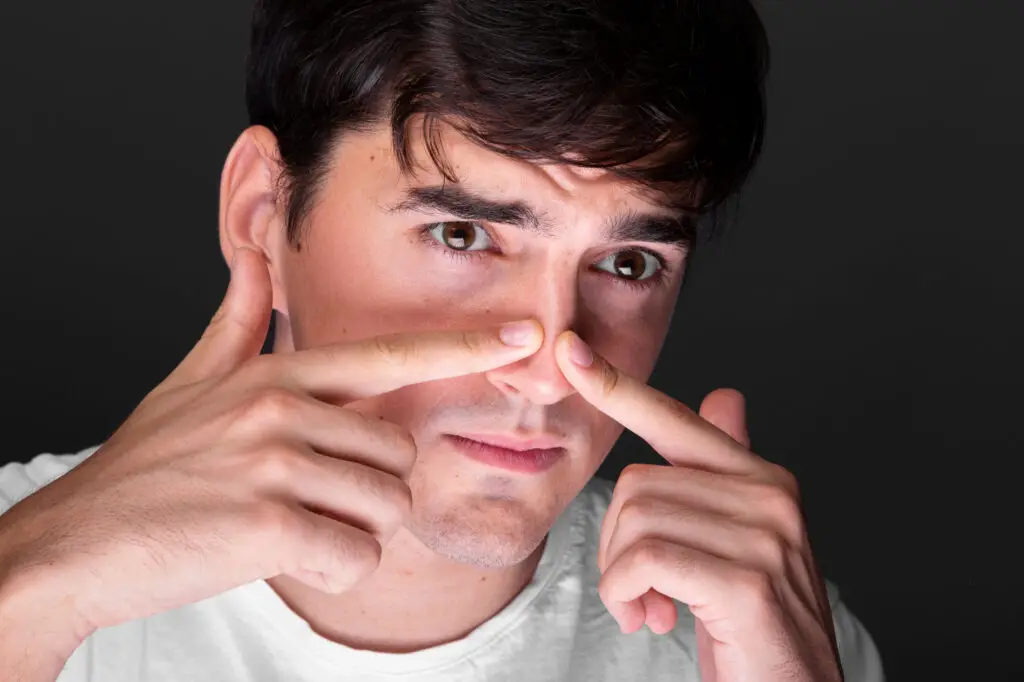
Rhinoplasty, commonly known as a nose job, is one of the most popular cosmetic procedures worldwide. It helps reshape the nose, improve facial harmony, and even fix breathing issues. Over the years, the Dominican Republic has become a leading destination for affordable and high-quality rhinoplasty procedures, attracting thousands of international patients every year. One of the biggest reasons people choose this destination is cost. Compared to countries like the United States, Canada, or the UK, rhinoplasty in the Dominican Republic can be 40% to 70% cheaper, while still offering experienced surgeons and modern facilities. In this detailed guide, you will learn everything about rhinoplasty cost in the Dominican Republic, including price ranges, types of procedures, cost factors, recovery, and why this country is a top choice for medical tourism. What is Rhinoplasty?. Rhinoplasty is a surgical procedure that reshapes or reconstructs the nose. It can be done for both cosmetic and medical reasons. Cosmetic rhinoplasty improves the appearance of the nose by adjusting size, shape, or symmetry. Functional rhinoplasty corrects breathing issues caused by structural problems such as a deviated septum. Many patients choose this surgery to enhance facial balance, boost confidence, or correct birth defects and injuries. Average Cost of Rhinoplasty in Dominican Republic. Rhinoplasty in Dominican Republic Cost typically ranges from $2,500 to $6,500 USD, depending on the surgeon’s experience, clinic quality, and whether it’s a primary or revision procedure. Basic nose jobs may start around $2,500–$4,000 USD, while more complex or revision rhinoplasty can cost $5,000+ USD, still significantly lower than U.S. prices. The cost of rhinoplasty in the Dominican Republic varies depending on the procedure type and complexity. However, it is significantly more affordable than in Western countries. Average Price Range. $2,500 – $6,500 USD overall range. $3,000 – $5,000 USD average typical cost. Starting packages from $2,500 in Santo Domingo. Premium clinics may charge up to $8,500+ depending on complexity. 📊 Rhinoplasty Cost Table. Type of RhinoplastyCost (USD). Basic Rhinoplasty$2,500 – $4,000. Standard Rhinoplasty$3,000 – $5,000. Advanced / Complex Rhinoplasty$5,000 – $6,500. Revision Rhinoplasty$5,500 – $8,500. Rhinoplasty Package$4,000 – $4,600. Compared to the U.S., where the same procedure can cost $8,000 to $12,000, the savings are substantial. Types of Rhinoplasty Available. There are different types of rhinoplasty procedures available depending on your needs. 1. Open Rhinoplasty. This involves making an incision across the columella (between nostrils). It gives surgeons better visibility and is ideal for complex cases. 2. Closed Rhinoplasty. Performed with incisions inside the nose, leaving no visible scars. It is suitable for minor adjustments. 3. Revision Rhinoplasty. This corrects previous rhinoplasty results. It is more complex and usually more expensive. 4. Functional Rhinoplasty. Used to correct breathing issues such as a deviated septum. 5. Ethnic Rhinoplasty. Customized to preserve ethnic features while enhancing appearance. Factors That Affect Rhinoplasty Cost. The final cost of rhinoplasty in the Dominican Republic depends on several important factors. 1. Surgeon’s Experience. Highly skilled and internationally trained surgeons charge higher fees. However, they provide safer and more predictable results. 2. Type of Procedure. Simple nose reshaping costs less than complex or revision surgeries. 3. Clinic or Hospital. Premium clinics with advanced technology may charge more. 4. Anesthesia Fees. General anesthesia adds to the overall cost. 5. Location. Major cities like Santo Domingo may have slightly higher prices than smaller areas. 6. Additional Services. Costs may include:. Pre-surgery tests. Medications. Post-operative care. Recovery accommodation. What’s Included in Rhinoplasty Packages?. Many clinics in the Dominican Republic offer complete rhinoplasty packages for international patients. Typical inclusions:. Surgeon’s fee. Hospital or clinic charges. Anesthesia. Pre-operative tests. Post-operative care. Follow-up visits. Sometimes accommodation and airport transfers. Some packages start around $4,600, offering an all-inclusive experience. Why Choose Dominican Republic for Rhinoplasty?. 1. Affordable Prices. Rhinoplasty costs are significantly lower compared to Western countries. 2. Experienced Surgeons. Many surgeons are internationally trained and experienced in cosmetic procedures. 3. Modern Facilities. Clinics are equipped with advanced technology and follow international standards. 4. Medical Tourism Hub. The country is a popular destination for procedures like BBL, liposuction, and rhinoplasty. 5. Beautiful Recovery Environment. Patients can recover in a relaxing tropical setting. Rhinoplasty Cost Comparison by Country. CountryAverage Cost (USD). Dominican Republic$3,000 – $5,000. United States$8,000 – $12,000. Canada$10,000 – $14,000. Turkey$3,000 – $6,000. Mexico$3,500 – $7,000. This clearly shows why the Dominican Republic is considered a budget-friendly option for rhinoplasty. Best Cities for Rhinoplasty in Dominican Republic. Santo Domingo. The capital city and main hub for cosmetic surgery. It offers top clinics and experienced surgeons. Santiago. Known for quality care and slightly lower prices. Punta Cana. Popular among international patients combining surgery with vacation. Is Rhinoplasty Safe in Dominican Republic?. Yes, rhinoplasty in the Dominican Republic is generally safe if performed by a qualified surgeon. The country has improved its healthcare standards, with clinics adopting modern technologies and international practices. However, safety depends on:. Choosing a certified surgeon. Verifying clinic accreditation. Following post-operative care instructions. How to Choose the Right Surgeon. Choosing the right surgeon is the most important step. Look for:. Board certification. Years of experience. Before-and-after photos. Patient reviews. Clear communication. Avoid choosing solely based on low cost. Quality and safety should always come first. Step-by-Step Rhinoplasty Process. 1. Consultation. Discuss your goals and expectations with the surgeon. 2. Pre-Surgery Tests. Medical evaluation ensures you are fit for surgery. 3. Surgery Day. Procedure typically takes 1–3 hours under anesthesia. 4. Recovery. You may need to stay in the country for 7–10 days. 5. Follow-Up. Doctors monitor healing and final results. Recovery After Rhinoplasty. Recovery is an important part of the process. Timeline:. First week: Swelling and bruising. 2–3 weeks: Visible improvement. 3–6 months: Continued healing. 1 year: Final results. Tips:. Avoid heavy activity. Sleep with head elevated. Follow doctor instructions. Avoid touching the nose. Risks and Complications. Like any surgery, rhinoplasty carries some risks. Common risks include:. Infection. Bleeding. Swelling. Breathing issues. Unsatisfactory results. Choosing an experienced surgeon reduces these risks significantly. Benefits of Rhinoplasty. Improved facial harmony. Better breathing. Increased confidence. Long-lasting results. Customized outcomes. Who is a Good Candidate?. You may be a good candidate if:. You are healthy. You have realistic expectations. Your facial growth is complete. You want to improve appearance or function. Travel and Accommodation Costs. When planning rhinoplasty abroad, consider additional expenses. Estimated Costs:. Flights: $500 – $1,200. Hotel/Recovery house: $50 – $150 per night. Transportation: $50 – $200. Some packages include these costs, making it easier for international patients. Tips to Save Money on Rhinoplasty. Choose package deals. Compare multiple clinics. Travel during off-peak seasons. Avoid unnecessary add-ons. Book early. FAQs About Rhinoplasty in Dominican Republic. How much does rhinoplasty cost in Dominican Republic?. The cost of rhinoplasty in the Dominican Republic typically ranges from $2,500 to $6,500 USD, depending on the complexity of the procedure, the surgeon’s experience, and the clinic you choose. Basic cosmetic rhinoplasty is usually on the lower end, while revision or complex structural cases can cost more. All-inclusive packages may cost slightly higher but often include hospital fees, anesthesia, medications, and aftercare, making them more convenient for international patients. Why is rhinoplasty cheaper in the Dominican Republic?. Rhinoplasty is more affordable in the Dominican Republic mainly due to lower operational costs such as staff salaries, facility expenses, and overall cost of living. This does not mean lower quality. Many surgeons are internationally trained and clinics use modern equipment. Patients benefit from high-quality care at a fraction of the cost they would pay in countries like the United States or Canada. How long should I stay in the Dominican Republic after rhinoplasty?. Most surgeons recommend staying in the Dominican Republic for 7 to 10 days after the procedure. This allows enough time for initial healing, removal of splints or stitches, and follow-up visits with your surgeon. Staying this duration also helps ensure that any early complications can be addressed before you travel back home. Is rhinoplasty in the Dominican Republic safe?. Yes, rhinoplasty is generally safe in the Dominican Republic when performed by a qualified and experienced surgeon. The key is to research thoroughly, choose board-certified professionals, and select clinics with good patient reviews. Safety also depends on following all pre- and post-operative instructions provided by your doctor. What is included in a rhinoplasty package?. Most rhinoplasty packages in the Dominican Republic include the surgeon’s fee, anesthesia, hospital or clinic charges, pre-operative tests, and post-operative care. Some premium packages may also include accommodation, airport transfers, medications, and personal assistance. Always confirm what is included before booking to avoid unexpected expenses. How painful is rhinoplasty recovery?. Rhinoplasty recovery is generally not very painful. Most patients report discomfort, swelling, and congestion rather than severe pain. Pain can be easily managed with prescribed medications. The first few days may feel uncomfortable, but the condition improves significantly within a week. When will I see the final results of rhinoplasty?. Initial results become visible within a few weeks once swelling starts to reduce. However, final results can take 6 to 12 months to fully appear, as the nose continues to heal and settle into its new shape. Patience is important during this period. Can rhinoplasty fix breathing problems?. Yes, rhinoplasty can improve breathing issues if they are caused by structural problems such as a deviated septum. In such cases, the procedure is often combined with septoplasty to correct both cosmetic and functional concerns at the same time. What are the risks of rhinoplasty?. Like any surgery, rhinoplasty carries some risks, including infection, bleeding, swelling, breathing issues, or dissatisfaction with results. These risks are minimized when you choose a skilled surgeon and follow all medical instructions carefully. Who is a good candidate for rhinoplasty?. A good candidate is someone who is physically healthy, has realistic expectations, and wants to improve the appearance or function of their nose. Candidates should have fully developed facial structures, which typically means being at least 16–18 years old. Can I combine rhinoplasty with other procedures?. Yes, many patients combine rhinoplasty with procedures such as chin augmentation, liposuction, or a facelift. Combining procedures can reduce overall costs and recovery time, but it should only be done after proper consultation with your surgeon. Do I need a visa to travel for surgery?. Visa requirements depend on your country of residence. Many nationalities can enter the Dominican Republic without a visa for short stays, while others may need to apply in advance. It is important to check the latest travel requirements before planning your trip. What should I avoid after rhinoplasty?. After surgery, you should avoid heavy physical activities, touching or blowing your nose, wearing glasses on the nose, and exposure to direct sunlight. Following your surgeon’s recovery guidelines is essential for achieving the best results. Will there be visible scars after rhinoplasty?. In most cases, especially with closed rhinoplasty, there are no visible external scars. Even in open rhinoplasty, the small incision made between the nostrils heals very well and becomes barely noticeable over time. How do I choose the best clinic in the Dominican Republic?. To choose the best clinic, look for board-certified surgeons, verified patient reviews, before-and-after photos, and transparent pricing. It is also important to have clear communication with your surgeon and ensure you feel comfortable before proceeding. Final Thoughts. Rhinoplasty in the Dominican Republic offers an excellent combination of affordability, quality, and experience. With prices ranging from $2,500 to $6,500, it is one of the most cost-effective destinations for nose surgery in the world. Patients benefit from skilled surgeons, modern clinics, and comprehensive packages that make the entire process smooth and convenient. Whether you are looking for cosmetic enhancement or functional improvement, the Dominican Republic provides a reliable and budget-friendly option. If you are considering rhinoplasty abroad, this destination should definitely be on your list. Contact MyMediTour for more details.

Turkey: A Global Leader in Medical Tourism

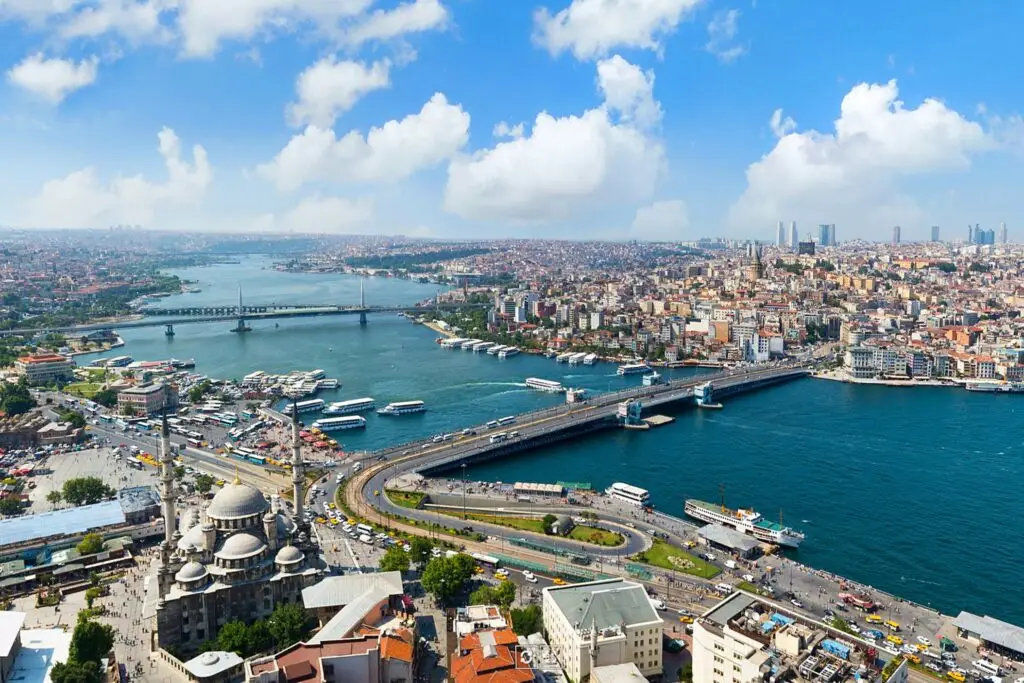
Affordable, High-Quality Healthcare in a Stunning Destination. Turkey has firmly established itself as one of the premier destinations for medical tourism. With over 1.8 million medical tourists annually, the country’s healthcare system is globally recognized for its exceptional quality, affordability, and integration of advanced technology. From life-changing surgeries to cosmetic enhancements, Turkey’s medical tourism industry offers unparalleled value. Let’s explore why patients from around the world are increasingly choosing Turkey for their healthcare needs. A Healthcare System Built for Excellence. Turkey boasts a world-class healthcare infrastructure that rivals many developed nations. Its hospitals are equipped with state-of-the-art technology, and its healthcare professionals, many trained in leading institutions abroad, bring unmatched expertise. A significant indicator of Turkey’s commitment to quality is the number of internationally accredited hospitals—over 30 institutions in Turkey are accredited by the Joint Commission International (JCI), more than any other country in Europe. Examples of Leading Hospitals in Turkey:. Acibadem Healthcare Group: Renowned for its cutting-edge technology and comprehensive services. Memorial Hospitals Group: A leader in oncology, cardiovascular surgery, and organ transplantation. Anadolu Medical Center: Known for its collaborations with Johns Hopkins Medicine and expertise in cancer care. Affordable Healthcare That Doesn’t Compromise Quality. One of Turkey’s strongest appeals is the significant cost savings it offers compared to countries like the United States, Canada, and the UK. Medical procedures in Turkey are typically 60–80% cheaper, making it an attractive option for patients seeking both essential and elective treatments. Cost Comparisons Between Turkey and the United States:. Hair Transplantation: $2,000–$3,000 in Turkey vs. $10,000–$15,000 in the U.S. Dental Implants: $600–$1,500 per tooth in Turkey vs. $3,000–$5,000 in the U.S. Knee Replacement Surgery: $10,000–$15,000 in Turkey vs. $30,000–$50,000 in the U.S. Coronary Artery Bypass Surgery: $15,000–$20,000 in Turkey vs. $70,000–$120,000 in the U.S. These cost savings are achieved without sacrificing quality, as Turkish healthcare facilities meet rigorous international standards. This affordability has made Turkey a top choice for patients seeking treatments that might otherwise be financially out of reach. A Wide Range of Specialized Treatments. Turkey offers an extensive array of medical services across multiple specialties, ensuring that patients can find the care they need. The most sought-after treatments include:. Cosmetic and Plastic Surgery: Turkey is a global leader in hair transplantation and rhinoplasty, often referred to as the “capital of hair restoration.”. Dental Care: From routine cleanings to complex implants, Turkey’s dental clinics offer affordable, high-quality services. Orthopedic Surgery: Advanced procedures, including joint replacements and spinal surgeries, are available at competitive prices. Fertility Treatments: Turkish clinics provide state-of-the-art IVF services with high success rates. Oncology and Cardiology: Renowned hospitals like Anadolu Medical Center specialize in treating complex cancers and cardiovascular conditions. Why Patients Choose Turkey. Advanced Technology: Turkish hospitals are equipped with the latest diagnostic and treatment technologies. Highly Qualified Professionals: Doctors and surgeons in Turkey are internationally trained and experienced. Multilingual Services: Most hospitals cater to international patients with multilingual staff and translators. Seamless Travel Experience: Many facilities provide concierge services, including airport pickups, accommodation arrangements, and assistance with visas. Integration with Tourism: Patients can recover while enjoying Turkey’s breathtaking landscapes and rich cultural heritage. Hot air balloon flying over rock landscape at Cappadocia Turkey Healthcare and Tourism Combined. Turkey’s appeal extends beyond its medical facilities. It is a country of incredible beauty and history, offering patients a chance to combine their treatments with a memorable travel experience. Medical tourists often recover while exploring:. Harbor in Antalya old town or Kaleici in Turkey. Istanbul’s Historic Sites: The Hagia Sophia, Blue Mosque, and Grand Bazaar offer rich cultural experiences. Istanbul, Turkey. Relaxing Beaches: Coastal areas like Antalya and Bodrum provide tranquil recovery environments. Kizil Kule Red tower and fortress in Alanya, Turkey, Asia Thermal Spas: Turkey’s natural hot springs, such as Pamukkale, are renowned for their therapeutic properties. This unique combination of healthcare and tourism enhances the overall experience, making Turkey a holistic destination for medical travelers. Bodrum in Mugla Province, Turkey. Government Support for Medical Tourism. The Turkish government has heavily invested in promoting medical tourism. Initiatives include tax incentives for healthcare providers serving international patients and significant investments in healthcare infrastructure. These efforts have made Turkey one of the most accessible and competitive markets for global medical tourism. Looking Ahead: Turkey’s Bright Future in Medical Tourism. Turkey’s medical tourism industry is poised for continued growth, with projections to exceed $10 billion in annual revenue by 2025. The country’s combination of affordability, quality care, and cultural richness ensures its position as a global leader in the field. Innovations in healthcare technology and increasing global awareness of Turkey’s expertise will further cement its reputation. Why Turkey is an Excellent Choice for Medical Tourism. Turkey’s unique blend of world-class healthcare, affordability, and cultural appeal makes it a top choice for medical tourism. Whether seeking life-saving procedures, cosmetic enhancements, or wellness treatments, patients can trust Turkey to deliver exceptional results. Its commitment to excellence, combined with the opportunity to experience one of the world’s most vibrant countries, ensures that medical tourists leave not only healthier but also enriched by their journey.

Plastic Surgery in Dominican Republic Prices and Costs

Plastic surgery in the Dominican Republic has become one of the most sought-after options for international patients looking for affordable yet high-quality cosmetic procedures. With prices significantly lower than in the United States, Canada, and Europe, combined with skilled surgeons and modern clinics, the country has established itself as a global hub for aesthetic surgery. Patients travel here for a wide range of procedures—from body contouring and breast surgeries to facial rejuvenation and combination procedures like mommy makeovers. The biggest advantage is cost savings of up to 50%–70%, while still receiving comparable results and care standards. This complete guide provides detailed pricing for every major plastic surgery procedure, along with cost factors, recovery insights, and medical tourism planning. Average Plastic Surgery Cost Overview. Stem Cell Therapy in Dominican Republic prices typically ranges from $2,500 to $15,000 USD, depending on the condition being treated, clinic, and number of sessions required, while advanced or complex treatments can reach $25,000 USD or more. Plastic surgery prices in the Dominican Republic vary based on complexity, surgeon expertise, and combination procedures. General Cost Ranges. Minor Procedures: $600 – $2,500. Standard Surgeries: $3,000 – $7,000. Advanced / Combo Surgeries: $6,000 – $15,000+. Many procedures cost half the price of the US, making it highly attractive for international patients. Complete Plastic Surgery Price Table (Dominican Republic). ProcedureCost Range (USD). Liposuction (Lipo 360)$3,000 – $6,000. Brazilian Butt Lift (BBL)$2,500 – $6,000. Tummy Tuck$4,100 – $6,200. Breast Augmentation$3,000 – $6,500. Breast Lift$3,500 – $5,000. Breast Reduction$3,500 – $5,000. Rhinoplasty$3,000 – $6,500. Facelift$4,000 – $10,000. Arm Lift$3,500 – $7,000. Thigh Lift$4,000 – $8,000. Lip Augmentation$600 – $2,000. Mommy Makeover$6,000 – $12,000. These ranges reflect real clinic pricing and medical tourism packages. Detailed Breakdown of Every Procedure. Liposuction Cost in Dominican Republic. Liposuction is the most popular procedure, especially Lipo 360. Cost:. $3,000 – $6,000 (Lipo 360). Per area: $1,500 – $5,000. Full body: $4,500 – $7,000. What’s Included:. Fat removal from abdomen, waist, back. Sculpting and contouring. Often combined with BBL. Why It’s Cheaper:. Lower operational costs. High volume of procedures. Brazilian Butt Lift (BBL) Cost. The Dominican Republic is globally famous for BBL procedures. Cost:. $2,500 – $6,000. With Lipo 360: $3,500 – $5,500 average. Procedure Includes:. Liposuction. Fat purification. Fat transfer to buttocks. Key Insight:. This is one of the cheapest countries in the world for BBL, often costing 60% less than the US. Tummy Tuck (Abdominoplasty) Cost. A tummy tuck removes excess skin and tightens abdominal muscles. Cost:. $4,100 – $6,200 (average $5,150). Combined with liposuction: similar range. Types:. Mini tummy tuck ($3,500–$5,000). Full tummy tuck ($4,500–$6,500). Extended tummy tuck ($6,000+). Best For:. Post-pregnancy patients. Massive weight loss patients. Breast Augmentation Cost. Breast implants are one of the most requested procedures. Cost:. $3,000 – $6,500. Price Factors:. Implant type (saline vs silicone). Surgeon expertise. Hospital stay. Breast Lift (Mastopexy) Cost. Cost:. $3,500 – $5,000. Combined Option:. Lift + implants increases total cost. Purpose:. Correct sagging. Improve breast shape. Breast Reduction Cost. Cost:. Around $3,500 – $5,000. Benefits:. Reduces back pain. Improves posture. Enhances comfort. Rhinoplasty (Nose Job) Cost. Cost:. $3,000 – $6,500. Types:. Cosmetic rhinoplasty. Functional rhinoplasty. Revision rhinoplasty. Facelift Cost. Facelift is a premium anti-aging procedure. Cost:. $4,000 – $10,000. Includes:. Skin tightening. Wrinkle removal. Jawline contouring. Arm Lift Cost. Cost:. $3,500 – $7,000. Ideal For:. Loose arm skin. Weight loss patients. Thigh Lift Cost. Cost:. $4,000 – $8,000. Lip Augmentation Cost. Cost:. $600 – $2,000. Mommy Makeover Cost (Most Popular Package). This is the best-value combination procedure. Cost:. $5,000 – $8,500 (basic packages). $6,000 – $12,000 (premium packages). Includes:. Tummy tuck. Liposuction. Breast surgery. Why It’s Popular:. Combines multiple procedures at a lower overall cost. Combination Procedure Pricing. Combination surgeries are very common:. Combo ProcedureCost. Lipo + BBL$4,000 – $7,000. Lipo + Tummy Tuck$4,800 – $6,800. Full Mommy Makeover$6,000 – $12,000. Lipo + Breast Augmentation$5,500 – $9,000. Why Plastic Surgery is Cheaper in Dominican Republic. 1. Lower Operating Costs. Labor, rent, and medical expenses are significantly lower. 2. High Patient Volume. Clinics perform more procedures, reducing cost per surgery. 3. Medical Tourism Industry. Packages are designed specifically for international patients. 4. Currency Advantage. Favorable exchange rates benefit foreign patients. What’s Included in Plastic Surgery Packages?. Most clinics offer all-inclusive packages:. Surgeon fees. Anesthesia. Operating room. Pre-op tests. Post-op medications. Compression garments. Follow-up visits. Some packages also include:. Hotel stay. Airport transfers. Recovery house. Hidden Costs to Consider. Even though surgery is cheap, consider:. Flights: $500 – $1,500. Accommodation: $50 – $200/night. Recovery house: $100 – $300/day. Medications & garments. Recovery Timeline by Procedure. ProcedureRecovery. Liposuction1–2 weeks. BBL2–3 weeks. Tummy Tuck3–6 weeks. Breast Surgery2–4 weeks. Facelift2–3 weeks. Safety & Quality of Care. The Dominican Republic has:. Board-certified surgeons. Modern clinics. High procedure success rates. However, patients must:. Verify surgeon credentials. Avoid extremely cheap clinics. Check real patient reviews. Who is a Good Candidate?. You are suitable if you:. Are in good health. Have realistic expectations. Are not heavy smokers. Want cosmetic improvement. Advantages of Choosing Dominican Republic. Huge Cost Savings. Up to 70% cheaper than US. Experienced Surgeons. Many trained internationally. Fast Scheduling. No long waiting lists. Medical Tourism Friendly. Packages designed for foreigners. Risks and Considerations. Like any surgery, risks include:. Infection. Swelling. Scarring. Unsatisfactory results. Choosing the right clinic reduces risks significantly. Expert Tips Before Booking. Always request before/after photos. Confirm what’s included in the price. Avoid deals that look “too cheap”. Stay at least 7–10 days post-surgery. Follow all aftercare instructions. Final Thoughts. Plastic surgery in the Dominican Republic offers one of the best combinations of affordability, quality, and accessibility in the world. With procedures ranging from $600 to $12,000+, patients can achieve life-changing cosmetic results without the high financial burden seen in Western countries. From liposuction and BBL to rhinoplasty and full mommy makeovers, the Dominican Republic remains a top destination for medical tourism in 2026. With proper research, the right surgeon, and a well-planned trip, patients can experience safe, effective, and cost-efficient plastic surgery while enjoying a smooth recovery in a beautiful destination. Contact MyMediTour for more details.
Blepharoplasty in Morocco Cost and Clinics

Tired, heavy-looking eyes can age a face faster than almost anything else. For many people, this isn't about wanting to look different — it's about looking as rested and alert as they actually feel. Blepharoplasty, or eyelid surgery, addresses sagging upper lids, under-eye puffiness, and excess skin that creates a permanently tired expression, and it remains one of the most requested facial procedures among patients travelling abroad for treatment. Morocco has built a strong reputation among UK and European patients looking for skilled cosmetic surgery at a fraction of home-country prices. Cities like Casablanca and Marrakech now host private clinics that work specifically with international patients, offering modern surgical facilities, English and French-speaking staff, and recovery packages designed around short stays. The short flight time from the UK (under four hours from most major airports) makes it genuinely practical, not just affordable. Patients travel for this procedure for a simple reason: the gap between what a clinic in London or Paris charges and what an equally qualified Moroccan surgeon charges can be substantial, often without any meaningful difference in surgical technique or safety standards. Add a few days of recovery in a warm climate, away from work and daily obligations, and the appeal becomes clear. This page lays out what blepharoplasty in Morocco actually costs, what's included, who tends to get the best results, and what the full patient journey looks like from first enquiry to final follow-up — so you can make a properly informed decision rather than guessing. Treatment Highlights. Blepharoplasty corrects droopy upper eyelids, under-eye bags, and excess or loose skin around the eyes. Performed on upper lids, lower lids, or both, depending on individual needs. Ideal for patients in good general health who are bothered by tired or aged eye appearance. Morocco offers significant savings compared to UK, French, or German clinic pricing. Procedure is typically done under local anaesthesia with sedation, sometimes general anaesthesia for combined cases. Recovery period before flying home is usually 7 to 10 days. Visible bruising and swelling settle within 10 to 14 days; final results develop over several weeks. Positioned as a mid-cost cosmetic procedure — more accessible than premium European pricing, without cutting corners on surgical standards. What Blepharoplasty Actually Involves. Blepharoplasty is a surgical procedure that removes or repositions excess skin, muscle, and sometimes fat around the eyelids. On the upper lid, this usually means trimming sagging skin that can droop over the lash line and, in some cases, interfere with vision. On the lower lid, the focus is typically on reducing puffiness or under-eye bags caused by fat pockets shifting forward with age. The surgery itself is relatively quick, generally taking one to two hours depending on whether one or both eyelids are treated. Most surgeons in Morocco perform it using local anaesthesia combined with sedation, which keeps patients comfortable while avoiding the longer recovery associated with general anaesthesia. Incisions are placed along the natural eyelid crease or just below the lash line, which helps scarring fade discreetly over time. Patients consider having this done abroad mainly because of cost, but also because Moroccan Plastic Surgery Clinics catering to international visitors have streamlined the process specifically for short-stay medical travel — pre-arrival consultations, dedicated coordinators, and recovery-focused aftercare built into the package. Results are not instant. Swelling and bruising are expected in the first one to two weeks, and the final shape and smoothness of the eyelids continues to settle for two to three months. When performed well, the outcome is a more alert, refreshed appearance — not a dramatically altered one. Reputable surgeons aim for natural-looking results rather than an overly tightened or artificial look. How Much Does Blepharoplasty Cost in Morocco?. Blepharoplasty in Morocco generally costs between £1,200 and £2,500 for upper or lower eyelid surgery alone, with combined upper and lower procedures ranging from roughly £2,200 to £3,800. These figures typically include the surgical fee, clinic or hospital fees, and the surgeon's charge, though exact pricing depends on the clinic and the complexity of your case. Several factors affect final pricing: whether you're having upper lids, lower lids, or both done; the surgeon's experience and reputation; whether the procedure is combined with another treatment such as a brow lift; and any additional diagnostic tests your medical history requires. Clinics with more international accreditation and English-speaking support staff sometimes price slightly higher, reflecting the added coordination and service layer. Morocco offers strong value because operating costs, staff salaries, and clinic overheads are considerably lower than in the UK or Western Europe, while surgical training standards among private cosmetic surgeons remain high, particularly in clinics that regularly treat international patients. This isn't a case of paying less for less — it's a different cost structure in a different economy. Your final quote will always depend on a proper medical evaluation. Photos, a health questionnaire, and sometimes a video consultation are used to assess your case before any fixed price is confirmed. Cost Comparison: Morocco vs USA. ProcedureMorocco (approx.)USA (approx.). Upper eyelid surgery£1,200 – £2,000£3,500 – £5,500. Lower eyelid surgery£1,500 – £2,500£4,000 – £6,000. Combined upper & lower£2,200 – £3,800£6,500 – £9,500. Who Is a Good Candidate for Blepharoplasty?. Blepharoplasty tends to work best for people who are physically healthy and have realistic expectations about what the surgery can achieve. Good candidates typically include:. Adults with visibly sagging upper eyelid skin, particularly if it affects how alert or tired the face appears. Those with persistent under-eye puffiness or bags that don't respond to skincare or lifestyle changes. Non-smokers, or those willing to stop smoking for a period before and after surgery. Patients with no uncontrolled underlying health conditions affecting healing, such as unmanaged diabetes. People without serious dry eye conditions or significant existing eye disease. Those able to commit to the recommended recovery period before flying home. This procedure may not be suitable for people with certain uncontrolled medical conditions, active eye infections, very dry eyes, or unrealistic expectations about achieving a completely different facial appearance. Anyone currently on blood-thinning medication will usually need medical clearance and a temporary pause before surgery. A full medical assessment by the treating surgeon, not a general assumption based on age or appearance, ultimately determines candidacy. Your Patient Journey, Step by Step. 1. Initial inquiry and consultation You start with an enquiry outlining your concerns and goals. A patient coordinator typically responds within a day or two with initial guidance and next steps. 2. Medical file or photo submission You'll be asked to send clear photos of your eyes and complete a medical history questionnaire, covering current health, medications, and any prior eye treatments. 3. Doctor evaluation A qualified surgeon reviews your case remotely, assessing suitability and outlining what's realistically achievable for your specific eyelid concerns. 4. Treatment plan approval You receive a written treatment plan with a confirmed price, procedure details, and recommended recovery timeline before committing to anything. 5. Travel planning Once you confirm, your coordinator helps arrange flights, accommodation suggestions, and airport transfer logistics around your surgery date. 6. Arrival and in-person consultation You meet your surgeon face-to-face in Morocco, where they reassess your eyelids in person and finalise the surgical approach before proceeding. 7. Procedure day Surgery takes place in an accredited clinic or hospital, usually under local anaesthesia with sedation, typically completed within one to two hours. 8. Recovery phase The first few days involve rest, cold compresses, and monitoring. Most clinics check on you the day after surgery and again before you're cleared to travel. 9. Follow-up care Stitches, if non-dissolvable, are typically removed around day 5 to 7. Your surgeon reviews healing progress before approving your flight home. 10. Return home and remote support After returning, most clinics maintain contact for follow-up questions or concerns, with photo check-ins as swelling fully resolves over the following weeks. Why Morocco Is a Strong Choice for This Procedure. Morocco's private healthcare sector has invested heavily in facilities built specifically for international patients, with many clinics holding recognised accreditations and employing surgeons trained in France, the UK, or other parts of Europe. This matters because it means the surgical techniques used are familiar, current, and held to comparable standards. The international patient experience in established Moroccan clinics tends to be well organised, with dedicated coordinators handling everything from airport pickup to translation support, reducing the stress that often comes with travelling for surgery. The cost versus quality balance is the core draw — patients get surgery from properly trained professionals without the inflated overheads built into Western European or US pricing. Travel convenience adds to the appeal. Direct flights from major UK and European cities run frequently, and the time difference is minimal, which makes communication with family back home straightforward during recovery. Many patients also find the climate genuinely helpful for recovery — warm, dry weather and a slower pace make the rest period feel less like downtime and more like a brief, purposeful break. What's Included in Your Package. Initial remote consultation and case review. Pre-operative medical evaluation and required tests. The blepharoplasty procedure itself, including anaesthesia and surgical fees. Hospital or clinic facility fees on the day of surgery. Basic post-operative follow-up appointments during your stay. Coordination support throughout your visit, including scheduling and translation where needed. What's Not Included. International flights to and from Morocco. Accommodation, unless specifically stated in your package. Additional diagnostic tests beyond standard pre-surgical requirements. Any extra treatments or procedures added after your initial plan is confirmed. Expenses for a travel companion, if you bring one. Costs associated with extending your stay beyond the recommended recovery period. Recovery and Aftercare. The first 48 to 72 hours after blepharoplasty involve the most noticeable swelling and bruising, which is completely normal and expected. Cold compresses, head elevation while sleeping, and prescribed eye drops or ointment help manage discomfort during this period. Most patients describe the sensation as tightness or mild soreness rather than significant pain. By days 5 to 7, much of the visible bruising starts fading, and any non-dissolvable stitches are typically removed. Patients are usually cleared to fly home around the 7 to 10 day mark, once the surgeon confirms healing is progressing as expected. Activity should remain limited during this window — no strenuous exercise, heavy lifting, or activities that raise blood pressure, and sun exposure around the eyes should be minimised with sunglasses. Over the following two to four weeks, residual swelling continues to settle, and the eyes begin looking noticeably more natural. Light reading, screen use, and daily activities can usually resume within a week, though intense exercise is generally held off for three to four weeks. Full final results, including the smoothing of any fine residual swelling, typically take two to three months to fully reveal themselves. Long-term, results from blepharoplasty tend to last many years, particularly for upper eyelid surgery, since the skin removed doesn't regenerate. Lower eyelid results can also be long-lasting, though natural ageing continues elsewhere in the face over time. Risks and Things to Consider. As with any surgical procedure, blepharoplasty carries general risks including infection, bleeding, scarring, and temporary or, rarely, prolonged changes in sensation around the eyelids. Dry eyes or temporary difficulty fully closing the eyes can occur during early healing but typically resolve as swelling reduces. Choosing a properly qualified, experienced surgeon significantly reduces these risks, which is why verifying credentials, before-and-after results, and accreditation matters more than chasing the lowest possible price. Proper aftercare — following instructions on eye drops, activity restrictions, and follow-up appointments — plays a major role in how smoothly recovery goes and how the final result settles. No reputable clinic should promise guaranteed outcomes, since healing varies between individuals based on skin type, age, and overall health. The right approach is an honest, informed decision made after a proper medical evaluation, not a rushed booking based on price alone. Frequently Asked Questions. What is the cost range of blepharoplasty in Morocco?. Blepharoplasty in Morocco typically costs between £1,200 and £2,500 for single eyelid surgery, and £2,200 to £3,800 for combined upper and lower procedures. Final pricing depends on your specific case, the surgeon, and any additional requirements identified during medical evaluation. How long do I need to stay in Morocco for eyelid surgery?. Most patients plan for a stay of 7 to 10 days, allowing time for surgery, initial recovery, and a follow-up check before flying home. Your surgeon will confirm the exact timeline based on how your healing progresses. Is blepharoplasty in Morocco safe?. When performed by a qualified, experienced surgeon in an accredited clinic, blepharoplasty in Morocco carries the same general safety profile as the procedure performed anywhere else. Choosing a reputable clinic with proper credentials and a thorough pre-surgical evaluation is the key factor in safety. How long is the recovery time after blepharoplasty?. Initial bruising and swelling typically improve within 10 to 14 days, with most patients returning to normal daily activities within one to two weeks. Full final results take around two to three months to completely settle. When will I see the final results?. Noticeable improvement is visible within the first few weeks as swelling reduces, but the fully refined result generally takes two to three months to develop. Patience during this period leads to a more accurate picture of the final outcome. Are there travel concerns I should know about?. You'll need clearance from your surgeon before flying, which usually happens around day 7 to 10 post-surgery. It's worth booking flexible flights where possible, in case your surgeon recommends an extra day or two of recovery before travel. Am I a suitable candidate for this procedure?. Good candidates are generally healthy adults with sagging eyelid skin or under-eye puffiness and no uncontrolled medical conditions affecting healing. A full evaluation based on your photos and medical history is required to confirm suitability for your specific case. Is blepharoplasty painful?. Most patients describe more tightness and mild discomfort than sharp pain, particularly in the first few days after surgery. Prescribed pain relief and cold compresses typically manage this well during early recovery. How long do the results of blepharoplasty last?. Upper eyelid results are generally long-lasting since the removed skin doesn't return, often lasting many years. Lower eyelid results also tend to last well, though natural facial ageing continues elsewhere over time. What follow-up care is provided after I return home?. Reputable clinics maintain contact after you return home, often through photo check-ins and messaging to track your healing progress. Any concerns during recovery can typically be raised directly with your clinic's coordination team or surgeon. Ready to Take the Next Step?. Deciding to move forward with eyelid surgery is a personal decision, and the right starting point is always a proper consultation rather than a quick booking. Every patient's eyelids, skin, and goals are different, and a thoughtful treatment plan built around your specific case gives you a far better sense of what to actually expect. Our role is to guide you through that process with clarity — connecting you with qualified surgeons, helping you understand realistic costs and timelines, and supporting you through every stage of your trip to Morocco. From your first enquiry to your final follow-up after returning home, you'll have a dedicated point of contact handling the details so you can focus on your recovery and results. If you're considering blepharoplasty and want a clear, honest picture of what it would involve for you specifically, reach out for a consultation. There's no pressure, no rushed decisions — just the information you need to decide what's right for you.


Breast Augmentation in Dubai Cost

Breast augmentation, also known as a boob job or breast implant surgery, is one of the most popular cosmetic procedures in Dubai. The city attracts both local and international patients who seek natural-looking results from world-renowned surgeons and JCI-accredited clinics. Using high-quality silicone or saline implants, surgeons in Dubai achieve symmetrical, aesthetic results that enhance confidence and body proportion. However, the cost of breast augmentation in Dubai can vary significantly depending on factors such as implant brand, clinic reputation, and post-operative care. This comprehensive guide breaks down the breast augmentation Dubai cost in both USD and AED, discusses the influencing factors, and compares Dubai’s rates with other leading medical tourism destinations available through MyMediTour. Breast Augmentation Cost in Dubai (USD + AED). “Breast augmentation in Dubai costs between $6,000 and $9,000, equivalent to AED 22,000–33,000 on average.”. The average cost of breast augmentation in Dubai ranges from $6,000 to $9,000 (AED 22,000–33,000), depending on implant type, surgeon expertise, and clinic location. Type of Breast AugmentationCost (USD)Cost (AED). Silicone Implants$6,500 – $9,000AED 24,000 – 33,000. Saline Implants$6,000 – $8,000AED 22,000 – 29,000. Fat Transfer Breast Augmentation$7,000 – $10,000AED 26,000 – 37,000. Breast Lift with Implants$8,000 – $12,000AED 30,000 – 44,000. Implant Replacement/Revision$7,000 – $11,000AED 26,000 – 40,000. These prices typically include:. Surgeon and anesthetist fees. Hospital or surgical facility charges. Implants and medical supplies. Pre-surgery consultation and post-operative checkups. Dubai’s premium healthcare standards, internationally trained surgeons, and advanced implant technology justify the higher pricing compared to many other countries. What Influences the Cost of Breast Augmentation in Dubai?. “Surgeon skill, implant quality, and clinic standards are the key cost factors for breast augmentation in Dubai.”. Here are the main elements affecting your total expense:. Surgeon Expertise: Board-certified plastic surgeons with international credentials (U.K., U.S., or Europe) charge premium fees. Type of Implants: Silicone implants are more expensive than saline but offer a more natural feel. Clinic Reputation: JCI-accredited or DHA-approved hospitals generally cost more but ensure top safety standards. Anesthesia & Facility Fees: Modern surgical suites and private rooms add to the cost. Aftercare & Medications: Compression garments, pain control, and follow-up visits are typically included. Implant Options Available in Dubai. “Dubai offers FDA-approved silicone, saline, and cohesive gel implants for breast augmentation.”. Patients can choose among:. Silicone Implants: Smooth, natural texture and longer-lasting results. Saline Implants: Filled with sterile saline solution, adjustable volume. Cohesive Gel (Gummy Bear) Implants: New-generation silicone gel for realistic shape retention. Consultations often include 3D imaging simulations to preview the outcome before surgery. The Breast Augmentation Procedure in Dubai. “Breast augmentation in Dubai is performed under general anesthesia and lasts about 1–2 hours.”. Procedure steps:. Preoperative markings and implant selection. Incision (under-breast fold, areola, or armpit). Implant insertion (under or over pectoral muscle). Closure and dressing. Most patients can return to light activities within 7–10 days and resume full activity in 4–6 weeks. Clinics provide post-op garments and follow-up appointments to ensure smooth healing. Recovery and Aftercare in Dubai. “Recovery after breast augmentation in Dubai takes around 10 days for initial healing and 4–6 weeks for full recovery.”. Typical post-op support includes:. Pain management and swelling reduction. Specialized bras or compression garments. Regular checkups for implant positioning. Lymphatic massages or laser therapy (optional for faster recovery). International patients often book recovery stays in premium medical hotels or partner accommodation through MyMediTour, combining comfort with medical supervision. Breast Augmentation Cost Comparison: Dubai vs Other Countries. “Dubai’s breast augmentation costs are higher than Turkey or Thailand but offer premium quality and privacy.”. CountryAverage Cost (USD)Average Cost (AED). Dubai$6,000 – $9,000AED 22,000 – 33,000. Turkey$3,000 – $4,500AED 11,000 – 16,500. Thailand$3,200 – $5,000AED 12,000 – 18,500. Mexico$3,500 – $5,500AED 13,000 – 20,000. Costa Rica$3,000 – $4,800AED 11,000 – 17,500. While Dubai provides luxury-level care, other destinations via MyMediTour offer comparable results at nearly half the price, with certified surgeons and all-inclusive packages. Why Choose Dubai for Breast Augmentation?. “Dubai is ideal for patients seeking advanced safety, premium implants, and personalized care.”. Advantages include:. World-class DHA & JCI-accredited hospitals. Internationally trained plastic surgeons. Strict patient privacy and confidentiality laws. Cutting-edge implant materials and imaging technology. Seamless coordination for international patients. For those prioritizing luxury, safety, and minimal downtime, Dubai stands among the best global options. How to Prepare for Breast Augmentation in Dubai. “Proper preparation and realistic goals ensure a successful breast augmentation outcome in Dubai.”. Steps to follow:. Consultation: Discuss expectations, medical history, and implant type. Preoperative Tests: Blood work, mammogram (if needed), and general evaluation. Lifestyle Adjustments: Avoid smoking and blood thinners 2 weeks before surgery. Plan Your Stay: Arrange a 10-day stay for surgery and follow-ups. MyMediTour can help you coordinate your full journey — from initial consultation to recovery — safely and efficiently. Safety Standards and Accreditations. “All breast augmentation clinics in Dubai must be licensed by DHA and many are JCI-accredited.”. Dubai’s healthcare system enforces strict safety compliance:. Only licensed plastic surgeons may perform augmentations. Clinics maintain sterile environments and emergency readiness. JCI-accredited hospitals undergo continuous quality audits. These ensure patient safety comparable to U.S. and European standards. FAQs. 1. How much does breast augmentation cost in Dubai in AED?. Breast augmentation costs around AED 22,000–33,000, depending on implant type and clinic. 2. How long do breast implants last?. Modern implants typically last 10–15 years and can be replaced if needed. 3. Are silicone implants safe?. Yes. Silicone implants used in Dubai are FDA-approved and medically tested for safety and biocompatibility. 4. Is financing available for breast surgery in Dubai?. Some clinics offer medical financing or installment plans; MyMediTour can assist with global medical loan options. 5. What’s the recovery period after surgery?. Most patients resume normal activities after 7–10 days, with full recovery in 4–6 weeks. Conclusion. Breast augmentation in Dubai offers premium surgical expertise, state-of-the-art technology, and luxurious patient care. Though costs range from $6,000 to $9,000 (AED 22,000–33,000), the investment ensures world-class safety and results. If you’re considering your options globally, MyMediTour can connect you to accredited hospitals and surgeons across leading destinations — offering transparent prices, expert care, and comprehensive medical travel coordination.

Best Countries for Rhinoplasty in the World

Rhinoplasty, commonly known as a “nose job,” is one of the most popular cosmetic surgeries worldwide. Patients seek it to improve breathing, facial harmony, or refine the shape of their nose. Many choose to travel abroad for the procedure to access expert surgeons and modern facilities at a lower cost. The best countries for rhinoplasty — Turkey, Mexico, Colombia, Brazil, Thailand, India, South Korea, Costa Rica, and the UAE — combine medical expertise with international patient support. Through MyMediTour, patients can find accredited clinics, compare package prices, and receive end-to-end assistance for safe, affordable treatment abroad. The best countries for rhinoplasty are Turkey, Mexico, Colombia, Brazil, Thailand, India, South Korea, Costa Rica, and the UAE, offering advanced techniques and affordable prices. Turkey. Turkey is one of the world’s top destinations for rhinoplasty, especially for natural-looking aesthetic and functional results. Istanbul hosts world-renowned surgeons who specialize in both open and closed nose reshaping. Cost Range: Rhinoplasty in Turkey costs between $2,500–$4,500, depending on the complexity, surgeon reputation, and technique used. Packages often include pre-operative evaluation, anesthesia, hospital stay, medication, and follow-up visits. Most clinics use 3D imaging to plan outcomes, and hospitals are internationally accredited for quality and safety. Mexico. Mexico offers affordable rhinoplasty performed by certified surgeons using modern surgical techniques. Clinics in Tijuana, Cancun, and Mexico City are known for U.S.-standard facilities and bilingual staff. Cost Range: The average cost of rhinoplasty in Mexico is $2,800–$4,800, depending on the type of procedure (cosmetic, septoplasty, or revision). Packages often include consultation, anesthesia, surgery, and recovery care. For North American patients, Mexico is both cost-effective and conveniently located. Colombia. Colombia is emerging as a leading destination for facial aesthetics, offering artistry and precision. Surgeons in Medellín and Bogotá focus on proportion, symmetry, and natural results. Cost Range: Rhinoplasty in Colombia costs around $2,700–$4,300, which generally includes the surgeon’s fees, anesthesia, hospital stay, and post-operative follow-ups. The use of advanced imaging tools and FDA-approved materials ensures quality results at affordable prices. Brazil. Brazil has long been a global hub for cosmetic surgery, including nose reshaping. The country’s specialists are renowned for balancing aesthetics and function while maintaining the patient’s natural ethnic features. Cost Range: The cost of rhinoplasty in Brazil ranges between $3,500–$5,500, covering pre-surgery consultation, surgery, anesthesia, recovery care, and hospital stay. São Paulo and Rio de Janeiro house highly experienced plastic surgeons offering advanced procedures such as ultrasonic or piezo rhinoplasty. Thailand. Thailand attracts thousands of international patients every year for facial cosmetic surgery. Bangkok and Phuket feature state-of-the-art hospitals staffed by board-certified surgeons. Cost Range: Rhinoplasty in Thailand costs $2,800–$4,800, depending on the complexity and whether cartilage grafts or reconstruction are needed. The price usually includes consultations, anesthesia, one-night hospital stay, and post-surgery care. Thailand combines excellent medical quality with vacation-style recovery experiences. India. India offers some of the most affordable rhinoplasty procedures in the world, performed by experienced ENT and plastic surgeons. Leading hospitals in Mumbai, Delhi, and Bangalore use advanced 3D simulation to achieve precise results. Cost Range: The average cost of rhinoplasty in India is $2,000–$3,800, which covers surgeon fees, anesthesia, hospital stay, and medication. Whether for aesthetic enhancement or functional correction, India provides high-quality outcomes with global safety standards. South Korea. South Korea is globally recognized for its expertise in facial plastic surgery, especially rhinoplasty. Seoul is known as the “aesthetic capital of Asia,” where surgeons focus on precision, proportion, and beauty harmony. Cost Range: Rhinoplasty in South Korea typically costs $4,500–$7,000, depending on the type (augmentation, tip refinement, or revision). Packages include detailed facial analysis, anesthesia, surgery, recovery care, and follow-up appointments. Clinics use advanced techniques such as ultrasonic rhinoplasty for minimal scarring and quick recovery. Costa Rica. Costa Rica has gained popularity among North American patients for its affordable and safe cosmetic surgeries. Skilled surgeons in San José provide natural results while maintaining strict medical protocols. Cost Range: Rhinoplasty in Costa Rica costs around $2,800–$4,500, including anesthesia, surgeon fees, and aftercare. Many clinics offer personalized packages with hotel accommodations and transportation, ensuring comfort and convenience for international patients. United Arab Emirates (UAE). The UAE offers world-class rhinoplasty procedures in luxury settings. Dubai and Abu Dhabi attract patients seeking privacy, precision, and exceptional service. Cost Range: Rhinoplasty in the UAE costs between $5,000–$8,000, depending on the surgeon’s expertise, hospital standards, and technique used. Premium clinics include pre-surgery imaging, anesthesia, surgery, and VIP aftercare. The UAE remains ideal for patients who want high-end results with total discretion. Comparison Table: Average Rhinoplasty Cost by Country (USD). CountryCost Range (USD)Key Feature. Turkey$2,500 – $4,500Natural aesthetic results. Mexico$2,800 – $4,800Convenient for U.S. patients. Colombia$2,700 – $4,300Artistic and precise results. Brazil$3,500 – $5,500Global cosmetic leader. Thailand$2,800 – $4,800Affordable, high-tech hospitals. India$2,000 – $3,800Most affordable globally. South Korea$4,500 – $7,000World leader in facial surgery. Costa Rica$2,800 – $4,500Trusted for North Americans. UAE$5,000 – $8,000Premium experience and care. Pros and Cons of Rhinoplasty Abroad. Pros:. Costs up to 60–70% lower than in Western countries. Internationally accredited hospitals and certified surgeons. Modern equipment and advanced imaging technology. Opportunity to combine recovery with travel. Cons:. Travel and accommodation costs. Post-surgery follow-ups may require remote coordination. Minor language barriers in some destinations. FAQs. 1. Which country offers the cheapest rhinoplasty?. India and Turkey are among the most affordable, starting from $2,000–$2,500, with excellent medical care and experienced surgeons. 2. Is rhinoplasty abroad safe?. Yes, when performed at JCI- or ISO-accredited hospitals with qualified surgeons. Platforms like MyMediTour ensure you’re connected with trusted, verified clinics. 3. What’s the recovery time after rhinoplasty?. Initial recovery takes 7–10 days, while full healing and swelling reduction may take 3–6 months. 4. Do these countries use advanced techniques?. Yes. Many use ultrasonic and piezoelectric technology, which allows more precision, minimal trauma, and faster recovery. 5. How can I plan rhinoplasty abroad?. Through MyMediTour, patients can compare hospitals, estimate costs, schedule consultations, and receive full assistance from arrival to recovery. Conclusion. The best country for rhinoplasty depends on your preferences and goals. Turkey and India offer affordability; South Korea delivers unmatched precision; Brazil and Colombia excel in aesthetic artistry; while the UAE provides luxury and privacy. Each destination combines advanced technology with patient-focused care. To find certified surgeons, transparent pricing, and personalized medical travel options, contact MyMediTour — your trusted partner for safe and affordable healthcare abroad.

Liposuction in Mexico Cost and Clinics

Liposuction in Mexico has become one of the most popular cosmetic surgery options for international patients seeking high-quality body contouring at a more affordable price. Every year, thousands of patients travel to Mexico to undergo liposuction procedures, attracted by significantly lower costs compared to the United States and Canada, modern medical facilities, and experienced plastic surgeons. The cost of liposuction in Mexico typically ranges between $2,500 and $5,000 USD, depending on the technique used, the number of areas treated, and the complexity of the procedure. This price difference allows patients to save anywhere from 40% to 70% compared to similar procedures in higher-cost countries, even after accounting for travel and accommodation expenses. This detailed guide explains liposuction costs in Mexico, what influences pricing, cost differences by technique and body area, what is usually included in the price, and how to plan your budget safely and realistically. Average Cost of Liposuction in Mexico. The average price of liposuction in Mexico is considerably lower than in many Western countries due to lower operational costs, reduced medical insurance expenses, and favorable exchange rates. While prices vary by clinic and surgeon, most patients can expect the following general ranges:. Standard liposuction: $2,500 – $4,500. Multiple-area liposuction: $3,500 – $5,000. Advanced or high-definition techniques: $4,000 – $6,000. These prices usually represent the total surgical cost rather than just the surgeon’s fee, which makes Mexico an attractive destination for cosmetic surgery. Liposuction Cost by Treatment Area in Mexico. Liposuction pricing often depends on the number and size of areas being treated. Clinics may define areas differently, so it is important to clarify this during consultation. Common Price Ranges by Area. Chin and neck liposuction: $2,000 – $2,500. Upper arms: $2,300 – $2,800. Abdomen: $2,800 – $3,800. Flanks (love handles): $2,200 – $3,000. Thighs (inner or outer): $2,500 – $3,500. Back liposuction: $2,800 – $3,800. Full torso or multiple areas: $3,500 – $5,000. Combining multiple areas often reduces the cost per area, making comprehensive body contouring more cost-effective. Liposuction Cost by Technique in Mexico. Different liposuction techniques vary in price due to equipment requirements, surgical time, and complexity. Traditional Liposuction. This is the most commonly performed technique and remains one of the most affordable options. Cost range: $2,500 – $4,000. Tumescent Liposuction. This technique uses a medicated solution to reduce bleeding and discomfort. Cost range: $3,000 – $4,500. 360-Degree Liposuction. Designed for full circumferential contouring of the abdomen, waist, and back. Cost range: $3,000 – $4,500. VASER or Ultrasound-Assisted Liposuction. A more advanced technique that allows precise fat removal and muscle definition. Cost range: $4,000 – $6,000. Advanced techniques usually cost more but may offer smoother contours and improved skin tightening for suitable candidates. What Is Usually Included in Liposuction Cost in Mexico?. One major advantage of undergoing liposuction in Mexico is that many clinics offer bundled or package pricing. A typical liposuction package may include:. Surgeon’s fee. Anesthesia services. Operating room and facility charges. Pre-operative medical evaluation. Compression garment. Post-operative medications. Follow-up appointments during recovery. This bundled approach helps patients avoid unexpected expenses and makes budgeting more predictable. Additional Costs to Consider. While many costs are included, patients should still plan for additional expenses that may not be covered in the initial quote:. Travel and airfare. Hotel or recovery accommodation. Additional compression garments. Lymphatic drainage massages. Extended recovery stay if required. Medications beyond the initial prescription. Factoring in these costs ensures a realistic total budget. Why Liposuction Is Cheaper in Mexico. Lower prices do not necessarily mean lower quality. Several factors contribute to reduced costs in Mexico:. Lower clinic operating expenses. Reduced labor and staffing costs. Competitive medical tourism market. Lower malpractice insurance premiums. Favorable currency exchange rates. Many surgeons in Mexico are internationally trained and perform procedures using modern technology and established safety standards. Liposuction Cost Comparison: Mexico vs Other Countries. When comparing total costs, Mexico offers substantial savings:. United States: $7,000 – $12,000. Canada: $6,000 – $10,000. Mexico: $2,500 – $5,000. Even after adding travel and accommodation, patients often save thousands of dollars by choosing Mexico. Factors That Affect Liposuction Cost in Mexico. Several individual factors influence the final cost of liposuction:. Number of Areas Treated. More areas require longer surgery time and higher anesthesia costs. Technique Used. Advanced techniques generally cost more than traditional liposuction. Surgeon’s Experience. Highly experienced and well-known surgeons may charge higher fees. Facility Type. Procedures performed in fully equipped hospitals may cost more than those done in outpatient surgical centers. Patient’s Body Type. Higher body mass index or previous surgeries may increase complexity and cost. Recovery Timeline and Associated Costs. Understanding recovery helps patients plan their stay and budget. Hospital or clinic stay: Same day or overnight. Initial recovery: 7–10 days. Return to light work: 1–2 weeks. Compression garment use: 4–6 weeks. Final results visible: 3–6 months. Recovery-related expenses include accommodation, transportation, and optional post-operative therapies. Safety and Quality Considerations. While cost savings are important, patient safety should always be the top priority. When evaluating options, patients should ensure:. The surgeon is properly trained and certified. The facility follows strict hygiene and safety protocols. Anesthesia is administered by qualified professionals. Post-operative care and follow-up are clearly defined. Avoid choosing a provider solely based on the lowest price. Is Liposuction in Mexico Worth the Cost?. For many patients, liposuction in Mexico offers an excellent balance between affordability and quality. With proper research, realistic expectations, and careful planning, patients can achieve effective body contouring results while saving a significant amount compared to treatment in their home country. Mexico’s established medical tourism infrastructure, experienced surgeons, and competitive pricing make it a leading destination for liposuction procedures. Final Thoughts on Liposuction Cost in Mexico. Liposuction in Mexico typically costs between $2,500 and $5,000 USD, depending on the procedure type, treatment areas, and individual needs. These prices often include essential surgical and post-operative services, making Mexico a cost-effective option for body contouring. By understanding pricing structures, knowing what is included, and planning for additional expenses, patients can make informed decisions and confidently pursue liposuction in Mexico as a safe and affordable cosmetic surgery solution.

Breast Silicone Augmentation in Turkey Cost and Clinics

Breast augmentation remains one of the most sought-after cosmetic procedures worldwide. For many women, it is not just about aesthetics—it’s about confidence, body balance, and personal satisfaction. However, in countries like the United States, the United Kingdom, and Canada, the high cost of surgery often becomes a barrier. This is where Turkey has established itself as a global leader in cosmetic surgery. Offering premium-quality procedures at significantly lower costs, Turkey attracts thousands of international patients every year for breast augmentation—especially silicone breast implants, which are widely preferred for their natural look and feel. Today, Turkey is not just a budget option—it is a world-class destination for safe, advanced, and patient-focused breast enhancement procedures. What is Breast Silicone Augmentation?. Breast silicone augmentation is a cosmetic surgical procedure that involves placing silicone gel implants to enhance the size, shape, and symmetry of the breasts. Unlike saline implants, silicone implants are filled with a cohesive gel that closely mimics the feel of natural breast tissue. This makes them the preferred choice for patients seeking a softer, more natural appearance. Why Choose Silicone Implants?. Silicone implants offer several advantages over other types of implants:. More natural look and feel. Less visible rippling under the skin. Better shape retention. Suitable for thinner body types. Long-lasting results. Because of these benefits, silicone implants are considered the gold standard in breast augmentation procedures. Why Turkey is the Top Destination for Breast Implants. Turkey has become one of the most trusted countries for cosmetic surgery due to its combination of expert surgeons, advanced clinics, and competitive pricing. 1. Internationally Recognized Plastic Surgeons. Many cosmetic surgeons in Turkey:. Have international training and certifications. Follow European and global safety standards. Perform hundreds of procedures annually. They are often members of respected organizations such as the International Society of Aesthetic Plastic Surgery, ensuring high-quality results. 2. Advanced Medical Facilities. Turkey is home to modern hospitals and aesthetic clinics equipped with:. Latest surgical technologies. Accredited operating rooms. Dedicated international patient departments. Many facilities meet global standards such as Joint Commission International certification. 3. Affordable Pricing Without Compromising Quality. Patients can save 50% to 70% compared to Western countries. This cost difference is due to:. Lower operational costs. Favorable currency exchange rates. Government support for medical tourism. Not lower quality care. 4. Complete Medical Tourism Experience. Turkey offers a seamless experience with:. Airport transfers. Hotel accommodation. Multilingual staff. Personalized patient coordinators. This makes the entire journey smooth and stress-free. Cost of Breast Silicone Augmentation in Turkey. Breast silicone augmentation (breast implants using silicone) in Turkey typically costs between $2,500 and $5,500, with most all-inclusive packages falling around $3,000 to $4,500, while premium silicone implant procedures (using high-end brands or advanced techniques) can range from $3,250 up to $8,000+ depending on implant type, surgeon expertise, clinic standards, and package inclusions like hotel stay and transfers. Cost is one of the biggest reasons patients choose Turkey for breast implants. Average Cost Comparison. ProcedureUSA CostTurkey Cost. Silicone Breast Implants$8,000 – $15,000$3,000 – $5,500. What’s Included in the Package?. Most Turkish clinics offer all-inclusive packages, which typically include:. Surgeon fees. Silicone implants (premium brands). Hospital stay. Anesthesia. Medications. Hotel accommodation. Airport transfers. This transparency ensures patients know exactly what they are paying for. Types of Silicone Breast Implants. Choosing the right implant type is essential for achieving desired results. Round Implants. Provide fuller upper breast appearance. Ideal for more volume and lift. Commonly used for a dramatic look. Anatomical (Teardrop) Implants. Mimic natural breast shape. Provide subtle enhancement. Suitable for a more natural result. Smooth vs Textured Implants. Smooth implants move naturally within the breast. Textured implants stay in place and reduce movement. Your surgeon will recommend the best option based on your body type and goals. Top Breast Augmentation Procedures Available in Turkey. Best Cities in Turkey for Breast Augmentation. Istanbul – Cosmetic Surgery Capital. Istanbul is the most popular destination for breast augmentation, offering:. Highly experienced surgeons. Internationally accredited clinics. Luxury recovery options. Antalya – Recovery by the Sea. Antalya combines aesthetic surgery with a relaxing recovery environment. Patients enjoy:. Beachside recovery. Modern hospitals. Comfortable accommodations. Izmir – Affordable & High-Quality Care. Izmir offers excellent care at slightly lower costs, making it a great option for budget-conscious patients. Step-by-Step Procedure Journey. The process of getting breast implants in Turkey is simple and well-organized. Step 1: Online Consultation. Patients share photos and expectations with the surgeon. Step 2: Treatment Planning. The surgeon recommends implant size, type, and technique. Step 3: Arrival in Turkey. Patients are welcomed with airport pickup and hotel check-in. Step 4: Surgery. Duration: 1–2 hours. Performed under general anesthesia. Step 5: Recovery. Hospital stay: 1 night. Initial healing: 5–7 days. Step 6: Return Home. Patients usually travel back within 5 to 7 days. Safety and Quality Standards. Safety is a top priority when undergoing cosmetic surgery abroad. Hospital Accreditation. Choose clinics accredited by:. Joint Commission International. Surgeon Credentials. Ensure your surgeon:. Is board-certified. Has extensive experience in breast augmentation. Provides before-and-after results. Implant Quality. Top clinics use internationally approved implant brands such as:. Motiva. Mentor. Allergan. Benefits of Choosing Turkey for Breast Implants. Patients traveling to Turkey enjoy several advantages:. Significant cost savings. High-quality silicone implants. Experienced surgeons. No waiting time. Luxury recovery experience. Personalized care. Risks and Considerations. Like any surgery, breast augmentation carries some risks. Possible Risks. Infection. Implant rupture. Capsular contracture. Temporary swelling or discomfort. How to Minimize Risks. Choose experienced surgeons. Follow aftercare instructions. Attend follow-up appointments. Avoid strenuous activity during recovery. Recovery and Aftercare. Recovery is an essential part of the procedure. What to Expect. Mild swelling and discomfort for a few days. Return to light activities within a week. Full recovery within 4–6 weeks. Post-Surgery Tips. Wear compression garments. Avoid heavy lifting. Sleep on your back. Follow medication instructions. Frequently Asked Questions. Are silicone implants safe?. Yes, modern silicone implants are FDA-approved and considered safe when used by qualified surgeons. How long do implants last?. Most implants last 10 to 20 years, though many patients keep them longer without issues. Will there be visible scars?. Scars are minimal and typically placed in discreet areas such as under the breast fold. Can I breastfeed after implants?. In most cases, yes, depending on the surgical technique used. Do implants feel natural?. Silicone implants provide a very natural look and feel compared to saline implants. When can I travel back home?. Most patients return home within 5–7 days after surgery. Is Turkey the Right Choice?. Breast silicone augmentation in Turkey offers a perfect balance of quality, affordability, and convenience. With experienced surgeons, advanced clinics, and all-inclusive packages, patients can achieve their desired results safely and efficiently. For those looking to enhance their appearance without paying excessive costs, Turkey stands out as one of the best destinations worldwide. Choosing Turkey means choosing confidence, quality care, and exceptional value—all in one journey.

Arm Lift in Mexico Cost and Clinics

Brachioplasty—better known as an arm-lift—removes excess skin and fat from the triceps side of the upper arm. Thousands of North-Americans now cross the border to have this operation performed in Tijuana or other Mexican hubs, attracted by prices that undercut U.S. quotes by 40–70 percent. Yet the same procedure can lead to hypertrophic scarring, nerve damage or emergency revisions if standards slip. This explains:. What paperwork Mexican clinics must show from COFEPRIS. Documented complication and revision rates. Real 2026 price quotes—package vs. hidden extras. Step-by-step logistics from first video consult to 12-month scar check. Unmistakable signs of a clinic that could leave you stranded at the border. Who should read: weight-loss patients with a stable BMI, individuals with age-related upper-arm laxity and carers helping relatives plan surgery abroad. Who should not rely solely on this article: anyone with uncontrolled diabetes, bleeding disorders or the expectation of a scar-free result. Background and Medical Context. Anatomy of Upper-Arm Laxity. The classic “bat-wing” hangs because the posterior brachial skin loses elasticity while subcutaneous fat dwindles. Weight cycling stretches collagen; aging reduces dermal cross-linking; Estrogen decline shifts fat distribution. The triceps fascia offers little tension, so redundant skin drapes once volume drops. Evolution of Arm-Lift Techniques. Early 1950s surgeons placed a straight incision along the inner arm. Today’s menu includes:. Short-scar axillary lift – incision hidden in the armpit; suits mild laxity. Standard brachioplasty – midline incision from axilla to elbow; addresses moderate excess. Extended lift – incision continues onto the lateral chest wall for patients with massive weight-loss rolls. Lipo-brachioplasty – combines liposuction with limited skin excision; aims to protect lymphatics. Endoscopic and energy-based devices exist but remain experimental. Candidate vs . Non-Candidate. SuitableUnsuitable. BMI < 30, weight stable ≥ 6 monthsUncontrolled diabetes (HbA1c > 7.5 %). Realistic about permanent scarsActive smoker within 4 weeks of surgery. No keloid historyPrior axillary node dissection or lymphoedema. Good blood pressure controlUnrealistic “scar-free” expectations. Costs, Outcomes, Statistics. The cost of an arm lift (brachioplasty) in Mexico typically ranges between $3,000 and $6,000 USD, making it significantly more affordable than in countries like the United States. DestinationTypical surgeon + facility fee*Package extrasRevision rateDays abroad. MexicoUS $3 800 – 5 900Compression sleeve, first medications4–6 %10–14. TurkeyUS $4 200 – 6 500Hotel, airport transfer5–7 %7–10. ColombiaUS $3 500 – 5 500Nursing apartment6–8 %12–15. United StatesUS $8 500 – 15 000Usually none3–5 %Same-day. *Surgeon-reported fees, March 2026 surveys of 47 clinics; airfare not included. Hidden-Cost Watch-List. Add-onTypical USDWhy it matters. Post-op ultrasound150 – 300Detect seroma early. Extra compression garment80 – 120You need at least two. Laser scar revision400 – 900Often upsold. Additional hotel nights70 – 120/nightFlights or drains can delay departure. Outcomes & Complications (Global Averages). Seroma – 8.7 %. Hypertrophic scarring – 6.1 %. Temporary ulnar-nerve numbness – 3.4 %. Infection needing IV antibiotics – 1.2 %. Smoking doubles the risk of wound separation. Patients with BMI > 30 face a higher seroma rate. Country & Clinic-Specific Details. Mexico: Regulatory Overview. Mexican cosmetic facilities are classified as Establecimientos de Atención Médica. Each must display a current sanitary licence (Aviso de Funcionamiento) near reception. Photograph the document and cross-check the folio number on the COFEPRIS online portal. Surgeons must hold a specialty certificate in plastic surgery issued by the Mexican Board of Plastic, Aesthetic and Reconstructive Surgery (CMCPER) and renew every five years. Consent forms are legally binding in Spanish. Clinics should supply a certified English translation; if not, hire an independent translator. Mexican law requires a minimum liability policy of 1.5 million MXN, but many discount clinics omit foreign-patient riders—ask for proof. Tijuana Spotlight. Cross-border travel – Most patients fly to San Diego then walk the CBX bridge (30 min) into Tijuana. Clinic cluster – Facilities concentrate in Zona Río and Colonia Gabilondo. Confirm the operating theatre is on-site and not rented ad-hoc from a general hospital. Recovery hotels – Average US $110/night with bilingual nurses twice daily. Mexico City. At 2 250 m altitude, oxygen saturation can dip post-anesthesia. Patients with COPD or severe sleep apnea should choose coastal centres. Guadalajara & Coastal Hubs. Puerto Vallarta and Cancún market “surgery-plus-resort” bundles. Many resort ORs sit in retail plazas without 24-hour ICU backup—verify the distance to the nearest full-service hospital. The Patient Journey Step by Step. Virtual consult (6–2 weeks out) – Send arm photos, allergy list, medication list. Receive a tentative plan and quote. Pre-travel clearance (≈ 2 weeks out) – CBC, chemistry panel, clotting profile, ECG if you’re over 45. Upload results. Arrival day – Transfer to hotel; sign bilingual consent. Pre-op assessment (-1 day) – Physical exam, incision markings, last-minute questions. Surgery day 0 h – IV antibiotics, general anesthesia. 2 h – Skin excision ± liposuction; drains placed. 4 h – Recovery room; start oral fluids. 6 h – Overnight observation or hotel with nurse. Early recovery (Days 1–7) – Drain log; light forearm movement; compression sleeve worn 23 h/day. Discharge (Days 8–12) – Drains out, fit-to-fly letter issued. Home follow-up – Video check at 2 weeks; scar massage at 1 month; strength training resumes at 3 months; final photos at 12 months. Risks, Complications & Red-Flags. FrequencyComplications. Common (> 1 %)Seroma, widened scar, temporary numbness. Rare (< 1 %)Deep-vein thrombosis, partial skin loss, permanent nerve injury. Catastrophic (< 0.1 %)Pulmonary embolism, severe infection. If a complication surfaces back home, U.S. insurers normally label it “elective surgery abroad” and refuse coverage. Specialty medical-travel insurance is the safest back-up. Questions to Ask Before Booking. Surgeon Credentials. What is your CMCPER certificate number and renewal date?. How many arm-lifts did you perform in the past 12 months?. Will a board-certified anesthesiologist manage my case?. Facility & Safety. Is your operating theatre accredited by JCI or the Mexican General Health Council?. What is your ICU transfer protocol and ambulance response time?. Procedure Details. Which incision pattern do you recommend for my case, and why?. Will you use energy-based liposuction or suction-assisted only?. Emergencies & Follow-up. Where is the nearest hospital with vascular surgery if bleeding occurs?. How many virtual visits are included after I return home?. Financial Transparency. Provide an itemised quote with currency and refund terms. What costs do I incur if surgery is postponed for abnormal labs?. Insurance, Legal & Financial Notes. Most U.S. health plans exclude elective surgery abroad. Complication-only riders from companies can reimburse up to US $50 000 of corrective care and must be purchased before departure. Legal disputes in Mexico fall under PROFECO consumer courts; monetary judgments are modest and difficult to enforce internationally. Contracts should specify jurisdiction and include an English version. U.S. taxpayers cannot deduct purely cosmetic expenses, so brachioplasty rarely qualifies for IRS medical deductions unless performed for functional impairment. Alternatives to Consider. Radio-frequency skin tightening – modest improvement for mild laxity; no large scars but results vary. Domestic teaching-hospital programs – university centres sometimes offer reduced-fee cosmetic procedures performed by supervised fellows. Delay until weight stabilises – performing an arm-lift before final weight loss often leads to secondary sagging and revisions. What MyMediTour Provides. MyMediTour verifies sanitary licences, confirms surgeon board status, and checks for malpractice insurance. We arrange virtual consultations, consolidate quotes and ensure you receive English translations of all legal documents. We are a facilitator—never a medical provider—and do not guarantee outcomes or replace the need for an independent medical opinion. Frequently Asked Questions. Does COFEPRIS inspect every clinic annually?. Inspections are risk-based; low-volume centres may go several years between visits. Will my scars be hidden inside the arm?. Incisions follow the posteromedial line, yet hypertrophic scarring can remain visible when arms are raised. How soon can I lift weights again?. Light dumbbells after six weeks if healing is uncomplicated; full strength training resumes at 12 weeks. What anesthesia is used?. General anesthesia is standard. Local anesthesia with sedation is reserved for mini arm-lifts. Is tipping recovery-hotel nurses customary?. Yes. Five to ten U.S. dollars per day is appreciated but not mandatory. Can I finance the surgery?. Some clinics partner with cross-border lenders. Interest rates average 9–17 percent APR. Do I need a medical visa?. U.S. citizens receive a tourist permit (FMM) valid up to 180 days; no medical visa is required. What if my hemoglobin is low before surgery?. Your operation will be postponed; clinics may charge a re-booking fee. Consider iron supplementation a month before travel. This article is for informational purposes only and is not medical advice. Arm-lift surgery carries specific risks and is not appropriate for everyone. Some aspects of the procedure may be unapproved in your home country—confirm regulatory status before proceeding. Always consult a licensed physician who has reviewed your full medical history before making any decision about treatment abroad. MyMediTour is a medical travel facilitator, not a medical provider.

Best Countries for Liposuction in the World

Liposuction remains one of the world’s most popular cosmetic procedures, helping men and women achieve a sculpted body by removing excess fat from targeted areas like the abdomen, thighs, hips, or arms. Traveling abroad for liposuction has become increasingly common, as many countries offer world-class medical care at a fraction of Western prices. The leading destinations—Turkey, Mexico, Colombia, Brazil, Thailand, India, South Korea, Costa Rica, and the UAE—provide advanced techniques, board-certified surgeons, and luxury recovery options. With MyMediTour, patients can explore verified hospitals and transparent pricing for liposuction procedures across the world’s most trusted medical tourism hubs. Turkey. Turkey is one of the most sought-after destinations for liposuction, offering internationally accredited hospitals and highly trained cosmetic surgeons. Istanbul and Antalya are known for clinics equipped with the latest technologies like Vaser and laser-assisted liposuction. Cost Range: Liposuction in Turkey costs between $2,500–$4,000, depending on the treated area and type of liposuction technique used. Packages typically include pre-surgery tests, anesthesia, surgery, compression garments, one-night hospital stay, and post-operative care. Turkey’s combination of affordability and expertise attracts thousands of international patients each year. Mexico. Mexico offers safe and affordable liposuction treatments for North American patients, especially in border cities and resort destinations. Clinics in Tijuana, Cancun, and Monterrey feature advanced technology and board-certified plastic surgeons. Cost Range: Liposuction in Mexico costs about $2,800–$4,500, depending on body areas treated and technique (traditional, Vaser, or laser). Most packages include consultations, surgery, anesthesia, and follow-up appointments. Mexico’s close proximity to the U.S. makes it a convenient option for affordable body contouring. Colombia. Colombia has built a strong reputation for aesthetic excellence, with Medellín and Bogotá recognized as top destinations for body contouring and fat-removal procedures. The country’s surgeons focus on achieving natural, proportionate results. Cost Range: Liposuction in Colombia ranges from $2,500–$4,200. Many clinics provide all-inclusive packages covering surgeon fees, anesthesia, hospital care, and compression garments. With modern facilities and experienced specialists, Colombia delivers high-end results at competitive prices. Brazil. Brazil is the global capital of plastic surgery, famous for its expertise in body aesthetics and advanced techniques. Brazilian surgeons emphasize artistic precision and natural contouring. Cost Range: The cost of liposuction in Brazil typically ranges between $3,500–$5,000, depending on the number of treated areas and clinic location. Packages usually include medical consultations, anesthesia, hospital charges, and recovery assistance. Rio de Janeiro and São Paulo are home to top cosmetic clinics offering world-class care. Thailand. Thailand has become Asia’s cosmetic surgery hub, offering high-quality liposuction in luxurious hospital settings. Bangkok and Phuket attract patients seeking affordable yet advanced treatments. Cost Range: Liposuction in Thailand costs around $3,000–$4,800, depending on the amount of fat removed and whether advanced techniques like Vaser or SmartLipo are used. Packages often include airport transfers, hospital stays, and follow-up care. Thailand’s medical tourism system is renowned for hospitality, safety, and premium facilities. India. India is a top choice for cost-effective and safe liposuction performed by internationally trained surgeons. Major cities like Mumbai, Delhi, and Chennai offer modern clinics and FDA-approved technologies. Cost Range: Liposuction in India typically costs $2,000–$3,500, making it one of the most affordable destinations globally. This price generally includes surgeon fees, anesthesia, hospital expenses, and compression garments. Patients benefit from personalized care, modern facilities, and lower recovery costs. South Korea. South Korea leads in precision cosmetic procedures, focusing on achieving natural body balance with minimal downtime. Seoul’s surgeons use advanced tools and imaging systems for customized fat-removal results. Cost Range: The cost of liposuction in South Korea averages $4,500–$6,500, depending on the technique and number of treated areas. The fee often covers consultations, anesthesia, surgery, hospital stay, and post-treatment care. South Korea’s reputation for advanced technology makes it ideal for patients seeking precision and safety. Costa Rica. Costa Rica is a trusted destination for North American patients seeking safe and affordable cosmetic surgery. The country’s medical facilities maintain high international standards. Cost Range: Liposuction in Costa Rica costs around $2,800–$4,300, including surgery, anesthesia, compression garments, and post-surgery consultations. San José hosts several accredited clinics offering packages that combine surgery with tropical recovery options. Costa Rica’s proximity and strong healthcare system make it a reliable choice for medical travelers. United Arab Emirates (UAE). The UAE provides premium cosmetic surgery experiences, particularly in Dubai and Abu Dhabi, with luxury clinics and internationally trained specialists. Cost Range: Liposuction in the UAE costs between $5,000–$8,000, depending on the hospital, body area, and technology used. Packages usually include consultation, anesthesia, operating room fees, and full post-operative care in a private, comfortable environment. The UAE is preferred by patients who value discretion and premium-quality service. Comparison Table: Average Liposuction Cost by Country (USD). CountryCost Range (USD)Key Feature. Turkey$2,500 – $4,000Affordable, high-quality. Mexico$2,800 – $4,500Near U.S., safe facilities. Colombia$2,500 – $4,200Natural aesthetic results. Brazil$3,500 – $5,000Renowned cosmetic expertise. Thailand$3,000 – $4,800Luxury hospitals, skilled surgeons. India$2,000 – $3,500Most affordable option. South Korea$4,500 – $6,500Advanced precision techniques. Costa Rica$2,800 – $4,300Reliable for U.S. patients. UAE$5,000 – $8,000Premium medical experience. Pros and Cons of Liposuction Abroad. Pros:. Up to 70% lower cost than in Western countries. Access to board-certified plastic surgeons. Use of advanced methods like Vaser, laser, and tumescent liposuction. Attractive recovery destinations for relaxation. Cons:. Additional costs for flights and accommodation. Need for extended stay during recovery. Language barriers in some regions. FAQs. 1. Which country offers the cheapest liposuction?. India and Turkey are the most affordable, with full procedures starting at $2,000–$2,500, including hospital and surgeon fees. 2. Are liposuction procedures abroad safe?. Yes. Countries like Turkey, Thailand, and Brazil follow strict international safety protocols and use FDA-approved equipment for safe fat removal. 3. What is included in liposuction packages?. Packages generally cover pre-surgery consultation, anesthesia, surgery, compression garments, and post-operative care. Some also include hotel stays and airport transfers. 4. How long does it take to recover from liposuction?. Most patients return to normal activities within 7–10 days and achieve full recovery in 4–6 weeks, depending on the body area treated. 5. Why choose MyMediTour for liposuction abroad?. MyMediTour connects patients with accredited hospitals, experienced surgeons, and transparent pricing across top destinations, ensuring safe and reliable results. Conclusion. Choosing the best country for liposuction depends on your goals, budget, and comfort. Turkey and India lead in affordability; Brazil and South Korea offer exceptional aesthetic results; while Thailand and the UAE provide premium surgical experiences. All these destinations combine world-class expertise with international patient care standards. For personalized recommendations, trusted clinics, and complete medical travel support, connect with MyMediTour — the global leader in medical tourism services helping patients access affordable, high-quality treatments worldwide.

Mommy Makeover in Turkey Cost and Clinics

A mommy makeover is a transformative set of cosmetic procedures designed to help women regain their pre-pregnancy bodies. Pregnancy and childbirth can bring significant changes to the body, including weight gain, stretched skin, sagging breasts, and stubborn fat deposits. A mommy makeover combines various surgeries such as breast augmentation, tummy tucks, liposuction, and sometimes vaginal rejuvenation, to restore the body’s contour and enhance overall appearance. Turkey has emerged as one of the top destinations for cosmetic surgery due to its high-quality care, affordable prices, and state-of-the-art clinics. The growing popularity of medical tourism in Turkey has led to many international patients traveling for affordable and effective mommy makeovers. In this detailed blog post, we will explore the cost of mommy makeovers in Turkey, the various procedures involved, factors influencing the cost, and frequently asked questions (FAQs). What is a Mommy Makeover?. A mommy makeover refers to a combination of cosmetic surgical procedures tailored to a woman’s post-pregnancy body. These procedures address common physical changes caused by pregnancy, breastfeeding, and weight fluctuations. The goal of the mommy makeover is to help women feel more confident in their bodies and restore their youthful appearance. Common procedures included in a mommy makeover are:. Tummy Tuck (Abdominoplasty):. Removes excess skin and tightens the abdominal muscles to create a flatter, more toned appearance. Breast Augmentation or Lift:. Involves either enhancing the size of the breasts with implants (augmentation) or lifting and tightening the breast tissue (lift) for a more youthful appearance. Liposuction:. Removes stubborn fat deposits from areas like the abdomen, thighs, arms, and flanks that are resistant to diet and exercise. Buttock Augmentation (Brazilian Butt Lift - BBL):. Enhances the shape and size of the buttocks using fat transfer or implants. Vaginal Rejuvenation:. Restores the appearance and tightness of the vaginal area after childbirth. Cost of a Mommy Makeover in Turkey. A Mommy Makeover in Turkey typically ranges from $5,000 to $15,000 USD, depending on the combination of procedures, the surgeon’s experience, and the clinic’s facilities. This package usually includes surgeries such as a tummy tuck, breast lift or augmentation, and liposuction, though additional procedures like a BBL or thigh lift can increase the total cost. Compared to the $20,000–$30,000 USD average in the U.S., Turkey offers a more affordable option while maintaining high standards of safety, modern hospitals, and experienced plastic surgeons. Cost Breakdown of Procedures in Turkey:. Tummy Tuck (Abdominoplasty):. The cost of a tummy tuck in Turkey generally ranges from €3,500 to €6,000. This is significantly lower than in the U.S. or UK, where it can cost between €6,000 to €12,000. Breast Augmentation or Lift:. Breast augmentation or a breast lift in Turkey typically costs between €3,500 and €6,000. In contrast, these procedures can cost anywhere from €8,000 to €12,000 in countries like the U.S. Liposuction:. Liposuction costs in Turkey vary depending on the areas being treated. Prices usually range from €1,500 to €4,000 per area. In comparison, liposuction can cost €4,000 to €8,000 per area in Western countries. Buttock Augmentation (Brazilian Butt Lift):. The cost for a Brazilian Butt Lift (BBL) in Turkey typically ranges from €3,500 to €4,500, which is much more affordable than the €7,000 to €12,000 price range in the U.S. Vaginal Rejuvenation:. Vaginal rejuvenation in Turkey generally costs between €1,200 and €2,800, depending on the extent of the procedure. In the U.S., the cost can range from €3,000 to €5,000. Total Mommy Makeover Package Cost in Turkey:. For a full mommy makeover in Turkey, which typically combines a tummy tuck, breast augmentation, and liposuction, the total cost can range from €7,000 to €12,000, depending on the procedures selected and the clinic’s reputation. All-inclusive packages that include accommodation, airport transfers, and post-operative care typically fall within this range. In comparison, a similar mommy makeover in the U.S. or Europe can cost between €20,000 and €40,000, making Turkey an affordable alternative for women seeking quality care without the high cost. Why Choose Turkey for Your Mommy Makeover?. 1. Cost-Effectiveness. The cost savings are significant in Turkey. Even when factoring in travel expenses, the overall cost of a mommy makeover is much more affordable compared to other countries. The cost of high-quality procedures in Turkey can be as much as 60-70% less than what you would pay in the U.S. or Europe. 2. High-Quality Care. Turkey is home to numerous clinics that are internationally accredited and adhere to the highest standards of healthcare. Many of the country's top cosmetic surgeons are trained and certified by well-known global organizations. The clinics use modern technology, provide post-operative care, and offer high-standard services to ensure optimal results. 3. Experienced Surgeons. Turkey boasts a high number of experienced plastic surgeons who specialize in mommy makeovers. Many of these surgeons have completed training in Europe and North America, gaining a wealth of experience in performing complex cosmetic surgeries. 4. All-Inclusive Packages. Many Turkish clinics offer all-inclusive packages that make the process seamless for international patients. These packages typically cover:. Surgical fees. Accommodation (usually 3–5-star hotels). Airport transfers. Post-operative care. Interpreter services (if needed). 5. Cultural and Travel Experience. Turkey offers the added benefit of being a beautiful travel destination. Whether you are recovering in Istanbul’s historic and cultural surroundings or enjoying a peaceful recovery by the beaches of Antalya, Turkey provides an excellent opportunity to combine medical treatment with tourism. What’s Included in the Mommy Makeover Package?. When traveling to Turkey for a mommy makeover, most clinics offer comprehensive packages that cover all aspects of your journey. Typically, these packages include:. Consultation Fees:. A pre-surgery consultation with the surgeon, either in person or online, to discuss your goals, medical history, and expectations. Surgical Procedures:. All surgeries as part of your mommy makeover, such as tummy tuck, breast augmentation, and liposuction. Hospital Stay:. A stay in a private hospital room for recovery (usually 1–2 days). Post-Operative Garments:. Compression garments to support healing and reduce swelling. Transportation:. Airport transfers from the airport to the clinic and hotel. Accommodation:. 3–5 star hotel accommodation near the clinic for the duration of your stay (usually 5–7 days). Follow-up Visits:. Post-surgery check-ups to monitor your progress and ensure proper healing. Recovery Time and Aftercare. After undergoing a mommy makeover in Turkey, the recovery process is an essential part of the treatment. Most patients can expect to stay in Turkey for about 7–10 days, with the first few days being used for post-operative recovery and check-ups. Initial Recovery (First 7-10 Days):. During the initial recovery period, patients are advised to rest and avoid strenuous activities. Most people can return to work after 1–2 weeks, depending on the type of procedure performed. Full Recovery:. While the initial recovery period is short, full recovery can take 6 weeks to 3 months depending on the extent of the procedures. During this time, you may need to wear compression garments, follow a special diet, and attend follow-up visits with your surgeon. Long-Term Results:. The results of your mommy makeover will become more visible as swelling subsides and the body heals. Full results are typically noticeable after 3 to 6 months. Frequently Asked Questions (FAQs) About Mommy Makeovers in Turkey. 1. How much does a mommy makeover cost in Turkey?. The cost of a mommy makeover in Turkey typically ranges from €7,000 to €12,000 for a package that includes multiple procedures like a tummy tuck, breast augmentation, and liposuction. 2. Is Turkey a safe place for a mommy makeover?. Yes, Turkey is home to internationally accredited clinics that follow strict safety and hygiene standards. Many Turkish surgeons are trained and certified by globally recognized institutions. 3. What is the recovery time for a mommy makeover?. The recovery time varies, but most patients can expect to stay in Turkey for about 7 to 10 days. Full recovery, however, can take 6 weeks to 3 months. 4. Will I need a follow-up visit after my mommy makeover?. Yes, follow-up visits are essential to ensure proper healing and monitor the results of the surgery. Many clinics in Turkey provide post-operative care and support, including check-ups after surgery. 5. Can I combine my surgery with a vacation in Turkey?. Yes, Turkey offers many beautiful travel destinations, including historical sites, beaches, and cultural attractions. Many patients choose to combine their mommy makeover with a relaxing vacation. 6. Are there any risks associated with a mommy makeover?. As with any surgery, there are inherent risks, including infection, scarring, or complications with anesthesia. However, these risks are minimal when performed by experienced surgeons in accredited clinics. 7. How long will the results of my mommy makeover last?. The results of a mommy makeover can last for many years, but maintaining a healthy lifestyle is important. Weight fluctuations, pregnancy, or aging may affect the results. Conclusion. A mommy makeover in Turkey offers women the opportunity to restore their pre-pregnancy bodies at a fraction of the cost they would pay in Western countries. With experienced surgeons, affordable prices, high-quality care, and the option to explore Turkey’s cultural attractions, it’s no wonder that Turkey has become a top destination for medical tourism. By understanding the costs, recovery times, and benefits of a mommy makeover, you can make an informed decision and enjoy both excellent results and an unforgettable experience. Contact MyMediTour for more details.
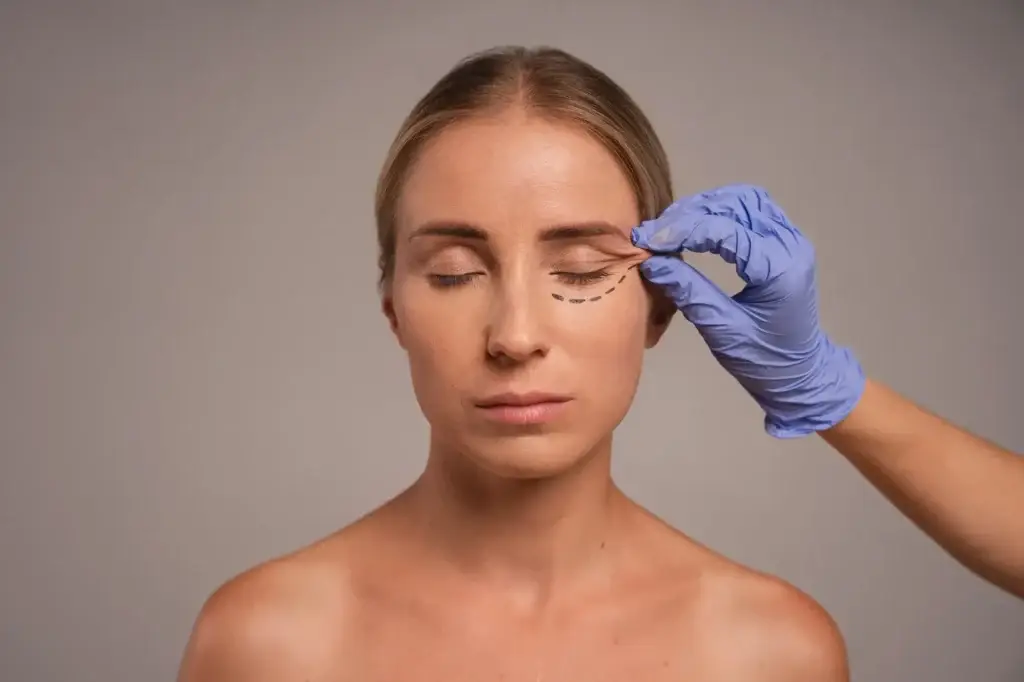

Liposuction in Colombia Cost and Clinics

Liposuction in Colombia has become one of the most popular cosmetic surgery options for international patients seeking high-quality body contouring at a more affordable price. Colombia is widely recognized for its skilled plastic surgeons, modern surgical facilities, and strong reputation in aesthetic medicine. Patients from the United States, Canada, and Europe travel to Colombia every year to achieve noticeable fat reduction and body sculpting results at a fraction of the cost they would pay at home. The cost of liposuction in Colombia depends on several factors, including the technique used, the number of areas treated, the surgeon’s experience, clinic standards, and post-operative care requirements. While prices are significantly lower than in the U.S. or Western Europe, quality and safety standards remain competitive when choosing reputable clinics. On average, liposuction in Colombia costs between $1,500 and $8,000 USD, making it an attractive destination for both minor fat removal and full-body contouring procedures. Why Liposuction Is More Affordable in Colombia. The lower cost of liposuction in Colombia does not mean lower quality. Several economic and healthcare factors contribute to reduced pricing:. Lower operational and staffing costs compared to the United States. Competitive medical tourism market encouraging fair pricing. Favorable exchange rates for international patients. High surgical volume allowing clinics to optimize efficiency. Government support and regulation of private healthcare facilities. These factors allow clinics to offer advanced liposuction techniques at prices that are often 40–70% lower than those in North America. Average Liposuction Cost in Colombia. Liposuction in Colombia Cost typically ranges from about $2,000 to $8,000 USD for standard liposuction procedures depending on the area treated, technique used, and surgeon/clinic chosen. Smaller single-area treatments can start around $1,600–$3,200 USD, while more extensive or full-body liposuction often falls in the $3,000–$8,000 USD range. Most patients planning liposuction in Colombia should budget within the following general range:. Minimum cost: $1,500 USD (small, single-area procedures). Average cost: $3,000–$5,000 USD (multiple areas or advanced techniques). High-end cost: $6,000–$8,000 USD (HD liposuction or extensive multi-area sculpting). Prices vary depending on customization, complexity, and surgical approach. Types of Liposuction in Colombia and Their Prices. Colombia offers a wide range of liposuction techniques to suit different body goals. Below is a detailed breakdown of the most common types of liposuction available, along with their typical price ranges. 1. Traditional Liposuction. Traditional liposuction uses a cannula and suction to remove excess fat from targeted areas of the body. Common treatment areas: abdomen, flanks, thighs, arms, back. Cost range: $2,000 – $4,000 USD. This method is effective for patients looking for straightforward fat reduction without advanced contouring. 2. Mini Liposuction (Small Area). Mini liposuction targets small, localized fat pockets. Common treatment areas: chin, neck, knees, lower abdomen. Cost range: $1,500 – $2,500 USD. This option is ideal for patients with minimal fat deposits and good skin elasticity. 3. Lipo 360. Lipo 360 treats the entire midsection, including the abdomen, waist, flanks, and lower back. Cost range: $3,000 – $6,000 USD. This is one of the most requested procedures for patients seeking a dramatic waistline transformation. 4. VASER Liposuction. VASER liposuction uses ultrasound energy to break down fat cells before removal, allowing for more precise sculpting. Benefits: smoother results, less trauma, better definition. Cost range: $3,500 – $6,500 USD. VASER is especially popular for athletic body contouring and high-definition results. 5. High-Definition (HD) Liposuction. HD liposuction focuses on enhancing muscle definition, such as abs, obliques, chest, and arms. Cost range: $4,000 – $7,000 USD. This advanced technique requires a highly experienced surgeon and is priced accordingly. 6. Power-Assisted Liposuction (PAL). PAL uses a vibrating cannula to help remove fat more efficiently. Cost range: $3,000 – $5,500 USD. This technique can reduce surgeon fatigue and improve precision in fibrous areas. 7. Ultrasound-Assisted Liposuction (UAL). UAL uses ultrasound waves to liquefy fat before extraction. Cost range: $3,500 – $6,000 USD. This method is useful for dense fat areas such as the back or male chest. 8. Laser Liposuction (SmartLipo). Laser liposuction uses laser energy to melt fat and stimulate collagen production. Cost range: $3,000 – $5,500 USD. Often chosen by patients who want mild skin tightening along with fat removal. 9. BodyTite / RF-Assisted Liposuction. This technique combines liposuction with radiofrequency energy for skin tightening. Cost range: $4,000 – $6,500 USD. Ideal for patients concerned about loose skin after fat removal. 10. Neck and Chin Liposuction. Targets excess fat under the chin and along the jawline. Cost range: $1,200 – $2,000 USD. A popular option for facial contour refinement. 11. Arm Liposuction. Removes stubborn fat from the upper arms. Cost range: $1,500 – $2,500 USD. Often combined with skin tightening techniques. 12. Thigh Liposuction. Targets inner thighs, outer thighs, or both. Cost range: $1,400 – $3,000 USD. Provides improved leg contour and reduced friction. 13. Back and Bra-Line Liposuction. Removes fat from the upper and lower back. Cost range: $2,000 – $3,500 USD. Commonly paired with Lipo 360 procedures. 14. Full-Body or Multi-Area Liposuction. Involves extensive fat removal across multiple body areas. Cost range: $6,000 – $9,000 USD. Requires longer surgery time and a comprehensive recovery plan. What Is Usually Included in the Price. Many clinics in Colombia offer bundled pricing. Typical inclusions may involve:. Surgeon’s fee. Operating room costs. Anesthesia or sedation. Compression garment. Post-operative follow-up visits during your stay. Always confirm what is included before booking. Additional Costs to Consider. Some items may not be included in the base price:. Pre-operative lab tests or medical clearance. Additional compression garments. Post-operative lymphatic drainage massages. Prescription medications. Extended hotel stay or recovery housing. Factoring in these expenses helps avoid surprises. Liposuction Recovery Timeline. Recovery time depends on the extent of the procedure and the technique used. First week: swelling, bruising, soreness, compression garment required. Weeks 2–3: gradual improvement, return to light activities. Weeks 4–6: visible contour improvements. 3–6 months: final results become apparent. Patients are typically advised to stay in Colombia for at least 7–10 days post-surgery. Is Liposuction in Colombia Safe?. Liposuction in Colombia can be safe when performed by qualified, board-certified plastic surgeons in accredited facilities. Patients should always:. Verify surgeon credentials. Confirm clinic standards and emergency protocols. Avoid unrealistically low prices. Follow pre- and post-operative instructions strictly. Safety should always be prioritized over cost. Liposuction in Colombia vs United States Cost Comparison. LocationAverage Cost (USD). United States$6,000 – $12,000. Colombia$1,500 – $8,000. This significant price difference is the main reason Colombia remains a top medical tourism destination. Who Is a Good Candidate for Liposuction?. Individuals near their ideal weight. Patients with localized fat deposits. Good skin elasticity. Realistic expectations. Overall good health. Liposuction is not a weight-loss solution but a body contouring procedure. Final Thoughts: Is Liposuction in Colombia Worth It?. Liposuction in Colombia offers an excellent balance between affordability, expertise, and advanced cosmetic techniques. With a wide range of options—from mini liposuction to high-definition sculpting—patients can tailor procedures to their goals while saving thousands of dollars compared to treatment in the U.S. or Europe. Choosing the right clinic, understanding the full cost breakdown, and planning adequate recovery time are essential steps to achieving safe and satisfying results.

Cost of Skin Removal Surgery After Weight Loss Without Insurance

Skin removal surgery after major weight loss can be life-changing — but for uninsured Americans and Canadians, the price can feel overwhelming. Procedures like tummy tuck, arm lift, thigh lift, or full lower-body lift are rarely covered by insurance unless deemed medically necessary, leaving patients to pay the full amount out of pocket. Because prices in the U.S. and Canada are some of the highest in the world, many people look for safe, affordable options abroad — where the same surgery can cost 50–70% less while maintaining excellent medical standards. What Is Skin Removal Surgery After Weight Loss?. After significant weight loss — whether through bariatric surgery or natural methods — many people are left with loose, excess skin around the abdomen, arms, thighs, breasts, or buttocks. Skin removal procedures help reshape the body by removing this extra skin, improving comfort, mobility, hygiene, and confidence. Common procedures include:. Abdominoplasty (tummy tuck). Panniculectomy. Brachioplasty (arm lift). Thigh lift. Breast lift. Lower body lift / 360° body lift. Cost of Skin Removal Surgery After Weight Loss Without Insurance (U.S. vs. Abroad). Skin removal surgery after major weight loss (body contouring) without insurance typically ranges from about $5,000 to $15,000 for single-area procedures (such as an arm lift or tummy tuck), while more extensive full-body lifts or multi-area surgeries can cost $10,000 to $30,000 or more, depending on the number of areas treated, surgeon fees, anesthesia, facility costs, and geographic location. Skin removal surgery in the U.S. is expensive due to surgeon fees, anesthesia, operating room costs, and facility charges. Without insurance, patients often pay tens of thousands of dollars, especially when combining multiple procedures. Average Cost in the U.S. (Uninsured):. Tummy Tuck: $12,000 – $22,000. Panniculectomy: $10,000 – $18,000. Arm Lift: $7,500 – $12,000. Thigh Lift: $9,000 – $15,000. Lower Body Lift: $22,000 – $40,000. Full Body Lift Package: $35,000 – $70,000+. Average Cost Abroad (Uninsured Medical Tourists):. ProcedureMexicoTurkeyThailandCosta Rica. Tummy Tuck$3,500 – $6,000$3,000 – $5,000$4,000 – $6,500$4,000 – $6,000. Arm Lift$2,500 – $4,000$2,000 – $3,500$2,800 – $4,200$2,800 – $4,000. Thigh Lift$3,000 – $5,000$2,500 – $4,500$3,500 – $5,500$3,000 – $5,000. Lower Body Lift$7,000 – $12,000$6,000 – $10,000$8,000 – $14,000$7,000 – $12,000. Savings for uninsured patients:. 50–70% cheaper than U.S. prices — even after airfare and accommodation. Best Countries for Affordable Skin Removal Surgery After Weight Loss. Mexico. Mexico is one of the top global destinations for body contouring and post-bariatric cosmetic surgery. Patients benefit from:. Board-certified plastic surgeons specializing in weight-loss transformation. English-speaking staff. Close travel distance from the U.S. and Canada. Modern private hospitals with high-tech operating rooms. Popular cities: Tijuana, Cancun, Monterrey, Guadalajara, Mexicali. Turkey. Turkey is known for high-quality cosmetic surgery at very affordable rates. Internationally accredited hospitals. Surgeons with thousands of post-bariatric cases. All-inclusive packages with hotel + VIP transport. Strong medical tourism infrastructure in Istanbul and Ankara. Thailand. Thailand combines luxury recovery environments with medical excellence. JCI-accredited hospitals. Highly skilled cosmetic surgeons. Excellent patient experience for long recoveries. Costa Rica. Costa Rica is a favorite for North Americans seeking safe, affordable surgery. U.S.-trained plastic surgeons. Modern clinics and smooth English communication. Peaceful recovery surroundings. Why More Patients Travel Abroad for Skin Removal Surgery. Choosing medical tourism allows uninsured patients to access affordable treatment without compromising safety. Additional advantages include:. Massive cost savings (often 60% or more). Shorter wait times than in North America. Private rooms and personalized care. All-inclusive packages covering surgery, hotel, tests, garments, transport. Experienced surgeons who specialize in post-bariatric transformations. What’s Included in Medical Tourism Packages?. Many international clinics offer complete packages, such as:. Pre-operative tests. Surgeon + anesthesia fees. Hospital + operating room. Post-op medications. Compression garments. Hotel stay for recovery. Airport & clinic transportation. Follow-up care. This makes budgeting easier for uninsured patients. Tips for Planning Skin Removal Surgery Overseas. Verify the surgeon’s credentials and patient reviews. Confirm what’s included in the package (hotel, transfers, garments, medication). Ask for before-and-after photos. Ensure the hospital is accredited or internationally recognized. Plan for 10–21 days of recovery abroad depending on the procedure. Bring a support companion if possible. Benefits of Getting Skin Removal Surgery Overseas. Affordable pricing for uninsured patients. High-quality standards and modern technology. More relaxing recovery environments. Surgeons with extensive experience in large-volume skin removal cases. Conclusion. For uninsured Americans, Canadians, expats, and retirees, the cost of skin removal surgery after weight loss in North America can be unaffordable. Traveling abroad offers a safe, modern, and cost-effective alternative — often at less than half the price. Countries like Mexico, Turkey, Thailand, and Costa Rica provide exceptional results with internationally accredited surgeons and medical tourism-friendly facilities. At myMediTour, we connect you with trusted, world-class doctors and hospitals offering affordable body contouring surgeries worldwide. Contact us to plan a safe, seamless, and budget-friendly medical trip for your skin removal procedure. You deserve to complete your weight-loss journey confidently — and affordably. You said:. include faqs before conclusion as well. ChatGPT said:. Below is the updated version with FAQs added before the conclusion, keeping your structure and tone consistent. Cost of Skin Removal Surgery After Weight Loss Without Insurance. Skin removal surgery after major weight loss can be life-changing — but for uninsured Americans and Canadians, the price can feel overwhelming. Procedures such as tummy tuck, arm lift, thigh lift, and full lower-body lift are rarely covered by insurance unless considered medically necessary, leaving patients to pay the entire bill out of pocket. Because prices in the U.S. and Canada are among the highest globally, many patients explore medical tourism to access safe, high-quality surgery at 50–70% lower prices. What Is Skin Removal Surgery After Weight Loss?. After significant weight loss, many people experience sagging, loose skin around the abdomen, arms, chest, thighs, and buttocks. Skin removal procedures reshape the body by removing and tightening excess skin, improving comfort, mobility, hygiene, and self-confidence. Common procedures include:. Abdominoplasty (tummy tuck). Panniculectomy. Brachioplasty (arm lift). Thigh lift. Breast lift. Lower body lift / 360° body lift. Cost of Skin Removal Surgery After Weight Loss Without Insurance (U.S. vs Abroad). Average U.S. Prices (Uninsured):. Tummy Tuck: $12,000 – $22,000. Panniculectomy: $10,000 – $18,000. Arm Lift: $7,500 – $12,000. Thigh Lift: $9,000 – $15,000. Lower Body Lift: $22,000 – $40,000. Full Body Lift Package: $35,000 – $70,000+. Average Medical Tourism Prices:. ProcedureMexicoTurkeyThailandCosta Rica. Tummy Tuck$3,500 – $6,000$3,000 – $5,000$4,000 – $6,500$4,000 – $6,000. Arm Lift$2,500 – $4,000$2,000 – $3,500$2,800 – $4,200$2,800 – $4,000. Thigh Lift$3,000 – $5,000$2,500 – $4,500$3,500 – $5,500$3,000 – $5,000. Lower Body Lift$7,000 – $12,000$6,000 – $10,000$8,000 – $14,000$7,000 – $12,000. Savings: 50–70% compared to U.S. prices — even after travel. Best Countries for Affordable Skin Removal Surgery After Weight Loss. Mexico. Mexico is a top destination for post-weight-loss body contouring with:. Certified plastic surgeons. Modern private hospitals. English-speaking staff. Short travel distance for U.S./Canada. Popular cities: Tijuana, Cancun, Monterrey, Guadalajara, Mexicali. Turkey. Turkey is known for high standards and attractive all-inclusive packages. Internationally accredited hospitals. Experienced surgeons. VIP transfers + hotel stays. Strong medical tourism support. Thailand. Ideal for patients wanting exceptional care and comfortable recovery. JCI-accredited hospitals. Skilled cosmetic surgeons. Resort-style recovery. Costa Rica. Safe, close, affordable, and patient-friendly. U.S.-trained surgeons. English-speaking staff. Peaceful recovery atmosphere. Why More Patients Travel Abroad for Skin Removal Surgery. Dramatic savings for uninsured patients. Shorter waiting periods. High-quality facilities. Personalized postoperative care. Package-based pricing that simplifies budgeting. What’s Included in Medical Tourism Packages?. Many clinics offer packages including:. Surgeon + anesthesia fees. Hospital charges. Pre-operative tests. Post-operative garments. Medication. Hotel stay. Transportation. Follow-ups. Tips for Planning Surgery Overseas. Verify surgeon credentials and before-and-after photos. Check everything included in the package. Choose accredited hospitals. Plan 10–21 days for recovery abroad. Bring medical records from home. FAQs About Skin Removal Surgery After Weight Loss. 1. Is skin removal surgery ever covered by insurance?. Insurance rarely covers it unless there is a documented medical need (severe infections, mobility limitations, etc.). Most cosmetic lifts are fully out-of-pocket. 2. How many procedures can be done at once?. Many surgeons safely combine tummy tuck + breast lift, or thigh lift + arm lift during a single operation, depending on overall health. 3. How long is recovery after skin removal surgery?. Recovery generally ranges from 2–4 weeks for moderate procedures and 4–8 weeks for extensive body lifts. 4. Is it safe to get skin removal surgery abroad?. Yes — when choosing accredited hospitals and qualified board-certified surgeons. Countries like Mexico, Turkey, and Thailand have strong reputations in post-bariatric surgery. 5. How much can I save through medical tourism?. Most patients save between 50% and 70%, even after hotel and flight costs. 6. How soon after weight loss can I get skin removal surgery?. Most surgeons require weight stabilization for at least 6–12 months before surgery. 7. Do medical tourism packages include accommodation?. Many do — especially in Turkey and Mexico, where 7–14 days of hotel stay are commonly included. Conclusion. For uninsured Americans, Canadians, expats, and retirees, the cost of skin removal surgery after weight loss without insurance can be extremely high in the U.S. and Canada. Medical tourism offers a safe and affordable solution, providing access to accredited surgeons, modern hospitals, and package-based pricing that delivers exceptional value. At myMediTour, we help patients connect with trusted hospitals and top specialists abroad. Contact us to plan a safe, affordable, and seamless medical trip for your skin removal procedure and complete your transformation with confidence.

Cheapest Countries for Breast Implants in the World

Breast implants, or breast augmentation, are among the most popular cosmetic procedures worldwide. As more people seek to enhance their appearance, many patients are turning to affordable destinations abroad to access high-quality care at a fraction of the cost found in countries like the U.S. or Western Europe. The cheapest countries for breast implants offer skilled surgeons, modern facilities, and comprehensive medical tourism services. With the help of platforms like MyMediTour, patients can connect with accredited hospitals and experienced surgeons, receive full-service coordination for travel and accommodation, and ensure safe post-operative care. In this detailed guide, we will explore the top destinations, average costs, and what to expect during your breast augmentation journey. The cheapest countries for breast implants in the world include Turkey, Mexico, Colombia, Brazil, Thailand, India, South Korea, Costa Rica, and the UAE, offering affordable procedures without compromising quality. 1. Turkey. "Turkey provides high-quality breast implants at very competitive prices, attracting patients worldwide.". Turkey is one of the top destinations for affordable breast implants, especially in cities like Istanbul and Ankara. Clinics in Turkey are internationally accredited, and surgeons often have global training and experience. Average Cost: $2,500–$5,000. Cities Popular for Surgery: Istanbul, Ankara, Antalya. What’s Included: Hospital stay, surgeon’s fees, anesthesia, post-op care, and sometimes airport transfers and hotel packages. Advantages: Internationally trained surgeons, modern hospitals, affordable prices, luxury recovery facilities. Tips: Plan for a 7–10 day stay to allow for proper recovery and follow-up appointments. Istanbul and Ankara are famous for their high standards of cosmetic surgery. Why Choose Turkey:. Turkey offers world-class facilities at a fraction of the cost in the U.S. or Europe. Patients traveling from the U.S. or Europe benefit from the low cost and highly skilled surgeons, making it an excellent choice for those seeking both quality and affordability. 2. Mexico. "Mexico offers cost-effective breast implants close to the U.S., making it convenient for North American patients.". Mexico is a convenient and affordable option for U.S. patients, offering high-quality cosmetic surgery with short travel times. Cities like Mexico City, Guadalajara, and Monterrey have accredited clinics with English-speaking staff, providing ease for international patients. Average Cost: $3,000–$6,000. Cities Popular for Surgery: Mexico City, Guadalajara, Monterrey. What’s Included: Surgeon fees, hospital stay, anesthesia, 1–2 follow-up visits. Some packages include hotel and airport pickup. Advantages: Short travel time for U.S. patients, affordable pricing, accredited clinics. Tips: Always verify surgeon credentials and clinic accreditation. Many patients opt for Mexico because of its proximity to the U.S. and the quality of care offered. Why Choose Mexico:. Mexico’s affordability, close proximity to the U.S., and skilled surgeons make it a go-to destination for North American patients. Accredited clinics and short travel times make this an ideal option for those seeking a smooth, budget-friendly experience. 3. Colombia. "Colombia combines affordability and highly skilled surgeons for breast augmentation procedures.". Colombia has earned a strong reputation in the medical tourism sector, with Bogotá and Medellín being the top cities for breast implants. Surgeons here are often internationally trained, offering patients quality results at competitive prices. Average Cost: $2,500–$5,000. Cities Popular for Surgery: Bogotá, Medellín. What’s Included: Surgeon consultation, hospital fees, anesthesia, post-op care, and sometimes accommodation. Advantages: Cost-effective procedures, high-quality post-op care, growing medical tourism infrastructure. Tips: Schedule a minimum of 1 week for recovery and follow-ups. Many Colombian clinics offer additional services like translators and local recovery assistance. Why Choose Colombia:. With affordable pricing and an emerging reputation in medical tourism, Colombia offers high-quality breast implants. Its skilled surgeons and internationally accredited clinics are drawing increasing numbers of international patients. 4. Brazil. "Brazil is globally renowned for cosmetic surgery, offering advanced breast implants with competitive prices.". Brazil is a world leader in aesthetic surgery, and breast implants are no exception. Cities like São Paulo and Rio de Janeiro host some of the most experienced surgeons in the field, who specialize in breast augmentation techniques. Average Cost: $3,500–$6,500. Cities Popular for Surgery: São Paulo, Rio de Janeiro. What’s Included: Surgeon fees, hospital stay, anesthesia, post-op care, optional luxury recovery facilities. Advantages: Advanced techniques, experienced surgeons, strong international reputation. Tips: Choose certified clinics and ensure proper recovery time, as recovery is an important part of the procedure for optimal results. Why Choose Brazil:. Brazil’s strong reputation in cosmetic surgery, particularly in breast augmentation, ensures that patients receive cutting-edge treatments. The combination of highly skilled surgeons and competitive prices makes Brazil a prime choice for breast implants. 5. Thailand. "Thailand provides affordable breast implants with comprehensive medical tourism packages.". Thailand is a leading destination for medical tourism, attracting patients from all over the world. Cities like Bangkok and Phuket offer modern clinics and internationally trained surgeons specializing in breast implants. Average Cost: $3,000–$6,000. Cities Popular for Surgery: Bangkok, Phuket. What’s Included: Surgery fees, hospital, anesthesia, post-op care, hotel, and concierge support. Advantages: Modern clinics, internationally trained surgeons, vacation-style recovery. Tips: Ensure hospital accreditation and allow sufficient recovery time. Many medical tourism packages in Thailand also offer additional services like spa recovery. Why Choose Thailand:. Thailand combines low-cost surgeries with high-quality care. With its strong focus on international patient satisfaction, Thailand is an attractive option for those looking to balance cost and luxury. 6. India. "India offers affordable breast implants with skilled surgeons and modern infrastructure.". India is known for offering affordable breast augmentation procedures while maintaining international standards of care. Cities like Mumbai, Delhi, and Bangalore have some of the most skilled plastic surgeons in the world. Average Cost: $2,000–$4,500. Cities Popular for Surgery: Mumbai, Delhi, Bangalore. What’s Included: Surgeon fees, hospital, anesthesia, post-op care, optional hotel packages. Advantages: Low costs, highly trained surgeons, excellent post-op support. Tips: Use MyMediTour to verify hospital credentials and plan follow-ups for a smooth recovery process. Why Choose India:. India offers an unbeatable combination of low-cost procedures and excellent post-operative care. The country is home to many internationally recognized surgeons and accredited clinics, making it a top choice for breast augmentation. 7. South Korea. "South Korea provides advanced breast implants with precision and high-quality outcomes.". South Korea is one of the top destinations for aesthetic surgery, offering advanced techniques and precision in breast augmentation. Seoul is the main hub for cosmetic surgery innovation in Asia. Average Cost: $4,000–$7,500. Cities Popular for Surgery: Seoul. What’s Included: Surgeon fees, anesthesia, hospital stay, post-op monitoring, cosmetic consultations. Advantages: Cutting-edge techniques, high success rates, meticulous results. Tips: Schedule enough time for recovery and choose internationally accredited clinics. Why Choose South Korea:. South Korea is known for its advanced surgical techniques and high standards of care. Patients seeking precision and top-quality results should consider South Korea for their breast augmentation procedure. 8. Costa Rica. "Costa Rica offers affordable breast implants with experienced surgeons and easy access for North Americans.". Costa Rica is an increasingly popular choice for medical tourism, with San José being the top destination for breast implants. The country is known for its affordable surgery options and high-quality care. Average Cost: $3,000–$6,000. Cities Popular for Surgery: San José. What’s Included: Hospital fees, surgeon’s fee, anesthesia, post-op care, travel assistance. Advantages: Cost-effective, convenient for U.S. patients, skilled surgeons. Tips: Consider packages that include accommodation and follow-ups for a stress-free experience. Why Choose Costa Rica:. Costa Rica’s proximity to North America, combined with its affordability and quality healthcare, makes it an attractive option for U.S. patients. The country’s growing medical tourism infrastructure ensures a smooth and efficient process. 9. UAE. "The UAE provides premium breast implant procedures with advanced facilities and highly skilled surgeons.". Dubai and Abu Dhabi offer high-end breast augmentation procedures with some of the best surgeons in the world. The UAE provides an exceptional level of care, often with luxury services. Average Cost: $4,500–$8,000. Cities Popular for Surgery: Dubai, Abu Dhabi. What’s Included: Surgery fees, hospital stay, anesthesia, post-op care, VIP services. Advantages: High-end facilities, internationally trained surgeons, strong medical tourism support. Tips: Plan recovery in a quiet, comfortable environment, and verify clinic accreditation. Why Choose the UAE:. The UAE offers luxury in medical care, with premium hospitals and internationally recognized surgeons. It’s an excellent choice for those seeking high-end services and top-quality results. Frequently Asked Questions (FAQs). 1. How much does a breast implant cost in different countries?. The cost varies depending on surgeon expertise, hospital accreditation, location, and procedure complexity. You can expect to pay anywhere from $2,000 to $8,000 for breast implants in these countries. 2. Is it safe to undergo breast implants in cheaper countries?. Yes, as long as you choose internationally accredited hospitals and experienced surgeons. Platforms like MyMediTour help identify trusted providers to ensure your safety. 3. How long is the recovery period for breast implants?. Most patients resume normal activities in 1–2 weeks, but full results typically appear after 2–3 months. 4. Are travel and accommodation included in medical tourism packages?. Many countries offer all-inclusive packages that cover surgery, accommodation, and transfers. MyMediTour can help coordinate these services for a seamless experience. 5. How do I choose the best country for breast implants?. Consider cost, surgeon expertise, hospital quality, travel convenience, and post-operative care. MyMediTour provides guidance to help you make an informed and safe decision. Conclusion. Affordable breast implant surgery is available in countries like Turkey, Mexico, Colombia, Brazil, Thailand, India, South Korea, Costa Rica, and the UAE. With MyMediTour, patients gain access to accredited hospitals, highly skilled surgeons, and full-service support for travel, surgery, and recovery. Explore your options today to achieve your desired results safely and cost-effectively.

BBL in Dominican Republic Cost and Clinics

The Brazilian Butt Lift (BBL) has rapidly become one of the most in-demand cosmetic procedures worldwide. Among all destinations, the Dominican Republic has emerged as a global hotspot for patients seeking affordable yet high-quality BBL surgery. Every year, thousands of patients travel to cities like Santo Domingo and Santiago specifically for body contouring procedures. The main reason behind this growing popularity is cost. Patients can save thousands of dollars compared to procedures in the United States, Canada, or the UK, without necessarily compromising quality—if they choose the right clinic and surgeon. However, cost is only one part of the equation. Understanding what you are paying for, what is included, what risks exist, and how pricing varies is essential before making a decision. This complete guide explains everything about BBL cost in the Dominican Republic, including pricing breakdowns, hidden costs, comparison with other countries, safety considerations, and how to choose the right surgeon. What is a Brazilian Butt Lift (BBL)?. A Brazilian Butt Lift is a cosmetic surgery that enhances the size and shape of the buttocks using fat transfer rather than implants. The procedure involves three main steps:. Liposuction to remove fat from areas like the abdomen, thighs, or back. Purification of the fat to isolate healthy fat cells. Injection of fat into the buttocks to create volume and contour. This makes BBL unique because it reshapes the entire body, not just one area. The result is a more defined waist, smoother contours, and fuller buttocks that look and feel natural. Average Cost of BBL in Dominican Republic. BBL in Dominican Republic Cost typically ranges from $3,000 to $7,000 USD, depending on the surgeon, clinic, and whether procedures like Lipo 360 are included. Most patients pay around $3,500–$6,000 USD, which is significantly cheaper than the U.S., where BBL costs often exceed $10,000–$15,000 USD. General Price Range. The cost of a BBL in the Dominican Republic typically falls between:. $2,500 to $7,000 USD. Most common range: $3,500 to $6,000 USD. Some premium clinics or highly experienced surgeons may charge slightly more depending on complexity and reputation. Why Prices Are Lower. The Dominican Republic offers BBL procedures at 50–70% lower cost than the United States . This is mainly due to:. Lower operational costs. Lower staff salaries. High competition among clinics. High procedure volume. It is important to understand that lower price does not automatically mean lower quality—but it does require careful research. Detailed Cost Breakdown. To truly understand the price of a BBL, you need to look beyond the advertised package. 1. Surgeon’s Fee. This is the largest portion of the cost. Experienced surgeons: $2,000 – $4,000. Top-tier specialists: $4,000 – $6,000. Surgeons with international training or certifications often charge more but provide better safety and results. 2. Liposuction Cost (Fat Harvesting). Since BBL includes liposuction, this is part of the cost. Single area: $800 – $1,500. Multiple areas (Lipo 360): $2,000 – $4,000. More fat removal = higher cost but better contouring. 3. Anesthesia Fees. Typically: $300 – $800. Depends on duration of surgery. General anesthesia is commonly used for BBL procedures. 4. Facility / Operating Room Fees. Range: $500 – $1,500. This covers surgical equipment, sterilization, and operating room usage. 5. Post-Operative Care. Includes:. Compression garments. Medications. Follow-up visits. Cost: $200 – $800. 6. Recovery House (Optional but Common). Many patients stay in recovery homes for proper care. $50 – $150 per night. Total (7–10 days): $500 – $1,500. Some packages include this. Total Estimated Cost (Full Breakdown). Expense CategoryEstimated Cost. Surgeon Fee$2,000 – $5,000. Liposuction$1,000 – $4,000. Anesthesia$300 – $800. Facility Fees$500 – $1,500. Post-op Care$200 – $800. Recovery Stay$500 – $1,500. Total$3,500 – $7,000+. What’s Included in BBL Packages?. Many clinics in the Dominican Republic offer all-inclusive packages, which typically include:. Surgery. Anesthesia. Liposuction. Compression garments. Medications. Airport pickup. Recovery house. Some packages even include massages and nursing care. However, always confirm what is included—because not all clinics offer the same services. Hidden Costs You Must Consider. Even if a package looks cheap, you may still pay extra for:. Flights. Hotel upgrades. Extra nights stay. Additional liposuction areas. Revision surgery. Complication treatment. These hidden costs can significantly increase your total expense. Cost Comparison: Dominican Republic vs Other Countries. United States. Cost: $6,000 – $15,000. Highest safety standards. Much more expensive. Dominican Republic. Cost: $3,500 – $6,000. Best balance of price and experience. Mexico. Cost: $4,000 – $8,000. Good option but slightly higher than DR. Turkey. Cost: $3,500 – $7,000. Strong medical tourism system. Key Takeaway. Dominican Republic offers one of the lowest costs globally, while still maintaining strong expertise in BBL procedures. Factors That Affect BBL Cost. 1. Surgeon Experience. Highly skilled surgeons charge more but reduce risks. 2. Number of Liposuction Areas. More areas = higher cost but better body contour. 3. Clinic Reputation. Top clinics charge higher prices due to:. Better equipment. Higher safety standards. Better aftercare. 4. Complexity of the Procedure. More fat transfer or advanced shaping techniques increase cost. 5. Additional Procedures. Many patients combine BBL with:. Tummy tuck. Breast augmentation. Lipo 360. This increases total cost. Is Cheap BBL Worth It?. While it may be tempting to choose the cheapest option, this can be risky. Extremely low-cost clinics may compromise on:. Sterility. Qualified staff. Emergency care. This can lead to complications, which may cost $15,000 to $40,000 to fix later . Safety and Risk Factors. BBL is one of the most complex cosmetic procedures. Major Risks Include:. Fat embolism. Infection. Asymmetry. Poor results. In fact, reports show 93 deaths of U.S. citizens in DR (2009–2022) linked to cosmetic surgery complications . This highlights the importance of choosing a qualified surgeon. How to Choose a Safe and Qualified Surgeon. Check Certifications. Look for surgeons affiliated with:. SODOCIPRE (Dominican Plastic Surgery Board). International societies. Review Before & After Photos. This helps assess:. Consistency. Natural results. Ask Key Questions. How many BBLs have you performed?. What is your complication rate?. Where is fat injected (safety technique)?. Travel Costs for BBL in Dominican Republic. Flights. $300 – $1,200 depending on location. Accommodation. $50 – $200 per night. Food and Transport. $10 – $30 per day. Total Travel Cost. Expect to spend an additional $1,000 – $3,000. Recovery Timeline. First Week. Swelling and pain. No sitting directly. Weeks 2–4. Light activity. Use BBL pillow. 3–6 Months. Final results visible. Long-Term Value of BBL. BBL results are long-lasting if:. Weight is stable. Healthy lifestyle is maintained. Typically, 60–80% of transferred fat survives permanently. Pros of Getting BBL in Dominican Republic. Affordable pricing. Experienced surgeons. High volume expertise. Medical tourism packages. Cons to Consider. Travel risks. Variable clinic standards. Limited legal protection compared to US. Is Dominican Republic the Best Choice?. The Dominican Republic is one of the best destinations for BBL if:. You choose a reputable surgeon. You prioritize safety over price. You plan your recovery properly. The most important rule is simple:. Never choose a clinic based on price alone. Choose based on safety, experience, and proven results. FAQs. How much does a BBL cost in the Dominican Republic?. Typically between $3,500 and $6,000, depending on the surgeon and package . Why is BBL cheaper in the Dominican Republic?. Lower operational costs and high competition make procedures more affordable . Is BBL safe in the Dominican Republic?. Yes, but only when performed by certified surgeons in accredited clinics. How long should I stay after surgery?. 10–14 days is recommended for recovery and follow-ups . Are results permanent?. Yes, most of the fat remains permanently with proper care. Final Thoughts. BBL in the Dominican Republic offers one of the most cost-effective solutions for body contouring in the world. With prices ranging between $2,500 and $7,000, patients can achieve high-quality results at a fraction of Western costs. However, the lower price comes with responsibility. You must carefully research surgeons, verify credentials, and ensure proper aftercare planning. Contact MyMediTour for more details.

Mommy Makeover in Dominican Republic Cost and Clinics

A Mommy Makeover in the Dominican Republic has become one of the most sought-after cosmetic surgery solutions for women looking to restore their pre-pregnancy body. After childbirth, many women experience changes such as loose abdominal skin, sagging breasts, stubborn fat deposits, and stretch marks that cannot be corrected with diet or exercise alone. This is where a Mommy Makeover comes in—a customized combination of procedures designed to address multiple areas of the body in one surgical session. The Dominican Republic has emerged as a leading destination for this transformation due to its affordability, experienced surgeons, and well-established medical tourism infrastructure. Patients from the United States, Canada, the UK, and beyond travel to the Dominican Republic to save significantly on costs while still receiving high-quality care. However, choosing the right clinic, understanding the full cost, and planning recovery properly are critical for a safe and successful outcome. Mommy Makeover in Dominican Republic Cost typically ranges from $5,000 to $12,000 USD, depending on the combination of procedures, surgeon expertise, and clinic quality. More customized or advanced packages can reach $12,000–$19,000+ USD, while still being significantly more affordable than the U.S., where similar procedures often cost $15,000–$30,000+ USD. What is a Mommy Makeover?. A Mommy Makeover is not a single procedure but a combination of cosmetic surgeries tailored to restore a woman’s body after pregnancy and childbirth. Typically, it includes:. Tummy tuck (abdominoplasty). Breast augmentation, lift, or reduction. Liposuction (often Lipo 360). Sometimes Brazilian Butt Lift (BBL). The goal is to reshape the body, tighten loose skin, restore breast volume, and remove excess fat—all in one surgical plan. This approach allows patients to achieve a complete transformation rather than addressing each concern separately. Why Choose Dominican Republic for Mommy Makeover?. Affordable Pricing. The Dominican Republic offers Mommy Makeover procedures at 50–70% lower cost compared to the United States or UK. This is one of the biggest reasons patients travel here. High Surgical Volume. Surgeons in the Dominican Republic perform a large number of body contouring procedures every year. This high volume often translates into refined techniques and consistent results. Medical Tourism Packages. Many clinics offer all-inclusive packages, which may include:. Surgery. Medications. Recovery house stay. Transportation. Post-operative care. This makes the process easier for international patients. Experienced Surgeons. Many doctors for plastic surgery in the Dominican Republic have:. International training. Years of experience in body contouring. Specialized expertise in Mommy Makeover procedures. Mommy Makeover Cost in Dominican Republic. Average Price Range. The cost of a Mommy Makeover in the Dominican Republic typically ranges between:. $4,500 to $10,500 USD. Most common range: $5,500 to $8,500 USD. This is significantly lower compared to:. United States: $12,000 – $25,000. United Kingdom: $10,000 – $20,000. Detailed Cost Breakdown. Understanding the cost components helps you avoid surprises. 1. Surgeon’s Fee. $2,500 – $6,000. Depends on experience, reputation, and complexity. 2. Tummy Tuck (Abdominoplasty). $1,500 – $4,000. This is often the core procedure in a Mommy Makeover. 3. Breast Surgery. Breast augmentation: $2,000 – $4,000. Breast lift: $1,800 – $3,500. Breast reduction: $2,000 – $4,500. 4. Liposuction (Lipo 360). $1,000 – $3,500. Includes fat removal from abdomen, waist, and back. 5. Anesthesia Fees. $400 – $1,000. 6. Facility Fees. $500 – $1,500. 7. Post-Operative Care. $300 – $1,000. Includes garments, medications, and follow-ups. 8. Recovery House Stay. $600 – $2,000 (7–14 days). Highly recommended for international patients. Total Estimated Cost Table. ComponentEstimated Cost. Surgeon Fee$2,500 – $6,000. Tummy Tuck$1,500 – $4,000. Breast Surgery$2,000 – $4,500. Liposuction$1,000 – $3,500. Anesthesia$400 – $1,000. Facility Fees$500 – $1,500. Recovery & Care$600 – $2,000. Total$5,500 – $10,500+. What Procedures Are Included?. Tummy Tuck. Removes excess skin and tightens abdominal muscles. Breast Augmentation or Lift. Restores breast volume and corrects sagging. Liposuction. Removes stubborn fat and sculpts the body. Optional BBL. Transfers fat to enhance buttocks. Who is a Good Candidate?. You may be a good candidate if:. You have completed your family. You are in good health. You have stable weight. You have realistic expectations. Women planning future pregnancies should delay surgery. Recovery Timeline. First Week. Pain, swelling, limited movement. Drain tubes may be used. Strict rest required. Weeks 2–4. Gradual mobility. Compression garments worn. Light walking encouraged. 1–3 Months. Swelling reduces. Return to normal activities. 3–6 Months. Final results visible. Travel Costs. Flights. $300 – $1,200. Accommodation. $50 – $200 per night. Daily Expenses. $10 – $40. Total Travel Cost. $1,000 – $3,000 extra. Risks and Safety Considerations. Mommy Makeover is a major surgery involving multiple procedures. Risks Include:. Infection. Blood clots. Poor healing. Scarring. Complications from anesthesia. Safety Tips. Choose certified surgeons. Avoid extremely cheap clinics. Follow all instructions. Stay in recovery facility. Pros of Mommy Makeover in Dominican Republic. Affordable packages. Experienced surgeons. Complete transformation in one surgery. Medical tourism support. Cons to Consider. Travel risks. Varying clinic quality. Recovery away from home. How Long Do Results Last?. Results are long-lasting if:. You maintain stable weight. Follow healthy lifestyle. Avoid future pregnancies. Choosing the Right Surgeon. Key Factors. Board certification. Experience with Mommy Makeovers. Patient reviews. Before/after photos. Questions to Ask. How many procedures have you performed?. What is your complication rate?. What is included in the package?. Hidden Costs You Should Know. Additional liposuction areas. Extended recovery stay. Revision surgery. Medications not included. Combining Procedures: Is It Safe?. Combining procedures reduces cost and recovery time but increases:. Surgery duration. Risk level. Choose experienced surgeons for safety. FAQs. What is included in a Mommy Makeover in the Dominican Republic?. A Mommy Makeover usually includes a tummy tuck, breast surgery (augmentation, lift, or reduction), and liposuction. Some patients also add a Brazilian Butt Lift depending on their goals. The exact combination varies based on body type and desired results. How much does a Mommy Makeover cost in the Dominican Republic?. The cost typically ranges between $5,500 and $10,500 depending on the procedures included, surgeon experience, and clinic reputation. All-inclusive packages may offer better value. Is it safe to get a Mommy Makeover in the Dominican Republic?. Yes, but safety depends heavily on choosing a qualified, board-certified surgeon and a reputable clinic. Patients should avoid extremely low-cost options that may compromise safety standards. How long should I stay in the Dominican Republic after surgery?. Most patients stay for 10 to 14 days to ensure proper recovery and follow-up visits before traveling back home. When can I return to normal activities?. Light activities can resume after 2–3 weeks, but full recovery and return to normal routines may take 6–8 weeks depending on the extent of surgery. Are the results permanent?. Results can last many years if you maintain a stable weight and healthy lifestyle. However, future pregnancies or significant weight changes can affect results. Can I combine a Mommy Makeover with BBL?. Yes, many patients choose to include a BBL in their Mommy Makeover for enhanced body contouring. However, this increases surgery time and requires an experienced surgeon. What are the risks of Mommy Makeover?. Risks include infection, blood clots, scarring, and complications related to anesthesia. Choosing a skilled surgeon greatly reduces these risks. Do I need a companion during recovery?. It is highly recommended to have someone assist you during the first few days, especially if you are not staying in a recovery facility. Why is the Dominican Republic cheaper for cosmetic surgery?. Lower operational costs, high competition, and a strong medical tourism market make procedures more affordable compared to Western countries. Final Thoughts. A Mommy Makeover in the Dominican Republic offers a powerful solution for women seeking a complete body transformation at an affordable cost. With prices significantly lower than Western countries, it has become a leading destination for medical tourism. However, the success of your journey depends on careful planning, choosing a qualified surgeon, and prioritizing safety over cost. Contact MyMediTour for more details.

BBL Cost in Turkey and Clinics

BBL surgery in Turkey costs between $2,800 and $5,000, offering up to 70% savings compared to U.S. prices while maintaining international safety and aesthetic standards. Turkey has become one of the most popular destinations in the world for cosmetic and plastic surgery, and the Brazilian Butt Lift (BBL) is among the most sought-after procedures. Combining advanced technology, artistic surgeons, and affordable prices, BBL cost in Turkey is considerably lower than in the United States or Europe — without compromising on quality or safety. A Brazilian Butt Lift involves liposuction to remove excess fat from areas like the abdomen, thighs, or flanks, which is then purified and injected into the buttocks to enhance volume and contour naturally. The procedure not only reshapes the body but also achieves a lifted, youthful appearance with results that look and feel natural. Cities like Istanbul, Antalya, and Izmir are global leaders in aesthetic medicine, offering modern clinics, English-speaking surgeons, and comfortable recovery environments for international patients. Average Cost of BBL in Turkey. The average cost of a Brazilian Butt Lift in Turkey ranges from $2,800 to $5,000, depending on the clinic, surgeon experience, and whether it’s combined with liposuction or other body contouring procedures. Procedure TypeAverage Cost in Turkey (USD)Average Cost in the U.S. (USD)Savings. Mini BBL$2,800 – $3,200$6,000 – $8,00060%. Standard BBL (with Liposuction)$3,500 – $4,500$10,000 – $12,00065%. HD BBL (High-Definition Sculpting)$4,500 – $5,000$12,000 – $15,00070%. Revision / Touch-Up BBL$2,500 – $3,800$8,000 – $10,00065%. In Turkey, prices usually include surgeon’s fees, anesthesia, hospital stay (if required), compression garments, and post-operative care. Even with airfare and hotel costs, patients can save over 50–70% compared to Western countries. Why Is BBL Cheaper in Turkey?. BBL in Turkey is affordable because of lower operating costs, favorable currency exchange rates, and government-supported medical tourism infrastructure. Key factors include:. Lower overhead costs for clinics, hospitals, and staff. High surgical volume, allowing competitive prices without compromising quality. Efficient healthcare regulations, which reduce administrative expenses. Currency advantage, as the Turkish Lira offers strong value for international patients. Medical tourism incentives, with hospitals certified for global accreditation standards. Despite the affordability, leading clinics use the same FDA-approved equipment, anesthesia, and fat purification systems as in the U.S. or U.K., ensuring the same level of safety. Top Cities in Turkey for BBL Surgery. Turkey’s largest and most advanced cities are equipped with international-standard hospitals and clinics specializing in body contouring surgeries. Istanbul – The country’s aesthetic capital, home to hundreds of plastic surgery clinics and internationally trained surgeons. Antalya – Popular for combining surgery and tourism; ideal for recovery near the Mediterranean coast. Izmir – Known for high-quality facilities, English-speaking doctors, and affordable packages. Ankara – The medical capital with advanced technology and accredited hospitals. Each city offers all-inclusive BBL packages that include consultation, surgery, transfers, accommodation, and follow-up care — making it easy and comfortable for international visitors. What Is a Brazilian Butt Lift (BBL)?. A Brazilian Butt Lift (BBL) is a fat transfer procedure that enhances the size and shape of the buttocks without implants. It involves two steps:. Liposuction – Fat is extracted from areas like the abdomen, thighs, or back. Fat Injection – The purified fat is carefully injected into the buttocks to improve volume, projection, and symmetry. Unlike implants, a BBL uses the patient’s own fat, which minimizes rejection risks and produces more natural-looking results. Types of BBL Procedures in Turkey. Turkish surgeons offer various BBL approaches depending on body type, fat distribution, and desired results. 1. Standard BBL. The traditional method involving liposuction and fat transfer. Most popular for balanced, curvy results. 2. Mini BBL. Designed for slimmer patients who want subtle enhancement. Less invasive with shorter recovery. 3. HD BBL (High-Definition BBL). Combines VASER Liposuction and precise fat grafting to sculpt both the buttocks and surrounding areas, creating athletic definition. 4. Hybrid BBL. Uses fat transfer plus small implants to achieve maximum projection and stability in slimmer patients with limited fat. How BBL Surgery Is Performed in Turkey. The Brazilian Butt Lift is performed under general anesthesia and takes 2–4 hours. Consultation and Planning: Surgeon evaluates donor areas and buttock shape. Liposuction: Fat is removed using gentle suction from areas like the abdomen or flanks. Purification: Fat cells are filtered and processed for reinjection. Fat Transfer: The surgeon injects small, precise amounts into the buttocks to sculpt smooth, even curves. Recovery: Compression garments are applied to reduce swelling and help shape the body. Turkish clinics use modern systems such as PAL (Power-Assisted Liposuction) and VASER ultrasound-assisted techniques to ensure minimal trauma and faster recovery. Recovery and Healing Timeline. Recovery from a BBL in Turkey usually takes 2–4 weeks, depending on the volume transferred and liposuction areas. PhaseWhat to ExpectDuration. Immediate (1–3 days)Mild discomfort, swelling, and soreness3 days. Early Recovery (4–10 days)Walking resumes, sitting is avoided1 week. Mid Recovery (2–3 weeks)Most swelling reduces, shape becomes visible2 weeks. Full Recovery (4–6 weeks)Return to normal sitting and exercise1.5 months. Key tips during recovery:. Avoid sitting directly on your buttocks for 2–3 weeks. Sleep on your stomach or sides. Wear compression garments for 6–8 weeks. Follow a balanced diet for fat retention. Many clinics in Turkey include post-operative massages and aftercare consultations to ensure long-lasting results. Benefits of Getting a BBL in Turkey. ✅ Affordable pricing – Up to 70% cheaper than Western countries. ✅ Experienced surgeons – Board-certified, globally trained specialists. ✅ Natural-looking results – Fat transfer creates soft, realistic curves. ✅ Advanced technology – Use of VASER and power-assisted systems. ✅ Medical tourism packages – Surgery, hotel, transfers, and translator included. ✅ Beautiful recovery environment – Recover by the sea in Antalya or Istanbul. Turkey’s BBL specialists are known for their aesthetic precision, producing proportional, feminine silhouettes that enhance both the waist and hips naturally. Possible Risks or Complications. While Turkey’s clinics maintain high safety standards, it’s important to choose accredited centers and qualified surgeons. Potential risks include:. Fat absorption or uneven results. Temporary swelling or bruising. Fat embolism (rare in expert hands). Need for touch-up after a few months. To minimize risks, work with trusted facilitators like MyMediTour, who connect patients only with verified, JCI- and ISO-accredited clinics and internationally certified surgeons. Quality & Safety Standards in Turkish Clinics. Turkey’s healthcare infrastructure ranks among the best globally. Leading hospitals and clinics are:. Accredited by the Joint Commission International (JCI). Certified by ISO for quality management and sterilization standards. Equipped with state-of-the-art surgical technology. Staffed by English-speaking nurses and coordinators. Known for low infection rates and high patient satisfaction. Turkey’s Ministry of Health actively monitors all medical tourism facilities to ensure international safety compliance. Travel and Accommodation Tips for BBL Patients in Turkey. Stay Duration: Plan to stay at least 8–10 days for surgery and early recovery. Accommodation: Many packages include hotel stays with comfortable recovery amenities. Transportation: Free airport pick-up and clinic transfers are standard. Language: Most medical staff speak fluent English. Tourism Bonus: Enjoy cultural landmarks, Turkish baths, or seaside recovery while resting. Comparison – BBL in Turkey vs. U.S. and U.K. AspectTurkeyU.S. / U.K. Average Cost$2,800 – $5,000$9,000 – $15,000. Surgeon ExperienceHigh-volume, internationally trainedHigh, lower volume. AccreditationJCI, ISO, Turkish Ministry of HealthJCAHO, GMC. Wait Time1–2 weeks4–6 weeks. All-Inclusive PackagesYesRare. Language SupportMultilingualEnglish only. Patient Savings60–70%–. FAQs. 1. How much does a BBL cost in Turkey?. The cost of a Brazilian Butt Lift in Turkey ranges from $2,800 to $5,000, depending on the clinic, surgeon, and liposuction areas treated. 2. Is BBL surgery in Turkey safe?. Yes. Accredited clinics follow international safety standards and use advanced technologies for fat transfer, minimizing complications. 3. How long do I need to stay in Turkey after surgery?. Most patients stay 8–10 days post-surgery for recovery and follow-up appointments. 4. How long do BBL results last?. Results are long-lasting, especially when patients maintain a stable weight and healthy lifestyle. 5. Can I combine a BBL with other procedures?. Yes. Many patients combine BBL with tummy tuck, liposuction 360, or breast lift for full-body enhancement. Conclusion. Getting a BBL in Turkey offers patients the perfect blend of affordability, expertise, and beauty. With internationally certified surgeons, advanced liposuction techniques, and natural fat-transfer methods, Turkey provides safe, transformative body sculpting results at a fraction of Western costs. From consultation to recovery, international patients receive personalized care, medical travel support, and world-class service — making Turkey one of the top global destinations for cosmetic surgery. For trusted guidance, verified clinics, and complete treatment coordination, contact MyMediTour — the leading global platform for safe, affordable, and high-quality medical tourism services.

Tummy Tuck in South Korea Cost and Clinics

South Korea has established itself as a global leader in cosmetic surgery, offering advanced medical procedures at competitive prices. Among the most sought-after procedures is the tummy tuck, or abdominoplasty, which aims to remove excess skin and fat from the abdomen, tighten abdominal muscles, and improve overall body contour. Cost Overview of Tummy Tuck in South Korea. A tummy tuck in South Korea typically ranges from about US$5,000 to US$15,000 for standard procedures, depending on clinic location, surgeon’s experience, and what’s included. More complex versions—such as extended or circumferential tummy tucks, or those combined with liposuction—can cost between US$10,000 and US$18,000+. Procedure TypePrice Range (USD)Description. Mini Tummy Tuck$4,000 – $8,000Targets the lower abdomen below the belly button; involves a smaller incision. Full Tummy Tuck$6,000 – $12,000Addresses the entire abdominal area; includes muscle tightening and skin removal. Extended Tummy Tuck$8,000 – $15,000Removes excess skin from the abdomen, flanks, and lower back; suitable for significant weight loss patients. Circumferential Tummy Tuck$10,000 – $18,000Comprehensive procedure that removes excess skin and fat from the abdomen and lower back; often combined with liposuction. Tummy Tuck with Liposuction$9,000 – $20,000Combines abdominal muscle tightening and skin removal with liposuction for enhanced contouring. Tummy Tuck with Breast Surgery$12,000 – $22,000Combines a tummy tuck with breast procedures like augmentation or lift for a complete body makeover. Note: Prices are approximate and can vary based on individual circumstances and clinic policies. What’s Included in the Cost. Typically, the cost of a tummy tuck in South Korea includes:. Pre-operative Consultations: Initial meetings with the surgeon to discuss goals, expectations, and medical history. Surgical Procedure: The actual tummy tuck surgery, including anesthesia and operating room fees. Hospital Stay: Overnight or extended stay for monitoring and recovery. Post-operative Care: Follow-up visits, medications, and compression garments. Accommodation: Some clinics offer packages that include hotel stays during the recovery period. Transportation: Airport transfers and local transportation between the clinic and hotel. Note: It's essential to confirm with the clinic what is included in the quoted price to avoid unexpected expenses. Additional Costs to Consider. When planning for a tummy tuck in South Korea, consider the following additional expenses:. Travel Expenses: Round-trip flights to South Korea. Accommodation: Hotel stays during your recovery period. Meals and Transportation: Daily expenses for food and local travel. Tourism: Optional sightseeing during your stay. Including these expenses, the total cost for a tummy tuck in South Korea can range from $8,000 to $20,000 or more, depending on your specific circumstances and choices. Top Cities for Tummy Tuck Procedures. The majority of tummy tuck procedures in South Korea are performed in major cities, with Seoul being the most prominent. Other cities like Incheon also offer reputable clinics and may have varying costs. Choosing the Right Clinic and Surgeon. When selecting a clinic and surgeon for your tummy tuck:. Research Surgeons: Look for board-certified plastic surgeons with experience in abdominoplasty. Review Clinic Credentials: Ensure the clinic is accredited and has a good reputation. Consultation: Schedule consultations to discuss your goals, ask questions, and assess the clinic's facilities. Patient Reviews: Read reviews and testimonials from previous patients to gauge satisfaction. Recovery and Aftercare. Post-operative recovery for a tummy tuck typically involves:. Hospital Stay: 1–2 days for monitoring. Compression Garment: Worn to reduce swelling and support the abdomen. Activity Restrictions: Avoid strenuous activities for 4–6 weeks. Follow-Up Appointments: Regular check-ups to monitor healing progress. Full recovery can take 6–8 weeks, with final results becoming apparent after several months. Frequently Asked Questions. 1. Is tummy tuck surgery safe in South Korea?. Yes, South Korea has a robust healthcare system with many internationally accredited clinics and experienced surgeons. However, it's essential to choose a reputable clinic and follow all pre- and post-operative instructions. 2. Will I have visible scars after the surgery?. Scarring is inevitable but usually minimal. Surgeons employ techniques to place incisions discreetly, and scars typically fade over time. 3. How long do the results last?. The results of a tummy tuck can last for many years, especially if you maintain a stable weight and healthy lifestyle. 4. Can I combine a tummy tuck with other procedures?. Yes, many patients opt to combine a tummy tuck with other procedures, such as liposuction or breast surgery, to achieve more comprehensive body contouring. Conclusion. A tummy tuck in South Korea offers a combination of advanced medical technology, skilled surgeons, and competitive pricing. By thoroughly researching clinics and surgeons, understanding the costs involved, and planning for recovery, you can make an informed decision about undergoing this procedure. If you have further questions or need assistance in selecting a clinic, feel free to ask from MyMediTour.

Facelift in Mexico Cost and Clinics

Facelift surgery in Mexico has become a top choice for international patients seeking facial rejuvenation at a more affordable price without compromising on professional care. With aging concerns such as sagging skin, deep wrinkles, jowls, and loss of facial definition, many patients look to facelift surgery as a long-term solution. Mexico offers a combination of experienced plastic surgeons, modern medical facilities, and significantly lower costs compared to the United States and Canada. The average cost of a facelift in Mexico ranges from $4,000 to $8,000 USD, depending on the type of facelift, surgeon expertise, facility standards, and the complexity of the procedure. These prices often include surgical and post-operative care, making Mexico a cost-effective destination for facial cosmetic surgery. This comprehensive guide explains facelift costs in Mexico, price differences by technique, factors affecting pricing, what is usually included, recovery considerations, and how much patients can realistically save. Average Cost of Facelift in Mexico. Facelift surgery prices in Mexico are substantially lower than in many Western countries due to reduced operating costs, competitive medical tourism pricing, and favorable economic factors. Most patients experience savings of 40% to 60% compared to similar procedures elsewhere. Typical Facelift Cost Ranges in Mexico. Standard facelift: $4,000 – $6,500. Full facelift: $5,500 – $8,000. Mini facelift: $3,500 – $5,000. Deep plane facelift: $6,500 – $9,000. Lower facelift (jawline and neck focus): $4,000 – $6,000. The final price depends on the surgical approach, facial anatomy, and whether additional procedures are performed simultaneously. Facelift Cost by Type in Mexico. Different facelift techniques target specific aging concerns and vary in price due to surgical complexity and operating time. Mini Facelift Cost in Mexico. A mini facelift focuses on mild to moderate sagging in the lower face and jawline. It involves smaller incisions and a shorter recovery period. Cost range: $3,500 – $5,000. Standard or Traditional Facelift. This procedure addresses sagging skin, wrinkles, and tissue laxity in the mid-face and lower face. Cost range: $4,000 – $6,500. Full Facelift. A full facelift treats the face more comprehensively, including cheeks, jawline, and often the neck. Cost range: $5,500 – $8,000. Deep Plane Facelift. A more advanced technique that repositions deeper facial structures for longer-lasting and more natural results. Cost range: $6,500 – $9,000. Lower Facelift. Targets the jawline, jowls, and lower facial sagging and is often combined with neck rejuvenation. Cost range: $4,000 – $6,000. What Is Usually Included in Facelift Cost in Mexico?. One of the key advantages of choosing Mexico for facelift surgery is that many clinics offer comprehensive pricing packages. A typical facelift package may include:. Surgeon’s professional fee. Anesthesia services. Operating room and facility fees. Pre-operative evaluation and medical tests. Post-operative medications. Compression bandages or facial garments. Follow-up appointments during recovery. This bundled pricing structure helps patients manage their budget and avoid unexpected charges. Additional Costs to Consider. While most surgical expenses are included, patients should still plan for some additional costs:. Airfare and transportation. Hotel or recovery accommodation. Extended stay if additional monitoring is needed. Optional post-surgical therapies. Medications beyond the initial recovery period. These expenses should be factored into the total cost to ensure a realistic financial plan. Why Facelift Surgery Is Cheaper in Mexico. Lower facelift costs in Mexico are primarily due to economic and structural factors rather than reduced quality. Key reasons include:. Lower operating and staffing costs. Reduced administrative and insurance expenses. Competitive cosmetic surgery market. Lower cost of living. Favorable exchange rates for international patients. Many surgeons in Mexico have international training and perform procedures using modern surgical techniques and equipment. Facelift Cost Comparison: Mexico vs Other Countries. A cost comparison highlights the financial advantage of undergoing facelift surgery in Mexico:. United States: $10,000 – $20,000. Canada: $9,000 – $15,000. Mexico: $4,000 – $8,000. Even after including travel and accommodation, patients often save several thousand dollars. Factors That Affect Facelift Cost in Mexico. Several factors influence the final price of a facelift:. Type of Facelift. Advanced techniques such as deep plane facelifts cost more than mini or standard facelifts. Surgeon’s Experience. Highly experienced surgeons with extensive portfolios may charge higher fees. Facility Type. Procedures performed in fully equipped hospitals may cost more than those done in outpatient surgical centers. Combination Procedures. Facelift surgery is often combined with eyelid surgery, brow lift, or neck lift, which increases overall cost. Patient’s Facial Anatomy. Skin quality, degree of sagging, and previous surgeries can affect complexity and pricing. Recovery Timeline and Costs. Understanding recovery expectations helps patients plan both time and expenses. Surgery duration: 3–6 hours. Clinic or hospital stay: Same day or overnight. Initial recovery period: 10–14 days. Return to work: 2–3 weeks. Swelling and bruising resolution: 4–6 weeks. Final results visible: 3–6 months. Patients should budget for accommodation and daily expenses during the recovery period in Mexico. Safety and Quality Considerations. Cost savings should never outweigh safety. Patients considering facelift surgery in Mexico should ensure:. The surgeon is properly trained and certified. The surgical facility follows strict safety protocols. Anesthesia is administered by qualified professionals. Clear post-operative care instructions are provided. Thorough research and consultation are essential for a safe and successful outcome. Is Facelift Surgery in Mexico Worth the Cost?. For many patients, facelift surgery in Mexico offers an excellent balance between affordability and quality. The lower cost allows access to advanced facial rejuvenation procedures that may otherwise be financially out of reach. With proper planning, realistic expectations, and careful surgeon selection, patients can achieve natural-looking, long-lasting facelift results while significantly reducing overall expenses. Final Thoughts on Facelift in Mexico Cost. The cost of a facelift in Mexico generally ranges between $4,000 and $8,000 USD, depending on the technique used, surgeon expertise, and individual needs. These prices often include surgical, anesthesia, and post-operative care, making Mexico a cost-effective destination for facial rejuvenation. By understanding pricing structures, planning for additional expenses, and prioritizing safety, patients can confidently consider Mexico as a reliable and affordable option for facelift surgery.

Liposuction in Costa Rica Prices and Clinics

Liposuction in Costa Rica has become a leading choice for patients seeking safe, high-quality body contouring with experienced board-certified surgeons and significantly lower treatment costs compared to the United States and Canada. Modern clinics, accredited surgical centers, and a strong medical tourism infrastructure make Costa Rica a reliable destination for patients who want a slimmer, more contoured figure with a predictable and professional recovery process. This guide explains costs, techniques, candidate suitability, recovery timelines, safety protocols, and what to look for when choosing a clinic. What Is Liposuction?. Liposuction is a surgical body-contouring procedure that removes excess fat from targeted areas that are resistant to diet and exercise. It is not a weight-loss procedure but a sculpting technique designed to improve shape, proportion, and silhouette. Common treatment areas:. Abdomen and flanks. Waistline and back. Outer and inner thighs. Hips and buttock contour. Arms and bra-roll area. Male chest (gynecomastia contouring). Submental (chin/neck). Why Choose Costa Rica for Liposuction?. Board-certified plastic surgeons with high case volume in body contouring. Accredited, modern private surgical centers. Lower treatment costs than the United States or Canada. English-speaking care teams and dedicated patient coordinators. Recovery hotels and structured post-op follow-up. A calm, low-stress environment for early healing. Liposuction Cost in Costa Rica. Liposuction in Costa Rica typically costs between $2,500 and $4,000, depending on the treatment area, the amount of fat to be removed, and the clinic or surgeon selected. Smaller areas like the chin or arms tend to be on the lower end of the range, while more extensive procedures such as abdomen 360° or multiple areas can reach $4,000+. Many clinics also offer package pricing that includes anesthesia, surgical fees, post-operative garments, and follow-up visits, making Costa Rica a popular and cost-effective destination for body contouring procedures. Liposuction pricing depends on the number of areas treated, operating time, technique used, and your BMI. Below are cost ranges:. Type of LiposuctionTypical Range (USD). 1–2 small areas$2,500 – $4,000. Abdomen + flanks$3,500 – $5,500. Lipo 360 (full torso sculpting)$4,500 – $7,500. Lipo with fat transfer (BBL or hip dip filling)$6,000 – $9,500. Add-on areas (arms/inner thighs)+$800 – $1,500 each. Compared to the United States, where Lipo 360 can range from $8,000 to $14,000, Costa Rica offers substantial savings even after travel and accommodation. Liposuction Techniques Used in Costa Rica. Tumescent Lipo (Traditional). The most frequently used approach; safe, versatile, and proven for large and small areas. Vaser Liposuction. Uses ultrasound to emulsify fat before removal, useful for more athletic or definition-based contouring. Power-Assisted Liposuction (PAL). Helps surgeons perform precise, even fat extraction with less trauma to tissues. High-Definition Liposuction (HD). More advanced sculpting, often for athletic shaping or abdominal etching, available at select clinics. What Does a Liposuction Package Typically Include?. Most Costa Rican clinics include:. Pre-operative evaluation and surgical planning. Surgeon fee, anesthesia, and OR charges. Compression garments. Post-operative follow-ups and dressing changes. Airport/hotel transfers (depending on package tier). Some packages also include recovery hotel stays and nurse assistance. Not usually included: flights, extra hotel nights, prescription refills, and lymphatic massage unless stated in writing. Who Is a Good Candidate?. You are likely a suitable candidate if you:. Are close to your ideal weight but have localized fat deposits. Have good skin elasticity and healthy underlying tissue. Are in good medical condition and non-smoking. Understand that contouring, not weight loss, is the primary goal. Higher BMI patients may still be eligible depending on overall health and surgical safety assessment. Recovery Timeline. StageWhat Happens. Days 1–3Swelling, pressure, mild soreness, garment full time. First WeekWalking encouraged, gradual comfort gain. Weeks 2–3Light daily tasks, optional lymphatic drainage massage. Week 3–4Return to desk work, improved mobility. Weeks 6–8Resume light gym and activity, swelling continues to decrease. 3–6 MonthsFinal contouring takes shape with continued tightening. Most patients stay in Costa Rica for 7 to 10 days post-op for early check-ups. Safety Standards in Costa Rica. Reputable clinics follow:. Accredited surgical environments. Certified anesthesia teams. VTE/clot prevention protocols. BMI and operating time guidelines. Sterilization and infection control practices. Patient screening and medical clearance before surgery. Liposuction vs Tummy Tuck: When Each Is Appropriate. ConcernBest Option. Isolated fat deposits, good skin toneLiposuction. Loose skin and stretched musclesTummy tuck. Both excess fat and loose skinLipo + Tummy Tuck. Many patients combine Lipo 360 with abdominoplasty during Mommy Makeover surgery. How to Choose the Right Surgeon in Costa Rica. When evaluating clinics, confirm:. Board certification in plastic surgery. Before-and-after photos of body contouring cases. Experience with your technique type (traditional, Vaser, HD). Clear complication policy. Post-op follow-up structure and accessibility. Garment and massage instructions. Final Thoughts. Liposuction in Costa Rica offers a high standard of medical care, excellent value, and access to surgeons skilled in advanced body-contouring techniques. For patients traveling from North America, Costa Rica combines cost-efficiency with safe facilities, individualized care, and a supportive aftercare system. With proper surgical selection, realistic expectations, and adherence to post-operative instructions, patients can achieve refined, stable, and natural-looking contouring results. Contact MyMediTour for more details.

How Much Does a BBL Cost in Brazil?

Brazil is world-famous for its beauty culture, advanced plastic surgery techniques, and exceptional surgeons who blend medical precision with artistic skill. The Brazilian Butt Lift (BBL) — a procedure that enhances the shape and projection of the buttocks using your own fat — was actually developed and perfected in Brazil. It’s no surprise that thousands of international patients travel here every year to undergo this transformative surgery. The BBL cost in Brazil is significantly lower than in the United States or Europe, typically ranging between $3,000 and $6,000, depending on the clinic, surgeon, and procedure complexity. Despite the lower price, patients receive care from internationally certified plastic surgeons in state-of-the-art hospitals that meet global safety standards. Average Cost of BBL in Brazil. A Brazilian Butt Lift BBL in Brazil costs between $3,000 and $6,000, including surgeon fees, anesthesia, hospital stay, and basic post-operative care. Even with travel expenses, patients can save thousands compared to having the surgery in North America or Europe. Procedure TypeAverage Cost in Brazil (USD)Average Cost in the U.S. (USD)Savings. Mini BBL$3,000 – $3,500$7,000 – $9,00060%. Standard BBL (with Liposuction)$3,800 – $5,000$10,000 – $12,00065%. HD / VASER BBL$5,000 – $6,000$12,000 – $15,00065%. Revision / Touch-Up BBL$2,500 – $4,000$8,000 – $10,00060%. The final cost depends on several factors:. Number of liposuction areas (abdomen, flanks, thighs). Fat volume extracted and injected. Hospital or clinic accreditation. Surgeon’s experience and credentials. City or region (Rio de Janeiro, São Paulo, or Brasília). Even at the high end, Brazilian BBL prices include consultation, surgical materials, operating room fees, anesthesia, garments, and follow-up care — making it one of the best-value destinations for body contouring. Why Is BBL More Affordable in Brazil?. Brazil’s lower BBL cost doesn’t reflect lower quality — it’s the result of a mature cosmetic surgery industry with efficient operations and favorable economic conditions. Lower operating expenses (facility, staffing, insurance) than in the U.S. Government support for medical tourism and aesthetic education. High surgical volume – Brazil performs over a million cosmetic surgeries yearly. Currency advantage – The Brazilian Real (BRL) exchange rate offers foreign patients more value for their money. Standardized quality control across private clinics ensures world-class outcomes. Most top surgeons use FDA-approved technology, imported implants, and CE-marked equipment, following the same international safety protocols as Western countries. What Is a Brazilian Butt Lift (BBL)?. The Brazilian Butt Lift (BBL) is a two-step cosmetic procedure that uses the patient’s own fat to reshape and enlarge the buttocks. Step 1: Liposuction. Excess fat is removed from donor areas like the abdomen, thighs, or flanks. Step 2: Fat Purification & Injection. The harvested fat is filtered, purified, and injected strategically into the buttocks to enhance projection, symmetry, and contour. This dual benefit — slimming certain areas while augmenting others — creates the iconic “Brazilian silhouette”, emphasizing curves and proportional balance. Types of BBL Performed in Brazil. Brazilian surgeons have pioneered and refined advanced BBL techniques to achieve natural, sculpted results. 1. Traditional BBL. Removes fat through liposuction and transfers it to the buttocks for fuller, natural results. 2. Mini BBL. For slim patients wanting subtle enhancement with smaller fat transfer volumes. 3. HD (High-Definition) BBL. Combines VASER liposuction and precision fat grafting for athletic, toned contouring. 4. Hybrid BBL. Uses a mix of small implants and fat transfer to achieve maximum projection in patients with limited donor fat. Brazil’s unique aesthetic philosophy focuses on balance and proportion, ensuring that BBL results look naturally beautiful rather than exaggerated. Top Cities in Brazil for BBL Surgery. 1. Rio de Janeiro – The birthplace of modern aesthetic surgery and home to globally renowned surgeons who specialize in body sculpting. 2. São Paulo – Offers high-end clinics with cutting-edge technology and ISO-certified operating rooms. 3. Brasília – Known for affordable, advanced cosmetic surgery clinics. 4. Curitiba & Belo Horizonte – Popular among international patients seeking premium care at moderate prices. All major Brazilian cities are equipped with internationally accredited hospitals, English-speaking staff, and dedicated aftercare facilities. How BBL Surgery Is Performed in Brazil. A BBL in Brazil usually takes 2–4 hours under general anesthesia. Step-by-Step Overview:. Preoperative Consultation: Surgeon evaluates body type, fat areas, and desired buttock shape. Liposuction: Fat is carefully extracted using micro-cannulas for minimal scarring. Fat Purification: Extracted fat is filtered and processed for reinjection. Fat Grafting: Surgeon injects purified fat into specific areas to enhance lift, projection, and contour. Recovery: Compression garments are applied, and patients rest under observation for a few hours. Surgeons in Brazil are known for their artistry — they sculpt not just the buttocks, but the entire silhouette, achieving balanced proportions. Recovery After BBL in Brazil. Recovery time typically ranges between 2–4 weeks, depending on the volume of fat transferred and areas liposuctioned. Recovery PhaseWhat to ExpectTimeframe. First 3 daysSwelling, tenderness, rest required3 days. Week 1Avoid sitting, gentle walking begins7 days. Weeks 2–3Bruising and swelling reduce, results visible2–3 weeks. Weeks 4–6Return to normal activities1–1.5 months. Post-Operative Care in Brazil:. Compression garment worn for 6–8 weeks. No sitting or lying on buttocks for 2–3 weeks. Lymphatic drainage massages help recovery. Follow-up appointments ensure even fat distribution and healing. Most patients stay in Brazil 7–10 days after surgery for early recovery before returning home. Benefits of Getting BBL in Brazil. ✅ Affordable Pricing – 60–65% cheaper than in the U.S. or Europe. ✅ World-Renowned Surgeons – Brazilian specialists are leaders in body contouring. ✅ Natural-Looking Results – Focus on proportion and harmony. ✅ Modern Facilities – JCI-accredited and ISO-certified hospitals. ✅ High Patient Satisfaction – Advanced safety, smooth recovery, long-lasting results. ✅ Beautiful Destination – Recover in tropical comfort and luxury. Possible Risks or Complications. BBL is a safe procedure when performed by board-certified plastic surgeons in accredited hospitals, but as with any surgery, it carries small risks such as:. Swelling or bruising. Uneven fat absorption. Temporary numbness. Infection (rare in certified facilities). Brazilian surgeons are trained to minimize risks using modern ultrasound-guided fat grafting and careful surgical techniques. Always confirm your surgeon’s credentials through the Brazilian Society of Plastic Surgery (SBCP). Quality and Safety Standards. Brazil’s medical tourism reputation is backed by strict national and international standards. ISO and JCI-accredited hospitals ensure high levels of hygiene, safety, and patient care. Surgeons certified by the SBCP (Sociedade Brasileira de Cirurgia Plástica). Use of FDA-approved instruments and sterile, high-grade materials. Clinics with transparent pricing and English-speaking staff for foreign patients. Brazilian clinics emphasize both safety and artistry, ensuring each procedure meets aesthetic and medical excellence. Travel and Accommodation for BBL in Brazil. Visa: Most countries have visa-free entry for up to 90 days. Stay Duration: Plan 7–10 days for surgery and early recovery. Accommodation: Many clinics partner with recovery hotels that include nurse visits and transportation. Language: English-speaking coordinators assist international patients. Tourism: Patients often combine surgery with leisure in Rio’s beaches or São Paulo’s cultural attractions. Comparison – BBL in Brazil vs. Other Countries. AspectBrazilUnited StatesTurkey. Average Cost$3,000 – $6,000$10,000 – $15,000$2,800 – $5,000. Surgeon ExpertiseWorld-leading body sculptorsHighly qualifiedHigh-volume specialists. AccreditationISO / JCI / SBCPJCAHOISO / JCI. Recovery Stay7–10 days5–7 days8–10 days. Result StyleNatural, curvy, balancedVoluminousDefined, athletic. Language SupportEnglish/PortugueseEnglishEnglish/Turkish. FAQs. 1. How much does a BBL cost in Brazil?. The average BBL cost in Brazil ranges from $3,000 to $6,000, depending on the surgeon, clinic, and technique used. 2. Is BBL surgery in Brazil safe?. Yes. Accredited clinics follow strict international protocols, use advanced fat transfer technology, and have highly skilled surgeons. 3. How long should I stay in Brazil for a BBL?. Plan at least 7–10 days post-surgery to ensure safe healing and proper follow-up. 4. How long do BBL results last?. Results are long-lasting if patients maintain a stable weight and healthy lifestyle. Fat cells that survive the transfer remain permanently. 5. Why choose Brazil for BBL?. Brazilian surgeons are pioneers in aesthetic surgery, offering artistic, natural-looking outcomes at significantly lower prices. Conclusion. Choosing a Brazilian Butt Lift in Brazil means trusting the country that perfected the art of body sculpting. With affordable prices, internationally recognized surgeons, and a legacy of aesthetic innovation, Brazil continues to lead the world in safe and natural cosmetic enhancement. Patients not only achieve stunning, long-lasting results but also enjoy a beautiful recovery experience surrounded by Brazil’s welcoming culture and breathtaking scenery. For verified clinics, certified surgeons, and personalized medical tourism support, contact MyMediTour — the trusted global leader in connecting patients with affordable, world-class plastic and cosmetic surgery abroad.

Breast Reduction in Turkey Cost and Clinics

Turkey has become one of the world’s leading destinations for cosmetic and reconstructive breast surgery, attracting patients from across Europe, the Middle East, and beyond. Among these procedures, breast reduction surgery—medically known as reduction mammaplasty—stands out as both a cosmetic and health-improving operation. The breast reduction in Turkey cost is significantly lower than in Western countries, while clinics uphold international safety and quality standards. Patients choose Turkey not just for affordability but also for highly skilled surgeons, modern facilities, and personalized patient care. This comprehensive guide explains the total cost, surgical process, recovery, and what to expect when undergoing breast reduction surgery in Turkey. 1. Average Cost of Breast Reduction in Turkey. “Breast reduction in Turkey costs between $2,800 and $5,500 depending on surgeon expertise, location, and patient needs.”. Turkey offers some of the most competitive prices in the world for plastic surgery. The procedure’s total cost includes the surgeon’s fee, anesthesia, hospital stay, and post-operative care. Breast reduction surgery in Turkey generally costs USD 2,500–5,500, depending on the clinic, surgeon’s experience, and surgical technique. Many hospitals in Istanbul, Antalya, and Izmir offer all-inclusive packages that cover consultation, anesthesia, hospital stay, and post-op care. Prices are lower than in Western countries, yet Turkey maintains high medical standards, making it a top destination for affordable and safe breast reduction procedures. Average Price Range:. Surgery TypeEstimated Cost (USD). Standard Breast Reduction$2,800 – $4,500. Liposuction-Assisted Reduction$3,000 – $4,800. Breast Reduction + Lift$3,500 – $5,500. By comparison, the same surgery can cost $7,000–$12,000 in the USA or UK. Turkish clinics offer all-inclusive packages that may also cover airport transfers, accommodation, and translator services. 2. Why Women Choose Breast Reduction Surgery. “Breast reduction helps relieve back pain, improve posture, and enhance overall comfort and confidence.”. Large breasts can cause a range of problems such as:. Chronic back, neck, and shoulder pain. Skin irritation and rashes under the breasts. Poor posture or spinal strain. Difficulty finding properly fitting clothes or bras. Physical discomfort during exercise. Beyond the aesthetic benefits, breast reduction is often a functional surgery—restoring comfort, mobility, and self-esteem. 3. Why Turkey Is Popular for Breast Reduction Surgery. “Turkey is a global hub for breast surgery due to skilled surgeons, modern hospitals, and affordable costs.”. Key advantages include:. Internationally trained surgeons specializing in aesthetic and reconstructive surgery. Accredited clinics with ISO and JCI certifications. Lower operating costs, allowing competitive prices without compromising safety. Government support for medical tourism. Comprehensive packages including travel coordination and aftercare. Turkey’s clinics are known for delivering natural, proportional results that balance both beauty and physical comfort. 4. What’s Included in the Breast Reduction Cost. “The breast reduction cost in Turkey usually includes surgery, anesthesia, accommodation, and follow-up care.”. A typical all-inclusive package includes:. Pre-operative consultation and medical tests. Surgeon and anesthesia fees. Hospital stay (1–2 nights). Post-operative medications and garments. Hotel accommodation (4–5-star). Airport-hospital transfers and translation services. Booking through MyMediTour ensures that all costs are transparent and the clinic is properly accredited for international patients. 5. How the Breast Reduction Procedure Works. “The procedure removes excess breast tissue, fat, and skin to achieve smaller, lifted breasts.”. Step-by-Step Overview:. Consultation and Planning: The surgeon discusses goals, incision type, and desired size. Anesthesia: Usually performed under general anesthesia. Incision and Tissue Removal: Incisions are made around the areola and down to the breast crease. Excess fat, glandular tissue, and skin are removed. Reshaping and Lift: The nipple and areola are repositioned to create a youthful, lifted shape. Closure and Dressing: Incisions are sutured, and bandages or compression garments are applied. The operation typically lasts 2–3 hours, followed by a short hospital stay for monitoring. 6. Different Techniques Used in Breast Reduction. “Turkish surgeons use several incision and tissue-removal techniques tailored to the patient’s anatomy.”. Common methods include:. Anchor (Inverted T) Technique: Best for large reductions; involves three incisions. Vertical (Lollipop) Technique: Suitable for moderate reduction and lifting. Liposuction-Only Technique: Minimally invasive, ideal for fatty breast tissue with minimal sagging. The right technique is chosen after evaluating breast size, skin elasticity, and desired results. 7. Recovery and Aftercare. “Most patients recover within 2–3 weeks and can return to normal activities after 4–6 weeks.”. Typical Recovery Timeline:. Days 1–3: Mild pain and swelling managed with medication. Days 5–7: Drain removal (if used). Week 2: Light daily activities can resume. Week 4–6: Full recovery and return to exercise. Aftercare Tips:. Wear a compression bra for 4–6 weeks. Avoid lifting heavy objects. Sleep on your back. Keep incisions clean and dry. Attend follow-up appointments for wound inspection. Most Turkish clinics offer follow-up visits and scar management care as part of their package. 8. Risks and Safety Considerations. “Breast reduction in Turkey is safe when performed by certified surgeons in accredited hospitals.”. While all surgeries carry some risk, Turkey’s cosmetic clinics are regulated and held to strict standards. Possible risks include mild scarring, temporary numbness, or asymmetry—but these are rare with skilled surgeons. Safety is ensured through:. Board-certified plastic surgeons. Modern anesthesia and monitoring systems. ISO/JCI-accredited facilities. Pre-surgical health evaluations. 9. Results and Long-Term Outcomes. “Results are immediate, with final shape visible after swelling subsides within a few weeks.”. After breast reduction, patients experience:. Improved posture and comfort. Reduced shoulder and back pain. Better-fitting clothes. Enhanced confidence and body proportion. Results are long-lasting, though weight fluctuations or pregnancy may affect breast size later. 10. Why Choose Turkey for Breast Reduction. “Turkey combines surgical excellence, comfort, and affordability in one destination.”. Turkey’s surgeons have extensive experience in aesthetic and reconstructive breast procedures. Clinics use modern equipment, and medical tourism support teams assist patients before and after surgery. Foreign patients often highlight:. Personalized care. English-speaking staff. Luxury recovery accommodations. All-inclusive packages that simplify the process. 11. Why Book Through MyMediTour. “MyMediTour connects patients with certified clinics in Turkey that provide safe, affordable, and all-inclusive breast reduction surgery packages.”. As a leader in global medical tourism, MyMediTour ensures that each listed clinic meets international healthcare standards. Patients benefit from transparent pricing, verified surgeon credentials, and multilingual support. Through one trusted platform, you can find the best clinics, compare package offers, and receive full travel assistance for your breast reduction in Turkey. FAQs. 1. How much does breast reduction cost in Turkey?. The average cost is between $2,800 and $5,500, depending on the clinic, surgeon experience, and procedure complexity. Some clinics offer complete packages that include travel and stay. 2. How long will I need to stay in Turkey for breast reduction?. Most patients stay 6–8 days — enough time for consultation, surgery, recovery, and a follow-up visit before flying home. 3. Is breast reduction surgery safe in Turkey?. Yes. Turkish surgeons are highly trained, and clinics are certified by international bodies like JCI and ISO. Safety standards are equal to or higher than those in Western countries. 4. Will I have visible scars after surgery?. There may be faint scars, but they fade over time. Korean and Turkish surgeons often use micro-suturing and scar-reduction therapies to minimize visibility. 5. How painful is breast reduction recovery?. Discomfort is mild to moderate and managed with prescribed painkillers. Most patients describe it as soreness rather than pain, improving significantly after the first few days. 6. Can I combine breast reduction with other surgeries?. Yes, many patients combine reduction with breast lift or liposuction for better contouring. Your surgeon can recommend safe combinations based on your health. 7. Will breast reduction affect breastfeeding or nipple sensitivity?. Most modern techniques preserve the milk ducts and nipple nerves, allowing normal breastfeeding and sensation afterward, though individual results vary. 8. How soon can I see the final results?. Initial results are visible immediately after surgery, but final shape and symmetry appear within 6–12 weeks as swelling reduces. 9. Do Turkish clinics provide aftercare once I return home?. Yes. Many hospitals provide remote follow-up services, including virtual consultations to monitor healing progress after you return home. Conclusion. Breast reduction in Turkey offers an ideal balance of affordability, expertise, and safety. Patients receive high-quality care from internationally trained surgeons in modern, accredited facilities at a fraction of Western prices. With attentive aftercare, beautiful results, and transparent costs, Turkey remains one of the top destinations for breast surgery in the world. For verified hospitals, reliable travel support, and personalized surgical guidance, trust MyMediTour — your partner for safe and affordable medical tourism experiences.

Korea Double Eyelid Surgery Price

South Korea is globally known as the plastic surgery capital of Asia, with double eyelid surgery being one of its most sought-after cosmetic procedures. Also known as blepharoplasty, this treatment enhances eye appearance by creating a natural crease in the eyelid, giving a brighter, more defined look. The Korea double eyelid surgery price typically ranges between ₩1.5 million and ₩5 million KRW ($1,100–$3,700 USD), depending on the technique, clinic, and surgeon’s expertise. Thousands of international patients travel to Korea every year for this surgery, thanks to its world-class plastic surgeons, advanced techniques, and transparent pricing. In this article, we’ll break down the Korea double eyelid surgery price, the factors affecting it, types of procedures, recovery time, and how MyMediTour helps patients access safe and affordable treatment options. 1. What Is Double Eyelid Surgery?. “Double eyelid surgery creates a visible crease in the upper eyelid to enhance eye definition.”. Concise Answer:. Double eyelid surgery, or blepharoplasty, is a cosmetic procedure that forms a natural fold in the upper eyelid, giving the eyes a larger and more youthful appearance. Detailed Explanation:. There are two main methods used in Korea:. Non-incisional (Suture Technique): Minimally invasive, quick recovery, and suitable for people with thin eyelids. Incisional (Full Incision): Recommended for those with thicker skin or excess fat. It provides long-lasting results. Korean surgeons are known for achieving natural-looking outcomes through precise techniques that suit each patient’s facial structure. 2. Korea Double Eyelid Surgery Price Overview. “The Korea double eyelid surgery price ranges from ₩1.5M to ₩5M KRW ($1,100–$3,700 USD).”. Concise Answer:. On average, double eyelid surgery in Korea costs between ₩1.5 million and ₩5 million KRW depending on the method and surgeon experience. Detailed Explanation:. Below is an estimated city-wise cost comparison:. CityNon-Incisional (Suture)Incisional (Full)Premium/Revision. Seoul₩2.0M – ₩4.5M ($1,500–$3,400)₩3.0M – ₩5.0M ($2,200–$3,700)₩5.0M – ₩7.0M ($3,700–$5,200). Busan₩1.5M – ₩3.5M ($1,100–$2,600)₩2.5M – ₩4.5M ($1,800–$3,400)₩4.5M – ₩6.0M ($3,400–$4,500). Daegu₩1.5M – ₩3.0M ($1,100–$2,200)₩2.0M – ₩4.0M ($1,500–$3,000)₩4.0M – ₩5.5M ($3,000–$4,100). Prices include local anesthesia, surgeon’s fee, and post-operative care but can vary by clinic reputation and complexity. 3. Factors That Affect the Surgery Price. “The cost depends on technique, clinic location, surgeon skill, and surgery type.”. Detailed Explanation:. Several elements impact pricing:. Type of Procedure: Incisional methods are more complex and costlier. Clinic Location: Seoul’s Gangnam area clinics often charge premium rates. Surgeon’s Experience: Board-certified specialists with strong international reputations charge higher fees. Anesthesia and Aftercare: Some clinics include follow-up visits, while others charge separately. Patients are encouraged to consult with certified professionals via MyMediTour to get accurate quotes. 4. Why South Korea Is the Best Country for Double Eyelid Surgery. “Korea offers advanced technology, natural results, and skilled surgeons.”. Detailed Explanation:. Korea is known for setting the global standard in cosmetic eye surgery due to:. Ultra-precise micro-techniques ensuring minimal scarring. Extensive experience — Korean surgeons perform thousands of eyelid procedures annually. Clinics equipped with FDA-approved and JCI-accredited equipment. Custom designs based on eye shape and facial harmony. Patients appreciate both the artistic and medical precision offered in Korean clinics. 5. Non-Incisional vs. Incisional Surgery – Which Is Better?. “Non-incisional is quick and reversible; incisional is long-lasting.”. TypeRecoveryDurabilityIdeal For. Non-Incisional3–5 days3–7 yearsYoung patients with thin eyelids. Incisional1–2 weeksPermanentPatients needing fat/skin removal. Detailed Explanation:. The non-incisional technique is popular among international visitors due to its fast recovery and lower cost. However, for lasting results, especially for older patients, the incisional approach provides a more defined crease. 6. Recovery Time & Aftercare in Korea. “Recovery from double eyelid surgery in Korea takes 1–2 weeks.”. Patients usually experience mild swelling for a few days, with full healing within 2–3 weeks. Aftercare tips include:. Applying prescribed ointments. Avoiding makeup for 10–14 days. Using cold compresses to reduce swelling. Attending follow-up appointments. Clinics in Seoul often provide 24-hour post-surgery care and English support for medical tourists. 7. Pros and Cons of Double Eyelid Surgery in Korea. ProsCons. High surgical precisionPremium clinics can be costly. Natural aesthetic resultsSwelling may last 2–3 weeks. Short travel recovery timeCommunication barriers in local clinics. Global medical tourism standardsRevision surgeries can cost more. Detailed Explanation:. Despite the slightly higher cost in major cities like Seoul, Korea’s reputation for safety, hygiene, and beauty-focused precision makes it one of the top destinations globally. 8. How MyMediTour Helps You Plan Double Eyelid Surgery in Korea. “MyMediTour connects you with accredited Korean clinics at affordable prices.”. Detailed Explanation:. Through MyMediTour, patients can access:. Verified clinics and board-certified surgeons. Transparent, pre-negotiated package pricing. Free consultations and travel coordination. Support for visa, accommodation, and translation services. This ensures a smooth, cost-effective, and safe medical journey for international patients seeking the best results. FAQs. 1. How long does double eyelid surgery last?. Results from incisional techniques are permanent, while non-incisional results last 3–7 years. 2. Is double eyelid surgery painful?. No, it’s performed under local anesthesia, and discomfort is minimal with modern techniques. 3. How soon can I wear makeup after surgery?. Usually after 10–14 days, once swelling subsides. 4. Can foreigners get eyelid surgery in Korea easily?. Yes, Korea welcomes medical tourists with streamlined visa and English-support services. 5. Is revision eyelid surgery common?. Yes, revision cases are handled by top specialists, especially in Seoul’s Gangnam clinics. Conclusion. Double eyelid surgery in Korea remains one of the most advanced and affordable procedures in global cosmetic medicine. With experienced surgeons, high safety standards, and customized techniques, it offers exceptional value for international patients. If you’re considering getting the procedure done safely and confidently, connect with MyMediTour — the trusted leader in medical tourism, offering personalized care, accredited hospitals, and all-inclusive travel support.

Forehead Reduction Lift in South Korea Cost

A large or tall forehead is one of those things that quietly affects how you feel about your face every single day. Whether it's the way your hairline sits too high, how your face looks unbalanced in photos, or how no hairstyle ever seems to sit right — it adds up. Forehead reduction surgery, also called hairline lowering surgery, moves your natural hairline forward so your forehead takes up less visual space on your face. The result is a more proportionate, balanced appearance that looks completely natural. South Korea has built one of the most respected reputations in the world for facial surgery. Seoul, in particular, is home to surgeons who perform hairline and forehead procedures hundreds of times per year. This isn't a niche operation there — it's a well-established, refined procedure with documented techniques and consistent outcomes. Korean plastic surgery clinics regularly treat international patients from the United States, Australia, Europe, Southeast Asia, and the Middle East, and many have dedicated international patient departments to manage the full experience from inquiry to aftercare. People travel to South Korea for this surgery for a few clear reasons. First, the cost is significantly lower than what the same procedure costs in the US or UK, often by 40–60%, without any reduction in care quality. Second, Korean surgeons who specialize in hairline procedures have refined their scar management techniques to a degree that's hard to match in markets where this surgery is performed far less frequently. Third, the country's medical infrastructure — modern hospitals, internationally trained doctors, stringent standards — makes it a practical and safe destination for elective facial surgery. If you've been researching forehead reduction surgery and wondering whether South Korea is actually worth traveling to, this page breaks down everything honestly — costs, candidacy, what the procedure involves, recovery, and what to realistically expect. Treatment Highlights. Forehead reduction surgery (hairline lowering) permanently moves the hairline forward to reduce visible forehead height. Results are natural-looking and permanent when performed by an experienced surgeon. Best suited for people with a hairline that sits too high, an uneven or rounded hairline, or disproportionate facial thirds. South Korea is one of the most experienced countries in the world for facial contouring and hairline procedures. Scar placement is along the natural hairline, making it discreet and concealable once healed. Typical hospital stay is not required — most patients have this done as a day procedure or with one night's stay. Recommended stay in Korea: 7–10 days to allow for initial healing and post-op check. Cost in South Korea is significantly more affordable than the US, with comparable or superior surgical outcomes. What Forehead Reduction Surgery Actually Involves. The Medical Basics, Explained Simply. Forehead reduction surgery works by making an incision along the hairline — following the natural curve of your existing hair growth — and physically advancing the scalp forward. A section of forehead skin is removed, and the scalp is brought down to close the gap. The hairline is repositioned lower on the face, reducing the overall height of the forehead. The incision is placed precisely at the hairline edge so that once healed, the scar sits within the transition zone between skin and hair follicles. Surgeons who perform this regularly have developed techniques for irregular or "trichophytic" incision placement, which allows hair to grow through the scar line over time, making it nearly invisible at normal viewing distances. The procedure typically takes between one and two hours and is performed under local anesthesia with sedation, or general anesthesia depending on the patient and clinic preference. It is not a major surgical procedure in terms of recovery demand, but it does require careful aftercare to protect the hairline and the scar during healing. In addition to basic hairline lowering, some patients in Korea also address hairline shape at the same time — rounding out a flat or angular hairline, softening the temples, or improving symmetry. These refinements can often be done in the same surgical session. Patients considering this surgery abroad are often those who have done their research, tried styling workarounds for years, and are ready for a permanent solution. Korea offers a combination of high surgical volume in this specific area, strong scar techniques, and cost efficiency that is hard to find in one place anywhere else. How Much Does Forehead Reduction Surgery Cost in South Korea?. Cost is usually one of the first questions people have, and for good reason. Here's an honest breakdown. In South Korea, forehead reduction surgery generally ranges from $2,500 to $5,500 USD. The exact number depends on several factors: the clinic's reputation and location (Gangnam-based clinics in Seoul typically charge more), the complexity of your hairline adjustment, whether hairline shaping is included alongside the lowering, surgeon experience, and what's included in the package (anesthesia, post-op care, follow-up appointments, etc.). What affects pricing on the higher end:. Significant hairline advancement required (more than 2–3 cm). Combined hairline shaping and lowering in the same session. Senior or highly sought-after surgeon. Premium clinic with international patient services included. Additional procedures performed at the same time. What keeps pricing on the lower end:. Straightforward hairline lowering with minimal shaping adjustment. Mid-tier reputable clinics with strong track records. Standard package without add-ons. Cost Comparison Table. CountryAverage Cost Range. United States$6,000 – $12,000+. United Kingdom$5,500 – $9,000. Australia$5,000 – $9,000. South Korea$2,500 – $5,500. Thailand$2,000 – $4,500. South Korea's pricing advantage comes without sacrificing quality. The high surgical volume means surgeons are genuinely experienced — not just technically trained — in this procedure. Final pricing is always confirmed after a proper medical evaluation, which takes into account your specific hairline, scalp laxity, and what you want to achieve. Who Is a Good Candidate for Forehead Reduction Surgery?. People Who Tend to Benefit Most. Those with a forehead height of 6 cm or more (measured from the brow to the hairline). People with good scalp laxity — meaning the scalp can move forward without excessive tension. Those with a stable hairline (not actively experiencing significant hair loss). Patients who want a permanent solution rather than temporary styling adjustments. People in generally good health without conditions that would complicate healing. Who May Not Be Suitable. Those with active or progressive hair loss — lowering the hairline now may not hold long-term. Patients with very tight, inelastic scalps where advancing the hairline would create tension and affect results. People who have had prior scalp surgeries that have reduced tissue mobility. Those with unrealistic expectations about what surgery can achieve. Patients with certain autoimmune conditions or clotting disorders that affect wound healing. This is not a procedure to rush into. Every reputable Korean clinic will require a medical evaluation — photos, medical history, sometimes a virtual consultation — before confirming your candidacy and quoting a final price. This step protects you and ensures the surgeon understands your specific anatomy before committing to a plan. Your Step-by-Step Journey: From First Inquiry to Heading Home. Step 1 — Initial Inquiry. You reach out through a medical tourism coordinator or directly to a clinic. At this stage, you share your basic concerns, what you're hoping to achieve, and your general availability for travel. Step 2 — Photo and Medical File Submission. The clinic will request clear photos of your hairline (front, side, and top-down views) along with a brief medical history form. This allows the surgeon to do a preliminary evaluation before you commit to anything. Step 3 — Surgeon Evaluation. A qualified surgeon reviews your submission and provides an initial recommendation — whether you're a candidate, what can realistically be achieved, and a preliminary cost range. Step 4 — Virtual Consultation. Many Korean clinics now offer video consultations for international patients. This gives you a chance to ask questions directly, clarify expectations, and discuss the surgical plan before booking flights. Step 5 — Booking and Travel Planning. Once you're happy with the plan and quote, you confirm your date. Your coordinator helps with logistics — clinic appointment scheduling, suggested accommodation near the clinic, and any pre-op instructions you need to follow before flying. Step 6 — Arrival in Seoul. You land, settle in, and attend your in-person pre-operative consultation. This is where the surgeon examines you in person, confirms the plan, and marks the hairline placement. It's also your chance to ask any remaining questions. Step 7 — Surgery Day. The procedure takes one to two hours. You're monitored post-op for a few hours and then released. Most patients stay one night at a nearby guesthouse or hotel rather than being admitted to hospital. Step 8 — First Week of Recovery. Days one through seven involve rest, keeping the incision site clean, and attending a post-op check at the clinic. Mild swelling and tightness around the hairline are expected. The clinic provides aftercare instructions and checks in regularly. Step 9 — Final Clinic Visit Before Departure. Before you fly home (usually around day seven to ten), you attend a final check-up. Sutures are removed if applicable. The surgeon confirms healing is progressing well and provides written aftercare instructions for when you return home. Step 10 — Remote Follow-Up. Once back home, your clinic stays in contact. Most reputable Korean clinics offer WhatsApp or email follow-up for international patients, with photo check-ins at the one-month and three-month marks. Why South Korea Makes Sense as a Destination for This Procedure. South Korea's medical tourism sector is one of the most developed in Asia. The country receives hundreds of thousands of medical tourists each year, a significant portion of whom come specifically for plastic and aesthetic surgery. Korean plastic surgeons who focus on facial procedures often have training volumes that far exceed what's typical in Western markets. A surgeon in Seoul's Gangnam district might perform more hairline procedures in a single year than many US surgeons perform in a career. This repetition matters — it translates directly into refined technique, better scar management, and more predictable outcomes. Korean clinics that work with international patients typically have multilingual staff, translated consent forms, and structured communication systems. Travel infrastructure is excellent — Seoul is well-connected to most major international airports, and getting around the city is straightforward even if you don't speak Korean. Recovery in Seoul is also practical. The city has a dense concentration of accommodation close to the major clinic districts, good food options suitable for post-op eating, and an overall calm, clean environment. Many international patients find the recovery week genuinely comfortable. What's Typically Included in a Package. Initial virtual consultation with the surgeon or medical team. In-person pre-operative consultation on arrival. Surgeon fees for the forehead reduction procedure. Anesthesia fees. Operating room and clinical facility fees. Basic dressings and post-op care during your stay. Post-operative check-up appointments during your time in Korea. Coordination support throughout your trip. What Is Not Included. International flights and airport transfers. Hotel or accommodation costs (unless bundled in a specific package). Travel insurance. Additional diagnostic tests if required. Treatments or procedures not discussed in the original plan. Extended stay costs if recovery takes longer than planned. Companion travel expenses. Personal medication beyond what the clinic provides. Recovery and Aftercare: What to Expect Week by Week. First 48–72 Hours. Some swelling, tightness, and mild discomfort around the hairline is normal. Most patients manage well with over-the-counter pain relief. The scalp will feel slightly numb in areas — this is expected and resolves over weeks to months. Days 4–10. Swelling begins to reduce. The incision line will be visible but not dramatic. Sutures are typically removed around day seven. Most patients look presentable enough to be out in public with their hair down or wearing a loose hat. Weeks 2–4. The scar is still healing beneath the surface. Redness along the hairline is expected and fades gradually. Patients are advised to avoid direct sun exposure on the scar, intense exercise, and anything that causes scalp tension. Months 1–3. The scar matures and begins to fade. Some temporary shedding of hair near the incision line (shock loss) can occur — this is normal and resolves as the follicles recover. New growth typically begins appearing. Months 4–12. The hairline settles into its final position. The scar continues to fade and becomes less visible, particularly as hair grows through the incision line. By six to twelve months, most patients feel the full result is visible. Long-Term. Results from forehead reduction surgery are permanent. The hairline stays where it was placed. As long as there is no significant future hair loss, the outcome holds for life. Risks and Honest Considerations. Every surgical procedure carries some level of risk, and forehead reduction surgery is no exception. Being informed before you decide is part of making a good decision. Scarring — The most commonly discussed concern. The scar is placed at the hairline, and while techniques have improved significantly, some people heal with more visible scars than others. Skin type, sun exposure, and aftercare all play a role. Most scars fade substantially within a year. Temporary hair shedding — Shock loss near the incision is common and typically temporary. Permanent follicle damage is rare when the surgery is performed carefully. Numbness or altered sensation — The scalp and forehead area may feel numb or have altered sensation for several months post-surgery. This usually resolves but in rare cases can be longer-lasting. Hairline symmetry — Achieving perfect symmetry is the goal, but subtle natural variation exists in most outcomes. Experienced surgeons plan for this carefully during the pre-op design phase. Infection — As with any surgery, infection is a risk. Proper aftercare and keeping the incision clean significantly reduces this. Choosing a surgeon with documented experience in this specific procedure — not just general plastic surgery — is the most important step you can take to reduce risk. Reviewing before-and-after photos, understanding the clinic's approach to scar management, and following aftercare instructions carefully all contribute directly to the quality of your outcome. Frequently Asked Questions. What is the cost range of forehead reduction surgery in South Korea?. Forehead reduction surgery in South Korea typically costs between $2,500 and $5,500 USD. The final price depends on the extent of hairline advancement needed, whether additional hairline shaping is included, the clinic, and the surgeon's experience level. A confirmed quote is only provided after your photos and medical details are reviewed. How long do I need to stay in South Korea after the procedure?. Most patients stay for 7–10 days. This allows enough time for the initial healing phase, suture removal, and a final post-op check before flying home. Staying longer is an option if you want more time for recovery, but most people fly home comfortably around day eight or nine. Is forehead reduction surgery in South Korea safe?. South Korea has a well-regulated medical system with internationally trained surgeons and high standards for clinic accreditation. As with any surgery, safety depends significantly on the provider you choose. Working with an established clinic that has a verifiable track record with international patients reduces risk considerably. How long is the recovery period before I look normal?. Most patients feel comfortable being out in public within 7–10 days, especially with hair down to cover the incision area. Significant visible swelling typically resolves within the first two weeks. The hairline area continues to heal internally for several months, but there's no extended downtime that prevents normal daily activity. When will I see the final results?. The hairline position is visible immediately after swelling resolves, but the full final result — including scar fading and any hair regrowth near the incision — is typically seen at the 6–12 month mark. Most patients notice a significant improvement much earlier, but the scar continues maturing throughout that first year. Is it possible to travel internationally right after the surgery?. Most surgeons recommend staying in Korea for at least 7 days before flying. Flying too soon after a surgical procedure carries risk, including swelling management and the importance of attending your follow-up appointment before departure. Long-haul flights should be approached carefully and discussed with your surgeon beforehand. Am I a suitable candidate if I have thinning hair?. It depends on the degree of thinning and its progression. If your hair loss is active and progressive, your surgeon may advise waiting or suggest alternative approaches, as lowering the hairline now could be complicated by future recession. A thorough evaluation is needed to assess your specific situation. How much discomfort is involved during and after the procedure?. The procedure itself is performed under anesthesia, so there is no pain during surgery. Afterward, most patients describe the sensation as tightness and mild soreness rather than sharp pain. The majority manage well with standard pain relief medication in the first few days. Discomfort tends to reduce noticeably after the first 48–72 hours. How long do the results of forehead reduction surgery last?. The results are permanent. The hairline is physically moved and stays in its new position. The main variable that could affect the long-term appearance is future hair loss — if significant recession occurs after surgery, it may change the overall look of the hairline over time. This is why candidacy assessment includes evaluating hair loss history and pattern. What kind of follow-up care is available after I return home?. Reputable Korean clinics that work with international patients typically offer remote follow-up support via email or messaging platforms. You'll be asked to send photos at certain intervals — commonly at one month and three months — and your clinic will review your healing progress and answer questions. Written aftercare instructions are provided before you leave Korea. Ready to Take the Next Step? Here's How to Start. This is a significant decision, and it deserves careful, unhurried planning. The right approach starts with a proper consultation — not a sales pitch, but a genuine medical evaluation that looks at your specific anatomy, goals, and circumstances. If you're seriously considering forehead reduction surgery in South Korea, the first practical step is submitting your photos and a brief medical background for an initial review. From there, you can get a realistic picture of what's achievable, what it's likely to cost, and what your journey would look like from start to finish. Every patient's situation is different. What works well for someone else may need to be adapted for you, and that's exactly what a proper evaluation is for. A coordinator who works with experienced Korean clinics can help you compare options, ask the right questions, and plan a trip that doesn't feel rushed or stressful. You don't have to figure this out alone. Reach out, get your questions answered honestly, and take things one step at a time. There's no pressure and no commitment in having an initial conversation — just information that helps you make the right call for yourself.

Forehead Lift in Turkey Cost and Clinics

The forehead is one of the first areas to show age. Deep horizontal lines, drooping brows, and that constant tired or angry expression — these are not things people just accept anymore. A forehead lift, also called a brow lift, is one of the most effective facial procedures available, and thousands of patients every year are choosing Turkey as their destination for it. Turkey has built a strong reputation in medical tourism over the past two decades. The country is home to internationally accredited hospitals, plastic surgeons trained in Europe and the United States, and patient care systems built specifically around foreign visitors. The combination of high clinical standards and prices that are significantly lower than the UK, USA, or Germany has made Turkey one of the top destinations for cosmetic surgery worldwide. People travel for a forehead lift in Turkey for a straightforward reason: they get the same quality of surgery, often with shorter waiting times, in a country that handles international patients every single day. The infrastructure is there — airport transfers, English-speaking coordinators, recovery-friendly hotels, and experienced surgical teams who regularly work with patients from abroad. The cost of a forehead lift in Turkey is one of the most common questions patients ask. The honest answer is that pricing depends on the technique used, the complexity of the case, and the clinic you choose — but across the board, Turkey offers serious value compared to Western countries, without asking you to compromise on safety or results. Treatment Highlights. A forehead lift is a surgical procedure that lifts drooping brows and reduces deep forehead lines and frown lines. It produces a more rested, alert, and youthful facial appearance. Suitable for men and women, typically between the ages of 40 and 70, though younger patients with genetic brow heaviness also benefit. Turkey offers the procedure at significantly lower prices than the USA, UK, or Germany — without cutting corners on medical quality. Surgery is performed under general or local anaesthesia with sedation, depending on the technique. Most patients stay in Turkey for 5 to 7 days after the procedure. Recovery at home is typically 2 to 3 weeks before returning to normal daily activity. Results are long-lasting — most patients enjoy their outcome for 7 to 12 years or more. What Is a Forehead Lift and How Does It Work?. A forehead lift — medically referred to as a browplasty or brow lift — is a cosmetic surgical procedure designed to lift the position of the eyebrows and smooth out the skin across the upper face. It specifically targets the forehead area, the area between the brows (the glabella), and the outer corners of the eyebrows. As people age, the skin loses elasticity, muscles weaken, and gravity does what it always does. The brows begin to descend, the forehead develops deep horizontal lines, and the area between the brows can develop vertical frown lines that make a person look permanently tense or tired. In some cases, drooping brows also begin to affect the upper eyelids, making the eyes look smaller or heavier than they are. A forehead lift corrects all of this. The surgeon repositions the brow tissue, tightens the underlying muscles, removes or repositions excess skin, and creates a smoother, more lifted upper face. The result is not an exaggerated or frozen look — when done well by an experienced surgeon, the outcome looks natural and proportionate to the rest of the face. There are a few different techniques used:. Endoscopic Brow Lift — The most commonly used technique today. The surgeon makes several small incisions hidden behind the hairline, inserts a tiny camera (endoscope), and lifts the brow tissue from below with minimal scarring. Recovery tends to be faster with this method. Coronal Brow Lift — An older technique involving a longer incision across the top of the scalp. Still used in some cases, particularly when more significant lifting is needed. Temporal or Limited Incision Brow Lift — Focuses on the outer third of the brow. Often combined with eyelid surgery for patients who primarily need lift at the outer corners. Your surgeon in Turkey will assess your facial anatomy and recommend the most appropriate technique during your in-person consultation. No single technique is right for every patient — this is why proper evaluation matters before any decision is made. How Much Does a Forehead Lift Cost in Turkey?. The cost of a forehead lift in Turkey generally ranges between $2,000 and $5,500 USD, depending on the clinic, the technique used, and what is included in the package. This is a broad range intentionally, because pricing is never one-size-fits-all. What you pay will depend on several factors:. Technique: An endoscopic brow lift typically costs more than a temporal lift due to the equipment involved. A coronal lift may have different pricing depending on complexity and duration. Surgeon experience: Surgeons with international training, board certifications, and a strong track record of results typically charge more — and for good reason. Choosing based purely on the lowest price is not a strategy that serves you well. Clinic type and accreditation: JCI-accredited hospitals and premium private clinics carry higher facility fees than smaller outpatient centres. This affects the overall package price. What's included: Some cosmetic surgery packages in Turkey include airport transfers, translation support, hotel coordination, and post-op follow-up. Others are procedure-only. Always clarify what the quoted price covers. Additional procedures: Many patients combine a forehead lift with upper eyelid surgery (blepharoplasty) or a facelift. Combining procedures can reduce total cost compared to doing them separately. CountryAverage Forehead Lift Cost (USD). United States$8,000 – $15,000. United Kingdom$7,000 – $12,000. Germany$7,500 – $13,000. Australia$8,000 – $14,000. Turkey$2,000 – $5,500. These figures are approximate and reflect average market pricing. They do not include travel or accommodation. Final pricing for your specific case will only be confirmed after a medical evaluation. Turkey's lower pricing is not a result of lower standards. It comes down to the lower cost of living, lower operational costs for clinics, and a healthcare system that has developed significant capacity for elective procedures due to high patient volume. Surgeons and facilities in Turkey's major cities handle large numbers of cosmetic cases every year, which translates into genuine experience and efficiency. Who Is a Good Candidate for a Forehead Lift?. A forehead lift may be right for you if:. You are between 35 and 70 years old and notice your brows sitting lower than they used to. You have developed deep horizontal lines across your forehead that bother you aesthetically. You have vertical frown lines between your eyebrows that make you look angry or stressed even when you are not. Your heavy brows are beginning to affect your upper eyelids, making your eyes appear smaller or hooded. You are in good general health with no uncontrolled medical conditions. You are a non-smoker, or willing to stop smoking well before surgery (smoking significantly affects healing). You have realistic expectations — you want improvement, not perfection, and you understand that results take time to fully develop. You have had a conversation with a qualified surgeon and understand the procedure, recovery, and risks involved. A forehead lift may not be appropriate if:. You have significant skin laxity across the full face — a full facelift may serve you better. You have certain scalp or hairline concerns that would be worsened by incision placement. You are currently taking blood-thinning medications that cannot be safely paused. You have active skin conditions or infections in the treatment area. You have unrealistic expectations about what surgery can achieve. Only a qualified surgeon can determine whether you are a suitable candidate. Any responsible clinic in Turkey will require a medical evaluation — either remotely via photos and forms, or in person — before confirming you for surgery. The Patient Journey — What Happens from Enquiry to Recovery. Step 1 — Initial Enquiry You reach out to a medical tourism coordinator or directly to a clinic in Turkey. You share your concerns, what you are hoping to achieve, and ask about pricing and availability. Step 2 — Submitting Your Medical File and Photos Before any consultation, you will be asked to provide clear photos of your face (front, side profile, three-quarter view) and a basic medical history form. This allows the surgical team to do an initial review of your case. Step 3 — Remote Doctor Evaluation A surgeon reviews your photos and medical history. You will receive a preliminary assessment, recommended technique, and an initial cost estimate. This is also your opportunity to ask questions before committing to anything. Step 4 — Treatment Plan Confirmation Once you are happy with the plan and pricing, you confirm your procedure date. A deposit is typically required to secure your booking. Your coordinator will help you plan your travel dates around the surgery and recovery schedule. Step 5 — Travel Planning You book your flights to Istanbul, Ankara, Izmir, or whichever city your chosen clinic is based in. Most clinics and coordinators will arrange airport pickup, hotel recommendations, and logistics support for you. Step 6 — Arrival and In-Person Consultation On arrival, you meet your surgical team in person. This is a full consultation — the surgeon examines you directly, confirms the technique, answers all your questions, and walks you through what to expect. Pre-operative blood tests and health checks are carried out at this stage. Step 7 — Surgery Day Your forehead lift is performed in a fully equipped hospital or surgical centre. The procedure typically takes 1.5 to 3 hours depending on the technique and complexity. You will be under general anaesthesia or sedation. You will be monitored in recovery before being discharged to your hotel or a recovery room, typically the same day or the following morning. Step 8 — Early Recovery in Turkey You will spend 5 to 7 days in Turkey for initial post-operative monitoring. Your coordinator and the clinic team will be available to address any questions. Swelling, bruising, and tightness are expected and normal during this phase. A follow-up appointment with the surgeon happens before you fly home. Step 9 — Return Home Once cleared to travel by your surgeon, you return home. Most patients fly home 6 to 8 days after surgery. You will receive detailed aftercare instructions and a point of contact at the clinic for any questions during your home recovery. Step 10 — Remote Follow-Up Good clinics in Turkey maintain communication with their international patients after they return home. You can send photos, ask questions, and receive guidance remotely as you continue healing. Why Turkey for a Forehead Lift?. Turkey as a Medical Tourism Destination — What Makes It Work. Turkey has been a medical tourism destination for more than 20 years. It is not a trend — it is an established industry with real infrastructure built around international patients. The country's major cities — Istanbul in particular — are home to hospitals that carry JCI accreditation (Joint Commission International), which is the gold standard for international hospital quality. Surgeons working in these facilities frequently hold memberships in international bodies such as ISAPS (International Society of Aesthetic Plastic Surgery) and have trained or studied in Europe and North America. The patient experience in Turkey is well-developed. Turkish cosmetic surgery clinics that cater to international visitors employ multilingual staff, provide coordinator support from the moment of enquiry through to post-operative follow-up, and understand the specific needs of patients who are navigating healthcare in a foreign country. Istanbul is one of the most well-connected cities in the world by air. Direct flights from major European, Middle Eastern, and North American cities make travel straightforward. The city itself offers a wide range of accommodation options at every budget level, and the combination of a cosmopolitan environment and accessible pricing makes it a practical destination for medical travel. The cost-to-quality ratio in Turkey is genuine. Patients are not choosing Turkey because they cannot afford surgery at home — many could. They are choosing Turkey because the quality is comparable and the price difference is significant enough to matter. What's Typically Included in a Forehead Lift Package in Turkey. Package Inclusions. Initial remote consultation with the surgical team. Pre-operative medical assessment and blood tests. Surgeon and anaesthesiologist fees. Operating theatre and hospital facility fees. Nursing care during your hospital stay. Post-operative compression garments or dressings (where applicable). In-clinic follow-up appointment before departure. Medical coordinator support throughout your stay. Airport transfer to and from the clinic (in most packages). What Is Not Included. Package Exclusions. International or domestic flights. Hotel or accommodation costs (unless specifically stated in your package). Additional diagnostic tests beyond the standard pre-op panel. Medications prescribed for home use after discharge. Treatment for unrelated medical conditions. Companion travel and accommodation expenses. Costs resulting from extended stay due to personal choice or non-medical reasons. Revision procedures (if required at a later stage). Always review your package terms carefully before confirming your booking. Recovery and Aftercare Following a Forehead Lift in Turkey. What to Expect During Your Recovery. The recovery from a forehead lift is manageable but requires patience. Here is a realistic picture of what the process looks like:. Days 1–3: Swelling and bruising are at their most noticeable. The forehead may feel tight, numb, or tender. This is entirely normal. Pain is generally mild and controlled well with standard medication. Days 4–7: Swelling begins to reduce gradually. Many patients are comfortable enough to move around their hotel or recovery accommodation. A follow-up appointment with the surgeon happens during this window. Week 2: Most of the visible bruising fades. Residual swelling continues to reduce. Some patients feel well enough to attend light work or social commitments, though this depends on the individual. Weeks 3–4: The majority of patients return to normal daily activities. Strenuous exercise, heavy lifting, and anything that raises blood pressure or heart rate significantly should still be avoided. Month 2–3: Results become clearer as the remaining swelling resolves. The brow position settles, and the overall outcome is visible. Month 6 and beyond: The final result is fully visible. Scars from incisions (hidden within the hairline) continue to fade over the following months. Activity restrictions during recovery:. No bending, lifting, or straining for at least 2 to 3 weeks. Avoid alcohol for at least 2 weeks. No smoking throughout the recovery period. Sleep with the head elevated for the first week. Avoid direct sun exposure to the treated area for several months. No strenuous exercise for 4 to 6 weeks. Long-term results from a forehead lift typically last 7 to 12 years. Ageing continues naturally after that, but patients generally maintain a more youthful appearance compared to having had no procedure. Risks and Important Considerations. A forehead lift is a surgical procedure, and like all surgeries, it carries risks. Being informed is part of making the right decision — and any clinic that does not discuss risks with you before surgery is not a clinic worth trusting. General risks associated with forehead lift surgery include temporary or prolonged swelling, bruising, numbness or altered sensation in the scalp and forehead, visible scarring (though incisions are placed to minimise this), asymmetry, and in rare cases, infection or delayed healing. More specific considerations include the risk of hair loss or thinning near incision sites, which is usually temporary. In very rare cases, damage to the facial nerve can affect brow movement — this is why surgeon experience matters enormously. Choosing a qualified, board-certified plastic surgeon with specific experience in brow lift procedures is the most important step you can take to reduce risk. Checking credentials, reviewing before-and-after photos of real patients, and asking direct questions about complication rates are all reasonable things to do. Aftercare compliance also plays a significant role in outcomes. Patients who follow their surgeon's post-operative instructions carefully, attend follow-up appointments, and avoid the activities they are told to avoid generally recover more smoothly and with better results. Medical tourism adds the element of being away from home during recovery. This is why choosing a reputable coordinator and a clinic with strong international patient support makes a meaningful difference. Frequently Asked Questions — Forehead Lift in Turkey. 1. What is the cost range of a forehead lift in Turkey? . The cost of a forehead lift in Turkey generally falls between $2,000 and $5,500 USD. The exact figure depends on the technique used, the clinic, the surgeon's experience level, and what is included in your package. A detailed quote specific to your case will be provided after a medical evaluation. 2. How long do I need to stay in Turkey after the procedure? . Most patients stay for 5 to 7 days after surgery. This allows time for initial recovery, a post-operative check with the surgeon, and confirmation that you are well enough to fly home. Staying for 7 days is generally the safer and more comfortable option. 3. Is a forehead lift in Turkey safe? . Turkey has a well-established medical tourism sector with internationally accredited hospitals and surgeons trained to global standards. Safety depends on choosing a qualified surgeon and a reputable clinic. The same risks that apply to surgery anywhere in the world apply in Turkey — proper patient selection, surgeon experience, and aftercare are what determine safety. 4. How long is the recovery period? . Most patients feel presentable and can handle light activity within 10 to 14 days. Full recovery — meaning return to all normal activities including exercise — typically takes 4 to 6 weeks. The final results become visible around the 3 to 6 month mark as all residual swelling resolves. 5. When will I see the final results? . Initial improvement is visible within the first 2 to 3 weeks as swelling reduces. The full outcome is typically visible by months 3 to 6. Scars from incisions continue to fade for up to a year after surgery. 6. Is it safe to fly after a forehead lift? . Most surgeons clear patients to fly home 6 to 8 days after surgery, provided there are no complications. Flying too early can increase swelling and discomfort. Your surgeon will confirm when it is appropriate for you specifically to travel. 7. Will the procedure be painful? . During surgery you will be under anaesthesia and will not feel anything. Post-operatively, most patients report tightness, pressure, and mild to moderate discomfort rather than sharp pain. Standard pain medication manages this effectively for the majority of patients in the first few days. 8. How long do the results of a forehead lift last?. A forehead lift is not permanent — ageing continues — but results are long-lasting. Most patients enjoy their outcome for 7 to 12 years before any significant recurrence of the original concerns. Lifestyle factors such as sun protection and skin care can support longer-lasting results. 9. Can I combine a forehead lift with other procedures during the same trip?. Yes, and many patients do. Common combinations include upper eyelid surgery (blepharoplasty), a facelift, or non-surgical treatments. Combining procedures can be cost-effective and means a single recovery period. Your surgeon will advise on what is safe to combine based on your individual health and goals. 10. What kind of follow-up care is available after I return home? . Reputable clinics in Turkey maintain communication with international patients after discharge. You will typically have access to a coordinator or nurse via messaging or video call to review your progress, answer questions, and assess any concerns from photos. If you need in-person support at home, your Turkish clinic can provide documentation to share with a local physician. Plan Your Forehead Lift in Turkey — Personalised Support From Start to Finish. A forehead lift is a meaningful decision — one that deserves careful thought, honest information, and the right team behind you. Turkey offers a genuine option for patients who want high-quality surgical care without the waiting lists or the pricing of Western countries. Getting started does not mean committing to anything. It means asking questions, submitting your photos for a remote evaluation, and getting a clear picture of what the process would look like for you specifically — your timeline, your costs, your options. The best outcomes come from patients who go in informed. That starts with a conversation. Reach out to begin your consultation and get a personalised assessment from an experienced surgical team in Turkey. Your questions are welcome, your timeline is your own, and there is no pressure — only clear, practical guidance whenever you are ready for it.

Best Countries for Breast Implants in the World

Breast implants are among the most requested cosmetic procedures globally, helping women enhance body shape, confidence, and proportion. Many patients now travel abroad for this surgery due to its lower cost, high-quality results, and internationally certified medical facilities. The leading destinations for breast implants—Turkey, Mexico, Colombia, Brazil, Thailand, India, South Korea, Costa Rica, and the UAE—combine advanced surgical skills with affordability and safety. With MyMediTour, international patients can easily compare hospitals, surgeon credentials, and inclusive cosmetic surgery packages tailored to their needs. The places to get breast implants in the world include Turkey, Mexico, Colombia, Brazil, Thailand, India, South Korea, Costa Rica, and the UAE, offering world-class surgeons and affordable prices. Best Countries for Breast Implants in the World. Turkey. Turkey is one of the world’s most popular destinations for breast implants, offering exceptional value and care. The country’s hospitals are internationally accredited, equipped with the latest surgical technology, and staffed by highly experienced plastic surgeons. Cost Range: Breast implant surgery in Turkey typically costs $2,800–$4,500, depending on the surgeon’s experience, implant brand (Mentor, Motiva, or Polytech), and whether the price includes anesthesia, post-operative care, and accommodation. Most packages offered to international patients cover consultations, medical tests, the surgery itself, and 1–2 nights of hospital stay. Istanbul and Antalya are the most popular cities for affordable and safe breast augmentation. Mexico. Mexico offers a perfect balance between affordability, convenience, and quality medical care, especially for North American patients. With its proximity to the U.S., patients can expect top-tier facilities and bilingual medical staff. Cost Range: The cost of breast implants in Mexico ranges from $3,000–$4,800, depending on the type of implants used and hospital facilities. The average price often includes the surgeon’s fee, anesthesia, follow-up visits, and implants made by reputable brands such as Allergan or Mentor. Popular destinations like Cancun, Tijuana, and Guadalajara are known for safe, cost-effective packages that make cosmetic surgery accessible to international patients. Colombia. Colombia has become a go-to destination for aesthetic surgery, with Medellín and Bogotá leading in plastic and reconstructive procedures. The country’s surgeons are recognized for artistic precision and a strong focus on natural results. Cost Range: Breast implant surgery in Colombia costs around $2,800–$4,200, including the procedure, surgeon’s fee, anesthesia, and follow-up appointments. Many clinics offer all-inclusive packages that include hotel accommodations and airport transfers. Colombia is well-known for using modern silicone implants that ensure symmetry and long-lasting results at competitive prices. Brazil. Brazil is synonymous with cosmetic surgery excellence. Known for setting global standards in aesthetic medicine, the country’s surgeons are leaders in advanced techniques and natural shaping. Cost Range: The average breast implant surgery cost in Brazil is $3,500–$5,000, varying by implant type, hospital grade, and city. This range often includes consultations, implants, anesthesia, and recovery care. Cities like Rio de Janeiro and São Paulo host internationally trained surgeons offering personalized treatment plans and the use of top-quality implants like Mentor or Polytech. Patients often combine surgery with a relaxing recovery by Brazil’s beaches, adding a luxurious touch to their medical journey. Thailand. Thailand has established itself as a premier medical tourism hub for breast augmentation, attracting thousands of patients each year. Bangkok and Phuket are home to some of the most advanced hospitals in Asia, where quality and hospitality meet. Cost Range: The cost of breast implants in Thailand averages $3,200–$4,600, depending on the implant brand (Mentor, Motiva, or Sebbin) and whether the package includes accommodation and airport transfers. Reputed hospitals like Bumrungrad International and Bangkok Hospital provide premium care, offering surgery, pre-operative consultations, and post-surgery follow-up in a single package. Thailand remains one of the best options for high-quality yet affordable plastic surgery. India. India offers a compelling mix of affordability, medical expertise, and patient-centric care. The country’s plastic surgeons are internationally trained and perform thousands of cosmetic procedures annually. Cost Range: Breast implants in India cost about $2,500–$3,800, making it one of the most affordable destinations in the world. The price usually includes surgeon and anesthetist fees, hospital charges, and high-grade silicone implants from approved brands. Leading hospitals in Mumbai, Delhi, and Bangalore offer customized breast enhancement plans, including 3D imaging to visualize results and multi-day recovery assistance for international patients. South Korea. South Korea stands out as the world leader in cosmetic precision, using advanced imaging and surgical technology to ensure natural and symmetrical outcomes. Seoul’s medical districts, such as Gangnam, are famous for plastic surgery excellence. Cost Range: The price of breast implants in South Korea ranges from $5,000–$7,000, depending on the complexity of the procedure and implant material. This typically covers surgeon fees, hospital stay, anesthesia, and advanced imaging consultations. Patients can also opt for high-end packages that include recovery lounges, private nurse support, and post-operative therapy sessions for optimal healing. Costa Rica. Costa Rica is known for its safe and ethical approach to medical tourism, attracting U.S. and Canadian patients for affordable cosmetic procedures. The country’s healthcare system ranks among the best in Latin America, ensuring reliable results and care quality. Cost Range: Breast implant surgery in Costa Rica costs between $3,200–$4,500, with most clinics including the surgery, anesthesia, and one-night hospital stay in the package. Patients also enjoy post-surgery checkups and follow-up care by English-speaking specialists. San José is home to several clinics equipped with cutting-edge surgical technology and accredited by international bodies. United Arab Emirates (UAE). The UAE offers a luxurious experience for patients seeking cosmetic surgery in a safe and private setting. Dubai and Abu Dhabi are at the forefront of high-end healthcare, offering modern clinics and board-certified surgeons. Cost Range: Breast implants in the UAE cost around $6,000–$8,500, depending on the clinic and the chosen implant brand. Premium hospitals include consultation, anesthesia, overnight stay, and comprehensive follow-up care. Patients seeking exclusivity, confidentiality, and world-class service find the UAE to be a top-tier choice for breast augmentation. Comparison Table: Average Breast Implant Cost by Country (USD). CountryCost Range (USD)Key Feature. Turkey$2,800 – $4,500Leading in affordability & quality. Mexico$3,000 – $4,800Near U.S., high-quality care. Colombia$2,800 – $4,200Aesthetic natural results. Brazil$3,500 – $5,000Renowned surgical excellence. Thailand$3,200 – $4,600Luxury hospitals & care. India$2,500 – $3,800Most cost-effective. South Korea$5,000 – $7,000Most technologically advanced. Costa Rica$3,200 – $4,500Reliable and close to the U.S. UAE$6,000 – $8,500Premium, private medical tourism. Pros and Cons of Breast Implants Abroad. Pros:. Costs 50–70% lower than in the U.S. or Europe. Access to internationally accredited surgeons and hospitals. Use of globally recognized implant brands. Comprehensive travel and treatment packages. Cons:. Travel and lodging costs add to the total budget. Post-operative follow-ups may require remote care. Language differences in some destinations. FAQs. 1. Which country offers the cheapest breast implants?. Turkey and India are the most affordable, with total costs starting around $2,500–$2,800 including hospital fees and implants. 2. Are breast implant surgeries abroad safe?. Yes. When performed at accredited hospitals with certified surgeons, breast augmentation abroad is as safe as in Western countries. Platforms like MyMediTour connect patients only with trusted, licensed facilities. 3. What is included in breast implant packages overseas?. Most packages include pre-surgery consultations, anesthesia, implants, surgery, hospital stay, and post-operative care. Some also provide airport pickup and accommodation. 4. How long is the recovery period?. Recovery usually takes 7–10 days for basic activity and 4–6 weeks for full results. Patients are advised to avoid strenuous exercise during the first month. 5. Which countries use the safest implants?. Turkey, Brazil, Thailand, and South Korea use FDA-approved brands such as Mentor, Motiva, and Polytech for guaranteed safety and longevity. Conclusion. The best country for breast implants depends on your personal goals, preferred level of comfort, and budget. Turkey and India remain the most economical; Brazil and South Korea excel in aesthetic artistry; while the UAE offers unmatched luxury and privacy. Each destination ensures global standards of safety and patient care. To plan your surgery abroad safely and efficiently, explore MyMediTour — the leading platform connecting international patients with top-rated hospitals, surgeons, and customized medical travel services.

Liposcution in Brazil Cost and Clinics

Brazil is globally recognized as the aesthetic capital of the world, home to some of the most skilled and artistic plastic surgeons. For decades, it has set international trends in body contouring and cosmetic surgery, combining advanced medical expertise with an eye for natural beauty. Patients from the United States, Canada, the Middle East, and Europe travel to Brazil every year seeking high-quality, affordable aesthetic transformations. Among all cosmetic procedures, liposuction stands out as one of the most popular choices. The cost of liposuction in Brazil is far lower than in most Western countries — typically ranging from $2,000 to $6,000 — without compromising safety, results, or post-operative care. Whether you want to reshape your abdomen, thighs, arms, or multiple body areas, Brazilian clinics offer advanced technology, artistic precision, and luxurious recovery experiences — making it a top destination for medical tourism and body enhancement. Average Cost of Liposuction in Brazil. The average liposuction cost in Brazil ranges from $2,000 for small areas to $6,000 for multiple regions or full-body contouring. This includes the surgeon’s fee, anesthesia, hospital facilities, compression garments, and basic post-operative care. Costs vary by the number of areas treated, the complexity of the case, the surgeon’s experience, and the technique used (traditional, laser-assisted, or VASER). Liposuction in Brazil costs between $2,000 and $6,000, depending on the treated areas and technique, offering up to 65% savings compared to the U.S. and Europe. Liposuction Type / Body AreaAverage Cost in Brazil (USD)Average Cost in the U.S. (USD)Average Savings. Chin / Neck Liposuction$2,000 – $2,800$5,000 – $7,00060%. Arms / Upper Arms$2,500 – $3,200$6,000 – $8,00055%. Abdomen / Flanks$3,000 – $4,500$8,000 – $10,00060%. Thighs / Hips$3,500 – $5,000$9,000 – $12,00060%. Back / Bra Roll$2,800 – $3,800$7,000 – $9,00055%. Lipo 360 (Waist, Flanks, Lower Back)$4,500 – $6,000$12,000 – $18,00065%. High-Definition (HD) Liposuction$4,000 – $5,500$10,000 – $15,00060%. Even after adding travel and accommodation costs, patients can still save thousands of dollars while enjoying Brazilian expertise and post-surgery hospitality. Why Liposuction Is More Affordable in Brazil. Liposuction is cheaper in Brazil because of lower operational costs, high surgical volumes, and an efficient private healthcare sector. Brazil offers one of the best ratios of quality-to-cost in cosmetic surgery. Main factors influencing affordability:. Lower operating expenses: Rent, utilities, and staff wages are considerably lower than in North America or Europe. Economy of scale: Brazil performs over a million cosmetic surgeries each year, allowing clinics to maintain competitive pricing without cutting corners. Government promotion of medical tourism: Brazil encourages international patients by supporting accredited clinics and tourism packages. Currency advantage: The exchange rate of the Brazilian real (BRL) against the U.S. dollar makes treatments even more cost-effective. Highly experienced surgeons: Because of the country’s large cosmetic industry, surgeons perform hundreds of liposuctions annually, keeping techniques refined and efficient. Importantly, the lower price in Brazil doesn’t equate to lower standards — clinics adhere to international protocols, use FDA-approved devices, and maintain ISO and JCI-certified environments. Types of Liposuction Techniques in Brazil. Brazilian surgeons are known for precision, aesthetic sense, and customized body contouring. They use cutting-edge technologies and tailor each procedure based on the patient’s body type and goals. 1. Traditional (Tumescent) Liposuction. This is the classic method where a saline and anesthetic solution is injected into the fat layer, allowing smooth fat removal through a cannula. It’s cost-effective and safe for medium to large areas. 2. Laser-Assisted Liposuction (SmartLipo). Uses laser energy to liquefy fat cells before suctioning. It tightens skin and reduces bruising, ideal for smaller zones like the neck or arms. 3. Ultrasound-Assisted Liposuction (VASER). VASER Liposuction uses ultrasonic waves to break fat while preserving muscles, vessels, and nerves. It’s perfect for high-definition body sculpting, which defines abs and muscles — one of the most demanded techniques in Brazil. 4. Lipo 360°. Focuses on the midsection, removing fat from the abdomen, waist, and lower back to create a natural hourglass silhouette. Often paired with Brazilian Butt Lift (BBL) for balanced proportions. 5. HD Liposuction (High-Definition). An advanced version of VASER that highlights muscle contours (abs, arms, chest). It’s popular among fitness enthusiasts seeking an athletic, toned appearance. Best Cities in Brazil for Liposuction. Brazil’s top cities combine medical excellence, international safety, and vibrant tourism experiences. São Paulo – The heart of Brazilian plastic surgery. Offers advanced hospitals, university-trained surgeons, and world-class recovery centers. Rio de Janeiro – Famous for aesthetic perfection and body-sculpting artistry; many top surgeons trained in Europe and the U.S. Brasília – Modern facilities with advanced imaging and shorter waiting times. Curitiba & Belo Horizonte – Affordable yet technologically advanced clinics favored by international patients. Florianópolis – Ideal for combining recovery with a beach retreat in a calm, healing environment. Each city maintains international infrastructure, multilingual staff, and easy access to international airports, ensuring convenience and comfort for foreign visitors. How to Choose a Liposuction Surgeon in Brazil. Selecting the right surgeon is key to safe, natural, and aesthetic results. Checklist:. Choose surgeons certified by the Brazilian Society of Plastic Surgery (SBCP). Review before-and-after portfolios of similar procedures. Confirm that the clinic is ISO or JCI accredited. Schedule virtual consultations to discuss goals and pricing before traveling. Ensure the surgeon speaks English or provides translation support. Request a detailed quote covering surgery, anesthesia, garments, and post-op care. Many top surgeons in Brazil have studied or practiced in the U.S., France, or South Korea, blending international techniques with Brazilian artistry. What Happens During Liposuction Surgery. Liposuction in Brazil is performed under local or general anesthesia, depending on the treated area and technique. Marking and Planning: The surgeon maps target zones for fat removal. Anesthesia & Tumescent Fluid Injection: Ensures comfort and reduces bleeding. Fat Extraction: A small cannula removes fat precisely, shaping the body naturally. Closure: Small incisions are sutured or left to heal naturally. Recovery Garment: Patients wear compression garments to control swelling and shape the body. The procedure typically lasts 2–5 hours depending on the number of treated areas. Recovery and Healing Time. Recovery after liposuction in Brazil is quick, supported by expert aftercare and modern facilities. Recovery PhaseWhat to ExpectTimeline. Immediate (0–3 days)Mild pain, swelling, compression garment worn3 days. Early Recovery (4–10 days)Return to light activity, gentle walking1 week. Mid Recovery (2–4 weeks)Swelling and bruising reduce, visible results begin3 weeks. Full Recovery (6–8 weeks)Resume exercise and travel comfortably2 months. Most patients stay in Brazil for 7–10 days post-surgery to ensure proper follow-up and safe travel readiness. Clinics often include lymphatic drainage massages, cold therapy, and monitoring visits for optimal results. Benefits of Getting Liposuction in Brazil. Choosing Brazil for liposuction offers multiple advantages beyond affordability:. ✅ World-Renowned Surgeons – Brazil produces some of the most experienced aesthetic surgeons in the world. ✅ Natural Results – Emphasis on proportion, balance, and artistic body shaping. ✅ Affordable Excellence – Save up to 65% while receiving top-tier care. ✅ Advanced Equipment – Clinics use VASER, SmartLipo, and 3D imaging systems. ✅ Beautiful Recovery Destinations – Recuperate in tropical surroundings. ✅ Cultural Warmth – Friendly environment, English-speaking staff, and personalized assistance. Brazil’s philosophy in cosmetic surgery focuses on enhancing natural beauty, not altering it — one of the key reasons patients achieve realistic and lasting results. Potential Risks and Considerations. While Brazil is a global leader in plastic surgery, patients should still plan carefully. Choose accredited clinics to ensure safety. Avoid clinics that promise unrealistic discounts or results. Allow at least two weeks before long flights to prevent swelling. Discuss any health conditions or medication use during consultation. Plan for aftercare and possible minor adjustments post-surgery. Partnering with MyMediTour ensures a transparent process, verified clinic selection, and full pre- and post-treatment guidance for international patients. Travel & Accommodation for Medical Tourists. Brazil offers well-organized medical tourism infrastructure. Travel Time: Direct flights from the U.S., Canada, and Europe to São Paulo or Rio de Janeiro. Visa Policy: Many countries enjoy visa-free access for stays under 90 days. Accommodation: Recovery hotels or Airbnb near clinics offer comfort and privacy. Transport: Airport pick-ups and local transfers are often included in packages. Language: English-speaking coordinators assist throughout your stay. Combining medical care with tourism allows patients to enjoy Brazil’s beaches, nature, and culture while recovering safely under medical supervision. Comparison – Liposuction in Brazil vs. the United States. FactorBrazilUnited States. Average Cost$2,000–$6,000$7,000–$15,000. Surgeon ExpertiseInternationally trained, artisticRegionally trained. Clinic AccreditationISO / JCI / SBCPJCAHO / AAAASF. Wait Time1–2 weeks4–6 weeks. Vacation OptionYes – recovery in tropical settingsNo. Patient SatisfactionVery highHigh. Medical Tourism PackagesAvailableRare. The combination of affordable prices, global expertise, and cultural emphasis on beauty makes Brazil the ultimate destination for safe and effective liposuction. FAQs. 1. How much does liposuction cost in Brazil?. The average liposuction cost in Brazil ranges from $2,000 for small areas to $6,000 for full-body procedures, depending on technique and location. 2. Why is liposuction cheaper in Brazil?. Due to lower operating costs, favorable currency exchange, and a high volume of cosmetic surgeries, Brazilian clinics can offer affordable pricing without compromising safety. 3. Is liposuction in Brazil safe for international patients?. Yes. Leading clinics follow strict safety protocols, use FDA-approved equipment, and maintain ISO and JCI accreditation for hygiene and quality. 4. How long should I stay in Brazil for liposuction?. Plan for 7–10 days post-surgery to ensure safe recovery and follow-up care before returning home. 5. Can I combine liposuction with other cosmetic surgeries?. Yes. Many patients combine liposuction with tummy tuck, breast lift, or Brazilian Butt Lift (BBL) for complete body reshaping. Conclusion. Getting liposuction in Brazil allows patients to experience world-class cosmetic surgery at a fraction of the international price. With some of the world’s most talented surgeons, modern facilities, and a culture that celebrates beauty, Brazil offers unmatched results in a safe, welcoming environment. Whether you seek minor contouring or a full transformation, you’ll find exceptional care, natural results, and substantial savings. For guidance on selecting accredited clinics, coordinating travel, and ensuring a safe medical tourism experience, contact MyMediTour — the global leader helping patients access trusted, affordable, and high-quality cosmetic surgery abroad.

Belly Button Repositioning in South Korea Cost and Clinics

Dreaming of a belly button that sits perfectly centered, blends seamlessly with your abdominal contours, and restores confidence in crop-tops or swimwear? Belly button repositioning—often called umbilicoplasty or navel reconstruction—offers a precise, minimally invasive way to reshape or relocate the navel after weight-loss, pregnancy, or previous surgery. What makes the experience even better is pairing world-class surgical skill with the hospitality of Seoul. South Korea’s cosmetic-surgery ecosystem combines meticulous artistry, strict safety protocols, and transparent pricing. Packaged together, it creates a smooth, concierge-style journey that attracts patients from every corner of the globe. Traveling for care might sound daunting, but thousands of medical travelers choose South Korea each year because the results, service quality, and cost advantages frequently outshine options back home. Whether you are refining a tummy-tuck scar or simply want a more aesthetically pleasing navel shape, our curated belly button repositioning package streamlines every step—from the first virtual consult to post-op remote check-ins. Treatment Highlights. Precise aesthetic surgery — Umbilicoplasty reshapes, resizes, or re-centers the navel for a harmonious abdominal profile. Natural results — Surgeons employ hidden incisions and micro-suturing for an almost scar-free appearance. Ideal for — Post-pregnancy moms, weight-loss patients, tummy-tuck revisions, or anyone dissatisfied with navel position or shape. Destination advantages — Access to internationally accredited clinics in Gangnam and state-of-the-art recovery lounges. Swift recovery — Most travelers resume sightseeing within 3–5 days; full activity in 3–4 weeks. Cost positioning — Premium techniques at mid-tier pricing—typically 40-60 % less than comparable U.S. rates. Recommended stay — 5–7 nights in country for consultation, surgery, and first follow-up. Belly Button Repositioning: What You Need to Know. Umbilicoplasty is a focused cosmetic procedure that adjusts the position, depth, or contour of the belly button. The surgeon makes a tiny, concealed incision inside or around the existing navel, releases tethering tissue, and re-anchors the skin to create a vertically oriented, oval, or “keyhole” shape—depending on your goal. Absorbable sutures secure the new position, and a small dressing protects the area during early healing. Why go abroad? South Korea’s surgeons perform high volumes of cosmetic body procedures, giving them advanced technical finesse. Clinics integrate 3-D imaging so you preview realistic outcomes before committing. Combined with English-speaking coordinators, bundled pricing, and efficient scheduling, the overseas option often feels less stressful than piecing together services at home. Expected outcomes are subtle yet confidence-boosting: a proportionate navel that blends with muscle definition and skin tone. Patients report satisfaction rates above 90 % when expectations align with medical realities—no “perfect” belly buttons exist, but natural-looking ones certainly do. How Much Does Belly Button Repositioning Cost in South Korea?. Expect an all-inclusive surgical fee of USD 1,800 – 3,500. Exact pricing depends on surgeon experience, anesthesia method (local vs twilight sedation), complexity (e.g., scar revision), and any add-on body-contouring procedures. Clinics in prime districts may charge a premium, while lesser-known yet accredited centers can be more budget-friendly. South Korea’s value equation stems from lower overheads, government-backed medical-tourism incentives, and fierce domestic competition—without compromising outcome quality. Your personalized quote will follow a virtual evaluation of photographs and medical history. ProcedureSouth Korea (all-inclusive)USA (surgery-only). Belly Button RepositioningUSD 1,800 – 3,500USD 4,000 – 7,000. Figures represent typical price ranges; final costs vary by individual case and will be confirmed after in-person assessment. Who Is a Good Candidate for Belly Button Repositioning?. Adults in good general health with stable body weight. Dissatisfaction with navel shape, depth, or location after pregnancy, weight loss, or prior surgery. Minimal or no uncontrolled chronic illnesses (e.g., diabetes, coagulation disorders). Non-smokers—or willing to stop six weeks before and after surgery. Realistic expectations about scar size, healing time, and subtlety of results. Not ideal if you plan future pregnancies or major abdominal surgeries soon; have active skin infections; or cannot remain in country for at least a week post-op. Comprehensive medical clearance is mandatory before surgery day. Your Patient Journey: Step-by-Step. Initial Inquiry – Submit photos and goals through a secure portal; receive a reply within 24 hours. Virtual Consultation – Video call with surgeon; discuss technique, scar placement, and outcome preview. Treatment Plan & Deposit – Approve detailed quote; place a small deposit to secure surgery slot. Travel Planning – Dedicated coordinator books preferred hotel near clinic and arranges VIP airport meet-and-greet at Incheon International Airport. Arrival & Pre-Op Tests – Day 1 in Seoul: bloodwork, vitals, COVID/flu screen, and final face-to-face with surgeon. Procedure Day – Day 2: 60- to 90-minute surgery under local or twilight anesthesia; discharged to hotel the same afternoon. Recovery Lounge Visit – Day 3: Nurse checks incision, replaces dressing, teaches aftercare. First Follow-Up – Day 5-6: Surgeon reviews healing; clears you for light sightseeing and flight home date. Departure – Day 7: Private transfer to airport; carry bilingual medical summary for any airline staff queries. Remote Support – Weeks 2, 6, and 12: scheduled video calls; 24/7 WhatsApp line for questions; local partner clinics available for suture checks if needed. Why Choose South Korea?. Surgical Excellence – Cosmetic procedures are mainstream; surgeons train heavily in micro-suturing and scar minimization. International Patient Infrastructure – Multilingual coordinators, cash-less hospital billing, and tax-free refund desks streamline the visit. Cost-Quality Balance – Competitive pricing without compromising ISO-certified facilities. Travel Convenience – Visa-exempt entry for many nationalities and frequent flights to Seoul make planning straightforward. Healing Environment – Clean cityscape, mild spring and autumn weather, and nearby coastal getaways like Jeju Island add a rejuvenating touch between appointments. What’s Included in Your Package. Pre-arrival video consultation and virtual 3-D simulation. Comprehensive bloodwork and pre-op assessments. Umbilicoplasty under local or twilight anesthesia. Operating-room fees, consumables, and medication pack. Two in-clinic follow-up visits. English-speaking coordinator and on-call nurse. Airport pick-up/drop-off and clinic-hotel daily transfers. What’s Not Included. International flights. Hotel (we recommend four-star partners but you may book independently). Additional imaging or lab tests requested after initial evaluation. Optional body-contouring add-ons (e.g., liposuction). Companion expenses (meals, transport). Costs from extending your stay beyond recommended dates. Recovery & Aftercare. 0–72 Hours – Mild swelling and tightness around the navel; pain easily managed with oral analgesics. Days 3–7 – Bruising fades; you may walk leisurely around the hotel or nearby cafés but avoid heavy grocery bags or gym workouts. Week 2 – Most patients return to office jobs; small steri-strips protect the scar. Gentle core engagement exercises start only if approved. Weeks 3–4 – Swelling subsides by ~80 %; resume full workouts except intense abdominal strain. Months 3–6 – Scar matures from pink to skin-tone; final umbilical shape settles. Sunblock on the area is essential. Long-Term Care – Results are permanent unless significant weight fluctuation or pregnancy stretches the abdominal wall again. Regular moisturizer and silicone-gel sheets improve scar quality. Risks & Considerations. All surgical procedures carry some risk, though serious complications are rare when performed by qualified specialists. Potential issues include:. Minor infection or prolonged redness at incision site. Asymmetry or over/under-correction requiring revision. Hypertrophic (raised) scarring in predisposed individuals. Temporary numbness around the navel. Dissatisfaction with cosmetic outcome if expectations were unrealistic. Mitigation starts with selecting an accredited surgeon, following pre-op instructions (e.g., quitting smoking), and adhering strictly to aftercare guidelines. An informed, collaborative approach keeps risk low and satisfaction high. Frequently Asked Questions. What is the cost range of belly button repositioning in South Korea?. Belly Button Repositioning in South Korea cost ranges from USD 1,800 to 3,500, covering surgery, medications, and follow-ups; a personalized quote follows your virtual consult. How long do I need to stay in South Korea after surgery?. Most patients remain 5–7 nights: arrival, surgery, two follow-ups, and a safe-to-fly check before departure. Is the procedure safe for international patients?. South Korean clinics follow stringent KCDC and international accreditation standards, with safety metrics comparable to top Western hospitals. What is the typical recovery time?. Light activities resume in 3–5 days, office work in about a week, and unrestricted exercise after 3–4 weeks, depending on healing. When will I see the final results?. You’ll notice immediate positional change, but swelling may mask subtleties; expect a settled, natural look by 3–6 months. Do I need a special visa for medical travel?. Many nationalities receive a 90-day visa-free entry; our team provides invitation letters if a short-term medical visa is required. Am I a suitable candidate if I plan future pregnancies?. Pregnancy can stretch abdominal tissues and alter results; it’s best to postpone surgery until family planning is complete. Is the operation painful?. Discomfort is mild to moderate for 48 hours, managed with oral pain medicine; most patients rate the pain 3–4 / 10. How long do the results last?. As long as your weight remains stable and you avoid major abdominal surgeries, results are considered permanent. What follow-up care is provided once I return home?. You receive scheduled video check-ins at weeks 2, 6, and 12, plus a 24/7 messaging line for quick questions and photo reviews. Ready to Start? Talk to Our Concierge Team. Your journey to a balanced, confidence-boosting belly button begins with a single click. Our bilingual medical-travel coordinators handle everything—from arranging secure file transfers to booking recovery accommodation—so you can focus on feeling great. Schedule a no-obligation virtual consultation today and unlock a personalized plan that marries South Korea’s surgical artistry with white-glove travel support. We look forward to guiding you every step of the way.

Plastic Surgery in Colombia Cost and Packages

Plastic surgery in Colombia typically costs 40% to 70% less than in the U.S. or Canada. Procedures such as breast augmentation, tummy tuck, liposuction, rhinoplasty, and mommy makeover are commonly offered in all-inclusive packages ranging from $2,500 to $9,500, depending on procedure complexity and aftercare needs. Colombia has become one of the most talked-about destinations for cosmetic surgery in the Americas, largely because patients can access experienced plastic surgeons, modern private medical facilities, and significantly lower overall costs compared to the United States and Canada. Over the past decade, the country has built a strong reputation for aesthetic medicine, supported by a high procedure volume, advanced surgical techniques, and internationally trained specialists. For many international patients, Colombia is appealing not only for affordability but also for its structured plastic surgery packages. These packages simplify the entire journey by combining surgery, accommodation, transportation, and post-operative support into a single coordinated plan. Cities such as Bogotá, Medellín, Cali, and Cartagena are especially popular due to their strong medical infrastructure and availability of internationally focused patient services. However, affordability alone should never be the deciding factor. Safe and successful outcomes depend on careful planning, surgeon selection, realistic expectations, and adequate recovery time. Understanding how plastic surgery packages work in Colombia—and what they truly include—is essential before making a decision. Why Colombia Is Popular for Plastic Surgery. 1) Significant Cost Savings. One of the main reasons patients choose Colombia is the potential for substantial savings. Cosmetic surgery procedures in Colombia can cost a fraction of what patients might pay out of pocket in the U.S. or Canada, especially for self-pay patients without insurance coverage. Lower operational costs, favorable exchange rates, and a competitive private healthcare sector all contribute to these reduced prices. 2) Strong Aesthetic Culture and Experience. Colombia has a long-standing aesthetic culture, particularly when it comes to body contouring and facial harmony. Surgeons often perform a high volume of cosmetic procedures, which helps refine technique, efficiency, and outcome consistency. Many surgeons have international training or fellowships and regularly treat overseas patients. 3) All-Inclusive Packages for International Patients. Plastic surgery packages in Colombia are designed with medical travelers in mind. Instead of arranging hotels, transport, and appointments separately, patients can choose bundled packages that include most logistical elements. This approach reduces stress and allows patients to focus on recovery rather than coordination. Average Plastic Surgery Costs in Colombia (USD). Plastic surgery in Colombia typically costs $2,000 to $12,000, depending on the procedure and surgeon. Common surgeries like breast augmentation, liposuction, and rhinoplasty usually range from $2,500 to $5,000, offering high-quality care at significantly lower prices than the U.S. ProcedureColombia Cost (USD)USA Cost (USD)Canada Cost (USD). Breast Augmentation$2,500 – $5,000$8,000 – $15,000$7,500 – $12,000. Tummy Tuck (Abdominoplasty)$3,000 – $5,500$10,000 – $18,000$9,000 – $15,000. Breast Reduction$3,500 – $5,500$9,000 – $16,000$8,500 – $14,000. Liposuction (Multiple Areas)$2,800 – $6,000+$7,000 – $15,000+$6,500 – $13,000+. Rhinoplasty$2,500 – $4,500$8,000 – $16,000$7,500 – $14,000. Mommy Makeover$6,000 – $9,500+$18,000 – $30,000+$16,000 – $28,000+. Prices can vary depending on the surgeon’s experience, the complexity of the procedure, the city, and what is included in the package. Below are common average ranges advertised for cosmetic surgery in Colombia:. Breast augmentation: approximately $2,500 – $5,000. Tummy tuck (abdominoplasty): approximately $3,000 – $5,500. Breast reduction: approximately $3,500 – $5,500. Liposuction: pricing varies widely based on areas treated and package inclusions. Rhinoplasty: often sold as all-inclusive packages with variable pricing. Important Pricing Consideration. Extremely low quotes may exclude essential elements such as compression garments, medications, post-operative care, or additional nights of accommodation. Always request a detailed, itemized breakdown to understand the true total cost. What Plastic Surgery Packages in Colombia Usually Include. Although packages vary by provider, most plastic surgery packages in Colombia include a combination of the following services:. Airport pick-up and local transportation between the hotel and clinic. Surgical fees, including surgeon, anesthesia, and operating room costs. Pre-operative consultation and basic testing. Post-operative follow-up visits during your stay. Accommodation, typically in a hotel or recovery facility. Patient coordination services, often with bilingual support. Frequently Included Add-Ons. Some packages may also include compression garments, a limited number of lymphatic drainage massage sessions, medications, or short-term nursing assistance. Usually Not Included. International flights, extended accommodation, revision surgeries, complication-related hospital stays, and daily meals are often excluded unless clearly stated. Popular Plastic Surgery Packages in Colombia. Liposuction Packages. Liposuction is one of the most commonly requested procedures in Colombia. Packages may be priced per area or as multi-area body contouring plans. Costs increase with the number of areas treated, the use of advanced techniques, and the level of post-operative care required. Patients should budget for additional garments, follow-up massages, and extended recovery stays when planning multi-area liposuction. The cost of liposuction packages in Colombia generally ranges from $2,800 to $6,000 or more, depending on the number of areas treated, surgical technique, and aftercare requirements. Single-area liposuction is usually at the lower end of the range, while multi-area body contouring packages increase in price due to longer operating time, anesthesia duration, and recovery support. Additional costs may apply for compression garments, lymphatic drainage massages, and extended accommodation. Tummy Tuck (Abdominoplasty) Packages. Tummy tuck packages are frequently chosen by patients after weight loss or pregnancy. Many packages include liposuction for enhanced contouring. Pricing is influenced by muscle repair requirements, previous surgeries, and recovery support needs. Tummy tuck packages in Colombia typically cost between $3,000 and $5,500, based on the complexity of the procedure and what is included in the package. Patients requiring muscle repair, extensive skin removal, or combined liposuction may fall toward the higher end of the range. Pricing can also vary depending on whether post-operative nursing care, recovery housing, or additional follow-up visits are included. Mommy Makeover Packages. A mommy makeover typically combines a tummy tuck, breast surgery, and liposuction into a single surgical plan. These packages are popular because they reduce the need for multiple trips and recovery periods. However, they require careful medical evaluation and a longer stay in Colombia to ensure safe healing. Mommy makeover packages in Colombia usually range from $6,000 to $9,500 or more, as they involve multiple procedures performed during a single surgical session. The final cost depends on the combination of surgeries, anesthesia time, surgeon expertise, and length of stay required for recovery. While bundled pricing can be cost-effective compared to separate procedures, patients should expect higher aftercare and accommodation costs due to the intensity of recovery. Rhinoplasty Packages. Rhinoplasty packages often include surgeon fees, anesthesia, facility costs, and post-operative visits. Patients should confirm whether splints, medications, and revision policies are included. Rhinoplasty packages in Colombia are commonly priced between $2,500 and $4,500, depending on whether the surgery is primary or revision-based and the complexity of nasal reshaping required. Costs may increase for structural corrections, septal work, or extended post-operative monitoring. Package pricing often includes surgeon and facility fees, but patients should confirm whether splints, medications, and additional follow-up visits are covered. Breast Surgery Packages. Breast augmentation packages vary depending on implant type, surgeon experience, and facility standards. Breast reduction and breast lift procedures tend to be priced higher due to surgical complexity and longer operating times. Breast surgery packages in Colombia vary by procedure type. Breast augmentation packages generally range from $2,500 to $5,000, while breast reduction or breast lift packages typically cost between $3,500 and $5,500 due to increased surgical complexity. Final pricing is influenced by implant selection, surgical technique, surgeon experience, and the level of post-operative care included in the package. ProcedureWhat’s Typically Included in the Package. Breast AugmentationSurgeon & anesthesia fees, operating room, implants, pre-op consult, post-op visits, hotel stay, airport & clinic transfers. Tummy TuckSurgeon, anesthesia, hospital stay, muscle repair if required, follow-up care, compression garment (basic), accommodation, transport. Breast ReductionSurgeon & facility fees, anesthesia, hospital stay, post-op monitoring, hotel accommodation, local transportation. LiposuctionMulti-area liposuction, anesthesia, OR fees, compression garment (initial), follow-ups, hotel or recovery stay, transfers. RhinoplastySurgeon, anesthesia, surgical facility, nasal splints, post-op appointments, accommodation, transportation. Mommy MakeoverCombined procedures, anesthesia, hospital stay, recovery monitoring, accommodation, airport & clinic transfers. Factors That Influence the Final Cost. Several factors can significantly impact the total cost of plastic surgery in Colombia:. City and clinic type: Major metropolitan areas and premium private hospitals cost more. Surgeon expertise: Highly experienced surgeons often charge higher fees. Anesthesia duration: Longer or combined procedures increase costs. Aftercare requirements: Nursing, recovery houses, and massages add to the total. Medical complexity: Revision cases or patients with prior surgeries may require additional resources. Safety Considerations for Plastic Surgery in Colombia. Safety should always be the top priority when considering surgery abroad. Patients should verify surgeon credentials, confirm the surgical facility is properly licensed, and understand emergency and complication protocols. Key safety steps include:. Confirming board certification and professional training. Ensuring surgery is performed in a fully equipped hospital or accredited surgical center. Understanding post-operative monitoring and follow-up care. Allowing sufficient recovery time before flying home. Being transparent about medical history, smoking status, and medications. Planning Your Plastic Surgery Trip to Colombia. Before Traveling. Patients typically begin planning several weeks in advance with virtual consultations, medical questionnaires, and pre-operative testing arrangements. Accommodation and travel plans should match post-surgery mobility needs. During Your Stay. Most patients arrive one to two days before surgery, followed by in-person consultations and testing. Post-operative recovery time varies by procedure but usually ranges from one to two weeks for body contouring surgeries. Returning Home. Patients should only travel once cleared by their surgeon. Arranging follow-up care in your home country is recommended for peace of mind. What to Look for in a Quality Plastic Surgery Package. A reliable plastic surgery package should clearly outline:. Itemized costs. Pre- and post-operative care schedule. Emergency and complication policies. Accommodation details and length of stay. Transportation arrangements. Revision and touch-up policies. Transparency is a strong indicator of quality and professionalism. Frequently Asked Questions. How much can I save by having plastic surgery in Colombia?. Patients often save a significant percentage compared to self-pay prices in the U.S. or Canada, depending on the procedure and package inclusions. Are plastic surgery packages truly all-inclusive?. Many packages cover major components, but patients should always confirm exclusions such as extended stays, complications, and revision surgeries. How long should I stay in Colombia after surgery?. The length of stay depends on the procedure. Body contouring surgeries usually require a longer stay than facial procedures. Is combining procedures cheaper?. Combining procedures can reduce overall costs, but it also increases recovery demands. Safety and medical clearance are essential. Conclusion. Plastic surgery in Colombia offers a compelling balance of affordability, experience, and convenience through structured all-inclusive packages. Procedures such as tummy tucks, breast surgery, liposuction, and mommy makeovers are commonly performed at costs significantly lower than in North America, while still maintaining high standards of care. The key to a successful experience lies in thorough research, transparent pricing, and prioritizing safety over the lowest quote. With careful planning and the right medical team, Colombia can be an excellent destination for patients seeking high-value cosmetic surgery combined with professional international patient support.

Lipo 360 and BBL Cost in Dominican Republic

The demand for body contouring procedures has increased significantly in recent years, particularly for combined treatments such as Lipo 360 and Brazilian Butt Lift (BBL). These procedures are widely recognized for their ability to reshape the body, enhance proportions, and deliver long-lasting aesthetic improvements. The Dominican Republic has emerged as one of the most sought-after destinations for these procedures due to its affordability, high surgical volume, and growing reputation in medical tourism. Understanding the cost, safety standards, procedural techniques, and recovery expectations is essential before undergoing surgery abroad. This medically reviewed guide provides a comprehensive overview of Lipo 360 and BBL cost in the Dominican Republic, along with critical considerations for patient safety and outcomes. What is Lipo 360?. Lipo 360, also known as circumferential liposuction, is a comprehensive body contouring procedure that targets the entire midsection. Areas Typically Treated:. Upper and lower abdomen. Flanks (love handles). Lower back. Waistline. Unlike traditional liposuction, which focuses on isolated areas, Lipo 360 addresses the full circumference of the torso, resulting in a more balanced and natural contour. Clinical Objective:. Remove excess fat deposits. Enhance waist definition. Improve overall body symmetry. This procedure requires a high level of technical precision and anatomical expertise to ensure uniform fat removal and avoid contour irregularities. What is a Brazilian Butt Lift (BBL)?. A Brazilian Butt Lift is a fat transfer procedure that enhances the shape and volume of the buttocks using the patient’s own fat. Procedure Steps:. Fat is harvested through liposuction. Fat is purified and processed. Fat is strategically injected into the buttocks. Important Medical Consideration:. Current surgical guidelines strongly recommend that fat be injected only into the subcutaneous tissue layer, avoiding deeper muscle layers to reduce the risk of complications such as fat embolism. Why Combine Lipo 360 with BBL?. Combining these procedures is considered a standard approach in modern body contouring. Benefits of Combination:. Utilizes fat removed during liposuction. Enhances waist-to-hip ratio. Provides a more sculpted and proportionate appearance. Reduces the need for multiple surgeries. This combined approach delivers a comprehensive body transformation, often referred to as an “hourglass contour.”. Lipo 360 and BBL Cost in Dominican Republic . The cost of Lipo 360 and Brazilian Butt Lift (BBL) in the Dominican Republic typically ranges between $4,000 and $8,000 for the combined procedure, depending on factors such as the surgeon’s experience, clinic reputation, and complexity of the case. Individually, Lipo 360 usually costs around $3,000 to $6,000, while a BBL ranges from $2,500 to $6,000, with many clinics offering discounted package deals averaging $3,500 to $5,500 for both procedures together. These lower prices are largely due to reduced operational costs and a high volume of cosmetic surgeries in the country, making it significantly more affordable compared to Western countries while still offering competitive medical services. Average Cost Range:. Lipo 360: $3,000 – $6,000. BBL: $2,500 – $6,000. Combined Lipo 360 + BBL: $4,000 – $8,000. Package Deals:. Many clinics offer bundled packages ranging between $3,500 and $5,500, particularly for international patients. These packages may include surgical and non-surgical services, making the Dominican Republic one of the most cost-effective destinations globally for body contouring procedures. Why Are Costs Lower in the Dominican Republic?. Lower pricing is influenced by several economic and systemic factors rather than a compromise in surgical capability. Key Reasons:. 1. Lower Operational Costs. Reduced labor expenses. Lower facility and administrative costs. 2. High Procedure Volume. Surgeons often perform a large number of procedures, improving efficiency and reducing per-patient cost. 3. Competitive Medical Tourism Market. The Dominican Republic is a major hub for cosmetic surgery, leading to competitive pricing structures. What Is Included in the Cost?. Common Inclusions:. Surgeon’s fee. Anesthesia. Operating room charges. Compression garments. Basic medications. Additional Inclusions (in some packages):. Recovery house accommodation. Transportation services. Nursing care. Follow-up consultations. Additional Costs to Consider. Despite the affordability of the procedure, patients should budget for additional expenses:. Airfare: $500 – $1,500. Accommodation or recovery house: $50 – $150 per night. Post-operative massages: $300 – $800. Laboratory tests and medications. Emergency or revision funds. Factors That Influence Cost. Pricing may vary based on several medical and logistical factors:. 1. Surgeon Expertise. Highly experienced and board-certified surgeons typically charge higher fees due to their skill level and safety standards. 2. Patient Body Composition. More extensive fat removal or complex contouring may increase the cost. 3. Facility Accreditation. Clinics with advanced technology and international standards often have higher pricing. 4. Additional Procedures. Combining procedures such as arm liposuction or chin contouring can increase total costs. Safety Considerations. Safety remains the most critical factor in cosmetic surgery in Dominican Republic, particularly for procedures like BBL. Key Safety Guidelines:. Ensure the procedure is performed by a board-certified surgeon. Confirm the clinic meets accreditation standards. Verify the use of safe fat injection techniques. Ensure access to emergency medical care. Risk Awareness:. BBL is considered a higher-risk procedure when performed incorrectly. Adherence to modern surgical techniques significantly reduces complications. Recovery Timeline. First 2 Weeks:. Swelling and bruising. Limited mobility. Avoid sitting directly on the buttocks. Weeks 3–6:. Gradual improvement. Continued use of compression garments. Light physical activity may begin. 2–3 Months:. Noticeable improvement in contour. 6 Months:. Final results become visible. Expected Results. Patients undergoing Lipo 360 with BBL typically achieve:. Enhanced waist definition. Improved body proportions. Increased buttock volume and projection. More balanced overall appearance. Fat Retention Rate:. Clinical data indicates that approximately 60–80% of transferred fat survives, depending on technique and post-operative care. Risks and Complications. All surgical procedures carry inherent risks. Possible Complications:. Infection. Seroma (fluid accumulation). Fat necrosis. Asymmetry. Fat embolism (rare but serious). Selecting a qualified surgeon and following post-operative instructions significantly reduces these risks. How to Choose the Right Surgeon. Recommended Criteria:. Verified board certification. Proven experience in body contouring procedures. Before-and-after case documentation. Transparent consultation process. Positive patient reviews. Frequently Asked Questions (FAQs). 1. How much does Lipo 360 with BBL cost in the Dominican Republic?. The combined procedure typically costs between $4,000 and $8,000, depending on the surgeon and clinic. 2. Is the Dominican Republic safe for cosmetic surgery?. Yes, provided the procedure is performed by a qualified and experienced surgeon in an accredited facility. 3. How long is the recommended stay after surgery?. A stay of 10 to 14 days is generally recommended for proper recovery and follow-up care. 4. When can sitting resume after a BBL?. Direct sitting should be avoided for at least 2 to 3 weeks, followed by gradual reintroduction with support. 5. How long do results last?. Results are long-lasting, especially with stable body weight and proper post-operative care. 6. Are post-surgery massages necessary?. Yes, lymphatic drainage massages are commonly recommended to reduce swelling and prevent fibrosis. 7. What is the most serious risk associated with BBL?. The most serious risk is fat embolism, which can be minimized through proper surgical technique. 8. Can additional procedures be combined?. Yes, depending on the patient’s overall health and surgical plan. 9. Are results immediate?. Initial results are visible, but final outcomes typically take 3 to 6 months. 10. Why do prices vary between clinics?. Variations depend on surgeon experience, facility standards, and included services. Trust and Credibility Signals. Medically reviewed by a qualified cosmetic surgery professional. Based on current surgical practices and international safety guidelines. Provides balanced, evidence-based information (benefits and risks). Designed to support informed patient decision-making. Conclusion. The Lipo 360 and BBL cost in the Dominican Republic makes it a highly attractive option for individuals seeking advanced body contouring at a lower price point. With costs ranging from $4,000 to $8,000, patients can achieve significant savings compared to Western countries. However, successful outcomes depend on careful surgeon selection, adherence to safety protocols, and proper post-operative care. Prioritizing quality and safety over cost ensures optimal results and reduces the likelihood of complications. Contact MyMediTour for more details.

Arm Lift in Thailand Cost and Clinics

An arm lift—technically called brachioplasty—removes loose, hanging upper-arm skin and unwanted fat so your silhouette looks smooth and toned. By choosing Thailand for the procedure, you combine expert surgical care with a relaxing holiday in a world-class destination. Patients from around the globe travel here to access board-certified plastic surgeons, modern accredited hospitals, and prices that are often 50-70 percent lower than at home—all while recovering amid warm hospitality and tropical scenery. Whether you want to feel confident in sleeveless clothes or reclaim definition after weight loss, an arm lift in Thailand offers the clarity of transparent pricing, English-speaking care teams, and a medical-tourism ecosystem that handles every detail from airport pickup to follow-up video calls. The result? Peace of mind and a rejuvenated profile without financial strain. Treatment Highlights. Comprehensive brachioplasty package covering pre-op tests, surgery, hospital stay, and routine follow-ups. Visible benefits: tighter skin, reduced “bat wings,” smoother arm contour, and easier clothing fit. Ideal for healthy adults with significant skin laxity after aging, weight loss, or genetics. Destination perks: short flight hops from major Asian hubs, JCI-accredited hospitals, and recovery resorts near beaches. Recovery window: 10-14 days in country; most return to light work in two weeks. Cost positioning: affordable yet premium—average USD $3,000–$5,500 including essentials. Recommended stay: 7–10 days post-surgery for stitches removal and clearance to fly. Overview. An arm lift surgically excises redundant skin between the armpit and elbow, often paired with limited liposuction to refine shape. Surgeons place an incision along the inner arm or posterior crease so scarring stays discreet. After removing excess tissue, they tighten underlying fascia and close with layered sutures to preserve contour. Patients turn to Thailand for several reasons:. Medical expertise – Thai plastic surgeons complete rigorous international fellowships and perform hundreds of brachioplasties yearly. Advanced facilities – Private hospitals feature laminar-flow theaters, 3-D imaging, and hotel-style recovery suites. Cost transparency – Package pricing bundles surgeon, anesthetist, operating theater, garments, and routine meds, avoiding surprise add-ons. Expect realistic yet gratifying results: slimmer arms that blend naturally with your torso, improving posture and confidence. Final contour matures over 3–6 months as swelling subsides and scars fade. How Much Does Arm Lift Surgery Cost in Thailand?. Arm lift packages in Thailand typically range USD $3,000 – $5,500. The final quote depends on:. Clinic or hospital tier (boutique aesthetic center vs. international hospital). Surgical complexity (mini vs. full brachioplasty, liposuction volume). Surgeon seniority and certifications. Length of hospital stay (day surgery vs. 1-night admission). Optional extras (PRP, advanced scar therapy, private nurse). Thailand delivers value through lower overheads, favorable exchange rates, and government backing for medical tourism. Every case is individually assessed; you’ll receive a personalized plan once your medical files are reviewed. RegionTypical Package Price (USD). Thailand$3,000 – $5,500. United States$8,500 – $12,000. Available Arm Lift Procedures in Thailand. Who Is a Good Candidate for an Arm Lift?. Adults with sagging upper-arm skin that persists despite exercise. Stable weight for at least six months. Non-smokers or willing to stop six weeks pre-/post-op. No uncontrolled medical conditions (diabetes, bleeding disorders). Realistic expectations about scarring and outcome. May not be suitable: individuals with significant obesity, poor wound-healing history, or inability to pause blood-thinning medications. A surgeon’s review of photos, BMI, and labs will confirm candidacy. Your Patient Journey. Initial inquiry – Receive a response from a medical concierge within 24 hours. Secure file upload – Send health questionnaire and arm photos. Surgeon evaluation – A tailored treatment plan, quote, and proposed travel dates arrive in your inbox. Booking & flights – Concierge reserves surgery slot and negotiates hotel medical rates. Arrival in Bangkok – Airport pickup and private transfer to hotel or hospital. In-person consult & labs – Physical exam, discussion of incision type, anesthesia consent. Surgery day – 2-3 hours under general anesthesia; overnight observation if required. Recovery phase – Daily nursing checks, compression garment fitting, gentle arm mobility exercises. Stitch removal & clearance to fly – Usually day 7-10, plus scar-care instructions. Homeward bound – Tele-consults at weeks 3, 6, and 12; 24/7 WhatsApp support. Why Choose Thailand?. Thailand’s popularity rests on a blend of clinical quality and vacation appeal. Hospitals adhere to Western standards, yet pricing remains approachable. English-speaking staff coordinate everything, from SIM cards to halal meals. Post-op, you can recuperate in seaside towns like Phuket, enjoying warm weather that encourages early ambulation and circulation. Direct flights from Europe, Australia, and the Middle East keep travel time manageable, and visa-exempt stays up to 30 days suit typical recovery windows. What’s Included. Pre-op online consultation & quote. Surgeon’s fee and anesthesiologist. Operating theater, medical supplies, and medications. One night private room (if indicated). Compression garment. Routine follow-up visits and tele-medicine for 90 days. Dedicated patient coordinator. What’s Not Included. International airfare. Hotel accommodation (unless upgrading to resort recovery package). Advanced lab tests outside protocol. Additional cosmetic procedures. Companion expenses (meals, tours). Extended stay beyond advised recovery period. Recovery & Aftercare. Timeline. Days 1–3: mild soreness; arms elevated on pillows; start gentle finger movements. Days 4–7: light showering permitted; swelling peaks; walking encouraged. Day 10: sutures or glue check; majority of bruising resolves. Weeks 2–4: return to desk work; avoid lifting >2 kg. Weeks 4–6: resume light gym cardio; continue compression sleeve at night. Months 3–6: scar lightening treatments (silicone gel, laser) if desired; full exercise clearance. Follow your surgeon’s scar-care regimen, maintain hydration, and protect incisions from sun. Long-term results last as long as weight remains stable; aging continues naturally but without the excess droop. Risks & Considerations. Every surgery carries risk, including bleeding, infection, nerve changes, asymmetry, or unfavorable scarring. Choosing a board-certified surgeon in an accredited facility mitigates many issues, as do strict post-op instructions. Inform your care team of all medications and comply with smoking cessation to support healing. Make decisions based on balanced information and personal health priorities. Frequently Asked Questions. What is the cost range of an arm lift in Thailand?. Arm Lift in Thailand Cost run USD $3,000–$5,500, covering surgeon, hospital, anesthesia, and basic aftercare. How long do I need to stay in Thailand after surgery?. Plan 7–10 nights to allow for wound checks and flight clearance, though some patients extend their stay for leisure. Is the procedure safe in Thailand?. Yes—top facilities hold JCI or ISO accreditation and follow international protocols for anesthesia and sterility. What is the typical recovery time?. Most daily activities resume in two weeks; strenuous exercise waits six weeks, with scars maturing over several months. When will I see final results?. Improved contour is noticeable immediately, but swelling can last weeks; refined shape and lighter scars appear by month 6. Do I need a visa for medical travel to Thailand?. Many nationalities receive a 30-day visa-exempt entry; longer stays can use a medical visa arranged by your concierge. Am I a suitable candidate if I’m still losing weight?. Final weight stabilization is recommended; fluctuating weight can compromise lasting results. Will the surgery hurt?. General anesthesia prevents pain during surgery; postoperative discomfort is managed with prescription analgesics. How long do results last?. Outcomes are long-term, provided you maintain weight and skin elasticity through healthy lifestyle choices. What follow-up care is provided after I return home?. Your surgeon schedules virtual check-ins at set intervals and offers 24/7 messaging for any concerns. Ready for Sleeker Arms?. Take the next step toward renewed confidence with a personalized arm-lift plan in Thailand. Our concierge team will match you with vetted surgeons, secure transparent package pricing, and coordinate every travel detail so you can focus on healing and enjoying your time abroad. Click below to request a free, no-obligation consultation—expert guidance and attentive support are just a message away.

Liposuction in Turkey Cost and Clinics

Liposuction is one of the most popular cosmetic procedures worldwide, designed to remove excess fat from various parts of the body and contour the figure. Whether it's for aesthetic reasons or to address stubborn fat deposits that don’t respond to diet and exercise, liposuction can provide a significant boost to a person's appearance and confidence. Turkey has quickly become a leading destination for liposuction procedures, offering high-quality medical services at a fraction of the cost of what patients would pay in other countries. With highly skilled surgeons, state-of-the-art technology, and modern medical facilities, Turkey has earned its place as a popular choice for medical tourism. This detailed guide will explore the costs associated with liposuction in Turkey, factors influencing the pricing, what’s included in the procedure, and frequently asked questions (FAQs) that can help you better understand what to expect from your liposuction surgery in Turkey. What is Liposuction?. Liposuction, also known as "lipoplasty," is a cosmetic surgery procedure that removes excess fat from areas of the body such as the abdomen, thighs, arms, chin, back, and hips. It is designed for individuals who have localized fat deposits that are resistant to diet and exercise. Liposuction does not treat obesity but is ideal for contouring the body and improving proportions. There are different liposuction techniques, including:. Traditional Liposuction: Uses a suction technique to remove fat from specific areas. VASER Liposuction: Uses ultrasound technology to liquefy the fat before it’s removed, providing more precision. Laser Liposuction: Uses laser energy to melt fat, which is then suctioned out. Power-Assisted Liposuction (PAL): A more advanced technique that uses mechanical power to break up fat, making the process faster and less invasive. Each technique offers unique benefits, and the choice of procedure depends on the patient’s specific goals, body type, and surgeon's recommendation. Cost Breakdown of Liposuction in Turkey. Liposuction in Turkey usually costs between US $2,600 and US $9,700, depending on how many body areas are treated, the technique used (traditional, laser, VASER, etc.), the surgeon’s reputation, and whether your package includes post-op care, accommodation, and transfers. Here’s a detailed breakdown of the average costs for liposuction in Turkey:. Procedure TypePrice Range (USD)Description. Single Area Liposuction$2,000 – $3,000Removal of fat from one area (e.g., abdomen, thighs, arms). Double Area Liposuction$2,500 – $4,000Removal of fat from two areas (e.g., abdomen and flanks). Triple Area Liposuction$3,000 – $4,500Removal of fat from three areas (e.g., abdomen, flanks, and back). VASER Liposuction (Single Area)$2,600 – $3,500Advanced ultrasound-assisted liposuction for precise fat removal. VASER Liposuction (Multiple Areas)$3,500 – $6,000VASER liposuction for multiple areas. 360° Liposuction$3,500 – $5,500Comprehensive body contouring targeting the entire torso. Full Body Liposuction$5,000 – $8,000Extensive fat removal from multiple areas for full body contouring. These costs generally include the surgeon’s fee, anesthesia, hospital stay, and post-operative garments. However, the final price can vary based on the clinic’s reputation, the surgeon’s experience, and any special requirements for the procedure. Factors Influencing Liposuction Costs. The overall cost of liposuction in Turkey is influenced by several key factors:. 1. Number of Areas Treated. The more areas that require treatment, the higher the cost. Liposuction for one area, such as the abdomen or thighs, will naturally be less expensive than liposuction for multiple areas, like the abdomen, thighs, and back. 2. Surgical Technique. Traditional liposuction is generally less expensive than more advanced techniques like VASER or laser liposuction. These advanced techniques offer better precision, less recovery time, and a more sculpted look, but they come at a higher price due to the specialized equipment and expertise required. 3. Surgeon's Expertise. More experienced or well-known surgeons tend to charge higher fees for their services. Surgeons with a proven track record of successful liposuction procedures are often more in demand, which may also contribute to higher costs. 4. Clinic Location. Clinics in major cities such as Istanbul, Ankara, or Izmir may have higher fees due to the high demand for services and operational costs. However, smaller towns or less urbanized areas may offer more affordable prices. 5. Package Inclusions. All-inclusive packages that cover the entire process—from pre-operative consultations and surgery to post-operative care, accommodation, and transportation—can be more expensive upfront but offer better value. These packages are especially helpful for international patients traveling to Turkey for surgery, as they simplify logistics and ensure that everything is taken care of. What’s Included in an All-Inclusive Liposuction Package?. Many clinics in Turkey offer all-inclusive liposuction packages to provide international patients with a seamless and stress-free experience. These packages typically include:. Pre-Operative Consultation: A detailed consultation with the surgeon to discuss your goals, medical history, and expectations for the surgery. Liposuction Surgery: The actual fat removal procedure, including anesthesia, the surgeon’s fee, and any necessary medical supplies. Post-Operative Care: Follow-up visits, medications, compression garments, and any necessary aftercare to ensure optimal healing. Accommodation: A stay at a 4–5-star hotel near the clinic for the recovery period, usually lasting 3-7 days. Transportation: Airport transfers and local transportation between the clinic and hotel, ensuring comfort and convenience throughout your stay. These all-inclusive packages generally range from $3,000 to $8,000, depending on the type of procedure and clinic selected. Liposuction Cost Comparison: Turkey vs. Other Countries. Turkey is known for offering high-quality liposuction procedures at a significantly lower price than many Western countries. Here's a comparison of liposuction costs in various countries:. CountryAverage Cost (USD). Turkey$2,000 – $8,000. United States$6,000 – $12,000. United Kingdom$5,000 – $10,000. Canada$5,500 – $9,500. Australia$6,000 – $11,000. As shown, the cost of liposuction in Turkey is significantly more affordable than in countries like the United States, the UK, and Australia, with no compromise in the quality of care or results. Why Choose Turkey for Liposuction Surgery?. 1. Cost-Effectiveness. Turkey offers some of the most affordable liposuction procedures globally, making it an attractive option for individuals looking to enhance their body contours without breaking the bank. 2. High-Quality Care. Turkey is home to internationally accredited clinics that adhere to strict hygiene standards and provide high-quality surgical care. Many surgeons in Turkey have received training in reputable institutions worldwide, ensuring that patients receive top-tier medical attention. 3. Experienced Surgeons. Turkey has a large pool of skilled plastic surgeons who specialize in body contouring surgeries, including liposuction. These surgeons are known for their expertise and have performed thousands of successful procedures. 4. State-of-the-Art Technology. Clinics in Turkey utilize advanced technologies such as VASER and laser-assisted liposuction, ensuring precise fat removal, minimal scarring, and quicker recovery times. 5. All-Inclusive Packages. Many Turkish clinics offer all-inclusive packages that simplify the process for international patients. These packages can cover surgery, accommodation, transportation, and aftercare, making the experience stress-free. 6. Medical Tourism Infrastructure. Turkey is a well-established medical tourism hub, with a strong infrastructure to support international patients. The country’s modern facilities, convenient travel options, and high-quality care make it easy for patients to undergo surgery and enjoy a comfortable recovery. 7. Cultural Experience. Beyond medical treatment, Turkey offers a rich cultural experience. From its historic landmarks to its beautiful beaches and vibrant cities, patients can enjoy a mix of relaxation and exploration during their recovery period. Frequently Asked Questions (FAQs). 1. How much does liposuction cost in Turkey?. The cost of liposuction in Turkey ranges from $2,000 to $8,000, depending on the number of areas treated and the surgical technique used. 2. Is liposuction safe in Turkey?. Yes, liposuction in Turkey is safe when performed by an experienced and certified surgeon. It's essential to choose an accredited clinic with a strong reputation. 3. How long is the recovery time for liposuction?. The initial recovery period typically takes 1–2 weeks, with full recovery taking 6–8 weeks. Swelling and bruising will subside gradually, and final results will become visible after several months. 4. Can I combine liposuction with other procedures?. Yes, many patients opt to combine liposuction with other procedures, such as tummy tucks or breast augmentation, for more comprehensive body contouring. 5. Will I have visible scars after liposuction?. Scarring is minimal and usually well-hidden in discreet locations, such as natural skin folds. The scars will fade over time, and with proper aftercare, they will become less noticeable. 6. Can I return to normal activities after liposuction?. You should avoid strenuous activities and heavy lifting for at least 6 weeks. Most patients can resume light daily activities after 1–2 weeks. Conclusion. Liposuction in Turkey offers an excellent opportunity to achieve body contouring results at a fraction of the cost compared to Western countries. With highly skilled surgeons, modern facilities, and affordable pricing, Turkey remains a top destination for liposuction surgery. However, it's important to conduct thorough research, choose an accredited clinic, and have realistic expectations about the procedure and recovery process. By understanding the costs, options, and aftercare involved in liposuction, you can make an informed decision and enjoy a smooth, successful experience in Turkey. Contact MyMediTour for more details.

Plastic Surgery Cost in Turkey

Turkey has become one of the world’s top destinations for plastic and aesthetic surgery, attracting patients from Europe, the Middle East, and the Americas. The country’s advanced medical facilities, highly trained surgeons, and affordable prices have made it a global hub for cosmetic enhancement. Whether you’re considering a subtle nose reshaping or a complete body transformation, this guide covers every major plastic surgery procedure in Turkey, the average cost ranges, city-wise prices, and what affects the total expense. The average plastic surgery cost in Turkey ranges from $1,500 to $10,000 USD, depending on the procedure, surgeon experience, and hospital standards. 1. Why Plastic Surgery in Turkey Is So Popular. “Turkey offers high-quality cosmetic surgery with up to 70% lower prices than Western countries.”. Turkey’s cosmetic industry combines modern medical infrastructure with aesthetic expertise. The country’s hospitals and clinics are well-equipped, and many surgeons have international training. Patients choose Turkey for:. Affordable and transparent pricing. Skilled, board-certified plastic surgeons. Comprehensive pre- and post-operative care. Modern hospitals with English-speaking staff. Short waiting times and high satisfaction rates. 2. Overview of Plastic Surgery Cost in Turkey. “Average plastic surgery costs in Turkey range between $1,500 and $10,000 depending on procedure complexity.”. Here’s a general price overview (in USD):. Procedure TypeAverage Cost (USD). Minor Procedures (e.g., eyelid, ear, lip lift)$1,500 – $3,000. Facial Procedures (rhinoplasty, facelift, neck lift)$2,500 – $7,000. Breast Procedures (augmentation, lift, reduction)$2,500 – $6,000. Body Contouring (liposuction, tummy tuck, BBL)$3,000 – $9,000. Combined Surgeries (Mommy Makeover, Full Body)$7,000 – $12,000. 3. City-Wise Price Comparison in Turkey. CityAverage Cost RangeNotes. Istanbul$2,000 – $10,000Premier destination, top-rated surgeons. Antalya$1,800 – $8,000Popular for medical tourism packages. Izmir$1,500 – $7,000Affordable with skilled local surgeons. Ankara$1,800 – $8,000Government-accredited hospitals. Bursa$1,500 – $6,500Regional clinics with good reputation. 4. Face and Neck Procedures. Rhinoplasty (Nose Surgery). Cost: $2,500 – $4,500. Details: One of the most common cosmetic surgeries in Turkey. It reshapes the nose for aesthetic balance or improves breathing. Revision rhinoplasty may cost up to $6,000. Facelift (Rhytidectomy). Cost: $4,000 – $7,000. Details: Lifts sagging skin, reduces wrinkles, and restores facial youth. Mini facelifts cost less (~$3,000), while full face and neck lifts are more expensive. Eyelid Surgery (Blepharoplasty). Cost: $1,800 – $3,000. Details: Corrects droopy eyelids or eye bags, providing a refreshed look. Recovery usually takes 1–2 weeks. Brow Lift. Cost: $1,800 – $3,500. Details: Lifts the forehead and reduces frown lines for a more youthful, open expression. Neck Lift. Cost: $2,500 – $4,500. Details: Tightens sagging neck skin and removes excess fat. Commonly combined with facelift. Otoplasty (Ear Reshaping). Cost: $1,500 – $2,500. Details: Corrects protruding or asymmetrical ears, often done under local anesthesia. 5. Breast Procedures. Breast Augmentation (Implants or Fat Transfer). Cost: $3,000 – $5,000. Details: Enhances breast size using silicone or saline implants. Price varies with implant brand and hospital standards. Breast Lift (Mastopexy). Cost: $2,500 – $4,500. Details: Tightens sagging tissue and repositions nipples for a firmer, youthful look. Sometimes combined with implants. Breast Reduction. Cost: $3,000 – $5,000. Details: Removes excess fat and tissue to reduce discomfort and improve shape. Often covered under reconstructive indications. Gynecomastia Surgery (Male Breast Reduction). Cost: $1,800 – $4,000. Details: Removes glandular tissue or fat in men’s chest for a flatter contour. Popular among younger men. 6. Body Contouring and Sculpting Procedures. Liposuction. Cost: $2,000 – $4,000 (per area). Details: Removes localized fat deposits. Multiple-area liposuction or 360° lipo may reach $5,000–$7,000. Tummy Tuck (Abdominoplasty). Cost: $2,800 – $6,000. Details: Tightens abdominal muscles and removes loose skin after weight loss or pregnancy. Mini tummy tucks are cheaper. Brazilian Butt Lift (BBL). Cost: $3,500 – $6,000. Details: Fat is harvested from other areas and transferred to the buttocks for shape enhancement. Thigh Lift. Cost: $3,000 – $5,000. Details: Removes excess skin and tightens thighs, often after massive weight loss. Arm Lift (Brachioplasty). Cost: $2,500 – $4,500. Details: Removes loose upper-arm skin, restoring toned appearance. Mommy Makeover. Cost: $6,000 – $10,000. Details: A customized combination of tummy tuck, breast lift, and liposuction to restore pre-pregnancy body shape. 7. Combination and Full-Body Packages. “Combination plastic surgery packages in Turkey can reduce total cost by 20–40%.”. Many clinics offer package deals where multiple surgeries are performed during one hospital stay — saving on facility and anesthesia costs. Common examples:. Face & Neck Package: Facelift + Eyelid + Brow lift ($5,000–$7,000). Body Contour Package: Liposuction + Tummy tuck + BBL ($6,000–$8,500). Mommy Makeover: Breast + Abdomen + Lipo ($7,000–$10,000). 8. Factors Affecting Plastic Surgery Prices in Turkey. FactorImpact on Cost. Type of ProcedureComplex, multi-step surgeries cost more. Surgeon’s ExperienceSenior specialists charge premium fees. Clinic LocationIstanbul clinics are costlier than regional ones. Facility AccreditationHospitals with JCI or national certification may cost more. Anesthesia TypeGeneral anesthesia adds to the price. Aftercare PackagesHotel stay and transfers may be included or billed separately. 9. Recovery and Aftercare. “Recovery time in Turkey typically ranges from 7 to 21 days depending on the surgery.”. Patients are usually advised to stay in Turkey for at least 10–14 days after major surgery for follow-ups and safe recovery. Aftercare Tips:. Follow surgeon’s instructions carefully. Avoid heavy exercise for 3–4 weeks. Sleep elevated to reduce swelling. Use compression garments when recommended. Attend all post-op consultations. 10. Pros and Cons of Plastic Surgery in Turkey. AdvantagesConsiderations. Up to 70% cost savings vs Europe/USATravel and recovery abroad required. Internationally trained surgeonsLanguage barriers possible. High clinic standards and technologyQuality varies — choose certified clinics. Comprehensive aftercare and packagesRevision surgery may cost extra. Short waiting timesInsurance rarely covers cosmetic surgery. FAQs. 1. Why is plastic surgery cheaper in Turkey?. Lower operational costs, government incentives, and currency differences make surgeries more affordable while maintaining quality. 2. How long should I stay in Turkey after plastic surgery?. For most procedures, 10 to 14 days are recommended to ensure proper follow-up and recovery. 3. Are Turkish plastic surgeons qualified?. Yes, most leading surgeons are board-certified and have international training, particularly in cosmetic surgery. 4. Can multiple surgeries be done together?. Yes, combination surgeries are common to minimize anesthesia and recovery costs, provided the patient’s health allows it. 5. How can I find a reliable clinic?. Use trusted facilitators like MyMediTour, which connects patients with accredited, certified, and transparent clinics in Turkey. Conclusion. Turkey offers an ideal combination of affordability, medical excellence, and aesthetic expertise. From facial rejuvenation to full body sculpting, the range of plastic surgeries available rivals any global destination. Choosing the right clinic and surgeon is key — and platforms like MyMediTour make it easier to access verified hospitals, board-certified specialists, and comprehensive travel support. If you’re planning to enhance your appearance safely and affordably, contact MyMediTour.com — the trusted leader in medical tourism and aesthetic healthcare facilitation.

Plastic Surgery in Mexico Cost and Clinics

Plastic surgery in Mexico has become a popular choice for international patients seeking safe, affordable, and high-quality cosmetic procedures. With internationally trained surgeons, modern clinics, and significantly lower prices than in the U.S. or Europe, Mexico has positioned itself as a global hub for medical tourism. Patients often choose Mexico not only for the savings but also for the excellent care and the opportunity to recover in a beautiful setting. In this guide, we’ll break down the plastic surgery cost in Mexico, what factors affect pricing, and why many patients are traveling here for their transformation. How Much Does Plastic Surgery Cost in Mexico?. Plastic surgery in Mexico typically ranges from $2,500 to $9,000 USD, depending on the procedure, the surgeon’s qualifications, and the city where it’s performed. On average, patients save 40–70% compared to the U.S. or Europe, while still receiving care from highly trained specialists in modern facilities. On average, patients can expect:. ProcedureAverage Cost in Mexico (USD)Average Cost in the U.S. (USD). Breast Augmentation$3,000 – $4,500$7,000 – $12,000. Breast Lift (Mastopexy)$3,200 – $5,000$8,000 – $12,500. Breast Reduction$3,500 – $5,500$8,500 – $13,000. Liposuction (per area)$2,000 – $4,000$6,500 – $11,000. Tummy Tuck (Abdominoplasty)$3,000 – $5,500$9,000 – $15,000. Mini Tummy Tuck$2,800 – $4,500$7,500 – $11,000. Brazilian Butt Lift (BBL)$3,500 – $6,000$9,000 – $14,000. Rhinoplasty (Nose Surgery)$2,500 – $4,500$8,500 – $15,000. Revision Rhinoplasty$3,500 – $5,500$12,000 – $18,000. Facelift (Full)$4,000 – $7,000$12,000 – $20,000. Mini Facelift$3,000 – $5,000$8,500 – $13,000. Eyelid Surgery (Blepharoplasty, both eyes)$2,200 – $3,500$6,500 – $10,500. Brow Lift / Forehead Lift$2,800 – $4,200$7,500 – $12,000. Neck Lift$3,000 – $4,800$8,000 – $13,500. Chin Augmentation$2,000 – $3,500$6,000 – $9,500. Cheek Implants$2,200 – $3,800$7,000 – $10,000. Otoplasty (Ear Surgery)$2,000 – $3,200$6,500 – $9,000. Mommy Makeover (combo)$6,000 – $10,000$18,000 – $30,000. Arm Lift (Brachioplasty)$2,800 – $4,500$7,500 – $12,000. Thigh Lift$3,000 – $5,000$8,500 – $13,000. Body Lift (Lower/Full)$6,000 – $9,500$20,000 – $35,000. Male Gynecomastia Surgery$2,800 – $4,500$7,500 – $12,500. Male Hair Transplant (per 2,000 grafts)$2,000 – $3,500$8,000 – $15,000. 💡 These costs are 50–70% lower than in the U.S., where the same procedures often range from $7,000 to $20,000. Why is Plastic Surgery More Affordable in Mexico?. “Plastic surgery in Mexico is affordable due to lower living costs, operational expenses, and a competitive healthcare market.”. Lower operating costs: Rent, salaries, and clinic expenses are less than in the U.S. or Europe. Competitive market: With many skilled surgeons in major cities, clinics keep prices competitive. Currency exchange benefits: International patients save more due to favorable exchange rates. Importantly, lower cost does not mean lower quality. Many Mexican surgeons are board-certified and trained abroad, ensuring international standards of safety and care. Best Cities in Mexico for Plastic Surgery. “The best cities in Mexico for plastic surgery are Cancun, Tijuana and Mexicali a, all known for their advanced clinics and expert surgeons.”. Mexico City: The capital city offers top-tier clinics and internationally recognized surgeons. Tijuana: Famous for innovation and modern healthcare facilities. Puerto Vallarta: Known for beauty culture and cosmetic excellence. Cancun: Popular for combining surgery with a recovery vacation by the Sea. What Factors Affect Plastic Surgery Prices in Mexico?. “Plastic surgery cost in Mexico depends on the procedure type, surgeon’s experience, clinic facilities, and additional expenses.”. Key factors include:. Procedure complexity – A facelift costs more than liposuction. Surgeon expertise – Highly experienced surgeons may charge higher fees. Clinic reputation – Accredited clinics often have slightly higher prices but ensure safety. Extra services – Lab tests, medications, anesthesia, and post-op care can add to costs. Is Plastic Surgery Safe in Mexico?. “Plastic surgery in Mexico is safe when performed at accredited clinics by certified surgeons.”. Mexico has strict medical regulations, and many clinics cater specifically to international patients. To ensure safety:. Choose a board-certified plastic surgeon. Verify the clinic’s accreditation. Ask for patient reviews and before-and-after photos. Additional Expenses to Consider. “Beyond the surgery itself, patients should budget for travel, accommodation, and recovery-related expenses in Mexico.”. Here are common extras:. Flights and airport transfers. Hotel or recovery house stays. Post-op garments. Medications and follow-up visits. Even with these, the total cost is often much lower than having the same procedure in the U.S. or Europe. FAQs. 1. How much is a tummy tuck in Mexico?. A tummy tuck in Mexico costs between $3,000 and $5,500, depending on the clinic and surgeon. 2. Is Mexico a good place for plastic surgery?. Yes, Mexico is considered one of the best destinations worldwide for plastic surgery due to affordable costs and skilled surgeons. 3. How much is breast augmentation in Mexico?. Breast augmentation in Mexico usually costs $3,000 to $4,500, much lower than U.S. prices. 4. Do Mexican surgeons speak English?. Many surgeons in major cities like Tijuana and Cancun speak English and are used to working with international patients. 5. Are there financing options for surgery in Mexico?. Some clinics offer financing plans, but most international patients pay upfront. However, the lower costs make it more accessible without financing. Conclusion. Plastic surgery in Mexico combines affordability, safety, and high-quality care, making it one of the top destinations for international patients. With procedures costing 50–70% less than in the U.S. or Europe, many patients are choosing cities like Cancun, Tijuana, Mexicali for their cosmetic transformations. If you’re exploring safe, affordable options for cosmetic surgery abroad, MyMediTour is the industry leader helping patients connect with trusted clinics and expert surgeons in Mexico and beyond.

Cheapest Countries for Tummy Tuck in the world

A tummy tuck, or abdominoplasty, is a popular cosmetic procedure designed to remove excess skin and fat from the abdominal area while tightening underlying muscles. Many patients seek this procedure abroad to combine affordability with high-quality medical care. The cheapest countries for tummy tuck offer skilled surgeons, modern clinics, and cost-effective packages that include hospitalization, anesthesia, and post-operative care. With the support of MyMediTour, patients can easily plan their procedures, choose internationally accredited hospitals, and receive full concierge services. This guide explores the most popular destinations for tummy tuck surgery, their pricing, benefits, and what to expect during your medical tourism journey. The cheapest countries for tummy tuck in the world include Turkey, Mexico, Colombia, Brazil, Thailand, India, South Korea, Costa Rica, and the UAE, providing high-quality surgery with affordable pricing and comprehensive care packages. 1. Turkey. "Turkey is one of the most affordable countries for tummy tuck surgery, combining experienced surgeons with modern clinics.". Turkey, particularly Istanbul and Ankara, is a global hub for cosmetic surgery. Hospitals and clinics are internationally accredited, and surgeons often have extensive experience treating international patients. Average Cost: $2,500–$5,000. Cities Popular for Surgery: Istanbul, Ankara, Antalya. What’s Included: Hospital fees, anesthesia, surgeon’s fees, post-op care, and sometimes hotel transfers. Advantages: High-quality care at lower costs, internationally trained surgeons, luxury recovery facilities. Tips: Plan a 7–10 day stay to ensure proper post-operative monitoring and follow-up. 2. Mexico. "Mexico offers convenient, cost-effective tummy tuck procedures for North American patients with excellent recovery support.". Popular cities such as Mexico City, Guadalajara, and Monterrey provide modern facilities with surgeons trained abroad. Mexico’s proximity to the U.S. makes it highly convenient for American patients. Average Cost: $3,000–$6,000. Cities Popular for Surgery: Mexico City, Guadalajara, Monterrey. What’s Included: Surgeon consultation, hospital fees, anesthesia, and 1–2 follow-up visits. Some packages include airport pickup and hotel accommodation. Advantages: Short travel times, English-speaking staff, internationally accredited clinics, competitive pricing. Tips: Verify surgeon credentials and hospital certifications to ensure safety and quality care. 3. Colombia. "Colombia combines affordability and skilled surgeons, making it a growing destination for tummy tuck surgery.". Bogotá and Medellín are the main cities attracting international patients. Surgeons often have international certifications, and hospitals maintain high hygiene and safety standards. Average Cost: $2,500–$5,000. Cities Popular for Surgery: Bogotá, Medellín. What’s Included: Surgeon fees, hospital, anesthesia, follow-up care, and sometimes accommodation. Advantages: Lower costs, high-quality care, emerging medical tourism infrastructure, culturally friendly for international patients. Tips: Schedule at least a week for recovery and follow-ups, and consult MyMediTour for verified hospitals. 4. Brazil. "Brazil is globally recognized for cosmetic surgery, offering top-quality tummy tuck procedures at reasonable prices.". São Paulo and Rio de Janeiro have highly skilled surgeons known for advanced aesthetic techniques. Brazil is famous for personalized approaches to cosmetic surgery. Average Cost: $3,500–$6,500. Cities Popular for Surgery: São Paulo, Rio de Janeiro. What’s Included: Surgeon fees, anesthesia, hospital stay, post-op care, and optional luxury recovery facilities. Advantages: High surgeon expertise, advanced techniques, strong reputation in cosmetic surgery. Tips: Choose certified clinics and plan recovery time considering tropical climate and post-op care. 5. Thailand. "Thailand combines affordability and comprehensive medical tourism packages for tummy tuck surgery.". Bangkok and Phuket are popular among international patients, providing integrated packages including surgery, accommodation, and travel arrangements. Average Cost: $3,000–$6,000. Cities Popular for Surgery: Bangkok, Phuket. What’s Included: Surgeon consultation, hospital fees, anesthesia, recovery support, and concierge services. Advantages: Modern hospitals, internationally trained surgeons, vacation-like recovery experience. Tips: Plan post-op rest in a quiet location and verify hospital accreditation for safety. 6. India. "India offers affordable tummy tuck surgery with highly trained surgeons and excellent post-operative care.". Mumbai, Delhi, and Bangalore are leading cities for cosmetic surgery. Surgeons often have international training and clinics are equipped with modern technology. Average Cost: $2,000–$4,500. Cities Popular for Surgery: Mumbai, Delhi, Bangalore. What’s Included: Surgeon fees, anesthesia, hospital stay, post-op care, and optional hotel packages. Advantages: Cost-effective procedures, skilled surgeons, multilingual staff, quality recovery facilities. Tips: Confirm hospital accreditation and schedule post-op follow-ups through MyMediTour. 7. South Korea. "South Korea provides advanced tummy tuck procedures with precision and high-quality results.". Seoul is the center for cosmetic surgery innovation in Asia. Clinics focus on combining aesthetic results with safe surgical practices. Average Cost: $4,000–$7,500. Cities Popular for Surgery: Seoul. What’s Included: Surgeon fees, anesthesia, hospital stay, post-op monitoring, and optional cosmetic consultations. Advantages: Cutting-edge techniques, high success rates, meticulous post-op care. Tips: Schedule adequate time for recovery and choose internationally accredited clinics. 8. Costa Rica. "Costa Rica offers affordable tummy tuck surgery with personalized care and easy access for North American patients.". San José is the main hub, and many clinics cater specifically to international patients. Average Cost: $3,000–$6,000. Cities Popular for Surgery: San José. What’s Included: Hospital fees, anesthesia, surgeon’s fee, recovery support, and travel assistance. Advantages: Convenient travel for U.S. patients, competitive pricing, experienced surgeons. Tips: Opt for packages that include follow-up care and accommodation for a smoother recovery. 9. UAE. "The UAE provides premium tummy tuck services with advanced technology and high-quality medical care.". Dubai and Abu Dhabi host internationally accredited clinics offering luxury facilities and expert surgeons. Average Cost: $4,500–$8,000. Cities Popular for Surgery: Dubai, Abu Dhabi. What’s Included: Surgeon fees, hospital stay, anesthesia, post-op care, VIP services. Advantages: High-end facilities, internationally trained surgeons, strong medical tourism infrastructure. Tips: Choose clinics with JCI accreditation and plan recovery in a quiet, supportive environment. FAQs. 1. How is the cost of tummy tuck determined in different countries?. Costs depend on surgeon expertise, hospital accreditation, location, procedure complexity, and included services like anesthesia and post-op care. 2. Is it safe to have tummy tuck surgery in these affordable countries?. Yes, as long as you choose internationally accredited hospitals and verified surgeons. MyMediTour can guide you to trusted providers. 3. What is the typical recovery period for a tummy tuck?. Most patients resume normal activities in 2–3 weeks, with full results visible after 2–3 months. 4. Are travel and accommodation included in medical tourism packages?. Many countries provide all-inclusive packages that cover hospital, surgery, accommodation, and transfers. MyMediTour can coordinate these services. 5. How do I select the best country for my tummy tuck?. Consider cost, surgeon expertise, hospital quality, travel convenience, and post-operative care. Platforms like MyMediTour simplify this process with expert guidance. Conclusion. Affordable tummy tuck surgery is accessible in countries like Turkey, Mexico, Colombia, Brazil, Thailand, India, South Korea, Costa Rica, and the UAE. With MyMediTour, patients gain access to accredited hospitals, expert surgeons, and full-service support, ensuring a safe and seamless medical tourism experience. Start your journey today to achieve the body you desire without compromising quality or safety.

Tummy Tuck in Brazil Cost and Clinics

A tummy tuck in Brazil, medically known as abdominoplasty, is a transformative cosmetic surgery that removes excess skin and fat from the abdomen while tightening the muscles for a firmer, flatter stomach. Brazil is one of the world’s most renowned destinations for cosmetic surgery, attracting thousands of international patients seeking exceptional results at affordable prices. With its reputation for artistic precision, advanced technology, and strong safety standards, Brazil offers an ideal combination of quality and value. MyMediTour connects patients with trusted professionals and supports them through each stage of their treatment journey. Tummy Tuck in Brazil Cost. The average cost of a tummy tuck in Brazil ranges between $3,500 and $7,000, depending on the type of procedure, hospital facilities, and the patient’s body needs. In comparison, tummy tuck surgery in the United States or Europe can exceed $10,000. Type of ProcedureAverage Cost (USD). Mini Tummy Tuck$3,000 – $4,500. Full Tummy Tuck$4,000 – $6,000. Extended Tummy Tuck$5,500 – $7,000. The cost typically includes anesthesia, surgery, hospital stay, post-operative garments, and follow-up consultations. Even after adding travel and accommodation, most patients find they save 40–60% compared to their home country. What Is a Tummy Tuck?. A tummy tuck, or abdominoplasty, is a cosmetic procedure that removes sagging skin and stubborn fat from the abdomen while tightening the underlying muscles. It is particularly beneficial for individuals who have loose skin from pregnancy, weight loss, or aging. The surgery not only improves physical appearance but also strengthens the abdominal wall and enhances posture. Many patients report improved self-confidence and comfort in clothing following their procedure. Why Choose Brazil for a Tummy Tuck. Brazil has earned a global reputation as a center for aesthetic excellence. The country’s surgeons are known for their artistic skills and adherence to international medical standards. Patients benefit from a combination of advanced surgical techniques, modern facilities, and a culture that values natural beauty and proportion. Key reasons to choose Brazil include:. Highly qualified, internationally trained plastic surgeons. Modern hospitals equipped with advanced technology. Affordable, all-inclusive pricing. English-speaking medical staff and smooth patient coordination. Peaceful recovery options in scenic, tropical settings. Types of Tummy Tuck Procedures in Brazil. Brazil offers several variations of abdominoplasty, allowing surgeons to customize treatment according to each patient’s needs. Mini Tummy Tuck: Targets mild skin laxity below the navel with smaller incisions and quicker recovery. Full Tummy Tuck: Removes skin and fat from both upper and lower abdomen while tightening abdominal muscles. Extended Tummy Tuck: Ideal for patients who have undergone major weight loss, extending the contouring to the flanks and lower back. These options are designed to deliver smooth, natural contours and restore a youthful midsection. The Tummy Tuck Procedure. The surgery typically lasts two to three hours and is performed under general anesthesia. The surgeon makes a horizontal incision across the lower abdomen, removes excess skin and fat, and repairs separated muscles. The belly button is repositioned if necessary for a natural appearance. After the procedure, the area is closed with sutures and covered with compression garments to minimize swelling. Patients are monitored in the hospital overnight and can usually return to light activities within 10–14 days. Recovery and Aftercare. Recovery after a tummy tuck in Brazil is carefully managed by experienced medical teams. Most patients remain in the country for 10 to 14 days to ensure proper healing and attend follow-up visits. Recovery tips include:. Wearing compression garments for several weeks to reduce swelling. Avoiding strenuous activity for 4–6 weeks. Keeping incisions clean and following surgeon instructions. Sleeping with slightly elevated legs and back for comfort. Staying hydrated and maintaining a healthy diet. By week six, most swelling has subsided, and final results become more visible. Safety and Quality Standards. Brazil’s healthcare system maintains strict safety and quality regulations. Plastic surgeons must complete specialized training and belong to recognized professional associations such as the Brazilian Society of Plastic Surgery or ISAPS. Hospitals and surgical centers adhere to global hygiene and sterilization standards. Patients benefit from world-class anesthesia, modern recovery rooms, and advanced post-operative care systems. Benefits of Tummy Tuck in Brazil. Having a tummy tuck in Brazil offers numerous advantages beyond affordability. Removes excess skin and fat from the abdomen. Tightens abdominal muscles and improves posture. Restores a flatter, firmer, youthful figure. Enhances self-esteem and confidence. Provides high-quality care at an affordable cost. Allows recovery in a beautiful, relaxing environment. This combination of aesthetic expertise and compassionate care makes Brazil a leading destination for body contouring. Medical Tourism in Brazil. Brazil’s medical tourism sector has expanded rapidly, supported by strong healthcare infrastructure and a worldwide reputation for cosmetic excellence. Patients from the United States, Europe, and the Middle East frequently choose Brazil for its affordability, safety, and artistry in plastic surgery. International patients benefit from:. Easy visa access and direct international flights. English-speaking healthcare professionals. Affordable recovery accommodations and travel packages. Organized patient coordination and follow-up care. MyMediTour provides personalized assistance, ensuring a seamless and comfortable experience from the first consultation to the final recovery phase. FAQs. 1. How much does a tummy tuck cost in Brazil?. The average cost ranges from $3,500 to $7,000, depending on the procedure type and individual needs. 2. Is tummy tuck surgery in Brazil safe?. Yes. Procedures are performed in accredited hospitals by board-certified plastic surgeons who follow international safety standards. 3. How long do I need to stay in Brazil after the surgery?. Most patients stay 10–14 days for proper recovery and follow-up appointments. 4. Can I combine a tummy tuck with other procedures?. Yes. Many patients combine it with liposuction or breast surgery as part of a Mommy Makeover for complete body reshaping. 5. How long do tummy tuck results last?. Results are long-lasting, especially when combined with a stable weight, healthy diet, and regular exercise. Conclusion. A tummy tuck in Brazil provides the ideal balance of affordability, artistry, and safety. With its internationally trained surgeons, modern medical facilities, and unmatched aesthetic expertise, Brazil remains one of the best destinations for body contouring surgery. Patients not only achieve a more sculpted figure but also enjoy a rejuvenating recovery in a welcoming and peaceful environment. For professional medical tourism coordination and support, contact MyMediTour.com – MediTour Facilitators, your trusted partner for safe and affordable healthcare abroad.

Buttock Augmentation with Implants in Mexico Cost

Most people who look into buttock augmentation with implants have already done the research. They know what they want. They've seen the results on others. What stops them isn't desire — it's cost. In the United States or Canada, this procedure can run anywhere from $8,000 to $15,000 or more, and that's before you factor in anesthesia, facility fees, or aftercare. Mexico has changed the equation for thousands of international patients who refuse to wait another year just to afford a surgery that's available right now, at a fraction of the price, without cutting corners on quality. Buttock augmentation using silicone implants is a surgical procedure that reshapes and adds volume to the buttocks in a way that diet, exercise, and even fat transfer simply cannot achieve for many body types. For patients who don't have enough donor fat for a Brazilian Butt Lift, or for those who want a more defined, structured result, implants offer a permanent and predictable solution. Mexico's top plastic surgery clinics perform this procedure regularly, and their surgeons have trained internationally, often in the US or Europe, before returning to practice in facilities that meet rigorous standards. Patients travel to Mexico for this procedure not because they're cutting corners — they're being smart. The savings are real, the surgeons are experienced, and the recovery environment in cities like Tijuana, Cancun, Guadalajara, and Mexico City is well-suited to international patients. Many clinics have dedicated patient coordinators who speak English, guide patients through every step, and stay in contact even after you return home. The entire experience, from your first inquiry to your follow-up call at home, is built around international patients. This page covers everything you need to know before making a decision — costs, candidacy, what the procedure involves, recovery, and what to realistically expect. No fluff, no pressure, just honest information so you can decide whether Mexico is the right place for your buttock augmentation. Treatment Highlights. Buttock augmentation with implants uses solid silicone prostheses to add volume, shape, and projection to the buttocks permanently. Ideal for patients who lack sufficient body fat for a fat transfer (BBL) procedure. Results are long-lasting and do not depend on weight fluctuations the way fat grafting does. Mexico offers this procedure at 50–70% less than US prices without compromising surgical quality. Board-certified plastic surgeons with international training perform this procedure in accredited facilities. Typical hospital stay is one to two nights, with a total trip of seven to ten days recommended. Recovery involves six to eight weeks before sitting normally and returning to full activity. Final results become fully visible around three to six months after surgery. Overview of Buttock Augmentation with Implants. Buttock augmentation with implants is a cosmetic surgical procedure designed to increase the size, improve the shape, and enhance the projection of the buttocks using solid silicone implants. Unlike a Brazilian Butt Lift, which uses your own fat, implants are a standalone solution that works regardless of your body fat percentage. This makes it the preferred option for lean patients or anyone who has already tried a BBL and wants additional volume. The surgery is performed under general anesthesia. The surgeon makes a small incision in the intergluteal crease — the fold between the buttocks — to keep scarring hidden. Through this incision, a pocket is created either within the gluteal muscle (intramuscular) or beneath it (submuscular), and the implant is placed inside. The intramuscular position is most commonly used because it provides a more natural look and feel, better implant stability, and lower risk of complications over time. Once the implants are positioned correctly and symmetrically, the incisions are closed in layers. The whole surgery typically takes two to three hours. Patients spend one or two nights in the clinic or hospital for monitoring before transitioning to a recovery house or hotel. The result is permanent added volume and shape that holds over time. Implants don't dissolve, shift with weight loss, or require top-ups. For patients who want a dramatic and lasting change to their body contour, this procedure delivers a result that nothing non-surgical can replicate. Patients travel to Mexico for this procedure because the combination of cost savings and surgical quality is hard to match anywhere else. Mexican plastic surgeons who specialize in body contouring procedures perform hundreds of these surgeries annually. The experience level, the technology in the operating rooms, and the post-operative support are on par with what you'd find in premium clinics in the US — at a cost that leaves most patients stunned by how reasonable it is. How Much Does Buttock Augmentation with Implants Cost in Mexico?. The cost of buttock augmentation with implants in Mexico generally falls between $3,500 and $6,500 USD. This is a wide range because several factors influence the final price, and no two patients have identical needs. What affects the price most is the complexity of the procedure. Patients who want larger implants, asymmetry correction, or a combination procedure — such as implants paired with liposuction for better contouring — will naturally pay more. The surgeon's experience and reputation also play a role. A surgeon with 15 years of body contouring experience and an international patient portfolio commands a higher fee than someone newer to the specialty, and for good reason. The clinic or hospital itself is another factor. Facilities that are fully accredited, equipped with modern operating rooms, and staffed with trained nursing teams cost more to operate — and that reflects in pricing. Patients who choose a well-equipped private surgical center pay more than they would at a basic clinic, but the difference in safety standards and comfort is significant. Finally, the city matters. Tijuana and Guadalajara tend to be slightly more affordable than Cancun or Mexico City, partly because of lower overhead and partly because of the local economy. That said, each city has high-quality options, and price alone should never be the deciding factor. Cost Comparison Table. LocationAverage Cost (USD). United States$8,000 – $15,000. Canada$9,000 – $14,000. United Kingdom$7,500 – $13,000. Mexico$3,500 – $6,500. These figures are estimates. Your final cost will be confirmed only after a medical evaluation and surgical plan review. Any buttock package in Mexico you receive should clearly list what is and isn't included so there are no surprises. Who Is a Good Candidate for Buttock Augmentation with Implants?. Ideal Candidates. Adults in good general health who are not actively managing serious medical conditions. Patients who are unhappy with the size or shape of their buttocks and want a permanent change. Lean individuals who don't have enough body fat to qualify for a Brazilian Butt Lift. Patients who have had a BBL previously and want additional volume that fat transfer can't provide. People with realistic expectations about what implants can and cannot achieve. Non-smokers, or patients who are willing to stop smoking at least four to six weeks before surgery. Patients who are at or near their goal weight and don't plan significant weight changes after surgery. Who May Not Be Suitable. Patients with uncontrolled diabetes, heart conditions, or blood clotting disorders. Active smokers who cannot stop before or after surgery. Patients with a BMI significantly above the healthy range, as excess weight increases surgical risk. Anyone with an active infection or skin condition in the treatment area. Patients with unrealistic expectations about implant size or the recovery process. No online profile can replace a proper medical assessment. Candidacy is always determined by a qualified surgeon after reviewing your health history, physical condition, and goals. What matters is that you go into this process with accurate information and honest communication with your care team. Your Patient Journey — Step by Step. Initial Inquiry. Your journey starts with reaching out to a medical tourism coordinator or directly to a clinic in Mexico. This first contact is about gathering basic information — what you're looking for, your general health, and your timeline. No commitment is required at this stage. Submitting Your Medical Information. You'll be asked to fill out a health questionnaire and, in most cases, submit photos of your current body shape from multiple angles. This helps the surgeon understand your anatomy before you even travel. Surgeon Evaluation. A board-certified plastic surgeon reviews your file and provides a preliminary opinion on candidacy, recommended implant size and placement, and an estimated quote. Some clinics offer video consultations at this stage so you can speak directly with the surgeon. Treatment Plan Approval. Once you receive the surgical plan and cost breakdown, you review it, ask questions, and decide whether to move forward. A deposit is typically required to secure your surgery date. Travel Planning. Your coordinator helps you plan flights and accommodation, recommends recovery houses if needed, and provides a pre-surgery checklist covering medications to avoid, dietary guidelines, and what to bring. Arrival and In-Person Consultation. You arrive in Mexico one to two days before surgery. You meet your surgeon in person, complete pre-operative blood work and health checks, and finalize the surgical plan. This is the time to raise any remaining questions. Surgery Day. You check into the surgical facility, complete pre-op preparation, and undergo the procedure under general anesthesia. The surgery takes two to three hours. You wake up in a recovery room where nursing staff monitor your vitals before moving you to your room. Recovery Phase. You stay in the clinic or recovery house for one to two nights minimum. You'll receive post-operative care instructions, compression garments, and pain management. Most patients spend seven to ten days total in Mexico before flying home. Follow-Up Before Departure. Before you leave, your surgeon sees you for a post-op check, reviews your healing, and clears you for travel. You receive written aftercare instructions and emergency contact information. Remote Follow-Up at Home. Most clinics offer remote follow-up via video call or messaging. You send progress photos, report on healing, and receive guidance throughout your recovery period at home. Why Mexico for Buttock Augmentation?. Mexico has built a genuine reputation as a destination for cosmetic surgery, and it's not built on price alone. The country's leading plastic surgery clinics operate under COFEPRIS — Mexico's equivalent of the FDA — and many hold international accreditations. Surgeons who specialize in body contouring often trained in the US, Spain, or other countries with rigorous medical programs before establishing practices in Mexico. The cost advantage is real and significant. Mexican clinics have lower overhead, lower labor costs, and a different economic structure than North American hospitals. That doesn't mean lower standards — it means patients get more value for the same or better quality of care. Many international patients describe their experience in Mexican surgical centers as more attentive and personal than anything they encountered in the US. Cities like Tijuana sit just across the border from San Diego, making it genuinely easy to reach from most of the western US. Cancun has direct flights from dozens of US and Canadian cities. Recovery in these destinations is also comfortable — private recovery houses, dedicated nursing support, warm weather, and a low-key environment that makes rest easy. What's Included. Pre-operative consultation with a board-certified plastic surgeon. Pre-surgical health assessment and lab work. Silicone implants (brand and size as agreed in the surgical plan). Anesthesia and anesthesiologist fees. Surgical facility and operating room fees. One to two nights of post-operative monitoring. Compression garments for recovery. Basic post-operative medications. In-country follow-up appointment before departure. Coordination support from inquiry through recovery. What's Not Included. International flights and airport transfers (unless specified in a package). Accommodation beyond the included clinic stay. Additional diagnostic tests requested beyond the standard pre-op panel. Revision procedures or treatments related to individual healing outcomes. Companion travel, meals, and personal expenses. Extended recovery house stays beyond the standard included period. Travel insurance (strongly recommended and arranged separately). Recovery and Aftercare. Recovery from buttock augmentation with implants requires patience. The first two weeks are the most physically demanding part. You will experience swelling, bruising, tightness, and discomfort around the buttocks. Pain is manageable with prescribed medication, and most patients describe it as pressure rather than sharp pain. The most important restriction is avoiding direct pressure on the buttocks. For the first six to eight weeks, you cannot sit directly on the implants. Patients use a specialized donut-shaped cushion that redistributes weight to the thighs when sitting is unavoidable. You sleep on your stomach or side during this period. Light walking is encouraged from day two or three to support circulation and reduce clotting risk. However, exercise, strenuous activity, and anything that engages the glutes heavily is off-limits for six to eight weeks. Most patients return to desk work within two to three weeks, depending on their job. Swelling continues to reduce over three to six months. The final shape and projection of the implants become fully visible around the three to six month mark, though most of the visible result is apparent within four to six weeks. Compression garments are worn for four to six weeks post-surgery. Long-term, buttock implants are designed to last decades. They don't require replacement on a schedule the way breast implants historically did. Most patients enjoy permanent results with no further intervention needed unless personal preferences change. Risks and Considerations. Every surgical procedure carries risk, and buttock augmentation with implants is no different. Being informed about these risks is part of making a responsible decision. The most common issues are temporary: swelling, bruising, temporary numbness, and asymmetry that resolves as healing progresses. More serious but less common risks include infection, seroma (fluid accumulation), implant displacement, or wound healing complications. Choosing a surgeon with significant experience in this specific procedure reduces these risks substantially. Implant displacement or malposition can occur if post-operative instructions aren't followed, particularly the restrictions on sitting and activity. This is why aftercare compliance matters as much as the surgery itself. Patients who follow their surgeon's guidance closely have significantly better outcomes. Traveling abroad for surgery adds considerations that domestic patients don't face. You need to be cleared to fly before returning home, travel insurance covering medical complications is strongly advised, and you need a plan for follow-up care at home in case anything requires in-person attention. Working with a reputable coordinator who has an aftercare support system in place addresses most of these concerns. The goal here isn't to alarm — the vast majority of buttock augmentation patients recover without serious complications. The goal is to make sure you go into this with open eyes and a realistic plan. Frequently Asked Questions. What is the cost range of buttock augmentation with implants in Mexico?. The typical cost range is between $3,500 and $6,500 USD depending on the surgeon, clinic, city, implant type, and whether additional procedures are combined. This is significantly lower than the $8,000 to $15,000+ average in the United States. A detailed quote is provided after your surgeon reviews your specific case and goals. How long do I need to stay in Mexico after the surgery?. Most patients plan for seven to ten days total. This includes arrival, the pre-op consultation, the surgery itself, one to two nights of in-clinic monitoring, and a follow-up check before departure. Leaving too early is not advisable, and your surgeon will only clear you for travel once healing is progressing well. Is buttock augmentation with implants safe in Mexico?. Safety depends on the clinic and surgeon you choose, not the country itself. Mexico has reputable, accredited surgical facilities and board-certified plastic surgeons who perform this procedure regularly. Doing proper research, verifying credentials, and working with a trusted coordinator significantly reduces any travel-related risks. How long is the recovery after buttock implants?. The most intensive recovery phase lasts about two to three weeks. Most patients return to light daily activity and desk work within two to three weeks, but full recovery — including returning to exercise and sitting without restriction — takes six to eight weeks. The final result continues improving for up to six months. When will I see the final results?. You'll notice the change immediately after surgery, but initial results are masked by swelling. Most of the visible result is apparent within four to six weeks as swelling subsides. The final, settled shape becomes clear around the three to six month mark. Can I fly home right after surgery?. No. Flying too soon after surgery raises the risk of blood clots. Your surgeon will clear you for travel based on your healing progress, typically after seven to ten days. You should also wear compression garments during the flight and move around the cabin periodically. How painful is the recovery?. Most patients describe the discomfort as pressure and tightness rather than sharp pain. The first few days are the most uncomfortable. Prescribed pain medication manages this well, and the intensity decreases noticeably after the first week. The sitting restriction is often described as more inconvenient than the pain itself. How long do buttock implants last?. Buttock implants are designed for long-term use and do not have a standard replacement schedule. Most patients enjoy their results for decades without needing revision. Revision may be considered if personal preferences change or in the rare event of a complication, but routine replacement is not required. What if I need follow-up care after returning home?. Reputable clinics provide remote follow-up support via video calls and messaging for weeks or months after your return. You'll have direct access to your surgical team for questions and progress reviews. It's also wise to inform your primary care doctor about the procedure so they can assist with any local needs during recovery. Am I a candidate if I'm thin and don't have much fat?. Yes — this is actually one of the primary reasons patients choose implants over a Brazilian Butt Lift. Implants do not rely on donor fat, making them the right option for lean patients. Candidacy depends on your overall health and anatomy, which is assessed during your consultation with the surgeon. Ready to Take the Next Step?. Deciding to move forward with buttock augmentation is a personal choice, and the right decision is one made with full information and a care team you trust. This page gives you a starting point, but every patient's situation is different — your body, your goals, your health history, and your timeline all shape what's right for you. The next step is a consultation. Not a sales call. A real conversation with a qualified surgeon or patient coordinator who will look at your specific case, answer your questions honestly, and give you a plan that's built around you — not a generic package. If Mexico feels like the right direction, the process is more straightforward than most people expect. The planning support, the in-country care, and the post-op follow-up are all part of what makes medical tourism work for thousands of patients every year who come back not just with results they're happy with, but with an experience that exceeded their expectations. Reach out when you're ready. There's no pressure, no obligation, and no rush. Good decisions take the time they need, and we're here to support yours.

Best Countries for Plastic Surgery in the World

Plastic surgery has become a global industry — and millions of people travel abroad every year to enhance their appearance while saving money. Whether it’s a rhinoplasty, facelift, liposuction, tummy tuck, or breast augmentation, the quality of care, surgeon experience, and recovery comfort vary from country to country. If you’re considering plastic surgery abroad, here’s your detailed guide to the best countries for plastic surgery in the world — featuring costs, top specialties, and what makes each destination stand out. Best countries for plastic surgery in the world are Turkey, Mexico, Colombia, Brazil, South Korea, Costa Rica, UAE, Thailand, and India. These destinations offer world-renowned cosmetic surgeons, advanced medical facilities, and affordable costs — with typical prices 40–70% lower than in the U.S. or Europe. 1. Turkey. Why Turkey?. Turkey tops the list for plastic surgery tourism thanks to its advanced clinics, board-certified surgeons, and budget-friendly prices. Istanbul alone hosts hundreds of accredited clinics offering everything from nose jobs to full body transformations. Average Cost of Plastic Surgery in Turkey:. ProcedureEstimated Cost (USD). Rhinoplasty$2,500 – $4,000. Liposuction$2,000 – $4,500. Breast Augmentation$3,000 – $5,000. Facelift$3,500 – $6,000. Tummy Tuck$3,500 – $5,500. Highlights:. JCI-accredited hospitals. Surgeons trained in Europe & the U.S. All-inclusive packages (surgery + hotel + transfers). 60–70% cheaper than U.S. Why Patients Choose Turkey:. High success rates, luxurious recovery clinics, and easy visa-free access from most countries. 2. Mexico. Why Mexico?. Mexico is a top choice for North American patients seeking quality plastic surgery without the high costs or long travel. Border cities and resort destinations host internationally certified surgeons. Average Cost of Plastic Surgery in Mexico:. ProcedureEstimated Cost (USD). Rhinoplasty$2,500 – $5,000. Liposuction$2,000 – $4,000. Breast Implants$3,500 – $6,000. Tummy Tuck$4,000 – $7,000. Facelift$4,000 – $7,500. Highlights:. Proximity to the U.S. English-speaking staff. Cosmetic centers in Tijuana, Cancun & Guadalajara. Why Patients Choose Mexico:. Same-day consultations, affordable packages, and trusted surgeons trained in the U.S. 3. Colombia. Why Colombia?. Colombia is globally recognized for its aesthetic surgery expertise, especially in body contouring and facial rejuvenation. Cities like Medellín and Bogotá have become medical tourism hotspots. Average Cost of Plastic Surgery in Colombia:. ProcedureEstimated Cost (USD). Rhinoplasty$2,000 – $3,500. Liposuction$1,800 – $3,500. Breast Augmentation$2,800 – $4,500. BBL (Brazilian Butt Lift)$3,000 – $5,000. Facelift$3,500 – $6,000. Highlights:. Surgeons among the most experienced in Latin America. Modern facilities and affordable prices. High standards of post-op care. Why Patients Choose Colombia:. Natural-looking results, affordability, and surgeons known for artistic precision. 4. Brazil. Why Brazil?. Home of the Brazilian Butt Lift (BBL) and pioneers in aesthetic surgery, Brazil remains a leader in plastic and reconstructive surgery. Average Cost of Plastic Surgery in Brazil:. ProcedureEstimated Cost (USD). Rhinoplasty$3,000 – $6,000. BBL$3,500 – $7,000. Breast Augmentation$3,000 – $6,000. Tummy Tuck$4,000 – $7,000. Liposuction$2,500 – $5,000. Highlights:. Highly skilled board-certified surgeons. World-class hospitals. Strong culture of beauty and aesthetics. Why Patients Choose Brazil:. Cutting-edge techniques, natural results, and trusted cosmetic surgeons trained globally. 5. South Korea. Why South Korea?. South Korea is famous for advanced facial surgeries and high patient satisfaction. Seoul is often called the “plastic surgery capital of the world”. Average Cost of Plastic Surgery in South Korea:. ProcedureEstimated Cost (USD). Double Eyelid Surgery$1,500 – $3,000. Rhinoplasty$3,000 – $7,000. Jawline/Chin Surgery$5,000 – $10,000. Facelift$5,000 – $12,000. Liposuction$3,000 – $6,000. Highlights:. Innovative facial contouring and eye surgeries. Robotic and laser-assisted technology. Ultra-modern clinics in Seoul’s Gangnam district. Why Patients Choose South Korea:. Perfect for patients seeking facial harmony and minimally invasive techniques. 6. Costa Rica. Why Costa Rica?. Costa Rica is ideal for patients from the U.S. looking for affordable and safe plastic surgery in a peaceful recovery environment. Average Cost of Plastic Surgery in Costa Rica:. ProcedureEstimated Cost (USD). Breast Augmentation$3,500 – $5,000. Rhinoplasty$2,500 – $4,000. Liposuction$2,000 – $4,000. Tummy Tuck$4,000 – $6,000. Facelift$4,500 – $7,000. Highlights:. U.S.-trained surgeons. Accredited hospitals in San José. Recovery amid tropical nature. Why Patients Choose Costa Rica:. Safe, affordable, and only a few hours away from North America. 7. The UAE. Why the UAE?. Dubai and Abu Dhabi have become major players in luxury cosmetic surgery, offering cutting-edge technology and VIP care. Average Cost of Plastic Surgery in the UAE:. ProcedureEstimated Cost (USD). Rhinoplasty$5,000 – $9,000. Liposuction$4,000 – $8,000. Breast Augmentation$6,000 – $10,000. Facelift$7,000 – $12,000. Tummy Tuck$6,000 – $10,000. Highlights:. Ultra-modern hospitals. Western-trained plastic surgeons. 5-star luxury recovery experience. Why Patients Choose the UAE:. Premium services, privacy, and top-notch cosmetic care in a luxury setting. 8. Thailand. Why Thailand?. Thailand is world-renowned for affordable cosmetic surgery, luxurious hospitals, and spa-like recovery centers — especially in Bangkok and Phuket. Average Cost of Plastic Surgery in Thailand:. ProcedureEstimated Cost (USD). Rhinoplasty$2,000 – $4,000. Liposuction$2,500 – $5,000. Breast Augmentation$3,000 – $6,000. Facelift$4,000 – $7,000. Tummy Tuck$4,000 – $6,500. Highlights:. JCI-accredited hospitals like Bumrungrad. Experienced English-speaking surgeons. Ideal for recovery tourism. Why Patients Choose Thailand:. Excellent service, safe care, and a relaxing tropical recovery experience. 9. India. Why India?. India has rapidly become a leading hub for cosmetic and reconstructive surgery, offering internationally trained surgeons and high-quality results at low prices. Average Cost of Plastic Surgery in India:. ProcedureEstimated Cost (USD). Rhinoplasty$1,800 – $3,000. Liposuction$1,500 – $3,000. Breast Implants$2,000 – $3,500. Facelift$2,500 – $4,000. Tummy Tuck$2,500 – $4,500. Highlights:. JCI-accredited hospitals. Surgeons with Western training. Advanced cosmetic and reconstructive facilities. Why Patients Choose India:. Lowest cost for high-quality procedures and reliable medical expertise. Global Cost Comparison Table. CountryAverage Surgery Cost (USD)Key Strength. Turkey$2,500 – $6,000Affordable & modern. Mexico$2,500 – $7,000Close to U.S. Colombia$2,000 – $5,000Artistic body shaping. Brazil$3,000 – $7,000Aesthetic innovation. South Korea$3,000 – $10,000Facial perfection. Costa Rica$3,000 – $6,000Relaxed recovery. UAE$5,000 – $10,000Luxury & precision. Thailand$3,000 – $6,500Tourism + surgery. India$2,000 – $4,000Lowest global cost. Final Thoughts. Whether you’re considering a minor cosmetic enhancement or a full-body transformation, the best countries for plastic surgery in 2025 offer options for every budget and need. Turkey, Thailand, and Mexico provide affordability with high-quality care. South Korea and Brazil specialize in advanced aesthetic artistry. The UAE offers luxury and discretion, while India delivers top value for money. For expert guidance, MyMediTour connects patients with accredited plastic surgeons and hospitals worldwide — saving up to 70% while ensuring safety and quality. 👉 Visit MyMediTour.com to explore verified cosmetic surgery packages and receive free cost estimates. FAQs. 1. Which country offers the cheapest plastic surgery?. India and Turkey are among the most affordable, offering surgeries up to 70% cheaper than the U.S. or Europe. 2. Is plastic surgery safe abroad?. Yes, if you choose JCI-accredited hospitals and board-certified surgeons through verified facilitators like MyMediTour. 3. How long should I stay abroad after surgery?. Plan for 7–21 days, depending on the procedure and recovery. 4. What’s the most popular surgery in each country?. Turkey – Rhinoplasty. Mexico – Liposuction. Brazil – BBL. South Korea – Facial surgeries. Thailand – Tummy tuck & breast surgery. 5. Can I combine surgery with a vacation?. Yes! Many countries like Thailand, Mexico, and Costa Rica offer medical tourism packages that include recovery in resort-style settings.

Best Places to Get a BBL in the World

Choosing the right surgical team for a Brazilian Butt Lift is as much about artistry as it is about medical skill. Yet in the United States, a single BBL can cost well over US $10,000—often out of reach for many patients. By traveling to carefully vetted international hubs, you can access board-certified plastic surgeons who perform hundreds of BBLs each year, state-of-the-art liposuction equipment, and recovery suites that feel more like boutique resorts than hospitals—all while saving thousands. From the high-definition lipo theaters of Turkey to the curvy-aesthetic specialists of Colombia, medical tourism destinations now cater to every body type and budget. Each country profiled below offers certified surgeons, internationally accredited facilities, and English-speaking care teams that shepherd you from virtual consultation to safe flight home. Most importantly, leading clinics in these regions have aligned their safety protocols—including JCI, ISO 9001, and local ministry accreditations—with U.S. and European surgery standards. That means you enjoy comparable infection control, anesthesia oversight, and post-operative monitoring—minus the sticker shock. Treatment Highlights. What the BBL is: Fat harvested from areas like the abdomen and flanks via liposuction, purified, and strategically grafted to enhance buttock projection and hip contour. Key benefits: Uses your own fat (no implants), sculpts waist and thighs simultaneously, long-lasting natural feel and appearance. Ideal candidates: Healthy adults with adequate donor-fat stores, stable weight, and realistic expectations. Destination edge: Packages bundle airport pick-up, private-room hospital stays, hotel recovery, and 24/7 nursing for a fraction of U.S. prices. Typical stay: 10–14 days; stitches removed and first lymphatic-drainage massage completed before you fly home. Cost positioning: Budget-friendly to mid-premium—US $2,500–8,000 depending on country, versus US $8,000–14,000 domestically. Recovery snapshot: Back to remote work in 7–10 days, light exercise at 4 weeks, final shape visible around 3–6 months. Best Places to Get a BBL in the World. Turkey, Mexico, Colombia, Brazil, Thailand, India, South Korea, Costa Rica, and the United Arab Emirates are the best places to get a BBL, delivering JCI-accredited BBL packages from just US $2.5K, saving up to 70 % on U.S. prices. Resort-style recovery suites, bilingual care teams, and high-definition liposuction make these nine destinations the world’s top spots for natural, curvy. 1. Turkey. Turkey has transformed itself into a global BBL powerhouse by pairing European-grade medical standards with prices that remain accessible to middle-income travelers. Most BBL surgeries take place in private hospitals around Istanbul, Antalya, and Izmir, all boasting ISO 9001 and Joint Commission International (JCI) accreditation. Operating rooms are equipped with VASER or high-definition liposuction consoles, allowing surgeons to harvest fat more gently and sculpt the waist in the same session. Surgeon pedigree is a primary draw: many Turkish plastic surgeons completed residencies or fellowships in Germany, the U.K., or the U.S., and now perform 20–30 BBLs each month—volume that fine-tunes their aesthetic eye. Clinics typically bundle round-trip airport transfers, a five-night hotel stay, translator services, compression garments, and the first lymphatic-drainage massage into fixed packages that run US $2,800–5,000. Recovery is made easier by short-haul flights from Europe and simplified e-visa entry for 90+ nationalities. After the mandatory “no-sitting” phase, many patients explore the Grand Bazaar or Bosporus cruises before returning home. 2. Mexico. For North Americans, Mexico offers the shortest hop to affordable, high-quality BBL care. Border hubs such as Tijuana and Mexicali let U.S. patients drive across for pre-op labs or follow-up visits, while Cancún and Playa del Carmen provide Caribbean-style resort recovery. Clinics are regulated by COFEPRIS—the Mexican equivalent of the FDA—and many hold JCI status as well. Packages (US $3,000–5,500) often combine 360-liposuction with fat grafting, hotel accommodation, bilingual nursing, and a beachside “recovery house” staffed 24/7. Surgeons—many of whom trained in Texas or California—specialize in smooth transitions from waist to hip, avoiding the over-inflated look. Flight times under three hours from most U.S. cities mean you can be back home—and back to remote work—within two weeks. 3. Colombia. Colombia’s reputation for feminine, hourglass silhouettes didn’t happen by accident; local culture prizes proportionate curves, and surgeons have refined fat-grafting artistry to match. Centers in Bogotá, Medellín, and Cali deploy power-assisted lipo and closed-system centrifuges to keep transferred fat viable, achieving retention rates of 70 % or higher. Expect US $3,000–5,000 for a fully inclusive package that covers hospital fees, anesthesia, two sets of custom fajas, daily hotel nurse checks, and ultrasound-based after-care. Most clinics limit OR schedules to two BBLs per day to maintain exacting safety standards, and international patients receive dedicated English-speaking coordinators who arrange city tours once drains are removed. With visa-free entry for many Western passports and direct flights from Miami, Madrid, and Mexico City, Colombia blends Latin flair with logistical ease. 4. Brazil. As the birthplace of the Brazilian Butt Lift, Brazil offers a level of surgical artistry that continues to set the global benchmark. Plastic-surgery training here lasts six years—longer than in most countries—and graduates often pursue fellowships in body contouring before joining elite clinics in Rio de Janeiro or São Paulo. ISO- and JCI-certified hospitals employ ultrasound-guided injection techniques that keep fat strictly in the sub-cutaneous plane, minimizing embolism risk. Although costs are slightly higher (US $3,500–6,000), patients gain access to surgeons who sculpt the entire silhouette—waist, hips, thighs, and buttocks—for a naturally balanced result. After discharge, patients recuperate in beachfront apartments where physiotherapists make house calls for lymphatic massage, and nutritionists craft anti-inflammatory menus featuring acai, fresh fish, and tropical fruit. 5. Thailand. Thailand merges five-star hospitality with strict hospital accreditation to create a “medical-spa” BBL experience. Bangkok’s and Phuket’s JCI-accredited hospitals resemble luxury hotels—private rooms, room-service Thai cuisine, and panoramic city or ocean views included. Surgeons are adept at customizing projection and hip volume for both Asian and Western body types, ensuring culturally sensitive results. Complete packages (US $3,500–6,500) fold in two nights of in-patient monitoring, airport limo, a week in a serviced apartment, daily nurse visits, and optional hydrotherapy once you are cleared for gentle movement. Visa-on-arrival for 60+ nationalities and abundant direct flights from Europe, Australia, and the Gulf streamline travel logistics. 6. India. Rapidly rising on the cosmetic-surgery map, India combines English-speaking surgeons, NABH-accredited hospitals, and some of the world’s most competitive price points (US $2,500–4,500). Major metros—Delhi, Mumbai, Bangalore—feature centers equipped with VASER and Micro-Aire lipo systems, while after-care teams provide daily telemedicine follow-ups once you fly home. International desks handle e-visa paperwork, coordinate airport pick-ups, and pre-book recovery hotels near leafy parks ideal for gentle walks. Because many surgeons have U.K. or U.S. board exposure, they’re comfortable tailoring results to Western preferences while respecting local safety protocols. 7. South Korea. South Korea’s aesthetic culture revolves around precision and subtlety, and that ethos extends to BBL surgery. Clinics in Seoul employ 3-D body scanners and bio-impedance analysis to map fat distribution, then use micro-cannulas and ultrasound guidance for meticulous graft placement. Safety is paramount: anesthesia is administered by board-certified anesthesiologists, and real-time ultrasound ensures fat stays above the gluteal fascia. Packages (US $4,500–7,000) cover two nights in ultra-modern recovery suites, on-site hyperbaric-oxygen therapy, LED-light treatments to reduce bruising, and chauffeur service to and from Incheon Airport. Patient coordinators fluent in English, Mandarin, and Arabic manage everything from SIM cards to post-op grocery delivery. 8. Costa Rica. Costa Rica melds U.S.-trained surgeons with a tranquil, eco-friendly setting that speeds recovery. JCI-accredited facilities cluster around San José and nearby Escazú, a suburb known for upscale hotels and wellness retreats. Procedures include multi-zone liposuction with closed-system fat purification, followed by one night in a hospital suite equipped with nurse call and bilingual staff. For US $3,000–5,000, packages add airport transfers, hotel in a leafy neighborhood, daily check-ins, and guided nature excursions once you pass the initial healing milestone. Direct flights from Houston, Miami, and New York keep total travel time manageable, and the country’s reputation for safety and sustainability adds peace of mind. 9. United Arab Emirates. If privacy and concierge-level pampering top your list, the UAE—particularly Dubai and Abu Dhabi—delivers. Ultra-modern hospitals adhere to Dubai Health Authority (DHA) and JCI standards, outfitted with in-suite monitoring technology and negative-pressure air systems that exceed many Western ORs. International surgeons (often U.K. or U.S. board-certified) work with anesthesiology teams that use advanced depth-of-sedation monitoring. Packages (US $5,500–8,000) feature VIP airport clearance, private nurses in hotel penthouses, and 24-hour chauffeured SUVs. Because clinics schedule only one or two surgeries per day, you enjoy unhurried care and near-immediate scheduling—ideal for executives or public figures seeking discretion. How a Brazilian Butt Lift Works. 1. Consultation & planning – 3-D body imaging defines desired waist-to-hip ratio and fat-harvest zones. 2. Liposuction harvest – Power-assisted or VASER lipo removes fat while contouring torso lines. 3. Fat purification – Closed-system centrifuge isolates healthy adipocytes. 4. Layered fat grafting – Surgeon injects micro-boluses at multiple depths to maximize blood-supply uptake (60–80 % long-term retention). 5. Compression & aftercare – Custom fajas, lymphatic massages, and no-sitting protocols guard graft integrity. Patients head abroad chiefly for three reasons:. Cost relief: Up to 70 % savings on surgeon fees and facility charges. Volume expertise: High-volume BBL centers refine technique and achieve smoother take-rates. Recovery experience: Resorts in Costa Rica or beach hotels in Mexico turn downtime into mini-vacation. Realistically, swelling recedes over six months; final shape can last a decade or more if weight remains stable. How Much Does a BBL Cost Abroad?. DestinationAvg. BBL Price (USD)% Savings vs. USAAccreditation Snapshot. India$2,500 – 4,500~70 %ISO, NABH. Turkey$2,800 – 5,000~65 %JCI, ISO. Colombia$3,000 – 5,000~60 %ISO, INVIMA. Mexico$3,000 – 5,500~60 %COFEPRIS, JCI. Costa Rica$3,000 – 5,000~60 %JCI. Brazil$3,500 – 6,000~55 %SBCP, ISO. Thailand$3,500 – 6,500~50 %JCI. South Korea$4,500 – 7,000~40 %KAHF, JCI. United Arab Emirates$5,500 – 8,000~30 %DHA, JCI. United States$8,000 – 14,000—ABPS. Prices reflect surgeon fee, anesthesia, facility, and standard post-op garments; medications, extra nights, or companion lodging add modestly to totals. Who Is a Good Candidate for a BBL?. Adults 18–55 with BMI 22–32 and adequate pinch-fat for harvest. Non-smokers (or able to quit six weeks pre-/post-op). No uncontrolled diabetes, clotting disorders, or severe anemia. Willing to follow off-the-butt sitting restrictions for at least two weeks. Realistic about incremental improvements rather than “celebrity copy-paste” curves. Possibly not suitable: Patients with minimal body fat, severe skin laxity needing a lift, or unrealistic expectation of drastic weight-loss results solely from liposuction. Your BBL Journey—Step by Step. Virtual inquiry → share photos & goals; receive provisional quote. Pre-op labs locally; clear cardiology/hematology if needed. Travel & in-person exam (Day 0) – surgeon confirms plan, marks harvest sites. Surgery day (Day 1) – 2–4 hours under general/IV sedation. Hospital stay – 1 night in most destinations; UAE and South Korea may keep you 2 nights for deluxe monitoring. Early recovery (Days 2–7) – daily nurse checks, first lymphatic massage, garment fitting. Mobile sightseeing (Days 8–12) – light walks, guided tours; no pools/hot tubs. Final clearance & flight home (Day 10–14) – surgeon issues fit-to-fly letter. Remote follow-up – weekly photo reviews; stitches dissolve or are removed by a local clinic. Long-term care – resume gym at Week 6, final shape at Month 6. Why These Destinations Shine. Turkey pairs advanced VASER systems with bargain package deals in Istanbul’s private hospitals. Mexico offers border-hopping ease for U.S. patients and beachfront recovery suites in Cancun. Colombia is revered for the Latin hourglass look and surgeons who sculpt 360-degree torsos. Brazil delivers authentic “invented-here” artistry and steep surgical experience curves. Thailand merges five-star hospitality with rigorous JCI oversight. India provides globally trained surgeons and English-language care at economy-breaking prices. South Korea leads in high-tech body analysis and micro-cannula fat grafting for subtle, precise curves. Costa Rica layers eco-retreat tranquility on top of U.S.-standard safety. UAE supplies ultra-private VIP suites and minimal waitlists for discrete clientele. Each country brings its own flavor—whether that’s Istanbul shopping therapy or Phuket sunsets—yet all maintain strict OR sterility, emergency readiness, and surgeon board certification. What’s Included in a Typical Package?. Virtual consultation & 3-D body scan review. Pre-operative labs on arrival. Surgeon, anesthesiologist, and facility fees. Up to 4 liposuction zones + fat grafting. One night hospital with private room. Compression garment & BBL pillow. Daily nurse or tele-nurse check-ins. Airport-hotel-hospital ground transfers. First postoperative lymphatic massage. What’s Usually Excluded?. International flights & travel insurance. Additional garments after size change. Extra nights in hotel or hospital beyond package. Companion lodging & meals. Lab tests for unexpected medical findings. Medications to take home (varies by clinic). Recovery & Aftercare. Expect significant swelling and bruising days 1–10. Sleep on your stomach or sides, and use a BBL pillow to protect fat grafts when seated. Wear compression 23 hours/day for 6 weeks; lymphatic massages 2-3 times weekly speed drainage and skin retraction. Light office duties resume after 7–10 days; low-impact cardio at Week 4; resistance training at Week 8. Grafted fat cells mature by Month 3, stabilizing your silhouette for years—provided your weight stays within 10 % of surgery day. Risks & Considerations. Fat embolism: minimized when surgeons inject above the gluteal muscle using ultrasound guidance. Contour irregularities: addressed by experienced lipo techniques and staged touch-ups. Infection/seroma: rare with prophylactic antibiotics and closed-drain systems. Weight fluctuation: significant gain or loss can enlarge or shrink the augmented buttocks. Cost vs. safety: ultra-cheap deals below US $2,000 often cut corners—verify accreditation before booking. Choose board-certified surgeons, insist on accredited facilities, and obey post-op instructions to mitigate these risks. FAQs. What is the cost range of a BBL in top medical-tourism countries?. Packages span roughly US $2,500–8,000, depending on destination and surgeon reputation. How long must I stay abroad after surgery?. Plan 10–14 days, allowing time for drains removal, first massage, and flight clearance. Is a BBL abroad as safe as in the U.S.?. Yes—when performed in JCI/ISO-accredited hospitals by board-certified surgeons using updated fat-injection protocols. When can I sit normally after a BBL?. Most surgeons allow sitting on a BBL pillow at Week 2 and unrestricted sitting at Week 6. Will my results look natural?. Skilled surgeons place small fat parcels in multiple layers, creating smooth, realistic curves tailored to your frame. Can I combine BBL with tummy tuck or breast lift?. Combination surgeries are common but extend OR time; candidacy depends on health and surgeon assessment. How long do results last?. Fat cells that survive the first three months are permanent; maintain weight stability to keep proportions. Does the procedure hurt?. Soreness peaks Days 2–3 and is well managed with prescribed pain relievers and compression garments. What if I don’t have enough fat?. You may need to gain modest weight pre-op or consider alternative buttock-augmentation methods (e.g., implants). How many follow-up visits are needed after returning home?. Virtual check-ins weekly for the first month, then monthly until Month 6; your local GP can remove stitches if still present. Ready to Transform Your Silhouette?. Your perfect curves shouldn’t be held hostage by sky-high domestic fees. Our concierge team partners exclusively with accredited surgeons in the nine destinations above, coordinating every detail—from preliminary labs to compression-garment sizing—so you can focus on recovery, relaxation, and results. Schedule your complimentary consultation today through MyMediTour to unlock personalized treatment quotes, flight-friendly timelines, and VIP care that accompanies you all the way from first click to final reveal. Your hourglass journey starts now.

Breast Implant Revision in Turkey Cost and Clinics

Considering a breast implant revision can feel daunting—especially if your first surgery didn’t deliver the comfort, shape, or symmetry you hoped for. Turkey’s internationally accredited hospitals, aesthetic-focused culture, and highly skilled plastic surgeons have turned the country into a trusted hub for corrective breast surgery. Patients fly in for transparent package pricing, minimal waiting times, and the chance to combine expert medical care with a restorative Mediterranean break. Here’s how a well-planned revision journey in Turkey can restore both your silhouette and your peace of mind. Turkey’s private hospitals have invested heavily in the latest 3-D imaging, cohesive-gel implant brands, and ultra-sterile operating suites—matching, and in some cases surpassing, Western standards at a fraction of the cost. Many leading surgeons completed fellowships in the UK, Germany, or the US and now apply that experience to international patients in Istanbul, Izmir, and Antalya. Patients travel for revision when implants have shifted, rippled, or caused discomfort, or when aesthetic ideals evolve over time. Fixing these issues at home can be prohibitively expensive or involve months on a waiting list; Turkey’s bundled packages, clear timelines, and English-speaking coordinators eliminate these barriers. Above all, the Turkish approach emphasizes realistic expectations: your surgeon will walk you through achievable outcomes, scar-minimizing techniques, and after-care you can continue once you’re back home. Transparent communication builds the trust you need for a confident second-chance result. Treatment Highlights. Purpose-built revision – Addresses capsular contracture, implant rupture, size change, asymmetry, or outdated implant types. Key benefits – Restored breast shape, improved softness, relief from pain, and renewed body image. Ideal candidates – Adults in good health who previously had augmentation or reconstruction and now experience physical or aesthetic concerns. Destination edge – JCI-accredited hospitals, Western-trained surgeons, and medical tourism support teams ensure seamless care. Recovery snapshot – 1 night inpatient, 6–7 hotel nights, return to desk work in 7–10 days, gym in 4–6 weeks. Cost positioning – Mid-tier packages bundle surgeon, implants, hospital stay, VIP transfers, and translator at roughly 35–60 % of US pricing. Typical stay – 7–10 days in Turkey, plus a virtual follow-up schedule once home. Overview. Breast implant revision is a corrective procedure that removes, replaces, or re-positions existing implants and, when necessary, reshapes the breast pocket, adds a mesh sling, or combines a lift for optimal support. Your surgeon may excise scar tissue (capsulectomy) or score it (capsulotomy) to soften the breast. If implants have ruptured—often silently—an en-bloc removal cleanses leaked silicone before fresh implants are inserted. Technically, the surgery mirrors primary augmentation but with added complexity: operating through old scar tissue requires meticulous dissection, and new implants must align with your current skin elasticity and chest dimensions. High-cohesive gel or “gummy-bear” implants add durability; fat grafting can finesse the cleavage line. Why abroad? Aside from cost savings, Turkey’s surgeons routinely handle complex revisions, meaning your case isn’t an exception—it’s their everyday specialty. Clinics schedule extended operating slots to allow unhurried work, and same-day 3-D imaging helps finalize implant selection collaboratively. Expected outcomes include a more natural drape, symmetrical nipple position, and relief from tightness, but perfect symmetry is never guaranteed; honesty about limits keeps satisfaction high. How Much Does Breast Implant Revision Cost in Turkey?. Expect an all-inclusive range of USD $3,500 – $9,000 depending on implant brand, mesh use, and whether a lift or fat transfer is added. Package quotes cover surgeon, anesthesiologist, operating theater, ultrasound or MRI screening, one night hospital stay, five-star hotel, airport transfers, and a year of remote follow-up. Pricing swings with:. Clinic tier & city – Flagship hospitals in Istanbul sit at the top of the range; coastal centers may run 15 % less. Procedure complexity – En-bloc removal, extensive capsulectomy, or lift add theater time and consumables. Implant selection – Premium brands (Motiva Ergonomix, Mentor MemoryGel Xtra) cost more than basic round silicone. Surgeon seniority – Lead consultants charge higher fees than associate specialists. Add-ons – Mesh, PRP, or fat grafting increase materials cost. Turkey remains attractive because local labor and facility overheads are lower while medical devices are priced similarly worldwide, translating into meaningful savings for the same implant you’d receive in the United States. Final confirmation of your quote follows a virtual consultation and imaging review. LocationTypical Package Price*InclusionsNotes. Turkey (Istanbul)USD $3,500 – $9,000Surgery, premium implant pair, 1-night hospital, 6-night hotel, meds, transfersVAT included. Turkey (Izmir/Antalya)USD $3,200 – $8,000Similar inclusions, often resort-hotel recoveryCoastal recovery vibe. USA (national average)USD $8,000 – $15,000Surgeon & facility fees only—hotel, transfers extraInsurance rarely covers cosmetic revision. *2026 package data aggregated from Turkish clinic websites and global survey pricing. Available Procedures in Turkey for Breast Implant. Who Is a Good Candidate for Breast Implant Revision?. Experiencing capsular contracture (Grade III–IV hardness or pain). Noticing implant malposition, “double-bubble,” rippling, or asymmetry. Confirmed implant rupture on ultrasound/MRI. Desiring size or profile change after childbirth or lifestyle changes. Have realistic expectations and BMI < 32. Non-smoker or willing to quit six weeks pre-/post-op. Possibly not suitable: uncontrolled autoimmune disorders, significant untreated breast disease, or unrealistic goals. A board-certified surgeon must review your full medical file before travel. Your Step-by-Step Patient Journey. Initial Inquiry – You complete a secure form and share front/side photos. Remote File Review – Surgeon analyses your imaging, prior operative notes, and current concerns. Video Consultation – Discuss goals, implant options, potential lift, and receive a transparent itemized quote. Travel Planning – Dedicated coordinator books flights, VIP airport pick-up, and hotel near the clinic. Arrival & Pre-Op – Day 1: blood tests, ultrasound/MRI if rupture suspected, sizing session with 3-D simulation. Surgery Day – General anesthesia; 1–3.5 hours in theater depending on complexity. Hospital Stay – One overnight stay with bilingual nursing. Drains removed next morning in most cases. Hotel Recovery – 5–6 days lounging, nurse check visits, fabric support bra provided. Final Check-up – Surgeon assesses incision, issues fit-to-fly certificate, and reviews after-care. Return Home – Online video calls at 1 week, 1 month, 3 months, and 1 year; local GP collaboration if needed. Why Choose Istanbul (and Other Turkish Hubs) for Revision?. Turkey’s Ministry of Health mandates international patient departments in top private hospitals, ensuring English-speaking case managers arrange every scan, lab draw, and pharmacy visit. Operating theaters meet EU infection-control benchmarks, and devices are CE-marked. Lower surgery costs don’t reflect lower quality—they result from favorable exchange rates, government incentives, and lower overheads. Travel logistics are straightforward: direct flights from major European hubs arrive in under four hours; visa-free or e-visa entry equals minimal red tape. Many patients extend their stay to explore Ottoman heritage sights or Aegean beaches, turning surgical downtime into a restorative holiday. Recovery is eased by private-room suites, in-house dietitians, and coastal hotel spas that accommodate post-op restrictions. What’s Included?. Pre-op video consultation & 3-D simulation. Comprehensive blood work + imaging. Surgeon & anesthesia fees. Implant pair of patient’s choice. Operating theater and hospital accommodation. Post-op bra, medications, and wound dressings. Daily hotel–clinic transfers. 12-month remote follow-up program. What’s Not Included?. International flights. Hotel upgrade or extended stay beyond package. Additional pathology tests (if unexpected findings). Add-on cosmetic treatments (liposuction, fillers). Companion meals and excursions. Future revision procedures unrelated to this surgery. Recovery & Aftercare. Most patients walk gently within hours and are discharged the next morning. Expect moderate swelling and tightness for two weeks; bruising fades inside 10 days. Wear the provided compression bra 24/7 for six weeks and sleep on your back, slightly elevated, to minimize fluid build-up. Light office work often resumes after one week; heavy lifting and cardio wait until the six-week mark when the capsule begins to stabilize. Scar maturity evolves over 9–12 months, lightening from pink to skin-tone. Long-term results depend on implant selection, lifestyle (stable weight, no smoking), and diligent annual breast imaging. Risks & Considerations. All surgery involves risk. With revision, common complications include bleeding (1–2 %), seroma, infection, or new capsular contracture (3–5 %). Mesh use reduces but doesn’t eliminate recurrence. Select a board-certified surgeon who operates in a fully licensed hospital, not a day clinic, and confirm emergency protocols. Adhering to the post-op bra regimen and avoiding nicotine markedly lowers complication rates. In short, informed consent and disciplined after-care matter as much as technical skill in achieving a safe, durable outcome. Frequently Asked Questions. 1. What is the cost range of breast implant revision in Turkey?. Breast Implant Revision in Turkey cost typically run USD $3,500 – $9,000, varying with implant brand, lift add-on, and clinic tier. 2. How long should I plan to stay in Turkey?. Seven to ten days covers surgery, initial recovery, and final clearance to fly; complex cases may extend to 14 days. 3. Is breast implant revision in Turkey safe?. When performed in JCI-accredited hospitals by board-certified surgeons, safety and infection-control standards parallel those in Western facilities. 4. How painful is the recovery?. Most patients describe moderate tightness rather than sharp pain; oral analgesics control discomfort, and drains are usually removed within 24 hours. 5. When can I see final results?. Initial shape is visible once swelling subsides (4–6 weeks), but implants settle naturally over six months, with scars maturing up to a year. 6. Will I need a companion to travel with me?. A travel buddy is recommended for the first two days but not mandatory; clinics can arrange nursing support and airport assistance if you fly solo. 7. What if my new implants rupture again?. High-cohesive gel implants have a < 1 % rupture rate per year; reputable clinics provide implant warranty and clear revision policies. 8. Who should avoid implant revision?. Patients with uncontrolled autoimmune disease, active breast infection, or unrealistic appearance goals should defer or reconsider surgery. 9. How long do revised implants last?. Modern cohesive gel implants often last 15–20 years; surgeons still advise periodic imaging and assessment after the 10-year mark. 10. What after-care is available once I’m back home?. Your package includes scheduled video calls, imaging review, and direct surgeon messaging; emergency issues can be triaged locally with guidance from your Turkish team. Ready for a Thoughtfully Planned Revision?. Your body deserves expertise, transparency, and compassionate care. Our concierge team coordinates every step—from secure file transfer to airport pickup—so you can focus on recovery, not logistics. Request a no-obligation virtual consultation today, and let us craft a personalized plan that restores comfort and confidence while respecting your time and budget.

Breast Lift in South Korea Cost and Clinics

South Korea is internationally recognized as a leader in cosmetic and reconstructive surgery, combining medical precision with artistic beauty. Among its most popular procedures for women is the breast lift, also known as mastopexy — a surgery designed to lift, reshape, and rejuvenate sagging breasts. Over time, factors such as pregnancy, breastfeeding, weight changes, and aging can cause the breasts to lose firmness and elasticity. A breast lift restores youthful contour without necessarily increasing breast size, though it can be combined with augmentation or reduction for a more complete transformation. The breast lift in South Korea cost is considerably lower than in the USA or Europe, yet patients receive care that meets the highest international medical standards. This guide explains everything — from cost breakdowns and procedure details to recovery, safety, and why so many patients choose South Korea. 1. Average Cost of a Breast Lift in South Korea. The cost of a breast lift (mastopexy) in South Korea typically ranges from around ₩6,000,000 to ₩12,000,000 (approximately USD 4,500 to USD 9,000), depending on the clinic, surgeon’s experience, and complexity of the procedure. Average Price Range:. Type of Breast LiftEstimated Cost (USD). Standard Mastopexy$4,000 – $6,000. Breast Lift with Implants$6,000 – $7,500. Breast Lift with Reduction$6,500 – $8,000. Non-Surgical Lift (Thread / Laser)$2,000 – $3,500. These prices typically include surgeon and anesthesia fees, hospital stay, post-operative garments, and follow-up visits. In Western countries, the same surgery costs $8,000–$12,000 on average. The affordability, coupled with cutting-edge surgical precision, makes Korea a preferred destination for women worldwide. 2. Why Women Choose a Breast Lift. “A breast lift restores firmness, symmetry, and youthful shape to sagging breasts.”. Over time, breasts can lose elasticity and fullness due to factors such as:. Pregnancy and breastfeeding. Weight loss or fluctuations. Natural aging and gravity. Genetic predisposition. Hormonal changes. Benefits of a breast lift include:. A more youthful breast position. Improved firmness and contour. Better nipple alignment and symmetry. Enhanced self-confidence and posture. For many women, the procedure is not just cosmetic — it’s a confidence-restoring and lifestyle-improving experience. 3. Why South Korea Is a Global Leader in Breast Lift Surgery. “South Korea combines surgical artistry, medical innovation, and affordability, making it one of the best places for a breast lift.”. Key Reasons:. Board-certified plastic surgeons with decades of specialized training. Advanced techniques minimizing scars and recovery time. JCI and ISO-certified hospitals adhering to strict global standards. Affordable costs without compromising on safety or quality. Multilingual staff and personalized care for international patients. South Korea’s approach focuses on achieving natural results — lifted, proportionate breasts that fit each woman’s body frame. 4. What’s Included in the Cost. “The cost of a breast lift in Korea usually includes surgery, hospital stay, and follow-up care.”. Typical Package Inclusions:. Initial consultation and body analysis. Surgeon and anesthesia fees. Operation and hospital stay (1–2 nights). Post-operative garments and medications. Follow-up appointments and scar care. Interpreter and coordination services. Hotel accommodation and airport transfers (for international patients). Many clinics offer all-inclusive packages designed specifically for medical tourists — making the experience smooth and worry-free. 5. How Breast Lift Surgery Works. “The procedure involves lifting and reshaping breast tissue to create a firmer, youthful appearance.”. Step-by-Step Overview:. Consultation: The surgeon evaluates your breast shape, size, and skin elasticity to determine the ideal technique. Anesthesia: Performed under general anesthesia for comfort and safety. Incision and Tissue Adjustment: Depending on the degree of sagging, incisions are made around the areola, vertically down to the crease, and sometimes along the breast fold. Lift and Reposition: The surgeon removes excess skin, tightens internal tissue, and repositions the nipple and areola higher on the breast. Closure: Fine sutures close the incisions to minimize visible scarring. The operation takes 2–3 hours on average, followed by a short hospital stay. 6. Surgical Techniques Used in Korea. “Korean surgeons are known for precision and minimal-scarring breast lift techniques.”. Common Techniques:. Crescent Lift: Minimal incision along the top half of the areola, for mild sagging. Peri-Areolar (Donut) Lift: Circular incision around the areola — suitable for moderate sagging. Vertical (Lollipop) Lift: Adds a vertical incision for more lift and reshaping. Anchor Lift: Ideal for significant sagging, with three incisions for maximum tightening. Surgeons in Korea often combine vertical and internal tightening to achieve perky, natural results that last for many years. 7. Recovery and Aftercare. “Recovery from a breast lift takes about 2–3 weeks for daily activities and 4–6 weeks for full healing.”. Typical Recovery Timeline:. Days 1–3: Rest; mild swelling and soreness managed with medication. Week 1: Bandages replaced; light activities possible. Week 2–3: Return to work and routine movements. Week 6: Resume full exercise and heavy lifting. Aftercare Tips:. Wear a surgical bra or compression garment continuously. Avoid sleeping on your stomach. Do not lift heavy items for 4–6 weeks. Keep incisions clean and dry. Attend all follow-up appointments for scar and healing evaluation. Korean clinics often include scar laser treatments and lymphatic massages as part of post-op care for faster healing. 8. Breast Lift vs. Breast Augmentation: What’s the Difference?. “Breast lift reshapes existing tissue, while augmentation adds volume using implants.”. FeatureBreast LiftBreast Augmentation. PurposeLift and tighten sagging breastsIncrease breast size. Uses ImplantsNo (unless combined)Yes. ScarringMinimal, fades over timeVery small incisions. Ideal ForSagging breasts, lost firmnessSmall or deflated breasts. Many Korean clinics offer combination procedures (lift + augmentation) for women who want both lift and volume enhancement. 9. Expected Results and Longevity. “Results are visible immediately, with final breast shape settling over several weeks.”. After swelling subsides, patients notice:. Higher, firmer, and more symmetrical breasts. Restored youthful projection. Natural nipple and areola positioning. Improved overall body proportion. Results typically last 10–15 years, depending on age, weight stability, and lifestyle. Regular exercise and supportive bras can help maintain outcomes long-term. 10. Safety and Accreditation Standards. “Breast lift surgery in South Korea is safe due to strict regulations and advanced hospital standards.”. South Korea’s cosmetic clinics are regulated by the Ministry of Health and Welfare and many hold ISO or JCI certifications. Safety Practices Include:. Thorough pre-operative medical evaluations. Advanced anesthesia and monitoring systems. Sterile operating environments. Post-operative observation and support. Patients are encouraged to confirm that their surgeon is board-certified in plastic surgery and that their chosen clinic meets international healthcare standards. 11. Why Choose a Breast Lift in South Korea. “Korea offers natural, precise, and long-lasting breast lift results at a reasonable cost.”. Key Advantages:. Highly experienced surgeons with artistic precision. Natural-looking results — never exaggerated. Use of advanced technology to minimize scarring. Short recovery time with modern aftercare. Affordable, transparent, and inclusive pricing. Patients also appreciate the personalized approach — with surgeons customizing techniques based on body type and aesthetic goals. 12. Why Book Through MyMediTour. “MyMediTour connects international patients with certified hospitals and expert surgeons for safe and affordable breast lift surgery in South Korea.”. The platform ensures that:. Clinics are internationally accredited (ISO, JCI). Surgeons are board-certified and verified. Prices are transparent and all-inclusive. Patients receive pre-surgery consultations and aftercare support. Language barriers are eliminated with multilingual staff. With MyMediTour, patients can confidently plan their journey from consultation to complete recovery with trusted medical partners. FAQs. 1. How much does a breast lift cost in South Korea?. The average breast lift cost ranges from $4,000 to $7,500, depending on the surgeon, hospital, and whether implants or reductions are added. 2. Is breast lift surgery safe in Korea?. Yes. South Korea maintains some of the strictest safety regulations in cosmetic surgery, and procedures are performed in JCI/ISO-accredited hospitals by certified specialists. 3. How long do the results last?. Results typically last 10–15 years. Proper aftercare, stable body weight, and supportive bras help maintain shape and firmness longer. 4. Will I have visible scars?. Minor scars fade significantly within months. Korean clinics specialize in scar-reduction laser therapy and precise suturing for minimal visibility. 5. Can I combine a breast lift with other surgeries?. Yes. Many women combine their lift with augmentation or reduction for enhanced shape and symmetry. Surgeons tailor each plan to individual goals. 6. How long should I stay in South Korea after surgery?. Most patients stay 7–10 days, which allows time for consultation, surgery, recovery, and follow-up appointments before flying home. 7. Is a non-surgical breast lift effective?. Non-surgical lifts using threads or laser tightening offer mild lifting for minimal sagging. However, surgical lifts provide longer-lasting, more dramatic results. 8. How painful is the recovery process?. Pain is mild to moderate and controlled with prescribed medication. Most patients describe tightness and mild discomfort that subsides within a week. 9. When can I return to normal activities?. Light activities resume in about 2 weeks, while full exercise and heavy lifting can be resumed after 4–6 weeks. Conclusion. A breast lift in South Korea offers women an opportunity to restore their youthful shape with the perfect balance of medical precision, natural results, and affordability. With world-class plastic surgeons, advanced facilities, and comprehensive patient care, South Korea remains one of the best destinations for cosmetic breast surgery in the world. For verified clinics, transparent pricing, and full treatment coordination, visit MyMediTour — your trusted partner for safe and beautiful transformation experiences abroad.

Breast Reduction in Mexico Cost and Clinics

Breast Reduction in Mexico Cost typically ranges from $3,000 to $7,000 USD, depending on the surgeon’s experience, clinic quality, and procedure complexity, with many average quotes around $3,500–$6,000 USD. This is significantly lower than the U.S., where similar breast reduction surgeries often cost $8,000–$15,000+ USD without insurance. Living with overly large breasts is not simply a cosmetic concern — for many women, it is a daily physical and emotional burden. Chronic back pain, neck strain, shoulder grooving from bra straps, skin irritation beneath the breasts, posture problems, and difficulty exercising are common complaints. In more severe cases, macromastia (excessively large breasts) can significantly reduce quality of life and self-confidence. While breast reduction surgery offers long-term relief and transformative results, the financial barrier can be overwhelming — especially for patients paying the cost without insurance. In the United States, breast reduction surgery can cost anywhere from $10,000 to $18,000 or more. Even when deemed medically necessary, insurance approvals are complex, time-consuming, and not guaranteed. Many women face long wait times or high deductibles before treatment is approved. This financial challenge has led many patients to explore Breast Reduction in Mexico cost as a practical and affordable solution. Mexico has become a leading destination for cosmetic and reconstructive procedures within the growing field of medical tourism. Patients from the U.S., Canada, and internationally are discovering that they can access high-quality surgical care at 40% to 70% lower costs — without compromising safety or standards. A breast reduction in Mexico offers not only financial savings, but also faster access to treatment, modern facilities, and personalized patient care. Why Choose Mexico for Breast Reduction Surgery. Mexico has positioned itself as a global hub for affordable treatment abroad, particularly in plastic surgery. Thousands of international patients travel each year for procedures that would otherwise be financially inaccessible in their home countries. Significant Cost Savings. The primary reason patients consider breast reduction in Mexico is cost. On average, surgery costs between $4,500 and $7,500 in Mexico, compared to $10,000 to $18,000 in the United States. Even after including travel expenses, patients frequently save $5,000 to $10,000 or more. Lower operational costs, competitive healthcare pricing, and favorable exchange rates make these savings possible — not lower quality care. Board-Certified Plastic Surgeons. Mexico is home to highly trained plastic surgeons who complete years of specialized education and certification. Many have international training experience and participate in continuing medical education to stay updated with modern surgical techniques. Modern Private Hospitals. Leading private hospitals in Mexico maintain strict sterilization standards, advanced operating rooms, and professional anesthesia teams. Facilities that cater to international patients often provide bilingual staff, private recovery rooms, and coordinated aftercare. Faster Scheduling and No Insurance Delays. Unlike the U.S., where insurance authorization may take months, breast reduction surgery in Mexico can often be scheduled within weeks. This eliminates bureaucratic delays and allows patients to address pain and discomfort sooner. Transparent, Bundled Pricing. Many clinics offer comprehensive packages that include:. Surgeon’s fee. Anesthesia. Operating room costs. Hospital stay. Post-operative garments. Follow-up visits. This clarity helps international patients plan confidently without hidden fees. Detailed Cost Breakdown. The cost of breast reduction in Mexico depends on several factors, including surgeon experience, hospital selection, complexity of the case, and amount of tissue removal required. Below is a general cost comparison:. TreatmentCost in Mexico (USD)Cost in USA (USD). Breast Reduction Surgery$4,500 – $7,500$10,000 – $18,000. AnesthesiaUsually Included$1,000 – $2,500. Hospital FeesUsually Included$2,000 – $5,000. Post-Surgical GarmentsIncluded in many packages$150 – $300. Total Estimated Cost$4,500 – $7,500$12,000 – $20,000+. In many U.S. facilities, additional fees are billed separately, increasing the total significantly. In Mexico, bundled pricing often provides more transparency and affordability. For patients without insurance approval, the cost difference alone makes Mexico an attractive alternative. How Medical Tourism Works for Breast Reduction. Traveling abroad for surgery may feel overwhelming at first, but the process is structured and patient-centered. Online Consultation. Patients submit medical history, current symptoms, photographs, and discuss goals with the surgeon virtually. Surgical Evaluation and Plan. The surgeon determines candidacy, explains the technique, reviews risks, and provides a detailed quote. Travel Arrangements. Patients book flights and accommodation. Many clinics assist with airport pickup and lodging coordination. Pre-Operative Assessment. Upon arrival in Mexico, lab work and a physical exam are performed to confirm surgical readiness. Surgery Day. Breast reduction surgery typically takes 2 to 4 hours under general anesthesia. Excess breast tissue and skin are removed, and the breasts are reshaped and lifted. Recovery in Mexico. Patients remain in Mexico for 5 to 10 days for monitoring and follow-up visits. Return Home. After medical clearance, patients travel home with post-operative instructions and remote follow-up support. This organized process ensures international patients experience safe, structured care. Top Cities for Breast Reduction in Mexico. Tijuana. Tijuana is one of the most popular cities for U.S. patients due to its close proximity to California. The city has a strong medical tourism infrastructure with modern private surgical centers and experienced plastic surgeons specializing in breast procedures. Cancun. Cancun combines high-quality medical care with a peaceful recovery setting. Many patients choose Cancun for its private hospital facilities and comfortable post-surgical accommodations. Guadalajara. Guadalajara is known for its advanced medical community and reputable surgeons. It attracts both domestic and international patients seeking comprehensive plastic surgery services. Monterrey. Monterrey is recognized for its modern healthcare system and highly trained specialists. It offers sophisticated private hospitals and advanced surgical technology. Real Patient Experiences. Emily, 34, from Arizona, suffered from chronic neck and shoulder pain for years. After being quoted $16,000 in the U.S., she chose breast reduction in Mexico for $6,200. Within months, her posture improved, and she reported significant pain relief. Nicole, 41, from Texas, struggled to receive insurance approval despite documented back problems. Traveling to Mexico allowed her to undergo surgery within weeks, saving over $9,000. Samantha, 29, from Canada, faced long wait times in the public system. Her procedure in Mexico cost under $7,000, including hospital fees, and she described the experience as professional and well-coordinated. Rachel, 38, from Florida, appreciated the transparent pricing and attentive nursing care. She felt fully informed throughout the process and valued the personalized approach. Accreditations & Quality Standards. Safety is the most important factor when considering surgery abroad. Reputable private hospitals in Mexico follow strict sterilization standards, modern anesthesia protocols, and comprehensive pre-operative screening processes. Surgeons must complete specialized training in plastic and reconstructive surgery before practicing independently. Patients should verify:. Board certification in plastic surgery. Hospital accreditation. Experience with breast reduction procedures. Before-and-after case documentation. Clear, written cost estimates. When properly vetted, breast reduction in Mexico can meet high international safety standards. Safety, Legalities & Common Myths. Myth: Lower cost means lower quality care. Fact: Lower operating costs and economic differences allow reduced pricing without compromising safety. Myth: Breast reduction in Mexico is risky. Fact: When performed in accredited facilities by experienced surgeons, complication rates are comparable to those in the United States. Myth: There is no legal oversight. Fact: Mexico has regulated medical licensing systems and healthcare standards. Myth: Communication barriers will cause confusion. Fact: Most surgeons and medical coordinators working with international patients speak fluent English. Thorough research and careful selection of providers are essential for safe outcomes. Budgeting for Travel & Living Costs. In addition to surgical fees, patients should consider travel expenses:. ExpenseEstimated Cost (USD). Round-trip airfare$250 – $800. Hotel (7–10 days)$500 – $1,200. Meals$150 – $350. Transportation$100 – $300. Optional recovery house$800 – $1,500. Even when including these expenses, the total remains significantly below U.S. surgical pricing alone. How to Plan Your Medical Trip. Research surgeon credentials thoroughly. Confirm hospital accreditation. Schedule a virtual consultation. Request a detailed written quote. Plan 7–10 days for recovery in Mexico. Arrange travel insurance. Organize post-surgery support at home. Follow all medical preparation guidelines. Proper preparation ensures a smooth medical tourism experience. How Care Pioneers Tour Supports Patients. Care Pioneers Tour serves as a neutral facilitator for international patients seeking affordable treatment abroad. The organization assists with consultation coordination, scheduling, travel planning, and transparent cost guidance. By supporting communication between patients and medical providers, Care Pioneers Tour helps simplify the process while prioritizing safety and informed decision-making. Frequently Asked Questions. How much does breast reduction in Mexico cost?. The cost of breast reduction in Mexico typically ranges from $4,500 to $7,500, depending on the surgeon’s experience, hospital selection, and complexity of the procedure. This fee often includes anesthesia, hospital stay, surgical garments, and follow-up visits. In comparison, U.S. prices commonly exceed $12,000 to $20,000 when all associated fees are included. Even after factoring in travel expenses, patients frequently save thousands of dollars. Is breast reduction in Mexico safe?. Yes, it can be very safe when performed by a qualified, board-certified plastic surgeon in an accredited private hospital. Patients should carefully research credentials, confirm hospital standards, and ensure pre-operative evaluations are conducted. Complication rates in reputable Mexican facilities are comparable to international standards. Will my insurance cover surgery in Mexico?. Most U.S. insurance plans do not cover elective surgery abroad. However, many patients pursue surgery in Mexico because it remains more affordable even without insurance coverage. How long should I stay in Mexico after surgery?. Most surgeons recommend staying 5 to 10 days for proper monitoring and follow-up visits. Patients are typically cleared to fly home once healing is stable and no early complications are detected. What is the recovery time?. Initial recovery takes about 2 weeks. Patients should avoid strenuous activity and heavy lifting for at least 4 to 6 weeks. Swelling and final shape refinement may take several months. Will I have visible scars?. Breast reduction surgery involves incisions, typically around the areola and vertically down to the breast crease. While scars are permanent, they fade significantly over time and are strategically placed for minimal visibility. How much tissue can be removed?. The amount of tissue removed varies depending on the patient’s goals, anatomy, and medical necessity. Surgeons balance pain relief with maintaining proportional breast shape. Are results permanent?. Yes, results are long-lasting. However, future weight fluctuations, pregnancy, or aging can affect breast size and shape. Can I breastfeed after surgery?. Some women retain the ability to breastfeed, but it cannot be guaranteed. Patients planning future pregnancies should discuss this in detail with their surgeon. Is it worth traveling abroad for surgery?. For many international patients, the financial savings, faster access to treatment, and high-quality care make breast reduction in Mexico a worthwhile option. Careful planning and selecting reputable providers are essential to ensure safety and satisfaction. Conclusion: Relief and Confidence Within Reach. Chronic discomfort, pain, and self-consciousness caused by overly large breasts can significantly impact daily life. A breast reduction in Mexico offers a safe, affordable solution for women seeking lasting relief without the overwhelming financial burden often faced in the United States. With savings of up to 60% or more, modern private hospitals, skilled surgeons, and structured medical tourism support, Mexico continues to be a trusted destination for cosmetic and reconstructive procedures. If you are exploring your options and concerned about the cost without insurance, now may be the time to consider an affordable, high-quality solution abroad. Relief, improved comfort, and renewed confidence are possible — at a price that makes sense.

Costa Rica Plastic Surgery Packages

Costa Rica is one of Latin America’s most trusted destinations for plastic and cosmetic surgery—combining board-certified surgeons, modern private hospitals, and wellness-focused recovery options with prices that are often 40–70% lower than in the U.S. or Canada. This in-depth guide covers what’s typically included in packages, common procedures and costs, how to choose a clinic, sample itineraries, safety essentials, and FAQs—so you can plan confidently. Plastic surgery packages in Costa Rica typically range from about USD 2,000 to USD 9,000, depending on the type of procedure and inclusions. For example, common all-inclusive packages include: breast augmentation around USD 3,500–5,000, tummy tuck USD 4,000–6,500, liposuction USD 2,500–4,000, facelift USD 4,000–7,000, and Brazilian butt lift (BBL) USD 4,500–7,000. These packages often cover surgeon and hospital fees, anesthesia, post-op care, and sometimes accommodation and transport. Why Costa Rica?. High standards of care: Private surgical centers in San José, Escazú, and Santa Ana use modern operating suites, stringent sterilization protocols, and English-speaking care teams. Value without cutting corners: Competitive pricing stems from lower overhead—not from compromising on equipment or safety. Medical-tourism infrastructure: Many clinics bundle airport transfers, hotel partnerships, nursing support, and translators. Recovery-friendly setting: Mild climate, quiet boutique hotels, and experienced post-op caregivers (nurses/“recovery homes”). Tip: Focus on the surgeon’s individual credentials and case results, not just a clinic brand. What Do “Plastic Surgery Packages” Usually Include?. Most providers offer modular bundles. Expect some combination of:. Pre-Trip & Arrival. Virtual consultation and surgical candidacy screening. Medical clearance labs/prescriptions guidance. Airport pickup and clinic/hotel transfers. Surgery & Hospital. Surgeon and anesthesia fees. Operating room and supplies. Compression garments and post-op medications starter kit. One night of hospital observation (varies by procedure/health status). Recovery & Aftercare. Follow-up appointments and dressing changes. Lymphatic drainage massages (for lipo/tummy tuck, where indicated). On-call nurse or daily check-ins. Recovery hotel or partnered accommodation (often 5–10 nights). Concierge Services. Bilingual patient coordinator. Sim card or clinic WhatsApp line. City errands, pharmacy runs, basic groceries starter pack. Typically Not Included. International flights, travel insurance, additional meds, lab re-tests, extra hotel nights, complication management beyond standard policies, and elective add-ons (e.g., PRP, scar therapy). Popular Procedures & Typical Package Ranges (USD). Ranges vary by surgeon reputation, facility level, anesthesia time, BMI, and whether you bundle multiple procedures. Use as orientation, not a quote. Procedure (single-focus)Typical Package Range*Notes. Breast Augmentation (implants)$3,200 – $5,800Includes implants, OR, anesthesia, 1–2 follow-ups. Breast Lift (mastopexy)$3,500 – $6,500Lift only; add implants increases cost. Breast Reduction$3,800 – $6,800May include 1 night hospital. Rhinoplasty (nose)$3,500 – $6,500Functional + aesthetic may cost more. Eyelid Surgery (blepharoplasty)$2,000 – $4,000Upper/lower varies. Facelift / Neck Lift$5,500 – $9,500Technique and OR time drive range. Liposuction (1–2 areas)$2,500 – $4,500More areas ↑ price. Tummy Tuck (abdominoplasty)$4,500 – $7,800Includes garment; often 1 night in clinic. BBL (fat transfer)$4,000 – $7,000Usually bundled with lipo 360. Mommy Makeover (custom combo)$7,500 – $12,500+Commonly BA/BL + tummy tuck + lipo. Gynecomastia Surgery$2,800 – $4,500Lipo + gland excision as needed. *Package ranges assume basic hotel/recovery support is included. Premium hotels, additional nights, or VIP nursing adjust totals. Package Types You’ll See. Essentials Package: Surgery + anesthesia + OR + standard post-op + limited hotel nights + transfers. Comfort Package: Adds more hotel nights, daily nursing check-ins, lymphatic massages (if indicated), and priority clinic transport. VIP Package: Boutique hotel/suite, extended nursing, private driver, nutritionist, extra therapies (e.g., scar care, LED), and flexible check-in/out. How Bundling Lowers Costs. Shared OR/Anesthesia time: Combining procedures (e.g., breast lift + augmentation) is more time-efficient than separate trips. Hotel partnerships: Clinics leverage negotiated “medical rates.”. Streamlined logistics: One coordinator manages labs, transport, and follow-ups—saving time and add-on fees. Safety first: There’s a limit to how much can be safely combined in one session (OR time, blood loss, positioning). Let the surgeon set safe boundaries. Sample Itineraries. Single Procedure (e.g., Rhinoplasty). Day 0: Arrival, pre-op consult, labs, photos. Day 1: Surgery, same-day discharge or 1 night observation. Day 2–3: Clinic check, dressing care. Day 5–7: Splint removal (if used), fly home when cleared. Body Contouring (e.g., Lipo 360 ± BBL). Day 0: Arrival, garment fitting, pre-op. Day 1: Surgery, 1 night clinic. Day 2–3: Nursing support, first gentle shower per instructions. Day 4–7: Lymphatic massages (if prescribed), walking, pain control. Day 8–10: Follow-up; fly home when cleared. Mommy Makeover. Stay: 10–14 days recommended. Milestones: Drain removal around days 3–7, garment adjustments, gradual mobility, wound checks before travel. Selecting a Surgeon & Clinic: A Thorough Checklist. Credentials & Experience. Board certification in plastic surgery (not merely “cosmetic surgeon”). Years in practice, case volume for your exact procedure(s). Hospital/surgical center accreditation and anesthesia team qualifications. Results. Multiple consistent before/after sets with standardized lighting and angles. Clear scar placement strategies and long-term results (6–12 months). Safety & Policies. Screening for BMI, smoking, anemia, and medical comorbidities. Written complications policy (what’s covered, what isn’t, costs for returns to OR). VTE prevention protocols, infection control steps, antibiotic policy. Max OR time rules and staged approach for larger transformations. Aftercare. Daily check-ins initially; on-call access. Clear instructions (garments, positioning, drain care, meds). Structured virtual follow-ups at 1, 3, 6, 12 months. Transparency. Itemized package with inclusions/exclusions. Realistic recovery timeline and time-off guidance. Refund/reschedule terms and force-majeure policy. Recovery Hotels & “Nurse-Hosted” Homes. What to expect: Adjustable beds or supportive pillows, step-free rooms, in-room meals, compression garment help, and daily vitals checks. Questions to ask: Nurse qualifications, overnight supervision, medication handling, infection control, transport to clinic. Travel & Practicalities. Airports: SJO (San José) is most common; LIR (Liberia) for beach recoveries. Visas: Many nationalities receive visa-free entry for short stays—confirm requirements before booking. Language: English widely spoken in private medical settings. Payments: Deposits secure surgery dates; balance due pre-op (card, bank transfer; ask about fees). Insurance: Standard travel insurance often excludes elective surgery; consider complication-only or medical-tourism add-on policies. Preparing for Surgery (Timeline). 4–6 Weeks Before. Complete virtual consults; share medical history. Stop nicotine and limit alcohol; optimize sleep and iron (if anemic). Arrange time off work, child care, and pet care. 2 Weeks Before. Lab work and medical clearance. Pause supplements/meds that increase bleeding, per surgeon. Begin prehab: walking, protein-rich diet, hydration. Week of Travel. Fill prescriptions (pain control, antibiotics if prescribed). Try on compression garments and loose clothing. Pack: button-down tops, slip-on shoes, wedge pillow, meds list, phone charger, gauze, gentle cleanser, scar gel (if advised). Recovery Milestones (Generalized). Days 1–3: Swelling/pressure, frequent short walks, hydration. Days 4–7: Shower per instructions, garment adjustments, drain removal (if used). Weeks 2–3: Return to desk work (procedure-dependent), light cardio. Weeks 4–6: Gradual return to normal activities; avoid heavy lifting until cleared. Months 3–6: Swelling continues to resolve; scars maturing. 12 Months: Final contouring and scar fade (silicone therapy, sunscreen). Always follow your surgeon’s exact timeline. Example “All-In” Cost Scenarios (Hypothetical). Rhinoplasty – Comfort Package: $4,800 Includes: surgery, anesthesia, OR, 5 hotel nights, transfers, 2 follow-ups. Tummy Tuck + Lipo Flanks – Comfort+: $7,200 Includes: 1 night clinic, 8 hotel nights, garments, 2 lymphatic massages, nurse check-ins. Mommy Makeover – VIP: $12,900 Includes: BA (implants) + tummy tuck + lipo 360, 2 clinic nights, 10 hotel nights, private driver, daily nurse, extended follow-ups. Red Flags—When to Walk Away. “One-size-fits-all” packages that ignore your BMI/comorbidities. Guaranteed outcomes, extreme “same-day discount” pressure. Minimal surgeon involvement; vague answers about accreditation. Refusal to provide full complication policy in writing. No realistic limits on combined procedures/OR time. FAQs. How far in advance should I book?. Popular surgeons fill calendars 1–3 months ahead; book early to match flights/hotels. Can I bring a companion?. Yes; many recovery hotels have companion rates. If traveling solo, consider a package with nurse support. Will I need drains or massages?. Depends on technique and surgeon preference. Your plan will specify drain care and whether lymphatic drainage is indicated. What if a complication occurs?. Ask for the written policy. Some clinics offer discounted or covered returns to OR for early complications; others bill at cost. Separate complication insurance can help. How do I compare quotes fairly?. Normalize for: surgeon time, facility level, anesthesia type, included hotel nights, nursing, garments/massages, and follow-ups. Cheaper isn’t better if it trims safety or aftercare. Quick Comparison: Costa Rica vs. Home Country. Care quality: Comparable in private centers. Total cost: Often significantly lower (even after flights/hotel). Convenience: Requires travel and 7–14 days on site for safe follow-up. Aftercare: Strong local ecosystem if you pick the right package. Bottom Line. Costa Rica’s plastic surgery packages can deliver excellent outcomes and a smooth experience—when you choose by surgeon, safety, and aftercare quality, not by headline price. Build a short-list, verify credentials, demand transparent, written inclusions, and plan enough time for recovery before flying home. Contact MyMediTour for more details.

Rhinoplasty in Turkey Cost and Clinics

Rhinoplasty, commonly known as a nose job, is a surgical procedure aimed at altering the shape or function of the nose. Turkey has become a leading destination for rhinoplasty due to its combination of skilled surgeons, modern medical facilities, and cost-effective pricing. This guide provides an in-depth look at the costs associated with rhinoplasty in Turkey in 2025, including a detailed cost table, factors influencing pricing, and answers to frequently asked questions. Understanding Rhinoplasty. Rhinoplasty can be performed for cosmetic reasons, such as enhancing facial harmony, or for functional reasons, such as correcting breathing difficulties. The procedure involves reshaping the nasal bones and cartilage to achieve the desired aesthetic or functional outcome. Cost Breakdown of Rhinoplasty in Turkey. Rhinoplasty in Turkey cost generally ranges from about US $2,500 to US $7,500, depending on the complexity of the surgery, whether it is primary or revision, the technique used (closed, open, ultrasonic, etc.), and where the clinic is located (Istanbul tends to be more expensive). Detailed Cost Table:. Procedure TypePrice Range (EUR)Description. Primary Rhinoplasty€2,700 – €3,500Standard cosmetic nose reshaping. Tip Rhinoplasty€2,350 – €2,800Focused on reshaping the nasal tip. Closed Rhinoplasty€2,700 – €3,500Incisions made inside the nostrils, leaving no visible scarring. Open Rhinoplasty€2,700 – €3,000Incisions made across the columella for better access to nasal structures. Ethnic Rhinoplasty€2,950 – €3,500Tailored procedures to preserve ethnic characteristics while enhancing aesthetics. Septo-Rhinoplasty€2,600 – €3,500Combines cosmetic and functional nasal surgery. Revision Rhinoplasty€3,600 – €7,500Corrects or improves results from a previous rhinoplasty. Liquid RhinoplastyFrom €900Non-surgical procedure using dermal fillers for temporary nose reshaping. Factors Influencing Cost. Several factors can affect the overall cost of rhinoplasty in Turkey:. Surgeon's Expertise: Highly experienced surgeons may charge higher fees, but their expertise can lead to better outcomes. Clinic Location: Clinics in major cities like Istanbul may have higher fees compared to those in smaller towns. Procedure Complexity: More complex procedures or additional surgeries can increase the total cost. Inclusions: Some clinics offer all-inclusive packages that cover surgery, anesthesia, hospital stay, and post-operative care. All-Inclusive Rhinoplasty Packages. Many clinics in Turkey offer all-inclusive rhinoplasty packages that simplify the process for international patients. These packages typically include:. Pre-operative Consultation: Initial assessment and discussion of desired outcomes. Surgical Procedure: The rhinoplasty surgery itself, including anesthesia and hospital fees. Post-operative Care: Follow-up appointments, medications, and necessary medical supplies. Accommodation: Stay in a 4–5 star hotel near the clinic during the recovery period. Transportation: Airport transfers and local transportation between the hotel and clinic. These packages can range from €2,700 to €7,500, depending on the clinic and services included. Rhinoplasty Cost Comparison: Turkey vs. Other Countries. CountryAverage Cost (EUR). Turkey€2,700 – €7,500. United States€8,000 – €15,000. United Kingdom€6,000 – €12,000. Canada€7,000 – €11,000. Australia€8,000 – €14,000. As shown, rhinoplasty in Turkey is significantly more affordable compared to many Western countries, without compromising on quality. Benefits of Choosing Turkey for Rhinoplasty. Cost Savings: Significant savings compared to Western countries. High-Quality Care: Many Turkish clinics are internationally accredited and adhere to high medical standards. Experienced Surgeons: Turkey boasts a large number of skilled and experienced plastic surgeons. Comprehensive Packages: All-inclusive packages simplify the process for international patients. Cultural Experience: Patients have the opportunity to explore Turkey's rich history and culture during their recovery. Considerations Before Undergoing Rhinoplasty in Turkey. Research Clinics Thoroughly: Ensure the clinic is accredited and has positive patient reviews. Consult with Surgeons: Have detailed consultations to understand the procedures and expected outcomes. Understand Recovery Times: Plan for adequate recovery time and follow post-operative care instructions. Be Aware of Potential Risks: As with any surgery, there are risks involved; ensure you are fully informed. Frequently Asked Questions (FAQs). 1. How much does rhinoplasty cost in Turkey?. The cost typically ranges from €2,700 to €7,500, depending on the procedure type and clinic. 2. What is included in an all-inclusive rhinoplasty package?. Packages often include pre-operative consultation, surgical procedure, anesthesia, hospital stay, post-operative care, accommodation, and transportation. 3. How long is the recovery time after rhinoplasty?. Initial recovery takes about 7–10 days, with full recovery and final results visible after several months. 4. Are there risks associated with rhinoplasty in Turkey?. As with any surgery, there are risks of complications. It's essential to choose a reputable clinic and follow aftercare instructions carefully. 5. Why is rhinoplasty cheaper in Turkey?. Lower labor costs, competitive pricing among clinics, and the country's status as a medical tourism hub contribute to the affordability of rhinoplasty in Turkey. Conclusion. Rhinoplasty in Turkey offers a cost-effective solution for individuals seeking to enhance their appearance or address functional issues related to the nose. With experienced surgeons, modern medical facilities, and comprehensive packages, Turkey stands out as a premier destination for rhinoplasty procedures. However, it's crucial to conduct thorough research and consider all factors before making a decision. Contact MyMediTour for more details.

Genioplasty in Morocco Cost and Clinics

Your chin plays a bigger role in your appearance than most people realize. It anchors your entire facial profile — from the way your jaw looks from the side to how balanced your face appears from the front. When the chin is set back too far, pushed forward, or asymmetrical, it can throw off the harmony of the whole face, no matter how good everything else looks. Genioplasty is the surgical procedure that corrects exactly that. It repositions the chin bone itself, giving surgeons precise control over the final shape and position that no implant alone can match. Morocco has become a serious destination for patients seeking this procedure. Not because it cuts corners — but because it genuinely offers strong surgical quality at costs that patients in Europe or North America simply cannot access at home. The country has invested heavily in its private healthcare infrastructure, and its maxillofacial and plastic surgery sector has grown into one of the most capable in the African continent and the wider Arab world. Patients travel to Morocco for genioplasty from France, Spain, the UK, the United States, and the Gulf states. The reasons are consistent: the cost difference is significant, the quality of care in leading private clinics is high, and the recovery environment — warm weather, good food, calm settings — is genuinely pleasant. For many patients, it transforms what would be a stressful medical experience into something much more manageable. This page covers everything you need to know before making a decision — the costs, the procedure itself, who qualifies, what the recovery looks like, and how the full patient journey works when traveling to Morocco for genioplasty. Treatment Highlights. Procedure: Sliding genioplasty — the chin bone is cut and repositioned to improve facial balance and proportion. Main Benefits: Permanent correction of chin projection, symmetry, and vertical height with highly precise, natural-looking results. Ideal For: Patients with a recessed chin, protruding chin, chin asymmetry, or those seeking improved facial harmony after orthodontic treatment. Cost Advantage: Genioplasty in Morocco costs significantly less than in Europe or the US, without a reduction in surgical quality at accredited private clinics. Hospital Stay: Typically a one-night stay following the procedure. Total Trip Duration: Most patients plan a 7 to 10-day stay to cover consultation, surgery, and initial recovery. Recovery at Home: Swelling settles over 4 to 6 weeks; final results are visible within 3 to 6 months. Anesthesia: Performed under general anesthesia by a qualified anesthesiologist. Genioplasty in Morocco — A Detailed Overview. Genioplasty, also called sliding genioplasty or osseous genioplasty, is an oral and maxillofacial surgical procedure that involves cutting the chin bone — the lower portion of the mandible — and moving it into a corrected position. It is then held in place using titanium plates and screws, which remain in the jaw permanently and cause no issues long-term. What makes genioplasty different from a chin implant is the level of control it offers. A surgeon can move the chin forward, backward, upward, downward, or correct rotational asymmetry — all in a single operation. This makes it a genuinely versatile procedure for patients with a wide range of concerns. For patients who have finished orthodontic treatment but still feel their chin does not sit in the right position, genioplasty is often the natural next step. The procedure is performed from inside the mouth, which means there are no visible external scars. The incision is made inside the lower lip, giving the surgeon full access to the chin bone without leaving any marks on the face. This is a meaningful benefit that many patients do not initially know about. In Morocco, this procedure is carried out by maxillofacial surgeons and plastic surgeons with formal specialist training, many of whom completed their education and residencies in France or other European countries. The surgical approach follows the same protocols used in Western Europe. Private clinics in cities like Casablanca, Rabat, and Marrakech maintain modern operating theatres, international hygiene standards, and experienced nursing teams. Patients who choose Morocco for genioplasty are not compromising on outcome — they are accessing the same surgical quality at a price point that makes the procedure accessible rather than out of reach. How Much Does Genioplasty Cost in Morocco?. This is the most common question patients ask, and it deserves a straight answer with honest context. General Cost Range: Genioplasty in Morocco typically costs between $1,800 and $4,500 USD (approximately €1,700 to €4,200), depending on the clinic, surgeon, and case complexity. For comparison, here is how Morocco positions against other countries:. CountryAverage Genioplasty Cost. United States$7,000 – $14,000. United Kingdom$6,500 – $11,000. France$5,500 – $9,500. Spain$4,500 – $8,000. Morocco$1,800 – $4,500. What Affects the Final Price in Morocco:. Surgeon experience and specialization — senior maxillofacial surgeons with international training charge more, and in most cases, that difference is worth it. Clinic tier — a JCI-accredited or internationally affiliated private clinic will cost more than a standard private clinic, but the facility quality reflects that difference. Case complexity — a straightforward forward advancement is simpler than a multi-directional correction with asymmetry work; complexity affects surgical time and planning. Anesthesia and hospitalization — fees for the anesthesiologist and overnight hospital stay are sometimes bundled and sometimes itemized. Pre-surgical imaging — CBCT scans or 3D cephalometric imaging may be an additional cost depending on the clinic. Revision cases — patients who have had a previous chin implant or prior surgery may face a more involved procedure and higher cost. The price difference between Morocco and Western countries is substantial — often 60% to 75% less for a comparable level of care in a reputable private clinic. That said, the final cost is always determined after a medical evaluation. No clinic can give you an accurate quote without reviewing your imaging and understanding the full scope of the procedure needed. Who Is a Good Candidate for Genioplasty?. Genioplasty is not a procedure for everyone, and a proper assessment is essential before moving forward. The following profiles generally indicate good candidacy:. You may be a strong candidate if:. Your chin is noticeably recessed, giving your profile a weak or set-back appearance. Your chin protrudes too far forward, making it the dominant feature of your face. You have visible chin asymmetry — one side sits higher or further forward than the other. You have completed orthodontic treatment but remain unsatisfied with your chin position. You are in good general health with no uncontrolled medical conditions. You are a non-smoker, or are willing and able to stop smoking well before and after surgery. You have realistic expectations — you want improved facial balance, not a completely different face. You are over 18 and your jawbone has fully developed. Genioplasty may not be suitable if:. You are under 18 or your facial bones are still growing. You have active gum disease, poor dental health, or unresolved oral infections. You have significant medical conditions that increase surgical or anesthesia risk. You are currently pregnant or breastfeeding. You have a bleeding disorder or are on blood-thinning medications that cannot be safely paused. Your expectations extend beyond what surgical repositioning can realistically achieve. A thorough consultation with the surgeon — ideally including a CBCT scan and cephalometric analysis — is what determines whether genioplasty is the right approach for your specific anatomy. Your Step-by-Step Patient Journey for Genioplasty in Morocco. Step 1 — Initial Inquiry. You reach out through the clinic or coordination service. You describe your concerns, ask initial questions about cost and process, and get a general sense of whether Morocco is the right fit for your situation. Step 2 — Photo and Document Submission. You submit clear photos of your face — front, side profile, and three-quarter views. If you have existing dental X-rays, orthodontic records, or prior imaging, these are included. The coordination team sends your materials to the surgeon for an initial review. Step 3 — Surgeon Evaluation. The maxillofacial surgeon reviews your case and provides a preliminary assessment. This may include notes on what type of movement is needed, whether additional imaging is required in Morocco, and an initial cost estimate. Step 4 — Treatment Plan Confirmation. Once you decide to move forward, a formal treatment plan is provided. This outlines the surgical approach, expected outcome, total cost, recommended dates, and pre-operative requirements. Step 5 — Travel Planning. Morocco is well-connected by direct flights from most of Europe and with connections from North America. Casablanca's Mohammed V International Airport is the main hub. The coordination team can assist with timing your arrival, recommending accommodation near the clinic, and scheduling your appointments efficiently. Step 6 — Arrival and In-Person Consultation. You arrive in Morocco and attend your in-person pre-surgical consultation. The surgeon conducts a full clinical assessment, reviews or orders CBCT imaging, answers your questions, and confirms the surgical plan. Pre-operative blood work and medical clearance happen at this stage. Step 7 — Procedure Day. Genioplasty is performed under general anesthesia and typically takes between one and two hours. The incision is made inside the lower lip. The chin bone is carefully cut, repositioned according to the pre-planned measurements, and fixed with titanium hardware. You are monitored in recovery and typically kept overnight for observation. Step 8 — Early Recovery in Morocco. The first 48 to 72 hours involve swelling, some bruising around the lower face and neck, and mild to moderate discomfort managed with prescribed medication. Eating is limited to soft or liquid foods. The clinic team monitors you during this period. Most patients are mobile within a day or two and can manage comfortably in their accommodation. Step 9 — Pre-Departure Check. Before flying home, you have a follow-up appointment with the surgeon. They check the incision site, confirm healing is on track, remove any temporary sutures if needed, and provide written aftercare instructions for your home doctor. Step 10 — Remote Follow-Up. After returning home, you stay in contact with the clinic through photos and virtual consultations. Any questions about swelling, healing, or restrictions are answered remotely. Most clinics provide this support for at least three months post-procedure. Why Morocco Works Well for Medical Travel. Morocco is not a new medical tourism destination — it has served international patients for decades, particularly from France and other Francophone countries. The private healthcare sector is genuinely strong. Facilities in Casablanca and Rabat include internationally accredited hospitals with modern surgical equipment, experienced specialist teams, and clear protocols for foreign patients. The cost-to-quality ratio is one of the strongest in the region. You are not paying less because the care is lesser — you are paying less because the cost of running a clinic, paying staff, and operating in Morocco is structurally lower than in France or the UK. That saving passes to the patient. From a travel perspective, Morocco is straightforward to reach. Flights from Paris, Madrid, London, and other European cities are frequent and affordable. The time difference is minimal for European patients. Arabic and French are widely spoken, and medical staff in private clinics almost universally speak French and often English. The recovery environment is also genuinely good. Calm riads, clean private villas, and well-run hotels provide comfortable resting environments. The food is soft and varied, which matters during the post-surgical period when chewing is limited. What Is Typically Included. Pre-surgical coordination support and documentation handling. In-person consultation with the operating surgeon. CBCT or required imaging at the clinic (where bundled). Genioplasty procedure under general anesthesia. Anesthesiologist fees. Operating theatre and equipment fees. Overnight hospital or clinic stay. Post-operative medication for the initial recovery period. Pre-departure follow-up appointment. Remote aftercare support for up to 3 months. What Is Not Included. International flights and airport transfers (unless part of a full package). Hotel or accommodation costs during your stay. Additional imaging ordered outside the standard protocol. Treatment for unrelated medical conditions. Companion travel and accommodation expenses. Extended stay costs if recovery requires a longer time in Morocco. Additional procedures added after the original treatment plan is confirmed. Recovery and Aftercare — What to Expect. The recovery from genioplasty is manageable for most patients, but it does require patience, particularly in the first two to three weeks. Week 1 to 2: Swelling is at its peak during the first week. The lower face, chin area, and sometimes the neck will be visibly swollen and may feel tight or numb. Bruising typically appears within 24 to 48 hours and fades over one to two weeks. Eating is restricted to liquids and very soft foods. Talking is possible but may feel slightly uncomfortable. Pain is generally well controlled with prescribed medication. Week 3 to 4: Visible swelling begins to reduce meaningfully. Most patients feel comfortable enough to return to desk work or light daily activity. The incision inside the mouth heals well during this period. Oral hygiene is maintained with a prescribed rinse. Month 2 to 3: The majority of visible swelling has resolved. The new chin position becomes increasingly clear. Patients can return to most normal activities, though contact sports and any activity that risks impact to the face should still be avoided. Month 3 to 6: Final results become fully visible as residual deep swelling clears. The chin settles into its permanent position. Sensation in the lower lip and chin area — which may have been temporarily reduced — typically returns fully during this period. Long-Term: The titanium plates and screws are permanent and cause no problems. Results are considered permanent. Weight changes, aging, and dental changes can affect the overall appearance of the face over time, but the repositioned bone itself does not shift. Risks and Considerations. Genioplasty is a surgical procedure and carries the same general risks as any operation under general anesthesia. Patients deserve honest information about this. General surgical risks include infection, bleeding, adverse reaction to anesthesia, and delayed wound healing. These risks are low in healthy patients managed by experienced teams, but they exist and should be understood. Procedure-specific risks include temporary numbness of the lower lip, chin, and teeth — caused by proximity to the mental nerve. In most cases this resolves within weeks to months. Permanent numbness is rare but possible. Hardware-related issues such as plate discomfort or, in rare cases, the need for plate removal, are also possible though uncommon. In the context of medical travel, the most practical consideration is selecting a qualified, specialist surgeon with specific experience in orthognathic and chin surgery — not just general plastic surgery. Reviewing credentials, requesting examples of previous cases, and ensuring a clear aftercare plan is in place before traveling are all important steps. Patients who rush the consultation process, skip pre-operative imaging, or select providers based purely on the lowest price without checking credentials take on meaningfully higher risk. The cost savings available in Morocco are real — but they should come from lower operational costs, not from shortcuts in the quality of care. The decision to have surgery abroad should be made carefully, with full information, proper preparation, and realistic expectations about what the procedure can and cannot do. Frequently Asked Questions. What is the cost range of genioplasty in Morocco?. Genioplasty in Morocco generally costs between $1,800 and $4,500 USD, depending on the clinic, surgeon experience, and complexity of the procedure. This is significantly lower than prices in the US, UK, or France for comparable care. A final quote can only be confirmed after the surgeon reviews your imaging and case details. How long do I need to stay in Morocco for genioplasty?. Most patients plan a stay of 7 to 10 days. This covers the pre-surgical consultation, procedure day, one night of observation, and a few days of initial recovery before the pre-departure check and flight home. Patients with more complex cases or slower early recovery may benefit from staying slightly longer. Is genioplasty in Morocco safe?. In qualified private clinics in Morocco with trained maxillofacial or plastic surgeons, yes. Morocco's leading private hospitals follow international surgical protocols, and many surgeons completed their training in France or other European countries. Safety comes down to choosing the right clinic and surgeon — not the country itself. How long does recovery take before I can return to normal life?. Most patients return to light daily activity within two to three weeks. Desk work, short walks, and social interaction are generally manageable within that window. Strenuous physical activity, contact sports, and anything that risks facial impact should be avoided for at least six to eight weeks. When will I see the final results of my genioplasty?. Visible improvement is noticeable within the first month as swelling decreases, but the final result takes three to six months to fully settle. Patience is genuinely necessary during this period — early results do not reflect the finished outcome. Will I have visible scars after genioplasty?. No. The surgical incision is made inside the lower lip, so there are no external scars on the face or chin. This is one of the meaningful advantages of sliding genioplasty over some other chin procedures. Is genioplasty painful?. Discomfort in the first few days is managed with prescribed medication and is generally described as moderate rather than severe. The area may feel tight, sore, or numb rather than sharply painful. Most patients find the discomfort level manageable and not as intense as they expected before the procedure. How long do the results of genioplasty last?. Genioplasty results are permanent. The repositioned bone is held in place by titanium hardware and heals into its new position. The chin does not shift back over time. Natural aging of the surrounding facial tissues will occur, but the structural correction itself is lasting. Can I combine genioplasty with other procedures in Morocco?. It is possible to combine genioplasty with related procedures such as rhinoplasty or jaw surgery, though this depends on your overall health, surgical candidacy, and the surgeon's assessment. Combining procedures increases surgical time and recovery demands, so this is a decision that should be made carefully with your surgeon, not assumed as a given. What follow-up care is available after I return home?. Reputable clinics and coordination services provide remote follow-up support through photo check-ins and virtual consultations for at least the first three months after surgery. You also receive written aftercare documentation to share with your local doctor or dentist. Any concerning symptoms are addressed remotely, with clear guidance on when to seek in-person care locally. Ready to Explore Your Options? Start With a Consultation. If genioplasty is something you have been considering for a while, the best next step is getting a proper assessment — not making a booking. A good consultation, whether remote or in-person, gives you an honest picture of what the procedure involves for your specific case, what it will cost, and what outcome is realistically achievable. Morocco offers a genuine combination of surgical quality, experienced specialists, and accessible pricing that is hard to match elsewhere. But the right starting point is always information and evaluation — not pressure or rushing. If you want to submit your photos, ask specific questions about your case, or understand what the process looks like from your current location, reach out and start that conversation. You will get straight answers, proper guidance, and a clear path forward — whether you decide to travel for treatment or not.

Breast Lift in Mexico Cost and Clinics

Breast lift surgery in Mexico has become a popular choice for women seeking high-quality cosmetic care at a more affordable price. Known medically as mastopexy, a breast lift restores firmness, shape, and symmetry to sagging breasts caused by aging, pregnancy, breastfeeding, weight loss, or genetics. Mexico offers advanced surgical standards, board-certified plastic surgeons, and modern facilities—often at a fraction of the cost compared to the United States and Canada. In this in-depth guide, we’ll break down breast lift cost in Mexico, what influences pricing, what’s included, recovery expectations, and how Mexico compares with other countries. If you’re researching breast lift surgery abroad, this article gives you everything you need to know before making a decision. What Is a Breast Lift (Mastopexy)?. A breast lift is a cosmetic surgical procedure designed to raise and reshape sagging breasts by removing excess skin and tightening surrounding tissue. Unlike breast augmentation, a breast lift does not add volume unless combined with implants or fat transfer. Women choose breast lift surgery to:. Restore breast position after pregnancy or breastfeeding. Correct sagging caused by aging or weight loss. Improve nipple position and breast symmetry. Achieve a firmer, more youthful breast contour. Breast lift surgery can be performed alone or combined with other procedures such as breast implants, breast reduction, or a mommy makeover. Breast Lift in Mexico Cost: Average Price Range. The average cost of a breast lift in Mexico ranges between USD 2,800 and USD 4,800, depending on multiple factors such as surgeon experience, surgical technique, and location. Average Cost Comparison. Mexico: USD 2,800 – USD 4,800. United States: USD 8,000 – USD 14,000. Canada: USD 7,500 – USD 12,000. Europe: USD 6,000 – USD 10,000. Patients can save 50% to 70% by choosing Mexico for breast lift surgery, without compromising safety or quality. What Affects the Cost of Breast Lift Surgery in Mexico?. Several factors influence the final price of breast lift surgery in Mexico:. 1. Type of Breast Lift Technique. Different mastopexy techniques vary in complexity and cost:. Crescent lift (mild sagging). Periareolar lift. Vertical (lollipop) lift. Anchor (inverted-T) lift for severe sagging. More extensive techniques require longer operating time and higher surgical expertise. 2. Surgeon’s Experience. Highly experienced, board-certified plastic surgeons may charge more, but they also offer better aesthetic outcomes and lower complication risks. 3. City and Clinic Location. Breast lift surgery in major medical tourism cities may cost slightly more due to higher demand and premium facilities. 4. Combination Procedures. If breast lift surgery is combined with implants, fat transfer, or other cosmetic procedures, the total cost increases. 5. Hospital and Anesthesia Fees. Operating room charges, anesthesia, and overnight stays (if required) are included in many package prices but can vary. What Is Included in Breast Lift Cost in Mexico?. Most breast lift surgery packages in Mexico include:. Pre-operative consultation and evaluation. Surgeon’s fees. Anesthesia fees. Operating room charges. Hospital or surgical facility use. Post-operative garments. Medications during hospital stay. Follow-up appointments. Some packages may also include airport transfers, recovery support, and accommodation assistance, though inclusions vary. Breast Lift Cost in Mexico Without Insurance. Breast lift surgery is considered a cosmetic procedure and is not covered by insurance in most cases. However, Mexico’s affordable pricing makes it accessible even for self-pay patients. The out-of-pocket cost remains significantly lower than uninsured cosmetic surgery costs in the U.S., where prices often exceed USD 10,000. Breast Lift With Implants Cost in Mexico. Many patients combine a breast lift with implants to restore both shape and volume. This combination procedure costs more than a standalone breast lift. Average breast lift with implants cost in Mexico:. USD 4,500 – USD 6,500. The final price depends on implant type (silicone or saline), implant brand, and surgical complexity. Breast Lift Surgery Recovery in Mexico. Recovery Timeline. Hospital stay: Same-day discharge or 1 night. Initial recovery: 7–10 days. Return to work: 10–14 days (non-physical jobs). Exercise: After 4–6 weeks. Final results: 3–6 months. Patients are usually advised to stay in Mexico for 7–10 days post-surgery for follow-ups and monitoring. Safety Standards for Breast Lift Surgery in Mexico. Mexico has become a global destination for medical tourism due to its strict safety standards and internationally trained surgeons. Many plastic surgeons complete fellowships or training in the U.S. or Europe and adhere to globally accepted surgical protocols. Key safety factors include:. Board-certified plastic surgeons. Modern, accredited surgical facilities. Advanced anesthesia monitoring. English-speaking medical staff. Strict sterilization and patient safety protocols. Choosing a reputable provider significantly reduces risks and ensures high-quality outcomes. Who Is an Ideal Candidate for a Breast Lift?. You may be a good candidate for breast lift surgery if you:. Have sagging or drooping breasts. Are physically healthy and a non-smoker. Have realistic expectations. Are finished with pregnancy and breastfeeding. Maintain a stable body weight. A consultation is essential to determine the most suitable technique and expected results. Breast Lift Results: What to Expect. Breast lift surgery offers long-lasting results, but natural aging and gravity continue over time. Maintaining a healthy lifestyle and stable weight helps prolong results. Benefits include:. Improved breast firmness and shape. Elevated nipple position. Better symmetry. Enhanced confidence and body image. Scars are permanent but fade significantly over time with proper care. Breast Lift in Mexico vs Other Countries. Mexico vs United States. Savings of up to 70%. Comparable surgical techniques. Shorter waiting times. Mexico vs Europe. Lower costs. Similar quality standards. More flexible treatment schedules. Mexico vs South America. Highly developed medical tourism infrastructure. Easier travel access for North American patients. Is Traveling to Mexico for Breast Lift Worth It?. For many international patients, the answer is yes. Mexico offers an excellent balance of affordability, quality, and accessibility. Patients benefit from modern surgical techniques, experienced surgeons, and comprehensive care—all at a significantly lower cost. With proper planning, medical tourism in Mexico for breast lift surgery can be both safe and rewarding. Frequently Asked Questions About Breast Lift in Mexico Cost. How much does a breast lift cost in Mexico?. Breast Lift Surgery in Mexico Cost generally ranges from $3,000 to $7,000 USD, depending on the surgeon’s experience, clinic quality, and whether it’s combined with implants or other procedures. Is breast lift surgery in Mexico safe?. Yes, when performed by board-certified plastic surgeons in accredited facilities. How long should I stay in Mexico after surgery?. Most patients stay 7–10 days for recovery and follow-ups. Can I combine breast lift with other procedures?. Yes, breast lift is commonly combined with implants or other body contouring procedures. Final Thoughts: Breast Lift in Mexico Cost & Value. Breast lift surgery in Mexico offers an affordable and high-quality solution for women seeking rejuvenated breast appearance without the high costs found in many Western countries. With savings of up to 70%, experienced surgeons, and advanced facilities, Mexico remains one of the top destinations for cosmetic surgery worldwide. If you are considering a breast lift abroad, understanding the cost, recovery, and safety standards helps you make a confident, informed decision. With proper planning and choosing the right provider, a breast lift in Mexico can deliver beautiful, long-lasting results at a fraction of the price.

BBL in Colombia Cost and Clinics

If you’re researching BBL in Colombia cost, you’re likely comparing price, safety, surgeon quality, and what you actually get for your money. Colombia is one of the most popular destinations for Brazilian Butt Lift (BBL) because it often combines experienced cosmetic surgeons, modern private clinics, and lower overall pricing than the U.S. or Canada. This guide breaks down typical BBL prices in Colombia, what impacts your quote, what packages usually include, and a realistic travel + recovery budget—so you can plan clearly before requesting consultations. What Is a BBL (Brazilian Butt Lift)?. A Brazilian Butt Lift reshapes the buttocks using your own fat (fat transfer). The surgeon removes fat via liposuction from areas like the abdomen, waist, back, flanks, or thighs, purifies it, then strategically injects it to add volume and improve shape. Because it includes liposuction + fat transfer, BBL pricing can vary widely depending on:. how many areas are lipo’d. how much fat is harvested and transferred. the surgeon’s experience and clinic standards. anesthesia and aftercare requirements. Average BBL in Colombia Cost . Brazilian Butt Lift (BBL) surgery in Colombia typically costs around $2,000 to $5,500 USD for most patients, with common ranges being approximately $3,000–$5,000 depending on the clinic, surgeon experience, and how much liposuction and fat transfer are required. Most international patients see prices in Colombia that are significantly lower than the U.S.—but still vary by city, surgeon, and what’s included. Typical BBL Price Range in Colombia. BBL surgery (lipo + fat transfer): $3,500 to $7,500 USD. BBL with extensive lipo (360 lipo / multiple zones): $5,500 to $9,500 USD. Revision BBL (more complex): $6,000 to $11,000 USD. BBL Cost in Colombia vs United States (Average Comparison). Colombia: $3,500–$9,500 USD (most patients fall mid-range with a package). United States: $12,000–$20,000+ USD (often higher once anesthesia, facility, compression garments, and aftercare are added). Important: A quote that looks “too cheap” can sometimes mean fewer inclusions (no lymphatic massages, no post-op nursing, limited labs, basic facility, or minimal follow-up). Always compare what’s included, not just the headline price. BBL Cost by City in Colombia. Colombia has several popular cosmetic surgery hubs. Prices differ based on surgeon density, clinic standards, and demand. Medellín. Often considered one of the top choices for aesthetic surgery. Typical BBL range: $4,000–$8,500. Bogotá. Capital city with many advanced hospitals and private surgical centers. Typical BBL range: $4,500–$9,500. Cali. Known for body-contouring popularity and competitive pricing. Typical BBL range: $3,500–$8,000. Cartagena / Barranquilla (Caribbean Coast). Some clinics cater heavily to medical travelers. Typical BBL range: $4,000–$9,000. These are broad estimates—your exact quote depends on your body goals, how many liposuction areas you need, and your medical profile. What’s Usually Included in a BBL Package in Colombia?. Many international patients choose Colombia because clinics often sell all-in packages designed for medical tourists. However, inclusions vary a lot. A solid mid-to-high quality package often includes:. Surgeon fee + assistant fees. Operating room + facility fee. Anesthesia + anesthesiologist. Pre-op evaluation and medical clearance (may include labs, EKG, etc.). Compression garment (sometimes one garment; upgrades cost extra). Post-op follow-up visits. Basic medication bundle (varies by clinic). Lymphatic drainage massages (commonly 5–10 sessions in packages). Some packages may also include:. Airport pickup + transport to appointments. Recovery house stay (or hotel coordination). Post-op nursing support (daytime or 24/7 depending on plan). Insurance coverage for surgical complications (limited policies in some places). Common “Add-On” Costs (Often Not Included). Extra massage sessions (many patients want 10–20 total). Additional garments or higher-grade fajas. Foam boards, abdominal boards, lipo pads. Scar care products. Extended recovery home stay. Bloodwork beyond basic panel. Revision policy or extended follow-up coverage. Real Total Budget: Surgery + Travel + Recovery Costs. Your real spend is not just the surgery fee. A more realistic budget includes travel, lodging, aftercare, and support. Estimated Total Trip Budget (Most Common). $6,000 to $12,500 USD total for many international patients, depending on package level and recovery setup. Here’s a practical breakdown:. Cost ItemEstimated Range (USD). BBL surgery package$3,500–$9,500. Lymphatic massages (if not included)$300–$1,200. Recovery house / lodging (10–14 nights)$600–$2,500. Flights (varies by origin/season)$300–$1,200+. Food + local transport$250–$700. Garments + supplies$150–$600. Medications (if not included)$50–$250. Contingency/emergency cushion$500–$2,000. Best practice: keep a contingency fund. Body-contouring recovery can come with surprises—extra massages, extra nights, or additional garments are common. What Affects BBL Cost in Colombia?. 1) Liposuction Areas (How Much Work You Need). A BBL includes lipo, but the number of zones changes the cost:. Abdomen + flanks only is cheaper. Lipo 360 (abdomen + waist + back + flanks) costs more. Arms, inner thighs, or full back add additional time and complexity. 2) Surgeon Experience and Reputation. Highly sought-after surgeons with strong results portfolios tend to charge more. You’re not only paying for a procedure—you’re paying for judgment, technique, and safety standards. 3) Facility and Anesthesia Standards. Accredited private clinics with modern equipment, emergency protocols, and experienced anesthesia teams generally cost more than small centers. 4) Safety Measures and Aftercare. Clinics that include thorough pre-op screening, strong post-op monitoring, and structured follow-up usually price higher—but many patients consider it worth it. 5) Your Body Goals and Starting Point. Higher BMI, prior surgeries, scar tissue, or certain body types may require more complex planning (and sometimes staged procedures), affecting total cost. Is a Cheaper BBL in Colombia Worth It?. It can be—if quality and safety are not sacrificed. The problem is that “cheap” sometimes means:. minimal aftercare. no recovery support. rushed pre-op screening. limited safety protocols. higher chance of dissatisfaction or complications. BBL is a procedure where technique and safety protocols matter a lot. When comparing quotes, ask for a line-by-line breakdown: surgeon fee, anesthesia, facility, labs, garments, massages, follow-ups, and emergency policy. How to Choose the Right BBL Surgeon in Colombia. Instead of choosing by price alone, filter by safety and consistency. What to Look For. Board certification or recognized professional memberships (Colombia-specific credentials vary). A strong portfolio of healed results (not just immediate post-op). Clear explanation of fat survival expectations. Honest candidacy evaluation (they should say “no” when needed). Transparent package details and recovery plan. Safe facility, credible anesthesia team, and real post-op support. Questions to Ask in Your Consultation. How many BBL procedures do you perform monthly?. Do you use ultrasound guidance for fat transfer (if applicable to their protocol)?. What’s your safety protocol for avoiding fat embolism risk?. What happens if I need extra nights of monitoring?. How many lymphatic massages are included?. Who handles complications or urgent concerns after hours?. Recovery Timeline and Aftercare Costs (What People Forget). BBL recovery affects your travel planning and can affect your budget. Typical Recovery Milestones. Days 1–3: swelling, drainage (if used), soreness; heavy assistance often needed. Week 1: short walks; frequent massages; strict garment use. Weeks 2–3: swelling reduces; energy improves; still limited sitting. Weeks 4–6: many return to desk work with precautions; shape continues evolving. Months 3–6: results mature; fat retention becomes more predictable. Extra Costs During Recovery. More massages than expected (very common). Upgraded garment or second-stage garment. Longer stay if swelling or bruising is heavier than anticipated. Fitness / nutrition support when returning home. If you’re trying to keep costs controlled, choose a package with enough aftercare included so you’re not paying per service during recovery. Safety Notes (Important). A BBL can be safe when performed by experienced surgeons who follow modern safety protocols and appropriate patient selection. But it’s also a procedure known worldwide for having higher risk than many other cosmetic surgeries if safety standards aren’t followed. That’s why:. surgeon selection matters. facility standards matter. post-op monitoring matters. your own health profile matters. Never hide medical conditions, medications, or smoking/vaping habits. These factors can affect anesthesia safety and healing. Can You Combine BBL With Other Procedures in Colombia?. Many patients ask about combining for convenience and cost savings. It can be possible, but it’s not always recommended. Common Combos. BBL + tummy tuck (often called a “mommy makeover” component). BBL + breast augmentation/lift. BBL + arm lipo / thigh lipo. Cost impact: Combining procedures increases operating time, anesthesia time, and recovery complexity. It may reduce total facility fees vs two separate trips, but it can also increase risks and downtime. A responsible surgeon will only combine if you’re a safe candidate. Financing a BBL in Colombia. Many international patients pay via:. credit cards (sometimes with a processing fee). bank transfer. medical travel financing (depending on your country/provider). If you finance, include:. travel costs. recovery lodging. contingency funds. lost wages/time off. A surgery quote alone isn’t the full picture. FAQs: BBL in Colombia Cost. 1) How much does a BBL cost in Colombia?. Most patients see $3,500 to $9,500 USD, depending on lipo areas, surgeon level, facility, and inclusions. 2) Why is Colombia cheaper than the U.S.?. Lower operating costs, labor costs, and local market pricing often reduce surgical fees. It doesn’t automatically mean “lower quality,” but you must verify standards. 3) Do BBL packages in Colombia include massages?. Many do, but the number varies. Some include 5–10 sessions, while others include none and offer them as add-ons. 4) What is Lipo 360 and does it increase the cost?. Yes. Lipo 360 targets the midsection front and back (abdomen, waist, flanks, lower back). It usually increases cost because it takes more time and skill. 5) How long should I stay in Colombia after a BBL?. Many patients stay 10–14 nights minimum for early recovery support and follow-ups. Some stay longer if they want additional monitoring and massages. 6) Are revision BBLs more expensive?. Usually yes. Revision procedures can cost $6,000 to $11,000 USD because they’re more complex and may involve scar tissue or limited donor fat. 7) Does weight or BMI change the price?. It can. Some patients need more extensive lipo or have higher anesthesia considerations. Some clinics also have BMI cutoffs for safety. 8) What should I budget beyond the surgery price?. Plan for garments, supplies, extra massages, lodging, flights, food, and a contingency cushion. Many patients spend $6,000–$12,500 total. Final Thoughts: How to Get the Best Value on a BBL in Colombia. Colombia can offer excellent value—when you prioritize safety, surgeon skill, and real aftercare. Instead of hunting for the lowest quote, compare:. what’s included. facility and anesthesia standards. post-op support. realistic recovery planning. Contact MyMediTour for more details.

Triple Fix Eyelid Surgery in Thailand Cost

Loose, hooded, or puffy eyelids tend to creep up on people slowly. A photo catches you mid-blink and suddenly you look more tired than you feel. For a lot of patients, the moment they start researching blepharoplasty seriously is the moment they realize a single fix-all procedure rarely solves everything — sagging skin, fat pockets, and a fading crease often need separate attention, not one quick snip. Triple Fix Eyelid Surgery in Thailand was built around that exact problem. Instead of treating the eyelid as one uniform area, the technique addresses three things at once: the incision and skin removal, fat repositioning so the eye doesn't look hollow afterward, and crease-locking sutures that keep a defined fold from softening over time. It's a more layered approach than basic upper or lower blepharoplasty, and it's become one of the more requested eyelid procedures among international patients heading to Bangkok and Phuket. Thailand's pull here isn't just price, though pricing plays a real role. Surgeons in Bangkok in particular have built reputations specifically around eyelid and facial procedures, partly because the volume of both domestic and international patients has pushed clinics to specialize. Combine that with private hospital infrastructure that rivals Western facilities, and you get a setup where patients aren't trading quality for affordability — they're often getting both. What tends to surprise first-time medical travelers is how structured the process actually is. This isn't a walk-in, walk-out scenario. There's a consultation phase, a medical evaluation, a recovery window built into the trip, and follow-up support that continues after you've flown home. That structure is what separates a well-run package from a risky one, and it's worth understanding before booking anything. Treatment Highlights. Triple Fix approach combines incision technique, fat repositioning, and crease-locking sutures in a single coordinated procedure. Designed for patients with hooded eyelids, under-eye puffiness, or a crease that has lost definition over time. Best suited to adults in good general health, typically over 25, with realistic expectations about eyelid aging. Bangkok and Phuket offer internationally accredited hospitals with surgeons handling high volumes of eyelid cases. Initial recovery (visible swelling and bruising) generally runs 7 to 10 days, with full settling over several months. Positioned as a mid-to-premium option — more refined than basic blepharoplasty, still considerably below US and UK pricing. Typical recommended stay is 7 to 10 days to allow for surgery, initial healing, and an in-person follow-up check. Results are intended to look natural rather than dramatically altered, with emphasis on a refreshed, awake appearance. What Triple Fix Eyelid Surgery Actually Involves. Blepharoplasty, at its core, is a procedure to address excess skin, muscle, or fat around the eyes. The standard version focuses mainly on removing tissue. Triple Fix goes further by treating the eyelid as a structural unit rather than just a surface to trim. The incision component follows natural eyelid folds wherever possible, which is part of why scarring tends to heal discreetly. Fat repositioning is the part that often gets overlooked in basic procedures — rather than removing fat indiscriminately, the surgeon redistributes it to fill hollow areas, which helps avoid the sunken, overly surgical look that can happen when too much fat is taken away. The crease-locking sutures are what maintain a defined eyelid fold long-term, addressing a common complaint where a crease from earlier procedures softens or disappears within a year or two. Medically, the appeal is straightforward: addressing structure, volume, and definition together tends to produce a more stable, longer-lasting result than treating them as separate problems later. Patients considering this abroad usually come to it after researching domestically and finding either limited surgeon availability for combined techniques, or pricing that puts the procedure out of reach. Thailand's surgical volume in this specific area means more surgeons have repetition with the technique, which matters for a procedure this detail-oriented. Outcomes are generally described as a more open, rested eye appearance with a defined crease that holds its shape. This isn't a procedure that changes someone's fundamental look — it's a refinement, and realistic expectations matter going in. How Much Does Triple Fix Eyelid Surgery Cost in Thailand?. Triple Fix Eyelid Surgery in Thailand typically ranges from $2,500 to $4,500 depending on whether upper, lower, or both eyelids are treated. Final pricing is confirmed only after a medical evaluation of your specific case. Pricing for Triple Fix Eyelid Surgery in Thailand generally falls in a noticeably lower range than equivalent procedures in the US, UK, or Australia, while still reflecting the added complexity of the technique compared to standard blepharoplasty. Several factors influence the final number. Whether the procedure addresses upper lids, lower lids, or both changes the scope significantly. Surgeon experience and clinic reputation matter — surgeons known specifically for eyelid work in Bangkok tend to price higher than general cosmetic surgeons. Add-ons like combining the procedure with brow work, or needing revision of a previous eyelid surgery, also shift the total. It's worth being upfront here: no reputable clinic will give a final, locked price without reviewing your case. Eyelid anatomy varies enough that a quote without photos or a consultation is essentially a placeholder. Procedure ComponentThailand (Approx. USD)USA (Approx. USD). Upper Blepharoplasty$1,200 – $2,200$4,000 – $6,500. Lower Blepharoplasty$1,500 – $2,800$4,500 – $7,000. Triple Fix (Combined Technique)$2,500 – $4,500$8,000 – $13,000+. These figures are general guidance, not quotes. Final pricing depends on your specific eyelid condition, the surgical plan agreed during consultation, and the facility chosen. Who Is a Good Candidate for Triple Fix Eyelid Surgery?. This procedure tends to suit a fairly specific group of patients, and being honest about candidacy upfront saves time and money. Good candidates typically include:. Adults with visibly hooded upper eyelids affecting appearance or, in some cases, vision. Patients with under-eye fat pockets or puffiness that doesn't respond to non-surgical options. Those with a previous eyelid crease that has faded or lost shape over time. People in stable general health without uncontrolled conditions like diabetes or clotting disorders. Non-smokers, or those willing to pause smoking well before and after surgery, since it affects healing. Patients with realistic expectations about a natural-looking refinement rather than dramatic transformation. This procedure may not be appropriate for:. Patients with active eye infections, severe dry eye syndrome, or certain thyroid-related eye conditions. Those with unmanaged chronic illnesses that increase surgical risk. Patients seeking a complete change in eye shape rather than a refreshed, natural result. A proper medical evaluation, including photos and a health history review, is required before any candidacy is confirmed. This isn't a formality — eyelid anatomy and skin laxity vary enough that what works well for one patient can be the wrong approach for another. The Patient Journey: From First Message to Recovery at Home. Initial inquiry and consultation. The process usually starts with a message outlining your concerns and goals, followed by a conversation — virtual or otherwise — about what Triple Fix Eyelid Surgery can realistically achieve for your situation. Medical file or photo submission. You'll be asked to send clear photos of your eyes from multiple angles, along with a basic health history. This is what allows the surgical team to start forming an actual plan rather than a generic estimate. Doctor evaluation. A surgeon reviews your photos and history, and flags anything that needs more information — previous surgeries, allergies, medications, eye conditions. Treatment plan approval. Once the surgeon confirms candidacy, you'll receive a specific plan: which techniques apply to your case, expected approach for incisions and fat handling, and a cost estimate based on your actual anatomy rather than a generic range. Travel planning. With the plan confirmed, coordination shifts to logistics — flight timing, recommended arrival date relative to surgery, and accommodation near the clinic if needed. Arrival and in-person consultation. Once in Thailand, you'll meet the surgical team in person. This is where the plan gets finalized, questions get answered directly, and pre-surgical instructions are confirmed. Procedure day. The surgery itself typically takes one to two hours depending on the extent of work, usually under local anesthesia with sedation. Most patients go home or to their accommodation the same day. Recovery phase. The first several days involve swelling, bruising, and some tightness around the eyes. Clinics generally schedule a follow-up check within the first week to monitor healing. Follow-up care. Before departure, a final in-person check confirms healing is progressing normally and that you're cleared to travel home. Return home and remote support. Most Plastic Surgery Clinics in Thailand maintain contact for weeks or months afterward, reviewing photos you send and answering questions as full healing continues. Why Thailand Works for This Procedure. Thailand's position in eyelid surgery specifically comes down to a combination of factors that reinforce each other. Private hospitals serving international patients operate under accreditation standards that mirror what patients expect at home, with sterile facilities and equipment kept current with surgical advances. The experience of treating international patients is also more developed here than in many medical tourism destinations — coordination teams, English-speaking staff, and processes built around patients who are unfamiliar with the city all reduce friction during what's already a stressful decision. The cost-to-quality ratio remains the most cited reason patients choose Thailand, but it's worth separating that from the idea of cheap surgery. Pricing is lower largely because of lower operating costs and a different healthcare economic structure, not because of lower standards. And practically speaking, Bangkok and Phuket are accessible by direct or one-stop flights from most major regions, with recovery environments — quiet accommodation, warm climate, less physical strain than colder destinations — that suit the rest period this procedure requires. What's Included. Initial consultation with the surgical team. Pre-operative medical evaluation. The Triple Fix Eyelid Surgery procedure itself. Hospital or clinic facility fees on the day of surgery. Standard post-operative follow-up appointment before departure. Patient coordination support throughout the process. What's Not Included. International and domestic flights. Accommodation, unless specifically stated in your package. Additional diagnostic tests beyond standard pre-op evaluation. Treatment of unrelated conditions discovered during evaluation. Companion or travel partner expenses. Costs from extending your stay beyond the recommended recovery window. Recovery and Aftercare. The first 48 to 72 hours after surgery involve the most noticeable swelling and bruising, typically peaking around day two or three before starting to subside. Cold compresses and keeping the head elevated during this window are standard recommendations. By day 7 to 10, most visible bruising fades enough that patients feel comfortable in public, though some residual swelling can linger for a few weeks. Patients are usually advised to avoid strenuous exercise, heavy lifting, and direct sun exposure on the area for at least two to three weeks. Reading, screen use, and light activity are generally fine within the first week, with most clinics giving specific guidance based on individual healing. Stitches, where used, are typically removed or dissolve within the first week to ten days. The crease-locking sutures continue settling over a longer period — final shape and definition usually become clear over two to three months, with subtle refinement continuing up to six months as remaining swelling resolves completely. Long-term, results from a well-executed Triple Fix procedure tend to hold their shape better than standard blepharoplasty because of the structural approach to fat and crease support, though normal aging continues regardless of any surgical procedure. Risks and Honest Considerations. Any surgical procedure carries some level of risk, and eyelid surgery is no exception. Possible complications can include infection, asymmetry, dry eye symptoms, or in rare cases, changes in eyelid sensation. These risks exist regardless of where the procedure is performed, which is exactly why surgeon experience and facility quality matter as much as price. Choosing a provider with substantial, specific experience in eyelid procedures — not just general cosmetic surgery — meaningfully reduces risk. So does following pre- and post-operative instructions closely, including medication restrictions before surgery and activity limits during recovery. No outcome can be guaranteed, and any clinic promising perfect, identical results for every patient should raise questions rather than confidence. The goal of this section isn't to alarm you — it's to make sure you're deciding with full information, because that's what actually leads to satisfaction with the outcome. Frequently Asked Questions. What is the cost range of Triple Fix Eyelid Surgery in Thailand?. Pricing generally ranges from around $2,500 to $4,500 for the combined Triple Fix technique, depending on whether upper, lower, or both eyelids are treated. Final cost depends on your specific anatomy and surgical plan, confirmed after consultation. How long do I need to stay in Thailand for this procedure?. Most patients plan for 7 to 10 days, covering the procedure itself, initial recovery, and a follow-up check before flying home. Your surgeon may adjust this based on how your healing progresses. Is Triple Fix Eyelid Surgery safe?. When performed by an experienced surgeon at an accredited facility, it's considered a well-established procedure with a strong safety track record. As with any surgery, individual risk factors should be reviewed during your medical evaluation. How long does recovery take before I look normal again?. Initial bruising and swelling generally improve significantly within 7 to 10 days. Subtle swelling can continue resolving over several weeks, with final results visible around two to three months. When will I see the final results?. Early changes are visible once initial swelling subsides, but the true final shape, especially the crease definition, typically settles over two to three months, with continued refinement up to six months. Will I need to take time off work?. Most patients take at least one to two weeks off, depending on how visible residual swelling and bruising are and the nature of their work. Desk-based remote work is sometimes possible sooner with makeup coverage. Is the procedure painful?. Most patients describe discomfort rather than significant pain, managed with prescribed medication in the days following surgery. Tightness and mild soreness around the eyes is more common than acute pain. How long do the results last?. The crease-locking suture technique is designed to maintain definition longer than standard blepharoplasty, with many patients seeing results that hold for several years. Natural aging continues regardless, so results aren't permanent in an absolute sense. Am I a good candidate if I've had eyelid surgery before?. Possibly, but revision cases require closer evaluation since scar tissue and altered anatomy change the surgical approach. Be sure to disclose any previous eyelid procedures clearly during your consultation. What kind of follow-up care do I get after returning home?. Most clinics provide remote follow-up for weeks to months after surgery, reviewing photos you send and answering questions as healing continues. If concerns arise, your care team typically remains your first point of contact even after you've left Thailand. Ready to Talk Through Your Options?. Eyelid surgery is a personal decision, and a good outcome starts long before the day of the procedure — it starts with an honest evaluation of your specific eyes, goals, and health history. If Triple Fix Eyelid Surgery sounds like the right direction, the next step is simple: share some photos and a bit about what you're hoping to change, and let a surgical team give you a realistic, personalized read on what's achievable. There's no pressure to commit at this stage. A proper consultation exists to inform your decision, not rush it, and the right clinic will treat it that way too. From there, if you choose to move forward, coordinated support — from travel timing to recovery planning — is there to make the process feel manageable rather than overwhelming.

Facelift Surgery in South Korea Cost and Clinics

South Korea is globally recognized as a leader in cosmetic surgery innovation, attracting thousands of patients who seek youthful, natural-looking results. One of the most popular procedures among both local and international patients is facelift surgery, also known as rhytidectomy. Patients choose Korea not only for its advanced surgical techniques but also for its affordable pricing, world-class clinics, and surgeons known for precision and artistry. Compared to Western countries, the facelift surgery in South Korea cost is substantially lower while maintaining equal or higher medical standards. This complete guide explains everything — cost breakdowns, procedure types, recovery details, safety measures, and how to find trusted clinics through mymeditour.com, the global leader in medical tourism facilitation. 1. Average Cost of Facelift Surgery in South Korea. “Facelift surgery in South Korea costs between $4,000 and $9,000 depending on type, surgeon, and clinic location.”. The cost of a facelift in South Korea is significantly more affordable than in countries like the USA, UK, or Australia, where it can range from $12,000 to $20,000. Korean clinics offer comprehensive packages that include medical fees, accommodation, and transfers. Facelift surgery in South Korea typically costs USD 6,000–15,000, depending on the type of lift (mini, full, or deep plane), the surgeon’s expertise, and the clinic’s reputation. Mini facelifts may start around USD 4,000–7,000, while full or deep plane lifts range from USD 10,000–15,000. Many clinics in Seoul offer all-inclusive packages covering consultations, surgery, anesthesia, and post-op care, making South Korea a top destination for safe, advanced, and natural-looking facelift results at competitive prices. Average Price Range:. Procedure TypeEstimated Cost (USD). Mini Facelift$3,500 – $5,500. Full Facelift$6,000 – $9,000. Endoscopic Facelift$4,500 – $8,000. SMAS Deep Plane Facelift$7,000 – $10,000. Thread Lift (Non-surgical)$1,800 – $3,000. The variation depends on the extent of correction, surgeon’s expertise, and whether additional treatments such as neck lift, eyelid surgery, or fat grafting are included. 2. Why South Korea Is a Global Leader in Facelift Surgery. “South Korea leads the world in facial rejuvenation surgery because of its innovation, surgeon expertise, and high patient satisfaction.”. Several factors make Korea the top destination for facelift procedures:. High surgical volume: Surgeons perform thousands of cosmetic procedures annually, refining their skills. Aesthetic precision: Korean surgeons emphasize natural results instead of over-tightened appearances. Advanced technology: Clinics use 3D facial mapping, high-definition endoscopy, and micro-suturing tools. Medical tourism infrastructure: With government support, hospitals cater to foreign patients with multilingual staff and seamless services. Competitive pricing: Lower operational costs and currency value make surgeries affordable without compromising quality. 3. What’s Included in the Facelift Cost. “The cost usually includes consultation, anesthesia, surgery, hospital stay, and post-operative care.”. A typical facelift package in South Korea includes:. Pre-surgery consultation and facial design. Anesthesia and operation. Hospital and operating room fees. Post-operative medications and check-ups. Airport transfers and hotel accommodation. Interpreter and aftercare support. All-inclusive packages can be arranged through mymeditour.com to ensure transparency, verified clinics, and patient comfort from arrival to recovery. 4. Types of Facelift Procedures Available in South Korea. “Korean clinics offer surgical and non-surgical facelift options tailored to age, skin type, and desired results.”. Surgical Facelifts. Full Facelift: Comprehensive rejuvenation for sagging cheeks, jawline, and neck. Mini Facelift: Targets lower face sagging with shorter incisions and quicker recovery. SMAS Lift: Tightens both skin and muscle layers for long-lasting structure. Deep Plane Facelift: Repositions deeper tissues for a youthful, natural contour. Endoscopic Facelift: Minimally invasive using a camera for precision and minimal scarring. Non-Surgical Facelifts. Thread Lift (PDO or PCL): Uses dissolvable threads to lift skin. Ultherapy (HIFU): Tightens skin using ultrasound waves. Thermage FLX: Stimulates collagen with radiofrequency energy. Dermal Fillers & Botox: Smooth fine lines and restore lost volume. Patients can consult Korean surgeons to combine techniques for the best personalized results. 5. Step-by-Step Facelift Procedure Process. “The facelift surgery process includes consultation, marking, anesthesia, lifting, and recovery.”. Step 1 – Consultation and Planning. Your surgeon analyzes face symmetry, skin elasticity, and bone structure using 3D imaging to design incision lines and lift points. Step 2 – Anesthesia and Surgery. Most procedures are performed under general anesthesia. The surgeon makes small incisions around the ears or hairline, tightens the underlying SMAS layer, removes excess skin, and repositions tissues for a natural lift. Step 3 – Post-Surgery Care. The patient stays in the clinic for 1–2 nights for observation. Compression bandages are applied, and medication is provided to manage swelling. Step 4 – Follow-Up and Recovery. Stitches are removed after 5–7 days, with visible improvements appearing within 2–4 weeks. 6. Best Cities in South Korea for Facelift Surgery. “The most popular cities for facelift surgery in South Korea are Seoul, Busan, and Daegu.”. Seoul (Gangnam District): Known for luxury aesthetic hospitals, world-renowned surgeons, and multilingual patient coordinators. Busan: Coastal clinics offering relaxing recovery environments and affordable pricing. Daegu: Specializes in dermatologic facelifts and combination anti-aging treatments. All mymeditour-affiliated hospitals in these cities adhere to ISO and JCI accreditation standards for quality and safety. 7. Recovery Time and Aftercare Tips. “Facelift recovery in South Korea takes 10–14 days for normal activities and 4–6 weeks for full healing.”. Recovery Timeline:. Day 1–3: Mild swelling and tightness, rest with head elevated. Day 5–7: Stitches removed; swelling reduces noticeably. Day 10–14: Resume light work and travel. After 4 weeks: Return to exercise and regular routines. Aftercare Recommendations:. Use cold compresses to reduce swelling. Avoid alcohol, smoking, and direct sunlight. Wear compression garments if advised. Attend scheduled follow-ups for laser scar treatments or skin therapy. Korean clinics often include LED healing therapy and scar care treatments in their packages for best results. 8. How Long Do Facelift Results Last?. “Facelift results from Korean clinics typically last 8 to 12 years.”. Longevity depends on your skin type, age, lifestyle, and the type of facelift performed. Mini facelifts usually last 5–7 years, while deep plane or SMAS lifts can maintain results for over a decade. Regular skincare and non-invasive maintenance treatments help extend results. 9. Safety and Accreditation of Facelift Clinics. “Yes, facelift surgery in South Korea is safe when performed by certified surgeons at accredited hospitals.”. South Korea enforces strict medical regulations under the Ministry of Health and Welfare. Many clinics are internationally certified by JCI (Joint Commission International) or ISO for patient safety. When choosing a clinic, always verify:. The surgeon’s plastic surgery board certification. The clinic’s international accreditation. Transparent pre- and post-operative communication. Reviews and patient success stories. For guaranteed safety, use verified providers through mymeditour.com. 10. Why Choose MyMediTour for Facelift Surgery in South Korea. “mymeditour connects patients with accredited facelift clinics in South Korea offering verified packages and multilingual care.”. As the global leader in medical tourism, mymeditour provides:. Access to certified surgeons and JCI-accredited hospitals. Transparent, pre-approved pricing packages. Multilingual support (English, Arabic, Russian, and more). Full travel coordination and aftercare support. Through mymeditour, patients receive personalized guidance from consultation to recovery, ensuring a stress-free experience and the best results possible. FAQs. 1. How much does facelift surgery cost in South Korea?. The average facelift surgery cost ranges from $4,000 to $9,000, depending on the type of lift and the surgeon’s expertise. Mini and thread lifts cost less, while deep plane lifts are more expensive due to their complexity. 2. Is facelift surgery safe in South Korea?. Yes. Korean plastic surgeons are globally recognized for precision and advanced surgical techniques. Clinics use modern anesthesia systems and are often JCI or ISO accredited, ensuring world-class safety standards. 3. How long does facelift recovery take?. Most patients recover enough to resume light activities within 10–14 days. Swelling gradually subsides, and full healing occurs within 4–6 weeks. Non-surgical lifts have almost no downtime. 4. Can foreign patients get consultations before traveling?. Yes. Through mymeditour, you can schedule virtual consultations, share medical history, and receive customized treatment plans before flying to Korea. 5. How do I choose the best facelift clinic in South Korea?. Look for:. Board-certified surgeons. JCI or ISO-accredited clinics. Transparent package pricing. Multilingual staff and verified reviews. Using mymeditour ensures these checks are already done for you, providing peace of mind and guaranteed quality. 6. How long do facelift results last?. Results typically last 8 to 12 years, depending on the patient’s age, skin type, and post-operative care. Maintaining a healthy lifestyle and regular skincare extends longevity. 7. What is the difference between a mini facelift and a full facelift?. A mini facelift targets early signs of sagging around the jawline and lower cheeks, requiring smaller incisions and shorter recovery. A full facelift addresses the entire mid and lower face, offering longer-lasting and more dramatic results. 8. Are non-surgical facelifts effective?. Yes, but they provide subtle improvements rather than full rejuvenation. Treatments like HIFU, Thermage, and Thread Lifts work best for mild sagging and can complement surgical results. Conclusion. Choosing facelift surgery in South Korea is an investment in precision, artistry, and confidence. Korean surgeons are pioneers in aesthetic innovation, and their focus on natural beauty attracts patients worldwide. By partnering with mymeditour.com, you can connect with certified clinics, experienced surgeons, and verified packages tailored to your goals. Enjoy safe, affordable, and transformative results with full support every step of the way.

Arm Lift in Turkey Cost and Clinics

Individuals struggling with loose or sagging skin in the upper arms are increasingly seeking advanced cosmetic solutions beyond non-surgical treatments. Among these, arm lift surgery has become a highly effective option for reshaping and tightening the arms. Exploring arm lift in Turkey provides access to experienced plastic surgeons, modern facilities, and cost-effective procedures tailored for international patients. Undergoing this body contouring procedure requires precision and careful planning to remove excess skin and improve arm definition. Clinics in Turkey operate in highly controlled surgical environments where specialists focus on achieving natural-looking and proportionate results. Most patients experience a significant improvement in arm shape, confidence, and overall body aesthetics after the procedure. Testimonial Summary: Confidence Restored. A patient who experienced significant weight loss reported that arm lift surgery in Istanbul helped eliminate excess skin, allowing her to feel comfortable wearing short sleeves again. Did You Know?. Arm lift surgery, also known as brachioplasty, is commonly performed after major weight loss to remove excess skin and improve arm contour. Why Turkey is a Leading Destination for Arm Lift Surgery. Turkey has become a global hub for cosmetic and plastic surgery procedures, including arm lift surgery. The country offers a strong combination of affordability, surgical expertise, and internationally accredited clinics. The healthcare system supports advanced cosmetic procedures, enabling clinics to adopt modern surgical techniques and strict safety standards. This has led to a rapid increase in international patients seeking body contouring treatments. Searching for reliable arm lift clinics in Turkey reveals facilities equipped with advanced technology, experienced surgeons, and multilingual support staff. These clinics typically provide comprehensive care, ensuring both safety and aesthetic excellence. Facts. Turkey ranks among the top destinations worldwide for plastic surgery, attracting thousands of patients each year. Tips. Choose a board-certified plastic surgeon with proven experience in body contouring procedures for the best results. Top Arm Lift Surgery Procedures in Turkey. Understanding the Science Behind Arm Lift Surgery. Arm lift surgery, medically known as brachioplasty, is designed to remove excess skin and fat from the upper arms. During arm lift in Turkey, the surgeon makes an incision along the inner or back of the arm, removes loose skin, and tightens the underlying tissues. In some cases, liposuction is also used to remove excess fat and enhance contour. The procedure improves the overall shape of the arms, creating a more toned and youthful appearance. It is particularly beneficial for individuals who have lost significant weight or experienced age-related skin laxity. Most specialists consider arm lift surgery a highly effective solution for achieving long-lasting body contouring results. Stat Highlight. Clinical data suggests that arm lift surgery delivers long-term improvements in arm contour with high patient satisfaction rates. Key Benefits of Arm Lift Surgery. Removal of excess sagging skin. Improved arm contour and definition. Enhanced body proportions. Long-lasting aesthetic results. Boost in confidence and self-image. Cost of Arm Lift in Turkey Compared to Other Countries. Arm lift surgery (brachioplasty) in Turkey typically costs between $2,500 and $5,500, with most all-inclusive packages (including surgery, hospital stay, hotel, and transfers) falling around $3,000 to $4,500, while more advanced or premium procedures can reach up to $6,000–$7,500 depending on the surgeon’s experience, technique used (mini vs extended arm lift), and clinic standards. Financial transparency is an important factor when considering cosmetic surgery abroad. The cost of arm lift in Turkey is significantly lower than in Western countries while maintaining high-quality care. Most patients benefit from affordable pricing without compromising on surgical expertise or safety standards. Procedure TypeAverage Cost in TurkeyUSA/UK Cost. Standard Arm Lift$2,000 – $3,500$6,000 – $10,000. Extended Arm Lift$3,000 – $5,000$8,000 – $15,000. Arm Lift + Liposuction$3,500 – $6,000$10,000 – $18,000. Alert. Prices may vary depending on surgeon experience, clinic reputation, and procedure complexity. Always request a detailed quote before booking. The Comprehensive Consultation and Screening Process. Before undergoing arm lift in Turkey, patients must complete a thorough medical evaluation. Surgeons assess skin elasticity, fat distribution, and overall health to determine suitability for the procedure. This ensures safe surgery and optimal results. In addition to physical evaluation, patients discuss their goals and expectations with the surgeon. This helps in designing a personalized surgical plan tailored to individual needs. Tips. Share your medical history and any previous surgeries with your surgeon for accurate planning and safety. Common Pre-Procedure Evaluations. Physical examination of arms and skin condition. Medical history review. Discussion of expectations and goals. Surgical planning and incision design. What to Expect During the Arm Lift Procedure. Understanding the procedure helps reduce anxiety and prepare patients for surgery. The process begins with general anesthesia to ensure patient comfort. The surgeon then makes carefully planned incisions to remove excess skin and reshape the arm. If necessary, liposuction is performed to remove additional fat and enhance contour. The remaining skin is tightened and sutured to achieve a smooth appearance. The procedure typically takes 2 to 3 hours depending on the complexity. Did You Know?. Arm lift surgery can be combined with other body contouring procedures, such as tummy tuck or liposuction, for comprehensive results. Recovery and Healing Timeline. Recovery after arm lift in Turkey requires proper care and patience. Patients may experience swelling, bruising, and mild discomfort during the first week. Compression garments are usually recommended to support healing and reduce swelling. Most individuals can return to light activities within 1 to 2 weeks, while full recovery may take several weeks. Final results become visible as swelling subsides and tissues settle. Stat Highlight. Most patients resume normal daily activities within two weeks after arm lift surgery. Managing Expectations and Results. Arm lift surgery provides significant improvements in arm contour, but realistic expectations are essential. Patients can expect firmer, more toned arms with improved proportions. However, some scarring is inevitable, though it typically fades over time. Choosing an experienced surgeon plays a crucial role in achieving natural-looking and satisfactory results. Testimonial Summary: Life-Changing Results. A patient who underwent arm lift surgery reported that the procedure dramatically improved her body confidence and allowed her to enjoy a more active lifestyle. Who is an Ideal Candidate for Arm Lift Surgery?. Arm lift surgery is suitable for individuals with excess skin or fat in the upper arms. Ideal candidates include those who have experienced significant weight loss, aging-related skin laxity, or genetic predisposition to sagging arms. Patients should be in good overall health and have realistic expectations about the outcome. Tips. Maintaining a stable weight before surgery helps achieve long-lasting results. Risks and Safety Considerations. Although arm lift surgery is generally safe, some risks are associated with any surgical procedure. Common side effects include swelling, bruising, and temporary discomfort. More serious complications are rare when performed by qualified surgeons. Proper post-operative care and following medical advice significantly reduce risks. Facts. Accredited clinics in Turkey follow strict surgical protocols to ensure patient safety and minimize complications. Why International Patients Choose Turkey for Arm Lift. Turkey offers a unique combination of affordability, expertise, and high-quality care. Patients benefit from modern clinics, experienced surgeons, and comprehensive medical tourism packages. The country’s reputation in cosmetic surgery continues to grow, attracting patients from around the world. How MyMediTour Supports Your Cosmetic Surgery Journey. Navigating cosmetic surgery abroad can be complex without proper guidance. MyMediTour connects patients with verified clinics specializing in arm lift in Turkey, ensuring safe and high-quality treatment. From consultation to recovery, the platform simplifies the entire process for international patients. Key Support Services. Access to experienced plastic surgeons. Transparent pricing and treatment plans. Travel and accommodation assistance. Continuous patient support. Tips. Always choose trusted medical tourism platforms to ensure safety and quality care. Frequently Asked Questions About Arm Lift in Turkey. Preparing for cosmetic surgery abroad often involves detailed questions regarding safety, results, recovery, and long-term outcomes. Patients considering arm lift in Turkey typically seek clarity on procedural techniques, risks, and expectations. Understanding these aspects helps individuals make informed decisions and feel confident about their treatment journey. The following detailed answers address the most important concerns for international patients. What is arm lift surgery and how does it improve arm appearance?. Arm lift surgery, or brachioplasty, is a cosmetic procedure designed to remove excess skin and fat from the upper arms. This helps create a more toned and defined appearance, especially for individuals with sagging skin due to weight loss or aging. By tightening the underlying tissues and removing loose skin, the procedure significantly enhances arm contour and overall body proportions. Is arm lift surgery in Turkey safe for international patients?. Yes, arm lift surgery in Turkey is generally safe when performed in accredited clinics by experienced plastic surgeons. Many facilities follow international standards and use advanced surgical techniques to ensure patient safety. Pre-operative evaluations and post-operative care protocols further reduce risks and ensure a smooth recovery process. How long does it take to recover from an arm lift procedure?. Recovery typically involves a few weeks of gradual healing. Most patients can return to light activities within 1 to 2 weeks, while full recovery may take 4 to 6 weeks. Following post-operative instructions, including wearing compression garments and avoiding strenuous activities, is essential for optimal healing. Will there be visible scars after arm lift surgery?. Yes, arm lift surgery involves incisions, which result in scars. However, surgeons place incisions strategically along the inner arm to minimize visibility. Over time, scars usually fade and become less noticeable, especially with proper care and recommended treatments. How long should I stay in Turkey after the procedure?. Most patients are advised to stay in Turkey for about 5 to 7 days. This allows time for surgery, initial recovery, and follow-up consultations. The exact duration may vary depending on the complexity of the procedure and individual healing progress. What factors affect the cost of arm lift surgery in Turkey?. The cost depends on factors such as surgeon experience, clinic reputation, procedure type, and whether additional treatments like liposuction are included. Patients should request a detailed treatment plan to understand all costs involved. Are the results of arm lift surgery permanent?. Yes, the results are generally long-lasting, especially if patients maintain a stable weight and healthy lifestyle. However, natural aging may still affect skin elasticity over time. Can arm lift surgery be combined with other procedures?. Yes, arm lift surgery is often combined with procedures such as liposuction, tummy tuck, or body lift for comprehensive body contouring results. This approach can enhance overall transformation and improve body proportions. Who is not a suitable candidate for arm lift surgery?. Individuals with uncontrolled medical conditions, severe obesity, or unrealistic expectations may not be ideal candidates. A thorough consultation with a qualified surgeon is necessary to determine eligibility. How do I choose the best clinic for arm lift in Turkey?. Choosing the right clinic involves researching surgeon credentials, clinic certifications, and patient reviews. Opting for clinics with extensive experience in body contouring procedures ensures better outcomes and safety. Final Thoughts. Arm lift in Turkey is an effective solution for individuals seeking to improve arm contour and confidence. With experienced surgeons, advanced facilities, and affordable pricing, Turkey remains a top destination for cosmetic surgery. For patients looking to achieve long-lasting and natural results, arm lift surgery offers a reliable and transformative option.

Why Panama is a Rising Star in Medical Tourism

Affordable, High-Quality Healthcare in the Heart of Central America. Panama is quickly gaining recognition as one of the top destinations for medical tourism. With its blend of affordable healthcare, internationally accredited hospitals, and skilled professionals, Panama offers a compelling option for patients seeking medical treatments abroad. Beyond healthcare, Panama’s beautiful landscapes and vibrant culture add an attractive dimension to the recovery experience. This detailed article explores why Panama is becoming a hub for medical tourists, using insights from reputable sources. Quality Healthcare That Meets International Standards. Panama’s healthcare system is known for its high standards, especially in private hospitals. Several of Panama’s leading medical institutions are affiliated with internationally renowned organizations. For example, Hospital Punta Pacífica in Panama City, often considered the country’s premier medical facility, is affiliated with Johns Hopkins Medicine International. This partnership ensures that the hospital maintains rigorous standards in patient care and medical innovation. The country also boasts a significant number of doctors and specialists trained in the United States or Europe. Many Panamanian medical professionals are bilingual, making it easier for international patients to communicate and feel comfortable throughout their treatment journey. Affordable Procedures Compared to the United States. Cost is a significant factor driving medical tourists to Panama. Procedures in Panama are typically 40–70% cheaper than in the United States, offering patients substantial financial relief without compromising quality. Cost Comparisons Between Panama and the U.S.:. Hip Replacement Surgery: $12,000 in Panama compared to $40,000 in the U.S. Facelift: $2,500 in Panama versus $10,500 in the U.S. Dental Implants: $1,500–$2,000 per implant in Panama compared to $3,000–$5,000 in the U.S. These savings are particularly appealing for uninsured or underinsured patients in the U.S., where the cost of healthcare remains prohibitively high. Popular Treatments in Panama. Panama offers a diverse range of medical procedures, ensuring that patients can find the care they need. The most sought-after treatments include:. Cosmetic and Plastic Surgery: Facelifts, liposuction, and tummy tucks are available at a fraction of U.S. prices, performed by highly skilled surgeons. Dental Procedures: Panama is a leading destination for dental implants, veneers, and full-mouth restorations, offering high-quality services at significantly reduced costs. Orthopedic Surgeries: Procedures such as knee and hip replacements are widely available and are performed with advanced techniques. Fertility Treatments: Panama is emerging as a hub for affordable and effective IVF treatments. General Surgeries: Bariatric surgeries, cardiovascular treatments, and other major procedures are performed in state-of-the-art facilities. World-Class Facilities. Panama’s medical infrastructure is on par with that of many developed nations. Its private hospitals are equipped with the latest medical technologies, ensuring patients receive cutting-edge treatments. Some of the most prominent facilities include:. Hospital Punta Pacífica: Known for its affiliation with Johns Hopkins Medicine International and its focus on advanced medical procedures. Clinica Hospital San Fernando: Another leading facility with a reputation for excellent patient care. Hospital Nacional: A multi-specialty hospital offering a wide range of treatments. These facilities cater to international patients with multilingual staff, concierge services, and personalized care plans. Convenience and Accessibility. Located in Central America, Panama is easily accessible from the United States, Canada, and other countries. Direct flights from major cities like Miami, Houston, and New York take only a few hours, making it a convenient choice for patients seeking treatment abroad. Additionally, Panama’s use of the U.S. dollar as its official currency simplifies financial transactions for American visitors. The country also offers visa-free entry for citizens of many nations, streamlining the process for medical tourists. Patients can often schedule consultations and procedures with little lead time, making Panama an excellent option for those seeking prompt medical care. Combining Healthcare with Leisure. Panama’s allure goes beyond its healthcare system. Patients traveling to Panama for medical treatments often take advantage of the country’s stunning natural beauty and rich culture. Popular attractions include:. Panama Canal: A marvel of engineering and a must-see destination for visitors. Casco Viejo: The historic district of Panama City, featuring colonial architecture and vibrant nightlife. Beaches and Islands: From Bocas del Toro to San Blas, Panama’s pristine beaches offer a serene environment for recovery. Boquete: A picturesque highland town known for its cool climate and lush landscapes. Recovering in such beautiful surroundings enhances the overall experience for medical tourists, blending treatment with relaxation. Safety and Infrastructure. Panama is one of the safest countries in Central America, making it an appealing choice for international travelers. The country’s modern infrastructure, including well-maintained roads, reliable public transportation, and top-notch accommodations, further supports its reputation as a medical tourism hub. Many hospitals offer packages that include airport pickups, hotel accommodations, and follow-up care, ensuring a seamless experience for patients. Government Support for Medical Tourism. The Panamanian government actively promotes medical tourism as a key component of its economy. Incentives such as tax breaks for healthcare providers serving international patients and investments in medical infrastructure have positioned Panama as a competitive destination in the global healthcare market. These initiatives ensure that Panama’s medical tourism sector continues to grow and improve. Why Choose Panama for Medical Tourism?. Panama’s combination of affordable healthcare, world-class facilities, and a welcoming environment makes it a top choice for medical tourists. Whether you’re seeking life-changing surgeries, cosmetic enhancements, or dental care, Panama provides exceptional value and quality. The opportunity to recover in one of the world’s most beautiful and culturally rich countries is an added bonus. For patients considering medical tourism, Panama stands out as a destination that delivers excellence in healthcare, substantial cost savings, and an unforgettable travel experience.

Breast Reduction Surgery Cost Without Insurance

Breast reduction surgery, also known as reduction mammaplasty, is a transformative procedure designed to reduce excess breast tissue, fat, and skin to achieve a breast size that’s proportionate to your body. Many women choose this surgery to alleviate chronic neck, back, and shoulder pain, improve posture, and enhance self-confidence. Unfortunately, for uninsured patients in the United States or Canada, the cost of breast reduction surgery without insurance can be extremely high — often making it out of reach for those who need it most. In most cases, insurance companies only cover the procedure if it’s deemed medically necessary, and even then, approval can take months. For those paying out of pocket, exploring medical tourism has become a smart and affordable solution. Countries like Mexico, Costa Rica, Turkey, Thailand, and South Korea offer exceptional quality and safety standards at a fraction of U.S. prices — making this a practical and accessible option for uninsured patients. Cost of Breast Reduction Surgery Without Insurance in the U.S. vs Abroad. The cost of breast reduction in the U.S. without insurance typically ranges from $8,000 to $15,000, depending on the surgeon’s reputation, city, anesthesia, and hospital or clinic fees. In Canada, the cost is slightly lower, between $7,000 and $12,000, but long wait times and limited public coverage make private treatment equally expensive for uninsured individuals. When compared internationally, patients can save 50–70% by traveling abroad while still receiving expert surgical care. Many overseas clinics offer all-inclusive packages that cover the procedure, anesthesia, post-surgery garments, hotel stays, and even airport transfers. CountryAverage Cost (USD)Estimated SavingsPopular Cities. Mexico$3,000 – $5,000Up to 65% cheaperTijuana, Cancun, Mexico City. Costa Rica$3,500 – $5,500Up to 60% cheaperSan José, Escazú. Turkey$3,000 – $4,500Up to 70% cheaperIstanbul, Antalya. Thailand$3,800 – $5,200Up to 55% cheaperBangkok, Phuket. South Korea$5,000 – $7,000Up to 40% cheaperSeoul, Busan. These cost differences highlight why thousands of uninsured Americans and Canadians now choose to travel overseas for cosmetic and reconstructive surgeries. Why Choose Medical Tourism for Breast Reduction Surgery?. For many patients, the decision to undergo breast reduction abroad isn’t just about cost — it’s about receiving world-class medical care with personalized attention and minimal delays. Here are key reasons medical tourism is growing for uninsured patients:. Substantial Cost Savings: Procedures abroad cost 50–70% less than in North America. Accredited Hospitals: Many clinics abroad hold Joint Commission International (JCI) or ISO accreditation. Experienced Surgeons: Surgeons trained in the U.S., U.K., or Europe often lead these facilities. No Waiting Lists: Immediate booking and faster recovery timelines. Tourism Value: Combine your procedure with a serene, affordable recovery vacation. Best Countries for Affordable Breast Reduction Surgery. Mexico. Mexico is one of the most sought-after destinations for uninsured North Americans. Its close proximity allows for convenient travel, and top cities like Tijuana, Cancun, and Mexico City offer world-class plastic surgery centers. Clinics often feature bilingual staff, board-certified surgeons, and modern surgical technology. The affordability, safety, and personalized post-operative care make Mexico a leading choice for breast reduction surgery without insurance. Costa Rica. Costa Rica has built a strong reputation for medical tourism excellence, particularly for aesthetic and reconstructive procedures. Surgeons in San José and Escazú are internationally certified, and facilities follow U.S. medical standards. With breast reduction costs ranging from $3,500 to $5,500, patients enjoy major savings while recovering in a lush, peaceful environment known for its natural beauty and wellness resorts. Turkey. Turkey is another top-tier destination offering affordable, high-quality cosmetic procedures. Istanbul is home to world-renowned surgeons and luxurious clinics that cater to international patients. Most packages include hotel accommodations, transfers, and translator assistance. Turkey’s low operating costs allow patients to save up to 70% without compromising on medical standards, making it ideal for uninsured Americans and Europeans alike. Thailand. Thailand has long been a global leader in medical tourism. In Bangkok and Phuket, hospitals such as Bumrungrad International and Bangkok Hospital are famous for their 5-star service, modern equipment, and compassionate patient care. The combination of affordable surgery and a tropical recovery destination has made Thailand especially popular among expats and retirees seeking safe, affordable procedures. South Korea. Known as the world’s plastic surgery capital, South Korea provides cutting-edge procedures with precision and artistry. Clinics in Seoul and Busan specialize in advanced techniques for both medical and aesthetic breast reductions. While prices are higher than in other destinations, the level of detail, surgical innovation, and overall quality make it a top choice for those seeking premium care at 40–50% less than U.S. prices. Benefits of Having Breast Reduction Surgery Abroad. Choosing to undergo breast reduction overseas offers multiple advantages beyond cost savings:. Affordable All-Inclusive Packages: Cover surgery, anesthesia, hospital stay, and hotel accommodation. International Expertise: Many surgeons trained in the U.S., U.K., or Europe. Multilingual Medical Staff: Communication made easy for international patients. Comprehensive Aftercare: Includes follow-up visits and customized post-op garments. Relaxed Recovery Environment: Heal in a serene, resort-like setting. Faster Scheduling: Procedures can be booked within days instead of months. Things to Consider Before Traveling. Before finalizing your breast reduction abroad, keep these essential points in mind:. Verify credentials of the surgeon and clinic — look for board certification and patient reviews. Request before-and-after photos of previous surgeries. Clarify inclusions — check if accommodation, anesthesia, and aftercare are part of your package. Plan your recovery stay — most patients need 10–14 days before flying home. Arrange follow-up care — ensure you have access to remote consultations after returning. Conclusion: A Smart, Affordable Choice for the Uninsured. For uninsured Americans, Canadians, expats, and retirees, the cost of breast reduction surgery without insurance can be overwhelming at home. But thanks to the rise of trusted international healthcare hubs, it’s now possible to receive safe, high-quality surgery abroad for a fraction of the price. From Mexico’s proximity and affordability to Turkey’s luxury packages and Thailand’s hospitality, patients have multiple reliable options to achieve their desired results without financial strain. At MyMediTour, we specialize in connecting patients with accredited hospitals and experienced surgeons worldwide. Our team ensures a smooth, safe, and affordable medical travel experience — from consultation to recovery. Take the first step toward comfort and confidence with a breast reduction surgery that fits your budget and lifestyle.

Brazilian Butt Lift BBL with Implants in Turkey Cost

A shapely silhouette is more than a trend—it is a reflection of self-confidence. The Brazilian Butt Lift with Implants (BBL-I) combines precision fat grafting with silicone gluteal implants to deliver immediate volume and long-lasting contour. In Turkey’s internationally accredited hospitals, this sought-after procedure is now paired with five-star patient services that make the journey as rewarding as the results. Why cross borders for body contouring? Turkey offers board-certified plastic surgeons, modern JCI-approved surgical suites, and recovery settings that feel more like boutique resorts than clinics. Competitive pricing, direct flights from major hubs, and multilingual care teams have turned the country into a premier destination for medical tourism. Patients often seek the BBL-I abroad to access surgeons who specialize exclusively in gluteal aesthetics, benefit from shorter waiting lists, and enjoy cost savings of 50–70 percent compared with many Western nations. When delivered by Turkish experts, the BBL-I balances artistry and safety, achieving full, lifted curves while respecting natural proportions. Trust is earned through transparency, so this page details everything—from candidacy to costs—so you can make an informed, confident decision. Treatment Highlights. Comprehensive Enhancement – Combines fat transfer for smooth contouring with silicone implants for stable, significant projection. High-Definition Silhouette – Simultaneously sculpts waist and flanks, accentuating the hourglass effect. Ideal Candidates – Adults with moderate fat reserves seeking pronounced yet natural-looking gluteal volume. Destination Advantage – Surgeons in Turkey perform high volumes of BBL-I, refining techniques and safety protocols continually. Recovery Expectations – 10–14 days in Turkey, with return to desk work in ~2 weeks and full exercise at 6 weeks. Cost Positioning – Premium outcome at an affordable price; typically 40–60 % below U.S. averages. Suggested Stay – 8–10 nights for surgery, initial recovery, and post-op clearance before flying home. Overview. What the Treatment Is. A Brazilian Butt Lift with Implants merges two proven technologies: autologous fat grafting and cohesive silicone implants. First, liposuction harvests fat from areas such as the abdomen, flanks, or thighs. A portion is purified and strategically injected into the upper buttocks to smooth contours and improve tissue coverage. Next, teardrop-shaped implants are placed within the gluteal muscles through discreet incisions hidden in the inter-gluteal crease. How It Works Medically. Implants provide an immediate, predictable increase in projection and roundness. Fat grafts enhance implant camouflage, refine the hips, and improve blood supply to overlaying tissues. Dual-plane placement beneath the muscle minimizes implant palpability and reduces capsular contracture risk, while modern implant shells are designed to resist rupture and rotation. Why Patients Consider It Abroad. High cost, limited surgeon availability, and lengthy waitlists can deter patients at home. Turkish clinics counter these barriers with dedicated international-patient coordinators, transparent package pricing, and surgeons who perform dozens of BBL-I procedures monthly—translating into refined technique and consistent outcomes. Expected Outcomes. Patients typically enjoy a 4–6 cm increase in hip circumference and a visible lift of the gluteal crease. Fat retention averages 60–70 % at six months, while implants maintain shape for 10–15 years on average. Results are considered semi-permanent, provided weight remains stable. How Much Does Brazilian Butt Lift with Implants Cost in Turkey?. In Turkey, full-package pricing (surgeon’s fee, hospital stay, anesthesia, medications, and transfers) generally ranges USD $4,800 – $7,200. Several factors influence your final quote:. Clinic Accreditation & Location – Istanbul’s flagship hospitals command slightly higher fees than coastal clinics. Surgeon Expertise – Renowned gluteal-specialist surgeons add a premium. Implant Brand & Size – FDA-approved, form-stable implants cost more than standard gel varieties. Liposuction Extent – Treating additional zones (e.g., back rolls, thighs) increases OR time. Add-Ons – Post-surgical garments, lymphatic drainage massage, or PRP therapy. Despite these variables, Turkey’s collective buying power and lower overhead mean you can secure a premium result for a fraction of what you might pay at home. Final pricing is always confirmed after a medical photo review or in-person examination. DestinationAverage Package PriceTypical Savings vs. USA. TurkeyUSD $4,800 – $7,20040 – 60 %. United StatesUSD $11,000 – $18,000—. Who Is a Good Candidate for Brazilian Butt Lift with Implants?. Adults (18–55) in good general health. BMI 20–30 with adequate donor fat. Patients seeking dramatic projection not achievable with fat alone. Individuals committed to maintaining stable weight post-surgery. Non-smokers (or willing to stop six weeks before and after surgery). Realistic expectations about scarring, recovery, and achievable volume. May NOT be suitable:. Uncontrolled diabetes, heart, or lung disease. BMI > 32 (higher complication risk). Insufficient soft-tissue coverage over the buttocks. Individuals unable to abstain from nicotine or alcohol during healing. Ultimately, candidacy is determined through a comprehensive medical assessment and lab work. Available Procedures for BBL in Turkey. Procedure / Patient Journey. Initial Inquiry & Consultation – Submit photos and health questionnaire via secure portal; receive a personalized feasibility report within 48 hours. Medical File Submission – Upload recent lab tests or imaging if available; coordinator schedules a video call with your surgeon. Doctor Evaluation – Surgeon reviews anatomy, goals, and safety considerations; preliminary operative plan and quote issued. Treatment Plan Approval – Pay a small deposit to reserve OR slot; receive formal invitation letter for visa (if required). Travel Planning – Concierge assists with flight timing, hotel or recovery-suite booking, and airport VIP transfer. Arrival & In-Person Consultation – Day 1 medical clearance (blood tests, ECG); opportunity to discuss implant size and fat-harvest zones in person. Procedure Day – General anesthesia; 2.5–3.5 hours in theatre. You awaken in a private recovery room with bilingual nursing staff. Recovery Phase – Hospital stay of 1 night; then move to recovery hotel. Daily nurse visits, antibiotic coverage, and lymphatic drainage massage begin on Day 3. Follow-Up Care – Suture check on Day 7; compression garment fitted; detailed sitting and sleeping guidelines provided. Return Home & Remote Support – Surgeon clears you to fly on Day 9–10. Ongoing video follow-ups at 1, 3, 6, and 12 months ensure seamless aftercare. Destination. Turkey’s cosmetic-surgery infrastructure rivals that of Western Europe. Leading facilities are ISO and JCI accredited, guaranteeing stringent sterilization, anesthesia, and emergency protocols. English-speaking staff, private recovery suites, and chauffeured ground transport remove logistical stress. Direct flights from over 300 cities and visa-on-arrival for many nationalities simplify access. Beyond clinical excellence, the country’s Mediterranean climate, rich culture, and world-famous cuisine create a calming recovery backdrop—whether you choose sea views in Izmir or cosmopolitan charm in Istanbul. Inclusions. Pre- and post-op consultations. Comprehensive blood work & anesthesia evaluation. Brazilian Butt Lift with Implants surgery. FDA-approved silicone implants. Up to 3 zones of liposuction. One-night private hospital stay. Post-op medications & dressings. Compression garment. Airport-hotel-clinic VIP transfers. 12-month remote follow-up program. Exclusions. International airfare. Accommodation beyond the first hospital night (unless upgrade selected). Additional imaging (MRI/CT) if required. Companion travel or hotel costs. Elective procedures (e.g., tummy tuck) not part of package. Extended stay for tourism beyond medical clearance window. Recovery & Aftercare. Expect mild to moderate discomfort the first 72 hours, managed with oral analgesics. Swelling peaks around Day 3–4 and subsides significantly by Week 3. You must avoid direct sitting for 14 days; instead, use a BBL pillow when necessary. Light walking is encouraged from Day 2 to aid circulation. By Week 6, bruising resolves and you may resume full workouts, including glute-strengthening exercises approved by your surgeon. Final contour emerges at the six-month mark when residual swelling dissipates and transferred fat stabilizes. Long-term, maintain a nutritious diet and regular exercise to preserve results; implants generally need no replacement for at least a decade unless complications arise. Risks & Considerations. All surgery carries risks. For BBL-I, these include infection, implant displacement, capsular contracture, fat embolism, seroma, contour irregularities, and anesthesia-related events. Choosing a high-volume, board-certified plastic surgeon greatly mitigates these issues. Strict adherence to post-operative instructions—especially avoiding pressure on the grafted area—further reduces complications. Transparent dialogue with your surgeon about goals, health conditions, and lifestyle ensures realistic outcomes and peace of mind. FAQs. What is the cost range of a Brazilian Butt Lift with Implants in Turkey?. Brazilian Butt Lift BBL with Implants in Turkey cost typically range from USD $4,800 to $7,200, depending on clinic, surgeon expertise, implant brand, and liposuction scope. How long do I need to stay in Turkey after surgery?. Plan for 8–10 nights to allow for initial healing, suture removal, and surgeon clearance for flying. Is the procedure safe?. When performed by a board-certified surgeon in an accredited hospital, complication rates are low and comparable to Western standards. How painful is recovery?. Most patients describe moderate soreness and tightness controlled with prescribed pain medication during the first week. When can I see final results?. Swelling resolves gradually; you’ll see a refined shape by three months and your definitive contour at six months. Will I need someone to travel with me?. While not mandatory, having a companion can make the first few days easier; otherwise, professional nursing support is available. What if I don’t have enough donor fat?. A combined approach with implants compensates for limited fat reserves, allowing dramatic projection despite leaner body types. How long do implants last?. Modern cohesive silicone implants often last 10–15 years; replacement is only needed if issues arise. Can I sit or sleep on my back after surgery?. Avoid direct pressure for two weeks; use a BBL pillow when sitting and sleep on your stomach or sides during that period. What kind of follow-up care is provided once I’m home?. Your surgeon’s team schedules video consultations at 1, 3, 6, and 12 months and remains reachable for any concerns in between. Ready to embrace curves that inspire confidence?. Our concierge team orchestrates every detail—from virtual consultation to airport pickup—so you can focus on your transformation. Click below to request your personalized treatment plan and discover how effortless a Brazilian Butt Lift with Implants in Turkey can be when guided by experts who put your safety and satisfaction first.

Cheapest Country for Blepharoplasty

Blepharoplasty, commonly known as eyelid surgery, is one of the most sought-after cosmetic procedures for people looking to achieve a younger, more refreshed appearance. The procedure removes excess skin, fat, and muscle from the upper or lower eyelids, helping reduce droopy eyelids, under-eye bags, and signs of aging. In some cases, upper eyelid surgery can also improve vision by removing skin that obstructs the field of view. While blepharoplasty is widely available, treatment costs vary significantly from one country to another. In countries like the United States, the United Kingdom, and Australia, the procedure can be expensive due to higher healthcare and operating costs. This has encouraged many patients to explore medical tourism, where they can receive high-quality treatment at a much lower price. The cheapest countries for blepharoplasty include Turkey, South Korea, Costa Rica, Mexico, Thailand, and Colombia. This comparison examines eyelid surgery costs, medical expertise, recovery, and the factors that make each destination a popular choice for affordable treatment abroad. Why Travel Abroad for Blepharoplasty?. Medical tourism has transformed the cosmetic surgery industry by giving patients access to world-class healthcare at affordable prices. Choosing to undergo blepharoplasty abroad often allows patients to save between 40% and 70% compared to treatment in many Western countries. Besides lower costs, many international hospitals offer comprehensive services specifically designed for overseas patients. These often include consultation support, airport transfers, hotel arrangements, translation services, and post-operative follow-up, making the experience convenient and stress-free. Benefits of having blepharoplasty abroad include:. Lower treatment costs. Experienced plastic surgeons. Modern private hospitals. Short waiting times. Personalized patient care. Comprehensive medical tourism packages. Average Cost Comparison. CountryAverage Cost. Turkey$1,500–$3,000. South Korea$2,000–$4,500. Costa Rica$2,200–$4,000. Mexico$1,800–$3,500. Thailand$2,000–$3,800. Colombia$1,800–$3,500. Prices are estimates and may vary depending on the surgeon, hospital, surgical complexity, and whether upper, lower, or combined blepharoplasty is performed. Turkey. Turkey has established itself as one of the world's most popular destinations for cosmetic surgery. Every year, thousands of international patients travel to Istanbul and other major cities for facial rejuvenation procedures, including blepharoplasty. The country's reputation is built on experienced plastic surgeons, advanced medical facilities, and competitive pricing. Many Turkish plastic surgeons have extensive experience treating international patients and regularly perform upper eyelid surgery, lower eyelid surgery, and combined procedures. Hospitals and aesthetic clinics are equipped with modern technology and often provide multilingual support to make the treatment process easier for overseas visitors. Cost of Blepharoplasty in Turkey. Blepharoplasty in Turkey generally costs between $1,500 and $3,000, making it one of the most affordable options worldwide. The final price depends on the surgeon's experience, the complexity of the procedure, and whether both eyelids are treated. Many clinics offer package prices that include consultation, surgeon's fees, anesthesia, hospital charges, medications, airport transfers, and accommodation, providing excellent value for international patients. Why Choose Turkey?. Highly experienced plastic surgeons. Internationally accredited private hospitals. Affordable all-inclusive treatment packages. Modern surgical technology. Dedicated international patient departments. Excellent balance between quality and cost. Popular Cities. Istanbul. Ankara. Izmir. Antalya. Things to Consider. Patients are generally advised to stay in Turkey for seven to ten days after surgery for follow-up appointments and recovery. Choosing a reputable hospital with comprehensive aftercare services can help ensure a smooth healing process before returning home. South Korea. South Korea is recognized as one of the global leaders in cosmetic surgery and facial aesthetics. Blepharoplasty is among the country's most commonly performed procedures, allowing surgeons to develop exceptional expertise and precision. Many patients choose South Korea because of its focus on natural-looking results and advanced surgical techniques. Clinics in Seoul and other major cities are equipped with state-of-the-art technology and frequently welcome international patients. Surgeons specialize in various eyelid procedures, including upper blepharoplasty, lower blepharoplasty, double eyelid surgery, and revision surgery. Cost of Blepharoplasty in South Korea. The average cost of blepharoplasty in South Korea ranges from $2,000 to $4,500. Pricing varies depending on the clinic, surgeon's reputation, and the type of eyelid surgery performed. While the cost is slightly higher than some other destinations, patients benefit from advanced cosmetic expertise, cutting-edge technology, and consistently high patient satisfaction. Why Choose South Korea?. Worldwide reputation for cosmetic surgery. Highly specialized eyelid surgeons. Advanced surgical techniques. Excellent aesthetic outcomes. Modern cosmetic hospitals. Strong focus on natural-looking results. Popular Cities. Seoul. Busan. Incheon. Daegu. Things to Consider. Most international patients remain in South Korea for approximately one week after surgery. Following the surgeon's recovery instructions and attending follow-up appointments are important before traveling home. Costa Rica. Costa Rica has become one of the leading cosmetic surgery destinations in Central America. Its high-quality private healthcare system, experienced surgeons, and convenient location make it especially popular among patients from the United States and Canada. Many plastic surgeons in Costa Rica have received international training and perform cosmetic facial procedures using modern techniques. Private hospitals maintain high standards of patient safety while providing personalized care throughout the treatment journey. Cost of Blepharoplasty in Costa Rica. Blepharoplasty in Costa Rica typically costs between $2,200 and $4,000. The price usually depends on the surgeon's qualifications, hospital facilities, and whether the surgery involves the upper eyelids, lower eyelids, or both. Even after including travel expenses, many international patients still spend significantly less than they would in North America. Why Choose Costa Rica?. High-quality private hospitals. Experienced cosmetic surgeons. Convenient location for North American patients. English-speaking medical staff. Personalized patient care. Comfortable recovery environment. Popular Cities. San José. Escazú. Heredia. Things to Consider. Patients should plan to stay in Costa Rica for at least seven days after surgery to attend follow-up visits and allow initial swelling to improve before flying home. Mexico. Mexico has become one of the most accessible and affordable destinations for blepharoplasty, particularly for patients traveling from the United States and Canada. The country's well-established medical tourism industry offers a wide range of cosmetic surgery clinics, experienced plastic surgeons, and modern private hospitals that cater specifically to international patients. Many Mexican plastic surgeons are board-certified and have completed advanced training both locally and internationally. Clinics commonly perform upper eyelid surgery, lower eyelid surgery, and combined blepharoplasty using modern techniques that focus on achieving natural-looking, long-lasting results. Patients also benefit from shorter travel times, especially when choosing cities near the U.S. border. Cost of Blepharoplasty in Mexico. The average cost of blepharoplasty in Mexico ranges from $1,800 to $3,500. The total price depends on the surgeon's expertise, the clinic's reputation, and whether one or both eyelids are being treated. Many cosmetic surgery centers offer transparent pricing that includes consultation, surgeon fees, anesthesia, operating room charges, medications, and post-operative follow-up. Even after accounting for travel expenses, patients often save thousands of dollars compared to having the procedure in the United States. Why Choose Mexico?. Affordable cosmetic surgery prices. Experienced board-certified plastic surgeons. Modern private hospitals and cosmetic clinics. Convenient travel for North American patients. Short waiting times for consultations and surgery. Personalized support for international patients. Popular Cities. Tijuana. Cancun. Mexico City. Guadalajara. Monterrey. Things to Consider. Patients are generally advised to remain in Mexico for seven to ten days after surgery. Selecting a reputable clinic with English-speaking staff and comprehensive aftercare can make the recovery process more comfortable and ensure proper follow-up before returning home. Thailand. Thailand is one of Asia's leading medical tourism destinations and has earned an outstanding reputation for cosmetic surgery. The country combines internationally accredited hospitals, highly skilled plastic surgeons, and exceptional patient care, making it a popular choice for people seeking affordable eyelid surgery. Many hospitals have dedicated international patient departments that assist with appointments, accommodation, airport transfers, and recovery planning. Thailand is also known for its hospitality, allowing patients to recover in a comfortable and relaxing environment while receiving high-quality medical care. Cost of Blepharoplasty in Thailand. Blepharoplasty in Thailand generally costs between $2,000 and $3,800, depending on the surgeon, hospital, and complexity of the procedure. Prices often include consultation, surgeon's fees, anesthesia, hospital charges, medications, and follow-up appointments. Despite the affordable pricing, patients receive treatment in modern facilities that meet international healthcare standards. Why Choose Thailand?. Internationally accredited hospitals. Highly experienced cosmetic surgeons. Excellent patient care and hospitality. Modern surgical equipment. Competitive treatment costs. Well-developed medical tourism industry. Popular Cities. Bangkok. Phuket. Chiang Mai. Pattaya. Things to Consider. Most surgeons recommend staying in Thailand for at least one week after blepharoplasty. This allows enough time for post-operative assessments and gives swelling an opportunity to improve before international travel. Colombia. Colombia has become one of Latin America's fastest-growing cosmetic surgery destinations. The country is well known for its skilled plastic surgeons, modern healthcare facilities, and affordable treatment costs. Many surgeons specialize in facial aesthetic procedures and regularly treat international patients seeking natural-looking results. Private clinics in Colombia invest heavily in advanced medical technology and patient safety. Combined with lower operating costs, this enables hospitals to provide high-quality blepharoplasty at prices that are significantly lower than those found in many Western countries. Cost of Blepharoplasty in Colombia. The average cost of blepharoplasty in Colombia ranges from $1,800 to $3,500. The final price depends on the clinic, surgeon's experience, and whether upper eyelid surgery, lower eyelid surgery, or a combined procedure is performed. Many clinics also provide customized treatment plans that include consultations, surgery, medications, and post-operative care, offering excellent overall value for international patients. Why Choose Colombia?. Competitive treatment costs. Experienced facial plastic surgeons. Modern private hospitals. Personalized patient care. High-quality cosmetic surgery services. Growing reputation in medical tourism. Popular Cities. Bogotá. Medellín. Cali. Cartagena. Things to Consider. Patients should plan to stay in Colombia for approximately seven to ten days after surgery to attend follow-up appointments before returning home. Choosing a clinic with experience treating international patients can help ensure smooth communication and comprehensive aftercare. How to Choose the Best Country for Blepharoplasty. While affordability is an important consideration, choosing the right destination involves much more than comparing prices. The quality of the surgeon, hospital accreditation, patient safety standards, and aftercare services all play an essential role in achieving the best results. Before selecting a country, consider the following factors:. The surgeon's qualifications and years of experience. Hospital or clinic accreditation. Verified patient reviews and before-and-after photos. What is included in the treatment package. Availability of follow-up care. Travel distance and recovery requirements. A slightly higher treatment cost may provide better value if it includes comprehensive care, experienced surgeons, and a safer treatment environment. Recovery After Blepharoplasty. Recovery from blepharoplasty is usually straightforward when patients carefully follow their surgeon's instructions. Swelling and bruising are most noticeable during the first week and gradually improve over the following weeks. Most patients can return to light daily activities within one to two weeks, although complete healing and final cosmetic results may take several months. International patients are generally encouraged to remain in their treatment destination for at least seven to ten days to allow for follow-up appointments before traveling home. During recovery, patients should:. Keep the head elevated while resting. Apply cold compresses as instructed. Avoid strenuous activities. Protect the eyes from direct sunlight. Attend all scheduled follow-up appointments. Following these recommendations helps promote proper healing and achieve the best possible outcome. Frequently Asked Questions. Which country is the cheapest for blepharoplasty?. Turkey, Mexico, and Colombia are generally among the most affordable countries for blepharoplasty. Patients can often save between 40% and 70% compared to treatment costs in the United States, Canada, the United Kingdom, or Australia. However, the overall value should be based not only on price but also on the surgeon's qualifications, hospital standards, and the quality of post-operative care. Which country offers the best quality for eyelid surgery?. Each destination has its own strengths. Turkey is known for offering an excellent balance between affordability and high-quality care. South Korea is internationally recognized for its advanced cosmetic surgery techniques and natural-looking facial procedures. Mexico, Costa Rica, Thailand, and Colombia also provide experienced surgeons and modern medical facilities for international patients. Is it safe to travel abroad for blepharoplasty?. Yes. Blepharoplasty can be safely performed abroad when patients choose experienced, board-certified plastic surgeons and reputable hospitals or clinics. Before booking surgery, it is important to review the surgeon's credentials, patient testimonials, before-and-after photos, and the clinic's accreditation. How long should I stay after eyelid surgery?. Most surgeons recommend staying in the treatment destination for 7 to 10 days. This allows enough time for initial healing, follow-up appointments, and monitoring before traveling home. Patients should always follow their surgeon's travel recommendations based on their individual recovery. Can upper and lower blepharoplasty be performed together?. Yes. Many patients choose to combine upper and lower eyelid surgery during a single operation. Combining both procedures often reduces the overall recovery period and may be more cost-effective than having two separate surgeries. Your surgeon will determine whether you are a suitable candidate during your consultation. Will there be visible scars after blepharoplasty?. Blepharoplasty incisions are carefully placed within the natural folds of the eyelids or inside the lower eyelid whenever possible. As healing progresses, scars typically become very discreet and are often barely noticeable. How long do blepharoplasty results last?. Blepharoplasty provides long-lasting results. Upper eyelid surgery can maintain its results for 10 to 15 years or longer, while lower eyelid surgery often produces permanent improvements because the fat deposits removed or repositioned generally do not return. Although the natural aging process continues, most patients enjoy a younger appearance for many years. Final Thoughts. Choosing the cheapest country for blepharoplasty is about finding the right balance between affordability, safety, and quality. While lower prices are appealing, selecting an experienced plastic surgeon and a reputable hospital is equally important for achieving natural-looking, long-lasting results. Turkey continues to be one of the best overall choices because it combines competitive pricing with internationally recognized hospitals and comprehensive medical tourism services. South Korea remains the preferred destination for patients seeking advanced facial cosmetic expertise and refined aesthetic outcomes. Costa Rica, Mexico, Thailand, and Colombia also provide excellent options for patients looking for affordable eyelid surgery without compromising on medical standards. Before making your decision, compare treatment packages, verify surgeon credentials, review patient testimonials, and discuss your expectations during a consultation. With careful planning and the right medical provider, traveling abroad for blepharoplasty can provide outstanding results while significantly reducing overall treatment costs. Why Choose MyMediTour for Your Blepharoplasty Journey?. Planning cosmetic surgery abroad can feel overwhelming, especially when comparing hospitals, surgeons, treatment packages, and travel arrangements. At MyMediTour, we simplify the entire process by connecting patients with carefully selected hospitals and experienced plastic surgeons in leading medical tourism destinations. Our team provides personalized guidance from your initial inquiry through your recovery, helping you make informed decisions based on your goals, budget, and medical needs. When you choose MyMediTour, you can expect:. Access to trusted hospitals and experienced plastic surgeons. Personalized treatment recommendations. Assistance with medical record review and consultations. Transparent treatment quotations. Help with travel planning and accommodation. Ongoing support before, during, and after your procedure. Whether you're considering Turkey, South Korea, Costa Rica, Mexico, Thailand, or Colombia, MyMediTour is committed to helping you find the right destination and healthcare provider for a safe, comfortable, and successful blepharoplasty experience.

Forehead Reduction Surgery in Turkey Cost and Clinics

A large or prominent forehead is one of those things that can quietly affect how you feel about yourself every single day. Whether you pull your hair forward to cover it, avoid certain hairstyles, or just feel like your face is out of proportion — you are not alone. Thousands of people across the world feel the same way, and many of them are now choosing to do something about it. Forehead reduction surgery, also known as hairline lowering surgery, is a well-established cosmetic procedure that physically moves the hairline forward to reduce the vertical height of the forehead. It is a permanent, surgical solution — not a filler, not a temporary fix. And Turkey has become one of the most sought-after destinations in the world for this exact procedure. Patients from the UK, USA, Germany, the Netherlands, and across the Middle East are choosing Turkey not because it is the cheapest option on the market, but because it offers a rare combination: internationally trained surgeons, modern facilities, genuine patient care, and pricing that makes the procedure accessible without cutting corners on quality. This page walks you through everything — what the procedure involves, what it costs, who it suits, how the journey works, and what to realistically expect before and after. No hype, no guarantees, just clear and honest information to help you make a well-informed decision. Forehead Reduction Surgery in Turkey — At a Glance. Forehead reduction surgery moves the hairline forward to reduce forehead height, typically by 1.5cm to 5cm. Results are permanent — this is a surgical procedure, not a cosmetic treatment. Turkey offers significant cost savings compared to the UK, USA, and Western Europe. Most patients require a hospital stay of 1 to 2 days and a total trip of 5 to 7 days. The procedure is performed under general anaesthesia or sedation. Scarring is minimal when performed correctly — the incision is made along the natural hairline. Ideal candidates have a naturally high hairline and sufficient hair density. Turkish cosmetic clinics treating international patients operate to internationally recognised medical standards. Final cost depends on individual assessment, surgeon experience, and what is included in the package. Understanding Forehead Reduction Surgery. Forehead reduction surgery is a cosmetic surgical procedure that lowers the position of the hairline to reduce the size of the forehead. The surgeon makes a precise incision along the natural hairline, removes a section of the forehead skin, and advances the scalp forward to close the gap. The result is a shorter forehead that is better proportioned to the rest of the face. The procedure typically takes between one and two hours and is performed under general anaesthesia or IV sedation. Most patients experience mild swelling and some tightness in the days following surgery, but there is no dramatic downtime compared to many other cosmetic procedures. What makes this procedure different from hair transplant surgery is that it physically repositions the existing hairline rather than adding new hair follicles. It is a better fit for people who already have good hair density but simply have a high or disproportionate hairline. People travel abroad for this procedure for a few clear reasons. In the USA or UK, forehead reduction surgery can cost anywhere between $7,000 and $15,000. In Turkey, the same procedure performed by a qualified surgeon in an accredited facility costs considerably less — often between $2,500 and $5,500. That price difference is not driven by inferior care. It reflects the lower cost of running medical facilities in Turkey, lower labour costs, and a favourable exchange rate. The medical skill, equipment, and patient standards remain high. How Much Does Forehead Reduction Surgery Cost in Turkey?. Turkey is one of the most price-competitive destinations in the world for cosmetic surgery, and forehead reduction is no exception. Most patients pay between $2,500 and $5,500 for the full procedure in Turkey, depending on several factors. What affects the price:. The experience and reputation of the surgeon. Whether the procedure is combined with other treatments (brow lift, temple hair work). The type of clinic or hospital — private boutique facility versus larger hospital. What is included in the package (accommodation, transfers, aftercare). The complexity of the individual case — how much hairline advancement is required. Why Turkey offers better value:. Turkey's healthcare system has invested heavily in cosmetic and reconstructive surgery over the past two decades. The country now holds a large share of the international medical tourism market, particularly for cosmetic procedures. Clinics compete for international patients by offering strong value cosmetic surgery packages in Turkey while maintaining quality — not by lowering their clinical standards. Cost comparison table:. CountryEstimated Cost (USD). USA$7,000 – $15,000. UK$6,500 – $12,000. Germany$6,000 – $10,000. Turkey$2,500 – $5,500. Please note: the figures above are general estimates. Your final price will be confirmed only after a medical evaluation and consultation with your assigned surgeon. No two cases are identical. Who Is a Good Candidate for Forehead Reduction Surgery?. You may be a suitable candidate if:. Your forehead measures more than 6 to 7 cm in vertical height and feels disproportionate to your face. You have a naturally high hairline — not one caused by hair loss or thinning. Your hair density is good — the surgeon needs healthy follicles near the hairline to work with. You are in general good health and do not have uncontrolled medical conditions. You have realistic expectations about what the surgery can and cannot achieve. You are a non-smoker, or able to stop smoking in the weeks before and after the procedure. You are at least 18 years old. You may not be suitable if:. Your high hairline is caused by male or female pattern baldness — in this case, hair transplant surgery may be a more appropriate starting point. Your hair density near the temples and frontal hairline is thin or patchy. You have a history of keloid scarring or abnormal wound healing. You have active scalp conditions, infections, or skin disorders in the treatment area. You have certain systemic health conditions that increase surgical risk. A proper medical consultation — including photographs and sometimes a physical examination — is the only way to confirm whether you are a suitable candidate. No reputable clinic will confirm eligibility without this step. Your Journey — Step by Step. Initial Enquiry. You contact the clinic or coordination service with your basic details and interest in forehead reduction surgery. A patient coordinator is assigned to guide you through the process from this point forward. Submitting Your Medical Information. You will be asked to send clear photographs of your hairline from the front, sides, and top. Some clinics may also ask for basic health information — particularly if you have any medical conditions or take regular medication. This is assessed by the surgical team before any commitment is made. Surgeon Evaluation. A qualified surgeon reviews your photographs and details. They give an initial opinion on suitability, the likely amount of hairline advancement possible, and a preliminary cost estimate. At this stage, you can ask any clinical questions you have. Treatment Plan and Quote. Once the surgeon has reviewed your case, you receive a written treatment plan and a clear breakdown of costs. This outlines exactly what is included, the surgical approach planned for your case, and the recommended length of stay. Travel Planning. Once you confirm, the coordination team helps you arrange your trip. This includes guidance on flight times, airport transfers, accommodation options near the clinic, and pre-operative instructions to follow before you travel. Arrival and In-Person Consultation. You arrive in Turkey and attend a face-to-face consultation with your surgeon before the procedure. This is your opportunity to discuss the plan in detail, ask questions, raise any concerns, and confirm that you are comfortable proceeding. Pre-operative tests are carried out at this stage. Surgery Day. The procedure takes place in a licensed facility under the care of your surgical team. Forehead reduction surgery typically takes one to two hours. You will be monitored post-operatively before being discharged or transferred to your accommodation. Recovery Phase in Turkey. Most patients rest for two to four days in Turkey before flying home. During this time, the clinical team checks on your healing, removes any dressings, and confirms you are recovering as expected. Any early concerns are addressed directly. Return Home and Remote Follow-Up. Once you return home, you continue to receive support remotely. This includes photo check-ins, answers to questions, and guidance on scar care and hair washing. Most clinics offer follow-up communication for several weeks after the procedure. Why Turkey for Forehead Reduction Surgery?. Turkey has spent years building genuine credibility in the international medical tourism space. The country is now home to hundreds of JCI-accredited or internationally recognised private hospitals and clinics. Istanbul, in particular, has become a hub for cosmetic surgery with facilities that routinely treat patients from across Europe, the USA, the Gulf states, and beyond. Surgeons performing facial cosmetic procedures in reputable Turkish clinics have typically trained in Turkey and abroad, often holding European or international qualifications alongside their domestic credentials. The level of clinical English spoken at patient-facing clinics is generally very high, which reduces communication barriers for international patients. Beyond the clinical side, Turkey is also a practical destination. Istanbul is served by one of the busiest international airports in the world, with direct flights from most major cities in Europe and the Middle East. The city itself is well set up for medical visitors — hotels near major clinic districts are familiar with the needs of post-operative patients, and the overall cost of accommodation and daily living during recovery is low. What Is Typically Included. Pre-operative consultation with your assigned surgeon. Pre-operative blood tests and health screening. Forehead reduction surgery (anaesthesia and surgical fees). Hospital or clinic facility fee. Post-operative dressings and immediate aftercare. Patient coordinator support throughout your stay. Remote follow-up communication after you return home. What Is Not Included. International or domestic flights. Accommodation during your stay (unless specifically stated in your package). Personal spending and meals. Additional cosmetic procedures not included in your original plan. Travel insurance. Companion travel and accommodation costs. Extended stay beyond the standard recovery period. Recovery and Aftercare. Most patients experience swelling, tightness, and mild discomfort in the first few days after surgery. This is completely normal and tends to peak around day two or three before gradually improving. General recovery timeline:. Days 1–3: Swelling and tightness are most noticeable. Rest is important. Most patients are up and moving but should avoid strenuous activity. Days 4–7: Swelling begins to reduce. Stitches or staples are typically removed during this period. Weeks 2–4: The majority of visible swelling resolves. The hairline begins to look more natural. Mild numbness in the scalp is common and usually temporary. Months 1–3: The scar along the hairline continues to mature and fade. Most patients can style their hair normally to cover any residual redness. Months 6–12: Full results are visible. The scar is generally very fine and sits within the natural hairline, making it difficult to detect. Patients should avoid heavy exercise, direct sun on the scar, and hair dye for at least four to six weeks post-operatively. Your clinic will provide specific aftercare instructions tailored to your case. Risks and Considerations. Forehead reduction surgery is a real surgical procedure, and like all surgery, it carries risks. Being informed about these before you commit is part of making a responsible decision. Potential risks include:. Temporary or prolonged numbness in the scalp or forehead. Visible scarring — though this is typically minimal when performed correctly and in suitable candidates. Asymmetry in hairline positioning. Hair shedding near the incision line, which is usually temporary. Infection or delayed wound healing — rare but possible. Anaesthesia-related risks, which your anaesthetist will discuss with you. The single most important factor in reducing these risks is choosing a qualified, experienced surgeon who has performed this procedure regularly. Equally important is following all pre- and post-operative instructions carefully and attending all follow-up appointments. No clinic or surgeon can guarantee a specific outcome. Results vary between individuals based on healing, skin quality, hair characteristics, and how closely aftercare instructions are followed. A trustworthy clinic will be upfront about this. Frequently Asked Questions. What is the cost range of forehead reduction surgery in Turkey?. Forehead reduction surgery in Turkey generally costs between $2,500 and $5,500. The final price depends on your individual case, the experience of the surgeon, and what is included in your package. A precise quote is given only after a medical evaluation. How long do I need to stay in Turkey?. Most patients plan for a total trip of five to seven days. This allows time for your pre-operative consultation, the surgery itself, and a few days of initial recovery before flying home. Is forehead reduction surgery safe in Turkey?. Turkey has a large and established cosmetic surgery sector with internationally trained surgeons and accredited facilities. As with any country, safety depends on the clinic and surgeon you choose. Researching credentials, patient reviews, and accreditation is important before committing. How long is the recovery period?. Most visible swelling settles within two to three weeks. You can typically return to desk work within seven to ten days. Full results, including complete scar maturation, take six to twelve months. When will I see the final results?. The new hairline position is visible immediately, but the final aesthetic result — with the scar fully faded and swelling completely gone — becomes clear between six months and one year after surgery. Can I fly after the procedure?. Yes, most patients fly home after four to five days of post-operative rest in Turkey. Your surgeon will confirm that you are fit to travel before you leave. It is generally advisable to book flexible return flights. Is forehead reduction surgery painful?. The procedure itself is performed under anaesthesia, so there is no pain during surgery. Afterwards, patients typically experience tightness, mild aching, and sensitivity rather than sharp pain. This is manageable with prescribed pain relief. How long do the results last?. Forehead reduction surgery produces permanent results. The hairline is physically repositioned and does not move back over time. However, natural hair ageing can affect overall hair density in later years, which is worth considering during your consultation. Will the scar be visible?. The incision is placed along the natural hairline, which means the scar is largely concealed by the hairline itself once fully healed. In most patients, the scar is very fine and not visible under normal hairstyling. What kind of follow-up care is provided after I return home?. Most clinics offering international patient packages provide remote follow-up support. This typically includes photo check-ins, scar care guidance, and direct access to your coordinator or the clinical team for any questions in the weeks following your return. Start with a Conversation, Not a Commitment. Thinking about forehead reduction surgery is a big step, and it deserves careful consideration — not a rushed decision. The right starting point is a proper consultation where your photographs are reviewed, your suitability is assessed honestly, and your questions are answered clearly. Good medical tourism support is not about pushing you toward a procedure. It is about helping you understand your options, connecting you with the right surgeon for your specific case, and making sure the entire experience — from your first message to your final follow-up — feels straightforward and supported. If you are considering forehead reduction surgery in Turkey, reach out to discuss your case. There is no obligation attached to an initial enquiry. You deserve clear information, an honest assessment, and the space to make a decision that is right for you.

Cheapest Countries for Plastic Surgery in the World

Plastic surgery has become more accessible than ever and traveling abroad can significantly cut costs without compromising quality. Many people look for the cheapest countries for plastic surgery in the world while ensuring safety, certified surgeons, and modern clinics. Patients can often save between 40%–70% compared to the US or UK, making medical tourism an attractive option. With the guidance of mymeditour, patients find reliable clinics and trusted surgeons worldwide. Turkey, Mexico, Colombia, Brazil, Thailand, India, South Korea, Costa Rica, and the UAE are the cheapest countries for plastic surgery in the world. They combine affordable costs with safety, certified surgeons, and modern clinics. Why Choose Plastic Surgery Abroad?. "Plastic surgery abroad is cheaper due to lower healthcare costs, favorable currency exchange rates, and government support for medical tourism.". Lower operational and labor costs reduce overall procedure expenses. Strong government investments in medical tourism encourage competitive pricing. Patients enjoy the benefit of modern hospitals and certified surgeons at a fraction of the US price. Most patients choose to combine treatment with travel, making the experience both cost-effective and rewarding. 1. Turkey. "Turkey is one of the cheapest and most popular countries for plastic surgery, with savings of up to 70%.". Turkey is famous for rhinoplasty, hair transplants, and liposuction. Istanbul is considered a global hub with JCI-accredited hospitals, and many surgeons have international training. Patients choose Turkey because of modern clinics, short waiting times, and affordable packages that often include accommodation and transfers. Cost Range in Turkey. Plastic surgery in Turkey ranges between $2,000 and $5,000, making it one of the most affordable destinations worldwide. Turkey is famous for rhinoplasty, hair transplants, and liposuction. Istanbul is considered a global hub with JCI-accredited hospitals. Highly experienced surgeons trained in Europe and the US. Top Procedures for Plastic Surgery in Turkey. Average Costs in Turkey. Rhinoplasty: $2,000 – $3,500. Breast Augmentation: $3,000 – $4,500. Liposuction: $2,500 – $4,000. Tummy Tuck: $3,000 – $5,000. 2. Mexico. "Mexico offers affordable plastic surgery close to the US, saving patients travel costs and reducing waiting times.". Mexico is one of the most convenient destinations for American and Canadian patients. Popular procedures include breast surgery, liposuction, and tummy tucks. Cities like Tijuana, Cancun, and Monterrey have modern hospitals, and many surgeons speak fluent English with international certifications. Cost Range in Mexico. Plastic surgery in Mexico ranges between $2,500 and $5,500, depending on the procedure and location. Popular for breast surgery, liposuction, and tummy tucks. Cities like Tijuana, Cancun, and Monterrey are leading destinations. Surgeons often speak English and train internationally. Top Cosmetic Procedures in Mexico. Average Costs in Mexico. Rhinoplasty: $2,500 – $4,000. Breast Augmentation: $3,200 – $4,800. Liposuction: $2,500 – $4,500. Tummy Tuck: $3,500 – $5,500. 3. Colombia. "Colombia is known for cosmetic surgery excellence, offering affordable and natural results.". Colombia has become a hotspot for patients seeking body contouring and Brazilian Butt Lift (BBL). Medellín and Bogotá are the main medical hubs, and local surgeons are respected for their artistry and precision. Many clinics also cater to international patients with package deals. Cost Range in Colombia. Plastic surgery in Colombia ranges between $2,500 and $5,000, offering high-quality procedures at competitive prices. Medellín and Bogotá are popular surgery hubs. Colombian surgeons are renowned for body contouring and BBL (Brazilian Butt Lift). Top Plastic Surgery Procdures in Colombia. Average Costs in Colombia. Rhinoplasty: $2,500 – $3,800. Breast Augmentation: $3,000 – $4,200. Liposuction: $2,800 – $4,200. Tummy Tuck: $3,200 – $5,000. 4. Brazil. "Brazil is a world leader in cosmetic surgery, offering skilled surgeons and affordable options.". Brazil is globally recognized for its expertise in BBL, body contouring, and breast surgery. The country performs the second-highest number of plastic surgeries in the world. Patients choose Brazil for its advanced surgical techniques and internationally renowned specialists. Cost Range in Brazil. Plastic surgery in Brazil ranges between $3,000 and $5,500, depending on the treatment and clinic. Known for BBL, body contouring, and breast surgery. Brazil performs the second-highest number of plastic surgeries globally. Top Cosmetic Procedures in Brazil. Average Costs in Brazil. Rhinoplasty: $3,000 – $4,500. Breast Augmentation: $3,500 – $5,000. Liposuction: $3,000 – $4,800. Tummy Tuck: $3,800 – $5,500. 5. Thailand. "Thailand is a medical tourism hub, offering affordable plastic surgery in luxurious facilities.". Thailand attracts thousands of patients each year, thanks to its blend of modern healthcare and hospitality. Bangkok and Phuket are leading destinations, with many clinics offering packages that include recovery in resorts. The country is especially known for facelifts, breast surgeries, and gender reassignment surgery. Cost Range in Thailand. Plastic surgery in Thailand ranges between $2,200 and $5,200, combining affordability with excellent medical care. Popular for gender reassignment, facelifts, and breast surgeries. Bangkok and Phuket are leading destinations. Top Cosmetic Procedures in Thailand. Average Costs in Thailand. Rhinoplasty: $2,200 – $3,500. Breast Augmentation: $3,200 – $4,800. Liposuction: $2,500 – $4,500. Tummy Tuck: $3,200 – $5,200. 6. India. "India offers some of the cheapest plastic surgery worldwide, with high standards of care.". India combines affordability with quality, making it one of the best options for international patients. The country is well-known for reconstructive surgery, cosmetic enhancements, and medical tourism packages. Surgeons are often trained in the UK or US, ensuring global standards of practice. Cost Range in India. Plastic surgery in India ranges between $1,800 and $4,500, making it the cheapest country for cosmetic procedures worldwide. Famous for reconstructive surgery and cosmetic enhancements. Surgeons often trained in the UK or US. Average Costs in India. Rhinoplasty: $1,800 – $3,200. Breast Augmentation: $2,500 – $4,000. Liposuction: $2,000 – $3,800. Tummy Tuck: $2,800 – $4,500. 7. South Korea. "South Korea is the global leader in cosmetic surgery, especially facial procedures like double eyelid surgery and jaw contouring.". South Korea is considered the plastic surgery capital of the world, with Seoul hosting hundreds of advanced clinics. Korean surgeons are pioneers in facial aesthetics, and the country is known for innovation in techniques and technology. Top Procedures Offered by South Korean Clinics. Cost Range in South Korea. Plastic surgery in South Korea ranges between $3,500 and $7,000, especially for facial procedures such as rhinoplasty and jaw contouring. Seoul is known as the world’s plastic surgery capital. Cutting-edge technology and experienced surgeons. Average Costs in South Korea. Rhinoplasty: $3,500 – $6,000. Breast Augmentation: $4,500 – $7,000. Liposuction: $3,500 – $5,500. Tummy Tuck: $4,200 – $6,800. 8. Costa Rica. "Costa Rica is an affordable destination for US patients, known for safety and bilingual surgeons.". Costa Rica has built a strong reputation in medical tourism, particularly in cosmetic and dental procedures. San José is home to many accredited clinics offering high-quality care. Patients appreciate the safe environment and English-speaking doctors. Cost Range in Costa Rica. Plastic surgery in Costa Rica ranges between $2,800 and $5,200, offering excellent value for patients from the US and Canada. Popular for facelifts, tummy tucks, and breast surgeries. Clinics often located in San José. Top Plastic Surgery Procedures in Costa Rica. Average Costs in Costa Rica. Rhinoplasty: $2,800 – $4,200. Breast Augmentation: $3,500 – $4,800. Liposuction: $3,000 – $4,500. Tummy Tuck: $3,500 – $5,200. 9. UAE. "The UAE, especially Dubai, offers high-quality cosmetic surgery at competitive prices compared to Western countries.". Dubai has become a luxury hub for medical tourism, with world-class clinics and internationally trained surgeons. Patients choose the UAE for facial aesthetics, breast surgery, and liposuction, often combined with a luxury travel experience. Cost Range in UAE. Plastic surgery in the UAE ranges between $4,000 and $7,500, reflecting its premium services and luxury healthcare environment. State-of-the-art clinics with internationally certified surgeons. Popular for facial aesthetics, breast surgery, and liposuction. Top Cosmetic Procedures in UAE. Average Costs in UAE. Rhinoplasty: $4,000 – $6,500. Breast Augmentation: $5,000 – $7,000. Liposuction: $4,000 – $6,500. Tummy Tuck: $5,000 – $7,500. Quick Cost Comparison Table. CountryRhinoplastyBreast AugmentationLiposuctionTummy Tuck. Turkey$2,000–3,500$3,000–4,500$2,500–4,000$3,000–5,000. Mexico$2,500–4,000$3,200–4,800$2,500–4,500$3,500–5,500. Colombia$2,500–3,800$3,000–4,200$2,800–4,200$3,200–5,000. Brazil$3,000–4,500$3,500–5,000$3,000–4,800$3,800–5,500. Thailand$2,200–3,500$3,200–4,800$2,500–4,500$3,200–5,200. India$1,800–3,200$2,500–4,000$2,000–3,800$2,800–4,500. South Korea$3,500–6,000$4,500–7,000$3,500–5,500$4,200–6,800. Costa Rica$2,800–4,200$3,500–4,800$3,000–4,500$3,500–5,200. UAE$4,000–6,500$5,000–7,000$4,000–6,500$5,000–7,500. FAQs. 1. What is the cheapest country for plastic surgery?. India is often the cheapest country for plastic surgery, with procedures starting as low as $1,800. 2. Is plastic surgery abroad safe?. Yes, if patients choose accredited hospitals and certified surgeons. Platforms like mymeditour connect patients with trusted clinics worldwide. 3. How much can I save by going abroad for plastic surgery?. On average, patients save 40%–70% compared to US prices. 4. Which country is best for rhinoplasty?. Turkey and South Korea are globally recognized for advanced rhinoplasty results. 5. Do I need a visa for plastic surgery abroad?. Visa requirements depend on your destination country. Many, like Turkey and Mexico, allow short medical stays with tourist visas. Conclusion. Choosing the cheapest countries for plastic surgery doesn’t mean sacrificing quality. From Turkey and Mexico to India and South Korea, patients have many affordable, safe, and high-quality options. With expert surgeons, modern clinics, and significant savings, medical tourism continues to grow. For reliable guidance, trusted clinics, and the best international options, explore mymeditour — qualified medical tourism company.

Cheapest Countries for Breast Lift in the World

A breast lift (mastopexy) is a popular cosmetic procedure that helps restore firmness, elevate sagging breasts, and improve contour without necessarily increasing size. While the procedure is available worldwide, prices can differ dramatically based on destination. Many patients choose to travel abroad to find more affordable, high-quality options — making medical tourism an increasingly attractive route for breast lift surgery. The cheapest countries for a breast lift are typically Turkey, India, Thailand, Mexico, and Colombia, where the cost is significantly lower compared to the USA, UK, and Europe due to affordable medical services, lower operational costs, and competitive medical tourism packages. Among these, Turkey and India are often the most budget-friendly, while still offering experienced surgeons and modern facilities. Below is a country-by-country breakdown of some of the cheapest and most popular destinations for a breast lift in the world, along with what makes each destination unique. 1. Turkey. Turkey is one of the leading global hubs for affordable cosmetic surgery. Surgeons in major cities like Istanbul, Ankara, and Antalya are known for their extensive experience with international patients. Costs are generally lower than in Western Europe and North America, but without compromising on quality. Most clinics offer all-inclusive packages covering consultation, hospital fees, transfers, and post-operative garments, which makes planning convenient. Patients also appreciate Turkey’s modern hospitals, English-speaking staff, and quick appointment availability. 2. Mexico. Mexico attracts a large number of patients from the United States and Canada due to its geographical proximity and lower prices. Many clinics are located near major border cities or in tourism hubs, allowing patients to combine recovery with a relaxed environment. The competition among clinics keeps prices affordable, and surgeons in Mexico often have international-level training. It’s a convenient option for those seeking cosmetic surgery without long-haul travel. 3. Colombia. Colombia has become one of Latin America’s top destinations for plastic surgery. Cities such as Bogotá and Medellín are well-known for specialized aesthetic centers that cater to international patients. The country offers a balance of affordability, advanced surgical techniques, and experienced cosmetic surgeons. Recovery accommodations and packages are also typically cost-effective, making Colombia appealing for people looking for long-term budget control without compromising on outcomes. 4. Brazil. Brazil is widely recognized for its cosmetic surgery culture and training standards. The country is home to some of the world’s most skilled and artistic plastic surgeons. Patients choose Brazil not just for affordability, but also for excellence in aesthetic outcomes. While the cost may be slightly higher than other low-cost destinations, patients feel they are paying for a combination of experience, aesthetic expertise, and strong medical reputations. It is an ideal choice for those who want both cost savings and premium-level results. 5. Thailand. Thailand is one of Asia’s leading medical tourism destinations, known for strong hospitality, bilingual medical staff, and modern hospitals. Many cosmetic clinics cater exclusively to international patients and offer comprehensive care in well-equipped facilities. Breast lift procedures in Thailand are often packaged with post-operative care, support garments, and hotel stays, making the whole experience hassle-free. The country also attracts patients who enjoy the idea of recovering in a calm and scenic environment. 6. India. India is one of the most budget-friendly destinations for cosmetic surgery while still offering highly skilled surgeons and modern facilities. Major cities like Delhi, Mumbai, and Bangalore have internationally trained specialists and accredited hospitals. The lower cost of medical services and living expenses allows clinics to offer breast lift surgery at very competitive rates. Patients also often choose India for its personalized care, attentive aftercare plans, and value-for-money treatment packages. 7. South Korea. South Korea is famous for advanced cosmetic surgery techniques, cutting-edge technology, and precision-based aesthetic procedures. Although not the lowest in cost on this list, Korea is considered cost-effective when compared to Western markets given its high surgical standards. The country is particularly known for aesthetic balance, scar-minimizing techniques, and quicker recovery methods. This makes it especially attractive for patients seeking a refined, high-quality surgical result. 8. Costa Rica. Costa Rica is a popular choice among international patients seeking affordable yet reliable cosmetic surgery. It offers a mix of modern healthcare facilities, experienced surgeons, and a relaxed recovery atmosphere. Many clinics provide patient-friendly care plans designed for visitors from abroad. The overall cost of living is low, which helps bring down surgery expenses while still providing a comfortable and supportive environment for recovery. 9. United Arab Emirates (UAE). The UAE, especially Dubai and Abu Dhabi, is known more for premium cosmetic care than budget procedures — but it still makes the list for patients who want international standards, luxury environments, and highly accredited hospitals. While it is not the cheapest overall, it appeals to those who prioritize privacy, luxury accommodations, and sophisticated medical facilities. The UAE is a good option for patients who are willing to spend a bit more but prefer staying closer to home in the Middle East region. Which Country Is the Cheapest Overall?. If pure affordability is the priority, India, Turkey, Thailand, and parts of Latin America (especially Mexico and Colombia) are often the most cost-effective. However, the “best” destination depends on a balance of price, travel time, the surgeon’s experience, and aftercare quality. Frequently Asked Questions (FAQs). 1. Which country offers the most affordable breast lift overall?. Turkey and India are generally considered the most affordable while still maintaining high surgical standards. Thailand and Mexico are also very cost-effective for international patients. 2. Why is cosmetic surgery cheaper in some countries?. The cost is lower due to reduced labor expenses, lower hospital operational costs, government-supported medical tourism, and currency exchange rates. The lower price rarely reflects a lack of quality — it often reflects a different economic structure. 3. Is a breast lift safe when done abroad?. Yes — as long as you choose a qualified, board-certified surgeon and a clinic with strong accreditation. Many international patients safely undergo surgeries abroad every year. Research, reviews, and consultation are key before booking. 4. How long should I stay abroad after a breast lift?. Most surgeons recommend staying 7 to 14 days after the procedure for monitoring, stitch removal (if required), and initial recovery before flying back. 5. Is a breast lift the same as breast augmentation?. No. A breast lift reshapes and lifts sagging breasts. A breast augmentation increases breast size using implants or fat transfer. Both can be combined when needed. 6. How long do breast lift results last?. Results can last many years, but longevity depends on lifestyle factors such as weight stability, aging, pregnancy, and skin elasticity. Wearing supportive bras and maintaining a stable weight can help maintain results. 7. Does insurance cover breast lift surgery?. In most cases, a breast lift is considered a cosmetic elective procedure, so insurance typically does not cover it unless there is a documented medical issue such as severe asymmetry or reconstruction after illness. 8. Are follow-up visits required after I return home?. Many international clinics offer virtual follow-ups through online consultations, photos, or video check-ups. However, it’s good to have a local physician available in case of minor aftercare needs. 9. Do I need implants to get a lifted look?. Not always. A lift alone can improve shape and position. Implants are only needed if you want added volume or a fuller upper pole (top part of the breast). 10. Is traveling alone for surgery recommended?. It’s better to travel with a companion for at least the first few days after surgery, as help with mobility, medication, and general support is extremely beneficial during early recovery. Best Country by Category. CategoryBest Country. Cheapest OverallTurkey / India. Best Value + Quality MixThailand / Mexico. Best Aesthetic ExpertiseBrazil. Most Advanced TechnologySouth Korea. Best for Arabic PatientsUAE. Best for Fast Travel from EuropeTurkey. Best for North AmericansMexico / Costa Rica. Best for Natural-Look ResultsColombia. Final Thoughts. When choosing a country for a breast lift, it’s important to look beyond cost alone. Accreditation, surgeon expertise, safety standards, hospital quality, post-operative care, and overall reputation are just as important as price. A well-chosen medical tourism destination can offer both affordability and excellent surgical results.

Breast Augmentation in Turkey Cost and Clinics

Turkey has become one of the world’s top destinations for affordable and high-quality cosmetic surgery, especially for women seeking natural-looking breast enhancement. The breast augmentation in Turkey cost is significantly lower than in Western countries, while maintaining international medical standards. Patients from the UK, Europe, and the Middle East often travel to Turkey for safe, modern clinics and experienced surgeons. Whether you’re comparing breast implants Turkey prices or curious about what’s included in the total cost, this guide provides everything you need to know—from procedure details and cost breakdowns to recovery tips and clinic selection. 1. What Is the Average Breast Augmentation Cost in Turkey?. “Breast augmentation in Turkey cost ranges between $2,500 and $5,000.”. The average cost for breast augmentation in Turkey is $2,500–$5,000 depending on factors like clinic location (Istanbul or Antalya), surgeon expertise, and implant brand (Motiva, Mentor, or Polytech). In comparison, the same procedure can cost $7,000–$12,000 in the UK or USA, making Turkey a preferred medical tourism hub for cost-effective surgery. Typical Cost Breakdown:. ComponentAverage Price (USD). Surgeon & Operation$1,200–$2,000. Implants$800–$1,500. Hospital Stay$300–$600. Transfers & Hotel (Packages)$200–$400. Most mymeditour partner clinics offer all-inclusive packages covering consultation, implants, accommodation, and airport transfers for convenience. 2. Why Is Breast Augmentation Cheaper in Turkey?. “Turkey offers affordable breast augmentation due to lower operational costs and government support for medical tourism.”. The affordability of cosmetic surgery in Turkey isn’t due to poor quality—it’s largely a result of:. Lower operational and labor costs. Government incentives for medical tourism. Currency exchange advantages (stronger USD/EUR vs TRY). High competition among clinics that keeps prices reasonable. Patients receive international-level care without compromising on safety or expertise. 3. What Does the Breast Augmentation Procedure Involve?. “The procedure involves implant placement under breast tissue or muscle using silicone or saline implants.”. A typical breast augmentation surgery in Turkey lasts 1–2 hours under general anesthesia. The process includes:. Pre-surgery consultation and implant selection. Small incisions (under breast, areola, or armpit). Implant placement (under the muscle or gland). Suturing and post-operation bandaging. Recovery time is usually 7–10 days before light activity resumes, with full recovery in 4–6 weeks. 4. Silicone vs Saline Implants – Which Is Better?. “Silicone implants are more natural-looking, while saline implants are adjustable and cost-effective.”. Silicone implants are the most popular in Turkey for their realistic texture, while saline implants appeal to those seeking adjustable size and a lower price point. Comparison Table:. TypeAdvantagesCost. SiliconeNatural feel, durable$3,000–$5,000. SalineAdjustable, cheaper$2,500–$3,800. 5. Top Cities in Turkey for Breast Augmentation. “The best cities for breast augmentation in Turkey are Istanbul, Antalya, and Izmir.”. These cities are home to world-class plastic surgery hospitals and accredited aesthetic centers:. Istanbul: Largest concentration of certified cosmetic surgeons. Antalya: Popular for package deals and luxury recovery resorts. Izmir: Known for quiet, affordable clinics and personalized care. All mymeditour-affiliated facilities follow ISO and JCI quality standards for patient safety. 6. How Long Do Breast Implants Last?. “Breast implants in Turkey typically last 10–15 years before replacement may be needed.”. Modern implants used in Turkey are designed to last a decade or more. Longevity depends on lifestyle, implant type, and post-surgery care. Regular check-ups are advised every 2–3 years. 7. Is Breast Augmentation Safe in Turkey?. “Yes, breast augmentation in Turkey is safe when performed by certified plastic surgeons in accredited clinics.”. Turkey’s healthcare system is highly regulated, with hospitals following international surgical standards. Patients should always:. Verify the surgeon’s credentials. Choose clinics accredited by JCI or ISO. Use platforms like mymeditour for verified options. 8. What Is Included in All-Inclusive Breast Surgery Packages?. “All-inclusive packages in Turkey include consultation, surgery, implants, hotel, transfers, and aftercare.”. A typical package includes:. Pre-operation consultation and tests. Surgeon and anesthesia fees. Implants (silicone or saline). 4-5-star hotel stay for recovery. Airport & hospital transfers. 24/7 nurse support and translator assistance. These bundles simplify travel and save money for international patients. 9. Recovery and Aftercare Tips. “Recovery after breast augmentation in Turkey takes about 1–2 weeks for daily activities.”. Post-surgery care is key to achieving long-lasting, symmetrical results. Avoid heavy lifting for 4–6 weeks. Wear compression bras. Sleep on your back. Attend follow-up checkups (often arranged by mymeditour). 10. Is Turkey a Good Choice for Medical Tourism?. “Yes, Turkey is one of the top global destinations for affordable and high-quality cosmetic surgery.”. With its blend of affordability, expert surgeons, and tourist appeal, Turkey attracts over 1 million medical tourists yearly. Patients not only save thousands but also enjoy premium care and beautiful recovery surroundings. FAQs. 1. How much does breast augmentation in Turkey cost?. Breast augmentation in Turkey generally costs USD 2,000–5,000, depending on implant type, surgical technique, surgeon expertise, and clinic quality. Many clinics offer all-inclusive packages covering hospital fees, anesthesia, accommodation, and transfers. Budget options start near USD 2,000, while premium packages with top surgeons and implants range from USD 3,500–5,000. Turkey’s affordability, skilled surgeons, and modern facilities make it a leading destination for safe, high-quality cosmetic surgery. 2. How long will I stay in Turkey for breast implants?. Most patients stay 6–8 days, including surgery and initial recovery. 3. Are breast implants in Turkey safe and FDA-approved?. Yes, top Turkish clinics use FDA- and CE-approved implants from leading manufacturers. 4. Can I combine breast surgery with other cosmetic treatments?. Yes, many clinics offer combination packages like breast lift + augmentation or liposuction + implants. 5. How do I find the best clinic for my breast surgery in Turkey?. Use mymeditour, the industry leader in medical tourism, to compare verified, accredited hospitals and receive full-package guidance. Conclusion. Choosing Turkey for breast augmentation offers both affordability and excellence. With board-certified surgeons, modern clinics, and supportive aftercare, patients receive world-class results for a fraction of Western prices. To explore safe, affordable breast surgery options, visit mymeditour.com — the global leader in medical tourism facilitation and healthcare travel solutions.

Stem Cell Therapy in Dominican Republic Cost and Clinics

Stem cell therapy in the Dominican Republic has rapidly emerged as a leading option for patients seeking advanced regenerative treatments at significantly lower costs compared to Western countries. With the rise of medical tourism, the country now offers modern facilities, internationally trained specialists, and comprehensive treatment packages tailored for international patients. In this in-depth guide, you will learn everything about the cost of stem cell therapy in the Dominican Republic, including detailed pricing breakdowns, treatment types, cost factors, patient journey, and how to choose the right clinic. Stem Cell Therapy in Dominican Republic Cost typically ranges from $4,000 to $25,000 USD, depending on the condition being treated, clinic quality, and number of sessions required. More advanced or complex treatments can reach $20,000–$25,000+ USD, while simpler injections or localized therapies may start around $2,500–$5,000 USD. What is Stem Cell Therapy?. Stem cell therapy is an innovative medical treatment that uses specialized cells capable of transforming into different types of tissues in the body. These cells play a crucial role in repairing damaged tissues, reducing inflammation, and promoting natural healing processes. The therapy involves collecting stem cells from either the patient’s own body (autologous) or from donor sources such as umbilical cord tissue (allogeneic). Once processed in a laboratory, the stem cells are injected into the affected area or administered intravenously. This treatment is widely used for chronic diseases, orthopedic injuries, neurological disorders, and anti-aging therapies, offering a non-surgical alternative with long-term benefits. Stem Cell Therapy Cost in Dominican Republic (Detailed Breakdown). The Dominican Republic offers one of the most competitive pricing structures globally for stem cell therapy, making it a top destination for cost-conscious international patients. Overall Cost Range. Basic Stem Cell Therapy: $4,000 – $7,000. Orthopedic Treatments: $5,000 – $9,000. Autoimmune Disorders: $7,000 – $12,000. Neurological Conditions: $10,000 – $25,000. Anti-Aging / Wellness Therapy: $3,500 – $6,500. Comprehensive Multi-Day Programs: $12,000 – $30,000. Detailed Cost by Treatment Type. Orthopedic Stem Cell Therapy Cost. Knee, shoulder, hip: $5,000 – $8,500. Spine and disc regeneration: $7,000 – $10,000. These treatments are commonly chosen by patients suffering from arthritis, sports injuries, or chronic joint pain. Neurological Stem Cell Therapy Cost. Parkinson’s disease: $12,000 – $20,000. Multiple sclerosis: $15,000 – $25,000. Stroke recovery: $10,000 – $18,000. Neurological treatments are more complex and require higher doses of stem cells, which increases cost. Autoimmune Disease Treatment Cost. Lupus: $8,000 – $14,000. Rheumatoid arthritis: $7,000 – $12,000. Crohn’s disease: $9,000 – $15,000. These therapies focus on immune system regulation and inflammation reduction. Anti-Aging and Wellness Therapy Cost. IV stem cell therapy: $3,500 – $6,000. Skin rejuvenation: $3,000 – $5,000. These treatments are popular among patients looking to improve vitality, energy levels, and skin health. Cost Comparison with Other Countries. Stem cell therapy in the Dominican Republic is significantly more affordable than in many developed countries. CountryCost Range (USD). United States$20,000 – $50,000. Canada$15,000 – $30,000. Germany$12,000 – $35,000. Mexico$6,000 – $12,000. Panama$10,000 – $25,000. Thailand$8,000 – $20,000. Dominican Republic$4,000 – $25,000. Patients can save up to 70% while receiving similar quality treatments. Types of Stem Cells Used. The type of stem cells used plays a major role in determining the cost and effectiveness of the treatment. Mesenchymal Stem Cells (MSCs). Most commonly used. Derived from bone marrow, fat tissue, or umbilical cord. Cost-effective and widely available. Umbilical Cord Stem Cells. High potency and regenerative capability. Slightly higher cost due to advanced processing. Bone Marrow-Derived Stem Cells. Extracted from the patient. Lower risk of rejection. Adipose (Fat-Derived) Stem Cells. Harvested through liposuction. Common for orthopedic and cosmetic treatments. Factors That Influence Cost. Several factors affect the final price of stem cell therapy in the Dominican Republic:. Number of Stem Cells (Dosage). Higher cell counts increase effectiveness but also raise costs. Treatment Complexity. Neurological and systemic conditions require more advanced protocols. Number of Sessions. Some patients need multiple sessions over several days. Clinic Reputation. Premium clinics with international accreditation may charge higher fees. Laboratory Technology. Advanced processing and storage facilities can increase costs. Additional Services. Packages may include accommodation, transport, and aftercare. What’s Included in Treatment Packages?. Many clinics offer all-inclusive packages designed for medical tourists. Typical inclusions:. Initial consultation and evaluation. Blood tests and diagnostic assessments. Stem cell harvesting and lab processing. Stem cell administration (IV or injection). Hospital or clinic stay. Medications and post-treatment care. Airport transfers. Accommodation (in some packages). Patient coordinator support. Step-by-Step Treatment Process. 1. Pre-Treatment Consultation. Patients submit medical reports for evaluation and treatment planning. 2. Travel and Arrival. Patients travel to the Dominican Republic and check into their accommodation. 3. Medical Assessment. On-site tests and consultations confirm eligibility. 4. Stem Cell Collection. Cells are extracted from the patient or prepared from donor sources. 5. Processing in Laboratory. Cells are purified and prepared for administration. 6. Stem Cell Administration. Delivered via IV infusion or targeted injection. 7. Recovery and Monitoring. Patients are monitored for short-term effects and recovery. Recovery Timeline and Results. Immediate Recovery: 1–3 days. Initial Improvement: 2–6 weeks. Full Results: 3–6 months. Patients often report improved mobility, reduced pain, increased energy, and better overall health. Success Rate and Effectiveness. Stem cell therapy has shown promising results across multiple conditions:. Orthopedic treatments: 70–85% success rate. Autoimmune conditions: 60–80% improvement. Neurological disorders: Variable but promising outcomes. Results vary depending on patient condition, age, and treatment protocol. Safety and Risks. Stem cell therapy is generally safe when performed in reputable clinics. Possible Side Effects. Mild swelling. Temporary discomfort. Fatigue. Low-grade fever. Serious complications are rare, especially with autologous treatments. Why Choose Dominican Republic for Stem Cell Therapy?. Affordable Pricing. Significantly lower costs compared to the US and Europe. Advanced Clinics. Modern facilities equipped with the latest medical technologies. Experienced Doctors. Many specialists have international training and certifications. No Long Waiting Times. Patients can access treatment quickly. Ideal Recovery Environment. Beautiful beaches and a relaxing atmosphere support recovery. Who is a Good Candidate?. Stem cell therapy may be suitable for:. Patients with chronic pain or injuries. Individuals with degenerative diseases. Patients seeking non-surgical alternatives. People looking for anti-aging treatments. However, not all patients qualify, and medical evaluation is necessary. Travel and Accommodation Costs. In addition to treatment costs, patients should budget for travel expenses:. Flights: $500 – $1,500 (depending on location). Hotel: $50 – $200 per night. Food and local transport: $20 – $50 per day. Many clinics help arrange these services. How to Choose the Right Clinic. Choosing the right clinic is essential for safety and results. Key Factors:. Accreditation and certifications. Doctor experience in regenerative medicine. Transparent pricing. Verified patient reviews. Advanced laboratory facilities. Clear treatment protocols. Tips to Save Money. Choose package deals instead of individual services. Compare multiple clinics. Avoid unnecessary add-ons. Plan travel in advance. Look for seasonal discounts. Final Thoughts. Stem cell therapy in the Dominican Republic offers a powerful combination of affordability, quality care, and accessibility. With costs ranging from $4,000 to $25,000, patients can receive advanced regenerative treatments at a fraction of the cost compared to Western countries. Whether you are dealing with chronic pain, neurological conditions, or simply seeking to improve your overall health, the Dominican Republic provides a reliable and cost-effective solution. With proper research, the right clinic, and a clear understanding of treatment options, patients can achieve excellent medical outcomes while benefiting from a smooth and comfortable medical tourism experience. Contact MyMediTour for more details.

Best Countries for Tummy Tuck in the World

A tummy tuck (abdominoplasty) is one of the most popular cosmetic surgeries worldwide — designed to remove excess skin, tighten abdominal muscles, and reshape the waistline for a smoother, firmer look. However, the cost in countries like the U.S., Canada, or the U.K. can easily exceed $12,000–$18,000, making many patients look abroad for affordable yet high-quality alternatives. If you’re planning to combine expert care with cost savings, here’s the ultimate guide to the best countries for tummy tuck surgery in the world — featuring costs, highlights, and what makes each destination unique in 2025. Best countries for tummy tuck surgery in the world include Mexico, Turkey, Thailand, Brazil, Colombia, India, South Korea, Costa Rica, and the UAE. These destinations offer board-certified plastic surgeons, modern hospitals, and affordable prices — with average tummy tuck costs ranging from $2,500 to $10,000, saving patients up to 70% compared to U.S. prices. 1. Mexico. Why Mexico?. Mexico remains one of the most popular medical tourism hubs for North Americans seeking tummy tucks. With advanced cosmetic centers in Tijuana, Cancun, and Guadalajara, patients benefit from high standards at significantly lower prices. Average Tummy Tuck Cost in Mexico:. TypeEstimated Cost (USD). Mini Tummy Tuck$3,000 – $4,500. Full Tummy Tuck$4,000 – $7,000. Extended Tummy Tuck$5,000 – $8,500. Highlights:. U.S.-trained surgeons. English-speaking staff. Modern recovery suites. Why Patients Choose Mexico:. Short travel distance from the U.S., high-quality facilities, and all-inclusive surgery packages. 2. Turkey. Why Turkey?. Turkey offers world-class cosmetic surgery at a fraction of Western prices, making it a favorite among Europeans and Middle Eastern patients. Clinics in Istanbul and Antalya provide tummy tucks using advanced techniques and luxury recovery experiences. Average Tummy Tuck Cost in Turkey:. TypeEstimated Cost (USD). Mini Tummy Tuck$2,500 – $3,500. Full Tummy Tuck$3,500 – $5,500. Extended Tummy Tuck$5,000 – $6,500. Highlights:. JCI-accredited hospitals. Surgeons trained in Europe and the U.S. Comprehensive packages including hotel stay and transfers. Why Patients Choose Turkey:. Affordable, reliable, and one of the most popular destinations for body contouring surgeries worldwide. 3. Thailand. Why Thailand?. Thailand is globally recognized for combining excellent cosmetic surgery and five-star medical hospitality. Bangkok and Phuket are top destinations for tummy tuck patients seeking comfort and quality. Average Tummy Tuck Cost in Thailand:. TypeEstimated Cost (USD). Mini Tummy Tuck$3,500 – $4,500. Full Tummy Tuck$4,000 – $6,500. Extended Tummy Tuck$6,000 – $8,000. Highlights:. JCI-accredited hospitals like Bumrungrad International. English-speaking staff. Wellness and spa recovery packages. Why Patients Choose Thailand:. A balance of affordability, quality, and luxury — perfect for a peaceful recovery in a tropical environment. 4. Brazil. Why Brazil?. Brazil is one of the world’s pioneers in aesthetic surgery and home to some of the most renowned plastic surgeons globally. The country’s experience and artistry in body contouring make it a top choice for tummy tucks. Average Tummy Tuck Cost in Brazil:. TypeEstimated Cost (USD). Mini Tummy Tuck$3,500 – $4,500. Full Tummy Tuck$4,000 – $7,000. Extended Tummy Tuck$5,000 – $8,000. Highlights:. Surgeons with decades of experience. Aesthetic excellence and natural results. Modern clinics in São Paulo and Rio de Janeiro. Why Patients Choose Brazil:. Exceptional surgical precision, artistic contouring, and strong safety standards. 5. Colombia. Why Colombia?. Colombia is rapidly growing as a plastic surgery hotspot, offering modern facilities and skilled surgeons known for natural-looking results. Average Tummy Tuck Cost in Colombia:. TypeEstimated Cost (USD). Mini Tummy Tuck$2,800 – $3,500. Full Tummy Tuck$3,500 – $5,500. Extended Tummy Tuck$5,500 – $7,000. Highlights:. High-quality care in Medellín, Bogotá, and Cali. Experienced board-certified surgeons. Lower costs than the U.S. or Europe. Why Patients Choose Colombia:. Excellent cosmetic outcomes, competitive pricing, and comfortable post-surgery recovery. 6. India. Why India?. India offers internationally trained cosmetic surgeons, advanced technology, and high-quality abdominoplasty procedures at unbeatable prices. Average Tummy Tuck Cost in India:. TypeEstimated Cost (USD). Mini Tummy Tuck$2,000 – $2,800. Full Tummy Tuck$2,500 – $4,500. Extended Tummy Tuck$4,000 – $5,500. Highlights:. JCI & NABH-accredited hospitals. Surgeons trained in Western medical schools. Comprehensive care with modern equipment. Why Patients Choose India:. Lowest prices in the world with excellent safety standards and high-quality results. 7. South Korea. Why South Korea?. South Korea is globally known for precision cosmetic surgery, particularly facial and body contouring. Surgeons use the latest technology for minimal scars and faster recovery. Average Tummy Tuck Cost in South Korea:. TypeEstimated Cost (USD). Mini Tummy Tuck$5,000 – $6,500. Full Tummy Tuck$6,000 – $9,000. Extended Tummy Tuck$8,000 – $10,000. Highlights:. Advanced laser-assisted and endoscopic techniques. Ultra-modern clinics in Seoul. Fast healing with minimal downtime. Why Patients Choose South Korea:. Cutting-edge surgical precision and innovative cosmetic technology. 8. Costa Rica. Why Costa Rica?. Costa Rica is a trusted destination for cosmetic surgery among Americans who value safety, affordability, and nature-friendly recovery options. Average Tummy Tuck Cost in Costa Rica:. TypeEstimated Cost (USD). Mini Tummy Tuck$3,000 – $4,000. Full Tummy Tuck$4,000 – $6,000. Extended Tummy Tuck$5,000 – $7,000. Highlights:. Modern private hospitals in San José. U.S.-trained plastic surgeons. Peaceful recovery in tropical surroundings. Why Patients Choose Costa Rica:. High-quality care, English-speaking medical teams, and short travel time from the U.S. 9. The UAE . Why the UAE?. Dubai and Abu Dhabi are known for their luxury aesthetic clinics that provide world-class plastic surgery with premium care and comfort. Average Tummy Tuck Cost in the UAE:. TypeEstimated Cost (USD). Mini Tummy Tuck$6,000 – $8,000. Full Tummy Tuck$7,000 – $10,000. Extended Tummy Tuck$9,000 – $12,000. Highlights:. State-of-the-art facilities and 5-star recovery suites. Surgeons certified by international boards. Total privacy and comfort. Why Patients Choose the UAE:. Luxury healthcare experience and exceptional surgical results in a premium setting. Global Cost Comparison Table. CountryAverage Tummy Tuck Cost (USD)Key Advantage. Mexico$4,000 – $7,000Close to U.S., high quality. Turkey$3,500 – $5,500Affordable European care. Thailand$4,000 – $6,500Wellness & tourism. Brazil$4,000 – $7,000Artistic contouring. Colombia$3,500 – $5,500Natural results. India$2,500 – $4,500Lowest cost. South Korea$6,000 – $9,000Technological precision. Costa Rica$4,000 – $6,000Safe, peaceful recovery. UAE$7,000 – $10,000Luxury experience. Final Thoughts. Choosing the right country for your tummy tuck surgery depends on your budget, travel preferences, and desired recovery setting. Mexico and Turkey offer world-class results at affordable prices. Thailand and Costa Rica combine surgery with relaxing recovery. Brazil and Colombia are renowned for body sculpting artistry. India provides the lowest prices globally. South Korea and the UAE lead in high-end precision and luxury care. With MyMediTour, patients gain access to verified clinics, transparent cost breakdowns, and complete medical travel coordination — ensuring quality, safety, and peace of mind from consultation to recovery. 👉 Visit MyMediTour.com to compare tummy tuck packages, hospitals, and receive free quotes today. FAQs. 1. What is the average cost of a tummy tuck abroad?. Between $3,000 and $7,000, depending on the country and extent of surgery. 2. Which country offers the cheapest tummy tuck?. India and Turkey offer the lowest tummy tuck costs globally. 3. How long do I need to stay after surgery?. Most patients stay abroad for 10–14 days to allow proper healing. 4. Are tummy tucks abroad safe?. Yes — when performed by board-certified surgeons in accredited hospitals, especially through medical facilitators like MyMediTour. 5. Can I combine my tummy tuck with other procedures?. Yes — many patients combine it with liposuction or breast surgery as part of a Mommy Makeover package.

Breast Lift with Reduction in South Korea Cost and Clinics

Heavy, sagging breasts affect more than just appearance. For many women, the physical discomfort — back pain, skin irritation, poor posture — is a daily reality. Add the emotional weight of feeling disconnected from your own body, and it becomes clear why so many women reach a point where they want a real, lasting solution. A breast lift with reduction combines two procedures into one: reducing the overall volume of the breast while lifting and reshaping it into a firmer, more proportionate position. The result is a chest that feels lighter, looks natural, and sits where it should. It is not about chasing a trend — it is about resolving something that has bothered you for years. South Korea has become one of the most trusted destinations in the world for this procedure. The country has built a global reputation for plastic and reconstructive surgery over several decades, not just in Asia but among patients arriving from Europe, North America, the Middle East, and beyond. The surgical skill, facility standards, and overall patient experience in South Korea are genuinely competitive with the best clinics anywhere in the world — often at a fraction of the cost. Traveling abroad for surgery is a significant decision. Patients who choose South Korea typically do so after careful research. They are not cutting corners — they are accessing a high standard of care that happens to be more affordable due to lower operating costs, favorable currency exchange, and a highly competitive medical market that keeps quality high and prices fair. Treatment Highlights. Combined procedure that lifts sagging breast tissue while reducing overall size in a single surgery. Addresses both cosmetic concerns and physical symptoms like back pain, neck strain, and skin chafing. Suitable for women who feel their breast size is disproportionate to their frame or causes daily discomfort. South Korea offers internationally trained surgeons with high case volumes in breast procedures. Facilities are modern, accredited, and experienced in treating international patients. Significant cost savings compared to the USA, UK, or Australia — without sacrificing care quality. Typical stay recommended is 10 to 14 days to allow for initial recovery and follow-up before flying home. Results are long-lasting with proper aftercare, though natural aging and weight changes can affect outcomes over time. Procedure Overview. A breast lift with reduction — medically referred to as a reduction mastopexy — is a surgical procedure that removes excess breast tissue and skin while repositioning the nipple and areola to a more natural height. The two goals work together: reducing the weight of the breast makes the lift more sustainable, and the lift gives the reduced breast a shape that looks proportionate and youthful. During the procedure, the surgeon makes incisions — typically in an anchor pattern, a lollipop pattern, or in some cases a crescent shape depending on the extent of reduction needed. Excess glandular tissue, fat, and skin are removed. The remaining tissue is reshaped and sutured into a higher, firmer position. The nipple is moved upward while remaining attached to the underlying tissue, preserving sensation in most cases. Patients travel to South Korea for this procedure for several reasons. The first is cost — the savings can be substantial, often 50 to 70 percent compared to prices in Western countries. The second is surgical expertise. South Korean plastic surgeons handle a high volume of breast procedures in South Korea and are trained in both Eastern and Western aesthetic standards, which means they understand what looks natural and proportionate on different body types. The third reason is the overall experience — plastic surgery clinics in South Korea Cities like Seoul and other major cities are built around serving international patients, with translation services, dedicated coordinators, and aftercare programs designed specifically for people traveling from abroad. Expected outcomes are realistic. Most patients see a meaningful reduction in physical symptoms within the first few weeks. The final shape and position of the breast settles over three to six months as swelling resolves. Scars fade gradually over one to two years and are typically positioned in ways that can be covered by most bras and swimwear. How Much Does Breast Lift with Reduction Cost in South Korea?. Cost is one of the most common questions patients ask, and it is completely fair to want a clear picture before committing to anything. In South Korea, the cost of a breast lift with reduction generally falls between $4,500 and $9,000 USD. This range reflects differences in clinic tier, surgeon experience, the complexity of the reduction needed, anesthesia type, and any additional procedures combined with the surgery. Several factors influence where your quote will land within that range:. Volume of reduction — Removing a small amount of tissue is a shorter, less complex surgery than a significant reduction. Surgeon's experience level — Senior surgeons with extensive international case histories charge more, and often for good reason. Clinic type — Boutique private clinics and internationally accredited hospitals carry different price points. Anesthesia — General anesthesia is standard for this procedure and is included in most quotes, but confirm this when reviewing your package. Additional procedures — Some patients combine this with liposuction of the sides or axillary area, which adds to the total cost. South Korea offers strong value because overhead costs — staffing, facility rent, equipment maintenance — are lower than in Western markets. The currency exchange rate also works in favor of patients paying in USD, GBP, or EUR. This is not a race to the bottom on price. The savings come from structural economic differences, not from reduced standards. Always confirm that your final quote follows a medical evaluation, not just a photo or a general inquiry. Pricing without an assessment is an estimate, not a commitment. Cost Comparison Table. CountryAverage Cost (USD). United States$10,000 – $18,000. United Kingdom$9,000 – $15,000. Australia$10,000 – $16,000. Canada$9,000 – $14,000. South Korea$4,500 – $9,000. Who Is a Good Candidate for Breast Lift with Reduction?. Not every patient is the right fit for this procedure, and a proper medical evaluation is always necessary before any surgical plan is confirmed. That said, most good candidates share some common characteristics:. Women experiencing chronic back, neck, or shoulder pain caused by breast weight. Patients whose breasts have lost firmness and position due to pregnancy, breastfeeding, or significant weight loss. Women who feel their breast size is out of proportion with their frame and affects their posture or movement. Patients who have maintained a stable weight for at least six months before surgery. Non-smokers, or patients who are able to stop smoking well in advance of the procedure. Women who are not planning future pregnancies (pregnancy can affect results, though it does not make the surgery impossible). Patients in generally good health with no uncontrolled medical conditions. Who may not be suitable:. Women who are currently pregnant or breastfeeding. Patients with active infections or unmanaged chronic conditions. Those with unrealistic expectations about outcomes or recovery. Patients who are significantly outside their stable weight range. Anyone who has not received clearance from a physician regarding surgical fitness. The only way to confirm suitability is through a full consultation and, where needed, pre-surgical bloodwork or imaging. This step is not optional — it protects you and ensures the surgical plan is built around your actual anatomy and health history. Your Patient Journey — Step by Step. Step 1 — Initial Inquiry. You reach out through the clinic or a medical tourism coordinator. You share basic information about what you are looking for, your general health, and any previous surgeries. This is a no-pressure stage — it is simply about opening a conversation. Step 2 — Photo and Medical File Submission. You will be asked to send photos taken in consistent lighting from the front, side, and angled positions. You may also be asked to share relevant medical history — previous breast procedures, any imaging results, or medications you are currently taking. Step 3 — Surgeon Evaluation. A surgeon reviews your file and images. This is not a superficial glance — experienced surgeons assess breast position, skin laxity, estimated tissue volume, nipple placement, and your overall frame to understand what is realistic and what technique would suit you best. Step 4 — Treatment Plan and Quote. You receive a written summary of the recommended approach, the proposed technique, the expected outcome, and the total cost. You have the opportunity to ask questions and request clarification before agreeing to anything. Step 5 — Travel Planning. Once you decide to proceed, your coordinator helps you plan your trip. This includes timing your arrival relative to your surgery date, organizing accommodation near the clinic, and preparing you for what to bring and what to expect. Step 6 — Arrival and In-Person Consultation. You arrive in South Korea and meet your surgeon face to face. Pre-operative assessments are completed — bloodwork, measurements, final discussion of the plan. This appointment is also your chance to raise any last questions before the procedure. Step 7 — Surgery Day. The procedure typically takes two to four hours under general anesthesia. You will be monitored carefully throughout and kept in a recovery area afterward until you are stable. Most patients stay overnight or are discharged the same day depending on the clinic's protocol and how you respond to anesthesia. Step 8 — Initial Recovery. The first three to five days involve the most noticeable discomfort. Drains may be placed temporarily to prevent fluid build-up. You will wear a surgical support bra and follow specific instructions about movement, sleeping position, and wound care. Your coordinator remains available throughout this phase. Step 9 — Follow-Up Appointments. Before you leave South Korea, you will attend at least one or two follow-up appointments. The surgeon checks the incisions, removes sutures or drains if needed, and confirms that healing is on track. You will receive written aftercare instructions for when you return home. Step 10 — Return Home and Remote Support. Most patients fly home around day 10 to 14 after surgery. Remote follow-up continues via photos and video calls. If any concerns arise once you are home, your coordinator and surgeon remain accessible. Why South Korea for This Procedure?. South Korea's plastic surgery industry is not a trend. It has been developing for over 40 years and today operates at a level that draws patients from every corner of the world. The country has a density of board-certified plastic surgeons that is among the highest globally, and the competitive environment means that clinics are consistently investing in training, technology, and patient experience. Medical facilities in major cities like Seoul are equipped with modern surgical suites, internationally sourced materials, and infection control standards that meet or exceed what most Western patients are accustomed to. Many clinics hold international accreditations and have dedicated international patient departments with multilingual staff. The travel experience itself is also a genuine advantage. Seoul is well-connected by direct and one-stop flights from most major cities. The city is safe, navigable, and has a well-established hospitality infrastructure that caters to international visitors. Recovery environments — whether a clinic-affiliated guesthouse or a nearby serviced apartment — are quiet, comfortable, and practical for the healing period. Cost aside, patients often report that the level of attention and care they receive in South Korea feels more personal and thorough than what they experienced in their home country. What Is Typically Included. Initial remote consultation with a surgeon. In-person pre-operative assessment upon arrival. Surgical procedure (breast lift with reduction). Anesthesia fees. Operating room and facility charges. Overnight stay if medically indicated. Surgical support bra. Post-operative follow-up appointments during your stay. Patient coordinator support throughout the process. What Is Not Included. International flights to and from South Korea. Accommodation (unless part of a specific package arrangement). Additional laboratory tests or imaging if required. Translation services beyond clinic-provided support. Personal expenses during your stay. Companion travel costs. Extended stay costs if recovery requires a longer time in-country. Revision procedures (if required at a later date). Recovery and Aftercare. Recovery from a breast lift with reduction is gradual, and setting realistic expectations helps the process feel manageable rather than frustrating. First Week: Swelling, bruising, and tightness are normal. Discomfort is manageable with prescribed medication. Rest is important — avoid lifting anything above your head or any physical strain. Sleep on your back in a slightly elevated position. Weeks Two and Three: Most patients notice a meaningful reduction in swelling. You will still be wearing a support bra full-time. Light walking is encouraged. You should avoid any strenuous activity, including exercise or anything that raises your heart rate significantly. Weeks Four to Six: Many patients return to desk-based work and light daily activities. The shape of the breast starts to feel more settled. Incision sites are healing but still sensitive — sun exposure should be avoided. Months Two to Three: Exercise can typically resume in a gradual, supervised way. Scars are still active and may appear pink or slightly raised — this is normal and will continue to improve. Months Three to Six: The final shape becomes more visible as the tissue settles fully. Scars begin to flatten and fade. Most patients feel comfortable resuming all normal activities. Long-Term: Results are durable, though they are not immune to the effects of aging, gravity, and weight fluctuation. Maintaining a stable weight and wearing properly fitted bras supports the longevity of the outcome. Risks and Considerations. Every surgical procedure carries risks, and being well-informed about them is part of making a responsible decision. Common risks associated with breast lift with reduction include temporary changes in nipple or breast sensation, scarring, asymmetry, delayed wound healing, and reactions to anesthesia. These are not rare in an alarming sense — most patients experience some degree of these, and most resolve with time and proper care. Less common but more serious risks include infection, hematoma (blood pooling under the skin), and in rare cases, partial or full loss of nipple sensation on a permanent basis. The risk of serious complications is significantly reduced when the procedure is performed by a qualified, experienced surgeon in a properly equipped facility. Choosing a provider matters enormously. Verify that your surgeon holds recognized board certification in plastic surgery. Ask about their specific experience with reduction mastopexy procedures. Ask to see before-and-after photos of real patients with similar body types to yours. Aftercare compliance is not optional — it directly affects how you heal. Patients who follow instructions about activity restrictions, wound care, and follow-up appointments consistently have better outcomes than those who do not. Traveling home is a consideration too. Long-haul flights increase the risk of deep vein thrombosis. Your surgeon will advise you on when it is safe to fly, and compression garments and movement during the flight are typically recommended. Frequently Asked Questions. What is the cost range of breast lift with reduction in South Korea?. The general cost range is between $4,500 and $9,000 USD. The final figure depends on the complexity of your case, the surgeon's experience level, the clinic you choose, and whether any additional procedures are included. A confirmed quote is only possible after a proper medical evaluation. How long do I need to stay in South Korea?. Most patients plan for 10 to 14 days. This allows enough time for surgery, the initial recovery period, follow-up appointments, and medical clearance before flying home. Staying shorter than this is generally not recommended for a procedure of this nature. Is it safe to have this surgery in South Korea?. South Korea has a well-established plastic surgery sector with high standards of care. Choosing a board-certified surgeon and an accredited facility significantly reduces risk. Thousands of international patients travel to South Korea for surgery each year with successful outcomes. How long is the recovery before I can return to normal life?. Most patients resume light daily activity within two to three weeks. More physical activities like exercise take four to six weeks. Full recovery, including final scar maturation, can take up to 12 months, though most people feel and look essentially back to normal well before that. When will I see the final results?. The initial shape is visible within the first few weeks, but swelling continues to resolve over three to six months. The settled, final result is typically visible around the six-month mark. Scars continue to fade for up to two years. How much pain should I expect?. Discomfort in the first three to five days is real but manageable with prescribed pain medication. Most patients describe it as pressure and tightness rather than sharp pain. By the end of the first week, the majority of patients are comfortable with over-the-counter pain relief only. Can I travel alone, or should I bring a companion?. Bringing a companion for at least the first few days is strongly advised. You will be recovering from general anesthesia and will need help with basic tasks. After the first few days, most patients are mobile enough to manage independently, though having support nearby is always beneficial. Will the results last permanently?. Results are long-lasting but not entirely immune to change. Aging, gravity, and significant weight fluctuations can affect the breast over time. Maintaining a stable weight and wearing supportive bras helps preserve the outcome. Many patients enjoy their results for well over a decade. How visible will the scars be?. Scarring is an unavoidable part of this procedure. The incision pattern will depend on the degree of reduction needed. Scars are typically positioned to be covered by most bras and swimwear. They fade significantly over 12 to 24 months, though they do not disappear entirely. What kind of follow-up care is available after I return home?. Your clinic or coordinator will provide remote follow-up via photo check-ins and video consultations. You will receive clear written instructions before you leave South Korea, and your care team remains accessible by message or call if concerns arise after you return home. Ready to Take the Next Step?. If you have been thinking about this for a while, the most useful thing you can do right now is get a proper consultation — not a general quote, but an actual review of your case by someone qualified to give you a realistic picture of what is possible and what it will cost. Every patient's situation is different. The right surgical plan for you depends on your anatomy, your health history, your goals, and your recovery circumstances. No amount of general information replaces that personalized assessment. Working with a dedicated medical tourism coordinator means you are not navigating this alone. From helping you prepare your file for the surgeon's review, to organizing your travel timeline, to being available throughout your recovery, the right support structure makes a real difference to how the entire experience feels. This is your body, your decision, and your timeline. Reach out when you are ready — even if you are still in the early stages of research. A good consultation answers questions, not just sells you on a procedure.

Breast Lift Surgery in Turkey Cost and Clinics

Breast lift surgery, also known as mastopexy, is a popular cosmetic procedure designed to lift and reshape sagging breasts. Many women seek this surgery after pregnancy, breastfeeding, aging, or significant weight loss. Turkey has become one of the top destinations for breast lift surgeries due to its affordable pricing, skilled surgeons, and world-class medical facilities. In this guide, we’ll explore the cost of breast lift surgery in Turkey in 2025, along with other important considerations. Cost Overview of Breast Lift Surgery in Turkey. The cost of breast lift surgery in Turkey is significantly more affordable than in many Western countries. On average, the cost of a breast lift in Turkey ranges from $3,200 to $5,500 for a standard procedure. For surgeries that involve breast augmentation (implants) alongside the lift, the cost typically ranges from $4,800 to $6,500. The prices below are an average estimate and may vary based on several factors, such as the clinic’s location, the surgeon’s experience, and the specifics of the surgery. Detailed Cost Breakdown. Procedure TypePrice Range (USD)Description. Standard Breast Lift$3,200 – $4,300Reshapes and lifts sagging breasts without implants. Breast Lift with Augmentation$4,800 – $6,500Combines breast lift with implants for enhanced volume and shape. Breast Lift with Reduction$4,500 – $6,000Lifts and reduces breast size for a more proportionate appearance. Combined Procedures (Lift + Augmentation + Reduction)$6,000 – $7,500Comprehensive approach addressing multiple concerns. These costs typically cover the surgical procedure, anesthesia, hospital stay, and post-operative care. Some clinics also include additional services like accommodation, transportation, and follow-up visits as part of all-inclusive packages. Factors Influencing Cost. Several factors influence the final cost of breast lift surgery in Turkey:. Surgeon’s Expertise: Surgeons with higher levels of experience or a strong reputation in the field may charge more for their services. However, their expertise can lead to better results, particularly for complex cases. Clinic Location: Clinics in major cities like Istanbul or Ankara typically charge more due to higher operating costs. In contrast, clinics in smaller towns or less urbanized areas might offer more affordable rates. Surgical Technique: The complexity of the procedure plays a role in determining cost. For example, a breast lift with augmentation generally costs more than a standard breast lift alone due to the added costs of implants and additional surgical steps. Package Inclusions: Many clinics offer all-inclusive packages that cover surgery, anesthesia, hospital fees, and aftercare. While these packages may seem more expensive upfront, they often provide better overall value for international patients, as they can cover additional costs like transportation and accommodation. What’s Included in an All-Inclusive Breast Lift Package?. Many clinics in Turkey offer comprehensive packages that make the process smoother for international patients. These packages usually include:. Pre-operative Consultation: Initial assessment and discussion of the desired outcomes. Surgical Procedure: The breast lift surgery, including anesthesia and hospital fees. Post-operative Care: Follow-up appointments, medications, and necessary medical supplies for recovery. Accommodation: A 3–5-star hotel stay near the clinic during the recovery period. Transportation: Airport transfers and local transportation between the hotel and clinic. These packages usually range from $3,500 to $7,500, depending on the clinic and services included. Breast Lift Surgery Cost Comparison: Turkey vs. Other Countries. Turkey is well-known for offering high-quality cosmetic surgeries at a fraction of the cost compared to Western countries. Here’s a cost comparison for breast lift surgery:. CountryAverage Cost (USD). Turkey$3,200 – $7,500. United States$8,000 – $12,000. United Kingdom$7,000 – $11,500. Canada$7,500 – $10,500. Australia$8,500 – $12,000. As you can see, the cost of a breast lift surgery in Turkey is significantly lower than in countries like the U.S., UK, and Australia, without compromising on the quality of care or results. Why Choose Turkey for Breast Lift Surgery?. 1. Cost-Effectiveness. Turkey offers a highly cost-effective solution for breast lift surgery. Even when factoring in travel and accommodation costs, Turkey remains a much more affordable destination than many Western countries. 2. High-Quality Care. Turkey is home to many internationally accredited clinics and skilled surgeons. Many Turkish doctors have trained in top medical institutions around the world, ensuring that you receive top-notch care and results. 3. Experienced Surgeons. Turkey has a large pool of experienced plastic surgeons who specialize in breast lift surgeries. Many of them have years of experience and a proven track record of successful surgeries, making Turkey a trusted destination for breast lifts. 4. All-Inclusive Packages. Many clinics in Turkey offer all-inclusive packages that cover the surgery, aftercare, accommodation, and transportation, simplifying the process for international patients. 5. Medical Tourism Infrastructure. Turkey has developed a strong infrastructure for medical tourism, with well-established systems in place to cater to international patients, making it easier for patients to travel for surgery. 6. Cultural Experience. In addition to high-quality healthcare, Turkey offers a rich cultural and historical experience. Many patients choose to combine their surgery with a vacation, taking the opportunity to explore the country’s famous landmarks, vibrant cities, and beautiful beaches during their recovery. Recovery and Aftercare. The recovery time after breast lift surgery varies, but most patients can expect to:. Initial Recovery (1–2 Weeks):. Patients typically stay in Turkey for about 7–10 days after surgery for initial recovery and follow-up visits. During this time, the surgeon will monitor the healing process and provide any necessary post-operative care. Full Recovery (6–8 Weeks):. Full recovery usually takes 6–8 weeks. During this time, patients should avoid heavy lifting and strenuous activities. Swelling and bruising will subside gradually, and final results will become visible after several months. Post-operative Care:. Clinics provide patients with detailed instructions on how to care for the breasts during recovery, including wearing a supportive bra, managing scars, and maintaining a healthy lifestyle to prolong the results. Frequently Asked Questions (FAQs). 1. How much does breast lift surgery cost in Turkey?. The cost of a breast lift in Turkey typically ranges from $3,200 to $5,500 for a standard procedure. Combining a breast lift with breast augmentation or reduction can increase the cost, with prices ranging from $4,800 to $7,500. 2. What is included in an all-inclusive package?. An all-inclusive package typically includes the surgical procedure, anesthesia, hospital stay, post-operative care, accommodation, and transportation between the clinic, hospital, and hotel. 3. How long is the recovery period after breast lift surgery?. The initial recovery period usually lasts 1–2 weeks, with full recovery taking 6–8 weeks. Swelling and bruising will gradually reduce, and final results will become apparent after several months. 4. Are there any risks associated with breast lift surgery?. As with any surgery, there are potential risks such as infection, scarring, and complications with anesthesia. However, these risks are minimal when the surgery is performed by an experienced surgeon in a reputable clinic. 5. Will my breast lift surgery be permanent?. While the results of a breast lift can last for many years, factors such as aging, weight fluctuations, and pregnancy can affect the longevity of the results. Maintaining a healthy lifestyle can help prolong the effects. 6. Can I combine breast lift surgery with other procedures?. Yes, many patients choose to combine a breast lift with other procedures, such as breast augmentation or reduction, to achieve more comprehensive results. Combining procedures can often result in cost savings as well. Conclusion. Breast lift surgery in Turkey offers an affordable and high-quality solution for women looking to restore their breast shape and improve their confidence. With skilled surgeons, modern clinics, and affordable pricing, Turkey remains one of the best destinations for cosmetic surgeries like breast lifts. However, it’s crucial to do thorough research, choose a reputable clinic, and ensure you understand the procedure and recovery process to ensure the best results. If you’re considering breast lift surgery in Turkey, Contact MyMediTour and take the time to explore your options, ask questions, and plan your journey carefully for a smooth and successful experience.

Brow Lift in South Korea Cost and Clinics

Thinking about lifting heavy, drooping brows but worried about cost and recovery? A brow lift in South Korea blends world-class surgical skill with patient-first hospitality at prices that make long-held aesthetic goals feel achievable. Every year, thousands of international visitors head to cutting-edge clinics in Seoul’s stylish Gangnam District for natural-looking rejuvenation, seamless English-language support, and recovery experiences that feel more like a wellness retreat than a hospital stay. Competitive package pricing, transparent medical regulations, and short, non-stop flights from major hubs combine to make the peninsula one of the planet’s most trusted aesthetic destinations. The appeal goes beyond affordability. Plastic-surgery culture is mainstream and rigorously regulated here, pushing Plastic Surgery Clinics in South Korea to invest in next-generation endoscopic systems, 4K imaging, and refined micro-suture techniques. Surgeons complete mandatory board training that includes hundreds of supervised facial procedures before earning licensure, giving patients confidence that artistry is matched by anatomical expertise. Whether you want a subtle lift of the outer brow tail or a full forehead elevation to smooth deep frown lines, South Korean specialists tailor plans with photographic simulations and translate every medical detail into plain language. The result? Clear expectations, no hard-sell surprises, and a realistic path to looking refreshed—without losing the unique character that makes your face yours. Treatment Highlights. Procedure – Surgical brow (plasty) or endoscopic forehead lift; minimally invasive options (thread, temporal) also available. Key Benefits – Opens tired eyes, softens worry lines, restores balanced facial proportions, boosts confidence. Ideal Candidates – Adults with low-set brows, heavy upper lids, deep horizontal creases, or asymmetric brow height. Destination Advantages – High-tech operating theatres, strict government oversight, English-speaking coordinators, recovery-friendly cafés & parks steps away. Recovery Snapshot – 5–7 nights in Seoul, external sutures out at Day 5, most swelling fades by Week 3; return to work typically in 10–14 days. Cost Positioning – Premium results at mid-range Asian pricing; 50–70 % lower than comparable U.S. all-inclusive quotes . Suggested Stay – 7-night “surgery-plus-sightseeing” package or a streamlined 5-night medical itinerary. Overview. A brow lift repositions the forehead skin and underlying muscle to raise sagging brows, brighten the eyes, and ease deep furrows. Surgeons in Seoul favour tiny, 1-cm endoscopic incisions hidden behind the hairline. A fibre-optic camera guides micro-instruments, freeing the brow’s tethering ligaments before the brow is elevated and secured with absorbable anchors. No hair is shaved, and scars are virtually invisible. For patients needing only a subtle outer-third boost, a temporal lift uses small incisions in the temples. Non-surgical alternatives—PDO threads or neuromodulator “chemical lifts”—offer shorter-lived enhancement for needle-averse travellers. Why fly abroad? First, expertise. Korean surgeons perform facial lifts daily, not monthly, so technique refinement is continuous. Second, integrated care. Most packages bundle pre-op bloodwork, anaesthesia, and post-op LED swelling therapy, streamlining logistics. Finally, value: all-inclusive surgical brow lifts start around $2,300—less than the surgeon fee alone in many U.S. markets . Expected outcomes are refreshed, not over-pulled, expressions. Incision lines fade to hair-thin white streaks within months. Brow height is tailored to gender, ethnicity, and personal taste, so results look like you—on your best-rested day. How Much Does a Brow Lift Cost in South Korea?. A surgical brow lift in South Korea typically costs USD 2,300–4,800, including the surgeon's fee, anaesthetist, operating suite, medications, and basic aftercare. Non-surgical options are more affordable, with thread lifts costing approximately USD 500–1,500 and a Botox brow lift ranging from USD 100–300. However, these treatments require periodic touch-ups to maintain the results. What drives pricing?. Surgical technique (endoscopic vs. open vs. temporal). Operating-time complexity (simultaneous eyelid or fat grafting). Surgeon seniority & brand reputation. Clinic setting (boutique Gangnam suite vs. major hospital). Add-ons: luxury recovery hotel, personal nurse, private driver. South Korea delivers value because overhead and malpractice premiums are lower, patient volume is high, and a competitive market keeps rates transparent. Final quotes follow virtual or in-clinic assessment of photos, skin elasticity, and desired change. LocationTypical Surgical PackageWhat’s Included*. South Korea$2,300 – $4,800Surgeon, anaesthesia, operating room, 1-night observation, medications, follow-up visit. United States$8,000 – $11,000Surgeon, anaesthesia, OR, 1-night observation; excludes airfare, hotel. *Packages vary; always confirm your personalised breakdown. U.S. average surgeon fee alone is $5,460 before hospital costs . Who Is a Good Candidate for a Brow Lift?. Adults with low, flat, or downward-sloping brows causing a tired or stern appearance. Individuals with deep horizontal forehead lines or “11” glabellar creases. Patients in good overall health (BMI under 30 is preferred) and non-smokers or willing to quit 4 weeks pre-op. Realistic expectations: lift improves brow/forehead region; it does not address mid-face sag. Those able to stay in Seoul for 5–7 days post-procedure for stitch removal and swelling checks. May not be suitable: uncontrolled hypertension, bleeding disorders, heavy smokers unwilling to abstain, or unrealistic expectation of zero scarring. A formal medical review confirms eligibility. Your Step-by-Step Patient Journey. Initial Inquiry – Send photos and goals via encrypted portal; receive reply within 24 hrs. Virtual Consultation – Surgeon reviews images, explains options, answers lifestyle questions, provides provisional quote. Treatment Plan Approval – Deposit secures operating slot; coordinator books hotel, airport transfer, and interpreter. Travel Planning – Download recovery checklist, arrange flight arriving two days pre-surgery. Arrival in Seoul – Chauffeur meets you at Incheon, drives to hotel; pre-op bloodwork done same afternoon. In-Person Consultation – 3-D photo scan, brow-height simulation, consent forms, anaesthesia discussion. Surgery Day – 1–2 hr procedure under twilight sleep or general anaesthesia; recovery suite monitoring for 4 hrs. Early Recovery – Back at hotel with cold compress mask; clinic nurse checks incision next morning. Follow-Up Visit (Day 5) – Sutures or skin glue edges removed; LED therapy reduces bruising; cleared for light tourist strolls. Return Home – Receive digital copies of op records and emergency contacts; scheduled video calls at Weeks 2, 6, and 12 for progress tracking. Destination Advantages. Medical Standards – K-FDA-approved devices, mandatory board certification, and Ministry of Health audits ensure safety. International Patient Ecosystem – Translation apps, concierge services, tax-free refunds on medical purchases. Cost vs. Quality – Pay less without downgrading technology; many Seoul clinics mirror U.S. Joint Commission protocols. Travel Convenience – Visa-free entry for 112 countries (as of June 2026), 30-minute airport express to downtown. Recovery Environment – Stylish cafés, aesthetic IV lounges, and quiet riverside parks perfect for gentle walks during healing. Package Inclusions. Pre-trip video consultation. Comprehensive blood and ECG evaluation upon arrival. Surgeon fees, anaesthetist fees, surgical supplies. Operating theatre and recovery suite charges. Post-op medication starter kit + cooling mask. Day-5 LED deswelling session. English-speaking coordinator throughout stay. Package Exclusions. International airfare. Hotel (unless explicitly bundled). Additional imaging (CT, MRI) if required. Ancillary procedures (blepharoplasty, fat graft). Companion expenses and extra nights beyond advised stay. Long-term scar gel, cosmetic skincare, or SPF products. Recovery & Aftercare. Expect mild forehead tightness and a “raised eyebrow” sensation for 48 hrs. Keep head elevated while sleeping and apply cold packs every 20 minutes during waking hours. Bruising peaks at Day 3; most discolouration resolves by Day 10. Light walks are encouraged after 24 hrs; avoid strenuous exercise, saunas, or heavy lifting for three weeks. Make-up can camouflage residual yellowing once incisions seal (typically Day 7). Numbness at the scalp line fades over 3–6 months as nerve endings regenerate. Final brow position stabilises by Month 3 after tissue settling. Long-term maintenance includes SPF 50+, healthy weight, and periodic botulinum toxin to preserve smooth forehead skin. Risks & Considerations. Every surgery carries risk; choosing accredited providers minimises them. Potential issues include temporary scalp numbness, asymmetry, hairline shift, visible scarring, or need for revision. Haematoma (blood collection) is uncommon but treatable when detected early. Adhering to after-care guidelines—no smoking, managing blood pressure, sleeping elevated—reduces complications. Always review consent forms, ask to see sterilisation logs, and confirm emergency protocols before proceeding. Informed decisions build trust and safeguard results. Frequently Asked Questions. What is the cost range of a brow lift in South Korea?. Surgical packages typically fall between USD 2,300 and 4,800, depending on technique and clinic . How many days should I plan to stay?. Most travellers book 5–7 nights to cover pre-op checks, surgery, suture removal, and a final clearance to fly. Is the procedure safe?. South Korea’s Ministry of Health enforces strict facility licensing; choosing a board-certified facial plastic surgeon significantly mitigates risk. What is the typical recovery timeline?. Back to desk work in 10–14 days, swelling mostly gone in three weeks, final brow settling by Month 3. When will I see results?. Improvements are visible immediately after swelling subsides, with refined contours emerging over 2–3 months. Do I need a translator?. Many Gangnam clinics offer English coordinators; however, having translation support for pharmacy visits or taxis adds convenience. Am I a suitable candidate if I’m in my 20s?. Candidacy depends on brow position and skin laxity, not age alone—some younger patients seek correction of genetically low brows. How painful is the surgery?. Discomfort is mild, often described as tightness or headache; oral pain relief controls symptoms for the first few days. How long do results last?. Endoscopic and open brow lifts can last 10–15 years; ageing continues, but you’ll generally look younger than your untreated baseline. What follow-up care is provided once I’m home?. Surgeons schedule video check-ins at set intervals and remain reachable by secure messenger for questions or concerns. Ready for a Personalised Plan?. Your journey to a brighter, rested look starts with a no-obligation photo consultation. Our concierge team pairs you with a board-certified surgeon, clarifies every cost line, and manages travel logistics so you can focus on feeling confident—not overwhelmed by details. Tap into South Korea’s world-renowned facial expertise and experience recovery support that feels like boutique hospitality. Reach out today for tailored guidance and transparent pricing—your refreshed reflection is closer than you think.

Liposuction in Dubai Cost and Clinics

Dubai is one of the most popular global destinations for body contouring and liposuction — offering cutting-edge technology, expert surgeons, and luxury medical care. Whether you’re looking to remove stubborn fat from the abdomen, thighs, arms, or chin, Dubai’s plastic surgery clinics combine precision and artistry for exceptional results. However, pricing can vary widely depending on the liposuction technique, surgeon’s experience, and extent of the procedure. This detailed guide explains the liposuction in Dubai cost (in both USD and AED), the types of procedures available, recovery expectations, and how prices compare with other medical tourism destinations through MyMediTour. Liposuction Cost in Dubai (USD + AED). “Liposuction in Dubai costs between $3,000 and $6,000 per area, equivalent to AED 11,000–22,000.”. The average cost of liposuction in Dubai ranges from $3,000 to $6,000 (AED 11,000–22,000) per area, depending on body zone, method, and surgeon expertise. Type of LiposuctionCost (USD)Cost (AED)Common Areas. Traditional Liposuction$3,000 – $5,000AED 11,000 – 18,500Abdomen, thighs, arms. VASER Liposuction (Ultrasound)$4,000 – $6,500AED 14,500 – 24,000Abdomen, chest, back. Laser Liposuction (SmartLipo)$3,500 – $6,000AED 13,000 – 22,000Arms, chin, waist. High-Definition 3D Liposuction$5,000 – $8,000AED 18,500 – 30,000Full body sculpting. Liposuction + Tummy Tuck Combo$8,000 – $12,000AED 29,500 – 44,000Abdomen + flanks. Chin/Neck Liposuction$2,000 – $3,500AED 7,500 – 13,000Chin, neck, jawline. The total cost depends on:. Number of areas treated. Type of anesthesia used. Surgical method (traditional, laser, or VASER). Surgeon and facility reputation. Clinics in Downtown Dubai, Jumeirah, and Dubai Healthcare City tend to charge higher prices due to luxury standards and international accreditation. What Affects Liposuction Prices in Dubai?. “Liposuction costs in Dubai depend on the technique, body area, surgeon experience, and facility standards.”. Key factors include:. Surgeon Expertise: Highly experienced and board-certified surgeons may charge more but ensure superior safety and results. Technique Used: Advanced options like VASER or laser-assisted liposuction cost more due to specialized technology. Number of Areas: Each additional area increases cost. For example, abdomen + flanks will be pricier than a single area. Anesthesia Type: General anesthesia is costlier than local or twilight sedation. Postoperative Care: Compression garments, follow-ups, and recovery support add to total pricing. Types of Liposuction Available in Dubai. “Dubai clinics offer traditional, laser, and VASER liposuction for customized fat reduction.”. Traditional Liposuction: Manual fat removal through suction cannulas; ideal for large fat deposits. VASER Liposuction: Ultrasound technology breaks fat cells gently — less swelling and quicker recovery. Laser Liposuction (SmartLipo): Uses laser energy to melt fat and tighten skin simultaneously. High-Definition (HD) Liposuction: 3D sculpting technique emphasizing muscular definition; popular among men. Tumescent Liposuction: Involves saline and anesthesia solution for reduced bleeding and discomfort. Liposuction Procedure Overview. “Liposuction in Dubai takes 1–3 hours and is performed under local or general anesthesia.”. Typical steps:. Marking the target area. Injecting a tumescent solution to loosen fat. Using a cannula to suction out fat. Sealing incisions and applying compression garments. Patients are usually discharged the same day. Visible improvement appears after 2–3 weeks, with final results in 3 months. Recovery and Aftercare in Dubai. “Recovery from liposuction in Dubai usually takes 7–10 days for light activities and 3–6 weeks for full recovery.”. Most patients experience mild swelling or bruising for a week. Aftercare usually includes:. Wearing compression garments for 2–4 weeks. Avoiding strenuous activities for 3 weeks. Lymphatic drainage massages (optional). Regular follow-ups with the surgeon. Many clinics provide luxury recovery suites, and MyMediTour can assist in arranging hotel-based medical recovery packages for international patients. Liposuction Cost Comparison: Dubai vs Other Countries. “Dubai’s liposuction prices are higher than Turkey or Thailand but reflect premium standards.”. CountryAverage Cost (USD)Average Cost (AED). Dubai$3,000 – $6,000AED 11,000 – 22,000. Turkey$1,800 – $3,000AED 6,600 – 11,000. Thailand$1,900 – $3,500AED 7,000 – 13,000. Mexico$1,800 – $2,800AED 6,600 – 10,300. Costa Rica$1,700 – $3,000AED 6,200 – 11,000. While Dubai offers luxury and high-end safety, cost-conscious patients often explore Turkey, Thailand, or Mexico for equally high success rates through MyMediTour. Safety Standards and Accreditations. “Dubai’s liposuction clinics follow DHA and JCI guidelines ensuring global-level safety.”. Dubai’s healthcare system is regulated by the Dubai Health Authority (DHA), which enforces:. Surgeons’ board certifications. Safe anesthesia practices. Sterile environments and surgical protocols. Full disclosure of pricing and expected outcomes. Many hospitals are Joint Commission International (JCI) accredited, offering peace of mind to medical tourists. Ideal Candidates for Liposuction. “Liposuction in Dubai is ideal for patients near their ideal weight seeking body contouring rather than weight loss.”. Good candidates include those who:. Have localized fat resistant to diet or exercise. Are in good general health. Have firm skin elasticity. Have realistic expectations about results. Why Choose Dubai for Liposuction?. “Dubai combines surgical precision, luxury, and personalized care for liposuction patients.”. Key advantages:. World-renowned cosmetic surgeons. FDA-approved technologies (VASER, SmartLipo). High privacy standards. Comfortable recovery in 5-star medical facilities. Bilingual medical teams for global patients. FAQs. 1. How much does liposuction cost in Dubai in AED?. The cost of liposuction in Dubai ranges from AED 11,000–22,000 per area, depending on the body zone and technique. 2. Is liposuction painful?. Mild discomfort or soreness is common for a few days post-surgery; most clinics offer strong pain management plans. 3. How soon can I return to work after liposuction?. Most patients resume office work after 5–7 days, depending on treated areas. 4. Can I combine liposuction with other surgeries?. Yes, liposuction can be combined with tummy tuck, BBL, or breast lift for a complete body contouring package. 5. Is liposuction permanent?. Fat removal is permanent, but maintaining a stable weight is essential to preserve results. Conclusion. Liposuction in Dubai offers precision sculpting, advanced technology, and high-end safety standards. Though prices range from $3,000–$6,000 (AED 11,000–22,000) per area, patients receive excellent results in a luxurious, medically accredited environment. For those seeking affordable alternatives without compromising quality, MyMediTour helps patients access trusted clinics worldwide, providing transparent cost comparisons, complete travel coordination, and post-op support.

Breast Augmentation in Costa Rica Cost and Clinics

Breast augmentation in Costa Rica has become one of the most popular cosmetic procedures for women seeking fuller, natural-looking breasts at an affordable price. The country combines world-class medical standards, experienced surgeons, and tropical recovery environments that make it a top choice for international patients. With significantly lower costs compared to the United States and Canada, Costa Rica offers high-quality results without compromising safety or technology. MyMediTour assists patients in planning their treatment journey, connecting them with verified professionals and guiding them from consultation to complete recovery. Breast Augmentation in Costa Rica Cost. The cost of breast augmentation in Costa Rica typically ranges from $3,000 to $5,500 depending on the implant type, surgical technique, and hospital facilities. In the United States, this same procedure can cost between $8,000 and $12,000, making Costa Rica a much more affordable choice. Type of SurgeryAverage Cost (USD). Silicone Implants$3,200 – $5,000. Saline Implants$3,000 – $4,800. Breast Lift with Implants$4,500 – $6,000. The cost usually includes consultation, anesthesia, surgery, post-operative care, and follow-up visits. Even with travel and accommodation, total expenses remain far below North American prices while maintaining top-tier quality and safety. What Is Breast Augmentation?. Breast augmentation, or augmentation mammoplasty, is a cosmetic procedure designed to enhance breast size and shape using implants or fat transfer. It helps improve symmetry, restore volume lost after pregnancy or weight loss, and enhance overall body proportions. The implants are placed either under the breast tissue or beneath the chest muscle, depending on the patient’s anatomy and aesthetic goals. Why Choose Costa Rica for Breast Augmentation. Costa Rica has become one of the leading destinations for cosmetic surgery due to its combination of affordability, advanced healthcare, and strict safety protocols. The country’s plastic surgeons are internationally trained, fluent in English, and often hold certifications recognized in North America and Europe. Key reasons include:. Highly qualified, board-certified surgeons. Modern hospitals and surgical centers with international accreditation. Affordable, all-inclusive treatment packages. Safe, tourist-friendly environment for recovery. Personalized care and easy communication with medical teams. Types of Breast Implants Available. Costa Rica offers several options to meet different body types and aesthetic preferences. Silicone Gel Implants – Known for their soft, natural feel and realistic texture. Saline Implants – Filled with sterile saltwater and can be adjusted for symmetry during surgery. Anatomical (Teardrop) Implants – Designed to mimic the natural shape of the breast. Round Implants – Provide more fullness in the upper breast area for a more pronounced look. During consultation, the surgeon helps determine the best option based on patient goals, skin elasticity, and chest anatomy. The Breast Augmentation Procedure. The surgery is performed under general anesthesia and typically takes one to two hours. The surgeon makes a small incision either around the areola, in the armpit, or beneath the breast fold. Implants are then inserted and positioned carefully to achieve the desired look. Once the procedure is complete, incisions are closed with fine sutures, and a compression garment is placed to support healing. Most patients can return to normal activities within 7 to 10 days, with full recovery expected in four to six weeks. Recovery and Aftercare. Recovery after breast augmentation in Costa Rica is generally smooth and well-monitored. Patients are encouraged to stay for about 7 to 10 days post-surgery to allow proper healing and follow-up visits. Post-operative care tips include:. Wearing a support bra continuously for several weeks. Avoiding heavy lifting or strenuous activity. Sleeping on the back to prevent pressure on the chest. Attending follow-up appointments for incision checks and healing assessment. Mild swelling and soreness are normal during the first few days and typically subside quickly. Risks and Safety. Like all surgeries, breast augmentation carries minimal but potential risks such as infection, capsular contracture, or changes in nipple sensitivity. Choosing accredited hospitals and experienced surgeons minimizes these risks. Costa Rica’s healthcare standards are regulated by national health authorities and international accreditation agencies, ensuring safe practices and modern equipment. Benefits of Breast Augmentation. Breast augmentation offers both aesthetic and emotional benefits. Improved breast shape, size, and proportion. Restored volume after pregnancy or weight loss. Enhanced body balance and posture. Increased self-confidence and body satisfaction. Long-lasting results with proper care. Costa Rica’s holistic approach to patient care ensures a supportive, positive experience throughout the entire journey. Medical Tourism in Costa Rica. Costa Rica’s thriving medical tourism industry attracts thousands of patients every year for cosmetic and reconstructive procedures. The country’s healthcare system ranks among the best in Latin America, emphasizing safety, affordability, and patient satisfaction. With scenic recovery destinations, warm hospitality, and English-speaking staff, patients can focus entirely on their healing experience. MyMediTour helps coordinate the entire process, from consultations to post-surgery support, ensuring transparency and peace of mind. FAQs. 1. How much does breast augmentation cost in Costa Rica?. The cost typically ranges from $3,000 to $5,500 depending on implant type and procedure complexity. 2. Is breast augmentation safe in Costa Rica?. Yes, it’s performed by certified plastic surgeons in accredited hospitals that meet global safety standards. 3. How long do I need to stay in Costa Rica after the surgery?. Patients generally stay for 7 to 10 days for recovery and follow-up appointments before flying home. 4. What types of implants are used?. Both silicone and saline implants are available, with options for round or anatomical shapes depending on preference. 5. Can breast augmentation be combined with other procedures?. Yes, many patients combine it with breast lift or tummy tuck for comprehensive body contouring. Conclusion. Breast augmentation in Costa Rica offers the perfect combination of safety, affordability, and aesthetic excellence. Patients from around the world choose Costa Rica for its experienced surgeons, modern facilities, and personalized care approach. Whether you want to restore lost volume or enhance your natural shape, Costa Rica provides exceptional results in a peaceful environment designed for recovery and rejuvenation. For professional guidance and medical tourism coordination, contact MyMediTour.com – MediTour Facilitators, your trusted partner for safe and affordable healthcare abroad.

Best Countries for Breast Augmentation in the World

Breast augmentation is one of the most popular cosmetic surgeries worldwide, with millions of women choosing implants every year to enhance their appearance and confidence. While the U.S. and Western Europe charge some of the highest prices, medical tourism makes it possible for patients to undergo safe and affordable breast augmentation abroad. The best country for breast augmentation depends on factors such as cost, surgeon expertise, hospital accreditation, and recovery options. Best places to get breast implants include Turkey, Mexico, Thailand, Colombia, South Korea, Costa Rica, Brazil, India, UAE, and Croatia. With guidance from trusted platforms like MyMediTour, patients can access world-class clinics that meet international standards while saving significantly on costs. Why Do Patients Choose Breast Augmentation Abroad?. "Patients travel abroad for breast augmentation to access affordable prices, skilled surgeons, and accredited hospitals.". Cost savings of up to 70% compared to the U.S. or Western Europe. High quality care in hospitals with international accreditations like JCI and ISO. Board-certified surgeons with global training and multilingual staff. Comprehensive packages that include surgery, accommodation, transfers, and aftercare. Factors to Consider When Choosing a Country. "The best country for breast augmentation depends on cost, safety, surgeon qualifications, and recovery support.". When comparing destinations, patients should consider:. Accreditation: Always check if the clinic is ISO-certified or JCI-accredited. Surgeon’s background: Board certification and international experience are essential. Transparent costs: Ensure fees include implants, anesthesia, hospital stay, and follow-ups. Language and comfort: English-speaking staff makes communication easier. Recovery support: Many clinics offer hotel stays and wellness facilities to aid recovery. Best Countries for Breast Augmentation. 1. Turkey. "Turkey is one of the best countries for breast augmentation, offering affordable costs and advanced facilities.". Top Available Breast Augmentation Procedures Available in Turkey. The average cost of breast augmentation in Turkey ranges between $3,000 and $5,500. Prices vary depending on the clinic, type of implants used, and whether you choose an all-inclusive package. Many packages cover not only the surgery but also hotel accommodation, airport transfers, and aftercare services, making it a complete and stress-free experience. 2. Mexico. "Mexico is among the top destinations for breast implants due to affordability and proximity to the U.S.". Top Available Breast Augmentation Procedures Available in Mexico. In Mexico, breast augmentation costs typically range from $3,200 to $6,000. The price depends on the surgeon’s reputation, city, and type of implants. Border cities like Tijuana offer lower prices, while tourist-friendly cities like Cancun may charge slightly more but include luxury recovery facilities. 3. Thailand. "Thailand combines affordability with luxury hospital experiences, making it a leading country for breast augmentation.". Top Available Breast Augmentation Procedures Available in Thailand. The cost of breast implants in Thailand usually falls between $3,500 and $6,500. This range reflects the variety of hospitals available—from budget-friendly clinics to luxury, spa-like medical clinics in Bangkok and Phuket. Many patients choose Thailand for the blend of affordable surgery and five-star recovery experiences. 4. Colombia. "Colombia is a growing destination for breast augmentation with skilled surgeons and competitive prices.". Top Available Breast Augmentation Procedures Available in Colombia. Breast augmentation in Colombia generally costs between $3,000 and $5,500. Prices vary based on the clinic’s location, with Medellín often offering more affordable rates than Bogotá. Colombian surgeons are known for producing natural results, and many patients find that the quality of care far exceeds expectations given the relatively modest cost. 5. South Korea. "South Korea is the best country for advanced cosmetic surgery, including breast implants.". Top Available Breast Augmentation Procedures Available in South Korea. South Korea is on the higher end of the cost spectrum, with breast augmentation prices ranging from $5,500 to $9,000. The country’s higher costs reflect its reputation for cutting-edge techniques, innovative implants, and highly precise surgical outcomes. Seoul, in particular, is home to globally recognized cosmetic surgery clinics. 6. Costa Rica. "Costa Rica is a cost-effective option for patients seeking breast augmentation close to the U.S.". Top Available Breast Augmentation Procedures Available in Costa Rica. The cost of breast augmentation in Costa Rica ranges between $3,000 and $5,000. Many clinics in San José provide competitive packages that include surgery, anesthesia, hospital fees, and post-operative care. Being geographically close to the U.S. makes Costa Rica a convenient and affordable option for North American patients. 7. Brazil. "Brazil is globally recognized for cosmetic surgery, making it one of the best countries for breast augmentation.". In Brazil, breast augmentation typically costs $4,000 to $7,000. Prices depend on the surgeon’s reputation and the clinic’s location, with Rio de Janeiro and São Paulo being the top destinations. The country is known for its world-class plastic surgeons and has a long-standing reputation as a global leader in aesthetic surgery. 8. India. "India offers affordable breast augmentation with internationally trained surgeons.". Breast augmentation in India is among the most affordable worldwide, ranging from $2,800 to $4,800. Costs are lower due to reduced operating expenses while maintaining high-quality standards. Major cities like Delhi, Mumbai, and Bangalore house internationally trained surgeons and modern hospitals, ensuring excellent results at a fraction of Western prices. 9. UAE. "The UAE is a top Middle East destination for affordable breast implants.". The average cost of breast augmentation in the UAE is between $3,200 and $5,500. Clinics in Dubai attract many European patients because they offer EU-level standards at much lower prices compared to Western Countries. This makes the UAE a popular choice for cost-conscious medical tourists. 10. Croatia. "Croatia is an emerging destination for breast augmentation, offering EU-standard care at affordable prices.". In Croatia, breast augmentation costs range from $3,000 to $5,000. Prices vary depending on the clinic and implant type, but overall, Croatia offers high-quality European medical standards at competitive rates. Many patients also enjoy combining surgery with a recovery period along the beautiful Adriatic coast. Cost Comparison Table. CountryAverage Cost Range (USD). Turkey$3,000 – $5,500. Mexico$3,200 – $6,000. Thailand$3,500 – $6,500. Colombia$3,000 – $5,500. South Korea$5,500 – $9,000. Costa Rica$3,000 – $5,000. Brazil$4,000 – $7,000. India$2,800 – $4,800. Czech Republic$3,200 – $5,500. Croatia$3,000 – $5,000. Risks and Safety Considerations. "Breast augmentation abroad is safe if patients choose accredited hospitals and qualified surgeons.". Possible risks: infection, capsular contracture, implant rupture. How to reduce risks: Select JCI-accredited hospitals. Ensure the surgeon uses FDA or CE-approved implants. Arrange for follow-up care after returning home. Benefits of Breast Augmentation Abroad. "The benefits of breast augmentation abroad include lower cost, high quality, and personalized care.". Significant savings compared to the U.S. and Europe. Surgeons with international training and experience. Access to luxury recovery packages in countries like Thailand. Shorter waiting times and easier booking. FAQs. 1. What is the cheapest country for breast augmentation?. India and Turkey are often the cheapest, with prices starting around $2,800. 2. Which country offers the most advanced techniques?. South Korea leads in advanced implant technology and surgical precision. 3. Is breast augmentation abroad safe?. Yes, provided you choose ISO or JCI-accredited clinics and board-certified surgeons. 4. How long does recovery take?. Most patients resume light activities within 2 weeks and fully recover in 4–6 weeks. 5. Do medical tourism packages cover accommodation?. Yes, especially in Turkey and Thailand, packages often include hospital, hotel, transfers, and aftercare. Conclusion. Choosing the best country for breast augmentation depends on whether you prioritize affordability, technology, or luxury recovery. From India’s low-cost packages to South Korea’s advanced techniques and Brazil’s global reputation, there are excellent choices worldwide. With mymeditour, patients can access safe, accredited hospitals and experienced surgeons, ensuring peace of mind while undergoing breast augmentation abroad.

Tummy Tuck in Turkey Cost and Clinics

Undergoing a tummy tuck, or abdominoplasty, in Turkey has become an increasingly popular choice for individuals seeking to enhance their abdominal appearance. Renowned for its high-quality medical services and cost-effective pricing, Turkey offers a compelling option for those considering this procedure. Cost Overview of Tummy Tuck Surgery in Turkey. The tummy tuck surgery in Turkey generally costs between US$2,500 and US$10,000, based on the surgical complexity, type (mini, full, extended, or with additional liposuction), the clinic’s accreditation and surgeon’s experience, and what’s included in the package (hospital stay, anesthesia, post-op care, accommodation, transfers). Procedure TypePrice Range (USD). Mini Tummy Tuck$2,500 – $3,500. Full Tummy Tuck$3,500 – $5,000. Extended Tummy Tuck$5,000 – $7,000. 360° Tummy Tuck$4,500 – $6,500. Tummy Tuck with Liposuction$4,000 – $6,500. Tummy Tuck with Breast Lift$5,500 – $7,000. These prices are significantly lower than those in many Western countries, making Turkey an attractive destination for medical tourism. Factors Influencing Tummy Tuck Costs. Several elements can impact the overall cost of the procedure:. Type of Tummy Tuck: Mini tummy tucks are less expensive than full or extended versions due to the smaller incision and less extensive surgery. Clinic Location: Clinics in major cities like Istanbul or Ankara may have higher fees compared to those in smaller towns. Surgeon's Expertise: Highly experienced and board-certified surgeons may charge higher fees, reflecting their skill and reputation. Additional Procedures: Combining a tummy tuck with other surgeries, such as liposuction or breast lift, can increase the total cost. All-Inclusive Packages: Many clinics offer packages that include surgery, anesthesia, hospital stay, accommodation, transportation, and aftercare, which can provide better value for international patients. What’s Included in an All-Inclusive Tummy Tuck Package?. All-inclusive packages are designed to simplify the process for international patients. These packages typically include:. Pre-operative Consultation: Initial assessment and discussion of desired outcomes. Surgical Procedure: The tummy tuck surgery itself, including anesthesia and hospital fees. Post-operative Care: Follow-up appointments, medications, and necessary medical supplies. Accommodation: Stay in a 4–5 star hotel near the clinic during the recovery period. Transportation: Airport transfers and local transportation between the clinic and hotel. These packages can range from $3,000 to $8,000, depending on the clinic and services included. Tummy Tuck Cost Comparison: Turkey vs. Other Countries. CountryAverage Cost (USD). Turkey$2,500 – $7,000. United States$6,000 – $12,000. United Kingdom$7,000 – $18,000. Canada$7,500 – $10,000. Australia$8,000 – $15,000. As shown, the cost of a tummy tuck in Turkey is significantly lower than in countries like the United States, the United Kingdom, and Australia, without compromising on quality. Why Choose Turkey for Tummy Tuck Surgery?. Cost-Effectiveness: Significant savings compared to Western countries without compromising on quality. Experienced Surgeons: Turkey boasts a large number of skilled and internationally trained plastic surgeons. Modern Facilities: Clinics and hospitals are equipped with state-of-the-art technology and adhere to international standards. All-Inclusive Packages: Many clinics offer packages that include surgery, accommodation, transportation, and aftercare, simplifying the process for international patients. Tourism Opportunities: Patients can combine their medical journey with a cultural experience in Turkey's rich historical and scenic locations. Recovery and Aftercare. Post-operative care is crucial for optimal healing and results. Patients are typically advised to:. Wear a Supportive Garment: To minimize swelling and support the abdomen during the healing process. Avoid Strenuous Activities: Refrain from heavy lifting and vigorous exercises for at least 4–6 weeks. Attend Follow-Up Appointments: Regular check-ups with the surgeon to monitor healing progress. Manage Scarring: Use recommended scar treatments and protect the incision sites from sun exposure. The initial recovery period usually lasts about 1–2 weeks, with full recovery taking approximately 6–8 weeks. Frequently Asked Questions (FAQs). 1. Is tummy tuck surgery safe in Turkey?. Yes, Turkey has a robust healthcare system with many internationally accredited clinics and experienced surgeons. However, it's essential to research and choose a reputable clinic. 2. Will I have visible scars after the surgery?. Scarring is inevitable but usually minimal. Surgeons employ techniques to place incisions discreetly, and scars typically fade over time. 3. How long do the results last?. The results of a tummy tuck can last for many years, but factors like aging, weight fluctuations, and pregnancy can affect the longevity of the results. 4. Is insurance coverage available for tummy tuck surgery?. Tummy tuck surgery is typically considered a cosmetic procedure and is not covered by insurance. However, it's advisable to check with your insurance provider for specific details. 5. Can I combine tummy tuck surgery with other procedures?. Yes, many patients choose to combine a tummy tuck with other procedures, such as liposuction or breast augmentation, to achieve more comprehensive results. Conclusion. Tummy tuck surgery in Turkey offers a cost-effective solution for individuals seeking to enhance their abdominal appearance and boost self-confidence. With experienced surgeons, modern facilities, and competitive pricing, Turkey stands out as a premier destination for cosmetic surgery. However, it's crucial to conduct thorough research, choose a reputable clinic, and have realistic expectations to ensure a successful outcome. If you have further questions or need assistance in selecting a clinic, feel free to ask from MyMediTour.

Facelift in Costa Rica Cost and Clinics

Facelift surgery in Costa Rica has become a major draw for international patients seeking natural, age-defying facial rejuvenation performed by board-certified plastic surgeons at lower prices than in the United States or Canada. Known for its modern private clinics, advanced surgical techniques, and recovery-focused care environment, Costa Rica offers one of the strongest medical tourism ecosystems in Latin America for facial plastic surgery. This guide explains the cost, types of facelifts available, candidacy, surgical process, recovery timeline, and how to choose the right surgeon. What Is a Facelift?. A facelift (rhytidectomy) is a facial rejuvenation surgery that tightens loose skin, repositions deep facial tissues, and smooths deeper folds to restore a younger and more refined facial contour. Modern facelift techniques focus on natural repositioning of muscle and tissue rather than simply pulling skin tight. Common goals include:. Reducing jowls and jawline heaviness. Lifting sagging midface and cheeks. Smoothing deep nasolabial folds. Improving neck and lower face laxity. Enhancing jawline definition. Why Choose Costa Rica for Facelift Surgery?. Board-certified surgeons trained in modern SMAS and deep-plane techniques. Accredited private surgical centers with high safety standards. Much lower cost than U.S. or Canada. Strong medical tourism support: logistics, hotel recovery options, bilingual staff. Natural-looking outcomes driven by experience with age-related facial surgery. Facelift Cost in Costa Rica. Facelift prices vary based on technique, surgeon experience, anesthesia, and whether a neck lift or eyelid surgery is combined. A facelift in Costa Rica typically costs between $4,000 and $6,000, depending on the surgeon, clinic, and whether neck tightening is included, while a mini facelift is slightly cheaper at around $3,500 to $4,500 as it focuses on mild to moderate sagging in the lower face. For patients seeking a more advanced and longer-lasting result, a deep plane facelift in Costa Rica generally ranges from $4,500 to $7,000, as it involves tightening deeper facial structures for more dramatic rejuvenation. Overall, Costa Rica offers high-quality facelift procedures at significantly lower prices compared to the U.S. and Canada, making it a popular destination for medical tourism. ProcedureTypical Range (USD). Mini Facelift$4,500 – $6,500. SMAS or Mid-Facelift$5,500 – $8,000. Deep Plane Facelift$7,000 – $10,000. Facelift + Neck Lift$6,500 – $9,500. Facelift + Blepharoplasty (eyes)$7,500 – $11,000. In the United States, the same surgeries frequently range from $12,000 to $25,000 or higher, making Costa Rica a more affordable yet high-quality alternative. Types of Facelifts Offered in Costa Rica. Mini Facelift. Targets early lower-face laxity and mild sagging. Less invasive with a shorter recovery. SMAS Facelift. Addresses deeper facial tissues (SMAS layer) for more structural rejuvenation and longer-lasting results. Deep Plane Facelift. Advanced technique lifting facial ligaments and midface structures directly. Provides the most natural and durable results, especially for advanced aging. Facelift with Neck Lift. Common combined approach to harmonize the jawline and neckline. Complementary Procedures (as add-ons). Upper or lower eyelid surgery. Brow lift. Chin contouring. Fat grafting for volume restoration. What Is Included in Facelift Packages in Costa Rica?. Typical inclusions:. Pre-operative consultation and surgical plan. Surgeon and anesthesia fees. Operating room and supplies. Post-operative dressing and follow-ups. Clinical transfers (varies by package tier). Compression chin/neck garments if required. Optional add-ons depending on package:. Recovery hotel or nurse-assisted care. Medications and cold therapy tools. Private driver or concierge service. Not usually included:. Airfare. Additional hotel nights beyond package limit. Prescription refills. Am I a Candidate?. You may be a good candidate if you:. Show lower face sagging, jowls, or neck laxity. Have moderate to advanced facial aging. Are in good general health. Are a non-smoker or have paused smoking well before surgery. Have realistic expectations for natural rejuvenation. Facelift Recovery Timeline. TimeframeWhat to Expect. Days 1–3Swelling, tightness, light bruising. Week 1Sutures typically removed; bruising begins resolving. Week 2Improved comfort; can resume light tasks and casual outings. Weeks 3–4Swelling significantly reduced; more defined contours appear. 6 WeeksReturn to public or social activity with near-final appearance. 3 MonthsFull refinement of lift and tissue settling. Most international patients stay in Costa Rica 7–10 days for follow-up and safe early monitoring. Facelift vs Mini Facelift. ConcernBest Option. Early aging, mild saggingMini Facelift. Pronounced jowls and jawline issuesSMAS or deep-plane Facelift. Neck laxity and vertical bandingFacelift + Neck Lift. Midface droop with volume lossDeep-plane or SMAS with fat grafting. Safety Considerations. Reputable Costa Rican clinics follow:. Accredited facilities. Board-certified surgeons. Advanced anesthesia care. Conservative OR times. Pre-operative medical screening. Post-op monitoring before travel. How to Choose a Facelift Surgeon in Costa Rica. When researching, verify:. Board certification in plastic or facial plastic surgery. Experience specifically in SMAS and deep-plane techniques. Before-and-after results of mature patients. Facility accreditation. Complication and revision policy. Structured post-op follow-up. Facelift is a highly technique-sensitive procedure, so choosing the surgeon is more important than the clinic brand name. Final Thoughts. Facelift surgery in Costa Rica offers a combination of high surgical expertise, modern facilities, lower overall cost, and strong post-operative care support for international patients. Whether you require a subtle mini lift or a full deep-plane facelift with neck refinement, Costa Rica provides an experienced and patient-centered environment to undergo rejuvenation with natural results. Contact MyMediTour for more details.

All Inclusive Cosmetic Surgery Packages in Turkey

Turkey has become one of the most popular destinations in the world for people seeking all inclusive cosmetic surgery packages. These packages typically cover not only the surgery itself but also accommodation, airport transfers, in-hospital care, and sometimes even meals. International patients are drawn to Turkey because of its reputation for skilled surgeons, advanced facilities, and prices that are often a fraction of what they would pay in the U.S. or Western Europe. By choosing an all inclusive package, patients can enjoy peace of mind, knowing all details of their treatment and recovery are handled. What Are All Inclusive Cosmetic Surgery Packages in Turkey?. "All inclusive cosmetic surgery packages in Turkey include surgery, accommodation, transfers, and aftercare for international patients.". These packages are designed to make the process simple and stress-free for patients traveling from abroad. Instead of arranging every detail separately, clinics bundle everything into one comprehensive offer. Typical inclusions are:. Surgical procedure of choice. Pre-operative consultation and medical tests. Hospital stay (if required). Accommodation in a hotel (3 to 5 stars depending on package). Private airport and clinic transfers. Translation/assistance services. Post-operative check-ups and aftercare. This approach allows patients to focus entirely on recovery rather than logistics. How Much Do Cosmetic Surgery Packages Cost in Turkey?. "Cosmetic surgery packages in Turkey cost between $2,000 and $8,000 depending on the procedure and inclusions.". One of the main reasons Turkey attracts thousands of medical tourists each year is the cost savings. While the exact price depends on the surgery type, surgeon experience, and city, here are average package ranges:. ProcedureCost Range (All Inclusive). Rhinoplasty (Nose Job)$2,500 – $4,500. Liposuction (per area)$2,000 – $3,500. Tummy Tuck (Abdominoplasty)$3,000 – $5,000. Breast Augmentation$3,000 – $4,500. Facelift$4,000 – $6,000. Hair Transplant$1,800 – $3,000. For comparison, the same procedures in the U.S. can cost three to four times higher. Popular medical tourism hubs like Istanbul, Ankara, and Izmir are known for offering these competitive rates while maintaining international medical standards. Top Cosmetic Surgery Available Procedures in Turkey. Rhinoplasty. Checkout the Rhinoplasty packages in Turkey, that may cost between $2,500 and $4,500, including surgery, hotel, and transfers.". Rhinoplasty is one of the most popular cosmetic surgeries in Turkey. All inclusive packages usually cover the surgery, 1–2 nights of hospital stay, a 5–7 night hotel stay, private transfers, and follow-up consultations. Patients often choose Turkey due to the high success rate and experienced surgeons specializing in both cosmetic and functional (breathing-related) rhinoplasty. Liposuction. "Liposuction packages in Turkey cost from $2,000 to $3,500 depending on the number of areas treated.". These packages include surgeon fees, anesthesia, hospital charges, and a short hotel stay. Depending on the clinic, compression garments and post-op medications may also be included. Patients should expect to stay around 5–7 days in Turkey for initial recovery and follow-up checks. Tummy Tuck (Abdominoplasty). "Tummy tuck packages in Turkey cost between $3,000 and $5,000 with full inclusions.". All inclusive tummy tuck packages cover surgery, anesthesia, in-patient hospital care, 1–2 weeks of hotel stay, transfers, and aftercare. This surgery requires a longer recovery period, so many clinics offer extended stays and check-ups to monitor healing. Breast Augmentation . "Breast augmentation packages in Turkey range from $3,000 to $4,500 with implants included.". The package typically covers implants, surgeon and hospital fees, anesthesia, hotel accommodation, and transfers. Some clinics even include post-surgery bras and medications. Turkey is well-known for high-quality implants approved by international standards. Facelift . Some Facelift packages in Turkey cost around $4,000 to $6,000 including surgery, care, and stay. Facelift packages generally cover surgery, anesthesia, hospital care, a 7-night hotel stay, and all transfers. This is often chosen by patients over 40 who want to address sagging skin, wrinkles, and facial aging. Turkish surgeons are highly experienced in delivering natural results. Hair Transplant. "Hair transplant packages in Turkey start at $1,800 and go up to $3,000 depending on graft numbers.". Turkey is a global leader in hair transplantation. Packages usually include the procedure (FUE or DHI method), local anesthesia, accommodation for 2–3 nights, transfers, translator support, post-op medications, and sometimes PRP therapy to boost results. Why Choose Turkey for Cosmetic Surgery?. "Turkey is a leading destination for cosmetic surgery due to affordability, experienced surgeons, and modern facilities.". Key reasons patients prefer Turkey include:. Cost Savings: Procedures are far more affordable than in Western countries. Expertise: Turkish surgeons often train internationally and have extensive experience with international patients. Accredited Hospitals: Many clinics are JCI or ISO certified, ensuring high standards of care. Tourism Appeal: Patients can combine surgery with recovery in a beautiful country known for its hospitality. What’s Included in the Packages?. "Cosmetic surgery packages in Turkey include surgery, stay, transfers, and personalized patient care.". A typical all inclusive cosmetic surgery package includes:. Airport pickup and drop-off. 3–7 nights in a hotel or recovery suite. Medical tests before surgery. Surgeon and anesthesiologist fees. Hospital or clinic charges. Medications and dressings during the stay. Translator or patient coordinator services. Some premium packages may also include sightseeing tours or spa treatments to make the recovery period more comfortable. Are Cosmetic Surgery Packages in Turkey Safe?. "Cosmetic surgery in Turkey is safe when performed in accredited clinics with experienced surgeons.". Safety is a common concern for international patients. Reputable clinics in Turkey operate under strict health regulations and use modern equipment comparable to Western facilities. To ensure safety:. Choose JCI or ISO-certified clinics. Verify the surgeon’s qualifications and international training. Read patient reviews and success stories. Ensure 24/7 emergency care is available. Thousands of patients report positive results each year, with Turkey’s strong track record reinforcing its global reputation. How to Choose the Right Package?. "Choosing the right cosmetic surgery package in Turkey depends on procedure type, clinic reputation, and inclusions.". When selecting a package, consider:. Procedure Needs: Ensure the clinic specializes in your chosen surgery. Accreditation: Look for certifications and quality standards. Package Details: Confirm inclusions like hotel stay, transfers, and aftercare. Price Transparency: Avoid hidden costs by requesting a full breakdown. Communication: Choose a clinic that offers clear communication in your language. Platforms like mymeditour help patients connect with trusted clinics offering verified packages that meet international healthcare standards. FAQs. 1. How long should I plan to stay in Turkey for cosmetic surgery?. Most patients stay 5–10 days depending on the procedure and recovery needs. 2. Are flights included in all inclusive cosmetic surgery packages?. Generally, flights are not included. Packages cover surgery, hotel, transfers, and care. 3. Do Turkish surgeons speak English?. Yes, many surgeons and medical staff speak English, and translators are often provided. 4. Can I bring a companion with me in the package?. Some packages allow one companion with shared hotel accommodation, but check details in advance. 5. What is the recovery period after surgery in Turkey?. Recovery varies by procedure. Minor surgeries may require only a few days, while major surgeries like tummy tucks may need 1–2 weeks. Conclusion. All inclusive cosmetic surgery packages in Turkey offer a stress-free way for international patients to access high-quality care at affordable prices. From the moment you land to the day you return home, every detail is managed to ensure safety and comfort. To explore trusted cosmetic surgery solutions and verified packages, visit mymeditour, the industry leader in medical tourism.

Cheapest Countries for Limb Lengthening Surgery

Limb lengthening surgery, once considered rare and experimental, has become more common thanks to advances in orthopedic techniques. Many people undergo this surgery either for medical reasons, such as correcting deformities, or for cosmetic purposes, to increase height. However, the cost is a major barrier. In the U.S. or Western Europe, limb lengthening surgery can cost between $50,000 and $100,000, depending on the method and number of limbs treated. Fortunately, patients are finding more affordable options abroad. The cheapest countries for limb lengthening surgery combine skilled orthopedic surgeons, modern facilities, and significantly lower costs. Below, we review eight popular destinations and their price ranges. For those considering medical travel, mymeditour is the trusted industry leader in connecting patients with accredited clinics worldwide. The cheapest countries for limb lengthening surgery include Turkey, India, Mexico, Egypt, Thailand, South Korea, Hungary, and Colombia, with costs starting as low as $8,000 compared to $70,000 in the U.S. 1. Turkey. "Turkey is one of the cheapest countries for limb lengthening surgery, with modern hospitals and internationally trained surgeons.". Turkey is a global medical tourism hub, known for combining affordability with advanced healthcare. Clinics in Istanbul and Ankara offer both the Ilizarov method and newer techniques like Precice nail systems, at much lower prices than in the U.S. Average Cost in Turkey: $10,000 – $25,000 per limb. Overall, limb lengthening in Turkey cost ranges from $10,000 for traditional external fixators to $45,000 for high-tech, minimally invasive options. Patients from Europe and the Middle East frequently choose Turkey for both cost savings and internationally recognized care. 2. India. "India is one of the cheapest countries for limb lengthening surgery, offering safe and reliable orthopedic care.". India is well-known for affordable medical procedures across specialties, and orthopedics is no exception. Hospitals in Delhi, Mumbai, and Bangalore provide advanced limb lengthening surgeries with skilled surgeons trained internationally. Average Cost in India: $8,000 – $20,000 per limb. In India, full procedures typically range from $10,000 for basic external methods to $35,000 for advanced internal rod systems. This makes India one of the most cost-effective choices worldwide for patients seeking both affordability and quality care. 3. Mexico. "Mexico offers affordable limb lengthening surgery close to the U.S., making it a convenient option for North American patients.". Mexico has become a strong medical tourism destination, offering high-quality orthopedic treatments at far lower costs. Cities like Tijuana, Monterrey, and Mexico City host modern hospitals serving both local and international patients. Average Cost in Mexico: $12,000 – $25,000 per limb. In Mexico, limb lengthening procedures generally range from $15,000 to $40,000 depending on the method used. Patients save up to 60% compared to U.S. prices while enjoying shorter travel times and accessible care. 4. Egypt. "Egypt is one of the cheapest countries for limb lengthening surgery, offering budget-friendly orthopedic options.". Egypt has growing recognition in medical tourism, especially for orthopedic surgeries. Surgeons in Cairo and Alexandria provide limb lengthening procedures at costs significantly lower than Western nations. Average Cost in Egypt: $10,000 – $20,000 per limb. Complete treatments in Egypt usually range from $12,000 to $30,000. Patients from Africa, the Middle East, and Europe often choose Egypt for its combination of affordability and skilled specialists. 5. Thailand. "Thailand is one of Asia’s leading destinations for limb lengthening surgery, with modern hospitals and international patient services.". Thailand is already a global leader in healthcare tourism, and its orthopedic services are no exception. Clinics in Bangkok and Chiang Mai provide advanced limb lengthening options with English-speaking staff and world-class facilities. Average Cost in Thailand: $15,000 – $30,000 per limb. Full procedures in Thailand typically range from $18,000 for external fixators to $45,000 for advanced internal methods. Patients value Thailand’s reputation for safety and international accreditation. 6. South Korea. "South Korea offers advanced limb lengthening surgery supported by cutting-edge technology and skilled orthopedic surgeons.". South Korea is known for its precision in both cosmetic and medical procedures. Clinics in Seoul and Busan use state-of-the-art equipment for limb lengthening, attracting patients from Asia and beyond. Average Cost in South Korea: $20,000 – $40,000 per limb. Total procedure costs usually range from $25,000 for traditional methods to $70,000 for advanced internal rod systems. While slightly higher than other countries on this list, South Korea stands out for its innovation and high success rates. 7. Hungary. "Hungary is one of the most affordable European destinations for limb lengthening surgery, with modern orthopedic clinics.". Hungary has long been a hub for medical tourism in Europe, particularly for dentistry and orthopedics. Clinics in Budapest provide limb lengthening procedures at significantly lower prices than in Western Europe. Average Cost in Hungary: $12,000 – $25,000 per limb. Complete treatments in Hungary typically cost between $15,000 and $40,000. Patients from Germany, France, and the UK often travel to Hungary to save on orthopedic procedures while maintaining European standards. 8. Colombia. "Colombia offers affordable limb lengthening surgery with modern facilities and internationally trained surgeons.". Colombia has gained popularity as a medical tourism destination, not just for cosmetic surgery but also for orthopedics. Clinics in Bogotá and Medellín provide affordable limb lengthening procedures with high-quality care. Average Cost in Colombia: $12,000 – $25,000 per limb. Full procedures in Colombia usually range from $15,000 to $35,000. Patients highlight the blend of affordability, skilled professionals, and modern facilities. FAQs. 1. What is the cheapest country for limb lengthening surgery?. India often offers the cheapest limb lengthening surgeries, starting around $8,000 per limb. 2. How much does limb lengthening cost in the U.S.?. In the U.S., costs can range from $50,000 to $100,000, depending on the method and number of limbs treated. 3. Is limb lengthening surgery safe abroad?. Yes, when performed in accredited hospitals by experienced surgeons, limb lengthening abroad is safe and effective. 4. How much height can be gained with limb lengthening?. Most patients gain between 2 to 6 inches (5–15 cm), depending on the method and recovery process. 5. How do I find reliable limb lengthening clinics overseas?. You can connect with trusted international clinics through mymeditour, the leader in medical tourism facilitation. Conclusion. Limb lengthening surgery can be life-changing, but it doesn’t have to cost a fortune. Countries like India, Turkey, Mexico, and Egypt provide high-quality procedures at a fraction of the cost in the U.S. or Europe. Whether for medical or cosmetic reasons, patients have affordable and safe options worldwide. For trusted and accredited hospitals, explore mymeditour, the industry leader in connecting patients with global healthcare providers.

MyMediTour Partners with Leading Hospitals and Clinics Across Turkey, Mexico, and Colombia

 MyMediTour, a trusted name in global medical tourism, has announced new partnerships with top-rated hospitals and specialty clinics across Turkey, Mexico, and Colombia. These collaborations will enable patients from the United States, Canada, the United Kingdom, and the Middle East to access world-class healthcare abroad—at savings of up to 70% compared to U.S. prices. Through these strategic alliances, MyMediTour is expanding its global healthcare network, ensuring that patients receive advanced medical procedures from internationally accredited hospitals, board-certified doctors, and renowned medical specialists across multiple disciplines. Expanding Global Access to Quality Care. MyMediTour’s partner hospitals include some of the most recognized names in medical excellence, offering comprehensive services in:. Cosmetic & Plastic Surgery (rhinoplasty, facelifts, liposuction, and tummy tucks). Dentistry & Oral Rehabilitation (full-mouth dental implants, veneers, crowns). Fertility Treatments (IVF, ICSI, and reproductive health solutions). Orthopedics & Spine Surgery (knee replacements, spinal fusion, sports injury care). Weight Loss & Bariatric Surgery (gastric sleeve, gastric bypass, aftercare programs). These hospitals are JCI-accredited (Joint Commission International) or meet equivalent international standards, ensuring patient safety, transparency, and ethical medical practices. A Commitment to Patient Trust and Transparency. “Our goal has always been to make medical tourism safer, simpler, and more transparent for every patient,” said Vanessa Oliveira, President of MyMediTour. “By partnering with internationally accredited hospitals and doctors, we ensure that every MyMediTour patient receives the highest standards of care—no matter where they travel.”. Each partnership allows MyMediTour to offer verified treatment packages that include the procedure, accommodation, airport transfers, and aftercare—all under one clear, all-inclusive package estimate, with clearly stated costs, and possible upcharges—with no hidden fees!. Why Turkey, Mexico, and Colombia?. These three countries have rapidly become global hubs for medical tourism, known for their world-class healthcare systems, skilled surgeons, and competitive pricing:. Turkey: Known for excellence in cosmetic surgery, hair transplants, and dental procedures. Mexico: A leading choice for dental work, bariatric surgery, and cosmetic enhancements for North American patients. Colombia: Gaining recognition for aesthetic medicine, reconstructive surgery, and advanced dental care. “Each medical tourism destination we work with offers something unique—whether it’s the precision of Turkish surgeons, the proximity of Mexican clinics, or the artistry of Colombian specialists,” added MyMediTour’s President Vanessa Oliveira. “We connect patients to the best-fit country and hospital based on their medical and travel preferences.”. A Complete Medical Travel Experience. MyMediTour provides end-to-end support that includes:. Consultation & Medical Assessment. Doctor & Hospital Matching. Visa and Travel Coordination. Accommodation and Transfers. Aftercare & Follow-Up Support. With its growing network, MyMediTour continues to empower patients with freedom of choice, transparent pricing, and access to trusted healthcare abroad. About MyMediTour. MyMediTour is an international medical tourism company connecting patients with world-class hospitals and certified doctors in countries such as Turkey, Mexico, Colombia, Brazil, and Costa Rica. With a mission to make healthcare globally accessible, MyMediTour offers personalized treatment plans, transparent pricing, and end-to-end support—from consultations and travel logistics to post-surgery care. Website: https://mymeditour.com. Email: [email protected]. Phone: +1 (312) 709-2121.

Cyst Removal Surgery Cost Without Insurance

Cysts can appear anywhere on the body — from the skin and scalp to internal organs — often causing discomfort, swelling, or cosmetic concerns. While cyst removal is a relatively minor surgical procedure, the cost can be surprisingly high for those without insurance in the United States or Canada. In the U.S., cyst removal surgery without insurance typically costs $3,000 to $10,000, depending on the size, location, and whether the procedure is done in a hospital or outpatient clinic. For uninsured or self-pay patients, even small cyst removals can become a financial burden. Fortunately, more patients are discovering affordable options abroad. Through medical tourism, countries such as Mexico, Costa Rica, Turkey, Thailand, and India offer safe, professional cyst removal surgery at 60–80% lower costs than in North America — often performed by experienced general or plastic surgeons in accredited medical facilities. What Is Cyst Removal Surgery?. Cyst removal, or cyst excision, is a simple outpatient procedure that involves surgically removing the cyst sac and its contents to prevent recurrence. It can be performed under local or general anesthesia, depending on the cyst’s size and location. Common Types of Cysts Removed Surgically. Sebaceous or epidermoid cysts (on the scalp, face, or back). Ovarian cysts. Ganglion cysts (on the wrist or hand). Pilar cysts (on the scalp). Breast cysts. Cysts caused by infections or blockages. The procedure generally takes 30 to 60 minutes, and recovery is quick — usually within a few days. However, the lack of insurance coverage makes the cost prohibitive for many patients in North America. Cyst Removal Surgery Cost Without Insurance in the U.S. and Canada. Without insurance, cyst removal pricing depends on the facility type, anesthesia, and post-surgery pathology testing. Small skin cyst (outpatient): $1,500 – $3,000. Larger or complex cysts (requiring anesthesia): $4,000 – $10,000. Ovarian cyst surgery (laparoscopic): $10,000 – $20,000. Canada (private clinics): CAD $2,500 – $7,000. Because each component (surgeon, facility, anesthesia, pathology) is billed separately, uninsured patients often face higher total bills than expected — prompting many to explore international treatment options. Cost of Cyst Removal Surgery Abroad. CountryAverage Cost (USD)Highlights. United States$3,000 – $10,000Expensive for uninsured or cash-pay patients. Mexico$800 – $1,800Quick access, experienced surgeons, short stay. Costa Rica$1,200 – $2,000Affordable outpatient care, English-speaking specialists. Turkey$1,000 – $2,200Accredited facilities, transparent all-inclusive prices. Thailand$1,200 – $2,500Skilled surgeons, modern clinics, fast recovery setup. India$600 – $1,500Among the most economical options, globally trained doctors. Patients can save up to 75% on their total medical bill while receiving professional care in internationally accredited settings. Why Cyst Removal Abroad Is a Smart Choice. For uninsured or self-pay patients, traveling abroad for cyst removal can make medical and financial sense. The procedure is quick, low-risk, and easily arranged through international patient services. Advantages of Surgery Abroad. Substantial cost savings compared to U.S. prices. Experienced surgeons trained in dermatology, general, or plastic surgery. High hygiene and surgical safety standards. All-inclusive packages covering procedure, anesthesia, and follow-up care. Minimal travel and recovery time (often under a week). No long waiting lists — surgeries scheduled within days. Best Destinations for Cyst Removal Surgery Abroad. Mexico. Average Cost: $800 – $1,800. Why It’s Popular: Convenient for U.S. and Canadian travelers, offering quick outpatient cyst removal under local anesthesia. Affordable packages in Mexico often include medications and follow-up visits. Costa Rica. Average Cost: $1,200 – $2,000. Why It’s Popular: Costa Rica is a safe and affordable destination for minor surgeries, with English-speaking specialists and modern outpatient centers. Turkey. Average Cost: $1,000 – $2,200. Why It’s Popular: Turkey offers transparent pricing, skilled cosmetic and general surgeons, and advanced medical standards ideal for uninsured patients. Thailand. Average Cost: $1,200 – $2,500. Why It’s Popular: Renowned for medical tourism excellence, efficient scheduling, and comfortable recovery environments for international patients. India. Average Cost: $600 – $1,500. Why It’s Popular: Among the most cost-effective destinations for cyst removal, performed by experienced surgeons using modern medical techniques. Benefits of Getting Cyst Removal Surgery Overseas. Save 60–80% compared to domestic healthcare costs. Receive care from qualified, internationally trained surgeons. Short waiting periods and flexible scheduling. Clean, modern facilities that meet global safety standards. All-inclusive packages with clear cost transparency. Quick recovery time, allowing return home within a few days. Tips for Planning Your Medical Trip. Research the surgeon’s credentials and experience with cyst removal. Verify that the facility maintains proper accreditation and infection control standards. Request a written quote that includes all costs (anesthesia, consultation, and medications). Plan a short stay of 3–5 days for treatment and post-procedure monitoring. Arrange travel insurance that covers unforeseen medical events. Use a trusted facilitator like MyMediTour to compare destinations and coordinate logistics. FAQs About Cyst Removal Surgery Without Insurance. 1. How much does cyst removal cost without insurance in the U.S.?. It typically costs between $3,000 and $10,000, depending on the cyst type and surgical complexity. 2. Is cyst removal cheaper abroad?. Yes. In countries such as Mexico, Turkey, and India, cyst removal ranges from $600 to $2,500, often including anesthesia and aftercare. 3. Is the surgery painful or risky?. The procedure is generally safe and low-risk, performed under local or general anesthesia with minimal discomfort. 4. How long does recovery take?. Most patients return to normal activity within 2–5 days after minor cyst removal. 5. Can cysts return after surgery?. Recurrence is rare if the entire cyst sac is removed properly. Proper aftercare further minimizes this risk. 6. How long do I need to stay abroad for surgery?. Usually 3–5 days, enough for the procedure and initial recovery before returning home. 7. Can MyMediTour help me find affordable cyst removal abroad?. Yes. MyMediTour connects patients with qualified surgeons and accredited clinics worldwide, ensuring safe and affordable treatment for uninsured individuals. Conclusion: Affordable and Safe Care Without Insurance. Cyst removal surgery may be simple, but the cost in North America can make it inaccessible for those without insurance. For uninsured or self-pay patients, traveling abroad for cyst removal offers a safe, affordable, and efficient solution. Countries such as Mexico, Costa Rica, Turkey, Thailand, and India provide modern surgical care at transparent prices, often including everything from consultation to follow-up. MyMediTour helps patients find trusted international doctors, clear pricing, and seamless coordination, ensuring affordable access to quality medical care worldwide. Take the first step toward safe and affordable cyst removal — and regain confidence and comfort without financial stress.

Facelift Surgery in Turkey Cost and Clinics

Facelift surgery has become a popular cosmetic procedure for people looking to restore a youthful appearance, tighten sagging skin, and boost confidence. While the procedure is widely available across the globe, facelift surgery in Turkey stands out due to its affordability, internationally trained surgeons, and advanced medical facilities. Patients from the UK, USA, and Europe can save 50–70% on costs compared to their home country, without compromising on quality or safety. This article explains the average facelift surgery cost in Turkey, what’s included in packages, different facelift types, recovery timelines, and why Turkey is considered one of the safest and most reliable destinations for cosmetic surgery. What is Facelift Surgery and How Does it Work?. Facelift surgery, medically known as rhytidectomy, is a cosmetic procedure designed to reverse visible signs of aging in the face and neck. It works by tightening underlying facial muscles, removing excess sagging skin, and repositioning tissues to restore a youthful contour. The procedure primarily targets areas such as the jawline, cheeks, nasolabial folds, and neck. Unlike non-surgical treatments, a facelift provides long-lasting structural improvement rather than temporary skin tightening. Modern facelift techniques focus on natural results, avoiding the overly tight or “pulled” look. Surgeons in Turkey often use advanced methods like SMAS or deep plane facelifts to ensure both safety and durability. How Much Does Facelift Surgery Cost in Turkey?. The cost of facelift surgery in Turkey generally ranges from $3,000 to $6,000, depending on the clinic, surgeon’s expertise, type of facelift (mini, full, deep plane, endoscopic, or thread lift), anesthesia, hospital standards, city, technology used, package inclusions (tests, medications, aftercare, transfers, accommodation), and overall demand or season. The exact cost of facelift surgery in Turkey varies, but on average:. Type of Facelift SurgeryTurkey Price RangeUK Price RangeUSA Price RangeEurope Price Range. Mini Facelift$2,500 – $3,800$6,500 – $9,000$7,500 – $10,000$6,000 – $9,500. Standard Facelift$3,000 – $4,500$10,000 – $12,500$12,000 – $15,000$9,500 – $12,000. Full Facelift + Neck Lift$4,500 – $6,000$12,500 – $15,000$15,000 – $18,000$11,000 – $14,000. This significant price difference makes Turkey one of the most attractive destinations for cosmetic surgery. Why is Facelift Surgery Cheaper in Turkey?. "Facelift surgery in Turkey is cheaper due to lower operational costs, favorable exchange rates, and government support for medical tourism.". Many wonder why Turkey can offer facelift surgery at half the cost compared to Western countries. The reasons include:. Lower living and operational costs in Turkey reduce clinic expenses. Currency exchange rates make Turkey more affordable for foreign patients. Government support for medical tourism, with incentives for hospitals and clinics to attract international patients. High patient volume, which allows clinics to keep prices competitive while maintaining excellent care. Despite the lower cost, Turkey’s plastic surgeons often have international training and certifications, ensuring that quality standards are comparable to clinics in the USA or UK. The government also supports the healthcare tourism sector, encouraging hospitals to adopt international standards and attract foreign patients. As a result, patients receive high-quality treatment at a fraction of the cost. Top Facelift Surgery Packages in Turkey. What is Included in Facelift Packages in Turkey?. "Facelift packages in Turkey usually cover surgery, hospital stay, anesthesia, medication, transfers, hotel accommodation, and aftercare.". Most clinics in Turkey offer all-inclusive facelift packages, making the process seamless and stress-free. Typical inclusions are:. Surgeon & hospital fees. Anesthesia & medications. 1–2 nights hospital stay. 5–7 nights hotel stay for recovery. Post-surgery consultations & follow-ups. Airport transfers (pick-up & drop-off). Interpreter services (if needed). Nursing care and aftercare support. These packages are especially popular with international patients as they combine affordability with convenience. Types of Facelifts Available in Turkey. "Patients can choose from mini facelift, standard facelift, mid-face lift, and combined facelift with neck lift in Turkey.". Plastic surgery doctors in Turkey offer different facelift techniques based on patient needs:. Mini Facelift: Focuses on minor sagging and early signs of aging. Less invasive and quicker recovery. Standard Facelift: Targets sagging in the mid-to-lower face, jowls, and deep wrinkles. Most common option. Mid-Face Lift: Concentrates on cheeks, under-eye area, and nasolabial folds. Full Facelift with Neck Lift: Best for patients with significant aging concerns, sagging skin, and visible neck bands. During the consultation, surgeons recommend the most suitable option depending on age, facial structure, and aesthetic goals. Can a facelift be combined with other procedures?. Yes, facelift surgery is often combined with other cosmetic procedures to achieve more comprehensive results. Common combinations include:. Neck lift. Eyelid surgery (blepharoplasty). Brow lift. Fat grafting or fillers. Combining procedures can enhance overall facial harmony and reduce the need for multiple surgeries. How long does the facelift procedure take?. A facelift surgery typically takes between 3 to 6 hours, depending on the complexity of the procedure and whether additional treatments are combined. For example:. Mini facelift: 2–3 hours. Full facelift: 4–5 hours. Combined procedures: 5–7 hours. The surgery is usually performed under general anesthesia, and patients may stay in the hospital for one night for monitoring. Recovery and Aftercare in Turkey. "Facelift recovery in Turkey takes about 10–14 days, with complete healing in 4–6 weeks.". Patients typically spend about 7–10 days in Turkey after the procedure to ensure safe healing and follow-up visits. Recovery timeline includes:. Days 1–2: Hospital stay with medical monitoring. Days 3–7: Swelling and bruising reduce with medication. Days 7–10: Stitches removed, patients can usually return home. Weeks 4–6: Final results become visible as swelling disappears. Aftercare services often include wound cleaning, pain management, and online follow-ups after patients return to their home country. Is Facelift Surgery in Turkey Safe?. "Facelift surgery in Turkey is safe when done at accredited hospitals by experienced plastic surgeons.". Yes, facelift surgery in Turkey is generally safe when performed by qualified and experienced surgeons. Many Turkish plastic surgeons are internationally trained and operate in accredited hospitals equipped with modern technology. However, safety depends heavily on choosing the right clinic. Patients should verify:. Board certification of the surgeon. Accreditation of the hospital or clinic. Real patient reviews and testimonials. Before-and-after photos. Doing proper research significantly reduces risks and ensures a smooth medical tourism experience. Who is a good candidate for facelift surgery?. A good candidate for a facelift typically:. Has visible signs of aging such as sagging skin and wrinkles. Is in good overall health. Has realistic expectations. Does not smoke or is willing to quit before surgery. Most patients are between the ages of 40 and 70, but suitability depends more on skin condition than age. Frequently Asked Questions About Facelift Surgery in Turkey. 1. How much cheaper is facelift surgery in Turkey compared to Europe or the US?. Facelift surgery in Turkey costs 50–70% less, averaging $3,000–$6,000 compared to $12,000–$18,000 in the US or UK. 2. How long do I need to stay in Turkey after facelift surgery?. Most patients stay 7–10 days for surgery, recovery, and follow-up before traveling back. 3. Do clinics in Turkey offer combination cosmetic surgery packages?. Yes, many clinics allow combining facelifts with eyelid surgery, brow lifts, or liposuction in one package. 4. Are facelift results in Turkey permanent?. While aging continues naturally, facelift results last 8–12 years, depending on lifestyle and skin condition. 5. What qualifications do Turkish surgeons have?. Many plastic surgeons in Turkey are board-certified and trained in Europe or the US, ensuring high safety and expertise. Conclusion. Facelift surgery in Turkey is not only affordable but also reliable, offering high-quality medical care at a fraction of Western prices. With costs ranging from $3,000–$6,000, patients benefit from all-inclusive packages, modern hospitals, and expert surgeons. Turkey continues to be a leading destination for international patients seeking safe and effective cosmetic procedures. For a smooth and secure medical tourism experience, patients can connect with mymeditour, the industry leader in medical tourism facilitation.

Tummy Tuck in Colombia Cost and Clinics

Tummy tuck surgery in Colombia has become one of the most sought-after body contouring procedures for international patients looking to restore a flatter, firmer abdomen at a significantly lower cost than the United States, Canada, or Europe. Also known as abdominoplasty, this procedure is especially popular among patients after pregnancy, major weight loss, or aging-related skin laxity. Colombia stands out globally for cosmetic surgery due to its experienced plastic surgeons, modern private hospitals, competitive pricing, and well-established medical tourism infrastructure. However, the cost of a tummy tuck in Colombia is not a fixed number. Prices vary based on the type of tummy tuck, surgeon expertise, clinic standards, anesthesia, recovery needs, and whether the procedure is combined with liposuction or other body surgeries. This in-depth guide explains how much a tummy tuck costs in Colombia, what affects pricing, what’s typically included in packages, recovery timelines, and how to budget safely as an international patient. What Is a Tummy Tuck (Abdominoplasty)?. A tummy tuck is a surgical procedure that removes excess skin and fat from the abdominal area and tightens weakened or separated abdominal muscles. The goal is to create a smoother, flatter, and firmer midsection that diet and exercise alone cannot achieve. Abdominoplasty is commonly chosen by:. Women after pregnancy. Patients after major weight loss. Individuals with loose abdominal skin and stretch marks. Patients with weakened abdominal muscles. In Colombia, tummy tuck surgery is frequently performed as a standalone procedure or combined with liposuction or other body contouring surgeries for enhanced results. Tummy Tuck Cost in Colombia (Average Price Range). Average tummy tuck cost in Colombia: $3,500 to $7,000 USD. Most international patients pay within this range depending on the complexity of the procedure and the clinic selected. Typical pricing tiers. Mini tummy tuck: $2,800 – $4,000 USD. Full tummy tuck: $4,000 – $6,000 USD. Extended tummy tuck: $5,500 – $7,000+ USD. Prices in Colombia are significantly lower than in the U.S., where tummy tuck surgery often costs $10,000 to $15,000+ USD, excluding travel and recovery expenses. What’s Included in Tummy Tuck Packages in Colombia?. Many Colombian clinics offer all-inclusive tummy tuck packages designed specifically for international patients. These packages help simplify planning and reduce unexpected costs, but inclusions can vary. Common inclusions. Plastic surgeon’s fee. Operating room and facility charges. Licensed anesthesiologist and anesthesia. Pre-operative medical tests (blood work, ECG if required). Post-operative compression garment. Medications during clinic stay. Post-surgery follow-up visits. Nursing care during initial recovery. Sometimes included. One or more nights in the clinic. Airport pickup and transfers. Recovery house accommodation. Lymphatic drainage massage sessions. Private nursing support. Usually not included. International airfare. Hotel or extended recovery stay. Meals outside clinic stay. Travel insurance. Costs related to complications after discharge. Always request a written, itemized quote to confirm what your package covers. Cost Breakdown: What Influences Tummy Tuck Pricing?. 1) Type of tummy tuck. Mini, full, and extended tummy tucks vary in surgical time, complexity, and recovery, which directly impacts price. 2) Surgeon experience. Highly experienced, board-certified plastic surgeons may charge more due to expertise, demand, and reputation. 3) Clinic or hospital quality. Accredited private clinics with modern operating rooms and ICU backup generally cost more but offer higher safety standards. 4) Anesthesia and surgical time. Longer surgeries and complex muscle repair increase anesthesia time and operating room usage. 5) Combination procedures. Adding liposuction, a breast procedure, or full body contouring increases total cost. Types of Tummy Tuck and Their Costs in Colombia. Mini tummy tuck. Targets loose skin below the belly button with minimal muscle repair. Best for patients with mild skin laxity. Cost range: $2,800 – $4,000 USD. Full tummy tuck. Addresses loose skin above and below the navel and tightens abdominal muscles. This is the most common option. Cost range: $4,000 – $6,000 USD. Extended tummy tuck. Removes excess skin from the abdomen and flanks, often recommended after massive weight loss. Cost range: $5,500 – $7,000+ USD. Tummy Tuck with Liposuction in Colombia (Cost). Many patients combine a tummy tuck with liposuction for enhanced contouring of the waist, flanks, and abdomen. Tummy tuck + liposuction cost in Colombia: $5,000 to $8,500 USD. Combining procedures can be more cost-effective than having them done separately, but it increases surgical time and recovery requirements. Mommy Makeover in Colombia (Cost Overview). Tummy Tuck in Colombia Cost: A tummy tuck (abdominoplasty) in Colombia typically ranges from $3,000 – $5,500 USD for standard procedures, with some reports showing up to about $6,000 – $7,000 USD depending on clinic and complexity. A mommy makeover typically includes a tummy tuck, breast surgery (augmentation or lift), and liposuction. Average mommy makeover cost in Colombia: $6,500 to $10,000 USD. The exact price depends on:. Number of procedures. Implant selection (if included). Surgical time. Length of clinic stay. Best Cities in Colombia for Tummy Tuck Surgery. Medellín. Known for advanced cosmetic clinics and experienced plastic surgeons. Prices range from mid to premium depending on the clinic. Bogotá. Offers top-tier hospitals and specialists with strong safety standards. Costs may be slightly higher. Cali, Barranquilla, Cartagena. Competitive pricing with reputable surgeons, but careful clinic verification is essential. Choose your location based on clinic reputation, safety standards, and recovery support, not price alone. Travel & Recovery Costs to Budget. In addition to surgery cost, international patients should budget for:. Flights. Hotel or recovery house stay (10–14 days recommended). Meals and local transport. Additional compression garments. Extra medications. Estimated additional travel budget: $1,000 to $2,500 USD. How Long Should You Stay in Colombia After a Tummy Tuck?. Most surgeons recommend staying 10–14 days in Colombia after tummy tuck surgery. This allows time for:. Drain removal. Post-operative evaluations. Monitoring for swelling or infection. Safer return travel. Extended tummy tucks or combined procedures may require a longer stay. Recovery Timeline After Tummy Tuck. First 7 days. Swelling, tightness, limited mobility. Drains in place. Assistance required for daily activities. Weeks 2–4. Gradual increase in mobility. Drains usually removed. Continued compression garment use. Weeks 6–8. Many patients resume light exercise. Abdominal strength improves. Scar care becomes a priority. Full results continue to refine over several months. Hidden Costs to Watch Out For. Some clinics advertise low prices but exclude essentials. Common hidden costs include:. Anesthesia fees. Compression garments. Drain removal or follow-up care. Extra nights in the clinic. Revision policies. Always confirm the total final price in writing before booking. Is a Tummy Tuck in Colombia Worth It?. For many medical travelers, Colombia offers excellent value because:. Costs are significantly lower than North America. Surgeons perform high volumes of body contouring procedures. Clinics are familiar with international patients. Packages simplify budgeting and logistics. The key is choosing a qualified surgeon, accredited clinic, and transparent pricing rather than focusing only on the lowest cost. Quick Cost Summary for MyMediTour Readers. Tummy tuck in Colombia: $3,500 – $7,000 USD. Mini tummy tuck: $2,800 – $4,000 USD. Extended tummy tuck: $5,500 – $7,000+ USD. Tummy tuck + liposuction: $5,000 – $8,500 USD. Mommy makeover: $6,500 – $10,000 USD. Recommended stay: 10–14 days. FAQs: Tummy Tuck in Colombia Cost. How much cheaper is a tummy tuck in Colombia compared to the U.S.?. Patients often save 40–60% compared to U.S. prices, depending on the procedure type and inclusions. Are tummy tuck packages truly all-inclusive?. Some are, but always confirm anesthesia, garments, and follow-ups in writing. Is it safe to travel after tummy tuck surgery?. Most patients fly home safely after 10–14 days, once drains are removed and recovery is stable. Can tummy tuck surgery be combined with other procedures?. Yes. Liposuction and breast surgery are commonly combined, increasing total cost and recovery time. What affects tummy tuck cost the most?. Procedure type, surgeon experience, clinic standards, anesthesia time, and combination procedures. Contact MyMediTour for more details.

How Much Does Deviated Septum Surgery Cost Without Insurance?

A deviated septum can cause chronic breathing problems, frequent sinus infections, snoring, headaches, and poor sleep quality. For many patients, surgery is the only long-term solution. However, for individuals without health insurance, the cost of deviated septum surgery can be surprisingly high—especially in the United States and Canada. Understanding how much deviated septum surgery costs without insurance is critical for uninsured patients, expats, retirees, and self-pay individuals who want relief from symptoms without facing overwhelming medical bills. This guide breaks down real-world costs, what influences pricing, and how patients reduce expenses by considering treatment abroad. What Is Deviated Septum Surgery?. Deviated septum surgery, also called septoplasty, is a procedure performed to straighten the nasal septum—the wall of cartilage and bone dividing the left and right nasal passages. When this structure is misaligned, it can partially or completely block airflow, making breathing difficult. Septoplasty is not a cosmetic procedure. Its primary goal is to restore normal airflow and improve nasal function. In many cases, it is combined with additional procedures such as turbinate reduction or sinus surgery to achieve optimal breathing results. The surgery is typically performed under general anesthesia and usually takes 30 to 90 minutes, depending on complexity. How Much Does Deviated Septum Surgery Cost Without Insurance in the U.S.?. Deviated septum surgery (septoplasty) without insurance in the U.S. typically costs $7,000 to $15,000, depending on the surgeon’s fees, facility charges, anesthesia, and whether additional procedures (like turbinate reduction or rhinoplasty) are performed. Without insurance, deviated septum surgery is billed at full hospital and provider rates, which significantly increases the total cost. Average Cost Range (Uninsured – U.S.). Basic septoplasty: $4,000 – $8,000. Septoplasty with turbinate reduction: $6,000 – $10,000. Septoplasty with sinus surgery: $8,000 – $15,000+. In major cities or hospital-based surgical centers, total charges can reach $18,000–$20,000 or more, especially when additional diagnostic testing and post-operative visits are billed separately. Detailed Cost Breakdown Without Insurance. Here is what uninsured patients are typically paying for:. Surgeon fees: $1,500 – $4,000. Anesthesia fees: $800 – $2,500. Operating room and facility fees: $2,000 – $6,000. Pre-operative consultations and imaging: $500 – $2,000. Post-operative care and medications: $500 – $2,000. Because insurers are not negotiating discounted rates, self-pay patients often receive itemized bills at maximum pricing levels. Why Deviated Septum Surgery Costs So Much Without Insurance. Several factors make septoplasty expensive for uninsured patients:. It requires a licensed ENT surgeon and anesthesiologist. Hospital or surgical center operating room fees are high. Diagnostic imaging such as CT scans adds to total costs. Post-surgical follow-ups and medications are billed separately. Additional nasal procedures increase operative time and cost. Even when medically necessary, hospitals treat uninsured cases as self-pay, resulting in higher financial responsibility for the patient. How Much Does Deviated Septum Surgery Cost Without Insurance Abroad?. Many uninsured patients choose medical tourism due to dramatic cost savings and transparent pricing. Average International Costs (Self-Pay). Mexico: $2,000 – $3,500. Costa Rica: $2,500 – $4,000. Turkey: $1,800 – $3,000. Thailand: $2,500 – $4,500. India: $1,500 – $2,800. In most international destinations, pricing is bundled and often includes:. Surgeon and anesthesia fees. Hospital stay or surgical facility charges. Pre-operative testing. Medications and follow-up care. Why Uninsured Patients Choose Septoplasty Abroad. Medical tourism has become a trusted option for deviated septum surgery due to several advantages:. Savings of 50–75% compared to U.S. costs. Internationally accredited hospitals. ENT surgeons with extensive septoplasty experience. Shorter waiting times for surgery. Transparent, all-inclusive pricing. For many patients, even after flights and accommodations, total expenses remain far lower than domestic self-pay surgery. Recovery Timeline and Hidden Costs. Typical Recovery After Septoplasty. Mild swelling and congestion for 1–2 weeks. Return to work in 5–10 days. Full healing within 4–6 weeks. Additional Costs to Consider. In the U.S., uninsured patients may face:. Extra follow-up visits: $150 – $400 per visit. Prescription medications: $100 – $300. Nasal splints removal fees. Abroad, many of these costs are already included in the surgical package, reducing financial uncertainty. Is Deviated Septum Surgery Worth the Cost Without Insurance?. For patients suffering from chronic breathing problems, untreated septal deviation can lead to:. Recurring sinus infections. Sleep apnea and fatigue. Reduced oxygen intake. Decreased quality of life. Surgery often provides permanent improvement, making it a long-term investment in health rather than a cosmetic expense. FAQs: How Much Does Deviated Septum Surgery Cost Without Insurance. How much does deviated septum surgery cost without insurance?. Without insurance, deviated septum surgery typically costs $4,000 to $15,000+ in the U.S., depending on complexity and additional procedures. Is septoplasty considered medically necessary?. Yes. Septoplasty is medically necessary when it corrects breathing obstruction or chronic sinus issues and is not considered cosmetic. Can I negotiate the cost if I’m uninsured?. Some providers offer self-pay discounts, but prices remain high compared to international options. Is it safe to have deviated septum surgery abroad?. Yes, when performed at accredited hospitals by experienced ENT surgeons, outcomes are comparable to U.S. standards. Does septoplasty permanently improve breathing?. Most patients experience long-term breathing improvement, though results depend on anatomy and adherence to post-operative care. How long does the surgery take?. The procedure typically takes 30–90 minutes, depending on complexity and whether additional nasal procedures are performed. Conclusion. The answer to how much deviated septum surgery costs without insurance can be shocking for many patients in the United States and Canada. High hospital fees, anesthesia costs, and lack of negotiated rates make self-pay septoplasty expensive. Fortunately, affordable alternatives exist. At MyMediTour, we help uninsured patients access trusted, accredited healthcare providers worldwide—offering transparent pricing, significant savings, and high-quality outcomes. If you’re considering deviated septum surgery without insurance, we can help you explore cost-effective options tailored to your needs.

Mommy Makeover in Colombia Cost and Clinics

For many women in the United States and Canada, the cost of cosmetic surgery without insurance can feel completely out of reach. A Mommy Makeover, which combines multiple body-contouring procedures into one surgical plan, is considered elective and is almost never covered by insurance. In the U.S., the total price can easily climb into the tens of thousands of dollars, making it unaffordable for many mothers who simply want to restore their bodies after pregnancy. Because of this, more women are now looking beyond their home countries for safe, high-quality, and affordable options. One of the most popular and trusted destinations for this procedure is Colombia. The cost of a Mommy Makeover in Colombia is significantly lower than in North America, while medical standards, surgeon expertise, and surgical facilities remain very high. Colombia has built a strong global reputation in plastic and cosmetic surgery, attracting international patients from the U.S., Canada, Europe, and the Middle East every year. For uninsured patients, retirees, and medical travelers, Colombia offers a realistic path to achieving cosmetic goals without financial strain. What Is a Mommy Makeover?. A Mommy Makeover is not a single surgery but a customized combination of procedures designed to address the physical changes caused by pregnancy, childbirth, and breastfeeding. Every woman’s body responds differently to pregnancy, so the procedure is tailored to each patient’s specific needs and goals. The purpose is to restore a more youthful, firm, and proportionate body shape in one coordinated surgical plan. Most Mommy Makeovers focus on the abdomen, breasts, and areas where stubborn fat accumulates. Instead of undergoing multiple surgeries months or years apart, these procedures are safely combined into one operation, reducing overall recovery time and total cost. This approach is especially appealing for women who want comprehensive results without repeated anesthesia and extended downtime. Procedures Commonly Included in a Mommy Makeover. While the exact combination varies, a Mommy Makeover in Colombia typically includes two or more of the following procedures:. Tummy tuck (abdominoplasty) to remove excess skin and tighten abdominal muscles. Breast lift to correct sagging after pregnancy and breastfeeding. Breast augmentation or reduction to restore volume or improve proportion. Liposuction of the abdomen, waist, hips, flanks, or back. Optional procedures such as arm liposuction or thigh contouring. The total cost depends on how many procedures are combined and the complexity of each one. Colombia allows patients to customize their Mommy Makeover while keeping costs manageable. Mommy Makeover Cost in Colombia: Average Price Range. The cost of a Mommy Makeover in Colombia generally ranges from $5,500 to $9,500 USD. This wide range reflects differences in procedure combinations, surgeon experience, clinic location, and post-operative care. For comparison, the same Mommy Makeover without insurance in the United States can cost $18,000 to $30,000 or more. In Canada, prices are also very high and often involve long waiting times for consultations and surgery dates. Colombia’s pricing structure allows patients to save 50–70% without compromising safety or quality. Cost Breakdown of a Mommy Makeover in Colombia. Below is a general breakdown of Mommy Makeover-related costs in Colombia:. ProcedureAverage Cost (USD). Tummy tuck$3,000 – $4,500. Breast lift$1,800 – $3,000. Breast augmentation$2,000 – $3,500. Liposuction (multiple areas)$1,500 – $3,000. Full Mommy Makeover$5,500 – $9,500. These prices are averages and may vary slightly depending on the city, clinic, and surgeon. Mommy Makeover Cost Comparison: Colombia vs Other Countries. For uninsured patients, comparing international prices makes the savings very clear:. CountryAverage Cost Without Insurance. United States$18,000 – $30,000. Canada$16,000 – $28,000. Mexico$7,000 – $12,000. Colombia$5,500 – $9,500. Turkey$6,000 – $10,000. Thailand$7,500 – $12,000. Colombia consistently ranks among the most affordable destinations for Mommy Makeover surgery while maintaining world-class surgical outcomes. Why Colombia Is a Top Destination for Mommy Makeover Surgery. Colombia has become a global leader in cosmetic and plastic surgery due to several key factors. Plastic surgeons in Colombia undergo rigorous training and many have international certifications or fellowships. The country also invests heavily in modern medical infrastructure, especially in major cities known for cosmetic surgery. Another major advantage is experience. Colombian surgeons perform a high volume of body contouring and post-pregnancy procedures, giving them deep expertise in Mommy Makeovers. This specialization leads to more refined techniques, natural-looking results, and smoother recoveries. Additionally, Colombia offers a supportive environment for international patients. Many clinics have English-speaking staff, international patient coordinators, and structured post-operative care plans designed specifically for medical travelers. What Is Usually Included in the Mommy Makeover Price?. One of the biggest advantages of having a Mommy Makeover in Colombia is that pricing is often more transparent and inclusive than in North America. Most packages include:. Surgeon’s professional fees. Anesthesia and anesthesiologist fees. Operating room and hospital costs. Compression garments. Post-operative follow-up appointments. Medications during hospital stay. In the U.S., these costs are often billed separately, significantly increasing the final total. Additional Expenses to Consider. While surgical costs are lower, patients should still plan for additional expenses such as:. Flights to and from Colombia. Accommodation for 10–14 days. Companion or caregiver expenses. Post-surgery massages or lymphatic drainage (if recommended). Even after including travel and accommodation, the total cost of a Mommy Makeover in Colombia is usually far lower than surgery alone in the United States. Recovery Time After a Mommy Makeover in Colombia. Recovery is a crucial part of Mommy Makeover planning. Because multiple procedures are combined, patients need adequate time to heal before traveling home. Typical recovery timeline includes:. Hospital stay: 1–2 days. Initial recovery in Colombia: 10–14 days. Light activity: after 2 weeks. Return to work (non-physical): 3–4 weeks. Full recovery: 6–8 weeks. Many international patients choose Colombia because they can recover in a calm, supportive environment with dedicated post-operative care. Is a Mommy Makeover in Colombia Safe?. Yes, a Mommy Makeover in Colombia is considered safe when performed by a qualified, board-certified plastic surgeon in an accredited medical facility. Safety standards in top Colombian clinics meet or exceed international guidelines. Patients are encouraged to verify surgeon credentials, understand the surgical plan, and follow all pre- and post-operative instructions carefully. Colombia’s strong reputation in cosmetic surgery is built on consistent results, strict medical oversight, and experienced surgical teams. Who Is a Good Candidate for a Mommy Makeover?. Ideal candidates for a Mommy Makeover in Colombia typically:. Are in good overall health. Have completed childbearing. Are close to their ideal body weight. Do not smoke or are willing to stop before surgery. Have realistic expectations about results and recovery. A thorough medical evaluation is always conducted before surgery to ensure patient safety. Benefits of Choosing Colombia for a Mommy Makeover. There are several advantages to choosing Colombia for this procedure:. Significant cost savings for uninsured patients. Highly experienced plastic surgeons. Modern hospitals and surgical centers. Shorter wait times compared to North America. Personalized care for international patients. Opportunity to recover in a private, comfortable setting. These benefits make Colombia an excellent option for women seeking quality cosmetic surgery without financial stress. Final Thoughts: Is a Mommy Makeover in Colombia Worth It?. For women without insurance coverage for cosmetic surgery, a Mommy Makeover in Colombia offers an ideal balance of affordability, safety, and quality. With prices ranging from $5,500 to $9,500 USD, patients can save thousands of dollars while receiving expert care from experienced surgeons in modern facilities. Colombia’s reputation as a global cosmetic surgery hub continues to grow because it consistently delivers excellent outcomes at accessible prices. For uninsured Americans, Canadians, expats, and retirees, traveling to Colombia for a Mommy Makeover is not just a cost-saving decision—it is a practical, safe, and empowering choice.

Liposuction in Dominican Republic Cost and Clinics

Liposuction in the Dominican Republic has become one of the most in-demand cosmetic procedures for international patients looking to reshape their body at a lower cost. The country is widely recognized for its expertise in body contouring, especially procedures like liposuction, BBL, and tummy tucks. What Is Liposuction?. Liposuction is a cosmetic surgical procedure that removes stubborn fat deposits from specific areas of the body. It is designed to improve body shape and contour rather than serve as a weight-loss solution. The treatment targets fat that does not respond to diet and exercise, helping patients achieve a more sculpted and proportionate appearance. Common treatment areas include the abdomen, thighs, arms, chin, back, and waist. Why Choose Dominican Republic for Liposuction?. The Dominican Republic has built a strong reputation in cosmetic surgery for several reasons:. Lower costs compared to the US, UK, and Canada. Surgeons specialized in body contouring procedures. High patient volume leading to refined techniques. Modern clinics with advanced equipment. Availability of all-inclusive medical tourism packages. Many patients specifically travel here for high-definition sculpting and combination procedures. Liposuction Cost in Dominican Republic. Liposuction in Dominican Republic Cost typically ranges from $2,000 to $8,000 USD, depending on the number of areas treated, technique used, and surgeon expertise. Single-area liposuction may cost around $2,500–$5,000, while full-body or Lipo 360 procedures can reach $4,500–$8,000+ USD, still significantly cheaper than U.S. prices. Below is a comprehensive cost breakdown for different types of liposuction procedures available in the Dominican Republic. Liposuction Cost by Type. Type of LiposuctionAverage Cost (USD)Average Cost (EUR). Traditional Liposuction (1 area)$2,500 – $3,500€2,300 – €3,200. Traditional Liposuction (multiple areas)$3,500 – $6,000€3,200 – €5,500. Tumescent Liposuction$3,000 – $5,000€2,800 – €4,600. VASER Liposuction$4,000 – $7,500€3,700 – €6,900. Laser Liposuction$3,500 – $6,500€3,200 – €6,000. HD (High-Definition) Liposuction$5,500 – $9,000€5,100 – €8,300. 360 Liposuction (full midsection)$6,000 – $10,000€5,500 – €9,200. Full Body Liposuction$7,000 – $12,000€6,400 – €11,000. Cost by Body Area. Body AreaCost (USD)Cost (EUR). Abdomen$2,500 – $4,500€2,300 – €4,100. Thighs$2,000 – $4,000€1,800 – €3,700. Arms$1,500 – $3,000€1,400 – €2,800. Chin/Neck$1,200 – $2,500€1,100 – €2,300. Back$2,000 – $3,500€1,800 – €3,200. Love Handles$2,000 – $3,500€1,800 – €3,200. What’s Included in the Cost?. Most clinics offer packages that include:. Surgeon’s fees. Anesthesia. Operating room charges. Compression garments. Medications. Follow-up consultations. Some premium packages may also include hotel stays, airport transfers, and recovery house services. Types of Liposuction Explained. Traditional Liposuction. A standard technique using a cannula to remove fat. Best for larger areas but involves slightly longer recovery. Tumescent Liposuction. Uses injected fluid to minimize bleeding and pain. One of the safest and most commonly used methods. VASER Liposuction. Uses ultrasound technology to break down fat cells before removal. Ideal for precision and smoother contours. Laser Liposuction. Uses laser energy to liquefy fat and tighten skin. Suitable for smaller areas and mild skin laxity. HD Liposuction. Designed for body sculpting and muscle definition, especially for abdomen and chest. 360 Liposuction. Targets the entire midsection (front, sides, and back) for a balanced, contoured look. Procedure Overview. Consultation and planning. Pre-surgery preparation. Administration of anesthesia. Fat removal using selected technique. Post-surgery monitoring and recovery. The procedure can take 1 to 4 hours depending on the number of areas treated. Recovery Timeline. First week: swelling, bruising, compression garments required. 2–4 weeks: return to light activities. 1–3 months: visible results improve. 3–6 months: final results. Risks and Safety. While liposuction is generally safe, risks include:. Infection. Uneven results. Fluid buildup. Scarring. Choosing a qualified surgeon greatly reduces complications. FAQs About Liposuction in Dominican Republic. How much does liposuction cost in the Dominican Republic in total?. The total cost depends on the number of areas treated, the technique used, and the clinic you choose. On average, patients spend between $3,000 and $8,000 for most procedures. If you opt for advanced techniques like VASER or HD liposuction or combine multiple areas, the price can go up to $10,000 or more. However, even at higher ranges, it remains significantly cheaper than in the US or UK. Is VASER liposuction worth the higher cost compared to traditional liposuction?. VASER liposuction is often considered worth the extra cost because it provides more precise fat removal and smoother results. It also causes less trauma to surrounding tissues, which can lead to quicker recovery and less bruising. Patients looking for sculpted, high-definition results usually prefer VASER over traditional methods. How many areas can be treated in one liposuction session?. Most surgeons can safely treat multiple areas in one session, depending on your health and body condition. Common combinations include abdomen, flanks, and back (360 liposuction). However, there is a limit to how much fat can be removed safely, so your surgeon will guide you based on your case. How long should I stay in the Dominican Republic after surgery?. It is recommended to stay for at least 7 to 10 days after the procedure. This allows time for follow-up visits, initial recovery, and monitoring for any complications. Some patients choose to stay longer for comfort and better healing. Are the results of liposuction permanent?. Yes, the fat cells removed during liposuction do not come back. However, if you gain weight after the procedure, remaining fat cells can expand. Maintaining a healthy diet and lifestyle is important to preserve your results long-term. What is 360 liposuction and why is it popular?. 360 liposuction targets the entire midsection, including the abdomen, sides, and lower back. It creates a more balanced and sculpted look compared to treating only one area. It is popular because it enhances the overall body contour rather than focusing on a single section. Is it safe to travel alone for liposuction?. While it is possible to travel alone, it is highly recommended to have someone accompany you. If that’s not possible, many clinics offer recovery house services with nurses who assist you during the first few days after surgery. What are the hidden costs I should be aware of?. While many clinics offer packages, additional costs may include:. Flights and travel expenses. Extended accommodation. Post-surgery massages (lymphatic drainage). Additional medications. Revision procedures (if needed). Always ask for a full breakdown before booking. How painful is liposuction recovery?. Pain levels vary depending on the extent of the procedure. Most patients describe it as moderate discomfort similar to muscle soreness. Pain is usually manageable with prescribed medications and improves within the first week. Can liposuction help with weight loss?. No, liposuction is not a weight-loss procedure. It is designed for body contouring and removing localized fat deposits. Patients should ideally be close to their target weight before undergoing the procedure. How do I choose the best surgeon in the Dominican Republic?. You should look for:. Board certification. Experience in liposuction procedures. Before-and-after photos. Verified patient reviews. Clear communication. Avoid choosing a surgeon based only on low price, as quality and safety should be your top priority. When will I see final results after liposuction?. You will notice some changes immediately after surgery, but swelling can hide the full results. Most patients see significant improvement within 1–3 months, while final results are visible after 3–6 months. Final Thoughts. Liposuction in the Dominican Republic offers a powerful combination of affordability, expertise, and advanced techniques. Whether you are considering VASER, HD liposuction, or full-body contouring, the country provides excellent options for international patients. With proper research, realistic expectations, and a qualified surgeon, you can achieve safe, natural-looking, and long-lasting results at a fraction of the cost compared to Western countries. If you are planning your procedure, focus on quality, safety, and aftercare—not just price—and your experience will be both successful and satisfying. Contact MyMediTour for more details.

Plastic Surgery in South Korea Cost and Clinics

Thinking of enhancing your appearance yet unsure where to go? Welcome to the global capital of aesthetic innovation: South Korea. From the bustling boulevards of Seoul to coastal wellness hubs like Busan, the country pairs cutting-edge surgical techniques with a culture that prizes precision and artistry. Patients from every continent travel here for face, body, and skin procedures—drawn by internationally accredited hospitals, English-speaking care teams, and transparent pricing that undercuts many Western markets. Plastic surgery abroad isn’t merely about saving money. It’s about accessing surgeons who perform hundreds of specialized procedures each year, often using proprietary methods developed in Korea’s hyper-competitive beauty industry. Combine that expertise with first-class infrastructure, coordinated concierge support, and a recovery environment steeped in hospitality, and it’s easy to see why medical travelers choose Korea for everything from double-eyelid surgery to comprehensive mommy makeovers. Financial considerations matter, too. Even with flights and accommodation, the full journey often costs 30-50 percent less than comparable care in the United States—without compromising safety or sophistication. Add in Korea’s efficient pre-surgical screening and short wait times, and you have a formula that balances affordability with premium outcomes. Above all, our role is to make your path clear. The information below demystifies pricing, candidacy, logistics, and aftercare so you can make an informed, confident decision—free from hype, hidden fees, or unrealistic promises. Treatment Highlights. Comprehensive portfolio: Facial contouring, rhinoplasty, breast augmentation, liposuction, body lifts, and more—tailored to individual anatomy and goals. Key benefits: Natural-looking results, minimal scarring techniques, rapid-recovery protocols, and combination procedures completed in a single trip. Ideal candidates: Adults in good general health seeking elective cosmetic change who can commit to pre-travel medical screening and post-operative guidelines. Destination advantages: Board-certified Korean surgeons with fellowship training, operating rooms using AI-guided imaging and 3-D printing, and multilingual patient coordinators. Recovery expectations: 1–2 nights inpatient for major surgeries; 5–14 days local stay for suture removal, check-ups, and swelling management. Cost positioning: Mid-range to premium by Asian standards yet markedly lower than Western private care. Typical stay: 7–14 days depending on procedure complexity and individual healing speed. Overview. What it is. Plastic surgery encompasses elective procedures that reshape or refine facial and bodily features. In Korea, the most requested operations include double-eyelid blepharoplasty, V-line jaw contouring, autologous fat grafting, and advanced liposuction using ultrasound or water-jet technology. How it works medically. Surgeons conduct a 3-D facial or body scan, simulate projected outcomes with augmented-reality software, and create a patient-specific operative plan. Anesthesiologists oversee general or twilight sedation, while surgical teams often employ micro-incision methods that shorten downtime. Why go abroad. Korean clinics cultivate niche expertise—some handle 500+ eyelid cases per year or publish peer-reviewed studies on nano-fat grafts. This high volume sharpens technique and fosters innovation. Pair that with regulated facility accreditation, English translation services, and transparent package pricing, and the value proposition becomes compelling for international travelers. Expected outcomes. Realistic improvements—balanced facial symmetry, refined silhouettes, tightened skin—typically emerge fully within 3–6 months as swelling subsides. With proper aftercare and healthy lifestyle choices, results can be long-lasting, though the natural aging process continues. How Much Does Plastic Surgery Cost in South Korea?. Costs vary by clinic reputation, surgeon seniority, anesthesia type, operating-room time, and whether ancillary procedures (e.g., stem-cell PRP) are bundled. On average, travelers save 30–60 percent compared with private clinics in the United States, even after factoring travel. Remember: a personal medical evaluation—often free via photo consultation—ultimately determines your exact quote. ProcedureSouth Korea (USD)USA (USD). Rhinoplasty$4,000 – $7,000$8,000 – $15,000. Double-Eyelid Surgery$2,000 – $3,500$4,500 – $6,000. Face-Lift (SMAS)$7,000 – $11,000$15,000 – $25,000. Breast Augmentation$6,500 – $9,000$12,000 – $18,000. High-Def Liposuction (3 areas)$5,000 – $8,000$10,000 – $16,000. Full Mommy Makeover$12,000 – $18,000$25,000 – $40,000. Rates reflect typical 2026 seasonal pricing at accredited Seoul clinics; airfare, accommodation, and elective add-ons (e.g., stem-cell boosters) not included. What drives pricing?. Clinic prestige & location (flagship Gangnam facilities vs. suburbs). Surgeon’s board certification, fellowship, and case volume. Procedure complexity & operating-room duration. Implant or graft materials (silicone, Gummy-Bear, autologous fat). Post-op inclusions (compression garments, lymphatic massage, laser scar therapy). Cost of Popular Plastic Surgery Procedures in South Korea. 1. Double Eyelid Surgery (Blepharoplasty). “Double eyelid surgery in South Korea costs between $1,500 and $3,500 depending on the technique.”. This is the most common procedure in Korea, aimed at creating a natural crease in the eyelid. Average Cost in South Korea: $1,500 – $3,500. Average Cost in the U.S.: $4,000 – $7,000. In Korea, patients can expect to pay around $2,000 on average. Costs vary based on whether it’s done with sutures (non-incisional) or cutting methods (incisional). 2. Rhinoplasty (Nose Surgery). “Rhinoplasty in South Korea costs between $3,000 and $8,000, depending on complexity.”. South Korea is globally famous for advanced nose surgeries, from simple tip refinement to full reconstructive rhinoplasty. Average Cost in South Korea: $3,000 – $8,000. Average Cost in the U.S.: $8,000 – $15,000. Most patients spend around $5,000 in Korea. Revision rhinoplasty can be higher, especially if cartilage grafts are required. 3. Facelift. “Face Plastic surgery cost in South Korea costs between $6,000 and $12,000, much lower than Western prices.”. Facelifts in South Korea are performed to tighten sagging skin and rejuvenate the face. Average Cost in South Korea: $6,000 – $12,000. Average Cost in the U.S.: $15,000 – $25,000. In Korea, a full facelift usually costs around $8,500. Mini-lifts are cheaper, while deep-plane facelifts are on the higher end. 4. Jawline & Chin Surgery (Facial Contouring). “Jawline surgery in South Korea costs between $7,000 and $15,000 depending on complexity.”. South Korea is highly specialized in V-line surgery, chin reshaping, and jaw reduction. Average Cost in South Korea: $7,000 – $15,000. Average Cost in the U.S.: $20,000 – $40,000. Patients often spend around $10,000 in Korea. The procedure is complex and requires skilled surgeons, which is why Korea is considered a global leader in this field. 5. Liposuction. “Liposuction in South Korea costs between $2,500 and $7,000 depending on the body area.”. Liposuction is a common procedure for body contouring, performed on areas like the abdomen, thighs, or arms. Average Cost in South Korea: $2,500 – $7,000. Average Cost in the U.S.: $6,000 – $12,000. In Korea, patients typically pay $3,500–$5,000 for liposuction in South Korea. Full-body liposuction will cost more, but it’s still more affordable than Western countries. 6. Breast Augmentation. “Breast augmentation in South Korea costs between $6,000 and $10,000 depending on implants and technique.”. This is a popular procedure in Korea, performed with advanced implant technologies. Average Cost in South Korea: $6,000 – $10,000. Average Cost in the U.S.: $12,000 – $18,000. On average, patients spend $8,000 for breast augmentation in Korea. The type of implant (silicone vs. saline) influences the final price. 7. Tummy Tuck (Abdominoplasty). “A tummy tuck in South Korea costs between $6,000 and $11,000, making it more affordable than in the U.S.”. This surgery tightens abdominal muscles and removes excess skin, especially after pregnancy or weight loss. Average Cost in South Korea: $6,000 – $11,000. Average Cost in the U.S.: $12,000 – $20,000. Most patients spend around $9,000 in Korea. Mini tummy tucks cost less, while extended versions cost more. 8. Botox, Fillers & Skin Treatments. “Botox and fillers in South Korea cost between $300 and $800 per session, far cheaper than the U.S.”. South Korea also leads in non-surgical treatments, with advanced skin rejuvenation procedures widely available. Botox in South Korea: $300 – $500 per session. Fillers in South Korea: $400 – $800 per syringe. Equivalent U.S. Costs: $700 – $1,500. Patients often combine surgery with non-surgical touch-ups, making Korea a complete destination for beauty care. Who Is a Good Candidate for Plastic Surgery in Korea?. Adults aged 18+ in stable physical and mental health. Individuals with realistic outcome expectations. Patients able to pause strenuous work for 1–3 weeks. Non-smokers (or willing to cease 4 weeks pre-/post-op). Travelers cleared by their primary doctor for elective anesthesia. May not be suitable:. Uncontrolled chronic illnesses (e.g., diabetes, hypertension). Active smokers or heavy drinkers unwilling to pause. Patients seeking dramatic change incompatible with anatomy. Individuals without time for the required local recovery period. Every candidate undergoes virtual consultation, lab work, and sometimes cardiology clearance to confirm eligibility. Your Step-by-Step Journey. Initial inquiry — Submit photos and goals via secure portal; receive procedure-fit feedback in 24–48 hours. Virtual consultation — Video call with surgeon; discuss options, risks, and realistic outcomes. Treatment plan — Receive itemized quote, suggested stay length, and recovery timeline. Travel planning — Book flights and accommodation (or choose bundled hotel packages). Arrival in Seoul — Airport pickup and check-in to partner hotel; meet bilingual coordinator. Pre-op assessment — In-clinic blood work, ECG, facial/body scans; final consent. Surgery day — General or twilight anesthesia; procedure lasts 1–6 hours depending on scope. Recovery phase — 1–2 nights inpatient or in recovery suite; daily nurse visits and LED therapy to control bruising. Follow-up care — Stitch removal (day 5–7), ultrasound swelling management, final clearance for flight. Return home — Video follow-ups at week 4, month 3, and month 6; 24/7 WhatsApp nurse line. Why Choose South Korea as Your Destination?. Global innovation hub: The birthplace of V-line jaw reduction, SMAS+ high-line face-lift, and trans-umbilical breast implant insertion. Accredited facilities: Many hospitals hold Korea’s KHIDI certification plus Joint Commission International (JCI) accreditation. Cost-quality balance: Mid-range pricing meets premium outcomes thanks to high surgical volumes and competitive domestic market forces. Travel ease: Visa-free or e-visa entry for citizens of 115+ countries; modern metros and airport express trains streamline mobility. Recovery culture: Quiet hotel-residence hybrids, anti-inflammatory Korean cuisine, and plenty of wellness cafés for a stress-free stay. What’s Included. Pre-surgery online consultation and quote. In-person surgical consultation and imaging. All operating-room fees, anesthesia, implants (if required). Post-op garments, basic medications, and two LED light-therapy sessions. English-speaking coordination and translation. Surgeon follow-up visits up to departure. What’s Not Included. International airfare. Hotel or Airbnb (unless selected in package). Additional lab tests for unexpected findings. Unplanned procedures or upgrades. Companion lodging, meals, and transport. Extended stay costs beyond recommended recovery window. Recovery & Aftercare. Expect mild swelling and bruising for 5–10 days; most patients resume light sightseeing by day 7. Strenuous gym workouts and heavy lifting should wait at least 3–4 weeks (longer for abdomen or breast surgeries). Incision care involves daily gentle cleansing, antibiotic ointment, and silicone scar sheets starting week 3. Long-term results stabilize at 3–6 months as residual edema fades and tissue re-drapes. Adhering strictly to your surgeon’s advice—no smoking, minimal alcohol, balanced nutrition—significantly improves healing and scar quality. Risks & Considerations. Every surgery carries inherent risks: infection (<2 percent in accredited clinics), anesthesia complications, asymmetry, or need for revision. Selecting a board-certified specialist, confirming facility accreditation, and following post-operative instructions reduce these odds. Transparent dialogue about expectations—and candid disclosure of medical history—remains crucial to patient safety and satisfaction. FAQs. What is the cost range of plastic surgery in South Korea?. Most single-area procedures range from $2,000 to $11,000 USD, with combined makeovers up to $18,000; exact fees depend on surgeon, technique, and complexity. How long should I plan to stay in Korea after surgery?. A 7–14 day stay covers initial healing, stitch removal, and clearance to fly; complex body lifts may need up to 21 days. Is plastic surgery in Korea safe for international patients?. Yes—accredited clinics follow strict KCDC and JCI standards, employ English-speaking anesthesiologists, and maintain infection rates below Western averages. What is the typical recovery time before returning to work?. Office work can often resume within 10–14 days; physically demanding jobs may require 3–4 weeks depending on the procedure. When will I see final results?. Initial improvements show once swelling subsides (2–4 weeks), but full refinement takes 3–6 months as tissues settle. Do I need a visa to undergo surgery in South Korea?. Many nationalities enjoy 90-day visa-free entry or can apply for a simple K-ETA; confirm requirements with your local embassy. How do I know if I am a suitable candidate?. A virtual consultation with photo analysis and health questionnaire determines candidacy; lab tests on arrival provide final clearance. Will the procedure be painful?. Surgeries are performed under anesthesia; controlled pain management (oral meds, cold compression) keeps discomfort mild during the first week. How long do results last?. While aging continues naturally, structural procedures (bone contouring, implant placement) deliver results that can last 10 years or more with healthy lifestyle choices. What follow-up care is available once I return home?. Clinics offer scheduled video consultations, a 24/7 nurse hotline, and partnerships with local dermatology centers for minor aftercare if needed. Ready for Your Personalized Consultation?. When appearance goals meet world-class surgical skill and transparent pricing, the decision becomes simple. Our concierge team guides you from first inquiry to final follow-up—streamlining paperwork, travel, and medical scheduling so you can focus on your transformation. Reach out today to receive a tailored treatment roadmap, clear cost breakdown, and insider tips for a smooth experience in beautiful South Korea. Your journey toward renewed confidence starts with a single, obligation-free conversation.

Cost of Breast Reduction Surgery in Dominican Republic

Breast reduction surgery in the Dominican Republic has become one of the most popular choices for international patients seeking affordable and high-quality cosmetic procedures. Women from the United States, Canada, and Europe travel here not only for lower costs but also for experienced surgeons and modern medical facilities. If you are struggling with large breasts causing discomfort, pain, or confidence issues, this procedure can be life-changing. The best part is—you can achieve excellent results at a fraction of the price compared to Western countries. What is Breast Reduction Surgery?. Breast reduction surgery, also called reduction mammaplasty, is a cosmetic and functional procedure that removes excess breast fat, glandular tissue, and skin. The goal is to create a breast size that is more proportionate to your body and relieve physical discomfort. This surgery is not just about aesthetics—it significantly improves quality of life. Many patients report relief from chronic back pain, neck strain, shoulder grooving, and skin irritation after the procedure. Average Cost of Breast Reduction in Dominican Republic. Breast reduction in the Dominican Republic costs between $3,000 and $5,000, making it a highly affordable option compared to the U.S. or UK. Patients benefit from experienced surgeons, modern clinics, and all-inclusive medical tourism packages, making it a top destination for safe and cost-effective breast reduction surgery. The cost of breast reduction in the Dominican Republic is one of the biggest reasons patients choose this destination. Typical Price Range:. $2,800 – $6,000 USD. Average cost: around $3,800 – $4,000 USD. In Euro:. €2,600 – €5,500 (approx.). These prices are significantly lower compared to countries like the United States, where the same procedure can cost $7,000 to $12,000 or more . Breast Reduction Cost Table (Dominican Republic). Procedure TypeCost (USD)Cost (EUR). Standard Breast Reduction$3,000 – $5,000€2,800 – €4,600. Complex Reduction (large volume)$4,500 – $6,000€4,200 – €5,500. Breast Reduction + Lift$5,000 – $7,000€4,600 – €6,400. Revision Surgery$4,000 – $6,500€3,700 – €6,000. Why is Breast Reduction Cheaper in the Dominican Republic?. Many people think lower cost means lower quality—but that’s not true here. Key reasons:. Lower operational and labor costs. Favorable exchange rates. Government support for medical tourism. High competition among clinics. Despite the lower prices, the Dominican Republic offers modern clinics and internationally trained surgeons, making it a trusted destination. What is Included in the Cost?. Most clinics in the Dominican Republic offer all-inclusive packages, which may include:. Surgeon’s fee. Anesthesia. Hospital or clinic charges. Pre-operative tests. Post-operative care. Compression garments. Some packages also include:. Airport pickup. Hotel stay. Personal care assistant. However, always confirm what is included before booking. Factors That Affect Breast Reduction Cost. The final cost can vary depending on several factors:. 1. Surgeon’s Experience. Highly experienced or internationally trained surgeons may charge more, but they also provide better results and safety. 2. Complexity of Surgery. The amount of tissue removal and surgical technique can increase the cost. 3. Clinic Reputation. Top-tier clinics with advanced facilities may have slightly higher pricing. 4. Combined Procedures. If you combine breast reduction with:. Breast lift. Liposuction. Mommy makeover. …the total cost will increase. 5. Location. Cities like Santo Domingo and Santiago may have slightly different pricing depending on demand and clinic standards. Cost Comparison: Dominican Republic vs Other Countries. CountryAverage Cost (USD). Dominican Republic$3,000 – $5,000. Mexico$4,000 – $6,500. Turkey$3,500 – $5,500. USA$7,000 – $12,000. UK$8,000 – $11,000. Patients can save 40% to 70% by choosing the Dominican Republic. Best Cities for Breast Reduction in Dominican Republic. 1. Santo Domingo. The capital city and most popular medical tourism hub with top clinics and experienced surgeons. 2. Santiago. Known for high-quality care and slightly lower prices. 3. Punta Cana. Ideal for combining surgery with a luxury recovery experience. Who is a Good Candidate for Breast Reduction?. You may be a good candidate if:. You experience back, neck, or shoulder pain. You have difficulty exercising. You feel self-conscious about breast size. You have skin irritation under breasts. You are physically healthy and stable. Benefits of Breast Reduction Surgery. Physical Benefits:. Relief from chronic pain. Improved posture. Easier movement and exercise. Emotional Benefits:. Increased confidence. Better body proportions. Improved clothing fit. Risks and Safety Considerations. Like any surgery, breast reduction has risks, including:. Infection. Scarring. Temporary swelling or bruising. Changes in nipple sensation. However, choosing a qualified surgeon and accredited clinic minimizes these risks significantly. Recovery Timeline. First Week:. Swelling and discomfort. Limited movement. 2–3 Weeks:. Return to light activities. 4–6 Weeks:. Resume normal lifestyle. 3–6 Months:. Final results visible. Travel Costs to Consider. Even with travel expenses, the total cost is still affordable. Additional Expenses:. Flights: $300 – $800. Hotel: $50 – $150 per night. Food and transport. Why Choose Dominican Republic for Breast Reduction?. 1. Affordable Pricing. Costs are significantly lower than Western countries. 2. Experienced Surgeons. Many surgeons are trained internationally and follow global standards. 3. Modern Facilities. Clinics are equipped with advanced technology and safety protocols. 4. Medical Tourism Packages. All-inclusive deals make the process easy for international patients. 5. Recovery Destination. Beautiful beaches and warm weather provide a relaxing recovery environment. Breast Reduction vs Breast Lift. Many patients confuse these two procedures:. FeatureBreast ReductionBreast Lift. PurposeReduce sizeLift and reshape. Tissue RemovalYesMinimal. Ideal ForLarge breastsSagging breasts. Sometimes both procedures are combined for best results. Step-by-Step Procedure. Consultation. Pre-surgery tests. Anesthesia. Removal of excess tissue. Reshaping breasts. Closing incisions. Recovery and follow-up. Tips for Choosing the Right Surgeon. Check certifications. Review before/after photos. Read patient reviews. Confirm hospital accreditation. Ask about complication rates. FAQs. 1. How much does breast reduction cost in Dominican Republic?. The cost typically ranges from $3,000 to $5,000, depending on the complexity and surgeon . 2. Is breast reduction surgery safe in Dominican Republic?. Yes, it is safe when performed by a qualified, board-certified surgeon in an accredited clinic. 3. How long should I stay after surgery?. Most patients stay 7–14 days for recovery and follow-up visits. 4. Will I have scars?. Yes, but they fade over time and are usually hidden under clothing. 5. Can I combine it with other procedures?. Yes, many patients combine it with a breast lift or liposuction. 6. Is the result permanent?. Yes, but weight changes and aging can affect results. 7. Does insurance cover it?. Usually not for international procedures unless medically necessary. 8. When can I travel back home?. Typically after 10–14 days, depending on recovery. 9. Will I lose nipple sensation?. Temporary changes are common, but permanent loss is rare. 10. How do I prepare for surgery?. Stop smoking, avoid certain medications, and follow your surgeon’s instructions. Final Thoughts. Breast reduction surgery in the Dominican Republic offers an excellent balance of affordability, quality, and safety. With prices starting as low as $3,000, patients can achieve life-changing results without the financial burden seen in Western countries. From skilled surgeons to modern clinics and relaxing recovery environments, the Dominican Republic continues to be a top destination for medical tourism. If you are considering breast reduction, this destination provides both value and results. Contact MyMediTour for more details.

Rhinoplasty in South Korea Cost and Clinics

If there’s one country that has completely redefined the meaning of aesthetic surgery, it’s South Korea. Known as the “plastic surgery capital of the world,” the country leads in procedures that blend medical precision with natural beauty. Among all the cosmetic treatments offered, rhinoplasty, or nose surgery, stands as one of the most requested — both by local and international patients. For anyone wondering about the rhinoplasty cost in South Korea, the average price ranges between $4,000 and $9,000, depending on the complexity of the surgery, the clinic’s reputation, and the surgeon’s expertise. Even with this range, the procedure remains significantly more affordable than in Western countries, where it can easily exceed $12,000 for comparable quality and safety standards. Why South Korea Is the World Leader in Nose Surgery. South Korea’s reputation for rhinoplasty comes from decades of experience and innovation. Plastic surgeons here are known for their exceptional understanding of Asian and Western facial structures, which allows them to tailor results that look balanced and natural, never overdone. In Seoul’s Gangnam district, which houses some of the best cosmetic surgery clinics in the world, patients benefit from the latest technologies such as 3D imaging, ultrasonic rhinoplasty, and computer-assisted nasal analysis. This precision ensures not only aesthetic improvement but also functional enhancement — improving breathing and nasal airflow where needed. What truly sets Korean rhinoplasty apart is the artistry. Surgeons in South Korea consider facial harmony the key goal; they don’t just sculpt the nose — they design it to complement the patient’s overall features, maintaining individuality while enhancing beauty. How Much Does Rhinoplasty Cost in South Korea?. Rhinoplasty in South Korea generally costs USD 3,000–8,000, depending on the procedure type, surgeon’s expertise, and clinic reputation. Simple nose reshaping or tip rhinoplasty starts around USD 3,000–5,000, while advanced or revision surgeries can reach USD 10,000–12,000. Many Seoul clinics, especially in Gangnam, offer all-inclusive packages with consultation, surgery, and post-op care, making South Korea a top destination for precise, natural-looking rhinoplasty at competitive prices. Type of RhinoplastyAverage Cost (USD). Simple (Bridge refinement, tip correction)$4,000 – $6,000. Full Restructuring (Bridge + Tip + Septum)$6,000 – $8,000. Revision Rhinoplasty$7,000 – $9,500. Non-Surgical Rhinoplasty (Fillers)$800 – $1,500. The lower end of the range generally applies to basic reshaping procedures, while complex or revision cases cost more because they require longer surgery time and more advanced techniques. Most reputable clinics provide all-inclusive packages that cover consultation, anesthesia, surgery, medications, follow-ups, and post-operative care — giving patients full transparency from the start. What Happens During the Procedure. The process begins with a personalized consultation. Surgeons use 3D simulations to visualize your new nose and align it with your facial proportions. Once both you and the surgeon agree on the design, the procedure is scheduled. Surgery is usually performed under general anesthesia and takes around 2–3 hours. Depending on your goals, the surgeon might:. Reshape the nasal bridge or tip. Straighten a deviated septum. Use cartilage grafts (from the ear or rib) for structure. Refine nostrils for symmetry. After surgery, a splint or dressing is placed to support the new shape. Most patients are able to return to light activities within 7 to 10 days, though full swelling reduction may take up to three months for the final result to settle. Why Rhinoplasty in Korea Is So Popular Among Foreign Patients. Medical tourism in South Korea has exploded, with thousands of international patients traveling each year for cosmetic enhancements. The reasons are clear:. Precision and Safety: Clinics maintain strict hygiene and advanced sterilization standards following ISO and JCI certifications. Natural Results: Korean surgeons focus on proportion and subtle refinement rather than dramatic changes. Modern Facilities: From recovery lounges to private translation services, everything is designed for patient comfort. Affordable Packages: Despite world-class quality, costs remain far below those in the U.S. or Europe. For example, a patient from Canada might pay around $14,000 for a revision rhinoplasty back home but can receive equivalent care in Seoul for under $9,000, including travel and accommodation support. Types of Rhinoplasty Offered in South Korea. South Korean surgeons offer a full range of procedures customized to patient goals:. Augmentation Rhinoplasty: Increases bridge height and improves profile using silicone or Gore-Tex implants. Reduction Rhinoplasty: Refines a wide or bulbous nose by reshaping bone and cartilage. Tip Plasty: Focuses on defining or lifting the nasal tip for balance. Revision Rhinoplasty: Corrects previous surgeries or complications. Functional Rhinoplasty: Improves breathing by correcting structural defects. Non-Surgical Rhinoplasty: Uses fillers for minor adjustments with no downtime. This versatility allows every patient — whether seeking subtle refinement or major reconstruction — to find a suitable and safe solution. Recovery and Aftercare. Recovery from rhinoplasty in South Korea is usually smooth and closely monitored. You’ll spend a few hours at the clinic post-operation, then return for regular check-ups. Swelling and minor bruising are expected but usually fade within a week. Patients are advised to stay in Korea for 7–10 days for follow-up visits and suture removal. During this time, most clinics offer hotel partnerships, 24-hour patient lines, and English-speaking nurses for reassurance. Full healing occurs gradually, with the final nose shape becoming fully visible within two to three months. Who Is an Ideal Candidate?. Rhinoplasty is suitable for individuals who:. Want to improve the size, shape, or proportion of their nose. Have breathing issues due to septal deviation. Are in good physical and mental health. Have realistic expectations about outcomes. Korean clinics always conduct a full medical evaluation to ensure safety and personalized care for every patient. MyMediTour – Your Trusted Partner in Korean Cosmetic Surgery. For those planning a medical trip to Korea, finding the right clinic can be overwhelming. That’s where MyMediTour comes in. As a global leader in medical tourism facilitation, MyMediTour connects patients to accredited hospitals and board-certified surgeons in South Korea. The platform ensures transparent cost estimates, pre-surgery consultations, travel coordination, and aftercare support — all in one place. Whether you’re flying from Dubai, London, or Los Angeles, MyMediTour makes your entire journey stress-free and secure. FAQs About Rhinoplasty in South Korea. 1. How long should I stay in South Korea after rhinoplasty?. At least 7 to 10 days are recommended to allow for proper follow-ups and healing. 2. Are Korean rhinoplasty techniques safe?. Yes. Clinics operate under ISO and JCI standards, ensuring high surgical and anesthesia safety. 3. Can I choose the shape of my nose?. Yes — 3D imaging lets you preview results and choose a design that complements your facial structure. 4. Will my nose look natural?. Absolutely. Korean surgeons specialize in subtle, natural results that enhance rather than drastically change your appearance. 5. What if I’ve already had nose surgery before?. You can undergo revision rhinoplasty, which corrects unsatisfactory results from previous procedures. Conclusion. Rhinoplasty in South Korea combines medical precision, advanced aesthetics, and unmatched patient care — all at a reasonable cost. Whether you’re seeking subtle refinement or a full nasal transformation, South Korean surgeons offer artistry grounded in science. If you’re ready to explore trusted hospitals and expert surgeons, contact MyMediTour — the leading facilitator in international healthcare and medical tourism. With expert coordination and full transparency, MyMediTour ensures that your journey toward a confident, beautiful new look begins safely and ends successfully.

Breast Lift with Prosthesis in Turkey Cost

“The most rewarding moment is when the post‑operative bra comes off and a patient straightens her shoulders in the mirror.”. After coordinating more than 500 cosmetic‑surgery trips over the past decade, I have seen how a breast lift with prosthesis (mastopexy‑augmentation) can restore confidence for women whose breasts have lost volume or begun to sag. The procedure reshapes existing tissue, re‑positions the nipple, and adds a modern silicone implant for long‑lasting upper‑pole fullness. Many travelers now choose Turkey for this surgery because the country pairs internationally accredited hospitals with costs that are typically 60–70 percent lower than those in North America or Western Europe. This article delivers an evidence‑based overview—grounded in practical experience, supported by current data, and transparent about benefits and risks—so you can make an informed decision. Why Combine a Lift with an Implant?. Correcting Shape and Volume in One Operation. A lift alone removes excess skin and tightens tissue, but it cannot fully replace lost fullness at the top of the breast. Adding an implant:. Restores upper‑pole projection so cleavage looks natural even without a push‑up bra. Reduces future revision risk by supporting the new breast envelope internally. Allows precise size matching between breasts if one side has more ptosis. Performed together, the combined surgery avoids two separate recoveries and anesthesia sessions. Why Are Women Choosing Turkey?. Five Evidence‑Based Drivers. Accredited Facilities – Over 50 Turkish cosmetic surgery hospitals hold Joint Commission International (JCI) accreditation, benchmarking them against United States safety standards. Experienced Surgeons – Many lead consultants complete 200–300 breast cases per year and undertake fellowships in Europe or North America before returning home. Cost Transparency – Package prices are published in English and cover implants, anesthesia, hotel, and transfers. Short Wait Times – Virtual consultations, laboratory work, and surgery can be scheduled within a single week. Destination Comfort – Direct flights to Istanbul from hundreds of airports and Mediterranean recovery weather enhance the healing experience. Understanding Costs. Breast lift with prosthesis in Turkey fall between US $4,000 and US $6,500. This usually covers the surgeon’s fee, cohesive-gel implants, hospital theater and anesthesia, one private hospital night, four- or five-star hotel accommodation, post-op garment, medications, local transfers, and translator support. LocationTypical All‑Inclusive Price*Savings vs. United States. TurkeyUS $4,000–US $6,500 (lift + implant)60–75 %. United StatesUS $13,000–US $18,500 (often surgeon fee only)—. *Packages normally cover surgeon, implants (Motiva, Mentor, or Polytech), hospital theater, a private hospital night, four‑ or five‑star hotel, medications, post‑operative garment, ground transport, and translator support. What Drives the Final Quote?. Implant Brand and Type – Ergonomic cohesive‑gel implants cost more than standard smooth round models and may add several hundred dollars. Degree of Ptosis – Inverted‑T (anchor) lifts demand longer theater time than vertical “lollipop” incisions. Surgeon Reputation – Senior surgeons or academic professors may bill 10–20 percent above the base package price. Add‑Ons – Platelet‑rich plasma scar therapy, antibacterial mesh, or extra hotel nights raise the overall cost. Who Makes a Good Candidate?. Stable weight (plus or minus two kilograms for six months) and body‑mass index under thirty. Breasts that appear deflated or nipples sitting below the inframammary fold. Sufficient skin elasticity to support an implant. No uncontrolled chronic illness such as diabetes or hypertension. Non‑smokers or willing to stop four weeks before and after surgery. Realistic about scarring and long‑term maintenance. Not ideal: uncontrolled autoimmune disease, active breast infection, planned pregnancy within one year, or inability to commit to follow‑up. Pre‑operative ultrasound or mammography is requested for patients over forty or those with a relevant family history. Step‑by‑Step Treatment Timeline. Online Inquiry – Share photographs (front, oblique, side) and a health questionnaire via secure portal. Tele‑Consultation – The surgeon reviews goals, explains incision pattern, and provides a provisional plan. Formal Quote – A fixed package cost is issued; you pay a modest deposit to lock the surgical slot. Travel Arrangements – A coordinator books the hotel, local transfers, and sends visa and flight tips. Arrival in Istanbul or Antalya (Day 1) – Airport pick‑up, hotel check‑in, evening rest. Pre‑Operative Evaluation (Day 2) – Blood panel, electrocardiogram, chest imaging if indicated, three‑dimensional implant sizing, consent signing. Surgery (Day 3) – General anesthesia, two‑ to three‑hour procedure. Drains placed if necessary. Hospital Night (Day 3 evening) – Continuous monitoring; early walking encouraged. Hotel Recovery (Days 4‑6) – Daily nurse visits for dressing change, drain removal, and arm‑mobility instruction. Final Check (Day 7) – The surgeon clears you to fly and provides a fit‑to‑fly letter, medications, and scar‑care instructions. Return Home – Wear a support bra around the clock for six weeks; virtual follow‑ups occur at one, three, six, and twelve months. Recovery Expectations. Time PointWhat to ExpectActivity Level. 24 hoursChest tightness and moderate sorenessWalk short distances. 72 hoursSwelling peaks; bruising visibleLight home activity. 1 weekDrains removed in most cases; pain mostly a dull acheDesk work possible. 2 weeksBruising fading; can raise arms overhead brieflyLight driving. 6 weeksImplant “drop and fluff” beginsGym for lower body; no high‑impact moves. 3–6 monthsFinal shape emerges; scars turn from pink to paleFull exercise. Risks and How to Mitigate Them. Research by professional plastic‑surgery societies shows that complications from surgery abroad often involve infection, hematoma, or wound‑healing delays. Treating severe complications once back home can become costly and stressful. To reduce risk:. Verify the surgeon’s board certification and hospital JCI status. Schedule at least seven full days in Turkey to allow an in‑person review before flying home. Purchase travel health insurance that covers surgical complications. Follow lift‑friendly travel tips such as wearing loose clothing, booking an aisle seat, and walking every hour during the flight. Balancing Cost and Quality—A Realistic Perspective. Package savings are substantial, but they should never overshadow safety. All surgery carries inherent risks; overseas travel adds variables such as flight‑related thrombosis and limited legal recourse. Informed preparation, choosing accredited centers, and following all aftercare instructions dramatically improve outcomes and peace of mind. Frequently Asked Questions. What is the cost range for a breast lift with prosthesis in Turkey?. Most 2026 packages fall between four‑thousand and six‑thousand five‑hundred United States dollars, inclusive of implants, hospital stay, hotel, and ground transfers. How many days should I plan to stay?. Seven days is the current minimum: arrival, pre‑operative work‑up, surgery, a hospital night, several hotel recovery days, and a final clearance visit. Is the surgery safe in Turkish hospitals?. JCI‑accredited centers operate to international standards, and infection rates are comparable to Western facilities when proper aftercare is followed. When can I return to office work?. Light, desk‑based duties are usually possible after ten to fourteen days, provided you avoid lifting and keep wearing the support bra. How soon will I see the final result?. Visible lift is immediate, but implants fully settle over three to six months as swelling subsides and tissues soften. Will I need to replace the implants later?. Manufacturers issue lifetime device warranties, yet most surgeons recommend monitoring and potential exchange at ten to fifteen years or if imaging shows shell issues. Does the combined procedure hurt more than a lift alone?. Discomfort is moderate and well‑controlled with oral pain relief; patients usually rate pain three to four out of ten by day three. Can I breastfeed afterward?. Many women can, but the ability is not guaranteed. Discuss incision placement and glandular dissection with your surgeon before committing. What if complications occur once I’m back home?. Most packages include virtual follow‑up; however, any urgent issue should be seen in person by a local board‑certified plastic surgeon or emergency department. How do I verify a surgeon’s credentials?. Request the doctor’s registration with the Turkish Medical Association, international board memberships, and proof of hospital admitting privileges before paying a deposit. Final Thoughts and Next Steps. A breast lift with prosthesis can be life‑changing, provided the decision is grounded in thorough research, realistic expectations, and professional guidance. Turkey offers real advantages—cost, convenience, and experienced surgeons—but these benefits must be balanced against travel logistics and diligent aftercare. If you are considering this journey, arrange a detailed virtual consultation with a JCI‑accredited clinic, review before‑and‑after photographs of similar cases, and secure travel insurance specific to elective surgery. A well‑structured plan ensures that when you straighten your shoulders post‑operation, the reflection in the mirror matches the confidence you deserve. Authored by a medical‑tourism coordinator with ten years of experience arranging cosmetic‑surgery travel to Türkiye, Europe, and the Gulf region. All medical facts verified against peer‑reviewed sources and the official guidance of recognized plastic‑surgery associations.

Cheapest Countries for Breast Reduction Surgery in the World

Many people choose to undergo breast reduction surgery abroad to save on costs while still receiving high-quality medical care. While price is a significant factor, it’s essential to choose a destination that offers experienced surgeons, accredited facilities, and a safe recovery process. This guide will walk you through the best countries for affordable breast reduction surgery, including costs, safety tips, and what you should consider when planning your surgery abroad. Cheapest Countries for Breast Reduction Surgery in the World. The cheapest countries for breast reduction surgery in the world are Turkey, Mexico, Colombia, Brazil, Thailand, India, South Korea, Costa Rica, and the UAE, where average costs range from $1,800 to $6,000. These destinations combine skilled surgeons, modern clinics, and affordable all-inclusive medical tourism packages for international patients. 1. Turkey. Cost Range: $3,400 – $5,500. Popular Cities: Istanbul, Antalya, Ankara. Turkey has become a medical tourism hotspot, particularly for breast reduction surgeries. The country is known for offering high-quality care at significantly lower prices than in Western countries. For breast reduction surgery in Turkey, you can expect to pay between $3,400 and $5,500. These prices are all-inclusive, typically covering surgery, anesthesia, hospital stay, and some follow-up care. Why Choose Turkey: Turkey offers a unique blend of affordability and quality. Many international patients are drawn to its internationally accredited hospitals and highly skilled surgeons. Clinics in major cities like Istanbul and Antalya are renowned for their expertise in cosmetic surgeries, and many surgeons are trained in Europe or the U.S. Safety Considerations: Ensure the clinic is accredited by international bodies like JCI (Joint Commission International) or local health authorities. Verify the surgeon’s qualifications and check patient reviews to ensure you're choosing a reputable facility. 2. Mexico. Cost Range: $3,000 – $6,100. Popular Cities: Mexico City, Tijuana, Cancun. Mexico remains one of the most popular medical tourism destinations for U.S. citizens due to its proximity and affordability. The cost for breast reduction surgery in Mexico ranges from $3,000 to $6,100, depending on the clinic and surgeon's expertise. Many clinics in Mexico offer all-inclusive packages that cover the surgery, anesthesia, hospital stay, and post-op care. Why Choose Mexico: The country has many skilled surgeons trained in the U.S., and the cost of medical procedures is much lower compared to the U.S. Many Mexican clinics are internationally accredited, and you can often find bilingual staff to help you navigate the process. Cities like Mexico City, Tijuana, and Cancun are well-known for their medical tourism infrastructure. Safety Considerations: Look for clinics that are accredited by the American Board of Plastic Surgery or equivalent international standards. Always verify the surgeon's credentials and experience with breast reduction surgery. 3. Colombia. Cost Range: $3,000 – $5,500. Popular Cities: Medellín, Bogotá, Cartagena. Colombia offers great value for breast reduction surgery, with prices ranging from $3,000 to $5,500. The country has become increasingly popular for medical tourism, with many world-class hospitals offering affordable surgery. Colombian surgeons are highly skilled, and the country’s medical facilities are known for their modern equipment and adherence to international standards. Why Choose Colombia: Many international patients travel to Colombia for affordable surgery and the opportunity to recover in beautiful cities like Cartagena and Medellín. The low cost of surgery does not mean compromising quality, as Colombia is home to many experienced, board-certified plastic surgeons. Safety Considerations: Ensure that the clinic is accredited by reputable organizations, such as the International Society of Aesthetic Plastic Surgery (ISAPS). Verify the surgeon's credentials and review before-and-after patient photos to gauge their experience. 4. Brazil. Cost Range: $2,000 – $5,500. Popular Cities: São Paulo, Rio de Janeiro. Brazil is one of the most famous countries for plastic surgery, especially breast reduction, offering a wide range of affordable procedures. Prices for breast reduction surgery in Brazil typically range from $2,000 to $5,500, depending on the city and clinic. Brazilian surgeons are known for their expertise in cosmetic surgery, making Brazil an attractive option for many patients seeking high-quality care at a lower cost. Why Choose Brazil: Brazil is home to many of the world's most famous plastic surgeons. The country's focus on cosmetic surgery ensures that surgeons are highly experienced in procedures like breast reduction. With many affordable options, Brazil remains a popular destination for medical tourists seeking affordable surgery without compromising on quality. Safety Considerations: Ensure the clinic has accreditation from the Brazilian Society of Plastic Surgery (SBCP) or similar international bodies. Look for a surgeon who specializes in breast reduction surgery, and check patient reviews to gauge the clinic's reputation. 5. Thailand. Cost Range: $2,700 – $6,000. Popular Cities: Bangkok, Phuket. Thailand is known for its affordable yet high-quality medical services, and breast reduction surgery is no exception. The cost of surgery in Thailand ranges from $2,700 to $6,000, depending on the clinic and surgeon. Many Thai hospitals and clinics cater to international patients and offer all-inclusive packages, which often cover the surgery, anesthesia, hospital stay, and post-op care. Why Choose Thailand: Thailand combines affordable prices with some of the world’s best surgeons. The country has earned a reputation for world-class medical care, and the price point makes it an excellent option for budget-conscious patients. Bangkok and Phuket are popular cities for medical tourism, with many clinics offering English-speaking staff and facilities tailored to international patients. Safety Considerations: Choose a clinic with international accreditation and verify the surgeon's board certification. Thailand has many reputable hospitals, but ensure that your surgeon is experienced in breast reduction procedures. 6. India. Cost Range: $1,800 – $6,000. Popular Cities: Delhi, Mumbai, Bangalore. India is one of the most affordable destinations for breast reduction surgery, with prices as low as $1,800 to $6,000. Despite the low cost, India offers high-quality care, with many hospitals accredited by international organizations. Surgeons in India are highly trained, and many have studied abroad or received advanced training in Western countries. Why Choose India: India offers the lowest prices for breast reduction surgery, making it an attractive destination for patients seeking affordability. With a large number of internationally accredited hospitals and experienced surgeons, India remains one of the most popular destinations for medical tourism. Safety Considerations: Be sure to choose a hospital with JCI or NABH (National Accreditation Board for Hospitals and Healthcare Providers) accreditation. Verify the surgeon’s qualifications and experience in breast reduction surgery. 7. South Korea. Cost Range: $5,000 – $13,500. Popular Cities: Seoul. South Korea is known for its high level of precision and advanced medical technology in cosmetic surgery. While it is more expensive than other destinations, with costs ranging from $5,000 to $13,500, South Korea offers world-class care for breast reduction surgery. Many surgeons in South Korea specialize in breast procedures and have international experience. Why Choose South Korea: South Korea’s reputation for advanced cosmetic procedures makes it a top choice for patients who want precision and high-quality results. Although more expensive, patients who choose South Korea often find that the cost is justified by the exceptional quality of care and results. Safety Considerations: Clinics in South Korea are highly regulated, and many surgeons are internationally recognized. Be sure to choose a clinic that follows global standards and offers a detailed consultation and post-op care plan. 8. Costa Rica. Cost Range: $4,000 – $6,500. Popular Cities: San José. Costa Rica offers affordable and high-quality medical services, making it a popular choice for medical tourism. Prices for breast reduction surgery range from $4,000 to $6,500, and many clinics offer all-inclusive packages that cover surgery, hospital stays, anesthesia, and follow-up care. Why Choose Costa Rica: Costa Rica offers the perfect balance of affordability and quality care. The country is home to many internationally accredited hospitals and skilled surgeons, and its proximity to the U.S. makes it an easy and cost-effective choice for patients. Safety Considerations: Look for a clinic accredited by international organizations like the Joint Commission or Costa Rica's Ministry of Health. Verify the surgeon's experience and qualifications, and ask for before-and-after photos from previous patients. 9. UAE (Dubai). Cost Range: $9,500 – $30,000 AED (~$9,500–$8,000+). Popular Cities: Dubai. Dubai offers luxury medical care with a price tag to match. While the cost for breast reduction surgery in the UAE is on the higher end, ranging from $9,500 to $30,000 AED, the country offers some of the world’s most advanced facilities and highly trained surgeons. Why Choose the UAE: Dubai is home to many internationally recognized plastic surgeons and luxurious medical facilities. Although the cost is higher than in other countries, many patients are willing to pay a premium for the world-class care, luxury experience, and modern medical technology available in Dubai. Safety Considerations: Ensure the clinic is accredited by international healthcare organizations, and verify that the surgeon is board-certified. Many clinics in Dubai are known for their high standards and excellent patient care. Frequently Asked Questions (FAQs). 1. How long does breast reduction surgery take, and what is the recovery like?. Answer: Surgery typically takes 2–4 hours. Expect swelling and soreness for several weeks, with most normal activities resuming in 4–6 weeks. Post-op care is crucial for a smooth recovery. 2. Will the surgery affect breastfeeding?. Answer: Breast reduction surgery can affect the ability to breastfeed, depending on the technique used. It’s important to discuss your plans for future children with your surgeon. 3. Can I combine breast reduction with a lift or other procedures?. Answer: Yes, combining procedures is common, but it can increase surgery time, cost, and recovery complexity. Discuss all options with your surgeon beforehand. 4. What qualifications should my overseas surgeon have?. Answer: Ensure your surgeon is board-certified in plastic surgery and has experience with breast reduction procedures. Verify their credentials and check for any malpractice claims. 5. How do I choose between a low-cost clinic and a higher-priced center?. Answer: Balance cost with safety, surgeon experience, and clinic accreditation. Cheaper isn’t always better, and slightly higher-priced clinics often offer better peace of mind due to better facilities and experienced surgeons. Conclusion. Traveling for breast reduction can save thousands of dollars, especially in countries such as India, Thailand, Mexico, Turkey, Colombia, Brazil, Costa Rica, South Korea, and the UAE, but price should never trump safety. Use the cost ranges above to narrow options, then vet surgeons and clinics carefully (board certification, accreditation, clear aftercare). For help selecting accredited clinics, organizing consultations, and arranging safe travel and recovery packages, explore MyMediTour — your partner for arranging transparent, patient-focused medical travel at MyMediTour.

Breast Implants in Brazil Prices and Clinics

Breast implants in Brazil are among the most sought-after cosmetic procedures in the world, attracting thousands of patients every year who desire enhanced body confidence and beautifully balanced proportions. Known for its exceptional aesthetic standards, skilled plastic surgeons, and innovative techniques, Brazil has established itself as a global hub for cosmetic surgery. The country’s surgeons are internationally recognized for achieving natural, artistic results while maintaining strict safety protocols. MyMediTour helps international patients plan their treatment journey, offering access to trusted surgeons, personalized care, and transparent medical tourism arrangements. Breast Implants in Brazil Cost. The average cost of breast implants in Brazil ranges from $3,500 to $6,000, depending on the implant type, surgical approach, and clinic facilities. In comparison, similar procedures can cost between $8,000 and $12,000 in the United States. Type of ProcedureAverage Cost (USD). Silicone Implants$3,800 – $5,500. Saline Implants$3,500 – $5,000. Breast Lift with Implants$4,800 – $6,000. Brazil offers some of the best value worldwide when combining affordability, high-quality results, and comprehensive care. The pricing often includes pre-surgery consultation, anesthesia, surgery, recovery garments, and follow-up appointments. What Are Breast Implants?. Breast implants are medical devices placed under the breast tissue or chest muscles to enhance breast size, restore lost volume, and improve overall symmetry. They are made from silicone gel or saline solution and designed to look and feel natural. The procedure is ideal for women seeking to boost self-confidence, correct asymmetry, or regain breast shape after pregnancy or weight loss. Brazilian surgeons are globally recognized for their ability to create harmonious, natural-looking outcomes that complement body proportions rather than exaggerate them. Why Choose Brazil for Breast Implant Surgery. Brazil consistently ranks among the top destinations for plastic surgery, not only because of its expertise but also because of its cultural emphasis on beauty and body aesthetics. Patients from the United States, Europe, and the Middle East travel to Brazil for procedures that combine artistry, medical excellence, and safety. Reasons to choose Brazil include:. Surgeons with international certifications and artistic precision. Advanced hospitals equipped with modern technology. Affordable costs compared to Western countries. Supportive recovery environments with post-operative care. Strong global reputation in cosmetic surgery innovation. Brazilian surgeons are known for blending medical science with aesthetic artistry, resulting in refined and natural enhancements tailored to each patient’s anatomy. Types of Breast Implants Available in Brazil. Brazil offers a variety of implant options to suit individual preferences and body types. Silicone Implants – Preferred for their soft, natural feel and realistic texture. Saline Implants – Filled with sterile saltwater; slightly firmer but adjustable in size. Round Implants – Create fuller upper breasts and a more lifted appearance. Teardrop (Anatomical) Implants – Mimic the natural slope of the breast for subtle results. Surgeons carefully guide patients through the selection process, considering factors such as skin elasticity, chest structure, and desired results. The Breast Implant Procedure. The procedure typically lasts between one and two hours and is performed under general anesthesia. Small incisions are made around the areola, beneath the breast fold, or in the armpit, depending on the surgical plan. The implant is then inserted either beneath the breast tissue (subglandular) or under the chest muscle (submuscular). After placement, the surgeon closes the incisions with fine sutures to minimize scarring. Patients are fitted with a supportive garment to assist healing and maintain breast position. Most return to light activities within a week and resume full routines in four to six weeks. Recovery and Aftercare. Recovery after breast implant surgery in Brazil is carefully monitored to ensure patient comfort and safety. Most patients stay in the country for 7 to 10 days for recovery and post-surgery check-ups. Common recovery recommendations include:. Wearing a compression bra for several weeks. Sleeping on the back to avoid pressure on the breasts. Avoiding heavy lifting or exercise for four to six weeks. Keeping incisions clean and following the surgeon’s care instructions. Swelling, mild soreness, and tightness are common during the initial healing phase and gradually subside as the body adjusts. Safety and Regulations. Brazil upholds strict medical standards governed by national health authorities. Plastic surgeons undergo extensive training and often participate in international associations such as ISAPS (International Society of Aesthetic Plastic Surgery). The country’s healthcare facilities are equipped with modern surgical tools, advanced anesthesia systems, and infection control measures. By choosing accredited hospitals and certified surgeons, patients can expect world-class safety and outcomes. Benefits of Breast Implants in Brazil. Getting breast implants in Brazil provides numerous benefits beyond aesthetic enhancement. Natural, proportionate results that suit each body shape. Affordable prices without sacrificing quality. Access to leading global experts in cosmetic surgery. Enhanced self-esteem and body confidence. Opportunity to recover in a peaceful, beautiful setting. Brazil’s blend of medical innovation and artistry makes it one of the most desirable places for those seeking refined, elegant transformations. Medical Tourism Experience in Brazil. Brazil has become a cornerstone of global medical tourism, combining high medical standards with luxurious recovery options. The country’s strong focus on beauty and self-care aligns perfectly with the goals of patients seeking cosmetic improvement. English-speaking medical teams, international airport access, and a well-developed hospitality sector make treatment travel seamless. Patients often choose to extend their stay for relaxation or sightseeing after recovery, turning their procedure into a rejuvenating experience. MyMediTour provides guidance throughout the journey — from choosing the right surgeon and scheduling the procedure to ensuring post-operative comfort and care. FAQs. 1. How much do breast implants cost in Brazil?. The cost ranges between $3,500 and $6,000 depending on the implant type, procedure complexity, and recovery package. 2. Are breast implants in Brazil safe?. Yes, surgeries are performed in accredited hospitals by internationally trained surgeons following global health and safety standards. 3. How long do breast implants last?. Modern implants are designed to last 10–15 years or more, depending on the type and maintenance. 4. What type of implants are available in Brazil?. Both silicone and saline implants are available, in round or anatomical shapes, offering options for natural or enhanced looks. 5. How long is the recovery time?. Most patients recover within 4 to 6 weeks, with visible results improving as swelling subsides. Conclusion. Breast implants in Brazil represent the perfect blend of artistry, expertise, and affordability. The country’s world-renowned plastic surgeons, modern facilities, and commitment to patient satisfaction make it one of the top global destinations for breast enhancement procedures. Whether you want subtle volume enhancement or a more noticeable change, Brazil delivers exceptional results in a supportive and professional environment. For personalized medical tourism assistance, connect with MyMediTour.com – MediTour Facilitators, your trusted partner for safe, affordable, and expertly managed treatment abroad.

Cheapest Countries for Liposuction in the World

Liposuction has become one of the most popular cosmetic procedures worldwide, helping patients achieve a more sculpted body shape by removing stubborn fat deposits. However, the cost of liposuction in countries like the United States, Canada, or Western Europe can be very high, often ranging from $7,000 to $15,000 depending on the areas treated. For this reason, many people are choosing medical tourism to access the same procedure at a fraction of the cost. Cheapest countries for liposuction include Turkey, Mexico, Colombia, Brazil, Thailand, India, South Korea, Costa Rica, and the UAE — each offering major savings compared with U.S./European prices and typical package ranges from about $3,000–$8,000 depending on technique and areas treated. 1. Turkey. Average cost: Liposuction in Turkey can cost anywhere between $1,500 to $3,500 depending on the extent of the procedure and the clinic’s reputation. Top Liposuction Procedures Available in Turkey. Turkey, especially Istanbul, has become one of the world’s top hubs for cosmetic surgery. Liposuction clinics in Turkey combine affordability with high standards, often offering all-inclusive packages that cover the surgery, hospital stay, hotel accommodation, and airport transfers. Surgeons in Turkey are highly experienced, and many hospitals are internationally accredited. Turkey is an excellent choice for patients looking for affordability without compromising on safety and care. 2. Mexico. Average cost: Cost of Liposuction in Mexico generally range from $2,000 to $4,000, making it an attractive option. Top Liposuction Procedures Available in Mexico. Mexico is a convenient option for patients from the U.S. and Canada because of its proximity and lower costs. Popular cities such as Mexico City, Tijuana, and Cancún are home to modern hospitals and clinics that specialize in cosmetic surgery. Many surgeons in Mexico are trained internationally, and clinics often cater to medical tourists with English-speaking staff. Mexico is known for offering high-quality treatment with significant savings compared to North America. 3. Colombia. Average cost: Prices for liposuction in Colombia typically range from $1,800 to $3,500, depending on the number of areas treated and the clinic. Colombia is globally recognized for its cosmetic surgery industry, particularly in cities like Medellín and Bogotá. The country has built a strong reputation for producing world-class plastic surgeons. Liposuction in Colombia is highly affordable, with advanced techniques like Lipo 360 available at competitive prices. Many patients also combine their recovery with enjoying Colombia’s warm climate and vibrant culture. 4. Brazil. Average cost: Costs are affordable, usually ranging from $2,000 to $4,500 in Brazil for Liposuction, depending on the clinic and procedure type. Brazil is considered a pioneer in plastic surgery and one of the countries with the most cosmetic surgeons per capita. São Paulo and Rio de Janeiro are leading destinations for liposuction, where clinics follow international safety standards. Although slightly more expensive than Colombia or India, Brazil offers excellent quality, innovative techniques, and a culture that embraces aesthetic enhancement. Patients often choose Brazil for the expertise and artistry of its surgeons. 5. Thailand. Average cost: Liposuction costs in Thailand are generally between $2,000 and $4,000. The country provides a high standard of medical care, internationally accredited hospitals, and skilled surgeons. Thailand, particularly Bangkok and Phuket, has a booming medical tourism industry. Liposuction is one of the most in-demand procedures, and clinics offer packages that include hospital care, accommodation, and recovery services. Thailand is famous for combining affordable cosmetic surgery with vacation-like recovery, allowing patients to heal while enjoying the country’s beaches and cultural attractions. 6. India. Average cost: Liposuction in India typically ranges from $1,200 to $3,000, depending on the clinic and city. India is another top destination for affordable liposuction, especially in cities like Delhi, Mumbai, and Bangalore. Costs are much lower than in Western countries, but the country still offers highly skilled surgeons and modern hospitals. Many Indian doctors have international experience, and medical tourism is supported by advanced facilities. India is ideal for patients seeking affordability along with a wide range of cosmetic surgery options. 7. South Korea. Average cost: :Liposuction prices in South Korea range from $2,500 to $5,000 depending on the procedure. South Korean clinics are famous for precision, attention to detail, and innovative techniques, making it a great choice for those prioritizing surgical excellence. South Korea is often called the plastic surgery capital of the world, with Seoul’s Gangnam district being the center of the industry. Liposuction in Korea ranges from budget options to premium, high-definition sculpting. The country is known for its cutting-edge technology, experienced surgeons, and focus on achieving natural-looking results. South Korea is particularly popular among patients seeking the latest techniques and highly personalized treatment. 8. Costa Rica. Average cost: Liposuction in Costa Rica generally costs between $2,000 and $3,500. The country combines excellent medical care with modern facilities and a tropical environment perfect for recovery. Costa Rica has become a rising star in medical tourism, especially for North American patients. San José hosts many accredited clinics that offer liposuction at lower prices compared to the U.S. Costa Rica is valued for its English-speaking medical staff, safe environment, and beautiful recovery settings. Patients often combine surgery with a wellness-focused stay surrounded by nature. 9. United Arab Emirates (UAE). Average cost: Liposuction in the UAE is still more affordable than in Western Europe or the U.S., with prices ranging from $3,000 to $6,000. Dubai and Abu Dhabi are the main hubs for cosmetic surgery in the UAE. While costs here are generally higher than in India or Mexico, they are still often lower than in the U.S. or Europe. The UAE is known for luxury medical services, modern hospitals, and highly skilled surgeons. For patients seeking a premium medical tourism experience with high comfort and safety standards, the UAE is an excellent choice. Liposuction Cost Comparison. CountryAverage Cost (USD)Cost Range (USD)Notes. Turkey$2,700$2,700–$4,500Offers Vaser, laser, and tumescent liposuction with all-inclusive packages. Mexico$3,500$2,500–$4,500Popular for proximity to the U.S. and affordable pricing. Colombia$3,200$2,500–$3,800Known for skilled surgeons and attractive pricing. Brazil$3,800$2,800–$4,500Renowned for experienced surgeons and high-quality care. Thailand$3,500$2,500–$4,500Offers advanced medical facilities and skilled surgeons. India$2,800$1,800–$3,000Cost-effective with experienced surgeons. South Korea$4,500$4,000–$6,500Known for advanced cosmetic procedures and competitive pricing. Costa Rica$3,800$2,800–$4,000Offers high-quality care with modern facilities. United Arab Emirates (UAE)$5,000$4,500–$6,500High-quality medical care with state-of-the-art facilities. Why These Countries Are Cheaper. Lower cost of living and medical expenses. Competitive medical tourism markets. Favorable currency exchange rates. Availability of package deals (surgery, accommodation, transfers). Things to Consider Before Choosing a Country. Verify the surgeon’s credentials and board certification. Ensure the hospital or clinic has international accreditation. Understand what is included in the package (flights, transfers, recovery care). Allow enough time for recovery (usually 1–2 weeks before flying back). Prepare for follow-up care, either remotely or locally. FAQs About Liposuction Abroad. 1. What is the average cost of liposuction abroad?. Liposuction abroad typically costs between $2,000 and $6,000 USD, depending on the country, treatment area, and technique used. This is significantly lower than in the US, where prices can range from $6,000 to $12,000. Popular destinations like Turkey, Mexico, and Thailand offer high-quality procedures at more affordable rates. 2. Why is liposuction cheaper in other countries?. Liposuction is more affordable abroad due to lower clinic operating costs, reduced labor expenses, and currency advantages. Many countries also have competitive medical tourism industries, allowing clinics to offer advanced treatments at lower prices without compromising quality. 3. What types of liposuction are available abroad?. Common types of liposuction offered internationally include:. Traditional liposuction. VASER liposuction. Laser-assisted liposuction. Tumescent liposuction. Advanced techniques like VASER are popular for more precise fat removal and body contouring. 4. What is the success rate of liposuction abroad?. Liposuction has a high success rate when performed by experienced surgeons. Most patients achieve noticeable body contour improvements, especially when they maintain a healthy lifestyle after the procedure. 5. Is it safe to get liposuction abroad?. Yes, liposuction abroad is generally safe when performed in accredited clinics by qualified plastic surgeons. However, patients should carefully research clinic credentials, surgeon experience, and safety standards before choosing a destination. 6. How long do I need to stay abroad for liposuction?. Most patients stay for 5 to 10 days, which includes the procedure, initial recovery, and follow-up visits. The exact duration depends on the number of treated areas and the patient’s healing process. 7. What are the risks of liposuction abroad?. Like any surgery, liposuction carries risks such as:. Infection. Swelling and bruising. Irregular contours. Fluid accumulation. Choosing a skilled surgeon and following aftercare instructions can significantly reduce these risks. 8. Does US insurance or HSA/FSA cover liposuction abroad?. Liposuction is usually considered a cosmetic procedure, so US insurance does not cover it, whether performed domestically or abroad. HSA/FSA funds are typically not eligible unless the procedure is medically necessary. 9. What travel and legal considerations should US patients know?. US patients often do not need a visa for short stays in countries like Turkey or Mexico. Travel planning includes flights, accommodation, and post-surgery care arrangements. Patients should also review legal consent forms and understand that medical regulations vary by country. 10. What happens after returning to the US?. After returning home, patients continue recovery by wearing compression garments and attending follow-up consultations. Many clinics offer remote support, and local doctors in the US can assist if complications arise. Proper aftercare is essential for achieving the best results. Conclusion. If you are considering liposuction abroad, the cheapest countries for liposuction are Turkey, Mexico, Colombia, Brazil, Thailand, India, South Korea, Costa Rica, and the UAE. Each destination offers a balance of affordability, quality healthcare, and medical tourism infrastructure. By carefully selecting the right country and clinic, patients can achieve excellent results while saving thousands compared to costs in Western countries.

Breast Reconstruction in Turkey Cost and Clinics

For many women, breast reconstruction is not a cosmetic choice. It is a step toward feeling whole again after a mastectomy, lumpectomy, or years of living with a condition that took something deeply personal. The decision to pursue reconstruction is emotional, medical, and deeply individual — and the cost of that care should never be the reason a woman delays it. Turkey has become one of the most sought-after destinations for breast reconstruction among international patients, and it is not hard to understand why. The country combines internationally accredited hospitals, board-certified plastic surgeons with decades of experience, and treatment costs that are a fraction of what patients face in the United States, United Kingdom, or Western Europe. This is not about cutting corners. It is about a healthcare system built on volume, efficiency, and a strong tradition of medical excellence that has been drawing patients from across the world for over two decades. Women who travel to Turkey for breast reconstruction come from every background. Some have completed breast cancer treatment and are finally ready to take this next step. Others experienced unsatisfactory results from a previous reconstruction and are seeking revision. Many simply could not afford the procedure at home and refused to wait years on a public healthcare list. Whatever the reason, Turkey offers a path that combines quality care with genuine financial relief. This page is designed to give you everything you need to make a well-informed decision — from what the procedure actually involves, to realistic costs, to what your journey from inquiry to recovery will look like step by step. There are no guarantees here, no inflated promises. Just clear, honest information from a patient-first perspective. Breast Reconstruction in Turkey — Key Highlights. Breast reconstruction rebuilds the breast mound after mastectomy or significant breast tissue loss, either using implants or the patient's own tissue. Procedures performed by board-certified plastic surgeons trained in Europe and the United States. Hospitals hold JCI accreditation and operate to international safety standards. Cost in Turkey is 60–75% lower than in the USA or UK, without sacrificing quality. Both implant-based and autologous (flap) reconstruction techniques are available. Immediate and delayed reconstruction options are offered based on individual medical history. Most patients require a stay of 5 to 10 days depending on the technique used. Dedicated international patient coordinators handle travel logistics, translation, and aftercare planning. What Is Breast Reconstruction and How Does It Work?. Breast reconstruction is a surgical procedure that rebuilds the shape, size, and appearance of the breast after it has been removed or significantly altered, most commonly due to breast cancer treatment. It is considered a restorative procedure, not purely aesthetic, and it plays a meaningful role in the psychological and physical recovery of many women following mastectomy. There are two broad approaches to breast reconstruction. The first is implant-based reconstruction, where a silicone or saline implant — sometimes preceded by a tissue expander — is used to recreate the breast mound. The second is autologous reconstruction, which uses the patient's own tissue, typically taken from the abdomen (TRAM or DIEP flap), back (latissimus dorsi flap), or thighs, to form a natural breast shape. Each method has its own recovery timeline, risks, and aesthetic outcomes, and the right choice depends on the patient's body type, cancer treatment history, and personal goals. In Turkey, surgeons work closely with oncology teams to determine the most appropriate technique for each patient. Many women opt for immediate reconstruction, performed at the same time as the mastectomy, while others prefer delayed reconstruction once cancer treatment is complete and the body has had time to heal. Both timelines are well-supported in Turkish hospitals with strong multidisciplinary teams. The reason patients travel abroad for this procedure often comes down to access and affordability. In countries like the United States, breast reconstruction can cost anywhere from $15,000 to $50,000 or more depending on the technique, and even with insurance, out-of-pocket costs can be significant. In the United Kingdom, NHS waiting times for reconstruction can stretch to years. Turkey offers a realistic alternative — experienced surgeons, accredited facilities, and transparent pricing — without asking patients to compromise on the standard of care they receive. How Much Does Breast Reconstruction Cost in Turkey?. Breast reconstruction cost in Turkey generally ranges from $3,500 to $12,000, depending on the technique used, the complexity of the case, the surgeon's experience level, and the specific plastic surgery clinic in Turkey selected. Implant-based reconstruction tends to fall at the lower end of this range, while complex autologous flap procedures such as DIEP flap reconstruction sit at the higher end due to the surgical time and specialist expertise involved. Several factors directly influence the final cost:. Reconstruction technique — Implant-based procedures cost less than flap-based surgeries. Unilateral vs bilateral — Reconstructing one breast costs less than both. Immediate vs delayed — Combining reconstruction with mastectomy may affect total surgical costs. Tissue expander use — Some cases require a staged approach with an expander before the final implant. Surgeon experience — More senior surgeons with subspecialty training may charge higher fees. Hospital grade — Private JCI-accredited hospitals carry slightly higher facility fees than smaller private clinics. Additional procedures — Nipple reconstruction, areola tattooing, or symmetry procedures on the opposite breast add to the total. Despite these variables, Turkey consistently offers a substantial cost advantage over Western countries. Cost Comparison Table. ProcedureTurkeyUSAUK. Implant-Based Reconstruction (Unilateral)$3,500 – $6,000$15,000 – $25,000£10,000 – £18,000. DIEP Flap Reconstruction$7,000 – $12,000$30,000 – $55,000£20,000 – £40,000. Bilateral Reconstruction$6,000 – $14,000$25,000 – $60,000£18,000 – £45,000. Nipple Reconstruction Add-on$500 – $1,200$3,000 – $6,000£2,000 – £4,000. These figures are general estimates. Your final quote will be provided after a medical evaluation and review of your case details. Prices should not be compared without accounting for what is included — many Turkish packages for plastic surgery cover hospital fees, anesthesia, and follow-up consultations that would be billed separately in the United States. Who Is a Good Candidate for Breast Reconstruction?. Not every woman is ready for reconstruction at the same stage, and not every technique is suitable for every body. A thorough medical evaluation is always the starting point. That said, women who typically pursue breast reconstruction in Turkey include:. Women who have completed mastectomy for breast cancer and are now cancer-free or in stable remission. Those who had a mastectomy years ago and are only now considering reconstruction. Women who are unhappy with a previous reconstruction result and are seeking revision surgery. Patients who have lost significant breast tissue due to trauma, infection, or radiation damage. Those in good general health with no active medical conditions that would complicate surgery or anesthesia. Non-smokers, or those willing to stop smoking well before and after surgery. Women with realistic expectations about what reconstruction can and cannot achieve aesthetically. Women who may not be suitable candidates at the time of inquiry include:. Those currently undergoing active chemotherapy or radiation therapy. Patients with uncontrolled diabetes, cardiovascular conditions, or significant obesity. Those with active infections or open wounds in the surgical area. Women who smoke heavily and are unwilling to stop prior to surgery. Anyone who has not yet completed cancer treatment and received medical clearance. A proper assessment by the treating surgeon is the only reliable way to confirm candidacy. Medical history, imaging, and in some cases blood work will be reviewed before a recommendation is made. Your Patient Journey — Step by Step. Initial Inquiry. You reach out through the patient coordination team, sharing basic information about your medical background, the type of reconstruction you are considering, and your timeline. No commitment is required at this stage. Medical File Submission. You will be asked to provide your surgical history, pathology reports if available, any prior reconstruction records, and recent photographs if relevant. This allows the surgeon to review your case before your consultation. Surgeon Evaluation. A qualified plastic surgeon reviews your file and either provides a preliminary recommendation in writing or schedules a video consultation to discuss your case in more detail. Questions are encouraged at this stage. Treatment Plan and Quote. Based on the evaluation, you receive a clear treatment plan outlining the recommended technique, approximate timeline, and a detailed cost breakdown. There are no hidden fees. Travel Planning. Once you decide to proceed, the coordination team assists with appointment scheduling, guidance on what to bring, and recommendations for accommodation near the hospital. Many patients arrange travel independently; some prefer packages that include airport transfers and hotel bookings. Arrival and In-Person Consultation. On arrival in Turkey, you meet your surgeon in person. Pre-operative tests are completed — blood work, imaging, anesthesia assessment — and your final surgical plan is confirmed. Any remaining questions are answered before you sign consent forms. Procedure Day. Surgery takes place in an accredited hospital under general anesthesia. Depending on the technique, the procedure lasts between two and eight hours. You are monitored closely by the surgical and nursing team throughout. Hospital Stay and Immediate Recovery. Most patients remain in hospital for two to four nights. Drains may be placed to remove fluid and are typically removed before discharge or at a follow-up appointment. Pain is managed with medication, and nursing staff are available throughout your stay. Follow-Up Appointments. Before you leave Turkey, you will attend at least one post-operative check with your surgeon. Wound healing is assessed, dressings are changed if needed, and you receive written aftercare instructions. Return Home and Remote Support. Once you return home, your coordination team stays in contact. Follow-up questions are answered remotely, and your surgeon remains available for consultations via video call during the recovery period. Why Turkey for Breast Reconstruction?. Turkey's reputation in medical tourism did not appear overnight. It developed over decades of investment in private healthcare infrastructure, surgical training programs, and international patient services. Today, Istanbul and other major cities like Ankara and Izmir are home to hospitals that routinely handle complex reconstructive cases from patients across Europe, the Middle East, and North America. JCI accreditation — the international gold standard for hospital quality and safety — has been granted to dozens of Turkish hospitals. Surgeons frequently train in Germany, France, the United Kingdom, and the United States before returning to practice in Turkey. The level of technical skill available is genuinely comparable to Western standards, while the operational costs in Turkey allow clinics to price procedures at a level that makes international travel financially worthwhile. Beyond the medical setting, Turkey is a practical destination. Direct flights from most European cities take two to four hours. Istanbul's airports are among the busiest in the world, well-connected to North America, the Middle East, and East Asia. English is widely spoken in medical settings, and the country's hospitality culture means patients rarely feel isolated or unsupported during their stay. Recovery in Turkey can also be genuinely comfortable. Private hospitals have hotel-standard rooms, and Istanbul in particular offers a wide range of accommodation options near major medical centers to suit every budget. What Is Included in a Breast Reconstruction Package in Turkey?. Initial online or in-person consultation with the plastic surgeon. Pre-operative medical tests (blood work, ECG, imaging as required). The surgical procedure itself, including all operating room costs. General anesthesia and anesthesiologist fees. Hospital stay (typically two to four nights). Surgical garments provided post-operatively. Post-operative dressings and wound care during your stay. Follow-up consultation before departure. Remote support and coordination during recovery. What Is Not Included?. International or domestic flights. Accommodation outside of the hospital stay (unless booked as part of a specific package). Additional diagnostic tests not included in the standard pre-operative panel. Companion travel or accommodation expenses. Extended hospital stay beyond the standard duration. Secondary or revision procedures not discussed in the original plan. Travel insurance (strongly recommended and arranged independently). Personal expenses during your time in Turkey. Recovery and Aftercare. Recovery from breast reconstruction varies considerably depending on the technique used. Implant-based reconstruction generally involves a shorter, less demanding recovery than flap-based procedures, which require more healing time due to the donor site as well as the breast itself. In the first one to two weeks, fatigue and soreness are normal. Most patients are mobile within a day or two of surgery but will need to avoid lifting, reaching overhead, or any strenuous activity. Sleeping on your back with the upper body slightly elevated is recommended during this period. By weeks three to six, most patients feel significantly more comfortable. Light walking is encouraged from early on. Swelling and changes in breast shape are normal and expected during this phase — the final result takes months to fully develop as tissue settles. Activity restrictions typically include no heavy lifting for six weeks, no high-impact exercise for eight to twelve weeks, and no swimming until wounds are fully healed. Your surgeon will provide specific guidance based on your procedure. Long-term, the results of breast reconstruction are intended to be lasting. Implants may require monitoring or eventual replacement over time. Autologous reconstructions using your own tissue tend to age more naturally and do not typically require replacement. Full aesthetic results — including the final shape, softness, and symmetry of the reconstructed breast — are usually visible at the six to twelve month mark. Risks and Considerations. Breast reconstruction is a significant surgical procedure, and like all surgeries, it carries risks. These include general surgical risks such as bleeding, infection, and reactions to anesthesia, as well as procedure-specific risks such as implant complications (capsular contracture, rupture, or displacement), flap failure in autologous cases, changes in sensation, asymmetry, and scarring. Choosing a qualified, experienced surgeon and an accredited facility substantially reduces the likelihood of complications. Patients who follow pre-operative and post-operative instructions carefully — including stopping smoking, attending all follow-up appointments, and avoiding activity restrictions — tend to have better outcomes. Informed decision-making is central to a good experience. Before proceeding, patients should have a thorough discussion with their surgeon about the realistic outcomes, the specific risks relevant to their technique and health history, and what the revision process looks like if adjustments are needed. Frequently Asked Questions. What is the cost range of breast reconstruction in Turkey?. Breast reconstruction in Turkey generally costs between $3,500 and $12,000 depending on the technique, complexity, and hospital. Implant-based procedures sit at the lower end of this range, while DIEP flap and other autologous reconstructions are priced higher due to their surgical complexity. A precise quote is only possible after a medical review of your individual case. How long do I need to stay in Turkey for breast reconstruction?. Most patients plan for a stay of 7 to 10 days. This allows time for pre-operative tests, the procedure itself, two to four nights of hospital recovery, and at least one post-operative consultation before flying home. Flap-based reconstructions may require a slightly longer stay than implant-based ones. Is breast reconstruction in Turkey safe?. Turkey has a well-established medical tourism sector with dozens of JCI-accredited hospitals. Surgeons performing reconstructive procedures have international training and significant case volumes. As with any medical travel, safety depends on choosing a reputable hospital and a qualified surgeon — not simply selecting the lowest price available. How long does recovery take before I can return to normal activities?. Light daily activity is usually possible within two to three weeks. Most patients return to desk-based work within three to four weeks. Strenuous exercise, heavy lifting, and physically demanding work should be avoided for six to twelve weeks depending on the procedure and individual healing. When will I see the final results of my reconstruction?. Initial results are visible immediately after surgery, but swelling, bruising, and tissue changes mean the breast continues to evolve for months. Most patients see their final result — including the settled shape, softness, and symmetry — at around six to twelve months post-surgery. Is it safe to fly after breast reconstruction surgery?. Most surgeons recommend waiting at least seven to ten days before flying after implant-based reconstruction, and slightly longer after flap procedures. The risk of deep vein thrombosis during long-haul flights is a consideration, and your surgical team will advise you on compression garments, hydration, and movement during the flight. Am I a suitable candidate if I am still receiving cancer treatment?. Reconstruction is generally not performed while a patient is actively receiving chemotherapy or radiation therapy. Most surgeons require that treatment is complete and that the oncology team has given medical clearance before reconstruction is planned. If you are close to completing treatment, you can begin the inquiry process while your case is being evaluated. Will the procedure be painful?. Post-operative discomfort is expected and managed with prescribed pain medication during your hospital stay and in the days following discharge. Most patients describe the discomfort as manageable rather than severe, though this varies by procedure type and individual pain tolerance. Flap reconstructions involving a donor site typically involve more initial discomfort than implant-based procedures. How long do the results of breast reconstruction last?. Autologous reconstructions using your own tissue are designed to be permanent and tend to age naturally with your body. Implant-based reconstructions are long-lasting but may require monitoring over time, and implants can occasionally need replacement after ten to twenty years. Your surgeon will explain the expected longevity based on the technique recommended for your case. What follow-up care is available after I return home?. Before you leave Turkey, you will receive written aftercare instructions and a summary of your procedure. Your coordination team remains available remotely, and most surgeons offer video follow-up consultations. You are also advised to register with a local physician or specialist at home who can be involved in your ongoing care if needed. Ready to Take the Next Step?. Breast reconstruction is a personal decision, and the process of exploring your options should feel supported — not pressured. Whether you are just beginning to research your possibilities or you have already made your decision and want to understand the logistics, the right starting point is a conversation. A patient coordinator can review your situation, answer your questions, and connect you with a qualified surgical team for a professional evaluation. There is no obligation at this stage, and no decision needs to be made before you are ready. This kind of care deserves careful planning. When you choose to move forward, you will have a team behind you from the first inquiry to your recovery at home — handling the details, keeping communication clear, and making sure your experience in Turkey is as smooth and well-supported as possible. Reach out when you are ready. Your consultation is the first step.

Best Countries for Mommy Makeover Surgery in the World

A mommy makeover is a combination of cosmetic procedures—usually including tummy tuck, breast lift or augmentation, and liposuction—designed to restore a woman’s body after pregnancy. Many women now travel abroad for this transformative procedure to access top-tier care at lower prices. The best countries for mommy makeover surgery—Turkey, Mexico, Colombia, Brazil, Thailand, India, South Korea, Costa Rica, and the UAE—are known for high surgical standards, modern hospitals, and skilled specialists. Through MyMediTour, international patients can find accredited clinics, compare costs, and plan their surgery journey with confidence. The best countries for mommy makeover surgery include Turkey, Mexico, Colombia, Brazil, Thailand, India, South Korea, Costa Rica, and the UAE, offering safe, affordable, and advanced procedures. Best Countries for Mommy Makeover Surgery in the World. Turkey. Turkey leads globally in cosmetic surgery, offering full mommy makeover packages at world-class clinics. Surgeons are highly experienced, and hospitals are internationally accredited. Cost Range: The cost of a mommy makeover in Turkey ranges from $5,000–$8,500, depending on the combination of procedures, implant type, and hospital standards. Packages often include consultations, anesthesia, hospital stay, post-surgery garments, and even hotel accommodation. Istanbul and Antalya are top destinations, providing outstanding results at affordable rates with advanced medical facilities. Mexico. Mexico is a popular destination for mommy makeovers, especially among U.S. and Canadian patients. The country offers U.S.-standard care with significantly lower prices. Cost Range: Mommy makeover surgery in Mexico costs approximately $6,000–$9,000, depending on procedures like tummy tuck, breast augmentation, and liposuction. Packages often cover hospital stay, implants, surgeon fees, anesthesia, and post-operative care. Clinics in Tijuana, Cancun, and Guadalajara are equipped with modern technology and English-speaking medical teams, making Mexico a convenient and trusted choice. Colombia. Colombia has become synonymous with cosmetic excellence, particularly in body contouring and reconstructive surgery. Surgeons in Bogotá and Medellín are recognized for their precision and artistry. Cost Range: The average cost of a mommy makeover in Colombia is $5,500–$8,000, including consultation, anesthesia, hospital fees, and aftercare. Most clinics provide tailored packages covering all necessary procedures and follow-up visits. Colombia’s aesthetic standards and safety protocols make it ideal for achieving balanced, natural results. Brazil. Brazil is internationally famous for its body contouring expertise and aesthetic precision. Plastic surgeons here are leaders in combining procedures for harmonious and natural transformations. Cost Range: A mommy makeover in Brazil costs between $6,000–$10,000, depending on the procedures chosen and the clinic’s reputation. This typically includes consultation, anesthesia, implants, and hospital care. São Paulo and Rio de Janeiro offer highly specialized plastic surgery centers where patients can expect top-tier safety and artistry from some of the world’s best surgeons. Thailand. Thailand is one of Asia’s most popular medical tourism destinations, offering luxurious hospitals and affordable cosmetic packages. Bangkok and Phuket feature internationally accredited hospitals with comprehensive services. Cost Range: The cost of a mommy makeover in Thailand ranges from $6,000–$9,500, covering the surgery, anesthesia, implants, and aftercare. Many hospitals include recovery stays in private suites, airport transfers, and follow-up appointments. With its balance of affordability and hospitality, Thailand attracts thousands of patients every year for full-body rejuvenation. India. India provides safe and cost-effective mommy makeover options performed by internationally trained plastic surgeons. Modern facilities in Mumbai, Delhi, and Bangalore cater to patients from across the globe. Cost Range: Mommy makeover surgery in India typically costs $4,500–$7,000, including all major components such as tummy tuck, breast reshaping, and liposuction. The price covers surgeon fees, anesthesia, hospital care, and post-operative garments. India’s strong medical infrastructure and low costs make it one of the best destinations for complete post-pregnancy body restoration. South Korea. South Korea stands out for innovation, precision, and customized surgical planning. Surgeons use advanced 3D imaging and body sculpting technology for natural, proportionate results. Cost Range: A mommy makeover in South Korea costs around $8,000–$12,000, depending on the scope of procedures. Packages include medical tests, anesthesia, surgery, hospital stay, and detailed follow-up sessions. Seoul’s clinics are known for cutting-edge techniques and meticulous safety standards, ensuring world-class outcomes. Costa Rica. Costa Rica is a trusted choice for North American patients seeking affordable yet high-quality cosmetic care. The country’s hospitals adhere to international safety and hygiene standards. Cost Range: Mommy makeover surgery in Costa Rica costs between $5,000–$8,000, covering surgery, anesthesia, hospital stay, and recovery support. Many clinics offer travel assistance, local accommodation, and personalized care plans. Costa Rica’s focus on patient satisfaction and affordability makes it one of the most reliable destinations for medical tourism. United Arab Emirates (UAE). The UAE provides premium cosmetic surgery in a private, luxury environment. Dubai and Abu Dhabi house elite clinics with world-renowned surgeons and advanced medical facilities. Cost Range: A mommy makeover in the UAE typically costs $9,000–$15,000, depending on the clinic, surgeon, and selected procedures. Packages include pre-operative testing, surgery, overnight hospital stay, and post-surgery care. The UAE is ideal for patients who prefer exclusive service, discretion, and comfort. Comparison Table: Average Mommy Makeover Cost by Country (USD). CountryCost Range (USD)Key Feature. Turkey$5,000 – $8,500Most popular & affordable. Mexico$6,000 – $9,000Convenient for U.S. patients. Colombia$5,500 – $8,000Artistic & precise results. Brazil$6,000 – $10,000Renowned cosmetic excellence. Thailand$6,000 – $9,500High-quality & luxurious. India$4,500 – $7,000Most cost-effective. South Korea$8,000 – $12,000Most advanced technology. Costa Rica$5,000 – $8,000Trusted for North Americans. UAE$9,000 – $15,000Premium, luxury experience. Pros and Cons of Getting a Mommy Makeover Abroad. Pros:. Up to 70% cheaper than Western prices. Skilled surgeons and internationally accredited hospitals. Comprehensive packages including stay, care, and travel support. Recovery in vacation-style destinations. Cons:. Travel and lodging costs. Follow-up visits may require returning abroad. Some communication barriers. FAQs. 1. Which country offers the cheapest mommy makeover surgery?. India and Turkey are the most affordable, starting around $4,500–$5,000, including surgery, hospital stay, and recovery care. 2. Is it safe to have a mommy makeover abroad?. Yes. When performed at certified hospitals with qualified surgeons, the procedure is as safe as in the U.S. or Europe. Platforms like MyMediTour connect patients with trusted and accredited facilities worldwide. 3. What is included in a mommy makeover package?. Typical packages include pre-surgery consultation, anesthesia, tummy tuck, breast surgery, liposuction, hospital stay, and post-surgery garments. Many also include hotel and airport transfers. 4. How long is recovery after a mommy makeover?. Most patients require 10–14 days for initial recovery and up to 6 weeks for full healing. Light walking is encouraged soon after surgery to promote circulation. 5. Which country offers the best overall results?. Turkey and Brazil are known for their exceptional balance of price and results, while South Korea excels in advanced, precise techniques for natural outcomes. Conclusion. Choosing the best country for mommy makeover surgery depends on your preferences, goals, and budget. Turkey and India lead in affordability, Brazil and Colombia shine in artistic precision, South Korea stands out for advanced technology, and the UAE provides luxury and privacy. Each destination offers safe, high-quality results that help women regain confidence and body shape after childbirth. For transparent pricing, accredited hospitals, and full medical travel support, contact MyMediTour — your trusted global platform for affordable, world-class healthcare abroad.

Mommy Makeover in Brazil Cost and Clinics

A Mommy Makeover in Brazil is one of the most popular and transformative cosmetic surgeries for women who wish to regain their pre-pregnancy body shape. Brazil, renowned for its excellence in aesthetic medicine and artistic approach to beauty, has become a global destination for post-pregnancy body contouring. This comprehensive treatment combines multiple procedures—such as tummy tuck, breast lift, liposuction, and sometimes buttock enhancement—to restore firmness, proportion, and confidence. With affordable costs, internationally trained surgeons, and advanced medical facilities, Brazil offers the perfect blend of safety, quality, and natural-looking results. MyMediTour connects international patients with trusted medical professionals and assists them from consultation to full recovery. Mommy Makeover in Brazil Cost. The cost of a Mommy Makeover in Brazil typically ranges from $6,000 to $12,000, depending on the combination of procedures, hospital facilities, and individual anatomy. In the United States, this surgery can easily exceed $20,000. Type of ProcedureAverage Cost (USD). Tummy Tuck + Breast Lift$6,000 – $8,000. Tummy Tuck + Breast Implants + Liposuction$8,000 – $10,500. Full Mommy Makeover (Tummy, Breasts, and Buttocks)$10,000 – $12,000. These prices generally include surgical fees, anesthesia, operating room, post-operative garments, and follow-up appointments. Even after adding travel and accommodation, total expenses are far lower than in North America while maintaining international medical standards. What Is a Mommy Makeover?. A Mommy Makeover is a customized set of cosmetic surgeries designed to correct body changes that occur after pregnancy, childbirth, or breastfeeding. It helps women regain their figure by tightening the abdomen, reshaping the breasts, and eliminating excess fat. Common procedures included:. Tummy Tuck (Abdominoplasty): Tightens abdominal muscles and removes excess skin. Breast Augmentation or Lift: Restores volume and corrects sagging. Liposuction: Removes stubborn fat from hips, thighs, or waist. Brazilian Butt Lift (Optional): Enhances buttock shape using the patient’s own fat. Brazilian surgeons specialize in creating balanced, natural-looking contours that emphasize proportion and femininity. Why Choose Brazil for a Mommy Makeover. Brazil is widely regarded as the cosmetic surgery capital of the world. The country’s plastic surgeons are globally recognized for their skill, artistry, and commitment to patient safety. Patients benefit from cutting-edge surgical facilities, advanced technology, and affordable treatment packages. Key advantages include:. Internationally trained, board-certified plastic surgeons. Modern hospitals with high safety standards. Affordable procedures without compromising quality. English-speaking staff and excellent post-operative care. Beautiful, relaxing environments ideal for recovery. Brazil’s cultural appreciation for natural beauty ensures that results are elegant, proportionate, and harmonious with each patient’s body. Procedure Process. A Mommy Makeover in Brazil usually involves one major surgery session lasting between four and six hours under general anesthesia. The surgeon begins by performing a tummy tuck, followed by breast surgery and liposuction as needed. After surgery, compression garments are applied to minimize swelling and help the body adjust to its new contours. Most patients stay in Brazil for 10 to 14 days for post-operative monitoring before returning home. Recovery and Aftercare. Recovery time varies depending on the number of procedures performed. Most women take two to four weeks off work, with gradual return to normal activities within six weeks. Post-surgery care guidelines include:. Wearing compression garments continuously for several weeks. Avoiding heavy lifting or intense exercise for 6 to 8 weeks. Sleeping in a slightly elevated position to reduce swelling. Taking prescribed medications and following hygiene instructions. Attending follow-up appointments for proper healing assessment. Brazil’s recovery centers and medical hospitality services offer comfortable environments where patients can rest and heal peacefully. Safety and Quality Standards. Brazil’s medical system follows strict protocols regulated by national health authorities and international standards. Plastic surgeons are required to complete extensive training and certification through organizations such as the Brazilian Society of Plastic Surgery and ISAPS. The country is home to numerous JCI-accredited facilities equipped with advanced surgical and anesthetic technology. By choosing a reputable surgeon and accredited hospital, patients can expect safe and successful outcomes comparable to the best medical centers worldwide. Benefits of a Mommy Makeover in Brazil. Undergoing a Mommy Makeover in Brazil offers multiple aesthetic and psychological benefits:. Comprehensive restoration of body shape after pregnancy. Improved breast and abdominal contour. Elimination of stubborn fat deposits. Boosted self-confidence and body satisfaction. Access to world-class care at an affordable price. Opportunity to recover in a calm, tropical setting. This combination of expertise and value has made Brazil one of the most desired destinations for women seeking full-body rejuvenation. Medical Tourism in Brazil. Brazil’s thriving medical tourism industry caters to thousands of patients from the United States, Europe, and the Middle East each year. With easy flight access, English-speaking staff, and luxurious recovery accommodations, the process is smooth and well-organized. Patients can enjoy a stress-free journey — from initial virtual consultation to final follow-up — coordinated by MyMediTour, which ensures transparency, safety, and personalized attention throughout the entire experience. FAQs. 1. How much does a Mommy Makeover cost in Brazil?. The average cost ranges between $6,000 and $12,000 depending on the procedures included. 2. What procedures are part of a Mommy Makeover?. Typically includes tummy tuck, breast augmentation or lift, and liposuction; buttock enhancement may also be added. 3. Is it safe to have a Mommy Makeover in Brazil?. Yes. Surgeries are performed in accredited hospitals by board-certified plastic surgeons following international safety standards. 4. How long is the recovery period?. Most patients recover within four to six weeks, with noticeable results improving over the following months. 5. Can I combine a Mommy Makeover with other treatments?. Yes. Many patients combine facial or body procedures to achieve comprehensive rejuvenation in a single trip. Conclusion. A Mommy Makeover in Brazil offers women the opportunity to restore their confidence, shape, and youthful curves through safe and affordable cosmetic surgery. Brazil’s world-class surgeons, advanced facilities, and artistic approach to beauty make it one of the top destinations for post-pregnancy body transformation. With careful planning, professional support, and expert guidance, patients can achieve outstanding, long-lasting results while recovering in one of the world’s most beautiful and welcoming countries. For complete assistance with treatment planning, travel coordination, and aftercare, contact MyMediTour.com – MediTour Facilitators, your reliable partner for global medical and aesthetic tourism.

Best Countries for Breast Reduction Surgery in the World

Breast reduction surgery, or reduction mammoplasty, is a life-changing procedure that helps women achieve better body proportion, comfort, and confidence. While this surgery can cost over $8,000–$12,000 in the United States, many international destinations provide the same high-standard care at much lower prices. Patients today travel abroad to countries with skilled surgeons, advanced medical facilities, and significant savings — often up to 70%. In this guide, we explore the top 9 countries for breast reduction surgery — highlighting average costs, quality standards, and patient benefits. The best countries for breast reduction surgery are Turkey, Mexico, Colombia, Brazil, Thailand, India, South Korea, Costa Rica, and the UAE — offering advanced care at prices 60–70% lower than in the U.S. Global Cost Comparison Table. CountryAverage Cost (USD)Estimated Savings vs USA. Turkey$2,800 – $4,00065–70% cheaper. Mexico$3,000 – $4,80060–65% cheaper. Colombia$2,900 – $4,20065% cheaper. Brazil$3,500 – $5,00055–60% cheaper. Thailand$3,200 – $4,50060% cheaper. India$2,200 – $3,50070–75% cheaper. South Korea$5,000 – $7,00040–50% cheaper. Costa Rica$3,000 – $4,20060–65% cheaper. UAE (Dubai, Abu Dhabi)$5,500 – $7,50035–40% cheaper. Turkey. Breast reduction surgery in Turkey is among the most sought-after worldwide due to its board-certified plastic surgeons and modern JCI-accredited hospitals. Istanbul and Antalya are the top cities offering all-inclusive medical tourism packages. Pros: Affordable pricing, luxury facilities, and English-speaking surgeons. Cons: Travel time for long-haul patients. Average Cost: $2,800 – $4,000. Mexico. Breast reduction in Mexico combines affordability with U.S.-level safety standards, especially in Tijuana, Cancun, and Mexico City. Many surgeons are certified by international boards, offering post-operative support for international patients. Pros: Proximity to the U.S., bilingual doctors, affordable costs. Cons: Quality varies by clinic; verify certifications. Average Cost: $3,000 – $4,800. Colombia. Known for advanced cosmetic surgery, Colombia provides excellent medical standards and experienced surgeons, particularly in Bogotá and Medellín. Pros: Skilled surgeons, modern clinics, strong aftercare programs. Cons: Requires careful travel planning. Average Cost: $2,900 – $4,200. Brazil. Brazil is a global leader in aesthetic surgery, home to renowned plastic surgeons and high surgical expertise. Cities like São Paulo and Rio de Janeiro attract thousands of international patients annually. Pros: World-class surgeons, aesthetic excellence. Cons: Slightly higher prices than other Latin countries. Average Cost: $3,500 – $5,000. Thailand. Breast reduction in Thailand is popular for its hospitality and internationally accredited hospitals. Bangkok and Phuket clinics are well-known for combining surgery with comfortable recovery stays. Pros: High hospital standards, tourism experience, skilled doctors. Cons: Long travel time from Europe or America. Average Cost: $3,200 – $4,500. India. India offers the lowest breast reduction cost in the world while maintaining high safety and success rates. Hospitals in New Delhi, Mumbai, and Bangalore are equipped with the latest technology and internationally trained surgeons. Pros: Lowest cost globally, English-speaking doctors, modern hospitals. Cons: Travel distance for Western patients. Average Cost: $2,200 – $3,500. South Korea. South Korea is renowned for precision cosmetic surgery and advanced medical technology. Seoul’s plastic surgery clinics provide premium, customized breast reduction solutions. Pros: World-leading technology, excellent results, high patient satisfaction. Cons: Premium pricing compared to Asia. Average Cost: $5,000 – $7,000. Costa Rica. Costa Rica has become a top destination for breast reduction surgery in Latin America, known for safe procedures and affordable medical tourism packages. San José offers multiple JCI-accredited hospitals. Pros: Affordable, short flights from the U.S., English-speaking staff. Cons: Limited hospital choices in rural areas. Average Cost: $3,000 – $4,200. UAE (Dubai & Abu Dhabi). Breast reduction in the UAE combines luxury, safety, and expert plastic surgeons. With advanced facilities and international patient care standards, Dubai and Abu Dhabi are ideal for those seeking premium care. Pros: Highly accredited hospitals, world-class infrastructure. Cons: Higher cost compared to Asia or Latin America. Average Cost: $5,500 – $7,500. Best Country by Category. Cheapest Option: India. Best Overall Quality: South Korea. Top Medical Tourism Experience: Thailand. Most Convenient for U.S. Patients: Mexico. Most Experienced Surgeons: Brazil. FAQs. 1. How much does breast reduction surgery cost abroad?. Costs range between $2,200 and $7,500, depending on the destination, surgeon, and hospital quality. 2. Is breast reduction safe in foreign countries?. Yes — when performed in accredited hospitals with certified plastic surgeons, it’s as safe as in the U.S. or Europe. 3. How long do I need to stay abroad after surgery?. Most patients stay 7–10 days for recovery and follow-up. 4. What is included in a breast reduction package?. Packages usually include consultation, surgery, anesthesia, hospital stay, and post-op care, with optional accommodation. 5. How can I find the best clinic for breast reduction abroad?. Use trusted facilitators like MyMediTour to compare accredited hospitals, doctors, and package options worldwide. Conclusion. Choosing the right destination for breast reduction surgery abroad depends on your budget, travel convenience, and medical expectations. Countries like Turkey, Mexico, and India offer outstanding value, while South Korea and the UAE cater to patients seeking advanced technology and luxury care. To explore trusted hospitals, compare treatment packages, and connect with certified surgeons worldwide, visit MyMediTour — the leading platform for safe, affordable, and high-quality medical tourism solutions.

Brow Lift in Turkey Cost and Clinics

Aging, stress, and genetics can all contribute to sagging eyebrows, forehead wrinkles, and a tired facial appearance. A brow lift, also known as a forehead lift, is one of the most effective cosmetic procedures to restore a youthful, refreshed look. However, in countries like the United States and the UK, brow lift surgery can cost $8,000 to $15,000, making it inaccessible for many patients. This is why Turkey has become a leading destination for this procedure, offering high-quality cosmetic surgery at significantly lower prices. Today, thousands of international patients travel to Turkey each year for brow lift surgery, combining affordability, expert surgeons, and advanced clinics in one destination. What is a Brow Lift?. A brow lift is a cosmetic surgical procedure designed to:. Lift sagging eyebrows. Reduce forehead wrinkles. Improve frown lines. Create a more youthful and alert appearance. The procedure repositions the soft tissues of the forehead, resulting in a smoother and lifted look. Who is a Good Candidate?. You may be a good candidate if you:. Have drooping eyebrows. Notice deep forehead lines. Look tired or angry even when relaxed. Want long-lasting facial rejuvenation. Brow Lift Cost in Turkey. Brow lift surgery in Turkey typically costs between $1,500 and $4,500, with most patients paying around $2,000 to $4,400 for standard procedures, while basic treatments can start as low as $800–$1,200 and advanced endoscopic or premium surgeon-led procedures may range up to $4,000–$8,000+, depending on the technique used, clinic reputation, and package inclusions such as accommodation and transfers. One of the biggest reasons patients choose Turkey is the affordable pricing structure. Average Cost Range. $2,000 – $4,400 (standard procedures). Starting from $1,200 – $3,400 in some clinics. Endoscopic brow lift: $4,000 – $8,000. Cost in Europe & USA (Comparison). USA: $8,000 – $15,000+. UK: $7,000 – $12,000. Patients save up to 60%–70% by choosing Turkey. What’s Included in Turkey Packages?. Unlike Western countries, Turkey offers all-inclusive packages, which often include:. Surgeon fees. Hospital and anesthesia. Hotel accommodation (4–5 star). Airport transfers. Medications. Aftercare support. Some packages even include 6-night hotel stays and VIP transport services. Types of Brow Lift Procedures in Turkey. Choosing the right technique is essential for achieving the best results. Endoscopic Brow Lift. Minimally invasive. Small incisions behind the hairline. Faster recovery. Less scarring. This is the most popular method in Turkey today. Temporal (Mini) Brow Lift. Focuses on outer brow area. Ideal for mild sagging. Lower cost (€1500–€3000 range). Classic (Open) Brow Lift. Suitable for severe sagging. Longer-lasting results. Slightly longer recovery. Non-Surgical Brow Lift. Uses Botox or fillers. Temporary results. No downtime. Why Turkey is the Top Choice for Brow Lift Surgery. Turkey has become a global hub for cosmetic procedures due to several key factors. Highly Experienced Surgeons. Many surgeons:. Have international certifications. Perform hundreds of procedures yearly. Follow European safety standards. Advanced Medical Facilities. Turkey offers:. Modern hospitals. Latest surgical technology. International patient departments. Many clinics are accredited by Joint Commission International. Affordable Pricing Without Quality Loss. Lower costs are due to:. Lower operational expenses. Currency exchange advantages. Government support for medical tourism. Not lower quality. No Waiting Time. Unlike public healthcare systems, you can schedule your surgery in:. 3 to 7 days. Best Cities in Turkey for Brow Lift. Istanbul – Leading Cosmetic Hub. Most experienced surgeons. High-end clinics. Luxury recovery options. Antalya – Recovery Destination. Beachside recovery. Relaxing environment. Modern hospitals. Izmir – Affordable Excellence. Lower prices. High-quality care. Less crowded than Istanbul. Step-by-Step Procedure Journey. Step 1: Online Consultation. Share photos and medical history with your surgeon. Step 2: Treatment Planning. The surgeon selects the best technique based on your needs. Step 3: Travel & Arrival. Airport pickup and hotel arrangements are handled. Step 4: Surgery. Duration: 1–2 hours. Performed under anesthesia. Step 5: Recovery. Mild swelling and bruising. Initial healing: 7–10 days. Step 6: Return Home. Patients usually travel back within 5–7 days. Recovery and Results. What to Expect After Surgery. Swelling and bruising for 1–2 weeks. Visible improvement within weeks. Final results in 2–3 months. Longevity of Results. Results typically last 5 to 10 years. Benefits of Brow Lift in Turkey. Patients choose Turkey because it offers:. Affordable pricing. High-quality care. Experienced surgeons. Minimal waiting time. All-inclusive packages. Comfortable recovery. Risks and Safety Considerations. Like any surgery, brow lift has some risks. Possible Risks. Swelling. Infection. Scarring. Temporary numbness. How to Stay Safe. Choose accredited clinics. Verify surgeon credentials. Follow aftercare instructions. Avoid smoking before/after surgery. Frequently Asked Questions. Is brow lift in Turkey safe?. Yes, when performed in accredited hospitals, it meets international safety standards. How much can I save?. Patients typically save 60% to 70% compared to Western countries. How long does the procedure take?. Usually 1 to 2 hours. Is the procedure painful?. It is performed under anesthesia, so pain is minimal. When can I return to normal activities?. Most patients resume daily activities within 7–10 days. Are results permanent?. Results are long-lasting but not permanent due to natural aging. Is Turkey Worth It for Brow Lift?. Brow lift surgery in Turkey offers a powerful combination of:. Affordability. Advanced techniques. Experienced surgeons. For patients seeking facial rejuvenation without paying high prices, Turkey stands out as one of the best destinations worldwide. Instead of delaying treatment, you can achieve a refreshed, youthful look with high-quality care at a fraction of the cost.

Corner Lip Lift in South Korea Cost and Clinics

There is something quietly powerful about the corners of your mouth. When they turn slightly downward, even at rest, people around you may read your expression as tired, sad, or unapproachable — even when you feel completely fine. A corner lip lift addresses exactly this. It is a small surgical refinement, but the difference it makes to how your face reads in daily life is significant. South Korea has become one of the most sought-after destinations for this procedure, and not without reason. Korean plastic surgery clinics has a global reputation built over decades — not from marketing, but from consistent results and a medical culture that takes facial aesthetics extremely seriously. Patients from across Asia, the Middle East, Europe, and North America travel for plastic surgery procedures in South Korea because the level of specialization available there is genuinely difficult to match elsewhere. The corner lip lift, sometimes called a commissuroplasty, is not a procedure every surgeon performs with confidence. It requires a precise understanding of facial proportions, muscle anatomy, and how even a millimeter of change affects the overall expression of the face. In South Korea, surgeons who focus on lip and perioral procedures perform this operation regularly, which means the learning curve that affects results in less experienced hands is far less of a concern. For many patients, the appeal of traveling to South Korea for this procedure comes down to three things: access to highly specialized surgeons, significantly lower costs compared to the United States or Western Europe, and a well-developed medical tourism infrastructure that makes the entire process manageable even if it is your first time traveling abroad for treatment. What Makes This Procedure Worth Considering. A corner lip lift raises the downturned corners of the mouth through a small, precise surgical incision. Results are permanent — unlike fillers, which dissolve and require repeat appointments. The procedure takes between 30 and 60 minutes under local anesthesia in most cases. Scarring is minimal when performed correctly, as incisions are placed at the natural junction of the lip and surrounding skin. Ideal for people whose mouth corners turn downward at rest, giving a permanently serious or sad appearance. South Korea offers this procedure at a fraction of the cost compared to the USA or UK, without compromising on surgical standards. Most patients require a stay of 5 to 7 days in South Korea. Recovery is manageable — most patients return to light daily activity within a week. Understanding the Corner Lip Lift. The corners of the mouth are controlled by a complex group of muscles, and their resting position is largely determined by genetics, age-related tissue descent, and skin laxity. For some people, the corners sit slightly downward from birth. For others, the change happens gradually with age as the surrounding tissue loses volume and firmness. A corner lip lift corrects this by removing a small, carefully measured piece of skin at the outer corners of the lips. This lifts the corner position upward, resulting in a mouth that appears more relaxed, approachable, and youthful even without smiling. The change is subtle by design — a well-performed corner lip lift should not look surgical. It should simply look like you. The procedure is almost always done under local anesthesia, meaning you are awake but completely comfortable throughout. It does not require a general anesthetic or an overnight hospital stay. The incisions are placed deliberately at the border where the lip meets surrounding skin, which helps the resulting scar blend naturally with the existing line of the mouth as healing progresses. Patients who travel to South Korea for this procedure often combine it with other perioral treatments such as a lip thinning procedure, cupid's bow refinement, or skin resurfacing — though a corner lip lift alone is entirely worthwhile as a standalone treatment. The expected outcome, when performed by an experienced surgeon, is a permanent improvement in the resting expression of the mouth with scars that fade significantly over several months. How Much Does a Corner Lip Lift Cost in South Korea?. The cost of a corner lip lift in South Korea typically falls between $800 and $2,500 USD, depending on the clinic, the surgeon's level of experience, the complexity of your case, and whether the procedure is combined with any additional treatments. Several factors influence where your final cost lands within that range:. Surgeon experience and reputation — surgeons with an international patient base and a strong portfolio in perioral surgery often charge more, and the results generally reflect that. Clinic tier — internationally accredited facilities in areas like Gangnam tend to have higher fees than smaller local clinics. Complexity — patients with asymmetry or who require more tissue adjustment may require additional time and precision. Combined procedures — if you add lip thinning, corner botox, or skin treatments, the overall cost increases accordingly. Anesthesia type — most cases use local anesthesia, but some patients prefer sedation, which adds to the cost. South Korea offers genuinely strong value for this procedure. The same surgery performed in the United States typically costs between $2,500 and $6,000 USD at a qualified plastic surgery practice. In the UK, costs are similarly high. The gap in price does not reflect a gap in quality — it reflects the difference in operating costs, real estate, and market conditions between countries. LocationEstimated Cost Range. South Korea$800 – $2,500 USD. United States$2,500 – $6,000 USD. United Kingdom$2,200 – $5,500 USD. Australia$2,000 – $5,000 USD. Turkey$700 – $1,800 USD. Keep in mind that final pricing is always confirmed after a proper medical evaluation. Photos and a consultation with your surgeon are necessary before any cost can be confirmed with precision. Who Is a Good Candidate for a Corner Lip Lift?. You may be a suitable candidate if:. The corners of your mouth turn downward at rest, giving an unintentionally sad or stern expression. You have tried filler injections at the corners and found the results temporary or unsatisfying. You are in good general health with no active infections or uncontrolled medical conditions. You are a non-smoker, or willing to stop smoking well in advance of surgery. Your expectations are realistic — you want a natural improvement, not a dramatic transformation. You are at a stable weight and are not planning significant lifestyle changes that could affect facial tissue. You are at least 18 years old and have fully considered the permanent nature of the result. You may not be a suitable candidate if:. You have active skin conditions, infections, or inflammation around the mouth area. You have a history of keloid scarring or poor wound healing. You are pregnant or breastfeeding. You are seeking a dramatic change rather than a subtle correction. You have unrealistic expectations about what a corner lip lift can achieve on its own. Every patient needs a proper one-on-one evaluation before a surgical plan is confirmed. What works well for one person may not be the right approach for another, even if the concerns sound similar. Your Journey From First Inquiry to Final Results. Step 1 — Initial Inquiry. You reach out through a medical tourism coordinator or directly to a clinic. You share your concern about the appearance of your mouth corners and ask about the corner lip lift procedure. Step 2 — Photo and Medical File Submission. You send clear, well-lit photographs of your face — front-facing and from both sides. If you have any relevant medical history, previous procedures, or current medications, you share those as well. Step 3 — Surgeon Evaluation. A qualified surgeon reviews your photographs and medical background. They assess whether a corner lip lift is appropriate for your anatomy, or whether a different or combined approach would serve you better. Step 4 — Treatment Plan and Cost Confirmation. You receive a written outline of the recommended procedure, the estimated cost, and any pre-operative requirements. This is the point at which you ask questions and make sure you fully understand what is being proposed. Step 5 — Travel Planning. Once you confirm you want to proceed, you arrange your flights and accommodation. Most patients plan for a 5 to 7 day stay in South Korea. Your coordinator helps you schedule your in-person consultation and procedure date around your travel. Step 6 — Arrival and In-Person Consultation. You meet your surgeon in person. This is when detailed measurements are taken, photographs are reviewed again, and the surgical plan is finalized. This consultation also gives you the opportunity to raise any remaining questions before the day of the procedure. Step 7 — Procedure Day. The corner lip lift is performed under local anesthesia. The procedure itself takes between 30 and 60 minutes. You are awake and comfortable. Immediately after, the area will be slightly swollen and the sutures will be visible, but you are able to return to your accommodation the same day. Step 8 — Early Recovery in Seoul. Over the following days, swelling and mild bruising are normal and expected. The sutures are typically removed around day 5 to 7. During this time, you rest, avoid strenuous activity, follow your surgeon's post-operative care instructions, and attend any scheduled follow-up appointments at the clinic. Step 9 — Return Home. After suture removal and a final check with your surgeon, most patients are cleared to fly home. You continue your recovery at home, following the aftercare instructions you have been given. Step 10 — Remote Follow-Up. Your coordinator and the clinic remain available for questions after you return home. You send photographs at regular intervals so your surgeon can monitor healing progress remotely. Why South Korea Makes Sense for This Procedure. South Korea, particularly Seoul's Gangnam district, is one of the most densely concentrated areas of plastic surgery expertise in the world. This is not an exaggeration — the country has developed a medical culture around facial aesthetics that is genuinely unlike anywhere else. Surgeons who practice there are performing procedures like the corner lip lift on a regular, high-volume basis, which translates directly into experience and refined technique. International patients are not an afterthought in South Korea's medical tourism system. Many clinics have dedicated coordinators who speak English, Arabic, and other languages, and the process of managing a patient from abroad — from pre-operative communication to post-operative remote care — is well established. The cost advantage is real and meaningful. Patients who travel from the United States or Western Europe for a corner lip lift can often cover their flights and accommodation and still spend less in total than they would for the same procedure at home. Seoul is also a genuinely comfortable city to recover in. It is clean, organized, well-connected by public transport, and has excellent food options that accommodate post-surgical dietary needs. The city has a strong culture of hospitality toward international visitors, and medical tourism infrastructure — including clinics located near hotels and transportation hubs — makes the practical side of recovery straightforward. What Is Typically Included. Pre-operative consultation with your surgeon. Full medical evaluation and surgical planning. The corner lip lift procedure itself. Operating room and facility fees. Local anesthesia. Suture removal appointment. Basic post-operative follow-up during your stay. Coordinator support throughout the process. What Is Generally Not Included. International flights to and from South Korea. Accommodation during your stay. Additional diagnostic tests or lab work if required. Any secondary or combined procedures not included in the original plan. Companion travel and living expenses. Extended accommodation if recovery requires a longer stay than planned. Skincare products or post-operative supplies beyond what the clinic provides. Recovery and Aftercare. The recovery from a corner lip lift is considered straightforward compared to many other facial procedures, but it does require patience and discipline during the healing period. In the first 48 hours, swelling and mild bruising around the mouth corners are normal. The area may feel tight, which is expected as tissue adjusts. Cold compresses help reduce swelling during this phase, and keeping the head elevated — including during sleep — supports faster reduction of fluid. By days 3 to 5, swelling begins to reduce noticeably. The sutures are still in place and the area should be kept clean and dry according to your surgeon's specific instructions. Most patients find they can manage basic daily activities during this time, though anything requiring significant facial movement or physical exertion should be avoided. Sutures are removed around day 5 to 7, depending on how healing progresses. After removal, the scars will be visible as pink lines at the corners of the mouth. This is completely normal — scars at this stage do not represent the final appearance. Over the following weeks and months, the scars gradually fade. By 3 months, most patients see significant fading. By 6 to 12 months, scars in most cases become very difficult to notice, particularly as they sit along the natural junction line of the lip. Activity restrictions during recovery include avoiding strenuous exercise for at least 2 weeks, avoiding direct sun exposure on the healing scars, not smoking throughout the healing period, and being cautious with facial movements — including laughing and chewing — in the first week. The final results of a corner lip lift become fully visible at around 6 months, once all residual swelling has resolved and the scars have matured. Risks and Honest Considerations. A corner lip lift is a low-complexity surgical procedure, but it is still surgery, and every surgical procedure carries some level of risk. Approaching this honestly is part of making a well-informed decision. General risks associated with this procedure include infection at the incision site, delayed wound healing, temporary numbness or altered sensation around the mouth, asymmetry in the final result, and visible or thickened scarring — particularly in patients with a known tendency toward keloid formation. The risk of poor scarring is the concern patients ask about most frequently. The placement of incisions at the natural corner of the mouth is specifically designed to minimize scar visibility, but genetics, skin type, sun exposure, and aftercare compliance all influence how the scar heals. Patients with darker skin tones should have a detailed conversation with their surgeon about scar management strategies. Choosing a qualified, experienced surgeon is the single most important factor in minimizing risk. A surgeon who performs this procedure regularly, works in a properly equipped facility, and follows established protocols substantially reduces the likelihood of complications compared to someone who performs it infrequently. Proper aftercare is equally important. Following post-operative instructions — particularly around wound care, sun protection, and activity restrictions — directly affects how well the result heals and how well the scar fades. Medical tourism adds one additional consideration: you are recovering away from home, and you will complete most of your healing once you return to your own country. Make sure you have a clear remote follow-up plan with your clinic, and that you know what to do and who to contact if you have concerns after returning home. Frequently Asked Questions. What is the cost range of a corner lip lift in South Korea?. The procedure generally costs between $800 and $2,500 USD in South Korea, depending on the clinic, the surgeon's experience level, and whether any additional treatments are included. This is considerably lower than what the same procedure costs in the United States or Western Europe. Final pricing is only confirmed after your surgeon reviews your photographs and medical background. How long do I need to stay in South Korea for this procedure?. Most patients plan for 5 to 7 days. This allows enough time for the pre-operative consultation, the procedure itself, the early recovery period, and the suture removal appointment before flying home. Some patients choose to extend their stay by a few extra days to allow for additional healing or to spend time in the city. Is a corner lip lift safe when performed abroad?. Yes, when you choose a qualified, board-certified plastic surgeon working in an accredited facility. South Korea has a well-regulated medical system and a long history of serving international patients. The key is doing proper research, working with a reputable coordinator, and verifying your surgeon's credentials and experience before committing. How long does it take to recover fully?. Most patients return to light daily activities within 5 to 7 days. Swelling continues to reduce over the following 2 to 4 weeks. The scars continue to fade over 6 to 12 months, and full results — including final scar maturation — are typically visible at around the 6-month mark. When will I see the final results?. The immediate change in the corner position of the mouth is visible from the moment surgery is complete. However, swelling can temporarily alter the appearance during the first few weeks. Most patients feel confident in their results at around 2 to 3 months, with the fully refined outcome visible at 6 months. Is the procedure painful?. During the procedure itself, local anesthesia ensures you feel no pain. Afterward, mild discomfort, tenderness, and a sensation of tightness around the mouth corners are common for the first few days. Most patients manage this comfortably with over-the-counter pain relief. The recovery is not typically described as significantly painful. Will the results last permanently?. Yes. A corner lip lift is a permanent surgical procedure. The tissue that is removed does not grow back, and the repositioning of the mouth corners is lasting. Unlike filler injections, which dissolve over months and require repeat treatments, a corner lip lift achieves a one-time, permanent result. Can I combine a corner lip lift with other procedures?. Many patients do combine it with related treatments such as lip thinning, cupid's bow refinement, or injectable treatments. Whether combining procedures is appropriate for you depends on your anatomy, your goals, and your surgeon's assessment. This is best discussed during your consultation. How visible will the scars be?. Scars are placed at the natural corner junction of the lip, which helps them blend with the existing line of the mouth. In the first weeks, they are more noticeable. Over 6 to 12 months, they typically fade significantly and become very subtle in most patients. Proper aftercare — particularly sun protection — plays a major role in how well the scars heal. What follow-up care is available after I return home?. Reputable clinics and medical tourism coordinators offer remote follow-up through email, messaging apps, or video calls. You send photographs of your healing progress at regular intervals, and your surgeon monitors the results and answers questions remotely. If any concern arises that requires in-person attention, your local doctor should be your first point of contact. Take the Next Step With Confidence. A corner lip lift is a small procedure with a meaningful impact on how your face looks and how you feel about it. For many people, it corrects something they have been aware of for years but were unsure how to address — or were hesitant to pursue because of cost or access to the right specialist. South Korea brings both of those concerns into reach. The combination of skilled, experienced surgeons, lower procedure costs, and a well-organized medical tourism system means that this is a genuinely practical option for patients traveling from almost anywhere in the world. If you are considering this procedure, the right next step is a proper consultation — one where your photographs are reviewed, your anatomy is assessed, and a realistic, personalized plan is put together for you. No two patients are the same, and a good result depends on a plan that is built around your specific face, not a general template. Reach out to begin the process. A qualified coordinator can guide you through everything from your first inquiry to your post-operative follow-up, without pressure and without unnecessary complexity. The goal is simply to give you the information and support you need to make a decision that is right for you.

Buttock Silicone Removal in Thailand Cost and Clinics

For many people, silicone injections in the buttocks were a decision made years ago — sometimes under pressure, sometimes out of curiosity, and sometimes with very little information about what the long-term effects would look like. Whether the injections were done illegally, in an unlicensed setting, or even in a medical clinic, the reality is the same for thousands of patients: the silicone has shifted, hardened, caused chronic pain, triggered inflammation, or simply no longer looks the way it once did. Buttock silicone removal is one of the more complex procedures in plastic and reconstructive surgery. It requires a surgeon who understands the nature of liquid silicone migration, the anatomy of the gluteal region, and the challenge of removing filler material that has often bonded with surrounding tissue over time. This is not a routine liposuction procedure. It demands precision, experience, and a facility equipped for advanced reconstructive work. Thailand has become one of the leading destinations in Asia for this type of corrective surgery. The country's private hospital network — particularly in Bangkok and Chiang Mai — operates at standards that meet or exceed many Western clinics, while keeping costs significantly lower than what patients would pay in the United States, United Kingdom, or Australia. Surgeons here have treated patients from across the globe, including many who were turned away or quoted extremely high prices back home. Patients travel to Thailand for buttock silicone removal not just because of the cost, but because of the level of care available. From the initial consultation to post-operative recovery, the experience is structured around international patients who need support, clear communication, and a safe environment to heal in. Treatment Highlights. Removes illegal, industrial-grade, or medical silicone that has caused complications or aesthetic concerns. Addresses issues like silicone migration, chronic pain, hardening, granuloma formation, and infection. Performed by reconstructive plastic surgeons with experience in gluteal anatomy. Thailand offers this procedure at 40–70% lower cost than the US or UK. Suitable for patients who received silicone injections in any setting — licensed or unlicensed. Recovery period typically ranges from 4 to 8 weeks depending on the extent of removal. Recommended stay in Thailand: 10 to 21 days for proper monitoring before flying. Final results improve over several months as swelling reduces and tissue settles. What Is Buttock Silicone Removal and How Does It Work?. Silicone injections in the buttocks became popular in certain communities during the early 2000s and continued through the following decade. In many cases, the silicone used was not medical grade — it was industrial silicone, sometimes mixed with other substances, injected in large volumes by unlicensed practitioners. Even when medical-grade silicone was used, the body's response over time can lead to chronic inflammation, granulomas (nodules formed by the immune system around foreign material), pain, asymmetry, and in serious cases, systemic illness. Buttock silicone removal surgery aims to extract as much of the injected material as possible. The challenge is that liquid silicone does not stay in one place — it travels through tissue planes, sometimes spreading into the thighs, hips, or lower back. Over time, it can also become encapsulated in fibrous tissue, making it far harder to isolate and remove than a solid implant. The procedure is typically performed under general anesthesia. The surgeon makes incisions in strategic locations to access the affected tissue. Where silicone has remained contained, it can often be excised along with the surrounding fibrous tissue. Where it has migrated more widely, removal becomes a more careful, time-intensive process. In most cases, complete removal of every silicone particle is not realistic — the goal is to remove the bulk of the material and address the most problematic areas, reducing symptoms and improving both appearance and health. Some patients also require fat grafting or tissue reconstruction at the same time to restore shape after silicone has been removed. This is discussed during the surgical planning phase and depends heavily on each patient's individual anatomy and how much tissue is affected. Patients considering this surgery need to understand that outcomes vary significantly based on how long the silicone has been in place, how much was injected, what type of silicone was used, and how widely it has migrated. A thorough pre-surgical assessment — including imaging such as MRI — is essential before any surgical plan is confirmed. How Much Does Buttock Silicone Removal Cost in Thailand?. The cost of buttock silicone removal in Thailand generally ranges from $4,500 to $14,000 USD, depending on the complexity of the case. This is one of the more variable procedures in terms of pricing because no two patients present with the same situation. Several factors affect the final cost:. Extent of silicone migration — If the silicone has spread beyond the buttocks into surrounding tissue, the surgery becomes longer and more involved, which increases the cost. Volume of material — Patients who received large-volume injections over multiple sessions require more extensive surgery. Type of silicone used — Industrial or adulterated silicone that has bonded aggressively with tissue is more difficult to remove and adds to operating time. Need for additional procedures — If fat grafting, tissue repair, or skin removal is needed alongside the silicone removal, costs increase accordingly. Surgeon experience — Highly experienced reconstructive surgeons with a strong record in silicone removal cases may charge more than general plastic surgeons. Facility level — Internationally accredited hospitals in Bangkok tend to charge more than smaller clinics, but they also provide a higher level of care and safety infrastructure. Cost Comparison: Thailand vs. USA. Procedure ComponentThailandUnited States. Buttock Silicone Removal (standard)$4,500 – $8,000$15,000 – $30,000. Complex / Migration Cases$8,000 – $14,000$25,000 – $45,000+. Fat Grafting (add-on)$1,500 – $3,500$5,000 – $10,000. Anesthesia & Hospital FeesOften includedBilled separately. Post-op Follow-up ConsultationsTypically included$150 – $400 per visit. Final pricing is only confirmed after a medical evaluation and review of your case by the surgeon. Cost estimates provided before a consultation are always approximate. Who Is a Good Candidate for Buttock Silicone Removal?. You may be a good candidate if:. You received silicone injections in your buttocks — in any setting — and are experiencing pain, inflammation, or discomfort. You have noticed the silicone has shifted, hardened, or created lumps or asymmetry. You have been diagnosed with silicone granulomas or a related inflammatory condition. You have developed infections or recurring skin issues in the area where silicone was injected. You are in generally good health and are a suitable candidate for surgery under general anesthesia. You have realistic expectations and understand that partial removal may be the achievable outcome in complex cases. You have had previous attempts at removal that were incomplete and are seeking further correction. You may not be a suitable candidate if:. You have active infection in the area that needs to be treated before surgery can proceed. You have significant underlying health conditions that make general anesthesia high risk. You are pregnant or breastfeeding. You have unrealistic expectations about full or complete removal in cases where silicone has migrated extensively. You are not able to commit to the recommended recovery time before flying home. Every patient requires an individual assessment before a surgical plan is proposed. Medical imaging is often requested in advance to understand the extent and distribution of the silicone. Your Step-by-Step Journey: From First Inquiry to Full Recovery. Step 1 — Initial Inquiry. You reach out through the medical tourism coordinator with your basic information — when the injections were done, approximately how much silicone was injected, what symptoms you are experiencing, and what your goals are. Step 2 — Medical File and Photo Submission. You will be asked to submit photographs of the affected area, any relevant medical records, previous imaging (if available), and a description of the type of silicone used (if known). This gives the surgical team a starting point for evaluation. Step 3 — Surgeon Evaluation. Your case is reviewed by the surgeon. In some cases, they may request an MRI or ultrasound from your home country before your trip to better understand the silicone distribution. The surgeon will provide an initial assessment and outline what is likely achievable. Step 4 — Treatment Plan and Quote. Once the evaluation is complete, you receive a detailed treatment plan explaining the proposed surgical approach, the estimated duration of surgery, and a cost outline. This is the stage where questions are encouraged and fully answered. Step 5 — Travel Planning. Your coordinator helps you plan your travel dates around the surgical schedule. Accommodation recommendations near the plastic surgery clinic in Thailand are provided, and logistics such as airport transfers and local transport support are arranged. Step 6 — Arrival and In-Person Consultation. On arrival in Thailand, you meet the surgical team in person. A thorough pre-operative consultation takes place, including any final imaging, blood work, and anesthesia assessment. This is also when the final surgical plan is confirmed and consent documents are reviewed. Step 7 — Surgery Day. The procedure is performed at the hospital or surgical center. Depending on complexity, surgery may take between 2 and 6 hours. You will remain in the facility overnight or for several days, depending on the extent of the procedure. Step 8 — Immediate Recovery. The first few days post-surgery involve rest, wound monitoring, pain management, and compression garment fitting. The nursing team monitors for any early signs of complications and manages your comfort. Step 9 — Follow-Up Appointments. Before you leave Thailand, you attend follow-up visits with the surgeon to check wound healing, remove any drains or dressings, and receive instructions for the recovery period at home. Step 10 — Return Home and Remote Support. Once cleared to fly, you return home with full written aftercare instructions. Your coordinator remains available for questions, and remote follow-up with the medical team can be arranged via video consultation if needed. Why Thailand Is the Right Place for This Procedure. Thailand's medical tourism infrastructure is one of the most well-developed in the world. Hospitals in Bangkok such as Bumrungrad International, Bangkok Hospital, and Samitivej have long served international patients and maintain international accreditation standards. Surgeons who work within this ecosystem have extensive experience with complex reconstructive cases, including patients who come from overseas with complications from previous procedures. The cost advantage in Thailand is significant — not because of lower standards, but because of lower operational costs, lower cost of living, and a healthcare system that is built to serve high volumes without the overhead of Western medical bureaucracy. Patients consistently report receiving a level of attentiveness and personal care that they did not experience at home. For recovery purposes, Thailand also offers a calm, warm environment. Many patients choose to spend part of their recovery in a beach resort area before returning home, which adds to the overall experience while also giving the body adequate time to heal before a long-haul flight. The country's infrastructure for international patients — including English-speaking medical staff, international coordinators, and long-established relationships with medical tourism agencies — makes the logistical side of medical travel considerably less stressful than it might be in other countries. What's Included in the Package. The plastic surgery package in Thailand included the following:. Pre-operative consultation with the surgeon. Pre-surgical medical assessment (blood tests, ECG if required). Surgical procedure (buttock silicone removal). General anesthesia and anesthesiologist fees. Operating room and hospital facility fees. Overnight or multi-night hospital stay as required. Nursing care during inpatient recovery. Compression garments (where applicable). Post-operative follow-up appointments during your stay. Coordination support throughout your time in Thailand. What Is Not Included. International or domestic flights. Accommodation outside the hospital stay. Additional imaging (MRI, ultrasound) if requested before or after surgery. Additional surgical procedures not included in the original plan. Medications required after discharge (beyond initial prescription). Travel companion expenses. Extended stay costs if recovery takes longer than planned. Personal expenses and leisure activities. Recovery and Aftercare: What to Expect. Recovery from buttock silicone removal is longer and more involved than recovery from routine cosmetic procedures. This is important to understand before committing to the surgery. Weeks 1–2: Expect significant swelling, bruising, and discomfort. Most patients have limited mobility and should rest as much as possible. Drains may be in place for the first few days. Compression garments are typically worn continuously during this phase. Weeks 3–4: Swelling begins to reduce. Some patients start to feel more comfortable moving around, though strenuous activity is still completely off-limits. Sitting for extended periods may still be uncomfortable or restricted depending on the surgical approach. Weeks 5–8: Most patients see a meaningful reduction in discomfort and swelling. Light walking and daily activity can usually resume, though full physical activity is not yet permitted. 3–6 Months: Residual swelling continues to improve. The final shape of the area becomes clearer during this phase. Tissue softens and settles as healing progresses internally. Long-Term: Patients who had silicone removed due to pain or inflammation typically report gradual improvement in symptoms over months following surgery. In cases where silicone granulomas were the primary concern, most patients see significant improvement, though some residual scarring is expected. Activity restrictions during recovery include no heavy lifting, no intense exercise, no extended sitting on hard surfaces (in early recovery), and no flying for a minimum of 10–14 days post-surgery (longer for complex cases). The surgeon will confirm when it is safe for you to travel home. Risks and Considerations. Buttock silicone removal is a serious surgical procedure, and going into it with a clear understanding of the risks is part of making a well-informed decision. General surgical risks apply to any procedure under general anesthesia: bleeding, infection, adverse reactions to anesthesia, and blood clots are all possibilities that the medical team takes precautions to minimize. Specific to silicone removal, there is a risk of incomplete removal — particularly in cases where silicone has migrated extensively or become heavily encapsulated. Surgeons work to remove as much material as safely possible, but they must also protect the surrounding tissue, nerves, and blood supply. Attempting to remove every trace of silicone can sometimes cause more damage than leaving small amounts in place. Changes in shape and symmetry are expected, and in some cases, additional procedures such as fat grafting may be recommended later to restore volume. Scarring is inevitable, though skilled surgeons work to minimize visible scarring through careful incision placement. Choosing a qualified, experienced surgeon who has specifically handled silicone removal cases is the most important factor in a successful outcome. This procedure is not something to approach based on cost alone — the skill and judgment of the surgeon matters enormously. Proper aftercare, including wearing compression garments, attending follow-up appointments, and following all post-operative instructions, is equally critical to achieving the best possible outcome and reducing the risk of complications. Frequently Asked Questions. What is the cost range of buttock silicone removal in Thailand?. The cost generally falls between $4,500 and $14,000 USD, depending on how complex the case is. Factors like the volume of silicone, how far it has migrated, and whether additional procedures are needed all affect the final price. A firm quote is only possible after the surgeon reviews your case. How long do I need to stay in Thailand after surgery?. Most patients should plan to stay for a minimum of 10 to 14 days following surgery. More complex cases may require 3 weeks or longer before the surgeon clears you to fly. This allows for adequate monitoring, follow-up appointments, and early recovery in a supported environment. Is buttock silicone removal safe in Thailand?. When performed at an accredited hospital by a qualified reconstructive surgeon, the procedure carries the same safety profile as it would in any reputable medical setting. Thailand's leading private hospitals maintain international accreditation and rigorous safety standards. How long does recovery take?. Initial recovery takes 4 to 6 weeks, during which physical activity is restricted. Full internal healing and final results can take 3 to 6 months. Patients with more complex cases or those who received large-volume injections may have a longer recovery timeline. When will I see the final results?. You will notice changes fairly quickly as swelling reduces, but the final shape and outcome typically becomes clear at around 3 to 6 months post-surgery. If fat grafting was performed at the same time, results from that component also take several months to fully show. Can I fly home shortly after surgery?. Most surgeons advise against flying for at least 10 to 14 days after surgery, and longer for complex cases. Flying too soon increases the risk of blood clots and puts stress on healing tissue. Your surgeon will give you a specific clearance timeline based on your recovery progress. Is complete silicone removal possible?. In many cases, complete removal of all injected silicone is not achievable — especially when silicone has migrated into surrounding tissue or become encapsulated. The goal is to remove the majority of the material and address the areas causing the most concern, while protecting surrounding tissue. Will the procedure be painful?. Discomfort during the first week is expected and managed with prescribed pain medication. Most patients describe the post-operative pain as manageable rather than severe. By the second week, discomfort typically becomes much more tolerable, though the area remains sensitive. How long do the results last?. Once silicone is removed, it does not return. The results of the removal are permanent in that sense. Any shape restoration achieved through fat grafting is also long-lasting, though fat grafting results can vary — some of the transferred fat is naturally reabsorbed over the following months. What follow-up care is available once I return home?. Before you leave Thailand, you receive written aftercare instructions and a summary of your procedure for your home doctor. Remote consultations with the surgical team can be arranged via video call if you have concerns during your recovery at home. Your coordinator also remains a point of contact for questions or support. Ready to Take the Next Step?. If you have been living with the discomfort, health concerns, or aesthetic effects of silicone injections, and you are ready to explore your options seriously, this is a good place to start. Every case is different. What works for one patient may not be the right approach for another, which is why the process begins with a proper evaluation — not a generic quote or a one-size-fits-all solution. Through our medical coordination service, you get access to qualified surgeons in Thailand with real experience in silicone removal cases, a clear and honest assessment of what is achievable for your specific situation, full support through the planning, travel, and recovery process, and a team that stays with you before, during, and after your trip. You don't have to figure this out alone. Reach out with your details, and we will connect you with the right specialist, help you understand your options, and make sure you have everything you need to make a confident, informed decision.

Facelift Surgey in Colombia Cost and Clinics

Facelift surgery, medically known as rhytidectomy, is one of the most effective cosmetic procedures for reversing visible signs of facial aging. As skin loses elasticity over time, wrinkles deepen, facial tissues sag, and the jawline becomes less defined. A facelift addresses these concerns by tightening underlying muscles, removing excess skin, and restoring a youthful, refreshed appearance. Colombia has become a top global destination for facelift surgery due to its combination of affordability, highly experienced plastic surgeons, advanced medical facilities, and excellent aesthetic results. International patients increasingly choose Colombia to achieve high-quality facial rejuvenation at a significantly lower cost than in the United States or Europe. This guide explains everything you need to know about facelift surgery in Colombia cost, including pricing ranges, procedure types, recovery timelines, and why Colombia is a preferred destination for this procedure. What Is Facelift Surgery?. A facelift is a cosmetic surgical procedure designed to reduce sagging skin, deep facial folds, jowls, and loose neck skin. The surgery works by repositioning facial tissues, tightening muscles, and removing excess skin to create a smoother, more youthful facial contour. Facelift surgery does not change facial features or stop aging entirely. Instead, it turns back the clock by several years, providing natural-looking, long-lasting rejuvenation when performed by a skilled surgeon. Facelift Surgery Cost in Colombia. The cost of facelift surgery in Colombia typically ranges from USD 3,500 to USD 6,800, depending on the type of facelift, surgeon expertise, and clinic location. In comparison, facelift surgery in the United States often costs between USD 10,000 and USD 18,000, not including anesthesia, hospital fees, or follow-up care. Colombia offers savings of 50–70% while maintaining high safety and quality standards. Facelift Cost Comparison by Country. Below is a general comparison to highlight Colombia’s affordability:. Colombia: USD 3,500 – USD 6,800. United States: USD 10,000 – USD 18,000. Canada: USD 9,000 – USD 15,000. United Kingdom: USD 8,500 – USD 14,000. Australia: USD 9,500 – USD 16,000. These savings make Colombia a highly attractive option for patients seeking premium results at a reasonable price. What Does the Facelift Cost in Colombia Include?. Facelift surgery packages in Colombia are often more inclusive than those in North America and Europe. While inclusions vary by clinic, most packages cover:. Surgeon’s fees. Anesthesia and anesthesiologist charges. Operating room and hospital fees. Pre-operative medical evaluations. Post-operative checkups. Compression bandages and garments. Medications during hospital stay. Some clinics also assist with recovery planning and accommodation coordination, further simplifying the process for international patients. Factors Affecting Facelift Surgery Cost in Colombia. Several factors influence the final price of facelift surgery. Type of Facelift Procedure. More extensive facelifts require longer surgical time and higher expertise, increasing overall cost. Surgeon’s Experience and Reputation. Highly experienced, board-certified plastic surgeons may charge more but provide safer procedures and more refined results. Facility and Hospital Standards. Accredited surgical centers with advanced equipment and private recovery suites can affect pricing. City of Treatment. Major cities such as Bogotá, Medellín, and Cali tend to have slightly higher costs due to demand and infrastructure. Combined Procedures. Facelift surgery is often combined with neck lift, eyelid surgery, or fat transfer, which increases total cost. Types of Facelift Surgery and Their Costs in Colombia. Different facelift techniques address different aging concerns. Mini Facelift. Ideal for early signs of aging and mild sagging. Estimated cost: USD 3,500 – USD 4,500. SMAS Facelift. Targets deeper facial tissues for longer-lasting results. Estimated cost: USD 4,500 – USD 6,200. Deep Plane Facelift. Addresses mid-face sagging and nasolabial folds with advanced technique. Estimated cost: USD 5,500 – USD 6,800. Lower Facelift. Focuses on jawline and jowls. Estimated cost: USD 4,000 – USD 5,500. Facelift with Neck Lift. Combines facial and neck rejuvenation for comprehensive results. Estimated cost: USD 5,800 – USD 7,500. Who Is a Good Candidate for Facelift Surgery?. Facelift surgery is suitable for individuals who:. Have sagging facial skin and deep wrinkles. Experience jowls or loss of jawline definition. Have loose neck skin. Are in good overall health. Do not smoke or can stop smoking before surgery. Have realistic expectations. Most facelift patients are between 40 and 70 years old, though suitability depends on skin condition rather than age alone. Recovery Timeline After Facelift Surgery. Recovery from facelift surgery is gradual and should be planned carefully. First Week. Swelling, bruising, and tightness are common. Patients usually rest and avoid strenuous activity. 2 Weeks. Most visible bruising subsides. Many patients feel comfortable going out in public. 3–4 Weeks. Light activities can be resumed, and facial swelling continues to improve. 6–8 Weeks. Most swelling resolves, and patients can return to full routines with surgeon approval. 3–6 Months. Final results become fully visible as tissues settle naturally. Results and Longevity of a Facelift. Facelift results are long-lasting and typically remain visible for 8–12 years. While aging continues naturally, patients appear significantly younger than they would without surgery. Maintaining a healthy lifestyle and skincare routine helps prolong results. Risks and Safety Considerations. Facelift surgery is generally safe when performed by experienced surgeons, but potential risks include:. Infection. Scarring. Temporary or permanent nerve injury. Asymmetry. Prolonged swelling. Choosing a reputable surgeon and accredited facility greatly minimizes these risks. Why Choose Colombia for Facelift Surgery?. Colombia is internationally recognized for excellence in cosmetic surgery. Patients benefit from:. Highly trained plastic surgeons with global experience. Modern, accredited hospitals and clinics. Affordable pricing with high medical standards. Strong focus on natural-looking aesthetic outcomes. Established medical tourism infrastructure. Colombian surgeons are especially known for delivering refined, balanced facial rejuvenation results. Final Thoughts on Facelift Surgery Cost in Colombia. Facelift surgery in Colombia offers an outstanding combination of affordability, expertise, and safety. With costs starting around USD 3,500, patients can achieve dramatic facial rejuvenation while saving thousands of dollars compared to procedures in the United States or Europe. For those seeking a youthful appearance, restored confidence, and professional care, Colombia stands out as one of the best destinations for facelift surgery worldwide. Contact MyMediTour for more details.

Blepharoplasty Revision in South Korea Cost and Clinics

Has a previous eyelid surgery left you with asymmetry, scarring, or results that simply don’t feel like “you”? A second chance is closer than you think. South Korea, long regarded as the world’s aesthetic trend-setter, offers highly specialized revision blepharoplasty that blends meticulous surgical technique with an artist’s eye for harmony. Here, revision eyelid procedures are not a sideline—they’re a daily craft refined by surgeons who handle complex cases from across the globe. Patients travel thousands of miles for two key reasons: concentrated expertise and predictable outcomes. Korean oculoplastic surgeons routinely correct issues such as residual puffiness, excessive eyelid removal, visible scarring, and functional concerns like lid closure problems. State-of-the-art facilities and bilingual care teams further lower travel friction, allowing you to focus on healing. Add Seoul’s sophisticated hospitality, efficient transport, and culturally rich recovery environment, and you have a destination that supports both surgical excellence and patient comfort. Whether you are seeking subtle refinement or major reconstructive correction, South Korea positions itself as the gold standard for revision eyelid surgery. Treatment Highlights. Comprehensive revision approach – addresses functional issues (dry eye, lagophthalmos) and cosmetic concerns (asymmetry, scarring, hollowing) in one tailored plan. Ideal for previous eyelid surgery patients – including individuals dissatisfied with double-eyelid creation, over-resection, or under-correction. Destination advantage – Korea’s dense concentration of high-volume oculoplastic surgeons ensures refined, up-to-date techniques and peer collaboration. Measured recovery expectations – most visitors can fly home in 10–14 days; full lid maturation continues up to 6 months. Cost-efficient premium care – revision fees typically 40–60 % lower than comparable metropolitan pricing in Western countries. Stay duration – plan on a 7- to 12-night visit (pre-op consult, procedure, follow-ups) for safe clearance to travel. Add-on possibilities – simultaneous ptosis repair, lower-lid fat repositioning, or laser scar refinement if indicated. Transparent outcome focus – photographic simulations and 3D imaging help align expectations before committing. Overview. Revision blepharoplasty is a corrective eyelid surgery performed after an unsatisfactory or complicated initial blepharoplasty. Unlike primary procedures, revision demands intricate tissue handling: surgeons must navigate scar planes, preserve or reconstruct the orbital septum, and maintain—or recreate—natural crease dynamics. How it works (simplified):. Scar release & pocket re-creation – Gentle dissection frees tethered tissue, allowing lids to move naturally. Fat redistribution or grafting – To restore youthful volume where over-resection caused hollowing. Skin, muscle, and septum balancing – Excess removal is carefully reversed (adding when lacking, excising when redundant) to re-establish continuity across lid layers. Crease refinement – Suture placement or micro-incision techniques re-define the fold position, symmetry, and depth. Functional reinforcement – When closure weakness exists, levator or Müller’s muscle adjustments protect corneal health. Why abroad? Korea’s surgeons tackle revision blepharoplasty daily, whereas many regions treat it as an occasional challenge. High repetition breeds proficiency, and continuously updated fellowship programs ensure younger surgeons learn under revision veterans. Add advanced imaging, micro-surgical instruments, and multi-disciplinary anesthesia teams, and patients gain a safety-first, aesthetics-second environment that is difficult to replicate elsewhere. Expected outcomes are realistic: improved symmetry, smoother creases, reduced scarring, and restored lid function. While perfection is not guaranteed, most patients report a dramatic leap in satisfaction compared with their first surgery. How Much Does Blepharoplasty Revision Cost in South Korea?. Typical pricing for revision eyelid surgery in South Korea ranges USD $3,000 – $6,000 for upper lids alone and USD $5,000 – $8,500 when upper and lower lids are combined. Complex reconstructive cases (severe scarring, multiple prior surgeries) can exceed USD $10,000. Price influencers. Surgeon seniority and reputation. Operating-room time (complex scar work = longer). Hospital grade (general hospital vs boutique eye clinic). Anesthesia type (IV sedation vs general). Concurrent procedures (ptosis repair, fat grafting, laser resurfacing). South Korea offers value because overhead costs, government-regulated fee caps, and competitive clinic density keep premium care accessible. Still, only an in-depth medical review can confirm your personal quote. Revision BlepharoplastyAverage Cost (USD) – South KoreaAverage Cost (USD) – United States. Upper-lid revision$3,000 – $6,000$6,500 – $12,000. Upper + lower revision$5,000 – $8,500$9,000 – $15,000. Severe reconstructive$8,000 – $12,000+$15,000 – $25,000+. Figures are general estimates; your personalized plan may vary. Explore Other Blepharoplasty Procedures Available in South Korea. Who Is a Good Candidate for Blepharoplasty Revision?. Adults in good general health dissatisfied with previous eyelid surgery. Visible lid asymmetry, scar bands, slowly healing incisions, or incomplete double-fold. Functional issues: dryness, difficulty closing eyes, lash inversion. Sufficient healing period (usually ≥6 months post-primary surgery) to allow stable tissue planes. Realistic expectations regarding improvement versus perfection. Non-smokers or willing to stop at least 4 weeks pre-/post-op. May not be suitable. Active lid infection or uncontrolled medical conditions (diabetes, thyroid eye disease flare). Unrealistic expectations or body-dysmorphic concerns. Inadequate tissue availability for safe revision (rare) – may require staged grafting. A board-certified surgeon will decide final suitability after reviewing photos, operative notes, and your ocular health. Your Step-by-Step Patient Journey. Initial inquiry – Connect with our concierge; share goals and previous operative notes/photos. Digital consultation – Surgeon reviews your case asynchronously or via video, outlining feasible corrections. Treatment plan & quotation – Receive a detailed surgical roadmap, itemized fees, and preliminary schedule. Travel planning – Secure preferred dates; our team arranges airport transfers and nearby accommodation. Arrival in South Korea – Welcome briefing, pre-op labs, and in-person eye measurements. Procedure day – Revision blepharoplasty under twilight sedation in a fully accredited OR; 1–2 h typical duration. Early recovery – Chill eye masks, gentle lymphatic massage instruction; suture removal at day 5–7. Follow-up visit – Surgeon checks healing, adjusts ointments, and clears you for flight around day 10–14. Return home – Detailed aftercare guide, emergency hotline, and scheduled virtual reviews at 1, 3, 6, and 12 months. Why Choose South Korea for Your Revision?. In vibrant Seoul you’ll find:. Hyper-specialization – Dozens of board-certified oculoplastic surgeons performing revisions daily. International patient services – Multilingual coordinators, VAT refunds, and streamlined visa assistance. Value without compromise – Premium technology and JCI-accredited centers at globally competitive prices. Travel convenience – Direct flights from major hubs, integrated airport-to-clinic transit, and cashless payment culture. Restful recovery setting – Five-star hotels, serviced apartments, serene hanok stays, and nutrient-dense cuisine that aids healing. What’s Included. Pre-arrival teleconsultation & surgical quotation. In-person consultation and digital imaging. Revision blepharoplasty (surgeon, anesthesiologist, nursing staff). All hospital or clinic facility fees. Post-operative medications & cooling masks. Two in-clinic follow-up visits before departure. Dedicated bilingual care concierge. What’s Not Included. International flights. Hotel or apartment (options available at preferential rates). Additional blood work or imaging unrelated to eyelid surgery. Supplemental procedures decided after arrival. Companion travel costs. Extended stay beyond medically recommended period. Recovery & Aftercare. Expect mild to moderate swelling and bruising for the first 7–10 days. Cold compresses, head-of-bed elevation, and prescribed anti-inflammatories accelerate resolution. Sutures come out around day 5–7, revealing a pink incision that fades over 3–6 months. Most visitors resume sightseeing at day 5 and computer work by day 7. Strenuous exercise and contact lens wear should wait four weeks. Long-term maturation leads to increasingly natural crease definition between months 3 and 6. Numbness around the incision dissipates gradually. Final photographs are typically taken at one-year mark when scars have flattened and pigmentation normalizes. Remote follow-ups via secure video ensure proper scar care, monitor lid function, and allow timely intervention if concerns arise. Risks & Considerations. Every surgery carries risk, and a second operation can be more demanding than the first. Potential complications include infection, prolonged swelling, asymmetry, dry eye, visible scarring, or need for additional touch-ups. Choosing a surgeon with deep revision experience minimizes these odds, as does following post-op instructions to the letter. We strongly recommend:. Verifying board certification and revision case volume. Adhering to pre-op restrictions (no smoking, limited alcohol, medication disclosure). Scheduling sufficient recovery time before long flights. Sustaining open communication with your care team. Your informed decision anchors a successful outcome. Frequently Asked Questions. 1. What is the cost range of blepharoplasty revision in South Korea?. Most upper-lid revisions fall between USD 3,000 and 6,000, with combined upper-lower or complex cases ranging USD 5,000 to 10,000. Your personal quote is finalized after surgical evaluation. 2. How long should I stay in South Korea for the procedure?. Plan on 7–12 nights to cover consultation, surgery, suture removal, and clearance to fly. Complex revisions may benefit from a longer 14-night stay. 3. Is revision blepharoplasty safe?. When performed by a fellowship-trained oculoplastic surgeon in an accredited facility, the procedure has a high safety profile. Adhering to post-op care instructions further reduces risk. 4. How noticeable will swelling be, and for how long?. Expect prominent swelling and bruising for the first week, improving significantly by day 10. Subtle residual puffiness can persist several weeks but is usually camouflaged by light makeup after suture removal. 5. When will I see final results?. A refined eyelid contour appears within 1–2 months, but full scar maturation and crease settling continue up to 6–12 months. 6. Do I need a visa to travel for surgery?. Citizens of many countries receive a 90-day visa-free entry to South Korea. Our concierge will confirm current regulations and assist with medical-purpose visa letters if required. 7. How do I know if I am a suitable candidate?. A surgeon will review your medical history, photos, and previous operative reports to assess tissue condition, healing capacity, and realistic improvement potential. 8. Is the surgery painful?. Patients feel no pain during the procedure thanks to twilight sedation and local anesthesia. Post-op discomfort is generally mild and managed with oral analgesics. 9. How long do revision results last?. While no surgery stops aging, outcomes from a well-executed revision typically last many years. Good skin care, sun protection, and healthy lifestyle habits help maintain results. 10. What follow-up care is provided once I return home?. You will receive a detailed aftercare plan, scheduled virtual check-ins, and 24/7 messaging access to your surgical team for any concerns during healing. Ready for a Clearer, More Confident Look?. Take the next step toward eyes that finally feel right. Our concierge team curates every detail—from surgeon matching to hotel bookings—so you can focus on recovery, not logistics. Request your personalized revision blepharoplasty assessment today and experience seamless, concierge-level care in the aesthetic capital of Asia.

Plastic Surgery in Thailand Cost and Clinics

Plastic surgery in Thailand has become one of the most sought-after options for international patients looking for high-quality cosmetic procedures at affordable prices. Over the past two decades, Thailand has built a global reputation for combining advanced medical technology, internationally trained surgeons, and a hospitality-driven healthcare experience that few destinations can match. Today, patients from the United States, Europe, the Middle East, Australia, and across Asia travel to Thailand for both surgical and non-surgical aesthetic treatments. This comprehensive guide explains everything you need to know about plastic surgery in Thailand, including popular procedures, costs, surgeon expertise, safety standards, recovery expectations, and why the country continues to dominate the global medical tourism industry. Why Thailand Is a Global Leader in Plastic Surgery. Thailand’s rise as a plastic surgery hub did not happen overnight. The country invested heavily in private healthcare infrastructure, medical education, and international patient services. As a result, many Thai plastic surgeons are trained or certified in countries such as the United States, South Korea, the United Kingdom, and Australia, bringing global best practices back home. Another key factor is Thailand’s focus on patient experience. Hospitals and cosmetic clinics are designed more like luxury hotels than traditional medical facilities. International patient coordinators, English-speaking staff, private recovery rooms, and concierge-style services are common, making the entire journey smoother and less stressful. Affordability also plays a major role. Even when procedures are performed in premium hospitals using advanced technology, prices are often significantly lower than in Western countries. This cost advantage allows patients to access high-quality care without compromising on safety or outcomes. Popular Plastic Surgery Procedures in Thailand. Thailand offers a full spectrum of cosmetic and reconstructive procedures, ranging from subtle enhancements to complex surgical transformations. Below are the most commonly requested treatments by international patients. Facial Plastic Surgery. Facial procedures are among the most popular choices due to the precision and artistic approach of Thai surgeons. Common options include rhinoplasty (nose reshaping), facelift surgery, eyelid surgery, brow lift, chin augmentation, jaw contouring, and facial fat grafting. Many patients choose Thailand for facial procedures because surgeons are experienced in working with diverse facial structures and aesthetic preferences. Rhinoplasty, in particular, is a top request, as surgeons focus on natural-looking results that enhance facial harmony rather than drastic changes. Eyelid surgery is also widely performed, addressing droopy eyelids, under-eye bags, and aging concerns. Breast Surgery. Breast augmentation, breast lift, and breast reduction are frequently performed procedures in Thailand. Patients can choose from a wide range of implant types and sizes, including silicone and saline options. Surgeons focus on balanced proportions and long-term results, making breast surgery one of the most reliable cosmetic procedures available in the country. Breast reconstruction following mastectomy is also offered in specialized hospitals, using modern reconstructive techniques to restore both appearance and confidence. Body Contouring Procedures. Body contouring surgeries attract patients seeking post-weight-loss transformations or body reshaping after pregnancy. Procedures such as liposuction, tummy tuck, body lift, thigh lift, and arm lift are widely available. Advanced liposuction techniques allow for precise fat removal with smoother contours and faster recovery times. Thailand is especially popular for combination procedures, where patients undergo multiple body contouring surgeries in a single trip under one anesthesia plan, depending on medical suitability. Gender-Affirming and Reconstructive Surgery. Thailand is internationally recognized for gender-affirming surgeries, including male-to-female and female-to-male procedures. Surgeons in this field have decades of experience and are known for both technical expertise and compassionate care. Comprehensive pre-operative counseling, post-operative support, and privacy are standard parts of the treatment process. Cost of Plastic Surgery in Thailand. Plastic Surgery in Thailand Cost generally ranges from $2,000 to $15,000 USD, depending on the specific procedure, surgeon experience, clinic standards, and whether additional treatments are included. Facial Plastic Surgery Cost in Thailand. ProcedureAverage Cost (USD). Rhinoplasty (Nose Surgery)$2,500 – $4,500. Facelift$3,500 – $6,500. Mini Facelift$2,800 – $4,800. Neck Lift$2,500 – $4,500. Eyelid Surgery (Blepharoplasty)$1,800 – $3,200. Brow Lift$2,200 – $4,000. Chin Implant$1,800 – $3,000. Buccal Fat Removal$1,500 – $2,800. Breast Surgery Cost in Thailand. ProcedureAverage Cost (USD). Breast Augmentation (Implants)$3,000 – $5,200. Breast Lift (Mastopexy)$2,800 – $5,000. Breast Reduction$3,200 – $5,500. Breast Implant Replacement$2,800 – $4,800. Gynecomastia Surgery$2,500 – $4,200. Body Contouring & Fat Reduction Cost in Thailand. ProcedureAverage Cost (USD). Liposuction (Single Area)$1,800 – $3,500. Liposuction (Multiple Areas)$3,500 – $6,000. Tummy Tuck (Abdominoplasty)$3,500 – $6,500. Mini Tummy Tuck$2,800 – $4,800. Brazilian Butt Lift (BBL)$4,000 – $6,800. Mommy Makeover$6,000 – $9,500. Arm Lift (Brachioplasty)$2,800 – $4,800. Thigh Lift$3,000 – $5,500. Non-Surgical Cosmetic Procedures Cost in Thailand. TreatmentAverage Cost (USD). Botox (per area)$150 – $300. Dermal Fillers (per syringe)$350 – $600. PRP Facial$400 – $800. Laser Skin Resurfacing$700 – $2,000. Chemical Peels$250 – $600. One of the main reasons patients choose Thailand is cost savings. Plastic surgery prices in Thailand are typically 50% to 70% lower than in countries like the United States, Canada, or the United Kingdom. These savings are not due to lower quality but rather lower operational costs, favorable exchange rates, and efficient healthcare systems. Costs vary depending on the procedure, surgeon experience, hospital type, and whether additional services such as accommodation and aftercare are included. Many clinics offer all-inclusive packages that cover consultations, surgery, anesthesia, hospital stay, medications, follow-ups, and sometimes airport transfers. Patients should always request a detailed cost breakdown and confirm what is included to avoid unexpected expenses. Quality, Safety, and Medical Standards. Thailand’s leading hospitals and cosmetic clinics follow strict international safety protocols. Many are accredited by global healthcare organizations and comply with international standards for hygiene, anesthesia, and patient care. Operating theaters are equipped with modern surgical tools, advanced imaging systems, and emergency support facilities. Plastic surgeons in Thailand must complete extensive training and licensing requirements. Many belong to international plastic surgery associations and regularly attend global conferences to stay updated on new techniques and technologies. In addition, pre-operative evaluations are thorough. Patients undergo medical screenings to ensure they are suitable candidates for surgery, minimizing risks and improving outcomes. Recovery and Aftercare in Thailand. Recovery is a crucial part of any plastic surgery journey, and Thailand excels in providing comfortable and supportive aftercare. Many hospitals offer private recovery rooms with hotel-like amenities, while some clinics partner with specialized recovery hotels or serviced apartments designed for post-surgical patients. Nursing care, wound management, follow-up consultations, and medication guidance are typically included. Patients are advised to stay in Thailand for a recommended recovery period, depending on the procedure, to ensure proper healing before traveling home. The calm environment, warm climate, and access to wellness services such as gentle massage (when medically approved) contribute to a smoother recovery experience. Medical Tourism Experience. Plastic surgery in Thailand is not just about the procedure itself; it is about the overall experience. International patients benefit from streamlined medical tourism services, including visa assistance, airport pickups, translation support, and personalized treatment plans. Cities such as Bangkok, Phuket, and Chiang Mai are popular destinations, offering world-class healthcare facilities alongside cultural attractions, luxury accommodations, and excellent cuisine. Many patients combine their treatment with a short recovery vacation, making the journey both practical and enjoyable. Choosing the Right Clinic and Surgeon. Selecting the right provider is essential for a successful outcome. Patients should research surgeon credentials, years of experience, before-and-after results, and patient reviews. Clear communication during the consultation phase is also important, especially when discussing expectations, risks, and recovery timelines. Reputable clinics provide transparent information, realistic outcome discussions, and detailed pre- and post-operative instructions. Patients should feel comfortable asking questions and should never feel pressured into making quick decisions. Risks and Considerations. While plastic surgery in Thailand is generally safe, all surgeries carry some level of risk. Potential complications include infection, scarring, anesthesia reactions, or dissatisfaction with results. Choosing an experienced surgeon and following all medical instructions significantly reduces these risks. Patients should also consider travel-related factors such as long flights after surgery, insurance coverage, and post-return follow-up care in their home country. Proper planning and professional guidance help mitigate these concerns. Who Is an Ideal Candidate?. Ideal candidates for plastic surgery in Thailand are individuals in good overall health with realistic expectations. Non-smokers or those willing to stop smoking before surgery typically experience better healing. A detailed consultation helps determine whether a patient is medically and psychologically prepared for the procedure. Final Thoughts. Plastic surgery in Thailand continues to set global benchmarks for quality, affordability, and patient satisfaction. With highly skilled surgeons, internationally accredited hospitals, and a patient-centered approach, Thailand offers a reliable and attractive option for those seeking cosmetic enhancement abroad. For patients who prioritize safety, expertise, and value without compromising results, Thailand remains one of the most trusted destinations for plastic surgery worldwide.

Mommy Makeover in Mexico Cost and Clinics

Mommy Makeover in Mexico Cost typically ranges from $7,000 to $12,000 USD, depending on the procedures included, surgeon experience, and clinic location, though premium packages can reach $15,000–$20,000+. Motherhood is one of life’s most transformative journeys — emotionally, physically, and spiritually. While bringing a child into the world is an extraordinary experience, pregnancy, childbirth, and breastfeeding can significantly change a woman’s body. Many women struggle with stretched abdominal muscles, excess skin, stubborn fat deposits, sagging breasts, and a loss of firmness long after childbirth. Even with consistent exercise and a healthy diet, some physical changes simply cannot be reversed naturally. For many women in the United States and Canada, restoring their pre-pregnancy figure through cosmetic surgery feels financially out of reach. In the U.S., a comprehensive mommy makeover can range from $18,000 to over $30,000. Because these procedures are considered elective and cosmetic, insurance does not cover them. For patients paying the full cost without insurance, the financial burden can be overwhelming. This is why so many women are now exploring a Mommy Makeover in Mexico. Mexico has become one of the most trusted destinations for affordable treatment abroad, particularly for cosmetic procedures. Patients can often save 50% to 70% compared to U.S. pricing, without sacrificing quality or safety. International patients benefit from experienced plastic surgeons, accredited hospitals, personalized care, and significantly reduced waiting times. A Mommy Makeover in Mexico is not simply about aesthetics. It is about reclaiming confidence, comfort in your own body, and financial peace of mind. Why Choose Mexico for Mommy Makeover. Mexico has emerged as a global leader in cosmetic surgery within the medical tourism industry. Each year, hundreds of thousands of international patients travel to Mexico for elective procedures, including mommy makeovers. Significant Cost Savings. The most compelling reason to choose Mexico is affordability. Lower operational costs, favorable exchange rates, and competitive healthcare markets allow surgeons to offer world-class procedures at a fraction of U.S. prices. A full mommy makeover package in Mexico typically costs between $7,500 and $12,000, compared to $18,000–$30,000 or more in the United States. Even after including travel and accommodation, the overall savings can exceed $10,000–$20,000. Highly Skilled Plastic Surgeons. Mexico is home to board-certified doctors for plastic surgery who undergo extensive training and certification. Many complete fellowships or training programs in the United States or Europe. They stay updated with advanced surgical techniques and prioritize natural-looking results. Modern Private Hospitals. Top Mexican hospitals maintain strict sterilization protocols and operate under international healthcare standards. Many facilities serve international patients exclusively and offer private recovery rooms, bilingual staff, and advanced surgical technology. Faster Access to Treatment. Unlike in some regions where elective surgery involves long waiting lists, scheduling a Mommy Makeover in Mexico is often possible within weeks. Comprehensive Surgical Packages. Many clinics provide bundled pricing that includes:. Surgeon’s fee. Anesthesia. Hospital stay. Operating room costs. Post-operative garments. Follow-up appointments. This transparency simplifies budgeting and eliminates unexpected expenses. Detailed Cost Breakdown. A Mommy Makeover in Mexico typically combines multiple procedures performed during one surgical session. The most common combination includes:. Tummy tuck (abdominoplasty). Breast lift. Breast augmentation (optional). Liposuction. Below is a general cost comparison:. TreatmentCost in Mexico (USD)Cost in USA (USD). Tummy Tuck$4,000 – $6,500$10,000 – $18,000. Breast Lift$3,000 – $5,000$8,000 – $15,000. Breast Augmentation$3,500 – $5,500$7,000 – $12,000. Liposuction (multiple areas)$2,500 – $4,500$6,000 – $12,000. Full Mommy Makeover Package$7,500 – $12,000$18,000 – $30,000+. The savings are substantial. Even at the higher end of pricing in Mexico, the cost remains dramatically lower than the United States. For women paying out of pocket, this difference makes the procedure attainable. How Medical Tourism Works. Understanding the medical tourism process can ease concerns about traveling abroad for surgery. Initial Online Consultation. Patients share medical history, photographs, and aesthetic goals. The surgeon evaluates candidacy and recommends a tailored surgical plan. Personalized Treatment Plan. The surgeon determines which procedures are appropriate and discusses recovery timelines, risks, and expected outcomes. Travel Coordination. Patients book flights and accommodations. Many clinics assist with airport transfers and lodging recommendations. Pre-Operative Assessment. Upon arrival, lab tests and physical examinations ensure the patient is medically fit for surgery. Surgery Day. The procedure typically lasts 4 to 6 hours under general anesthesia, depending on complexity. Recovery Period. Patients remain in Mexico for 7 to 14 days for monitoring and follow-up visits. Return Home. Once cleared by the surgeon, patients travel home and continue recovery with remote follow-up support. This structured approach ensures international patients receive organized, comprehensive care. Top Cities for Mommy Makeover in Mexico. Tijuana. Located near the U.S. border, Tijuana is one of the most popular cities for American patients. Its proximity reduces travel time and costs. The city has a well-developed medical district with private hospitals catering specifically to international cosmetic surgery patients. Cancun. Cancun offers a serene environment ideal for post-surgical recovery. Patients often choose this destination for privacy and access to high-end private medical facilities combined with comfortable accommodations. Guadalajara. Known for its strong medical infrastructure, Guadalajara features highly trained surgeons and large private hospitals. It attracts patients seeking advanced surgical expertise and comprehensive care. Monterrey. Monterrey is recognized for its modern private healthcare system and highly skilled specialists. It is considered one of Mexico’s most developed cities in terms of hospital technology and patient safety. Real Patient Experiences. Jessica, 38, from Texas, struggled with abdominal muscle separation after two pregnancies. She received a full mommy makeover in Mexico for $9,500 after being quoted $24,000 in the U.S. She described her experience as organized, professional, and transformative. Amanda, 42, from California, delayed surgery for years due to financial constraints. By choosing Mexico, she saved over $15,000. She appreciated the attentive nursing staff and personalized recovery support. Sophie, 36, from Canada, faced high private clinic costs and long wait times. Her total expense, including travel, remained under $13,000 — significantly less than local pricing. Michelle, 40, from Florida, valued the privacy and bundled pricing. She felt reassured by the surgeon’s credentials and the hospital’s modern facilities. Accreditations & Quality Standards. Safety is the highest priority for patients considering surgery abroad. Many private hospitals in Mexico follow international safety standards and strict sterilization protocols. Surgeons must complete years of specialty training and certification before practicing independently. Patients are encouraged to verify:. Board certification. Hospital accreditation. Surgeon experience. Before-and-after portfolios. Transparent pricing structures. With proper research, patients can confidently access safe, high-quality care. Safety, Legalities & Common Myths. Myth: Surgery in Mexico is unsafe. Fact: Accredited private hospitals maintain safety protocols comparable to U.S. facilities. Myth: Lower prices mean lower quality. Fact: Reduced operational costs and economic factors explain pricing differences — not reduced standards. Myth: Communication barriers are common. Fact: Most surgeons and coordinators speak fluent English. Myth: There is no legal protection. Fact: Mexico has regulated medical licensing systems and malpractice laws. Careful provider selection is key to a safe and successful experience. Budgeting for Travel & Living Costs. In addition to surgical fees, patients should budget for travel-related expenses:. ExpenseEstimated Cost (USD). Round-trip airfare$250 – $800. Hotel (10–14 days)$700 – $1,500. Meals$200 – $400. Transportation$100 – $300. Recovery house (optional)$1,000 – $2,000. Even when accounting for these expenses, a Mommy Makeover in Mexico remains significantly more affordable than undergoing the same procedures in the United States. How to Plan Your Medical Trip. Confirm board certification and credentials. Request a detailed written quote. Schedule a virtual consultation. Plan 10–14 days for recovery. Arrange post-operative support at home. Purchase travel insurance. Follow all pre-surgery medical instructions. Careful planning ensures a smooth and stress-free medical tourism journey. How Care Pioneers Tour Supports Patients. Care Pioneers Tour acts as a neutral facilitator for international patients seeking affordable treatment abroad. The organization assists with consultation coordination, travel logistics, communication support, and transparent pricing guidance. Their role is to simplify the process while prioritizing patient safety, informed decision-making, and comfort throughout the journey. Frequently Asked Questions. How much does a Mommy Makeover in Mexico cost?. The cost of a Mommy Makeover in Mexico typically ranges between $7,500 and $12,000 depending on the combination of procedures, surgeon experience, and city chosen. This price generally includes surgeon fees, anesthesia, hospital charges, post-operative garments, and follow-up appointments. In comparison, the same set of procedures in the United States often costs between $18,000 and $30,000 or more. Even after adding travel and accommodation expenses, patients frequently save $10,000 to $20,000. Is it safe to get a Mommy Makeover in Mexico?. Yes, it can be very safe when performed by a board-certified plastic surgeon in an accredited private hospital. The key is thorough research. Patients should verify credentials, confirm surgical experience, and ensure the hospital follows strict sterilization and anesthesia standards. Complication rates in reputable Mexican facilities are comparable to those in the United States when proper protocols are followed. How long do I need to stay in Mexico after surgery?. Most surgeons recommend staying between 7 and 14 days. The first few days are critical for monitoring swelling, drainage, and early healing. Follow-up appointments are typically scheduled within the first week. Patients are cleared to fly home once the surgeon confirms stable recovery. Who is a good candidate for a Mommy Makeover?. Ideal candidates are healthy women who have completed childbearing, are at a stable weight, and do not plan future pregnancies. Patients should not smoke or must be willing to stop several weeks before surgery. A full medical evaluation is required to ensure safety. What procedures are usually included?. A Mommy Makeover generally includes a tummy tuck to remove excess skin and repair abdominal muscles, a breast lift to restore shape, optional breast implants for volume, and liposuction to contour stubborn fat areas. The exact combination is customized for each patient. What is the recovery time?. Initial recovery takes approximately 2 to 3 weeks. Patients should avoid heavy lifting and strenuous activities for at least 6 weeks. Swelling may take several months to fully subside, and final results continue to refine over 3 to 6 months. Will I still save money after travel expenses?. Yes. Even when factoring in flights, hotel stays, meals, and transportation, total expenses are typically far below U.S. surgical costs alone. This makes medical tourism a financially attractive option for those paying the cost without insurance. What are the risks involved?. As with any surgery, risks include infection, bleeding, anesthesia complications, and scarring. Choosing an experienced surgeon and following post-operative instructions significantly reduces these risks. Can I travel alone?. While it is possible, most surgeons recommend bringing a companion to assist during the first few days of recovery. If traveling alone, some patients choose recovery houses that provide nursing care. How soon after childbirth can I undergo surgery?. Most surgeons advise waiting at least 6 to 12 months after childbirth. Patients should also be finished breastfeeding for several months before surgery to allow breast tissue stabilization. Conclusion: Restore Your Confidence Affordably. A Mommy Makeover in Mexico offers a powerful combination of affordability, quality, and compassionate patient care. With savings of up to 70% compared to U.S. costs, internationally trained surgeons, and modern private hospitals, Mexico continues to lead in cosmetic medical tourism. For women facing high surgical fees and the burden of paying the full cost without insurance, this option provides real financial relief without compromising safety or results. If you are ready to explore your options, consult with a qualified specialist, evaluate your goals, and take the first step toward restoring your confidence. Affordable transformation is possible — and it may be closer than you think.

Liposuction in South Korea Cost and Clinics

When it comes to body contouring and fat reduction, South Korea has become a global destination for people seeking safe, precise, and natural-looking results. Korean plastic surgery isn’t just about transformation — it’s about refinement. And among the many aesthetic procedures offered, liposuction stands out as one of the most popular choices for both local and international patients. So, how much does liposuction cost in South Korea?. On average, the cost ranges from $3,000 to $10,000, depending on the targeted body areas, the complexity of the procedure, and the surgeon’s expertise. Despite offering world-class facilities and advanced technology, the cost in South Korea remains far lower than in Western countries, where the same procedure can exceed $15,000. Let’s explore why South Korea is one of the most trusted countries for liposuction and what you should expect throughout your journey. Why South Korea Is a Top Destination for Liposuction. South Korea has built its reputation on precision-based cosmetic surgery. What makes it truly exceptional is the blend of medical technology and aesthetic artistry. Surgeons in Seoul, especially those in the renowned Gangnam and Apgujeong districts, are known for achieving sculpted yet natural results — a key reason patients from across the world fly here for body contouring procedures. Korean clinics are equipped with the latest body-shaping technologies like VASER liposuction, laser-assisted lipolysis, and 3D body mapping systems, which allow surgeons to remove fat more safely and with minimal recovery time. Most importantly, their approach is conservative and measured — the goal is not to drastically reduce weight, but to reshape and refine the body. Understanding the Cost of Liposuction in South Korea. The cost of liposuction in South Korea typically ranges from USD 1,300 to USD 6,000 or more, depending on the treatment area, amount of fat removed, clinic reputation, and surgeon’s expertise. Smaller areas such as the chin, arms, or abdomen sections may cost around USD 1,300–3,000, while full-body or multiple-area liposuction (including thighs, flanks, or abdomen) can reach USD 5,000–6,000+. Top clinics in Seoul, especially in the Gangnam district, often use advanced techniques like VASER or laser-assisted liposuction, which may slightly increase costs but offer smoother results and faster recovery. Many clinics provide all-inclusive packages covering consultations, anesthesia, surgical fees, post-op garments, and follow-up care. With skilled surgeons, modern equipment, and competitive pricing, South Korea is regarded as one of the best destinations for safe and precise body contouring procedures. Treatment AreaAverage Cost (USD). Chin / Neck$2,000 – $3,500. Arms$2,500 – $4,000. Abdomen$3,500 – $6,000. Thighs / Hips$4,000 – $6,500. Full Body (multiple zones)$7,000 – $10,000. Other factors that influence cost include:. Surgeon’s Experience: Board-certified surgeons with extensive portfolios charge higher fees but ensure optimal outcomes. Technique Used: Modern methods like VASER or Laser Liposuction typically cost more than traditional suction techniques due to their precision and skin-tightening benefits. Hospital Accreditation: Facilities certified by ISO or JCI guarantee global safety standards and charge accordingly. Postoperative Care: Korean clinics often include follow-up treatments like lymphatic massages, compression garments, and recovery monitoring in their package pricing. How Liposuction Is Performed in South Korea. The procedure begins with a detailed consultation where the surgeon assesses your goals and uses 3D body imaging to mark areas for contouring. You’ll discuss the technique best suited for your body — whether it’s traditional, laser-assisted, or ultrasound-based liposuction. Most surgeries are performed under local or general anesthesia, depending on the extent of fat removal. Small incisions are made in discreet locations, and a thin tube (cannula) is used to break down and suction fat cells. The process usually takes 1 to 3 hours, and most patients can walk shortly after surgery. Hospital stays are rarely required; instead, you’ll visit the clinic for a few follow-up appointments before heading home. Recovery and Results. Recovery in South Korea is made easier thanks to meticulous aftercare systems. Clinics provide compression garments, pain management, and gentle therapy sessions to help reduce swelling. Initial recovery: 5–7 days (for light activities). Return to work: 7–10 days (depending on treated areas). Final results visible: 2–3 months after the procedure. Most patients report that the swelling subsides quickly and skin tightens naturally — a testament to Korean surgeons’ skill in precision fat removal. You’ll notice your body becoming more defined and proportionate without looking “overdone.”. Types of Liposuction Techniques in Korea. Korean cosmetic clinics offer several types of liposuction, each designed for different needs and skin types:. Traditional Liposuction: Uses suction to remove fat — ideal for moderate contouring. VASER Liposuction: Ultrasound waves liquefy fat, preserving surrounding tissues and reducing bruising. Laser Liposuction (SmartLipo): Uses laser energy for smoother skin and mild tightening. Water Jet Liposuction (Body Jet): Gentle, less invasive technique with shorter recovery. 360° High-Definition Liposuction: Sculpting method used for defining abs, waistlines, and muscles. Choosing the right method depends on your body type, desired outcome, and how much downtime you can accommodate. Surgeons in South Korea often customize a hybrid technique for optimal precision. Is Liposuction Safe in South Korea?. Absolutely. South Korea’s cosmetic surgery industry is among the safest in the world. Clinics maintain international sterilization standards, and surgeries are performed only by licensed specialists trained in aesthetic and reconstructive procedures. Moreover, many hospitals are Joint Commission International (JCI) or ISO-certified, which means they follow strict quality and safety protocols. From pre-surgery tests to anesthesia monitoring, everything is handled with meticulous care. Why International Patients Prefer Korea for Liposuction. For many, the decision to undergo surgery abroad can be intimidating. But South Korea’s seamless medical tourism infrastructure makes it incredibly convenient. Patients are offered airport pick-up, translation services, hotel partnerships, and full recovery assistance. The results speak for themselves — Korean surgeons are known for achieving sleek, proportionate, and natural-looking figures, not exaggerated or artificial results. The approach is all about body balance and realistic beauty standards. Who Is an Ideal Candidate for Liposuction?. You may be a good candidate for liposuction if you:. Have stubborn fat areas resistant to diet or exercise. Maintain a stable weight but want improved body shape. Are in good physical health with no major medical issues. Have firm, elastic skin for smooth post-surgery contouring. However, liposuction is not a weight-loss solution — it’s best suited for body sculpting and fine-tuning your physique. How MyMediTour Makes It Easier for You. Traveling abroad for surgery requires trusted coordination — and that’s where MyMediTour comes in. As a global leader in medical tourism facilitation, MyMediTour connects you to certified hospitals and expert plastic surgeons across South Korea. They help you compare cost packages, schedule consultations, and manage travel logistics, ensuring a transparent, safe, and comfortable experience from start to finish. Whether you’re flying from Dubai, Singapore, or Los Angeles, MyMediTour ensures that your journey is stress-free and personalized — so all you focus on is your recovery and results. FAQs About Liposuction in South Korea. 1. How long should I stay in South Korea for liposuction?. Plan for at least 7 to 10 days — this allows time for recovery, check-ups, and post-surgery monitoring. 2. Does liposuction help with weight loss?. No. Liposuction is designed for body contouring, not overall weight reduction. It removes localized fat pockets to enhance body shape. 3. Are the results permanent?. Yes, as long as you maintain a stable weight through healthy eating and exercise. Removed fat cells don’t regenerate. 4. Is liposuction painful?. Discomfort is minimal and easily managed with prescribed medications. Most patients describe the recovery as mild soreness rather than pain. 5. Can I combine liposuction with other procedures?. Yes. Many patients combine it with tummy tucks, breast lifts, or facial contouring for a comprehensive transformation. Conclusion. Liposuction in South Korea offers the perfect balance of affordability, precision, and aesthetic excellence. With highly skilled surgeons, cutting-edge technologies, and globally recognized safety standards, the country remains a top choice for anyone seeking to refine their figure and regain confidence. If you’re considering body contouring abroad, connect with MyMediTour — your trusted guide for medical tourism. From consultation to recovery, they ensure your treatment in South Korea is professional, transparent, and truly life-changing.

BBL in South Korea Cost and Clinics

South Korea has earned a global reputation as a center of excellence for cosmetic and aesthetic surgery, attracting patients from across the world seeking natural, precise, and long-lasting results. Among its most requested procedures is the Brazilian Butt Lift (BBL) — a specialized fat transfer surgery designed to enhance the buttocks’ shape, projection, and symmetry using your own fat. The cost of BBL in South Korea ranges between $4,500 and $7,000, depending on the clinic, surgeon, and number of liposuction areas involved. Korean clinics focus on refined, proportional, and natural-looking results rather than over-enhanced curves, which makes their approach ideal for patients seeking subtle, elegant body contouring. From Seoul’s luxury clinics to Busan’s advanced hospitals, South Korea offers the perfect blend of artistry, innovation, and medical safety. Average Cost of BBL in South Korea. A Brazilian Butt Lift in South Korea costs approximately $4,500 to $7,000. Prices vary based on surgeon expertise, liposuction volume, and clinic location. Procedure TypeAverage Cost in South Korea (USD)Average Cost in the U.S. (USD)Savings. Mini BBL$4,500 – $5,000$8,000 – $10,00045%. Standard BBL (Fat Transfer + Liposuction)$5,000 – $6,000$10,000 – $12,00050%. HD / VASER BBL$6,000 – $7,000$12,000 – $15,00055%. The total price includes surgeon’s fees, anesthesia, hospital use, compression garments, and follow-up visits. Most South Korean clinics offer transparent, all-inclusive packages for international patients, ensuring both safety and affordability. Why Choose South Korea for BBL?. South Korea’s plastic surgery industry is globally recognized for innovation, precision, and safety. High medical standards: Clinics operate under strict government regulations and advanced quality control systems. Expert surgeons: Many are board-certified, internationally trained, and perform thousands of procedures annually. Innovative technology: Use of ultrasound-guided liposuction, 3D imaging, and micro fat grafting ensures accuracy and smooth results. Aesthetic philosophy: Korean BBL surgeons prioritize natural curves, balance, and harmony with overall body proportions. Medical tourism support: Multilingual staff, dedicated coordinators, and post-surgery accommodation packages simplify the entire experience. South Korea’s BBL approach focuses on refinement over exaggeration, producing results that enhance the patient’s silhouette subtly and elegantly. Understanding the BBL Procedure in South Korea. A Brazilian Butt Lift involves two stages — liposuction and fat grafting — both performed using minimally invasive techniques for faster recovery and precision. Step 1: Liposuction. Fat is extracted from selected areas such as the abdomen, thighs, flanks, or back using VASER or water-assisted liposuction to minimize trauma and preserve healthy fat cells. Step 2: Fat Purification. The harvested fat undergoes a purification process to remove impurities and ensure only viable fat cells are used for transfer. Step 3: Fat Injection. The purified fat is strategically injected into the buttocks in thin, even layers to create smooth, natural volume and lift. Step 4: Recovery. Compression garments are worn to support the healing process and maintain contour. Patients are typically monitored in recovery suites for 1–2 days after surgery. The procedure usually takes 3–4 hours, and patients can walk the same day under medical supervision. Best Clinics & Cities for BBL in South Korea. South Korea’s leading medical hubs are equipped with globally accredited clinics and experienced aesthetic surgeons. Seoul. The capital city is the heart of South Korea’s medical tourism industry, with hundreds of premium plastic surgery clinics located in Gangnam and Apgujeong. Advanced hospitals specializing in body contouring. Multilingual staff and private recovery rooms. Close proximity to international hotels and airports. Busan. Known for its serene coastal environment and medical hospitality, Busan is ideal for patients seeking privacy and a peaceful recovery experience. Quality and Safety Standards. South Korea ranks among the safest countries in the world for cosmetic surgery. Clinics are JCI- and KAHF-accredited, ensuring global standards in hygiene and patient safety. Surgeons are board-certified by the Korean Society of Plastic and Reconstructive Surgeons (KSPRS). Most clinics use ultrasound-guided fat grafting, reducing the risk of fat embolism. Strict sterilization and infection control practices are mandatory by law. Many hospitals also offer on-site emergency facilities, English-speaking nurses, and aftercare units for foreign patients. Recovery & Aftercare. Recovery after a BBL in South Korea is smooth and closely supervised by your medical team. PhaseDurationWhat to Expect. Day 1–3Mild pain and swelling, compression garments appliedShort clinic stay. Week 1Avoid sitting, gradual walking encouragedPost-op review. Week 2–3Bruising reduces, swelling subsidesVisible contour improvement. Week 4–6Resume light exerciseShape stabilizes. Week 8+Full recoveryFinal results visible. Post-op care may include:. Lymphatic drainage massages. Infrared therapy to reduce swelling. Scar care treatment. Online or in-person follow-up consultations. Most international patients stay in South Korea for 10–12 days after surgery for early recovery before flying home. Benefits of Getting BBL in South Korea. ✅ Natural, balanced results – Focus on body harmony, not over-augmentation. ✅ High safety standards – Regulated clinics, certified doctors, modern anesthesia. ✅ Advanced technologies – 3D simulation, VASER, micro fat grafting. ✅ Comprehensive packages – Surgery, hotel, translation, and aftercare included. ✅ Medical tourism hub – Seamless travel, hospitality, and recovery support. South Korea’s approach emphasizes refined beauty, ideal for patients wanting sculpted, graceful enhancements rather than exaggerated volume. Possible Risks or Complications. While BBL surgery in South Korea is very safe, minor risks can include:. Temporary swelling or bruising. Fat reabsorption (10–30%). Minor asymmetry or irregularities (rare). Need for touch-up fat grafting. Selecting an experienced, board-certified surgeon greatly minimizes risks. Always confirm credentials and discuss expectations before surgery. MyMediTour connects patients only with verified, internationally accredited clinics. Comparison – BBL in South Korea vs. Other Countries. AspectSouth KoreaTurkeyBrazilU.S. Average Cost$4,500 – $7,000$2,800 – $5,000$3,500 – $6,000$10,000 – $15,000. StyleRefined, subtle curvesBalanced and sculptedNatural and voluminousVaries. AccreditationKAHF, JCIISO, JCISBCP, ISOJCAHO. Surgeon ExpertiseHighly technical, preciseHigh-volume expertsArtistic sculptorsExperienced. Recovery Stay10–12 days8–10 days7–10 days5–7 days. South Korea excels in technological precision, minimal scarring, and aesthetic balance, making it ideal for patients who want results that enhance, not exaggerate, their natural shape. FAQs. 1. How much does a BBL cost in South Korea?. The average BBL cost in South Korea ranges from $4,500 to $7,000, depending on the surgeon, clinic, and liposuction areas. 2. Is BBL surgery in South Korea safe?. Yes. Clinics follow international safety protocols and use ultrasound-guided fat grafting to minimize risks. 3. How long do I need to stay in South Korea after BBL?. Most patients stay 10–12 days for post-op follow-up and safe recovery. 4. How long do the results last?. Results are long-lasting if you maintain a stable weight and healthy lifestyle. The transferred fat that survives the healing process becomes permanent. 5. Can I combine BBL with other surgeries in South Korea?. Yes. Many patients combine BBL with liposuction 360, breast lift, or tummy tuck for a comprehensive body contouring transformation. Conclusion. Choosing BBL in South Korea means combining innovation, safety, and artistry. South Korean plastic surgeons are among the most skilled in the world, specializing in natural, precise enhancements that harmonize the body’s proportions. With advanced fat transfer techniques, world-class hospitals, and attentive aftercare, South Korea offers a safe and transformative experience for patients seeking confidence and beauty. For verified clinics, accredited surgeons, and personalized medical travel assistance, contact MyMediTour — the trusted global platform connecting patients to high-quality, affordable aesthetic treatments abroad.

MyMediTour Accelerates Expansion in Mexico and Colombia with Fifteen New Healthcare Partnerships Across Major Medical Tourism Hotspots

MyMediTour, a fast-growing global medical tourism platform connecting international patients with accredited healthcare providers worldwide, has announced a major expansion in Mexico and Colombia with the addition of fifteen new medical partnerships established within the past two weeks. The rapid growth significantly strengthens the company’s position in a country widely recognized as one of the world’s top destinations for affordable, high-quality medical and dental care. A Strategic Expansion Amid Rising Cross-Border Healthcare Demand. As medical costs continue to surge in the United States and waiting times increase in Canada, more patients are crossing international borders in search of accessible, safe, and cost-effective care. Mexico and Colombia have become some of the primary destinations for these travelers—offering savings between 50% and 70% on many procedures while maintaining internationally accepted quality standards. MyMediTour’s new partnerships deepen the platform’s presence in several of Mexico’s and Colombia's most reputable healthcare hubs, broadening treatment options and enhancing accessibility for the platform’s global patient base. Expanded Network Across Colombia's and Mexico’s Leading Medical Tourism Cities. The latest agreements bring MyMediTour’s partner presence to a wider range of cities, each chosen for its medical reputation, travel convenience, safety, and established tourism infrastructure:. Bogotá, CO – Colombia’s capital for high-complexity medicine, offering top specialists in cardiology, oncology, neurosurgery, and advanced dental care. Known for cutting-edge hospitals and internationally trained physicians. Cali, CO – A major medical center recognized for orthopedics, ophthalmology, oncology, and dental specialties, supported by strong research institutions and reliable surgical outcomes. Cancún, MX – A leading destination for dental care, cosmetic surgery, bariatrics, and holistic recovery, enhanced by world-class resorts and easy international travel. Cartagena, CO – A coastal hub for cosmetic surgery, bariatric treatments, and advanced diagnostics, with accredited hospitals and a safe, tourism-friendly environment. Ciudad Juárez, MX – A border city offering affordable dental care, bariatric surgery, and cosmetic procedures, with convenient access from El Paso and short travel times for U.S. patients. Guadalajara, MX – A center of medical excellence for fertility, orthopedics, oncology, neurosurgery, and complex surgical specialties supported by strong university-level medicine. Los Algodones, MX (Molar City) – One of the world’s top destinations for affordable, high-quality dental treatments, known for its large concentration of experienced dental specialists. Medellín, CO – A world-class medical destination for cardiovascular care, fertility treatments, plastic surgery, and advanced diagnostics, known for modern hospitals and highly trained doctors. Mexico City, MX (CDMX) – Mexico’s premier location for complex procedures, top specialists, advanced hospital systems, and the most comprehensive range of medical services. Playa del Carmen, MX – A growing spot for cosmetic surgery, wellness medicine, and rehabilitation, offering high-quality clinics in a tranquil, tourism-friendly setting. Tijuana, MX – A major cross-border hub for bariatric surgery, orthopedics, dental care, and regenerative medicine, favored by U.S. patients for convenience and affordability. This geographic spread allows MyMediTour to match patients with cities best suited to their medical needs, travel preferences, and financial considerations. Comprehensive Range of Medical and Surgical Specialties. With the addition of these fifteen new providers, MyMediTour now facilitates care across a significantly expanded range of specialties, making Colombia and Mexico some of the company’s most diverse healthcare destinations. Patients can now access:. Bariatric Surgery: Gastric sleeve, gastric bypass, revisional bariatric surgery. Dental Care: Implants, veneers, full-mouth reconstruction, cosmetic dentistry. Cosmetic & Plastic Surgery: Liposuction, tummy tuck, BBL, facelift, rhinoplasty. Fertility Treatments: IVF, ICSI, egg freezing, donor programs. Orthopedics: Knee and hip replacements, spine surgery, sports medicine procedures. Ophthalmology: Cataract, LASIK, retinal surgeries. Cardiology & Vascular Procedures. Oncology & Advanced Medical Care. Stem Cell & Regenerative Medicine. General Surgery & GI Procedures. Dermatology, Anti-Aging & Wellness Medicine. This diversification ensures MyMediTour can meet the needs of patients ranging from elective surgery seekers to those requiring specialized or complex medical care. A Strengthened Network Built on Quality and Safety. Each new partnership underwent MyMediTour’s credentialing and vetting process, which evaluates standards of care, facility accreditation, technology, specialist expertise, infection control protocols, and patient safety measures. MyMediTour also prioritizes clinics and hospitals with experience treating international patients, multilingual staff, and transparent pricing systems. Executive Perspective. “Mexico and Colombia are cornerstones of our global expansion strategy,” said the MyMediTour President Vanessa Oliveira. “Securing fifteen partnerships in such a short period reflects both the strength of our relationships and the accelerating demand for high-quality, affordable treatments outside the U.S., Canada and Western Europe. Patients want trusted options, and both Mexico and Colombia continue to deliver a combination of value, safety, and world-class expertise.”. The company notes that many of the new partners offer end-to-end support services, including pre-operative evaluations, digital consultations, airport pickups, accommodations guidance, and post-treatment follow-up, essential components for international patient care, and wherever those services are not included, MyMediTour will expand the network of providers to cover the gaps. Mexico’s Rising Role in Global Medical Travel. According to industry analysts, Mexico receives more than a million medical tourists annually, with the greatest demand coming from dentistry, bariatrics, cosmetic surgery, fertility, orthopedics, and regenerative medicine. Its accessibility, cost advantages, and abundance of tourist-oriented cities make it particularly appealing to patients seeking a combined treatment-and-travel experience. MyMediTour’s expanded network positions the company to meet this growing demand while offering patients the structure, transparency, and support of a professional medical tourism coordinator. Colombia’s Expanding Presence in International Medical Tourism. Colombia has rapidly emerged as one of Latin America’s most trusted destinations for high-quality medical travel. Industry reports show that hundreds of thousands of international patients visit the country each year, driven by strengths in plastic surgery, cardiology, oncology, fertility, orthopedics, ophthalmology, and advanced dental care. With internationally accredited hospitals, highly trained specialists, and competitive pricing, Colombia offers a compelling combination of medical excellence and accessible care. Its major cities—Bogotá, Medellín, Cali, and Cartagena—have become recognized hubs for complex treatments supported by modern hospital networks, strong medical education, and a reputation for patient safety. The country’s appeal is further enhanced by its welcoming tourism environment, mild climate, and direct flight connections from the U.S., Canada, and Europe. MyMediTour’s newly expanded partnerships across Colombia allow the company to serve this growing demand with greater depth and specialization, ensuring patients receive transparent guidance, coordinated care, and a seamless experience from inquiry through recovery. About MyMediTour. MyMediTour is an international medical tourism platform that connects patients with accredited hospitals, clinics, and specialist providers across the world. Through its global network, the company supports a wide range of treatments including dental care, bariatric surgery, cosmetic surgery, fertility, orthopedics, cardiology, oncology, regenerative medicine, and more. MyMediTour provides full end-to-end coordination, ensuring patients receive safe, high-quality, and affordable care abroad along with personalized travel support and follow-up.

Mommy Makeover in South Korea Cost and Clinics

Pregnancy and childbirth can significantly change a woman’s body — leading to stretched abdominal skin, sagging breasts, and stubborn fat deposits that resist diet and exercise. A mommy makeover offers a comprehensive solution by combining multiple cosmetic procedures into a single, safe surgery plan. In South Korea, renowned for its innovation in cosmetic and reconstructive surgery, women can achieve natural, youthful contours at a fraction of Western prices. The mommy makeover in South Korea cost is highly competitive, with hospitals adhering to international safety standards, offering advanced techniques, and providing customized treatment plans for every patient. This guide explains everything you need to know about the cost, procedures, recovery, and benefits of getting a mommy makeover in South Korea. 1. Average Cost of Mommy Makeover in South Korea. “Mommy makeover in South Korea costs between $8,000 and $15,000, depending on the combination of procedures and clinic reputation.”. Because a mommy makeover involves multiple surgeries performed together, costs vary based on which treatments are included. Average Price Range:. Procedure CombinationEstimated Cost (USD). Breast Lift + Tummy Tuck$8,000 – $10,000. Breast Augmentation + Liposuction$9,000 – $12,000. Full Mommy Makeover (Breast, Abdomen, Liposuction)$11,000 – $15,000. Extended Package (with Thigh Lift / BBL)$13,000 – $17,000. Compared to Western countries where a full mommy makeover costs $20,000–$30,000, South Korea offers the same quality — or better — for significantly less, often with luxury accommodation and recovery care included. 2. What Is a Mommy Makeover?. “A mommy makeover is a personalized combination of cosmetic surgeries designed to restore a woman’s body after pregnancy.”. Common procedures included:. Breast Augmentation or Lift – Restores firmness and shape. Tummy Tuck (Abdominoplasty) – Tightens loose abdominal muscles and removes excess skin. Liposuction – Eliminates stubborn fat pockets in the waist, thighs, or arms. Vaginal Rejuvenation (Labiaplasty or Vaginal Tightening) – Enhances comfort and appearance. Buttock Lift or Fat Transfer (BBL) – Improves body balance and contour. The goal is body harmony — addressing post-pregnancy concerns in one comprehensive transformation. 3. Why South Korea Is a Top Destination for Mommy Makeovers. “South Korea leads the world in cosmetic surgery thanks to advanced techniques, experienced surgeons, and world-class medical facilities.”. Key Advantages:. Expertise: Surgeons are globally recognized for precision and artistry. Technology: Clinics use cutting-edge laser tools, 3D body scanning, and scar-minimizing methods. Safety: Hospitals comply with JCI and ISO international standards. Cost Efficiency: Lower operational costs make premium procedures accessible. Patient Support: English-speaking staff, aftercare programs, and recovery suites tailored for international patients. South Korea’s approach focuses on natural beauty restoration, not exaggerated transformations. 4. What’s Included in the Mommy Makeover Cost. “The cost includes all necessary medical, travel, and post-surgery expenses in a single, transparent package.”. A typical mommy makeover package includes:. Pre-operative consultation and body analysis. Surgery planning and anesthesia. Hospital stay (1–2 nights). Post-surgery medications and compression garments. Hotel stay for recovery (4–7 nights). Airport and hospital transfers. Interpreter and patient care coordinator. These all-inclusive packages help international patients manage their treatment smoothly without unexpected costs. 5. How the Mommy Makeover Procedure Works. “The mommy makeover combines multiple surgeries under one anesthesia session to minimize recovery time.”. Procedure Steps:. Consultation & Planning: Your surgeon creates a tailored surgical plan based on your goals. Anesthesia & Surgery: Procedures such as breast lift, tummy tuck, and liposuction are performed sequentially. Tightening & Sculpting: Excess fat is removed, abdominal muscles tightened, and breasts reshaped or lifted. Post-Surgery Care: Bandages and compression garments are applied, and nurses monitor your condition. Total operating time is typically 5–8 hours, followed by a hospital stay for observation. 6. Types of Mommy Makeover Packages in Korea. “Korean clinics offer customizable packages to match your goals, recovery time, and budget.”. Popular Package Options:. Basic Makeover: Tummy tuck + breast lift (ideal for mild sagging). Deluxe Makeover: Tummy tuck + breast lift + liposuction. Extended Makeover: Includes vaginal rejuvenation and buttock contouring. Non-Surgical Option: Uses HIFU, laser lipolysis, and skin tightening for minor correction. Packages often include pre-surgery skin analysis and post-care treatments such as lymphatic drainage or laser scar reduction. 7. Recovery and Aftercare. “Recovery after a mommy makeover takes 2–3 weeks for daily activities and 6–8 weeks for full healing.”. Typical Recovery Timeline:. Days 1–3: Rest in the hospital; mild soreness and swelling. Week 1: Drain removal and wound check. Week 2: Light movement and walking recommended. Week 4: Return to office work and most activities. Week 6–8: Resume exercise and see final results. Aftercare Tips:. Wear compression garments as advised. Sleep on your back to avoid pressure on the surgical areas. Avoid smoking or alcohol during healing. Eat protein-rich foods and stay hydrated. Attend follow-up appointments for scar care or laser therapy. Korean clinics often include LED light therapy, massages, or infrared healing sessions as part of their recovery packages. 8. Risks and Safety of Mommy Makeovers. “Mommy makeovers in South Korea are safe when performed by qualified plastic surgeons in accredited hospitals.”. Possible but rare complications include infection, asymmetry, or delayed healing. These risks are minimized through:. Pre-operative medical screenings. Modern anesthesia monitoring systems. Board-certified surgeons. Post-surgical nursing support. South Korea’s healthcare regulations and hospital infrastructure are among the most advanced in Asia, ensuring international safety standards are met. 9. Expected Results and Long-Term Benefits. “Results are visible within weeks, with continued improvement as swelling subsides.”. Patients experience:. Flatter abdomen and tighter skin. Lifted and firmer breasts. Restored body proportions. Enhanced confidence and comfort. Results typically last 10 years or more, especially when paired with healthy living and stable weight. 10. Why Choose a Mommy Makeover in South Korea. “South Korea offers advanced technology, exceptional artistry, and compassionate aftercare at competitive prices.”. Choosing a mommy makeover in Korea means access to:. Internationally trained plastic surgeons. Customized, body-positive surgical planning. Luxurious recovery environments. Cost-effective, all-inclusive packages. Many international patients describe their Korean experience as medical travel meets self-care retreat, where aesthetic transformation and well-being combine seamlessly. 11. Why Book Through MyMediTour. “MyMediTour connects international patients with accredited hospitals and certified surgeons for safe, transparent mommy makeover packages in South Korea.”. The platform ensures:. Verified clinics that meet ISO and JCI standards. Transparent cost breakdowns. Travel assistance, visa guidance, and translation support. Dedicated patient coordinators before and after surgery. With MyMediTour, you gain peace of mind — knowing your mommy makeover is planned, priced, and performed by trusted experts. FAQs. 1. How much does a mommy makeover cost in South Korea?. The average cost ranges from $8,000 to $15,000, depending on the number of procedures. Mini makeovers (fewer areas treated) are cheaper, while full-body transformations cost more. 2. How long should I stay in South Korea for a mommy makeover?. Most patients stay 10–14 days, which includes surgery, hospital recovery, and follow-up visits. Some prefer an extra week to relax before flying home. 3. Is it safe to combine multiple surgeries at once?. Yes. When performed by skilled surgeons in accredited facilities, combining surgeries is safe and reduces total recovery time compared to separate procedures. 4. Will I have visible scars after the procedure?. Scars are minimal and carefully hidden along natural creases. Korean clinics specialize in scar-minimizing closure and post-op laser therapy to ensure smooth healing. 5. How painful is recovery from a mommy makeover?. Pain is mild to moderate and well-controlled with medication. Most patients describe tightness or soreness rather than severe pain. 6. Can I have a mommy makeover if I plan more children?. It’s best to wait until after your final pregnancy. Additional pregnancies can stretch the abdomen and breasts again, affecting results. 7. When will I see final results?. You’ll notice visible changes immediately, but final results appear after 3–6 months once all swelling subsides and scars mature. 8. Will the results look natural?. Yes. Korean plastic surgeons are renowned for natural, proportional results, avoiding an overdone look. The goal is subtle rejuvenation and youthful balance. 9. How do I choose the best clinic in South Korea?. Look for:. Board-certified plastic surgeons. Clinics accredited by JCI or ISO. Positive patient reviews and transparent package pricing. Using a trusted platform like MyMediTour ensures all these checks are done for you. Conclusion. A mommy makeover in South Korea offers women the chance to restore their pre-pregnancy body with world-class care, artistry, and safety — at an affordable price. With highly trained surgeons, advanced medical technology, and full-service packages, South Korea continues to attract thousands of women seeking transformation and renewed confidence. To plan your safe, personalized, and verified surgery experience, visit MyMediTour — your trusted partner for international medical tourism and holistic post-pregnancy rejuvenation.

Tummy Tuck in Mexico Cost and Clinics

A tummy tuck in Mexico—medically known as abdominoplasty—is one of the most popular cosmetic procedures among international patients seeking a flatter, firmer abdomen at an affordable price. Through MyMediTour, patients choose Mexico for high surgical standards, experienced plastic surgeons, and cost savings of up to 70% compared to the United States. This blog covers tummy tuck prices in Mexico, procedure types, a full cost table, recovery timeline, safety insights, and what’s included in surgical packages. What Is a Tummy Tuck? . A tummy tuck is a cosmetic surgical procedure that removes excess skin and fat from the abdominal area while tightening weakened or separated abdominal muscles. It is especially common after significant weight loss or pregnancy, helping patients restore a smoother and more contoured midsection. Tummy Tuck Cost in Mexico – Quick Answer. The average tummy tuck cost in Mexico ranges from $3,500 to $6,500 USD, depending on the type of abdominoplasty, surgeon expertise, hospital facilities, and whether it is combined with other procedures. ✅ Complete Tummy Tuck Cost Table in Mexico (USD). Tummy Tuck TypeAverage Cost (USD). Mini Tummy Tuck$2,800 – $4,800. Full Tummy Tuck$3,500 – $6,500. Extended Tummy Tuck$4,500 – $7,500. Circumferential Tummy Tuck (Body Lift)$6,500 – $9,000. Tummy Tuck + Liposuction$4,800 – $7,500. Revision Tummy Tuck$3,000 – $5,500. Prices are indicative and vary by clinic, complexity, and patient needs. Why Get a Tummy Tuck in Mexico?. Mexico is a leading destination for abdominoplasty due to:. Affordable tummy tuck prices. Modern private hospitals and surgical centers. High procedure volumes and refined surgical techniques. English-speaking patient coordinators. Short travel distance for U.S. and Canadian patients. Patients benefit from lower overall treatment and travel costs without compromising surgical quality. What’s Included in Tummy Tuck Packages in Mexico?. Most MyMediTour-listed clinics offer all-inclusive tummy tuck packages, which typically include:. Plastic surgeon’s professional fee. Anesthesia and anesthesiologist services. Operating room and hospital charges. Pre-operative tests and medical evaluation. Post-operative medications. Compression garments. Follow-up visits during recovery. Accommodation and airport transfers may be offered as optional add-ons. Tummy Tuck Cost Comparison: Mexico vs USA. CountryAverage CostEstimated Savings. United States$10,000 – $15,000—. Mexico$3,500 – $6,50050%–70%. Colombia$4,000 – $7,00050%–65%. Turkey$3,500 – $6,00050%–65%. Mexico remains one of the most cost-effective and accessible destinations for tummy tuck surgery. Is a Tummy Tuck in Mexico Safe?. Yes—when performed by board-certified plastic surgeons in licensed hospitals. Mexico’s reputable cosmetic surgery centers follow strict sterilization, anesthesia, and post-operative care standards. To ensure safety, patients should:. Verify surgeon credentials. Review before-and-after results. Choose hospitals experienced with international patients. Avoid unusually low-priced offers. Proper clinic selection is key to achieving safe and satisfying outcomes. Recovery Time After a Tummy Tuck in Mexico. Recovery PhaseTimeline. Initial recovery7–10 days. Return to light activity2–3 weeks. Compression garment use4–6 weeks. Final results visible3–6 months. Patients are usually advised to stay in Mexico for 10–14 days after surgery for follow-up care before flying home. Who Is an Ideal Candidate for a Tummy Tuck?. You may be a good candidate if you:. Are in stable physical health. Have excess abdominal skin or muscle separation. Are finished with major weight changes or pregnancies. Have realistic expectations. A virtual consultation is often required before scheduling surgery. Tummy Tuck vs Mommy Makeover in Mexico. A tummy tuck focuses solely on abdominal contouring, while a mommy makeover combines abdominoplasty with breast surgery and liposuction. Patients choosing combination procedures can save significantly when done together in Mexico. Final Thoughts: Is a Tummy Tuck in Mexico Worth It?. A tummy tuck in Mexico offers excellent value, professional surgical care, and significant cost savings. With transparent pricing, modern facilities, and experienced surgeons, Mexico continues to be a top choice for international abdominoplasty patients. MyMediTour helps patients compare tummy tuck options, understand costs clearly, and plan their cosmetic surgery journey with confidence.

Cheapest Countries for Mommy Makeover Surgery in the World

A mommy makeover is a transformative set of cosmetic procedures designed to restore a woman’s body after pregnancy. It typically includes a tummy tuck, breast lift or augmentation, and liposuction, with the goal of rejuvenating the figure and enhancing confidence. In the United States, this combination surgery often costs between $15,000 and $25,000, making it unaffordable for many. Fortunately, several international destinations provide the same quality results at a fraction of the cost — often 60–70% cheaper — without compromising safety. Below, we explore the cheapest countries for mommy makeover surgery in the world, detailing average costs, package inclusions, and what makes each country stand out for medical tourism. The cheapest countries for mommy makeover surgery including Turkey, Mexico, Colombia, Brazil, Thailand, India, South Korea, Costa Rica, and the UAE. Learn about average prices, packages, and what makes each destination a trusted choice for cosmetic surgery abroad. 1. Turkey. Average Cost: $4,000 – $8,000. Turkey is one of the most affordable and trusted destinations for mommy makeover surgery. In Istanbul, Antalya, and Izmir, patients can access modern, internationally accredited hospitals offering advanced procedures at highly competitive prices. A typical package covers consultation, anesthesia, surgery, hospital stay, post-op medications, and airport transfers. Surgeons in Turkey are often trained in Europe or the U.S., and most clinics cater specifically to international patients, ensuring clear communication and high-quality aftercare. The country also provides recovery-friendly environments, affordable luxury hotels, and quick visa processing. Why choose Turkey: Affordable all-inclusive packages, experienced surgeons, English-speaking staff, and excellent post-surgery care. 2. Mexico. Average Cost: $5,000 – $9,000. Mexico ranks among the most popular destinations for North American patients seeking a mommy makeover abroad. Top cities such as Tijuana, Cancun, and Monterrey host board-certified surgeons who specialize in body contouring and post-pregnancy cosmetic procedures. Packages in Mexico usually include surgical fees, anesthesia, 1–2 nights in hospital, medications, compression garments, and post-op consultations. Its proximity to the U.S. makes travel easy and affordable — many patients can fly in and recover within two weeks. Why choose Mexico: Convenient for U.S. and Canadian patients, excellent surgical expertise, affordable hotels, and modern recovery centers. 3. Colombia. Average Cost: $4,500 – $8,500. Colombia, particularly Medellín and Bogotá, has earned global recognition for aesthetic excellence and natural-looking cosmetic results. The country’s clinics offer comprehensive packages that cover surgery, anesthesia, pre-op tests, hospital stay, and recovery assistance. Colombian surgeons are known for artistry and attention to detail, producing beautiful, proportionate body transformations. Many clinics have bilingual staff, international accreditations, and recovery suites designed for comfort and safety. Why choose Colombia: Skilled plastic surgeons, affordable pricing, warm hospitality, and high patient satisfaction rates. 4. Brazil. Average Cost: $5,000 – $9,000. Brazil is often considered the world’s cosmetic surgery capital, attracting patients from around the globe. Cities like São Paulo and Rio de Janeiro are home to world-renowned plastic surgeons, many of whom are members of the International Society of Aesthetic Plastic Surgery (ISAPS). Mommy makeover costs in Brazil depend on the combination of procedures but typically include surgeon fees, anesthesia, hospital stay, and follow-up care. The country’s emphasis on aesthetic perfection and safety makes it a favorite for those seeking high-end results at moderate prices. Why choose Brazil: Globally respected surgeons, modern clinics, and exceptional results in body contouring procedures. 5.Thailand. Average Cost: $6,000 – $10,000. Thailand, especially Bangkok and Phuket, offers world-class cosmetic surgery at mid-range prices. Renowned hospitals such as Bumrungrad International and Samitivej Hospital cater to global patients with advanced facilities and personalized recovery services. A standard mommy makeover package includes consultation, surgery, anesthesia, 1–2 nights hospital stay, follow-up visits, airport transfers, and optional hotel recovery stays. Thailand’s hospitality and medical tourism infrastructure make recovery both relaxing and luxurious. Why choose Thailand: Internationally accredited hospitals, exceptional care standards, English-speaking staff, and resort-style recovery environments. 🇮🇳 6. India. Average Cost: $3,000 – $7,000. India offers some of the lowest prices for mommy makeover surgery worldwide, with no compromise on safety or quality. Leading cities like Delhi, Mumbai, Chennai, and Bangalore host skilled surgeons and internationally accredited hospitals. Packages in India usually include surgical consultation, anesthesia, hospital stay, post-op medications, and follow-up appointments. With English widely spoken and hospitals offering VIP patient services, India combines affordability and excellence for medical tourists. Why choose India: Lowest global costs, JCI-accredited hospitals, experienced surgeons, and strong post-op support. 7. South Korea. Average Cost: $7,000 – $12,000. South Korea is a global leader in advanced aesthetic surgery, known for precision and cutting-edge technology. While it’s not the cheapest, the quality and natural outcomes make it one of the most desirable choices for mommy makeovers. Packages generally include consultation, 3D imaging, surgical procedures, anesthesia, hospital stay, and recovery therapy sessions. Seoul’s clinics provide a luxury experience, often incorporating skincare and wellness support for a holistic transformation. Why choose South Korea: Superior cosmetic techniques, meticulous care, and outstanding surgical outcomes. 8. Costa Rica. Average Cost: $5,000 – $8,000. Costa Rica is increasingly popular among U.S. patients seeking affordable plastic surgery in a safe, tropical setting. Clinics in San José specialize in mommy makeovers, with surgeons who are U.S.-trained and fluent in English. Packages usually include consultation, surgery, anesthesia, hospital or surgical center stay, and recovery accommodation. Costa Rica’s appeal lies in its natural beauty and comfortable environment for recovery. Why choose Costa Rica: Affordable prices, close to the U.S., highly trained doctors, and scenic post-surgery recovery. 🇦🇪 9. United Arab Emirates (UAE). Average Cost: $8,000 – $15,000. The UAE, particularly Dubai, combines luxury healthcare with world-class safety and technology. While prices are higher than in Asia or Latin America, patients benefit from Western-standard care in five-star environments. Mommy makeover packages in Dubai include surgery, private hospital room, anesthesia, lab tests, and personalized post-op care. The UAE attracts patients who value privacy, modern infrastructure, and minimal travel time from Europe and Asia. Why choose UAE: Premium experience, high-end clinics, Western-trained surgeons, and world-class comfort. Average Mommy Makeover Cost Comparison (2025). CountryAverage Cost (USD)Typical Package Includes. Turkey$4,000 – $8,000Surgery, hospital stay, hotel, transfers. Mexico$5,000 – $9,000Surgery, medications, recovery care. Colombia$4,500 – $8,500Surgery, anesthesia, follow-up care. Brazil$5,000 – $9,000Hospital, anesthesia, consultations. Thailand$6,000 – $10,000Surgery, hospital, hotel stay. India$3,000 – $7,000Surgery, hospital, medications. South Korea$7,000 – $12,000Surgery, imaging, therapy sessions. Costa Rica$5,000 – $8,000Surgery, hotel, recovery support. UAE$8,000 – $15,000Surgery, private room, VIP recovery. Why Patients Travel Abroad for Mommy Makeover Surgery. Huge Cost Savings: Save up to 70% vs. U.S./U.K. High-Quality Care: Many hospitals are internationally accredited. All-Inclusive Packages: Surgery, travel, and recovery covered. Privacy & Comfort: Discreet, relaxing recovery abroad. Tips for Choosing the Right Clinic. Always verify the surgeon’s board certification. Look for JCI or ISO accreditation in hospitals. Read patient reviews and check before/after galleries. Get a detailed written quote before booking. Stay at least 10–14 days post-surgery for recovery. FAQs. 1. What’s included in a mommy makeover package abroad?. Typically includes tummy tuck, breast lift or augmentation, liposuction, anesthesia, hospital stay, and post-op care. 2. How long should I plan to stay abroad?. Most patients stay 10–14 days for initial recovery and follow-up. 3. Is it safe to have this surgery overseas?. Yes, as long as you choose accredited hospitals and experienced surgeons. 4. Can I combine additional procedures?. Yes, many patients add arm lift, thigh lift, or facial rejuvenation for a full transformation. 5. Do I need insurance for surgery abroad?. Elective procedures are usually self-paid; consider complication insurance for added security. Conclusion. Choosing to travel abroad for a mommy makeover can help you achieve your desired transformation at a fraction of the cost. The cheapest countries for mommy makeover surgery in the world — including Turkey, Mexico, Colombia, Brazil, Thailand, India, South Korea, Costa Rica, and the UAE — offer affordable packages, skilled surgeons, and exceptional patient care. Whether you’re seeking affordability in India, artistry in Colombia, or luxury in Dubai, there’s a perfect destination for every budget. For safe and customized medical tourism packages, connect with MyMediTour — your trusted partner for accredited hospitals, experienced surgeons, and smooth recovery abroad.

All-inclusive Plastic Surgery Packages in Brazil

Thinking about traveling abroad for cosmetic surgery? All-inclusive plastic surgery packages in Brazil make the process simple and stress-free. These packages usually include the surgery, hospital stay, accommodation, airport transfers, and even post-op care. With Brazil’s global reputation for skilled surgeons and beautiful recovery destinations, many patients from the US and Europe choose it as their preferred medical tourism spot. In this guide, we’ll cover what’s inside these packages, typical costs, safety standards, and why Brazil stands out. What Is an All-Inclusive Plastic Surgery Package in Brazil?. "An all-inclusive plastic surgery package in Brazil covers surgery, hospital fees, accommodation, transfers, and recovery support.". All-inclusive Plastic Surgery Packages in Brazil. ProcedureWhat the Package Typically IncludesHospital NightsHotel NightsLocal TransfersStarting Price (USD)Est. Price (BRL)Notes / Add-ons. Breast Augmentation (Implants)Pre-op labs, surgeon + anesthesia + OR fees, round/teardrop implants, 1 post-op garment, meds starter kit, bilingual coordinator0–15–7Airport↔Hotel↔Clinic$3,000–$5,500R$16,500–R$30,250Add: gummy bear implants, PRP. Breast Lift (Mastopexy)As above; internal bra technique if indicated0–15–7Included$3,200–$5,800R$17,600–R$31,900Add: implants (augmentation-mastopexy). Breast ReductionAs above; pathology of tissue if requested16–8Included$3,500–$6,000R$19,250–R$33,000Add: lipo of axillary roll. Mommy Makeover (TT + BA/Lipo variants)Combined OR, 2 garments, drains care kit, extended nurse check1–27–10Included$6,900–$12,500R$37,950–R$68,750Scope varies; customize procedures. Tummy Tuck (Full)Rectus plication, lipo of flanks (if indicated), garment, drains care kit16–8Included$3,500–$6,500R$19,250–R$35,750Add: lipo 360, mons lift. Mini Tummy TuckAs above (limited dissection), garment0–15–7Included$2,800–$4,200R$15,400–R$23,100Faster recovery. Liposuction 360High-def optional, 2 garments, foam/boards set05–7Included$2,800–$5,500R$15,400–R$30,250Add: Renuvion/laser tightening. Brazilian Butt Lift (BBL – Fat Transfer)Lipo harvest, fat processing, transfer, 2 BBL pillows/garments06–8Included$3,300–$6,000R$18,150–R$33,000Strict post-op sitting rules. Rhinoplasty (Primary)Open/closed approach, splints, 1 follow-up imaging05–7Included$3,000–$6,000R$16,500–R$33,000Revision: $4,500–$8,000. Facelift (SMAS)SMAS plication, neck contouring, chin strap, cold therapy kit0–17–9Included$4,500–$9,000R$24,750–R$49,500Deep-plane: $6,500–$11,000. Mini FaceliftLimited dissection, chin strap05–7Included$3,500–$5,500R$19,250–R$30,250Often paired with eyelids. Neck LiftPlatysmaplasty, drains, chin strap05–7Included$3,000–$5,000R$16,500–R$27,500Add: submental lipo. Eyelid Surgery (Upper/Lower)Blepharoplasty (upper or lower), cold therapy kit04–5Included$1,800–$3,500R$9,900–R$19,250Quad bleph: $3,500–$5,500. Brow LiftEndoscopic/coronal approach, staples removal visit04–5Included$2,500–$4,500R$13,750–R$24,750Combine with eyelids. OtoplastyBilateral ear pinning, headband04–5Included$1,800–$3,000R$9,900–R$16,500Teens/adults. Gynecomastia SurgeryLipo + gland excision, vest, drains care kit05–6Included$2,200–$4,000R$12,100–R$22,000Add: NAC reduction. Arm Lift (Brachioplasty)Excision, lipo refinement, compression sleeves0–16–7Included$3,000–$5,000R$16,500–R$27,500Add: extended to axilla. Thigh LiftMedial/lateral lift, compression shorts17–9Included$3,200–$5,500R$17,600–R$30,250Combine with lipo. Body Lift (Belt Lipectomy)Circumferential lift, 2–3 garments, extended nursing29–12Included$6,500–$12,000R$35,750–R$66,000Massive weight-loss cases. Chin/Neck LipoMicrocannula lipo, chin strap03–4Included$1,500–$2,500R$8,250–R$13,750Add: RF skin tightening. Buccal Fat RemovalBilateral buccal pads, antiseptic rinses03–4Included$1,500–$2,200R$8,250–R$12,100Often with jawline lipo. Lip LiftSubnasal lift, sutures removal visit03–4Included$1,700–$2,800R$9,350–R$15,400Pairs with facelift. LabiaplastyTrim/wedge technique, hygiene kit04–5Included$1,80. Instead of paying separately for each service, patients choose a bundled package. These often include:. Surgeon’s fee and hospital costs. Anesthesia and operating room charges. Medications during stay. Airport pickup and private transfers. Hotel or recovery house accommodation. Post-operative nursing care or follow-up visits. This way, you know the total cost upfront, making your journey smoother and less stressful. How Much Do Plastic Surgery Packages Cost in Brazil?. "Plastic surgery packages in Brazil typically cost 40–70% less than in the US or Europe, with all-inclusive deals starting from $4,000.". Plastic surgery in Brazil typically ranges from $4,000 to $10,000 USD, depending on the type of procedure, the surgeon’s expertise, and the clinic’s location. On average, patients can expect to pay 30–60% less than in the United States or Europe, making Brazil one of the most affordable yet high-quality destinations for cosmetic and reconstructive surgeries. Brazil is famous for affordable yet high-quality cosmetic surgery. Here’s an approximate range:. ProcedureCost in Brazil (All-Inclusive)Cost in US/Europe. Breast Augmentation$4,000 – $6,000$8,000 – $12,000. Liposuction$3,800 – $6,500$7,000 – $10,000. Tummy Tuck$4,500 – $6,000$9,000 – $14,000. Rhinoplasty$3,500 – $6,500$8,000 – $12,000. Facelift$5,000 – $7,500$10,000 – $18,000. 💡 Example: A tummy tuck in São Paulo can cost around $4,500 – $6,000 all-inclusive, compared to $10,000+ in New York. Why Choose Brazil for All-Inclusive Plastic Surgery Packages?. "Brazil is a top choice for plastic surgery packages thanks to world-renowned surgeons, affordable costs, and beautiful recovery settings.". Here’s why patients travel to Brazil:. Expertise: Brazilian surgeons are among the most highly trained globally. Affordability: Costs are far lower than in North America and Europe. Tourism: Recover in vibrant cities like Rio or tranquil beach resorts. Support: Packages simplify logistics, from surgery to recovery housing. What’s Included in Recovery Support?. "Recovery support in Brazil includes private nurses, follow-up visits, and comfortable recovery houses.". All-inclusive packages often provide:. Recovery house stays with meals and 24/7 assistance. Private nurse visits for dressing changes and medication. Follow-up appointments with the surgeon. Lymphatic drainage massages to aid healing. Airport transfers at departure for a smooth return. This level of support ensures patients feel cared for even after leaving the hospital. Are All-Inclusive Packages in Brazil Safe?. "Yes, all-inclusive plastic surgery packages in Brazil are safe when performed at accredited clinics with certified surgeons.". Safety is a top priority. To ensure the best experience:. Choose board-certified surgeons with international recognition. Look for clinics accredited by the Brazilian Society of Plastic Surgery. Check reviews and before-and-after photos. Confirm that the package covers emergency support if needed. How to Book an All-Inclusive Plastic Surgery Package in Brazil?. "Booking is simple through trusted platforms like mymeditour, which connects patients to certified clinics in Brazil.". Here’s the step-by-step:. Submit a request on mymeditour. Share your desired procedure and medical history. Receive personalized quotes with package details. Confirm dates, sign forms, and prepare for travel. Arrive in Brazil stress-free with everything arranged. FAQs. Q1: What procedures are most popular in Brazil?. A1: Breast augmentation, liposuction, tummy tuck, rhinoplasty, and Brazilian butt lift are among the top choices. Q2: How long should I plan to stay in Brazil after surgery?. A2: Most patients stay 10–14 days to allow for safe recovery before flying home. Q3: Do packages include flights?. A3: Usually not. Packages cover surgery, transfers, and accommodation, but international flights are booked separately. Q4: Can I combine multiple surgeries in one trip?. A4: Yes, many patients combine liposuction with tummy tuck or breast surgery, depending on the surgeon’s recommendation. Q5: Is there language support for international patients?. A5: Yes, many clinics include English-speaking coordinators to assist patients during their stay. Conclusion. Brazil continues to attract patients worldwide with its all-inclusive plastic surgery packages that combine quality, affordability, and comfort. From skilled surgeons to comprehensive recovery care, everything is designed to make your journey smooth. For patients looking for a reliable way to explore treatment options, mymeditour is the industry leader in medical tourism. They connect patients with trusted surgeons and clinics across Brazil and beyond.

Breast Augmentation in Colombia Cost and Clinics

Breast augmentation in Colombia has become one of the most searched cosmetic surgery topics for medical travelers because it combines experienced plastic surgeons, modern private clinics, and costs that are often far lower than the U.S., Canada, and many parts of Europe. If you’re exploring breast implants abroad, Colombia stands out for its strong aesthetic surgery culture, internationally trained surgeons, and well-developed recovery options in major cities. But cost is not just “one number.” The final breast augmentation price in Colombia depends on the implant type, surgeon’s experience, clinic standards, anesthesia team, pre-op testing, the complexity of the case, and whether you choose an all-inclusive package (often preferred by international patients). This guide breaks down what you should realistically expect to pay, what’s usually included, what’s not, and how to plan safely as a medical traveler. What Is Breast Augmentation?. Breast augmentation is a cosmetic surgical procedure that enhances breast size, shape, and symmetry using implants (silicone or saline) or, in select cases, fat transfer. Most international patients choose implants because they deliver the most predictable size increase and shape improvement. The procedure can also help restore volume after pregnancy, weight loss, or aging and may be combined with a breast lift when sagging is present. Colombian clinics often offer breast augmentation as a high-demand, highly standardized surgery, which can support smoother logistics for medical travelers—especially if you choose a clinic experienced with international patients. Breast Augmentation Cost in Colombia (Typical Price Range). Breast Augmentation in Colombia Cost typically ranges from $3,000 to $5,500 USD for a tummy tuck (abdominoplasty), with some clinics quoting between $3,000 – $6,000. Average cost range in Colombia: $2,500 to $5,500 USD. Most patients fall somewhere in the middle depending on implant brand, surgeon, clinic level, and package inclusions. Here’s a realistic way to think about pricing:. 1) Budget range: $2,500–$3,500 USD. Usually offered by smaller clinics or limited-inclusion packages. It may still be safe and high-quality, but you must confirm what is included, who provides anesthesia, and what implant brands are used. 2) Mid-range (most common): $3,500–$4,800 USD. This is where many reputable private clinics price breast implants for international patients. Packages here are more likely to include anesthesia, operating room fees, implants, tests, and post-op care. 3) Premium range: $4,800–$5,500+ USD. This often includes top-demand surgeons, premium implant lines, stronger aftercare support, private recovery arrangements, and higher-end facilities—especially in cities known for cosmetic surgery. Important: If you see prices far below $2,500, treat it as a red flag until you confirm implant authenticity, facility standards, and who is responsible for anesthesia and emergency protocols. What’s Included in Breast Augmentation Packages in Colombia?. Colombian clinics frequently bundle services to make medical travel easier. However, package definitions vary, so always request a written breakdown. Common inclusions (in many packages). Surgeon’s fee. Implant cost (silicone or saline). Operating room and facility fees. Anesthesiologist fee and anesthesia medications. Pre-op lab tests (basic bloodwork; sometimes ECG depending on age). Post-op garments (support bra). Follow-up appointments during your stay. Standard medications (sometimes included, sometimes discounted). Sometimes included (depends on clinic). Ultrasound screening or breast evaluation prior to surgery. One night clinic stay (many augmentations are outpatient, but some clinics include observation). Airport pickup and local transport. Recovery house support (nursing, meals, daily checks). Lymphatic drainage massage sessions (more common in body procedures, but some packages include a limited number). Usually NOT included. International flights. Passport/visa expenses. Travel insurance. Extra hotel nights beyond the basic recovery timeline. Complication-related costs after discharge (unless stated clearly). Implant exchange years later (implants may last long, but they are not “lifetime devices”). Cost Breakdown: What You’re Paying For. If you want to compare Colombia fairly against the U.S. or Canada, it helps to understand the components that form the total cost. 1) Surgeon’s fee. This reflects experience, demand, training, and reputation. A higher surgeon fee does not automatically mean “better,” but extremely low fees should trigger extra screening. 2) Clinic & operating room fee. This includes sterile operating facilities, surgical staff, equipment, monitoring, and emergency readiness. 3) Anesthesia fee. A qualified anesthesiologist and safe monitoring are non-negotiable. Confirm the anesthesiologist is licensed and that monitoring includes oxygen, heart rate, blood pressure, and appropriate post-op recovery observation. 4) Implant brand and type. Implant pricing varies significantly between reputable international brands, especially if you select premium gel options or specialty shapes. 5) Medications and post-op garments. Antibiotics, pain management, and compression/support bras are typically necessary. Silicone vs Saline Implants: How Cost Changes. Silicone implants. Usually more expensive. Softer, more natural feel for many patients. Often preferred internationally. A common reason patients choose Colombia is access to trusted implant options with transparent pricing. Saline implants. Often less expensive. Can feel slightly less natural in some body types. Sometimes chosen for specific preferences or cost savings. Availability varies by clinic and local demand. Typical cost difference: Silicone can add $300–$800+ USD depending on brand and clinic pricing structure. Implant Shape and Placement: How They Affect Price. Implant shape. Round implants are widely used, often slightly more affordable, and can create a fuller upper pole. Anatomical (teardrop) implants can cost more and may be recommended for certain body frames or goals. Implant placement. Submuscular (under the muscle) may involve more surgical time and recovery intensity for some patients. Subglandular (over the muscle) can be appropriate for patients with sufficient natural tissue coverage. Dual plane is a common technique blending benefits of both. Some clinics price all placements similarly in a package, while others charge more for complex techniques. Always confirm. Breast Augmentation + Lift in Colombia: Cost Difference. If you have sagging (ptosis), implants alone may not deliver the result you’re imagining. In that case, surgeons may recommend a breast lift (mastopexy) with augmentation. Typical combined cost range in Colombia: $4,500 to $7,500 USD. A lift increases cost because it adds:. additional surgical time. more complex shaping. extra post-op care and scar management planning. If a clinic is offering augmentation + lift for a price close to basic augmentation, ask for a detailed explanation. Fat Transfer Breast Augmentation in Colombia (Cost). Fat transfer breast augmentation uses liposuction to harvest fat from areas like the abdomen or thighs, then injects purified fat into the breasts. Typical cost range in Colombia: $3,500 to $6,500 USD. Why it can cost more than implants:. it includes liposuction + fat processing. results are less predictable in terms of final cup size. some of the transferred fat naturally reabsorbs. Fat transfer is best for patients seeking a modest increase and improved contour with more natural materials. It’s not always the best option if you want a dramatic size change. Best Cities in Colombia for Breast Augmentation (Cost + Why It Matters). Prices can vary by city based on clinic demand, surgeon reputation, and facility quality. Medellín. Often associated with modern private clinics and international patient services. You may find a wide range of package options. Bogotá. The capital city has many advanced facilities and specialists. Pricing may trend mid to premium depending on the surgeon and clinic. Cali / Cartagena / Barranquilla. You may find competitive pricing and excellent surgeons, but it’s important to verify clinic standards and aftercare logistics—especially if you’re traveling alone. Tip for medical travelers: Choose location based on safety, clinic reputation, and recovery support—not price alone. Travel Costs to Add to Your Surgery Budget. When planning your total “real cost,” include travel expenses beyond the surgery quote:. Flights (varies by season and departure city). Hotel or recovery house stay (typically 7–10 nights recommended for implants). Meals and transportation. Medications not included. Compression/support bra upgrades (if desired). A companion’s travel (highly recommended). A practical approach is to budget an additional $800 to $2,000 USD for travel-related expenses, depending on your travel style and length of stay. How Long Should You Stay in Colombia?. For international patients, 7–10 days is a common recommendation after breast augmentation. This time frame helps you:. complete early post-op checkups. monitor swelling and incision healing. address any concerns before flying home. reduce travel risks during the earliest recovery window. If you combine procedures (augmentation + lift or additional body surgery), you may need a longer stay. What Makes Breast Augmentation “Cheap” (and When It’s Risky). A lower price can be perfectly legitimate if it comes from:. lower overhead costs compared to the U.S. high procedure volume and efficient surgical teams. competitive market pricing in Colombia. However, low cost becomes risky when it’s linked to:. unclear implant origin or missing brand documentation. unlicensed anesthesia providers. limited emergency protocols. no real post-op support for international patients. pressure sales tactics or vague quotations. You’re not just buying implants—you’re buying safety, surgical planning, sterile standards, and skilled medical oversight. Questions to Ask a Clinic Before Booking. Use these questions to protect yourself and compare quotes fairly:. Which implant brand and model are included?. Is the anesthesiologist licensed and included in the price?. What pre-op tests are included (bloodwork, ECG, imaging if needed)?. Is the procedure outpatient or does it include overnight monitoring?. How many post-op follow-ups are included during my stay?. Who do I contact after hours if I have concerns?. What happens if I need additional care due to complications?. Do you provide a detailed written quote with all fees listed?. If a clinic avoids written details, that’s a sign to step back. Recovery Timeline: What to Expect. While every patient heals differently, here’s a typical outline:. First 3–7 days. swelling, tightness, soreness. limited lifting and arm motion. sleep elevated, avoid pressure on incisions. frequent check-ins and proper garment use. 2–4 weeks. gradually return to desk work and light movement. swelling begins to settle. many patients feel “more normal,” but activity restrictions still matter. 6+ weeks. many surgeons allow return to full exercise (case-dependent). final shape continues improving over months as implants “drop and fluff”. A clinic with good aftercare will give you a clear plan and written instructions. Hidden Costs to Watch For. Some quotes look low upfront but exclude essentials. Common “extra fees” include:. anesthesia add-on. implant upgrade fees. post-op bra and medications. pre-op labs. revision policy ambiguity. added costs for larger implant sizes or specialty implant types. Always ask for the all-inclusive total and confirm what is included in writing. Is Breast Augmentation in Colombia Worth It?. For many medical travelers, Colombia is worth considering because:. costs can be significantly lower than North America. surgeons often perform high volumes of aesthetic procedures. many clinics are accustomed to international patients. packages can simplify planning and budgeting. But the best value isn’t the lowest price—it’s the best combination of surgeon quality, clinic safety, clear documentation, and strong post-op support. Quick Cost Summary (For MyMediTour Readers). Breast augmentation in Colombia: $2,500–$5,500 USD. Breast augmentation + lift: $4,500–$7,500 USD. Fat transfer breast augmentation: $3,500–$6,500 USD. Recommended stay: 7–10 days. Extra travel budget: $800–$2,000 USD (typical range). FAQs: Breast Augmentation in Colombia Cost. How much do breast implants cost in Colombia compared to the U.S.?. Colombia is often significantly less expensive than the U.S., mainly due to lower clinic overhead and competitive pricing. However, exact differences depend on implant type, surgeon, and what’s included. Are breast augmentation packages in Colombia truly all-inclusive?. Some are, but not all. Always ask for a written itemized quote and confirm anesthesia, implants, tests, and aftercare. Do I need a breast lift or just implants?. If you have noticeable sagging, a lift may be recommended for a balanced result. Implants add volume, but they don’t always correct drooping. Is it safe to fly home after breast augmentation?. Many patients fly home after 7–10 days, once they’ve had post-op checks. Follow your surgeon’s advice, walk during travel, and plan comfort and support. What’s the biggest factor affecting cost?. Implant type/brand, surgeon expertise, clinic standards, and inclusions (anesthesia, tests, aftercare) are the major drivers. Can I choose implant size and shape?. Yes—most clinics guide you through options during consultation. You should receive a plan that matches your body frame and desired outcome. Contact MyMediTour for more details.

Rhinoplasty in Colombia Cost and Clinics

Rhinoplasty, commonly known as a nose job, is one of the most requested cosmetic procedures worldwide. However, for uninsured patients in the United States and Canada, the cost of rhinoplasty can be overwhelming. Because it is usually considered an elective cosmetic procedure, insurance rarely covers it unless there is a clear medical necessity such as breathing obstruction. As a result, many patients delay or completely abandon their plans due to high prices. This is where Colombia has emerged as a powerful alternative. The cost of rhinoplasty in Colombia is significantly lower than in North America, while surgical quality, safety standards, and surgeon expertise remain extremely high. Over the past decade, Colombia has become one of the leading destinations for cosmetic surgery, attracting thousands of international patients every year. For uninsured Americans, Canadians, expats, and retirees, Colombia offers an affordable, reliable, and professional solution for rhinoplasty. What Is Rhinoplasty?. Rhinoplasty is a surgical procedure designed to reshape, resize, or correct the structure of the nose. Patients choose rhinoplasty for both cosmetic and functional reasons. Some want to improve the appearance of their nose, while others need to correct breathing issues caused by a deviated septum or structural abnormalities. The procedure can modify the nasal bridge, tip, nostrils, or overall proportion of the nose in harmony with the rest of the face. Rhinoplasty is highly personalized, meaning no two surgeries are exactly the same. Surgeons carefully evaluate facial features, nasal anatomy, and patient goals to create natural-looking results. Types of Rhinoplasty Performed in Colombia. Colombian surgeons offer a wide range of rhinoplasty techniques to meet individual needs. Common types include:. Cosmetic rhinoplasty, focused on improving shape, size, or symmetry. Functional rhinoplasty, performed to improve breathing and nasal airflow. Ethnic rhinoplasty, preserving cultural facial characteristics. Revision rhinoplasty, correcting results from a previous nose surgery. Closed rhinoplasty, performed without external incisions. Open rhinoplasty, allowing greater visibility and precision. The type of rhinoplasty chosen has a direct impact on the final cost. Rhinoplasty Cost in Colombia: Average Price Range. The cost of rhinoplasty in Colombia generally ranges between $2,500 and $5,500 USD. This is substantially lower than the United States, where the same procedure without insurance often costs $8,000 to $15,000 USD or more. Several factors influence the price, including the surgeon’s experience, the complexity of the procedure, whether it is cosmetic or functional, and the city where the surgery is performed. Even at the higher end of the Colombian price range, patients typically save thousands of dollars. Rhinoplasty Cost Breakdown in Colombia. Below is a general cost breakdown to help patients understand pricing differences:. Type of RhinoplastyAverage Cost (USD). Cosmetic rhinoplasty$2,500 – $4,500. Functional rhinoplasty$3,000 – $5,000. Ethnic rhinoplasty$3,000 – $5,000. Revision rhinoplasty$4,000 – $5,500. These costs usually include surgeon fees, anesthesia, operating room charges, and hospital or clinic use. Rhinoplasty Cost Comparison: Colombia vs Other Countries. When comparing international prices, Colombia stands out for affordability and quality:. CountryAverage Cost Without Insurance. United States$8,000 – $15,000. Canada$7,000 – $14,000. Mexico$3,500 – $6,500. Colombia$2,500 – $5,500. Turkey$3,000 – $6,000. Thailand$4,000 – $7,000. Colombia consistently ranks among the most cost-effective destinations for rhinoplasty worldwide. Why Rhinoplasty Is More Affordable in Colombia. Lower costs in Colombia are not due to lower quality. Instead, they reflect reduced operational expenses, lower labor costs, and favorable currency exchange rates. Surgeons in Colombia often perform a high volume of cosmetic procedures, allowing clinics to maintain efficiency without sacrificing safety or results. Medical facilities in Colombia are modern, well-equipped, and follow international surgical protocols. Many plastic surgeons have trained abroad or completed international fellowships, further reinforcing Colombia’s reputation in aesthetic surgery. What Is Usually Included in the Rhinoplasty Cost?. One of the major benefits of choosing Colombia for rhinoplasty is transparent, all-inclusive pricing. Most surgical packages include:. Surgeon’s professional fee. Anesthesiologist and anesthesia costs. Operating room and clinic fees. Pre-operative evaluations. Post-operative follow-up visits. Medications during clinic stay. In contrast, patients in the U.S. often receive separate bills for each component. Additional Expenses to Plan For. Although surgery costs are lower, patients should budget for additional non-medical expenses such as:. International flights. Hotel or recovery accommodation. Meals and local transportation. Companion travel costs. Even with these added expenses, the total cost of rhinoplasty in Colombia is typically far less than surgery alone in North America. Best Cities in Colombia for Rhinoplasty. Colombia has several cities known for cosmetic surgery excellence. Bogotá, Medellín, and Cali are among the most popular. These cities offer advanced medical infrastructure, experienced surgeons, and a strong support system for international patients. Each city provides access to accredited clinics and hospitals, making it easy for patients to find high-quality care regardless of location. Recovery Timeline After Rhinoplasty in Colombia. Rhinoplasty recovery requires patience and careful planning, especially for international patients. Typical recovery milestones include:. Clinic or hospital stay: same day or 1 night. Initial swelling and bruising: 7–10 days. Splint removal: around 7 days. Return to light activities: 10–14 days. Final results visible: 6–12 months. Most patients are advised to stay in Colombia for at least 7–10 days after surgery before flying home. Is Rhinoplasty in Colombia Safe?. Yes, rhinoplasty in Colombia is considered safe when performed by a qualified plastic surgeon in a licensed facility. The country has strict medical regulations and a strong reputation in aesthetic medicine. Patients should ensure their surgeon is properly certified, understand the surgical plan, and follow all pre- and post-operative instructions. Colombia’s long-standing success in cosmetic surgery is built on patient safety and consistent outcomes. Who Is a Good Candidate for Rhinoplasty?. Good candidates for rhinoplasty generally:. Are in good overall health. Have realistic expectations. Do not smoke or are willing to quit before surgery. Have fully developed facial features. Are seeking cosmetic or functional improvement. A detailed consultation is always required to determine suitability. Benefits of Getting Rhinoplasty in Colombia. Choosing Colombia for rhinoplasty offers multiple advantages:. Significant cost savings for uninsured patients. Highly experienced plastic surgeons. Modern clinics and hospitals. Shorter waiting times. Personalized care for international patients. Discreet recovery options. These benefits make Colombia an attractive option for patients seeking high-quality aesthetic results at a reasonable price. Final Thoughts: Is Rhinoplasty in Colombia Worth It?. For uninsured Americans, Canadians, and international patients, rhinoplasty in Colombia provides an exceptional balance of affordability, expertise, and safety. With average costs ranging from $2,500 to $5,500 USD, patients can achieve natural, high-quality results while saving thousands of dollars compared to North American prices. Colombia’s global reputation in cosmetic surgery continues to grow due to consistent outcomes, skilled surgeons, and patient-centered care. For those considering rhinoplasty without insurance, Colombia stands out as a smart, reliable, and cost-effective destination.

Breast Augmentation in South Korea Cost and Clinics

If you’ve ever looked at South Korea’s reputation for beauty and aesthetics, it’s hard to miss how advanced its cosmetic surgery industry is. The country has become a global destination for procedures like rhinoplasty, facial contouring, and especially breast augmentation. But one question always comes up first — how much does breast augmentation cost in South Korea?. The average cost of breast augmentation in South Korea ranges between $5,500 and $10,000, depending on the clinic, implant type, and surgeon’s experience. While that’s still a serious investment, it’s notably more affordable than in countries like the United States or the UK, where similar-quality surgeries can cost between $10,000 and $18,000. Yet cost is just one reason women from across the world — particularly from the Middle East, Europe, and Asia — travel to Seoul for this life-changing procedure. Let’s explore what makes South Korea one of the safest and most advanced destinations for breast enhancement surgery. Why South Korea Has Become a Cosmetic Surgery Hub. South Korea’s healthcare and aesthetic industries are deeply intertwined. Unlike many countries where plastic surgery is viewed as an exclusive luxury, in Korea it’s considered a form of personal improvement — and the medical field reflects that mindset. Hospitals are modern, technology-driven, and patient-focused. In districts like Gangnam in Seoul, entire medical streets are dedicated to plastic surgery clinics, many of which are internationally accredited. Korean surgeons undergo years of advanced aesthetic and reconstructive training, often studying in the U.S. or Japan before opening their practices. What truly stands out, though, is the Korean approach to natural beauty. Surgeons don’t aim for exaggerated or artificial looks. Instead, they focus on balance, proportion, and harmony with each individual’s body. The same philosophy applies to breast augmentation — creating results that feel and look completely natural. Understanding the Cost Breakdown. So, what exactly influences the price? While $5,500–$10,000 is the general range, several factors determine where within that range you’ll fall. Type of Implant: Silicone implants (most popular) feel more natural but cost slightly more. Saline implants are less expensive but firmer in texture. Cohesive gel “gummy bear” implants are premium options that retain their shape and provide a soft, realistic feel. Some patients opt for fat transfer augmentation, which uses their own body fat instead of implants — a pricier but completely natural alternative. Surgeon’s Experience:. Highly skilled surgeons in renowned clinics charge more, but they bring advanced precision and a record of successful outcomes. Hospital Accreditation and Facilities:. Clinics with JCI (Joint Commission International) or ISO certification often have higher fees, reflecting stricter hygiene and patient safety protocols. Additional Inclusions:. Many hospitals in Seoul offer full medical tourism packages that cover anesthesia, medications, follow-ups, compression garments, and even airport transfers or hotel assistance — factors that add transparency and convenience. What the Procedure Involves. Breast augmentation in South Korea usually begins with a detailed consultation, which includes 3D imaging to simulate results. This stage is incredibly important — the surgeon assesses your anatomy, skin elasticity, and desired shape to recommend the most suitable implant type and placement method. The surgery itself is performed under general anesthesia and takes about 1 to 2 hours. The surgeon creates small, discreet incisions either under the breast fold (inframammary), around the areola, or in the armpit area. These locations are chosen to ensure scars remain minimal or hidden. After inserting the implant, the incisions are closed with dissolvable sutures, and you’ll typically stay at the clinic for a few hours to recover from anesthesia. Most patients spend 5 to 7 days in South Korea post-surgery, allowing for proper monitoring, dressing changes, and checkups before returning home. Recovery and What to Expect After Surgery. Recovery after breast augmentation in South Korea is generally smooth due to the country’s use of advanced minimally invasive techniques. You’ll likely experience mild swelling or tightness for the first few days, but most discomfort subsides within a week. Patients can usually return to light work after 7–10 days, though strenuous exercise should be avoided for about 4–6 weeks. Many clinics provide a dedicated recovery lounge where nurses monitor healing and guide patients through aftercare routines. The support you receive in Korea, especially for international visitors, is one of the main reasons people choose to travel there. Communication in English, Chinese, or Arabic is easily available at top hospitals. Results and Longevity. Modern breast implants are built to last. In South Korea, surgeons use FDA-approved implant brands like Mentor, Motiva, or Natrelle, which can last 15–20 years or longer with proper care. Results begin to look natural within the first few weeks once swelling subsides, but your final shape usually settles after about three months. You’ll be advised to attend follow-up consultations, either in person or through online teleconsultation, to ensure everything’s healing well. Is Breast Augmentation Safe in South Korea?. Safety is one of the biggest concerns for any patient considering surgery abroad. South Korea’s cosmetic medical system, however, operates at one of the highest safety standards in Asia. Clinics are equipped with modern monitoring systems, emergency backup facilities, and certified anesthesiologists on-site. Surgeons are registered with the Korean Society of Aesthetic Plastic Surgery, which maintains strict licensing requirements. Additionally, South Korea enforces post-surgery follow-ups more rigorously than many other countries, ensuring that complications such as capsular contracture or implant displacement are caught early and managed effectively. Why So Many International Patients Choose South Korea. Beyond affordability and technology, medical tourism in South Korea stands out for its attention to detail and patient hospitality. Many hospitals have multilingual coordinators who handle everything — from airport pickups to local accommodation — ensuring a stress-free experience. For many women, breast augmentation is not just about aesthetics; it’s about confidence and personal comfort. Korean surgeons understand this deeply and tailor their approach accordingly. Leading facilitators like MyMediTour have made this process even easier by connecting patients with trusted, accredited hospitals and verified surgeons, taking care of every detail — from consultation to travel arrangements. FAQs About Breast Augmentation in South Korea. 1. How long should I stay in South Korea after the surgery?. It’s best to stay for at least 7 to 10 days, allowing your surgeon to monitor recovery and manage follow-ups before you travel home. 2. Will I have visible scars after surgery?. Korean surgeons use incision methods that keep scars nearly invisible — typically hidden under the breast fold or around the areola. 3. Can I choose my implant size freely?. Yes, but it’s always based on body proportion. Surgeons will guide you with 3D simulation to find a shape that looks natural and balanced. 4. What are the risks?. While rare, potential risks include infection, asymmetry, or implant shifting. Choosing a certified clinic minimizes these chances. 5. Do Korean hospitals offer combination surgeries?. Yes. Many patients combine breast augmentation with a lift or liposuction for a complete body contouring package. Final Thoughts. Breast augmentation in South Korea offers the perfect blend of safety, affordability, and artistry. With some of the world’s most skilled surgeons and a culture that values precision and natural beauty, the country has become a global benchmark for cosmetic excellence. If you’re considering this transformation, working with a trusted medical tourism facilitator like MyMediTour ensures peace of mind. They connect you with accredited hospitals, certified surgeons, and provide full travel support — so your journey to confidence is as seamless as possible.

Plastic Surgery in Dubai Prices

Dubai has transformed into one of the most sought-after destinations for plastic and cosmetic surgery in the world. The city’s medical facilities combine luxury, safety, and innovation, drawing patients from Europe, Asia, and the Middle East seeking exceptional aesthetic outcomes. From facelift and rhinoplasty to liposuction and breast augmentation, patients can expect advanced techniques and international standards. However, Dubai’s reputation for excellence also means higher prices compared to other medical tourism destinations. This detailed guide explains the average plastic surgery costs in Dubai, the factors that affect pricing, and what global patients can expect when choosing this luxury medical destination through MyMediTour. Average Plastic Surgery Prices in Dubai. “Plastic surgery in Dubai typically ranges from $1,800 for minimally invasive procedures to $18,000 for complex surgeries.”. Plastic surgery in Dubai costs between $1,800 and $18,000, depending on the procedure, surgeon expertise, and hospital standards. Below is a breakdown of average plastic surgery prices in Dubai (USD):. ProcedureAverage Price (USD)Hospital StayRecovery Time. Breast Augmentation$6,000 – $9,0001 day7–10 days. Rhinoplasty (Nose Job)$5,000 – $8,5001 day10–14 days. Liposuction (per area)$3,000 – $6,000Outpatient7–10 days. Tummy Tuck (Abdominoplasty)$7,000 – $12,0001–2 days10–14 days. Facelift$8,000 – $15,0001 day2–3 weeks. Eyelid Surgery (Blepharoplasty)$3,000 – $5,000Outpatient5–7 days. Brazilian Butt Lift (BBL)$8,000 – $14,0001–2 days2–3 weeks. Lip Fillers / Botox$350 – $900None1–2 days. Hair Transplant$3,000 – $6,000None5–7 days. These prices reflect Dubai’s premium healthcare environment, certified surgeons, and upscale recovery standards. While the city isn’t the cheapest option, it offers elite medical expertise and discretion. Why Dubai Has Become a Global Plastic Surgery Hub. “Dubai’s rise as a plastic surgery hub is due to advanced facilities, global surgeon talent, and luxurious patient care.”. Several factors make Dubai a top destination for aesthetic medicine:. Global Expertise: Surgeons are often trained in the U.S., U.K., or Europe. Luxury Clinics: Private hospitals resemble 5-star hotels. Technology Leadership: Use of 3D imaging, robotic assistance, and scar-minimizing techniques. Multicultural Approach: Surgeons understand diverse beauty preferences. Government Oversight: The Dubai Health Authority (DHA) maintains strict licensing standards. Cost Factors Influencing Plastic Surgery in Dubai. “Plastic surgery prices in Dubai depend on surgeon experience, hospital reputation, and treatment complexity.”. Key elements that affect pricing include:. Surgeon Credentials: Board-certified surgeons with international recognition charge higher fees. Clinic Reputation: JCI-accredited or DHA-approved facilities are priced at a premium. Procedure Type: Full-body contouring costs more than minor aesthetic corrections. Anesthesia & Facility Fees: These vary by hospital class (standard vs luxury). Aftercare & Recovery: Packages including private nursing and hotel stay raise total expenses. Patients can save 20–40% by opting for packages through trusted facilitators like MyMediTour that coordinate surgery, recovery, and travel logistics. Most Popular Plastic Surgery Procedures in Dubai. “Dubai’s most popular plastic surgeries are breast augmentation, rhinoplasty, liposuction, and facelift.”. 1. Breast Augmentation. Costs between $6,000 and $9,000, using silicone or saline implants. Dubai clinics often use U.S. FDA-approved implants and 3D simulation to preview results. 2. Rhinoplasty. Averaging $5,000–$8,500, this reshapes or reconstructs the nose to improve proportion or breathing. Surgeons skilled in ethnic rhinoplasty ensure harmony with facial features. 3. Liposuction. Typically $3,000–$6,000 per area, depending on the method (VASER, laser, or tumescent). Many patients combine it with tummy tuck or BBL. 4. Tummy Tuck (Abdominoplasty). Priced between $7,000–$12,000, it removes excess fat and tightens abdominal muscles. Ideal after pregnancy or major weight loss. 5. Facelift. Costs $8,000–$15,000, offering natural rejuvenation. Mini-facelifts and neck lifts are also popular among both men and women. 6. Brazilian Butt Lift (BBL). Ranges from $8,000–$14,000. Fat is transferred from other body areas to contour the buttocks. Safety and surgeon experience are crucial. Comparing Dubai Prices with Other Global Destinations. “Plastic surgery in Dubai costs 30–60% more than in medical tourism destinations like Turkey or Thailand.”. CountryBreast AugmentationRhinoplastyLiposuctionFacelift. Dubai$6,000 – $9,000$5,000 – $8,500$3,000 – $6,000$8,000 – $15,000. Turkey$3,000 – $4,500$2,500 – $4,000$1,800 – $3,000$4,000 – $6,500. Thailand$3,200 – $5,000$2,700 – $4,300$1,900 – $3,500$4,500 – $7,000. Mexico$3,500 – $5,500$3,000 – $4,200$1,800 – $2,800$4,000 – $6,000. Costa Rica$3,000 – $4,800$2,700 – $4,000$1,700 – $3,000$4,200 – $6,200. While Dubai offers world-class luxury, patients seeking affordability can access comparable quality in these destinations via MyMediTour, which connects them to accredited hospitals abroad. The Quality and Safety Standards in Dubai. “Dubai maintains top safety standards through strict DHA and JCI accreditations.”. Dubai’s healthcare sector is tightly regulated by the Dubai Health Authority (DHA), ensuring that every clinic adheres to:. Licensed, board-certified surgeons. Infection control and sterilization compliance. Transparent pricing and informed consent. Postoperative care protocols. Many hospitals also hold Joint Commission International (JCI) accreditation, the gold standard in patient safety. These measures give patients full confidence in the quality of care. Recovery, Aftercare, and Accommodation Options. “Dubai provides luxury recovery and aftercare options for international patients.”. After most plastic surgeries, recovery takes place in premium suites or affiliated hotels. Typical durations:. Minor procedures: 2–5 days. Major surgeries: 10–14 days. Postoperative care often includes:. 24/7 nursing. Lymphatic drainage therapy. Personalized follow-ups. Airport-to-clinic transfers. MyMediTour assists patients with custom recovery packages that combine comfort and affordability. Medical Tourism and International Patients in Dubai. “Dubai is a preferred destination for international cosmetic surgery tourists from Europe, GCC, and Asia.”. Over half of Dubai’s cosmetic surgery patients are international. The city’s strategic location, English-speaking staff, and visa-friendly policies make it ideal for medical tourists. Specialized clinics offer multilingual consultations and all-inclusive packages for procedures, recovery, and accommodation. However, for those prioritizing affordability over luxury, other MyMediTour destinations such as Turkey, Thailand, and Costa Rica provide more cost-effective solutions without sacrificing quality. Tips for Choosing the Right Plastic Surgeon in Dubai. “Choose DHA-licensed, board-certified plastic surgeons with proven experience and transparent consultation.”. When selecting a clinic:. Verify DHA license and JCI accreditation. Request before-and-after photos. Ask about the brand of implants or equipment used. Clarify recovery timelines and hidden costs. Ensure the surgeon has malpractice insurance and English fluency. Booking through MyMediTour guarantees verified surgeons and transparent pricing. FAQs. 1. What is the cheapest cosmetic surgery in Dubai?. Non-surgical treatments like Botox and fillers start around $350–$900, making them the most affordable options. 2. Are Dubai plastic surgeons internationally certified?. Yes, most are board-certified in the U.S., U.K., or Europe and must hold DHA licenses to practice. 3. How long should I stay in Dubai for plastic surgery?. Plan at least 7–10 days, depending on your procedure and healing speed. 4. Does insurance cover cosmetic surgery in Dubai?. Typically, no. Cosmetic procedures are elective and not covered by standard insurance. 5. How can I compare Dubai’s prices with other countries?. Use MyMediTour to explore global cost comparisons, patient reviews, and travel packages. Conclusion. Dubai is a premier destination for those who value precision, luxury, and excellence in plastic surgery. The city’s blend of world-class hospitals, globally trained surgeons, and impeccable safety standards makes it one of the most reliable choices for aesthetic transformations. For international patients seeking similar expertise at more affordable rates, MyMediTour connects you with trusted hospitals worldwide, offering transparent pricing, personalized coordination, and end-to-end support.

Brazil is a Leading Destination for Medical Tourism: Unmatched Quality, Affordability, and Experience

Discover why patients worldwide are choosing Brazil for transformative medical treatments. Medical tourism is booming globally, and Brazil has positioned itself as one of the top destinations for international patients seeking high-quality healthcare. Renowned for its exceptional expertise in cosmetic surgery, competitive pricing, and state-of-the-art facilities, Brazil offers a unique blend of world-class medical services and vibrant cultural experiences. The Numbers Behind Brazil’s Medical Tourism Boom. Brazil’s medical tourism market has seen consistent growth, attracting patients from the United States, Europe, and neighboring Latin American countries. Over 6.5 million medical procedures are performed annually in Brazil, with more than 1.5 million dedicated to plastic surgeries. This makes Brazil the world’s second-largest market for aesthetic procedures, trailing only the United States. The country also hosts one of the highest concentrations of Joint Commission International (JCI) accredited hospitals in Latin America. Institutions like São Paulo’s Albert Einstein Hospital and Hospital das Clínicas uphold rigorous international standards, ensuring that patients receive safe and effective care. Brazil’s healthcare infrastructure is globally recognized, with facilities offering a wide range of treatments at highly competitive prices. Cost Savings Without Compromising Quality. For international patients, the cost of medical treatments in Brazil is one of its biggest draws. Procedures in Brazil can cost 30–80% less than in the United States or Europe. For example:. Facelifts: $6,000–$8,000 in Brazil compared to $12,000+ in the United States. Breast Augmentation: $5,000 in Brazil versus $10,000 in Western nations. Liposuction: $3,500 in Brazil versus $6,000–$8,000 in the United States. Dental care and orthopedic surgeries also see significant cost advantages. A dental implant costing $3,000 in the U.S. can be performed for under $1,000 in Brazil. Orthopedic surgeries like knee replacements or spine surgeries cost up to 50% less than in developed nations. This affordability is complemented by Brazil’s emphasis on quality care. The country’s private healthcare facilities are equipped with modern technologies, and its surgeons often receive training in top medical schools worldwide, ensuring they are up-to-date with the latest techniques. Unparalleled Expertise in Cosmetic and Plastic Surgery. Brazil’s reputation as the “World Capital of Cosmetic Surgery” is well-earned. The country performs over 13% of all cosmetic procedures globally, making it a leader in aesthetic medicine. Brazilian surgeons are renowned for their skill, innovation, and artistry, with many gaining international acclaim. Some of the most sought-after procedures include:. Liposuction and Body Contouring: Brazil is a pioneer in advanced techniques like high-definition liposuction. Breast Augmentation and Reconstruction: Known for natural-looking results, these surgeries are highly popular. Facelifts and Rhinoplasty: Brazilian surgeons are celebrated for their expertise in facial aesthetics. The Brazilian Society of Plastic Surgery ensures that surgeons adhere to stringent standards, providing patients with confidence in the quality and safety of their treatments. Paulista Avenue at dusk in São Paulo, São Paulo, Brazil A Diverse Range of Medical Treatments. While Brazil is celebrated for its cosmetic surgery expertise, it also offers a wide variety of other medical treatments:. Dental Procedures: From routine check-ups to complex implants, Brazilian dental care is affordable and high-quality. Orthopedic Surgeries: Cutting-edge techniques in joint replacements and spine surgeries are widely available. Fertility Treatments: Brazil’s fertility clinics are gaining international recognition for their success rates and affordability. General Surgeries: Procedures such as bariatric surgery, cardiac surgery, and cancer treatments are provided at globally competitive rates. These services are delivered in modern facilities equipped with advanced diagnostic and treatment technologies. Combining Healthcare with Tourism. Nature Pools At Port Of Chickens In Pernambuco Brazil. Brazil offers a unique advantage for medical tourists by combining treatment with an opportunity to explore one of the most culturally rich and naturally stunning countries in the world. Cities like Rio de Janeiro and São Paulo provide a mix of vibrant urban life and world-class healthcare facilities. Patients can recover while enjoying the serene beaches of Copacabana or the lush landscapes of the Amazon. Tourists at Iguazu Falls, one of the world's great natural wonders, on the border of Brazil and Argentina. Many hospitals and clinics in Brazil cater specifically to medical tourists, offering concierge services that include airport transfers, multilingual staff, and personalized care packages. Balneario Camboriu, Santa Cataria, Brazil This seamless integration of healthcare and leisure ensures a stress-free experience for international patients. Botany Garden At Curitiba In Parana Brazil. Why Choose Brazil for Medical Tourism?. Brazil offers an unmatched combination of affordability, expertise, and world-class facilities, making it a top destination for medical tourism. Whether you’re seeking transformative cosmetic surgery, life-saving treatments, or holistic recovery experiences, Brazil provides exceptional care tailored to your needs. With its rich culture and natural beauty, Brazil not only offers medical solutions but also an opportunity to rejuvenate and explore. For patients looking to combine healthcare with an unforgettable experience, Brazil stands out as a premier choice in the global medical tourism landscape.

Cost of Mommy Makeover in Costa Rica

A Mommy Makeover in Costa Rica is among the most sought-after cosmetic procedures for international patients seeking full-body rejuvenation after pregnancy or significant weight changes. Costa Rica has built a strong reputation for safe, high-quality plastic surgery performed in modern private medical facilities with board-certified surgeons, all at far more affordable prices than in the United States or Canada. This guide explains what a Mommy Makeover includes, cost ranges, candidacy, recovery expectations, and what to look for when selecting a clinic. What Is a Mommy Makeover?. A Mommy Makeover refers to a personalized combination of plastic surgery procedures designed to address common post-pregnancy changes affecting the breasts, abdomen, waistline, and overall silhouette. Rather than scheduling surgeries separately, patients combine them in a single operative session to minimize cost and recovery time. Common combinations include:. Breast augmentation. Breast lift or breast lift with implants. Breast reduction. Tummy tuck (abdominoplasty). Liposuction or Lipo 360. Brazilian Butt Lift (in selected cases). Mons lift or pubic area contouring when appropriate. The exact plan varies according to anatomy, goals, and surgical safety guidelines such as BMI and estimated operating time. Why Choose Costa Rica for a Mommy Makeover?. Competitive pricing compared to North America. Board-certified plastic surgeons with strong case volume. Accredited private surgical centers. English-speaking medical teams. Structured aftercare and dedicated medical tourism services. Calm, recovery-friendly environment. Mommy Makeover Cost in Costa Rica. Pricing is influenced by the number of procedures combined, surgical time, the surgeon’s experience, and BMI-related complexity. The cost of a “Mommy Makeover” in Costa Rica typically ranges from USD 7,000 to USD 10,000, though some clinics quote starting prices around USD 9,000 or more depending on the number of procedures included, surgeon reputation, and clinic facilities. CombinationTypical Range (USD). Breast Lift + Tummy Tuck$7,000 – $10,000. Breast Augmentation + Tummy Tuck$7,500 – $10,500. Breast Lift + Lipo 360 + Tummy Tuck$8,500 – $12,000. Mommy Makeover with BBL$9,000 – $13,500. Premium or VIP packages$11,000 – $15,000. This is significantly lower than the United States, where the same surgery commonly ranges from $18,000 to $30,000 or more. What Do Costa Rica Mommy Makeover Packages Include?. Typical inclusions:. Pre-operative consultation and medical review. Surgeon, anesthesia, and operating room fees. Compression garment or surgical bra. Follow-up visits and wound care. Airport and clinic transfers. Recovery hotel or medical accommodation (varies by package tier). Frequently not included:. International flights. Additional nights beyond package limit. Prescription refills after initial supply. Private nursing upgrades unless specified. Who Is a Good Candidate?. You may be a suitable candidate if you:. Have finished childbearing. Have abdominal muscle separation, loose skin, or volume loss after pregnancy. Have breast deflation, sagging, or asymmetry. Are in good overall health and non-smoking. Have a BMI usually below 32. Understand realistic enhancement versus repair-based results. Procedure Overview. Tummy Tuck: Repairs abdominal wall separation and removes excess skin. Breast Surgery: Augmentation, lift, lift with implants, or reduction. Liposuction: Refines waistline and flanks; can support fat transfer when applicable. Optional Enhancements: Mons lift or BBL for contour balancing. Recovery Timeline. StageWhat Happens. Days 1–3Swelling and tenderness, drains if used, assisted mobility. Week 1Compression garment, rest, short walks. Weeks 2–3Light household activity, reduced swelling. Weeks 3–4Return to desk work for many patients. 6–8 WeeksGradual return to exercise. 3–6 MonthsShape definition, restored contour becomes visible. 12 MonthsFinal results and scar maturation. Most patients stay in Costa Rica for 10 to 14 days before flying home for safety monitoring during early healing. Safety Standards. High-quality Mommy Makeover programs in Costa Rica emphasize:. Accredited surgical centers. Anesthesia safety protocols. Controlled time limits for combined procedures. Pre-operative medical screening. DVT (clot) prevention strategies. BMI and staging guidelines. How to Choose the Right Surgeon. When comparing clinics, verify the following:. Board certification in plastic surgery. Specialization in Mommy Makeovers, not just general cosmetic work. Before and after results from real patients. Complication policy and revision protocols. Clinic accreditation and anesthesia credentials. Post-operative follow-up system. Recovery hotel or nursing support partnership. Length of Stay and Travel Planning. Recommended stay: 10 to 14 days. Arrive one day before surgery for pre-op evaluation. Follow-up checks occur in the early post-op period before return flight. Extended stay recommended for larger combinations or slower recovery cases. Final Thoughts. A Mommy Makeover in Costa Rica offers an excellent balance of surgical quality, affordability, structured aftercare, and patient-centered recovery. With proper surgeon selection and realistic expectations, patients can achieve meaningful and lasting improvements in body contour, posture, and self-confidence while benefiting from Costa Rica’s established medical tourism infrastructure. Contact MyMediTour for more details.

Tummy Tuck in Costa Rica Cost and Clinics

A tummy tuck in Costa Rica, medically known as abdominoplasty, is a cosmetic procedure that removes excess fat and skin while tightening abdominal muscles to restore a smooth, firm appearance. It’s one of the most popular plastic surgeries among international patients seeking both quality and affordability. Costa Rica has earned a strong reputation as a global medical tourism hub due to its advanced healthcare system, board-certified surgeons, and cost-effective cosmetic treatments. Many patients from the United States, Canada, and Europe travel here each year to achieve beautiful results while recovering in a peaceful, tropical environment. MyMediTour connects patients with trusted medical professionals and guides them through every step, from consultation to safe recovery. Tummy Tuck in Costa Rica Cost. The average tummy tuck cost in Costa Rica ranges between $3,000 and $6,000 depending on the complexity of the procedure, body type, and hospital facilities. This is significantly lower than in the United States, where the same surgery can cost upwards of $10,000. Type of ProcedureAverage Cost (USD). Mini Tummy Tuck$2,800 – $3,800. Full Tummy Tuck$3,500 – $5,500. Extended Tummy Tuck$4,500 – $6,000. Costa Rica’s pricing includes anesthesia, surgical fees, post-operative care, and hospital stay. Patients often find that even with travel and accommodation expenses, the total cost remains far more affordable than in their home countries. What Is a Tummy Tuck?. A tummy tuck, or abdominoplasty, is a cosmetic surgery that flattens and tightens the abdominal area by removing excess skin and fat while strengthening the underlying muscles. This procedure is ideal for individuals with stretched or sagging skin due to pregnancy, significant weight loss, or aging. It not only improves body shape but can also enhance posture and self-confidence. Some patients also notice improved core stability and reduced back discomfort after muscle tightening during surgery. Why Choose Costa Rica for a Tummy Tuck. Costa Rica has become one of the most trusted destinations for medical tourism, especially for plastic surgery. The country’s healthcare system is ranked among the best in Latin America and meets international standards for safety and quality. Plastic surgeons are often trained in the United States or Europe and fluent in English, ensuring clear communication and comfort for international patients. Key reasons to choose Costa Rica include:. Affordable, all-inclusive surgery packages. JCI and ISO-accredited hospitals. Highly qualified plastic surgeons with international training. Safe, modern facilities with personalized care. A peaceful and scenic recovery environment. Types of Tummy Tuck Procedures. Costa Rica offers several types of tummy tuck procedures to meet different patient needs and body types. Mini Tummy Tuck: Best for patients with minor loose skin or fat below the navel. It involves a smaller incision and faster recovery time. Full Tummy Tuck: Removes excess skin and fat from both upper and lower abdomen and tightens the abdominal muscles. Extended Tummy Tuck: Recommended for individuals who have undergone major weight loss. It targets the abdomen, hips, and flanks for more comprehensive contouring. Each type is personalized to the patient’s anatomy and desired results after a detailed consultation and pre-surgery evaluation. Preparation for Tummy Tuck Surgery in Costa Rica. Preparation plays a crucial role in achieving safe and satisfying results. Patients are usually asked to maintain a stable weight and adopt healthy habits before surgery. Preparation steps include:. Completing a medical evaluation and sharing previous health records. Avoiding smoking for at least 4 weeks before surgery. Stopping certain medications such as aspirin or anti-inflammatory drugs. Arranging a companion or caretaker for the first few days post-surgery. Planning travel, accommodation, and recovery period ahead of time. Recovery and Aftercare. Recovery after a tummy tuck in Costa Rica typically takes two to four weeks, depending on the procedure type and the patient’s healing rate. Most patients stay in Costa Rica for 10 to 14 days after surgery to attend follow-up appointments and ensure proper recovery before flying home. During the first few days, patients may experience mild swelling and discomfort, which gradually improves. Light walking is encouraged to promote blood circulation, but heavy lifting or strenuous activity should be avoided for 6 weeks. Aftercare recommendations:. Wear compression garments to reduce swelling. Keep incisions clean and dry. Follow the surgeon’s instructions carefully. Eat nutritious foods and stay hydrated. Attend scheduled follow-up visits or virtual consultations. Risks and Safety Considerations. Tummy tuck surgery is considered safe when performed by qualified, certified plastic surgeons in accredited hospitals. However, like all surgical procedures, it carries potential risks such as infection, bleeding, or temporary numbness. These are rare and can be minimized by following pre- and post-surgery guidelines. Costa Rica maintains strict health regulations and uses modern sterilization and anesthesia techniques. Choosing an accredited facility and experienced surgeon greatly enhances safety and outcome predictability. Benefits of Getting a Tummy Tuck in Costa Rica. A tummy tuck not only improves physical appearance but can also have positive psychological and health benefits. Key advantages include:. Enhanced abdominal firmness and contour. Improved posture and core support. Removal of loose, sagging skin. Boosted self-confidence and comfort in clothing. Affordable access to high-quality care abroad. Combining the medical excellence of Costa Rica with its relaxing, tropical recovery environment makes it one of the most rewarding destinations for this procedure. Medical Tourism Experience in Costa Rica. Costa Rica has built a strong reputation for medical tourism thanks to its well-organized healthcare system and patient-friendly infrastructure. The country offers seamless travel experiences, easy visa access, and English-speaking healthcare staff. Patients enjoy a stress-free recovery in serene settings surrounded by nature, helping them heal both physically and emotionally. From personalized pre-surgery consultations to safe post-operative monitoring, international patients receive world-class attention and care throughout their stay. FAQs. 1. How much does a tummy tuck cost in Costa Rica?. The cost ranges between $3,000 and $6,000 depending on the type of tummy tuck and individual needs. 2. Is tummy tuck surgery in Costa Rica safe?. Yes, the procedure is performed in accredited hospitals by internationally certified surgeons who follow global safety standards. 3. How long is the recovery period after tummy tuck surgery?. Most patients recover within 2 to 4 weeks, with initial rest and light activity encouraged during the first phase. 4. Can I combine tummy tuck with other procedures?. Yes, many patients combine tummy tuck with liposuction, breast lift, or mommy makeover for complete body contouring. 5. How do I plan my tummy tuck surgery in Costa Rica?. MyMediTour helps patients coordinate travel, connect with certified surgeons, and arrange recovery support for a seamless experience. Conclusion. Choosing a tummy tuck in Costa Rica is a smart decision for those seeking affordable, safe, and high-quality body contouring. The country’s combination of advanced healthcare, expert surgeons, and breathtaking natural surroundings provides an exceptional experience for international patients. Whether you’re looking to restore your post-pregnancy shape or enhance your overall silhouette, Costa Rica delivers outstanding results at a fraction of the cost found elsewhere. For personalized assistance and guidance throughout your medical journey, visit MyMediTour.com – MediTour Facilitators, the trusted name in international medical tourism.

Breast Reduction in South Korea Cost and Clinics

South Korea is world-famous for its advanced cosmetic and reconstructive surgery industry. Among the most sought-after procedures for women is breast reduction surgery, also known as reduction mammaplasty. This procedure not only improves body proportions but also alleviates discomfort caused by overly large breasts — such as shoulder pain, back strain, and poor posture. The breast reduction in South Korea cost is significantly lower than in Western countries while maintaining premium medical standards. Patients from all over the world choose South Korea for its highly trained surgeons, modern technology, and natural-looking results. This comprehensive guide explains the cost, procedure, recovery, and everything you need to know before undergoing breast reduction surgery in South Korea. 1. Average Cost of Breast Reduction in South Korea. The cost of breast reduction surgery in South Korea generally ranges from USD 5,000 to USD 8,500, depending on the surgeon’s expertise, clinic reputation, and the complexity of the procedure. In Seoul’s top plastic surgery hospitals, prices can reach USD 10,000–15,000, especially for advanced or combined techniques. Many clinics offer comprehensive packages covering anesthesia, hospitalization, and post-operative care. Despite higher prices compared to some countries, South Korea is renowned for its precision, safety standards, and natural results, making it a preferred destination for high-quality breast reduction surgery. Prices vary based on surgeon reputation, clinic accreditation, and whether the procedure includes additional shaping or lifting. Estimated Cost Range:. Surgery TypeAverage Price (USD). Standard Breast Reduction$5,000 – $6,500. Breast Reduction + Lift$6,500 – $8,500. Liposuction-Assisted Reduction$4,800 – $6,800. In comparison, the same procedure typically costs $9,000–$14,000 in the USA or Europe. Many South Korean clinics offer all-inclusive packages covering:. Consultation and pre-surgical tests. Surgeon and anesthesia fees. Hospital accommodation. Post-surgery care and garments. Airport transfers and translation support. 2. Why Women Choose Breast Reduction Surgery. “Breast reduction helps women achieve a balanced figure, relieve pain, and improve daily comfort.”. Women with disproportionately large breasts often experience:. Chronic neck, shoulder, and back pain. Skin irritation beneath the breasts. Difficulty in physical activities or exercise. Poor posture and limited clothing options. Low self-esteem due to physical discomfort. Breast reduction surgery not only improves physical appearance but also enhances confidence, comfort, and quality of life. 3. Why South Korea Is the Best Destination for Breast Reduction. “South Korea’s medical system combines affordability with world-class surgical excellence.”. Key reasons why South Korea stands out:. Highly skilled plastic surgeons trained in both aesthetic and reconstructive procedures. ISO and JCI-accredited hospitals maintaining global safety standards. Cutting-edge medical technology for precision and minimal scarring. Lower operating costs, making high-quality surgery affordable. Patient-centered care, including customized surgical planning and aftercare. Korean clinics emphasize natural results and minimal scarring, ensuring patients look proportionate and rejuvenated — not “overdone.”. 4. What’s Included in the Cost of Breast Reduction Surgery. “The breast reduction cost in South Korea usually includes medical, surgical, and aftercare services.”. Typical Package Inclusions:. Pre-operative consultation and imaging. Blood tests and anesthesia. Surgical procedure and hospital stay (1–2 nights). Pain management and medications. Compression garments and follow-up appointments. Post-surgery scar and skin care treatments. Interpreter and airport-hotel transfers. All-inclusive packages help international patients avoid hidden costs and enjoy a smooth, transparent experience from consultation to recovery. 5. How Breast Reduction Surgery Works. “The procedure removes excess breast tissue, fat, and skin to achieve smaller, firmer breasts.”. Step-by-Step Overview:. Consultation: The surgeon assesses breast size, skin quality, and desired outcome. Anesthesia: Performed under general anesthesia. Incision & Tissue Removal: The surgeon removes excess tissue and fat while reshaping the breast. Nipple Repositioning: The nipple and areola are moved higher for a natural, lifted appearance. Closure: Sutures are placed carefully to minimize scarring, followed by compression dressings. Surgery duration is typically 2.5–4 hours, depending on technique and amount of tissue removed. 6. Surgical Techniques Used in South Korea. “Korean surgeons use advanced incision methods for minimal scarring and faster recovery.”. Common Techniques:. Vertical (Lollipop) Technique: A circular incision around the areola and a vertical line to the crease — ideal for moderate reductions. Inverted T (Anchor) Technique: Used for large reductions and reshaping; removes significant skin and tissue. Liposuction-Only Reduction: Minimally invasive, best for fatty breast tissue with less sagging. Korean plastic surgeons tailor the approach to each patient’s anatomy for optimal shape, symmetry, and healing. 7. Recovery and Aftercare. “Most patients recover within 2–3 weeks and can resume full activity after 4–6 weeks.”. Recovery Timeline:. Days 1–3: Mild swelling and discomfort; hospital stay or close monitoring. Days 5–7: Drain removal (if used). Week 2: Resume light activities. Week 4–6: Full recovery and visible improvement in breast shape. Aftercare Tips:. Wear a compression bra for 4–6 weeks. Avoid lifting heavy objects or raising arms above shoulder level. Sleep on your back. Maintain a healthy diet and hydration. Follow up regularly with your surgeon. Many Korean clinics also provide laser scar therapy and skin treatments to enhance recovery results. 8. Results and Long-Term Benefits. “Results are visible immediately, with improved shape, posture, and confidence.”. After surgery, patients report:. Lighter, more proportionate breasts. Relief from back and shoulder pain. Better posture and easier physical activity. Enhanced self-image and confidence. The results are long-lasting, and breast shape remains stable for years unless major weight changes or pregnancy occur. 9. Safety and Quality Standards. “Breast reduction in South Korea is safe, thanks to advanced medical regulations and accredited hospitals.”. All reputable clinics follow ISO and JCI standards for surgical safety, equipment sterilization, and patient monitoring. Safety is ensured by:. Board-certified plastic surgeons. Advanced anesthesia systems. Pre-surgery medical screening. On-site recovery support and monitoring. Patients should always verify clinic accreditation and surgeon credentials — or book through a verified platform for peace of mind. 10. Why Choose South Korea for Breast Reduction Surgery. “South Korea offers the perfect balance of cost, quality, and artistry.”. Key Advantages:. Affordable pricing with premium care. Expert surgeons focused on aesthetics and function. Natural-looking results. Minimal downtime with advanced healing therapies. Strong medical infrastructure and patient hospitality. Foreign patients often combine their recovery with a short stay in Seoul or Busan — making the journey both medically and personally rewarding. 11. Why Book Through MyMediTour. “MyMediTour connects international patients with accredited hospitals and certified surgeons in South Korea for safe and affordable breast reduction surgery.”. The platform provides verified information about surgeons, hospital accreditations, and all-inclusive pricing. Patients benefit from:. Transparent cost breakdowns. Access to ISO and JCI-accredited hospitals. Translation and travel support. Personalized care coordination before and after surgery. Booking through MyMediTour ensures safety, trust, and convenience throughout your medical journey. FAQs. 1. How much does breast reduction cost in South Korea?. The average cost ranges from $5,000 to $8,500, depending on clinic, surgeon, and technique used. Packages usually include hospital stay and aftercare. 2. Is breast reduction covered by insurance in South Korea?. Some Korean clinics offer partial coverage for medical (non-cosmetic) reductions if breast size causes chronic pain. However, for international patients, the procedure is usually self-paid. 3. How long should I stay in South Korea for surgery?. Most patients stay 7–10 days — including pre-surgery consultation, procedure, recovery, and post-operative follow-up before returning home. 4. Is the procedure painful?. Mild discomfort is expected, but pain is easily managed with prescribed medication. Most patients describe tightness and soreness rather than significant pain. 5. Will there be visible scars?. Yes, small scars will exist initially, but they fade over several months. Korean surgeons use fine suturing and scar-minimizing techniques for subtle results. 6. Can breast reduction affect breastfeeding?. Modern methods preserve milk ducts and nipple sensitivity, allowing most women to breastfeed normally afterward. 7. When can I resume normal activities?. Light movement is encouraged after one week; full physical activity typically resumes after 4–6 weeks. 8. Are Korean surgeons experienced with international patients?. Yes. Many top clinics in Seoul and Busan have international care departments with English-speaking staff and global patients. 9. How can I find the best breast reduction clinic?. Check for board-certified surgeons, transparent pricing, and ISO or JCI accreditation. Platforms like MyMediTour pre-verify all clinics and surgeons for you. Conclusion. Breast reduction in South Korea offers women a safe, effective, and affordable solution for both cosmetic and medical concerns. Combining advanced surgical techniques, compassionate care, and internationally recognized safety standards, Korea remains one of the world’s best destinations for plastic surgery. For personalized guidance, verified clinics, and seamless treatment coordination, visit MyMediTour — your trusted partner in global medical tourism and cosmetic excellence.

Rhinoplasty in Mexico Cost and Clinics

Rhinoplasty in Mexico has become one of the most sought-after cosmetic procedures for international patients looking to improve nasal appearance and function at an affordable cost. Commonly referred to as a nose job, rhinoplasty reshapes the nose to enhance facial harmony, correct breathing issues, or repair structural deformities caused by injury or congenital conditions. Mexico combines advanced surgical expertise, internationally trained plastic surgeons, modern hospitals, and significantly lower prices compared to countries like the United States and Canada. This detailed guide explains rhinoplasty cost in Mexico, pricing factors, procedure types, recovery, safety standards, and how Mexico compares globally. What Is Rhinoplasty?. Rhinoplasty is a surgical procedure that modifies the shape, size, or structure of the nose. It can be performed for cosmetic reasons, functional reasons, or both. Cosmetic rhinoplasty focuses on appearance, while functional rhinoplasty improves breathing by correcting nasal structures. Common reasons for rhinoplasty include:. Reducing or increasing nose size. Reshaping the nasal tip or bridge. Correcting nasal asymmetry. Improving breathing difficulties. Repairing injury-related deformities. Rhinoplasty is one of the most complex cosmetic surgeries and requires a highly skilled surgeon to achieve natural-looking results. Rhinoplasty in Mexico Cost: Average Price Range. The average cost of rhinoplasty in Mexico ranges from USD 3,000 to USD 5,500, depending on the complexity of the procedure and individual patient needs. Average Cost Comparison. Mexico: USD 3,000 – USD 5,500. United States: USD 9,000 – USD 18,000. Canada: USD 8,500 – USD 15,000. Europe: USD 7,000 – USD 14,000. Patients choosing Mexico can save 50% to 70% on rhinoplasty costs without compromising surgical quality. What Factors Affect Rhinoplasty Cost in Mexico?. Several variables influence the final cost of rhinoplasty surgery in Mexico:. 1. Type of Rhinoplasty. Different types of nose surgery vary in complexity and price:. Primary rhinoplasty. Revision rhinoplasty. Functional rhinoplasty. Ethnic rhinoplasty. Trauma or reconstructive rhinoplasty. Revision and reconstructive procedures usually cost more due to increased surgical complexity. 2. Surgical Technique Used. Rhinoplasty can be performed using:. Open rhinoplasty. Closed rhinoplasty. Open rhinoplasty typically costs more due to longer operating time and higher precision requirements. 3. Surgeon’s Experience. Board-certified plastic surgeons with extensive rhinoplasty experience may charge higher fees but deliver more predictable, refined results. 4. Location of the Clinic. Prices may vary based on the city and medical facility, with specialized surgical centers offering advanced technology and patient support. 5. Anesthesia and Facility Fees. Operating room costs, anesthesia type, and post-operative monitoring are important components of the total price. What Is Included in Rhinoplasty Cost in Mexico?. Most rhinoplasty packages in Mexico typically include:. Pre-surgical consultation and evaluation. Surgeon’s professional fees. Anesthesia services. Surgical facility or hospital fees. Post-operative medications during hospital stay. Follow-up consultations. Nasal splints or dressings. Some packages may also offer recovery assistance or patient coordination services. Rhinoplasty Cost in Mexico Without Insurance. Rhinoplasty is generally considered an elective cosmetic procedure and is not covered by insurance. However, the affordability of surgery in Mexico makes self-pay options much more accessible. In comparison, uninsured rhinoplasty costs in the U.S. often exceed USD 12,000, making Mexico a cost-effective alternative for international patients. Functional Rhinoplasty Cost in Mexico. Functional rhinoplasty addresses breathing issues caused by structural problems such as a deviated septum. When combined with septoplasty, the cost may be higher. Average functional rhinoplasty cost in Mexico:. USD 3,500 – USD 6,000. The final price depends on the severity of nasal obstruction and surgical complexity. Revision Rhinoplasty Cost in Mexico. Revision rhinoplasty is performed to correct or improve results from a previous nose surgery. This procedure is more technically demanding. Average revision rhinoplasty cost in Mexico:. USD 4,500 – USD 7,500. Costs are higher due to scar tissue, altered anatomy, and longer surgical time. Rhinoplasty Recovery Timeline. Typical Recovery Process. Hospital stay: Same-day discharge or overnight stay. Splint removal: 7–10 days. Initial swelling reduction: 2–3 weeks. Return to work: 10–14 days. Exercise: After 4–6 weeks. Final results: 9–12 months. Patients are usually advised to stay in Mexico for 7–10 days after surgery to attend follow-up appointments. Safety and Quality Standards in Mexico. Mexico has established itself as a leading medical tourism destination due to strict surgical protocols and internationally aligned standards. Key safety highlights include:. Board-certified doctors for plastic surgery specially for nose job. Modern operating rooms with advanced equipment. International anesthesia and sterilization protocols. English-speaking medical teams. Thorough pre-operative screening. Selecting an experienced surgeon and accredited facility is essential for achieving safe and satisfying results. Who Is an Ideal Candidate for Rhinoplasty?. You may be a good candidate for rhinoplasty if you:. Are physically healthy and emotionally stable. Have realistic expectations. Are a non-smoker or willing to stop smoking. Have completed facial growth. Experience nasal cosmetic concerns or breathing difficulties. A personalized consultation helps determine suitability and surgical approach. Rhinoplasty Results: What to Expect. Rhinoplasty results are long-lasting and often permanent. Initial swelling can mask final outcomes, so patience is essential. Benefits include:. Improved facial balance. Enhanced nasal symmetry. Better breathing (for functional cases). Increased self-confidence. Scars are minimal and typically hidden inside the nose or along natural contours. Rhinoplasty in Mexico vs Other Countries. Mexico vs United States. Up to 70% lower costs. Comparable surgical expertise. Shorter waiting times. Mexico vs Europe. More affordable pricing. Advanced surgical techniques. Faster access to procedures. Mexico vs South America. Well-established medical tourism infrastructure. Easier travel for North American patients. Is Traveling to Mexico for Rhinoplasty Worth It?. For many patients, Mexico offers the ideal balance of affordability, quality, and convenience. With highly trained surgeons, modern facilities, and significant cost savings, rhinoplasty in Mexico remains a top choice for international patients. Careful planning, realistic expectations, and proper post-operative care contribute to a positive surgical experience. Frequently Asked Questions About Rhinoplasty in Mexico Cost. How much does rhinoplasty cost in Mexico?. Rhinoplasty (Nose Job) in Mexico Cost typically ranges from $3,000 to $8,000 USD, depending on the surgeon’s experience, clinic quality, and whether it’s a primary or revision procedure. Is rhinoplasty in Mexico safe?. Yes, when performed by experienced, board-certified surgeons in accredited facilities. How long should I stay in Mexico after rhinoplasty?. Most patients stay 7–10 days for recovery and follow-up visits. Can rhinoplasty fix breathing problems?. Yes, functional rhinoplasty can improve nasal airflow and breathing issues. Final Thoughts: Rhinoplasty in Mexico Cost & Value. Rhinoplasty in Mexico provides a cost-effective, high-quality solution for patients seeking nasal enhancement or functional improvement. With savings of up to 70%, access to skilled surgeons, and modern surgical facilities, Mexico continues to rank among the top global destinations for nose surgery. Understanding pricing, recovery, and safety factors helps you make a confident, informed decision. With the right preparation and surgeon selection, rhinoplasty in Mexico can deliver natural, long-lasting results at a fraction of the cost found in many other countries.

Costa Rica: A Premier Destination for Medical Tourism

Affordable Healthcare in a Tropical Paradise. Costa Rica is more than just a traveler's paradise known for its lush rainforests and pristine beaches—it has also established itself as a leading destination for medical tourism. With its combination of world-class healthcare services, significant cost savings, and the opportunity to recover in an idyllic setting, Costa Rica offers a holistic approach to medical care. This article provides a detailed overview of why Costa Rica is an increasingly popular choice for international patients seeking high-quality, affordable medical treatments. A Healthcare System Ranked Among the Best. Costa Rica’s healthcare system consistently ranks as one of the top in Latin America. According to the World Health Organization (WHO), Costa Rica is a standout performer, providing high-quality care comparable to that in developed countries. Its dual public-private healthcare system ensures patients have access to advanced medical services. Private hospitals, in particular, are known for their state-of-the-art facilities and internationally trained staff. Many doctors and specialists have completed education or training in the United States or Europe, ensuring they meet global medical standards. Institutions like Clinica Biblica and Hospital CIMA have earned Joint Commission International (JCI) accreditation, a benchmark for excellence in patient care and safety. Cost Savings That Make Healthcare Accessible. For many international patients, the cost of medical procedures in their home countries is prohibitive. Costa Rica provides a solution, offering treatments that cost 50–70% less than in the United States while maintaining high standards of care. Examples of Cost Savings in Costa Rica:. Heart Bypass Surgery: $24,000 in Costa Rica vs. up to $130,000 in the U.S. (Savings: 70–80%). Hip Replacement: $12,000 in Costa Rica vs. up to $43,000 in the U.S. (Savings: 60–70%). Dental Implant: $800 in Costa Rica vs. $2,500 in the U.S. (Savings: 68%). Facelift Surgery: $4,000 in Costa Rica vs. $12,000 in the U.S. (Savings: 66%). These cost advantages make Costa Rica particularly attractive for uninsured or underinsured patients in the United States, where healthcare expenses can be overwhelming. A Wide Range of Medical Services. Costa Rica offers a comprehensive array of medical services to meet the diverse needs of international patients. Among the most sought-after procedures are:. Cosmetic and Plastic Surgery: Facelifts, tummy tucks, and liposuction are performed by experienced surgeons at a fraction of U.S. costs. Dental Treatments: Known for top-tier dental care, Costa Rica specializes in implants, veneers, and full-mouth restorations. Orthopedic Procedures: From knee and hip replacements to sports injury treatments, Costa Rica is a leader in orthopedic care. Cardiology and Cardiovascular Surgery: Hospitals in Costa Rica are equipped to handle complex heart surgeries with outcomes comparable to those in the U.S. General Surgeries: Hernia repairs, bariatric surgeries, and other common procedures are performed with high success rates. These services are supported by advanced diagnostic and treatment technologies, ensuring patients receive the best possible care. World-Class Facilities and Expertise. Costa Rica’s private hospitals rival those in the United States and Europe. Facilities such as Clinica Biblica, Hospital CIMA, and Hospital La Catolica are well-equipped with the latest medical technologies. These institutions emphasize patient safety, quality assurance, and personalized care. Costa Rica’s medical professionals are another significant advantage. Many doctors are bilingual and have received training abroad, bringing expertise and global perspectives to their practices. This combination of advanced facilities and skilled professionals creates a seamless experience for international patients. A Stress-Free Recovery in Paradise. One of the unique advantages of choosing Costa Rica for medical tourism is the ability to recover in a serene and beautiful environment. The country’s tropical climate, stunning landscapes, and commitment to wellness make it an ideal place for recuperation. Patients can recover while enjoying:. Tenorio National Park, Costa Rica Beaches: Costa Rica’s Pacific and Caribbean coasts offer tranquil settings for relaxation. Wellness Retreats: Many resorts and spas cater specifically to medical tourists, offering holistic recovery programs. Monteverde, Costa Rica Eco-Tourism: Nature lovers can explore rainforests, waterfalls, and wildlife reserves as part of their post-procedure healing journey. Poas Volcano National Park, Costa Rica This blend of healthcare and leisure enhances the overall experience, making recovery as enjoyable as the treatment itself. Convenience and Accessibility. Costa Rica’s proximity to the United States and Canada makes it a convenient destination for medical tourism. Direct flights from major cities such as Miami, Houston, and Los Angeles take only a few hours. The country also offers visa-free entry for U.S. and Canadian citizens, simplifying travel logistics. Additionally, Costa Rica’s use of the U.S. dollar in many establishments and its bilingual medical staff make it easier for international patients to navigate their treatment journey. Government Support for Medical Tourism. The Costa Rican government actively supports the medical tourism industry, recognizing its economic and social benefits. Initiatives include:. Investment in Healthcare Infrastructure: The government partners with private entities to maintain high standards of care. Marketing Efforts: Costa Rica promotes itself as a safe and reliable medical tourism destination through global campaigns. These efforts ensure that the country remains competitive in the global medical tourism market. San Carlos La Fortuna Town - Arenal Volcano la Fortuna Church in Costa Rica Safety and Peace of Mind. Costa Rica is one of the safest countries in Central America, offering international patients peace of mind during their medical journey. The country’s stable political environment, excellent infrastructure, and high standards of healthcare regulation make it a trustworthy choice for medical tourists. Considerations for Medical Tourist. While Costa Rica offers numerous advantages, patients should take the following steps to ensure a successful experience:. Research Providers: Choose accredited hospitals and experienced doctors with positive reviews. Plan for Recovery: Allow adequate time for rest and follow-up care before traveling home. Understand Costs: Confirm procedure pricing and inquire about additional fees or services. Purchase Travel Insurance: Ensure coverage for medical emergencies and complications. Why Choose Costa Rica for Medical Tourism?. Costa Rica’s unique combination of high-quality healthcare, affordability, and natural beauty makes it a standout choice for medical tourism. Whether seeking life-changing surgeries, cosmetic enhancements, or dental care, patients can trust Costa Rica to deliver exceptional results. Its world-class facilities, experienced professionals, and commitment to patient satisfaction set it apart as a premier destination. For those looking to combine top-tier medical care with a rejuvenating recovery experience, Costa Rica offers the perfect blend of health and paradise. With its reputation for excellence and significant cost savings, it’s no wonder that thousands of international patients choose Costa Rica every year for their medical needs.

Breast Lift Surgery in Colombia Cost and Clinics

Breast lift surgery, medically known as mastopexy, has become one of the most sought-after cosmetic procedures among women looking to restore a youthful, firm, and uplifted breast shape. Over time, factors such as pregnancy, breastfeeding, weight fluctuations, aging, and gravity can cause the breasts to sag and lose volume. While a breast lift does not significantly increase breast size, it dramatically improves breast position, contour, and symmetry. Colombia has emerged as a leading destination for breast lift surgery due to its affordable pricing, highly skilled plastic surgeons, modern hospitals, and strong reputation in aesthetic medicine. Patients from the United States, Canada, and Europe increasingly choose Colombia to achieve high-quality results at a fraction of the cost compared to their home countries. This guide provides a complete breakdown of breast lift surgery in Colombia cost, what affects pricing, procedure types, recovery expectations, and why Colombia is one of the best countries for this procedure. What Is Breast Lift Surgery?. A breast lift is a cosmetic surgical procedure designed to raise and reshape sagging breasts by removing excess skin, tightening surrounding tissue, and repositioning the nipple and areola to a more youthful height. The procedure restores firmness and improves overall breast appearance without the need for implants, although implants can be added if additional volume is desired. Breast lift surgery is ideal for women who are satisfied with their breast size but unhappy with drooping, stretched skin, or downward-pointing nipples. Breast Lift Surgery Cost in Colombia. The cost of breast lift surgery in Colombia typically ranges between USD 2,500 and USD 4,800, depending on the complexity of the procedure, the surgeon’s expertise, and the city where the surgery is performed. In contrast, the same procedure in the United States usually costs between USD 8,000 and USD 12,000, excluding anesthesia, hospital fees, and post-operative care. This significant price difference makes Colombia an attractive option for international patients seeking affordability without compromising quality. Average Breast Lift Cost Comparison. Here is a general cost comparison to highlight the savings:. Colombia: USD 2,500 – USD 4,800. United States: USD 8,000 – USD 12,000. Canada: USD 7,500 – USD 11,000. United Kingdom: USD 7,000 – USD 10,000. Patients choosing Colombia can save up to 60–70% on total procedure costs. What Is Included in the Cost in Colombia?. Breast lift surgery packages in Colombia often include more comprehensive services compared to other countries. While inclusions may vary by clinic, many packages cover:. Pre-operative medical evaluation. Surgeon’s fees. Anesthesia fees. Operating room and hospital charges. Compression garments. Post-operative checkups. Medications during hospital stay. Some clinics also offer airport assistance, recovery support, and hotel coordination, which further reduces the overall cost for international patients. Factors That Affect Breast Lift Surgery Cost in Colombia. Several factors influence the final price of breast lift surgery in Colombia. Type of Breast Lift Technique. Different mastopexy techniques vary in complexity and surgical time. More advanced techniques typically cost more. Surgeon’s Experience. Highly experienced, board-certified plastic surgeons may charge higher fees, but they also deliver safer procedures and more natural results. Clinic and Hospital Facilities. Accredited hospitals with modern surgical equipment and private recovery rooms may increase the overall cost. City Where Surgery Is Performed. Major medical tourism cities such as Bogotá, Medellín, and Cali may have slightly higher prices compared to smaller cities, though still far lower than international rates. Combination Procedures. Patients who combine a breast lift with breast implants or fat transfer will incur additional costs. Types of Breast Lift Procedures and Their Costs. The technique used depends on the degree of sagging and the patient’s anatomy. Crescent Lift. Suitable for minimal sagging. Estimated cost in Colombia: USD 2,500 – USD 3,200. Periareolar (Donut) Lift. Ideal for mild sagging and areola reshaping. Estimated cost: USD 2,800 – USD 3,800. Vertical (Lollipop) Lift. Used for moderate sagging and reshaping. Estimated cost: USD 3,200 – USD 4,300. Anchor (Inverted-T) Lift. Recommended for severe sagging and excess skin. Estimated cost: USD 3,800 – USD 4,800. Breast Lift with Implants Cost in Colombia. Many women choose to combine a breast lift with implants to restore both shape and volume. This combination provides fuller, lifted breasts in a single surgery. The cost of a breast lift with implants in Colombia typically ranges from USD 3,800 to USD 6,500, depending on implant type, brand, and surgical complexity. Even with implants, the total cost remains significantly lower than in North America or Europe. Who Is a Good Candidate for Breast Lift Surgery?. Breast lift surgery is suitable for women who:. Have sagging or drooping breasts. Experience nipple position below the breast crease. Have stretched skin due to pregnancy or weight loss. Are physically healthy and non-smokers. Have realistic expectations. Women planning future pregnancies may be advised to postpone the procedure, as pregnancy can affect results. Recovery Timeline After Breast Lift Surgery. Recovery after breast lift surgery is generally smooth when post-operative instructions are followed carefully. First Week. Patients may experience swelling, bruising, and mild discomfort. Pain is usually manageable with prescribed medication. 2–3 Weeks. Most patients can return to light daily activities and desk work. Swelling gradually decreases. 4–6 Weeks. Patients can resume exercise and normal routines with surgeon approval. 3–6 Months. Final results become more visible as the breasts settle into their new shape. Risks and Safety Considerations. Breast lift surgery is considered safe when performed by qualified plastic surgeons in accredited facilities. However, like all surgical procedures, it carries some risks, including:. Infection. Scarring. Changes in nipple sensation. Asymmetry. Delayed wound healing. Choosing an experienced surgeon significantly reduces these risks. Why Choose Colombia for Breast Lift Surgery?. Colombia is internationally recognized for excellence in plastic and cosmetic surgery. The country offers:. Highly trained, board-certified plastic surgeons. Modern hospitals and surgical centers. Competitive pricing without compromising quality. Short waiting times. Strong medical tourism infrastructure. Colombian surgeons are especially known for natural-looking aesthetic results, making the country a top choice for breast lift procedures. Final Thoughts on Breast Lift Surgery Cost in Colombia. Breast lift surgery in Colombia offers an excellent balance of affordability, safety, and high-quality outcomes. With costs starting as low as USD 2,500, patients can achieve beautiful, long-lasting results while saving thousands of dollars compared to treatment in the United States or Europe. For women seeking a rejuvenated breast shape, improved confidence, and expert surgical care, Colombia remains one of the most trusted destinations for breast lift surgery worldwide. Contact MyMediTour for more details.

Cheapest Countries for Rhinoplasty in the World

Rhinoplasty, commonly known as a nose job, is one of the most sought-after cosmetic procedures worldwide. As medical tourism continues to grow, more patients are turning to affordable international destinations for their cosmetic surgery needs. These countries offer skilled surgeons, modern facilities, and significant cost savings compared to the U.S. or Western Europe. Platforms like MyMediTour make it easier for patients to explore these options, ensuring access to expert care while managing costs efficiently. In this guide, we’ll explore the top destinations for affordable rhinoplasty, their average costs, and what to expect during your medical journey. The cheapest countries for rhinoplasty in the world include Turkey, Mexico, Colombia, Brazil, Thailand, India, South Korea, Costa Rica, and the UAE, offering affordable prices without compromising quality. 1. Turkey. Average Cost: $2,000–$4,000. Popular Cities: Istanbul, Ankara, Antalya. Turkey is renowned for offering one of the most affordable rhinoplasty options, combined with top-notch medical facilities and skilled surgeons. Istanbul, in particular, has become a hub for medical tourism, attracting patients from around the world for cosmetic procedures. Why Choose Turkey: Istanbul is home to many internationally accredited hospitals and experienced plastic surgeons. The country’s lower operating costs, combined with high standards of medical care, make it an excellent choice for rhinoplasty at a fraction of the cost in Western countries. Highlights: Experienced surgeons, advanced clinics, personalized care, and all-inclusive packages that may include accommodations and transfers. 2. Mexico. Average Cost: $2,500–$5,000. Popular Cities: Mexico City, Tijuana, Guadalajara. Mexico is an ideal option for North American patients looking for affordable rhinoplasty with the convenience of proximity. With renowned clinics in cities like Mexico City and Tijuana, patients can undergo rhinoplasty without the long flight or exorbitant costs. Why Choose Mexico: Mexico offers lower operational costs and many clinics with experienced, English-speaking staff. Its proximity to the U.S. makes it especially appealing to patients seeking high-quality care without the high price tag. Highlights: Lower costs, shorter travel times for U.S. patients, experienced surgeons, and access to high-quality healthcare services. 3. Colombia. Average Cost: $2,000–$4,500. Popular Cities: Bogotá, Medellín, Cartagena. Colombia is fast becoming a popular destination for cosmetic surgery, including rhinoplasty, due to its affordability and high medical standards. Surgeons in Colombia are highly trained, and many have studied or worked internationally, offering both quality and cost efficiency. Why Choose Colombia: With modern clinics and highly skilled surgeons, Colombia provides an affordable option for patients. Medical tourism is growing rapidly here, and many clinics offer comprehensive aftercare and follow-up services. Highlights: Competitive pricing, international-standard medical care, and comprehensive post-operative care packages. 4. Brazil. Average Cost: $3,000–$6,000. Popular Cities: São Paulo, Rio de Janeiro. Brazil is globally recognized for its expertise in aesthetic surgeries, including rhinoplasty. Surgeons in Brazil are known for their skill in facial surgeries, and the country has a long-standing reputation for cosmetic procedures. Why Choose Brazil: Brazil's reputation for cosmetic surgery innovation, especially in rhinoplasty, makes it a top choice for patients looking for excellent results at reasonable prices. São Paulo and Rio de Janeiro are known for their world-class surgeons. Highlights: Renowned surgeons, modern hospitals, and advanced techniques in rhinoplasty. 5. Thailand. Average Cost: $2,500–$5,500. Popular Cities: Bangkok, Phuket. Thailand has long been a favorite for medical tourism due to its affordable prices and world-class facilities. Rhinoplasty in Thailand offers patients high-quality care in state-of-the-art clinics, with the added benefit of a relaxing recovery in a beautiful country. Why Choose Thailand: Known for its international-standard healthcare, Thailand combines low-cost surgery with excellent post-operative care. Bangkok and Phuket are popular destinations for rhinoplasty, offering patients comprehensive care packages. Highlights: Affordable surgery, world-class medical facilities, and well-integrated medical tourism services including accommodation and travel. 6. India. Average Cost: $1,500–$4,000. Popular Cities: Mumbai, Delhi, Bangalore. India offers one of the most affordable options for rhinoplasty, with high-quality care available in major cities like Mumbai and Delhi. The country has a large number of accredited clinics with experienced surgeons who perform rhinoplasty regularly. Why Choose India: India is a top destination for patients looking for affordable surgery without compromising on quality. The favorable exchange rates make it a cost-effective choice, and many clinics offer full-service packages that include accommodation and post-op care. Highlights: Highly trained surgeons, modern infrastructure, lower costs due to favorable exchange rates. 7. South Korea. Average Cost: $3,000–$7,000. Popular Cities: Seoul. South Korea is renowned for its cutting-edge cosmetic surgery techniques and high standards of care. While slightly higher in price than other destinations, South Korea offers precision and expertise, particularly for facial procedures such as rhinoplasty. Why Choose South Korea: South Korea is a global leader in aesthetic procedures, with a strong focus on facial harmony. Clinics in Seoul use the latest technology and innovative techniques to ensure optimal results. Highlights: Cutting-edge technology, highly specialized surgeons, and a strong focus on facial aesthetics. 8. Costa Rica. Average Cost: $2,500–$5,000. Popular Cities: San José. Costa Rica offers affordable rhinoplasty with high-quality healthcare and is a popular choice for U.S. and Canadian patients. San José, the capital, hosts many top-rated clinics offering rhinoplasty at significantly lower prices than in North America. Why Choose Costa Rica: Costa Rica is an attractive option for medical tourists due to its proximity to the U.S. and its reputation for quality healthcare. The country combines affordable pricing with excellent post-operative care. Highlights: Short travel distance for North American patients, experienced surgeons, and personalized care. 9. UAE. Average Cost: $4,000–$8,000. Popular Cities: Dubai. Dubai, UAE, offers high-end rhinoplasty services, combining luxury with affordability when compared to Western countries. With internationally accredited clinics and state-of-the-art technology, Dubai is a preferred destination for those seeking premium services. Why Choose the UAE: Dubai's medical facilities are known for their luxury and advanced technology. The city's surgeons are highly skilled, and the country's infrastructure ensures a smooth, comfortable experience for international patients. Highlights: Luxury facilities, state-of-the-art technology, premium medical services. Frequently Asked Questions (FAQs). 1. What factors affect the cost of rhinoplasty abroad?. Costs are influenced by the surgeon's expertise, the clinic's accreditation, the location of the surgery, and the type of rhinoplasty performed (e.g., open vs. closed). 2. Is it safe to undergo rhinoplasty in cheaper countries?. Yes, as long as you choose accredited hospitals and experienced surgeons. Platforms like MyMediTour help verify the quality of the clinics and surgeons. 3. How long does recovery take after rhinoplasty?. Most patients return to normal activities within 1–2 weeks, but full results may take 6–12 months to appear. 4. Does medical tourism for rhinoplasty include travel packages?. Many countries offer all-inclusive packages that cover hotel accommodations, transportation, and surgery. Platforms like MyMediTour coordinate seamless travel and medical services. 5. How do I choose the best country for my rhinoplasty?. Consider the cost, surgeon's expertise, travel convenience, and the quality of post-op care. Platforms like MyMediTour provide valuable guidance in making the right choice. Conclusion. Finding affordable options for rhinoplasty has never been easier, thanks to the global growth of medical tourism. Countries like Turkey, Mexico, Colombia, Brazil, Thailand, India, South Korea, Costa Rica, and the UAE offer high-quality care at competitive prices. With the help of platforms like MyMediTour, you can access trusted hospitals, skilled surgeons, and full-service travel coordination, ensuring a safe and satisfying experience. Explore your options today and take the first step toward your desired aesthetic outcome.

Browse our in-depth library of Plastic Surgery articles, patient stories, and expert guides. We cover everything from procedure overviews and cost comparisons to recovery tips and destination spotlights — helping you make confident, well-informed decisions about Plastic Surgery medical tourism.

Why Trust Our Medical Tourism Content?

1 In-depth Plastic Surgery procedure guides written by medical tourism specialists
2 Real patient stories and Plastic Surgery success stories from around the world
3 Cost comparisons across top medical tourism destinations
4 Expert advice on choosing a qualified clinic and surgeon
5 Recovery timelines, aftercare tips, and travel logistics

Frequently Asked Questions

Which countries are best for Plastic Surgery medical tourism?

Popular destinations for Plastic Surgery medical tourism include Turkey, Colombia, Thailand, and Mexico — each offering accredited clinics, experienced surgeons, and competitive pricing. Browse our destination guides to compare your options.

How much can I save on Plastic Surgery abroad?

International patients typically save 40–70% on Plastic Surgery procedures compared to prices in the UK, US, or Australia, even after accounting for travel and accommodation costs.

Is it safe to have medical procedures abroad?

Safety depends on the clinic and surgeon you choose. Our articles cover how to verify credentials, what questions to ask, and how to prepare for treatment abroad to ensure you get the best outcome.

Get a Free Quote