
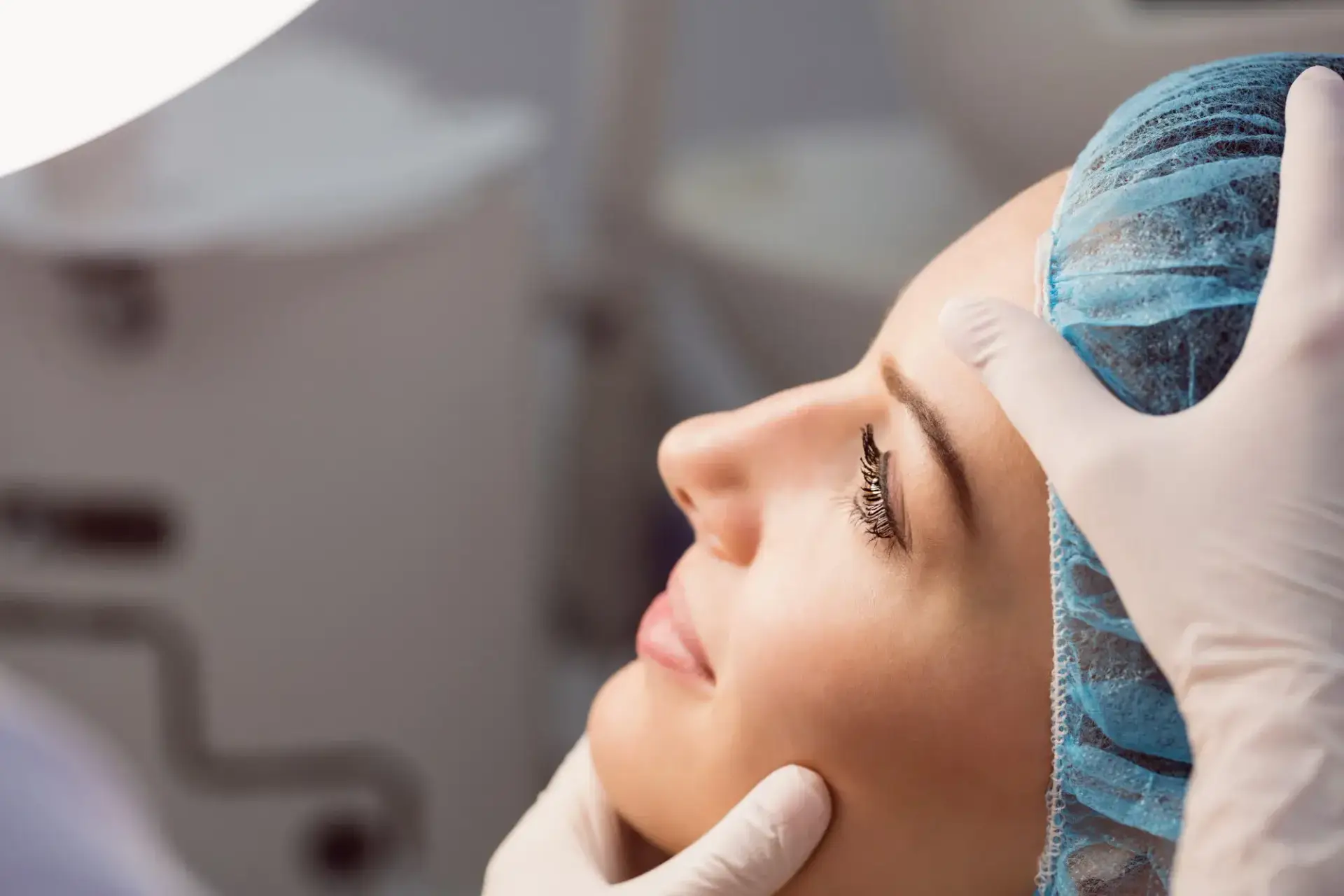


Rhinoplasty in Turkey has become one of the most sought-after medical tourism procedures globally, with over 25,000 international patients traveling to Istanbul, Ankara, and Izmir annually for nose reshaping surgery. Turkish plastic surgery clinics combine JCI-accredited hospital infrastructure, surgeons trained at European and US programs, and all-inclusive packages that cover surgery, accommodation, airport transfers, and post-op care — all at 60–75% below UK, German, and US pricing. The average rhinoplasty cost in Turkey ranges from $2,500–$5,000 as an all-inclusive package, compared to the US average surgeon fee alone of $5,483 according to the American Society of Plastic Surgeons (ASPS) 2024 Statistics Report.
Turkey ranks among the top five global destinations for rhinoplasty by patient volume, according to the International Society of Aesthetic Plastic Surgery (ISAPS) 2023 Global Survey, which documented over 1.1 million aesthetic procedures performed in Turkey that year. Istanbul’s plastic surgery district along Nişantaşı and Şişli houses dozens of internationally accredited clinics offering both open and closed rhinoplasty, ultrasonic (piezo) rhinoplasty, and revision procedures. Turkish surgeons are particularly recognized for their experience with ethnic rhinoplasty for Middle Eastern, North African, and South Asian nasal anatomy — patient profiles that represent a large portion of Turkey’s international rhinoplasty caseload.
Accreditation matters when selecting a rhinoplasty provider in Turkey. The Joint Commission International (JCI) has accredited several major Turkish hospital groups including Acıbadem, Memorial, Medicana, and Medical Park. According to Bookimed’s 2026 market data, rhinoplasty is the most-requested aesthetic procedure among international patients booking Turkish clinics, with a patient satisfaction rate above 91% at verified JCI-affiliated centers. Patients from the UK, Germany, Gulf countries, and Australia make up the majority of inbound rhinoplasty tourists.
Why Choose Turkey for Rhinoplasty?
- Surgeon volume and specialization: Leading Turkish rhinoplasty surgeons perform 300–500+ nose procedures per year — significantly higher annual volumes than most Western counterparts, translating to refined technical precision and predictable results
- Ultrasonic (piezo) rhinoplasty availability: Turkey is one of the few countries where piezoelectric bone surgery is widely available as a standard offering rather than a premium add-on — the technique reduces bruising and recovery time versus traditional osteotome methods
- All-inclusive package pricing: Most Turkish rhinoplasty packages include surgeon fee, anesthesia, hospital stay (1–2 nights), hotel accommodation (5–7 nights), airport transfers, medical aftercare, and splint removal — making total-cost comparison straightforward
- JCI-accredited hospital infrastructure: Turkey has more JCI-accredited hospitals than any other medical tourism destination in Europe and the Middle East, ensuring international patient safety and care standards
- Ethnic rhinoplasty expertise: Turkish surgeons have extensive experience with Middle Eastern, Mediterranean, and South Asian nasal profiles — the anatomy most commonly requesting ethnic rhinoplasty — producing natural results aligned with the patient’s ethnic background
- Travel convenience: Istanbul is a 3–4 hour flight from most European cities and 4–5 hours from the Gulf, with direct connections from 50+ countries — minimizing travel burden around surgery recovery
Rhinoplasty Cost in Turkey vs. Other Countries
| Country | Average All-Inclusive Cost (USD) | Notes |
|---|---|---|
| Turkey | $2,500 – $5,000 | All-inclusive packages; JCI-accredited centers |
| United States | $8,000 – $15,000 | ASPS 2024: surgeon fee $5,483 + facility + anesthesia |
| United Kingdom | $7,000 – $12,000 | Private clinic pricing; London premium |
| Germany | $6,000 – $10,000 | EU-regulated; premium pricing |
| South Korea | $4,000 – $8,000 | High expertise in Asian rhinoplasty |
| Colombia | $2,500 – $5,000 | Competitive pricing; growing destination |
Cost data for the United States reflects ASPS 2024 surgeon fee benchmarks; total US costs including facility and anesthesia are typically 60–80% higher than the surgeon fee alone. Turkey’s all-inclusive package pricing covers most ancillary costs, making the effective savings versus the US or UK even greater than headline figures suggest.
What Does the Price Include in Turkey?
- Surgeon fee and anesthesiologist fee
- Hospital or clinic facility fee (operating room, recovery room, inpatient stay 1–2 nights)
- Pre-operative tests (blood work, ECG, chest X-ray)
- Post-operative medications (antibiotics, pain relief, nasal spray)
- Splint/cast and follow-up removal appointment
- Hotel accommodation (typically 5–7 nights, 3–4 star)
- Airport–hotel–clinic transfers
- Patient coordinator / translator support
Always verify inclusions with your chosen clinic before booking. Some budget packages exclude hotel or medications; premium packages at JCI hospitals may include a 3-night hospital stay, personal nurse, and video follow-up consultations at 1 week, 1 month, and 3 months post-op.
Rhinoplasty Techniques Available in Turkey
- Open rhinoplasty: A small incision across the columella (skin between nostrils) allows full exposure of the nasal framework; preferred for complex corrections, significant tip work, revision cases, or deviated septum repair alongside aesthetic reshaping; most common technique at Turkish clinics for international patients
- Closed (endonasal) rhinoplasty: All incisions inside the nostrils; no visible external scar; shorter swelling/recovery; suitable for more limited corrections (bridge reduction, minor tip refinement); offered at specialist Turkish rhinoplasty centers
- Ultrasonic / piezo rhinoplasty: Piezoelectric device cuts and shapes bone with precision while protecting soft tissue; significantly reduces bruising and swelling versus traditional osteotomes; widely available in Turkey and often included in standard package pricing
- Ethnic rhinoplasty: Technique customized to preserve ethnic characteristics while addressing specific concerns (dorsal hump reduction, tip refinement, alar base narrowing); Turkish surgeons have among the highest volumes of ethnic rhinoplasty in Europe due to their patient demographics
- Revision rhinoplasty: Correction of unsatisfactory results from a previous rhinoplasty; more complex than primary surgery; Turkey attracts a significant number of revision patients from Europe and the Gulf seeking experienced revision specialists
Rhinoplasty Recovery Timeline in Turkey
- Day 1–2 (in clinic): Surgery under general anesthesia (2–4 hours); overnight or 2-night hospital stay; nasal splint and internal packing placed; patient monitored for bleeding, airway, and anesthesia recovery
- Day 3–7 (hotel recovery): Swelling and bruising peak around day 3; most patients remain in Turkey 7 days total; splint removed on day 7 at the clinic; significant improvement in appearance by end of week 1
- Week 2–4 (return home): Most patients return to desk work after 10–14 days; residual swelling visible mainly to the patient; avoid strenuous exercise, contact sports, and sun exposure for 4 weeks
- Month 1–3: Tip swelling gradually resolves; final shape begins to emerge; tip refinement continues for up to 12 months in primary rhinoplasty, longer in revision cases
- Month 6–12: Final result visible; 80–90% of final shape is apparent at 6 months; full tip definition in thin-skinned patients by 6 months, thick-skinned patients by 12–18 months
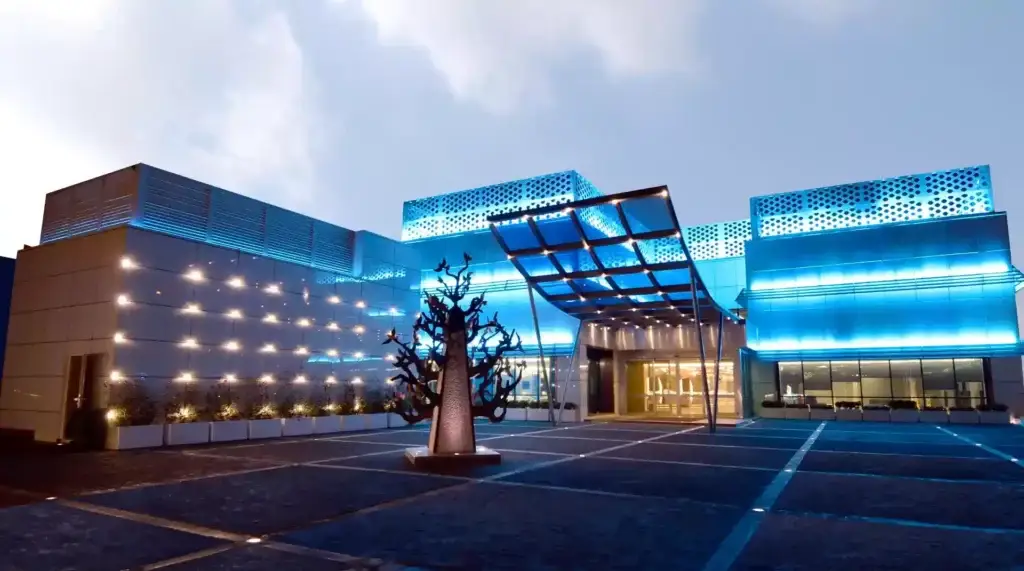
Liv Hospital Istanbul is one of Turkey’s leading private hospitals, internationally recognized for its…

Memorial Hospital is Turkey’s most internationally recognized healthcare network, known for pioneering medical breakthroughs,…
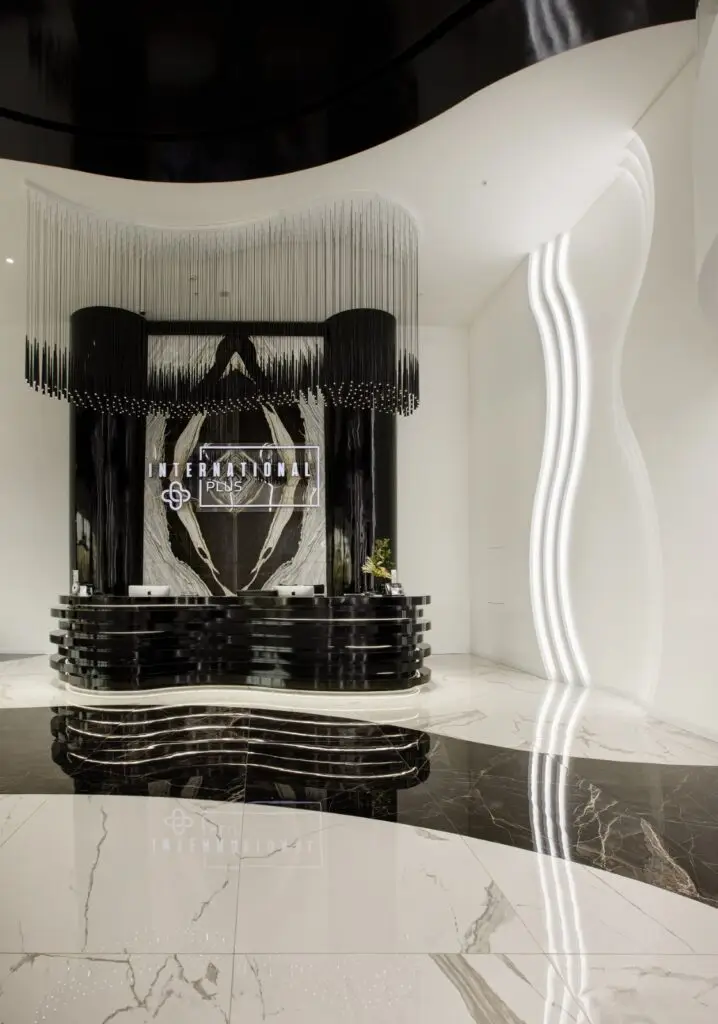
International Plus focuses on delivering high-quality plastic surgery, dental treatments, bariatric surgery, and hair…

Dr. Gürkan Kayabaşoğlu is a facial plastic surgeon based in Istanbul, Turkey, specializing exclusively…
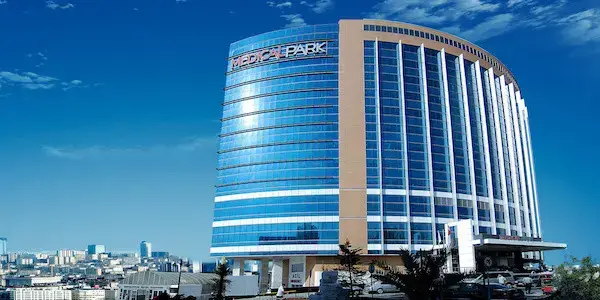
Medical Park Hospital is the flagship brand of MLP Care, Turkey’s largest private hospital…
Esvita Clinic offers international patients access to hair transplant, plastic surgery, and dental treatments…
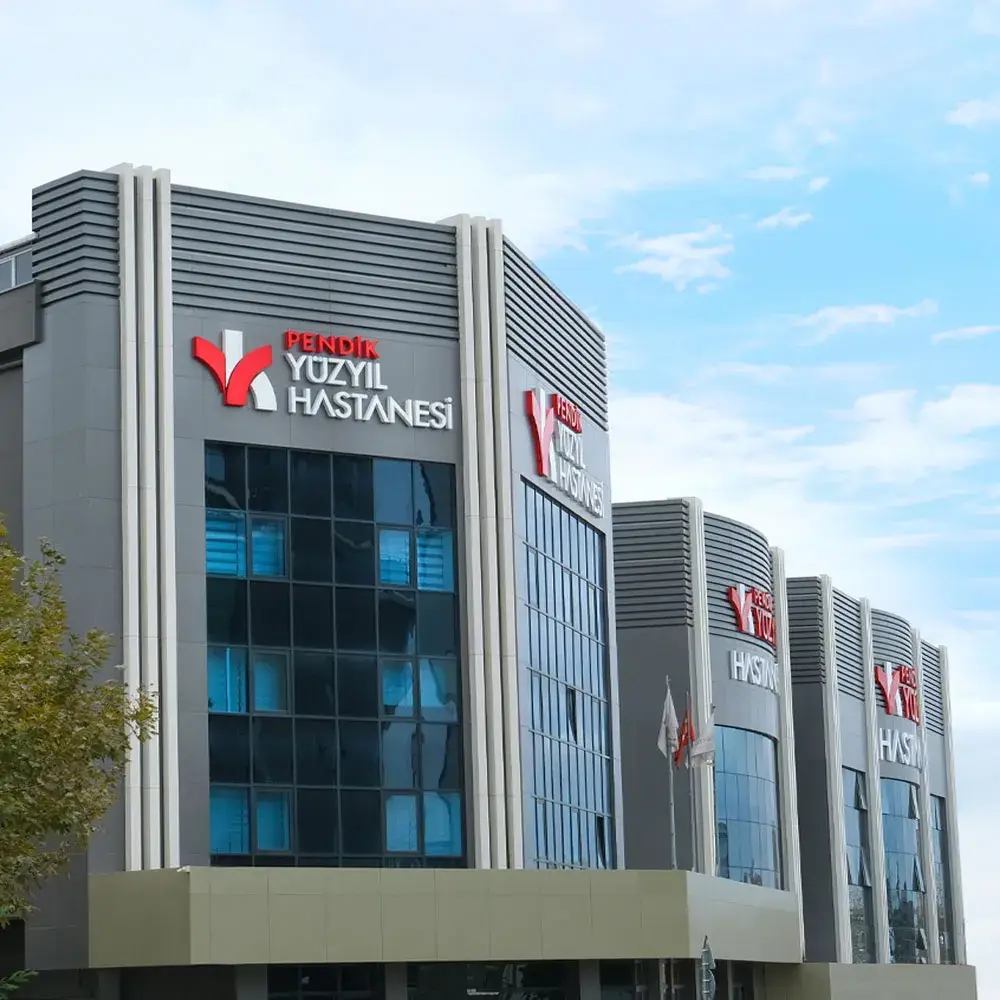
Pendik Yüzyıl Hospital is a full-service private hospital located in Pendik, Istanbul, serving both…
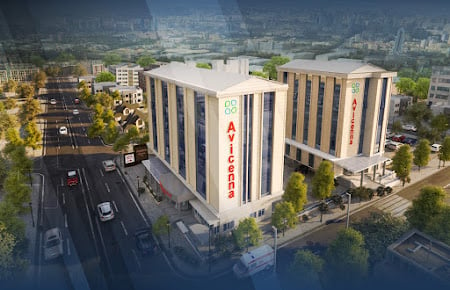
With multiple modern facilities across the city, Avicenna Hospital combines advanced medical technology, multidisciplinary…
How to Choose a Rhinoplasty Clinic in Turkey
- Verify JCI or ISO accreditation: JCI-accredited hospitals (Acıbadem, Memorial, Medicana, Medical Park) maintain international patient safety standards; ISO certification is a secondary quality indicator for non-hospital clinics
- Check the surgeon’s before/after portfolio: Request rhinoplasty-specific before/after photos matching your ethnic background and your primary concern (bridge, tip, alar, profile); volume and consistency of results matter more than individual impressive cases
- Confirm board certification: Turkish plastic surgeons should hold certification from the Turkish Plastic, Reconstructive and Aesthetic Surgery Association (TPCD) or an equivalent European board (EBOPRAS)
- Clarify what’s included in writing: Request an itemized package breakdown before paying; confirm hotel star rating, number of nights, transfer inclusions, and follow-up policy before confirming booking
- Read verified patient reviews: Check Google Maps, RealSelf, and verified medical tourism platforms for recent reviews; prioritize reviews from patients with your same procedure and nationality
Frequently Asked Questions
How long do I need to stay in Turkey for rhinoplasty?
Most rhinoplasty patients stay 7 days in Turkey. Surgery is on day 1 or 2; the splint is removed on day 7, and your surgeon clears you to fly home after this appointment. Staying the full 7 days ensures your surgeon can monitor early healing, manage any swelling, and confirm there are no complications before you travel. Some patients with more complex cases (revision rhinoplasty, combined septoplasty) are advised to stay 10 days.
Is rhinoplasty in Turkey safe?
Rhinoplasty in Turkey is safe when performed at JCI-accredited hospitals or verified clinics with board-certified surgeons. Turkey has more JCI-accredited hospitals than any other medical tourism destination in Europe and the Middle East, and its rhinoplasty complication rates at accredited centers are comparable to Western European benchmarks. Risk increases significantly at unlicensed or non-accredited facilities — always verify accreditation and surgeon credentials independently before booking.
Will my rhinoplasty results look natural?
Modern rhinoplasty at experienced Turkish centers prioritizes natural, harmonious results suited to the patient’s facial features and ethnic background. The shift away from the “operated look” (over-rotated tip, pinched nostrils, ski-slope bridge) has been universal in high-quality rhinoplasty practice for over a decade. Reviewing your chosen surgeon’s before/after portfolio — particularly cases with your same anatomy and concerns — is the most reliable predictor of your result.
Can I combine rhinoplasty with other procedures in Turkey?
Yes — rhinoplasty is frequently combined with chin augmentation (genioplasty), septoplasty (functional breathing correction), or blepharoplasty in Turkey. Combining procedures reduces total anesthesia time compared to staging them separately, and Turkey’s all-inclusive package model is well-suited to combination surgery. Your surgeon will assess whether combination is medically appropriate based on expected operating time and your overall health status.
Sources
- American Society of Plastic Surgeons (ASPS). Plastic Surgery Statistics Report 2024.
- International Society of Aesthetic Plastic Surgery (ISAPS). Global Statistics 2023.
- Bookimed. Rhinoplasty in Turkey: Prices and Clinics 2026.
Featured Plastic Surgery Procedures in Turkey
Procedures discussed in this article, available across Turkey.
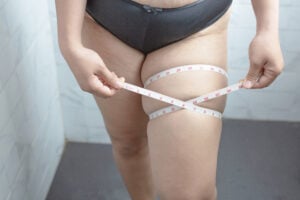
Leg Lift in Istanbul, Turkey by Memorial Hospital
Targeted Leg Sculpting for Smoother Contours, Balanced Proportions & Confident Mobility. Leg lift and leg…
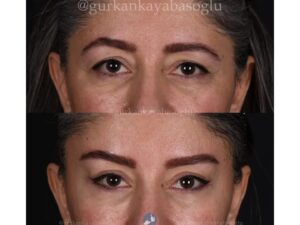
Eyelid Surgery (Blepharoplasty) in Istanbul, Turkey by Dr. Gurkan Kayabasoglu
Advanced Eyelid Rejuvenation for Brighter Eyes, Refreshed Expression, and Natural Facial Harmony. Blepharoplasty,…

Brazilian Butt Lift in Istanbul, Turkey by International Plus
Enhance Your Curves Naturally with Sculpted Volume and Balanced Proportions. Brazilian Butt Lift (BBL) is a body…

Breast Augmentation in Istanbul, Turkey by Esvita Clinic
Advanced Breast Enhancement for Improved Volume, Balanced Proportions & Renewed Body Confidence. Breast…
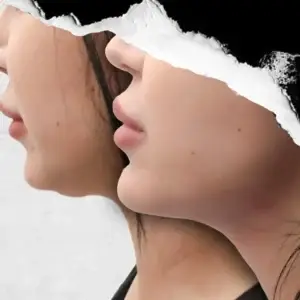
Neck Lift in Istanbul, Turkey by International Plus
Redefine your jawline and neck contour with precise, minimally invasive fat removal. Neck lift in Turkey is a…

Breast Lift Surgery in Istanbul, Turkey by Avicenna Hospital
Advanced Breast Reshaping for Improved Breast Position, Enhanced Contour & Restored Confidence. Breast Lift…
Recommended Plastic Surgery Clinics in Turkey
Trusted clinics specializing in Plastic Surgery across Turkey.
Esvita Clinic
Esvita Clinic offers international patients access to hair transplant, plastic surgery, and dental treatments…

Memorial Hospital
Memorial Hospital is Turkey’s most internationally recognized healthcare network, known for pioneering medical…

International Plus
International Plus focuses on delivering high-quality plastic surgery, dental treatments, bariatric surgery, and…

Avicenna Hospital
With multiple modern facilities across the city, Avicenna Hospital combines advanced medical technology,…

Medical Park Hospital
Medical Park Hospital is the flagship brand of MLP Care, Turkey’s largest private hospital group. With more than…

Dr. Gurkan Kayabasoglu
Dr. Gürkan Kayabaşoğlu is a facial plastic surgeon based in Istanbul, Turkey, specializing exclusively in…
Explore Tours in Turkey
Discover the best places to visit in Turkey and explore its rich culture, breathtaking landscapes, iconic attractions, and unforgettable travel experiences.

Turkey: Private Cappadocia Tour: Hot Baloon Ride & Museum
Embark on a private guided journey through Cappadocia, a land of rich history and natural wonder. Your local…

Turkey: Half-Day Istanbul Private Food Tour & Culinary Experience
Taste the Real Istanbul. Experience Istanbul beyond the landmarks — through its rich and vibrant food culture.…
Turkey: Istanbul Guided Tour
Full-Day Private Experience | History, Culture & Comfort Experience Istanbul in One Perfect Day Discover the…

Turkey: Istanbul Guided Walking Tour – Full Day
Private Walking Experience | History, Culture & Iconic Landmarks Walk Through the Heart of Istanbul. Step into…

Turkey: Best of Istanbul Tour with Hagia Sophia Tickets
Step into centuries of history with this expertly guided small group experience through Istanbul’s Old City.…
Turkey: Istanbul Combo: Classic City Tour & Bosphorus Cruise
Experience Istanbul Like a VIP. Step into the heart of one of the world’s most fascinating cities with a private,…
More Plastic Surgery Articles About Turkey
Keep reading about Plastic Surgery care and travel in Turkey.

Breast Reconstruction in Turkey Cost and Clinics
Breast reconstruction surgery in Turkey is performed at specialist plastic surgery centers in Istanbul, Ankara,…

Mommy Makeover in Turkey Cost and Clinics
Mommy makeover surgery in Turkey combines two or more body-contouring procedures — most commonly tummy tuck,…

Facelift Surgery in Turkey Cost and Clinics
Facelift surgery (rhytidectomy) in Turkey is performed at specialist plastic surgery clinics and JCI-accredited…

Breast Implant Revision in Turkey Cost and Clinics
Breast implant revision surgery in Turkey is performed at specialist plastic surgery centers in Istanbul, Ankara,…

Breast Lift Surgery in Turkey Cost and Clinics
Breast lift surgery (mastopexy) in Turkey is performed at leading plastic surgery hospitals across Istanbul,…

Arm Lift in Turkey Cost and Clinics
Arm lift surgery (brachioplasty) in Turkey removes excess skin and fat from the upper arm — a common concern after…
Leave a Comment
Share your thoughts on this article, or ask us a question -- we'd love to hear from you.