


For many people, silicone injections in the buttocks were a decision made years ago — sometimes under pressure, sometimes out of curiosity, and sometimes with very little information about what the long-term effects would look like. Whether the injections were done illegally, in an unlicensed setting, or even in a medical clinic, the reality is the same for thousands of patients: the silicone has shifted, hardened, caused chronic pain, triggered inflammation, or simply no longer looks the way it once did.
Buttock silicone removal is one of the more complex procedures in plastic and reconstructive surgery. It requires a surgeon who understands the nature of liquid silicone migration, the anatomy of the gluteal region, and the challenge of removing filler material that has often bonded with surrounding tissue over time. This is not a routine liposuction procedure. It demands precision, experience, and a facility equipped for advanced reconstructive work.
Thailand has become one of the leading destinations in Asia for this type of corrective surgery. The country’s private hospital network — particularly in Bangkok and Chiang Mai — operates at standards that meet or exceed many Western clinics, while keeping costs significantly lower than what patients would pay in the United States, United Kingdom, or Australia. Surgeons here have treated patients from across the globe, including many who were turned away or quoted extremely high prices back home.
Patients travel to Thailand for buttock silicone removal not just because of the cost, but because of the level of care available. From the initial consultation to post-operative recovery, the experience is structured around international patients who need support, clear communication, and a safe environment to heal in.
Treatment Highlights
- Removes illegal, industrial-grade, or medical silicone that has caused complications or aesthetic concerns
- Addresses issues like silicone migration, chronic pain, hardening, granuloma formation, and infection
- Performed by reconstructive plastic surgeons with experience in gluteal anatomy
- Thailand offers this procedure at 40–70% lower cost than the US or UK
- Suitable for patients who received silicone injections in any setting — licensed or unlicensed
- Recovery period typically ranges from 4 to 8 weeks depending on the extent of removal
- Recommended stay in Thailand: 10 to 21 days for proper monitoring before flying
- Final results improve over several months as swelling reduces and tissue settles
What Is Buttock Silicone Removal and How Does It Work?
Silicone injections in the buttocks became popular in certain communities during the early 2000s and continued through the following decade. In many cases, the silicone used was not medical grade — it was industrial silicone, sometimes mixed with other substances, injected in large volumes by unlicensed practitioners. Even when medical-grade silicone was used, the body’s response over time can lead to chronic inflammation, granulomas (nodules formed by the immune system around foreign material), pain, asymmetry, and in serious cases, systemic illness.
Buttock silicone removal surgery aims to extract as much of the injected material as possible. The challenge is that liquid silicone does not stay in one place — it travels through tissue planes, sometimes spreading into the thighs, hips, or lower back. Over time, it can also become encapsulated in fibrous tissue, making it far harder to isolate and remove than a solid implant.
The procedure is typically performed under general anesthesia. The surgeon makes incisions in strategic locations to access the affected tissue. Where silicone has remained contained, it can often be excised along with the surrounding fibrous tissue. Where it has migrated more widely, removal becomes a more careful, time-intensive process. In most cases, complete removal of every silicone particle is not realistic — the goal is to remove the bulk of the material and address the most problematic areas, reducing symptoms and improving both appearance and health.
Some patients also require fat grafting or tissue reconstruction at the same time to restore shape after silicone has been removed. This is discussed during the surgical planning phase and depends heavily on each patient’s individual anatomy and how much tissue is affected.
Patients considering this surgery need to understand that outcomes vary significantly based on how long the silicone has been in place, how much was injected, what type of silicone was used, and how widely it has migrated. A thorough pre-surgical assessment — including imaging such as MRI — is essential before any surgical plan is confirmed.
How Much Does Buttock Silicone Removal Cost in Thailand?
The cost of buttock silicone removal in Thailand generally ranges from $4,500 to $14,000 USD, depending on the complexity of the case. This is one of the more variable procedures in terms of pricing because no two patients present with the same situation.
Several factors affect the final cost:
Extent of silicone migration — If the silicone has spread beyond the buttocks into surrounding tissue, the surgery becomes longer and more involved, which increases the cost.
Volume of material — Patients who received large-volume injections over multiple sessions require more extensive surgery.
Type of silicone used — Industrial or adulterated silicone that has bonded aggressively with tissue is more difficult to remove and adds to operating time.
Need for additional procedures — If fat grafting, tissue repair, or skin removal is needed alongside the silicone removal, costs increase accordingly.
Surgeon experience — Highly experienced reconstructive surgeons with a strong record in silicone removal cases may charge more than general plastic surgeons.
Facility level — Internationally accredited hospitals in Bangkok tend to charge more than smaller clinics, but they also provide a higher level of care and safety infrastructure.
Cost Comparison: Thailand vs. USA
| Procedure Component | Thailand | United States |
|---|---|---|
| Buttock Silicone Removal (standard) | $4,500 – $8,000 | $15,000 – $30,000 |
| Complex / Migration Cases | $8,000 – $14,000 | $25,000 – $45,000+ |
| Fat Grafting (add-on) | $1,500 – $3,500 | $5,000 – $10,000 |
| Anesthesia & Hospital Fees | Often included | Billed separately |
| Post-op Follow-up Consultations | Typically included | $150 – $400 per visit |
Final pricing is only confirmed after a medical evaluation and review of your case by the surgeon. Cost estimates provided before a consultation are always approximate.
Who Is a Good Candidate for Buttock Silicone Removal?
You may be a good candidate if:
- You received silicone injections in your buttocks — in any setting — and are experiencing pain, inflammation, or discomfort
- You have noticed the silicone has shifted, hardened, or created lumps or asymmetry
- You have been diagnosed with silicone granulomas or a related inflammatory condition
- You have developed infections or recurring skin issues in the area where silicone was injected
- You are in generally good health and are a suitable candidate for surgery under general anesthesia
- You have realistic expectations and understand that partial removal may be the achievable outcome in complex cases
- You have had previous attempts at removal that were incomplete and are seeking further correction
You may not be a suitable candidate if:
- You have active infection in the area that needs to be treated before surgery can proceed
- You have significant underlying health conditions that make general anesthesia high risk
- You are pregnant or breastfeeding
- You have unrealistic expectations about full or complete removal in cases where silicone has migrated extensively
- You are not able to commit to the recommended recovery time before flying home
Every patient requires an individual assessment before a surgical plan is proposed. Medical imaging is often requested in advance to understand the extent and distribution of the silicone.
Your Step-by-Step Journey: From First Inquiry to Full Recovery
Step 1 — Initial Inquiry
You reach out through the medical tourism coordinator with your basic information — when the injections were done, approximately how much silicone was injected, what symptoms you are experiencing, and what your goals are.
Step 2 — Medical File and Photo Submission
You will be asked to submit photographs of the affected area, any relevant medical records, previous imaging (if available), and a description of the type of silicone used (if known). This gives the surgical team a starting point for evaluation.
Step 3 — Surgeon Evaluation
Your case is reviewed by the surgeon. In some cases, they may request an MRI or ultrasound from your home country before your trip to better understand the silicone distribution. The surgeon will provide an initial assessment and outline what is likely achievable.
Step 4 — Treatment Plan and Quote
Once the evaluation is complete, you receive a detailed treatment plan explaining the proposed surgical approach, the estimated duration of surgery, and a cost outline. This is the stage where questions are encouraged and fully answered.
Step 5 — Travel Planning
Your coordinator helps you plan your travel dates around the surgical schedule. Accommodation recommendations near the plastic surgery clinic in Thailand are provided, and logistics such as airport transfers and local transport support are arranged.
Step 6 — Arrival and In-Person Consultation
On arrival in Thailand, you meet the surgical team in person. A thorough pre-operative consultation takes place, including any final imaging, blood work, and anesthesia assessment. This is also when the final surgical plan is confirmed and consent documents are reviewed.
Step 7 — Surgery Day
The procedure is performed at the hospital or surgical center. Depending on complexity, surgery may take between 2 and 6 hours. You will remain in the facility overnight or for several days, depending on the extent of the procedure.
Step 8 — Immediate Recovery
The first few days post-surgery involve rest, wound monitoring, pain management, and compression garment fitting. The nursing team monitors for any early signs of complications and manages your comfort.
Step 9 — Follow-Up Appointments
Before you leave Thailand, you attend follow-up visits with the surgeon to check wound healing, remove any drains or dressings, and receive instructions for the recovery period at home.
Step 10 — Return Home and Remote Support
Once cleared to fly, you return home with full written aftercare instructions. Your coordinator remains available for questions, and remote follow-up with the medical team can be arranged via video consultation if needed.
Why Thailand Is the Right Place for This Procedure
Thailand’s medical tourism infrastructure is one of the most well-developed in the world. Hospitals in Bangkok such as Bumrungrad International, Bangkok Hospital, and Samitivej have long served international patients and maintain international accreditation standards. Surgeons who work within this ecosystem have extensive experience with complex reconstructive cases, including patients who come from overseas with complications from previous procedures.
The cost advantage in Thailand is significant — not because of lower standards, but because of lower operational costs, lower cost of living, and a healthcare system that is built to serve high volumes without the overhead of Western medical bureaucracy. Patients consistently report receiving a level of attentiveness and personal care that they did not experience at home.
For recovery purposes, Thailand also offers a calm, warm environment. Many patients choose to spend part of their recovery in a beach resort area before returning home, which adds to the overall experience while also giving the body adequate time to heal before a long-haul flight.
The country’s infrastructure for international patients — including English-speaking medical staff, international coordinators, and long-established relationships with medical tourism agencies — makes the logistical side of medical travel considerably less stressful than it might be in other countries.
What’s Included in the Package
The plastic surgery package in Thailand included the following:
- Pre-operative consultation with the surgeon
- Pre-surgical medical assessment (blood tests, ECG if required)
- Surgical procedure (buttock silicone removal)
- General anesthesia and anesthesiologist fees
- Operating room and hospital facility fees
- Overnight or multi-night hospital stay as required
- Nursing care during inpatient recovery
- Compression garments (where applicable)
- Post-operative follow-up appointments during your stay
- Coordination support throughout your time in Thailand
What Is Not Included
- International or domestic flights
- Accommodation outside the hospital stay
- Additional imaging (MRI, ultrasound) if requested before or after surgery
- Additional surgical procedures not included in the original plan
- Medications required after discharge (beyond initial prescription)
- Travel companion expenses
- Extended stay costs if recovery takes longer than planned
- Personal expenses and leisure activities
Recovery and Aftercare: What to Expect
Recovery from buttock silicone removal is longer and more involved than recovery from routine cosmetic procedures. This is important to understand before committing to the surgery.
Weeks 1–2: Expect significant swelling, bruising, and discomfort. Most patients have limited mobility and should rest as much as possible. Drains may be in place for the first few days. Compression garments are typically worn continuously during this phase.
Weeks 3–4: Swelling begins to reduce. Some patients start to feel more comfortable moving around, though strenuous activity is still completely off-limits. Sitting for extended periods may still be uncomfortable or restricted depending on the surgical approach.
Weeks 5–8: Most patients see a meaningful reduction in discomfort and swelling. Light walking and daily activity can usually resume, though full physical activity is not yet permitted.
3–6 Months: Residual swelling continues to improve. The final shape of the area becomes clearer during this phase. Tissue softens and settles as healing progresses internally.
Long-Term: Patients who had silicone removed due to pain or inflammation typically report gradual improvement in symptoms over months following surgery. In cases where silicone granulomas were the primary concern, most patients see significant improvement, though some residual scarring is expected.
Activity restrictions during recovery include no heavy lifting, no intense exercise, no extended sitting on hard surfaces (in early recovery), and no flying for a minimum of 10–14 days post-surgery (longer for complex cases). The surgeon will confirm when it is safe for you to travel home.
Risks and Considerations
Buttock silicone removal is a serious surgical procedure, and going into it with a clear understanding of the risks is part of making a well-informed decision.
General surgical risks apply to any procedure under general anesthesia: bleeding, infection, adverse reactions to anesthesia, and blood clots are all possibilities that the medical team takes precautions to minimize.
Specific to silicone removal, there is a risk of incomplete removal — particularly in cases where silicone has migrated extensively or become heavily encapsulated. Surgeons work to remove as much material as safely possible, but they must also protect the surrounding tissue, nerves, and blood supply. Attempting to remove every trace of silicone can sometimes cause more damage than leaving small amounts in place.
Changes in shape and symmetry are expected, and in some cases, additional procedures such as fat grafting may be recommended later to restore volume. Scarring is inevitable, though skilled surgeons work to minimize visible scarring through careful incision placement.
Choosing a qualified, experienced surgeon who has specifically handled silicone removal cases is the most important factor in a successful outcome. This procedure is not something to approach based on cost alone — the skill and judgment of the surgeon matters enormously.
Proper aftercare, including wearing compression garments, attending follow-up appointments, and following all post-operative instructions, is equally critical to achieving the best possible outcome and reducing the risk of complications.
Frequently Asked Questions
What is the cost range of buttock silicone removal in Thailand?
The cost generally falls between $4,500 and $14,000 USD, depending on how complex the case is. Factors like the volume of silicone, how far it has migrated, and whether additional procedures are needed all affect the final price. A firm quote is only possible after the surgeon reviews your case.
How long do I need to stay in Thailand after surgery?
Most patients should plan to stay for a minimum of 10 to 14 days following surgery. More complex cases may require 3 weeks or longer before the surgeon clears you to fly. This allows for adequate monitoring, follow-up appointments, and early recovery in a supported environment.
Is buttock silicone removal safe in Thailand?
When performed at an accredited hospital by a qualified reconstructive surgeon, the procedure carries the same safety profile as it would in any reputable medical setting. Thailand’s leading private hospitals maintain international accreditation and rigorous safety standards.
How long does recovery take?
Initial recovery takes 4 to 6 weeks, during which physical activity is restricted. Full internal healing and final results can take 3 to 6 months. Patients with more complex cases or those who received large-volume injections may have a longer recovery timeline.
When will I see the final results?
You will notice changes fairly quickly as swelling reduces, but the final shape and outcome typically becomes clear at around 3 to 6 months post-surgery. If fat grafting was performed at the same time, results from that component also take several months to fully show.
Can I fly home shortly after surgery?
Most surgeons advise against flying for at least 10 to 14 days after surgery, and longer for complex cases. Flying too soon increases the risk of blood clots and puts stress on healing tissue. Your surgeon will give you a specific clearance timeline based on your recovery progress.
Is complete silicone removal possible?
In many cases, complete removal of all injected silicone is not achievable — especially when silicone has migrated into surrounding tissue or become encapsulated. The goal is to remove the majority of the material and address the areas causing the most concern, while protecting surrounding tissue.
Will the procedure be painful?
Discomfort during the first week is expected and managed with prescribed pain medication. Most patients describe the post-operative pain as manageable rather than severe. By the second week, discomfort typically becomes much more tolerable, though the area remains sensitive.
How long do the results last?
Once silicone is removed, it does not return. The results of the removal are permanent in that sense. Any shape restoration achieved through fat grafting is also long-lasting, though fat grafting results can vary — some of the transferred fat is naturally reabsorbed over the following months.
What follow-up care is available once I return home?
Before you leave Thailand, you receive written aftercare instructions and a summary of your procedure for your home doctor. Remote consultations with the surgical team can be arranged via video call if you have concerns during your recovery at home. Your coordinator also remains a point of contact for questions or support.
Ready to Take the Next Step?
If you have been living with the discomfort, health concerns, or aesthetic effects of silicone injections, and you are ready to explore your options seriously, this is a good place to start.
Every case is different. What works for one patient may not be the right approach for another, which is why the process begins with a proper evaluation — not a generic quote or a one-size-fits-all solution.
Through our medical coordination service, you get access to qualified surgeons in Thailand with real experience in silicone removal cases, a clear and honest assessment of what is achievable for your specific situation, full support through the planning, travel, and recovery process, and a team that stays with you before, during, and after your trip.
You don’t have to figure this out alone. Reach out with your details, and we will connect you with the right specialist, help you understand your options, and make sure you have everything you need to make a confident, informed decision.
Featured Plastic Surgery Procedures in Thailand
Procedures discussed in this article, available across Thailand.

Forehead Silicone Implant in Bangkok, Thailand by Wansiri Hospital
Forehead Silicone Implant (Forehead Augmentation Surgery). Your forehead represents nearly one-third of your…

Brazilian Butt Lift in Bangkok, Thailand by Wansiri Hospital
Advanced Fat Transfer Buttock Enhancement for Rounder Curves, Balanced Proportions & Natural Results.…

Chin Reduction (Mentoplasty) in Bangkok, Thailand by Wansiri Hospital
Refined Chin Contouring for Improved Facial Harmony, Softer Profile & Natural Proportions. Chin Reduction,…
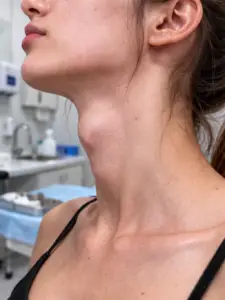
Tracheal Shave (Adam’s Apple Reduction) in Bangkok, Thailand by Wansiri Hospital
Advanced Tracheal Shave Surgery for Smoother Neck Contours, Enhanced Facial Harmony & Gender-Affirming…

Arm Lift in Bangkok, Thailand by Wansiri Hospital
Advanced Arm Contouring to Remove Excess Skin, Improve Arm Definition & Restore Confidence. Arm Lift surgery,…

Chin Augmentation in Bangkok, Thailand by Wansiri Hospital
Enhance facial harmony and achieve a balanced profile with advanced chin augmentation surgery performed by expert…
Recommended Plastic Surgery Clinics in Thailand
Trusted clinics specializing in Plastic Surgery across Thailand.
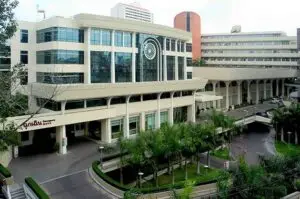
Samitivej Srinakarin Hospital
Samitivej Srinakarin Hospital. Thailand’s Newest Luxury Hospital for Plastic Surgery, Aesthetics & Wellness.…

Wansiri Hospital
Wansiri Hospital. Thailand’s Newest Luxury Hospital for Plastic Surgery, Aesthetics & Wellness. Wansiri…
More Plastic Surgery Articles About Thailand
Keep reading about Plastic Surgery care and travel in Thailand.

Best Countries for Plastic Surgery in the World
Plastic surgery has become a global industry — and millions of people travel abroad every year to enhance their…

Arm Lift in Thailand Cost and Clinics
An arm lift—technically called brachioplasty—removes loose, hanging upper-arm skin and unwanted fat so your…

Plastic Surgery in Thailand Cost and Clinics
Plastic surgery in Thailand has become one of the most sought-after options for international patients looking for…

Triple Fix Eyelid Surgery in Thailand Cost
Loose, hooded, or puffy eyelids tend to creep up on people slowly. A photo catches you mid-blink and suddenly you…

Leave a Comment
Share your thoughts on this article, or ask us a question -- we'd love to hear from you.