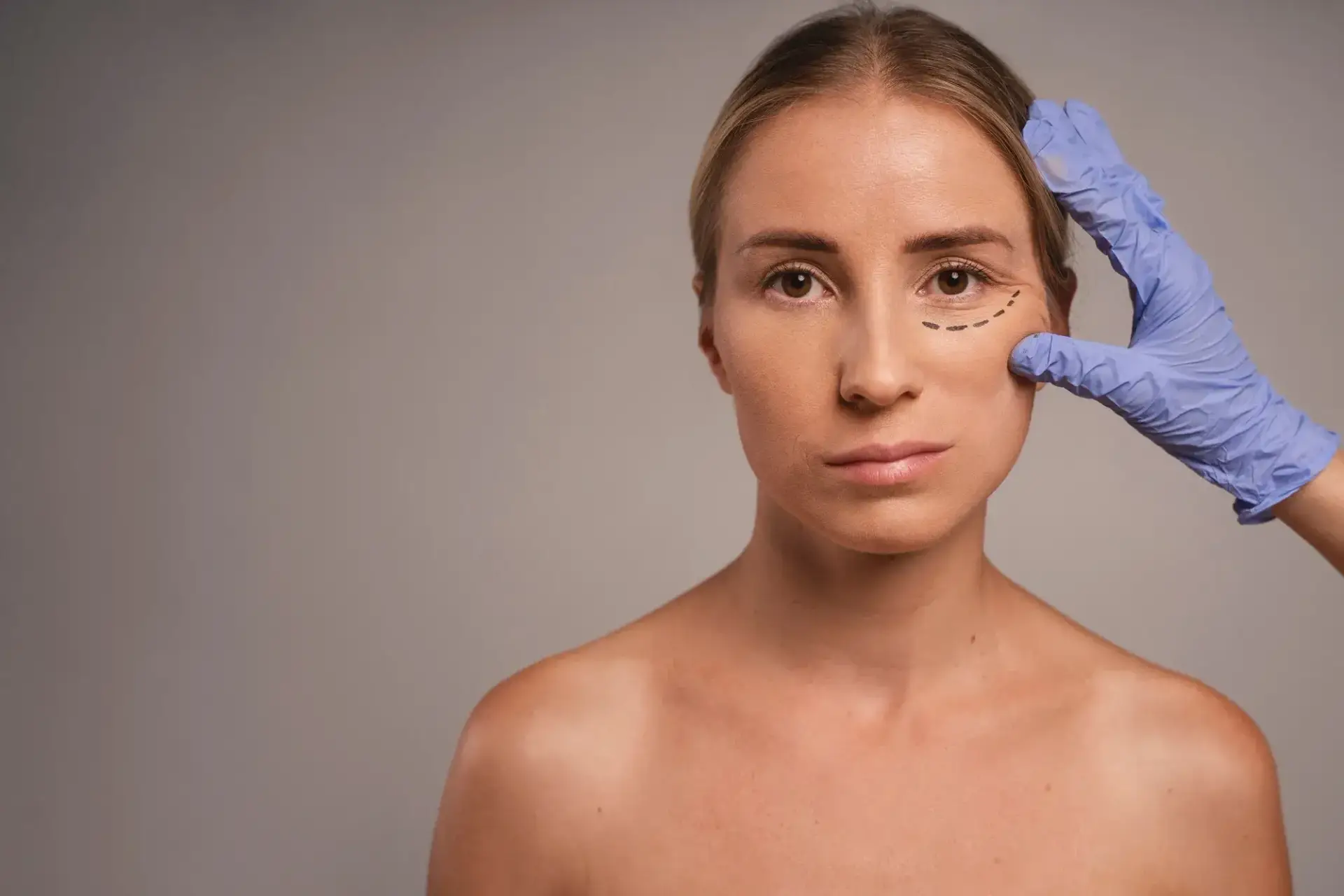
Tired, heavy-looking eyes can age a face faster than almost anything else. For many people, this isn’t about wanting to look different — it’s about looking as rested and alert as they actually feel. Blepharoplasty, or eyelid surgery, addresses sagging upper lids, under-eye puffiness, and excess skin that creates a permanently tired expression, and it remains one of the most requested facial procedures among patients travelling abroad for treatment.
Morocco has built a strong reputation among UK and European patients looking for skilled cosmetic surgery at a fraction of home-country prices. Cities like Casablanca and Marrakech now host private clinics that work specifically with international patients, offering modern surgical facilities, English and French-speaking staff, and recovery packages designed around short stays. The short flight time from the UK (under four hours from most major airports) makes it genuinely practical, not just affordable.
Patients travel for this procedure for a simple reason: the gap between what a clinic in London or Paris charges and what an equally qualified Moroccan surgeon charges can be substantial, often without any meaningful difference in surgical technique or safety standards. Add a few days of recovery in a warm climate, away from work and daily obligations, and the appeal becomes clear.
This page lays out what blepharoplasty in Morocco actually costs, what’s included, who tends to get the best results, and what the full patient journey looks like from first enquiry to final follow-up — so you can make a properly informed decision rather than guessing.
Treatment Highlights
- Blepharoplasty corrects droopy upper eyelids, under-eye bags, and excess or loose skin around the eyes
- Performed on upper lids, lower lids, or both, depending on individual needs
- Ideal for patients in good general health who are bothered by tired or aged eye appearance
- Morocco offers significant savings compared to UK, French, or German clinic pricing
- Procedure is typically done under local anaesthesia with sedation, sometimes general anaesthesia for combined cases
- Recovery period before flying home is usually 7 to 10 days
- Visible bruising and swelling settle within 10 to 14 days; final results develop over several weeks
- Positioned as a mid-cost cosmetic procedure — more accessible than premium European pricing, without cutting corners on surgical standards
What Blepharoplasty Actually Involves
Blepharoplasty is a surgical procedure that removes or repositions excess skin, muscle, and sometimes fat around the eyelids. On the upper lid, this usually means trimming sagging skin that can droop over the lash line and, in some cases, interfere with vision. On the lower lid, the focus is typically on reducing puffiness or under-eye bags caused by fat pockets shifting forward with age.
The surgery itself is relatively quick, generally taking one to two hours depending on whether one or both eyelids are treated. Most surgeons in Morocco perform it using local anaesthesia combined with sedation, which keeps patients comfortable while avoiding the longer recovery associated with general anaesthesia. Incisions are placed along the natural eyelid crease or just below the lash line, which helps scarring fade discreetly over time.
Patients consider having this done abroad mainly because of cost, but also because Moroccan Plastic Surgery Clinics catering to international visitors have streamlined the process specifically for short-stay medical travel — pre-arrival consultations, dedicated coordinators, and recovery-focused aftercare built into the package.
Results are not instant. Swelling and bruising are expected in the first one to two weeks, and the final shape and smoothness of the eyelids continues to settle for two to three months. When performed well, the outcome is a more alert, refreshed appearance — not a dramatically altered one. Reputable surgeons aim for natural-looking results rather than an overly tightened or artificial look.
How Much Does Blepharoplasty Cost in Morocco?
Blepharoplasty in Morocco generally costs between £1,200 and £2,500 for upper or lower eyelid surgery alone, with combined upper and lower procedures ranging from roughly £2,200 to £3,800. These figures typically include the surgical fee, clinic or hospital fees, and the surgeon’s charge, though exact pricing depends on the clinic and the complexity of your case.
Several factors affect final pricing: whether you’re having upper lids, lower lids, or both done; the surgeon’s experience and reputation; whether the procedure is combined with another treatment such as a brow lift; and any additional diagnostic tests your medical history requires. Clinics with more international accreditation and English-speaking support staff sometimes price slightly higher, reflecting the added coordination and service layer.
Morocco offers strong value because operating costs, staff salaries, and clinic overheads are considerably lower than in the UK or Western Europe, while surgical training standards among private cosmetic surgeons remain high, particularly in clinics that regularly treat international patients. This isn’t a case of paying less for less — it’s a different cost structure in a different economy.
Your final quote will always depend on a proper medical evaluation. Photos, a health questionnaire, and sometimes a video consultation are used to assess your case before any fixed price is confirmed.
Cost Comparison: Morocco vs USA
| Procedure | Morocco (approx.) | USA (approx.) |
|---|---|---|
| Upper eyelid surgery | £1,200 – £2,000 | £3,500 – £5,500 |
| Lower eyelid surgery | £1,500 – £2,500 | £4,000 – £6,000 |
| Combined upper & lower | £2,200 – £3,800 | £6,500 – £9,500 |
Who Is a Good Candidate for Blepharoplasty?
Blepharoplasty tends to work best for people who are physically healthy and have realistic expectations about what the surgery can achieve. Good candidates typically include:
- Adults with visibly sagging upper eyelid skin, particularly if it affects how alert or tired the face appears
- Those with persistent under-eye puffiness or bags that don’t respond to skincare or lifestyle changes
- Non-smokers, or those willing to stop smoking for a period before and after surgery
- Patients with no uncontrolled underlying health conditions affecting healing, such as unmanaged diabetes
- People without serious dry eye conditions or significant existing eye disease
- Those able to commit to the recommended recovery period before flying home
This procedure may not be suitable for people with certain uncontrolled medical conditions, active eye infections, very dry eyes, or unrealistic expectations about achieving a completely different facial appearance. Anyone currently on blood-thinning medication will usually need medical clearance and a temporary pause before surgery. A full medical assessment by the treating surgeon, not a general assumption based on age or appearance, ultimately determines candidacy.
Your Patient Journey, Step by Step
1. Initial inquiry and consultation You start with an enquiry outlining your concerns and goals. A patient coordinator typically responds within a day or two with initial guidance and next steps.
2. Medical file or photo submission You’ll be asked to send clear photos of your eyes and complete a medical history questionnaire, covering current health, medications, and any prior eye treatments.
3. Doctor evaluation A qualified surgeon reviews your case remotely, assessing suitability and outlining what’s realistically achievable for your specific eyelid concerns.
4. Treatment plan approval You receive a written treatment plan with a confirmed price, procedure details, and recommended recovery timeline before committing to anything.
5. Travel planning Once you confirm, your coordinator helps arrange flights, accommodation suggestions, and airport transfer logistics around your surgery date.
6. Arrival and in-person consultation You meet your surgeon face-to-face in Morocco, where they reassess your eyelids in person and finalise the surgical approach before proceeding.
7. Procedure day Surgery takes place in an accredited clinic or hospital, usually under local anaesthesia with sedation, typically completed within one to two hours.
8. Recovery phase The first few days involve rest, cold compresses, and monitoring. Most clinics check on you the day after surgery and again before you’re cleared to travel.
9. Follow-up care Stitches, if non-dissolvable, are typically removed around day 5 to 7. Your surgeon reviews healing progress before approving your flight home.
10. Return home and remote support After returning, most clinics maintain contact for follow-up questions or concerns, with photo check-ins as swelling fully resolves over the following weeks.
Why Morocco Is a Strong Choice for This Procedure
Morocco’s private healthcare sector has invested heavily in facilities built specifically for international patients, with many clinics holding recognised accreditations and employing surgeons trained in France, the UK, or other parts of Europe. This matters because it means the surgical techniques used are familiar, current, and held to comparable standards.
The international patient experience in established Moroccan clinics tends to be well organised, with dedicated coordinators handling everything from airport pickup to translation support, reducing the stress that often comes with travelling for surgery. The cost versus quality balance is the core draw — patients get surgery from properly trained professionals without the inflated overheads built into Western European or US pricing.
Travel convenience adds to the appeal. Direct flights from major UK and European cities run frequently, and the time difference is minimal, which makes communication with family back home straightforward during recovery. Many patients also find the climate genuinely helpful for recovery — warm, dry weather and a slower pace make the rest period feel less like downtime and more like a brief, purposeful break.
What’s Included in Your Package
- Initial remote consultation and case review
- Pre-operative medical evaluation and required tests
- The blepharoplasty procedure itself, including anaesthesia and surgical fees
- Hospital or clinic facility fees on the day of surgery
- Basic post-operative follow-up appointments during your stay
- Coordination support throughout your visit, including scheduling and translation where needed
What’s Not Included
- International flights to and from Morocco
- Accommodation, unless specifically stated in your package
- Additional diagnostic tests beyond standard pre-surgical requirements
- Any extra treatments or procedures added after your initial plan is confirmed
- Expenses for a travel companion, if you bring one
- Costs associated with extending your stay beyond the recommended recovery period
Recovery and Aftercare
The first 48 to 72 hours after blepharoplasty involve the most noticeable swelling and bruising, which is completely normal and expected. Cold compresses, head elevation while sleeping, and prescribed eye drops or ointment help manage discomfort during this period. Most patients describe the sensation as tightness or mild soreness rather than significant pain.
By days 5 to 7, much of the visible bruising starts fading, and any non-dissolvable stitches are typically removed. Patients are usually cleared to fly home around the 7 to 10 day mark, once the surgeon confirms healing is progressing as expected. Activity should remain limited during this window — no strenuous exercise, heavy lifting, or activities that raise blood pressure, and sun exposure around the eyes should be minimised with sunglasses.
Over the following two to four weeks, residual swelling continues to settle, and the eyes begin looking noticeably more natural. Light reading, screen use, and daily activities can usually resume within a week, though intense exercise is generally held off for three to four weeks. Full final results, including the smoothing of any fine residual swelling, typically take two to three months to fully reveal themselves.
Long-term, results from blepharoplasty tend to last many years, particularly for upper eyelid surgery, since the skin removed doesn’t regenerate. Lower eyelid results can also be long-lasting, though natural ageing continues elsewhere in the face over time.
Risks and Things to Consider
As with any surgical procedure, blepharoplasty carries general risks including infection, bleeding, scarring, and temporary or, rarely, prolonged changes in sensation around the eyelids. Dry eyes or temporary difficulty fully closing the eyes can occur during early healing but typically resolve as swelling reduces.
Choosing a properly qualified, experienced surgeon significantly reduces these risks, which is why verifying credentials, before-and-after results, and accreditation matters more than chasing the lowest possible price. Proper aftercare — following instructions on eye drops, activity restrictions, and follow-up appointments — plays a major role in how smoothly recovery goes and how the final result settles.
No reputable clinic should promise guaranteed outcomes, since healing varies between individuals based on skin type, age, and overall health. The right approach is an honest, informed decision made after a proper medical evaluation, not a rushed booking based on price alone.
Frequently Asked Questions
What is the cost range of blepharoplasty in Morocco?
Blepharoplasty in Morocco typically costs between £1,200 and £2,500 for single eyelid surgery, and £2,200 to £3,800 for combined upper and lower procedures. Final pricing depends on your specific case, the surgeon, and any additional requirements identified during medical evaluation.
How long do I need to stay in Morocco for eyelid surgery?
Most patients plan for a stay of 7 to 10 days, allowing time for surgery, initial recovery, and a follow-up check before flying home. Your surgeon will confirm the exact timeline based on how your healing progresses.
Is blepharoplasty in Morocco safe?
When performed by a qualified, experienced surgeon in an accredited clinic, blepharoplasty in Morocco carries the same general safety profile as the procedure performed anywhere else. Choosing a reputable clinic with proper credentials and a thorough pre-surgical evaluation is the key factor in safety.
How long is the recovery time after blepharoplasty?
Initial bruising and swelling typically improve within 10 to 14 days, with most patients returning to normal daily activities within one to two weeks. Full final results take around two to three months to completely settle.
When will I see the final results?
Noticeable improvement is visible within the first few weeks as swelling reduces, but the fully refined result generally takes two to three months to develop. Patience during this period leads to a more accurate picture of the final outcome.
Are there travel concerns I should know about?
You’ll need clearance from your surgeon before flying, which usually happens around day 7 to 10 post-surgery. It’s worth booking flexible flights where possible, in case your surgeon recommends an extra day or two of recovery before travel.
Am I a suitable candidate for this procedure?
Good candidates are generally healthy adults with sagging eyelid skin or under-eye puffiness and no uncontrolled medical conditions affecting healing. A full evaluation based on your photos and medical history is required to confirm suitability for your specific case.
Is blepharoplasty painful?
Most patients describe more tightness and mild discomfort than sharp pain, particularly in the first few days after surgery. Prescribed pain relief and cold compresses typically manage this well during early recovery.
How long do the results of blepharoplasty last?
Upper eyelid results are generally long-lasting since the removed skin doesn’t return, often lasting many years. Lower eyelid results also tend to last well, though natural facial ageing continues elsewhere over time.
What follow-up care is provided after I return home?
Reputable clinics maintain contact after you return home, often through photo check-ins and messaging to track your healing progress. Any concerns during recovery can typically be raised directly with your clinic’s coordination team or surgeon.
Ready to Take the Next Step?
Deciding to move forward with eyelid surgery is a personal decision, and the right starting point is always a proper consultation rather than a quick booking. Every patient’s eyelids, skin, and goals are different, and a thoughtful treatment plan built around your specific case gives you a far better sense of what to actually expect.
Our role is to guide you through that process with clarity — connecting you with qualified surgeons, helping you understand realistic costs and timelines, and supporting you through every stage of your trip to Morocco. From your first enquiry to your final follow-up after returning home, you’ll have a dedicated point of contact handling the details so you can focus on your recovery and results.
If you’re considering blepharoplasty and want a clear, honest picture of what it would involve for you specifically, reach out for a consultation. There’s no pressure, no rushed decisions — just the information you need to decide what’s right for you.
Featured Ophthalmology, and Plastic Surgery Procedures in Morocco
Procedures discussed in this article, available across Morocco.

Facial Lipofilling in Marrakech, Morocco by Mclinic Marrakesh
Advanced Facial Fat Transfer for Natural Facial Rejuvenation, Volume Restoration & Harmonious Facial Contours.…
Eyebrow Reshaping in Marrakech, Morocco by Mclinic Marrakesh
Advanced Eyebrow Reshaping for Enhanced Facial Balance, Defined Brow Contours & Natural Expression. Eyebrow…
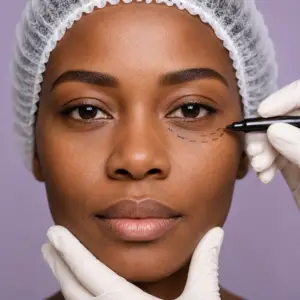
Blepharoplasty in Marrakech, Morocco by Mclinic Marrakesh
Advanced Eyelid Rejuvenation for Brighter Eyes, Refreshed Appearance & Natural Facial Harmony. Blepharoplasty,…
Rhinoplasty in Marrakech, Morocco by Mclinic Marrakesh
Refined Nose Reshaping for Facial Harmony, Confidence & Natural-Looking Results. Rhinoplasty, commonly known…

Liposuction for Arms, Thighs, Belly & Chin in Marrakech, Morocco by Mclinic Marrakesh
Advanced Body Contouring & Precision Fat Reduction for Sculpted Body Proportions and Enhanced Confidence.…
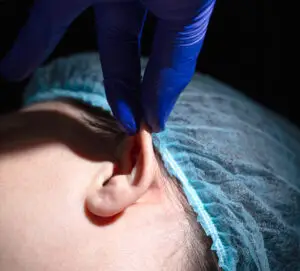
Otoplasty in Marrakech, Morocco by Mclinic Marrakesh
Advanced Ear Reshaping Surgery for Improved Facial Harmony, Balanced Proportions & Natural-Looking Results.…
Recommended Ophthalmology, and Plastic Surgery Clinics in Morocco
Trusted clinics specializing in Ophthalmology, and Plastic Surgery across Morocco.

MClinic Marrakesh
MClinic Marrakech. Luxury Cosmetic Surgery, Aesthetic Medicine & Hair Transplants in Morocco. Luxury aesthetic…
More Ophthalmology, and Plastic Surgery Articles About Morocco
Keep reading about Ophthalmology, and Plastic Surgery care and travel in Morocco.

Genioplasty in Morocco Cost and Clinics
Your chin plays a bigger role in your appearance than most people realize. It anchors your entire facial profile —…

Leave a Comment
Share your thoughts on this article, or ask us a question -- we'd love to hear from you.