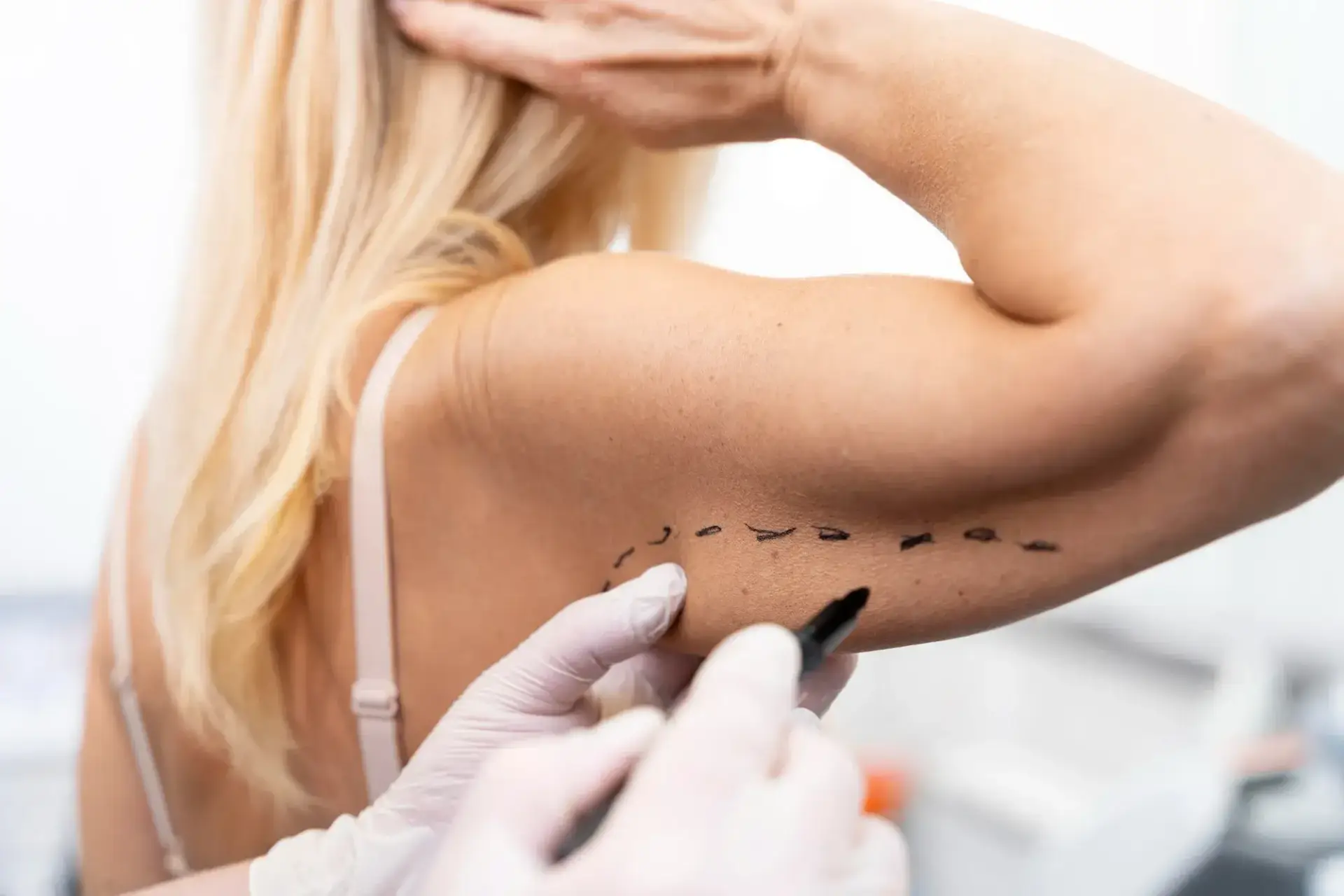


Arm lift surgery (brachioplasty) in Mexico is performed at specialist plastic surgery centers in Tijuana, Guadalajara, Monterrey, and Mexico City by board-certified plastic surgeons with extensive body contouring experience — at 60–70% below US costs and 55–65% below UK private costs — making Mexico one of the most popular medical tourism destinations for patients seeking arm lift surgery to address the loose, sagging upper arm skin that cannot be corrected through exercise or weight loss alone. Arm lift surgery removes excess skin and fat from the inner upper arm between the axilla (underarm) and the elbow, tightening the underlying tissue and skin to produce a smoother, firmer upper arm contour. All-inclusive arm lift packages in Mexico cost $2,500–$5,000, compared to an ASPS 2024 average US surgeon fee of $4,861 (total cost with facility and anesthesia $8,000–$14,000) and UK private costs of £5,000–£9,000 (per ASPS 2024 statistics).
Mexico’s proximity to the United States has made it the preferred international plastic surgery destination for US patients — with major Mexican plastic surgery cities (especially Tijuana, just across the California border) accessible by a 30-minute drive from San Diego. This geographic advantage, combined with the growing availability of board-certified plastic surgeons who trained at Mexican and US institutions, has produced a robust medical tourism infrastructure for arm lift surgery and body contouring procedures across Mexico. The ISAPS 2023 global statistics rank arm lift among the top body contouring procedures globally, driven by both primary aesthetic demand and the growing post-bariatric surgery population requiring skin excision procedures after major weight loss. According to Bookimed’s 2026 market data, arm lift is frequently requested as part of comprehensive post-bariatric body contouring packages in Mexico — often combined with tummy tuck, thigh lift, and breast lift for a full transformation after significant weight loss.
The arm lift scar is an important consideration for every patient — the scar runs along the inner arm from the underarm to near the elbow, and while it fades significantly over 12–24 months, it remains permanently visible. Mexican plastic surgeons discuss scar management and scar placement during the pre-operative consultation, offering options for scar orientation (bicipital groove versus posterior arm) and recommending silicone scar treatment, sun protection, and massage protocols to optimize scar maturation. Patients with mild arm laxity may be candidates for a mini-brachioplasty (scar limited to the axillary fold, hidden in the underarm) — this option is specifically discussed with patients whose excess skin is confined to the upper third of the arm.
Why Choose Mexico for Arm Lift Surgery?
- 60–70% cost savings: All-inclusive arm lift from $2,500–$5,000 in Mexico versus $8,000–$14,000 in the US and £5,000–£9,000 in the UK
- Proximity to the US: Tijuana is a 30-minute drive from San Diego, Monterrey is a short flight from Houston and Dallas — Mexico is the shortest international travel for US patients seeking cost savings
- Post-bariatric body contouring packages: Mexican plastic surgery centers offer comprehensive post-weight loss body contouring packages combining arm lift + tummy tuck + thigh lift ± breast lift — complete transformation at a fraction of US costs
- Board-certified plastic surgeons: Mexico’s Consejo Mexicano de Cirugía Plástica, Estética y Reconstructiva (CMCPER) — the Mexican board equivalent of the American Board of Plastic Surgery — certifies plastic surgeons following rigorous training and examination standards
- All-inclusive packages: Mexican plastic surgery packages include surgeon fee, anesthesia, hospital stay, compression garments, and follow-up — complete cost transparency before travel
- Short recovery travel time: Proximity to the US means patients can be home within hours of hospital discharge, reducing total travel burden compared to destinations requiring long-haul flights
Arm Lift Cost in Mexico vs. Other Countries
| Country | Average All-Inclusive Cost (USD) | Notes |
|---|---|---|
| Mexico | $2,500 – $5,000 | All-inclusive; proximity to US; board-certified surgeons |
| United States | $8,000 – $14,000 | ASPS 2024: $4,861 surgeon fee + facility + anesthesia |
| United Kingdom (private) | $6,400 – $11,500 | Private plastic surgery; BAAPS-registered surgeons |
| Colombia | $3,000 – $5,500 | High body contouring volume; excellent results |
| Turkey | $2,500 – $4,500 | JCI hospitals; competitive pricing; longer travel |
Arm Lift Techniques Available in Mexico
- Standard brachioplasty (full arm lift): Elliptical skin excision from axilla to elbow along the inner arm; addresses moderate to severe upper arm skin laxity from skin aging, weight loss, or genetic factors; scar runs the full inner arm length; most effective for comprehensive arm skin tightening
- Mini-brachioplasty: Limited skin excision with scar confined to the axillary (underarm) area; appropriate for patients with mild skin excess confined to the proximal upper arm; shorter recovery, less visible scar but limited correction — discuss candidacy with your surgeon
- Extended brachioplasty: Extends the arm lift incision onto the lateral chest wall to address excess skin in the lateral chest and bra roll area simultaneously — appropriate for post-bariatric patients with significant lateral torso excess beyond the arm alone
- Arm lift with liposuction: Arm lift combined with tumescent liposuction of the upper arm to address fatty excess alongside skin laxity — common in patients who have both excess fat and loose skin; produces more comprehensive arm contouring than skin excision alone
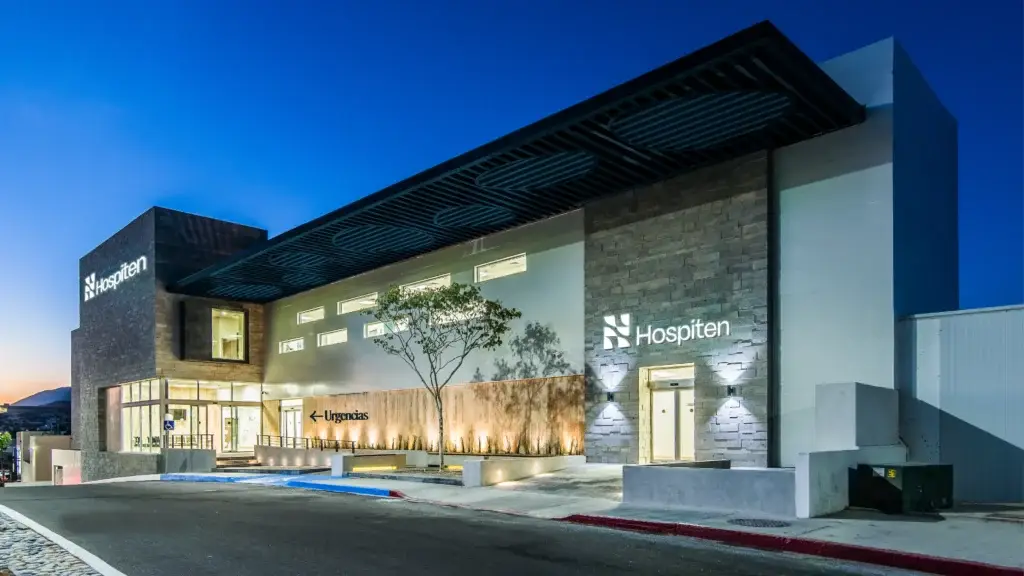
Hospiten is an international private hospital network with more than 50 years of experience…

José Cortés Institute is a multidisciplinary center in Mexico City dedicated to plastic surgery,…
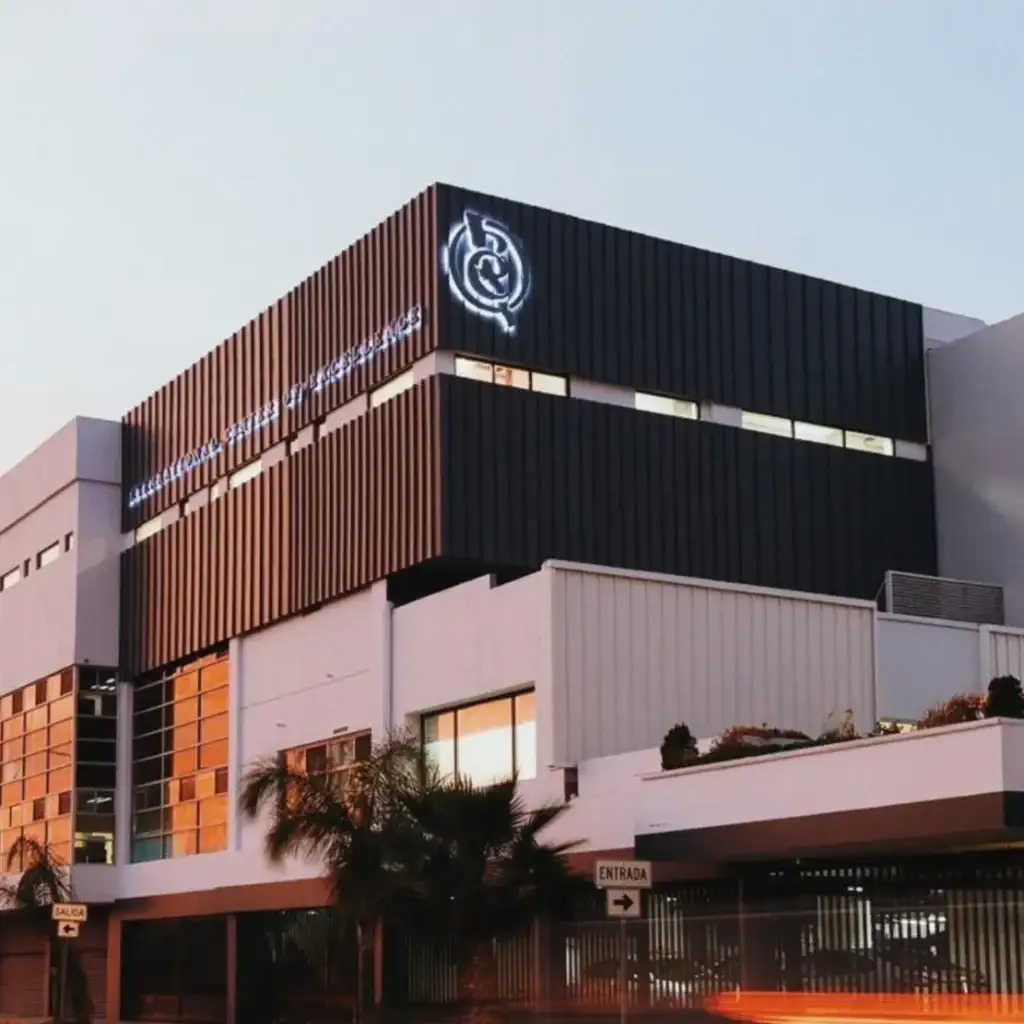
Hospital BCN is a private medical center in Tijuana, Mexico, serving international patients with…
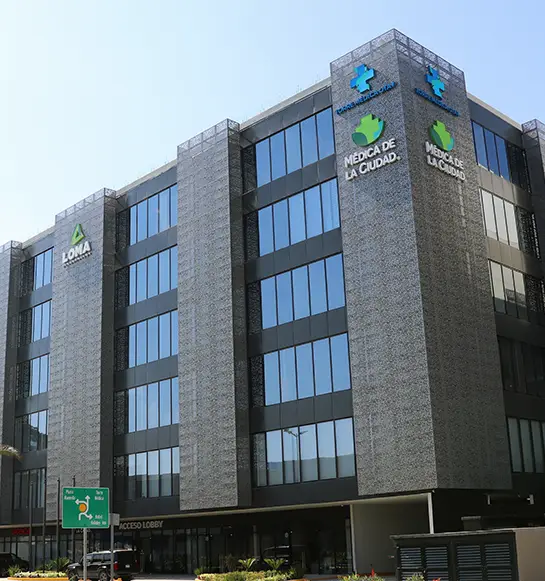
Médica de la Ciudad is a rapidly growing private hospital network in Mexico dedicated…
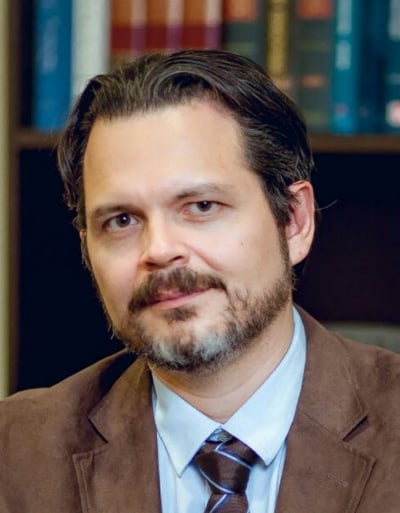
Dr. Hector Duran is a board-certified plastic and reconstructive surgeon in Merida, Mexico, with…
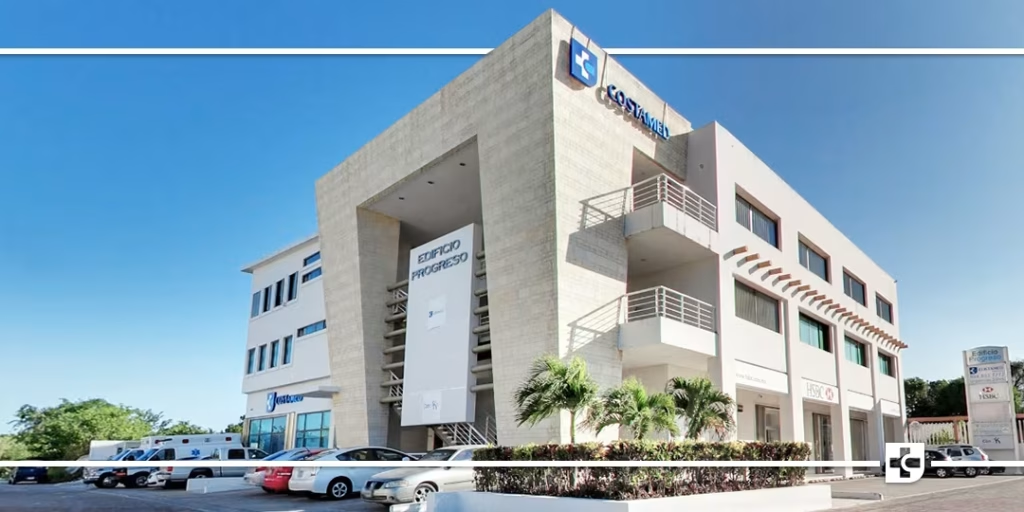
CostaMed Medical Group is a network of private hospitals in Mexico’s Caribbean, with locations…
Frequently Asked Questions
How long is recovery after arm lift surgery in Mexico?
Most patients can travel home 5–7 days after arm lift surgery in Mexico, with the following recovery milestones: Days 1–2: hospital discharge with compression sleeves and drain(s) in place; Days 3–5: drains removed (if present), swelling/bruising peaks then begins to subside; Days 7–10: suture check and surgeon clearance for travel; Weeks 2–4: compression sleeves worn continuously, light activity only, arms elevated when resting; Week 4: most patients return to desk work; Week 6: surgeon clears for exercise and full arm use; Months 3–6: scars continue to mature and fade; Month 12+: final scar appearance. Arms remain swollen for 6–8 weeks and the final contouring result is not fully visible until 3–6 months post-surgery when swelling resolves completely.
Who is an ideal candidate for arm lift surgery in Mexico?
Ideal arm lift (brachioplasty) candidates in Mexico have: significant upper arm skin laxity that does not respond to exercise or weight training — typically from massive weight loss (bariatric surgery patients losing 40kg+), significant age-related skin laxity, or genetic predisposition to loose upper arm skin; stable body weight (within 5–10kg of goal weight for at least 6 months); realistic expectations about scarring — the arm lift scar runs along the inner arm from axilla to elbow and is permanent, though it fades significantly over 12–24 months; non-smokers or those who have stopped smoking for at least 6 weeks pre-operatively. Patients with mild arm laxity and adequate skin elasticity may achieve satisfactory results through liposuction alone — the brachioplasty recommendation depends on pre-operative skin assessment.
What are the different arm lift techniques available at Mexican plastic surgery centers?
Mexican plastic surgeons offer several brachioplasty variants based on the degree of laxity: Standard brachioplasty (full arm lift) — incision from the axilla to the elbow along the inner arm; suitable for significant laxity requiring full-length skin excision; most comprehensive correction. Mini-brachioplasty — shorter incision in the axillary area only; appropriate for patients with laxity limited to the upper third of the arm; less scarring but limited correction. Liposuction-only — for patients with arm fat but good skin elasticity; no excision scar; limited to cases where the skin will retract adequately after fat removal. Extended brachioplasty — incision extends onto the chest wall into the axillary area; for patients with significant axillary and lateral chest laxity extending beyond the arm. The appropriate technique is selected after pre-operative physical examination.
Where exactly is the arm lift scar located after surgery in Mexico?
The standard brachioplasty scar in Mexico runs along the posteromedial (inner/back) surface of the upper arm — the least visible position when the arm is held in a natural resting posture at the side. The scar extends from the axilla (armpit) to near the elbow. When the arms are raised or the underside viewed, the scar is visible. Experienced Mexican plastic surgeons position the incision along the natural shadow line of the inner arm to maximize its concealment during normal wear with standard sleeve-length clothing. The scar is red and raised for 3–6 months post-operatively, then gradually fades to a pale, flat line over 12–24 months. Silicone sheets and sun protection during the maturation period are prescribed to optimize scar outcomes.
Can arm lift be combined with other procedures during a Mexico surgery trip?
Arm lift is commonly combined with other body contouring procedures in Mexico, particularly as part of a post-bariatric or post-significant-weight-loss body lift. Common combinations include: arm lift + thigh lift (addressing both upper extremity and lower extremity laxity); arm lift + tummy tuck (the most common mommy makeover + weight loss extension); arm lift + breast lift (addressing upper body laxity comprehensively). When combined with other procedures, total surgical time must stay within the safe 5–6 hour limit — extensive combinations may require staging across two sessions. Arm lift combined with liposuction of the arms is routinely performed simultaneously, with liposuction first (to remove deep fat) followed by skin excision (to remove excess lax skin).
What are the recovery restrictions after arm lift surgery in Mexico?
Recovery restrictions after brachioplasty in Mexico: Week 1: arms elevated above heart level as much as possible to reduce swelling; no lifting, reaching, or raising arms above shoulder height; pain controlled with prescription analgesics; drains present in most cases, managed at the clinic at day 3–5. Weeks 2–4: drain removal; light activity with arm movement below shoulder level; no driving for 3–4 weeks (grip and steering impaired); desk work resumed at 2–3 weeks. Weeks 4–6: graduated arm movement; avoid lifting over 5kg. After 6 weeks with surgeon clearance: return to exercise; avoid heavy arm training for 3 months. Compression arm garment worn 6 weeks continuously, then daytime-only for another 4 weeks to minimize swelling and support scar maturation.
What is the typical recovery stay in Mexico after arm lift surgery?
Plan 10–14 days in Mexico for arm lift surgery. Surgery takes place on day 2 (after day 1 pre-operative consultation and assessment). Hospital stay is typically 1 night. Days 3–10: recovery at a hotel near the surgical center; limited arm mobility; drain management; wound care. Day 10–12: final surgeon examination, drain removal if still in place, wound check, travel clearance. Flying home with the arms in a comfortable position (avoiding overhead baggage stowing) is feasible at 10–14 days for most arm lift patients. After returning home, the compression garment is worn continuously for a further 4 weeks with local follow-up at 6 weeks post-surgery recommended.
Are board-certified plastic surgeons performing arm lifts in Mexico qualified for this specific procedure?
Board-certified Mexican plastic surgeons (certified by the Consejo Mexicano de Cirugía Plástica, Estética y Reconstructiva — CMCPER) receive comprehensive training in body contouring procedures including brachioplasty as part of their plastic surgery residency. CMCPER certification requires completion of Mexican medical school, a general surgery residency, and a 3-year plastic surgery specialty residency. Arm lift is a technically demanding procedure — particularly the incision placement along the inner arm neurovascular anatomy — and ideally should be performed by surgeons who perform brachioplasty regularly (not occasionally). When evaluating Mexican plastic surgeons for arm lift, ask to see before-and-after photos specifically from arm lift patients and inquire about their annual brachioplasty case volume.
Will I need lymphatic massage after arm lift in Mexico?
Yes — manual lymphatic drainage (MLD) massage after arm lift in Mexico is recommended to reduce arm swelling and prevent fibrosis formation in the healing tissue. The upper arm has rich lymphatic drainage that is disrupted by the surgery; lymphatic massage accelerates reabsorption of post-surgical edema, reduces the risk of prolonged firmness in the inner arm tissue, and improves the final contouring smoothness. Mexican plastic surgery centers typically include lymphatic massage sessions in the all-inclusive package — beginning day 5–7 post-surgery, with sessions every 1–2 days during the in-country recovery stay. Continuing lymphatic massage weekly for 4–6 weeks after returning home is recommended — available from certified MLD therapists globally.
What are the risks specific to arm lift surgery in Mexico?
Arm lift-specific complications at Mexican plastic surgery centers include: wound dehiscence (partial opening of the incision — most common at the axillary end where tension is highest); seroma formation (fluid accumulation under the skin flap — managed with compression and aspiration); temporary or prolonged numbness along the inner arm (from skin flap mobilization affecting cutaneous nerves — usually resolves over weeks to months); hypertrophic or widened scarring (a known risk with arm scars that bears more tension than trunk scars — managed with silicone therapy, compression, and sometimes steroid injection if needed); and infection (rare at accredited Mexican surgical centers with standard antibiotic prophylaxis). General anaesthesia and DVT risks are managed with standard protocols at Mexican hospital-based surgical facilities.
How does arm lift cost in Mexico compare to the United States and United Kingdom?
Arm lift surgery in Mexico typically costs $2,500–$5,000 all-inclusive (surgeon + anaesthesia + hospital + post-operative care), compared to US costs of $6,000–$12,000 (ASPS 2024: $4,257 average surgeon fee plus facility and anaesthesia) and UK private costs of £5,000–£9,000. This represents savings of 55–70% versus US and UK pricing for equivalent CMCPER board-certified surgeon quality. Mexican all-inclusive brachioplasty packages cover surgeon fee, anaesthesia, hospital admission, compression garment, post-operative medications, lymphatic massage sessions, and surgeon follow-up appointments — the total transparent price before travel eliminates the itemized billing surprise common in US and UK private practice.
Sources
- American Society of Plastic Surgeons (ASPS). Plastic Surgery Statistics Report 2024.
- International Society of Aesthetic Plastic Surgery (ISAPS). Global Aesthetic/Cosmetic Procedures Statistics 2023.
- Bookimed. Arm Lift in Mexico: Prices and Clinics 2026.
Featured Plastic Surgery Procedures in Mexico
Procedures discussed in this article, available across Mexico.

Rhinoplasty in Mexico City, Mexico by Jose Cortes Institute
Advanced Nose Reshaping for Facial Harmony, Improved Breathing & Natural-Looking Results. Rhinoplasty,…
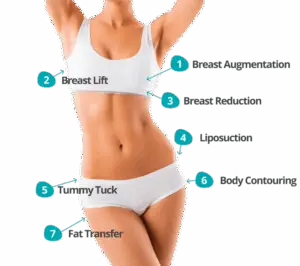
Mommy Makeover in Tijuana, Mexico by Hospital BCN
Restore Your Pre-Pregnancy Figure with Advanced Body Contouring in Tijuana. A Mommy Makeover in Tijuana, Mexico is…
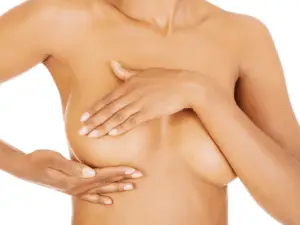
Breast Lift in Tijuana, Mexico by Hospital BCN
Restore Firmness, Elevation, and Natural Breast Shape with Advanced Mastopexy Techniques. Breast Lift surgery in…
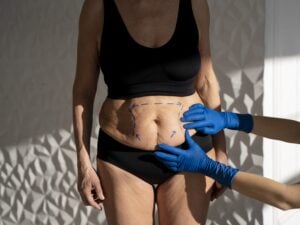
Liposuction in Playa del Carmen, Mexico by CostaMed Medical Group
Advanced Body Contouring for Targeted Fat Removal, Enhanced Shape & Renewed Confidence. Liposuction is a body…
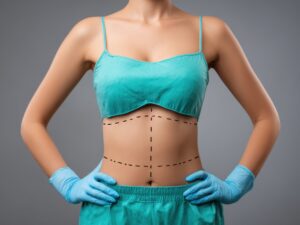
Abdominoplasty (Tummy Tuck) in Playa del Carmen, Mexico by CostaMed Medical Group
Advanced Abdominal Tightening for a Flatter Waistline, Firmer Core & Restored Body Confidence. Abdominoplasty,…
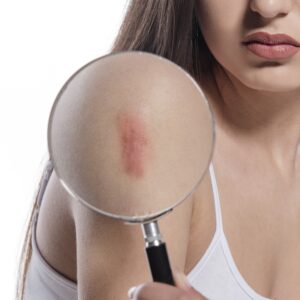
Scar Treatment in Mexico City, Mexico by Jose Cortes Institute
Advanced Scar Revision & Keloid Scar Treatment for Smoother Skin, Improved Appearance & Renewed…
Recommended Plastic Surgery Clinics in Mexico
Trusted clinics specializing in Plastic Surgery across Mexico.

Hospiten
Hospiten is an international private hospital network with more than 50 years of experience in healthcare,…
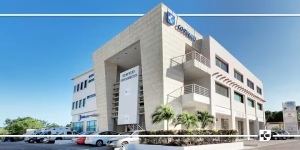
CostaMed Medical Group
CostaMed Medical Group is a network of private hospitals in Mexico’s Caribbean, with locations in Cancun, Playa…

Jose Cortes Institute
José Cortés Institute is a multidisciplinary center in Mexico City dedicated to plastic surgery, dermatology,…
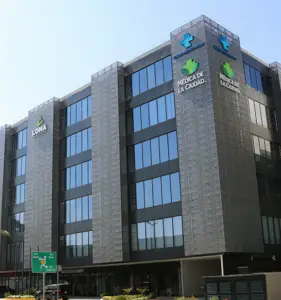
Medica De La Ciudad
Médica de la Ciudad is a rapidly growing private hospital network in Mexico dedicated to providing high-quality,…
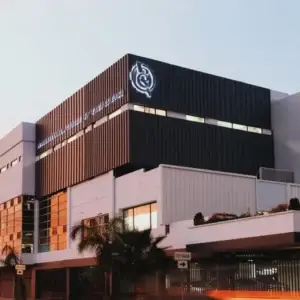
Hospital BCN
Hospital BCN is a private medical center in Tijuana, Mexico, serving international patients with a broad range of…
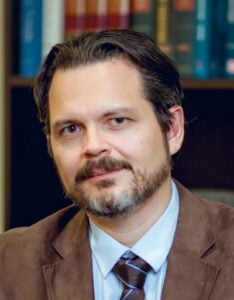
Dr. Hector Duran
Dr. Hector Duran is a board-certified plastic and reconstructive surgeon in Merida, Mexico, with more than 14…
Explore Tours in Mexico
Discover the best places to visit in Mexico and explore its rich culture, breathtaking landscapes, iconic attractions, and unforgettable travel experiences.
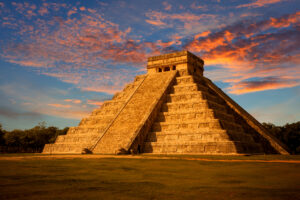
Mexico: Cancun: Cancun and Riviera Maya Private Tour
A private tour in Cancun and the Riviera Maya offers the ultimate way to experience the region’s unparalleled…
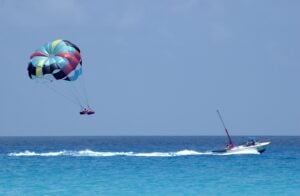
Mexico: Sky Rider Experience
Experience Cancun from a whole new perspective on the Sky Rider, a thrilling yet serene ride that lifts you high…
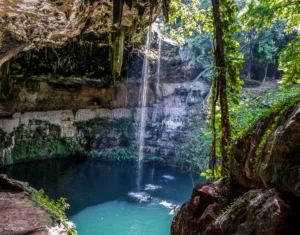
Mexico: Cancun: Chichen Itza, Cenote & Valladolid Tour
Uncover the history and beauty of the Yucatán Peninsula on this immersive tour. Your journey begins at Chichen…

Mexico: Cancun: Snorkeling in Tulum’s Reef
Embark on a truly unique snorkeling adventure in Tulum, offering exclusive access to two breathtaking reef…
More Plastic Surgery Articles About Mexico
Keep reading about Plastic Surgery care and travel in Mexico.

Best Countries for Plastic Surgery in the World
Plastic surgery in the United States carries some of the highest procedure costs in the world — rhinoplasty…

BBL in Dominican Republic Cost and Clinics
Brazilian Butt Lift (BBL) in the Dominican Republic is performed at specialist body contouring and plastic surgery…
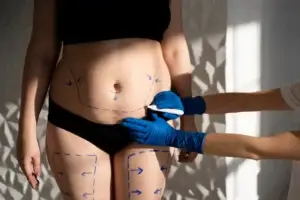
Mommy Makeover in Mexico Cost and Clinics
Mommy makeover surgery in Mexico combines multiple body contouring and breast procedures in a single operating…

Tummy Tuck in Mexico Cost and Clinics
Tummy tuck surgery (abdominoplasty) in Mexico is one of the most commonly sought plastic surgery procedures by US…

Breast Lift in Mexico Cost and Clinics
Breast lift surgery (mastopexy) in Mexico restores youthful breast position and shape at 55–65% below US prices,…

Buttock Augmentation with Implants in Mexico Cost
Buttock augmentation with implants in Mexico is performed at specialist plastic surgery centers in Tijuana,…
Leave a Comment
Share your thoughts on this article, or ask us a question -- we'd love to hear from you.