
The forehead is one of the first areas to show age. Deep horizontal lines, drooping brows, and that constant tired or angry expression — these are not things people just accept anymore. A forehead lift, also called a brow lift, is one of the most effective facial procedures available, and thousands of patients every year are choosing Turkey as their destination for it.
Turkey has built a strong reputation in medical tourism over the past two decades. The country is home to internationally accredited hospitals, plastic surgeons trained in Europe and the United States, and patient care systems built specifically around foreign visitors. The combination of high clinical standards and prices that are significantly lower than the UK, USA, or Germany has made Turkey one of the top destinations for cosmetic surgery worldwide.
People travel for a forehead lift in Turkey for a straightforward reason: they get the same quality of surgery, often with shorter waiting times, in a country that handles international patients every single day. The infrastructure is there — airport transfers, English-speaking coordinators, recovery-friendly hotels, and experienced surgical teams who regularly work with patients from abroad.
The cost of a forehead lift in Turkey is one of the most common questions patients ask. The honest answer is that pricing depends on the technique used, the complexity of the case, and the clinic you choose — but across the board, Turkey offers serious value compared to Western countries, without asking you to compromise on safety or results.
Treatment Highlights
- A forehead lift is a surgical procedure that lifts drooping brows and reduces deep forehead lines and frown lines
- It produces a more rested, alert, and youthful facial appearance
- Suitable for men and women, typically between the ages of 40 and 70, though younger patients with genetic brow heaviness also benefit
- Turkey offers the procedure at significantly lower prices than the USA, UK, or Germany — without cutting corners on medical quality
- Surgery is performed under general or local anaesthesia with sedation, depending on the technique
- Most patients stay in Turkey for 5 to 7 days after the procedure
- Recovery at home is typically 2 to 3 weeks before returning to normal daily activity
- Results are long-lasting — most patients enjoy their outcome for 7 to 12 years or more
What Is a Forehead Lift and How Does It Work?
A forehead lift — medically referred to as a browplasty or brow lift — is a cosmetic surgical procedure designed to lift the position of the eyebrows and smooth out the skin across the upper face. It specifically targets the forehead area, the area between the brows (the glabella), and the outer corners of the eyebrows.
As people age, the skin loses elasticity, muscles weaken, and gravity does what it always does. The brows begin to descend, the forehead develops deep horizontal lines, and the area between the brows can develop vertical frown lines that make a person look permanently tense or tired. In some cases, drooping brows also begin to affect the upper eyelids, making the eyes look smaller or heavier than they are.
A forehead lift corrects all of this. The surgeon repositions the brow tissue, tightens the underlying muscles, removes or repositions excess skin, and creates a smoother, more lifted upper face. The result is not an exaggerated or frozen look — when done well by an experienced surgeon, the outcome looks natural and proportionate to the rest of the face.
There are a few different techniques used:
Endoscopic Brow Lift — The most commonly used technique today. The surgeon makes several small incisions hidden behind the hairline, inserts a tiny camera (endoscope), and lifts the brow tissue from below with minimal scarring. Recovery tends to be faster with this method.
Coronal Brow Lift — An older technique involving a longer incision across the top of the scalp. Still used in some cases, particularly when more significant lifting is needed.
Temporal or Limited Incision Brow Lift — Focuses on the outer third of the brow. Often combined with eyelid surgery for patients who primarily need lift at the outer corners.
Your surgeon in Turkey will assess your facial anatomy and recommend the most appropriate technique during your in-person consultation. No single technique is right for every patient — this is why proper evaluation matters before any decision is made.
How Much Does a Forehead Lift Cost in Turkey?
The cost of a forehead lift in Turkey generally ranges between $2,000 and $5,500 USD, depending on the clinic, the technique used, and what is included in the package.
This is a broad range intentionally, because pricing is never one-size-fits-all. What you pay will depend on several factors:
Technique: An endoscopic brow lift typically costs more than a temporal lift due to the equipment involved. A coronal lift may have different pricing depending on complexity and duration.
Surgeon experience: Surgeons with international training, board certifications, and a strong track record of results typically charge more — and for good reason. Choosing based purely on the lowest price is not a strategy that serves you well.
Clinic type and accreditation: JCI-accredited hospitals and premium private clinics carry higher facility fees than smaller outpatient centres. This affects the overall package price.
What’s included: Some cosmetic surgery packages in Turkey include airport transfers, translation support, hotel coordination, and post-op follow-up. Others are procedure-only. Always clarify what the quoted price covers.
Additional procedures: Many patients combine a forehead lift with upper eyelid surgery (blepharoplasty) or a facelift. Combining procedures can reduce total cost compared to doing them separately.
| Country | Average Forehead Lift Cost (USD) |
|---|---|
| United States | $8,000 – $15,000 |
| United Kingdom | $7,000 – $12,000 |
| Germany | $7,500 – $13,000 |
| Australia | $8,000 – $14,000 |
| Turkey | $2,000 – $5,500 |
These figures are approximate and reflect average market pricing. They do not include travel or accommodation. Final pricing for your specific case will only be confirmed after a medical evaluation.
Turkey’s lower pricing is not a result of lower standards. It comes down to the lower cost of living, lower operational costs for clinics, and a healthcare system that has developed significant capacity for elective procedures due to high patient volume. Surgeons and facilities in Turkey’s major cities handle large numbers of cosmetic cases every year, which translates into genuine experience and efficiency.
Who Is a Good Candidate for a Forehead Lift?
A forehead lift may be right for you if:
- You are between 35 and 70 years old and notice your brows sitting lower than they used to
- You have developed deep horizontal lines across your forehead that bother you aesthetically
- You have vertical frown lines between your eyebrows that make you look angry or stressed even when you are not
- Your heavy brows are beginning to affect your upper eyelids, making your eyes appear smaller or hooded
- You are in good general health with no uncontrolled medical conditions
- You are a non-smoker, or willing to stop smoking well before surgery (smoking significantly affects healing)
- You have realistic expectations — you want improvement, not perfection, and you understand that results take time to fully develop
- You have had a conversation with a qualified surgeon and understand the procedure, recovery, and risks involved
A forehead lift may not be appropriate if:
- You have significant skin laxity across the full face — a full facelift may serve you better
- You have certain scalp or hairline concerns that would be worsened by incision placement
- You are currently taking blood-thinning medications that cannot be safely paused
- You have active skin conditions or infections in the treatment area
- You have unrealistic expectations about what surgery can achieve
Only a qualified surgeon can determine whether you are a suitable candidate. Any responsible clinic in Turkey will require a medical evaluation — either remotely via photos and forms, or in person — before confirming you for surgery.
The Patient Journey — What Happens from Enquiry to Recovery
Step 1 — Initial Enquiry You reach out to a medical tourism coordinator or directly to a clinic in Turkey. You share your concerns, what you are hoping to achieve, and ask about pricing and availability.
Step 2 — Submitting Your Medical File and Photos Before any consultation, you will be asked to provide clear photos of your face (front, side profile, three-quarter view) and a basic medical history form. This allows the surgical team to do an initial review of your case.
Step 3 — Remote Doctor Evaluation A surgeon reviews your photos and medical history. You will receive a preliminary assessment, recommended technique, and an initial cost estimate. This is also your opportunity to ask questions before committing to anything.
Step 4 — Treatment Plan Confirmation Once you are happy with the plan and pricing, you confirm your procedure date. A deposit is typically required to secure your booking. Your coordinator will help you plan your travel dates around the surgery and recovery schedule.
Step 5 — Travel Planning You book your flights to Istanbul, Ankara, Izmir, or whichever city your chosen clinic is based in. Most clinics and coordinators will arrange airport pickup, hotel recommendations, and logistics support for you.
Step 6 — Arrival and In-Person Consultation On arrival, you meet your surgical team in person. This is a full consultation — the surgeon examines you directly, confirms the technique, answers all your questions, and walks you through what to expect. Pre-operative blood tests and health checks are carried out at this stage.
Step 7 — Surgery Day Your forehead lift is performed in a fully equipped hospital or surgical centre. The procedure typically takes 1.5 to 3 hours depending on the technique and complexity. You will be under general anaesthesia or sedation. You will be monitored in recovery before being discharged to your hotel or a recovery room, typically the same day or the following morning.
Step 8 — Early Recovery in Turkey You will spend 5 to 7 days in Turkey for initial post-operative monitoring. Your coordinator and the clinic team will be available to address any questions. Swelling, bruising, and tightness are expected and normal during this phase. A follow-up appointment with the surgeon happens before you fly home.
Step 9 — Return Home Once cleared to travel by your surgeon, you return home. Most patients fly home 6 to 8 days after surgery. You will receive detailed aftercare instructions and a point of contact at the clinic for any questions during your home recovery.
Step 10 — Remote Follow-Up Good clinics in Turkey maintain communication with their international patients after they return home. You can send photos, ask questions, and receive guidance remotely as you continue healing.
Why Turkey for a Forehead Lift?
Turkey as a Medical Tourism Destination — What Makes It Work
Turkey has been a medical tourism destination for more than 20 years. It is not a trend — it is an established industry with real infrastructure built around international patients.
The country’s major cities — Istanbul in particular — are home to hospitals that carry JCI accreditation (Joint Commission International), which is the gold standard for international hospital quality. Surgeons working in these facilities frequently hold memberships in international bodies such as ISAPS (International Society of Aesthetic Plastic Surgery) and have trained or studied in Europe and North America.
The patient experience in Turkey is well-developed. Turkish cosmetic surgery clinics that cater to international visitors employ multilingual staff, provide coordinator support from the moment of enquiry through to post-operative follow-up, and understand the specific needs of patients who are navigating healthcare in a foreign country.
Istanbul is one of the most well-connected cities in the world by air. Direct flights from major European, Middle Eastern, and North American cities make travel straightforward. The city itself offers a wide range of accommodation options at every budget level, and the combination of a cosmopolitan environment and accessible pricing makes it a practical destination for medical travel.
The cost-to-quality ratio in Turkey is genuine. Patients are not choosing Turkey because they cannot afford surgery at home — many could. They are choosing Turkey because the quality is comparable and the price difference is significant enough to matter.
What’s Typically Included in a Forehead Lift Package in Turkey
Package Inclusions
- Initial remote consultation with the surgical team
- Pre-operative medical assessment and blood tests
- Surgeon and anaesthesiologist fees
- Operating theatre and hospital facility fees
- Nursing care during your hospital stay
- Post-operative compression garments or dressings (where applicable)
- In-clinic follow-up appointment before departure
- Medical coordinator support throughout your stay
- Airport transfer to and from the clinic (in most packages)
What Is Not Included
Package Exclusions
- International or domestic flights
- Hotel or accommodation costs (unless specifically stated in your package)
- Additional diagnostic tests beyond the standard pre-op panel
- Medications prescribed for home use after discharge
- Treatment for unrelated medical conditions
- Companion travel and accommodation expenses
- Costs resulting from extended stay due to personal choice or non-medical reasons
- Revision procedures (if required at a later stage)
Always review your package terms carefully before confirming your booking.
Recovery and Aftercare Following a Forehead Lift in Turkey
What to Expect During Your Recovery
The recovery from a forehead lift is manageable but requires patience. Here is a realistic picture of what the process looks like:
Days 1–3: Swelling and bruising are at their most noticeable. The forehead may feel tight, numb, or tender. This is entirely normal. Pain is generally mild and controlled well with standard medication.
Days 4–7: Swelling begins to reduce gradually. Many patients are comfortable enough to move around their hotel or recovery accommodation. A follow-up appointment with the surgeon happens during this window.
Week 2: Most of the visible bruising fades. Residual swelling continues to reduce. Some patients feel well enough to attend light work or social commitments, though this depends on the individual.
Weeks 3–4: The majority of patients return to normal daily activities. Strenuous exercise, heavy lifting, and anything that raises blood pressure or heart rate significantly should still be avoided.
Month 2–3: Results become clearer as the remaining swelling resolves. The brow position settles, and the overall outcome is visible.
Month 6 and beyond: The final result is fully visible. Scars from incisions (hidden within the hairline) continue to fade over the following months.
Activity restrictions during recovery:
- No bending, lifting, or straining for at least 2 to 3 weeks
- Avoid alcohol for at least 2 weeks
- No smoking throughout the recovery period
- Sleep with the head elevated for the first week
- Avoid direct sun exposure to the treated area for several months
- No strenuous exercise for 4 to 6 weeks
Long-term results from a forehead lift typically last 7 to 12 years. Ageing continues naturally after that, but patients generally maintain a more youthful appearance compared to having had no procedure.
Risks and Important Considerations
A forehead lift is a surgical procedure, and like all surgeries, it carries risks. Being informed is part of making the right decision — and any clinic that does not discuss risks with you before surgery is not a clinic worth trusting.
General risks associated with forehead lift surgery include temporary or prolonged swelling, bruising, numbness or altered sensation in the scalp and forehead, visible scarring (though incisions are placed to minimise this), asymmetry, and in rare cases, infection or delayed healing.
More specific considerations include the risk of hair loss or thinning near incision sites, which is usually temporary. In very rare cases, damage to the facial nerve can affect brow movement — this is why surgeon experience matters enormously.
Choosing a qualified, board-certified plastic surgeon with specific experience in brow lift procedures is the most important step you can take to reduce risk. Checking credentials, reviewing before-and-after photos of real patients, and asking direct questions about complication rates are all reasonable things to do.
Aftercare compliance also plays a significant role in outcomes. Patients who follow their surgeon’s post-operative instructions carefully, attend follow-up appointments, and avoid the activities they are told to avoid generally recover more smoothly and with better results.
Medical tourism adds the element of being away from home during recovery. This is why choosing a reputable coordinator and a clinic with strong international patient support makes a meaningful difference.
Frequently Asked Questions — Forehead Lift in Turkey
1. What is the cost range of a forehead lift in Turkey?
The cost of a forehead lift in Turkey generally falls between $2,000 and $5,500 USD. The exact figure depends on the technique used, the clinic, the surgeon’s experience level, and what is included in your package. A detailed quote specific to your case will be provided after a medical evaluation.
2. How long do I need to stay in Turkey after the procedure?
Most patients stay for 5 to 7 days after surgery. This allows time for initial recovery, a post-operative check with the surgeon, and confirmation that you are well enough to fly home. Staying for 7 days is generally the safer and more comfortable option.
3. Is a forehead lift in Turkey safe?
Turkey has a well-established medical tourism sector with internationally accredited hospitals and surgeons trained to global standards. Safety depends on choosing a qualified surgeon and a reputable clinic. The same risks that apply to surgery anywhere in the world apply in Turkey — proper patient selection, surgeon experience, and aftercare are what determine safety.
4. How long is the recovery period?
Most patients feel presentable and can handle light activity within 10 to 14 days. Full recovery — meaning return to all normal activities including exercise — typically takes 4 to 6 weeks. The final results become visible around the 3 to 6 month mark as all residual swelling resolves.
5. When will I see the final results?
Initial improvement is visible within the first 2 to 3 weeks as swelling reduces. The full outcome is typically visible by months 3 to 6. Scars from incisions continue to fade for up to a year after surgery.
6. Is it safe to fly after a forehead lift?
Most surgeons clear patients to fly home 6 to 8 days after surgery, provided there are no complications. Flying too early can increase swelling and discomfort. Your surgeon will confirm when it is appropriate for you specifically to travel.
7. Will the procedure be painful?
During surgery you will be under anaesthesia and will not feel anything. Post-operatively, most patients report tightness, pressure, and mild to moderate discomfort rather than sharp pain. Standard pain medication manages this effectively for the majority of patients in the first few days.
8. How long do the results of a forehead lift last?
A forehead lift is not permanent — ageing continues — but results are long-lasting. Most patients enjoy their outcome for 7 to 12 years before any significant recurrence of the original concerns. Lifestyle factors such as sun protection and skin care can support longer-lasting results.
9. Can I combine a forehead lift with other procedures during the same trip?
Yes, and many patients do. Common combinations include upper eyelid surgery (blepharoplasty), a facelift, or non-surgical treatments. Combining procedures can be cost-effective and means a single recovery period. Your surgeon will advise on what is safe to combine based on your individual health and goals.
10. What kind of follow-up care is available after I return home?
Reputable clinics in Turkey maintain communication with international patients after discharge. You will typically have access to a coordinator or nurse via messaging or video call to review your progress, answer questions, and assess any concerns from photos. If you need in-person support at home, your Turkish clinic can provide documentation to share with a local physician.
Plan Your Forehead Lift in Turkey — Personalised Support From Start to Finish
A forehead lift is a meaningful decision — one that deserves careful thought, honest information, and the right team behind you. Turkey offers a genuine option for patients who want high-quality surgical care without the waiting lists or the pricing of Western countries.
Getting started does not mean committing to anything. It means asking questions, submitting your photos for a remote evaluation, and getting a clear picture of what the process would look like for you specifically — your timeline, your costs, your options.
The best outcomes come from patients who go in informed. That starts with a conversation.
Reach out to begin your consultation and get a personalised assessment from an experienced surgical team in Turkey. Your questions are welcome, your timeline is your own, and there is no pressure — only clear, practical guidance whenever you are ready for it.
Featured Plastic Surgery Procedures in Turkey
Procedures discussed in this article, available across Turkey.
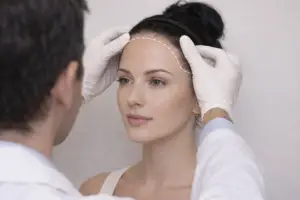
Forehead Lift in Istanbul, Turkey by Memorial Hospital
Precision Forehead Rejuvenation for Smoother Skin, Elevated Brow Position & a Rested, Youthful Look. A…
Explore Tours in Turkey
Discover the best places to visit in Turkey and explore its rich culture, breathtaking landscapes, iconic attractions, and unforgettable travel experiences.

Turkey: Best of Istanbul Tour with Hagia Sophia Tickets
Step into centuries of history with this expertly guided small group experience through Istanbul’s Old City.…

Turkey: Private Cappadocia Tour: Hot Baloon Ride & Museum
Embark on a private guided journey through Cappadocia, a land of rich history and natural wonder. Your local…

Turkey: Istanbul Guided Tour
Full-Day Private Experience | History, Culture & Comfort Experience Istanbul in One Perfect Day Discover the…
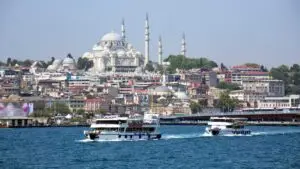
Turkey: Istanbul Combo: Classic City Tour & Bosphorus Cruise
Experience Istanbul Like a VIP. Step into the heart of one of the world’s most fascinating cities with a private,…

Turkey: Full Day Pamukkale Tour
Discover the stunning natural beauty and ancient history of Pamukkale on this private guided tour. Marvel at the…

Turkey: Half-Day Istanbul Private Food Tour & Culinary Experience
Taste the Real Istanbul. Experience Istanbul beyond the landmarks — through its rich and vibrant food culture.…
More Plastic Surgery Articles About Turkey
Keep reading about Plastic Surgery care and travel in Turkey.

Best Countries for Plastic Surgery in the World
Plastic surgery has become a global industry — and millions of people travel abroad every year to enhance their…
