


For uninsured Americans, Canadians, expats, and retirees, the cost of herniated disc surgery in the U.S. or Canada can be overwhelming. Spinal issues like a herniated or slipped disc often cause severe pain, numbness, or mobility problems that require timely surgical intervention—but without insurance, the price becomes a major barrier. That’s why many patients today are exploring medical tourism, where they can receive the same high-quality spinal surgery at a fraction of the cost abroad.
This guide explains how much herniated disc surgery costs without insurance, compares U.S. prices vs. top global destinations, and shows why traveling overseas is becoming a smart, safe, and affordable choice.
The cost of surgery for a herniated disc without insurance in the U.S. typically ranges from $20,000 to $50,000 for less complex procedures like a microdiscectomy, and can reach $60,000 to $110,000 or more for more extensive surgeries such as spinal fusion.
Cost of Herniated Disc Surgery Without Insurance in the U.S.
Herniated disc surgery costs in the United States vary based on the type of procedure, surgeon experience, hospital fees, and complexity of the case. Without insurance, patients pay the full cost out of pocket.
Average U.S. Costs (Self-Pay)
| Procedure Type | U.S. Cost (Without Insurance) |
|---|---|
| Microdiscectomy | $15,000 – $40,000 |
| Laminectomy | $25,000 – $50,000 |
| Artificial Disc Replacement | $35,000 – $75,000 |
| Spinal Fusion (if required) | $50,000 – $150,000+ |
These prices include hospital stay, surgeon fees, anesthesia, imaging, and postoperative care. Many hospitals charge additional fees for MRIs, physical therapy, and follow-up visits.
Why it’s so expensive:
U.S. spine surgery costs are driven by high hospital facility fees, expensive imaging, and specialist charges.
Herniated Disc Surgery Cost Abroad (Affordable Options for Uninsured Patients)
Medical tourism allows uninsured patients to save 50–80% on herniated disc surgery while receiving care in modern, internationally accredited hospitals.
Average Prices by Country
| Country | Microdiscectomy | Laminectomy | Fusion (if needed) |
|---|---|---|---|
| Mexico | $5,000 – $10,000 | $6,000 – $12,000 | $9,000 – $18,000 |
| Costa Rica | $6,000 – $10,000 | $7,000 – $13,000 | $10,000 – $20,000 |
| Turkey | $6,000 – $10,000 | $7,000 – $14,000 | $12,000 – $22,000 |
| Thailand | $7,000 – $12,000 | $8,000 – $14,000 | $14,000 – $25,000 |
| South Korea | $7,000 – $13,000 | $8,500 – $15,000 | $15,000 – $28,000 |
These prices usually include:
- Pre-operative evaluation
- Surgeon and anesthesia fees
- Operating room charges
- Hospital stay
- Postoperative checkups
- Airport–clinic transfers (in many packages)
Best Countries for Herniated Disc Surgery Abroad
🇲🇽 Mexico
Mexico is one of the most popular destinations for uninsured Americans due to proximity, short travel time, and large English-speaking medical staff. Cities like Tijuana, Monterrey, Cancun, and Mexico City provide advanced spine centers with internationally trained neurosurgeons.
Why choose Mexico:
- 60–70% savings
- U.S.-trained spine surgeons
- Fast scheduling
- Great for quick recovery trips
🇹🇷 Turkey
Turkey is a global hub for neurosurgery and orthopedics, equipped with modern medical cities, robotic spine surgery technology, and internationally accredited hospitals.
Why choose Turkey:
- Highly experienced neurosurgeons
- Modern imaging and minimally invasive techniques
- All-inclusive spine surgery packages
- Excellent outcome records for disc surgeries
🇨🇷 Costa Rica
Costa Rica is known for safe, reliable, and affordable medical tourism with Western-quality healthcare standards.
Why choose Costa Rica:
- Accredited private hospitals
- English-speaking spine surgeons
- Peaceful recovery environment
- Lower cost yet high safety standards
🇹🇭 Thailand
Thailand is famous for world-class hospitals and comprehensive orthopedic programs.
Why choose Thailand:
- Luxury hospital experience
- Minimally invasive spine surgery expertise
- Highly organized international patient services
🇰🇷 South Korea
A global leader in advanced spine technology, nerve monitoring, and precision microsurgery.
Why choose South Korea:
- Cutting-edge surgical equipment
- Specialists in disc replacement and fusion
- Excellent outcomes in complex spine cases
Benefits of Getting Herniated Disc Surgery Overseas
- Massive cost savings (50–80% less than U.S. self-pay prices)
- Shorter wait times—often surgery within days
- High-quality, internationally accredited hospitals
- English-speaking neurosurgeons and staff
- Advanced minimally invasive techniques
- Personalized care and case coordinators for foreign patients
Why Uninsured Patients Choose Medical Tourism
Without insurance, U.S. hospital bills can feel impossible to manage. For many people:
- Paying $40,000–$80,000 upfront is not realistic
- Delaying surgery worsens symptoms
- Overseas packages include surgery + hotel + transport + follow-ups
This combination of affordability, safety, and support makes medical tourism an attractive solution.
Tips for Planning Your Medical Trip Abroad
- Verify surgeon credentials and years of spine surgery experience
- Check if the hospital serves international patients
- Ask for a full cost breakdown (no hidden fees)
- Confirm what’s included in the package—medications, hotel, transfers, follow-ups
- Bring all MRI/CT scans
- Plan for post-surgery recovery days before flying home
FAQs
1. How much does herniated disc surgery cost without insurance?
Herniated disc surgery without insurance typically costs $20,000–$80,000 in the U.S., depending on whether you need a microdiscectomy, laminectomy, or spinal fusion. More complex surgeries like fusion can exceed $100,000.
2. What is the cheapest country for herniated disc surgery?
Mexico and Turkey are among the most affordable and reliable options, offering herniated disc surgery for $5,000–$12,000, with modern hospitals and experienced neurosurgeons.
3. Why is herniated disc surgery so expensive in the United States?
U.S. prices are driven by high hospital facility fees, surgeon charges, anesthesia, imaging costs, and multi-day hospital stays. Without insurance, patients pay the full amount out of pocket.
4. Does medical tourism for spine surgery really save money?
Yes. Traveling abroad for spine surgery can save 50–80% compared to U.S. self-pay costs. Many hospitals abroad offer all-inclusive packages with surgery, hospital stay, medications, and airport transfers.
5. Is it safe to get herniated disc surgery in another country?
If you choose accredited hospitals and experienced neurosurgeons, medical tourism is very safe. Countries like Mexico, Turkey, Thailand, Costa Rica, and South Korea have internationally recognized spine centers.
6. How long is the recovery after herniated disc surgery?
Most patients return to light activities within 2–4 weeks after a microdiscectomy, while more complex surgeries like fusion may require 6–12 weeks for recovery.
7. What’s included in medical tourism spine surgery packages?
Packages often include:
- Surgeon & hospital fees
- Anesthesia
- Pre-op tests
- Post-op care
- Airport & hotel transfers
- Dedicated care coordinator
Some packages also include hotel stays for you and a companion.
8. Can I fly after herniated disc surgery abroad?
Yes, but you should usually wait 7–10 days after a microdiscectomy or 10–14 days after a more invasive surgery. Your surgeon abroad will give personalized clearance before your return flight.
9. Do I need to bring my MRI or CT scan for surgery abroad?
Yes. Hospitals abroad require updated imaging (MRI preferred) to assess your condition and confirm if you need microdiscectomy, laminectomy, or fusion.
10. Is spinal fusion always required for a herniated disc?
No. Most patients only need a microdiscectomy, which is less invasive and less expensive. Fusion is only recommended if there’s instability or multiple levels affected.
Conclusion
Herniated disc surgery cost without insurance can be extremely high in the United States, often reaching $20,000 to $80,000 or more depending on the procedure. By choosing trusted medical tourism destinations like Mexico, Turkey, Costa Rica, Thailand, or South Korea, uninsured patients can receive the same high-quality spinal care for as low as $5,000–$12,000, saving thousands without compromising safety or outcomes.
At MyMediTour, we connect patients with accredited spine surgeons and world-class hospitals abroad—helping you access safe, affordable, and transparent spine care options. If you’re struggling with high costs, contact MyMediTour to explore trusted, cost-effective solutions for your herniated disc surgery.
Featured Orthopedics Procedures in Costa Rica
Procedures discussed in this article, available across Costa Rica.

Total Knee Replacement in San Jose, Costa Rica by Clinica Biblica Hospital
Restoring Mobility, Relieving Pain, and Improving Quality of Life. Experience compassionate, world-class…

Lumbar Discectomy + Fusion, 1 Level in San Jose, Costa Rica by Clinica Biblica Hospital
Advanced Spine Surgery for Lasting Pain Relief and Stability. Lumbar Discectomy + Fusion is a highly effective…
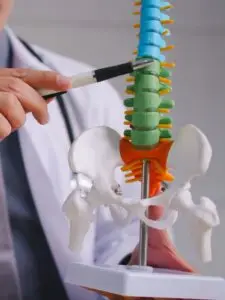
Cervical Discectomy + Fusion, 1 Level in San Jose, Costa Rica by Clinica Biblica Hospital
Advanced Spine Surgery to Relieve Pain and Restore Stability. Cervical Discectomy + Fusion (ACDF) is one of the…

Shoulder Arthroscopy in San Jose, Costa Rica by Clinica Biblica Hospital
Minimally Invasive Care for Lasting Shoulder Relief. Shoulder pain and stiffness can limit daily activities, from…

Shoulder Joint Replacement in San Jose, Costa Rica by Clinica Biblica Hospital
Restoring Shoulder Function and Relieving Pain with Advanced Orthopedic Surgery. Shoulder Joint Replacement, also…

Artificial Disc Replacement in San Jose, Costa Rica by Clinica Biblica Hospital
Artificial Disc Replacement (ADR) is a modern alternative to spinal fusion, designed to relieve chronic neck or…
Recommended Orthopedics Clinics in Costa Rica
Trusted clinics specializing in Orthopedics across Costa Rica.
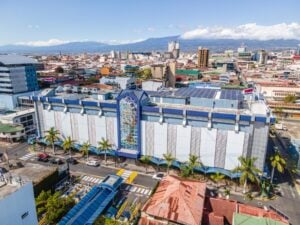
Clinica Biblica Hospital
Clínica Bíblica Hospital. Costa Rica’s Premier Private Medical Center. Medical Tourism Center Clínica Bíblica…
More Orthopedics Articles About Costa Rica
Keep reading about Orthopedics care and travel in Costa Rica.

Ankle Ligament Surgery Cost Without Insurance
Ankle injuries are common, but when ligaments are torn or severely damaged, surgery may be the only option to…

How Much Does Ankle Surgery Cost Without Insurance?
Millions of uninsured Americans and Canadians face overwhelming medical expenses when orthopedic injuries occur,…

Knee Surgery Cost Without Insurance
Knee surgery cost without insurance is often overwhelming for uninsured Americans, Canadians, expats, and…

Spinal Fusion Surgery Cost Without Insurance
Spinal fusion surgery is one of the most important procedures for patients suffering from chronic back pain,…

How Much Does Foot Surgery Cost Without Insurance?
Foot surgery can be life-changing for patients struggling with chronic pain, deformities, instability, nerve…

ACL Surgery Cost Without Insurance
The ACL surgery cost without insurance can be overwhelming for many uninsured Americans, Canadians, expats, and…
