






Minimally Invasive Knee & Shoulder Arthroscopy for Joint Injuries, Sports-Related Conditions & Functional Recovery
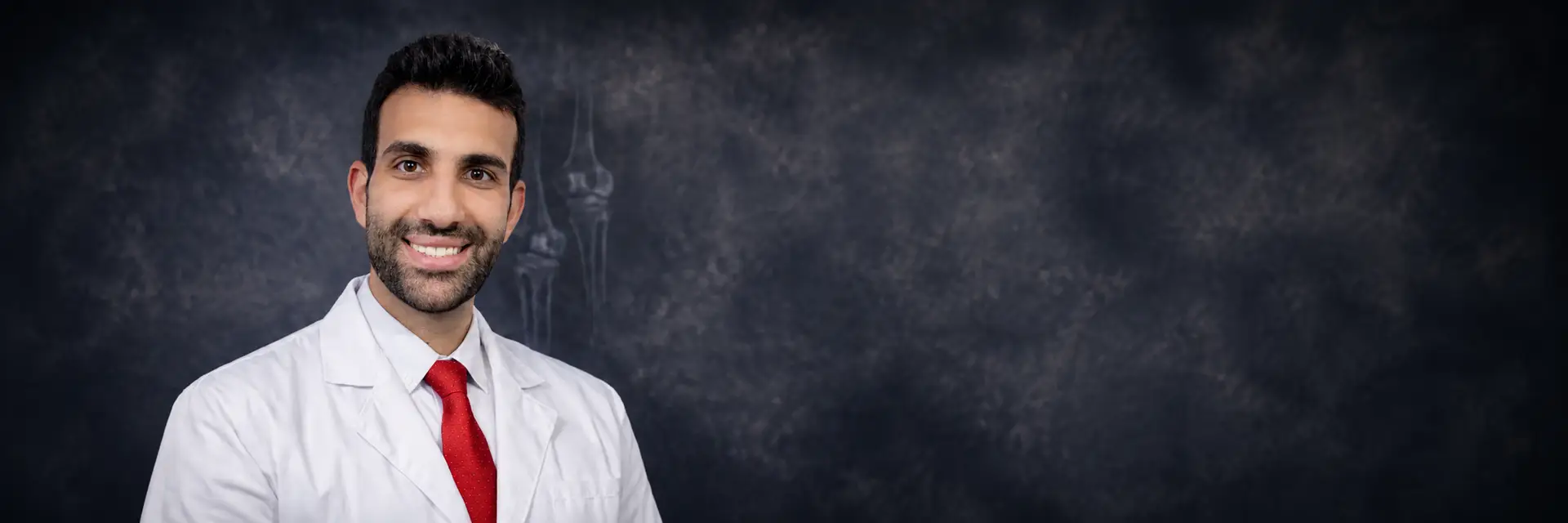
Dr. Aria Alexander Ravery Morovati provides orthopedic and traumatology care that includes arthroscopy, sports injuries, and conditions involving the meniscus, ligaments, cartilage, and rotator cuff. Arthroscopy uses a small camera and specialized instruments inserted through small incisions, allowing the surgeon to directly visualize structures within the joint and perform treatment when appropriate. For selected patients, this approach can address persistent joint symptoms while limiting the size of the surgical incisions compared with traditional open procedures.
🩺 What Is Arthroscopic Surgery?
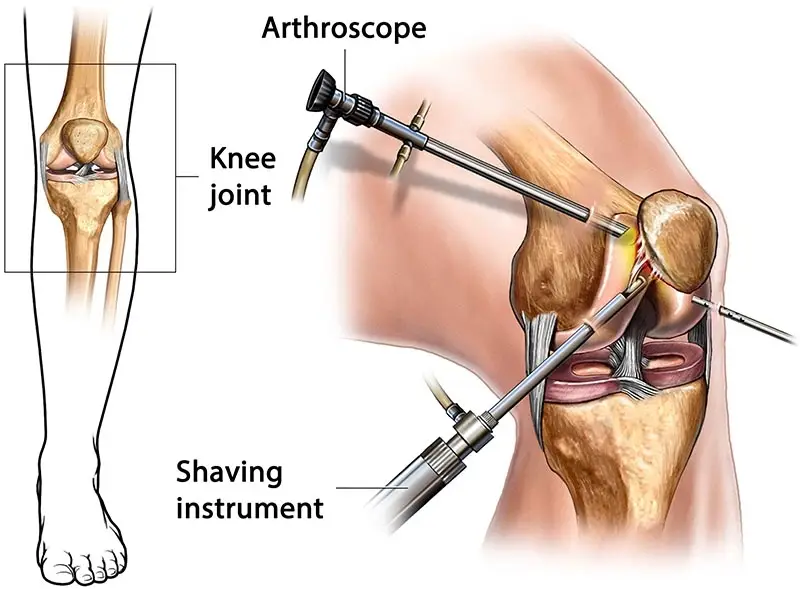
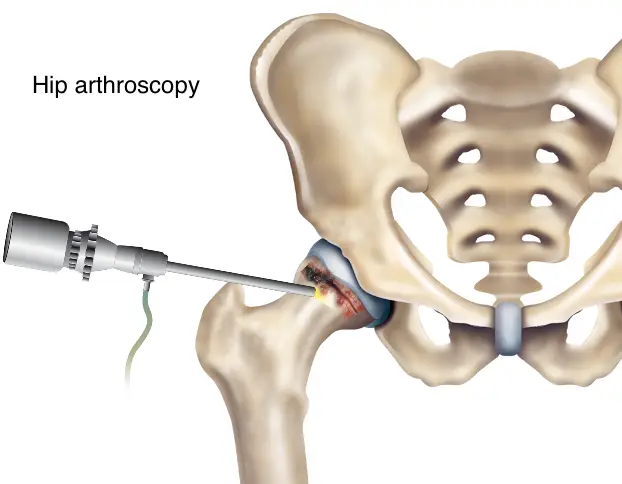
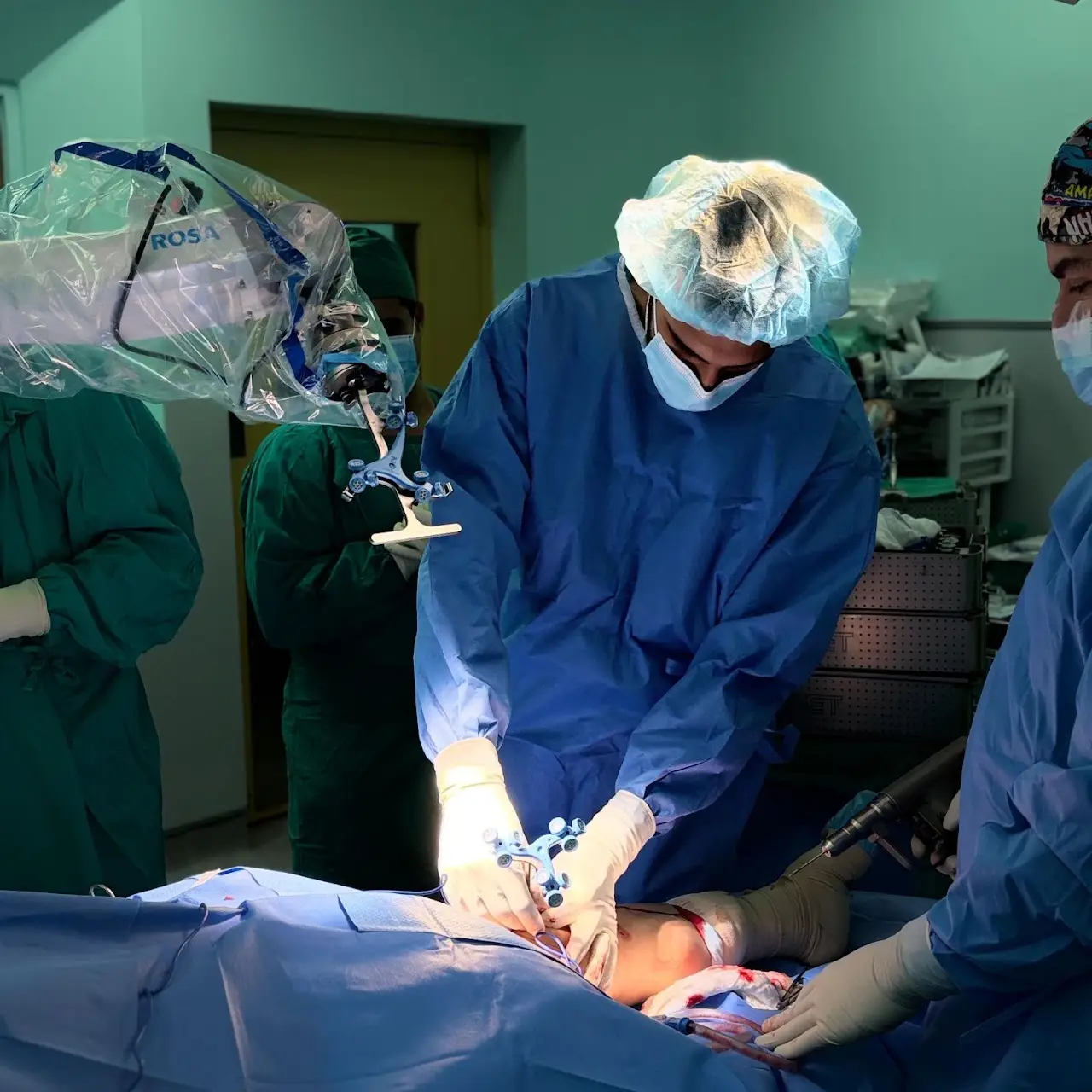
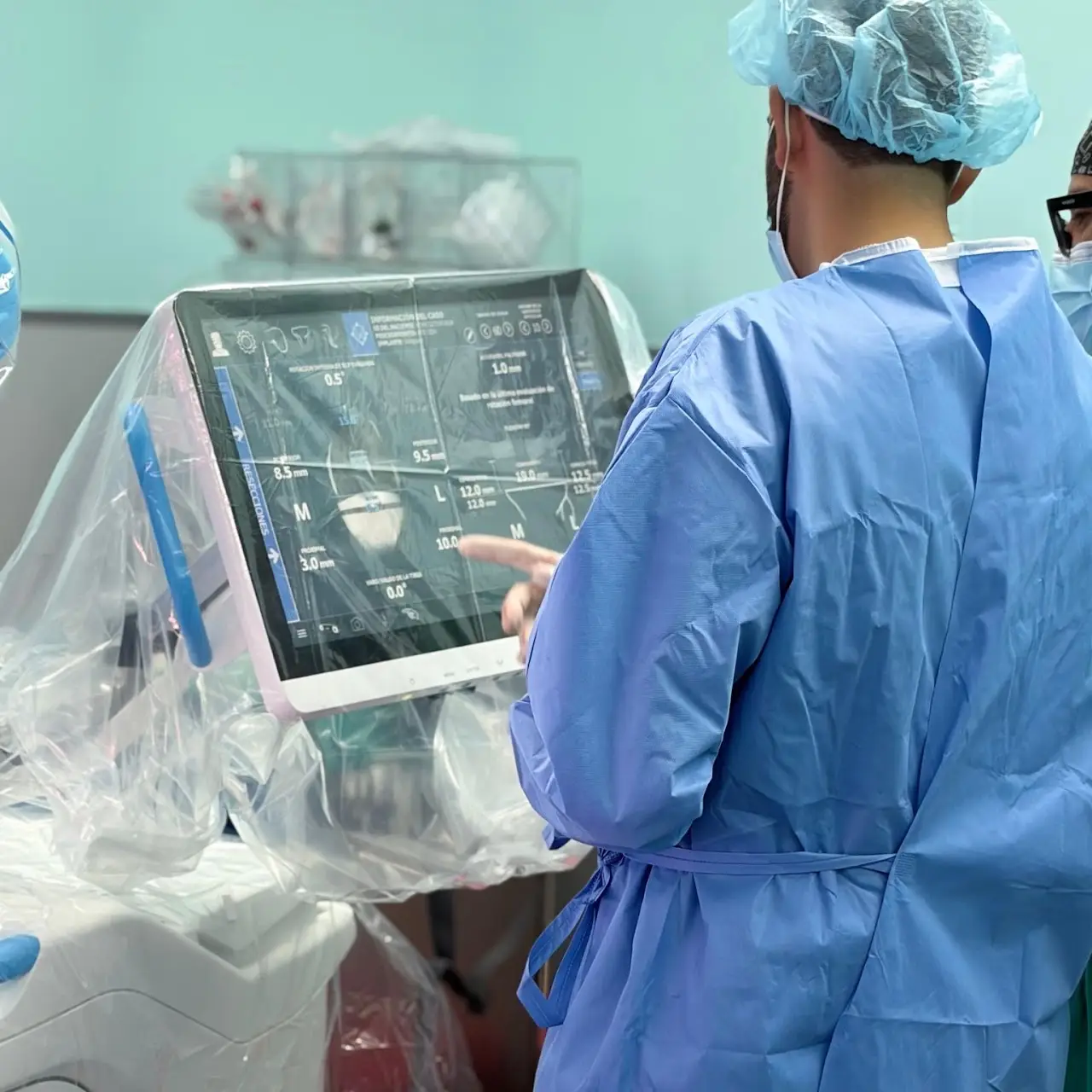
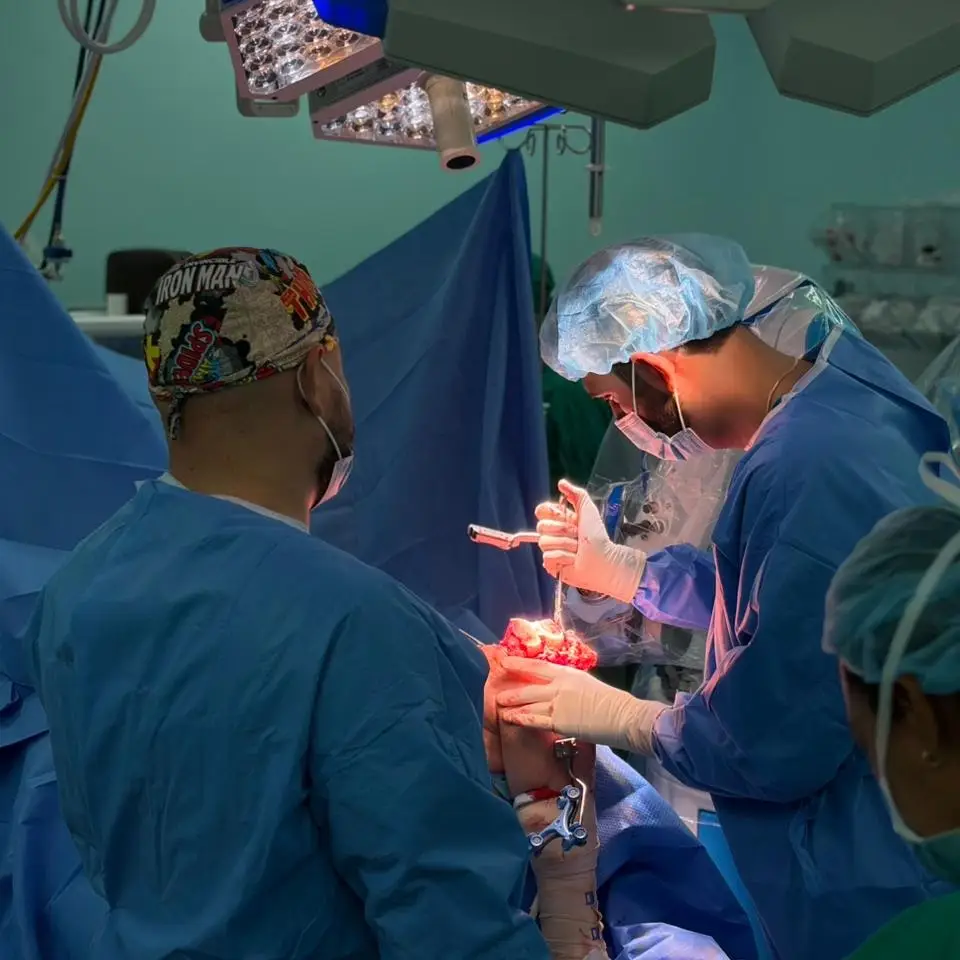
Arthroscopic Surgery is a minimally invasive orthopedic procedure used to diagnose and treat joint conditions. A small camera (arthroscope) is inserted through a tiny incision to view internal joint structures on a monitor, including cartilage, ligaments, and tendons. Additional small incisions may be used to insert surgical instruments to repair or treat damaged tissue, depending on the joint and condition. At Dr. Aria Ravery’s practice, arthroscopy is focused on the knee and shoulder, including treatment of meniscus tears, ligament injuries, cartilage damage, and rotator cuff problems. Listed procedures also include knee arthroscopy, meniscal repair, and cartilage surgery. Recovery varies based on the extent of the procedure, so rehabilitation is always individualized.
🩺 Types of Arthroscopic Surgery
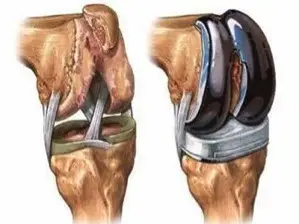
- Arthroscopic Meniscus Treatment – Depending on the tear pattern, tissue quality, symptoms, and patient factors, damaged meniscal tissue may be repaired or treated arthroscopically. Meniscal suturing and torn meniscus repair are specifically listed in Dr. Ravery’s hospital procedure profile.
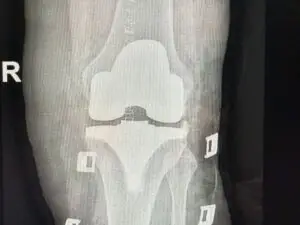
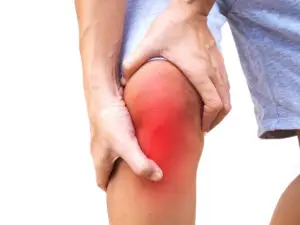
- Knee Arthroscopy – Knee arthroscopy is available for the evaluation and treatment of selected problems within the knee joint. It may be considered when symptoms involve structures such as the meniscus or other intra-articular tissues and when arthroscopic management is clinically appropriate.
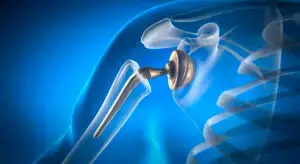
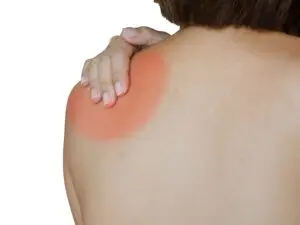
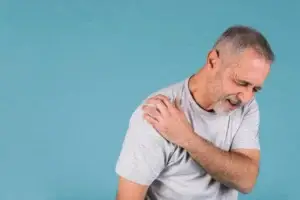
- Shoulder Arthroscopy – Shoulder arthroscopy may be used for selected shoulder conditions that require minimally invasive evaluation or surgical treatment. Dr. Ravery’s clinical scope includes shoulder arthroscopy as part of his orthopedic and sports injury services.
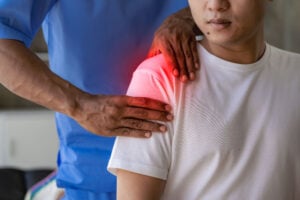
- Arthroscopic Treatment of Shoulder Pathology – Shoulder arthroscopy may be used in selected cases involving rotator cuff pathology and other intra-articular or soft-tissue conditions when conservative treatment does not provide adequate improvement.
🩺 Who Is a Good Candidate?
Arthroscopic surgery may be appropriate for knee or shoulder problems caused by injury or structural joint issues after proper evaluation. It is not required for every case, and many patients improve with medication, activity changes, or physical therapy. Dr. Ravery’s practice views surgery as one option within a broader orthopedic treatment plan.
✔️ Individuals with symptomatic meniscal tears that may require arthroscopic treatment
✔️ Patients with selected ligament injuries affecting knee stability or function
✔️ Individuals with cartilage lesions that cause persistent mechanical or functional symptoms
✔️ Patients with selected rotator cuff or shoulder pathology requiring surgical evaluation
✔️ Athletes or active individuals with sports-related joint injuries that continue to limit activity
✔️ Patients experiencing joint catching, locking, restricted movement, or other mechanical symptoms that require orthopedic assessment
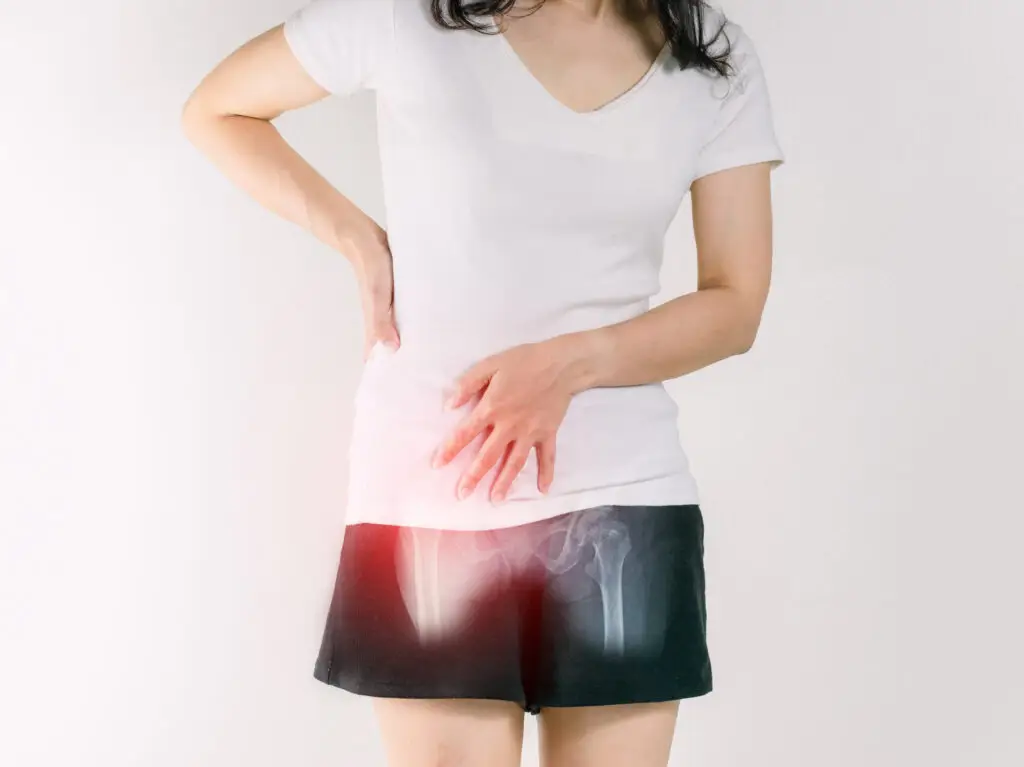
📝 Consultation & Preparation
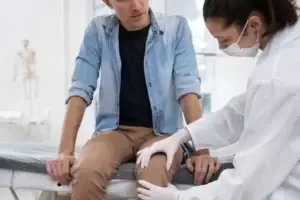
An orthopedic consultation helps determine if arthroscopic surgery is appropriate by identifying the source of symptoms and expected benefit. Care includes evaluation, imaging review, conservative treatment options, surgical planning, and postoperative rehabilitation.
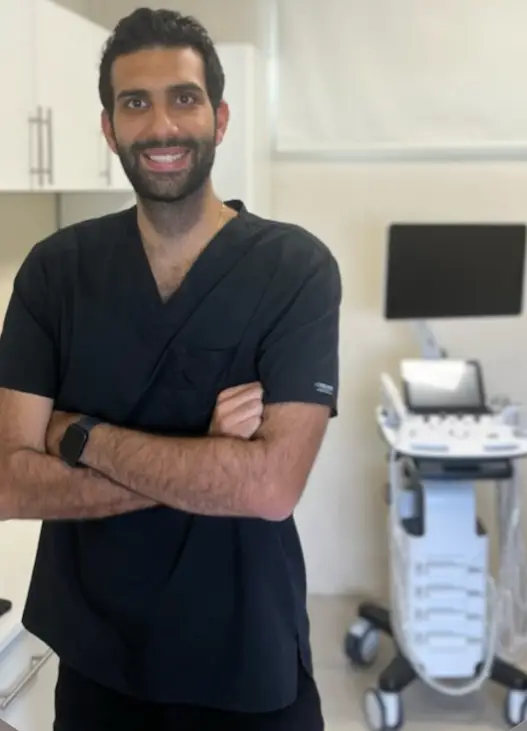
✔️ Detailed discussion of knee or shoulder pain, instability, stiffness, locking, weakness, or other symptoms
✔️ Review of previous sports injuries, accidents, orthopedic procedures, and relevant medical conditions
✔️ Physical examination to evaluate movement, stability, strength, tenderness, and functional limitations
✔️ Review of available X-rays, MRI scans, or other imaging when clinically appropriate
✔️ Assessment of previous treatments such as physical therapy, medication, activity modification, or injections
✔️ Discussion of whether arthroscopy or continued non-surgical treatment is the more appropriate option
✔️ Review of prescription medications, supplements, allergies, smoking history, and anesthesia considerations
🩺 Recovery & Aftercare
Recovery after arthroscopic surgery varies by joint and procedure, and requires following specific post-operative instructions and rehabilitation to restore movement, strength, and function.
✔️ Protect the surgical area and keep the small incisions clean according to postoperative instructions
✔️ Use prescribed or recommended pain-management measures exactly as directed by the medical team
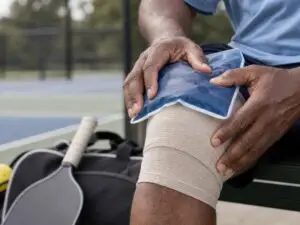
✔️ Manage early swelling with the measures recommended for the specific joint and procedure
✔️ Follow individualized instructions regarding walking, weight bearing, crutches, braces, or shoulder support when required
✔️ Begin approved range-of-motion exercises according to the surgeon or physical therapist’s rehabilitation plan
✔️ Avoid sports, heavy lifting, running, or demanding joint activity until medically cleared
🌍 Why Choose Dr. Aria Ravery for Arthroscopic Surgery?
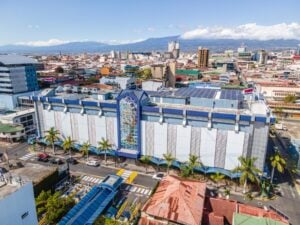
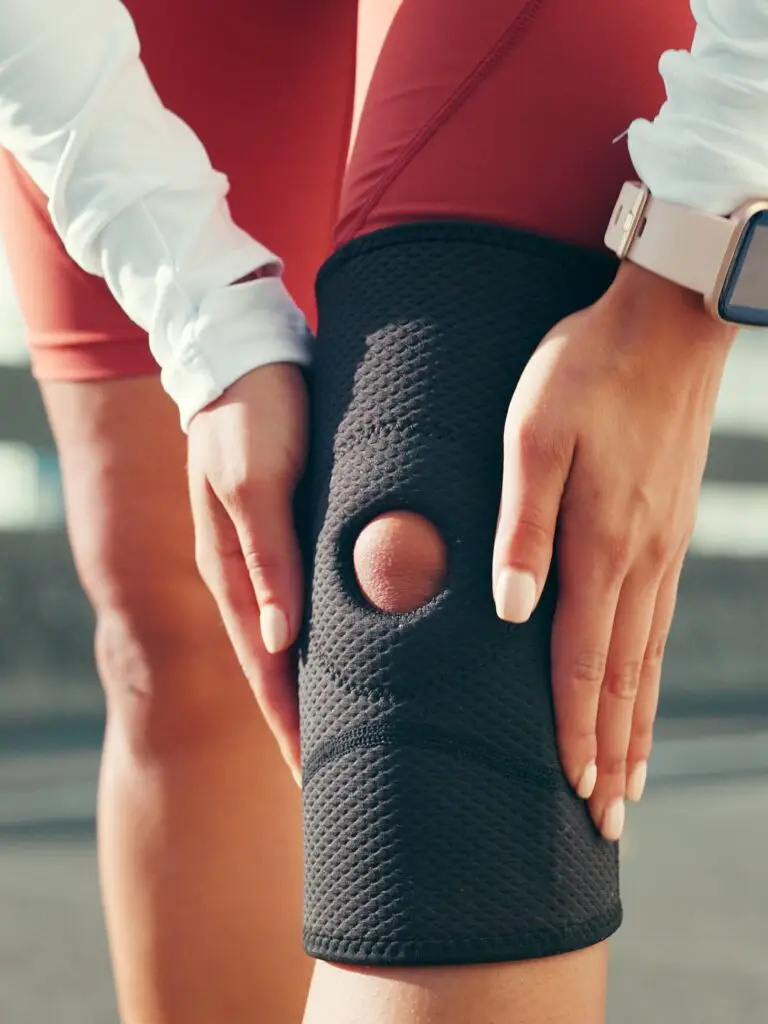
Dr. Aria Alexander Ravery Morovati is an orthopedic surgeon in Costa Rica specializing in arthroscopy, sports injuries, and trauma care, and he practices at Hospital Internacional La Católica in San José where he performs knee and shoulder arthroscopic procedures.
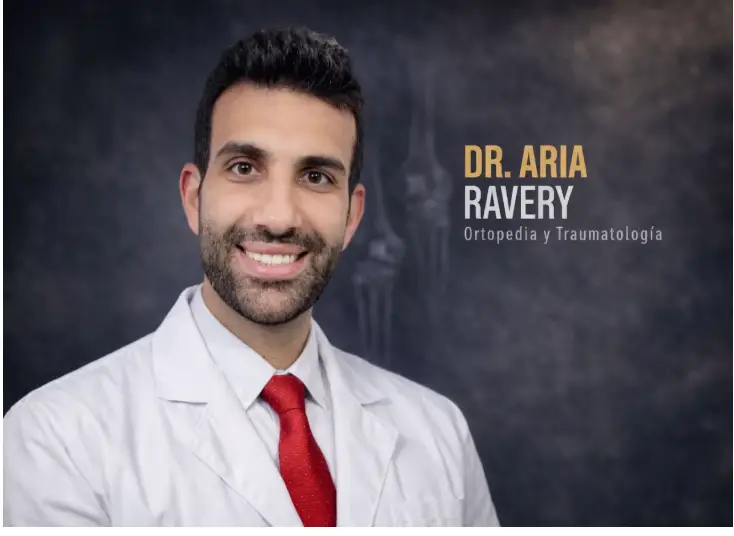
✔️ Orthopedics and Traumatology care provided by Dr. Aria Alexander Ravery Morovati
✔️ Arthroscopic Surgery specifically included within Dr. Ravery’s orthopedic clinical scope
✔️ Knee arthroscopy listed among the procedures in his Hospital Internacional La Católica profile
✔️ Knee and shoulder arthroscopy included within the practice’s published services
✔️ Clinical management of sports-related problems involving the meniscus, ligaments, cartilage, and rotator cuff
✔️ Consideration of conservative treatments when they remain clinically suitable