










Advanced Spine Surgery for Back Pain, Nerve Compression, Spinal Deformity & Complex Spinal Disorders
Spine Surgery in Seoul, South Korea at Asan Medical Center is designed for patients who need expert diagnosis and surgical treatment for complex spinal conditions. These may include herniated discs, spinal stenosis, scoliosis, kyphosis, cervical myelopathy, spinal deformity, metastatic spine tumors, and degenerative spine disease. Patients choose spine surgery when pain, weakness, numbness, walking difficulty, posture changes, or nerve compression affect daily life and do not improve with conservative treatment. At Asan Medical Center, spine care is supported by advanced surgical planning, multidisciplinary medical expertise, and coordinated international patient services for safe, personalized treatment.
🔍 What Is Spine Surgery?
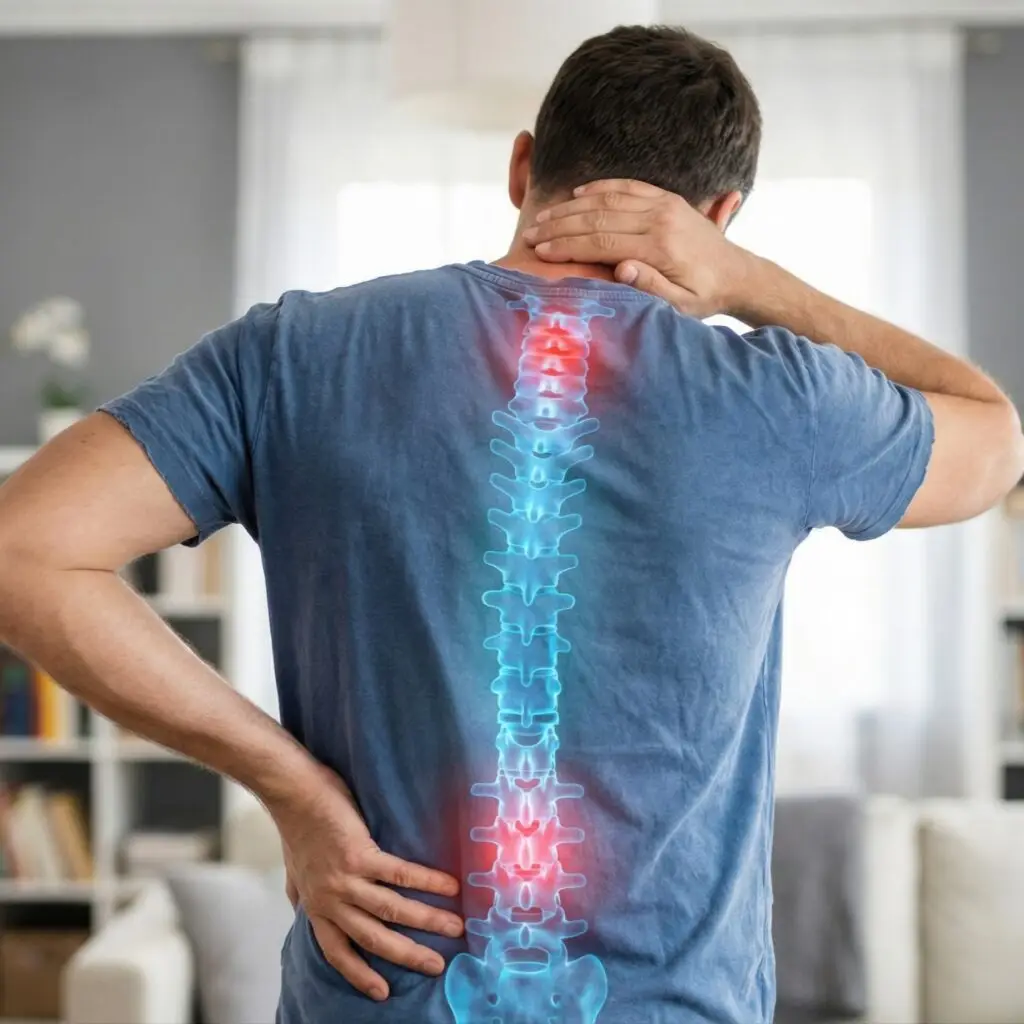
Spine surgery is a specialized surgical treatment used to correct structural, neurological, or degenerative problems affecting the cervical, thoracic, or lumbar spine.

When spinal discs, bones, joints, ligaments, tumors, or deformities compress nerves or disturb alignment, patients may experience chronic back pain, neck pain, arm or leg pain, numbness, weakness, balance issues, or reduced mobility. The goal of spine surgery is to reduce nerve compression, stabilize the spine, correct deformity, remove diseased tissue when needed, and improve functional quality of life. Depending on the diagnosis, surgery may involve decompression, spinal fusion, disc removal, deformity correction, tumor surgery, minimally invasive spine surgery, or revision spine reconstruction. At Asan Medical Center in Seoul, spine surgery is performed within the Spine Surgery Section of the Department of Orthopedic Surgery. The section treats a wide spectrum of spinal conditions, including spinal deformity, metastatic tumors, cervical myelopathy, degenerative spinal disease, scoliosis, kyphosis, cervical disorders, lumbar disorders, and complex reconstruction cases.
🩺 Types of Spine Surgery
- Cervical Spine Surgery – Treats neck-related spine conditions such as cervical disc disease, cervical myelopathy, radiculopathy, nerve compression, and cervical deformity.
- Lumbar Spine Surgery – Addresses lower back conditions such as lumbar spinal stenosis, herniated discs, degenerative disc disease, nerve compression, and chronic leg pain caused by spinal problems.
- Minimally Invasive Spine Surgery – Uses smaller incisions and specialized instruments for selected spine conditions, with the goal of reducing tissue disruption and supporting recovery when appropriate.
- Spinal Decompression Surgery – Relieves pressure on the spinal cord or nerve roots caused by stenosis, herniated discs, bone overgrowth, or other compressive spinal conditions.
- Spinal Fusion Surgery – Stabilizes affected spinal segments by joining vertebrae together, often used for instability, deformity, advanced degeneration, or complex reconstruction.
- Scoliosis Surgery – Corrects abnormal spinal curvature and helps improve spinal alignment, posture, balance, and long-term function in selected adult or pediatric patients.
🩺 Who Is a Good Candidate?
Spine surgery may be suitable for patients whose symptoms are caused by a confirmed spinal condition and have not improved enough with non-surgical care. A good candidate should have clear imaging findings, symptoms that match the diagnosis, and realistic expectations about surgery, recovery, and rehabilitation.
✔️ Patients with chronic back pain or neck pain linked to a diagnosed spinal condition
✔️ Individuals with nerve compression causing arm pain, leg pain, numbness, tingling, or weakness
✔️ Patients with lumbar spinal stenosis, cervical stenosis, or herniated disc symptoms
✔️ Individuals with scoliosis, kyphosis, spinal imbalance, or progressive spinal deformity
✔️ Patients with cervical myelopathy, walking difficulty, hand weakness, or coordination problems
✔️ Individuals with spinal tumors or metastatic spine disease requiring specialist evaluation
📝 Consultation & Preparation
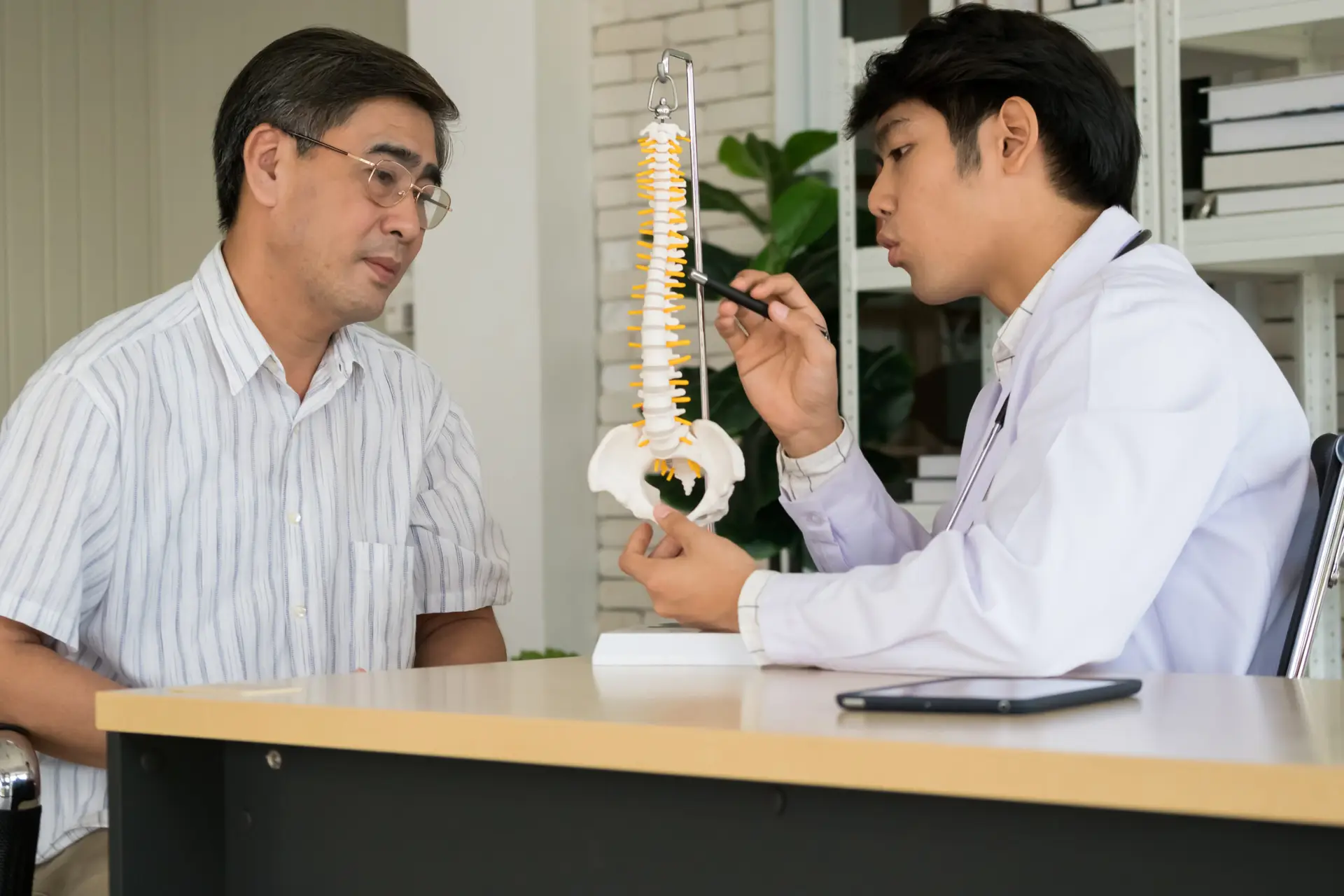
A detailed consultation is essential before spine surgery because treatment depends on the exact diagnosis, the location of the spinal problem, the severity of nerve compression, and the patient’s overall health.
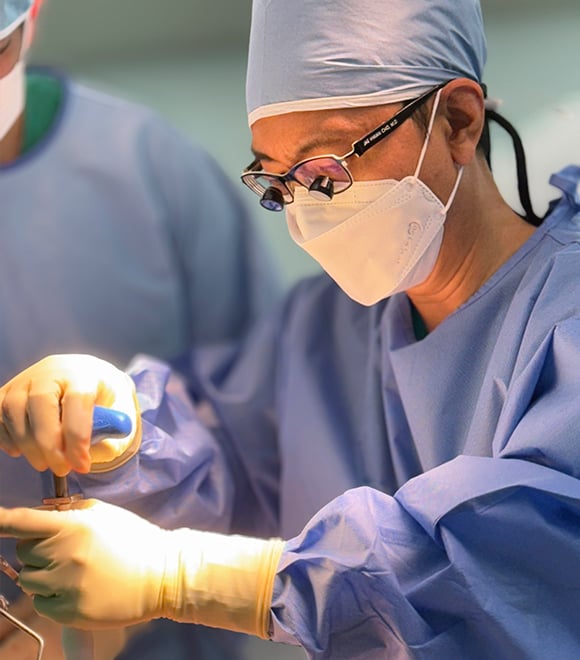
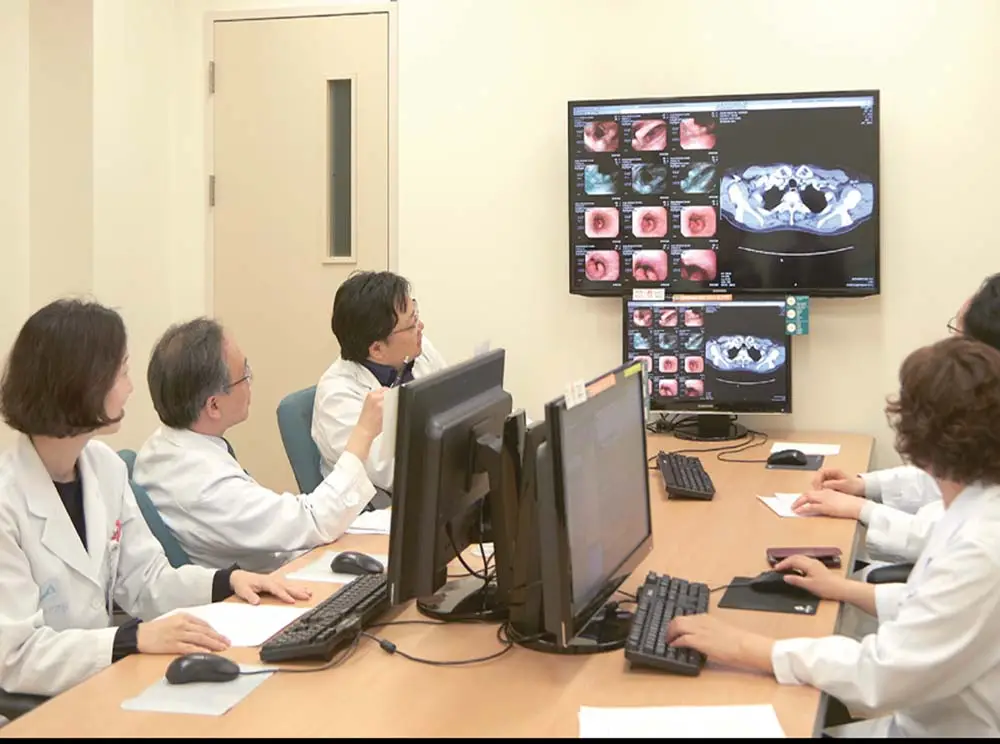
At Asan Medical Center, spine surgery planning may involve orthopedic spine specialists, radiology, neurology, rehabilitation medicine, oncology, anesthesiology, and other departments when needed for complex cases.
✔️ Full review of symptoms, including pain location, numbness, weakness, walking issues, and daily limitations
✔️ Review of previous spine treatments, physical therapy, injections, medications, and prior surgery
✔️ Assessment of medical history, including heart disease, diabetes, osteoporosis, cancer history, and neurological conditions
✔️ Review of current medications, especially blood thinners, pain medication, steroids, and diabetes medication
✔️ Physical examination to assess strength, sensation, reflexes, posture, balance, and mobility
✔️ MRI, CT scan, X-ray, dynamic spine X-rays, or other imaging when required
🩺 Recovery & Aftercare
Recovery after spine surgery depends on the type of operation, the number of spinal levels treated, the patient’s diagnosis, and overall medical condition. Some minimally invasive procedures may allow a faster return to light activity, while complex spinal deformity correction, fusion, tumor surgery, or revision surgery usually requires a longer recovery period and structured rehabilitation.
✔️ Hospital monitoring after surgery to assess pain control, wound healing, movement, and neurological status
✔️ Gradual walking and movement as advised by the medical team
✔️ Pain management using prescribed medication and careful activity planning
✔️ Wound care instructions to reduce infection risk and support proper healing
✔️ Avoiding bending, twisting, heavy lifting, and sudden movements during early recovery
✔️ Use of a brace or support device if recommended by the spine surgeon
✔️ Physical therapy or rehabilitation to improve strength, flexibility, posture, and safe mobility

🌍 Why Choose Asan Medical Center for Spine Surgery in Seoul?
Choosing the right hospital for spine surgery is crucial due to its impact on movement, nerve function, pain, and quality of life. Asan Medical Center in Seoul is known for advanced orthopedic care and complex spine treatments, including deformity correction, cervical surgery, tumors, minimally invasive procedures, revisions, and reconstruction.
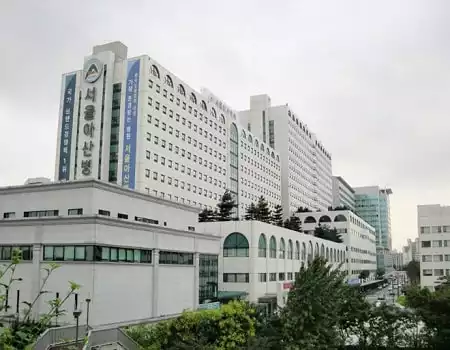
✔️ Dedicated Spine Surgery Section within Asan Medical Center’s Department of Orthopedic Surgery
✔️ Experience with complex spinal disorders, including deformity, tumors, cervical myelopathy, and degenerative disease
✔️ Core expertise in scoliosis, kyphosis, sagittal imbalance, cervical spine disorders, and lumbar disorders
✔️ Advanced surgical options, including minimally invasive spine surgery and revision spine reconstruction
✔️ Collaboration with oncology, radiology, radiation oncology, rehabilitation, anesthesiology, and other specialties for complex cases
✔️ Multilingual support and interpretation services for international patients