

Advanced Robotic Thyroid Surgery for Precise Treatment, Improved Cosmetic Outcomes & Personalised Endocrine Care
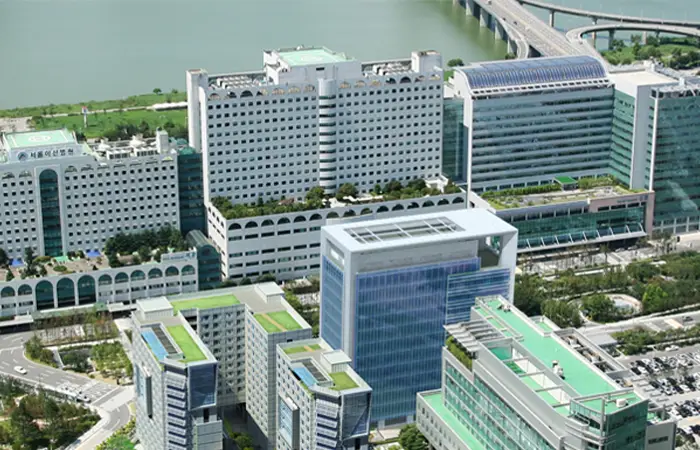
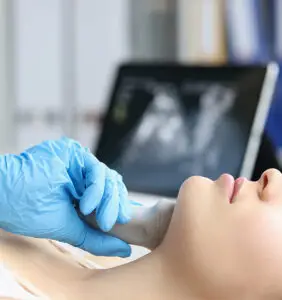
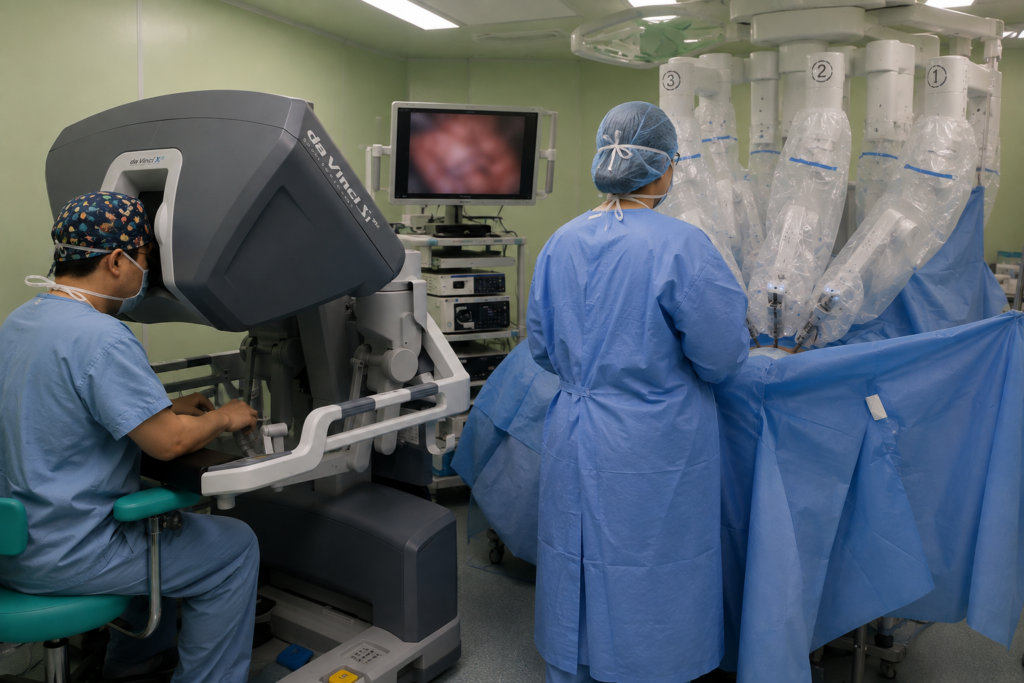
Robotic Thyroidectomy Surgery is a minimally invasive approach used to remove part or all of the thyroid gland through incisions positioned away from the front of the neck. Patients may consider robotic thyroid surgery for selected thyroid nodules, thyroid cancer, goitre, or other thyroid conditions that require surgical treatment. The robotic system provides the surgeon with a magnified operative view and instruments designed for precise movement around delicate structures. At Asan Medical Center in Seoul, robotic thyroidectomy is performed through selected transaxillary or bilateral axillo-breast approaches according to the patient’s diagnosis, anatomy, and required extent of surgery.
🔍 What Is Robotic Thyroidectomy Surgery?
Robotic thyroidectomy is a surgical procedure that removes diseased thyroid tissue with the assistance of a robotic surgical system. Unlike conventional open thyroidectomy, which normally requires an incision across the lower front of the neck, robotic thyroid surgery can use incisions placed in less visible areas such as the underarm or around the areola.
The robotic system does not operate independently. It translates the surgeon’s hand movements into controlled instrument movements while providing a magnified, high-resolution view of the treatment area.
The extent of surgery depends on the thyroid condition. A thyroid lobectomy removes one affected lobe, while a total thyroidectomy removes the entire thyroid gland. Lymph nodes may also need to be removed when thyroid cancer has spread or when lymph node involvement is suspected.
Robotic thyroidectomy is not suitable for every thyroid condition. A conventional open approach may be more appropriate when the tumour is large, invades nearby structures, or is associated with suspected extensive lymph node involvement.
🩺 Types and Approaches of Robotic Thyroidectomy Surgery
- Robotic Thyroid Lobectomy – Removes the affected thyroid lobe and usually the connecting isthmus while preserving the remaining healthy thyroid tissue.
- Robotic Total Thyroidectomy – Removes the entire thyroid gland when required for bilateral disease, selected thyroid cancers, or other extensive thyroid conditions.
- Transaxillary Robotic Thyroidectomy – Reaches the thyroid through an incision placed in the underarm, avoiding a conventional incision across the front of the neck.
- Bilateral Axillo-Breast Approach Thyroidectomy – Uses small incisions around the underarm and breast areas to create a balanced approach to both sides of the thyroid gland.
🩺 Who Is a Good Candidate?
Robotic thyroidectomy may be considered for patients who require thyroid surgery and would prefer to avoid a visible incision across the front of the neck. Suitability must be confirmed by an experienced endocrine surgeon because tumour characteristics, lymph node involvement, previous treatment, and individual anatomy can affect the safest surgical approach.
✔️ Patients with selected benign thyroid nodules requiring surgical removal
✔️ Individuals with a thyroid nodule causing pressure, discomfort, or cosmetic concerns
✔️ Patients with selected early or localised thyroid cancer
✔️ Individuals requiring removal of one thyroid lobe
✔️ Patients seeking to avoid a conventional front-of-neck incision
✔️ Individuals with thyroid disease that has been fully evaluated through imaging and biopsy
✔️ Patients who are medically suitable for general anaesthesia
✔️ Individuals without evidence of extensive invasion that would require open surgery
✔️ Patients who understand the benefits, limitations, risks, and alternatives

📝 Consultation & Preparation
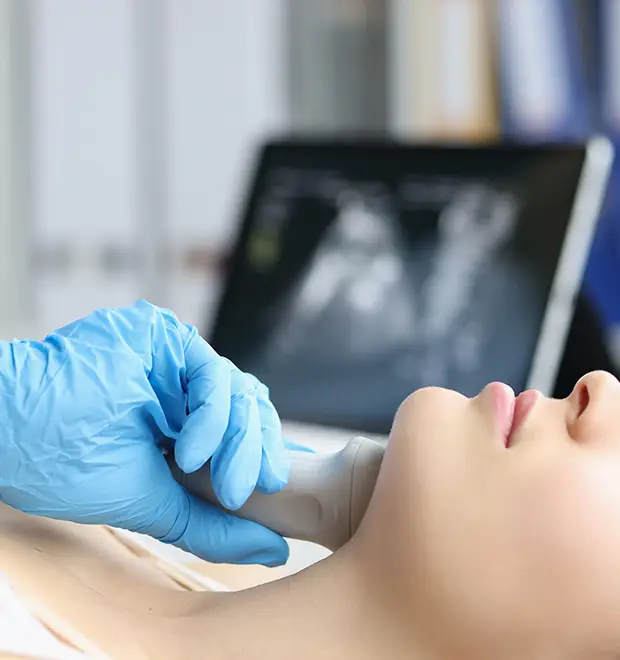
A detailed pre-operative evaluation is required before robotic thyroidectomy surgery in Seoul. The medical team reviews whether surgery is necessary, how much thyroid tissue should be removed, and whether a robotic or conventional approach offers the safest treatment.
✔️ Review of thyroid ultrasound images and written reports
✔️ Assessment of fine-needle aspiration or biopsy results
✔️ Review of neck CT or other imaging when clinically required
✔️ Thyroid function blood tests and general laboratory evaluation
✔️ Review of thyroid cancer type, size, location, and stage
✔️ Evaluation of suspicious or enlarged cervical lymph nodes
✔️ Assessment of previous thyroid, neck, chest, or underarm surgery
✔️ Review of existing medical conditions and previous operations
✔️ Disclosure of all medications, vitamins, and supplements
✔️ Specific review of aspirin, warfarin, and other blood-thinning medication
✔️ Anaesthetic assessment and cardiopulmonary testing when required
🩺 Recovery & Aftercare
Recovery after robotic thyroidectomy varies according to the surgical approach, the amount of thyroid tissue removed, whether lymph nodes were treated, and the patient’s overall health. Mild discomfort, tightness, swelling, bruising, or temporary altered sensation may occur around the underarm, upper chest, breast, or surgical access areas.
✔️ Monitoring for bleeding, swelling, breathing difficulty, or airway concerns
✔️ Observation of voice quality and swallowing after surgery
✔️ Assessment of calcium levels when clinically required
✔️ Use of prescribed pain medication according to medical instructions
✔️ Care of the underarm or breast-area incisions as directed
✔️ Management of a surgical drain if one has been placed
✔️ Gentle movement while avoiding forceful neck extension
✔️ Avoidance of strenuous exercise and heavy lifting during early recovery
✔️ Gradual return to work and normal daily activities
✔️ Follow-up evaluation of the final pathology results
✔️ Regular thyroid function blood tests after surgery

🌍 Why Choose Asan Medical Center for Robotic Thyroidectomy Surgery?
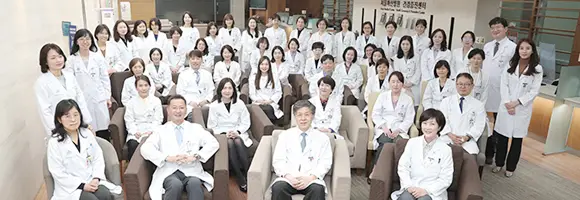
Choosing a high-volume endocrine surgery centre is important because thyroid surgery takes place close to the vocal cord nerves, parathyroid glands, major blood vessels, and airway. Asan Medical Center combines specialised endocrine surgery, robotic technology, multidisciplinary evaluation, and structured international patient support for patients travelling to Seoul.
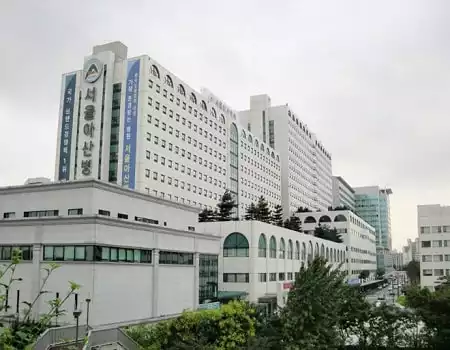
✔️ Dedicated Division of Endocrine Surgery for thyroid, parathyroid, and adrenal conditions
✔️ Robotic thyroidectomy through transaxillary and bilateral axillo-breast approaches
✔️ Use of the da Vinci Surgical System for selected thyroid procedures
✔️ Experience with both robotic and conventional open thyroidectomy
✔️ More than 2,000 endocrine surgeries performed annually by the division
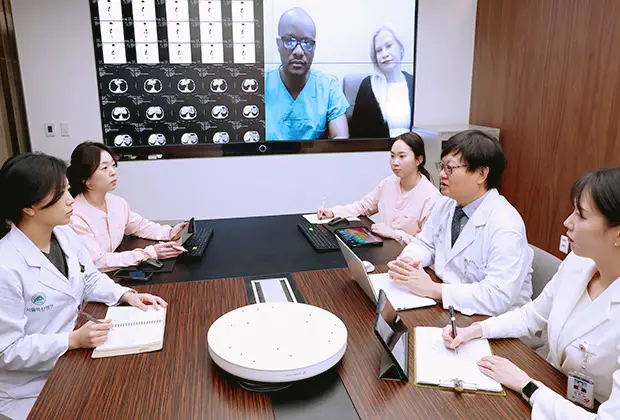
✔️ Collaboration between surgeons, endocrinologists, anaesthesiologists, radiologists, pathologists, and specialist nurses
✔️ Individualised selection of thyroid lobectomy or total thyroidectomy
💬 Patient Reviews
⭐️⭐️⭐️⭐️⭐️
“I travelled to Seoul because I wanted my thyroid condition reviewed by a specialised endocrine surgery team. The doctors carefully explained why robotic thyroidectomy was suitable for my case and what the surgery would involve. The entire process felt organised, professional, and reassuring.” – Melissa R., USA
⭐️⭐️⭐️⭐️⭐️
“My greatest concern was having a noticeable scar across my neck. The surgical team discussed the transaxillary approach and made sure I understood both its benefits and limitations. My recovery progressed well, and I appreciated how closely my voice and thyroid levels were monitored.” – Sophie L., France
⭐️⭐️⭐️⭐️⭐️
“The medical evaluation was very detailed, and the team reviewed my ultrasound, biopsy, and previous blood tests before making a recommendation. I never felt pressured into choosing robotic surgery. Every decision was explained clearly, which gave me confidence throughout treatment.” – Daniel M., Canada
⭐️⭐️⭐️⭐️⭐️
“I had been anxious since receiving my thyroid cancer diagnosis, but the specialists helped me understand the treatment plan step by step. They explained how much of the thyroid needed to be removed and what follow-up would be necessary. The coordinated care made a difficult experience much easier to manage.” – Emma W., United Kingdom
⭐️⭐️⭐️⭐️⭐️
“The robotic thyroidectomy allowed me to avoid an incision on the front of my neck, which was important to me. I experienced some tightness and discomfort during the early recovery period, but the medical team prepared me for this. My follow-up appointments were thorough and reassuring.” – Isabella C., Italy
⭐️⭐️⭐️⭐️⭐️
“I was impressed by the level of communication between the endocrine surgeon, anaesthesia team, and international patient coordinators. They reviewed my medications carefully and gave me clear preparation instructions. After surgery, they continued checking my calcium levels, voice, wound, and thyroid function.” – Michael T., Australia
⭐️⭐️⭐️⭐️⭐️
“My surgeon explained that robotic thyroidectomy was only one possible approach and that safety would guide the final decision. I valued that honest and balanced discussion. The operation and follow-up were handled professionally, and I felt supported throughout my stay in Seoul.” – Hannah K., Germany
⭐️⭐️⭐️⭐️⭐️
“The hospital team helped me organise the medical evaluation before travelling, so I knew which records and images were needed. Once I arrived, the testing and consultations were completed efficiently. The level of attention made me feel that my treatment was genuinely personalised.” – Gabriela S., Brazil
⭐️⭐️⭐️⭐️⭐️
“I underwent a thyroid lobectomy and was pleased that the team did not recommend removing more thyroid tissue than necessary. They explained that my remaining thyroid function would need to be monitored over time. I appreciated the careful approach and the clear follow-up plan.” – Carlos P., Spain
⭐️⭐️⭐️⭐️⭐️
“From the first consultation through postoperative care, the team answered my questions honestly and patiently. They discussed possible voice changes, calcium problems, hormone treatment, and the chance that the surgical plan could change if necessary. That transparency helped me feel prepared and confident.” – Amelia D., New Zealand