Medical content creator specializing in healthcare content, medical tourism, digital marketing, SEO, GEO/AEO, AI-assisted research, and patient education.
Healthcare leader with clinical training in medical assisting and advanced education in psychology and healthcare management, focused on patient care, medical travel, and provider quality.
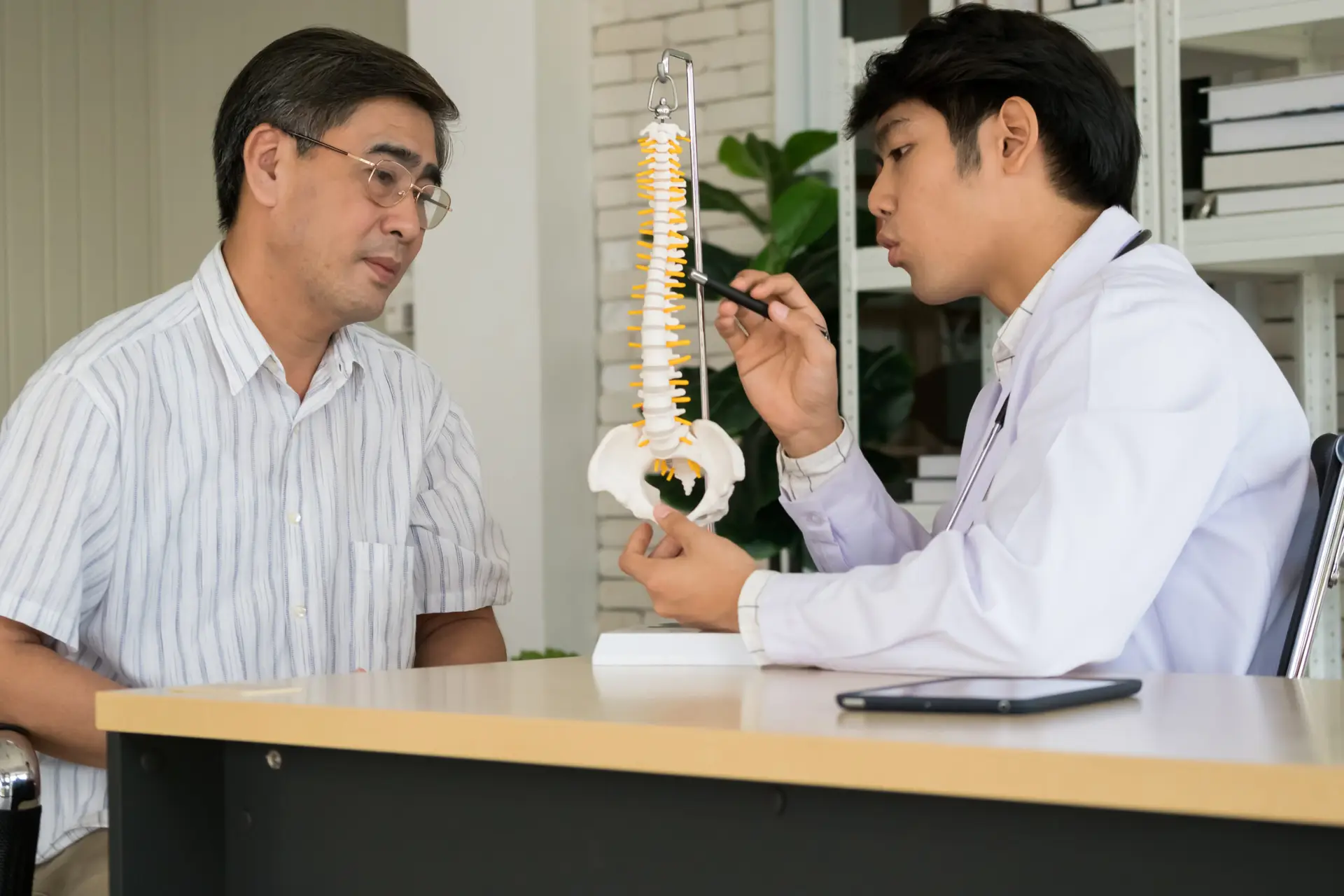
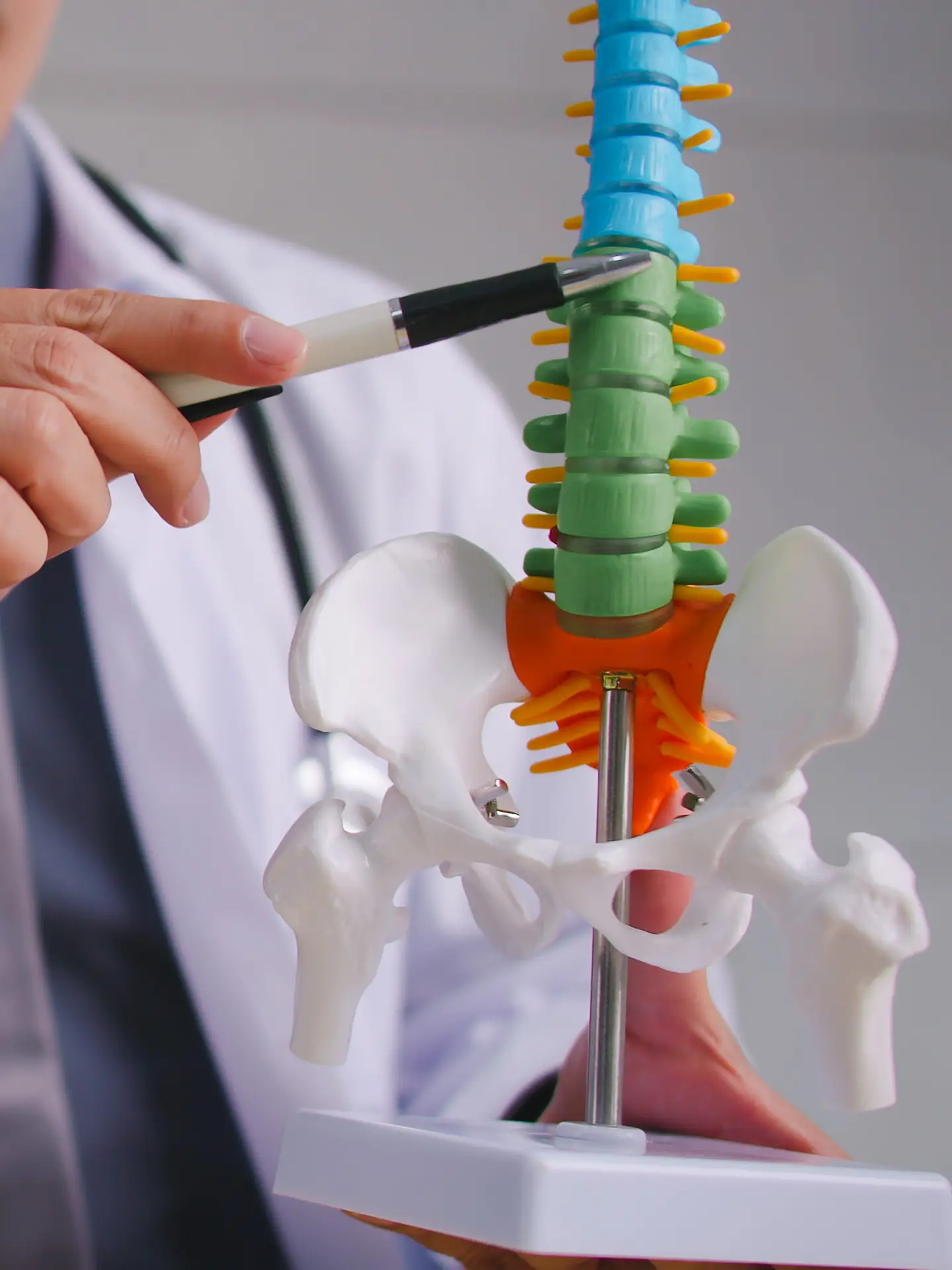
Spinal tumour surgery is a specialized procedure used to remove or reduce tumours affecting the spinal cord, nerve roots, vertebrae, or tissues surrounding the spine. Patients may require surgery when a tumour causes persistent pain, weakness, numbness, spinal instability, or pressure on important nerves. The treatment aims to control the tumour while protecting neurological function and maintaining spinal stability. At Asan Medical Center in Seoul, spinal conditions can be assessed through coordinated care involving spine surgeons, neurosurgeons, oncology specialists, radiologists, rehabilitation teams, and pain specialists.
Clinic Information
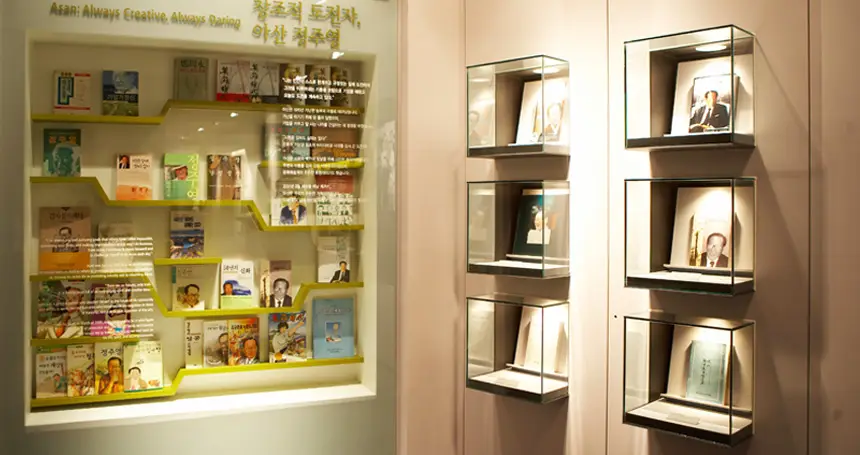
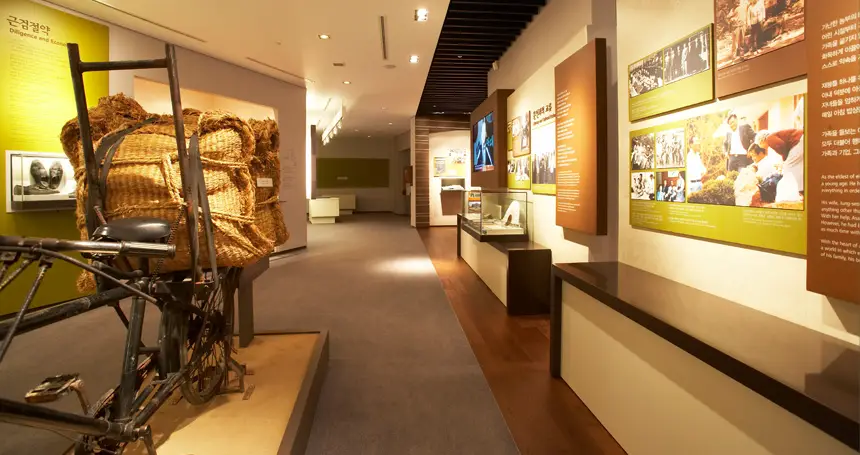
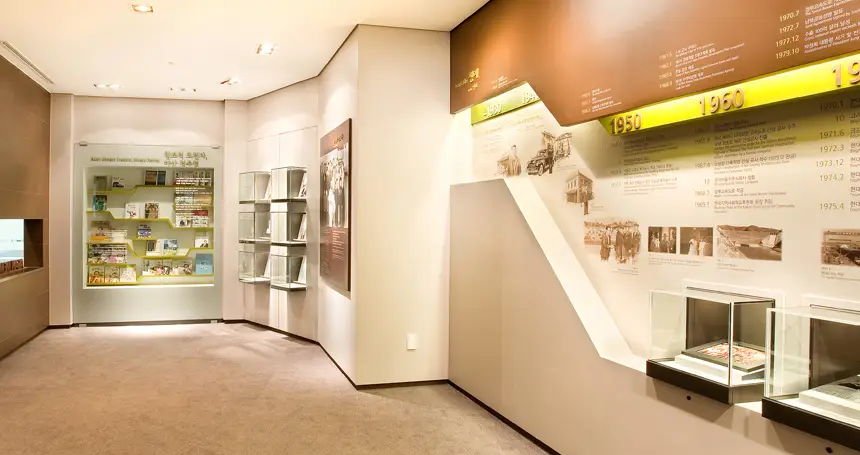
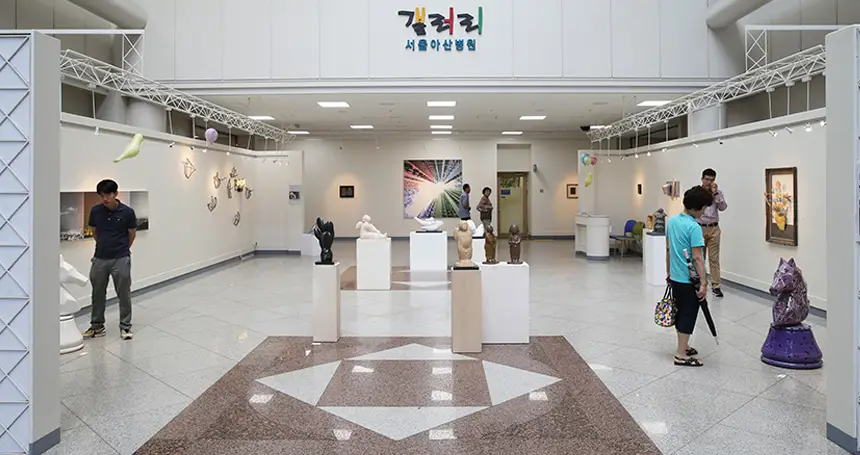
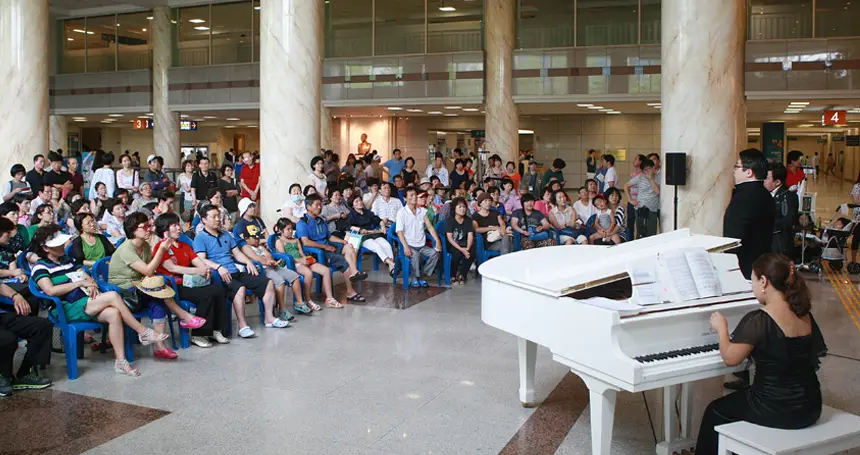
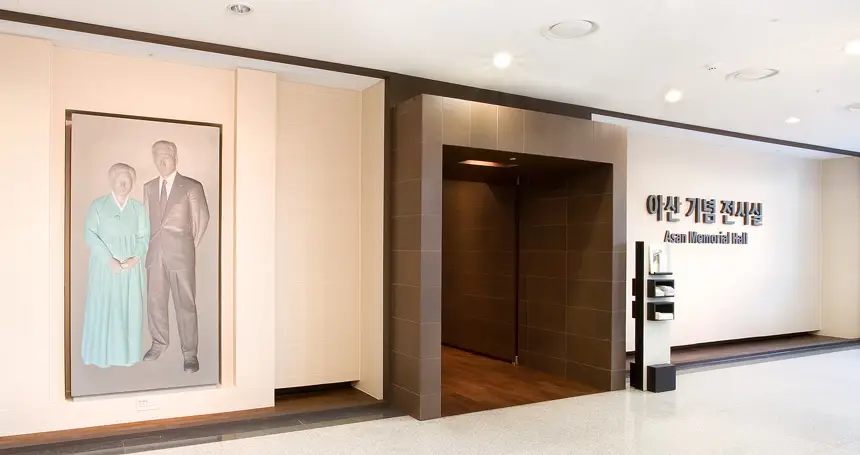
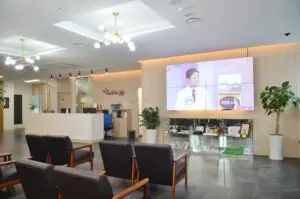
Learn more about the clinic where this procedure is performed, including its facilities, medical expertise, patient care standards, and available treatment options.
ASAN Medical Center is a leader in research and medical care. I was unable to get medical help here in the United States due to a lack of professionalism and discrimination. After, two years of research and a business trip to South Korea, I learned about ASAN Medical Center. I knew through research that they were the best in the world and I was determined to seek answers for my condition. It took 3 months but I was elated when…ASAN Medical Center is a leader in research and medical care. I was unable to get medical help here in the United States due to a lack of professionalism and discrimination. After, two years of research and a business trip to South Korea, I learned about ASAN Medical Center. I knew through research that they were the best in the world and I was determined to seek answers for my condition. It took 3 months but I was elated when Professor Ko ( who specializes in Gastric cancer, Robotic Surgery, Bariatric, and Metabolic Surgery, Hernia Surgery) was assigned to my case. In December of 2023, I was traveling again to South Korea and spent a week going through a plethora of tests. I was in awe of the care, and respect as a patient which I received, and the best part was Dr. Ko took the time to explain to me in detail what was discovered and the next steps. I remember crying alone on New Year's Day in my hospital room, for the first time there was hope.
In 2024, I underwent 2 successful surgeries. In the United States, after the surgeon performs the surgery you never see nor hear from them. Getting access is impossible! Not at ASAN Medical Center. I saw Dr. Ko and Dr. Yoo every day and the rest of the medical team including the head nurse. My wounds were cleaned constantly by a wound care nurse, I had nurses every hour to 2 hours to check-in, and the International Nurse, Nurse Park checked on me daily. I also had the honor of working with a phenomenal nutritionist who is still instrumental in how I eat. I was never made to feel alone given that I was far away from home and going through a scary process by myself. I was treated as a human being for the first time and was never treated differently because of the color of my skin.
As a patient at ASAN Medical Center, the patient matters. I had real conversations with my surgeons, I was not only healing physically but mentally and spiritually. I was given a second chance, a chance to live, a chance to be healthy, and a new journey to become better than before. I was so sad when I was leaving. However, I was provided with the tools to keep healing.
I encourage everyone to think outside the box and seek other options. ASAN Medical Center was my best option and can be yours too. Now, I plan to travel to South Korea to ASAN Medical Center every year for my follow-ups and annuals. I will never trust anyone else with my health. Dr. Ko is a genius. There are no words to describe his incredible mind and brilliance. Dr. Yoo is not an ordinary surgeon, his phenomenal approach to patient care and his tireless efforts in ensuring that his patients succeed is phenomenal. They are both my rock throughout this process. I was blessed to have a great team and you can too.
Never lose hope especially when you feel you cannot go on anymore. Keep fighting! ASAN Medical Center is far more advanced in technology, patient care, research, and professionalism than any hospital I have been to. Thank you, Professor Ko, Dr. Yoo, Nurse Park, the nurses, the staff, International Department!
I highly recommend ASAN Medical Center to every patient. Seek the International Center-Nurse Jenny Park is the best! If you have similar needs to me, I highly recommend Dr. Ko and Dr. Yoo.
The staff in the emergency room were all extremely helpful, professional, and friendly. Highly recommend for their awesome services! One of the patrol guys was super nice and went extra miles to help us booked a venti taxi as foreigners can't really book a 5 pax car. So thankful to meet someone so nice in our journey 💓 Great food selection in this hospital. They even have nasi goreng (Malaysia fried rice) here lol feels like home. The only slightly…The staff in the emergency room were all extremely helpful, professional, and friendly. Highly recommend for their awesome services! One of the patrol guys was super nice and went extra miles to help us booked a venti taxi as foreigners can't really book a 5 pax car. So thankful to meet someone so nice in our journey 💓 Great food selection in this hospital. They even have nasi goreng (Malaysia fried rice) here lol feels like home.
The only slightly bad experience was the receptionists can't speak English/Chinese, but it's their attitude that disgust us the most. One of the lady receptionists rolled her eyes on me when I speak English. I don't think that's the best way to treat anyone esp in a professional setting.
To Asan Management, please train your receptionists to be more professional in attending patients/visitors enquiries.
Discover the best places to visit in South Korea and explore its rich culture, breathtaking landscapes, iconic attractions, and unforgettable travel experiences.
We use cookies and similar technologies as described in our
Cookie Policy. Some are strictly necessary; others help us understand
site usage and support advertising. You can change your choices at any time via Cookie Settings.
Cookie Settings
Choose which optional categories to allow. Strictly necessary technologies are always active. See our
Cookie Policy for details on each category.
Strictly NecessaryAlways active
Preference and FunctionalRemembers your choices and preferences
Analytics and PerformanceHelps us understand how visitors use the site
Advertising and MarketingSupports advertising and campaign measurement