










Advanced Orthopedic Care for Shoulder Pain, Elbow Injuries, Joint Stability & Restored Upper-Limb Function
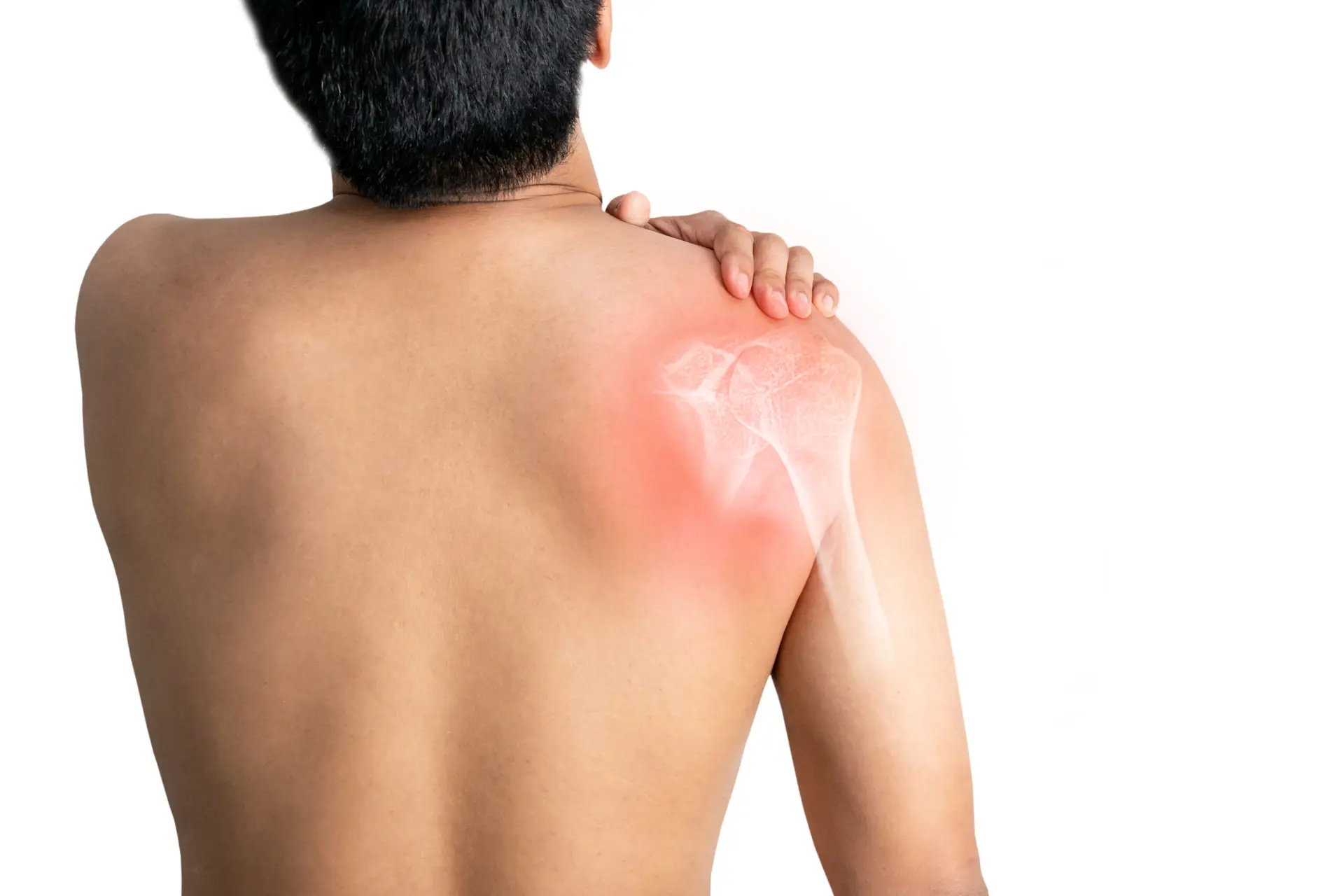
Shoulder and Elbow Surgery in Seoul, South Korea at Asan Medical Center is designed for patients with painful, unstable, injured, or degenerative shoulder and elbow conditions that affect daily movement, work, sports, sleep, and overall quality of life. These procedures may help treat rotator cuff tears, shoulder instability, recurrent dislocations, arthritis, tendon injuries, elbow ligament damage, fractures, and complex upper-limb disorders. Patients choose shoulder and elbow surgery when non-surgical treatments are no longer enough to control pain or restore function. With advanced orthopedic evaluation, imaging, surgical planning, and rehabilitation support, treatment focuses on reducing pain, improving movement, restoring joint stability, and supporting long-term arm function.
🔍 What Is Shoulder and Elbow Surgery?
Treatment may involve minimally invasive arthroscopic surgery, tendon repair, ligament reconstruction, fracture fixation, shoulder replacement, reverse shoulder arthroplasty, elbow arthroplasty, or revision surgery. In many cases, surgery is considered only after physical therapy, medication, injections, rest, or activity modification have not provided enough improvement.
Shoulder and elbow surgery is often recommended for conditions such as rotator cuff tears, labral tears, impingement syndrome, frozen shoulder complications, shoulder arthritis, massive tendon injuries, recurrent shoulder dislocation, elbow instability, ligament injury, severe elbow arthritis, and traumatic fractures.

These conditions can become more serious when left untreated, especially when pain, weakness, instability, or loss of motion continues to progress. A detailed orthopedic evaluation helps determine whether surgery is the safest and most effective option.
At Asan Medical Center in Seoul, shoulder and elbow care is supported by specialized orthopedic expertise, advanced imaging, surgical planning, rehabilitation medicine, and multidisciplinary hospital resources. The goal is not only to complete surgery successfully, but also to help patients regain useful movement, reduce pain, protect joint function, and improve long-term quality of life.
🩺 Types of Spine Surgery
- Arthroscopic rotator cuff repair – A minimally invasive shoulder procedure used to repair torn rotator cuff tendons and improve shoulder strength, comfort, and range of motion.
- Total shoulder arthroplasty – A shoulder replacement procedure used for advanced shoulder arthritis or joint damage when the joint surface is severely worn.
- Reverse shoulder arthroplasty – A specialized shoulder replacement option often used for complex shoulder arthritis, massive rotator cuff tears, or cases where normal shoulder mechanics are significantly affected.
- Elbow ligament reconstruction – A procedure used to restore elbow stability when important ligaments are torn or no longer support the joint properly.
- Fracture and trauma reconstruction – Surgical repair for complex shoulder, upper-arm, or elbow fractures that require accurate alignment and stable fixation.
🩺 Who Is a Good Candidate?
Shoulder and elbow surgery may be suitable for patients who have ongoing pain, weakness, instability, stiffness, or loss of function that has not improved with non-surgical care. A good candidate should have a clear diagnosis, realistic expectations, and a treatment plan based on orthopedic evaluation and imaging.
✔️ Patients with chronic shoulder pain that limits sleep, work, sports, or daily activity
✔️ Individuals with confirmed rotator cuff tears, tendon injuries, or labral tears
✔️ Patients with recurrent shoulder dislocations or shoulder instability
✔️ People with elbow instability, ligament injury, or painful elbow movement
✔️ Patients with shoulder or elbow arthritis that causes stiffness and reduced function
✔️ Individuals with traumatic fractures around the shoulder, upper arm, or elbow

📝 Consultation & Preparation
A detailed consultation is essential before shoulder and elbow surgery because treatment depends on the exact condition, severity of damage, previous injuries, joint stability, tendon quality, and overall health. At Asan Medical Center, planning may include orthopedic examination, imaging studies, medical review, and rehabilitation planning to choose the most suitable surgical or non-surgical pathway.

✔️ Complete orthopedic evaluation of shoulder or elbow pain, weakness, stiffness, or instability
✔️ Review of symptoms, injury history, sports activity, work demands, and previous treatments
✔️ Physical examination to assess range of motion, strength, joint stability, and nerve function
✔️ Imaging tests such as X-ray, ultrasound, MRI, CT scan, or other studies when required
✔️ Review of previous surgery records, imaging, therapy notes, or injection history if available
✔️ Discussion of suitable treatment options, including arthroscopy, repair, reconstruction, or replacement
🩺 Recovery & Aftercare
Recovery after shoulder and elbow surgery depends on the procedure performed, the severity of the condition, and the patient’s healing response. Arthroscopic procedures may have a different recovery pathway than joint replacement, fracture repair, or complex reconstruction. In all cases, proper aftercare and rehabilitation are essential for safe healing and functional improvement.
✔️ Mild to moderate pain, swelling, bruising, or stiffness may occur after surgery
✔️ A sling, brace, or protective support may be required depending on the procedure
✔️ Medications may be prescribed to help control pain and reduce inflammation
✔️ Wound care instructions must be followed carefully to reduce infection risk
✔️ The operated arm may need to be protected from lifting, pushing, pulling, or sudden movement
✔️ Sleeping position guidance may be provided to reduce discomfort and protect the repair
✔️ Physical therapy usually plays an important role in restoring motion, strength, and function

🌍 Why Choose Asan Medical Center for Shoulder and Elbow Surgery?
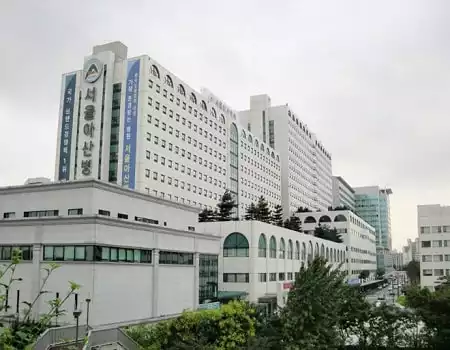
Choosing the right hospital for shoulder and elbow surgery is important because these joints require precise diagnosis, careful surgical planning, and structured rehabilitation. Asan Medical Center’s Shoulder and Elbow Surgery Section is part of the Department of Orthopedic Surgery and focuses on diagnosis, surgical treatment, and rehabilitation for shoulder and elbow disorders.
✔️ Specialized shoulder and elbow orthopedic section within Asan Medical Center’s Department of Orthopedic Surgery
✔️ Experience with advanced arthroscopic, reconstructive, and joint replacement procedures
✔️ Expertise in rotator cuff tears, impingement syndromes, traumatic injuries, and complex revision cases
✔️ Recognized care for severe shoulder deformities, massive rotator cuff tears, and recurrent dislocations requiring bone augmentation
✔️ Surgical capabilities that include arthroscopic rotator cuff repair, labral reconstruction, total shoulder arthroplasty, reverse shoulder arthroplasty, elbow arthroplasty, and ligament reconstruction