










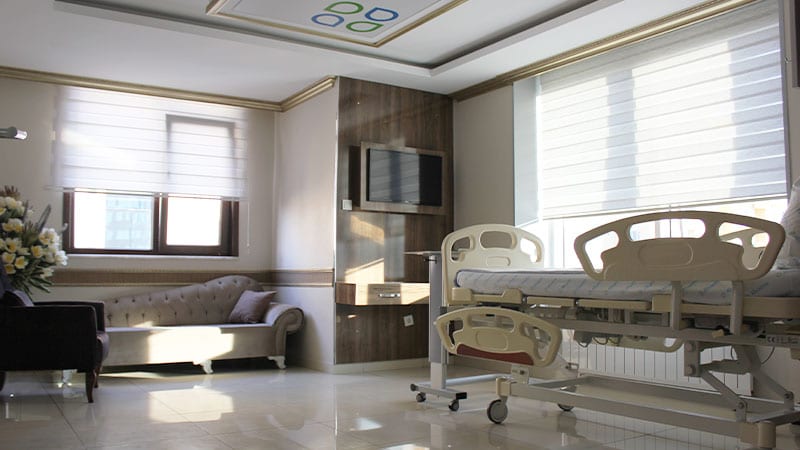




Advanced Epilepsy Care Focused on Seizure Control, Improved Quality of Life & Personalized Neurological Management
Epilepsy is a chronic neurological condition that causes recurrent seizures due to abnormal electrical activity in the brain. Effective Epilepsy Treatment focuses on identifying the cause of seizures, reducing their frequency, and helping patients achieve better long-term neurological health. Patients from around the world travel to Istanbul for comprehensive epilepsy evaluation because of its modern medical infrastructure, experienced neurology and neurosurgery teams, and multidisciplinary approach to neurological disorders. At Avicenna Hospital, Epilepsy Treatment is tailored to each individual after detailed neurological assessment. The goal is to improve seizure control whenever possible, minimize complications, preserve brain function, and help patients return to everyday activities with greater confidence and independence.
🩺 What Is Epilepsy Treatment?
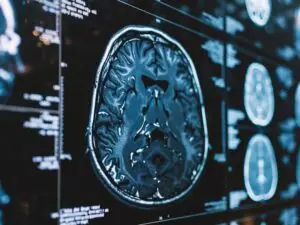
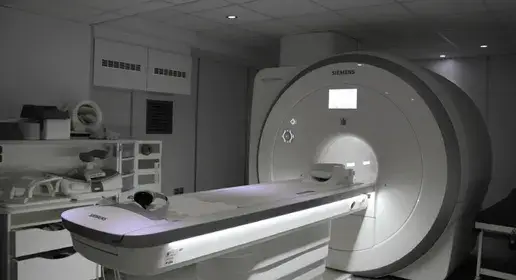
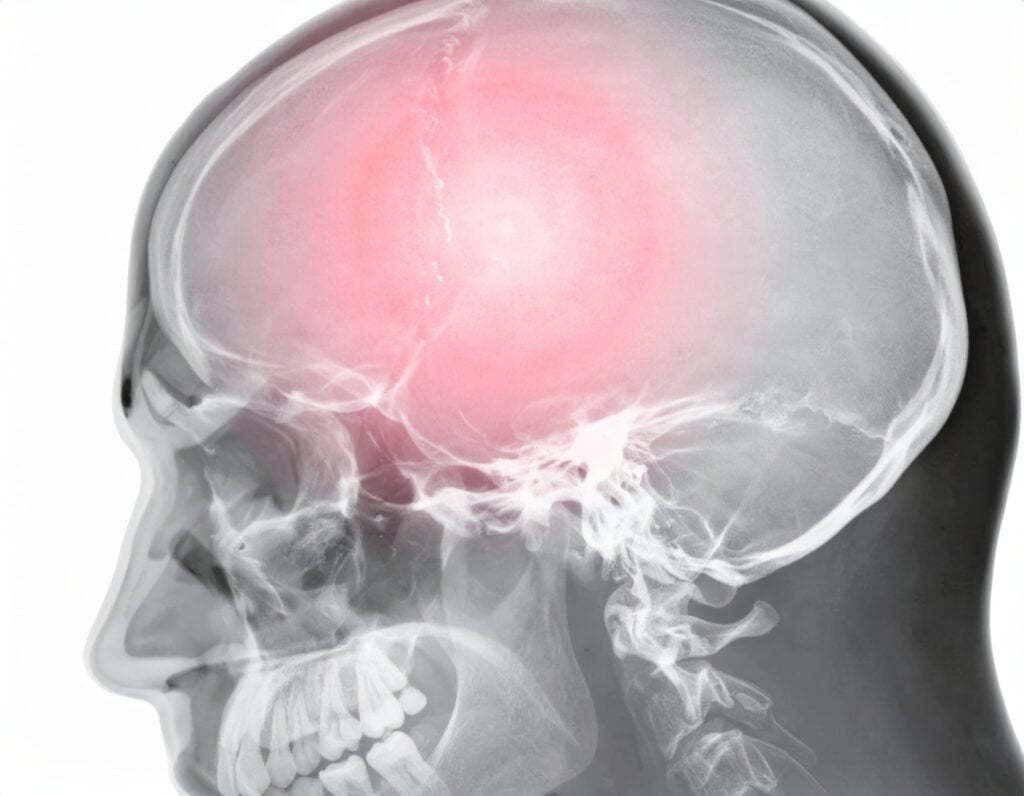
Epilepsy Treatment refers to the medical and, when appropriate, surgical management of epilepsy, a neurological disorder characterized by repeated seizures. The diagnostic process begins with a comprehensive neurological evaluation. Specialists review the patient’s medical history, seizure characteristics, previous treatments, and family history. Diagnostic testing may include electroencephalography (EEG), magnetic resonance imaging (MRI), blood tests, and additional neurological assessments to determine the type of epilepsy and identify possible underlying causes. For many patients, anti-seizure medications successfully control seizures.
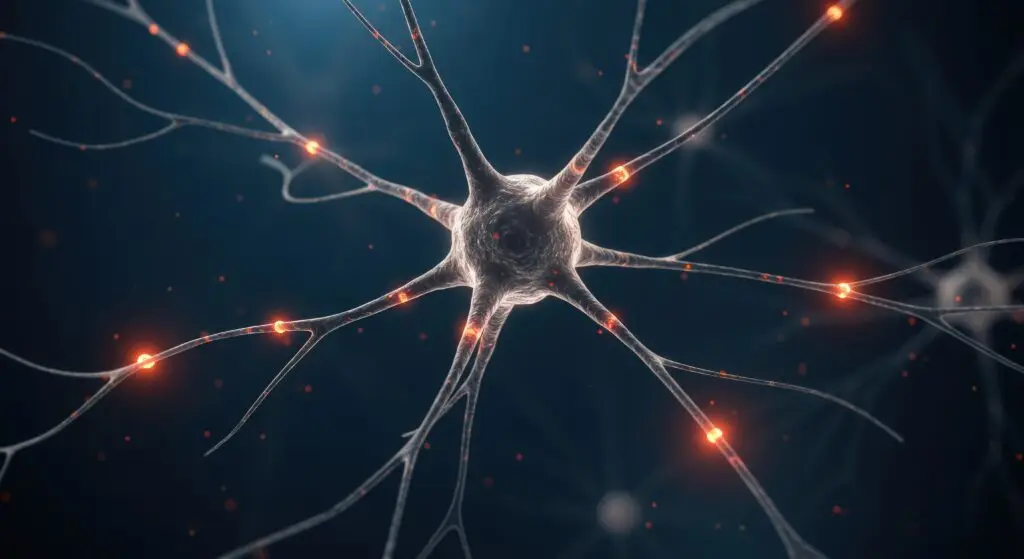
Medication selection depends on seizure type, age, overall health, lifestyle, and possible side effects. Some patients continue experiencing seizures despite appropriate medication. In carefully selected cases, advanced treatment options such as epilepsy surgery, vagus nerve stimulation (VNS), or other neuromodulation techniques may be considered following comprehensive evaluation by a multidisciplinary team. Overall, Epilepsy Treatment aims to reduce seizure frequency, improve neurological function, enhance patient safety, and support long-term independence through personalized, evidence-based care.
🩺 Types of Epilepsy Treatment
• Medication Therapy – Anti-seizure medications prescribed according to seizure type and individual medical needs.
• Epilepsy Surgery – Surgical treatment for carefully selected patients whose seizures do not respond adequately to medication.
• Vagus Nerve Stimulation (VNS) – Implantable device therapy that helps reduce seizure frequency in certain patients.
• Responsive Neurostimulation (RNS) – Advanced neuromodulation therapy that may be considered for selected patients where appropriate.
• Dietary Therapy – Specialized nutritional approaches, including ketogenic-based diets, recommended in selected cases under medical supervision.
• Comprehensive Neurological Rehabilitation – Supportive therapies that help improve cognitive function, physical abilities, and overall quality of life.
🩺 Who Is a Good Candidate?
Epilepsy Treatment may be appropriate for individuals diagnosed with seizure disorders who require specialized neurological evaluation or long-term management.
✔️ Individuals diagnosed with epilepsy
✔️ Patients experiencing recurrent seizures
✔️ People with newly diagnosed seizure disorders
✔️ Patients whose seizures are not fully controlled with medication
✔️ Individuals seeking advanced neurological evaluation
✔️ Adults and children requiring personalized treatment plans
✔️ Patients being evaluated for epilepsy surgery
✔️ Individuals requiring long-term neurological follow-up
✔️ Patients looking to improve seizure control and daily functioning
✔️ Individuals in stable overall health suitable for neurological treatment
🩺 Consultation & Preparation
Before beginning Epilepsy Treatment, patients undergo a thorough consultation and preparation process to ensure accurate diagnosis and effective treatment planning. This stage allows the neurology team to gather detailed information about the patient’s condition, evaluate previous medical records, and determine the most appropriate approach for managing seizures.

Each step is carefully designed to provide a comprehensive understanding of the patient’s neurological health and to create a personalized treatment plan.
✔️ Comprehensive neurological consultation
✔️ Detailed review of seizure history
✔️ Physical and neurological examination
✔️ Review of previous MRI and EEG studies
✔️ Medication assessment and adjustment if needed
✔️ Blood tests when clinically indicated
✔️ Discussion of treatment goals and expectations
✔️ Evaluation for possible surgical eligibility when appropriate
✔️ Personalized treatment planning based on diagnostic findings
✔️ Pre-treatment instructions provided by the neurology team
🩺 Recovery & Aftercare
Recovery and follow-up depend on the type of Epilepsy Treatment performed. Patients receiving medication management require regular neurological monitoring, while those undergoing advanced procedures may need additional follow-up visits and rehabilitation.
Long-term care focuses on maintaining seizure control, monitoring neurological health, and supporting everyday activities.
✔️ Regular neurological follow-up appointments
✔️ Monitoring seizure frequency and symptoms
✔️ Medication adjustments when necessary
✔️ Routine EEG or imaging follow-up if recommended
✔️ Gradual return to normal daily activities
✔️ Education regarding seizure safety precautions
✔️ Lifestyle recommendations to reduce seizure triggers
✔️ Ongoing communication with the neurology team
✔️ Rehabilitation support when clinically appropriate
✔️ Long-term monitoring to optimize treatment outcomes

🌍 Why Choose Avicenna Hospital for Epilepsy Treatment?
Choosing the right medical center is important when managing neurological disorders such as epilepsy.
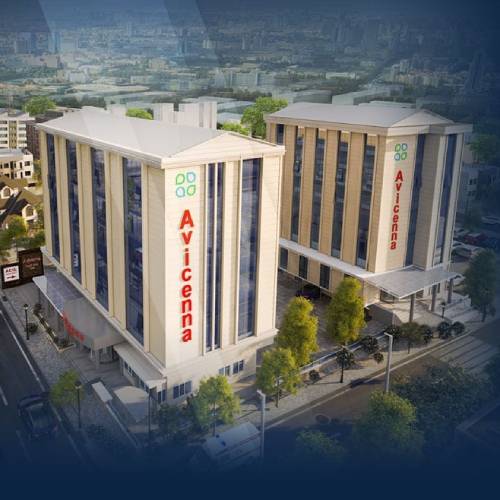
Avicenna Hospital provides comprehensive neurological care supported by experienced medical professionals, modern diagnostic technologies, and individualized treatment planning. Every patient undergoes detailed evaluation to determine the most appropriate management strategy based on their unique condition.
✔️ Multidisciplinary neurology and neurosurgery approach
✔️ Personalized treatment plans for every patient
✔️ Comprehensive neurological evaluations
✔️ Advanced diagnostic imaging and neurological testing
✔️ Individualized medication management
✔️ Evaluation for advanced treatment options when appropriate
✔️ Dedicated international patient coordination
✔️ Modern hospital facilities and patient-centered care
✔️ Focus on long-term neurological health and quality of life