
















Advanced Migraine Management and Personalized Neurological Care for Improved Quality of Life
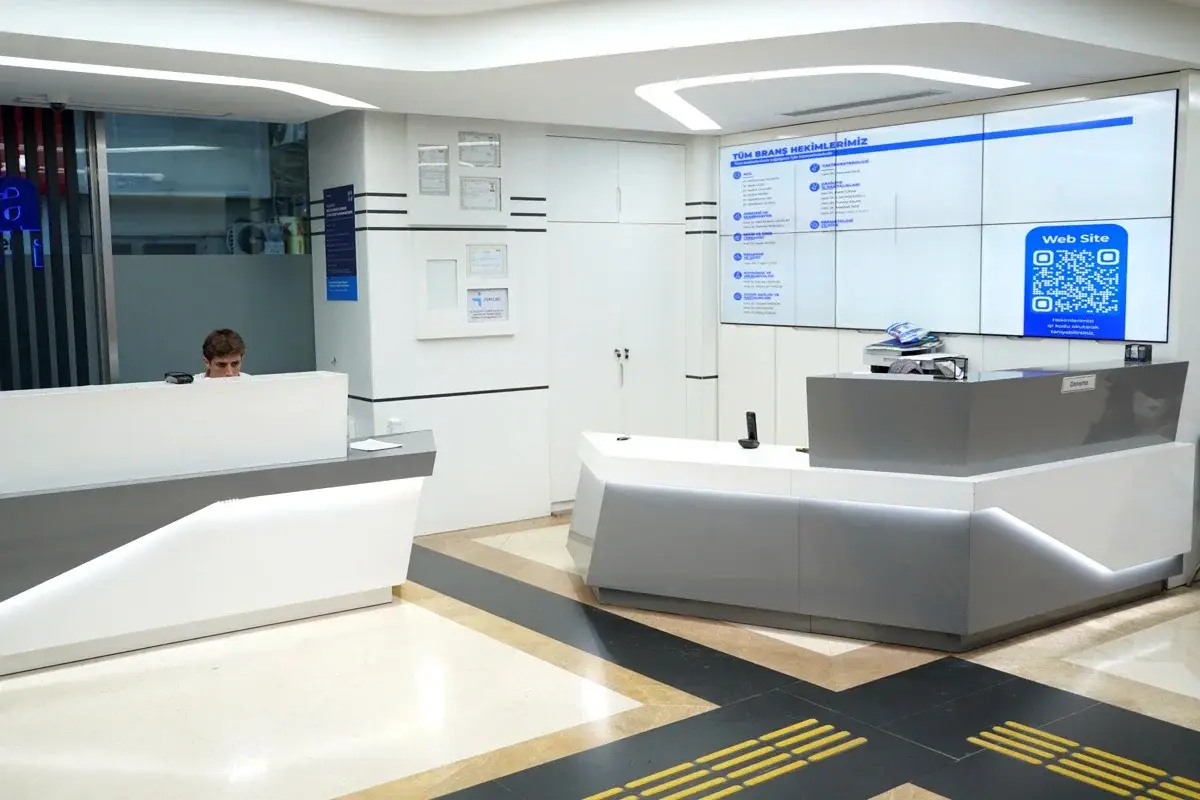
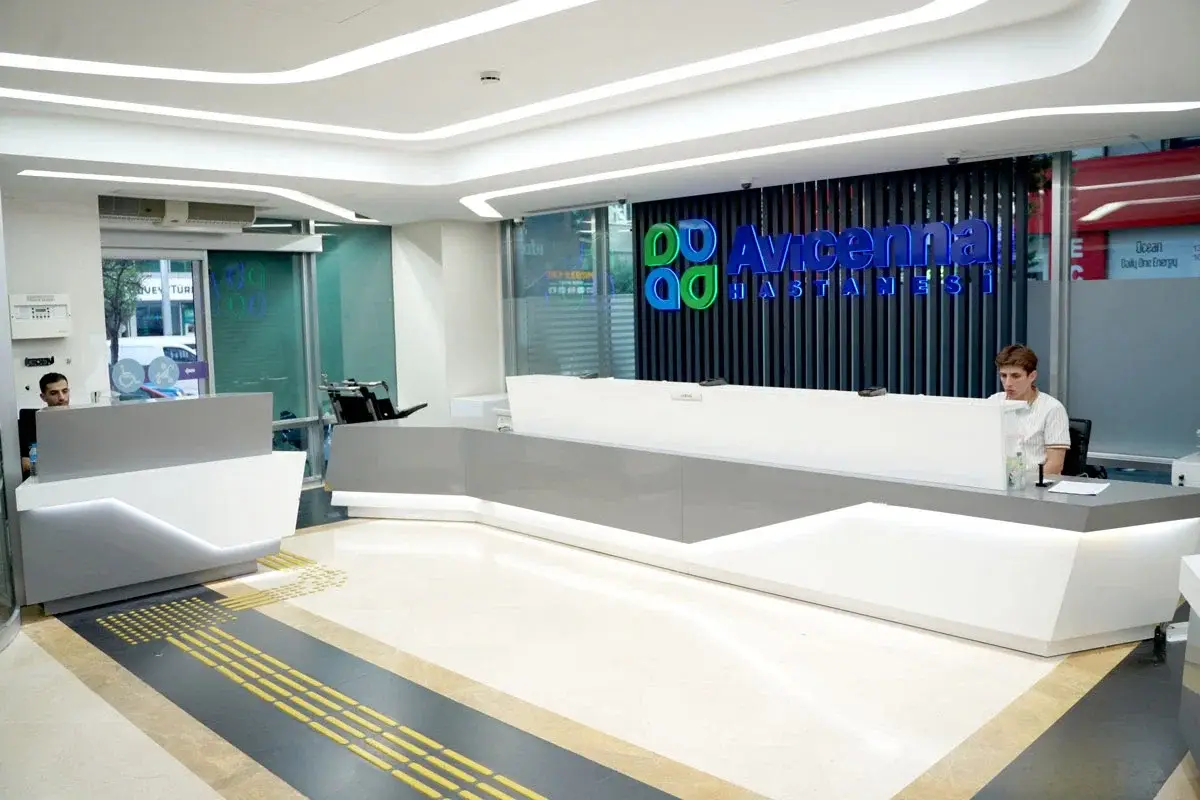
Migraines are a neurological condition that can significantly affect daily life, work performance, and overall well-being. They are commonly characterized by recurring headaches that may be accompanied by nausea, sensitivity to light and sound, visual disturbances, and fatigue. Because symptoms vary among individuals, migraines often require personalized evaluation and management. At Avicenna Hospital in Istanbul, Turkey, patients benefit from comprehensive neurological assessments and individualized treatment planning. The medical team focuses on identifying potential triggers, evaluating symptoms, and developing personalized strategies to help patients better manage their condition and improve their quality of life. Many international patients choose Istanbul for neurological care due to its advanced healthcare infrastructure and experienced medical professionals. Avicenna Hospital provides patient-centered migraine management supported by modern diagnostic capabilities and multidisciplinary care.
🩺 What Is Migraines Treatment?
Migraines Treatment involves the evaluation, diagnosis, and management of migraine headaches through a personalized care plan based on a patient’s symptoms, medical history, and overall health. Because migraine patterns vary among individuals, treatment approaches are tailored to each patient’s specific needs.

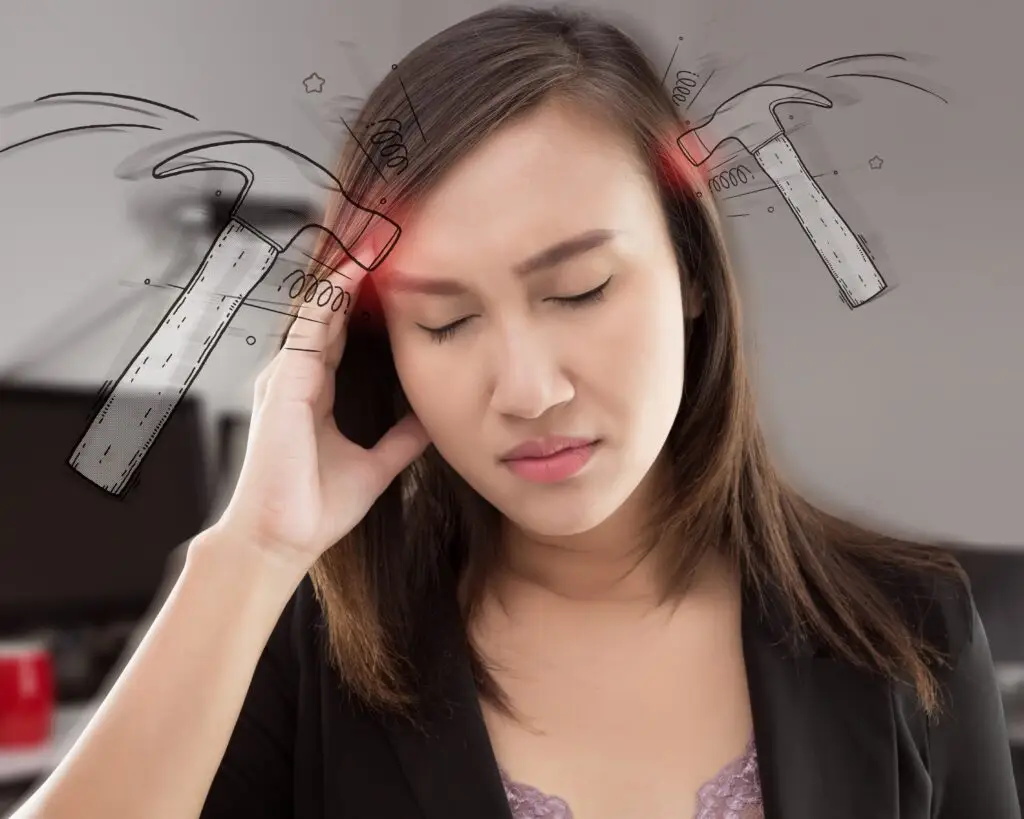
Migraines are a neurological condition that can cause recurring headaches, often accompanied by symptoms such as nausea, sensitivity to light and sound, and visual disturbances. Some individuals experience aura before an attack, while others do not. The frequency and severity of migraines can differ significantly from person to person.
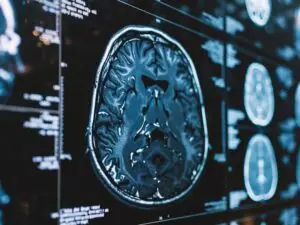
Diagnosis typically begins with a detailed neurological assessment that reviews headache history, symptom patterns, potential triggers, lifestyle factors, and previous treatments. Additional testing may be recommended when necessary.
Migraine management aims to reduce the impact of symptoms on daily life through individualized strategies, ongoing monitoring, and regular follow-up care to support long-term symptom control and improved quality of life.
🩺 Types of Migraines Treatment Procedures
• Lifestyle and Trigger Management – Focuses on identifying and minimizing factors that may contribute to migraine episodes.
• Preventive Migraine Management – Designed for patients who experience frequent migraine attacks and require long-term symptom management strategies.
• Acute Migraine Treatment – Aims to address symptoms during migraine episodes according to physician recommendations.
• Neurological Monitoring and Follow-Up – Involves ongoing assessment of symptom patterns and treatment effectiveness.
• Multidisciplinary Migraine Care – Combines neurological evaluation with individualized lifestyle and wellness recommendations.
🩺 Who Is a Good Candidate?
Migraine treatment may be appropriate for individuals experiencing recurrent headaches or migraine-related symptoms that affect their daily activities and quality of life. A comprehensive neurological assessment helps determine the most suitable management approach for each patient.
✔️ Individuals experiencing recurring migraine headaches
✔️ Patients with frequent headache episodes
✔️ People affected by migraine-related nausea
✔️ Individuals experiencing sensitivity to light or sound
✔️ Patients whose migraines interfere with work or daily activities
✔️ People experiencing visual disturbances associated with migraines
✔️ Individuals seeking professional neurological evaluation
✔️ Patients looking for personalized migraine management
✔️ Adults with chronic or recurring headaches
✔️ Individuals seeking long-term symptom monitoring
✔️ Patients interested in identifying migraine triggers
🩺 Consultation & Preparation
Before developing a migraine treatment plan, patients undergo a detailed assessment to better understand their symptoms, medical history, and overall health condition.

✔️ Comprehensive neurological consultation
✔️ Review of migraine history and symptom patterns
✔️ Discussion of migraine frequency and duration
✔️ Evaluation of previous treatments and medications
✔️ Assessment of lifestyle and environmental triggers
✔️ Review of family medical history
✔️ Physical and neurological examination
✔️ Discussion of current health conditions
✔️ Diagnostic testing when medically indicated
✔️ Review of headache diaries or symptom records
✔️ Evaluation of sleep habits and daily routines
✔️ Assessment of stress-related factors
🩺 Recovery & Aftercare
Migraine treatment focuses on ongoing management and long-term monitoring rather than traditional surgical recovery.
Follow-up care plays an important role in helping patients track symptoms and optimize their treatment plan.
✔️ Regular follow-up consultations
✔️ Monitoring of migraine frequency and severity
✔️ Tracking potential migraine triggers
✔️ Maintaining a migraine symptom diary
✔️ Following physician recommendations
✔️ Reviewing treatment effectiveness over time
✔️ Monitoring lifestyle factors that may influence symptoms
✔️ Managing stress and wellness routines
✔️ Maintaining proper hydration habits
✔️ Supporting healthy sleep patterns
✔️ Ongoing neurological assessments when necessary
✔️ Adjustments to management plans when appropriate
✔️ Continued communication with healthcare providers
✔️ Long-term symptom monitoring
✔️ Focus on improving daily function and quality of life

🌍 Why Choose Avicenna Hospital for Migraines Treatment?

Selecting the right healthcare provider is an important part of migraine management. Avicenna Hospital offers comprehensive neurological services supported by modern medical infrastructure and patient-centered care.
✔️ Experienced neurology and healthcare teams
✔️ Comprehensive neurological evaluations
✔️ Individualized patient care plans
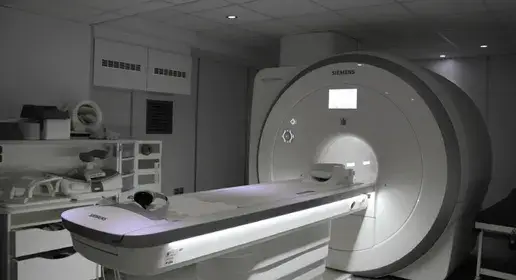
✔️ Modern diagnostic facilities
✔️ Multidisciplinary healthcare approach
✔️ International patient support services
✔️ Personalized treatment planning
✔️ Advanced healthcare infrastructure
✔️ Commitment to patient safety and quality care
✔️ Thorough assessment of migraine symptoms
✔️ Ongoing patient monitoring and follow-up
✔️ Professional care coordination for international patients
✔️ Focus on evidence-based medical practices