


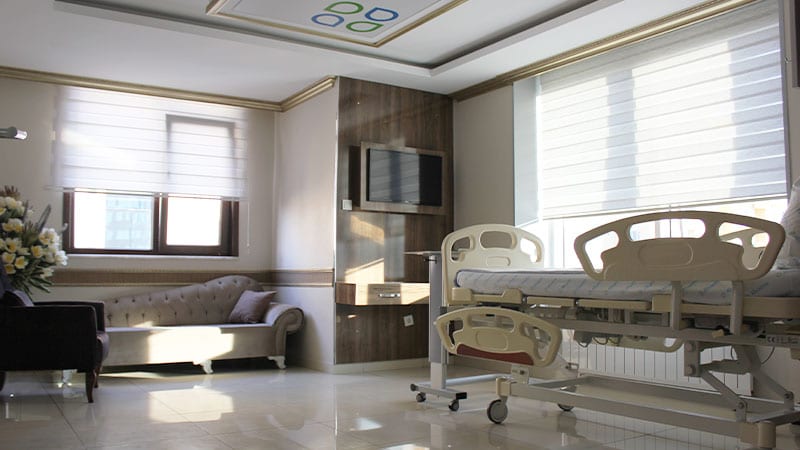




Advanced Spine Surgery for Lasting Pain Relief, Improved Mobility & Better Quality of Life
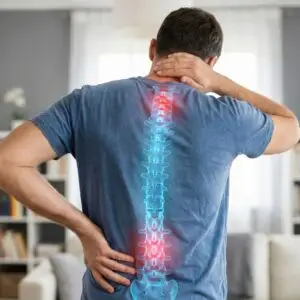
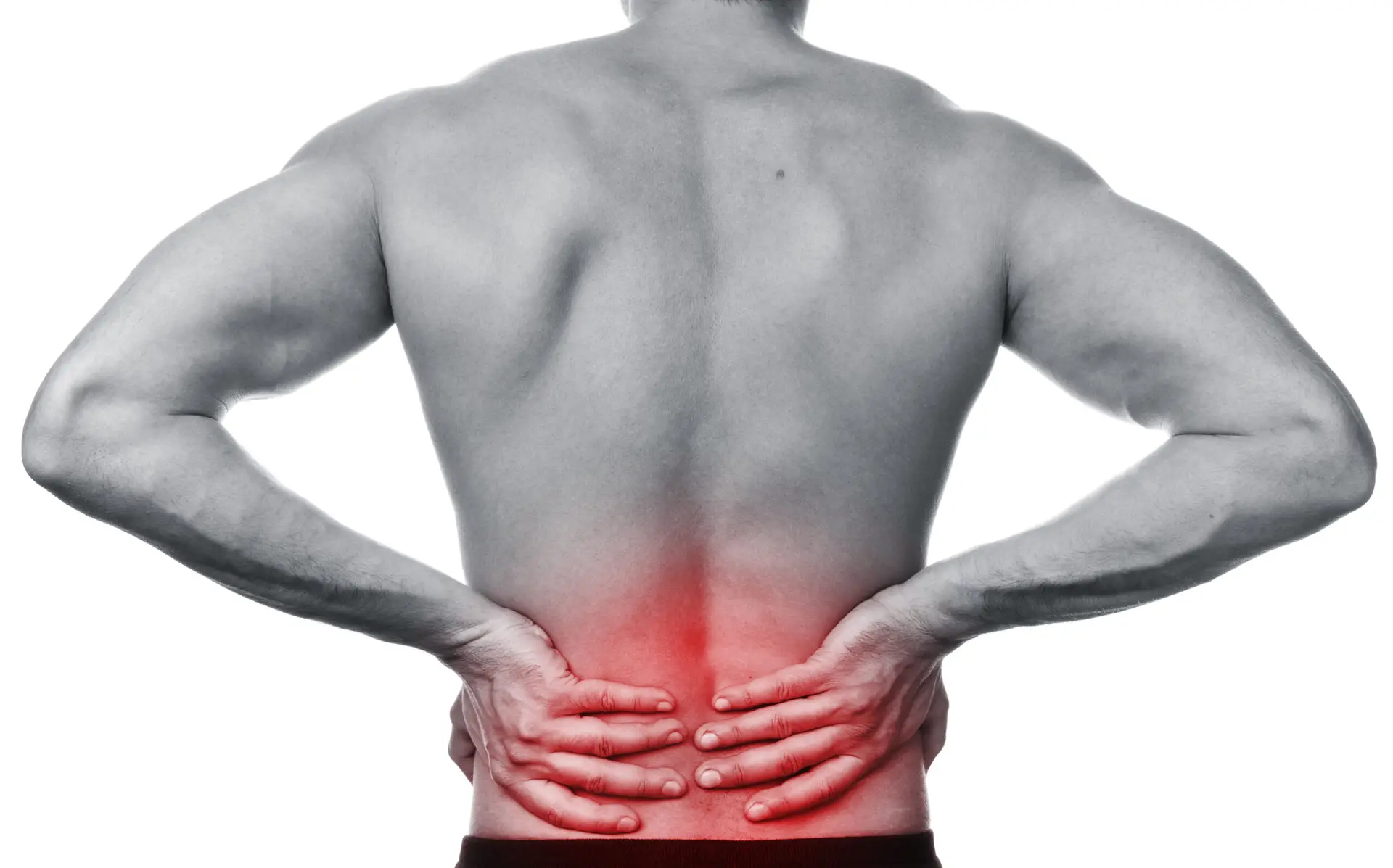
Cervical and lumbar spinal stenosis are common spinal conditions that occur when the spinal canal narrows, placing pressure on the spinal cord or nearby nerve roots. This compression can lead to chronic neck or lower back pain, numbness, tingling, muscle weakness, difficulty walking, and reduced mobility. While many patients initially benefit from conservative treatments such as medication or physical therapy, surgery may become the most effective option when symptoms persist or neurological function begins to decline.
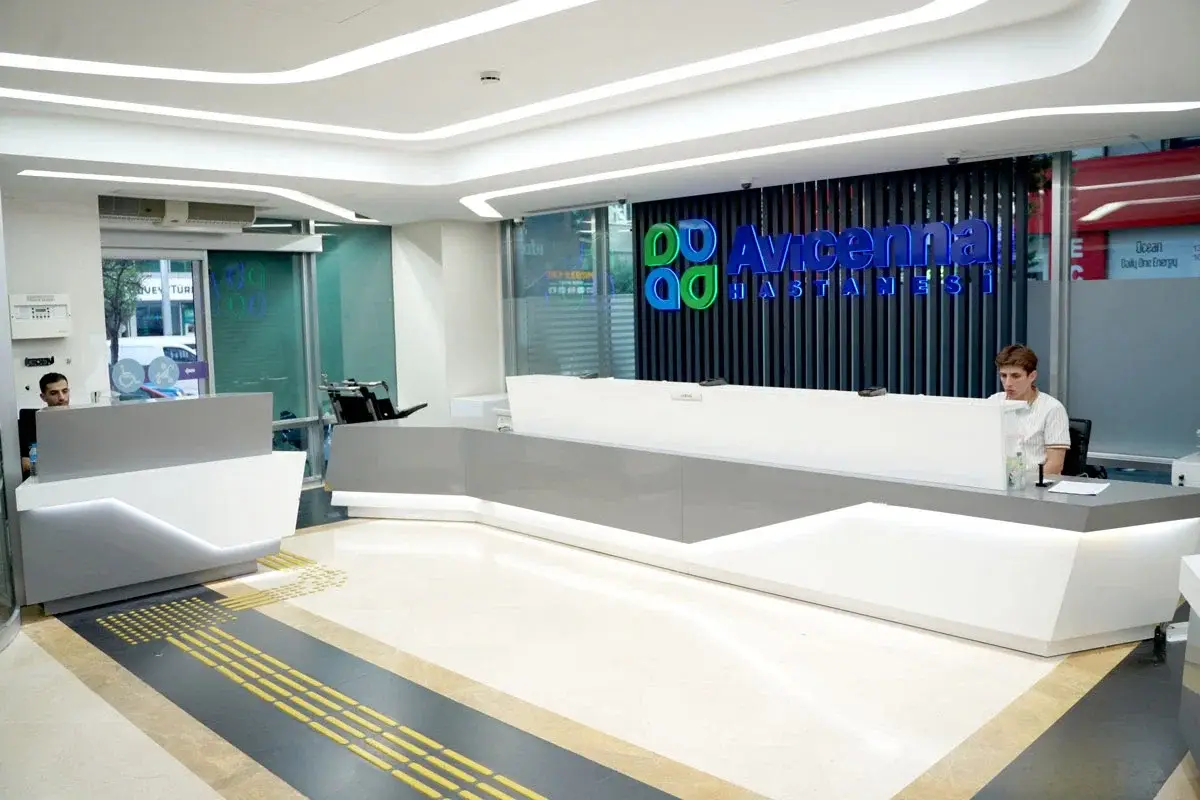
Avicenna Hospital in Istanbul provides comprehensive evaluation and advanced surgical treatment for cervical and lumbar spinal stenosis. Every patient undergoes detailed clinical assessment and imaging to determine the most appropriate treatment approach. Depending on the severity and location of the stenosis, surgical procedures focus on relieving nerve compression while preserving spinal stability whenever possible. The goal is to reduce pain, restore function, improve mobility, and help patients safely return to their normal daily activities.
🩺 What Is Cervical/Lumbar Spinal Stenosis?
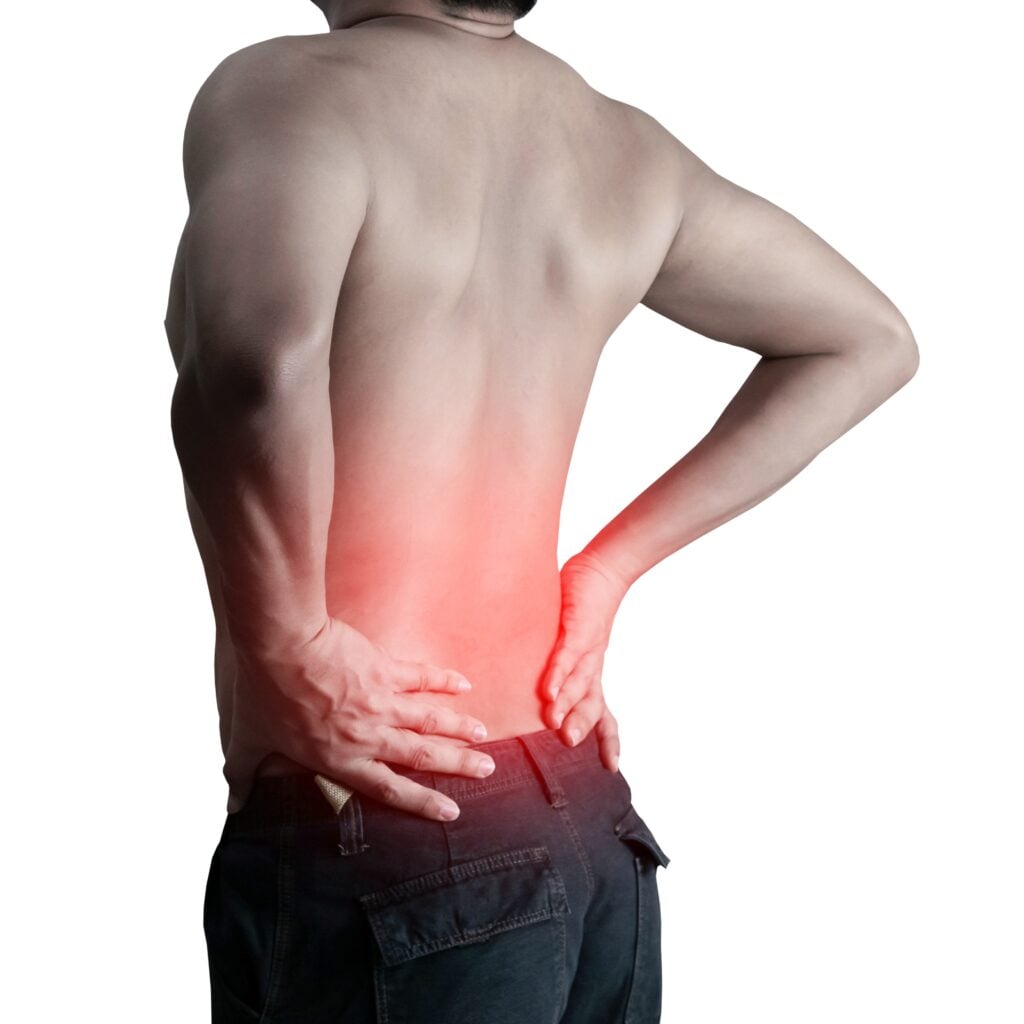
Cervical and lumbar spinal stenosis refer to narrowing of the spinal canal in the neck (cervical spine) or lower back (lumbar spine). As the available space around the spinal cord or nerve roots becomes smaller, nerves may become compressed, resulting in pain, numbness, weakness, balance problems, or difficulty walking. Degenerative changes associated with aging are the most common cause, although spinal injuries, arthritis, thickened ligaments, or congenital spinal narrowing may also contribute.
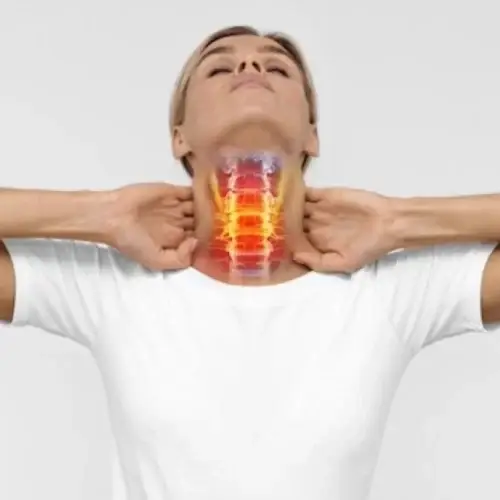
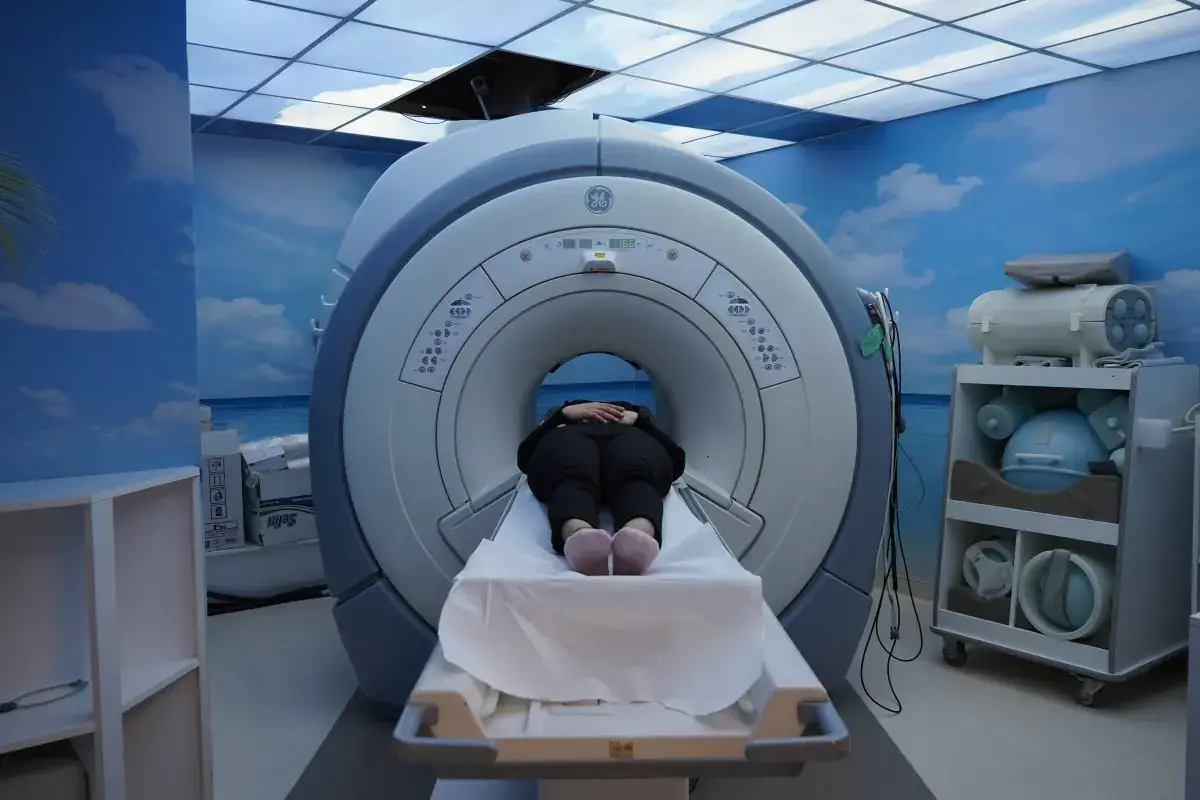
Treatment begins with a thorough neurological examination and advanced imaging studies such as MRI or CT scans to determine the severity of nerve compression. Mild to moderate cases may initially be managed with medications, physiotherapy, activity modification, or spinal injections. Surgical treatment is tailored according to each patient’s spinal anatomy and the underlying cause of stenosis. Procedures may involve decompression techniques such as laminectomy, laminotomy, foraminotomy, or other appropriate spinal procedures. The surgical objective is to safely decompress affected nerves while maintaining spinal alignment and stability whenever necessary. Following treatment, many patients experience significant improvement in pain, walking ability, limb function, and overall quality of life. Recovery depends on the extent of surgery, the duration of nerve compression, general health, and adherence to rehabilitation recommendations.
🩺 Types of Cervical/Lumbar Spinal Stenosis Treatment
• Cervical Spinal Stenosis Surgery – Relieves pressure on the spinal cord or nerve roots affecting the neck and upper limbs.
• Lumbar Spinal Stenosis Surgery – Decompresses nerves in the lower back to reduce leg pain, numbness, and walking difficulty.
• Decompression Procedures – May include laminectomy, laminotomy, or foraminotomy depending on the area of compression.
• Decompression with Stabilization – May be recommended when spinal instability accompanies nerve compression.
🩺 Who Is a Good Candidate?
Patients with spinal stenosis may benefit from specialist evaluation when symptoms significantly interfere with daily life or neurological function.
✔️ Individuals diagnosed with cervical spinal stenosis
✔️ Patients diagnosed with lumbar spinal stenosis
✔️ Persistent neck or lower back pain despite conservative treatment
✔️ Pain radiating into the arms or legs
✔️ Numbness or tingling affecting the limbs
✔️ Difficulty walking or maintaining balance
✔️ Reduced ability to perform normal daily activities
✔️ Patients with imaging confirming spinal canal narrowing
✔️ Individuals medically fit for spine surgery
✔️ Patients experiencing worsening neurological symptoms
✔️ Individuals with limited response to non-surgical treatments
✔️ Patients seeking improved mobility and quality of life
🩺 Consultation & Preparation
A comprehensive evaluation helps determine the most appropriate treatment strategy for each patient.
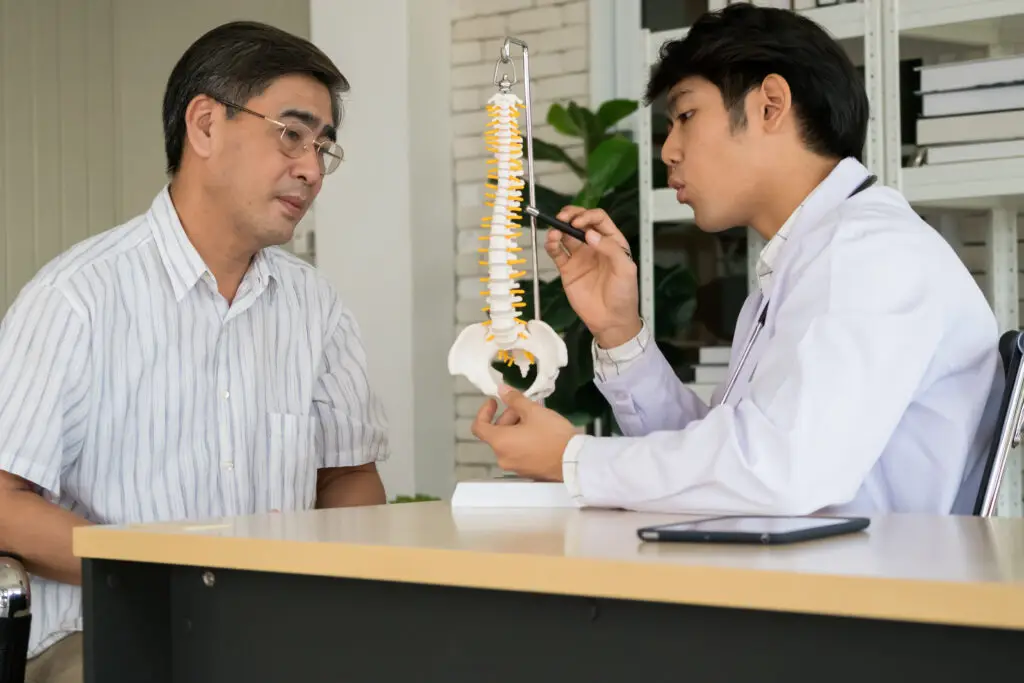
✔️ Review of symptoms and previous treatments
✔️ MRI, CT scan, or X-ray assessment
✔️ Evaluation of spinal alignment and nerve compression
✔️ Review of medical history and medications
✔️ Routine blood investigations when indicated
✔️ Discussion of surgical goals and expected outcomes
✔️ Instructions regarding smoking cessation if applicable
✔️ Guidance on temporarily stopping blood-thinning medications when medically appropriate
✔️ Personalized surgical planning and informed consent
🩺 Recovery & Aftercare
Recovery varies according to the type of spinal surgery and each patient’s overall health. Following medical advice supports optimal healing.
✔️ Early walking as recommended by the medical team
✔️ Gradual improvement in pain and mobility
✔️ Temporary activity restrictions during healing
✔️ Proper wound care and hygiene
✔️ Prescribed pain management when needed
✔️ Physical therapy to restore strength and flexibility
✔️ Avoiding heavy lifting during recovery
✔️ Regular follow-up appointments and imaging if required
✔️ Gradual return to work based on recovery progress
✔️ Long-term spine care and posture education

🌍 Why Choose Avicenna Hospital for Cervical/Lumbar Spinal Stenosis Treatment?
Avicenna Hospital offers comprehensive spine care supported by experienced neurosurgical teams, advanced diagnostic imaging, and individualized treatment planning.
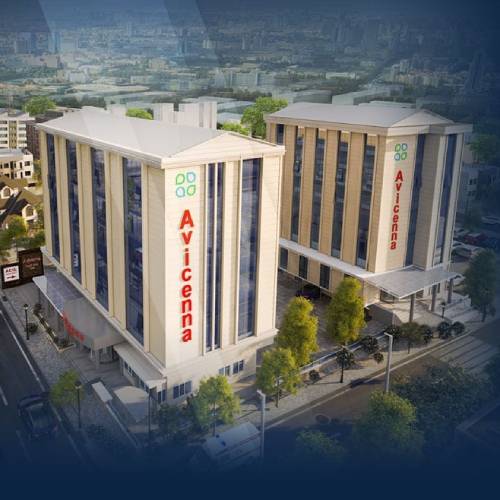
Each patient receives a personalized evaluation designed to identify the most appropriate management approach while prioritizing safety, mobility, and long-term functional improvement.
✔️ Experienced neurosurgery and spine specialists
✔️ Comprehensive evaluation for cervical and lumbar conditions
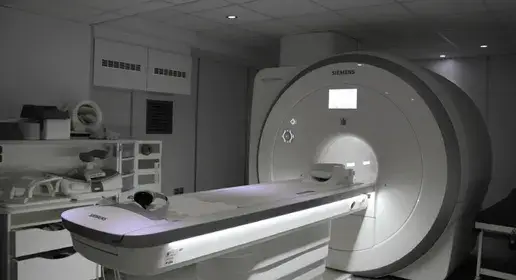
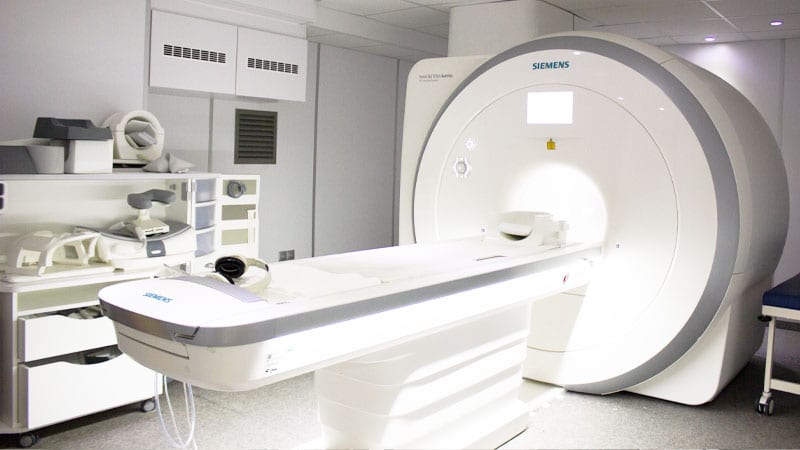
✔️ Advanced MRI and diagnostic imaging services
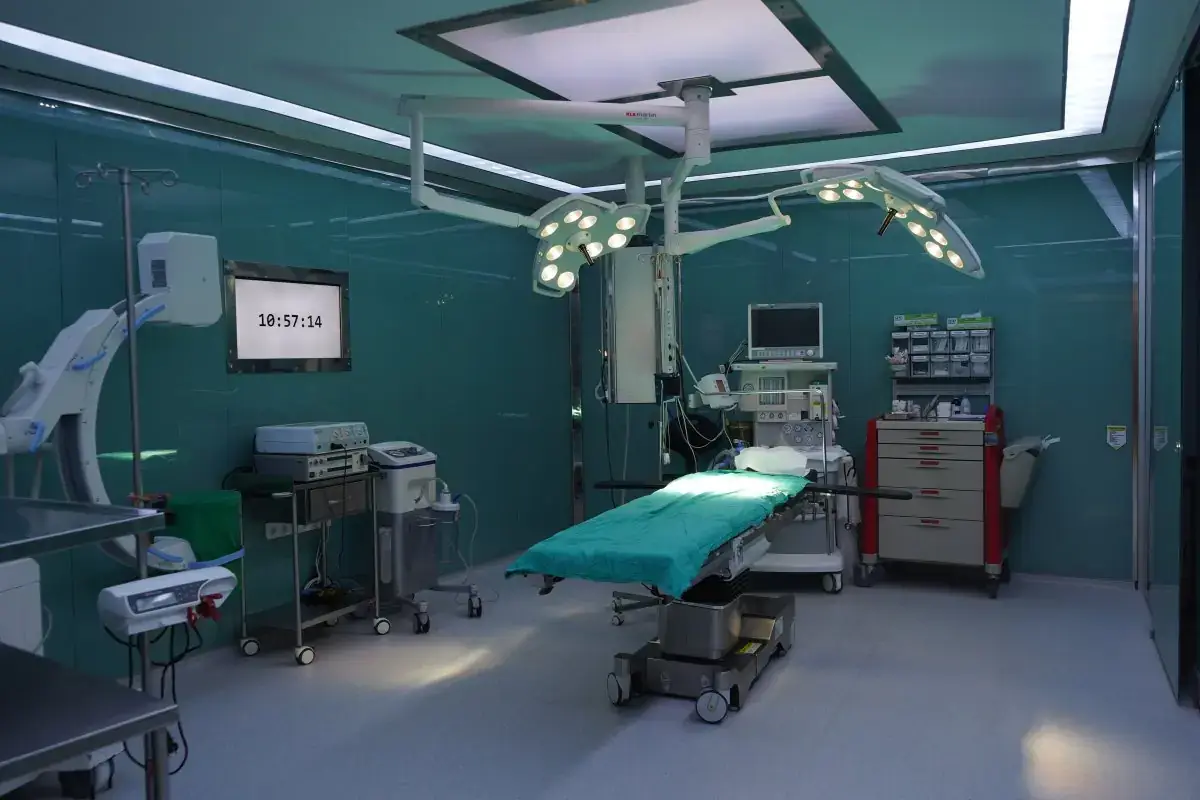
✔️ Modern operating rooms and surgical technology
✔️ Individualized treatment planning
✔️ Multidisciplinary patient care approach
✔️ International patient coordination services
✔️ English-speaking support throughout treatment
✔️ Structured post-operative rehabilitation guidance
✔️ Commitment to patient safety and quality care