
















Advanced Kidney Care for Improved Kidney Function, Better Health & Long-Term Disease Management
Kidney Failure treatment at Avicenna Hospital in Istanbul, Turkey focuses on the accurate diagnosis, comprehensive evaluation, and personalized management of both acute kidney injury (AKI) and chronic kidney disease (CKD). Kidney failure affects the body’s ability to remove waste products, regulate fluids, balance electrolytes, and maintain overall health. Early diagnosis and timely medical intervention play an essential role in preserving kidney function and reducing the risk of serious complications. Patients choose Avicenna Hospital for Kidney Failure treatment because of its multidisciplinary approach, modern diagnostic capabilities, and individualized treatment planning. Depending on the underlying cause and stage of kidney disease, treatment may include medication management, lifestyle modifications, dialysis planning when necessary, and continuous nephrology follow-up. The goal is to stabilize kidney function, relieve symptoms, improve quality of life, and help patients achieve the best possible long-term outcomes.
🩺 What Is Kidney Failure (Acute and Chronic)?
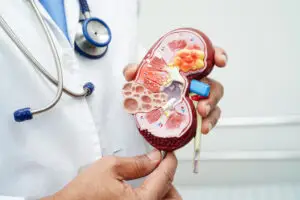
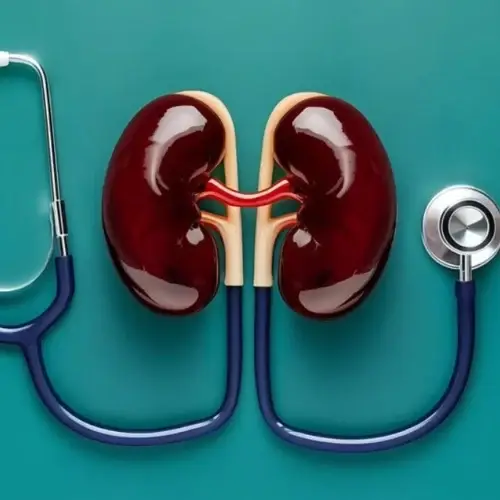
Kidney Failure is a condition in which the kidneys lose their ability to effectively filter waste products, excess fluids, and toxins from the blood. Early diagnosis is important because prompt treatment may slow or even reverse certain forms of kidney damage depending on the underlying cause.
Acute Kidney Failure often occurs due to severe dehydration, infections, reduced blood flow to the kidneys, medication-related injury, or urinary tract obstruction. Treatment focuses on identifying the underlying cause while preserving remaining kidney function whenever possible. The diagnostic process usually includes blood tests, urine analysis, kidney imaging, blood pressure evaluation, and other specialized investigations when required.
Based on the findings, nephrologists develop an individualized treatment plan that may include medications, dietary modifications, fluid management, blood pressure control, diabetes management, or preparation for dialysis if kidney function becomes severely impaired. With appropriate medical care, regular follow-up, and lifestyle modifications, many patients can successfully manage kidney disease, reduce complications, and maintain a better quality of life.
🩺 Types of Kidney Failure Treatment
• Acute Kidney Injury (AKI) Management – Focuses on treating the underlying cause while restoring kidney function whenever possible.
• Chronic Kidney Disease (CKD) Management – Long-term treatment aimed at slowing disease progression and preserving kidney function.
• Medical Management – Includes medications, blood pressure control, diabetes management, and correction of electrolyte imbalances.
• Dialysis Planning and Support – Evaluation and preparation for dialysis when kidney function becomes severely reduced.
• Nutritional and Lifestyle Management – Personalized dietary guidance and lifestyle modifications to protect kidney health.
🩺 Who Is a Good Candidate?
Kidney Failure treatment is suitable for individuals experiencing reduced kidney function, abnormal laboratory findings, or symptoms related to kidney disease. Early medical evaluation helps determine the most appropriate treatment plan and may help prevent further kidney damage.
✔️ Individuals diagnosed with acute kidney injury
✔️ Patients with chronic kidney disease
✔️ People experiencing declining kidney function
✔️ Individuals with diabetes affecting kidney health
✔️ Patients with uncontrolled high blood pressure
✔️ People with persistent swelling or fluid retention
✔️ Individuals with abnormal kidney blood test results
✔️ Patients requiring long-term nephrology follow-up
✔️ Adults seeking comprehensive kidney disease management
✔️ Individuals with realistic expectations regarding treatment goals

🩺 Consultation & Preparation
A thorough nephrology consultation helps identify the cause of kidney dysfunction and allows specialists to develop a personalized treatment strategy based on the patient’s overall health.
✔️ In-depth review of medical history and current health status
✔️ Comprehensive physical examination by a nephrology specialist
✔️ Advanced blood and urine tests to evaluate kidney function
✔️ Detailed assessment of kidney performance and filtration rate
✔️ Accurate blood pressure monitoring and cardiovascular evaluation
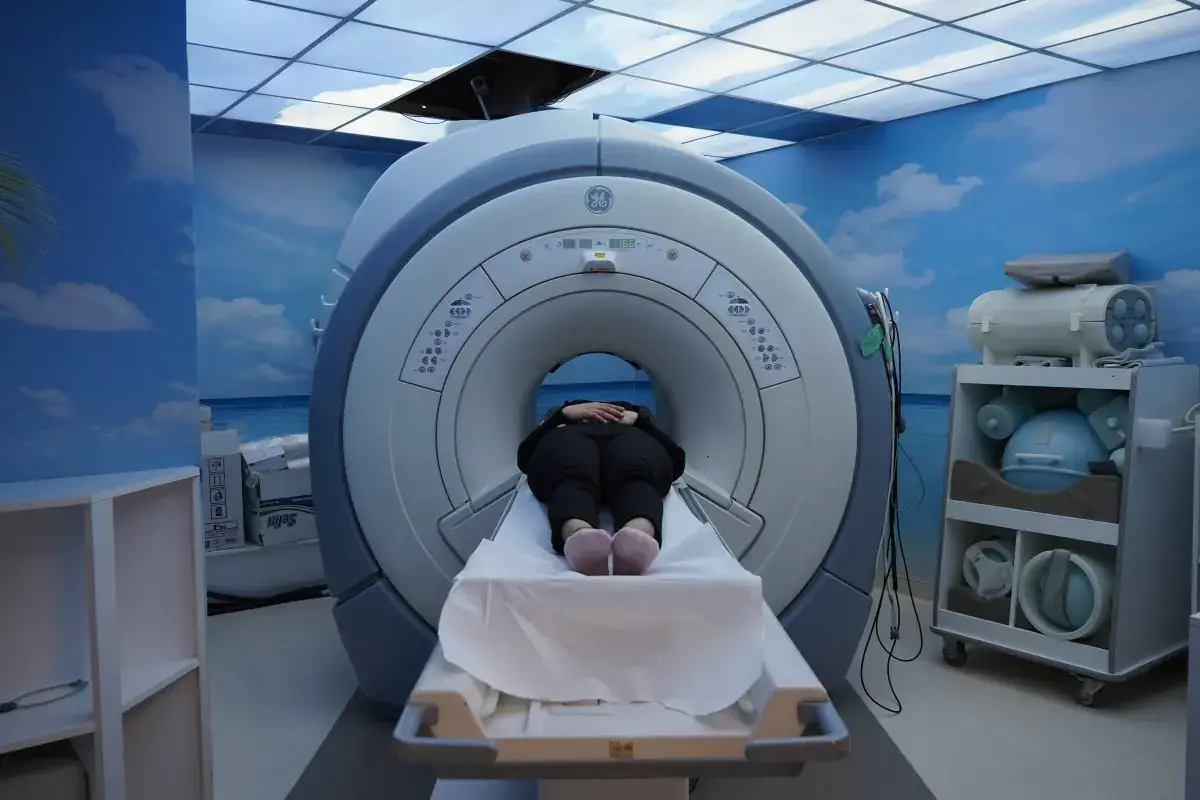
✔️ Kidney ultrasound and additional imaging when necessary
✔️ Thorough review of current medications and potential kidney impact
✔️ Identification and evaluation of underlying health conditions
✔️ Development of a personalized and targeted treatment plan
✔️ Clear guidance on long-term kidney care, monitoring, and follow-up
🩺 Recovery & Aftercare
Recovery and long-term management depend on whether the patient has acute or chronic kidney failure, the underlying cause, and the chosen treatment approach.
Consistent follow-up and lifestyle changes are important for maintaining kidney function.
✔️ Regular nephrology follow-up appointments
✔️ Routine monitoring of kidney function
✔️ Taking prescribed medications as directed
✔️ Blood pressure monitoring
✔️ Diabetes management when applicable
✔️ Following a kidney-friendly nutrition plan
✔️ Maintaining appropriate hydration as advised
✔️ Avoiding unnecessary medications that may affect kidney function
✔️ Monitoring electrolyte balance
✔️ Long-term lifestyle modifications to support kidney health

🌍 Why Choose Avicenna Hospital for Kidney Failure Treatment?

Choosing the right hospital is essential for patients requiring comprehensive kidney care. Avicenna Hospital provides multidisciplinary evaluation, modern diagnostic services, and individualized treatment plans tailored to each patient’s condition while focusing on patient safety and long-term disease management.
✔️ Experienced nephrology and internal medicine specialists
✔️ Personalized treatment planning
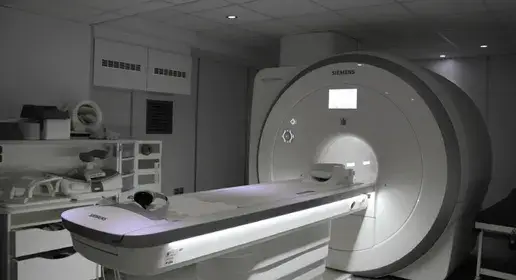
✔️ Modern diagnostic and laboratory facilities
✔️ Comprehensive kidney disease evaluation
✔️ Multidisciplinary medical approach
✔️ Individualized follow-up and monitoring
✔️ International patient support services
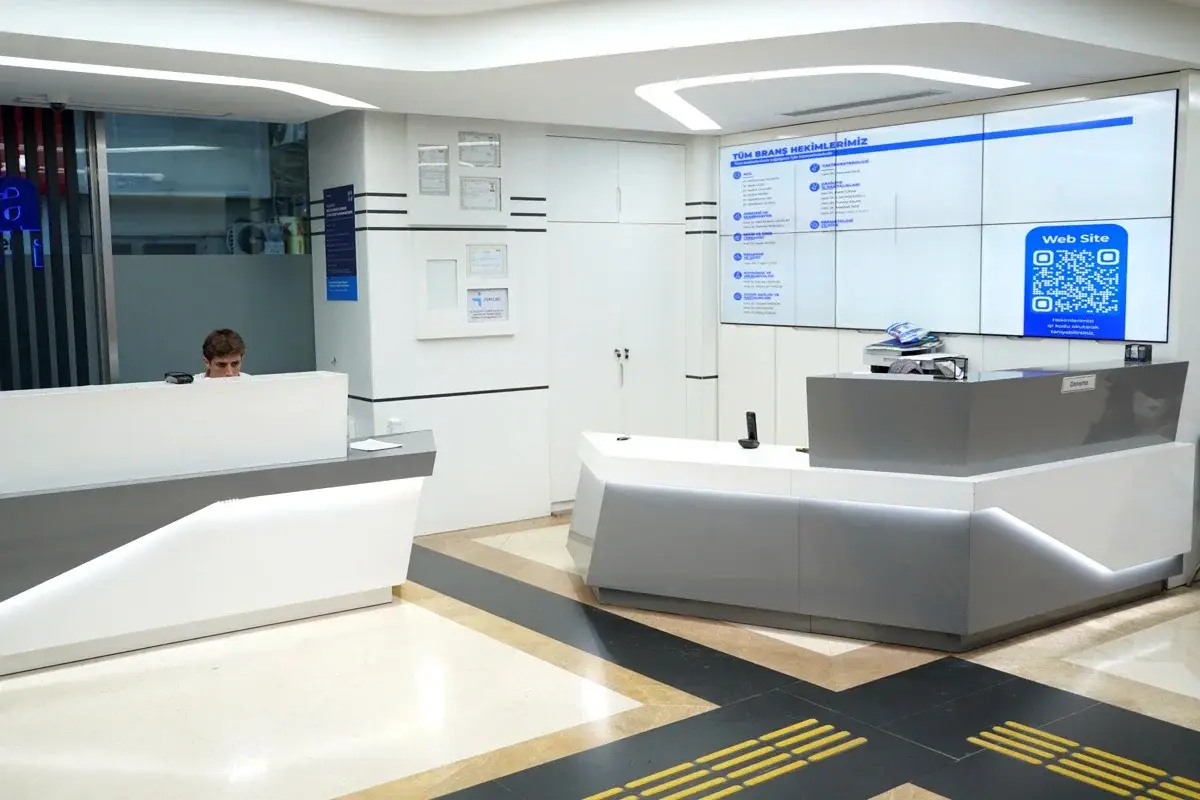
✔️ Modern hospital infrastructure
✔️ Focus on patient safety and evidence-based care
✔️ Coordinated care for acute and chronic kidney conditions