













Advanced Neurosurgical Care for Brain Trauma, Spinal Cord Injuries & Neurological Recovery
Spinal cord and head injuries require immediate assessment, accurate diagnosis, and specialized neurosurgical care to reduce complications and improve recovery. Depending on the severity of the injury, treatment may include emergency intervention, advanced imaging, neurological monitoring, surgery, and rehabilitation. At Avicenna Hospital in Istanbul, the Neurosurgery Department provides comprehensive evaluation and treatment for traumatic brain injuries, spinal cord trauma, and other neurological conditions affecting both adults and children. The multidisciplinary approach focuses on preserving neurological function, relieving pressure on the brain or spinal cord, stabilizing the spine when necessary, and supporting each patient throughout recovery. Patients from around the world choose Avicenna Hospital for its modern medical technology, experienced specialists, and personalized treatment planning.
🩺 What Is Spinal Cord and Head Injuries Treatment?
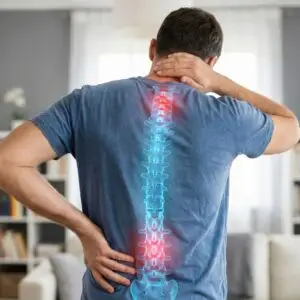
Spinal cord and head injuries treatment refers to the medical and surgical management of trauma affecting the brain, spinal cord, skull, vertebrae, and surrounding nervous system structures. The primary goal of treatment is to stabilize the patient, prevent further neurological damage, and maximize recovery.
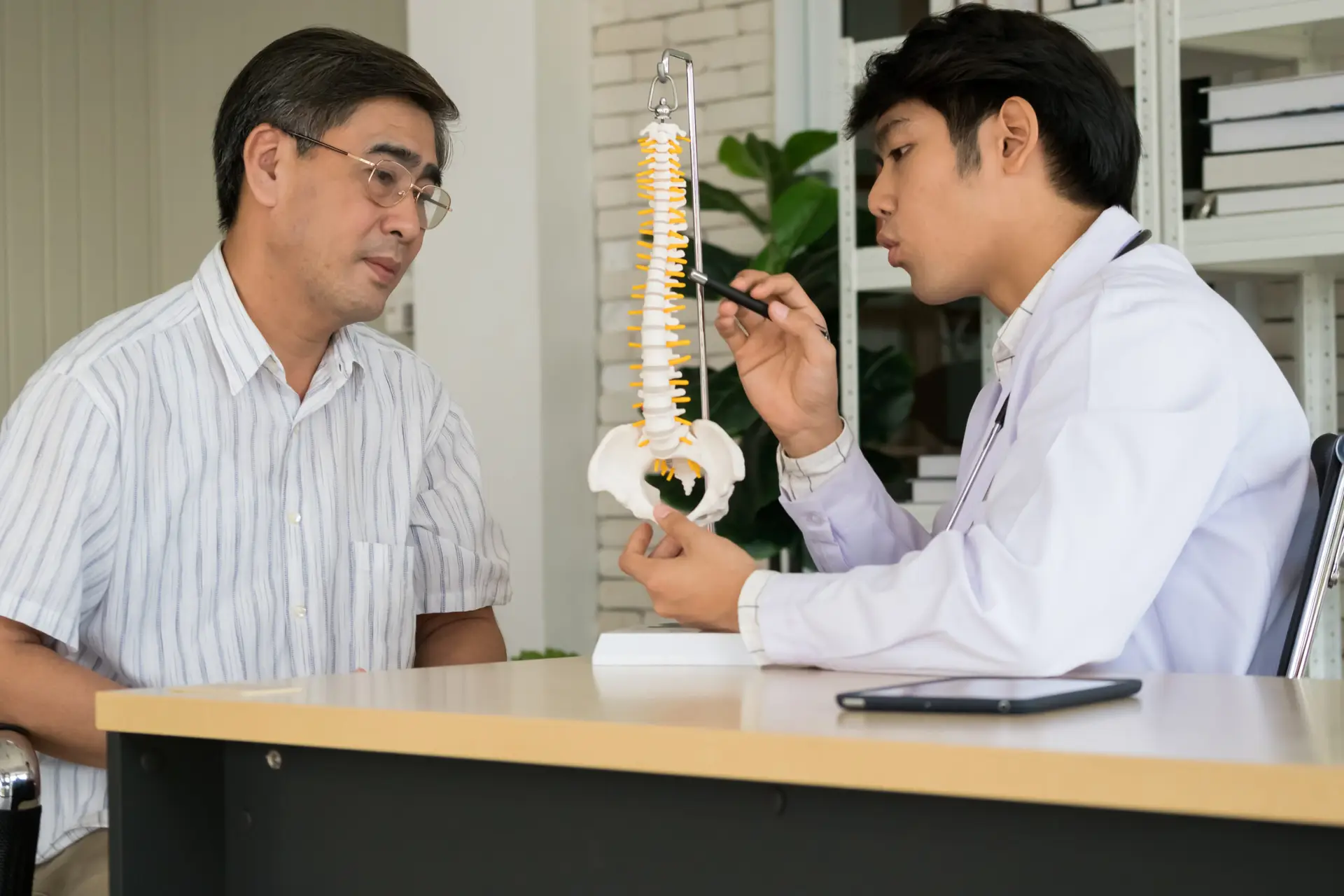
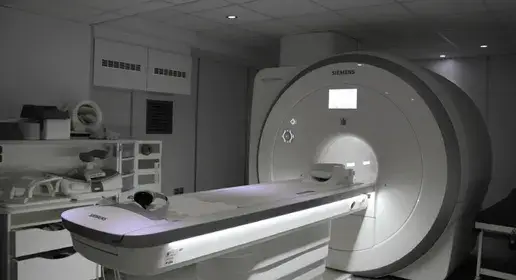
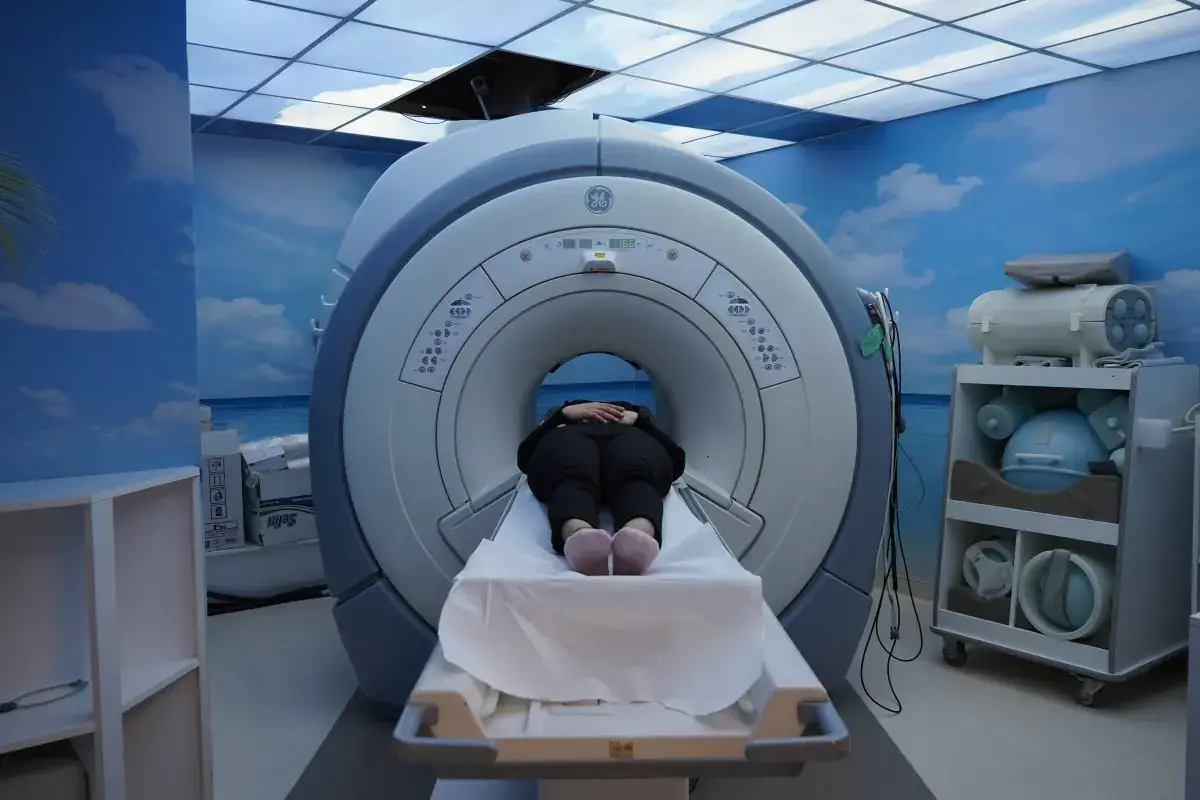
Treatment begins with a detailed neurological examination supported by advanced diagnostic imaging such as CT scans and MRI. Every treatment plan is individualized according to the patient’s neurological condition, overall health, and rehabilitation needs.
Some patients may require emergency brain surgery to relieve pressure caused by bleeding or swelling, while others may need spinal stabilization procedures if vertebral fractures threaten the spinal cord. In less severe cases, treatment may involve close observation, medication, neurological monitoring, and structured rehabilitation programs designed to restore function and mobility.
Successful management of spinal cord and head injuries often depends on early diagnosis, coordinated multidisciplinary care, and continuous follow-up.
🩺 Types of Spinal Cord and Head Injuries Treatment
• Emergency Neurosurgical Intervention – Immediate surgery for life-threatening brain or spinal injuries when required.
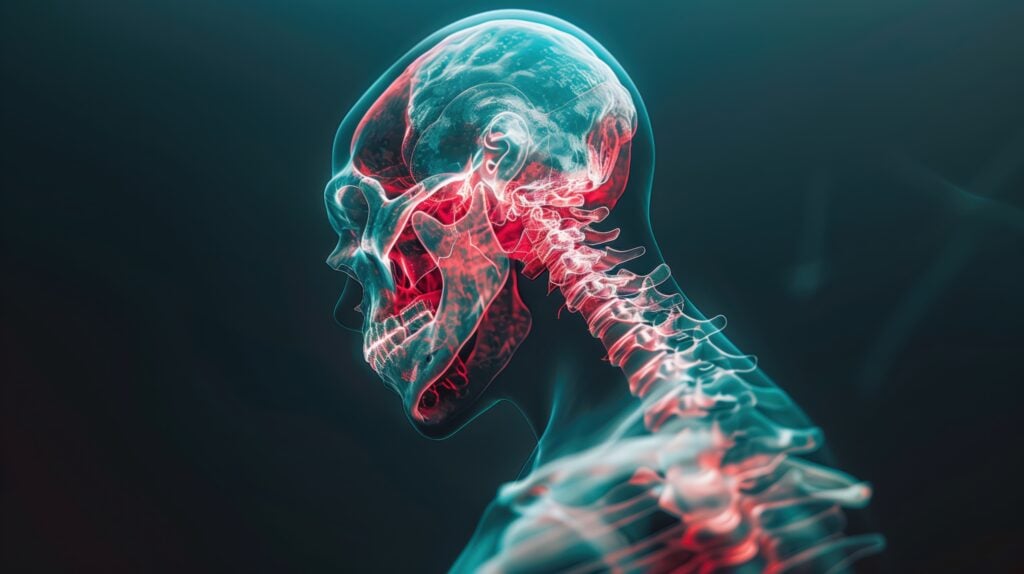
• Traumatic Brain Injury (TBI) Management – Comprehensive treatment for mild, moderate, and severe brain trauma.
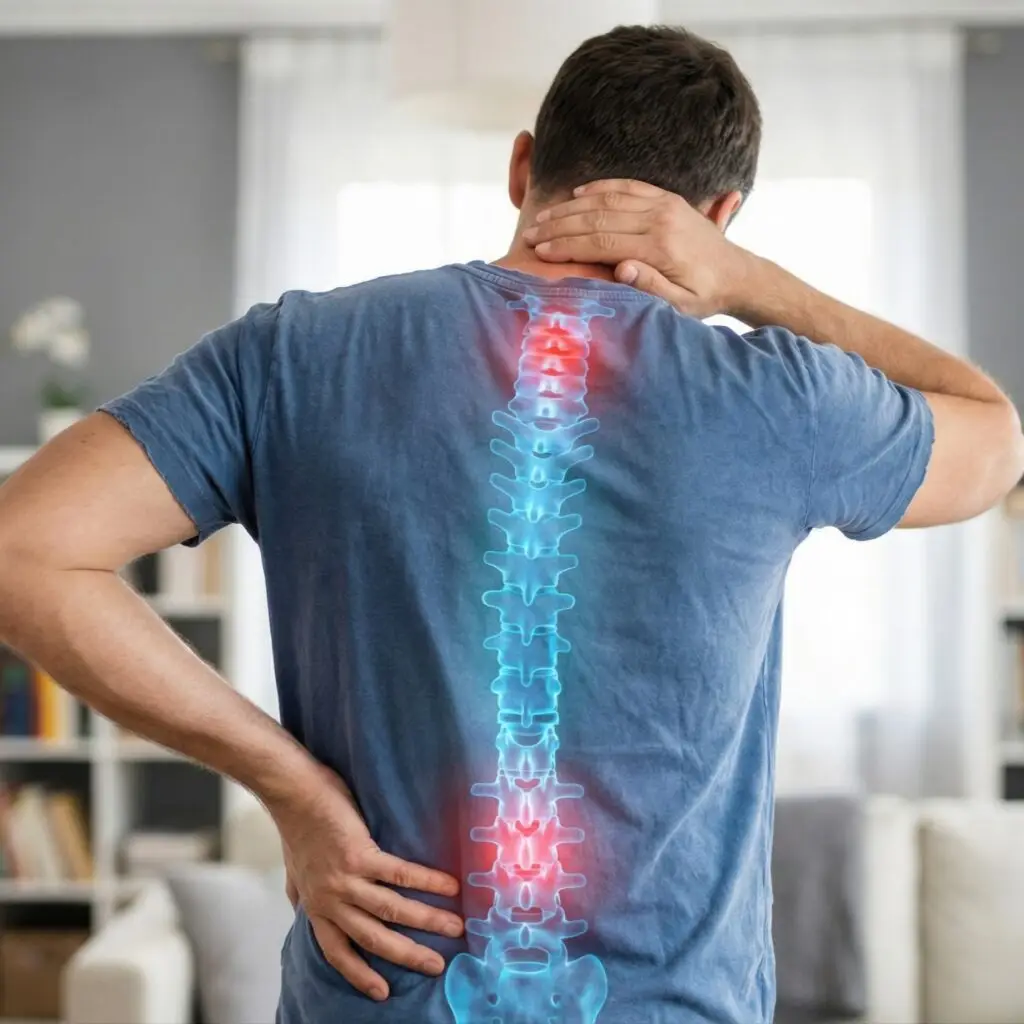
• Spinal Cord Injury Treatment – Evaluation and management of spinal cord compression, instability, and neurological deficits.
• Spinal Stabilization Surgery – Surgical fixation of unstable spinal fractures using specialized implants when indicated.
• Cranial Pressure Relief Procedures – Operations performed to reduce dangerous intracranial pressure caused by swelling or bleeding.
• Conservative Neurological Management – Close observation, medication, neurological monitoring, and rehabilitation when surgery is not necessary.
🩺 Who Is a Good Candidate?
Spinal cord and head injuries treatment is appropriate for patients experiencing neurological trauma that requires specialist evaluation and management.
✔️ Individuals with traumatic brain injuries following accidents
✔️ Patients with suspected spinal cord injuries
✔️ Individuals experiencing weakness, numbness, or paralysis after trauma
✔️ Patients with spinal fractures affecting neurological function
✔️ Individuals with persistent neurological symptoms after head injury
✔️ Patients requiring emergency neurosurgical assessment
✔️ Adults and pediatric patients with brain or spinal trauma
✔️ Individuals requiring advanced neurological imaging and diagnosis
✔️ Patients suitable for surgical or non-surgical neurosurgical treatment
🩺 Consultation & Preparation
Successful treatment begins with a comprehensive neurological evaluation and careful planning to determine the safest and most effective approach.
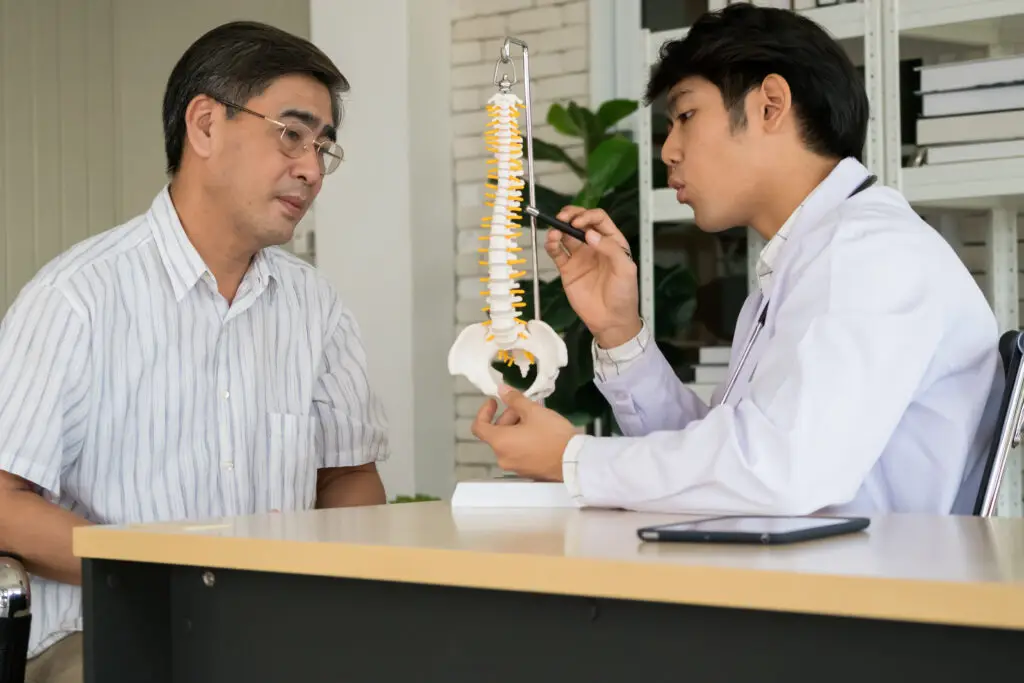
✔️ Detailed review of the accident or injury history
✔️ Complete neurological examination
✔️ CT scan and MRI evaluation when indicated
✔️ Assessment of brain and spinal cord function
✔️ Review of previous medical conditions and medications
✔️ Consultation with experienced neurosurgery specialists
✔️ Discussion of surgical and non-surgical treatment options
✔️ Pre-operative laboratory tests when surgery is required
✔️ Individualized treatment and rehabilitation planning
✔️ Explanation of expected recovery milestones and follow-up care
🩺 Recovery & Aftercare
Recovery following spinal cord or head injury varies according to the severity of the trauma, neurological involvement, and treatment performed. Long-term follow-up and rehabilitation play an important role in achieving the best possible outcome.
✔️ Continuous neurological monitoring after treatment
✔️ Personalized pain management plan
✔️ Early mobilization when medically appropriate
✔️ Physical rehabilitation tailored to neurological recovery
✔️ Occupational therapy when indicated
✔️ Regular neurological follow-up appointments
✔️ Imaging studies to monitor healing when necessary
✔️ Gradual return to daily activities under medical supervision
✔️ Ongoing assessment of neurological function
✔️ Individualized long-term rehabilitation support when required

🌍 Why Choose Avicenna Hospital for Spinal Cord and Head Injuries Treatment?
Choosing an experienced neurosurgical center is essential for managing complex brain and spinal injuries.
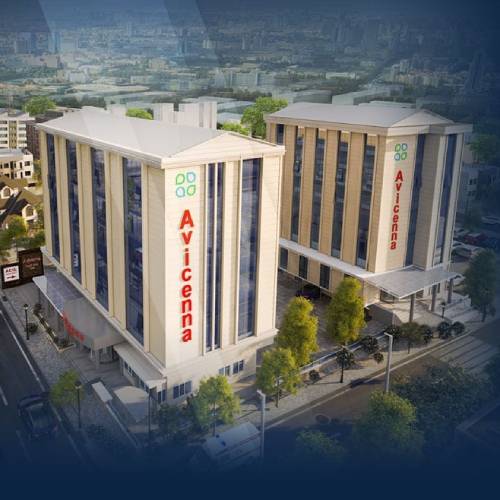
Avicenna Hospital offers comprehensive neurological care supported by modern technology and multidisciplinary expertise.
✔️ Dedicated Neurosurgery Department treating brain and spinal disorders
✔️ Care for both adult and pediatric neurosurgical patients
✔️ Experienced neurosurgeons managing traumatic neurological conditions
✔️ Advanced diagnostic imaging for accurate treatment planning
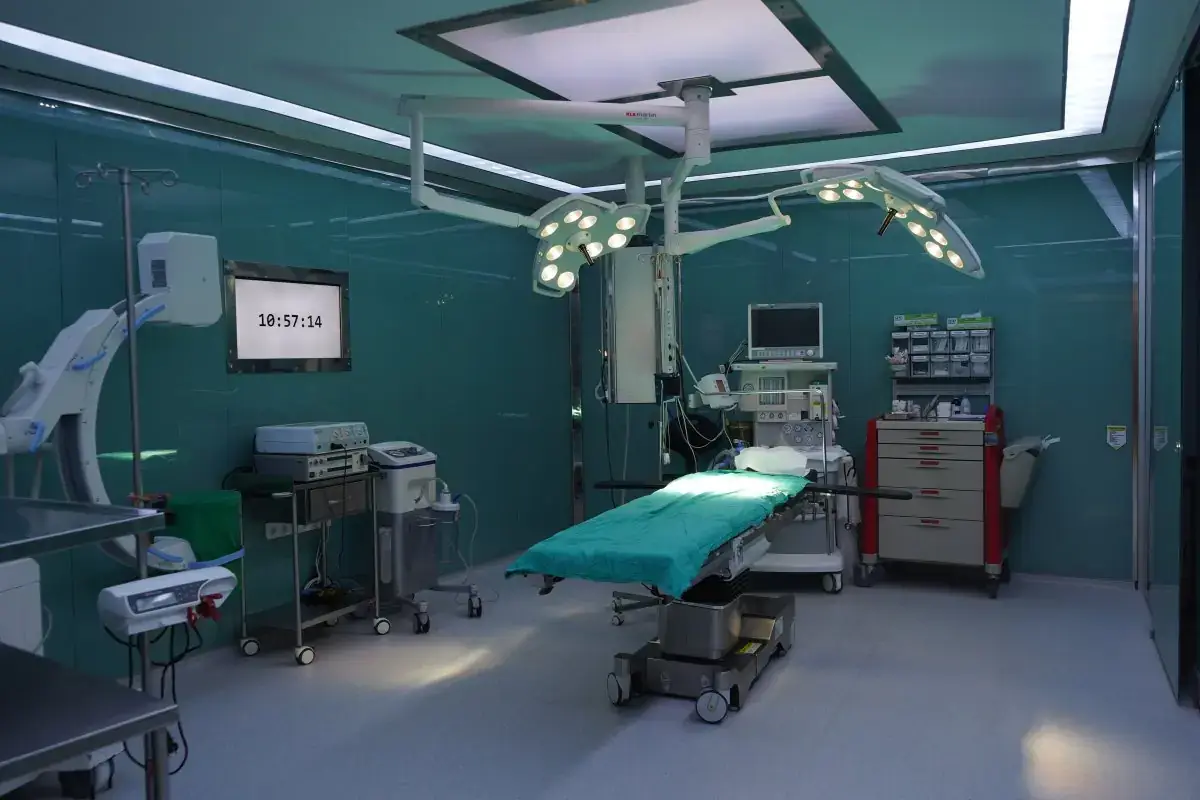
✔️ Modern operating rooms equipped for complex neurosurgical procedures
✔️ Multidisciplinary collaboration between neurological specialists
✔️ Individualized treatment plans based on each patient’s condition
✔️ Comprehensive pre-operative evaluation and post-operative monitoring
✔️ International patient services with multilingual assistance
✔️ Focus on patient safety, neurological recovery, and long-term follow-up