













Advanced Spinal Tumour Treatment Focused on Safe Tumour Removal, Spinal Stability & Improved Quality of Life
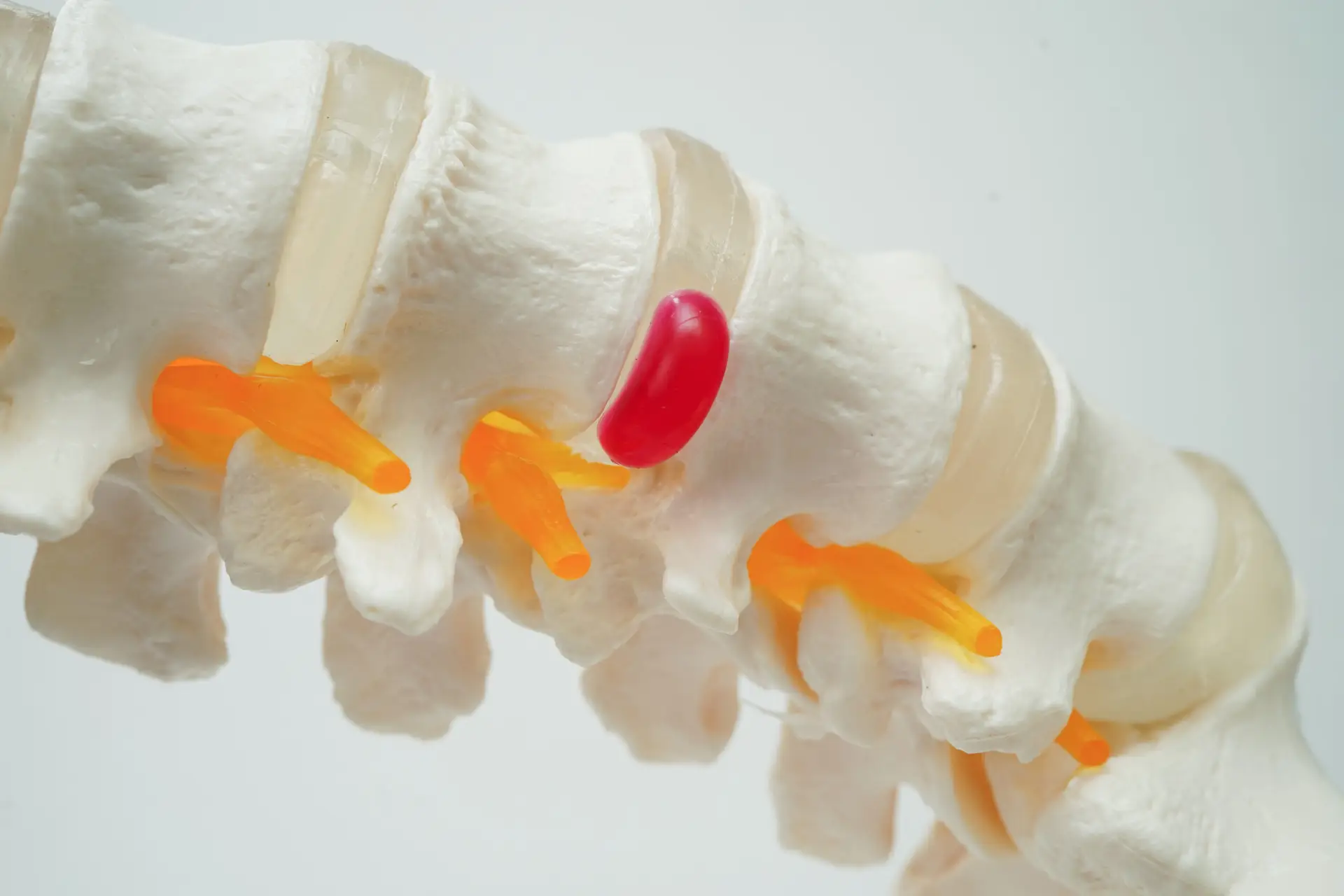
Spinal tumours can affect the bones of the spine, spinal cord, or surrounding tissues, leading to symptoms such as persistent back pain, weakness, numbness, balance problems, and reduced mobility. Early diagnosis and timely treatment are essential to prevent neurological damage and preserve spinal function. At Avicenna Hospital in Istanbul, Turkey, spinal tumour treatment is planned using a multidisciplinary approach that focuses on accurate diagnosis, personalized treatment strategies, and advanced surgical techniques when necessary.
Depending on the type, size, and location of the tumour, treatment may involve surgical removal, spinal stabilization, biopsy, or collaboration with oncology specialists for additional therapies. The primary goal is to relieve pressure on the spinal cord and nerves, remove or control tumour growth whenever possible, and help patients regain comfort and mobility. With experienced neurosurgeons, modern surgical technology, and comprehensive rehabilitation support, Avicenna Hospital provides individualized care for both benign and malignant spinal tumours while prioritizing patient safety and long-term recovery.
🩺 What Is Spinal Tumours Treatment?
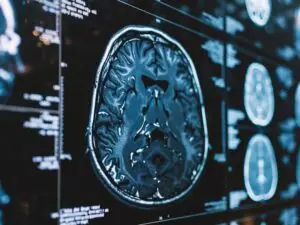
Spinal tumour treatment refers to the medical and surgical management of abnormal growths that develop within or around the spine and spinal cord. These tumours may be benign (non-cancerous) or malignant (cancerous) and can originate in the spine or spread from another part of the body. Treatment begins with a comprehensive evaluation that typically includes advanced imaging studies such as MRI or CT scans, neurological examination, and, in selected cases, tissue biopsy to determine the exact tumour type. The treatment plan is tailored according to the tumour’s location, size, growth pattern, and the patient’s overall health.
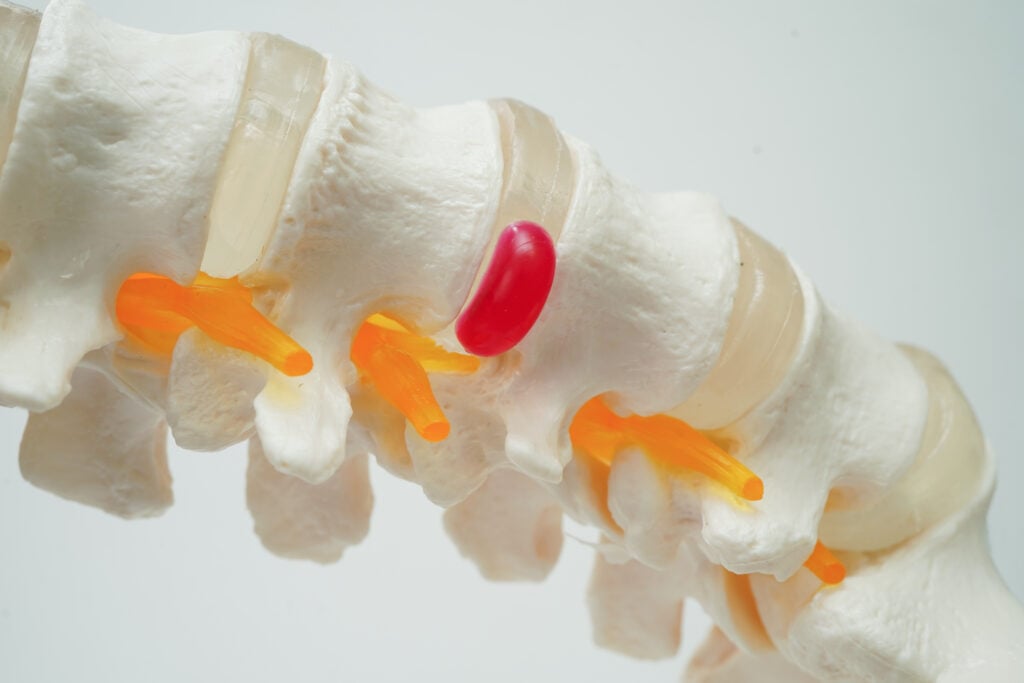
For many patients, surgery is recommended to remove as much of the tumour as safely possible while protecting the spinal cord and nearby nerves. In situations where complete removal is not feasible, surgery may focus on relieving pressure on neurological structures, obtaining a biopsy, or stabilizing the spine. Additional treatments such as radiotherapy, chemotherapy, or targeted oncology care may be recommended depending on the diagnosis and pathology results. The overall objectives of spinal tumour treatment are to preserve neurological function, reduce pain, restore spinal stability, improve mobility, and enhance quality of life.
🩺 Types of Spinal Tumours Treatment
• Surgical Tumour Removal (Tumour Resection) – Removal of part or all of the spinal tumour while preserving surrounding nerves and spinal cord whenever possible.
• Spinal Decompression Surgery – Relieves pressure on the spinal cord or nerve roots caused by tumour growth.
• Spinal Stabilization Surgery – Uses screws, rods, cages, or other implants to restore spinal stability after tumour removal.
• Biopsy Procedures – Obtains tissue samples to accurately identify the tumour type and guide further treatment planning.
• Minimally Invasive Spine Surgery – Selected patients may benefit from less invasive techniques that reduce tissue disruption and support recovery.
• Treatment for Benign Spinal Tumours – Focuses on removing or monitoring non-cancerous tumours that cause pain or neurological symptoms.
• Treatment for Malignant Spinal Tumours – Combines surgery with appropriate oncology treatments based on the patient’s diagnosis.
• Metastatic Spinal Tumour Management – Provides symptom relief, spinal stabilization, and multidisciplinary care for cancers that have spread to the spine.
🩺 Who Is a Good Candidate?
Spinal tumour treatment may be appropriate for patients experiencing symptoms caused by benign or malignant tumours affecting the spine or spinal cord. Every patient undergoes a detailed evaluation to determine the most suitable treatment approach.
✔️ Patients diagnosed with benign spinal tumours
✔️ Patients diagnosed with malignant spinal tumours
✔️ Individuals with persistent back or neck pain related to a spinal lesion
✔️ Patients experiencing weakness, numbness, or tingling in the arms or legs
✔️ Individuals with difficulty walking or balance problems caused by spinal cord compression
✔️ Patients with tumours causing spinal instability
✔️ Individuals requiring biopsy for diagnosis
✔️ Patients with metastatic cancer involving the spine
✔️ Adults who are medically fit for spine surgery when indicated
✔️ Patients seeking individualized treatment planned by a multidisciplinary team

🩺 Consultation & Preparation
Before beginning spinal tumour treatment, a thorough consultation and preparation process is essential to ensure patient safety and the most effective treatment plan.

This stage allows the medical team to fully understand the patient’s condition, evaluate the tumour characteristics, and determine the most appropriate approach tailored to individual needs.
✔️ Comprehensive consultation with a spine surgery specialist
✔️ Detailed review of symptoms, medical history, and previous treatments
✔️ Complete neurological examination
✔️ MRI, CT scan, or other diagnostic imaging as required
✔️ Review of previous biopsy or pathology reports when available
✔️ Discussion of tumour location, size, and treatment options
✔️ Evaluation of overall medical fitness before surgery
✔️ Medication review, including blood-thinning medications
✔️ Pre-operative laboratory tests and anesthesia assessment
🩺 Recovery & Aftercare
Recovery following spinal tumour treatment varies depending on the type of tumour, the complexity of the procedure, and the patient’s overall health. A structured rehabilitation plan and regular follow-up appointments play an important role in supporting healing, restoring mobility, and monitoring long-term recovery.
✔️Close monitoring during the initial recovery period after surgery
✔️Pain management using prescribed medications as directed
✔️Early mobilization with assistance when medically appropriate
✔️Physical therapy to improve strength, balance, and mobility
✔️Regular neurological assessments to monitor recovery
✔️Wound care and incision monitoring to reduce infection risk
✔️Gradual return to normal daily activities following medical advice
✔️Avoiding heavy lifting and strenuous activities during healing

🌍 Why Choose Avicenna Hospital for Spinal Tumour Treatment?
Successful spinal tumour treatment requires experienced specialists, advanced technology, and a multidisciplinary approach.
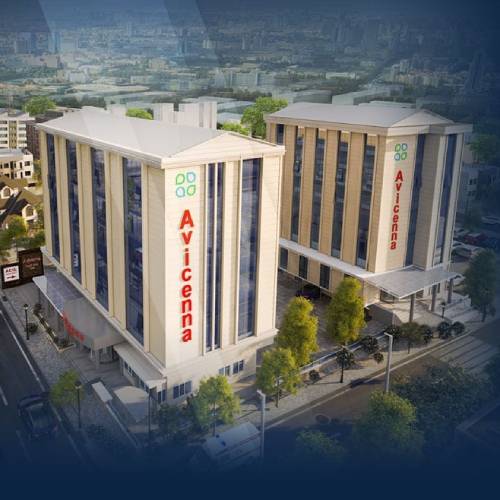
Avicenna Hospital provides comprehensive spine care with individualized treatment plans designed to maximize safety, preserve neurological function, and support long-term recovery for international and local patients.
✔️Experienced neurosurgeons specializing in complex spinal conditions
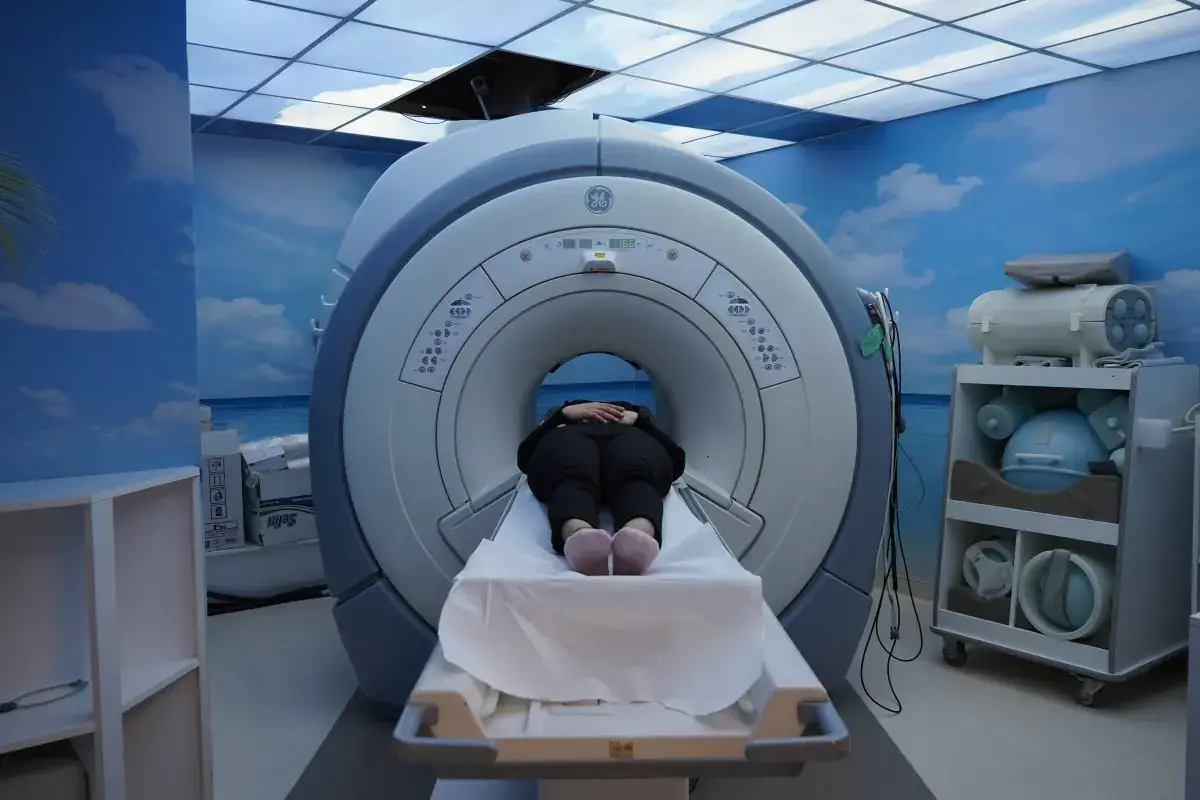
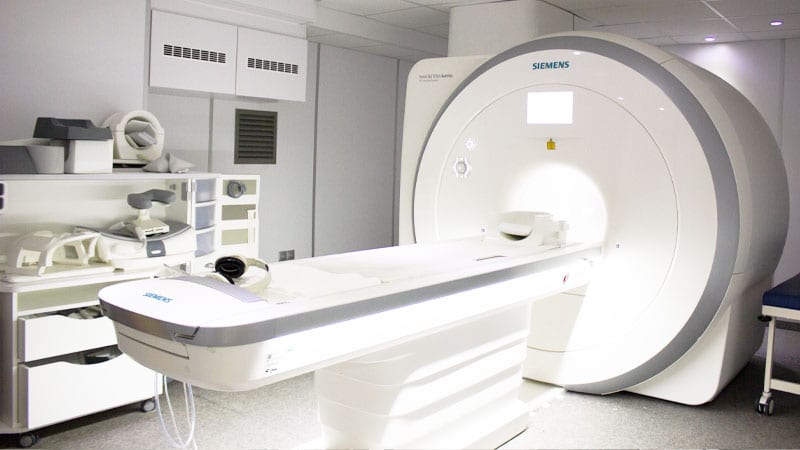
✔️Modern diagnostic imaging for accurate evaluation and surgical planning
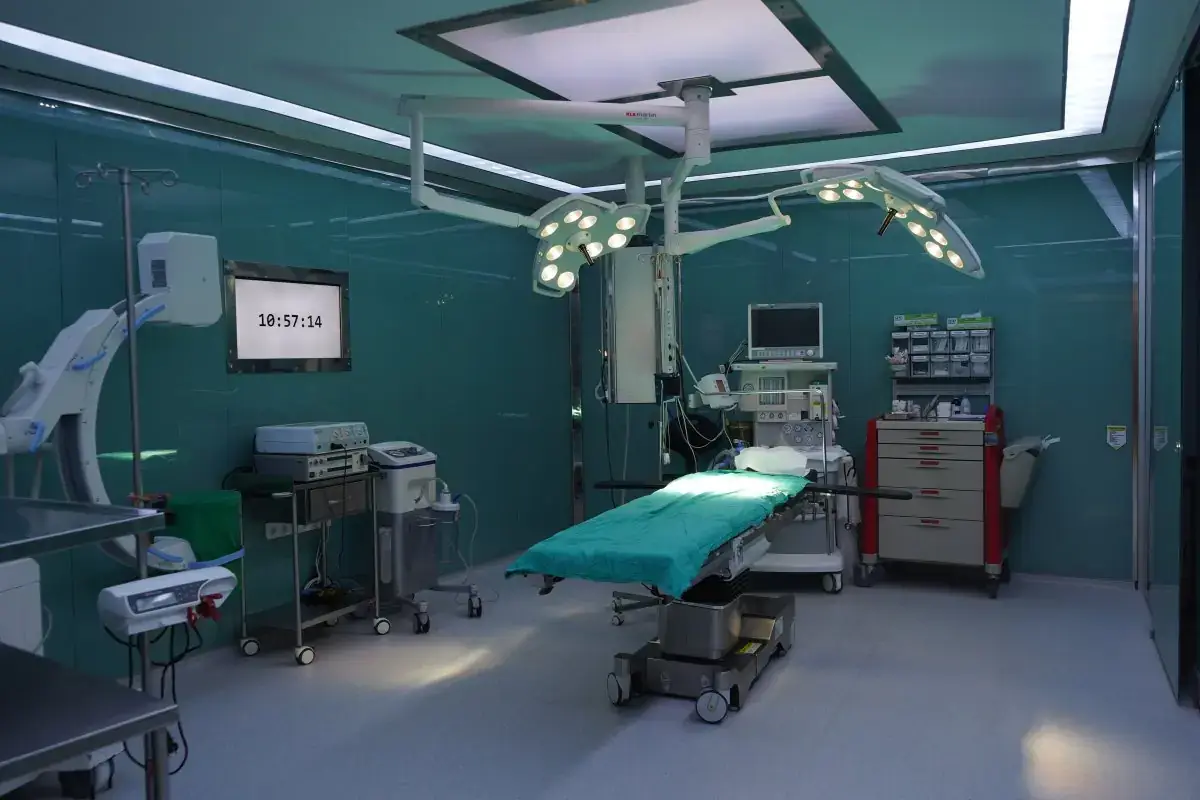
✔️Advanced operating rooms equipped for spine surgery
✔️Multidisciplinary collaboration between neurosurgery, radiology, oncology, and rehabilitation specialists
✔️Personalized treatment plans based on each patient’s diagnosis and condition
✔️Comprehensive pre-operative evaluation and post-operative follow-up
✔️Focus on preserving spinal stability and neurological function
✔️Dedicated international patient coordination services
✔️Comprehensive rehabilitation support to promote recovery