











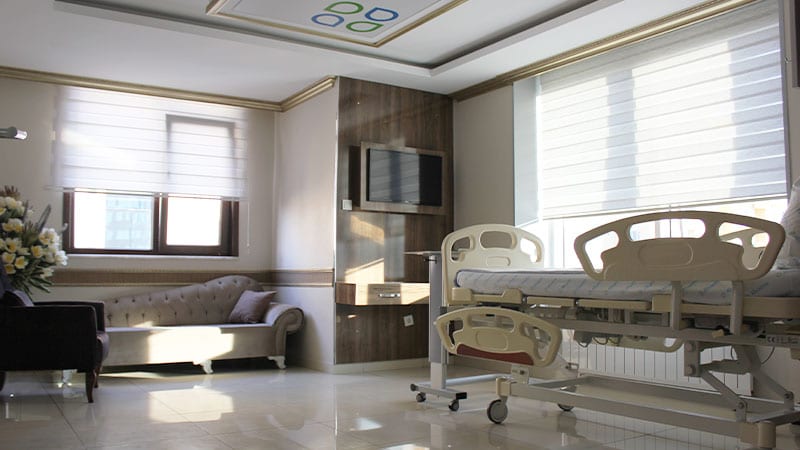




Advanced Cardiology & Cardiovascular Care for Children and Adults with Structural Heart Conditions
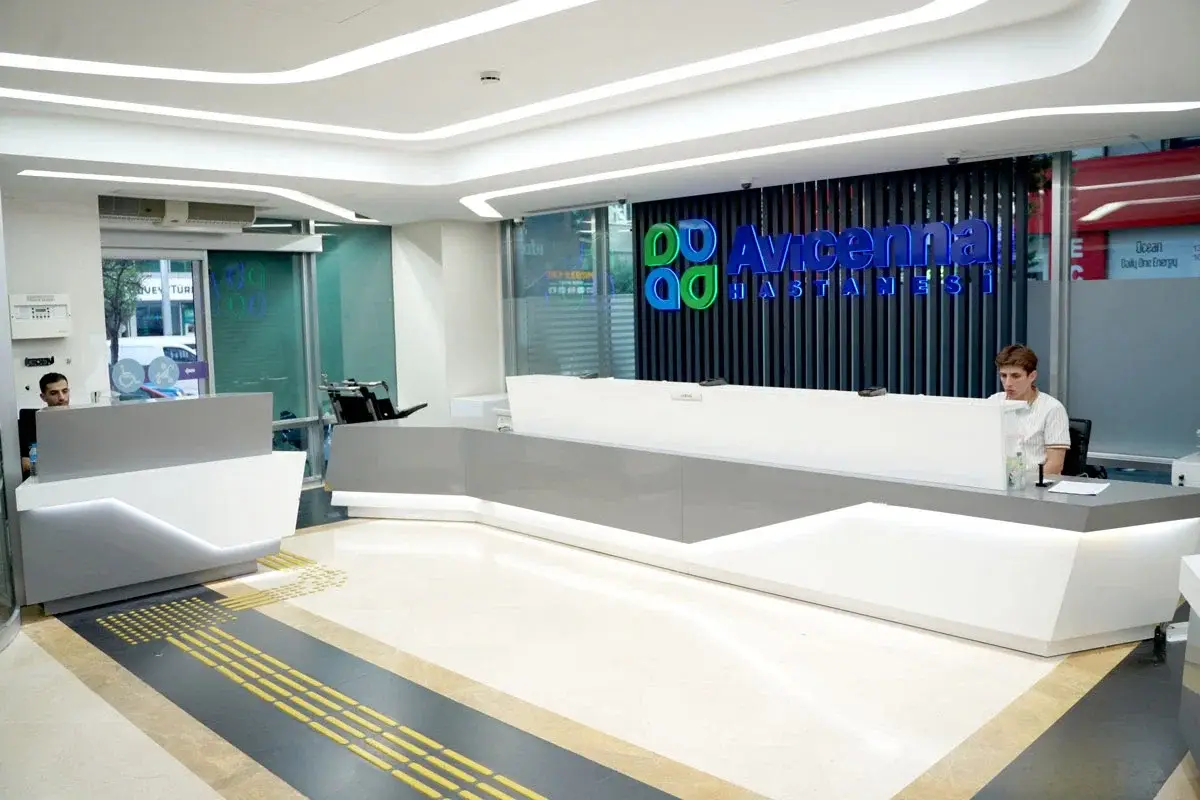
Congenital Heart Disease Treatment in Istanbul, Turkey by Avicenna Hospital focuses on the diagnosis, management, and treatment planning of heart defects that are present from birth. These conditions may affect the heart walls, valves, arteries, veins, or blood flow through the heart. Some congenital heart defects are mild and only require follow-up, while others may need medication, catheter-based treatment, or surgery. At Avicenna Hospital in Istanbul, patients receive cardiology evaluation, advanced diagnostic testing, and personalized care planning based on the type and severity of the heart condition.
🩺 What Is Congenital Heart Disease?
Congenital heart disease refers to structural problems in the heart that develop before birth. These defects may involve holes between heart chambers, narrow heart valves, abnormal blood vessels, or complex changes in how blood moves through the heart.

Some patients with congenital heart disease have symptoms such as shortness of breath, fatigue, bluish skin color, poor exercise tolerance, palpitations, fainting, or delayed growth in children. However, some defects may remain silent for years and are only discovered during a heart examination, echocardiography, ECG, or imaging test. Treatment depends on the exact diagnosis. Mild congenital heart defects may only need observation and regular cardiology checkups. More significant defects may require medication, cardiac catheterization, device closure, valve treatment, or heart surgery. The goal is to improve blood flow, reduce strain on the heart, prevent complications, and support better long-term heart function. Avicenna Hospital provides structured evaluation through cardiology and cardiovascular care, helping patients understand their condition and the most suitable treatment options.
🩺 Types of Congenital Heart Disease Treatment
• Medication Management – Used to control symptoms, support heart function, manage rhythm problems, or reduce pressure on the heart.
• Cardiology Monitoring – Regular follow-up with ECG, echocardiography, Holter monitoring, and clinical assessment for stable or mild defects.
• Cardiac Catheterization – A minimally invasive approach used in selected cases to evaluate the heart and treat certain structural defects.
• Device Closure Procedures – Used for selected holes in the heart, such as atrial septal defect or patent ductus arteriosus, when the anatomy is suitable.
• Valve Treatment – May include balloon valvuloplasty, valve repair, or valve replacement depending on the valve problem.
• Surgical Repair – Used for more complex defects that cannot be treated with medication or catheter-based methods alone.
• Arrhythmia Management – Focuses on irregular heart rhythms that may occur with congenital heart disease.
• Pulmonary Hypertension Management – Helps patients whose congenital defect has affected pressure in the lung circulation.
• Adult Congenital Heart Disease Follow-Up – Supports adults who were born with a heart defect or had treatment earlier in life.
• Long-Term Cardiac Care Planning – Includes lifestyle guidance, future monitoring, pregnancy counseling when relevant, and prevention of complications.
🩺 Who Is a Good Candidate?
Congenital Heart Disease Treatment is suitable for patients who have been diagnosed with a structural heart defect or who need further evaluation for symptoms related to heart function. Suitability depends on age, diagnosis, symptoms, heart structure, medical history, and test results.
✔️ Babies, children, or adults diagnosed with congenital heart disease
✔️ Patients with suspected holes in the heart, such as ASD, VSD, or PDA
✔️ Individuals with heart valve narrowing or leakage present from birth
✔️ Patients with shortness of breath, fatigue, palpitations, or fainting
✔️ Children with poor feeding, slow growth, or reduced activity tolerance
✔️ Adults who had congenital heart treatment in childhood and need follow-up
✔️ Patients with abnormal ECG, echocardiography, or cardiac imaging results
✔️ Individuals with cyanosis, bluish lips, or low oxygen levels

🩺 Consultation & Preparation
A detailed consultation is essential before Congenital Heart Disease Treatment in Istanbul, Turkey. The cardiology team must understand the exact structure of the heart, how blood is flowing, and whether the condition is stable or causing strain on the heart.
✔️ Detailed review of symptoms, diagnosis, and previous medical reports
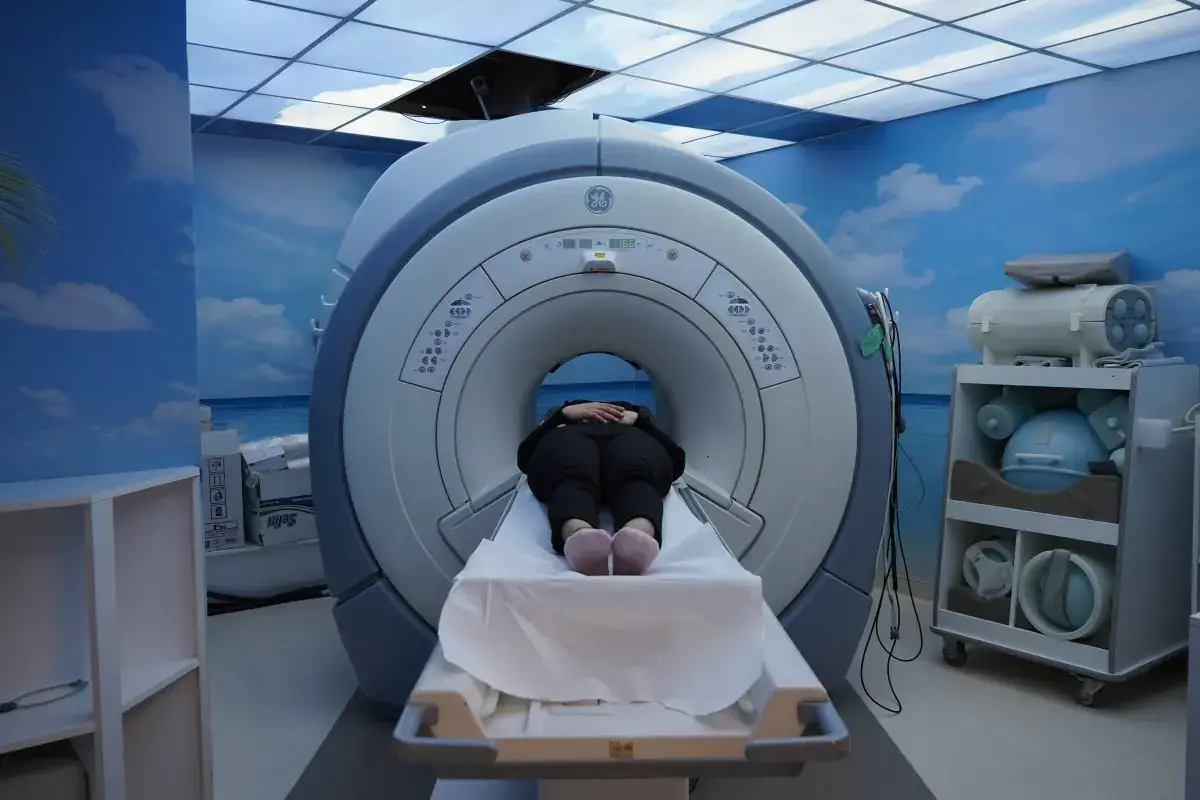
✔️ Evaluation of previous echocardiography, ECG, angiography, or MRI results
✔️ Physical examination by the cardiology or cardiovascular team
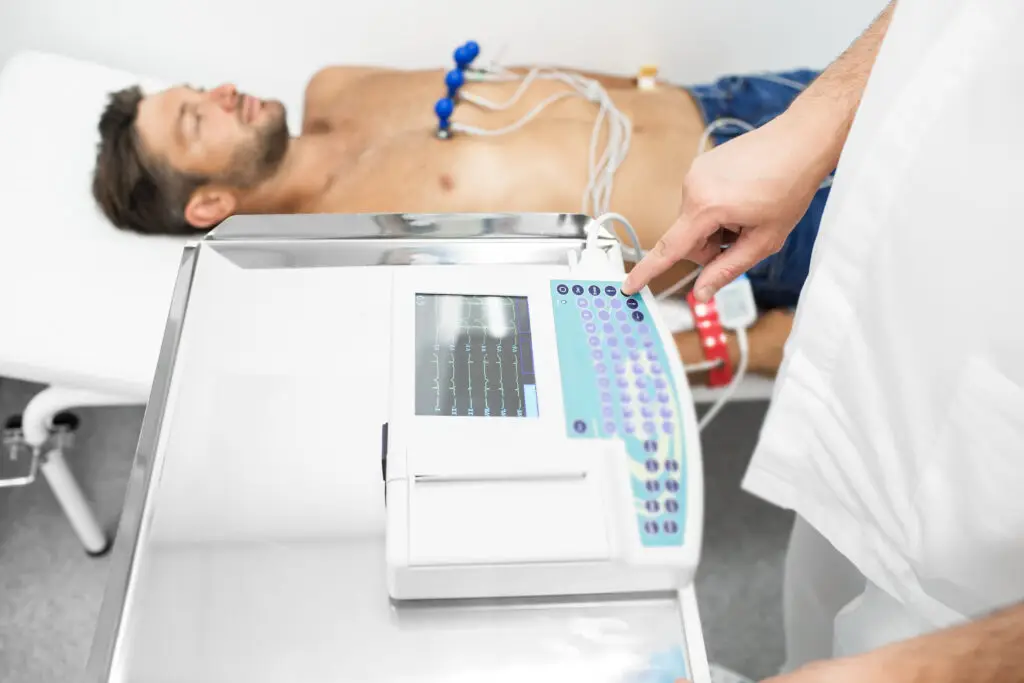
✔️ ECG to assess the electrical activity and rhythm of the heart
✔️ Echocardiography to evaluate heart chambers, valves, and blood flow
✔️ Holter monitoring if palpitations or rhythm problems are present
✔️ Blood tests to assess general health before treatment
✔️ Review of current medications, allergies, and previous surgeries
✔️ Assessment of oxygen levels, exercise tolerance, and heart function
🩺 Recovery & Aftercare
Recovery after congenital heart disease treatment depends on the type of treatment performed. Patients who only need diagnostic testing or medication may return to routine activities sooner, while those who undergo catheter-based procedures or surgery require closer follow-up and a longer recovery plan.
✔️ Monitoring after diagnostic or interventional cardiac procedures
✔️ Observation of heart rhythm, oxygen levels, and blood pressure
✔️ Care of catheter entry site if a catheter-based procedure is performed
✔️ Wound care and activity restrictions if open-heart surgery is required
✔️ Use of prescribed medications exactly as instructed
✔️ Avoiding strenuous activity until cleared by the cardiology team
✔️ Follow-up echocardiography to assess repair results and heart function
✔️ Regular cardiology appointments for long-term monitoring
✔️ Guidance on school, work, travel, and physical activity when appropriate

🌍 Why Choose Avicenna Hospital for Congenital Heart Disease Treatment?
Choosing the right hospital is essential for congenital heart disease because every case is different. Some patients need only monitoring, while others require advanced imaging, catheter-based intervention, or cardiovascular surgery. Avicenna Hospital in Istanbul provides structured cardiac evaluation and coordinated care for patients who need clear answers and safe treatment planning.

✔️ Cardiology and cardiovascular care available in Istanbul, Turkey
✔️ Diagnostic support for structural heart problems and heart function assessment
✔️ Echocardiography, ECG, Holter monitoring, and advanced cardiac testing
✔️ Evaluation of congenital heart disorders, valve problems, and rhythm issues
✔️ Treatment planning based on patient age, diagnosis, symptoms, and risk level
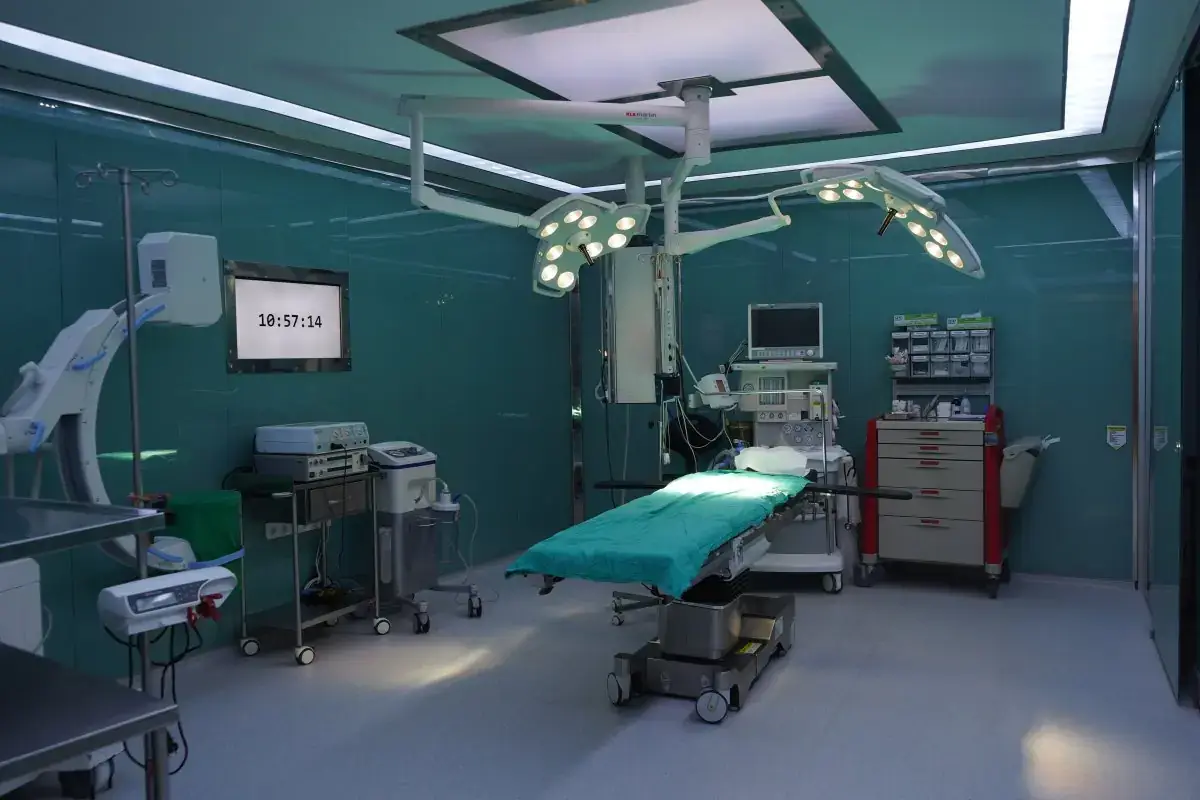
✔️ Cardiovascular team support when surgical evaluation is required
✔️ Organized care pathway for international patients
✔️ Clear communication before treatment decisions are made
✔️ Focus on patient safety, accurate diagnosis, and long-term follow-up
✔️ Suitable for patients seeking a second opinion for congenital heart disease
✔️ Supportive hospital environment for patients and families traveling abroad