

A blocked coronary artery is not something anyone plans for. The diagnosis arrives suddenly — after a heart attack, during a stress test, or following a routine angiogram that reveals something the doctor did not expect. From that moment, the priority shifts entirely to one question: what happens next, and where is the best place for it to happen?
Coronary angioplasty is one of the most time-sensitive and consequential procedures in cardiovascular medicine. For patients facing this procedure, the quality of the interventional cardiology team, the technology available in the catheterization laboratory, and the post-procedure care environment all matter enormously. Turkey has built a genuinely strong reputation in all three areas — and at a cost that makes access to high-quality cardiac care realistic for patients who would otherwise face years of debt or long waiting times at home.
Istanbul, Ankara, and Izmir are home to some of the most advanced cardiac centers in the region. Several of these hospitals hold Joint Commission International accreditation, operate modern catheterization laboratories with the latest imaging and stenting technology, and employ interventional cardiologists who trained in Europe or the United States and maintain active international case volumes. For patients from the UK, Germany, the Gulf countries, or further afield, these centers offer a combination of clinical quality and cost efficiency that is difficult to find elsewhere.
The financial reality is straightforward. In the United States, coronary angioplasty with stent placement costs between $20,000 and $50,000 or more depending on complexity. In Turkey, the same procedure at a comparable standard of facility costs between $4,000 and $12,000. That gap is not explained by lower standards — it reflects a different economic environment, lower operational costs, and a healthcare system that has deliberately positioned itself as a destination for international cardiac patients.
Treatment Highlights
- Coronary angioplasty in Turkey is performed at JCI-accredited cardiac hospitals using modern catheterization laboratory equipment
- Both balloon angioplasty and drug-eluting stent placement are available depending on the nature and location of the blockage
- Costs range from $4,000 to $12,000 — compared to $20,000 to $50,000+ in the United States
- Interventional cardiologists in leading Turkish centers manage high case volumes with strong outcome records
- Most patients require a hospital stay of 3 to 5 days, with a total Turkey stay of 7 to 10 days recommended
- Emergency and elective procedures are both handled at major cardiac centers
- English-speaking coordinators manage medical file review, travel logistics, and appointment scheduling
- Post-procedure follow-up support is available remotely after patients return home
What Is Coronary Angioplasty?
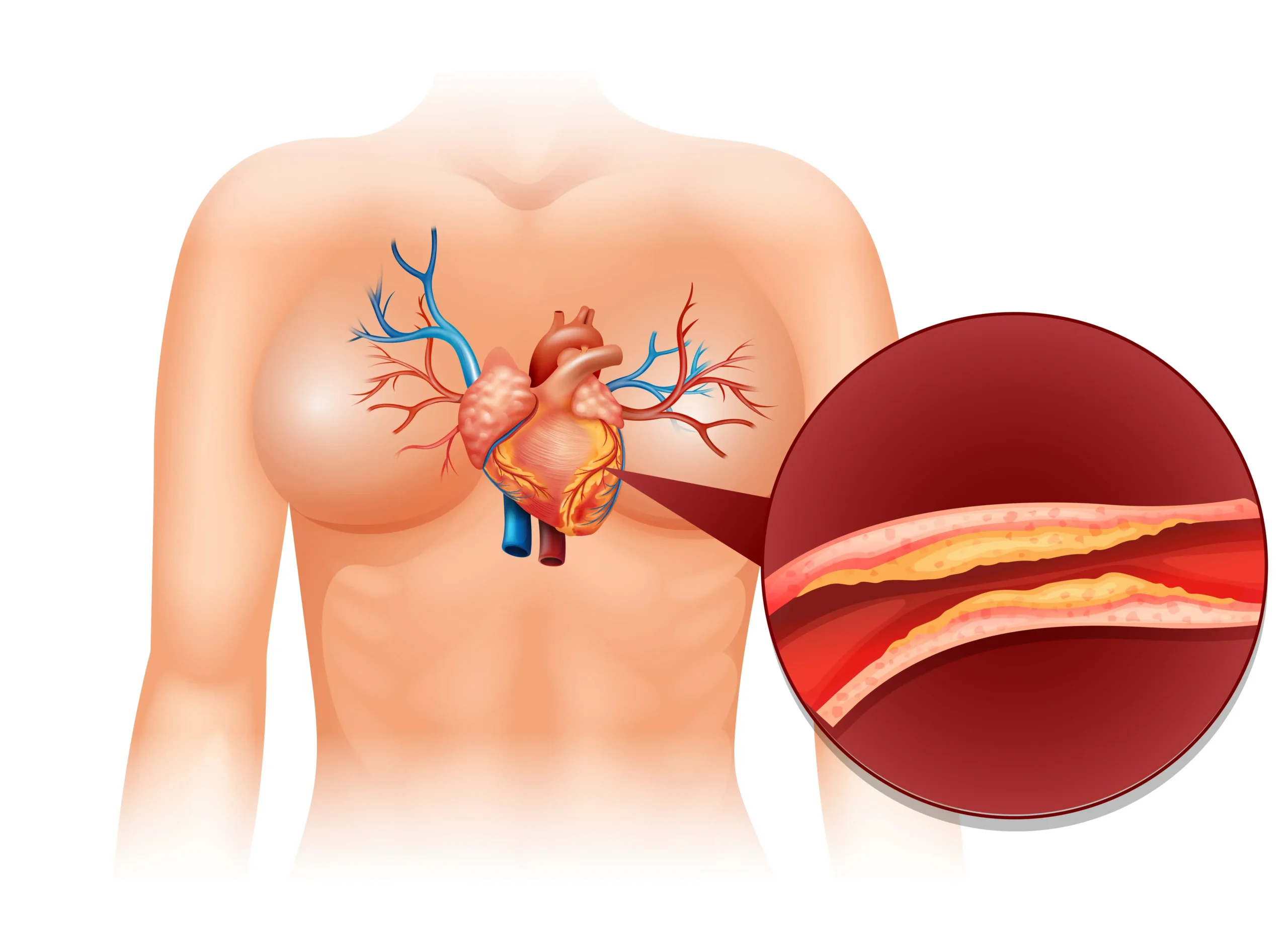
The heart muscle depends on a continuous supply of oxygen-rich blood delivered through the coronary arteries. When one or more of these arteries become narrowed or blocked — usually due to a buildup of plaque inside the arterial wall, a condition called atherosclerosis — the heart muscle does not receive enough blood. This can cause chest pain (angina), shortness of breath, fatigue, and in acute cases, a heart attack.
Coronary angioplasty, formally known as Percutaneous Coronary Intervention (PCI), is a minimally invasive procedure designed to open these narrowed arteries and restore normal blood flow. It does not require open-chest surgery. Instead, a thin, flexible tube called a catheter is inserted through a small puncture — usually in the wrist (radial approach) or the groin (femoral approach) — and guided through the blood vessels to the site of the blockage under X-ray guidance.
Once the catheter reaches the blockage, a small balloon at its tip is inflated to compress the plaque against the artery walls and widen the vessel. In the vast majority of cases, a stent — a small mesh tube, usually drug-eluting to prevent re-narrowing — is then placed at the site to keep the artery open long term.
The procedure typically takes between 30 minutes and 2 hours depending on complexity. Patients are awake but sedated. Most people experience little to no pain during the procedure, though some feel mild pressure or discomfort. The recovery period is significantly shorter than bypass surgery, and most patients can walk the following day.
Patients consider this procedure abroad for several reasons. Elective cases in public health systems often involve waiting lists that stretch months or even years. Private treatment at home is expensive. Turkey offers a third option — prompt access to a high-volume cardiac center at a manageable cost, without compromising on clinical standards.
How Much Does Coronary Angioplasty Cost in Turkey?
Coronary angioplasty in Turkey typically costs between $4,000 and $12,000, depending on a number of clinical and logistical variables.
This compares favorably with costs in Western countries, where the same procedure — even in a straightforward single-vessel case — routinely costs far more when all associated fees are counted.
Factors that affect pricing in Turkey:
- Number of vessels treated — Single-vessel angioplasty costs less than two- or three-vessel procedures, which require more time, more stents, and greater technical complexity
- Type of stent used — Drug-eluting stents cost more than bare-metal stents but are generally preferred for their lower re-narrowing rates; premium stent brands carry higher costs
- Emergency vs elective procedure — Emergency PCI performed during an acute heart attack involves different resource use than a planned elective procedure
- Diagnostic angiogram — If a coronary angiogram (to map the blockage) is performed separately before the intervention, this adds to the total cost
- Hospital tier and location — Internationally accredited private hospitals in Istanbul are typically priced higher than regional centers, though both maintain strong clinical standards
- Length of hospital stay — Complications or complex cases requiring longer monitoring add to the total
- Additional cardiac investigations — Echocardiogram, CT coronary angiography, and cardiac rehabilitation consultations are billed separately if required
| Destination | Estimated Total Cost |
|---|---|
| United States | $20,000 – $50,000+ |
| United Kingdom | $15,000 – $30,000 |
| Germany | $14,000 – $28,000 |
| Turkey | $4,000 – $12,000 |
These figures are estimates based on general market data. Your actual cost will depend on your specific cardiac condition, the number of vessels involved, the stents required, and the outcome of your pre-procedure evaluation. No reputable cardiac center should confirm a final price without reviewing your angiogram results or diagnostic imaging first.
Who Is a Good Candidate for Coronary Angioplasty?
Coronary angioplasty may be appropriate for patients who:
- Have been diagnosed with significant narrowing in one or more coronary arteries confirmed by angiogram or CT coronary angiography
- Are experiencing stable angina that has not responded adequately to medication
- Have had a recent heart attack (STEMI or NSTEMI) and require urgent or early intervention to restore blood flow
- Have unstable angina or acute coronary syndrome requiring prompt intervention
- Are not suitable candidates for coronary artery bypass grafting (CABG) due to age, other health conditions, or personal preference
- Have had a previous stent that has re-narrowed (in-stent restenosis) requiring repeat intervention
- Have blockages in locations that are anatomically accessible and suitable for catheter-based treatment
Angioplasty may not be the right approach if:
- The blockages involve the left main coronary artery or multiple complex vessels where bypass surgery may offer better long-term outcomes
- The arterial anatomy is too complex or calcified for safe catheter access
- You have severe kidney disease that limits the use of contrast dye used during the procedure
- Active bleeding disorders or severe allergies to contrast media are present
- Your overall cardiac function or general health makes any interventional procedure high risk
The decision between angioplasty and bypass surgery is made by an interventional cardiologist and cardiac surgeon together, based on your coronary anatomy, overall heart function, and individual health profile. Traveling to Turkey for evaluation does not bypass this assessment — it is a core part of the process.
The Patient Journey — Step by Step
Step 1 — Initial Inquiry
You contact a patient coordinator or medical tourism service and explain your situation — your diagnosis, your current symptoms, any previous cardiac procedures, and what you are hoping to achieve. For cardiac cases, coordinators treat these inquiries with urgency and respond promptly.
Step 2 — Medical File Submission
You send your existing cardiac records: ECG results, echocardiogram reports, coronary angiogram images or CT coronary angiography results, blood test results, current medication list, and any cardiology letters or reports. The more complete your file, the more accurate the initial assessment.
Step 3 — Cardiologist Review
An interventional cardiologist at the receiving hospital reviews your records and provides a clinical opinion on whether angioplasty is appropriate, how many vessels are involved, what type of stents may be used, and whether additional pre-procedure testing is needed. This review is typically completed within 48 to 72 hours for elective cases, and much faster for urgent situations.
Step 4 — Treatment Plan and Cost Estimate
You receive a written treatment plan with a cost estimate, the proposed procedure, the expected Cardiology Clinics in Turkey stay duration, and the recommended total time in Turkey. You have the opportunity to ask questions and seek clarification before committing.
Step 5 — Travel Planning
Once you decide to proceed, the coordinator assists with timing, hotel recommendations near the hospital, airport transfer arrangements, and any pre-travel instructions from the cardiac team. Istanbul is well-connected from most international airports, with direct flights from the UK, Europe, and the Gulf region.
Step 6 — Arrival and Pre-Procedure Assessment
On arrival, you are taken directly to the hospital for a full pre-procedure workup. This includes blood tests, ECG, echocardiogram, chest X-ray, and a face-to-face consultation with your interventional cardiologist. Any additional imaging required is arranged at this stage. Your anesthesia team also assesses you if general sedation is planned.
Step 7 — Procedure Day
You are prepared for the procedure in a catheterization laboratory. The radial or femoral access site is numbed with local anesthetic. Sedation keeps you comfortable throughout. The cardiologist guides the catheter to the blockage under fluoroscopic (X-ray) guidance, inflates the balloon, and places the stent. The procedure takes between 30 minutes and 2 hours. You are monitored in a cardiac recovery area immediately afterward.
Step 8 — Hospital Stay and Monitoring
Most patients remain in hospital for 2 to 3 days following the procedure. Cardiac monitoring, medication management (antiplatelet drugs, statins, blood pressure medication), and mobility checks happen during this time. Nurses monitor the access site for any bleeding or bruising.
Step 9 — Pre-Departure Check
Before discharge, your cardiologist reviews your recovery, confirms the stent is functioning well based on clinical assessment, and provides a full discharge summary. This document includes your procedure report, stent details, medication plan, and instructions for follow-up at home.
Step 10 — Return Home and Ongoing Support
Your coordinator remains available after you return. A follow-up teleconsultation with your Turkish cardiologist is typically scheduled at one month and three months post-procedure. You are also advised to establish ongoing cardiac follow-up with a cardiologist at home, who will manage your long-term medication and monitoring.
Why Turkey for Coronary Angioplasty?
Turkey’s cardiac care infrastructure has grown considerably over the past fifteen years. Government investment in healthcare, combined with strong private sector development, has produced a network of private cardiac hospitals that operate at a genuinely high standard. Several Istanbul cardiac centers perform thousands of PCI procedures annually — volume that directly correlates with procedural expertise and consistent outcomes.
Interventional cardiologists at leading Turkish hospitals are not isolated from the international medical community. Many completed fellowship training in Germany, the UK, or the United States. Many are published in peer-reviewed journals and attend international cardiology conferences. The clinical environment they work in — modern catheterization labs with intravascular ultrasound (IVUS), fractional flow reserve (FFR) measurement capability, and rotational atherectomy for calcified lesions — matches what is available at comparable European centers.
From a practical standpoint, Istanbul is one of the most accessible cities in the world. Turkish Airlines flies direct to over 300 destinations, meaning most international patients can reach Istanbul in a single flight. The city has a well-developed hospitality infrastructure, and many cardiac hospitals have dedicated international patient departments that handle everything from airport pickup to translation services.
For patients traveling from the Gulf region, Turkey is particularly convenient — geographically close, culturally familiar in many respects, and with a large Arabic-speaking patient coordinator network in major Istanbul hospitals.
What Is Typically Included
- Initial remote consultation and medical file review by an interventional cardiologist
- Pre-procedure diagnostic workup on arrival (ECG, blood tests, echocardiogram)
- Coronary angioplasty procedure including catheterization laboratory fees
- Balloon angioplasty and stent placement (stent type as agreed in treatment plan)
- Anesthesia and sedation fees
- Hospital stay for the standard post-procedure monitoring period
- In-hospital medication during your stay
- Discharge summary and full procedure documentation
- Post-discharge follow-up appointments before you leave Turkey
- Patient coordinator support throughout your stay
What Is Not Included
- Travel insurance and medical evacuation insurance
- Additional diagnostic procedures not included in the standard workup
- Treatment of conditions unrelated to the coronary procedure
- Extended hospital stay costs if complications require longer monitoring
- Long-term cardiac medications after returning home
- Cardiac rehabilitation program costs
Recovery and Aftercare
Recovery from coronary angioplasty is significantly faster than recovery from bypass surgery, but it still requires a structured approach — particularly in the first weeks after the procedure.
Days 1 to 3 (in hospital): You are monitored continuously for heart rhythm, blood pressure, and access site healing. You will begin a medication regimen that typically includes dual antiplatelet therapy (aspirin plus a second antiplatelet drug such as clopidogrel or ticagrelor), a statin, and blood pressure medication. Walking is encouraged from day one.
Days 4 to 7 (in Turkey, post-discharge): Most patients stay in a hotel near the hospital for a few days before flying home. Light activity is fine. You should avoid heavy lifting, strenuous exertion, and driving. The access site — wrist or groin — should be kept clean and dry. Any swelling, bleeding, or unusual pain should be reported immediately.
Weeks 2 to 4 (at home): Most patients feel well enough to resume light daily activities within one to two weeks. Fatigue is common and normal. Returning to desk-based work is usually possible within one to two weeks. Driving restrictions vary — check with your cardiologist and local regulations.
Months 1 to 3: A follow-up consultation — either in person with a local cardiologist or via teleconsultation with your Turkish team — is essential at one month. An ECG and possibly a stress test may be requested to assess how the heart is responding.
Long term: Dual antiplatelet therapy is continued for a minimum of six months and often up to twelve months or longer for drug-eluting stents. Stopping this medication early significantly increases the risk of stent thrombosis — a serious complication. Lifestyle changes — diet, exercise, smoking cessation — are a central part of long-term cardiac management and significantly affect outcomes.
Risks and Considerations
Coronary angioplasty is a routine procedure at high-volume cardiac centers, but it carries risks that every patient deserves to understand clearly.
Stent thrombosis — clotting within the stent — is a rare but serious complication. This is why antiplatelet medication must be taken consistently and not stopped without cardiology guidance.
Re-narrowing (restenosis) — the artery can narrow again at the stent site over time. Drug-eluting stents significantly reduce this risk compared to bare-metal stents, but it is not eliminated entirely.
Access site complications — bruising, bleeding, or rarely a hematoma at the wrist or groin access site. These are usually minor and resolve on their own.
Contrast dye reaction — the X-ray contrast used during the procedure can cause allergic reactions or, in patients with kidney disease, temporary deterioration in kidney function.
Arrhythmia — irregular heart rhythms can occur during or shortly after the procedure and are monitored carefully throughout.
Emergency bypass surgery — in rare cases where angioplasty cannot be completed safely, emergency bypass surgery may be needed. This is uncommon but is why cardiac surgery backup capability at the treating hospital matters.
These risks are not unique to Turkey — they exist at every cardiac center in the world. What matters is choosing a hospital where the catheterization laboratory is modern, the team is experienced, the surgical backup is available, and the monitoring protocols are rigorous. Reputable Turkish cardiac centers meet all of these criteria.
Frequently Asked Questions
What is the cost range of coronary angioplasty in Turkey?
Coronary angioplasty in Turkey generally costs between $4,000 and $12,000, depending on the number of vessels treated, the type of stents used, and the hospital. This is significantly lower than costs in the US, UK, or Germany, where the same procedure can cost $20,000 to $50,000 or more. A confirmed quote requires review of your coronary angiogram or CT imaging.
How long do I need to stay in Turkey?
A total stay of 7 to 10 days is generally recommended. This includes pre-procedure assessment on arrival, the procedure itself, 2 to 3 days of in-hospital monitoring, and a few days of rest before you are cleared to fly. Complex cases may require a longer stay.
Is coronary angioplasty safe in Turkey?
Yes, when performed at internationally accredited cardiac hospitals with experienced interventional cardiologists. Turkey’s leading private cardiac centers maintain modern catheterization laboratories, rigorous monitoring protocols, and surgical backup capability. The safety record at high-volume Turkish centers is comparable to European standards.
How long does recovery take before I can fly home?
Most patients are cleared to fly approximately 5 to 7 days after an uncomplicated procedure. Your cardiologist will confirm this based on your individual recovery. Flying too soon after the procedure is not recommended due to the risk of clotting and access site complications.
When will I feel normal again after angioplasty?
Most patients notice an improvement in chest pain and breathlessness within days of the procedure as blood flow is restored. General energy and stamina typically improve over the first two to four weeks. Full return to normal activity depends on your overall cardiac health and any underlying conditions.
Will I need to take medication long term after the procedure?
Yes. Dual antiplatelet therapy is a standard requirement after stent placement and is typically continued for six to twelve months or longer. You will also likely be prescribed a statin and blood pressure medication. These are not optional — adherence to this regimen is directly linked to long-term stent function and heart health.
Is the procedure painful?
The procedure itself is not painful. Local anesthetic numbs the access site, and sedation keeps you comfortable throughout. Some patients feel mild pressure in the chest during balloon inflation, which is brief. Post-procedure discomfort at the access site is usually mild and manageable with standard pain relief.
What happens if the stent re-narrows after I return home?
Re-narrowing (restenosis) can occur, though drug-eluting stents significantly reduce this risk. If it happens, a repeat procedure can address it. This is why ongoing cardiac follow-up at home is important — regular check-ups allow your cardiologist to detect any changes early.
Can I travel to Turkey for angioplasty if I have multiple blockages?
Multi-vessel angioplasty is performed routinely at major Turkish cardiac centers. Whether angioplasty is the right approach for multi-vessel disease — versus bypass surgery — depends on the anatomy and complexity of the blockages. This is assessed by the cardiac team after reviewing your angiogram, and in some cases a heart team discussion involving both interventional cardiologists and cardiac surgeons takes place before a recommendation is made.
What follow-up care will I need when I return home?
You will need regular follow-up with a cardiologist at home — typically at one month, three months, six months, and then annually. ECG monitoring, blood tests, and possibly stress testing are part of the standard follow-up protocol. Your Turkish cardiac team will also offer remote teleconsultations at scheduled intervals and remain available if questions arise between appointments.
Plan Your Cardiac Care With Confidence
A heart procedure is not a decision made lightly, and it should not be planned casually. The right approach starts with a proper clinical evaluation — one based on your actual cardiac records, your specific anatomy, and a clear understanding of what the procedure involves and what it requires from you in terms of aftercare and lifestyle.
If you are considering coronary angioplasty in Turkey, the most important first step is getting your records in front of the right clinical team. A credible coordinator will not give you a generic quote or push you toward a decision. They will connect you with a qualified interventional cardiologist, walk you through the evaluation process honestly, and make sure that if you do travel, every detail — from arrival to post-discharge support — is properly managed.
Your heart deserves that level of care. Take the time to ask the right questions, compare your options carefully, and make a decision based on clear information and genuine medical guidance.
Featured Cardiology Procedures in Turkey
Procedures discussed in this article, available across Turkey.

Varicose Vein Treatment in Istanbul, Turkey by Avicenna Hospital
Advanced Vein Care for Leg Comfort, Improved Circulation & Healthier-Looking Legs. Varicose Vein Treatment is…

Coronary Angioplasty in Istanbul, Turkey by Memorial Hospital
Restoring Blood Flow Safely Through Advanced Minimally Invasive Heart Procedures. Coronary angioplasty at Memorial…

Coronary Artery Bypass Graft (CABG) in Istanbul, Turkey by Medical Park Hospitals
Restoring Heart Health with Precision and Care. Heart disease is one of the leading health concerns worldwide,…

Carotid Artery Surgery in Turkey
Protect your brain health and reduce the risk of stroke with advanced carotid artery surgery in Istanbul, where…

Cardiovascular Surgery in Istanbul, Turkey by Medical Park Hospitals
Advanced heart & vascular care—precise surgery, faster recovery, compassionate support. At Medical Park…

Heart Valve Surgery in Istanbul
Restore heart function and improve your quality of life with expert heart valve surgery in Istanbul, where highly…
Recommended Cardiology Clinics in Turkey
Trusted clinics specializing in Cardiology across Turkey.

Memorial Hospital
Memorial Hospital. Turkey’s Leading Network for Advanced Medicine. Memorial Hospital is Turkey’s most…

Liv Hospital
Liv Hospital. Turkey’s Premier Destination for Advanced Medicine & International Healthcare. Liv Hospital…

Medical Park Hospital
Medical Park Hospital. Turkey’s Largest Private Hospital Network for Advanced Care. Medical Park Hospital is the…

Avicenna Hospital
Avicenna International Hospital Istanbul. Istanbul’s Established Private Hospital Network for Advanced Medical…

Pendik Yüzyıl Hospital
Pendik Yüzyıl Hospital. Comprehensive Healthcare in Istanbul's Asian Side. Pendik Yüzyıl Hospital is a…
Explore Tours in Turkey
Discover the best places to visit in Turkey and explore its rich culture, breathtaking landscapes, iconic attractions, and unforgettable travel experiences.

Turkey: Istanbul Guided Tour
Full-Day Private Experience | History, Culture & Comfort Experience Istanbul in One Perfect Day Discover the…

Turkey: Half-Day Istanbul Private Food Tour & Culinary Experience
Taste the Real Istanbul. Experience Istanbul beyond the landmarks — through its rich and vibrant food culture.…

Turkey: Full Day Pamukkale Tour
Discover the stunning natural beauty and ancient history of Pamukkale on this private guided tour. Marvel at the…

Turkey: Istanbul Combo: Classic City Tour & Bosphorus Cruise
Experience Istanbul Like a VIP. Step into the heart of one of the world’s most fascinating cities with a private,…

Turkey: Istanbul Guided Walking Tour – Full Day
Private Walking Experience | History, Culture & Iconic Landmarks Walk Through the Heart of Istanbul. Step into…

Turkey: Private Cappadocia Tour: Hot Baloon Ride & Museum
Embark on a private guided journey through Cappadocia, a land of rich history and natural wonder. Your local…
More Cardiology Articles About Turkey
Keep reading about Cardiology care and travel in Turkey.

Atherosclerosis Treatment in Turkey Cost and Clinics
Atherosclerosis—the silent buildup of fatty plaque inside your arteries—remains one of the leading causes of heart…

Arrhythmia Treatment in Turkey Cost and Clinics
When your heartbeat slips out of sync, every moment can feel uncertain. Turkey’s modern cardiac centers offer a…

Cardiovascular Rehabilitation in Turkey Cost
Recovering after a cardiac event, surgery, or a diagnosis that changes how you live day to day is not something…

Coronary Bypass in Turkey Cost and Clinics
Every year, thousands of patients from Europe, the Middle East, and beyond travel to Turkey for coronary bypass…

Leave a Comment
Share your thoughts on this article, or ask us a question -- we'd love to hear from you.