

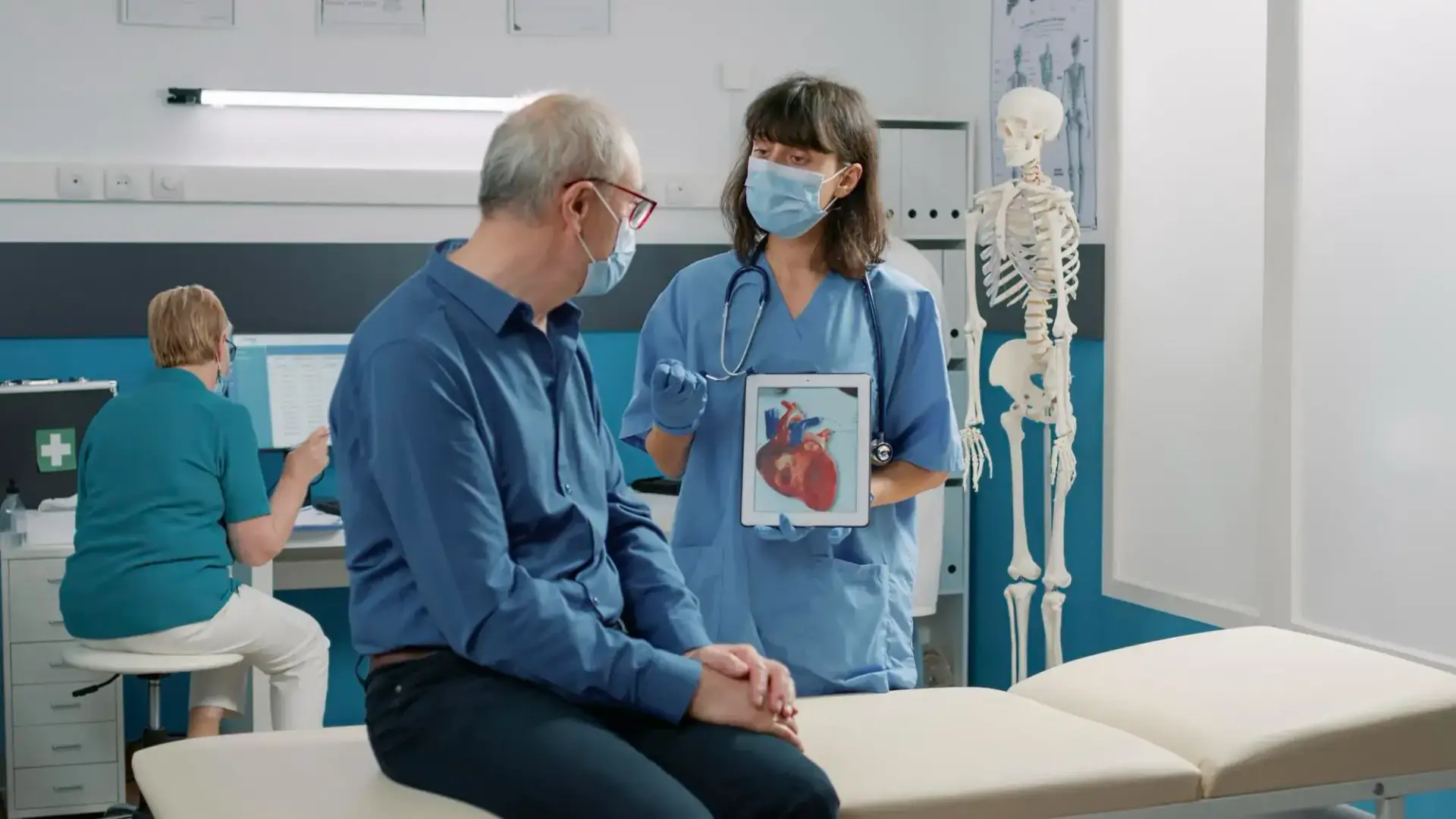
When your heartbeat slips out of sync, every moment can feel uncertain. Turkey’s modern cardiac centers offer a reassuring path back to steady rhythm with comprehensive arrhythmia treatments—ranging from state-of-the-art catheter ablation and 3-D electrophysiology mapping to minimally invasive pacemaker implantation.
Here, European-level clinical standards meet a warm culture of hospitality, so international patients receive advanced therapy and a seamless travel experience in one transformative trip.
Many patients choose Turkey because they gain access to internationally trained cardiologists, cutting-edge technology, and Joint Commission International–accredited hospitals at a fraction of U.S. prices—without compromising safety. American College of Cardiology guidelines for arrhythmia care are followed rigorously, ensuring evidence-based protocols you already recognize.
Whether you are managing atrial fibrillation, supraventricular tachycardia, or brady-arrhythmias that require pacing, Turkey delivers clarity, cost transparency, and compassionate follow-up—so you leave with confidence as steady as your renewed heartbeat.
Treatment Highlights
- Comprehensive Electrophysiology Package – Includes diagnostic EP study, 3-D mapping, catheter ablation or pacemaker implantation, and on-site cardiac rehabilitation.
- Key Benefits – Drug-free rhythm control, reduced stroke risk, symptom relief (palpitations, fatigue, dizziness), and accelerated return to daily activities.
- Ideal Candidates – Adults with drug-refractory atrial fibrillation, AVNRT, WPW, PVC burden, or symptomatic bradycardia; low-ejection-fraction cases evaluated individually.
- Destination Advantages – Short waiting times, English-speaking care teams, and luxurious recovery settings in coastal cities like Istanbul and Antalya.
- Recovery Expectations – 24–48 h hospital stay after ablation, 1-night stay for pacemaker; light activity within 48 h and flight-fit in 5–7 days (doctor-cleared).
- Cost Positioning – Up to 70 % savings versus U.S. prices; fixed-price surgery bundles reduce surprise bills.
- Typical Length of Stay – 5–7 nights in Turkey, including pre-op work-up, procedure, and first follow-up.
Overview
Arrhythmia occurs when the heart’s electrical impulses misfire, causing the chambers to beat too fast, too slow, or erratically. Modern treatment focuses on eliminating or bypassing the faulty signal pathways.
Catheter Ablation
Using heat (radiofrequency) or cold (cryoablation), your electrophysiologist threads slim catheters through a vein into the heart, maps the rogue circuit, and precisely scars it to stop abnormal signals. Most sessions last 2–3 hours under conscious sedation; success rates for common SVTs exceed 95 %.
Pacemaker Implantation
For rhythm too slow or prone to blocks, a pulse generator the size of a coin is placed under the collarbone. One or two insulated leads carry gentle impulses that keep the atria and ventricles beating at a programmed rate. New leadless devices eliminate chest incisions altogether.
Why Abroad?
Patients travel because Turkey offers experienced EP teams, same-week scheduling, and bundled pricing far below Western rates—while maintaining outcomes on par with top EU centers.
Expected Results
- Ablation: freedom from symptomatic arrhythmia in 70-90 % of AFib cases after one procedure; higher for SVTs.
- Pacemaker: immediate rhythm stabilization, improved exercise tolerance, and reduced syncope episodes.
Realistic expectations include possible need for repeat ablation or device adjustments; lifelong anticoagulation may still be required for certain AFib patients.
How Much Does Arrhythmia Treatment Cost in Turkey?
Typical package prices (hospital, cardiologist, anesthesia, basic aftercare):
| Treatment | Turkey (USD) | USA (USD) | Patient Savings |
|---|---|---|---|
| Catheter Ablation (RF/Cryo) | $3,000 – $8,000 | $21,000 – $26,000 | 65 – 85 % |
| Pacemaker Implant (single/dual) | $6,000 – $14,000 | ≈ $40,000 | 65 – 80 % |
| EP Study & 3-D Mapping | $2,000 – $4,000 (bundled if proceeding to ablation) | $8,000 – $15,000 (facility fees extra) | 50 – 75 % |
What Drives Price Differences?
- Device type (leadless vs dual-chamber)
- Complexity (repeat ablation, additional veins isolated)
- Hospital accreditation & city location
- Cardiologist experience
- Add-on tests (MRI, CT, genetic panels)
Turkey’s lower labor and insurance overhead allows hospitals to bundle services affordably, but your formal quote will follow a remote medical review. Final pricing always depends on your imaging, medications, and overall health status.
Who Is a Good Candidate for Arrhythmia Treatment?
- Symptomatic AFib, A-flutter, AVNRT, WPW, PVC-induced cardiomyopathy
- Ineffective or intolerant to antiarrhythmic drugs
- Left-ventricular ejection fraction > 30 % for ablation; pacemaker candidates evaluated individually
- Controlled comorbidities (diabetes, hypertension)
- Able to travel with physician clearance
Not Ideal Without Further Evaluation
- Active infection or uncontrolled heart failure
- Severe pulmonary hypertension
- Recent stroke (< 3 months)
- Pregnancy (case-by-case)
All candidacy is confirmed with ECG, Holter, echocardiography, and consultation.
Your Patient Journey—Step by Step
- Initial Inquiry – Submit ECG/Holter and brief medical history online.
- Remote Cardiologist Review – Your records are evaluated; tailored plan and quote issued within 48 h.
- Treatment Plan Approval – You agree package, schedule, and deposit.
- Travel Arrangements – Visa guidance, hotel options, and airport transfers booked.
- Arrival in Turkey – Private driver to hotel; next-day clinic orientation.
- In-Person Consultation & Pre-Op Tests – Blood work, echo, CT, COVID screen.
- Procedure Day – Ablation (2–3 h) or pacemaker implant (60–90 min) under monitored anesthesia.
- Recovery – One night in cardiac ward (pacemaker) or 24–48 h (ablation); walking encouraged same day.
- Follow-Up & Discharge – Device programming or repeat ECG; written fitness-to-fly certificate.
- Return Home – Tele-consult at 1 week, 1 month, and 3 months; local cardiologist looped in for continuity.
Why Choose Turkey?
- International Quality – Over 40 cardiac programs hold Joint Commission International gold seals.
- Experience – Electrophysiologists perform 500–1,000 ablations and 300+ pacemakers annually, matching European volumes.
- Cost-Effectiveness – Savings reinvested in extra night of observation or upgraded hotel without exceeding typical insurance deductibles.
- Convenience – Direct flights from Europe, Middle East, and North America; visa-on-arrival for many nationalities.
- Healing Environment – Coastal climates of Izmir and Antalya encourage gentle walks and stress reduction during recuperation.
Inclusions
- Pre-arrival virtual consultation
- Comprehensive lab panel & cardiac imaging
- EP study, mapping, ablation or pacemaker device & surgery
- Hospital room (private) & nursing care
- Post-procedure medication starter kit
- English-speaking patient coordinator
- One follow-up consultation before departure
- Airport—hotel—clinic ground transfers
Exclusions
- Additional imaging (MRI, CT angiography) outside package scope
- Revision surgery or second ablation
- Companion meals & excursions
- Extended hotel stay beyond recommended recovery window
Recovery & Aftercare
Timeline
- Day 0–2: Mild chest/neck soreness (pacemaker) or groin tenderness (ablation).
- Day 3–7: Light house walks; no driving until physician clears.
- Week 2–4: Gradual return to work; avoid swimming & overhead lifting if pacemaker pocket healing.
- Month 3: Final rhythm stabilization; anticoagulant adjustment if AFib.
- Long-Term: Device battery lasts 8–12 years; ablation scars durable, though AFib may recur in 10–20 %—a second touch-up keeps success high.
Remote monitoring apps and Bluetooth-enabled pacemakers allow real-time data sharing with your home cardiologist.
Risks & Considerations
All cardiac procedures carry some risk, though serious complications are rare:
- Vascular bleeding or hematoma (< 2 %)
- Cardiac tamponade or stroke (< 1 %) during ablation
- Lead displacement or pocket infection (1–3 %) after pacemaker
- Need for repeat procedure (up to 20 % for persistent AFib)
Choosing a board-certified electrophysiologist, adhering to anticoagulation instructions, and attending follow-ups greatly mitigate these risks. Your coordinator will provide a written informed-consent packet in plain language for review before you travel.
FAQs
- What is the cost range of arrhythmia treatment in Turkey?
Arrhythmia treatment in Turkey cost start at $3,000 for simple ablation and reach $14,000 for dual-chamber pacemaker implantation, including hospital fees and basic aftercare. - How many days should I plan to stay?
Most patients spend 5–7 days in Turkey: one day of pre-op tests, one day for the procedure, and several days for initial recovery and follow-up. - Is treatment in Turkey safe?
Yes—many cardiac units hold JCI accreditation and follow the same protocols used in Europe and the U.S., with English-speaking staff and modern equipment. - How long is recovery after catheter ablation?
Expect to walk the same evening, resume desk work in 2–3 days, and avoid heavy lifting for one week; full rhythm stabilization takes about three months. - When will I see results?
Ablation benefits are often immediate, though some transient palpitations may occur for 6–8 weeks. Pacemaker benefits are felt as soon as the device is activated. - Do I need a companion to travel with me?
It is recommended but not mandatory. Clinics can arrange nursing escorts and hotel assistance if you travel alone. - Am I too old for this procedure?
Age alone is not a barrier; patients up to their late 80s have successful outcomes, provided overall health and frailty scores are acceptable. - Will the procedure hurt?
Both ablation and pacemaker implantation are performed under local anesthesia with sedation; you may feel pressure but not sharp pain. Post-op discomfort is mild. - How long do results last?
Successful ablation can provide lifelong rhythm control, though some AFib types may recur. Pacemaker batteries last 8–12 years before a simple generator change. - What follow-up care is included?
You receive an in-person visit before flying home and scheduled video calls at 1 week, 1 month, and 3 months, plus remote reports for your local cardiologist.
Ready for Steady Rhythm?
Take the first step toward a calmer, healthier heartbeat with our concierge-level planning service. We coordinate top cardiac specialists, transparent pricing, and seamless travel logistics—so you can focus on recovery, not red tape. Request your personalized treatment assessment today and feel the relief of a heart back in harmony.
Featured Cardiology Procedures in Turkey
Procedures discussed in this article, available across Turkey.

Coronary Artery Bypass Graft (CABG) in Istanbul, Turkey by Medical Park Hospitals
Restoring Heart Health with Precision and Care. Heart disease is one of the leading health concerns worldwide,…

Carotid Artery Surgery in Turkey
Protect your brain health and reduce the risk of stroke with advanced carotid artery surgery in Istanbul, where…

Coronary Bypass in Istanbul, Turkey by Memorial Hospital
Advanced Coronary Artery Bypass Grafting Performed by Expert Cardiovascular Surgeons. Heart bypass surgery at…
Hypertrophic Cardiomyopathy Treatment in Istanbul, Turkey by Avicenna Hospital
Advanced Heart Muscle Disease Care for Safer Rhythm, Better Breathing & Long-Term Cardiac Monitoring.…

Congenital Heart Disease Treatment in Istanbul, Turkey by Avicenna Hospital
Advanced Cardiology & Cardiovascular Care for Children and Adults with Structural Heart Conditions. Congenital…
Coronary Angioplasty in Istanbul, Turkey by Memorial Hospital
Restoring Blood Flow Safely Through Advanced Minimally Invasive Heart Procedures. Coronary angioplasty at Memorial…
Recommended Cardiology Clinics in Turkey
Trusted clinics specializing in Cardiology across Turkey.

Memorial Hospital
Memorial Hospital. Turkey’s Leading Network for Advanced Medicine. Memorial Hospital is Turkey’s most…

Avicenna Hospital
Avicenna International Hospital Istanbul. Istanbul’s Established Private Hospital Network for Advanced Medical…

Pendik Yüzyıl Hospital
Pendik Yüzyıl Hospital. Comprehensive Healthcare in Istanbul's Asian Side. Pendik Yüzyıl Hospital is a…

Medical Park Hospital
Medical Park Hospital. Turkey’s Largest Private Hospital Network for Advanced Care. Medical Park Hospital is the…

Liv Hospital
Liv Hospital. Turkey’s Premier Destination for Advanced Medicine & International Healthcare. Liv Hospital…
Explore Tours in Turkey
Discover the best places to visit in Turkey and explore its rich culture, breathtaking landscapes, iconic attractions, and unforgettable travel experiences.

Turkey: Best of Istanbul Tour with Hagia Sophia Tickets
Step into centuries of history with this expertly guided small group experience through Istanbul’s Old City.…

Turkey: Full Day Pamukkale Tour
Discover the stunning natural beauty and ancient history of Pamukkale on this private guided tour. Marvel at the…

Turkey: Istanbul Guided Walking Tour – Full Day
Private Walking Experience | History, Culture & Iconic Landmarks Walk Through the Heart of Istanbul. Step into…

Turkey: Istanbul Combo: Classic City Tour & Bosphorus Cruise
Experience Istanbul Like a VIP. Step into the heart of one of the world’s most fascinating cities with a private,…

Turkey: Istanbul Guided Tour
Full-Day Private Experience | History, Culture & Comfort Experience Istanbul in One Perfect Day Discover the…

Turkey: Private Cappadocia Tour: Hot Baloon Ride & Museum
Embark on a private guided journey through Cappadocia, a land of rich history and natural wonder. Your local…
More Cardiology Articles About Turkey
Keep reading about Cardiology care and travel in Turkey.

Coronary Bypass in Turkey Cost and Clinics
Every year, thousands of patients from Europe, the Middle East, and beyond travel to Turkey for coronary bypass…

Atherosclerosis Treatment in Turkey Cost and Clinics
Atherosclerosis—the silent buildup of fatty plaque inside your arteries—remains one of the leading causes of heart…
Coronary Angioplasty in Turkey Cost and Clinic
A blocked coronary artery is not something anyone plans for. The diagnosis arrives suddenly — after a heart…

Cardiovascular Rehabilitation in Turkey Cost
Recovering after a cardiac event, surgery, or a diagnosis that changes how you live day to day is not something…

Leave a Comment
Share your thoughts on this article, or ask us a question -- we'd love to hear from you.