
















Advanced Hernia Repair for Lasting Relief, Faster Recovery & Improved Quality of Life
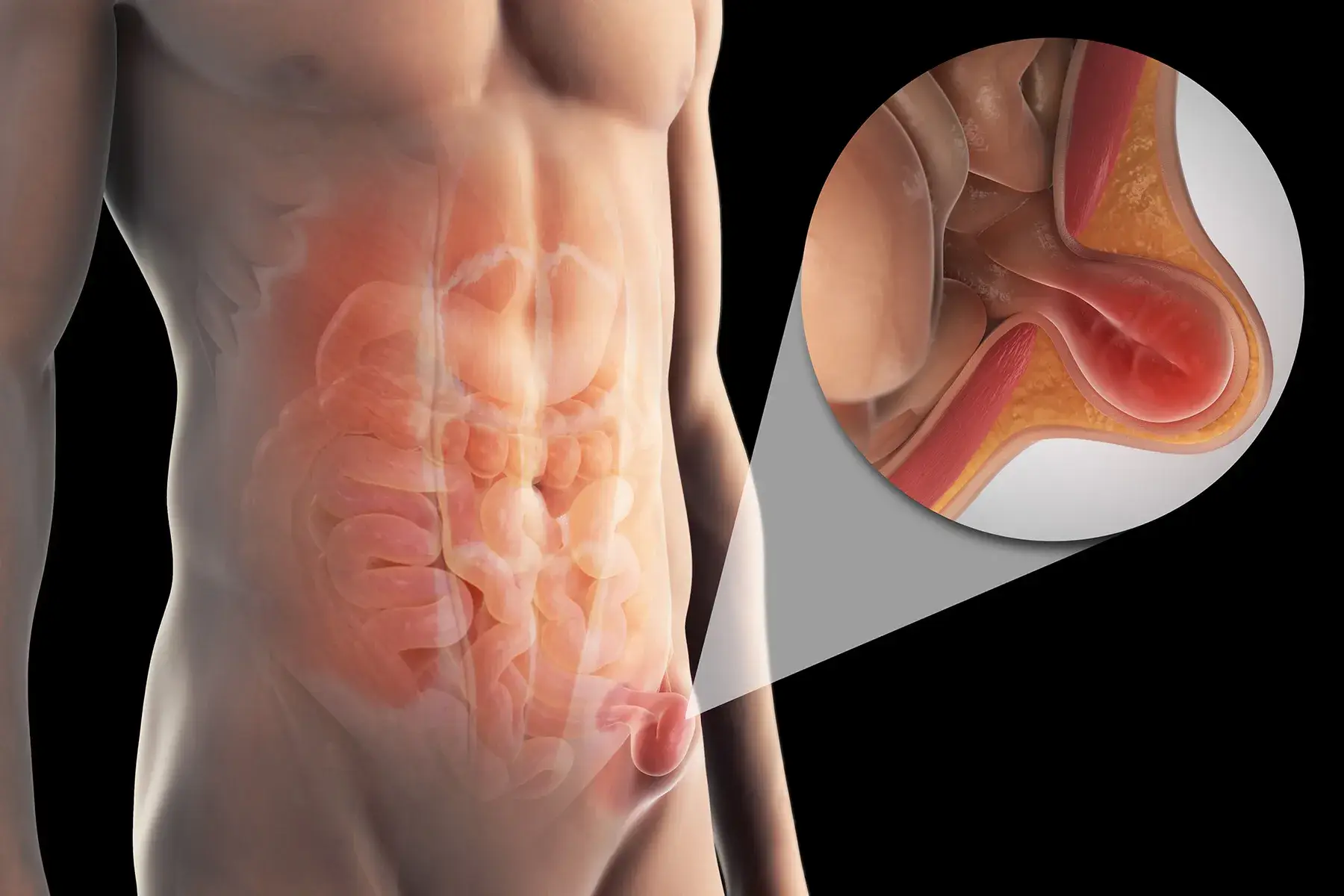
Hernia Surgery is a commonly performed procedure designed to repair weakened areas of the abdominal wall where internal tissue or organs protrude, causing a visible bulge or discomfort. Modern hernia surgery focuses on restoring the strength of the abdominal wall while reducing pain and helping patients return to their daily activities with confidence. Patients choose Hernia Surgery to relieve pain, repair abdominal weakness, and prevent future complications associated with untreated hernias.
Depending on the type, size, and location of the hernia, treatment may be performed using minimally invasive laparoscopic techniques or traditional open surgery. The surgical approach is selected according to each patient’s individual condition and overall health. At Avicenna Hospital in Istanbul, Hernia Surgery is performed following comprehensive medical evaluation and personalized treatment planning. The goal is to provide safe, effective repair while supporting long-term recovery and reducing the likelihood of recurrence.
🩺 What Is Hernia Surgery?
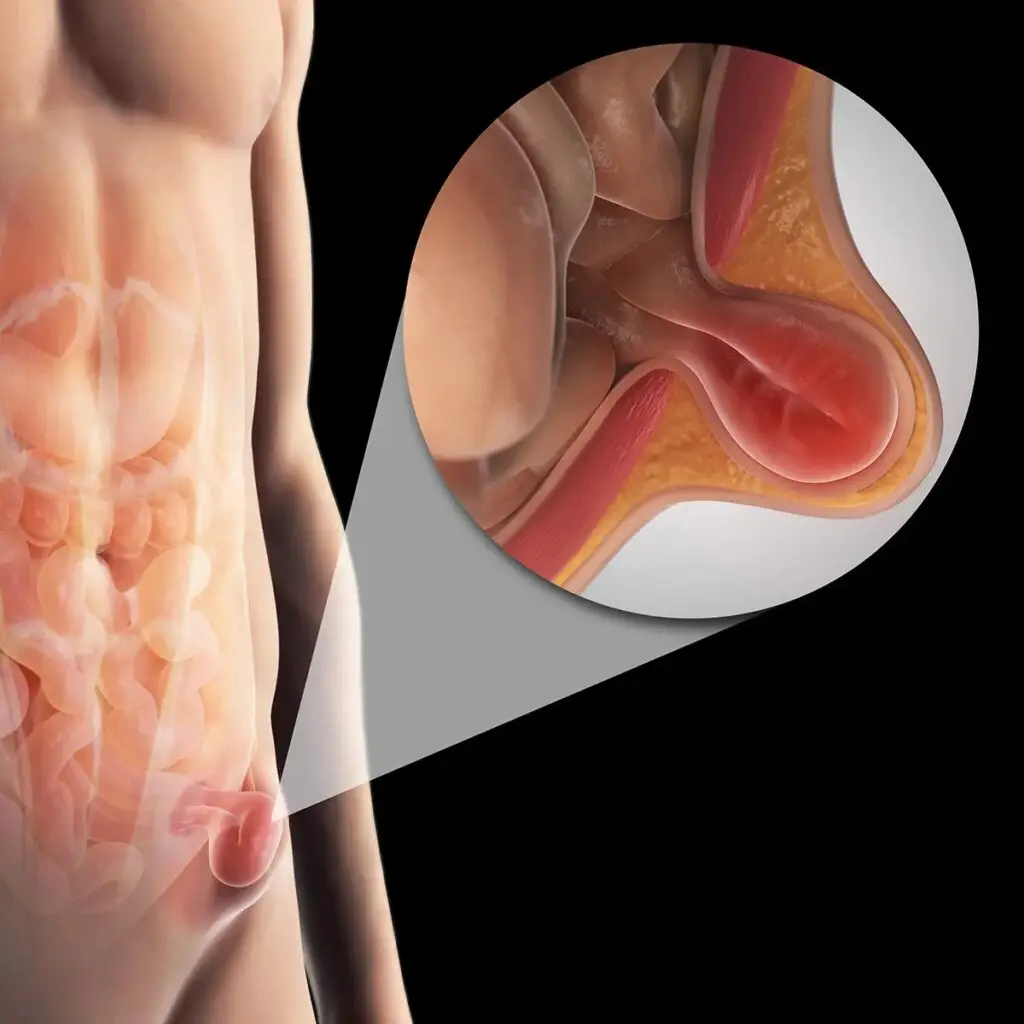
Hernia Surgery is a procedure performed to repair a hernia, which occurs when an internal organ or fatty tissue pushes through a weakened area of muscle or connective tissue. Hernias commonly develop in the groin, abdomen, or around previous surgical incisions and may cause swelling, discomfort, pain during physical activity, or a noticeable bulge that becomes more prominent when standing or coughing.

The primary objective of Hernia Surgery is to return the protruding tissue to its proper position and reinforce the weakened area of the abdominal wall. The choice of surgical technique depends on factors such as the hernia type, size, location, previous surgeries, and the patient’s overall health. Many hernia procedures today can be performed using minimally invasive laparoscopic techniques, which utilize small incisions and specialized surgical instruments. Both approaches aim to repair the defect securely while minimizing discomfort and promoting safe healing. Hernia Surgery not only relieves pain and discomfort but also reduces the risk of serious complications such as incarceration or strangulation, where the blood supply to the trapped tissue becomes compromised.
🩺 Types of Hernia Surgery
• Open Hernia Repair – Traditional surgical approach using an incision over the hernia to repair the weakened tissue with or without surgical mesh.
• Laparoscopic Hernia Repair – A minimally invasive technique performed through small incisions using specialized instruments and a camera for faster recovery in selected patients.
• Inguinal Hernia Repair – Treatment for hernias that develop in the groin, one of the most common types of abdominal hernias.
• Femoral Hernia Repair – Surgical correction of hernias occurring near the upper thigh and groin region, more commonly seen in women.
• Umbilical Hernia Repair – Procedure to repair hernias located around the belly button caused by weakened abdominal muscles.
• Incisional Hernia Repair – Treatment for hernias that develop through the site of a previous abdominal surgical incision.
🩺 Who Is a Good Candidate?
Hernia Surgery is recommended for patients whose hernia causes symptoms, continues to enlarge, or carries a risk of complications. Every patient undergoes an individual assessment to determine the most suitable treatment approach.
✔️Adults diagnosed with an inguinal, femoral, umbilical, or incisional hernia
✔️Patients experiencing pain or discomfort during daily activities
✔️Individuals with a visible abdominal or groin bulge
✔️Patients whose hernia has gradually increased in size
✔️Adults seeking long-term hernia repair
✔️Patients with reducible hernias requiring elective treatment
✔️Individuals in stable overall health for surgery
✔️Patients looking to prevent future hernia-related complications
✔️Adults with realistic expectations regarding recovery
✔️Individuals committed to following post-operative instructions
🩺 Consultation & Preparation
Every patient receives a detailed evaluation before Hernia Surgery to ensure the safest and most appropriate treatment plan. The consultation helps determine the type of hernia and the best surgical approach.

✔️Comprehensive physical examination
✔️Review of symptoms and medical history
✔️Assessment of previous abdominal surgeries
✔️Discussion of surgical treatment options
✔️Routine blood tests when required
✔️Imaging studies if recommended by the surgeon
✔️Review of current medications and supplements
✔️Instructions regarding fasting before surgery
✔️Guidance on temporarily stopping certain medications if advised
✔️Explanation of the procedure, recovery, and follow-up plan
🩺 Recovery & Aftercare
Recovery after Hernia Surgery varies depending on the type of repair performed and the patient’s overall health. Following the surgeon’s instructions carefully helps promote healing and supports long-term surgical success.
✔️Walking is encouraged soon after surgery as recommended
✔️Mild discomfort, swelling, or bruising is expected initially
✔️Use prescribed medications as directed
✔️Keep the surgical incision clean and dry
✔️Avoid heavy lifting during the early recovery period
✔️Gradually return to normal daily activities
✔️Follow dietary recommendations if provided
✔️Attend all scheduled follow-up appointments
✔️Monitor for unusual swelling, fever, or persistent pain and report concerns promptly
✔️Continue following recovery instructions until cleared by the surgeon
✔️Wear supportive garments if recommended by your surgeon

🌍 Why Choose Avicenna Hospital for Hernia Surgery?

Choosing the right hospital plays an important role in achieving safe treatment and successful recovery. Avicenna Hospital provides comprehensive surgical care with individualized treatment planning for patients requiring Hernia Surgery.
✔️Comprehensive evaluation before surgery
✔️Personalized treatment planning for every patient
✔️Experienced multidisciplinary medical teams
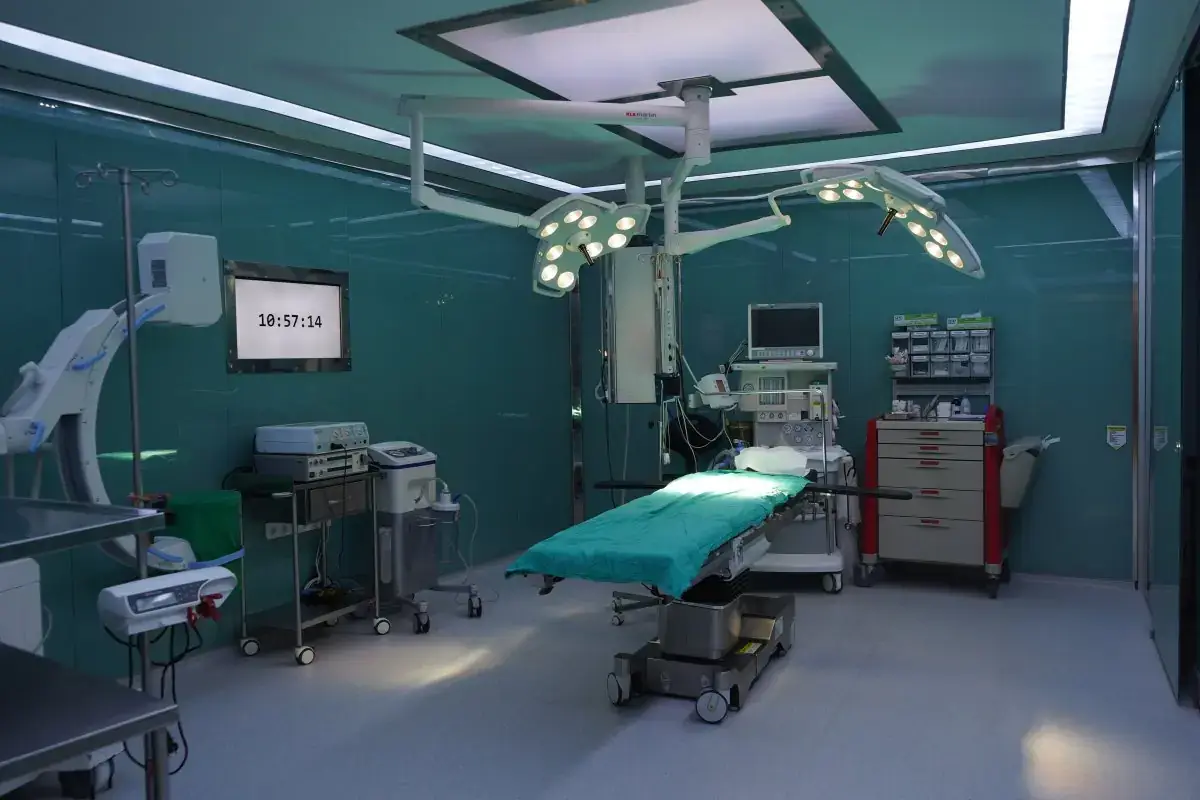
✔️Modern surgical facilities and operating rooms
✔️Minimally invasive surgical options when appropriate
✔️High standards of patient safety and infection control
✔️Comprehensive post-operative monitoring
✔️Dedicated international patient support services
✔️Personalized follow-up and recovery guidance
✔️Patient-centered approach focused on safety and long-term outcomes