


















Advanced Kidney Tumor Surgery Focused on Cancer Control, Organ Preservation & Multidisciplinary Treatment Planning
Kidney Cancer Surgery is a specialized urologic oncology procedure used to remove cancerous tumors from the kidney while protecting overall health and kidney function whenever medically possible. Patients may need kidney cancer surgery after imaging, biopsy, or specialist evaluation confirms a kidney mass, renal cell carcinoma, or suspected malignant kidney tumor. In Seoul, South Korea, Asan Medical Center provides kidney cancer treatment through its Urologic Cancer Center, where surgical planning is supported by urology, oncology, radiology, pathology, and radiation oncology collaboration. The goal of Kidney Cancer Surgery is to remove the tumor safely, reduce cancer-related risk, and create a clear treatment path for recovery, follow-up, and long-term monitoring.
🔍 What Is Kidney Cancer Surgery?
Kidney Cancer Surgery is an operation performed to remove a malignant or suspicious tumor from the kidney. The most common surgical approaches include partial nephrectomy and radical nephrectomy.
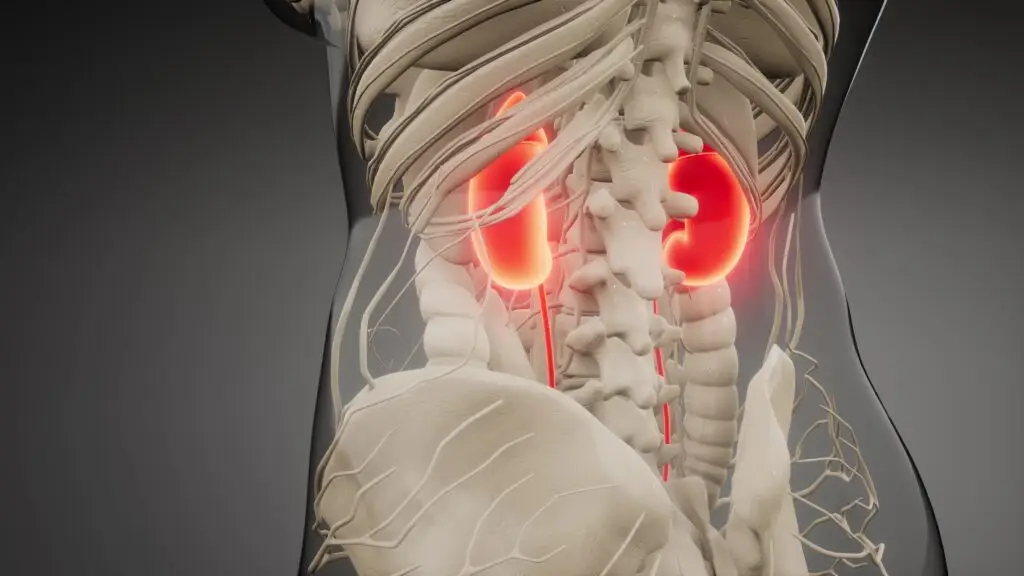
A partial nephrectomy, also called nephron-sparing surgery, removes the tumor while keeping as much healthy kidney tissue as possible. A radical nephrectomy removes the entire kidney and may also involve nearby tissue or lymph nodes when clinically necessary. Kidney Cancer Surgery may be performed through open, laparoscopic, or robotic-assisted techniques. Minimally invasive approaches may support smaller incisions and a more controlled surgical field in selected patients, while open surgery may be needed for larger, complex, or advanced tumors. At Asan Medical Center, kidney cancer care is connected to the broader Urologic Cancer Center, allowing patients to receive coordinated evaluation from specialists involved in diagnosis, surgery, imaging, pathology, oncology, and follow-up treatment.
🩺 Types of Kidney Cancer Surgery
- Partial Nephrectomy – Removes only the tumor and a small margin of surrounding tissue while preserving as much healthy kidney tissue as possible.
- Radical Nephrectomy – Removes the entire kidney when the tumor is large, centrally located, complex, or not suitable for kidney-sparing surgery.
- Robotic-Assisted Kidney Cancer Surgery – Uses robotic technology to support precision and control during selected partial or radical nephrectomy cases.
- Laparoscopic Kidney Cancer Surgery – Uses small incisions and specialized instruments to remove the tumor or kidney in suitable patients.
- Lymph Node Dissection – Removes nearby lymph nodes when imaging or surgical findings suggest possible spread or when staging is required.
🩺 Who Is a Good Candidate?
Kidney Cancer Surgery may be suitable for patients diagnosed with kidney cancer, renal cell carcinoma, or a suspicious kidney mass that requires surgical removal. A patient’s eligibility depends on tumor size, tumor location, cancer stage, kidney function, general health, and whether the tumor can be removed safely.
✔️ Patients diagnosed with kidney cancer or suspected renal cell carcinoma
✔️ Individuals with a kidney tumor found on ultrasound, CT scan, MRI, or other imaging
✔️ Patients with localized kidney cancer that may be removed surgically
✔️ Individuals who may benefit from partial nephrectomy to preserve kidney function
✔️ Patients with larger or complex tumors that may require radical nephrectomy
✔️ Patients who need specialist review for robotic, laparoscopic, or open surgery options
✔️ Individuals with one kidney, reduced kidney function, or bilateral kidney tumors who need careful surgical planning
✔️ Patients who require multidisciplinary cancer care involving urology, oncology, radiology, and pathology

📝 Consultation & Preparation
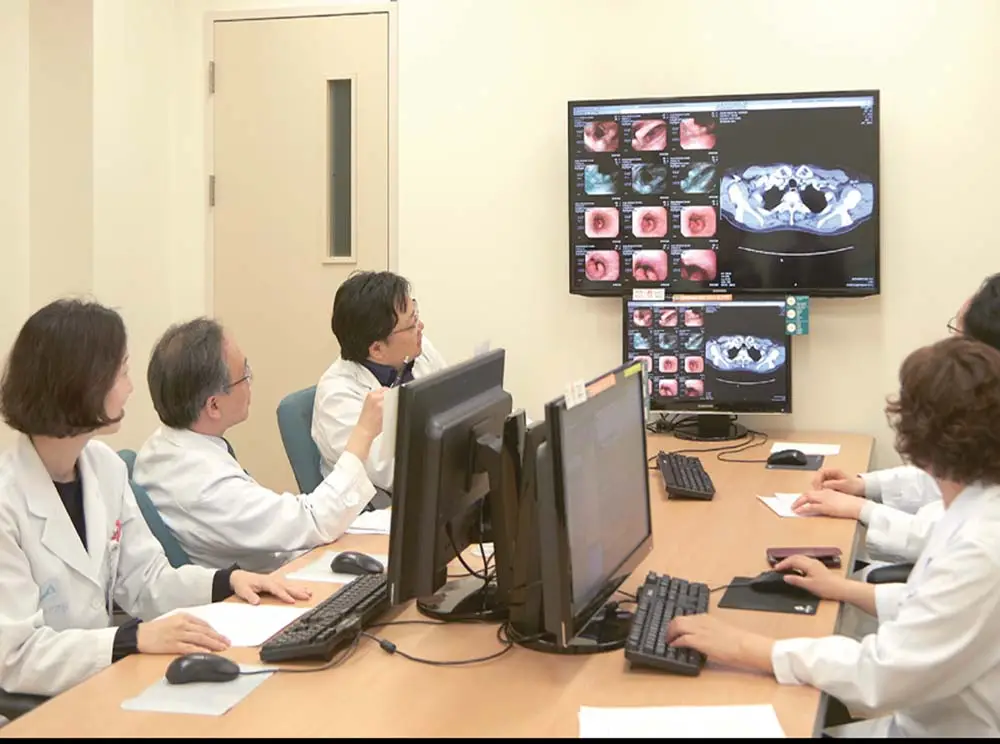
A detailed consultation is essential before Kidney Cancer Surgery because treatment depends on the tumor’s exact location, size, stage, imaging features, and relationship to nearby blood vessels or organs. At Asan Medical Center, patients may be evaluated by urologic cancer specialists and supported by diagnostic imaging, pathology review, and multidisciplinary cancer-care planning when needed.

✔️ Review of medical history, including kidney disease, hypertension, diabetes, heart disease, and previous cancer treatment
✔️ Review of current medications, especially blood thinners, diabetes medication, immune therapy, and supplements
✔️ Kidney function testing, including blood tests such as creatinine and estimated filtration levels
✔️ Urine testing to assess kidney and urinary tract health
✔️ CT scan, MRI, ultrasound, or other imaging to evaluate tumor size and location
✔️ Chest imaging or additional staging tests when needed to check for cancer spread
✔️ Review of prior biopsy results if a biopsy has already been performed
✔️ Surgical planning for partial nephrectomy, radical nephrectomy, robotic surgery, laparoscopic surgery, or open surgery
🩺 Recovery & Aftercare
Recovery after Kidney Cancer Surgery depends on the type of surgery performed, the patient’s overall health, and whether the procedure was partial, radical, robotic, laparoscopic, or open. Some patients recover after a minimally invasive approach, while others need a longer hospital stay and a more gradual return to normal activity after complex surgery.
✔️ Hospital monitoring after surgery to assess pain, bleeding risk, urine output, and kidney function
✔️ Pain control with prescribed medications and careful monitoring by the medical team
✔️ Early walking as advised to reduce the risk of blood clots and support lung recovery
✔️ Temporary urinary catheter or drain care if used during surgery
✔️ Monitoring of blood pressure, hydration, and kidney function
✔️ Gradual return to eating and normal digestion after anesthesia
✔️ Avoiding heavy lifting and strenuous activity during early healing
✔️ Keeping incision sites clean and dry according to medical instructions

🌍 Why Choose Asan Medical Center for Kidney Cancer Surgery?
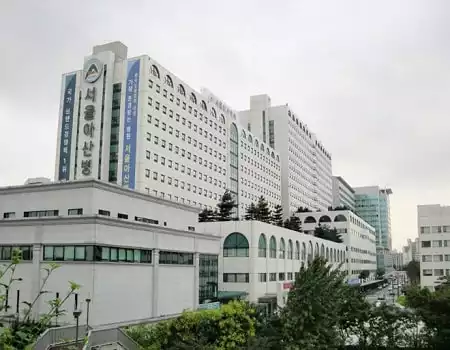
Choosing the right hospital for Kidney Cancer Surgery is important because kidney tumors can vary widely in size, location, stage, and complexity. Asan Medical Center in Seoul provides urologic cancer care through its Urologic Cancer Center, where diagnosis and treatment are supported by collaboration across multiple cancer-related specialties.
✔️ Specialized Urologic Cancer Center managing kidney cancer, prostate cancer, bladder cancer, and other urologic cancers
✔️ Kidney cancer specialists involved in robotic surgery, laparoscopic surgery, and urologic oncology care
✔️ Integrated cancer-care model involving urology, oncology, radiation oncology, radiology, and pathology
✔️ Multidisciplinary review for complex cancer cases and individualized treatment planning
✔️ Advanced diagnostic support for imaging interpretation, biopsy guidance, and pathology review
✔️ Surgical options that may include partial nephrectomy, radical nephrectomy, robotic surgery, laparoscopic surgery, or open surgery when appropriate