


















Advanced Biliary Tract Cancer Surgery for Accurate Diagnosis, Multidisciplinary Planning & Specialized Hepatobiliary Care
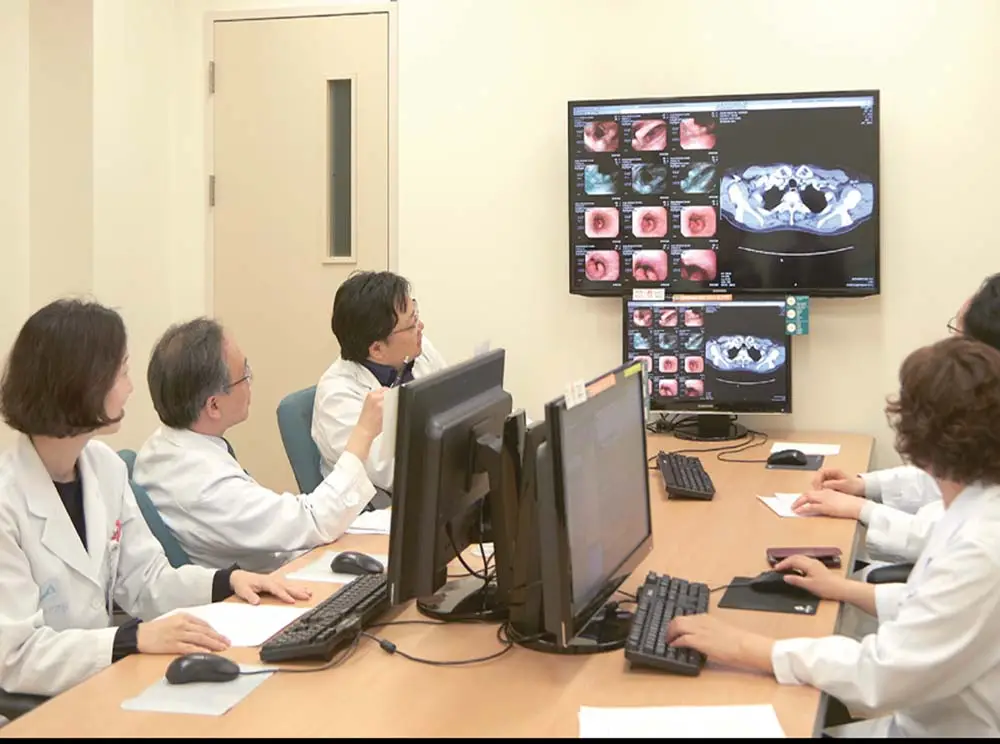
Biliary cancer surgery in Seoul, South Korea at Asan Medical Center is designed for patients diagnosed with bile duct cancer, gallbladder cancer, cholangiocarcinoma, or other biliary tract cancers requiring expert surgical evaluation. Biliary cancers are complex because they often develop deep within the liver, bile ducts, or surrounding digestive organs, making accurate diagnosis, staging, and treatment planning essential. At Asan Medical Center, biliary tract cancer care is supported by multidisciplinary collaboration, advanced diagnostic procedures, oncology support, radiation oncology, and high-volume hepatobiliary and pancreatic surgery services. Asan Medical Center states that its Biliary Tract & Pancreatic Cancer Center manages around 2,000 first-visit patients and performs more than 800 surgeries for these cancers every year.
🔍 What Is Biliary Cancer Surgery?
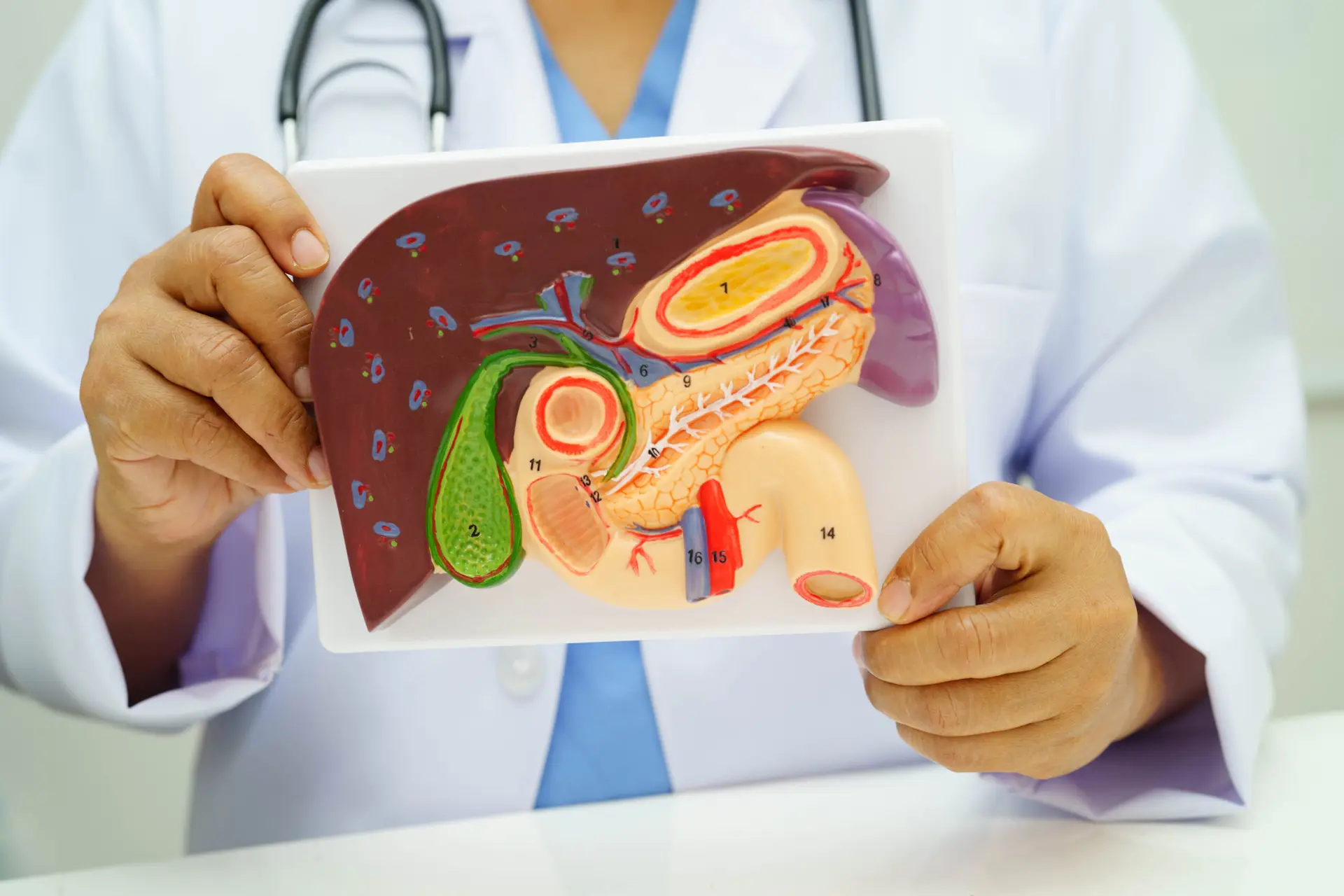
Biliary cancer surgery is a specialized operation used to remove cancer affecting the bile ducts, gallbladder, or related biliary structures. Surgery is usually considered when imaging, biopsy, staging tests, and specialist evaluation show that the tumor may be safely removed. Biliary tract cancer can include intrahepatic bile duct cancer, extrahepatic bile duct cancer, hilar cholangiocarcinoma, distal bile duct cancer, and gallbladder cancer. Because each tumor location requires a different surgical strategy, the treatment plan must be highly personalized.
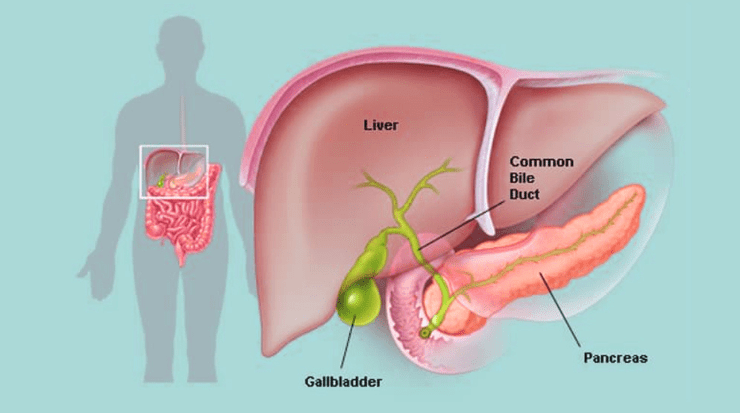
Some patients may need bile duct resection, liver resection, gallbladder removal, lymph node dissection, or more complex hepatobiliary-pancreatic procedures depending on the stage and location of the cancer. At Asan Medical Center in Seoul, treatment planning may involve specialists from surgery, gastroenterology, oncology, radiation oncology, radiology, and other related departments. Biliary cancer surgery aims to remove visible cancer while preserving as much healthy liver, bile duct, and digestive function as possible. In some cases, surgery may be combined with chemotherapy, radiation therapy, endoscopic treatment, or supportive care. The final plan depends on the patient’s diagnosis, cancer stage, liver function, general health, and medical team recommendation.
🩺 Types of Biliary Cancer Surgery
- Bile Duct Resection – Removes the affected portion of the bile duct and may reconstruct bile drainage depending on tumor location.
- Liver Resection for Intrahepatic Cholangiocarcinoma – Removes the part of the liver affected by bile duct cancer when the cancer is located inside the liver.
- Hilar Cholangiocarcinoma Surgery – Treats cancer near the liver hilum and may require bile duct removal, liver resection, and lymph node dissection.
- Distal Bile Duct Cancer Surgery – Removes cancer in the lower bile duct and may require a pancreaticoduodenectomy depending on tumor involvement.
- Gallbladder Cancer Surgery – May involve gallbladder removal, partial liver resection, and lymph node removal depending on the stage.
- Whipple Procedure for Selected Biliary Cancers – May be recommended when cancer affects the distal bile duct or nearby pancreatic-duodenal region.
- Minimally Invasive Biliary Surgery – Laparoscopic or robot-assisted surgery may be considered for selected patients when medically appropriate.
🩺 Who Is a Good Candidate?
Biliary cancer surgery may be suitable for patients whose cancer appears removable after complete medical evaluation. Because biliary tract cancer is complex and may not cause clear symptoms in the early stage, candidacy depends on careful diagnosis, imaging, staging, liver function, and overall health.
✔️ Patients diagnosed with bile duct cancer or cholangiocarcinoma
✔️ Individuals with gallbladder cancer requiring surgical assessment
✔️ Patients whose tumor appears localized or surgically removable
✔️ Individuals with acceptable liver function for hepatobiliary surgery
✔️ Patients who can safely tolerate major abdominal surgery
✔️ Individuals who need a second opinion for biliary cancer treatment in South Korea
✔️ Patients requiring multidisciplinary review before deciding on surgery
✔️ Individuals with bile duct obstruction caused by tumor growth
✔️ Patients who may benefit from surgery combined with chemotherapy or radiation therapy

📝 Consultation & Preparation
A detailed consultation is essential before biliary cancer surgery, as the plan depends on tumor location, spread, bile duct involvement, liver function, and overall safety. At Asan Medical Center, evaluation may include ERCP, EUS, PTCS, and other imaging or endoscopic procedures when needed.

✔️ Review of previous diagnosis and cancer staging reports
✔️ Evaluation of CT scan, MRI, MRCP, PET scan, ultrasound, or other imaging
✔️ Review of biopsy results, pathology reports, and tumor markers
✔️ Liver function testing and complete blood work
✔️ Assessment of bile duct blockage, jaundice, infection, or inflammation
✔️ Gastroenterology review for ERCP, EUS, or biliary drainage when needed
✔️ Surgical consultation to determine whether cancer is removable
✔️ Oncology consultation if chemotherapy is needed before or after surgery
✔️ Radiation oncology review when radiation therapy may support treatment
✔️ Heart, lung, kidney, and anesthesia clearance before major surgery
🩺 Recovery & Aftercare
Recovery after biliary cancer surgery depends on the type of operation performed, the extent of cancer removal, liver function, and whether additional treatment is required. Some procedures are less extensive, while others, such as major liver resection or Whipple surgery, require longer hospital monitoring and a more structured recovery period.
✔️ Hospital monitoring after surgery for pain control and safety
✔️ Observation of liver function, bile drainage, digestion, and wound healing
✔️ Blood tests and imaging when needed after surgery
✔️ Temporary drains may be used depending on the operation
✔️ Gradual return to drinking and eating as bowel function improves
✔️ Nutrition support to help recovery and maintain strength
✔️ Medication for pain, infection prevention, nausea, or digestive support
✔️ Early walking with medical guidance to reduce clot and lung risks
✔️ Breathing exercises to support lung recovery after abdominal surgery
✔️ Wound care and incision monitoring
✔️ Follow-up review of final pathology results

🌍 Why Choose Asan Medical Center for Biliary Cancer Surgery?
Choosing the right hospital for biliary cancer surgery is important because treatment requires accurate diagnosis, safe surgical planning, advanced hepatobiliary expertise, and coordinated cancer care. Asan Medical Center states that biliary tract and pancreatic cancers are difficult to detect early and often require multidisciplinary collaboration to determine the optimal treatment approach.

✔️ Dedicated Biliary Tract & Pancreatic Cancer Center in Seoul
✔️ Multidisciplinary treatment team for complex biliary and pancreatic cancers
✔️ Around 2,000 first-visit biliary tract and pancreatic cancer patients yearly
✔️ More than 800 surgeries for biliary tract and pancreatic cancers per year
✔️ High-volume hepatobiliary and pancreatic surgery department
✔️ More than 3,000 hepatobiliary and pancreatic surgeries performed yearly, according to AMC
✔️ Experience in complex procedures such as Whipple surgery and major liver resection
✔️ Minimally invasive surgery options, including laparoscopic or robot-assisted surgery when suitable
✔️ Advanced diagnostic tools such as ERCP, EUS, PTCS, and EUS intervention