













Advanced Minimally Invasive Colon & Rectal Cancer Surgery With Multidisciplinary Cancer Care
Robotic colorectal cancer surgery in Seoul, South Korea by Asan Hospital offers an advanced surgical approach for selected patients diagnosed with colon cancer, rectal cancer, or complex colorectal tumors. This procedure uses robotic-assisted technology to support precise tumor removal, lymph node dissection, and careful reconstruction while aiming to reduce surgical trauma compared with traditional open surgery. For international patients seeking colorectal cancer treatment in South Korea, Asan Hospital provides a highly structured care pathway supported by colorectal surgery, oncology, radiology, radiation oncology, gastroenterology, and related specialist teams. The goal is to deliver accurate diagnosis, personalized surgical planning, safe cancer removal, and coordinated aftercare for long-term disease management.
🔍 What Is Robotic Colorectal Cancer Surgery?

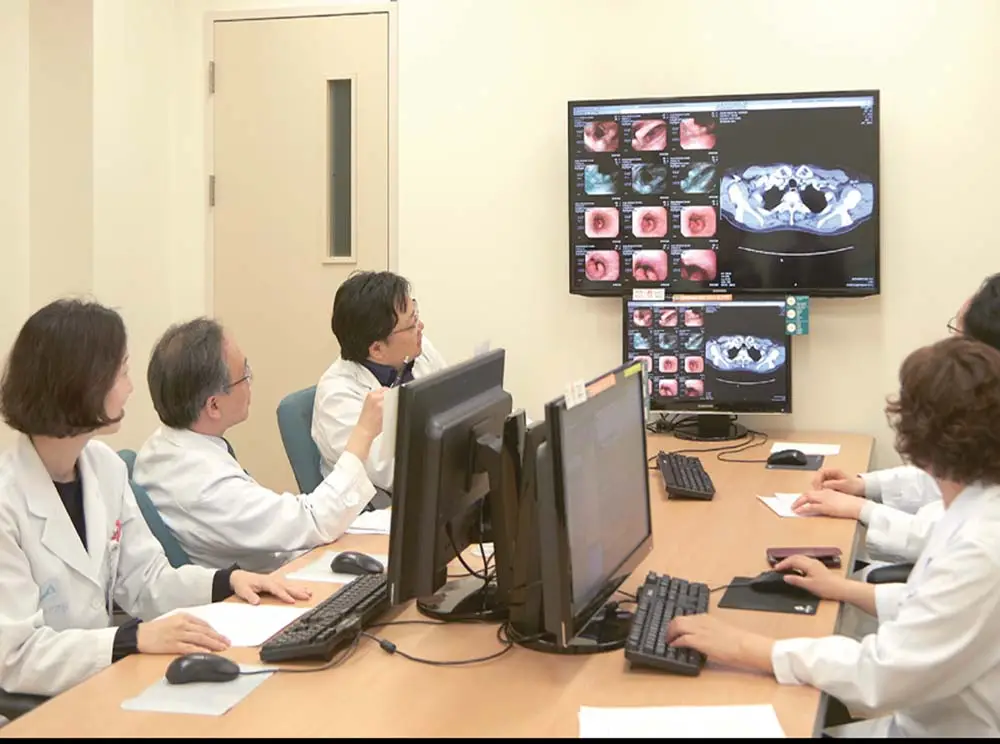
Robotic colorectal cancer surgery is a minimally invasive surgical procedure used to treat cancer affecting the colon or rectum. Instead of making one large incision, the surgeon uses small incisions and robotic-assisted instruments to remove the cancerous section of the bowel along with nearby lymph nodes when medically required. In colon cancer surgery, the affected part of the colon is removed, and the healthy ends of the bowel may be reconnected when safe and appropriate. Robotic colorectal surgery is not only about removing the visible tumor. It also involves careful cancer staging, lymph node assessment, margin planning, bowel function preservation, and coordination with other cancer treatments such as chemotherapy, radiation therapy, or targeted therapy when indicated. At Asan Medical Center, colorectal cancer care is supported by a multidisciplinary and integrated treatment model. The hospital highlights collaboration among relevant specialties for colorectal cancer cases involving liver metastasis, lung metastasis, locally recurrent disease, and intractable colorectal cancer.
🩺 Types of Robotic Colorectal Cancer Surgery
- Robotic Right Colectomy – Removes cancer located in the right side of the colon, often with nearby lymph nodes for staging and cancer control.
- Robotic Left Colectomy – Removes cancer affecting the left side of the colon while preserving as much healthy bowel as possible.
- Robotic Low Anterior Resection – Used for selected rectal cancers where the tumor can be removed while preserving the anal sphincter.
- Robotic Total Mesorectal Excision – A specialized rectal cancer surgery focused on removing the rectum and surrounding cancer-bearing tissue with precision.
- Robotic Abdominoperineal Resection – Used when very low rectal cancer requires removal of the rectum and anus, usually with permanent colostomy.
🩺 Who Is a Good Candidate?
Robotic colorectal cancer surgery may be suitable for patients who need surgical treatment for colon cancer, rectal cancer, or selected complex colorectal tumors. A full evaluation is required to confirm whether robotic surgery is appropriate, as treatment depends on tumor location, cancer stage, overall health, previous treatments, and imaging findings.
✔️ Patients diagnosed with colon cancer or rectal cancer
✔️ Individuals with early-stage or localized colorectal cancer
✔️ Patients with selected locally advanced rectal cancer after specialist review
✔️ Individuals who may benefit from minimally invasive colorectal surgery
✔️ Patients who require tumor removal with lymph node dissection
✔️ Patients seeking colorectal cancer surgery in South Korea
✔️ Individuals who need a multidisciplinary cancer treatment plan
✔️ Patients who may require surgery after chemotherapy or radiation therapy
✔️ Individuals with recurrent colorectal cancer needing complex evaluation
✔️ Patients with stable heart, lung, kidney, and general health status
✔️ Patients who can safely tolerate anesthesia and abdominal surgery

📝 Consultation & Preparation
A careful consultation and preparation process is essential before robotic colorectal cancer surgery. Patients are usually evaluated through medical history, cancer staging, imaging, pathology review, and specialist consultations to determine the safest and most effective treatment plan.

✔️ Review of colonoscopy report and biopsy results
✔️ Evaluation of pathology confirming colorectal cancer diagnosis
✔️ CT, MRI, PET-CT, or other imaging when required for staging
✔️ Rectal MRI or endorectal ultrasound for selected rectal cancer cases
✔️ Blood tests, tumor markers, liver function tests, and general health screening
✔️ Assessment by colorectal surgery and oncology teams
✔️ Discussion of whether robotic, laparoscopic, or open surgery is most appropriate
✔️ Explanation of possible bowel reconstruction or stoma requirement
🩺 Recovery & Aftercare
Recovery after robotic colorectal cancer surgery depends on the type of surgery performed, cancer stage, overall health, and whether bowel reconstruction or stoma formation is required. Many patients experience gradual improvement after minimally invasive surgery, but recovery still requires careful monitoring and long-term follow-up.
✔️ Hospital monitoring after surgery for pain control and early recovery
✔️ Gradual return of bowel function before diet progression
✔️ Early walking to support circulation and reduce complication risk
✔️ Careful monitoring for fever, bleeding, infection, leakage, or bowel obstruction symptoms
✔️ Pain medication and antibiotics when prescribed
✔️ Wound care for small incision sites
✔️ Stoma care education if a temporary or permanent stoma is needed
✔️ Guidance on diet, hydration, and bowel habits after colorectal surgery
✔️ Avoiding heavy lifting and strenuous activity during early healing

🌍 Why Choose Asan Hospital for Robotic Colorectal Cancer Surgery?
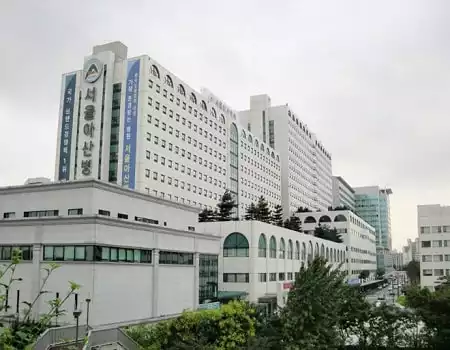
Choosing the right hospital for robotic colorectal cancer surgery is important because treatment often requires comprehensive care beyond surgery, including accurate staging, imaging, oncology planning, and structured follow-up. Asan Medical Center offers a dedicated Division of Colon and Rectal Surgery with extensive experience in robotic procedures and multidisciplinary colorectal cancer care.
✔️ Specialized care for colon cancer, rectal cancer, and colorectal disease
✔️ Robotic Surgery Center involvement for selected colorectal cancer procedures
✔️ Colorectal Cancer Center supported by AMC Cancer Institute
✔️ Multidisciplinary planning with oncology, radiation oncology, radiology, gastroenterology, hepatobiliary and pancreatic surgery, and urology
✔️ Experience with complex colorectal cancer cases, including recurrent disease and metastatic involvement
✔️ Advanced minimally invasive surgery options, including robotic and laparoscopic colorectal surgery
✔️ Focus on personalized treatment planning based on cancer stage and patient condition