















Advanced Vascular Care for Peripheral Artery Disease, Blocked Blood Vessels & Circulation Restoration
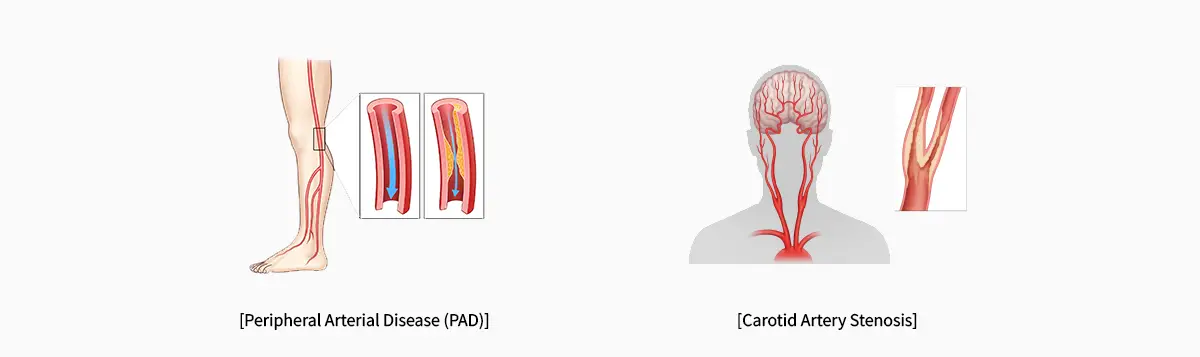
Peripheral vascular disease surgery in Seoul, South Korea at Asan Medical Center is designed for patients with narrowed, blocked, or damaged blood vessels outside the heart and brain. Peripheral vascular disease, also known as peripheral artery disease when arteries are affected, can reduce blood flow to the legs, arms, abdominal organs, or other vital areas. Patients may experience leg pain while walking, poor wound healing, numbness, skin color changes, or more serious circulation problems when blood flow becomes severely limited.
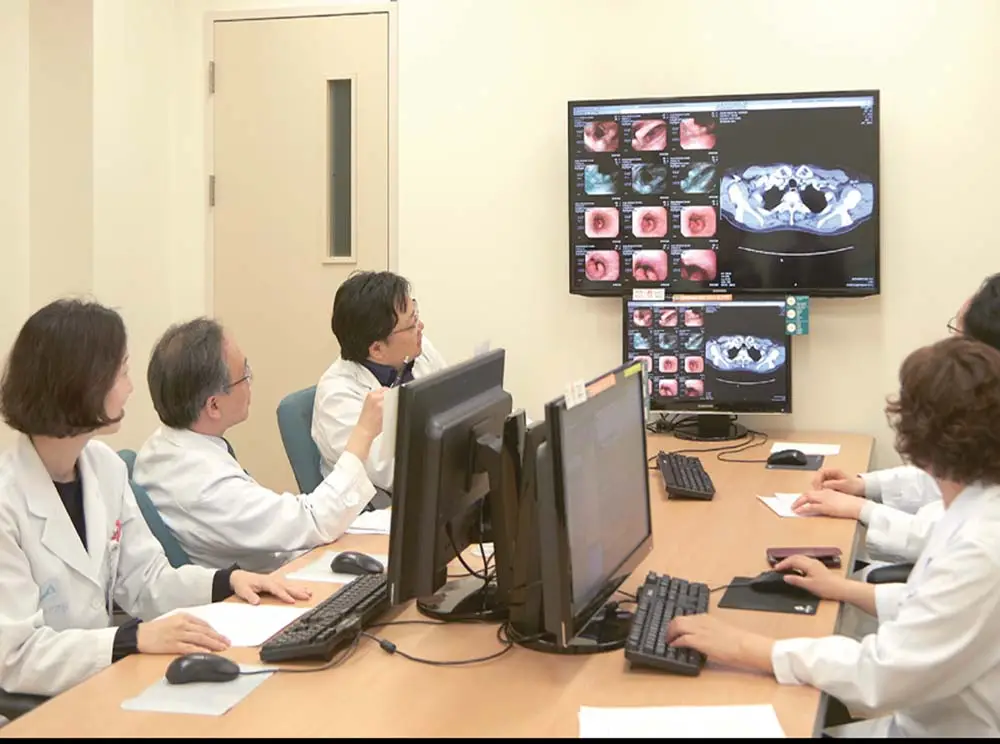
At Asan Medical Center’s Peripheral Vascular Disease Center, care focuses on accurate diagnosis, individualized treatment planning, and restoring healthy circulation whenever possible. The center treats conditions affecting peripheral arteries and veins, including peripheral artery disease, deep vein thrombosis, carotid artery disease, abdominal arterial disease, and other complex vascular disorders. The hospital’s multidisciplinary approach includes cardiology, vascular surgery, radiology, endocrinology, orthopedics, and plastic surgery support for comprehensive vascular care.
🔍 What Is Peripheral Vascular Disease Surgery?
Peripheral vascular disease surgery refers to surgical and interventional treatments used to improve blood flow when arteries or veins are narrowed, blocked, weakened, or affected by clots. The condition often develops due to atherosclerosis, where fatty deposits build up inside the blood vessels and restrict circulation. When blood flow is reduced, the affected tissue may not receive enough oxygen and nutrients.
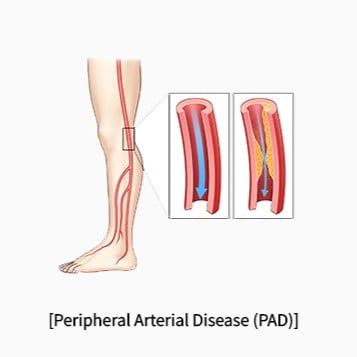
In the legs, this can cause pain during walking, coldness, numbness, wounds that do not heal properly, or critical limb ischemia in advanced cases. Early diagnosis and specialist-led treatment are important for protecting function and quality of life. Peripheral vascular disease treatment is not always open surgery. Depending on the location and severity of the blockage, doctors may recommend medication, preventive care, endovascular procedures, or vascular surgery. Asan Medical Center uses diagnostic tools such as Ankle-Brachial Index, Toe-Brachial Index, Doppler ultrasound, CT angiography, MR angiography, and catheter-based angiography to support early detection and precise treatment planning. For suitable patients, treatment may include balloon angioplasty, stent placement, thrombectomy, bypass surgery, or dialysis access creation. The goal is to restore circulation, reduce symptoms, support wound healing, prevent disease progression, and lower the risk of serious complications.
🩺 Types of Open Vascular Surgery
- Endovascular Intervention – A minimally invasive approach that may include balloon angioplasty and stent placement to reopen narrowed or blocked arteries.
- Peripheral Artery Bypass Surgery – A surgical procedure that reroutes blood around a blocked artery using a graft, which may be synthetic or taken from the patient’s own vessel.
- Thrombectomy – A procedure used to remove blood clots from vessels and restore blood flow in selected cases of arterial or venous blockage.
- Complex Limb-Saving Vascular Surgery – Advanced treatment planning for patients with severe limb ischemia, diabetic vascular disease, tissue damage, or high-risk circulation problems.
🩺 Who Is a Good Candidate?
Peripheral vascular disease surgery may be suitable for patients who have significant blood vessel narrowing, blockage, or clot-related circulation problems that cannot be managed with lifestyle changes and medication alone. A vascular specialist must review imaging, symptoms, risk factors, and overall health before recommending surgery or an endovascular procedure.
✔️ Patients with peripheral artery disease affecting the legs or arms
✔️ Individuals with leg pain while walking that improves with rest
✔️ Patients with non-healing wounds, ulcers, or poor limb circulation
✔️ People with coldness, numbness, or color changes in the affected limb
✔️ Patients with critical limb ischemia or high risk of tissue damage
✔️ Individuals with blocked or narrowed arteries confirmed by vascular imaging
✔️ Patients with diabetes-related vascular complications
✔️ People with vascular disease linked to hypertension or dyslipidemia
✔️ Patients with deep vein thrombosis or selected clot-related vascular concerns
📝 Consultation & Preparation
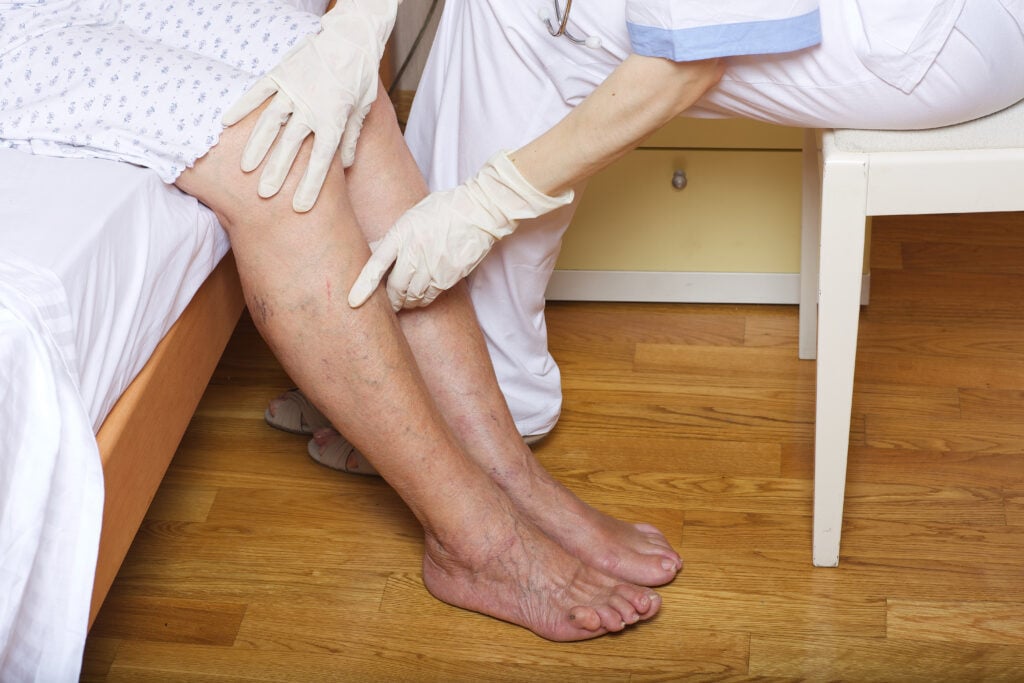
A detailed consultation is essential before peripheral vascular disease surgery because treatment depends on the exact vessel involved, the severity of blockage, and the patient’s overall medical condition. At Asan Medical Center, diagnostic testing may include vascular pressure measurements, ultrasound, CT angiography, MR angiography, or catheter-based angiography to confirm the diagnosis and guide treatment planning.

✔️ Full medical history, including diabetes, hypertension, cholesterol issues, kidney disease, and smoking history
✔️ Medication review, especially blood thinners, antiplatelet drugs, diabetes medication, and heart medication
✔️ Vascular imaging to identify narrowed, blocked, or clotted blood vessels
✔️ Ankle-Brachial Index or Toe-Brachial Index testing when clinically appropriate
✔️ Doppler ultrasound to assess blood flow in affected vessels
✔️ CT angiography or MR angiography for detailed vascular mapping
🩺 Recovery & Aftercare
Recovery after peripheral vascular disease surgery varies by treatment type, with minimally invasive procedures like angioplasty or stenting typically allowing faster recovery than open bypass surgery, though all patients require careful monitoring, wound care, medication adherence, and follow-up. Aftercare focuses on protecting blood vessels, supporting healing, reducing clot risk, and preventing recurrence through medications, lifestyle management, and ongoing specialist care.
✔️ Hospital monitoring after surgery or interventional treatment
✔️ Regular checks of circulation, pulse strength, skin color, and limb temperature
✔️ Wound care for surgical incisions or existing ulcers
✔️ Pain control and medication management during early recovery
✔️ Gradual return to walking and daily movement as advised
✔️ Avoiding strenuous activity until cleared by the medical team
✔️ Taking antiplatelet, anticoagulant, or lipid-lowering medication if prescribed
✔️ Blood pressure, cholesterol, and diabetes control to protect long-term results

🌍 Why Choose Asan Medical Center for Peripheral Vascular Disease Surgery?
Choosing the right hospital for peripheral vascular disease surgery is important because vascular disease can affect mobility, wound healing, organ function, and long-term health. Asan Medical Center’s Peripheral Vascular Disease Center provides multidisciplinary care for conditions such as peripheral artery disease, deep vein thrombosis, carotid artery disease, and other complex vascular disorders, supported by a team across multiple specialties and significant clinical experience.
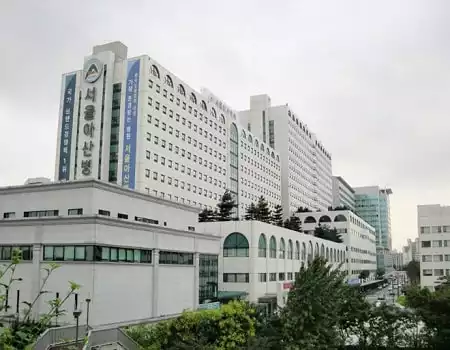
✔️ Dedicated Peripheral Vascular Disease Center within Asan Medical Center Heart Institute
✔️ Care for peripheral artery disease, deep vein thrombosis, carotid artery disease, and abdominal arterial disease
✔️ Multidisciplinary team involving cardiology, vascular surgery, radiology, endocrinology, orthopedics, and plastic surgery
✔️ Diagnostic tools including ABI, TBI, Doppler ultrasound, CT angiography, MR angiography, and angiography
✔️ Treatment options including medical therapy, angioplasty, stenting, thrombectomy, bypass surgery, and dialysis access creation
✔️ Focus on restoring blood flow and reducing the risk of severe vascular complications