










Advanced Cardiac Transplant Care for End-Stage Heart Failure, Long-Term Survival & Improved Quality of Life
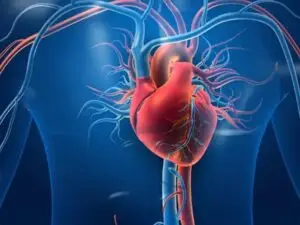
Heart Transplantation Surgery in Seoul, South Korea is a highly specialized treatment for patients with end-stage heart failure who no longer respond well to medication, device therapy, or other advanced cardiac treatments. At Asan Medical Center, the Heart Failure & Cardiac Transplantation Center focuses on complex heart failure management, cardiac transplant evaluation, donor-heart transplantation, and long-term post-transplant care. Heart transplantation is considered only after a detailed medical review confirms that the patient may benefit from replacing a severely diseased heart with a healthy donor heart. Asan Medical Center describes heart transplantation as a last-resort treatment for advanced heart failure patients who do not respond to drug therapy.

🔍 What Is Heart Transplantation Surgery?
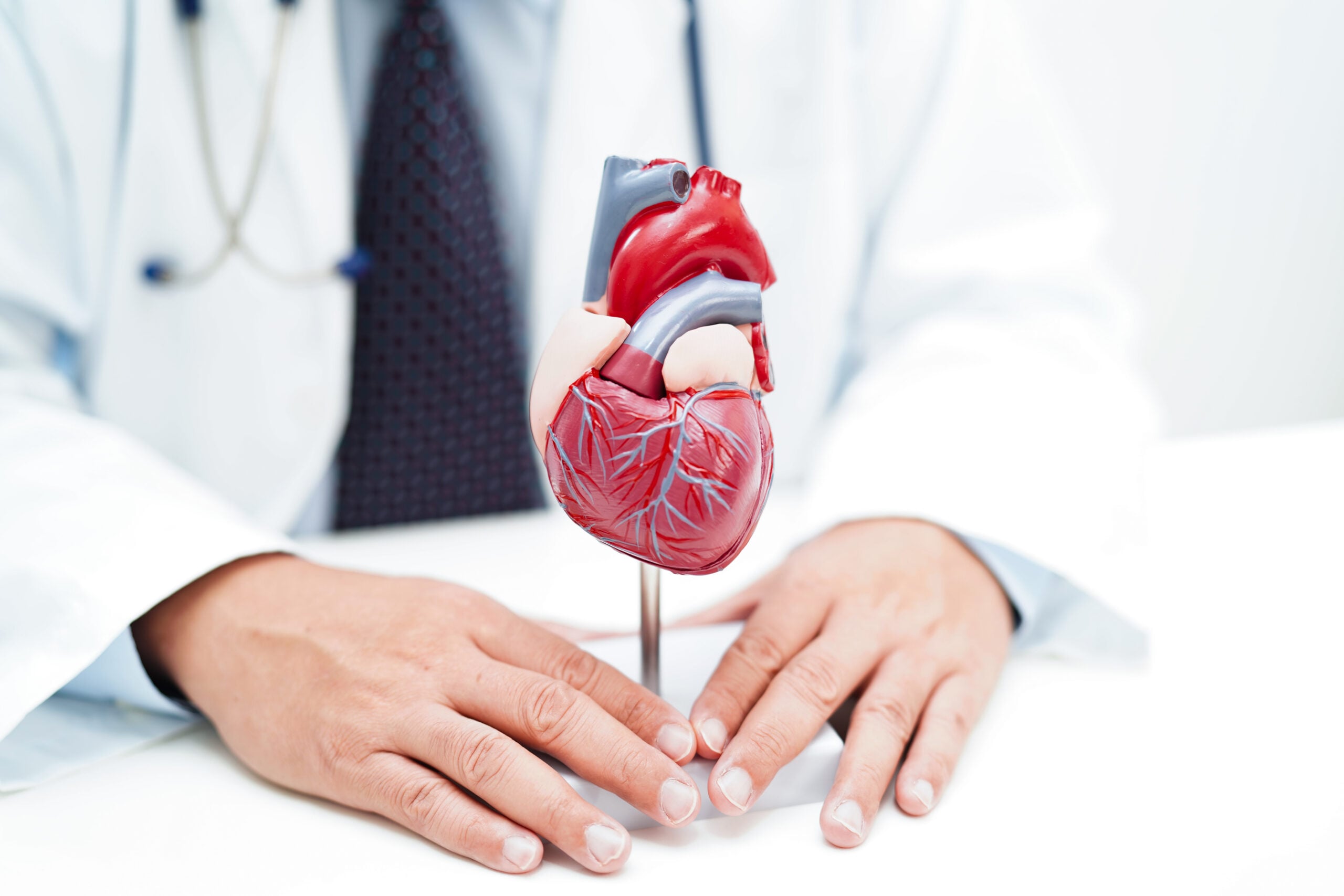
Heart transplantation surgery is a major cardiac procedure in which a patient’s severely diseased heart is replaced with a healthy donor heart from a brain-dead donor. During heart transplantation, the patient undergoes a detailed pre-transplant evaluation to confirm medical suitability, surgical risk, organ compatibility, and long-term ability to follow post-transplant care.

The surgery itself is performed in a specialized cardiac operating room by a transplant heart surgery team. After the donor heart is implanted, the patient requires close monitoring in an intensive care setting, followed by step-by-step recovery, medication adjustment, infection prevention, and rehabilitation. Heart transplantation is not suitable for every heart failure patient. Because donor organs are limited, eligibility depends on medical urgency, donor availability, transplant regulations, blood type, organ matching, and transplant committee review. At Asan Medical Center’s Heart Failure & Cardiac Transplantation Center, treatment may include advanced heart failure care, drug therapy, mechanical circulatory support, ventricular assist device implantation, and heart transplantation when appropriate. The center’s official information states that it has performed more than 30 heart transplants per year since Korea’s first successful heart transplantation in 1992 and reports a success rate exceeding 96%.
🩺 Types of Heart Transplantation Surgery & Related Advanced Heart Failure Treatments
- Orthotopic Heart Transplantation – The most common form of heart transplantation, where the patient’s failing heart is replaced with a healthy donor heart.
- Heart Transplant Evaluation – A full medical assessment to determine whether a patient is medically suitable for cardiac transplantation.
- Ventricular Assist Device Implantation – A mechanical heart-support option that may be used as a bridge to transplant or as an alternative for selected patients who are not immediate transplant candidates.
- Post-Transplant Long-Term Management – Lifelong follow-up focused on preventing rejection, managing medication, monitoring heart function, and supporting long-term recovery.
🩺 Who Is a Good Candidate?
Heart transplantation may be suitable for some patients with severe heart failure when other treatments no longer work. Eligibility is determined by a specialized transplant team after a full medical evaluation.
✔️ Patients diagnosed with advanced or end-stage heart failure
✔️ Individuals whose symptoms remain severe despite optimized medical treatment
✔️ Patients with reduced quality of life due to severe shortness of breath, fatigue, fluid retention, or repeated hospital admissions
✔️ Individuals who may require mechanical circulatory support while waiting for transplant eligibility
✔️ Patients with heart failure caused by cardiomyopathy, ischemic heart disease, valvular disease, or other severe cardiac conditions
✔️ Patients who can safely undergo major open-heart surgery after medical evaluation

📝 Consultation & Preparation
A thorough consultation is required before heart transplantation to ensure the procedure is appropriate and safe.

✔️ Full review of heart failure diagnosis, symptoms, previous treatments, and hospital admissions
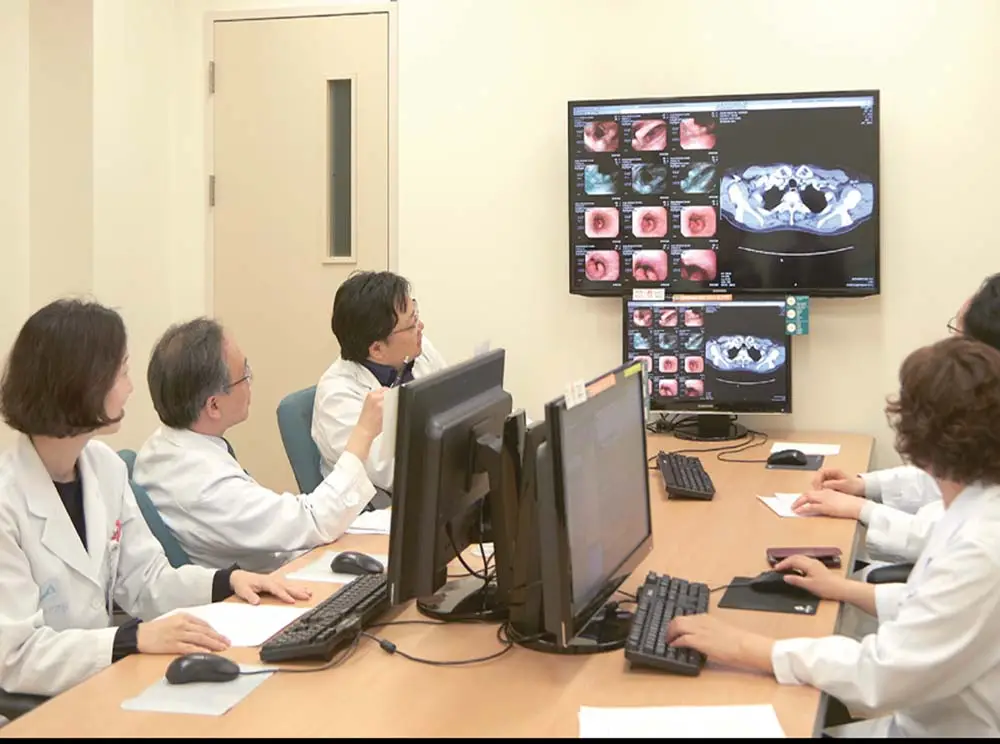
✔️ Echocardiogram, cardiac MRI, CT imaging, coronary evaluation, or other heart function tests if required
✔️ Blood type testing, tissue compatibility review, and transplant-related laboratory work
✔️ Kidney, liver, lung, and neurological function evaluation before transplant consideration
✔️ Screening for infection, immune system concerns, and other medical risks
✔️ Review of current heart failure medications, blood thinners, diabetes medication, and blood pressure drugs
✔️ Assessment of previous cardiac procedures, stents, bypass surgery, valve surgery, pacemaker, ICD, or VAD history
🩺 Recovery & Aftercare
Recovery after heart transplantation requires close medical supervision, especially early on. Patients are monitored in intensive care before moving to a transplant ward. The team tracks vital functions, infection risk, medication levels, and signs of rejection. Recovery is gradual and requires ongoing follow-up and cooperation.
✔️ Intensive care monitoring immediately after heart transplantation surgery
✔️ Gradual transition from ICU care to a specialized transplant recovery unit
✔️ Lifelong immunosuppressive medication to reduce the risk of organ rejection
✔️ Careful medication monitoring to balance rejection prevention and infection risk
✔️ Infection prevention guidance, including hygiene, food safety, and exposure precautions
✔️ Wound care and monitoring for swelling, fever, pain, or unusual symptoms
✔️ Breathing exercises, early walking, and supervised cardiac rehabilitation when appropriate

🌍 Why Choose Asan Medical Center for Heart Transplantation Surgery?
Choosing the right hospital for heart transplantation is critical because patients need comprehensive care beyond surgery, including advanced specialists, intensive support, and long-term follow-up. Asan Medical Center’s Heart Failure & Cardiac Transplantation Center provides advanced heart failure treatment, cardiac transplants, mechanical support, and 24-hour emergency care for complex patients.

✔️ Experience with heart transplantation since Korea’s first successful heart transplant in 1992
✔️ More than 30 heart transplantations performed per year according to the hospital’s official information
✔️ Reported success rate exceeding 96% on the hospital’s Heart Failure & Cardiac Transplantation Center page
✔️ Advanced treatment options for severe heart failure, including medical therapy and mechanical circulatory support
✔️ Ventricular assist device options for selected patients who need heart support before or instead of transplantation
✔️ Cardiac intensive care support for complex transplant and emergency heart failure patients
💬 Patient Reviews
⭐️⭐️⭐️⭐️⭐️
“My heart failure had reached a point where daily life felt extremely limited. The medical evaluation was detailed, and every step was explained carefully before treatment decisions were made. I felt supported by the cardiac team and the international coordination staff throughout the process.” – Michael R., USA
⭐️⭐️⭐️⭐️⭐️
“The transplant journey was emotional and serious, but the care team made the process feel organized and safe. I appreciated how clearly they explained the testing, medication plan, recovery timeline, and long-term follow-up. My family also felt informed during each stage.” – David L., Canada
⭐️⭐️⭐️⭐️⭐️
“As an international patient, I was worried about language, hospital navigation, and understanding my treatment options. The coordination team helped with appointments, records, and communication. The heart failure specialists were thorough, realistic, and very professional.” – Ahmed K., UAE
⭐️⭐️⭐️⭐️⭐️
“My case required advanced heart failure evaluation, and I wanted a hospital with strong transplant experience. The doctors reviewed my history carefully and explained both transplantation and device-based support options. I felt that my condition was taken seriously from the beginning.” – Sofia M., Spain
⭐️⭐️⭐️⭐️⭐️
“The recovery process after major heart treatment requires patience, but the follow-up care was structured and reassuring. Medication instructions, infection prevention, and rehabilitation guidance were explained in a way I could follow. I felt safer knowing the team monitored every detail.” – Daniel P., Australia
⭐️⭐️⭐️⭐️⭐️
“My family and I chose Seoul because we wanted advanced cardiac care and a hospital experienced with complex heart failure patients. The medical review was not rushed, and the team explained the risks honestly. That transparency helped us make informed decisions.” – Omar A., Saudi Arabia
⭐️⭐️⭐️⭐️⭐️
“The hospital environment was professional, and the international patient support made a major difference. From medical record submission to specialist appointments, the process was organized. For a serious cardiac condition, that level of coordination matters.” – Claire B., France
⭐️⭐️⭐️⭐️⭐️
“I needed a detailed opinion for advanced heart failure and possible transplant planning. The doctors explained what tests were needed, what the waiting process could involve, and why not every patient is immediately eligible. I respected their careful and ethical approach.” – Thomas W., UK
⭐️⭐️⭐️⭐️⭐️
“The care team focused not only on the surgery but also on long-term life after transplantation. They discussed medication discipline, rejection monitoring, lifestyle changes, and follow-up. It helped me understand that transplant care is a lifelong commitment.” – Elena S., Italy
⭐️⭐️⭐️⭐️⭐️
“Asan Medical Center felt well prepared for complex heart disease. The evaluation was comprehensive, and the communication was calm and clear. I would recommend this type of hospital for patients who need serious heart failure and transplant expertise.” – Jonathan H., Germany