















Precise Hernia Treatment for Safer Repair, Stronger Abdominal Support & Better Daily Comfort
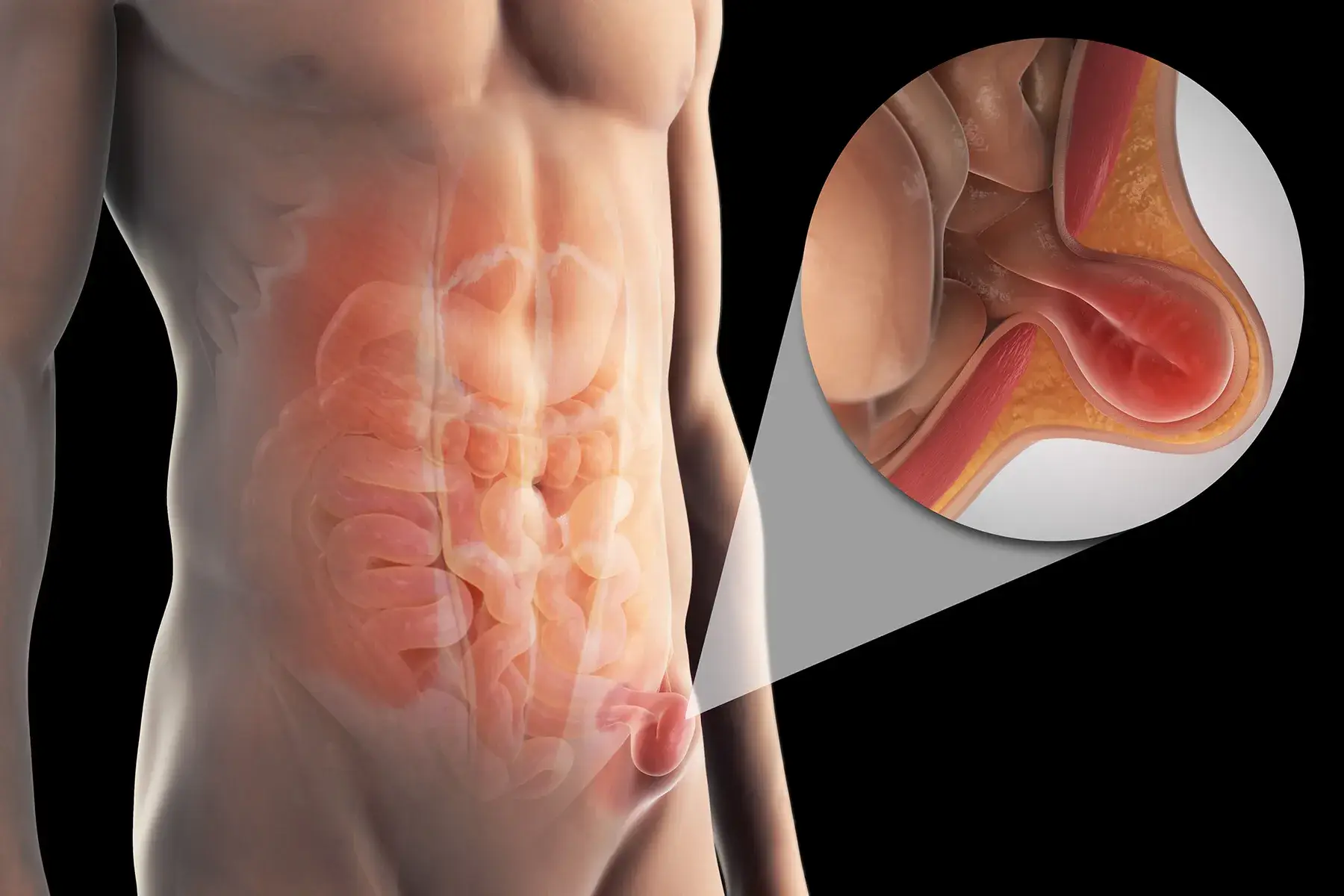
Hernia surgery in Seoul, South Korea at Asan Hospital is designed to repair weakened areas of the abdominal wall where tissue, intestine, or internal fat pushes through an opening in the muscle. Hernias may appear as a visible bulge, discomfort during movement, pressure in the abdomen, or pain that becomes worse with lifting, coughing, or prolonged standing. For international patients, hernia repair in South Korea offers access to advanced surgical evaluation, structured hospital care, and coordinated support before and after treatment. The goal of hernia surgery is to close or reinforce the weakened area, reduce discomfort, prevent worsening, and help patients return to daily life with improved abdominal stability.
🔍 What Is Hernia Surgery?
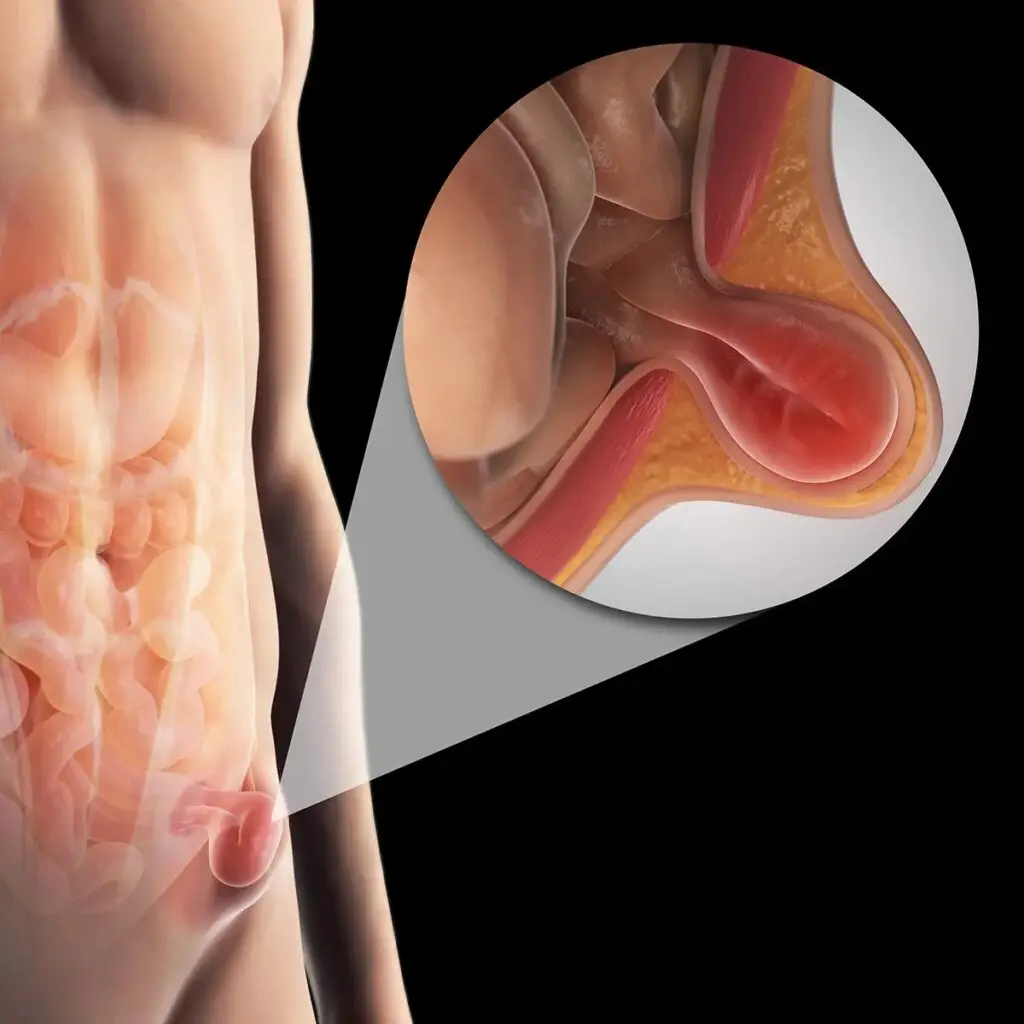
Hernia surgery is a procedure used to repair a defect or weakness in the abdominal wall. A hernia develops when tissue pushes through a weak point in the muscle or connective tissue. This can create a lump or bulge that may become more noticeable when standing, coughing, lifting, or straining. During hernia surgery, the surgeon places the protruding tissue back into its proper position and repairs the weakened area.
Depending on the patient’s condition, the repair may be performed using sutures, surgical mesh, or a combination of techniques. The purpose is to strengthen the abdominal wall and lower the risk of the hernia returning. The surgical plan depends on the type of hernia, its size, the patient’s anatomy, previous surgeries, symptoms, and overall health. Hernia repair may be performed through open surgery or minimally invasive techniques when medically suitable. Minimally invasive hernia surgery may involve smaller incisions, camera-guided visualization, and specialized instruments. Some patients require a more direct open repair, especially when the hernia is large, recurrent, complex, or associated with previous abdominal surgery. Hernia surgery is not only about treating a visible bulge. It is also important for preventing future complications. A timely surgical evaluation helps determine whether surgery is recommended and how urgently treatment should be planned.
🩺 Types of Hernia Surgery
- Open Hernia Repair – Traditional surgical approach using an incision over the hernia to repair the weakened tissue with or without surgical mesh.
- Laparoscopic Hernia Repair – A minimally invasive technique performed through small incisions using specialized instruments and a camera for faster recovery in selected patients.
- Inguinal Hernia Repair – Treatment for hernias that develop in the groin, one of the most common types of abdominal hernias.
- Femoral Hernia Repair – Surgical correction of hernias occurring near the upper thigh and groin region, more commonly seen in women.
- Umbilical Hernia Repair – Procedure to repair hernias located around the belly button caused by weakened abdominal muscles.
- Incisional Hernia Repair – Treatment for hernias that develop through the site of a previous abdominal surgical incision.
🩺 Who Is a Good Candidate?
Hernia surgery may be suitable for patients who have a visible bulge, discomfort, pressure, or pain caused by a hernia. A complete surgical consultation is needed to confirm the type of hernia and choose the safest treatment approach. Good candidates are usually patients whose symptoms affect daily activity, physical comfort, or long-term abdominal wall strength.
✔️ Patients with a visible bulge in the abdomen, groin, or belly button area
✔️ Individuals with hernia-related discomfort, pulling, burning, or pressure
✔️ Patients whose hernia becomes more noticeable when standing, coughing, or lifting
✔️ People with an inguinal, umbilical, femoral, ventral, or incisional hernia
✔️ Patients with a hernia that is increasing in size over time
✔️ Individuals with previous abdominal surgery and a suspected incisional hernia
✔️ Patients who want to reduce the risk of future hernia complications

📝 Consultation & Preparation
A detailed consultation is essential before hernia surgery. The medical team evaluates the hernia type, size, symptoms, previous surgical history, and any risk factors that may affect healing. International patients should prepare medical records and recent test results when available, especially if they have had prior abdominal operations or previous hernia repair.

✔️ Detailed review of symptoms, hernia location, and duration
✔️ Physical examination of the abdominal wall or groin area
✔️ Review of previous abdominal surgeries or previous hernia repairs
✔️ Evaluation of medical history, allergies, medications, and anesthesia risks
✔️ Imaging tests such as ultrasound, CT scan, or MRI if required
✔️ Blood tests and pre-operative assessments based on the patient’s condition
✔️ Review of blood-thinning medications and supplements before surgery
🩺 Recovery & Aftercare
Recovery after hernia surgery depends on the type of hernia, repair method, size of the defect, and the patient’s overall health. Many patients can return to light daily activity gradually, but heavy lifting and strenuous exercise must be avoided during early healing. Following the surgeon’s aftercare instructions is important to protect the repair and reduce the risk of recurrence.
✔️ Mild pain, swelling, bruising, or tightness around the surgical area
✔️ Keeping the incision area clean, dry, and protected
✔️ Avoiding heavy lifting, straining, and intense exercise during early recovery
✔️ Walking gently to support circulation and reduce stiffness
✔️ Wearing an abdominal support garment if recommended
✔️ Following wound care instructions carefully
✔️ Monitoring for fever, increasing redness, severe pain, or unusual discharge
✔️ Avoiding constipation through hydration, diet, and medical guidance

🌍 Why Choose Asan Hospital for Hernia Surgery?
Choosing the right hospital for hernia surgery is important due to the need for accurate diagnosis, careful planning, and proper post-operative care. Asan Hospital in Seoul is a major multidisciplinary center offering advanced clinical systems and international patient support, with coordinated evaluation, surgery, anesthesia, imaging, and recovery services in one setting.

✔️ Large multidisciplinary medical center in Seoul, South Korea
✔️ Structured evaluation for abdominal and general surgical conditions
✔️ Access to advanced diagnostic imaging when required
✔️ Surgical planning based on hernia type, size, symptoms, and patient health
✔️ Hospital-based care for patients who may need more detailed monitoring
✔️ Support from anesthesia, nursing, imaging, and surgical teams
✔️ International Healthcare Center for foreign patient coordination
✔️ Language assistance and patient guidance for overseas visitors
✔️ Support with appointments, examinations, admission, discharge, and medical documents