

















Advanced Neurosurgical Care for Brain Bleeding, Stroke Emergencies & Neurological Recovery
Brain Haemorrhage is a serious neurological condition that occurs when bleeding develops within or around the brain due to a ruptured blood vessel. Immediate diagnosis and treatment are essential because brain bleeding can rapidly increase pressure inside the skull, damage brain tissue, and lead to life-threatening complications. Depending on the location and severity of the haemorrhage, treatment may involve emergency medical management, minimally invasive procedures, or advanced neurosurgical intervention.
Patients seeking Brain Haemorrhages Treatment in Istanbul, Turkey benefit from access to modern diagnostic technology, experienced neurosurgeons, and multidisciplinary neurological care. Early intervention plays a critical role in preserving brain function, reducing complications, and improving long-term recovery outcomes.
Avicenna Hospital provides comprehensive neurosurgical evaluation and treatment for various types of brain haemorrhages. Through advanced imaging, intensive monitoring, and individualized treatment planning, the neurosurgery team focuses on stabilizing patients, controlling bleeding, relieving pressure on the brain, and supporting neurological recovery whenever possible.
🩺 What Is Brain Haemorrhages Treatment?
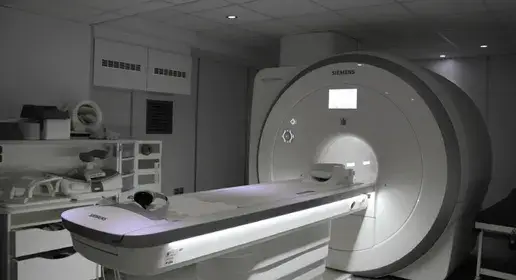
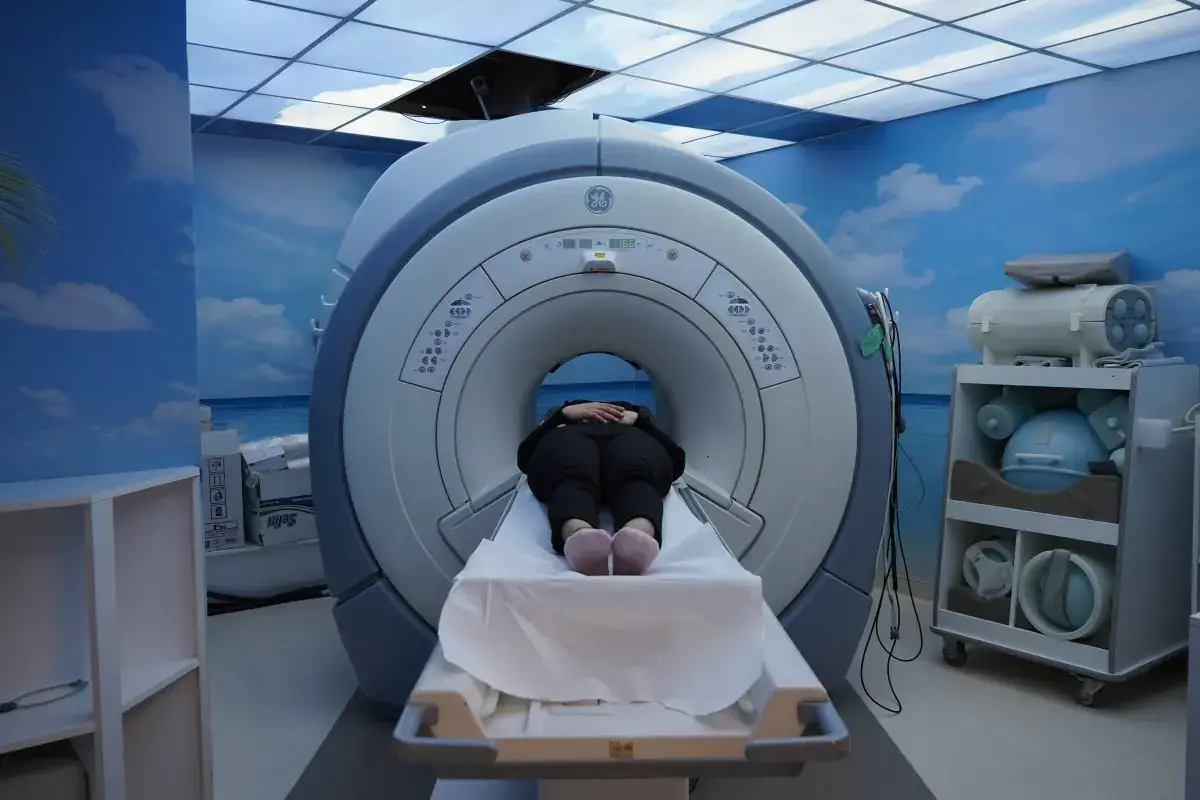
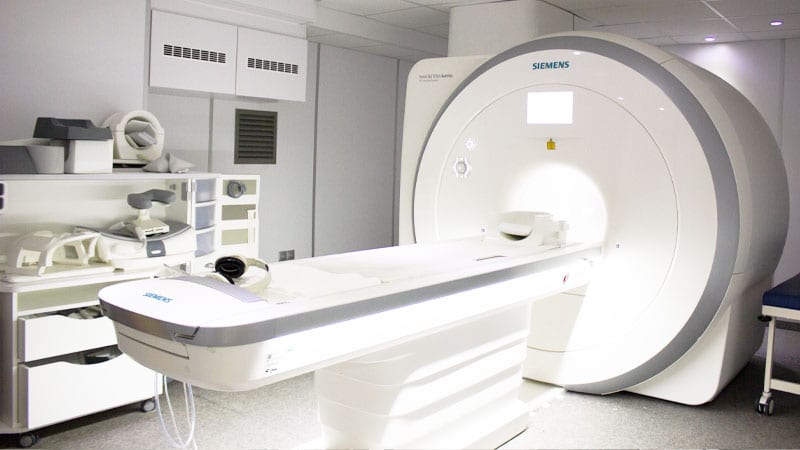
Brain Haemorrhage Treatment refers to the medical and surgical management of bleeding that occurs within the brain tissue or surrounding structures. The first stage of treatment typically involves emergency assessment and diagnosis. Advanced imaging studies such as CT scans, MRI scans, and vascular imaging help specialists determine the location, size, and cause of the haemorrhage.
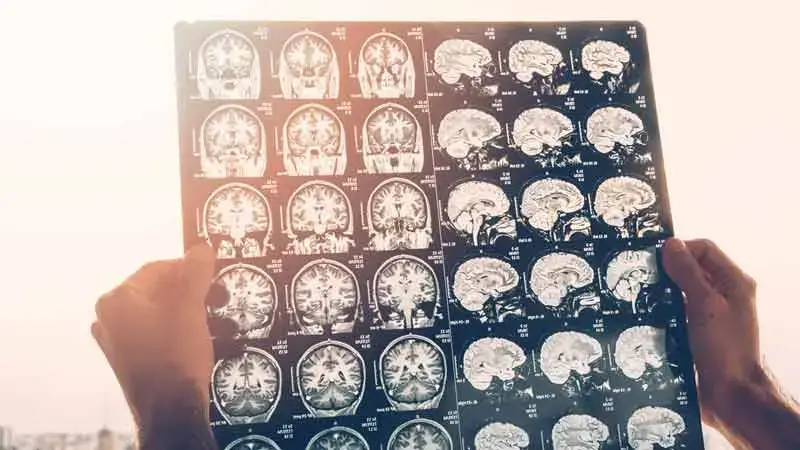
Depending on the severity of the condition, treatment may include blood pressure control, medication management, intensive care monitoring, drainage procedures, aneurysm treatment, or neurosurgical intervention to remove blood clots and reduce intracranial pressure. Some patients require urgent surgery, while others may benefit from close observation and conservative management. The primary goal of Brain Haemorrhage Treatment is to stop ongoing bleeding, protect healthy brain tissue, minimize neurological damage, and support the patient’s recovery.
🩺 Types of Brain Haemorrhages Treatment
• Intracerebral Haemorrhage Treatment – Management of bleeding occurring directly within brain tissue through medical therapy, monitoring, or surgery when necessary.
• Subarachnoid Haemorrhage Treatment – Treatment of bleeding around the brain often associated with ruptured aneurysms requiring specialized intervention.
• Epidural Haematoma Treatment – Emergency treatment for bleeding between the skull and outer brain covering, frequently requiring surgical evacuation.
• Subdural Haematoma Treatment – Treatment of blood accumulation beneath the dura mater through monitoring or surgical drainage depending on severity.
• Aneurysm Clipping Surgery – Neurosurgical procedure used to isolate and secure a ruptured or high-risk brain aneurysm.
• Endovascular Coiling Procedures – Minimally invasive treatment performed through blood vessels to manage certain aneurysms and vascular abnormalities.
• Minimally Invasive Clot Evacuation – Advanced techniques designed to remove accumulated blood while minimizing disruption to surrounding tissue.
• Neurocritical Care Management – Intensive monitoring and medical stabilization for patients requiring specialized neurological support.
🩺 Who Is a Good Candidate?
Brain Haemorrhage Treatment is recommended for patients diagnosed with bleeding inside or around the brain that requires specialized neurological evaluation and management. The appropriate treatment approach depends on the cause, location, severity, and overall medical condition of the patient.
✔️ Patients diagnosed with intracerebral haemorrhage
✔️ Individuals with subarachnoid haemorrhage
✔️ Patients experiencing ruptured brain aneurysms
✔️ Individuals suffering from traumatic brain bleeding
✔️ Patients with epidural or subdural haematomas
✔️ People experiencing sudden neurological symptoms
✔️ Patients requiring emergency neurosurgical evaluation
✔️ Individuals with vascular malformations affecting the brain
✔️ Patients requiring advanced neurological monitoring

🩺 Consultation & Preparation
Before treatment begins, patients undergo a thorough neurological assessment to determine the cause, location, and severity of the brain haemorrhage. Advanced diagnostic imaging and medical evaluations help the neurosurgical team develop the most appropriate treatment strategy while ensuring patient safety and timely intervention.
✔️ Comprehensive neurological and physical examination
✔️ Detailed review of symptoms, medical history, and current medications
✔️ Emergency brain CT scan for rapid diagnosis
✔️ MRI and advanced neuroimaging when clinically indicated
✔️ Evaluation of the size, location, and extent of bleeding
✔️ Blood tests, coagulation profile, and laboratory assessments
✔️ Cardiovascular evaluation and risk factor assessment
✔️ Blood pressure monitoring and stabilization
✔️ Consultation with neurosurgery and neurology specialists
🩺 Recovery & Aftercare

Recovery following Brain Haemorrhage Treatment varies according to the severity of the bleeding, neurological condition, and treatment performed. Ongoing monitoring and rehabilitation often play important roles in achieving the best possible outcome.
✔️ Continuous neurological monitoring
✔️ Blood pressure management and control
✔️ Follow-up brain imaging studies
✔️ Medication management as prescribed
✔️ Physical rehabilitation when necessary
✔️ Occupational therapy support
✔️ Speech and language therapy when indicated
✔️ Regular neurosurgical follow-up appointments
✔️ Lifestyle modifications to reduce future risks
🌍 Why Choose Avicenna Hospital for Brain Haemorrhages Treatment?
Avicenna Hospital provides comprehensive neurosurgical services supported by advanced diagnostic technology, modern treatment capabilities, and multidisciplinary patient care. The neurosurgery department focuses on accurate diagnosis, timely intervention, and individualized treatment planning for complex neurological conditions, including brain haemorrhages and cerebrovascular disorders.
Patients benefit from coordinated care involving neurosurgeons, neurologists, radiologists, intensive care specialists, and rehabilitation professionals. This collaborative approach helps ensure that every stage of treatment, from emergency assessment through recovery, is managed with precision and attention to patient safety.
✔️ Experienced neurosurgery department
✔️ Advanced diagnostic imaging technology
✔️ Comprehensive neurological evaluations
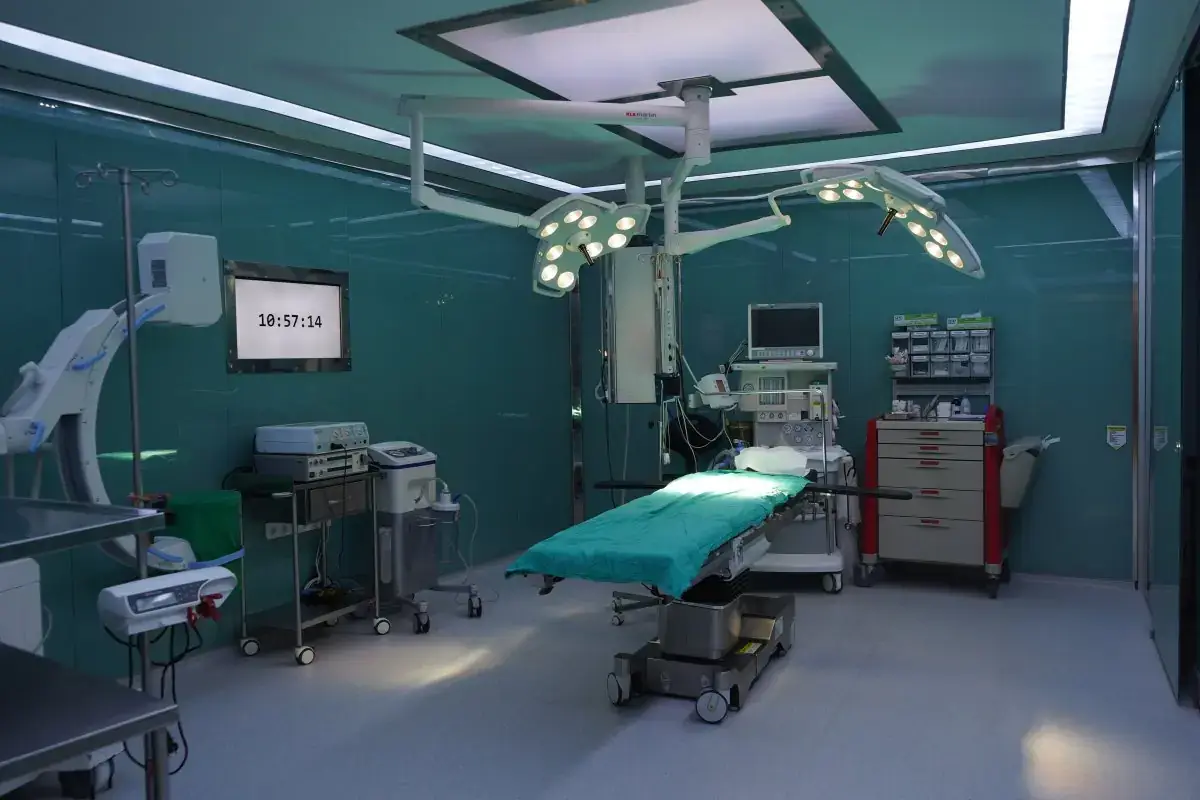
✔️ Modern operating room facilities
✔️ Multidisciplinary treatment approach
✔️ Intensive care support when required
✔️ Individualized treatment planning
✔️ International patient coordination services
✔️ Focus on patient safety and quality care
✔️ Commitment to evidence-based neurosurgical treatment