
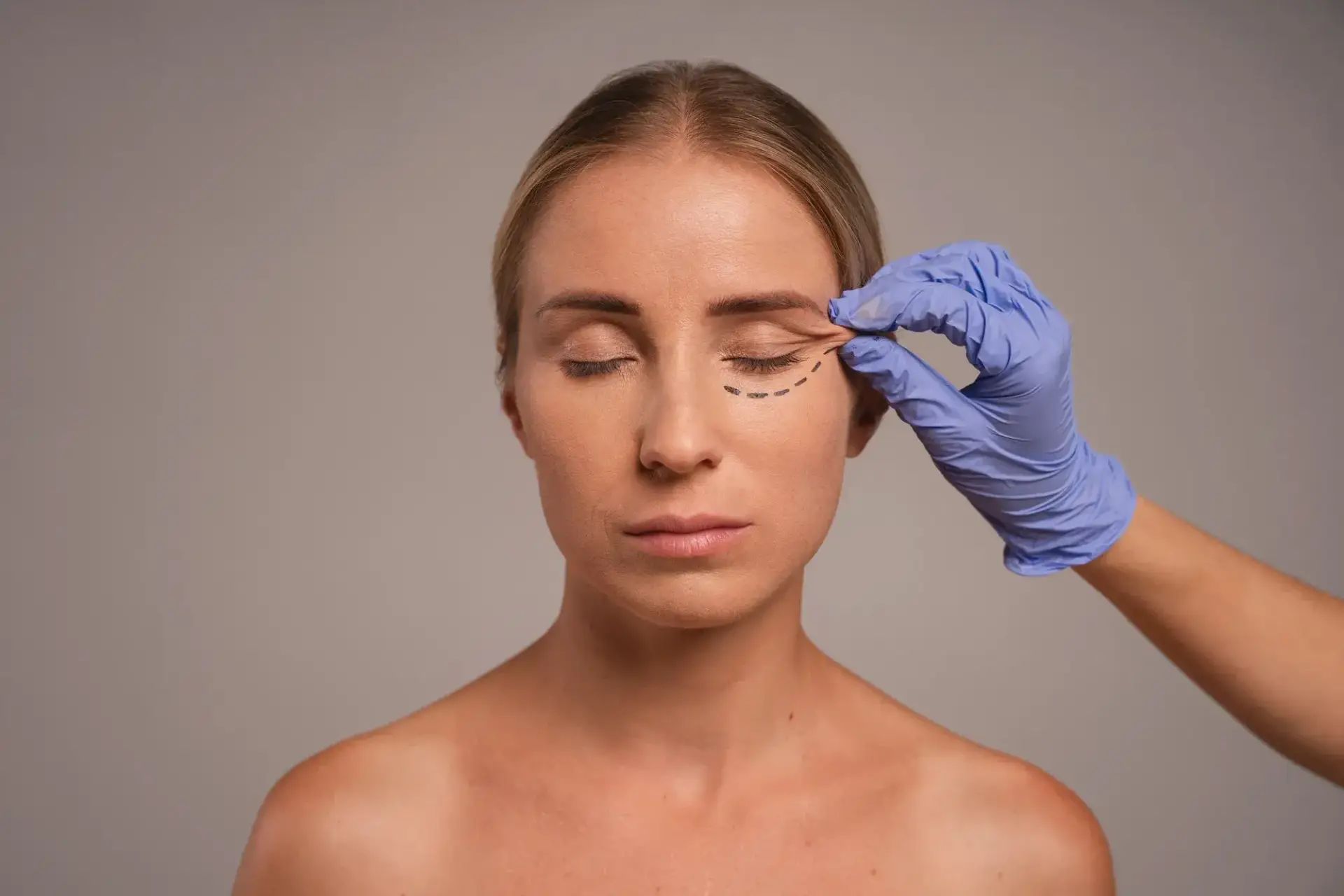
Has a previous eyelid surgery left you with asymmetry, scarring, or results that simply don’t feel like “you”? A second chance is closer than you think. South Korea, long regarded as the world’s aesthetic trend-setter, offers highly specialized revision blepharoplasty that blends meticulous surgical technique with an artist’s eye for harmony. Here, revision eyelid procedures are not a sideline—they’re a daily craft refined by surgeons who handle complex cases from across the globe.
Patients travel thousands of miles for two key reasons: concentrated expertise and predictable outcomes. Korean oculoplastic surgeons routinely correct issues such as residual puffiness, excessive eyelid removal, visible scarring, and functional concerns like lid closure problems. State-of-the-art facilities and bilingual care teams further lower travel friction, allowing you to focus on healing.
Add Seoul’s sophisticated hospitality, efficient transport, and culturally rich recovery environment, and you have a destination that supports both surgical excellence and patient comfort. Whether you are seeking subtle refinement or major reconstructive correction, South Korea positions itself as the gold standard for revision eyelid surgery.
Treatment Highlights
- Comprehensive revision approach – addresses functional issues (dry eye, lagophthalmos) and cosmetic concerns (asymmetry, scarring, hollowing) in one tailored plan
- Ideal for previous eyelid surgery patients – including individuals dissatisfied with double-eyelid creation, over-resection, or under-correction
- Destination advantage – Korea’s dense concentration of high-volume oculoplastic surgeons ensures refined, up-to-date techniques and peer collaboration
- Measured recovery expectations – most visitors can fly home in 10–14 days; full lid maturation continues up to 6 months
- Cost-efficient premium care – revision fees typically 40–60 % lower than comparable metropolitan pricing in Western countries
- Stay duration – plan on a 7- to 12-night visit (pre-op consult, procedure, follow-ups) for safe clearance to travel
- Add-on possibilities – simultaneous ptosis repair, lower-lid fat repositioning, or laser scar refinement if indicated
- Transparent outcome focus – photographic simulations and 3D imaging help align expectations before committing
Overview
Revision blepharoplasty is a corrective eyelid surgery performed after an unsatisfactory or complicated initial blepharoplasty. Unlike primary procedures, revision demands intricate tissue handling: surgeons must navigate scar planes, preserve or reconstruct the orbital septum, and maintain—or recreate—natural crease dynamics.
How it works (simplified):
- Scar release & pocket re-creation – Gentle dissection frees tethered tissue, allowing lids to move naturally.
- Fat redistribution or grafting – To restore youthful volume where over-resection caused hollowing.
- Skin, muscle, and septum balancing – Excess removal is carefully reversed (adding when lacking, excising when redundant) to re-establish continuity across lid layers.
- Crease refinement – Suture placement or micro-incision techniques re-define the fold position, symmetry, and depth.
- Functional reinforcement – When closure weakness exists, levator or Müller’s muscle adjustments protect corneal health.
Why abroad? Korea’s surgeons tackle revision blepharoplasty daily, whereas many regions treat it as an occasional challenge. High repetition breeds proficiency, and continuously updated fellowship programs ensure younger surgeons learn under revision veterans. Add advanced imaging, micro-surgical instruments, and multi-disciplinary anesthesia teams, and patients gain a safety-first, aesthetics-second environment that is difficult to replicate elsewhere.
Expected outcomes are realistic: improved symmetry, smoother creases, reduced scarring, and restored lid function. While perfection is not guaranteed, most patients report a dramatic leap in satisfaction compared with their first surgery.
How Much Does Blepharoplasty Revision Cost in South Korea?
Typical pricing for revision eyelid surgery in South Korea ranges USD $3,000 – $6,000 for upper lids alone and USD $5,000 – $8,500 when upper and lower lids are combined. Complex reconstructive cases (severe scarring, multiple prior surgeries) can exceed USD $10,000.
Price influencers
- Surgeon seniority and reputation
- Operating-room time (complex scar work = longer)
- Hospital grade (general hospital vs boutique eye clinic)
- Anesthesia type (IV sedation vs general)
- Concurrent procedures (ptosis repair, fat grafting, laser resurfacing)
South Korea offers value because overhead costs, government-regulated fee caps, and competitive clinic density keep premium care accessible. Still, only an in-depth medical review can confirm your personal quote.
| Revision Blepharoplasty | Average Cost (USD) – South Korea | Average Cost (USD) – United States |
|---|---|---|
| Upper-lid revision | $3,000 – $6,000 | $6,500 – $12,000 |
| Upper + lower revision | $5,000 – $8,500 | $9,000 – $15,000 |
| Severe reconstructive | $8,000 – $12,000+ | $15,000 – $25,000+ |
Figures are general estimates; your personalized plan may vary.
Explore Other Blepharoplasty Procedures Available in South Korea

Rhinoplasty Surgery in Seoul, South Korea by Asan Medical Center
Refined Nose Surgery for Natural Facial Harmony, Improved Nasal Structure & Confident Appearance. Rhinoplasty…
Facial Contouring Surgery in Seoul, South Korea by Asan Medical Center
Advanced Facial Balance, Jawline Refinement & Orthognathic Precision for Natural Facial Harmony. Facial…

Liposuction in Seoul, South Korea by Asan Medical Center
Personalized Fat Reduction for Improved Shape, Balanced Proportions & Natural-Looking Definition. Liposuction…
Who Is a Good Candidate for Blepharoplasty Revision?
- Adults in good general health dissatisfied with previous eyelid surgery
- Visible lid asymmetry, scar bands, slowly healing incisions, or incomplete double-fold
- Functional issues: dryness, difficulty closing eyes, lash inversion
- Sufficient healing period (usually ≥6 months post-primary surgery) to allow stable tissue planes
- Realistic expectations regarding improvement versus perfection
- Non-smokers or willing to stop at least 4 weeks pre-/post-op
May not be suitable
- Active lid infection or uncontrolled medical conditions (diabetes, thyroid eye disease flare)
- Unrealistic expectations or body-dysmorphic concerns
- Inadequate tissue availability for safe revision (rare) – may require staged grafting
A board-certified surgeon will decide final suitability after reviewing photos, operative notes, and your ocular health.
Your Step-by-Step Patient Journey
- Initial inquiry – Connect with our concierge; share goals and previous operative notes/photos.
- Digital consultation – Surgeon reviews your case asynchronously or via video, outlining feasible corrections.
- Treatment plan & quotation – Receive a detailed surgical roadmap, itemized fees, and preliminary schedule.
- Travel planning – Secure preferred dates; our team arranges airport transfers and nearby accommodation.
- Arrival in South Korea – Welcome briefing, pre-op labs, and in-person eye measurements.
- Procedure day – Revision blepharoplasty under twilight sedation in a fully accredited OR; 1–2 h typical duration.
- Early recovery – Chill eye masks, gentle lymphatic massage instruction; suture removal at day 5–7.
- Follow-up visit – Surgeon checks healing, adjusts ointments, and clears you for flight around day 10–14.
- Return home – Detailed aftercare guide, emergency hotline, and scheduled virtual reviews at 1, 3, 6, and 12 months.
Why Choose South Korea for Your Revision?
In vibrant Seoul you’ll find:
- Hyper-specialization – Dozens of board-certified oculoplastic surgeons performing revisions daily
- International patient services – Multilingual coordinators, VAT refunds, and streamlined visa assistance
- Value without compromise – Premium technology and JCI-accredited centers at globally competitive prices
- Travel convenience – Direct flights from major hubs, integrated airport-to-clinic transit, and cashless payment culture
- Restful recovery setting – Five-star hotels, serviced apartments, serene hanok stays, and nutrient-dense cuisine that aids healing
What’s Included
- Pre-arrival teleconsultation & surgical quotation
- In-person consultation and digital imaging
- Revision blepharoplasty (surgeon, anesthesiologist, nursing staff)
- All hospital or clinic facility fees
- Post-operative medications & cooling masks
- Two in-clinic follow-up visits before departure
- Dedicated bilingual care concierge
What’s Not Included
- International flights
- Hotel or apartment (options available at preferential rates)
- Additional blood work or imaging unrelated to eyelid surgery
- Supplemental procedures decided after arrival
- Companion travel costs
- Extended stay beyond medically recommended period
Recovery & Aftercare
Expect mild to moderate swelling and bruising for the first 7–10 days. Cold compresses, head-of-bed elevation, and prescribed anti-inflammatories accelerate resolution. Sutures come out around day 5–7, revealing a pink incision that fades over 3–6 months. Most visitors resume sightseeing at day 5 and computer work by day 7. Strenuous exercise and contact lens wear should wait four weeks.
Long-term maturation leads to increasingly natural crease definition between months 3 and 6. Numbness around the incision dissipates gradually. Final photographs are typically taken at one-year mark when scars have flattened and pigmentation normalizes.
Remote follow-ups via secure video ensure proper scar care, monitor lid function, and allow timely intervention if concerns arise.
Risks & Considerations
Every surgery carries risk, and a second operation can be more demanding than the first. Potential complications include infection, prolonged swelling, asymmetry, dry eye, visible scarring, or need for additional touch-ups. Choosing a surgeon with deep revision experience minimizes these odds, as does following post-op instructions to the letter.
We strongly recommend:
- Verifying board certification and revision case volume
- Adhering to pre-op restrictions (no smoking, limited alcohol, medication disclosure)
- Scheduling sufficient recovery time before long flights
- Sustaining open communication with your care team
Your informed decision anchors a successful outcome.
Frequently Asked Questions
1. What is the cost range of blepharoplasty revision in South Korea?
Most upper-lid revisions fall between USD 3,000 and 6,000, with combined upper-lower or complex cases ranging USD 5,000 to 10,000. Your personal quote is finalized after surgical evaluation.
2. How long should I stay in South Korea for the procedure?
Plan on 7–12 nights to cover consultation, surgery, suture removal, and clearance to fly. Complex revisions may benefit from a longer 14-night stay.
3. Is revision blepharoplasty safe?
When performed by a fellowship-trained oculoplastic surgeon in an accredited facility, the procedure has a high safety profile. Adhering to post-op care instructions further reduces risk.
4. How noticeable will swelling be, and for how long?
Expect prominent swelling and bruising for the first week, improving significantly by day 10. Subtle residual puffiness can persist several weeks but is usually camouflaged by light makeup after suture removal.
5. When will I see final results?
A refined eyelid contour appears within 1–2 months, but full scar maturation and crease settling continue up to 6–12 months.
6. Do I need a visa to travel for surgery?
Citizens of many countries receive a 90-day visa-free entry to South Korea. Our concierge will confirm current regulations and assist with medical-purpose visa letters if required.
7. How do I know if I am a suitable candidate?
A surgeon will review your medical history, photos, and previous operative reports to assess tissue condition, healing capacity, and realistic improvement potential.
8. Is the surgery painful?
Patients feel no pain during the procedure thanks to twilight sedation and local anesthesia. Post-op discomfort is generally mild and managed with oral analgesics.
9. How long do revision results last?
While no surgery stops aging, outcomes from a well-executed revision typically last many years. Good skin care, sun protection, and healthy lifestyle habits help maintain results.
10. What follow-up care is provided once I return home?
You will receive a detailed aftercare plan, scheduled virtual check-ins, and 24/7 messaging access to your surgical team for any concerns during healing.
Ready for a Clearer, More Confident Look?
Take the next step toward eyes that finally feel right. Our concierge team curates every detail—from surgeon matching to hotel bookings—so you can focus on recovery, not logistics. Request your personalized revision blepharoplasty assessment today and experience seamless, concierge-level care in the aesthetic capital of Asia.
Featured Plastic Surgery Procedures in South Korea
Procedures discussed in this article, available across South Korea.
Rhinoplasty Surgery in Seoul, South Korea by Asan Medical Center
Refined Nose Surgery for Natural Facial Harmony, Improved Nasal Structure & Confident Appearance. Rhinoplasty…

Breast Reduction in Seoul, South Korea by Asan Medical Center
Advanced Breast Reduction Surgery for Physical Comfort, Natural Proportion & Improved Body Confidence. Breast…
Eyelid Surgery (Blepharoplasty) in Incheon, South Korea by Elite Plastic Surgery
. Eyelid surgery in Incheon, South Korea, expertly addresses drooping lids and under-eye bags, offering a…

Mammoplasty in Seoul, South Korea by Asan Medical Center
Advanced Breast Reshaping for Improved Proportion, Physical Comfort & Restored Confidence. Mammoplasty is a…
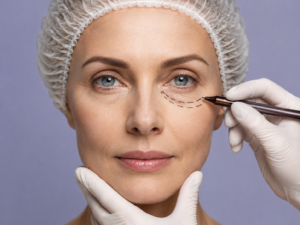
Blepharoplasty Surgery in Seoul, South Korea by Asan Medical Center
Advanced Eyelid Rejuvenation for Brighter Eyes, Refreshed Facial Balance & Improved Visual Comfort.…
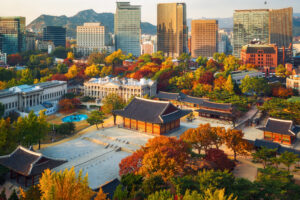
Liposuction in Incheon, South Korea
Liposuction in Incheon, South Korea, offers a sophisticated solution for reshaping the body by removing persistent…
Recommended Plastic Surgery Clinics in South Korea
Trusted clinics specializing in Plastic Surgery across South Korea.

Asan Medical Center
Asan Medical Center. South Korea’s Global Leader in Advanced Medical Care. Asan Medical Center (AMC) is the…

Elite Plastic Surgery
Elite Plastic Surgery. South Korea’s Premier Center for Detail-Oriented, Safety-Driven Aesthetic Surgery. Elite…
Explore Tours in South Korea
Discover the best places to visit in South Korea and explore its rich culture, breathtaking landscapes, iconic attractions, and unforgettable travel experiences.

South Korea: Busan: Private Boat Night Tour
Experience the vibrant charm of Busan after dark on this immersive tour. Begin your journey with a relaxing yacht…

South Korea: Busan: Port Tour & Shore Excursion
This curated tour takes you on a journey through Busan’s most celebrated landmarks and hidden gems. Begin your…

South Korea: Seoul: Half-Day DMZ Sightseeing Tour
Discover the mysteries and history of the DMZ on a full-day private tour. Leave behind the inconveniences of large…

South Korea: Seoul: Nami Island & Garden of Morning Calm Tour
Explore the charm of three unique attractions on a full-day group tour from Seoul. Begin your adventure on Nami…

South Korea: Seoul: Royal Palace and Seoul City Tour
Delve into the rich culture and history of Seoul on this comprehensive full-day tour. Visit significant landmarks…
More Plastic Surgery Articles About South Korea
Keep reading about Plastic Surgery care and travel in South Korea.

Korea Double Eyelid Surgery Price
South Korea is globally known as the plastic surgery capital of Asia, with double eyelid surgery being one of its…

Forehead Reduction Lift in South Korea Cost
A large or tall forehead is one of those things that quietly affects how you feel about your face every single…

Breast Lift with Reduction in South Korea Cost and Clinics
Heavy, sagging breasts affect more than just appearance. For many women, the physical discomfort — back pain, skin…

Corner Lip Lift in South Korea Cost and Clinics
There is something quietly powerful about the corners of your mouth. When they turn slightly downward, even at…

BBL in South Korea Cost and Clinics
South Korea has earned a global reputation as a center of excellence for cosmetic and aesthetic surgery,…

Best Countries for Plastic Surgery in the World
Plastic surgery has become a global industry — and millions of people travel abroad every year to enhance their…

Leave a Comment
Share your thoughts on this article, or ask us a question -- we'd love to hear from you.