
Blepharoplasty — Medical Tourism Blog

Expert articles, guides, and patient stories on Blepharoplasty.

×
×

Blepharoplasty in Morocco Cost and Clinics

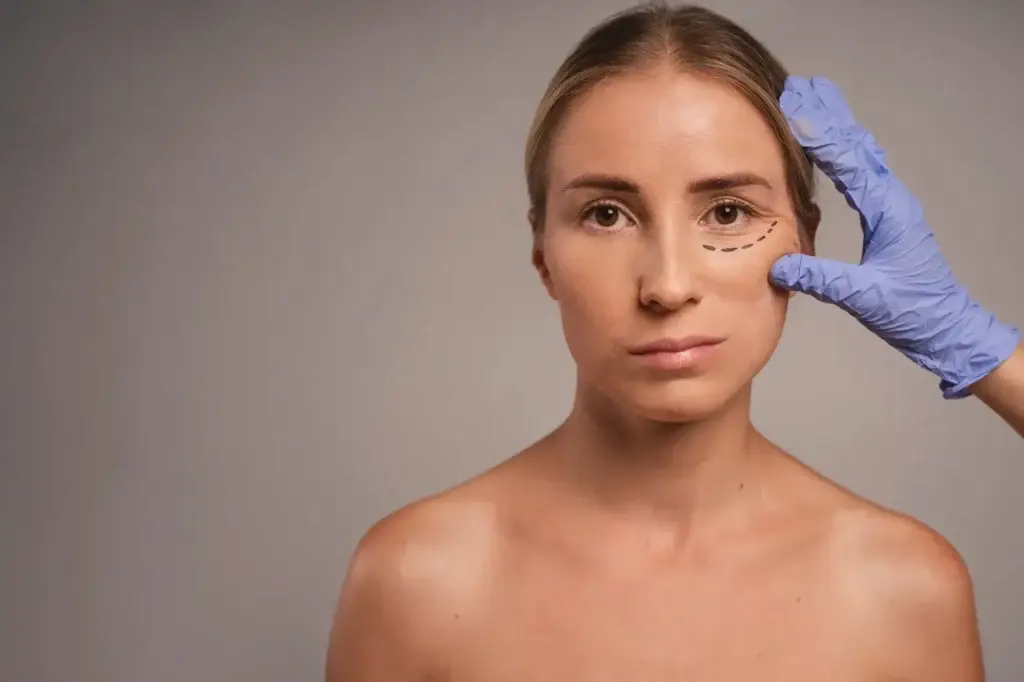
Tired, heavy-looking eyes can age a face faster than almost anything else. For many people, this isn't about wanting to look different — it's about looking as rested and alert as they actually feel. Blepharoplasty, or eyelid surgery, addresses sagging upper lids, under-eye puffiness, and excess skin that creates a permanently tired expression, and it remains one of the most requested facial procedures among patients travelling abroad for treatment. Morocco has built a strong reputation among UK and European patients looking for skilled cosmetic surgery at a fraction of home-country prices. Cities like Casablanca and Marrakech now host private clinics that work specifically with international patients, offering modern surgical facilities, English and French-speaking staff, and recovery packages designed around short stays. The short flight time from the UK (under four hours from most major airports) makes it genuinely practical, not just affordable. Patients travel for this procedure for a simple reason: the gap between what a clinic in London or Paris charges and what an equally qualified Moroccan surgeon charges can be substantial, often without any meaningful difference in surgical technique or safety standards. Add a few days of recovery in a warm climate, away from work and daily obligations, and the appeal becomes clear. This page lays out what blepharoplasty in Morocco actually costs, what's included, who tends to get the best results, and what the full patient journey looks like from first enquiry to final follow-up — so you can make a properly informed decision rather than guessing. Treatment Highlights. Blepharoplasty corrects droopy upper eyelids, under-eye bags, and excess or loose skin around the eyes. Performed on upper lids, lower lids, or both, depending on individual needs. Ideal for patients in good general health who are bothered by tired or aged eye appearance. Morocco offers significant savings compared to UK, French, or German clinic pricing. Procedure is typically done under local anaesthesia with sedation, sometimes general anaesthesia for combined cases. Recovery period before flying home is usually 7 to 10 days. Visible bruising and swelling settle within 10 to 14 days; final results develop over several weeks. Positioned as a mid-cost cosmetic procedure — more accessible than premium European pricing, without cutting corners on surgical standards. What Blepharoplasty Actually Involves. Blepharoplasty is a surgical procedure that removes or repositions excess skin, muscle, and sometimes fat around the eyelids. On the upper lid, this usually means trimming sagging skin that can droop over the lash line and, in some cases, interfere with vision. On the lower lid, the focus is typically on reducing puffiness or under-eye bags caused by fat pockets shifting forward with age. The surgery itself is relatively quick, generally taking one to two hours depending on whether one or both eyelids are treated. Most surgeons in Morocco perform it using local anaesthesia combined with sedation, which keeps patients comfortable while avoiding the longer recovery associated with general anaesthesia. Incisions are placed along the natural eyelid crease or just below the lash line, which helps scarring fade discreetly over time. Patients consider having this done abroad mainly because of cost, but also because Moroccan Plastic Surgery Clinics catering to international visitors have streamlined the process specifically for short-stay medical travel — pre-arrival consultations, dedicated coordinators, and recovery-focused aftercare built into the package. Results are not instant. Swelling and bruising are expected in the first one to two weeks, and the final shape and smoothness of the eyelids continues to settle for two to three months. When performed well, the outcome is a more alert, refreshed appearance — not a dramatically altered one. Reputable surgeons aim for natural-looking results rather than an overly tightened or artificial look. How Much Does Blepharoplasty Cost in Morocco?. Blepharoplasty in Morocco generally costs between £1,200 and £2,500 for upper or lower eyelid surgery alone, with combined upper and lower procedures ranging from roughly £2,200 to £3,800. These figures typically include the surgical fee, clinic or hospital fees, and the surgeon's charge, though exact pricing depends on the clinic and the complexity of your case. Several factors affect final pricing: whether you're having upper lids, lower lids, or both done; the surgeon's experience and reputation; whether the procedure is combined with another treatment such as a brow lift; and any additional diagnostic tests your medical history requires. Clinics with more international accreditation and English-speaking support staff sometimes price slightly higher, reflecting the added coordination and service layer. Morocco offers strong value because operating costs, staff salaries, and clinic overheads are considerably lower than in the UK or Western Europe, while surgical training standards among private cosmetic surgeons remain high, particularly in clinics that regularly treat international patients. This isn't a case of paying less for less — it's a different cost structure in a different economy. Your final quote will always depend on a proper medical evaluation. Photos, a health questionnaire, and sometimes a video consultation are used to assess your case before any fixed price is confirmed. Cost Comparison: Morocco vs USA. ProcedureMorocco (approx.)USA (approx.). Upper eyelid surgery£1,200 – £2,000£3,500 – £5,500. Lower eyelid surgery£1,500 – £2,500£4,000 – £6,000. Combined upper & lower£2,200 – £3,800£6,500 – £9,500. Who Is a Good Candidate for Blepharoplasty?. Blepharoplasty tends to work best for people who are physically healthy and have realistic expectations about what the surgery can achieve. Good candidates typically include:. Adults with visibly sagging upper eyelid skin, particularly if it affects how alert or tired the face appears. Those with persistent under-eye puffiness or bags that don't respond to skincare or lifestyle changes. Non-smokers, or those willing to stop smoking for a period before and after surgery. Patients with no uncontrolled underlying health conditions affecting healing, such as unmanaged diabetes. People without serious dry eye conditions or significant existing eye disease. Those able to commit to the recommended recovery period before flying home. This procedure may not be suitable for people with certain uncontrolled medical conditions, active eye infections, very dry eyes, or unrealistic expectations about achieving a completely different facial appearance. Anyone currently on blood-thinning medication will usually need medical clearance and a temporary pause before surgery. A full medical assessment by the treating surgeon, not a general assumption based on age or appearance, ultimately determines candidacy. Your Patient Journey, Step by Step. 1. Initial inquiry and consultation You start with an enquiry outlining your concerns and goals. A patient coordinator typically responds within a day or two with initial guidance and next steps. 2. Medical file or photo submission You'll be asked to send clear photos of your eyes and complete a medical history questionnaire, covering current health, medications, and any prior eye treatments. 3. Doctor evaluation A qualified surgeon reviews your case remotely, assessing suitability and outlining what's realistically achievable for your specific eyelid concerns. 4. Treatment plan approval You receive a written treatment plan with a confirmed price, procedure details, and recommended recovery timeline before committing to anything. 5. Travel planning Once you confirm, your coordinator helps arrange flights, accommodation suggestions, and airport transfer logistics around your surgery date. 6. Arrival and in-person consultation You meet your surgeon face-to-face in Morocco, where they reassess your eyelids in person and finalise the surgical approach before proceeding. 7. Procedure day Surgery takes place in an accredited clinic or hospital, usually under local anaesthesia with sedation, typically completed within one to two hours. 8. Recovery phase The first few days involve rest, cold compresses, and monitoring. Most clinics check on you the day after surgery and again before you're cleared to travel. 9. Follow-up care Stitches, if non-dissolvable, are typically removed around day 5 to 7. Your surgeon reviews healing progress before approving your flight home. 10. Return home and remote support After returning, most clinics maintain contact for follow-up questions or concerns, with photo check-ins as swelling fully resolves over the following weeks. Why Morocco Is a Strong Choice for This Procedure. Morocco's private healthcare sector has invested heavily in facilities built specifically for international patients, with many clinics holding recognised accreditations and employing surgeons trained in France, the UK, or other parts of Europe. This matters because it means the surgical techniques used are familiar, current, and held to comparable standards. The international patient experience in established Moroccan clinics tends to be well organised, with dedicated coordinators handling everything from airport pickup to translation support, reducing the stress that often comes with travelling for surgery. The cost versus quality balance is the core draw — patients get surgery from properly trained professionals without the inflated overheads built into Western European or US pricing. Travel convenience adds to the appeal. Direct flights from major UK and European cities run frequently, and the time difference is minimal, which makes communication with family back home straightforward during recovery. Many patients also find the climate genuinely helpful for recovery — warm, dry weather and a slower pace make the rest period feel less like downtime and more like a brief, purposeful break. What's Included in Your Package. Initial remote consultation and case review. Pre-operative medical evaluation and required tests. The blepharoplasty procedure itself, including anaesthesia and surgical fees. Hospital or clinic facility fees on the day of surgery. Basic post-operative follow-up appointments during your stay. Coordination support throughout your visit, including scheduling and translation where needed. What's Not Included. International flights to and from Morocco. Accommodation, unless specifically stated in your package. Additional diagnostic tests beyond standard pre-surgical requirements. Any extra treatments or procedures added after your initial plan is confirmed. Expenses for a travel companion, if you bring one. Costs associated with extending your stay beyond the recommended recovery period. Recovery and Aftercare. The first 48 to 72 hours after blepharoplasty involve the most noticeable swelling and bruising, which is completely normal and expected. Cold compresses, head elevation while sleeping, and prescribed eye drops or ointment help manage discomfort during this period. Most patients describe the sensation as tightness or mild soreness rather than significant pain. By days 5 to 7, much of the visible bruising starts fading, and any non-dissolvable stitches are typically removed. Patients are usually cleared to fly home around the 7 to 10 day mark, once the surgeon confirms healing is progressing as expected. Activity should remain limited during this window — no strenuous exercise, heavy lifting, or activities that raise blood pressure, and sun exposure around the eyes should be minimised with sunglasses. Over the following two to four weeks, residual swelling continues to settle, and the eyes begin looking noticeably more natural. Light reading, screen use, and daily activities can usually resume within a week, though intense exercise is generally held off for three to four weeks. Full final results, including the smoothing of any fine residual swelling, typically take two to three months to fully reveal themselves. Long-term, results from blepharoplasty tend to last many years, particularly for upper eyelid surgery, since the skin removed doesn't regenerate. Lower eyelid results can also be long-lasting, though natural ageing continues elsewhere in the face over time. Risks and Things to Consider. As with any surgical procedure, blepharoplasty carries general risks including infection, bleeding, scarring, and temporary or, rarely, prolonged changes in sensation around the eyelids. Dry eyes or temporary difficulty fully closing the eyes can occur during early healing but typically resolve as swelling reduces. Choosing a properly qualified, experienced surgeon significantly reduces these risks, which is why verifying credentials, before-and-after results, and accreditation matters more than chasing the lowest possible price. Proper aftercare — following instructions on eye drops, activity restrictions, and follow-up appointments — plays a major role in how smoothly recovery goes and how the final result settles. No reputable clinic should promise guaranteed outcomes, since healing varies between individuals based on skin type, age, and overall health. The right approach is an honest, informed decision made after a proper medical evaluation, not a rushed booking based on price alone. Frequently Asked Questions. What is the cost range of blepharoplasty in Morocco?. Blepharoplasty in Morocco typically costs between £1,200 and £2,500 for single eyelid surgery, and £2,200 to £3,800 for combined upper and lower procedures. Final pricing depends on your specific case, the surgeon, and any additional requirements identified during medical evaluation. How long do I need to stay in Morocco for eyelid surgery?. Most patients plan for a stay of 7 to 10 days, allowing time for surgery, initial recovery, and a follow-up check before flying home. Your surgeon will confirm the exact timeline based on how your healing progresses. Is blepharoplasty in Morocco safe?. When performed by a qualified, experienced surgeon in an accredited clinic, blepharoplasty in Morocco carries the same general safety profile as the procedure performed anywhere else. Choosing a reputable clinic with proper credentials and a thorough pre-surgical evaluation is the key factor in safety. How long is the recovery time after blepharoplasty?. Initial bruising and swelling typically improve within 10 to 14 days, with most patients returning to normal daily activities within one to two weeks. Full final results take around two to three months to completely settle. When will I see the final results?. Noticeable improvement is visible within the first few weeks as swelling reduces, but the fully refined result generally takes two to three months to develop. Patience during this period leads to a more accurate picture of the final outcome. Are there travel concerns I should know about?. You'll need clearance from your surgeon before flying, which usually happens around day 7 to 10 post-surgery. It's worth booking flexible flights where possible, in case your surgeon recommends an extra day or two of recovery before travel. Am I a suitable candidate for this procedure?. Good candidates are generally healthy adults with sagging eyelid skin or under-eye puffiness and no uncontrolled medical conditions affecting healing. A full evaluation based on your photos and medical history is required to confirm suitability for your specific case. Is blepharoplasty painful?. Most patients describe more tightness and mild discomfort than sharp pain, particularly in the first few days after surgery. Prescribed pain relief and cold compresses typically manage this well during early recovery. How long do the results of blepharoplasty last?. Upper eyelid results are generally long-lasting since the removed skin doesn't return, often lasting many years. Lower eyelid results also tend to last well, though natural facial ageing continues elsewhere over time. What follow-up care is provided after I return home?. Reputable clinics maintain contact after you return home, often through photo check-ins and messaging to track your healing progress. Any concerns during recovery can typically be raised directly with your clinic's coordination team or surgeon. Ready to Take the Next Step?. Deciding to move forward with eyelid surgery is a personal decision, and the right starting point is always a proper consultation rather than a quick booking. Every patient's eyelids, skin, and goals are different, and a thoughtful treatment plan built around your specific case gives you a far better sense of what to actually expect. Our role is to guide you through that process with clarity — connecting you with qualified surgeons, helping you understand realistic costs and timelines, and supporting you through every stage of your trip to Morocco. From your first enquiry to your final follow-up after returning home, you'll have a dedicated point of contact handling the details so you can focus on your recovery and results. If you're considering blepharoplasty and want a clear, honest picture of what it would involve for you specifically, reach out for a consultation. There's no pressure, no rushed decisions — just the information you need to decide what's right for you.

Cheapest Country for Blepharoplasty

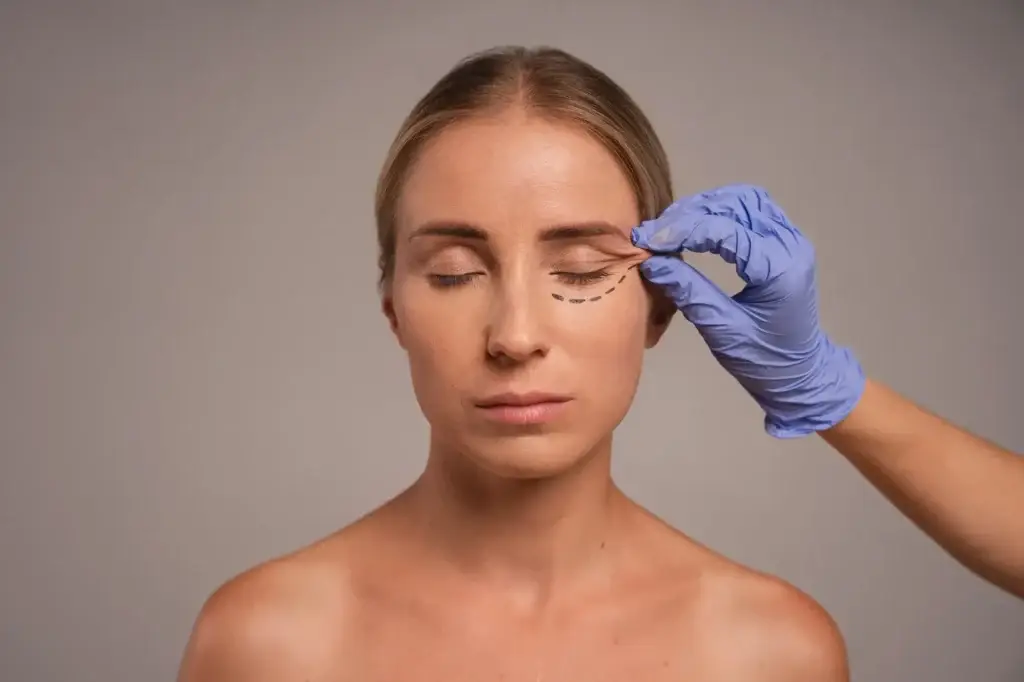
Blepharoplasty, commonly known as eyelid surgery, is one of the most sought-after cosmetic procedures for people looking to achieve a younger, more refreshed appearance. The procedure removes excess skin, fat, and muscle from the upper or lower eyelids, helping reduce droopy eyelids, under-eye bags, and signs of aging. In some cases, upper eyelid surgery can also improve vision by removing skin that obstructs the field of view. While blepharoplasty is widely available, treatment costs vary significantly from one country to another. In countries like the United States, the United Kingdom, and Australia, the procedure can be expensive due to higher healthcare and operating costs. This has encouraged many patients to explore medical tourism, where they can receive high-quality treatment at a much lower price. The cheapest countries for blepharoplasty include Turkey, South Korea, Costa Rica, Mexico, Thailand, and Colombia. This comparison examines eyelid surgery costs, medical expertise, recovery, and the factors that make each destination a popular choice for affordable treatment abroad. Why Travel Abroad for Blepharoplasty?. Medical tourism has transformed the cosmetic surgery industry by giving patients access to world-class healthcare at affordable prices. Choosing to undergo blepharoplasty abroad often allows patients to save between 40% and 70% compared to treatment in many Western countries. Besides lower costs, many international hospitals offer comprehensive services specifically designed for overseas patients. These often include consultation support, airport transfers, hotel arrangements, translation services, and post-operative follow-up, making the experience convenient and stress-free. Benefits of having blepharoplasty abroad include:. Lower treatment costs. Experienced plastic surgeons. Modern private hospitals. Short waiting times. Personalized patient care. Comprehensive medical tourism packages. Average Cost Comparison. CountryAverage Cost. Turkey$1,500–$3,000. South Korea$2,000–$4,500. Costa Rica$2,200–$4,000. Mexico$1,800–$3,500. Thailand$2,000–$3,800. Colombia$1,800–$3,500. Prices are estimates and may vary depending on the surgeon, hospital, surgical complexity, and whether upper, lower, or combined blepharoplasty is performed. Turkey. Turkey has established itself as one of the world's most popular destinations for cosmetic surgery. Every year, thousands of international patients travel to Istanbul and other major cities for facial rejuvenation procedures, including blepharoplasty. The country's reputation is built on experienced plastic surgeons, advanced medical facilities, and competitive pricing. Many Turkish plastic surgeons have extensive experience treating international patients and regularly perform upper eyelid surgery, lower eyelid surgery, and combined procedures. Hospitals and aesthetic clinics are equipped with modern technology and often provide multilingual support to make the treatment process easier for overseas visitors. Cost of Blepharoplasty in Turkey. Blepharoplasty in Turkey generally costs between $1,500 and $3,000, making it one of the most affordable options worldwide. The final price depends on the surgeon's experience, the complexity of the procedure, and whether both eyelids are treated. Many clinics offer package prices that include consultation, surgeon's fees, anesthesia, hospital charges, medications, airport transfers, and accommodation, providing excellent value for international patients. Why Choose Turkey?. Highly experienced plastic surgeons. Internationally accredited private hospitals. Affordable all-inclusive treatment packages. Modern surgical technology. Dedicated international patient departments. Excellent balance between quality and cost. Popular Cities. Istanbul. Ankara. Izmir. Antalya. Things to Consider. Patients are generally advised to stay in Turkey for seven to ten days after surgery for follow-up appointments and recovery. Choosing a reputable hospital with comprehensive aftercare services can help ensure a smooth healing process before returning home. South Korea. South Korea is recognized as one of the global leaders in cosmetic surgery and facial aesthetics. Blepharoplasty is among the country's most commonly performed procedures, allowing surgeons to develop exceptional expertise and precision. Many patients choose South Korea because of its focus on natural-looking results and advanced surgical techniques. Clinics in Seoul and other major cities are equipped with state-of-the-art technology and frequently welcome international patients. Surgeons specialize in various eyelid procedures, including upper blepharoplasty, lower blepharoplasty, double eyelid surgery, and revision surgery. Cost of Blepharoplasty in South Korea. The average cost of blepharoplasty in South Korea ranges from $2,000 to $4,500. Pricing varies depending on the clinic, surgeon's reputation, and the type of eyelid surgery performed. While the cost is slightly higher than some other destinations, patients benefit from advanced cosmetic expertise, cutting-edge technology, and consistently high patient satisfaction. Why Choose South Korea?. Worldwide reputation for cosmetic surgery. Highly specialized eyelid surgeons. Advanced surgical techniques. Excellent aesthetic outcomes. Modern cosmetic hospitals. Strong focus on natural-looking results. Popular Cities. Seoul. Busan. Incheon. Daegu. Things to Consider. Most international patients remain in South Korea for approximately one week after surgery. Following the surgeon's recovery instructions and attending follow-up appointments are important before traveling home. Costa Rica. Costa Rica has become one of the leading cosmetic surgery destinations in Central America. Its high-quality private healthcare system, experienced surgeons, and convenient location make it especially popular among patients from the United States and Canada. Many plastic surgeons in Costa Rica have received international training and perform cosmetic facial procedures using modern techniques. Private hospitals maintain high standards of patient safety while providing personalized care throughout the treatment journey. Cost of Blepharoplasty in Costa Rica. Blepharoplasty in Costa Rica typically costs between $2,200 and $4,000. The price usually depends on the surgeon's qualifications, hospital facilities, and whether the surgery involves the upper eyelids, lower eyelids, or both. Even after including travel expenses, many international patients still spend significantly less than they would in North America. Why Choose Costa Rica?. High-quality private hospitals. Experienced cosmetic surgeons. Convenient location for North American patients. English-speaking medical staff. Personalized patient care. Comfortable recovery environment. Popular Cities. San José. Escazú. Heredia. Things to Consider. Patients should plan to stay in Costa Rica for at least seven days after surgery to attend follow-up visits and allow initial swelling to improve before flying home. Mexico. Mexico has become one of the most accessible and affordable destinations for blepharoplasty, particularly for patients traveling from the United States and Canada. The country's well-established medical tourism industry offers a wide range of cosmetic surgery clinics, experienced plastic surgeons, and modern private hospitals that cater specifically to international patients. Many Mexican plastic surgeons are board-certified and have completed advanced training both locally and internationally. Clinics commonly perform upper eyelid surgery, lower eyelid surgery, and combined blepharoplasty using modern techniques that focus on achieving natural-looking, long-lasting results. Patients also benefit from shorter travel times, especially when choosing cities near the U.S. border. Cost of Blepharoplasty in Mexico. The average cost of blepharoplasty in Mexico ranges from $1,800 to $3,500. The total price depends on the surgeon's expertise, the clinic's reputation, and whether one or both eyelids are being treated. Many cosmetic surgery centers offer transparent pricing that includes consultation, surgeon fees, anesthesia, operating room charges, medications, and post-operative follow-up. Even after accounting for travel expenses, patients often save thousands of dollars compared to having the procedure in the United States. Why Choose Mexico?. Affordable cosmetic surgery prices. Experienced board-certified plastic surgeons. Modern private hospitals and cosmetic clinics. Convenient travel for North American patients. Short waiting times for consultations and surgery. Personalized support for international patients. Popular Cities. Tijuana. Cancun. Mexico City. Guadalajara. Monterrey. Things to Consider. Patients are generally advised to remain in Mexico for seven to ten days after surgery. Selecting a reputable clinic with English-speaking staff and comprehensive aftercare can make the recovery process more comfortable and ensure proper follow-up before returning home. Thailand. Thailand is one of Asia's leading medical tourism destinations and has earned an outstanding reputation for cosmetic surgery. The country combines internationally accredited hospitals, highly skilled plastic surgeons, and exceptional patient care, making it a popular choice for people seeking affordable eyelid surgery. Many hospitals have dedicated international patient departments that assist with appointments, accommodation, airport transfers, and recovery planning. Thailand is also known for its hospitality, allowing patients to recover in a comfortable and relaxing environment while receiving high-quality medical care. Cost of Blepharoplasty in Thailand. Blepharoplasty in Thailand generally costs between $2,000 and $3,800, depending on the surgeon, hospital, and complexity of the procedure. Prices often include consultation, surgeon's fees, anesthesia, hospital charges, medications, and follow-up appointments. Despite the affordable pricing, patients receive treatment in modern facilities that meet international healthcare standards. Why Choose Thailand?. Internationally accredited hospitals. Highly experienced cosmetic surgeons. Excellent patient care and hospitality. Modern surgical equipment. Competitive treatment costs. Well-developed medical tourism industry. Popular Cities. Bangkok. Phuket. Chiang Mai. Pattaya. Things to Consider. Most surgeons recommend staying in Thailand for at least one week after blepharoplasty. This allows enough time for post-operative assessments and gives swelling an opportunity to improve before international travel. Colombia. Colombia has become one of Latin America's fastest-growing cosmetic surgery destinations. The country is well known for its skilled plastic surgeons, modern healthcare facilities, and affordable treatment costs. Many surgeons specialize in facial aesthetic procedures and regularly treat international patients seeking natural-looking results. Private clinics in Colombia invest heavily in advanced medical technology and patient safety. Combined with lower operating costs, this enables hospitals to provide high-quality blepharoplasty at prices that are significantly lower than those found in many Western countries. Cost of Blepharoplasty in Colombia. The average cost of blepharoplasty in Colombia ranges from $1,800 to $3,500. The final price depends on the clinic, surgeon's experience, and whether upper eyelid surgery, lower eyelid surgery, or a combined procedure is performed. Many clinics also provide customized treatment plans that include consultations, surgery, medications, and post-operative care, offering excellent overall value for international patients. Why Choose Colombia?. Competitive treatment costs. Experienced facial plastic surgeons. Modern private hospitals. Personalized patient care. High-quality cosmetic surgery services. Growing reputation in medical tourism. Popular Cities. Bogotá. Medellín. Cali. Cartagena. Things to Consider. Patients should plan to stay in Colombia for approximately seven to ten days after surgery to attend follow-up appointments before returning home. Choosing a clinic with experience treating international patients can help ensure smooth communication and comprehensive aftercare. How to Choose the Best Country for Blepharoplasty. While affordability is an important consideration, choosing the right destination involves much more than comparing prices. The quality of the surgeon, hospital accreditation, patient safety standards, and aftercare services all play an essential role in achieving the best results. Before selecting a country, consider the following factors:. The surgeon's qualifications and years of experience. Hospital or clinic accreditation. Verified patient reviews and before-and-after photos. What is included in the treatment package. Availability of follow-up care. Travel distance and recovery requirements. A slightly higher treatment cost may provide better value if it includes comprehensive care, experienced surgeons, and a safer treatment environment. Recovery After Blepharoplasty. Recovery from blepharoplasty is usually straightforward when patients carefully follow their surgeon's instructions. Swelling and bruising are most noticeable during the first week and gradually improve over the following weeks. Most patients can return to light daily activities within one to two weeks, although complete healing and final cosmetic results may take several months. International patients are generally encouraged to remain in their treatment destination for at least seven to ten days to allow for follow-up appointments before traveling home. During recovery, patients should:. Keep the head elevated while resting. Apply cold compresses as instructed. Avoid strenuous activities. Protect the eyes from direct sunlight. Attend all scheduled follow-up appointments. Following these recommendations helps promote proper healing and achieve the best possible outcome. Frequently Asked Questions. Which country is the cheapest for blepharoplasty?. Turkey, Mexico, and Colombia are generally among the most affordable countries for blepharoplasty. Patients can often save between 40% and 70% compared to treatment costs in the United States, Canada, the United Kingdom, or Australia. However, the overall value should be based not only on price but also on the surgeon's qualifications, hospital standards, and the quality of post-operative care. Which country offers the best quality for eyelid surgery?. Each destination has its own strengths. Turkey is known for offering an excellent balance between affordability and high-quality care. South Korea is internationally recognized for its advanced cosmetic surgery techniques and natural-looking facial procedures. Mexico, Costa Rica, Thailand, and Colombia also provide experienced surgeons and modern medical facilities for international patients. Is it safe to travel abroad for blepharoplasty?. Yes. Blepharoplasty can be safely performed abroad when patients choose experienced, board-certified plastic surgeons and reputable hospitals or clinics. Before booking surgery, it is important to review the surgeon's credentials, patient testimonials, before-and-after photos, and the clinic's accreditation. How long should I stay after eyelid surgery?. Most surgeons recommend staying in the treatment destination for 7 to 10 days. This allows enough time for initial healing, follow-up appointments, and monitoring before traveling home. Patients should always follow their surgeon's travel recommendations based on their individual recovery. Can upper and lower blepharoplasty be performed together?. Yes. Many patients choose to combine upper and lower eyelid surgery during a single operation. Combining both procedures often reduces the overall recovery period and may be more cost-effective than having two separate surgeries. Your surgeon will determine whether you are a suitable candidate during your consultation. Will there be visible scars after blepharoplasty?. Blepharoplasty incisions are carefully placed within the natural folds of the eyelids or inside the lower eyelid whenever possible. As healing progresses, scars typically become very discreet and are often barely noticeable. How long do blepharoplasty results last?. Blepharoplasty provides long-lasting results. Upper eyelid surgery can maintain its results for 10 to 15 years or longer, while lower eyelid surgery often produces permanent improvements because the fat deposits removed or repositioned generally do not return. Although the natural aging process continues, most patients enjoy a younger appearance for many years. Final Thoughts. Choosing the cheapest country for blepharoplasty is about finding the right balance between affordability, safety, and quality. While lower prices are appealing, selecting an experienced plastic surgeon and a reputable hospital is equally important for achieving natural-looking, long-lasting results. Turkey continues to be one of the best overall choices because it combines competitive pricing with internationally recognized hospitals and comprehensive medical tourism services. South Korea remains the preferred destination for patients seeking advanced facial cosmetic expertise and refined aesthetic outcomes. Costa Rica, Mexico, Thailand, and Colombia also provide excellent options for patients looking for affordable eyelid surgery without compromising on medical standards. Before making your decision, compare treatment packages, verify surgeon credentials, review patient testimonials, and discuss your expectations during a consultation. With careful planning and the right medical provider, traveling abroad for blepharoplasty can provide outstanding results while significantly reducing overall treatment costs. Why Choose MyMediTour for Your Blepharoplasty Journey?. Planning cosmetic surgery abroad can feel overwhelming, especially when comparing hospitals, surgeons, treatment packages, and travel arrangements. At MyMediTour, we simplify the entire process by connecting patients with carefully selected hospitals and experienced plastic surgeons in leading medical tourism destinations. Our team provides personalized guidance from your initial inquiry through your recovery, helping you make informed decisions based on your goals, budget, and medical needs. When you choose MyMediTour, you can expect:. Access to trusted hospitals and experienced plastic surgeons. Personalized treatment recommendations. Assistance with medical record review and consultations. Transparent treatment quotations. Help with travel planning and accommodation. Ongoing support before, during, and after your procedure. Whether you're considering Turkey, South Korea, Costa Rica, Mexico, Thailand, or Colombia, MyMediTour is committed to helping you find the right destination and healthcare provider for a safe, comfortable, and successful blepharoplasty experience.

Blepharoplasty Revision in South Korea Cost and Clinics

Has a previous eyelid surgery left you with asymmetry, scarring, or results that simply don’t feel like “you”? A second chance is closer than you think. South Korea, long regarded as the world’s aesthetic trend-setter, offers highly specialized revision blepharoplasty that blends meticulous surgical technique with an artist’s eye for harmony. Here, revision eyelid procedures are not a sideline—they’re a daily craft refined by surgeons who handle complex cases from across the globe. Patients travel thousands of miles for two key reasons: concentrated expertise and predictable outcomes. Korean oculoplastic surgeons routinely correct issues such as residual puffiness, excessive eyelid removal, visible scarring, and functional concerns like lid closure problems. State-of-the-art facilities and bilingual care teams further lower travel friction, allowing you to focus on healing. Add Seoul’s sophisticated hospitality, efficient transport, and culturally rich recovery environment, and you have a destination that supports both surgical excellence and patient comfort. Whether you are seeking subtle refinement or major reconstructive correction, South Korea positions itself as the gold standard for revision eyelid surgery. Treatment Highlights. Comprehensive revision approach – addresses functional issues (dry eye, lagophthalmos) and cosmetic concerns (asymmetry, scarring, hollowing) in one tailored plan. Ideal for previous eyelid surgery patients – including individuals dissatisfied with double-eyelid creation, over-resection, or under-correction. Destination advantage – Korea’s dense concentration of high-volume oculoplastic surgeons ensures refined, up-to-date techniques and peer collaboration. Measured recovery expectations – most visitors can fly home in 10–14 days; full lid maturation continues up to 6 months. Cost-efficient premium care – revision fees typically 40–60 % lower than comparable metropolitan pricing in Western countries. Stay duration – plan on a 7- to 12-night visit (pre-op consult, procedure, follow-ups) for safe clearance to travel. Add-on possibilities – simultaneous ptosis repair, lower-lid fat repositioning, or laser scar refinement if indicated. Transparent outcome focus – photographic simulations and 3D imaging help align expectations before committing. Overview. Revision blepharoplasty is a corrective eyelid surgery performed after an unsatisfactory or complicated initial blepharoplasty. Unlike primary procedures, revision demands intricate tissue handling: surgeons must navigate scar planes, preserve or reconstruct the orbital septum, and maintain—or recreate—natural crease dynamics. How it works (simplified):. Scar release & pocket re-creation – Gentle dissection frees tethered tissue, allowing lids to move naturally. Fat redistribution or grafting – To restore youthful volume where over-resection caused hollowing. Skin, muscle, and septum balancing – Excess removal is carefully reversed (adding when lacking, excising when redundant) to re-establish continuity across lid layers. Crease refinement – Suture placement or micro-incision techniques re-define the fold position, symmetry, and depth. Functional reinforcement – When closure weakness exists, levator or Müller’s muscle adjustments protect corneal health. Why abroad? Korea’s surgeons tackle revision blepharoplasty daily, whereas many regions treat it as an occasional challenge. High repetition breeds proficiency, and continuously updated fellowship programs ensure younger surgeons learn under revision veterans. Add advanced imaging, micro-surgical instruments, and multi-disciplinary anesthesia teams, and patients gain a safety-first, aesthetics-second environment that is difficult to replicate elsewhere. Expected outcomes are realistic: improved symmetry, smoother creases, reduced scarring, and restored lid function. While perfection is not guaranteed, most patients report a dramatic leap in satisfaction compared with their first surgery. How Much Does Blepharoplasty Revision Cost in South Korea?. Typical pricing for revision eyelid surgery in South Korea ranges USD $3,000 – $6,000 for upper lids alone and USD $5,000 – $8,500 when upper and lower lids are combined. Complex reconstructive cases (severe scarring, multiple prior surgeries) can exceed USD $10,000. Price influencers. Surgeon seniority and reputation. Operating-room time (complex scar work = longer). Hospital grade (general hospital vs boutique eye clinic). Anesthesia type (IV sedation vs general). Concurrent procedures (ptosis repair, fat grafting, laser resurfacing). South Korea offers value because overhead costs, government-regulated fee caps, and competitive clinic density keep premium care accessible. Still, only an in-depth medical review can confirm your personal quote. Revision BlepharoplastyAverage Cost (USD) – South KoreaAverage Cost (USD) – United States. Upper-lid revision$3,000 – $6,000$6,500 – $12,000. Upper + lower revision$5,000 – $8,500$9,000 – $15,000. Severe reconstructive$8,000 – $12,000+$15,000 – $25,000+. Figures are general estimates; your personalized plan may vary. Explore Other Blepharoplasty Procedures Available in South Korea. Who Is a Good Candidate for Blepharoplasty Revision?. Adults in good general health dissatisfied with previous eyelid surgery. Visible lid asymmetry, scar bands, slowly healing incisions, or incomplete double-fold. Functional issues: dryness, difficulty closing eyes, lash inversion. Sufficient healing period (usually ≥6 months post-primary surgery) to allow stable tissue planes. Realistic expectations regarding improvement versus perfection. Non-smokers or willing to stop at least 4 weeks pre-/post-op. May not be suitable. Active lid infection or uncontrolled medical conditions (diabetes, thyroid eye disease flare). Unrealistic expectations or body-dysmorphic concerns. Inadequate tissue availability for safe revision (rare) – may require staged grafting. A board-certified surgeon will decide final suitability after reviewing photos, operative notes, and your ocular health. Your Step-by-Step Patient Journey. Initial inquiry – Connect with our concierge; share goals and previous operative notes/photos. Digital consultation – Surgeon reviews your case asynchronously or via video, outlining feasible corrections. Treatment plan & quotation – Receive a detailed surgical roadmap, itemized fees, and preliminary schedule. Travel planning – Secure preferred dates; our team arranges airport transfers and nearby accommodation. Arrival in South Korea – Welcome briefing, pre-op labs, and in-person eye measurements. Procedure day – Revision blepharoplasty under twilight sedation in a fully accredited OR; 1–2 h typical duration. Early recovery – Chill eye masks, gentle lymphatic massage instruction; suture removal at day 5–7. Follow-up visit – Surgeon checks healing, adjusts ointments, and clears you for flight around day 10–14. Return home – Detailed aftercare guide, emergency hotline, and scheduled virtual reviews at 1, 3, 6, and 12 months. Why Choose South Korea for Your Revision?. In vibrant Seoul you’ll find:. Hyper-specialization – Dozens of board-certified oculoplastic surgeons performing revisions daily. International patient services – Multilingual coordinators, VAT refunds, and streamlined visa assistance. Value without compromise – Premium technology and JCI-accredited centers at globally competitive prices. Travel convenience – Direct flights from major hubs, integrated airport-to-clinic transit, and cashless payment culture. Restful recovery setting – Five-star hotels, serviced apartments, serene hanok stays, and nutrient-dense cuisine that aids healing. What’s Included. Pre-arrival teleconsultation & surgical quotation. In-person consultation and digital imaging. Revision blepharoplasty (surgeon, anesthesiologist, nursing staff). All hospital or clinic facility fees. Post-operative medications & cooling masks. Two in-clinic follow-up visits before departure. Dedicated bilingual care concierge. What’s Not Included. International flights. Hotel or apartment (options available at preferential rates). Additional blood work or imaging unrelated to eyelid surgery. Supplemental procedures decided after arrival. Companion travel costs. Extended stay beyond medically recommended period. Recovery & Aftercare. Expect mild to moderate swelling and bruising for the first 7–10 days. Cold compresses, head-of-bed elevation, and prescribed anti-inflammatories accelerate resolution. Sutures come out around day 5–7, revealing a pink incision that fades over 3–6 months. Most visitors resume sightseeing at day 5 and computer work by day 7. Strenuous exercise and contact lens wear should wait four weeks. Long-term maturation leads to increasingly natural crease definition between months 3 and 6. Numbness around the incision dissipates gradually. Final photographs are typically taken at one-year mark when scars have flattened and pigmentation normalizes. Remote follow-ups via secure video ensure proper scar care, monitor lid function, and allow timely intervention if concerns arise. Risks & Considerations. Every surgery carries risk, and a second operation can be more demanding than the first. Potential complications include infection, prolonged swelling, asymmetry, dry eye, visible scarring, or need for additional touch-ups. Choosing a surgeon with deep revision experience minimizes these odds, as does following post-op instructions to the letter. We strongly recommend:. Verifying board certification and revision case volume. Adhering to pre-op restrictions (no smoking, limited alcohol, medication disclosure). Scheduling sufficient recovery time before long flights. Sustaining open communication with your care team. Your informed decision anchors a successful outcome. Frequently Asked Questions. 1. What is the cost range of blepharoplasty revision in South Korea?. Most upper-lid revisions fall between USD 3,000 and 6,000, with combined upper-lower or complex cases ranging USD 5,000 to 10,000. Your personal quote is finalized after surgical evaluation. 2. How long should I stay in South Korea for the procedure?. Plan on 7–12 nights to cover consultation, surgery, suture removal, and clearance to fly. Complex revisions may benefit from a longer 14-night stay. 3. Is revision blepharoplasty safe?. When performed by a fellowship-trained oculoplastic surgeon in an accredited facility, the procedure has a high safety profile. Adhering to post-op care instructions further reduces risk. 4. How noticeable will swelling be, and for how long?. Expect prominent swelling and bruising for the first week, improving significantly by day 10. Subtle residual puffiness can persist several weeks but is usually camouflaged by light makeup after suture removal. 5. When will I see final results?. A refined eyelid contour appears within 1–2 months, but full scar maturation and crease settling continue up to 6–12 months. 6. Do I need a visa to travel for surgery?. Citizens of many countries receive a 90-day visa-free entry to South Korea. Our concierge will confirm current regulations and assist with medical-purpose visa letters if required. 7. How do I know if I am a suitable candidate?. A surgeon will review your medical history, photos, and previous operative reports to assess tissue condition, healing capacity, and realistic improvement potential. 8. Is the surgery painful?. Patients feel no pain during the procedure thanks to twilight sedation and local anesthesia. Post-op discomfort is generally mild and managed with oral analgesics. 9. How long do revision results last?. While no surgery stops aging, outcomes from a well-executed revision typically last many years. Good skin care, sun protection, and healthy lifestyle habits help maintain results. 10. What follow-up care is provided once I return home?. You will receive a detailed aftercare plan, scheduled virtual check-ins, and 24/7 messaging access to your surgical team for any concerns during healing. Ready for a Clearer, More Confident Look?. Take the next step toward eyes that finally feel right. Our concierge team curates every detail—from surgeon matching to hotel bookings—so you can focus on recovery, not logistics. Request your personalized revision blepharoplasty assessment today and experience seamless, concierge-level care in the aesthetic capital of Asia.

Triple Fix Eyelid Surgery in Thailand Cost

Loose, hooded, or puffy eyelids tend to creep up on people slowly. A photo catches you mid-blink and suddenly you look more tired than you feel. For a lot of patients, the moment they start researching blepharoplasty seriously is the moment they realize a single fix-all procedure rarely solves everything — sagging skin, fat pockets, and a fading crease often need separate attention, not one quick snip. Triple Fix Eyelid Surgery in Thailand was built around that exact problem. Instead of treating the eyelid as one uniform area, the technique addresses three things at once: the incision and skin removal, fat repositioning so the eye doesn't look hollow afterward, and crease-locking sutures that keep a defined fold from softening over time. It's a more layered approach than basic upper or lower blepharoplasty, and it's become one of the more requested eyelid procedures among international patients heading to Bangkok and Phuket. Thailand's pull here isn't just price, though pricing plays a real role. Surgeons in Bangkok in particular have built reputations specifically around eyelid and facial procedures, partly because the volume of both domestic and international patients has pushed clinics to specialize. Combine that with private hospital infrastructure that rivals Western facilities, and you get a setup where patients aren't trading quality for affordability — they're often getting both. What tends to surprise first-time medical travelers is how structured the process actually is. This isn't a walk-in, walk-out scenario. There's a consultation phase, a medical evaluation, a recovery window built into the trip, and follow-up support that continues after you've flown home. That structure is what separates a well-run package from a risky one, and it's worth understanding before booking anything. Treatment Highlights. Triple Fix approach combines incision technique, fat repositioning, and crease-locking sutures in a single coordinated procedure. Designed for patients with hooded eyelids, under-eye puffiness, or a crease that has lost definition over time. Best suited to adults in good general health, typically over 25, with realistic expectations about eyelid aging. Bangkok and Phuket offer internationally accredited hospitals with surgeons handling high volumes of eyelid cases. Initial recovery (visible swelling and bruising) generally runs 7 to 10 days, with full settling over several months. Positioned as a mid-to-premium option — more refined than basic blepharoplasty, still considerably below US and UK pricing. Typical recommended stay is 7 to 10 days to allow for surgery, initial healing, and an in-person follow-up check. Results are intended to look natural rather than dramatically altered, with emphasis on a refreshed, awake appearance. What Triple Fix Eyelid Surgery Actually Involves. Blepharoplasty, at its core, is a procedure to address excess skin, muscle, or fat around the eyes. The standard version focuses mainly on removing tissue. Triple Fix goes further by treating the eyelid as a structural unit rather than just a surface to trim. The incision component follows natural eyelid folds wherever possible, which is part of why scarring tends to heal discreetly. Fat repositioning is the part that often gets overlooked in basic procedures — rather than removing fat indiscriminately, the surgeon redistributes it to fill hollow areas, which helps avoid the sunken, overly surgical look that can happen when too much fat is taken away. The crease-locking sutures are what maintain a defined eyelid fold long-term, addressing a common complaint where a crease from earlier procedures softens or disappears within a year or two. Medically, the appeal is straightforward: addressing structure, volume, and definition together tends to produce a more stable, longer-lasting result than treating them as separate problems later. Patients considering this abroad usually come to it after researching domestically and finding either limited surgeon availability for combined techniques, or pricing that puts the procedure out of reach. Thailand's surgical volume in this specific area means more surgeons have repetition with the technique, which matters for a procedure this detail-oriented. Outcomes are generally described as a more open, rested eye appearance with a defined crease that holds its shape. This isn't a procedure that changes someone's fundamental look — it's a refinement, and realistic expectations matter going in. How Much Does Triple Fix Eyelid Surgery Cost in Thailand?. Triple Fix Eyelid Surgery in Thailand typically ranges from $2,500 to $4,500 depending on whether upper, lower, or both eyelids are treated. Final pricing is confirmed only after a medical evaluation of your specific case. Pricing for Triple Fix Eyelid Surgery in Thailand generally falls in a noticeably lower range than equivalent procedures in the US, UK, or Australia, while still reflecting the added complexity of the technique compared to standard blepharoplasty. Several factors influence the final number. Whether the procedure addresses upper lids, lower lids, or both changes the scope significantly. Surgeon experience and clinic reputation matter — surgeons known specifically for eyelid work in Bangkok tend to price higher than general cosmetic surgeons. Add-ons like combining the procedure with brow work, or needing revision of a previous eyelid surgery, also shift the total. It's worth being upfront here: no reputable clinic will give a final, locked price without reviewing your case. Eyelid anatomy varies enough that a quote without photos or a consultation is essentially a placeholder. Procedure ComponentThailand (Approx. USD)USA (Approx. USD). Upper Blepharoplasty$1,200 – $2,200$4,000 – $6,500. Lower Blepharoplasty$1,500 – $2,800$4,500 – $7,000. Triple Fix (Combined Technique)$2,500 – $4,500$8,000 – $13,000+. These figures are general guidance, not quotes. Final pricing depends on your specific eyelid condition, the surgical plan agreed during consultation, and the facility chosen. Who Is a Good Candidate for Triple Fix Eyelid Surgery?. This procedure tends to suit a fairly specific group of patients, and being honest about candidacy upfront saves time and money. Good candidates typically include:. Adults with visibly hooded upper eyelids affecting appearance or, in some cases, vision. Patients with under-eye fat pockets or puffiness that doesn't respond to non-surgical options. Those with a previous eyelid crease that has faded or lost shape over time. People in stable general health without uncontrolled conditions like diabetes or clotting disorders. Non-smokers, or those willing to pause smoking well before and after surgery, since it affects healing. Patients with realistic expectations about a natural-looking refinement rather than dramatic transformation. This procedure may not be appropriate for:. Patients with active eye infections, severe dry eye syndrome, or certain thyroid-related eye conditions. Those with unmanaged chronic illnesses that increase surgical risk. Patients seeking a complete change in eye shape rather than a refreshed, natural result. A proper medical evaluation, including photos and a health history review, is required before any candidacy is confirmed. This isn't a formality — eyelid anatomy and skin laxity vary enough that what works well for one patient can be the wrong approach for another. The Patient Journey: From First Message to Recovery at Home. Initial inquiry and consultation. The process usually starts with a message outlining your concerns and goals, followed by a conversation — virtual or otherwise — about what Triple Fix Eyelid Surgery can realistically achieve for your situation. Medical file or photo submission. You'll be asked to send clear photos of your eyes from multiple angles, along with a basic health history. This is what allows the surgical team to start forming an actual plan rather than a generic estimate. Doctor evaluation. A surgeon reviews your photos and history, and flags anything that needs more information — previous surgeries, allergies, medications, eye conditions. Treatment plan approval. Once the surgeon confirms candidacy, you'll receive a specific plan: which techniques apply to your case, expected approach for incisions and fat handling, and a cost estimate based on your actual anatomy rather than a generic range. Travel planning. With the plan confirmed, coordination shifts to logistics — flight timing, recommended arrival date relative to surgery, and accommodation near the clinic if needed. Arrival and in-person consultation. Once in Thailand, you'll meet the surgical team in person. This is where the plan gets finalized, questions get answered directly, and pre-surgical instructions are confirmed. Procedure day. The surgery itself typically takes one to two hours depending on the extent of work, usually under local anesthesia with sedation. Most patients go home or to their accommodation the same day. Recovery phase. The first several days involve swelling, bruising, and some tightness around the eyes. Clinics generally schedule a follow-up check within the first week to monitor healing. Follow-up care. Before departure, a final in-person check confirms healing is progressing normally and that you're cleared to travel home. Return home and remote support. Most Plastic Surgery Clinics in Thailand maintain contact for weeks or months afterward, reviewing photos you send and answering questions as full healing continues. Why Thailand Works for This Procedure. Thailand's position in eyelid surgery specifically comes down to a combination of factors that reinforce each other. Private hospitals serving international patients operate under accreditation standards that mirror what patients expect at home, with sterile facilities and equipment kept current with surgical advances. The experience of treating international patients is also more developed here than in many medical tourism destinations — coordination teams, English-speaking staff, and processes built around patients who are unfamiliar with the city all reduce friction during what's already a stressful decision. The cost-to-quality ratio remains the most cited reason patients choose Thailand, but it's worth separating that from the idea of cheap surgery. Pricing is lower largely because of lower operating costs and a different healthcare economic structure, not because of lower standards. And practically speaking, Bangkok and Phuket are accessible by direct or one-stop flights from most major regions, with recovery environments — quiet accommodation, warm climate, less physical strain than colder destinations — that suit the rest period this procedure requires. What's Included. Initial consultation with the surgical team. Pre-operative medical evaluation. The Triple Fix Eyelid Surgery procedure itself. Hospital or clinic facility fees on the day of surgery. Standard post-operative follow-up appointment before departure. Patient coordination support throughout the process. What's Not Included. International and domestic flights. Accommodation, unless specifically stated in your package. Additional diagnostic tests beyond standard pre-op evaluation. Treatment of unrelated conditions discovered during evaluation. Companion or travel partner expenses. Costs from extending your stay beyond the recommended recovery window. Recovery and Aftercare. The first 48 to 72 hours after surgery involve the most noticeable swelling and bruising, typically peaking around day two or three before starting to subside. Cold compresses and keeping the head elevated during this window are standard recommendations. By day 7 to 10, most visible bruising fades enough that patients feel comfortable in public, though some residual swelling can linger for a few weeks. Patients are usually advised to avoid strenuous exercise, heavy lifting, and direct sun exposure on the area for at least two to three weeks. Reading, screen use, and light activity are generally fine within the first week, with most clinics giving specific guidance based on individual healing. Stitches, where used, are typically removed or dissolve within the first week to ten days. The crease-locking sutures continue settling over a longer period — final shape and definition usually become clear over two to three months, with subtle refinement continuing up to six months as remaining swelling resolves completely. Long-term, results from a well-executed Triple Fix procedure tend to hold their shape better than standard blepharoplasty because of the structural approach to fat and crease support, though normal aging continues regardless of any surgical procedure. Risks and Honest Considerations. Any surgical procedure carries some level of risk, and eyelid surgery is no exception. Possible complications can include infection, asymmetry, dry eye symptoms, or in rare cases, changes in eyelid sensation. These risks exist regardless of where the procedure is performed, which is exactly why surgeon experience and facility quality matter as much as price. Choosing a provider with substantial, specific experience in eyelid procedures — not just general cosmetic surgery — meaningfully reduces risk. So does following pre- and post-operative instructions closely, including medication restrictions before surgery and activity limits during recovery. No outcome can be guaranteed, and any clinic promising perfect, identical results for every patient should raise questions rather than confidence. The goal of this section isn't to alarm you — it's to make sure you're deciding with full information, because that's what actually leads to satisfaction with the outcome. Frequently Asked Questions. What is the cost range of Triple Fix Eyelid Surgery in Thailand?. Pricing generally ranges from around $2,500 to $4,500 for the combined Triple Fix technique, depending on whether upper, lower, or both eyelids are treated. Final cost depends on your specific anatomy and surgical plan, confirmed after consultation. How long do I need to stay in Thailand for this procedure?. Most patients plan for 7 to 10 days, covering the procedure itself, initial recovery, and a follow-up check before flying home. Your surgeon may adjust this based on how your healing progresses. Is Triple Fix Eyelid Surgery safe?. When performed by an experienced surgeon at an accredited facility, it's considered a well-established procedure with a strong safety track record. As with any surgery, individual risk factors should be reviewed during your medical evaluation. How long does recovery take before I look normal again?. Initial bruising and swelling generally improve significantly within 7 to 10 days. Subtle swelling can continue resolving over several weeks, with final results visible around two to three months. When will I see the final results?. Early changes are visible once initial swelling subsides, but the true final shape, especially the crease definition, typically settles over two to three months, with continued refinement up to six months. Will I need to take time off work?. Most patients take at least one to two weeks off, depending on how visible residual swelling and bruising are and the nature of their work. Desk-based remote work is sometimes possible sooner with makeup coverage. Is the procedure painful?. Most patients describe discomfort rather than significant pain, managed with prescribed medication in the days following surgery. Tightness and mild soreness around the eyes is more common than acute pain. How long do the results last?. The crease-locking suture technique is designed to maintain definition longer than standard blepharoplasty, with many patients seeing results that hold for several years. Natural aging continues regardless, so results aren't permanent in an absolute sense. Am I a good candidate if I've had eyelid surgery before?. Possibly, but revision cases require closer evaluation since scar tissue and altered anatomy change the surgical approach. Be sure to disclose any previous eyelid procedures clearly during your consultation. What kind of follow-up care do I get after returning home?. Most clinics provide remote follow-up for weeks to months after surgery, reviewing photos you send and answering questions as healing continues. If concerns arise, your care team typically remains your first point of contact even after you've left Thailand. Ready to Talk Through Your Options?. Eyelid surgery is a personal decision, and a good outcome starts long before the day of the procedure — it starts with an honest evaluation of your specific eyes, goals, and health history. If Triple Fix Eyelid Surgery sounds like the right direction, the next step is simple: share some photos and a bit about what you're hoping to change, and let a surgical team give you a realistic, personalized read on what's achievable. There's no pressure to commit at this stage. A proper consultation exists to inform your decision, not rush it, and the right clinic will treat it that way too. From there, if you choose to move forward, coordinated support — from travel timing to recovery planning — is there to make the process feel manageable rather than overwhelming.

Browse our in-depth library of Blepharoplasty articles, patient stories, and expert guides. We cover everything from procedure overviews and cost comparisons to recovery tips and destination spotlights — helping you make confident, well-informed decisions about Blepharoplasty medical tourism.

Why Trust Our Medical Tourism Content?

1 In-depth Blepharoplasty procedure guides written by medical tourism specialists
2 Real patient stories and Blepharoplasty success stories from around the world
3 Cost comparisons across top medical tourism destinations
4 Expert advice on choosing a qualified clinic and surgeon
5 Recovery timelines, aftercare tips, and travel logistics

Frequently Asked Questions

Which countries are best for Blepharoplasty medical tourism?

Popular destinations for Blepharoplasty medical tourism include Turkey, Colombia, Thailand, and Mexico — each offering accredited clinics, experienced surgeons, and competitive pricing. Browse our destination guides to compare your options.

How much can I save on Blepharoplasty abroad?

International patients typically save 40–70% on Blepharoplasty procedures compared to prices in the UK, US, or Australia, even after accounting for travel and accommodation costs.

Is it safe to have medical procedures abroad?

Safety depends on the clinic and surgeon you choose. Our articles cover how to verify credentials, what questions to ask, and how to prepare for treatment abroad to ensure you get the best outcome.

Get a Free Quote