Elite Plastic Surgery. South Korea’s Premier Center for Detail-Oriented, Safety-Driven Aesthetic Surgery. Elite Plastic…
Discover Medical Tourism in South Korea – Travel abroad for advanced healthcare with MyMediTour. Explore world-class hospitals, globally renowned specialists, and one of Asia’s most technologically advanced medical systems as you plan your medical tourism journey to South Korea below.
Quick pricing for your treatment abroad.
Many countries offer qualified doctors. South Korea stands apart because its leading medical institutions operate as complete healthcare ecosystems.
A patient may undergo advanced imaging, laboratory testing, specialist consultations, multidisciplinary case review, treatment planning, surgery, and rehabilitation within the same hospital network. This reduces fragmented care and allows different departments to collaborate more effectively.
Advanced technology is part of routine care.
Robotic systems, digital imaging, precision radiation, artificial intelligence, and minimally invasive techniques are integrated into many leading hospitals.
Doctors are highly subspecialized.
Rather than treating every condition within a broad specialty, many physicians concentrate on a specific disease, body area, or surgical technique.
Complex cases receive multidisciplinary attention.
Cancer, neurological, cardiac, orthopedic, and transplant patients may be evaluated by several specialists before the treatment plan is finalized.
International patients receive structured support.
Major hospitals often provide dedicated international departments that assist with appointments, translation, billing, medical records, and follow-up coordination.
Private care can be accessed efficiently.
Many international patients experience shorter scheduling timelines for consultations, examinations, and elective procedures than they might encounter at home.
South Korea is especially attractive to patients who value precision over convenience alone and want access to advanced treatment environments supported by multiple medical specialties.
South Korea’s most sophisticated hospitals are designed around connectivity. Diagnostic departments, laboratories, operating rooms, intensive care units, specialist teams, and rehabilitation services can work within shared digital systems.
This means that imaging results, laboratory findings, pathology reports, and physician notes may be reviewed across departments without repeatedly transferring information between unrelated providers.
Technology does not replace clinical judgment. Its value lies in helping physicians identify disease more accurately, plan treatment more precisely, and perform complex procedures with greater control.
For international patients, this infrastructure can mean:
✔️ Faster diagnostic coordination
✔️ More detailed treatment planning
✔️ Fewer disconnected appointments
✔️ Access to minimally invasive options
✔️ Better collaboration between specialists
South Korean medicine places significant emphasis on subspecialization.
An orthopedic surgeon may focus primarily on knee cartilage, joint preservation, spine disorders, sports injuries, or robotic joint replacement. A plastic surgeon may concentrate on facial structure, revision surgery, reconstruction, or age-related facial procedures. An oncologist may work almost exclusively with one type of cancer.
This focused experience can be particularly important for patients with unusual diagnoses, previous failed treatments, or technically difficult procedures.
Cancer care
Disease-specific oncology teams, advanced imaging, molecular diagnostics, complex surgery, targeted treatments, and precision radiation.
Cardiovascular medicine
Interventional cardiology, electrophysiology, structural heart procedures, cardiac surgery, and heart-failure management.
Neuroscience
Brain and spine surgery, stroke intervention, epilepsy programs, movement-disorder treatment, and neurological rehabilitation.
Orthopedics
Cartilage restoration, sports medicine, spine surgery, joint preservation, robotic replacement, and rehabilitation.
Plastic surgery
Facial procedures, structural analysis, revision surgery, reconstruction, body surgery, and advanced aesthetic treatment.
Ophthalmology
Laser vision correction, cataract surgery, retinal treatment, glaucoma care, and complex eye disease.
When selecting a physician, patients should look beyond a hospital’s overall reputation. The most relevant factors are the doctor’s specific area of expertise, experience with the proposed treatment, procedure volume, facility affiliation, and postoperative care process.

South Korea can serve patients seeking anything from a one-day executive health examination to prolonged treatment for a complex medical condition.
The country’s strongest institutions often provide diagnostic testing, surgery, medical treatment, rehabilitation, and specialist follow-up under one system. This is particularly valuable when treatment involves several departments.
South Korea is one of the world’s most recognized destinations for plastic surgery, particularly for procedures requiring detailed facial analysis and highly individualized surgical planning.
Korean plastic surgery is often associated with:
The country is particularly known for facial plastic surgery, facial contouring, revision surgery, reconstructive procedures, lifting techniques, body contouring, breast surgery, dermatology, and laser-based treatments.
However, popularity should never replace proper evaluation. Patients should verify that their surgeon has recognized specialty credentials and experience with the exact procedure being considered.
South Korea is a major center for biotechnology, tissue engineering, cell-based research, and regenerative medicine.
One of the country’s more established areas is orthopedic regenerative treatment, including selected cell-based treatments for eligible patients with cartilage damage or degenerative knee conditions.
South Korean institutions may also evaluate patients seeking regenerative approaches for neurological, autoimmune, musculoskeletal, and other chronic conditions. The regulatory status and level of scientific evidence can vary significantly between treatments.
Before considering a regenerative program, patients should ask:
No responsible provider should guarantee a cure. South Korea’s value in this field comes from its biotechnology infrastructure, medical research, manufacturing capabilities, and highly specialized hospitals, not from unrealistic promises.
South Korea’s major cancer centers provide comprehensive care for both common and difficult cancers.
Treatment planning may involve surgeons, medical oncologists, radiation oncologists, radiologists, pathologists, genetic specialists, and rehabilitation teams.
Advanced oncology services may include:
This multidisciplinary approach allows the treatment plan to be based not only on the location of the cancer, but also on its stage, molecular characteristics, previous treatment, and the patient’s overall health.
South Korea has become particularly interesting for orthopedic patients seeking joint-preserving treatments, cartilage restoration, robotic surgery, and advanced rehabilitation.
Patients may be evaluated for:
✔️ Arthroscopic procedures
✔️ Cartilage repair or restoration
✔️ Approved cell-based orthopedic treatments
✔️ Ligament reconstruction
✔️ Tendon repair
✔️ Robotic-assisted joint replacement
✔️ Spine surgery
✔️ Sports-injury treatment
✔️ Postoperative rehabilitation
Treatment begins with detailed imaging and functional assessment. The goal is to determine whether the patient needs conservative therapy, regenerative treatment, joint-preserving surgery, or complete joint replacement.
This is especially valuable for patients who have been told that surgery is their only option but want a more comprehensive evaluation.
South Korea’s cardiovascular centers treat coronary artery disease, heart-valve disorders, arrhythmias, congenital heart disease, vascular conditions, and advanced heart failure.
Depending on the hospital, patients may have access to:
For complex cases, cardiologists, cardiac surgeons, imaging specialists, anesthesiologists, and critical-care physicians may evaluate the patient together.
South Korea’s neuroscience hospitals use sophisticated technology to diagnose and treat diseases of the brain, spine, nerves, and vascular system.
Programs may include care for:
Brain tumors — microsurgery, radiosurgery, imaging, oncology, and rehabilitation
Stroke and aneurysms — endovascular intervention and emergency neurological treatment
Epilepsy — advanced monitoring, medication management, and surgical evaluation
Movement disorders — including deep brain stimulation for eligible patients
Spinal disorders — minimally invasive and complex spine surgery
Neurological rehabilitation — including robotic and technology-assisted therapy
Advanced neurological treatments are not appropriate for every diagnosis. Patients should distinguish between established medical care and experimental programs before traveling.
South Korea offers sophisticated eye care through specialty clinics and major medical centers.
Services may include:
✔️ Comprehensive eye examinations
✔️ LASIK, LASEK, and SMILE
✔️ Cataract surgery
✔️ Premium intraocular lenses
✔️ Retinal diagnostics and treatment
✔️ Glaucoma care
✔️ Corneal procedures
✔️ Pediatric ophthalmology
✔️ Treatment for complex eye disease
The best procedure depends on the patient’s corneal thickness, prescription, age, eye health, lifestyle, and long-term visual needs. A full diagnostic evaluation is therefore more important than choosing a procedure based on advertising alone.
South Korean fertility centers combine reproductive medicine with advanced laboratory technology.
Treatment may include:
Patients should verify the clinic’s eligibility rules, donor policies, age limits, marital-status requirements, embryo-testing regulations, and required length of stay before beginning treatment.
South Korea has developed some of the most organized executive health examinations in Asia.
These programs are designed for patients who want an extensive evaluation performed efficiently, often within one or two days.
A comprehensive program may include:
The most important advantage is not the number of tests. It is the ability to consolidate results quickly and refer the patient directly to the appropriate specialist when an abnormality is identified.
South Korea should not be marketed as the cheapest medical tourism destination in Asia.
Patients choose it because the country offers an exceptional combination of:
Advanced technology
Hospitals invest heavily in imaging, robotics, digital systems, and precision treatment.
Specialized physicians
Many doctors concentrate on narrow clinical areas and perform substantial numbers of similar procedures.
Efficient diagnostics
Testing and specialist consultations can often be organized within a shorter period.
Integrated care
Patients may receive diagnosis, treatment, surgery, and rehabilitation within the same healthcare network.
South Korea may provide particularly strong value for plastic surgery, orthopedic treatment, ophthalmology, executive health screening, cancer evaluations, robotic surgery, dermatology, dental care, and specialist consultations.
Patients should obtain a written quotation that clearly explains what is included. Travel, accommodations, meals, and local transportation are normally separate unless specifically stated.
South Korea is served by Incheon International Airport, a major gateway connecting the country with North America, Europe, the Middle East, and the Asia-Pacific region.
Seoul’s public transportation system is extensive, reliable, and modern. High-speed rail connects the capital with Busan, Daegu, Daejeon, Gwangju, and other major cities.
Patients can choose from:
International patient departments may assist with appointments, billing, interpretation, medical records, and communication with clinical teams.
For surgical patients, location is more important than luxury. Recovery accommodations should ideally provide:
✔️ Easy access to the treating hospital
✔️ Elevators and accessible bathrooms
✔️ Nearby pharmacies and grocery stores
✔️ Reliable transportation
✔️ Space for an accompanying caregiver
✔️ A quiet environment for rest
Entry requirements depend on nationality, passport, purpose of travel, and expected length of stay.
Some travelers may enter South Korea without a visa for a permitted short stay. Others may require advance authorization or a medical visa.
South Korea has specific categories for medical travel:
C-3-3 Medical Tourism Visa
Generally intended for medical treatment and travel lasting 90 days or less.
G-1-10 Treatment and Recuperation Visa
May apply to patients requiring longer treatment, recovery, or rehabilitation.
An accompanying relative or caregiver may also qualify under applicable immigration requirements.
Patients may be asked to provide:
Entry rules can change. Patients should confirm current requirements before purchasing nonrefundable travel.
South Korea provides a highly practical environment for recovery. Patients benefit from dependable transportation, modern accommodations, convenient pharmacies, food-delivery services, and easy access to follow-up appointments.
The appropriate recovery experience depends on the procedure.
A patient recovering from laser eye surgery will have very different needs from someone recovering from facial surgery, joint surgery, cardiac treatment, or cancer care.
✔️ How long to remain in South Korea
✔️ When air travel is considered safe
✔️ How to care for incisions or treatment areas
✔️ Which medications to take
✔️ Which foods or activities to avoid
✔️ When follow-up appointments will occur
✔️ Whether rehabilitation is required
✔️ Which symptoms require urgent evaluation
✔️ Who to contact after returning home
Patients should avoid planning an intensive tourism schedule immediately after treatment. Long walking distances, heat exposure, crowded attractions, alcohol, and strenuous activities may interfere with recovery.
Once cleared by the treating physician, patients may enjoy South Korea’s cultural districts, parks, cafés, museums, shopping areas, coastal destinations, and quieter regions outside Seoul.
South Korea offers thousands of medical options, from large university hospitals to specialized surgical centers, regenerative medicine programs, eye clinics, fertility centers, and plastic surgery practices.
The challenge is not finding a provider. It is identifying the provider that best matches the patient’s diagnosis, medical history, expectations, required technology, and level of hospital support.
MyMediTour helps patients navigate these choices with structured coordination and personalized support.
Our process may include:
MyMediTour is a medical travel facilitator and does not provide medical treatment. All diagnoses, treatment decisions, eligibility determinations, and clinical outcomes remain between the patient and the licensed medical provider.
Your journey to better health starts here. With MyMediTour.
Experience a wide range of advanced medical procedures in South Korea’s premier destinations
Elite Plastic Surgery. South Korea’s Premier Center for Detail-Oriented, Safety-Driven Aesthetic Surgery. Elite Plastic…
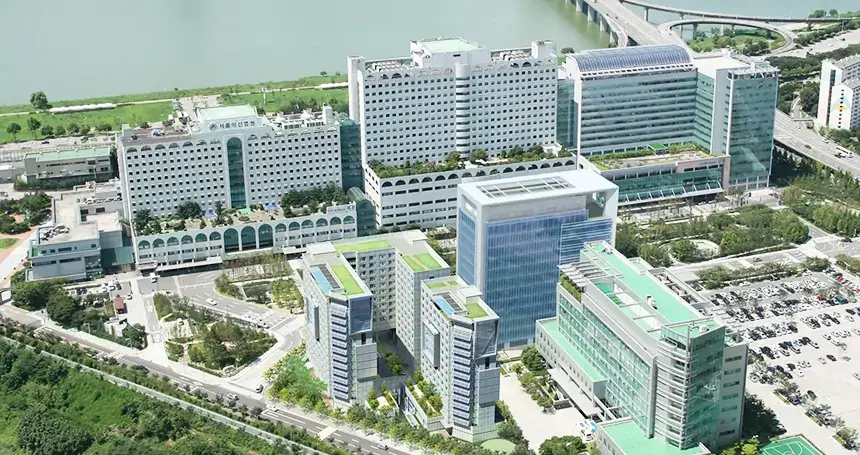
Asan Medical Center (AMC) is the largest hospital in South Korea and one of…
Bright Eye Clinic Gangnam. Seoul’s Leading Eye Clinic for SMILE LASIK, Vision Correction &…
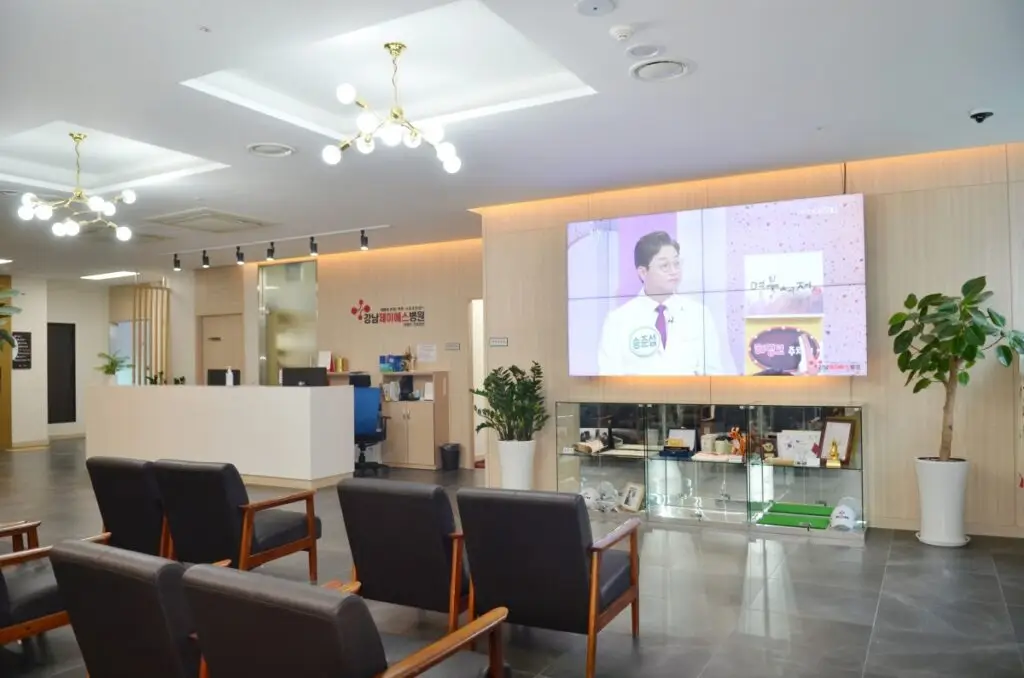
Gangnam JS Hospital. Korea’s Leading Hospital for Cartilage Regeneration & Stem Cell Treatment of…
Enhance your recovery with immersive experiences across South Korea’s most breathtaking destinations. From the serene temples of Gyeongju, known as the "Museum Without Walls," to the volcanic landscapes of Jeju Island, every location offers the perfect blend of relaxation and cultural exploration. Wander through Seoul’s vibrant markets, unwind in Busan’s coastal hot springs, or take in the tranquil beauty of Nami Island’s scenic trails. Whether you prefer a peaceful retreat or an enriching journey, every experience is designed to make your healing process as rewarding as the care you receive.
South Korea
South Korea
South Korea
South Korea
South Korea