




Gender selection through IVF combined with Preimplantation Genetic Testing (PGT) costs $25,000–$50,000 per cycle in the United States — and many fertility clinics restrict family balancing to couples with documented medical-genetic conditions. Abroad, the same combined protocol — ovarian stimulation, egg retrieval, ICSI fertilization, PGT-A chromosomal screening, and frozen embryo transfer — runs $5,000–$14,000 all-in. Couples who want to balance their family are choosing Turkey, Mexico, Colombia, and Costa Rica not just for the price difference, but for the open legal and clinical frameworks that allow family balancing PGT without gatekeeping.
Price Comparison by Country
| Country | Average Cost | Savings vs. US | Why It’s Affordable |
|---|---|---|---|
| Turkey | $5,000–$12,000 | ~70–80% | High-volume IVF centers, advanced NGS labs, competitive all-in pricing |
| Mexico | $6,000–$14,000 | ~60–75% | US-trained reproductive endocrinologists, permissive legal framework |
| Colombia | $5,500–$12,000 | ~65–78% | Bogotá reproductive medicine centers, English-speaking embryology teams |
| Costa Rica | $7,000–$15,000 | ~55–72% | Boutique fertility clinics, advanced lab technology, English-speaking physicians |
Turkey — from $5,000 (Advanced PGT Labs)
Turkey is one of the most established IVF and PGT destinations globally, with Istanbul’s fertility clinic district performing tens of thousands of cycles annually. Packages from $5,000 to $12,000 include ovarian stimulation monitoring, egg retrieval, ICSI, day-5 trophectoderm biopsy, Next Generation Sequencing (NGS) PGT-A panel, and frozen embryo transfer. Stimulation medications are typically quoted separately. Clinics routinely offer family balancing PGT without the medical-necessity requirements common in US practices.
Clinics in Turkey

Memorial Hospital is Turkey’s most internationally recognized healthcare network, known for pioneering medical breakthroughs,…

Medical Park Hospital is the flagship brand of MLP Care, Turkey’s largest private hospital…

Pendik Yüzyıl Hospital is a full-service private hospital located in Pendik, Istanbul, serving both…
Gender Selection Procedures in Turkey
Mexico — from $6,000 (US-Trained Specialists)
Mexico’s fertility centers in Guadalajara and Mexico City attract North American couples for two reasons: short flight times from most US cities, and a permissive regulatory framework that allows family balancing PGT openly. Packages at $6,000–$14,000 include full IVF with ICSI, day-5 blastocyst biopsy, comprehensive NGS chromosomal screening, and frozen embryo transfer. Many clinics offer pre-travel telemedicine consultations and remote monitoring coordination so stimulation can begin at home.
Clinics in Mexico

Hospiten is an international private hospital network with more than 50 years of experience…

Médica de la Ciudad is a rapidly growing private hospital network in Mexico dedicated…
Gender Selection Procedures in Mexico
Colombia — from $5,500 (Multidisciplinary Fertility Teams)
Bogotá’s reproductive medicine centers have built a strong reputation for IVF and PGT in Latin America, combining competitive pricing with sophisticated embryology labs running NGS platforms. The $5,500–$12,000 all-in price typically covers stimulation monitoring, egg retrieval, ICSI, PGT-A via NGS, and frozen embryo transfer. English-speaking embryologists and dedicated international patient coordinators are standard at leading clinics.
Clinics in Colombia

Inser Human Fertility Institute is one of Colombia’s most respected and innovative centers for…
Gender Selection Procedures in Colombia
Costa Rica — from $7,000 (Boutique Fertility Clinics)
Costa Rica’s private fertility clinics are smaller and more personalized than Istanbul’s high-volume centers, which many couples prefer when navigating an emotionally sensitive process. Packages at $7,000–$15,000 include full IVF with PGT-A, and most clinics have English-speaking physicians who completed advanced training abroad. Costa Rica’s legal framework permits family balancing PGT, drawing couples whose home country restricts sex selection entirely.
Clinics in Costa Rica
Gender Selection Procedures in Costa Rica
Is Cheap Safe? What to Check Before Booking
- Verify the lab uses Next Generation Sequencing (NGS) for PGT-A — older FISH testing is less comprehensive and less accurate for detecting all chromosomal abnormalities
- Ask specifically for day-5 trophectoderm biopsy (not day-3 blastomere biopsy) — day-5 is the current clinical standard and is less damaging to the embryo
- Confirm the PGT report screens all 23 chromosome pairs, not just sex chromosomes — a euploid embryo of the right sex is the goal
- Request the clinic’s live birth rate per frozen euploid embryo transfer for patients in your age group, not just the clinical pregnancy rate
- Clarify what happens to embryos of the unselected sex before you start — storage, donation, and disposal policies differ by country and clinic
What’s Usually Included in the Quoted Price
IVF plus PGT packages abroad typically include stimulation monitoring ultrasounds (3–5 visits), egg retrieval under sedation, ICSI fertilization, blastocyst culture to day 5, trophectoderm biopsy, NGS chromosomal testing with a complete results report, and a frozen embryo transfer. What is usually excluded: stimulation medications (a significant separate cost, typically $1,500–$3,500 depending on protocol and pharmacy source), additional genetic testing beyond PGT-A such as PGT-M for single-gene disorders, embryo storage fees after the first year, and any additional cycles needed if the first produces no euploid embryos of the preferred sex. Always request an itemized quote before committing.
Frequently Asked Questions
How does PGT-A for gender selection actually work?
During an IVF cycle, embryos are cultured to the blastocyst stage (day 5 or 6). An embryologist then performs a biopsy, removing 5–8 cells from the trophectoderm — the outer layer that becomes the placenta. These cells are sent to a genetics laboratory where Next Generation Sequencing analyzes all 23 chromosome pairs, including the XX or XY sex chromosomes. The embryology team identifies euploid (chromosomally normal) embryos and their sex. Only embryos of the preferred sex that are also chromosomally normal are transferred.
What is the success rate per transfer with PGT-tested embryos?
Transferring a euploid (chromosomally normal) embryo significantly improves outcomes compared to untested transfers. Most clinics report a 50–70% live birth rate per euploid frozen embryo transfer, though this varies with the patient’s age at egg retrieval, uterine receptivity, and clinic-specific protocols. Because PGT screens out aneuploid embryos before transfer, the miscarriage rate is also substantially lower than with untested cycles.
Is gender selection legal in Turkey, Mexico, Colombia, and Costa Rica?
Legal frameworks differ by country and can change. Turkey permits PGT-A for chromosomal screening, and family balancing sex selection is performed at many private Istanbul fertility clinics — though the regulatory environment has evolved over the years. Mexico and Colombia have more open frameworks where private fertility clinics routinely offer family balancing PGT without restrictions. Costa Rica’s private fertility sector similarly permits it. Always verify the current legal status directly with your chosen clinic before booking travel or beginning treatment.
What if none of the biopsied embryos are the preferred sex?
This is a real possibility, especially for couples with fewer eggs retrieved or lower fertilization rates. If no viable euploid embryos of the preferred sex exist after PGT, the clinic will discuss options: transferring the other-sex euploid embryos if the couple is open to it, freezing the other-sex embryos while pursuing another stimulation cycle, or embryo donation programs where available. Having a frank discussion with the clinical team about this scenario before the cycle begins is essential.
How many trips to the destination country are required?
Most couples manage the main process in one trip of 10–14 days. Some clinics offer remote monitoring protocols where stimulation injections and early ultrasound checks happen at a local clinic at home, with results forwarded to the overseas team. The patient then travels for egg retrieval and embryo culture. After PGT results return (typically 7–14 business days), the frozen embryo transfer takes place — either on the same trip or during a shorter return visit of 3–5 days. Telemedicine handles all follow-up after the transfer.
Ready to Pursue Gender Selection at a Fraction of the US Price?
MyMediTour connects you with verified fertility clinics offering transparent pricing and comprehensive PGT programs.
Featured Fertility Procedures in Colombia
Procedures discussed in this article, available across Colombia.

In Vitro Fertilization (IVF) in Colombia by Inser Fertility Center
Start Your Journey to Parenthood with Colombia’s Most Accredited Fertility Experts. For nearly three decades,…

Diagnostic and Surgical Hysteroscopy in Colombia by Inser Fertility Center
🩺 Safe, Minimally Invasive Uterine Diagnosis and Treatment with World-Class Specialists. At Inser Fertility…

IVF Treatment in Medellin, Colombia
. Medellin, Colombia, is an exceptional destination for advanced IVF (In Vitro Fertilization) treatments,…

Surrogacy in Colombia by Inser Fertility Center
An Inclusive Path to Parenthood. For individuals and couples who cannot carry a pregnancy, surrogacy offers the…
Tubal Recanalization in Colombia by Inser Fertility Center
🩺 A Minimally Invasive Option to Restore Natural Fertility After Tubal Ligation. For many women who previously…
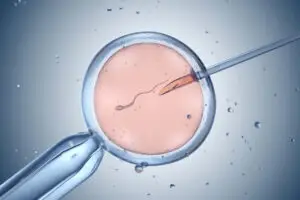
ICSI, Intracytoplasmic Sperm Injection & IMSI in Colombia by Inser Fertility Center
🧬 Overcoming Fertility Challenges with Advanced Sperm Injection Techniques. At Inser Fertility Center, couples…
Recommended Fertility Clinics in Colombia
Trusted clinics specializing in Fertility across Colombia.

Inser Human Fertility Institute
Inser Human Fertility Institute is one of Colombia’s most respected and innovative centers for reproductive…
Explore Tours in Colombia
Discover the best places to visit in Colombia and explore its rich culture, breathtaking landscapes, iconic attractions, and unforgettable travel experiences.

Colombia: Medellin: Guatape Tour
Journey through the stunning tropical mountains surrounding Medellín on a full-day tour to Guatapé and Peñol Rock,…

Colombia: Cartagena: Rosario Islands with Lunch and Snorkeling
Embark on an unforgettable catamaran adventure to the Rosario Islands, sailing across the crystal-clear Caribbean…

Colombia: Cartagena: Aviary Tour
Explore the National Aviary of Cartagena, a breathtaking sanctuary where exotic bird species thrive in a natural…

Colombia: Cartagena: Totumo Mud Volcano Tour
Experience the unique sensation of floating in the mineral-rich waters of Totumo Mud Volcano, known for its…

Colombia: Cali: Salsa Tour
Discover why Cali is known as the world’s Salsa capital on this immersive tour into its vibrant music and dance…

Colombia: Cali: River Waterfall Tour
Experience the Colombian countryside like never before on an exciting ATV adventure. Navigate through scenic…
More Fertility Articles About Colombia
Keep reading about Fertility care and travel in Colombia.

IVF in Colombia Cost and Clinics
IVF (in vitro fertilization) in Colombia is offered by fertility clinics in Bogotá and Medellín staffed by…

Cheapest Countries for IVF in the World
IVF in the United States costs $15,000–$25,000 per cycle — and insurance covers it in fewer than a third of…
Leave a Comment
Share your thoughts on this article, or ask us a question -- we'd love to hear from you.