

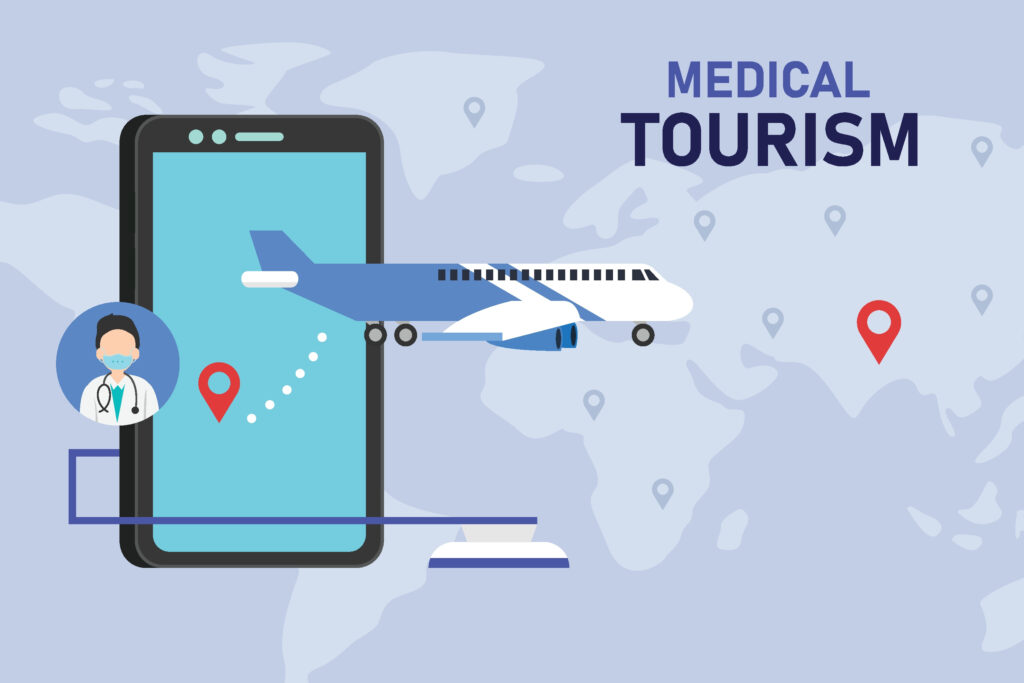
Assessing the Global Impact of Medical Tourism
Understanding the Economic, Healthcare, and Social Dimensions of a Thriving Industry. Medical tourism has become a global phenomenon, with millions of patients traveling abroad each year to seek affordable, high-quality healthcare. This industry has grown significantly over the last decade, creating opportunities and challenges for healthcare systems worldwide. The global impact of medical tourism extends beyond healthcare, influencing economies, international relations, and even cultural exchanges. Economic Growth and Revenue Generation. The economic implications of medical tourism are immense. Host countries benefit from substantial revenue generated by foreign patients who spend on medical services, accommodation, transportation, and leisure activities. In some nations, medical tourism accounts for a significant portion of GDP, driving growth in both healthcare and related sectors such as hospitality and travel. By creating jobs and encouraging infrastructure investments, the industry supports broader economic development. Affordability and Cost Advantages. For patients, affordability remains a primary motivator for medical tourism. Many countries offer procedures at a fraction of the cost in developed nations like the United States and Canada. For instance, surgeries such as hip replacements or heart bypasses often cost 50–80% less in destinations like India, Thailand, and Mexico. These cost savings attract patients seeking high-quality care without the financial strain often associated with their home healthcare systems. Access to Specialized Treatments. Medical tourism also provides patients with access to specialized treatments and technologies not readily available in their home countries. Countries like Singapore, South Korea, and Germany are renowned for advanced cancer treatments, fertility procedures, and other specialized care. This global exchange of medical expertise benefits patients who might otherwise face limited options in their home healthcare systems. Healthcare Infrastructure Development. To accommodate the growing influx of international patients, many countries have heavily invested in healthcare infrastructure. Private hospitals and clinics often meet or exceed international standards, obtaining accreditations to reassure foreign patients of their quality. These investments elevate the overall standard of care, benefitting both local populations and international visitors. Cultural and Social Exchange. Medical tourism fosters cultural exchange as patients and their families interact with local communities. This exchange promotes cross-cultural understanding and can enhance the global reputation of host countries. The blending of healthcare and cultural experiences adds an additional dimension to the appeal of medical tourism for international travelers. Future Prospects. The future of medical tourism appears promising, with technological advancements and increased globalization driving further growth. Digital health solutions, including telemedicine, are likely to play a significant role in enhancing pre- and post-treatment care for international patients. As healthcare costs continue to rise in developed nations and emerging markets strengthen their healthcare offerings, medical tourism will remain a vital component of the global healthcare ecosystem. Medical tourism has become a global phenomenon, with millions of patients traveling abroad each year to seek affordable, high-quality healthcare. This industry has grown significantly over the last decade, creating opportunities and challenges for healthcare systems worldwide. The global impact of medical tourism extends beyond healthcare, influencing economies, international relations, and even cultural exchanges. Economic Growth and Revenue Generation. The economic implications of medical tourism are immense. Host countries benefit from substantial revenue generated by foreign patients who spend on medical services, accommodation, transportation, and leisure activities. In some nations, medical tourism accounts for a significant portion of GDP, driving growth in both healthcare and related sectors such as hospitality and travel. By creating jobs and encouraging infrastructure investments, the industry supports broader economic development. Source:. Medical Tourism Insights. (2023). Assessing the Global Impact of Medical Tourism.