

















Start Your Journey to Parenthood with Colombia’s Most Accredited Fertility Experts
For nearly three decades, Inser Fertility Center has helped thousands of couples from around the world achieve their dream of becoming parents. With 29 years of experience in reproductive medicine, Inser has helped over 80% of patients achieve their dream of becoming parents. Based in Medellín, Colombia, and with multiple locations across the country, Inser is internationally recognized as the nation’s leading fertility institution.
As the first fertility clinic in Colombia to receive AAAASFI accreditation, and with certifications from RedLara and the Joint Commission International (JCI), Inser combines compassionate care with world-class medical expertise. Their In Vitro Fertilization (IVF) program is among the most advanced and reliable in Latin America.
Why Choose IVF at Inser?
✅ Exceptional Success Rates
Inser has helped over 80% of patients fulfill their dream of becoming parents—ranking among the highest IVF success rates in Latin America.
✅ 29 Years of Experience & Global Recognition
With nearly three decades of expertise, Inser is Colombia’s most established fertility center, certified by AAAASF, RedLara, and JCI for its world-class standards in patient care and safety.
✅ Comprehensive, Personalized Care
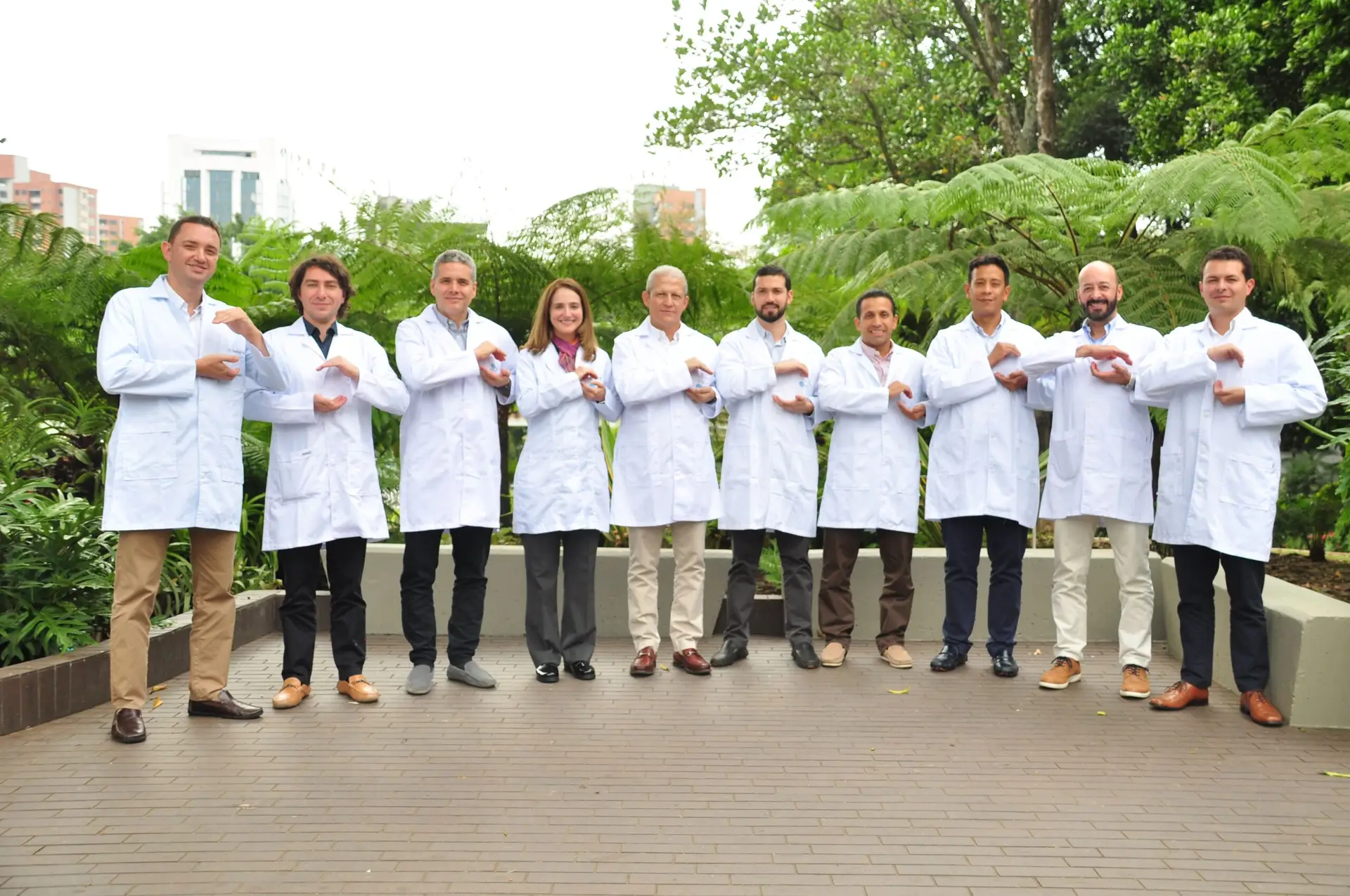
From advanced diagnostics to emotional support, Inser offers fully customized IVF treatment plans, backed by a multidisciplinary team of over 20 specialists and an in-house psychology unit.
✅ International Patient Services
With bilingual support, remote consultations, and travel assistance, Inser provides a seamless, trusted IVF experience for patients from around the world.
🧬 What Is In Vitro Fertilization (IVF)?
In Vitro Fertilization (IVF) is a sophisticated assisted reproductive technology designed to help individuals and couples overcome fertility challenges. At Inser Fertility Center, IVF involves a series of meticulously coordinated medical and laboratory procedures aimed at facilitating the union of an egg (oocyte) and sperm outside the human body. The resulting embryos are then transferred into the uterus, with the goal of achieving a successful pregnancy.

🔍 Indications for IVF
IVF is recommended in various situations, including:
- Tubal Factor Infertility: Absence, blockage, or damage to the Fallopian tubes.
- Male Factor Infertility: Low sperm count, poor motility, or abnormal morphology.
- Endometriosis: Moderate to severe cases affecting fertility.
- Ovulatory Disorders: Irregular or absent ovulation.
- Advanced Maternal Age: Decreased ovarian reserve or quality of eggs.
- Unexplained Infertility: When no specific cause is identified.
- Previous Fertility Treatment Failures: Ineffectiveness of other assisted reproductive techniques.
- Preimplantation Genetic Diagnosis (PGD): To prevent transmission of genetic disorders
🧪 IVF Process at Inser Fertility Center
- Initial Evaluation:
- Comprehensive assessment of both partners, including medical history, physical examinations, and laboratory tests.
- Ovarian Stimulation:
- Administration of hormonal medications to stimulate the ovaries to produce multiple follicles.
- Monitoring through blood tests and transvaginal ultrasounds to track follicular development.
- Egg Retrieval (Oocyte Aspiration):
- Performed under sedation, eggs are collected from the ovaries using ultrasound-guided aspiration.
- This outpatient procedure typically allows patients to return home the same day.
- Sperm Collection and Preparation:
- A semen sample is provided by the partner or a donor.
- The sample undergoes processing to isolate and concentrate healthy, motile sperm.
- Fertilization:
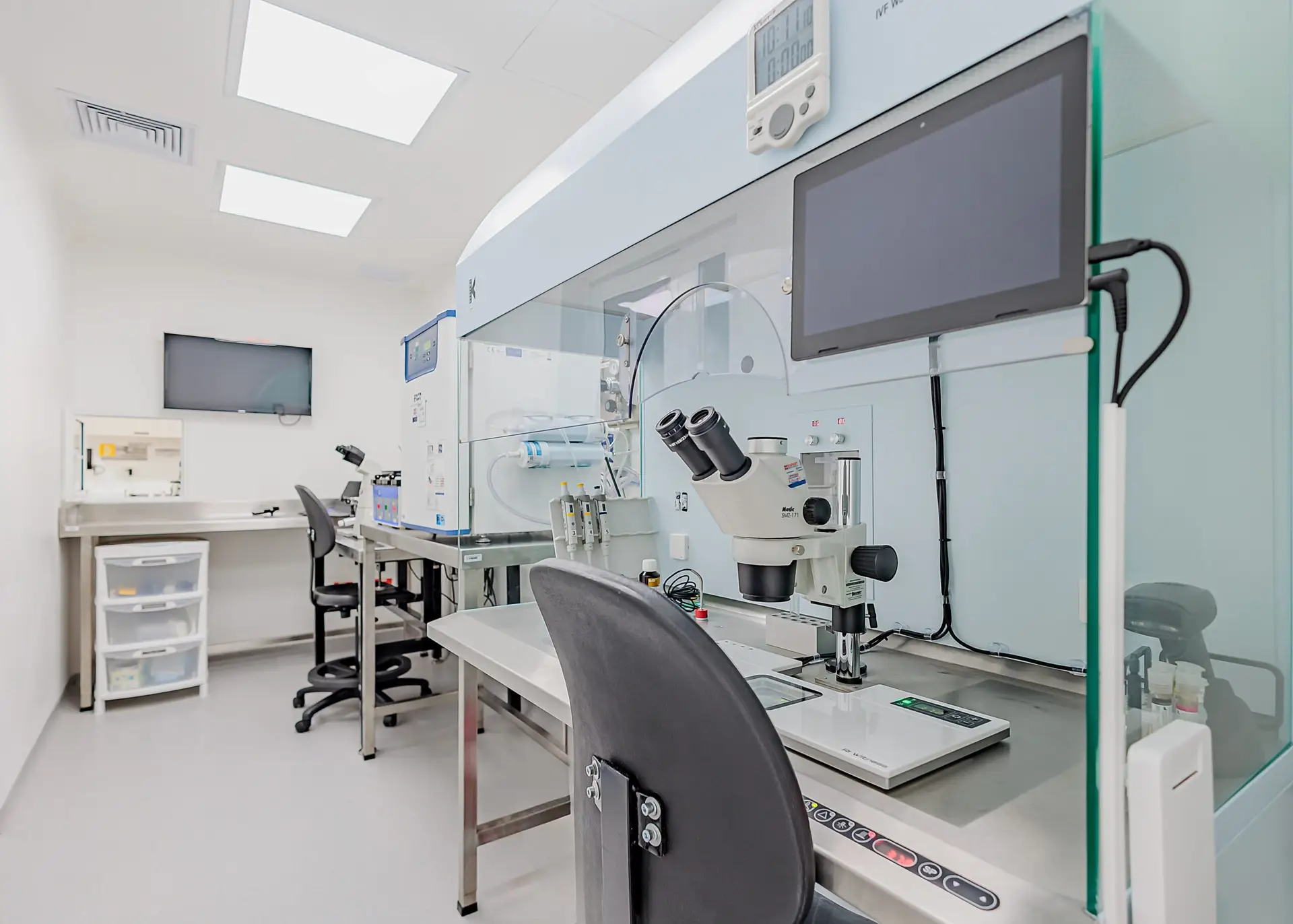
- Eggs and sperm are combined in the laboratory to facilitate fertilization.
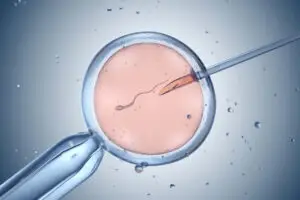
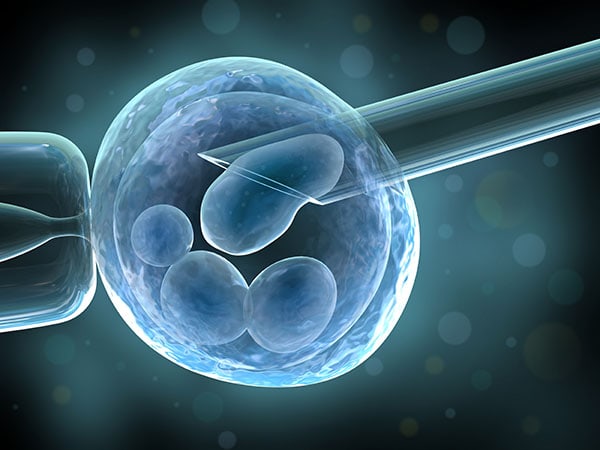
- In cases of male factor infertility or previous fertilization failures, Intracytoplasmic Sperm Injection (ICSI) may be employed, where a single sperm is directly injected into an egg.
- Embryo Culture:
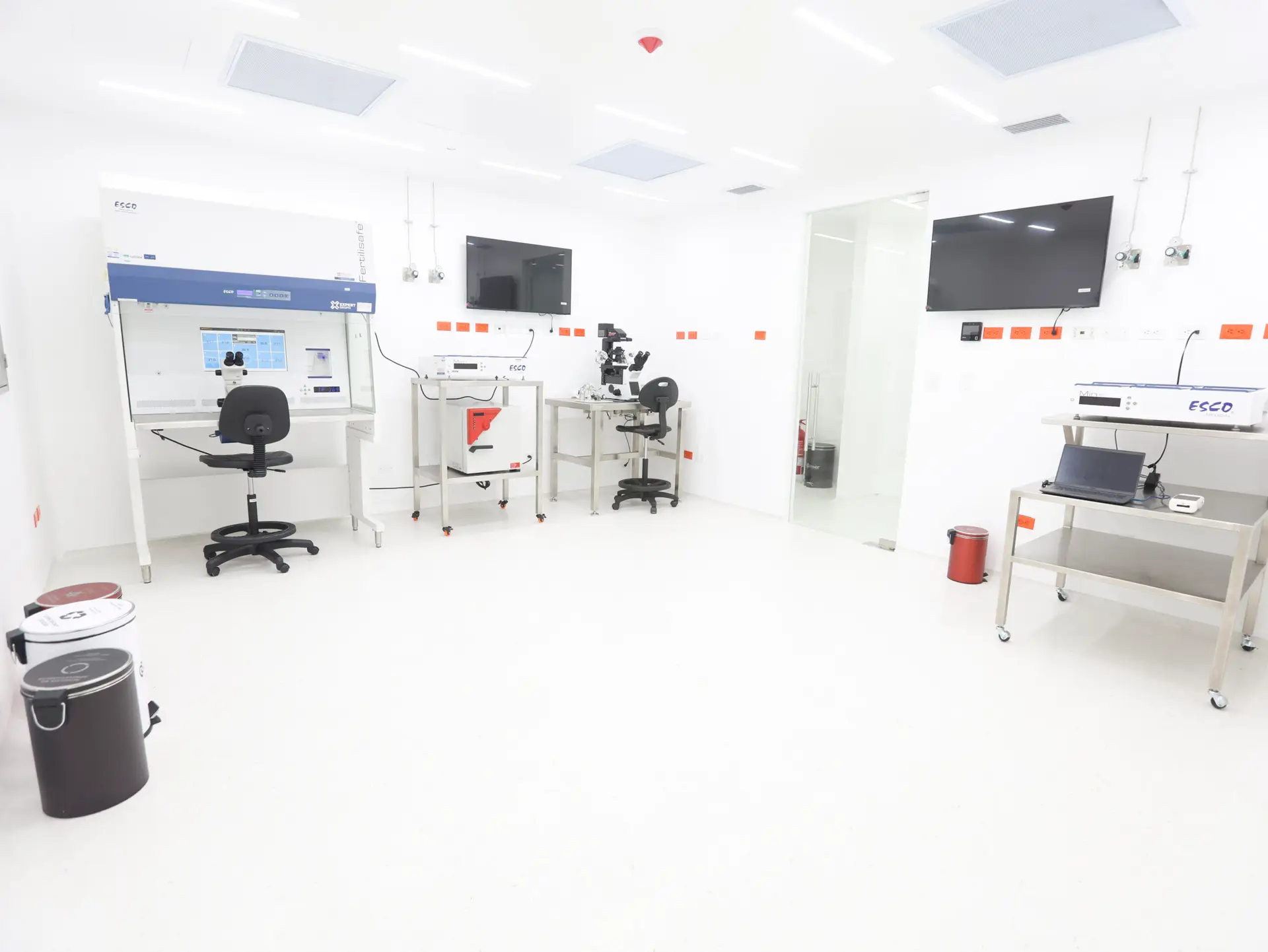
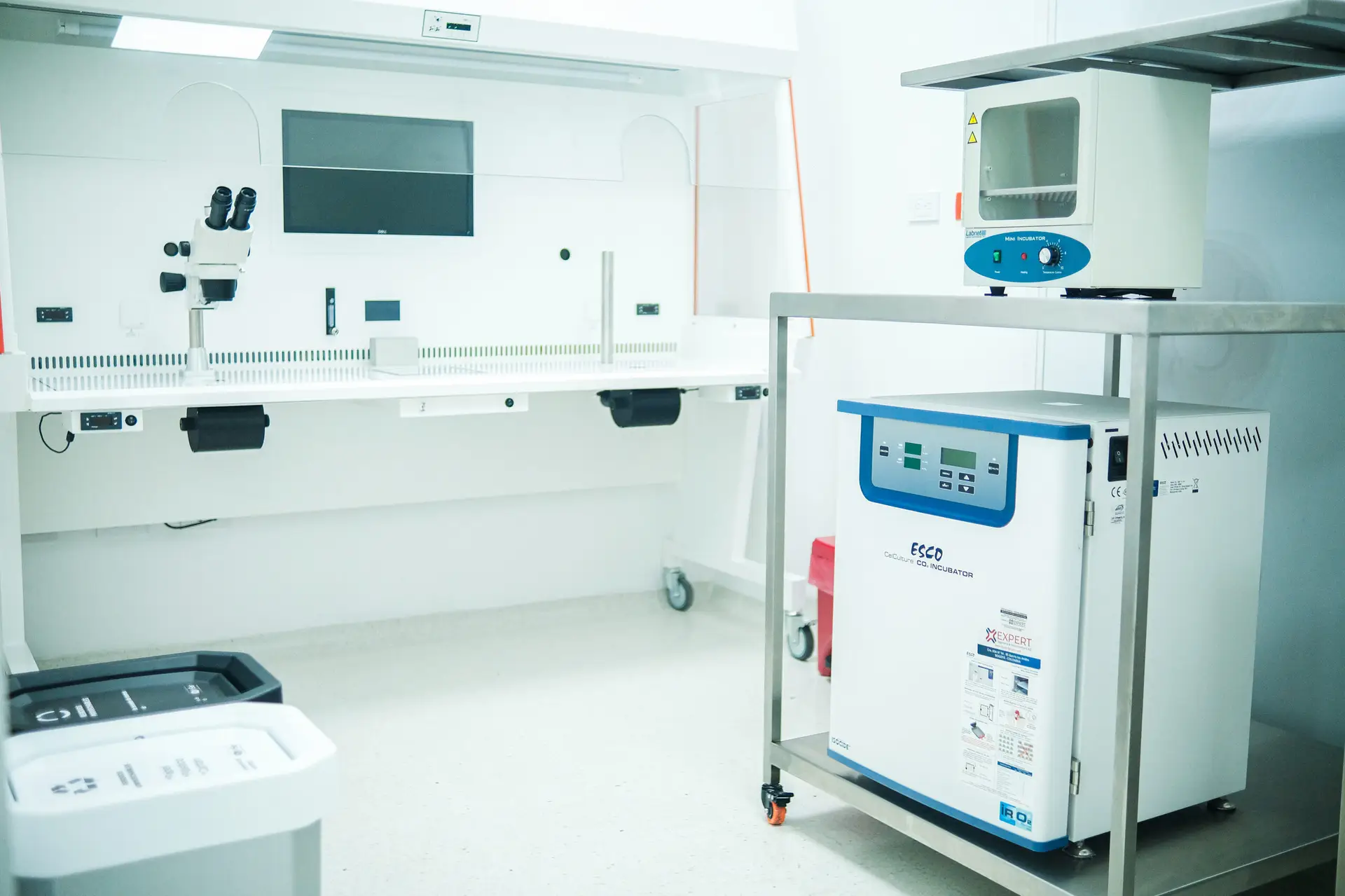
- Fertilized eggs (embryos) are cultured in specialized incubators for 2 to 6 days.
- Embryo development is closely monitored, assessing cell division and quality.
- Embryo Transfer:
- One to three high-quality embryos are selected for transfer into the uterus.
- The procedure is minimally invasive and does not typically require anesthesia.
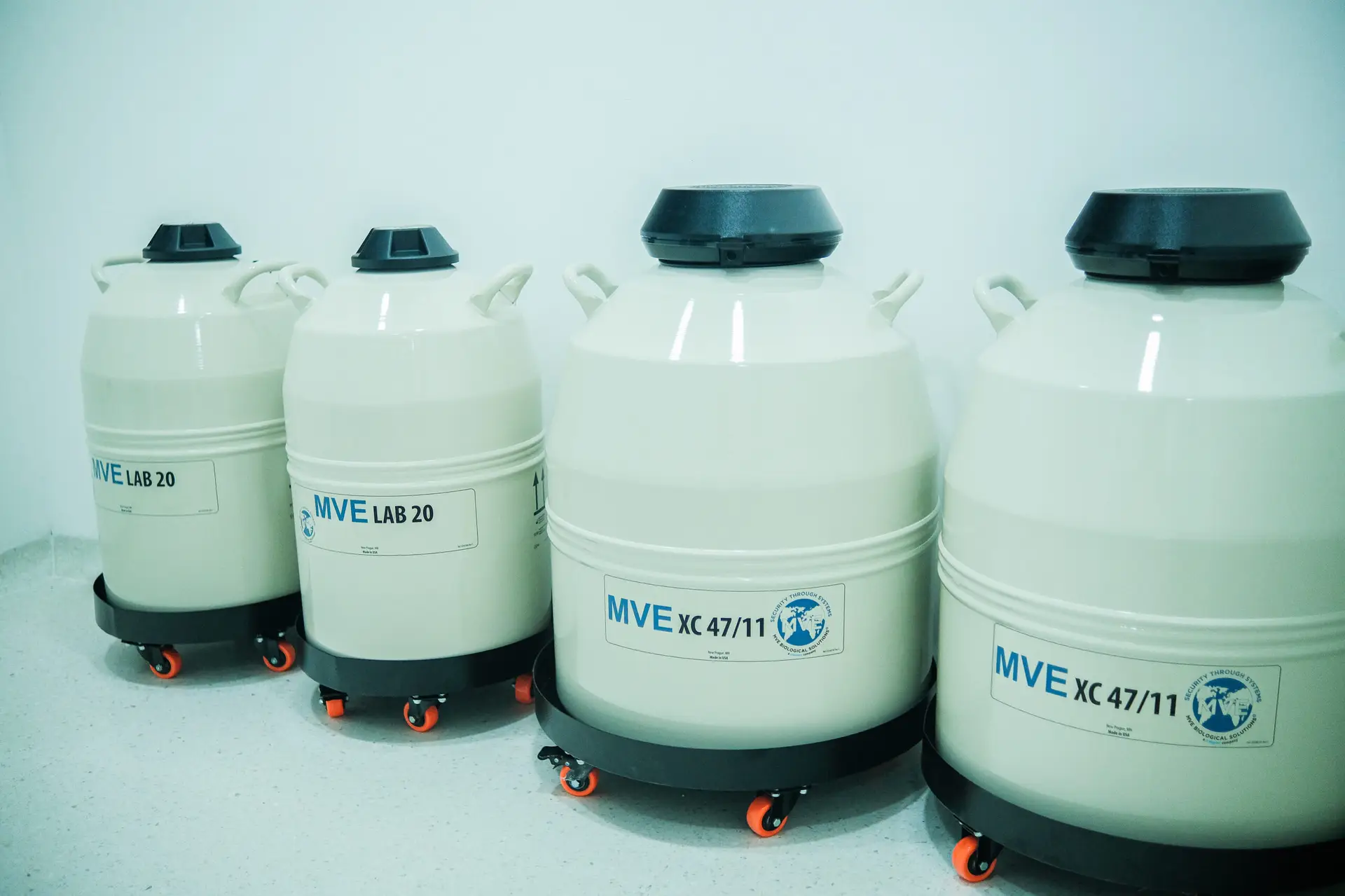
- Remaining viable embryos can be cryopreserved for future use.
- Pregnancy Testing and Follow-Up:
- Approximately two weeks after embryo transfer, a blood test is conducted to determine pregnancy.
- Ongoing support and monitoring are provided throughout early pregnancy stage