
Medical Tourism Blog in Colombia

Expert articles, guides, and patient stories on medical tourism in Colombia.

×
×

Best Countries for Hair Transplant in the World

Hair loss affects millions of men and women worldwide — but thanks to advanced medical tourism, patients can now access affordable, high-quality hair transplant procedures abroad. Modern techniques such as FUE (Follicular Unit Extraction), DHI (Direct Hair Implantation), and Sapphire FUE have made hair restoration more natural and minimally invasive. This detailed guide explores the best countries for hair transplant in the world — covering cost, techniques, surgeon expertise, and what makes each destination stand out. Best countries for hair transplant in the world are Turkey, India, Mexico, Thailand, Hungary, Colombia, Costa Rica, and the UAE. These destinations are known for advanced hair restoration technology, experienced surgeons, and affordable prices, offering world-class results at 50–80% lower cost than in the U.S. or U.K. 1. Turkey. Why Turkey?. Turkey leads globally in hair transplants, performing over 1 million procedures annually. Istanbul has become the ultimate hub for FUE, DHI, and Sapphire FUE techniques — with clinics combining luxury facilities and affordable prices. Average Hair Transplant Cost in Turkey:. TechniqueEstimated Cost (USD). FUE$1,500 – $2,500. DHI$2,000 – $3,000. Sapphire FUE$2,200 – $3,500. Highlights:. Surgeons perform 4,000–6,000 grafts in one session. Modern clinics with JCI accreditation. Packages include accommodation & transfers. Why Patients Choose Turkey:. Natural results and high density. All-inclusive packages under $3,000. Easy access from Europe, the Middle East, and Asia. Top Cities: Istanbul, Ankara, Antalya. 2. India. Why India?. India offers internationally trained hair transplant specialists using advanced tools at a fraction of Western prices. Clinics in cities like Delhi and Mumbai are known for high graft survival rates and expert precision. Average Hair Transplant Cost in India:. TechniqueEstimated Cost (USD). FUE$900 – $1,800. DHI$1,200 – $2,200. FUT$800 – $1,500. Highlights:. Experienced dermatologists & plastic surgeons. Clinics with advanced microscopes and PRP support. Cost-effective for large graft sessions. Why Patients Choose India:. Lowest prices worldwide. Reliable, hygienic medical standards. Ideal for both male and female pattern baldness. Top Cities: New Delhi, Mumbai, Bangalore, Hyderabad. 3. Mexico. Why Mexico?. Mexico is a top medical tourism destination for North Americans seeking affordable hair restoration without long travel. Average Hair Transplant Cost in Mexico:. TechniqueEstimated Cost (USD). FUE$2,000 – $3,500. DHI$2,500 – $4,000. FUT$2,000 – $3,000. Highlights:. U.S.-trained surgeons and modern clinics. Short travel time from the U.S. Clinics in border cities and resort destinations. Why Patients Choose Mexico:. Great value for money. Easy follow-up and aftercare options. English-speaking doctors. Top Cities: Tijuana, Cancun, Guadalajara, Mexico City. 4. Thailand. Why Thailand?. Thailand combines medical expertise with spa-like recovery environments, offering high-quality FUE and DHI procedures at reasonable rates. Average Hair Transplant Cost in Thailand:. TechniqueEstimated Cost (USD). FUE$2,500 – $4,000. DHI$3,000 – $4,500. FUT$2,000 – $3,500. Highlights:. JCI-accredited hospitals (like Bumrungrad International). English-speaking specialists. Luxurious recovery in Bangkok or Phuket. Why Patients Choose Thailand:. Great balance of quality, comfort, and vacation appeal. High graft survival rates. Trusted clinics in medical tourism. Top Cities: Bangkok, Phuket, Chiang Mai. 5. Hungary. Why Hungary?. Hungary, especially Budapest, is a growing hotspot for hair transplant tourism in Europe. Its surgeons are known for using advanced FUE and DHI methods at moderate prices. Average Hair Transplant Cost in Hungary:. TechniqueEstimated Cost (USD). FUE$2,000 – $3,000. DHI$2,500 – $3,500. FUT$1,800 – $2,500. Highlights:. EU-regulated medical system. Experienced surgeons and hygienic standards. Convenient for European patients. Why Patients Choose Hungary:. Affordable EU option. Natural results and low complication rates. Excellent aftercare and transparency. Top City: Budapest. 6. Colombia. Why Colombia?. Colombia is recognized for aesthetic surgery and hair restoration expertise. Its clinics specialize in both cosmetic and regenerative hair procedures using PRP and stem cell support. Average Hair Transplant Cost in Colombia:. TechniqueEstimated Cost (USD). FUE$2,000 – $3,500. DHI$2,500 – $4,000. FUT$1,800 – $3,000. Highlights:. Board-certified hair transplant surgeons. Safe, accredited facilities. Natural hairline design and density optimization. Why Patients Choose Colombia:. Affordable pricing and high success rates. Comfortable recovery in beautiful locations. Top Cities: Medellín, Bogotá, Cali. 7. Costa Rica . Why Costa Rica?. Costa Rica offers U.S.-quality healthcare with lower costs and a peaceful environment for recovery. It’s especially popular among American patients seeking quick, affordable options nearby. Average Hair Transplant Cost in Costa Rica:. TechniqueEstimated Cost (USD). FUE$2,500 – $3,800. DHI$3,000 – $4,500. FUT$2,000 – $3,000. Highlights:. U.S.-trained surgeons. Accredited private clinics. Relaxed recovery in tropical surroundings. Why Patients Choose Costa Rica:. Safe, close, and cost-effective. English-speaking staff. Tourism-friendly healthcare system. Top City: San José. 8. The UAE. Why the UAE?. The UAE, particularly Dubai, has become a hub for premium hair restoration, offering high-end clinics with advanced technology and personalized care. Average Hair Transplant Cost in the UAE:. TechniqueEstimated Cost (USD). FUE$3,500 – $6,000. DHI$4,000 – $7,000. Sapphire FUE$5,000 – $8,000. Highlights:. Western-trained surgeons. 5-star facilities with privacy and comfort. Latest robotic-assisted transplant systems. Why Patients Choose the UAE:. Luxury experience with world-class results. Ideal for patients seeking confidentiality and premium service. Top Cities: Dubai, Abu Dhabi. Global Hair Transplant Cost Comparison. CountryAverage Cost (USD)Best Known For. Turkey$1,500 – $3,000Global leader, best value. India$900 – $2,200Most affordable worldwide. Mexico$2,000 – $3,500Close to U.S., top clinics. Thailand$2,500 – $4,500Medical tourism excellence. Hungary$2,000 – $3,000Affordable EU option. Colombia$2,000 – $3,500Aesthetic artistry. Costa Rica$2,500 – $4,000Safe recovery near U.S. UAE$3,500 – $7,000Luxury clinics & technology. Final Thoughts. Choosing the right country for a hair transplant depends on your budget, surgeon expertise, and preferred recovery style:. Turkey remains the #1 global leader for affordable excellence. India provides the most economical options. Mexico and Colombia combine quality with proximity for Americans. Thailand and Costa Rica offer top-tier results with a relaxing recovery. Hungary is ideal for European patients seeking value. The UAE provides luxury and privacy for elite clientele. Wherever you go, ensure your clinic is accredited, transparent, and uses modern techniques for the best long-term results. For trusted recommendations and verified packages, MyMediTour connects patients to world-class hair transplant clinics worldwide — ensuring affordable pricing, safety, and lasting results. 👉 Visit MyMediTour.com to compare prices, packages, and clinics today. FAQs. 1. Which country is best for hair transplant overall?. Turkey — it offers world-leading surgeons, advanced technology, and affordable prices. 2. How much does a hair transplant cost globally?. Between $900 and $7,000, depending on technique and destination. 3. Is hair transplant surgery permanent?. Yes, when performed correctly, transplanted hair is permanent and grows naturally. 4. Which technique gives the best results?. Sapphire FUE and DHI offer the most natural results and fastest recovery. 5. How long is the recovery period?. Most patients can resume normal activities within 5–7 days, with full results visible after 9–12 months.

Best Countries for Stem Cell Therapy in the World

Stem cell therapy has transformed modern medicine — offering innovative treatments for conditions once considered untreatable, such as arthritis, spinal cord injury, multiple sclerosis, diabetes, autism, and heart disease. However, access and cost vary widely between countries. This guide explores the best countries for stem cell therapy in the world — highlighting treatment quality, regulations, research advancements, and cost ranges to help patients make informed decisions about regenerative medicine abroad. Best countries for stem cell therapy in the world include Mexico, Thailand, Turkey, Colombia, South Korea, India, Malaysia, China, Germany, and Austria. These destinations are known for advanced medical research, modern laboratories, and experienced regenerative medicine specialists, offering therapies for conditions like arthritis, neurological disorders, and autoimmune diseases — often at 40–70% lower costs than in the U.S. or Europe. 1. Mexico. Why Mexico?. "Mexico offers comparatively low-cost stem cell procedures—popular for orthopedic and niche neurological programs, but vet clinics carefully.". Mexico has become a major destination for stem cell treatments, particularly in border regions and major cities like Tijuana, Mexico City, and Guadalajara. Many clinics market autologous MSC (mesenchymal stem cell) injections for joint repair, spine, and some neuro conditions. Why patients go: lower price, proximity (for North American patients), and clinics that advertise regenerative protocols and packages. Typical treatment / cost example: Orthopedic MSC injection packages commonly quoted from roughly $3,500 to $9,000 depending on cell dose and package. Some clinics sell higher-end regenerative packages at higher prices. Safety note: There have been notable infection reports linked to some stem-cell clinics in Mexico; the U.S. CDC has documented cases tied to treatments given abroad, so verify sterility, accreditation, and lab practices before travel. Common Treatments:. Orthopedic (knee, hip, spine). Multiple sclerosis. Autism and cerebral palsy. Anti-aging and wellness. Average Cost of Stem Cell Therapy in Mexico:. Treatment TypeEstimated Cost (USD). Orthopedic Therapy$5,000 – $9,000. Neurological / MS$10,000 – $20,000. Anti-Aging / IV Stem Cells$3,500 – $6,500. Why Patients Choose Mexico:. U.S.-trained regenerative medicine specialists. Affordable, high-quality therapies. Short travel time from North America. Top Cities: Tijuana, Cancun, Guadalajara, Mexico City. 2. Thailand. Why Thailand?. "Thailand provides a broad range of stem-cell treatments at competitive prices, with established hospitals in Bangkok and Chiang Mai offering packages for international patients.". Thailand attracts medical travelers for its modern hospitals, hospitality infrastructure, and a range of regenerative treatments—orthopedic injections, cosmetic regenerative procedures, and some experimental programs. Typical treatment / cost example: Prices vary widely; reported ranges are approximately $1,800 to $13,000 depending on type and clinic (orthopedic injections toward the lower end; complex cell therapies higher). Why patients go: experienced clinics paired with medical-tourism infrastructure (flight/hotel packages, interpreters). Verify national regulatory status of any advanced cell product. Common Treatments:. Anti-aging and immune modulation. Osteoarthritis and spinal injuries. Diabetes and cardiovascular conditions. Average Cost of Stem Cell Therapy in Thailand:. Treatment TypeEstimated Cost (USD). Orthopedic / Joint$7,000 – $12,000. Neurological$12,000 – $25,000. Anti-Aging$5,000 – $8,000. Why Patients Choose Thailand:. JCI-accredited hospitals like Bumrungrad International. High-quality research labs and GMP-certified stem cell banks. Luxurious recovery environments. Top Cities: Bangkok, Phuket, Chiang Mai. 3. Turkey. Why Turkey?. "Turkey offers affordable stem cell packages with many clinics focused on orthopedic and aesthetic regenerative applications.". Turkey has a growing regenerative medicine market with clinics often promoting MSC treatments for knees, spine, and anti-aging. Istanbul and Ankara host facilities that market integrated packages for international patients. Typical treatment / cost example: Common package listings and clinic quotes range roughly $3,750 to $8,000+, depending on cell numbers and included services. Why patients go: competitive pricing, English-speaking staff in major clinics, and bundled services (transport, hotel). As always, confirm laboratory accreditation and doctor credentials. Common Treatments:. Orthopedic and sports injuries. Neurological disorders. Anti-aging and hair restoration. Average Cost of Stem Cell Therapy in Turkey:. Treatment TypeEstimated Cost (USD). Orthopedic / Arthritis$4,000 – $8,000. Neurological$8,000 – $15,000. Aesthetic / Anti-Aging$3,500 – $6,000. Why Patients Choose Turkey:. Affordable, high-tech facilities. Experienced specialists and short waiting times. Easy access from Europe and the Middle East. Top Cities: Istanbul, Ankara, Antalya. 4. Colombia. Why Colombia?. "Colombia provides mid-range pricing and an increasing number of clinics offering MSC therapies—especially for orthopedic and diabetes-related programs.". Colombian clinics (Bogotá, Medellín, Cali) have expanded regenerative services and appeal to North and South American patients seeking lower costs with modern facilities. Typical treatment / cost example: Reported ranges for stem cell therapy in Colombia are around $5,000 to $15,000, varying by autologous vs. allogeneic therapies and complexity. Why patients go: good cost-to-quality ratio, growing clinical experience, and often shorter wait times than in some countries. Check for clinical oversight and documented outcomes. Common Treatments:. Autoimmune diseases (Lupus, Rheumatoid Arthritis). Orthopedic regeneration. Neurological conditions. Average Cost of Stem Cell Therapy in Colombia:. Treatment TypeEstimated Cost (USD). Orthopedic$5,000 – $9,000. Autoimmune / Neurological$8,000 – $16,000. Anti-Aging$4,000 – $7,000. Why Patients Choose Colombia:. Highly qualified doctors and safe clinical environments. Lower costs than the U.S. Regulated use of mesenchymal stem cells. Top Cities: Medellín, Bogotá, Cali. 5. South Korea. Why South Korea?. "South Korea is a leader in technologically advanced regenerative medicine—high quality, but typically higher cost.". South Korea (Seoul, Busan) is well known for its advanced medical research and clinic standards. The country offers both cosmetic regenerative procedures and cutting-edge clinical programs; some centers participate in research and regulated clinical trials. Typical treatment / cost example: Common published ranges put South Korea toward the higher end: roughly $7,000 to $50,000 for advanced or disease-specific therapies, depending on complexity and clinic. Why patients go: advanced lab tech, rigorous clinical protocols, and high standards of care. Many treatments in Korea are research-grade or hospital-based. Common Treatments:. Neurological disorders. Skin regeneration and anti-aging. Orthopedic and autoimmune diseases. Average Cost of Stem Cell Therapy in South Korea:. Treatment TypeEstimated Cost (USD). Orthopedic$8,000 – $15,000. Neurological / Stroke$12,000 – $25,000. Cosmetic / Skin$5,000 – $10,000. Why Patients Choose South Korea:. World-leading biotech research. Precision medicine and safety. Advanced cell-culturing facilities. Top Cities: Seoul, Busan, Incheon. 6. India. Why India?. "India offers cost-competitive stem cell services with a mix of private clinics and research hospitals; costs are lower but verify clinical governance.". India has many centers offering autologous MSC injections for orthopedics, spinal conditions, and other indications. Cities like Mumbai, Delhi, and Bengaluru host larger hospitals with regenerative programs. Typical treatment / cost example: Typical price ranges reported around $3,500 to $10,000 for many autologous procedures (orthopedic focus). Why patients go: strong value proposition (lower cost), availability of experienced surgeons, and tertiary hospitals running accredited labs. Confirm whether the treatment is offered under approved clinical protocols or experimental frameworks. Common Treatments:. Orthopedic (spine, knees). Diabetes, heart disease, autism. Anti-aging and cosmetic therapy. Average Cost of Stem Cell Therapy in India:. Treatment TypeEstimated Cost (USD). Orthopedic$3,000 – $6,000. Neurological / Autism$6,000 – $10,000. Anti-Aging$2,500 – $5,000. Why Patients Choose India:. Lowest treatment costs globally. Experienced doctors in cellular biology. Advanced laboratories under ICMR and DCGI regulation. Top Cities: New Delhi, Mumbai, Bangalore, Chennai. 7. Malaysia. Why Malaysia?. "Malaysia combines modern hospitals with reasonable pricing, offering an expanding selection of regenerative therapies for international patients.". Kuala Lumpur and Penang host private hospitals offering MSC injections and regenerative packages aimed at medical travelers. Typical treatment / cost example: Market listings show roughly $4,300 to $17,000 depending on therapy type and clinic. Why patients go: English-friendly services, good hospital infrastructure, and straightforward travel connections in Southeast Asia. Common Treatments:. Orthopedic and sports injury recovery. Diabetes and heart disease. Anti-aging and immune system support. Average Cost of Stem Cell Therapy in Malaysia:. Treatment TypeEstimated Cost (USD). Orthopedic$4,000 – $8,000. Diabetes / Heart$6,000 – $10,000. Anti-Aging$3,500 – $6,000. Why Patients Choose Malaysia:. Government-regulated stem cell programs. English-speaking doctors. Affordable treatment with high safety standards. Top Cities: Kuala Lumpur, Penang. 8. China. Why China?. "China offers a wide spectrum—from relatively affordable packages to highly specialized, high-cost hospital programs—depending on city and facility.". China (Beijing, Shanghai, Guangzhou) hosts both experimental and established cellular-therapy centers. Prices are variable because some hospitals provide highly specialized, research-level programs that command higher fees. Typical treatment / cost example: Reported ranges are broad: $3,400 to $150,000 in some listings; typical treatment cycles for many programs fall between $10,000 and $46,000, with some specialized programs higher. Why patients go: access to advanced research hospitals and specialized programs, but due diligence is critical—confirm regulatory oversight and clinical trial status. Common Treatments:. Spinal cord injury. Neurological diseases (ALS, Parkinson’s). Diabetes and cardiovascular conditions. Average Cost of Stem Cell Therapy in China:. Treatment TypeEstimated Cost (USD). Orthopedic$6,000 – $10,000. Neurological$10,000 – $20,000. Anti-Aging$5,000 – $8,000. Why Patients Choose China:. Extensive clinical trials and scientific advancements. Specialized hospitals in Beijing and Shanghai. Access to advanced stem cell technologies. Top Cities: Beijing, Shanghai, Guangzhou. 9. Germany. Why Germany?. "Germany is a top choice for regulated, high-quality stem cell therapies—research-driven and usually more expensive.". Germany has strict regulatory frameworks for cell therapies and strong clinical research institutes and hospitals. Many advanced therapies are delivered in hospital settings under strict oversight. Typical treatment / cost example: Advanced, hospital-based cell therapies in Germany tend to be in the high-end range (often comparable to Western Europe/U.S. prices, i.e., $20,000+ to $50,000+), depending on the application and whether it’s part of a clinical trial or approved therapy. Industry R&D partnerships and manufacturing capacity keep Germany at the forefront of regulated cell therapeutics. Why patients go: robust regulation, high clinical standards, and access to research-grade treatments under controlled conditions. Common Treatments:. Orthopedic regeneration. Heart disease and neurological conditions. Anti-aging and immunotherapy. Average Cost of Stem Cell Therapy in Germany:. Treatment TypeEstimated Cost (USD). Orthopedic$10,000 – $18,000. Neurological$15,000 – $25,000. Anti-Aging$8,000 – $12,000. Why Patients Choose Germany:. Highly regulated medical system. Advanced research and safety protocols. Premium quality, ideal for complex conditions. Top Cities: Berlin, Munich, Frankfurt. 10. Austria. Why Austria?. "Austria offers high standards, hospital-based care, and strict oversight—ideal for patients prioritizing regulated treatment over low cost.". Austria’s healthcare system and hospitals provide well-regulated environments for complex interventions, with costs similar to other Western European centers for advanced cellular therapies. Typical treatment / cost example: Expect high-end pricing in line with German or Western European costs for hospital-grade cell therapies; many therapies are delivered within research or academic hospital settings. Why patients go: stringent quality control and follow-up care, transparency about risks and benefits, and regulated clinical environments. Common Treatments:. Orthopedic and spinal issues. Neurological and degenerative diseases. Aesthetic and anti-aging medicine. Average Cost of Stem Cell Therapy in Austria:. Treatment TypeEstimated Cost (USD). Orthopedic$8,000 – $15,000. Neurological$12,000 – $20,000. Anti-Aging$6,000 – $10,000. Why Patients Choose Austria:. Strong EU regulation for ethical practices. Excellent rehabilitation facilities. Personalized patient care. Top Cities: Vienna, Salzburg, Graz. Global Cost Comparison Table. CountryAverage Cost (USD)Key Advantage. India$3,000 – $6,000Lowest cost, reliable care. Mexico$5,000 – $9,000U.S.-trained doctors. Turkey$4,000 – $8,000Affordable European hub. Thailand$7,000 – $12,000Advanced hospitals & wellness. Colombia$5,000 – $9,000Regulated medical system. Malaysia$4,000 – $8,000Modern, patient-focused. South Korea$8,000 – $15,000High-tech precision. China$6,000 – $10,000Advanced research. Germany$10,000 – $18,000Strict safety & quality. Austria$8,000 – $15,000Ethical & personalized care. Stem Cell Therapy Conditions and Treatment Types. ConditionCommonly Treated InTypical Cost Range (USD). Osteoarthritis / Joint PainMexico, Turkey, India$4,000 – $7,000. Multiple Sclerosis / StrokeThailand, South Korea, China$10,000 – $25,000. Diabetes / Heart DiseaseIndia, Malaysia, Germany$6,000 – $15,000. Autism / Cerebral PalsyMexico, India, Thailand$7,000 – $15,000. Anti-Aging / AestheticTurkey, Thailand, Austria$3,000 – $10,000. FAQs. 1. Are stem cell therapies legal abroad?. Yes, in regulated countries where stem cell use is approved for specific medical indications — always check certification and local laws. 2. How long does stem cell therapy take?. Typically 3–5 days, depending on condition and number of injections or infusions. 3. How much can I save abroad?. Patients can save up to 70% compared to prices in the U.S. or U.K. 4. Which stem cell sources are used?. Most clinics use mesenchymal stem cells from bone marrow, fat tissue, or umbilical cord — depending on indication. 5. Is the therapy safe?. When performed in licensed, accredited clinics under expert supervision, stem cell therapy is considered safe and effective. Final Thoughts. Stem cell therapy has revolutionized medical treatment by healing tissues, regenerating cells, and restoring function across multiple diseases. Mexico, Thailand, and Turkey lead in global accessibility and affordability. Germany, Austria, and South Korea offer the most regulated and advanced medical standards. India, Malaysia, and Colombia provide a balance between cost and quality. If you’re exploring regenerative treatments abroad, MyMediTour can connect you to accredited clinics, ethical stem cell specialists, and personalized medical travel packages for safe, transparent, and affordable care. 👉 Explore MyMediTour.com to explore verified stem cell treatment options and get free cost estimates. More information about international healthcare standards can be found on the ISO Global Standards website. For details on hospital accreditation and patient safety guidelines, you can also visit the JCI Joint Commission.

Cheapest Countries for Dental Tourism in the World

Dental tourism has become one of the fastest-growing areas of global healthcare travel. Rising dental costs in Western countries, especially for procedures like implants, veneers, and crowns, have led millions of patients to seek affordable alternatives abroad. Countries across Europe, Asia, and Latin America now offer world-class dental services at a fraction of U.S. or U.K. prices — often performed by internationally trained dentists in modern, accredited clinics. The cheapest countries for dental tourism include Turkey, Mexico, Thailand, Hungary, India, Colombia, Costa Rica, the Philippines, and Poland, offering quality dental care starting from $40 for basic treatments. This guide explores the cheapest countries for dental tourism, outlining the costs, quality standards, and advantages of each destination to help you make a confident, informed decision about your dental care abroad. Turkey. “Dental treatments in Turkey cost between $40 and $2,500 depending on the procedure.”. Turkey has become a global hotspot for dental tourism, offering high-quality cosmetic and restorative dentistry at remarkably low prices. Clinics in Istanbul, Antalya, and Izmir are known for advanced equipment, English-speaking staff, and transparent pricing. Average Cost: Teeth cleaning: $40 – $60. Veneers: $200 – $350 per tooth. Dental implants: $600 – $900 per implant. Advantages: Modern dental facilities, short treatment times, and affordable all-inclusive packages that often include accommodation and airport transfers. Pros:. High-quality materials (German/Swiss implants). Certified and experienced dentists. Affordable and aesthetic results. Cons:. Travel costs may add up for shorter treatments. Mexico. “Dental care in Mexico costs 60–70% less than in the U.S.”. Mexico is one of the most popular destinations for North American dental tourists, offering excellent treatment at a fraction of domestic prices. Border cities like Tijuana and Los Algodones (nicknamed “Molar City”) cater almost exclusively to international dental patients. Average Cost: Dental crown: $300 – $500. Implant + crown: $900 – $1,200. Full-mouth restoration: $10,000 – $15,000. Advantages: Short travel distance, U.S.-trained dentists, and English-speaking staff make Mexico convenient and accessible. Pros:. Easy travel for Americans and Canadians. Competitive prices with top hygiene standards. Fast treatment turnaround. Cons:. Quality varies between clinics — accreditation is key. Thailand. “Dental treatments in Thailand range from $50 for cleaning to $1,000 for implants.”. Thailand is internationally recognized for its advanced dental tourism industry, attracting patients from across Asia, Europe, and Australia. Clinics in Bangkok, Phuket, and Chiang Mai combine luxury, affordability, and cutting-edge dental technology. Average Cost: Veneers: $250 – $400 per tooth. Implants: $900 – $1,300. Teeth whitening: $120 – $250. Advantages: State-of-the-art clinics, excellent hospitality, and vacation-style recovery. Pros:. Highly trained dentists and advanced technology. Ideal for combining treatment with tourism. Reliable international accreditation. Cons:. Travel distance for Western patients. Hungary. “Dental treatments in Hungary cost 50–70% less than in Western Europe.”. Hungary is often called the Dental Capital of Europe, with cities like Budapest and Sopron known for their high concentration of world-class dental clinics. Many dentists have received international training, ensuring excellent European standards of care. Average Cost: Implant: $800 – $1,000. Veneer: $350 – $450. Crown: $300 – $400. Advantages: EU-quality medical care, affordable pricing, and convenient access from other European countries. Pros:. European standards and sterilization protocols. Easy travel for EU residents. Experienced, multilingual dentists. Cons:. Airfare can offset savings for non-European patients. India. “Dental procedures in India are among the world’s cheapest, costing 70–80% less than in the U.S.”. India has developed into a leading hub for affordable dental tourism, offering advanced treatment options and internationally recognized care. Cities like Delhi, Mumbai, and Chennai host top-rated dental clinics equipped with the latest digital technologies. Average Cost: Dental implant: $400 – $700. Root canal: $50 – $100. Crown: $100 – $150. Advantages: Extremely low prices, highly skilled dentists, and short waiting times. Pros:. Cheapest dental treatment globally. English widely spoken. Availability of all major dental procedures. Cons:. Travel distance for Western patients. Quality may vary; choose accredited clinics. Colombia. “Dental care in Colombia costs 50–60% less than in the U.S.”. Colombia has become a major South American hub for cosmetic and restorative dental treatments. Clinics in Bogotá and Medellín are equipped with modern technology and follow international hygiene standards. Average Cost: Veneers: $250 – $400. Implants: $800 – $1,000. Full smile makeover: $6,000 – $10,000. Advantages: Affordable treatments, safe cities, and high dentist-to-patient ratios. Pros:. Affordable cosmetic dentistry. English-speaking specialists. Personalized patient experience. Cons:. Long-distance travel for European patients. Costa Rica. “Dental tourism in Costa Rica offers world-class quality at 60% less than U.S. prices.”. Costa Rica is one of the most trusted destinations for North Americans seeking dental treatments. Its clinics are internationally accredited and known for using U.S.-approved materials and implants. Average Cost: Dental implant: $750 – $1,000. Crown: $300 – $400. Teeth whitening: $150 – $200. Advantages: Safe, English-speaking environment and proximity to the U.S. Pros:. U.S.-standard dental materials. Peaceful setting for recovery. Transparent, fixed pricing. Cons:. Limited clinic capacity; early booking recommended. Philippines. “Dental treatments in the Philippines cost between $40 and $900.”. The Philippines has become an emerging destination for dental tourism, attracting patients from Australia, Japan, and the Middle East. Clinics in Manila and Cebu provide affordable yet modern dental services. Average Cost: Cleaning: $40 – $60. Veneers: $250 – $400. Implants: $800 – $1,000. Advantages: Skilled English-speaking dentists and warm hospitality. Pros:. Very low treatment costs. Easy communication. Friendly and caring approach to patients. Cons:. Infrastructure less developed outside major cities. Poland. “Dental procedures in Poland cost 50–70% less than in the UK or Western Europe.”. Poland has quickly become one of Europe’s top dental tourism destinations, attracting patients from the UK, Ireland, and Germany. Clinics in Warsaw, Krakow, and Gdansk offer high-quality care at affordable prices. Average Cost: Implants: $700 – $1,000. Veneers: $350 – $450. Crowns: $250 – $350. Advantages: Short flights from Western Europe, EU-certified clinics, and competitive prices. Pros:. European standards of safety and hygiene. Transparent pricing. Well-established dental tourism infrastructure. Cons:. Weather and travel times may limit flexibility. Dental Treatment Cost Comparison Table. CountryTeeth CleaningVeneer (per tooth)Dental ImplantNotable Cities. India$40 – $60$200 – $300$400 – $700Delhi, Mumbai, Chennai. Turkey$40 – $60$200 – $350$600 – $900Istanbul, Antalya, Izmir. Mexico$50 – $80$250 – $400$900 – $1,200Tijuana, Cancun, Los Algodones. Thailand$50 – $100$250 – $400$900 – $1,300Bangkok, Phuket, Chiang Mai. Hungary$60 – $90$350 – $450$800 – $1,000Budapest, Sopron. Colombia$50 – $100$250 – $400$800 – $1,000Bogotá, Medellín. Costa Rica$50 – $90$250 – $400$750 – $1,000San José, Liberia. Philippines$40 – $70$250 – $400$800 – $1,000Manila, Cebu. Poland$60 – $90$350 – $450$700 – $1,000Warsaw, Krakow. Best Country by Category. Cheapest Overall: India. Best for European Travelers: Hungary and Poland. Best for North Americans: Mexico and Costa Rica. Best for Asian Patients: Thailand and the Philippines. Best Cosmetic Results: Turkey and Colombia. Frequently Asked Questions (FAQs). 1. Which country is the cheapest for dental treatment?. India offers the most affordable dental care globally, with basic procedures like cleaning starting at just $40 and implants from $400. 2. Is dental tourism safe?. Yes. Reputable clinics in countries like Turkey, Thailand, and Hungary are internationally accredited and follow strict hygiene and sterilization protocols. 3. What are the most popular dental treatments abroad?. Common treatments include dental implants, veneers, crowns, teeth whitening, and full-mouth restorations. 4. Can I get dental implants in one trip?. Yes, many clinics now offer same-day implants or two-visit procedures designed for international patients. 5. How can I find a trusted dental clinic abroad?. Use MyMediTour — the trusted global leader in medical and dental tourism, connecting patients with verified, accredited clinics worldwide. Conclusion. Dental tourism offers patients the opportunity to access world-class dental care at a fraction of the cost they’d pay in their home country. Destinations like India and Turkey stand out for affordability, Thailand and Hungary for quality and patient care, and Mexico and Costa Rica for convenience. To ensure your treatment abroad is safe, efficient, and affordable, work with experts at MyMediTour — the industry leader in medical and dental tourism facilitation.

Cheapest Countries for Stem cell Therapy in the World

Stem cell therapy has become a highly sought-after treatment for conditions like orthopedic issues, neurological disorders, and even regenerative purposes. However, costs in Western countries such as the US and UK are often prohibitively high, leading patients to explore the cheapest countries for stem cell therapy. Through trusted medical tourism leaders like MyMediTour, patients can connect with internationally accredited hospitals and experienced specialists to find safe and effective solutions abroad. Some of the cheapest countries for stem cell therapy are Mexico, Thailand, Turkey, Colombia, South Korea, India, and Malaysia, which have become popular destinations by offering affordable procedures without compromising quality. 1. Mexico. "Stem cell therapy in Mexico is available from $2,000 to $12,000, attracting patients from the US and Canada.". Mexico has become a go-to destination, especially for Americans seeking affordable healthcare without long flights. Clinics are often located near the border for convenience. Cost range: Prices usually range from $2,000 to $12,000, depending on the procedure. Why affordable: Lower operational costs and proximity to the US make treatments accessible. Border cities like Tijuana and Cancun are well-known for medical tourism packages combining treatment with recovery. 2. Thailand. "Stem cell therapy in Thailand ranges from $1,200 to $10,000, offering both affordability and high-quality service.". Thailand has long been recognized for medical tourism, blending affordability with luxury care. International patients are drawn to its JCI-accredited hospitals. Cost range: Treatments typically cost between $1,200 and $10,000. Why affordable: Competitive medical tourism pricing and advanced regenerative medicine research. Bangkok and Phuket are hotspots for combining healthcare with relaxation and recovery. 3. Turkey . "Stem cell therapy in Turkey costs around $3,000 to $6,000, making it one of Europe’s most affordable options.". Turkey has rapidly positioned itself as a medical tourism leader in Europe and the Middle East. Patients benefit from modern hospitals and skilled specialists. Cost range: Procedures are priced between $3,000 and $6,000. Why affordable: Strong government support for health tourism and cost-effective healthcare system. Cities like Istanbul and Ankara are the primary treatment centers. 4. Colombia . "Stem cell therapy in Colombia ranges from $3,500 to $8,000, appealing to patients seeking treatment in Latin America.". Colombia’s healthcare system is recognized for its affordability and growing regenerative medicine sector. Cost range: Prices fall between $3,500 and $8,000. Why affordable: Competitive healthcare market and skilled specialists at lower costs. Bogotá and Medellín are the most common cities for international patients. 5. South Korea. "Stem cell therapy in South Korea is significantly cheaper than Western Europe, offering treatments at lower costs with quality care.". Stem Cell Therapy in South Korea has emerged as a hidden gem for affordable regenerative medicine in Europe. Cost range: Treatments are usually 40–60% cheaper compared to Western Europe, often starting below $5,000. Why affordable: Lower healthcare costs and government initiatives promoting medical tourism. Seoul hosts most of the advanced facilities offering stem cell treatments. 6. Malaysia. "Stem cell therapy in Malaysia costs between $4,000 to $12,000, supported by advanced hospitals and skilled specialists.". Malaysia has steadily gained recognition in medical tourism for affordability and international care standards. Cost range: Procedures range from $4,000 to $12,000. Why affordable: Government-backed medical tourism sector and advanced biotechnology. Kuala Lumpur is the leading destination for international patients. 7. India. "Stem cell therapy in India costs between $2,000 to $8,000, making it one of the most affordable global destinations.". India is a leading choice for medical tourists due to its combination of low cost and high-quality healthcare infrastructure. World-class hospitals, English-speaking doctors, and internationally accredited facilities make India attractive. Cost range: Treatment in India typically costs $2,000 to $8,000 depending on the condition and hospital. Why affordable: Lower labor costs, advanced biotech facilities, and government support for medical tourism. Patients traveling to cities like Delhi, Mumbai, and Bangalore often find treatments at one-tenth the cost compared to the US. FAQs. 1. Which country is the cheapest for stem cell therapy?. India is widely considered the cheapest country, with treatments starting at $2,000. 2. Is stem cell therapy safe in low-cost countries?. Yes, when performed at accredited hospitals with qualified doctors, stem cell therapy can be safe. Always consult through trusted platforms like MyMediTour. 3. Why are stem cell therapies cheaper abroad?. Costs are lower due to reduced labor, infrastructure, and operational expenses, while maintaining international medical standards. 4. Can I combine medical treatment with tourism in these countries?. Yes, countries like Thailand, Turkey, and Mexico are known for offering medical treatments alongside popular tourist destinations. 5. How can I find the best clinic abroad?. Use trusted medical tourism leaders like MyMediTour to connect with accredited hospitals and specialists. Conclusion. Choosing the cheapest countries for stem cell therapy allows patients to access life-changing treatments at a fraction of Western costs. From India’s budget-friendly hospitals to Thailand’s luxury care at low prices, these destinations are becoming global leaders in regenerative medicine. To ensure safety and quality, it’s important to book through reliable partners like MyMediTour, the industry leader connecting patients with top hospitals worldwide. More information about international healthcare standards can be found on the ISO Global Standards website. For details on hospital accreditation and patient safety guidelines, you can also visit the JCI Joint Commission.

All-on-4 Dental Implants in Colombia Cost & Clinics

Dental implants have revolutionized the way we approach tooth loss, offering a long-lasting, effective solution. One of the most innovative and cost-effective procedures today is the All-on-4 dental implant technique. For many people, this procedure can restore a full set of teeth in just one visit, offering a permanent solution to those struggling with multiple missing teeth. Colombia has become one of the most popular destinations for All-on-4 implants due to its affordability, high-quality dental care, and the country’s excellent reputation for dental tourism. If you're considering All-on-4 implants, this guide will walk you through the process, benefits, recovery, and everything you need to know before traveling to Colombia for your treatment. What is the All-on-4 Dental Implant Procedure?. The All-on-4 procedure is an advanced technique that uses just four dental implants to support a full arch of prosthetic teeth. Unlike traditional implants, which require individual implants for each missing tooth, All-on-4 uses fewer implants—reducing the overall treatment time and costs while still providing a secure, durable solution. This procedure is ideal for people who have lost most or all of their teeth and want a permanent, fixed solution that is more stable and comfortable than traditional dentures. Cost Information. How much do All-on-4 implants cost in Colombia?. The cost of All-on-4 implants in Colombia typically ranges from $7,000 to $12,000 per arch, depending on factors such as the complexity of the case and the materials used. This is a significant reduction compared to prices in the U.S. or Europe, where the same procedure can cost upwards of $20,000. Type / ScenarioEstimated Cost (USD)Estimated Cost (COP)Details / Inclusions. Standard All-on-4 with Acrylic Bridge (per jaw)$6,000 – $7,00022,000,000 – 28,000,000Includes 4 titanium implants and a fixed acrylic bridge; ideal for full arch restoration. All-on-4 with Premium Implants (Straumann, Nobel Biocare, etc.)$7,000 – $9,00026,000,000 – 33,000,000Uses top-tier implant brands and higher-quality materials for longer durability. All-on-4 with Porcelain Bridge (per jaw)$9,000 – $10,00032,000,000 – 38,000,000Offers superior strength and aesthetics; more natural appearance and higher longevity. All-on-4 with Zirconia Bridge (per jaw)$10,000 – $12,00038,000,000 – 45,000,000Premium, metal-free restoration option providing the best aesthetics and biocompatibility. Full Mouth All-on-4 (Upper + Lower Arches)$13,000 – $15,00048,000,000 – 55,000,000Complete mouth restoration with 8 implants and two fixed bridges; includes surgery, materials, and final prosthesis. 🇨🇴 What Affects the Cost of All-on-4 in Colombia. Type of Material: Acrylic is most affordable; porcelain and zirconia are higher-end and costlier. Implant Brand: Recognized brands like Nobel Biocare or Straumann are more expensive but provide superior quality and longevity. Clinic Location: Prices in Bogotá and Medellín tend to be slightly higher than in smaller cities. Experience of the Surgeon: Specialist oral surgeons or prosthodontists with advanced technology and international certifications usually charge more. Additional Treatments: Bone grafts, sinus lifts, or extractions can add to the overall cost. Prosthesis Type: Fixed bridges are pricier than removable ones due to material and design differences. Why are All-on-4 implants in Colombia more affordable than in other countries?. Colombia’s lower labor costs, affordable living expenses, and favorable exchange rate contribute to the more affordable price of dental procedures. Despite the lower costs, the quality of care and materials is still top-notch, ensuring patients receive high-standard treatment. Does insurance cover All-on-4 implants in Colombia?. Many international insurance plans may not cover procedures performed abroad. However, some Colombian clinics offer payment plans or work with dental insurance providers to assist with coverage. It’s important to check with both your insurance provider and the clinic to confirm coverage options. What is included in the price of All-on-4 implants in Colombia?. The price usually includes the initial consultation, diagnostic imaging, the surgical procedure, temporary prosthetic teeth, and follow-up care. However, it’s important to confirm the details with the clinic, as some procedures or additional treatments (like bone grafts or extractions) may incur additional costs. Are there any hidden costs associated with All-on-4 implants in Colombia?. To avoid surprises, it’s recommended to discuss all potential costs upfront with your clinic. Additional fees might arise for extractions, bone grafting, or other pre-surgery treatments, so make sure all aspects of your treatment plan are clearly outlined. Can I pay for my All-on-4 implants in installments in Colombia?. Many dental clinics in Colombia offer flexible payment plans that allow you to pay for your treatment in installments. Some may also accept credit cards or financing options, making the procedure more accessible. Why is Colombia a Popular Destination for All-on-4 Implants?. Colombia is rapidly becoming a leading destination for dental tourism, particularly for All-on-4 implants. The reasons are clear:. Cost-Effective: The cost of All-on-4 implants in Colombia is significantly lower than in countries like the U.S. or Canada. While the procedure can cost upwards of $20,000 in the U.S., in Colombia, the price ranges from $7,000 to $12,000 per arch, making it an affordable option without compromising on quality. High-Quality Care: Colombian dentists are highly skilled, many of whom have trained internationally and use the latest dental technology. The clinics adhere to strict hygiene standards and provide top-notch care for their patients. Reputation for Dental Tourism: Major cities like Bogotá, Medellín, and Cartagena are known for their state-of-the-art dental facilities and specialization in dental procedures, especially for international patients seeking treatment. The All-on-4 Implant Process in Colombia. The All-on-4 process involves several steps, which are designed to ensure a smooth and effective treatment:. Initial Consultation and Examination:. The first step is a consultation with a Colombian dentist. During this visit, the dentist will evaluate your oral health, review your medical history, and take diagnostic images such as X-rays or CT scans to assess the jawbone’s condition. Treatment Planning:. Based on your evaluation, the dentist will create a personalized treatment plan, determining the best placement for the implants and planning the entire procedure. Implant Placement:. The procedure begins with the placement of four implants into the jawbone. This is usually done under local anesthesia or sedation, depending on your comfort level. The implants are strategically placed to maximize the use of available bone, which is one of the main benefits of the All-on-4 technique. Temporary Teeth Placement:. After the implants are placed, the dentist will attach a temporary set of teeth. This allows you to leave the clinic with a full set of teeth while the implants integrate with the jawbone. Healing and Osseointegration:. Over the next 3 to 6 months, the implants will fuse with the jawbone through a process called osseointegration. This creates a solid foundation for the permanent teeth. Permanent Teeth Placement:. Once the implants have fully integrated with the bone, the permanent set of teeth will be placed. These are custom-made to match the color, shape, and size of your natural teeth, providing a seamless and natural look. Frequently Asked Questions About All-on-4 Implants in Colombia. What is the All-on-4 dental implant procedure?. The All-on-4 procedure involves placing four dental implants in the jaw to support a full arch of prosthetic teeth. It is a permanent solution for people with multiple missing teeth. Why is the All-on-4 procedure popular in Colombia?. Colombia offers high-quality care, affordable prices, and skilled professionals, making it a prime destination for dental tourism, especially for complex procedures like All-on-4 implants. How does All-on-4 differ from traditional implants?. Traditional implants require one implant per missing tooth, whereas All-on-4 uses only four implants to support a full arch, reducing both the cost and the number of implants needed. Who is a good candidate for All-on-4 implants in Colombia?. Patients who have lost most or all of their teeth, have sufficient bone density in the jaw, and are in good overall health are good candidates for All-on-4 implants. How long does the All-on-4 procedure take?. The actual surgical procedure typically takes a few hours, and you may receive a temporary set of teeth on the same day. Full recovery and osseointegration take between 3 to 6 months. Is the All-on-4 procedure painful?. The procedure is usually performed under local anesthesia or sedation, so you will not feel pain during the surgery. Post-operative discomfort can be managed with prescribed pain medication. Can I eat normally after the All-on-4 procedure?. After surgery, you should stick to soft foods for the first few days. Once the healing process is complete and the permanent teeth are placed, you can eat normally. Will I need to have bone grafts for All-on-4 implants?. Bone grafting may be required if you have insufficient bone to support the implants. However, the All-on-4 technique is designed to work even with minimal bone, so many patients do not need grafting. What materials are used for All-on-4 implants?. All-on-4 implants typically use titanium for the posts, which is biocompatible and strong. The prosthetic teeth are usually made from durable materials like acrylic or porcelain. Can I get All-on-4 implants in one visit?. Yes, the surgical procedure and placement of temporary teeth can usually be completed in one visit. Full recovery and permanent teeth placement will take several months. Post-Procedure Information. How long does it take to heal from All-on-4 implants?. While the initial recovery from surgery typically takes about 7 to 10 days, full bone integration (osseointegration) can take 3 to 6 months before the final teeth are placed. What should I eat after getting All-on-4 implants?. Immediately after surgery, you should consume soft foods like soups, mashed potatoes, and smoothies. Once your temporary teeth are in place, you can start eating a more regular diet, but avoid hard or chewy foods. How do I care for my All-on-4 implants?. Maintain excellent oral hygiene by brushing and flossing regularly. Avoid smoking, as it can delay healing and affect the success of the implants. Regular dental check-ups are also essential. What happens if I experience complications after the All-on-4 procedure?. If you experience pain, swelling, or any other unusual symptoms, contact your dentist immediately. Most complications can be addressed early to prevent further issues. How often should I visit my dentist after receiving All-on-4 implants?. You should schedule regular check-ups to ensure the implants are healing correctly. Initially, more frequent visits may be necessary, but after full recovery, annual visits are recommended. Can I smoke after getting All-on-4 implants?. It’s strongly advised to avoid smoking during the healing period, as it can interfere with the healing process and increase the risk of implant failure. What is the lifespan of All-on-4 implants?. With proper care, All-on-4 implants can last 20 years or more. The prosthetic teeth may need to be replaced after 10 to 15 years, but the implants themselves can last a lifetime. Can All-on-4 implants prevent bone loss?. Yes, All-on-4 implants help prevent bone loss by stimulating the jawbone in a similar way to natural teeth, which dentures do not. How do I clean my All-on-4 implants?. Brush your implants as you would natural teeth, using a soft-bristled toothbrush and non-abrasive toothpaste. Use floss or specialized cleaning tools to clean between the teeth and around the implants. Are All-on-4 implants the same as All-on-6 implants?. The difference lies in the number of implants. All-on-6 uses six implants for added stability, while All-on-4 uses four implants, which is typically sufficient for most patients. Travel and Logistics Questions. Why is Colombia a great destination for All-on-4 implants?. Colombia offers affordable dental care, highly skilled professionals, and a reputation for dental tourism, making it an ideal destination for All-on-4 implants. How much do All-on-4 implants cost in Colombia?. The cost of All-on-4 implants in Colombia typically ranges from $7,000 to $12,000 per arch, which is significantly lower than in countries like the U.S. or Canada. Is it safe to travel to Colombia for dental treatment?. Yes, Colombia is a safe destination for dental tourism, especially in major cities such as Bogotá, Medellín, and Cartagena, where you will find accredited dental clinics. How long should I stay in Colombia for All-on-4 implants?. Typically, you will need to stay for about 7 to 10 days for the initial consultation, surgery, and follow-up. If additional procedures are required, your stay may need to be extended. Do I need to speak Spanish for dental treatment in Colombia?. While Spanish is the official language, many dental clinics in Colombia have English-speaking staff, especially in tourist-friendly areas. Can I bring a companion with me for my dental treatment in Colombia?. Yes, you can bring a companion to help with travel logistics or provide emotional support during your procedure. What documents do I need to travel to Colombia for dental treatment?. You will need a valid passport, and if you plan to stay for more than 90 days, a visa may be required. Be sure to check travel and medical requirements before your trip. Do dental clinics in Colombia offer travel packages?. Yes, many clinics offer comprehensive packages that include transportation, accommodation, and dental procedures for international patients. Can I combine my All-on-4 dental treatment with a vacation in Colombia?. Yes, many patients take the opportunity to explore Colombia’s beautiful cities, beaches, and mountains while undergoing treatment. The country is rich in culture and offers a wide range of attractions for tourists. How do I book my All-on-4 procedure in Colombia?. You can contact MyMediTour to schedule an appointment and we will help arrange your travel and treatment. Conclusion. The All-on-4 dental implant procedure is a life-changing solution for those suffering from tooth loss, and Colombia offers an excellent opportunity for those looking to combine affordable pricing with high-quality dental care. From the initial consultation to the final set of permanent teeth, Colombia’s skilled professionals ensure that your journey to a new smile is smooth and successful. Whether you're seeking to restore your smile or simply looking for a more permanent solution to missing teeth, All-on-4 implants in Colombia might be the perfect choice for you.

Rhinoplasty in Colombia Cost and Clinics

Rhinoplasty, commonly known as a nose job, is one of the most requested cosmetic procedures worldwide. However, for uninsured patients in the United States and Canada, the cost of rhinoplasty can be overwhelming. Because it is usually considered an elective cosmetic procedure, insurance rarely covers it unless there is a clear medical necessity such as breathing obstruction. As a result, many patients delay or completely abandon their plans due to high prices. This is where Colombia has emerged as a powerful alternative. The cost of rhinoplasty in Colombia is significantly lower than in North America, while surgical quality, safety standards, and surgeon expertise remain extremely high. Over the past decade, Colombia has become one of the leading destinations for cosmetic surgery, attracting thousands of international patients every year. For uninsured Americans, Canadians, expats, and retirees, Colombia offers an affordable, reliable, and professional solution for rhinoplasty. What Is Rhinoplasty?. Rhinoplasty is a surgical procedure designed to reshape, resize, or correct the structure of the nose. Patients choose rhinoplasty for both cosmetic and functional reasons. Some want to improve the appearance of their nose, while others need to correct breathing issues caused by a deviated septum or structural abnormalities. The procedure can modify the nasal bridge, tip, nostrils, or overall proportion of the nose in harmony with the rest of the face. Rhinoplasty is highly personalized, meaning no two surgeries are exactly the same. Surgeons carefully evaluate facial features, nasal anatomy, and patient goals to create natural-looking results. Types of Rhinoplasty Performed in Colombia. Colombian surgeons offer a wide range of rhinoplasty techniques to meet individual needs. Common types include:. Cosmetic rhinoplasty, focused on improving shape, size, or symmetry. Functional rhinoplasty, performed to improve breathing and nasal airflow. Ethnic rhinoplasty, preserving cultural facial characteristics. Revision rhinoplasty, correcting results from a previous nose surgery. Closed rhinoplasty, performed without external incisions. Open rhinoplasty, allowing greater visibility and precision. The type of rhinoplasty chosen has a direct impact on the final cost. Rhinoplasty Cost in Colombia: Average Price Range. The cost of rhinoplasty in Colombia generally ranges between $2,500 and $5,500 USD. This is substantially lower than the United States, where the same procedure without insurance often costs $8,000 to $15,000 USD or more. Several factors influence the price, including the surgeon’s experience, the complexity of the procedure, whether it is cosmetic or functional, and the city where the surgery is performed. Even at the higher end of the Colombian price range, patients typically save thousands of dollars. Rhinoplasty Cost Breakdown in Colombia. Below is a general cost breakdown to help patients understand pricing differences:. Type of RhinoplastyAverage Cost (USD). Cosmetic rhinoplasty$2,500 – $4,500. Functional rhinoplasty$3,000 – $5,000. Ethnic rhinoplasty$3,000 – $5,000. Revision rhinoplasty$4,000 – $5,500. These costs usually include surgeon fees, anesthesia, operating room charges, and hospital or clinic use. Rhinoplasty Cost Comparison: Colombia vs Other Countries. When comparing international prices, Colombia stands out for affordability and quality:. CountryAverage Cost Without Insurance. United States$8,000 – $15,000. Canada$7,000 – $14,000. Mexico$3,500 – $6,500. Colombia$2,500 – $5,500. Turkey$3,000 – $6,000. Thailand$4,000 – $7,000. Colombia consistently ranks among the most cost-effective destinations for rhinoplasty worldwide. Why Rhinoplasty Is More Affordable in Colombia. Lower costs in Colombia are not due to lower quality. Instead, they reflect reduced operational expenses, lower labor costs, and favorable currency exchange rates. Surgeons in Colombia often perform a high volume of cosmetic procedures, allowing clinics to maintain efficiency without sacrificing safety or results. Medical facilities in Colombia are modern, well-equipped, and follow international surgical protocols. Many plastic surgeons have trained abroad or completed international fellowships, further reinforcing Colombia’s reputation in aesthetic surgery. What Is Usually Included in the Rhinoplasty Cost?. One of the major benefits of choosing Colombia for rhinoplasty is transparent, all-inclusive pricing. Most surgical packages include:. Surgeon’s professional fee. Anesthesiologist and anesthesia costs. Operating room and clinic fees. Pre-operative evaluations. Post-operative follow-up visits. Medications during clinic stay. In contrast, patients in the U.S. often receive separate bills for each component. Additional Expenses to Plan For. Although surgery costs are lower, patients should budget for additional non-medical expenses such as:. International flights. Hotel or recovery accommodation. Meals and local transportation. Companion travel costs. Even with these added expenses, the total cost of rhinoplasty in Colombia is typically far less than surgery alone in North America. Best Cities in Colombia for Rhinoplasty. Colombia has several cities known for cosmetic surgery excellence. Bogotá, Medellín, and Cali are among the most popular. These cities offer advanced medical infrastructure, experienced surgeons, and a strong support system for international patients. Each city provides access to accredited clinics and hospitals, making it easy for patients to find high-quality care regardless of location. Recovery Timeline After Rhinoplasty in Colombia. Rhinoplasty recovery requires patience and careful planning, especially for international patients. Typical recovery milestones include:. Clinic or hospital stay: same day or 1 night. Initial swelling and bruising: 7–10 days. Splint removal: around 7 days. Return to light activities: 10–14 days. Final results visible: 6–12 months. Most patients are advised to stay in Colombia for at least 7–10 days after surgery before flying home. Is Rhinoplasty in Colombia Safe?. Yes, rhinoplasty in Colombia is considered safe when performed by a qualified plastic surgeon in a licensed facility. The country has strict medical regulations and a strong reputation in aesthetic medicine. Patients should ensure their surgeon is properly certified, understand the surgical plan, and follow all pre- and post-operative instructions. Colombia’s long-standing success in cosmetic surgery is built on patient safety and consistent outcomes. Who Is a Good Candidate for Rhinoplasty?. Good candidates for rhinoplasty generally:. Are in good overall health. Have realistic expectations. Do not smoke or are willing to quit before surgery. Have fully developed facial features. Are seeking cosmetic or functional improvement. A detailed consultation is always required to determine suitability. Benefits of Getting Rhinoplasty in Colombia. Choosing Colombia for rhinoplasty offers multiple advantages:. Significant cost savings for uninsured patients. Highly experienced plastic surgeons. Modern clinics and hospitals. Shorter waiting times. Personalized care for international patients. Discreet recovery options. These benefits make Colombia an attractive option for patients seeking high-quality aesthetic results at a reasonable price. Final Thoughts: Is Rhinoplasty in Colombia Worth It?. For uninsured Americans, Canadians, and international patients, rhinoplasty in Colombia provides an exceptional balance of affordability, expertise, and safety. With average costs ranging from $2,500 to $5,500 USD, patients can achieve natural, high-quality results while saving thousands of dollars compared to North American prices. Colombia’s global reputation in cosmetic surgery continues to grow due to consistent outcomes, skilled surgeons, and patient-centered care. For those considering rhinoplasty without insurance, Colombia stands out as a smart, reliable, and cost-effective destination.

Breast Augmentation in Colombia Cost and Clinics

Breast augmentation in Colombia has become one of the most searched cosmetic surgery topics for medical travelers because it combines experienced plastic surgeons, modern private clinics, and costs that are often far lower than the U.S., Canada, and many parts of Europe. If you’re exploring breast implants abroad, Colombia stands out for its strong aesthetic surgery culture, internationally trained surgeons, and well-developed recovery options in major cities. But cost is not just “one number.” The final breast augmentation price in Colombia depends on the implant type, surgeon’s experience, clinic standards, anesthesia team, pre-op testing, the complexity of the case, and whether you choose an all-inclusive package (often preferred by international patients). This guide breaks down what you should realistically expect to pay, what’s usually included, what’s not, and how to plan safely as a medical traveler. What Is Breast Augmentation?. Breast augmentation is a cosmetic surgical procedure that enhances breast size, shape, and symmetry using implants (silicone or saline) or, in select cases, fat transfer. Most international patients choose implants because they deliver the most predictable size increase and shape improvement. The procedure can also help restore volume after pregnancy, weight loss, or aging and may be combined with a breast lift when sagging is present. Colombian clinics often offer breast augmentation as a high-demand, highly standardized surgery, which can support smoother logistics for medical travelers—especially if you choose a clinic experienced with international patients. Breast Augmentation Cost in Colombia (Typical Price Range). Breast Augmentation in Colombia Cost typically ranges from $3,000 to $5,500 USD for a tummy tuck (abdominoplasty), with some clinics quoting between $3,000 – $6,000. Average cost range in Colombia: $2,500 to $5,500 USD. Most patients fall somewhere in the middle depending on implant brand, surgeon, clinic level, and package inclusions. Here’s a realistic way to think about pricing:. 1) Budget range: $2,500–$3,500 USD. Usually offered by smaller clinics or limited-inclusion packages. It may still be safe and high-quality, but you must confirm what is included, who provides anesthesia, and what implant brands are used. 2) Mid-range (most common): $3,500–$4,800 USD. This is where many reputable private clinics price breast implants for international patients. Packages here are more likely to include anesthesia, operating room fees, implants, tests, and post-op care. 3) Premium range: $4,800–$5,500+ USD. This often includes top-demand surgeons, premium implant lines, stronger aftercare support, private recovery arrangements, and higher-end facilities—especially in cities known for cosmetic surgery. Important: If you see prices far below $2,500, treat it as a red flag until you confirm implant authenticity, facility standards, and who is responsible for anesthesia and emergency protocols. What’s Included in Breast Augmentation Packages in Colombia?. Colombian clinics frequently bundle services to make medical travel easier. However, package definitions vary, so always request a written breakdown. Common inclusions (in many packages). Surgeon’s fee. Implant cost (silicone or saline). Operating room and facility fees. Anesthesiologist fee and anesthesia medications. Pre-op lab tests (basic bloodwork; sometimes ECG depending on age). Post-op garments (support bra). Follow-up appointments during your stay. Standard medications (sometimes included, sometimes discounted). Sometimes included (depends on clinic). Ultrasound screening or breast evaluation prior to surgery. One night clinic stay (many augmentations are outpatient, but some clinics include observation). Airport pickup and local transport. Recovery house support (nursing, meals, daily checks). Lymphatic drainage massage sessions (more common in body procedures, but some packages include a limited number). Usually NOT included. International flights. Passport/visa expenses. Travel insurance. Extra hotel nights beyond the basic recovery timeline. Complication-related costs after discharge (unless stated clearly). Implant exchange years later (implants may last long, but they are not “lifetime devices”). Cost Breakdown: What You’re Paying For. If you want to compare Colombia fairly against the U.S. or Canada, it helps to understand the components that form the total cost. 1) Surgeon’s fee. This reflects experience, demand, training, and reputation. A higher surgeon fee does not automatically mean “better,” but extremely low fees should trigger extra screening. 2) Clinic & operating room fee. This includes sterile operating facilities, surgical staff, equipment, monitoring, and emergency readiness. 3) Anesthesia fee. A qualified anesthesiologist and safe monitoring are non-negotiable. Confirm the anesthesiologist is licensed and that monitoring includes oxygen, heart rate, blood pressure, and appropriate post-op recovery observation. 4) Implant brand and type. Implant pricing varies significantly between reputable international brands, especially if you select premium gel options or specialty shapes. 5) Medications and post-op garments. Antibiotics, pain management, and compression/support bras are typically necessary. Silicone vs Saline Implants: How Cost Changes. Silicone implants. Usually more expensive. Softer, more natural feel for many patients. Often preferred internationally. A common reason patients choose Colombia is access to trusted implant options with transparent pricing. Saline implants. Often less expensive. Can feel slightly less natural in some body types. Sometimes chosen for specific preferences or cost savings. Availability varies by clinic and local demand. Typical cost difference: Silicone can add $300–$800+ USD depending on brand and clinic pricing structure. Implant Shape and Placement: How They Affect Price. Implant shape. Round implants are widely used, often slightly more affordable, and can create a fuller upper pole. Anatomical (teardrop) implants can cost more and may be recommended for certain body frames or goals. Implant placement. Submuscular (under the muscle) may involve more surgical time and recovery intensity for some patients. Subglandular (over the muscle) can be appropriate for patients with sufficient natural tissue coverage. Dual plane is a common technique blending benefits of both. Some clinics price all placements similarly in a package, while others charge more for complex techniques. Always confirm. Breast Augmentation + Lift in Colombia: Cost Difference. If you have sagging (ptosis), implants alone may not deliver the result you’re imagining. In that case, surgeons may recommend a breast lift (mastopexy) with augmentation. Typical combined cost range in Colombia: $4,500 to $7,500 USD. A lift increases cost because it adds:. additional surgical time. more complex shaping. extra post-op care and scar management planning. If a clinic is offering augmentation + lift for a price close to basic augmentation, ask for a detailed explanation. Fat Transfer Breast Augmentation in Colombia (Cost). Fat transfer breast augmentation uses liposuction to harvest fat from areas like the abdomen or thighs, then injects purified fat into the breasts. Typical cost range in Colombia: $3,500 to $6,500 USD. Why it can cost more than implants:. it includes liposuction + fat processing. results are less predictable in terms of final cup size. some of the transferred fat naturally reabsorbs. Fat transfer is best for patients seeking a modest increase and improved contour with more natural materials. It’s not always the best option if you want a dramatic size change. Best Cities in Colombia for Breast Augmentation (Cost + Why It Matters). Prices can vary by city based on clinic demand, surgeon reputation, and facility quality. Medellín. Often associated with modern private clinics and international patient services. You may find a wide range of package options. Bogotá. The capital city has many advanced facilities and specialists. Pricing may trend mid to premium depending on the surgeon and clinic. Cali / Cartagena / Barranquilla. You may find competitive pricing and excellent surgeons, but it’s important to verify clinic standards and aftercare logistics—especially if you’re traveling alone. Tip for medical travelers: Choose location based on safety, clinic reputation, and recovery support—not price alone. Travel Costs to Add to Your Surgery Budget. When planning your total “real cost,” include travel expenses beyond the surgery quote:. Flights (varies by season and departure city). Hotel or recovery house stay (typically 7–10 nights recommended for implants). Meals and transportation. Medications not included. Compression/support bra upgrades (if desired). A companion’s travel (highly recommended). A practical approach is to budget an additional $800 to $2,000 USD for travel-related expenses, depending on your travel style and length of stay. How Long Should You Stay in Colombia?. For international patients, 7–10 days is a common recommendation after breast augmentation. This time frame helps you:. complete early post-op checkups. monitor swelling and incision healing. address any concerns before flying home. reduce travel risks during the earliest recovery window. If you combine procedures (augmentation + lift or additional body surgery), you may need a longer stay. What Makes Breast Augmentation “Cheap” (and When It’s Risky). A lower price can be perfectly legitimate if it comes from:. lower overhead costs compared to the U.S. high procedure volume and efficient surgical teams. competitive market pricing in Colombia. However, low cost becomes risky when it’s linked to:. unclear implant origin or missing brand documentation. unlicensed anesthesia providers. limited emergency protocols. no real post-op support for international patients. pressure sales tactics or vague quotations. You’re not just buying implants—you’re buying safety, surgical planning, sterile standards, and skilled medical oversight. Questions to Ask a Clinic Before Booking. Use these questions to protect yourself and compare quotes fairly:. Which implant brand and model are included?. Is the anesthesiologist licensed and included in the price?. What pre-op tests are included (bloodwork, ECG, imaging if needed)?. Is the procedure outpatient or does it include overnight monitoring?. How many post-op follow-ups are included during my stay?. Who do I contact after hours if I have concerns?. What happens if I need additional care due to complications?. Do you provide a detailed written quote with all fees listed?. If a clinic avoids written details, that’s a sign to step back. Recovery Timeline: What to Expect. While every patient heals differently, here’s a typical outline:. First 3–7 days. swelling, tightness, soreness. limited lifting and arm motion. sleep elevated, avoid pressure on incisions. frequent check-ins and proper garment use. 2–4 weeks. gradually return to desk work and light movement. swelling begins to settle. many patients feel “more normal,” but activity restrictions still matter. 6+ weeks. many surgeons allow return to full exercise (case-dependent). final shape continues improving over months as implants “drop and fluff”. A clinic with good aftercare will give you a clear plan and written instructions. Hidden Costs to Watch For. Some quotes look low upfront but exclude essentials. Common “extra fees” include:. anesthesia add-on. implant upgrade fees. post-op bra and medications. pre-op labs. revision policy ambiguity. added costs for larger implant sizes or specialty implant types. Always ask for the all-inclusive total and confirm what is included in writing. Is Breast Augmentation in Colombia Worth It?. For many medical travelers, Colombia is worth considering because:. costs can be significantly lower than North America. surgeons often perform high volumes of aesthetic procedures. many clinics are accustomed to international patients. packages can simplify planning and budgeting. But the best value isn’t the lowest price—it’s the best combination of surgeon quality, clinic safety, clear documentation, and strong post-op support. Quick Cost Summary (For MyMediTour Readers). Breast augmentation in Colombia: $2,500–$5,500 USD. Breast augmentation + lift: $4,500–$7,500 USD. Fat transfer breast augmentation: $3,500–$6,500 USD. Recommended stay: 7–10 days. Extra travel budget: $800–$2,000 USD (typical range). FAQs: Breast Augmentation in Colombia Cost. How much do breast implants cost in Colombia compared to the U.S.?. Colombia is often significantly less expensive than the U.S., mainly due to lower clinic overhead and competitive pricing. However, exact differences depend on implant type, surgeon, and what’s included. Are breast augmentation packages in Colombia truly all-inclusive?. Some are, but not all. Always ask for a written itemized quote and confirm anesthesia, implants, tests, and aftercare. Do I need a breast lift or just implants?. If you have noticeable sagging, a lift may be recommended for a balanced result. Implants add volume, but they don’t always correct drooping. Is it safe to fly home after breast augmentation?. Many patients fly home after 7–10 days, once they’ve had post-op checks. Follow your surgeon’s advice, walk during travel, and plan comfort and support. What’s the biggest factor affecting cost?. Implant type/brand, surgeon expertise, clinic standards, and inclusions (anesthesia, tests, aftercare) are the major drivers. Can I choose implant size and shape?. Yes—most clinics guide you through options during consultation. You should receive a plan that matches your body frame and desired outcome. Contact MyMediTour for more details.

MyMediTour Partners with Leading Hospitals and Clinics Across Turkey, Mexico, and Colombia

 MyMediTour, a trusted name in global medical tourism, has announced new partnerships with top-rated hospitals and specialty clinics across Turkey, Mexico, and Colombia. These collaborations will enable patients from the United States, Canada, the United Kingdom, and the Middle East to access world-class healthcare abroad—at savings of up to 70% compared to U.S. prices. Through these strategic alliances, MyMediTour is expanding its global healthcare network, ensuring that patients receive advanced medical procedures from internationally accredited hospitals, board-certified doctors, and renowned medical specialists across multiple disciplines. Expanding Global Access to Quality Care. MyMediTour’s partner hospitals include some of the most recognized names in medical excellence, offering comprehensive services in:. Cosmetic & Plastic Surgery (rhinoplasty, facelifts, liposuction, and tummy tucks). Dentistry & Oral Rehabilitation (full-mouth dental implants, veneers, crowns). Fertility Treatments (IVF, ICSI, and reproductive health solutions). Orthopedics & Spine Surgery (knee replacements, spinal fusion, sports injury care). Weight Loss & Bariatric Surgery (gastric sleeve, gastric bypass, aftercare programs). These hospitals are JCI-accredited (Joint Commission International) or meet equivalent international standards, ensuring patient safety, transparency, and ethical medical practices. A Commitment to Patient Trust and Transparency. “Our goal has always been to make medical tourism safer, simpler, and more transparent for every patient,” said Vanessa Oliveira, President of MyMediTour. “By partnering with internationally accredited hospitals and doctors, we ensure that every MyMediTour patient receives the highest standards of care—no matter where they travel.”. Each partnership allows MyMediTour to offer verified treatment packages that include the procedure, accommodation, airport transfers, and aftercare—all under one clear, all-inclusive package estimate, with clearly stated costs, and possible upcharges—with no hidden fees!. Why Turkey, Mexico, and Colombia?. These three countries have rapidly become global hubs for medical tourism, known for their world-class healthcare systems, skilled surgeons, and competitive pricing:. Turkey: Known for excellence in cosmetic surgery, hair transplants, and dental procedures. Mexico: A leading choice for dental work, bariatric surgery, and cosmetic enhancements for North American patients. Colombia: Gaining recognition for aesthetic medicine, reconstructive surgery, and advanced dental care. “Each medical tourism destination we work with offers something unique—whether it’s the precision of Turkish surgeons, the proximity of Mexican clinics, or the artistry of Colombian specialists,” added MyMediTour’s President Vanessa Oliveira. “We connect patients to the best-fit country and hospital based on their medical and travel preferences.”. A Complete Medical Travel Experience. MyMediTour provides end-to-end support that includes:. Consultation & Medical Assessment. Doctor & Hospital Matching. Visa and Travel Coordination. Accommodation and Transfers. Aftercare & Follow-Up Support. With its growing network, MyMediTour continues to empower patients with freedom of choice, transparent pricing, and access to trusted healthcare abroad. About MyMediTour. MyMediTour is an international medical tourism company connecting patients with world-class hospitals and certified doctors in countries such as Turkey, Mexico, Colombia, Brazil, and Costa Rica. With a mission to make healthcare globally accessible, MyMediTour offers personalized treatment plans, transparent pricing, and end-to-end support—from consultations and travel logistics to post-surgery care. Website: https://mymeditour.com. Email: [email protected]. Phone: +1 (312) 709-2121.

Plastic Surgery in Colombia Cost and Packages

Plastic surgery in Colombia typically costs 40% to 70% less than in the U.S. or Canada. Procedures such as breast augmentation, tummy tuck, liposuction, rhinoplasty, and mommy makeover are commonly offered in all-inclusive packages ranging from $2,500 to $9,500, depending on procedure complexity and aftercare needs. Colombia has become one of the most talked-about destinations for cosmetic surgery in the Americas, largely because patients can access experienced plastic surgeons, modern private medical facilities, and significantly lower overall costs compared to the United States and Canada. Over the past decade, the country has built a strong reputation for aesthetic medicine, supported by a high procedure volume, advanced surgical techniques, and internationally trained specialists. For many international patients, Colombia is appealing not only for affordability but also for its structured plastic surgery packages. These packages simplify the entire journey by combining surgery, accommodation, transportation, and post-operative support into a single coordinated plan. Cities such as Bogotá, Medellín, Cali, and Cartagena are especially popular due to their strong medical infrastructure and availability of internationally focused patient services. However, affordability alone should never be the deciding factor. Safe and successful outcomes depend on careful planning, surgeon selection, realistic expectations, and adequate recovery time. Understanding how plastic surgery packages work in Colombia—and what they truly include—is essential before making a decision. Why Colombia Is Popular for Plastic Surgery. 1) Significant Cost Savings. One of the main reasons patients choose Colombia is the potential for substantial savings. Cosmetic surgery procedures in Colombia can cost a fraction of what patients might pay out of pocket in the U.S. or Canada, especially for self-pay patients without insurance coverage. Lower operational costs, favorable exchange rates, and a competitive private healthcare sector all contribute to these reduced prices. 2) Strong Aesthetic Culture and Experience. Colombia has a long-standing aesthetic culture, particularly when it comes to body contouring and facial harmony. Surgeons often perform a high volume of cosmetic procedures, which helps refine technique, efficiency, and outcome consistency. Many surgeons have international training or fellowships and regularly treat overseas patients. 3) All-Inclusive Packages for International Patients. Plastic surgery packages in Colombia are designed with medical travelers in mind. Instead of arranging hotels, transport, and appointments separately, patients can choose bundled packages that include most logistical elements. This approach reduces stress and allows patients to focus on recovery rather than coordination. Average Plastic Surgery Costs in Colombia (USD). Plastic surgery in Colombia typically costs $2,000 to $12,000, depending on the procedure and surgeon. Common surgeries like breast augmentation, liposuction, and rhinoplasty usually range from $2,500 to $5,000, offering high-quality care at significantly lower prices than the U.S. ProcedureColombia Cost (USD)USA Cost (USD)Canada Cost (USD). Breast Augmentation$2,500 – $5,000$8,000 – $15,000$7,500 – $12,000. Tummy Tuck (Abdominoplasty)$3,000 – $5,500$10,000 – $18,000$9,000 – $15,000. Breast Reduction$3,500 – $5,500$9,000 – $16,000$8,500 – $14,000. Liposuction (Multiple Areas)$2,800 – $6,000+$7,000 – $15,000+$6,500 – $13,000+. Rhinoplasty$2,500 – $4,500$8,000 – $16,000$7,500 – $14,000. Mommy Makeover$6,000 – $9,500+$18,000 – $30,000+$16,000 – $28,000+. Prices can vary depending on the surgeon’s experience, the complexity of the procedure, the city, and what is included in the package. Below are common average ranges advertised for cosmetic surgery in Colombia:. Breast augmentation: approximately $2,500 – $5,000. Tummy tuck (abdominoplasty): approximately $3,000 – $5,500. Breast reduction: approximately $3,500 – $5,500. Liposuction: pricing varies widely based on areas treated and package inclusions. Rhinoplasty: often sold as all-inclusive packages with variable pricing. Important Pricing Consideration. Extremely low quotes may exclude essential elements such as compression garments, medications, post-operative care, or additional nights of accommodation. Always request a detailed, itemized breakdown to understand the true total cost. What Plastic Surgery Packages in Colombia Usually Include. Although packages vary by provider, most plastic surgery packages in Colombia include a combination of the following services:. Airport pick-up and local transportation between the hotel and clinic. Surgical fees, including surgeon, anesthesia, and operating room costs. Pre-operative consultation and basic testing. Post-operative follow-up visits during your stay. Accommodation, typically in a hotel or recovery facility. Patient coordination services, often with bilingual support. Frequently Included Add-Ons. Some packages may also include compression garments, a limited number of lymphatic drainage massage sessions, medications, or short-term nursing assistance. Usually Not Included. International flights, extended accommodation, revision surgeries, complication-related hospital stays, and daily meals are often excluded unless clearly stated. Popular Plastic Surgery Packages in Colombia. Liposuction Packages. Liposuction is one of the most commonly requested procedures in Colombia. Packages may be priced per area or as multi-area body contouring plans. Costs increase with the number of areas treated, the use of advanced techniques, and the level of post-operative care required. Patients should budget for additional garments, follow-up massages, and extended recovery stays when planning multi-area liposuction. The cost of liposuction packages in Colombia generally ranges from $2,800 to $6,000 or more, depending on the number of areas treated, surgical technique, and aftercare requirements. Single-area liposuction is usually at the lower end of the range, while multi-area body contouring packages increase in price due to longer operating time, anesthesia duration, and recovery support. Additional costs may apply for compression garments, lymphatic drainage massages, and extended accommodation. Tummy Tuck (Abdominoplasty) Packages. Tummy tuck packages are frequently chosen by patients after weight loss or pregnancy. Many packages include liposuction for enhanced contouring. Pricing is influenced by muscle repair requirements, previous surgeries, and recovery support needs. Tummy tuck packages in Colombia typically cost between $3,000 and $5,500, based on the complexity of the procedure and what is included in the package. Patients requiring muscle repair, extensive skin removal, or combined liposuction may fall toward the higher end of the range. Pricing can also vary depending on whether post-operative nursing care, recovery housing, or additional follow-up visits are included. Mommy Makeover Packages. A mommy makeover typically combines a tummy tuck, breast surgery, and liposuction into a single surgical plan. These packages are popular because they reduce the need for multiple trips and recovery periods. However, they require careful medical evaluation and a longer stay in Colombia to ensure safe healing. Mommy makeover packages in Colombia usually range from $6,000 to $9,500 or more, as they involve multiple procedures performed during a single surgical session. The final cost depends on the combination of surgeries, anesthesia time, surgeon expertise, and length of stay required for recovery. While bundled pricing can be cost-effective compared to separate procedures, patients should expect higher aftercare and accommodation costs due to the intensity of recovery. Rhinoplasty Packages. Rhinoplasty packages often include surgeon fees, anesthesia, facility costs, and post-operative visits. Patients should confirm whether splints, medications, and revision policies are included. Rhinoplasty packages in Colombia are commonly priced between $2,500 and $4,500, depending on whether the surgery is primary or revision-based and the complexity of nasal reshaping required. Costs may increase for structural corrections, septal work, or extended post-operative monitoring. Package pricing often includes surgeon and facility fees, but patients should confirm whether splints, medications, and additional follow-up visits are covered. Breast Surgery Packages. Breast augmentation packages vary depending on implant type, surgeon experience, and facility standards. Breast reduction and breast lift procedures tend to be priced higher due to surgical complexity and longer operating times. Breast surgery packages in Colombia vary by procedure type. Breast augmentation packages generally range from $2,500 to $5,000, while breast reduction or breast lift packages typically cost between $3,500 and $5,500 due to increased surgical complexity. Final pricing is influenced by implant selection, surgical technique, surgeon experience, and the level of post-operative care included in the package. ProcedureWhat’s Typically Included in the Package. Breast AugmentationSurgeon & anesthesia fees, operating room, implants, pre-op consult, post-op visits, hotel stay, airport & clinic transfers. Tummy TuckSurgeon, anesthesia, hospital stay, muscle repair if required, follow-up care, compression garment (basic), accommodation, transport. Breast ReductionSurgeon & facility fees, anesthesia, hospital stay, post-op monitoring, hotel accommodation, local transportation. LiposuctionMulti-area liposuction, anesthesia, OR fees, compression garment (initial), follow-ups, hotel or recovery stay, transfers. RhinoplastySurgeon, anesthesia, surgical facility, nasal splints, post-op appointments, accommodation, transportation. Mommy MakeoverCombined procedures, anesthesia, hospital stay, recovery monitoring, accommodation, airport & clinic transfers. Factors That Influence the Final Cost. Several factors can significantly impact the total cost of plastic surgery in Colombia:. City and clinic type: Major metropolitan areas and premium private hospitals cost more. Surgeon expertise: Highly experienced surgeons often charge higher fees. Anesthesia duration: Longer or combined procedures increase costs. Aftercare requirements: Nursing, recovery houses, and massages add to the total. Medical complexity: Revision cases or patients with prior surgeries may require additional resources. Safety Considerations for Plastic Surgery in Colombia. Safety should always be the top priority when considering surgery abroad. Patients should verify surgeon credentials, confirm the surgical facility is properly licensed, and understand emergency and complication protocols. Key safety steps include:. Confirming board certification and professional training. Ensuring surgery is performed in a fully equipped hospital or accredited surgical center. Understanding post-operative monitoring and follow-up care. Allowing sufficient recovery time before flying home. Being transparent about medical history, smoking status, and medications. Planning Your Plastic Surgery Trip to Colombia. Before Traveling. Patients typically begin planning several weeks in advance with virtual consultations, medical questionnaires, and pre-operative testing arrangements. Accommodation and travel plans should match post-surgery mobility needs. During Your Stay. Most patients arrive one to two days before surgery, followed by in-person consultations and testing. Post-operative recovery time varies by procedure but usually ranges from one to two weeks for body contouring surgeries. Returning Home. Patients should only travel once cleared by their surgeon. Arranging follow-up care in your home country is recommended for peace of mind. What to Look for in a Quality Plastic Surgery Package. A reliable plastic surgery package should clearly outline:. Itemized costs. Pre- and post-operative care schedule. Emergency and complication policies. Accommodation details and length of stay. Transportation arrangements. Revision and touch-up policies. Transparency is a strong indicator of quality and professionalism. Frequently Asked Questions. How much can I save by having plastic surgery in Colombia?. Patients often save a significant percentage compared to self-pay prices in the U.S. or Canada, depending on the procedure and package inclusions. Are plastic surgery packages truly all-inclusive?. Many packages cover major components, but patients should always confirm exclusions such as extended stays, complications, and revision surgeries. How long should I stay in Colombia after surgery?. The length of stay depends on the procedure. Body contouring surgeries usually require a longer stay than facial procedures. Is combining procedures cheaper?. Combining procedures can reduce overall costs, but it also increases recovery demands. Safety and medical clearance are essential. Conclusion. Plastic surgery in Colombia offers a compelling balance of affordability, experience, and convenience through structured all-inclusive packages. Procedures such as tummy tucks, breast surgery, liposuction, and mommy makeovers are commonly performed at costs significantly lower than in North America, while still maintaining high standards of care. The key to a successful experience lies in thorough research, transparent pricing, and prioritizing safety over the lowest quote. With careful planning and the right medical team, Colombia can be an excellent destination for patients seeking high-value cosmetic surgery combined with professional international patient support.

Cheapest Countries for Weight Loss Surgery in the World

Weight loss surgery, or bariatric surgery, can provide life-changing benefits for those struggling with obesity. However, the cost of these procedures in countries like the United States and the United Kingdom can be prohibitive. Fortunately, many countries offer high-quality bariatric surgery at a fraction of the cost. This blog post delves into the cheapest countries for weight loss surgery, providing detailed insights into cost, quality of care, and the overall experience. Cheapest Countries for Weight Loss Surgery commonly include Turkey, India, Mexico, Thailand, Colombia, and Costa Rica, offering gastric sleeve/bypass procedures at a fraction of U.S./UK prices while providing accredited hospitals and experienced surgeons. Cheapest Countries for Weight Loss Surgery in the World. Mexico. Mexico has become one of the top destinations for medical tourism, particularly for bariatric surgery. The country's proximity to the United States and Canada makes it an ideal location for those looking to combine affordable healthcare with convenience. Cost of Weight Loss Surgery in Mexico. Gastric Sleeve: $4,500 – $6,500. Gastric Bypass: $5,295 – $6,000. Gastric Balloon: Starting at $2,995. Why Mexico?. Mexico offers a unique combination of affordable pricing, proximity, and quality care. Many Mexican clinics are located in cities close to the U.S. border, making travel easier for American and Canadian patients. Tijuana, Monterrey, and Mexico City are popular medical tourism hubs that boast internationally accredited facilities and highly skilled surgeons. Key Benefits. Affordable Care: Mexico offers up to 70% savings compared to U.S. prices. Experienced Surgeons: Many surgeons in Mexico are trained in the U.S. and perform hundreds of bariatric surgeries annually. All-Inclusive Packages: Many clinics offer packages that include surgery, transportation, and accommodation, further reducing the overall cost. Turkey. Turkey has established itself as a leading destination for medical tourism, offering top-notch healthcare services at a fraction of the cost found in the West. The country combines world-class medical facilities with a rich cultural experience. Cost of Weight Loss Surgery in Turkey. Gastric Sleeve: $3,250 – $4,650. Gastric Bypass: $2,150 – $6,495. Gastric Balloon: Starting at $3,000. Why Turkey?. Turkey is one of the most affordable destinations for weight loss surgery without compromising on the quality of care. The country is known for its accredited hospitals, skilled bariatric surgeons, and modern healthcare infrastructure. Istanbul, Izmir, and Antalya are major medical tourism cities with well-established bariatric surgery programs. Key Benefits. Accredited Hospitals: Many Turkish hospitals are JCI-accredited, ensuring high standards of care. Experienced Surgeons: Turkish bariatric surgeons have international experience and offer a wide range of procedures. Cultural Experience: Patients can enjoy the cultural richness of Turkey while recovering in beautiful cities. India. India has become one of the top destinations for affordable weight loss surgery. The country offers world-class healthcare at a fraction of the price found in Western countries, making it an attractive option for medical tourists. Cost of Weight Loss Surgery in India. Gastric Sleeve: $4,000 – $6,500. Gastric Bypass: $5,000 – $7,600. Gastric Balloon: Starting at $4,600. Why India?. India is known for its advanced healthcare infrastructure and skilled surgeons. Many hospitals are internationally accredited, offering a high level of care and expertise. Major cities like Mumbai, Delhi, and Bangalore are popular choices for bariatric surgery, with numerous options for patients seeking affordable weight loss procedures. Key Benefits. Cost-Effective: Patients can save up to 70% compared to the U.S. or the U.K. World-Class Facilities: Many Indian hospitals are equipped with state-of-the-art technology. Experienced Surgeons: India has a large pool of highly skilled bariatric surgeons who have received training abroad. Thailand. Thailand is one of the most well-known destinations for medical tourism, offering a combination of excellent healthcare and a relaxing environment for recovery. The country's medical facilities are renowned for their quality and affordability, making it a popular choice for bariatric surgery. Cost of Weight Loss Surgery in Thailand. Gastric Sleeve: $5,000 – $7,000. Gastric Bypass: $10,000 – $12,000. Gastric Balloon: Starting at $8,000. Why Thailand?. Thailand has a thriving medical tourism industry, attracting patients from all over the world. The country offers high-quality care in JCI-accredited hospitals and is known for its experienced surgeons. Bangkok and Phuket are the primary medical tourism cities, combining healthcare with beautiful recovery settings. Key Benefits. Affordable Prices: Thailand offers significant savings compared to Western countries. Comprehensive Packages: Many hospitals offer all-inclusive packages that cover surgery, accommodation, and post-operative care. Leisure and Recovery: Patients can recover in Thailand's picturesque environments, making the experience more enjoyable. Colombia. Colombia has gained a strong reputation as a medical tourism destination, especially for bariatric procedures. With skilled surgeons, modern clinics, and affordable prices, Colombia is quickly becoming a preferred option for weight loss surgery. Cost of Weight Loss Surgery in Colombia. Gastric Sleeve: $4,500 – $6,000. Gastric Bypass: $5,000 – $7,000. Why Colombia?. Colombia's medical tourism sector is rapidly growing, and its bariatric surgery offerings are some of the best in Latin America. The country boasts affordable pricing, high-quality care, and internationally trained surgeons. Cities like Bogotá and Medellín are known for their healthcare services and have modern facilities that meet international standards. Key Benefits. Skilled Surgeons: Colombia is home to highly experienced bariatric surgeons with international credentials. Modern Clinics: Many clinics are equipped with cutting-edge technology and provide excellent post-operative care. Affordable Care: The cost of surgery in Colombia is significantly lower than in the U.S. and Europe. Comparative Overview: Weight Loss Surgery Costs by Country. CountryGastric SleeveGastric BypassGastric BalloonKey Strengths. Mexico$4,500 – $6,500$5,295 – $6,000$2,995Affordable, close to U.S., all-inclusive packages. Turkey$3,250 – $4,650$2,150 – $6,495$3,000JCI-accredited hospitals, skilled surgeons. India$4,000 – $6,500$5,000 – $7,600$4,600Cost-effective, world-class facilities. Thailand$5,000 – $7,000$10,000 – $12,000$8,000Medical tourism hub, leisure + recovery. Colombia$4,500 – $6,000$5,000 – $7,000N/ASkilled surgeons, modern facilities. Important Considerations Before Surgery Abroad. Accreditation: Always verify that the clinic is accredited by recognized organizations like the Joint Commission International (JCI). Surgeon Credentials: Make sure the surgeon is board-certified and has experience with bariatric procedures. Post-Op Care: Check if the clinic offers comprehensive follow-up care after the surgery.. Language and Travel: Consider potential language barriers and the logistics of travel, including visa requirements and transportation.. Final Thoughts. Opting for weight loss surgery abroad can be a highly cost-effective solution, but it’s important to carefully consider factors like accreditation, surgeon expertise, and aftercare before making a decision. Medical tourism offers significant savings, but quality should always be the top priority when it comes to healthcare. If you are considering bariatric surgery, researching the best countries and clinics for your specific needs can help you make an informed choice that will lead to a healthier, happier future. MyMediTour plays a crucial role in facilitating the entire process, from selecting the right clinic to arranging travel and ensuring a smooth post-treatment experience.

Cheapest Countries for Dental Implants in the World

Dental implants are a long-term solution for missing teeth, but in countries like the U.S., UK, or Canada, they can cost anywhere between $3,000 and $6,000 per tooth. This high price has driven many people to explore dental implant tourism, where treatments are offered at a fraction of the cost without compromising quality. In this blog, we highlight the cheapest countries for dental implants in the world. You’ll discover typical price ranges, why each country has become a hub for implant procedures, and what patients can expect during their visit. For safe and trusted connections to international clinics, mymeditour, the industry leader in medical tourism, is the go-to platform. he cheapest countries for dental implants in the world include Mexico, Costa Rica, Turkey, Colombia, Hungary, Dominican Republic, Thailand, South Korea, India, and Croatia, offering high-quality implants at 50%–80% less than U.S. and Western Europe prices. 1. Mexico. "Mexico is one of the cheapest countries for dental implants, with prices starting under $1,000.". Mexico is the top choice for North Americans seeking affordable dental implants. Popular destinations like Los Algodones, Tijuana, and Cancun specialize in treating international patients with modern facilities and English-speaking staff. Top Dental Implants Available Procedures in Mexico. Average Cost in Mexico: $800 – $1,200 per implant. Overall, dental implant procedures in Mexico range from $800 for a single implant to $12,000 for full-mouth restorations. Even when factoring in travel, patients save thousands compared to the $30,000–$50,000 cost of similar treatments in the U.S. 2. Costa Rica. "Costa Rica offers affordable dental implants performed by internationally trained specialists.". Costa Rica has built a strong reputation for dental tourism, especially among Americans. Many of its clinics are JCI-accredited, and dentists often receive training in the U.S. or Europe. Average Cost in Costa Rica: $900 – $1,500 per implant. Dental implant treatments in Costa Rica range from $1,000 for single implants to $15,000 for complete mouth rehabilitation. With quality assurance and significant savings, patients often combine treatment with a tropical recovery vacation. 3. Turkey. "Turkey is among the cheapest countries for dental implants, attracting patients from Europe and beyond.". Turkey’s cities like Istanbul, Antalya, and Izmir are leading hubs for dental implant procedures. Clinics frequently offer all-inclusive packages covering treatment, hotel stays, and transfers, making it very convenient for international patients. Top Dental Implants Available Procedures in Turkey. Average Cost in Turkey: $700 – $1,000 per implant. Dental implant costs in Turkey range from $700 for a single implant to about $10,000 for full-mouth solutions. The country’s mix of affordability, advanced technology, and strong hospitality makes it a leading choice. 4. Colombia. "Colombia provides affordable dental implants with a growing reputation for international care.". Colombia has modern clinics, particularly in Medellín and Bogotá, that serve both locals and international patients. Many dentists train abroad and return with advanced knowledge and techniques. Top Dental Implants Available Procedures in Colombia. Average Cost in Colombia: $750 – $1,100 per implant. Dental implant procedures in Colombia range from $750 for single implants to $9,000 for multiple implants and restorations. Patients benefit from affordability, quality, and vibrant cultural experiences. 5. Hungary. "Hungary is known as the dental capital of Europe, offering implants at highly competitive prices.". Budapest is a well-established hub for dental implant tourism in Europe. Patients from the UK, Germany, and France often travel here for affordable, high-quality care. Average Cost in Hungary: $800 – $1,200 per implant. In Hungary, dental implants typically range from $850 per tooth to $11,000 for a full set of implants. Its combination of European medical standards and affordability makes Hungary the first choice for many European patients. 6. Dominican Republic. "The Dominican Republic offers dental implants at some of the lowest prices in the Caribbean.". The Dominican Republic is a growing destination for dental tourism, especially for patients combining treatment with leisure. Clinics in Santo Domingo and Punta Cana cater to international patients with modern technology. Average Cost in Dominican Republic: $700 – $1,100 per implant. Dental implant procedures here range from $750 for single implants to $9,500 for full-mouth restorations. Patients enjoy cost savings while also enjoying a tropical setting for recovery. 7. Thailand. "Thailand is one of Asia’s top destinations for dental implants, known for quality and patient care.". Bangkok, Phuket, and Chiang Mai are popular cities for dental implant treatments. Thailand’s global reputation for healthcare tourism extends strongly to dentistry. Average Cost in Thailand: $1,000 – $1,500 per implant. Dental implant treatments in Thailand range from $1,000 for single implants to $14,000 for extensive implant-based restorations. With modern infrastructure and excellent care, Thailand attracts thousands of international dental tourists each year. 8. South Korea. "South Korea offers advanced dental implants supported by high-tech precision and expertise.". South Korea is a leader in healthcare technology, and its dental implant sector is no exception. Clinics in Seoul and Busan offer precision-based care using advanced imaging and surgical tools. Average Cost in South Korea: $1,200 – $1,800 per implant. In South Korea, dental implant costs range from $1,200 for single implants to $16,000 for advanced full-mouth procedures. Patients choose Korea not just for price savings but also for cutting-edge techniques. 9. India. "India is among the cheapest countries for dental implants, with savings of up to 80%.". India is a well-established hub for affordable dentistry. Cities like Delhi, Mumbai, and Bangalore provide treatments at costs far below Western countries. Dentists are often internationally trained, ensuring quality care. Average Cost in India: $500 – $900 per implant. Dental implant procedures in India range from $500 for single implants to $8,000 for full-mouth solutions. Its unbeatable affordability makes India one of the most popular destinations worldwide for dental implants. 10. Croatia. "Croatia offers affordable dental implants with modern clinics and European standards.". Croatia is becoming increasingly attractive for dental implant tourism, particularly for patients from Western Europe seeking affordability without compromising quality. Average Cost in Croatia: $800 – $1,200 per implant. Dental implant treatments in Croatia range from $800 for single implants to $10,500 for complete restorations. Its combination of scenic surroundings and affordable healthcare makes it a rising star in dental tourism. FAQs. 1. What country has the cheapest dental implants?. India offers some of the cheapest dental implants, starting as low as $500 per tooth. 2. How much can I save on dental implants abroad?. Patients can save 50%–80% compared to U.S. and Western Europe implant prices. 3. Are dental implants abroad safe?. Yes, when done at accredited international clinics, dental implants are safe and follow strict quality standards. 4. Which is the best European country for dental implants?. Hungary is often considered Europe’s dental implant capital due to affordability and experience. 5. How do I find trusted implant clinics abroad?. You can connect with accredited dental implant clinics worldwide through mymeditour. Conclusion. Getting dental implants doesn’t have to cost a fortune. Countries like Mexico, Turkey, India, and Hungary offer reliable and high-quality implant procedures at a fraction of Western prices. Whether you need a single tooth replacement or full-mouth reconstruction, these destinations combine affordability with excellent standards of care. To ensure safety and quality, explore mymeditour, the industry leader in medical and dental tourism, for trusted international clinics. When looking into dental implants, it’s essential to check whether clinics follow recognized international standards and accreditations that safeguard both patient safety and treatment quality. Reputable global bodies such as the International Organization for Standardization (ISO) and the Joint Commission International (JCI) establish key benchmarks for healthcare. Their certifications help patients identify reliable and trustworthy dental facilities worldwide.

Liposuction in Colombia Cost and Clinics

Liposuction in Colombia has become one of the most popular cosmetic surgery options for international patients seeking high-quality body contouring at a more affordable price. Colombia is widely recognized for its skilled plastic surgeons, modern surgical facilities, and strong reputation in aesthetic medicine. Patients from the United States, Canada, and Europe travel to Colombia every year to achieve noticeable fat reduction and body sculpting results at a fraction of the cost they would pay at home. The cost of liposuction in Colombia depends on several factors, including the technique used, the number of areas treated, the surgeon’s experience, clinic standards, and post-operative care requirements. While prices are significantly lower than in the U.S. or Western Europe, quality and safety standards remain competitive when choosing reputable clinics. On average, liposuction in Colombia costs between $1,500 and $8,000 USD, making it an attractive destination for both minor fat removal and full-body contouring procedures. Why Liposuction Is More Affordable in Colombia. The lower cost of liposuction in Colombia does not mean lower quality. Several economic and healthcare factors contribute to reduced pricing:. Lower operational and staffing costs compared to the United States. Competitive medical tourism market encouraging fair pricing. Favorable exchange rates for international patients. High surgical volume allowing clinics to optimize efficiency. Government support and regulation of private healthcare facilities. These factors allow clinics to offer advanced liposuction techniques at prices that are often 40–70% lower than those in North America. Average Liposuction Cost in Colombia. Liposuction in Colombia Cost typically ranges from about $2,000 to $8,000 USD for standard liposuction procedures depending on the area treated, technique used, and surgeon/clinic chosen. Smaller single-area treatments can start around $1,600–$3,200 USD, while more extensive or full-body liposuction often falls in the $3,000–$8,000 USD range. Most patients planning liposuction in Colombia should budget within the following general range:. Minimum cost: $1,500 USD (small, single-area procedures). Average cost: $3,000–$5,000 USD (multiple areas or advanced techniques). High-end cost: $6,000–$8,000 USD (HD liposuction or extensive multi-area sculpting). Prices vary depending on customization, complexity, and surgical approach. Types of Liposuction in Colombia and Their Prices. Colombia offers a wide range of liposuction techniques to suit different body goals. Below is a detailed breakdown of the most common types of liposuction available, along with their typical price ranges. 1. Traditional Liposuction. Traditional liposuction uses a cannula and suction to remove excess fat from targeted areas of the body. Common treatment areas: abdomen, flanks, thighs, arms, back. Cost range: $2,000 – $4,000 USD. This method is effective for patients looking for straightforward fat reduction without advanced contouring. 2. Mini Liposuction (Small Area). Mini liposuction targets small, localized fat pockets. Common treatment areas: chin, neck, knees, lower abdomen. Cost range: $1,500 – $2,500 USD. This option is ideal for patients with minimal fat deposits and good skin elasticity. 3. Lipo 360. Lipo 360 treats the entire midsection, including the abdomen, waist, flanks, and lower back. Cost range: $3,000 – $6,000 USD. This is one of the most requested procedures for patients seeking a dramatic waistline transformation. 4. VASER Liposuction. VASER liposuction uses ultrasound energy to break down fat cells before removal, allowing for more precise sculpting. Benefits: smoother results, less trauma, better definition. Cost range: $3,500 – $6,500 USD. VASER is especially popular for athletic body contouring and high-definition results. 5. High-Definition (HD) Liposuction. HD liposuction focuses on enhancing muscle definition, such as abs, obliques, chest, and arms. Cost range: $4,000 – $7,000 USD. This advanced technique requires a highly experienced surgeon and is priced accordingly. 6. Power-Assisted Liposuction (PAL). PAL uses a vibrating cannula to help remove fat more efficiently. Cost range: $3,000 – $5,500 USD. This technique can reduce surgeon fatigue and improve precision in fibrous areas. 7. Ultrasound-Assisted Liposuction (UAL). UAL uses ultrasound waves to liquefy fat before extraction. Cost range: $3,500 – $6,000 USD. This method is useful for dense fat areas such as the back or male chest. 8. Laser Liposuction (SmartLipo). Laser liposuction uses laser energy to melt fat and stimulate collagen production. Cost range: $3,000 – $5,500 USD. Often chosen by patients who want mild skin tightening along with fat removal. 9. BodyTite / RF-Assisted Liposuction. This technique combines liposuction with radiofrequency energy for skin tightening. Cost range: $4,000 – $6,500 USD. Ideal for patients concerned about loose skin after fat removal. 10. Neck and Chin Liposuction. Targets excess fat under the chin and along the jawline. Cost range: $1,200 – $2,000 USD. A popular option for facial contour refinement. 11. Arm Liposuction. Removes stubborn fat from the upper arms. Cost range: $1,500 – $2,500 USD. Often combined with skin tightening techniques. 12. Thigh Liposuction. Targets inner thighs, outer thighs, or both. Cost range: $1,400 – $3,000 USD. Provides improved leg contour and reduced friction. 13. Back and Bra-Line Liposuction. Removes fat from the upper and lower back. Cost range: $2,000 – $3,500 USD. Commonly paired with Lipo 360 procedures. 14. Full-Body or Multi-Area Liposuction. Involves extensive fat removal across multiple body areas. Cost range: $6,000 – $9,000 USD. Requires longer surgery time and a comprehensive recovery plan. What Is Usually Included in the Price. Many clinics in Colombia offer bundled pricing. Typical inclusions may involve:. Surgeon’s fee. Operating room costs. Anesthesia or sedation. Compression garment. Post-operative follow-up visits during your stay. Always confirm what is included before booking. Additional Costs to Consider. Some items may not be included in the base price:. Pre-operative lab tests or medical clearance. Additional compression garments. Post-operative lymphatic drainage massages. Prescription medications. Extended hotel stay or recovery housing. Factoring in these expenses helps avoid surprises. Liposuction Recovery Timeline. Recovery time depends on the extent of the procedure and the technique used. First week: swelling, bruising, soreness, compression garment required. Weeks 2–3: gradual improvement, return to light activities. Weeks 4–6: visible contour improvements. 3–6 months: final results become apparent. Patients are typically advised to stay in Colombia for at least 7–10 days post-surgery. Is Liposuction in Colombia Safe?. Liposuction in Colombia can be safe when performed by qualified, board-certified plastic surgeons in accredited facilities. Patients should always:. Verify surgeon credentials. Confirm clinic standards and emergency protocols. Avoid unrealistically low prices. Follow pre- and post-operative instructions strictly. Safety should always be prioritized over cost. Liposuction in Colombia vs United States Cost Comparison. LocationAverage Cost (USD). United States$6,000 – $12,000. Colombia$1,500 – $8,000. This significant price difference is the main reason Colombia remains a top medical tourism destination. Who Is a Good Candidate for Liposuction?. Individuals near their ideal weight. Patients with localized fat deposits. Good skin elasticity. Realistic expectations. Overall good health. Liposuction is not a weight-loss solution but a body contouring procedure. Final Thoughts: Is Liposuction in Colombia Worth It?. Liposuction in Colombia offers an excellent balance between affordability, expertise, and advanced cosmetic techniques. With a wide range of options—from mini liposuction to high-definition sculpting—patients can tailor procedures to their goals while saving thousands of dollars compared to treatment in the U.S. or Europe. Choosing the right clinic, understanding the full cost breakdown, and planning adequate recovery time are essential steps to achieving safe and satisfying results.

Tummy Tuck in Colombia Cost and Clinics

Tummy tuck surgery in Colombia has become one of the most sought-after body contouring procedures for international patients looking to restore a flatter, firmer abdomen at a significantly lower cost than the United States, Canada, or Europe. Also known as abdominoplasty, this procedure is especially popular among patients after pregnancy, major weight loss, or aging-related skin laxity. Colombia stands out globally for cosmetic surgery due to its experienced plastic surgeons, modern private hospitals, competitive pricing, and well-established medical tourism infrastructure. However, the cost of a tummy tuck in Colombia is not a fixed number. Prices vary based on the type of tummy tuck, surgeon expertise, clinic standards, anesthesia, recovery needs, and whether the procedure is combined with liposuction or other body surgeries. This in-depth guide explains how much a tummy tuck costs in Colombia, what affects pricing, what’s typically included in packages, recovery timelines, and how to budget safely as an international patient. What Is a Tummy Tuck (Abdominoplasty)?. A tummy tuck is a surgical procedure that removes excess skin and fat from the abdominal area and tightens weakened or separated abdominal muscles. The goal is to create a smoother, flatter, and firmer midsection that diet and exercise alone cannot achieve. Abdominoplasty is commonly chosen by:. Women after pregnancy. Patients after major weight loss. Individuals with loose abdominal skin and stretch marks. Patients with weakened abdominal muscles. In Colombia, tummy tuck surgery is frequently performed as a standalone procedure or combined with liposuction or other body contouring surgeries for enhanced results. Tummy Tuck Cost in Colombia (Average Price Range). Average tummy tuck cost in Colombia: $3,500 to $7,000 USD. Most international patients pay within this range depending on the complexity of the procedure and the clinic selected. Typical pricing tiers. Mini tummy tuck: $2,800 – $4,000 USD. Full tummy tuck: $4,000 – $6,000 USD. Extended tummy tuck: $5,500 – $7,000+ USD. Prices in Colombia are significantly lower than in the U.S., where tummy tuck surgery often costs $10,000 to $15,000+ USD, excluding travel and recovery expenses. What’s Included in Tummy Tuck Packages in Colombia?. Many Colombian clinics offer all-inclusive tummy tuck packages designed specifically for international patients. These packages help simplify planning and reduce unexpected costs, but inclusions can vary. Common inclusions. Plastic surgeon’s fee. Operating room and facility charges. Licensed anesthesiologist and anesthesia. Pre-operative medical tests (blood work, ECG if required). Post-operative compression garment. Medications during clinic stay. Post-surgery follow-up visits. Nursing care during initial recovery. Sometimes included. One or more nights in the clinic. Airport pickup and transfers. Recovery house accommodation. Lymphatic drainage massage sessions. Private nursing support. Usually not included. International airfare. Hotel or extended recovery stay. Meals outside clinic stay. Travel insurance. Costs related to complications after discharge. Always request a written, itemized quote to confirm what your package covers. Cost Breakdown: What Influences Tummy Tuck Pricing?. 1) Type of tummy tuck. Mini, full, and extended tummy tucks vary in surgical time, complexity, and recovery, which directly impacts price. 2) Surgeon experience. Highly experienced, board-certified plastic surgeons may charge more due to expertise, demand, and reputation. 3) Clinic or hospital quality. Accredited private clinics with modern operating rooms and ICU backup generally cost more but offer higher safety standards. 4) Anesthesia and surgical time. Longer surgeries and complex muscle repair increase anesthesia time and operating room usage. 5) Combination procedures. Adding liposuction, a breast procedure, or full body contouring increases total cost. Types of Tummy Tuck and Their Costs in Colombia. Mini tummy tuck. Targets loose skin below the belly button with minimal muscle repair. Best for patients with mild skin laxity. Cost range: $2,800 – $4,000 USD. Full tummy tuck. Addresses loose skin above and below the navel and tightens abdominal muscles. This is the most common option. Cost range: $4,000 – $6,000 USD. Extended tummy tuck. Removes excess skin from the abdomen and flanks, often recommended after massive weight loss. Cost range: $5,500 – $7,000+ USD. Tummy Tuck with Liposuction in Colombia (Cost). Many patients combine a tummy tuck with liposuction for enhanced contouring of the waist, flanks, and abdomen. Tummy tuck + liposuction cost in Colombia: $5,000 to $8,500 USD. Combining procedures can be more cost-effective than having them done separately, but it increases surgical time and recovery requirements. Mommy Makeover in Colombia (Cost Overview). Tummy Tuck in Colombia Cost: A tummy tuck (abdominoplasty) in Colombia typically ranges from $3,000 – $5,500 USD for standard procedures, with some reports showing up to about $6,000 – $7,000 USD depending on clinic and complexity. A mommy makeover typically includes a tummy tuck, breast surgery (augmentation or lift), and liposuction. Average mommy makeover cost in Colombia: $6,500 to $10,000 USD. The exact price depends on:. Number of procedures. Implant selection (if included). Surgical time. Length of clinic stay. Best Cities in Colombia for Tummy Tuck Surgery. Medellín. Known for advanced cosmetic clinics and experienced plastic surgeons. Prices range from mid to premium depending on the clinic. Bogotá. Offers top-tier hospitals and specialists with strong safety standards. Costs may be slightly higher. Cali, Barranquilla, Cartagena. Competitive pricing with reputable surgeons, but careful clinic verification is essential. Choose your location based on clinic reputation, safety standards, and recovery support, not price alone. Travel & Recovery Costs to Budget. In addition to surgery cost, international patients should budget for:. Flights. Hotel or recovery house stay (10–14 days recommended). Meals and local transport. Additional compression garments. Extra medications. Estimated additional travel budget: $1,000 to $2,500 USD. How Long Should You Stay in Colombia After a Tummy Tuck?. Most surgeons recommend staying 10–14 days in Colombia after tummy tuck surgery. This allows time for:. Drain removal. Post-operative evaluations. Monitoring for swelling or infection. Safer return travel. Extended tummy tucks or combined procedures may require a longer stay. Recovery Timeline After Tummy Tuck. First 7 days. Swelling, tightness, limited mobility. Drains in place. Assistance required for daily activities. Weeks 2–4. Gradual increase in mobility. Drains usually removed. Continued compression garment use. Weeks 6–8. Many patients resume light exercise. Abdominal strength improves. Scar care becomes a priority. Full results continue to refine over several months. Hidden Costs to Watch Out For. Some clinics advertise low prices but exclude essentials. Common hidden costs include:. Anesthesia fees. Compression garments. Drain removal or follow-up care. Extra nights in the clinic. Revision policies. Always confirm the total final price in writing before booking. Is a Tummy Tuck in Colombia Worth It?. For many medical travelers, Colombia offers excellent value because:. Costs are significantly lower than North America. Surgeons perform high volumes of body contouring procedures. Clinics are familiar with international patients. Packages simplify budgeting and logistics. The key is choosing a qualified surgeon, accredited clinic, and transparent pricing rather than focusing only on the lowest cost. Quick Cost Summary for MyMediTour Readers. Tummy tuck in Colombia: $3,500 – $7,000 USD. Mini tummy tuck: $2,800 – $4,000 USD. Extended tummy tuck: $5,500 – $7,000+ USD. Tummy tuck + liposuction: $5,000 – $8,500 USD. Mommy makeover: $6,500 – $10,000 USD. Recommended stay: 10–14 days. FAQs: Tummy Tuck in Colombia Cost. How much cheaper is a tummy tuck in Colombia compared to the U.S.?. Patients often save 40–60% compared to U.S. prices, depending on the procedure type and inclusions. Are tummy tuck packages truly all-inclusive?. Some are, but always confirm anesthesia, garments, and follow-ups in writing. Is it safe to travel after tummy tuck surgery?. Most patients fly home safely after 10–14 days, once drains are removed and recovery is stable. Can tummy tuck surgery be combined with other procedures?. Yes. Liposuction and breast surgery are commonly combined, increasing total cost and recovery time. What affects tummy tuck cost the most?. Procedure type, surgeon experience, clinic standards, anesthesia time, and combination procedures. Contact MyMediTour for more details.

Best Countries for Penile Implant

Choosing a penile implant is a major, life-changing decision. For many men, travelling overseas offers access to modern surgical techniques, shorter waiting times, and significant savings—without compromising safety. The destinations featured here—Turkey, Thailand, Mexico, India and Colombia—have become global hubs for advanced urological care, welcoming thousands of international patients every year. Competitive pricing, English-speaking staff, and hospitals accredited by Joint Commission International (JCI) create a reassuring environment where outcomes match, and often exceed, standards at home. By comparing destinations side by side, this guide helps you weigh practical factors—cost, recovery setting, travel logistics—and select the location that best aligns with your goals, budget, and comfort level. Treatment Highlights. Proven solution for severe erectile dysfunction: inflatable or malleable prostheses restore rigidity on demand, with long-term satisfaction rates above 90 percent. Multiple destinations, one goal: world-renowned urologists in Turkey, Thailand, Mexico, India and Colombia routinely handle complex cases while maintaining international safety protocols. Ideal candidates: men with medication-resistant ED, Peyronie’s disease with functional loss, or coupled penile curvature and diabetes seeking predictable performance. Destination advantages: all-inclusive packages bundle the implant device, surgeon fees, hospital stay, airport transfers and bilingual patient coordination. Recovery expectations: 1-2 nights in hospital, 5-7 days in destination, light activities after 10 days, sexual activity once cleared (typically 4-6 weeks). Cost positioning: savings of 65-80 percent versus United States averages. Suggested stay: 7-10 days total, including a final post-op check before flying home. Best Countries for Penile Implant. 1. Turkey. Turkey’s private hospitals in Istanbul, Antalya, and Ankara blend European-level safety with prices that cut U.S. bills in half. A malleable implant package starts around US $7 000–9 000, while a top-tier three-piece inflatable runs US $11 000–14 000—and both quotes usually cover two nights in hospital, airport pick-ups, English-speaking care teams, and six months of follow-up. Surgeons here perform dozens of prosthesis procedures each month, so you can count on polished technique and short wait times (often under three weeks). 2. Mexico. For North-American travellers, Mexico offers the quickest route to affordable care. Board-certified urologists in Tijuana, Cancún, and Mexico City charge US $8 000–10 000 for a malleable device and US $10 000–15 000 for an inflatable, using the same FDA-approved implants found at home. Packages include 24/7 nursing in hotel recovery houses, border-shuttle service, and easy weekend check-ups—ideal if you can’t be away from work for long. 3. India. If budget is the main concern, India is hard to beat. NABH-accredited hospitals in Delhi, Mumbai, and Chennai quote US $6 000–8 000 for malleable implants and US $8 000–12 000 for inflatable systems—savings of up to 70 %. Fellowship-trained surgeons use laminar-flow theatres and antibiotic-coated cylinders, sending most patients back to their hotel within 48 hours. Visa assistance, airport transfers, and partner accommodation are all handled by dedicated international desks. 4. Thailand. Thailand combines first-class medicine with five-star comfort. In Bangkok and Phuket, JCI-accredited hospitals offer malleable implants for US $9 000–11 000 and inflatables for US $12 000–16 000. Packages cover limo transfers, VIP hospital suites, luxury hotel recovery, and daily nurse visits. Many men add a beach break once their catheter is out and they can move around freely. 5. Colombia. Modern clinics in Bogotá and Medellín charge US $7 500–9 000 for malleable implants and US $10 000–13 000 for inflatables—about half of U.S. rates. Surgeons trained in the United States and Spain provide Doppler-guided placement, while bilingual coordinators arrange airport transfers, compression garments, and two post-op ultrasound checks. Direct flights from Miami keep travel simple. 6. Germany. Germany appeals to travellers who want strict EU regulation and predictable routines. University hospitals and private centres price malleable implants at US $15 000–18 000 and inflatables at US $18 000–22 000. Though higher than Asia or Latin America, these fees still undercut many U.S. self-pay bills—and include two nights in hospital, English-language physio sessions, and structured device-cycling lessons. 7. Malaysia. Malaysia’s JCI-listed hospitals in Kuala Lumpur and Penang deliver malleable implants for US $8 000–10 000 and inflatables for US $10 000–14 000. The Malaysia Healthcare Travel Council smooths every step, from fast-track immigration to discounted hotels. Surgeons schedule video check-ins at weeks 2, 6, and 12, and the country’s low living costs keep extra nights and medications easy on the wallet. 8. South Korea. Seoul’s high-tech clinics use 3-D planning and ultrasound guidance for precise, discreet surgery. Expect US $12 000–15 000 for malleable implants and US $15 000–20 000 for inflatables—roughly 30–40 % less than U.S. hospitals. Private entrances, in-suite physio, and bilingual staff (English, Mandarin, Arabic) make South Korea a top pick for patients who value privacy as much as cutting-edge care. Penile Implant Surgery Explained. Penile implants replace the spongy erectile tissue with medical-grade cylinders that stiffen mechanically. The most common choice is the three-piece inflatable system: two cylinders sit inside the penis, a saline reservoir rests behind abdominal muscles, and a discreet pump hides in the scrotum. A quick squeeze transfers fluid, creating an erection that looks and feels natural; pressing the release valve returns the penis to a flaccid state. Men pursue surgery overseas for three core reasons:. Affordability—implants cost US $25,000+ at home but under US $8,000 in leading medical tourism hubs. Specialist volume—surgeons in these centres perform the procedure weekly, not occasionally, translating to refined technique and lower revision rates. Integrated packages—dedicated international patient departments arrange translators, priority scheduling, and accommodation. Realistic outcomes include reliable erections within 4-6 weeks and preserved sensation/orgasm. Visible scarring is minimal, hidden at the base of the penis or in the scrotal fold. Satisfaction hinges on proper sizing, meticulous surgical technique, and adherence to post-op instructions—areas in which high-volume centres excel. How Much Does Penile Implant Surgery Cost Abroad?. DestinationTypical Package (USD)Savings vs USANotes. Turkey4,500 – 7,50070 – 82 %JCI-accredited hospitals in Istanbul & Antalya include 4-star hotel stay. Thailand3,200 – 6,80073 – 87 %Bangkok and Phuket hospitals bundle implant, anaesthesia, two nights ward. Mexico4,500 – 8,00068 – 82 %Popular with US travellers; border cities allow same-week return. India3,000 – 6,00076 – 88 %Top urology institutes in Delhi, Mumbai, Chennai. Colombia5,000 – 11,00056 – 80 %Medellín clinics combine high altitude recovery climate with modern tech. United States~25,000—Device, surgeon, facility, anaesthesia billed separately. What affects pricing?. Device brand (malleable vs three-piece inflatable). Surgeon expertise and case complexity (revision, curvature correction). Hospital category (private boutique vs university centre). Optional extras (compression garments, airport-hotel VIP transfer). Each quoted range assumes an uncomplicated primary implant, but final pricing follows a personal medical assessment and imaging review. Who Is a Good Candidate for Penile Implant Surgery?. Persistent ED unresponsive to PDE-5 pills, injections, or vacuum therapy. Peyronie’s disease with severe curvature plus ED. Post-prostatectomy impotence with nerve damage. Penile fibrosis from priapism or prior device failure. Stable overall health (controlled diabetes, normal cardiac clearance). Not ideal when. Active infection anywhere in the body. Poorly controlled diabetes or vascular disease. Unrealistic expectations about penile length increase. A remote urology consult and lab work confirm suitability before you commit to travel. Your Medical Tourism Journey — Step by Step. Initial enquiry – share medical history, current medications, any ultrasound reports. Secure photo or imaging upload – allows surgeon to pre-size prosthesis. Virtual consultation – discuss goals, device options, risks, and exact quote. Treatment plan approval & deposit – locks surgery date and hotel block. Travel logistics – airport pick-up, companion arrangements, visa letter if needed. Arrival day – pre-operative bloods, ECG, anaesthetist review. Surgery – 45-90 minutes under general or spinal anaesthesia. Hospital recovery – 1-2 nights with bladder catheter removed before discharge. Hotel convalescence – daily nurse checks, device kept partially inflated to prevent scarring. Final clearance – wound inspection, activation training, flight-fit certificate. Return home – virtual follow-ups at weeks 2, 6, 12; local doctor informed. Inclusions. Pre-arrival medical evaluation. Surgeon consultation (virtual & in-person). FDA-approved inflatable or malleable implant. Anaesthesia & operating theatre fees. Hospital stay with meals. Post-operative medications & dressings. Airport pick-up / drop-off. Dedicated patient coordinator. Exclusions. International flights. Accommodation beyond package nights. Additional imaging or lab tests requested after arrival. Treatment of unrelated conditions. Companion meals & tours. Extended stay due to tourist activities. Recovery & Aftercare. Expect mild scrotal bruising and penile swelling for the first week. Walking is encouraged from day 1, but heavy lifting and cycling are off-limits for four weeks. By week 2 most men resume desk work; driving is safe once narcotic pain medication stops. Activation typically occurs at week 4, with full sexual activity cleared at week 6. Final internal healing completes around three months; implant lifespan averages 10-15 years with proper use. Risks & Considerations. All surgery carries risk. The most common complications—bleeding, infection, device malfunction—occur in under 5 percent of cases when performed by experienced teams. Smoking cessation, strict glucose control, and adherence to antibiotic protocols reduce risk further. Choose a facility that operates in a sterile laminar-flow theatre and offers a proven infection-prevention bundle. Understand warranty terms: reputable manufacturers provide lifetime device replacement but not surgical fees. Informed consent and realistic expectations remain the keystones of satisfaction. Frequently Asked Questions. What is the cost range of penile implant surgery in popular medical tourism destinations?. Packages span roughly US $3,000 to US $11,000, depending on country, device type, and hospital category—still far below the US average of US $25,000. How long should I plan to stay abroad?. A 7- to 10-day itinerary allows pre-op testing, surgery, initial recovery, and a final check-up before flying home. Is penile implant surgery safe overseas?. When performed in accredited centres with high case volumes, complication and satisfaction rates mirror those in Western hospitals. How soon can I resume sexual activity?. Most surgeons activate inflatable devices at week 4 and permit intercourse once any soreness resolves, usually around week 6. Will the implant feel natural to my partner?. Inflatable systems mimic a spontaneous erection; partners usually cannot detect the device once healing is complete. What if I experience pain during recovery?. Mild discomfort is common for the first few days; prescription analgesics and scrotal support garments keep pain well controlled. Persistent pain beyond two weeks warrants a surgeon review. Do results differ between destinations?. Outcomes depend more on surgeon expertise and device quality than geography. High-volume centres in every listed country report 90 + percent satisfaction. How long does the implant last?. Today’s devices last 10-15 years on average, with some exceeding 18 years before replacement becomes necessary. What ongoing care is needed once I am home?. Remote video check-ins at 2, 6 and 12 weeks confirm healing; thereafter, annual exams ensure the device remains problem-free. Can I combine surgery with a vacation?. Light sightseeing is fine after day 3, but strenuous excursions, swimming, and sauna sessions should wait until your surgeon clears them—typically after the six-week mark. Ready for Personalised Guidance?. Your journey deserves concierge-level support. Our medical travel team coordinates surgeon selection, secure record transfer, and a door-to-door itinerary tailored to your comfort. Schedule a confidential consultation today and take the first step toward restored confidence with a penile implant package designed entirely around you.

Cheapest Countries for Limb Lengthening Surgery

Limb lengthening surgery, once considered rare and experimental, has become more common thanks to advances in orthopedic techniques. Many people undergo this surgery either for medical reasons, such as correcting deformities, or for cosmetic purposes, to increase height. However, the cost is a major barrier. In the U.S. or Western Europe, limb lengthening surgery can cost between $50,000 and $100,000, depending on the method and number of limbs treated. Fortunately, patients are finding more affordable options abroad. The cheapest countries for limb lengthening surgery combine skilled orthopedic surgeons, modern facilities, and significantly lower costs. Below, we review eight popular destinations and their price ranges. For those considering medical travel, mymeditour is the trusted industry leader in connecting patients with accredited clinics worldwide. The cheapest countries for limb lengthening surgery include Turkey, India, Mexico, Egypt, Thailand, South Korea, Hungary, and Colombia, with costs starting as low as $8,000 compared to $70,000 in the U.S. 1. Turkey. "Turkey is one of the cheapest countries for limb lengthening surgery, with modern hospitals and internationally trained surgeons.". Turkey is a global medical tourism hub, known for combining affordability with advanced healthcare. Clinics in Istanbul and Ankara offer both the Ilizarov method and newer techniques like Precice nail systems, at much lower prices than in the U.S. Average Cost in Turkey: $10,000 – $25,000 per limb. Overall, limb lengthening in Turkey cost ranges from $10,000 for traditional external fixators to $45,000 for high-tech, minimally invasive options. Patients from Europe and the Middle East frequently choose Turkey for both cost savings and internationally recognized care. 2. India. "India is one of the cheapest countries for limb lengthening surgery, offering safe and reliable orthopedic care.". India is well-known for affordable medical procedures across specialties, and orthopedics is no exception. Hospitals in Delhi, Mumbai, and Bangalore provide advanced limb lengthening surgeries with skilled surgeons trained internationally. Average Cost in India: $8,000 – $20,000 per limb. In India, full procedures typically range from $10,000 for basic external methods to $35,000 for advanced internal rod systems. This makes India one of the most cost-effective choices worldwide for patients seeking both affordability and quality care. 3. Mexico. "Mexico offers affordable limb lengthening surgery close to the U.S., making it a convenient option for North American patients.". Mexico has become a strong medical tourism destination, offering high-quality orthopedic treatments at far lower costs. Cities like Tijuana, Monterrey, and Mexico City host modern hospitals serving both local and international patients. Average Cost in Mexico: $12,000 – $25,000 per limb. In Mexico, limb lengthening procedures generally range from $15,000 to $40,000 depending on the method used. Patients save up to 60% compared to U.S. prices while enjoying shorter travel times and accessible care. 4. Egypt. "Egypt is one of the cheapest countries for limb lengthening surgery, offering budget-friendly orthopedic options.". Egypt has growing recognition in medical tourism, especially for orthopedic surgeries. Surgeons in Cairo and Alexandria provide limb lengthening procedures at costs significantly lower than Western nations. Average Cost in Egypt: $10,000 – $20,000 per limb. Complete treatments in Egypt usually range from $12,000 to $30,000. Patients from Africa, the Middle East, and Europe often choose Egypt for its combination of affordability and skilled specialists. 5. Thailand. "Thailand is one of Asia’s leading destinations for limb lengthening surgery, with modern hospitals and international patient services.". Thailand is already a global leader in healthcare tourism, and its orthopedic services are no exception. Clinics in Bangkok and Chiang Mai provide advanced limb lengthening options with English-speaking staff and world-class facilities. Average Cost in Thailand: $15,000 – $30,000 per limb. Full procedures in Thailand typically range from $18,000 for external fixators to $45,000 for advanced internal methods. Patients value Thailand’s reputation for safety and international accreditation. 6. South Korea. "South Korea offers advanced limb lengthening surgery supported by cutting-edge technology and skilled orthopedic surgeons.". South Korea is known for its precision in both cosmetic and medical procedures. Clinics in Seoul and Busan use state-of-the-art equipment for limb lengthening, attracting patients from Asia and beyond. Average Cost in South Korea: $20,000 – $40,000 per limb. Total procedure costs usually range from $25,000 for traditional methods to $70,000 for advanced internal rod systems. While slightly higher than other countries on this list, South Korea stands out for its innovation and high success rates. 7. Hungary. "Hungary is one of the most affordable European destinations for limb lengthening surgery, with modern orthopedic clinics.". Hungary has long been a hub for medical tourism in Europe, particularly for dentistry and orthopedics. Clinics in Budapest provide limb lengthening procedures at significantly lower prices than in Western Europe. Average Cost in Hungary: $12,000 – $25,000 per limb. Complete treatments in Hungary typically cost between $15,000 and $40,000. Patients from Germany, France, and the UK often travel to Hungary to save on orthopedic procedures while maintaining European standards. 8. Colombia. "Colombia offers affordable limb lengthening surgery with modern facilities and internationally trained surgeons.". Colombia has gained popularity as a medical tourism destination, not just for cosmetic surgery but also for orthopedics. Clinics in Bogotá and Medellín provide affordable limb lengthening procedures with high-quality care. Average Cost in Colombia: $12,000 – $25,000 per limb. Full procedures in Colombia usually range from $15,000 to $35,000. Patients highlight the blend of affordability, skilled professionals, and modern facilities. FAQs. 1. What is the cheapest country for limb lengthening surgery?. India often offers the cheapest limb lengthening surgeries, starting around $8,000 per limb. 2. How much does limb lengthening cost in the U.S.?. In the U.S., costs can range from $50,000 to $100,000, depending on the method and number of limbs treated. 3. Is limb lengthening surgery safe abroad?. Yes, when performed in accredited hospitals by experienced surgeons, limb lengthening abroad is safe and effective. 4. How much height can be gained with limb lengthening?. Most patients gain between 2 to 6 inches (5–15 cm), depending on the method and recovery process. 5. How do I find reliable limb lengthening clinics overseas?. You can connect with trusted international clinics through mymeditour, the leader in medical tourism facilitation. Conclusion. Limb lengthening surgery can be life-changing, but it doesn’t have to cost a fortune. Countries like India, Turkey, Mexico, and Egypt provide high-quality procedures at a fraction of the cost in the U.S. or Europe. Whether for medical or cosmetic reasons, patients have affordable and safe options worldwide. For trusted and accredited hospitals, explore mymeditour, the industry leader in connecting patients with global healthcare providers.

BBL in Colombia Cost and Clinics

If you’re researching BBL in Colombia cost, you’re likely comparing price, safety, surgeon quality, and what you actually get for your money. Colombia is one of the most popular destinations for Brazilian Butt Lift (BBL) because it often combines experienced cosmetic surgeons, modern private clinics, and lower overall pricing than the U.S. or Canada. This guide breaks down typical BBL prices in Colombia, what impacts your quote, what packages usually include, and a realistic travel + recovery budget—so you can plan clearly before requesting consultations. What Is a BBL (Brazilian Butt Lift)?. A Brazilian Butt Lift reshapes the buttocks using your own fat (fat transfer). The surgeon removes fat via liposuction from areas like the abdomen, waist, back, flanks, or thighs, purifies it, then strategically injects it to add volume and improve shape. Because it includes liposuction + fat transfer, BBL pricing can vary widely depending on:. how many areas are lipo’d. how much fat is harvested and transferred. the surgeon’s experience and clinic standards. anesthesia and aftercare requirements. Average BBL in Colombia Cost . Brazilian Butt Lift (BBL) surgery in Colombia typically costs around $2,000 to $5,500 USD for most patients, with common ranges being approximately $3,000–$5,000 depending on the clinic, surgeon experience, and how much liposuction and fat transfer are required. Most international patients see prices in Colombia that are significantly lower than the U.S.—but still vary by city, surgeon, and what’s included. Typical BBL Price Range in Colombia. BBL surgery (lipo + fat transfer): $3,500 to $7,500 USD. BBL with extensive lipo (360 lipo / multiple zones): $5,500 to $9,500 USD. Revision BBL (more complex): $6,000 to $11,000 USD. BBL Cost in Colombia vs United States (Average Comparison). Colombia: $3,500–$9,500 USD (most patients fall mid-range with a package). United States: $12,000–$20,000+ USD (often higher once anesthesia, facility, compression garments, and aftercare are added). Important: A quote that looks “too cheap” can sometimes mean fewer inclusions (no lymphatic massages, no post-op nursing, limited labs, basic facility, or minimal follow-up). Always compare what’s included, not just the headline price. BBL Cost by City in Colombia. Colombia has several popular cosmetic surgery hubs. Prices differ based on surgeon density, clinic standards, and demand. Medellín. Often considered one of the top choices for aesthetic surgery. Typical BBL range: $4,000–$8,500. Bogotá. Capital city with many advanced hospitals and private surgical centers. Typical BBL range: $4,500–$9,500. Cali. Known for body-contouring popularity and competitive pricing. Typical BBL range: $3,500–$8,000. Cartagena / Barranquilla (Caribbean Coast). Some clinics cater heavily to medical travelers. Typical BBL range: $4,000–$9,000. These are broad estimates—your exact quote depends on your body goals, how many liposuction areas you need, and your medical profile. What’s Usually Included in a BBL Package in Colombia?. Many international patients choose Colombia because clinics often sell all-in packages designed for medical tourists. However, inclusions vary a lot. A solid mid-to-high quality package often includes:. Surgeon fee + assistant fees. Operating room + facility fee. Anesthesia + anesthesiologist. Pre-op evaluation and medical clearance (may include labs, EKG, etc.). Compression garment (sometimes one garment; upgrades cost extra). Post-op follow-up visits. Basic medication bundle (varies by clinic). Lymphatic drainage massages (commonly 5–10 sessions in packages). Some packages may also include:. Airport pickup + transport to appointments. Recovery house stay (or hotel coordination). Post-op nursing support (daytime or 24/7 depending on plan). Insurance coverage for surgical complications (limited policies in some places). Common “Add-On” Costs (Often Not Included). Extra massage sessions (many patients want 10–20 total). Additional garments or higher-grade fajas. Foam boards, abdominal boards, lipo pads. Scar care products. Extended recovery home stay. Bloodwork beyond basic panel. Revision policy or extended follow-up coverage. Real Total Budget: Surgery + Travel + Recovery Costs. Your real spend is not just the surgery fee. A more realistic budget includes travel, lodging, aftercare, and support. Estimated Total Trip Budget (Most Common). $6,000 to $12,500 USD total for many international patients, depending on package level and recovery setup. Here’s a practical breakdown:. Cost ItemEstimated Range (USD). BBL surgery package$3,500–$9,500. Lymphatic massages (if not included)$300–$1,200. Recovery house / lodging (10–14 nights)$600–$2,500. Flights (varies by origin/season)$300–$1,200+. Food + local transport$250–$700. Garments + supplies$150–$600. Medications (if not included)$50–$250. Contingency/emergency cushion$500–$2,000. Best practice: keep a contingency fund. Body-contouring recovery can come with surprises—extra massages, extra nights, or additional garments are common. What Affects BBL Cost in Colombia?. 1) Liposuction Areas (How Much Work You Need). A BBL includes lipo, but the number of zones changes the cost:. Abdomen + flanks only is cheaper. Lipo 360 (abdomen + waist + back + flanks) costs more. Arms, inner thighs, or full back add additional time and complexity. 2) Surgeon Experience and Reputation. Highly sought-after surgeons with strong results portfolios tend to charge more. You’re not only paying for a procedure—you’re paying for judgment, technique, and safety standards. 3) Facility and Anesthesia Standards. Accredited private clinics with modern equipment, emergency protocols, and experienced anesthesia teams generally cost more than small centers. 4) Safety Measures and Aftercare. Clinics that include thorough pre-op screening, strong post-op monitoring, and structured follow-up usually price higher—but many patients consider it worth it. 5) Your Body Goals and Starting Point. Higher BMI, prior surgeries, scar tissue, or certain body types may require more complex planning (and sometimes staged procedures), affecting total cost. Is a Cheaper BBL in Colombia Worth It?. It can be—if quality and safety are not sacrificed. The problem is that “cheap” sometimes means:. minimal aftercare. no recovery support. rushed pre-op screening. limited safety protocols. higher chance of dissatisfaction or complications. BBL is a procedure where technique and safety protocols matter a lot. When comparing quotes, ask for a line-by-line breakdown: surgeon fee, anesthesia, facility, labs, garments, massages, follow-ups, and emergency policy. How to Choose the Right BBL Surgeon in Colombia. Instead of choosing by price alone, filter by safety and consistency. What to Look For. Board certification or recognized professional memberships (Colombia-specific credentials vary). A strong portfolio of healed results (not just immediate post-op). Clear explanation of fat survival expectations. Honest candidacy evaluation (they should say “no” when needed). Transparent package details and recovery plan. Safe facility, credible anesthesia team, and real post-op support. Questions to Ask in Your Consultation. How many BBL procedures do you perform monthly?. Do you use ultrasound guidance for fat transfer (if applicable to their protocol)?. What’s your safety protocol for avoiding fat embolism risk?. What happens if I need extra nights of monitoring?. How many lymphatic massages are included?. Who handles complications or urgent concerns after hours?. Recovery Timeline and Aftercare Costs (What People Forget). BBL recovery affects your travel planning and can affect your budget. Typical Recovery Milestones. Days 1–3: swelling, drainage (if used), soreness; heavy assistance often needed. Week 1: short walks; frequent massages; strict garment use. Weeks 2–3: swelling reduces; energy improves; still limited sitting. Weeks 4–6: many return to desk work with precautions; shape continues evolving. Months 3–6: results mature; fat retention becomes more predictable. Extra Costs During Recovery. More massages than expected (very common). Upgraded garment or second-stage garment. Longer stay if swelling or bruising is heavier than anticipated. Fitness / nutrition support when returning home. If you’re trying to keep costs controlled, choose a package with enough aftercare included so you’re not paying per service during recovery. Safety Notes (Important). A BBL can be safe when performed by experienced surgeons who follow modern safety protocols and appropriate patient selection. But it’s also a procedure known worldwide for having higher risk than many other cosmetic surgeries if safety standards aren’t followed. That’s why:. surgeon selection matters. facility standards matter. post-op monitoring matters. your own health profile matters. Never hide medical conditions, medications, or smoking/vaping habits. These factors can affect anesthesia safety and healing. Can You Combine BBL With Other Procedures in Colombia?. Many patients ask about combining for convenience and cost savings. It can be possible, but it’s not always recommended. Common Combos. BBL + tummy tuck (often called a “mommy makeover” component). BBL + breast augmentation/lift. BBL + arm lipo / thigh lipo. Cost impact: Combining procedures increases operating time, anesthesia time, and recovery complexity. It may reduce total facility fees vs two separate trips, but it can also increase risks and downtime. A responsible surgeon will only combine if you’re a safe candidate. Financing a BBL in Colombia. Many international patients pay via:. credit cards (sometimes with a processing fee). bank transfer. medical travel financing (depending on your country/provider). If you finance, include:. travel costs. recovery lodging. contingency funds. lost wages/time off. A surgery quote alone isn’t the full picture. FAQs: BBL in Colombia Cost. 1) How much does a BBL cost in Colombia?. Most patients see $3,500 to $9,500 USD, depending on lipo areas, surgeon level, facility, and inclusions. 2) Why is Colombia cheaper than the U.S.?. Lower operating costs, labor costs, and local market pricing often reduce surgical fees. It doesn’t automatically mean “lower quality,” but you must verify standards. 3) Do BBL packages in Colombia include massages?. Many do, but the number varies. Some include 5–10 sessions, while others include none and offer them as add-ons. 4) What is Lipo 360 and does it increase the cost?. Yes. Lipo 360 targets the midsection front and back (abdomen, waist, flanks, lower back). It usually increases cost because it takes more time and skill. 5) How long should I stay in Colombia after a BBL?. Many patients stay 10–14 nights minimum for early recovery support and follow-ups. Some stay longer if they want additional monitoring and massages. 6) Are revision BBLs more expensive?. Usually yes. Revision procedures can cost $6,000 to $11,000 USD because they’re more complex and may involve scar tissue or limited donor fat. 7) Does weight or BMI change the price?. It can. Some patients need more extensive lipo or have higher anesthesia considerations. Some clinics also have BMI cutoffs for safety. 8) What should I budget beyond the surgery price?. Plan for garments, supplies, extra massages, lodging, flights, food, and a contingency cushion. Many patients spend $6,000–$12,500 total. Final Thoughts: How to Get the Best Value on a BBL in Colombia. Colombia can offer excellent value—when you prioritize safety, surgeon skill, and real aftercare. Instead of hunting for the lowest quote, compare:. what’s included. facility and anesthesia standards. post-op support. realistic recovery planning. Contact MyMediTour for more details.

Cheapest Countries for Gender Selection in the World

Couples seeking family balancing or to prevent sex-linked disorders often turn to IVF with Preimplantation Genetic Testing (PGT) abroad due to the high costs in countries like the United States, where a single cycle can exceed $18,000. International medical tourism offers a more affordable alternative—often at one-third the price—without compromising on quality, as patients gain access to experienced embryologists, advanced laboratory technologies, and comparable success rates. Beyond cost savings, these programs provide a seamless experience tailored for international patients, including multilingual support, accommodation assistance, and continuous care. Additionally, choosing destinations like Thailand or Spain allows patients to combine high-quality treatment in accredited hospitals with a comfortable and culturally suitable environment, making medical travel a balanced decision of cost, care, and overall experience. Cheapest Countries for Gender Selection in the World. Colombia, Mexico, Thailand, Greece, Spain, and Cyprus stand out as the cheapest countries for gender selection in the world, delivering complete IVF + PGT cycles for roughly US $5,000–$12,000 (up to 70 % less than U.S. fees) while still offering 70–85 % implantation success, fast visa or visa-free entry, English-speaking coordinators, and recovery settings that range from Caribbean-style beaches to sun-drenched Mediterranean islands. Colombia. Couples from North America and Europe are flocking to Colombia for gender-selection IVF that costs 60 – 70 % less than at home. Bogotá, Medellín, and Cartagena host ISO-accredited fertility labs using next-generation sequencing (NGS) for embryo sexing and chromosomal screening. Doctors trained in the U.S. and Spain combine bilingual consultations with high-volume laboratory experience, delivering 70 – 80 % clinical-pregnancy rates per euploid transfer. Why Colombia stands out. Cycle cost: US $5,000 – 7,500 (IVF + PGT-A, meds extra). Typical stay: 15–20 days for a fresh cycle. Visa-free or e-visa entry for most passports; direct flights from Miami, Madrid, and Mexico City. Modern cosmopolitan cities with temperate weather ideal for low-stress recovery. Coordinators bundle airport pick-up, SIM cards, and apartment-hotel options into fixed packages. Most international patients begin ovarian-stimulation injections at home and arrive on stimulation day 6, trimming their Colombian stay to ~12 days. Post-transfer, couples often enjoy a long weekend in Cartagena’s UNESCO-listed old town before returning home for their beta-hCG test. Mexico. Proximity is Mexico’s super-power. Fertility hubs in Tijuana, Cancun, and Monterrey let U.S. and Canadian couples drive or enjoy two-hour flights while still slashing treatment costs by 50–60 %. Clinics feature U.S.-trained REIs, English-speaking embryologists, and CAP-certified labs that post 75 – 85 % implantation rates for genetically tested embryos. Snapshot. Cycle cost: US $6,500 – 9,000. Stay length: 10–14 days (shortest on our list). Same-day border crossings enable local monitoring by a home OB/GYN. Many programs include hotel, breakfast, and bilingual nursing support. Vacation add-ons: cenote swims in Yucatán, Pacific-coast beach breaks, or Mayan-ruin tours. Because medications purchased in Mexico average 30 % less than U.S. pharmacy prices, the all-in savings often top US $10,000 per cycle—without a trans-Atlantic flight. Thailand. Bangkok and Phuket have turned Thailand into Asia-Pacific’s fertility capital. JCI-accredited hospitals operate clean-room class 10,000 labs with automated time-lapse incubators, achieving 70–85 % embryo sexing accuracy and competitive live-birth rates. Key advantages. Cycle cost: US $7,000 – 10,000. Recommended stay: 14–21 days (many couples add a beach holiday). Visa-on-arrival for 60+ nationalities; direct flights from Europe, Australia, and the Gulf. Recovery in five-star wellness resorts offering Thai-massage packages and anti-nausea cuisine. Extensive international-patient desks fluent in English, Mandarin, Arabic, and Russian. Thailand’s strong government oversight of IVF ensures transparent pricing and strict lab audits, making it a trusted choice for Australians and expatriates across Asia. Greece. Sun-drenched Greece combines liberal legislation (explicitly allowing family balancing) with EU-regulated quality controls. Athens, Thessaloniki, and Crete clinics offer donor and own-egg programs, with IVF + PGT packages priced at US $6,000 – 9,000—about half of Western-European fees. Success rates hold steady at 70 – 80 % per euploid transfer. Why choose Greece. English-speaking embryologists trained in London and Barcelona. Short flights from most European capitals; Schengen tourist visa for non-EU travelers. Mild Mediterranean climate fosters low-stress recovery; seaside Airbnbs abound. Flexible scheduling: many centers work 6 days a week to compress patient timelines. Complimentary airport shuttle and city-centre accommodation deals in package tiers. Couples often pair treatment with island-hopping getaways, turning a medical trip into a restorative vacation. Spain. Spain leads Europe in IVF research output, and its fertility clinics pioneered sophisticated NGS platforms now adopted worldwide. Barcelona, Madrid, and Valencia labs post 75 – 85 % implantation rates for gender-selection cycles and maintain large donor banks for patients with diminished ovarian reserve. Fast facts. Cycle cost: US $8,000 – 12,000 (higher end of “cheap,” yet 35–45 % below U.S. average). Stay: 14–18 days for a fresh cycle; 5 days for frozen-embryo transfer. Robust legal framework guarantees anonymity in gamete donation and protects patient rights. Multilingual coordinators (English, French, German, Arabic) streamline paperwork. City attractions: Gaudí architecture, Mediterranean beaches, and Michelin-star gastronomy. Although pricier than Colombia or Mexico, Spain’s blend of elite science and vacation appeal makes it the “affordable-premium” choice for families prioritizing top success metrics. Cyprus. Tiny yet mighty, Cyprus attracts Europeans and Middle-Eastern couples with English-run clinics specializing in donor IVF and PGT. Packages bundle hotel stays, airport transfers, and translation—yet still ring in at US $6,500 – 9,000 for a full gender-selection cycle, matching Greece on cost but edging ahead on personalized attention. Success rates hover between 70 – 80 %. Cyprus highlights. Schengen-light entry: most visitors enjoy easy 90-day visa-free access. Clinic-to-hotel transfers < 20 minutes thanks to compact geography. Year-round warm weather supports outdoor convalescence and gentle beach walks. Popular add-ons: prenatal nutrition consults and Blue-Flag beach relaxation packages. Packages often include one-year embryo storage at no extra fee. Because local laws allow both medical and non-medical sex selection, Cyprus offers maximum flexibility for “family balancing” while preserving European-style patient safeguards. Treatment Highlights. What it is: In Vitro Fertilization combined with PGT-A/PGT-SR to identify embryo sex before transfer. Key benefits: 70–85 % accuracy for family balancing; concurrent screening for chromosomal aneuploidies boosts healthy-birth likelihood. Ideal candidates: Couples seeking a specific gender, parents with X-linked conditions (e.g., hemophilia), or families concluding childbearing with a “last baby” of chosen sex. Destination advantages: Lower procedural fees, shorter clinic waitlists, English-speaking teams, and tourism-friendly recovery settings. Recovery expectations: Out-patient egg retrieval; embryo transfer 5 days later; most travelers return home after 12–21 days with minimal downtime. Cost positioning: Affordable to mid-premium; 40–70 % less than U.S./U.K. clinics while maintaining ISO or JCI lab standards. Typical stay: 2 weeks for a fresh cycle; 5–7 days if monitoring is done locally and patients arrive for retrieval and transfer only. Overview. How gender selection works. Ovarian stimulation stimulates multiple follicles over 10–12 days. Egg retrieval under light anesthesia collects mature oocytes. ICSI fertilization injects a single sperm into each egg to maximize viable embryos. Embryo culture to day 5 (blastocyst stage). PGT biopsy removes 5–10 trophectoderm cells; next-generation sequencing determines sex and checks chromosomes. Embryo transfer of the desired sex embryo; surplus embryos are cryopreserved. Why go abroad?. Legal access: Countries such as Colombia, Mexico, Greece, and Cyprus explicitly permit non-medical gender selection. Price: Average overseas cycle US $5,000–$10,000 versus US $18,000–$25,000 back home. Experience: High-volume PGD programs improve laboratory proficiency, boosting implantation and live-birth rates. Expected outcomes. Success hinges on maternal age and embryo quality. Clinics report 55–65 % live-birth rates per transfer for women under 35, tapering to 25–35 % beyond 40. PGT reduces miscarriage risk by culling chromosomally abnormal embryos, but no ethical center claims 100 % guarantees. How Much Does Gender Selection Cost in Popular Destinations?. Several factors influence price: clinic reputation, lab technology (NGS vs. older FISH), medication protocol, physician fees, and whether accommodation is bundled. DestinationAvg. IVF + PGT CycleTypical Savings vs. USASuccess-Rate Range*. ColombiaUS $5,000 – $7,500≈ 65 %70–80 %. MexicoUS $6,500 – $9,000≈ 55 %75–85 %. GreeceUS $6,000 – $9,000≈ 60 %70–80 %. CyprusUS $6,500 – $9,000≈ 60 %70–80 %. ThailandUS $7,000 – $10,000≈ 50 %70–85 %. SpainUS $8,000 – $12,000≈ 40 %75–85 %. *Implantation success using tested euploid embryos; individual results vary. Why lower costs abroad?. Lower labor overhead, government incentives for medical tourism, and currency exchange rates collectively shrink bills without cutting corners on equipment or safety. Remember, final pricing follows your personal medical evaluation, ovarian-reserve testing, and medication needs. Who Is a Good Candidate for Gender Selection?. Couples with ≥ 1 child of the opposite sex seeking “family balancing.”. Carriers of X-linked disorders (e.g., Duchenne muscular dystrophy). Women under 43 with sufficient ovarian reserve (or considering egg donation). Patients ready to comply with 10–14 days of overseas stay or remote monitoring. Individuals psychologically prepared for the possibility of multiple cycles. Not ideal if:. Severe, untreatable male factor or uterine pathologies preclude implantation. Personal, cultural, or religious values clash with embryo selection/freezing. Chronic illnesses contraindicate pregnancy without specialist clearance. A board-certified reproductive endocrinologist must review your medical file before travel. Procedure / Patient Journey. Initial inquiry – Complete an online questionnaire or speak with a patient adviser at MyMediTour for country/clinic matching. Medical file submission – Upload recent hormone panels, semen analysis, and ultrasound. Doctor evaluation – A virtual consult outlines protocol, costs, and timeline. Treatment-plan approval – Sign consent forms; pay deposit; order medications shipped to your home. Travel planning – Secure visa (if required), flights, and hotel or serviced apartment near the clinic. Arrival & in-person consultation – Baseline scan and bloodwork on cycle day 2–3. Ovarian stimulation monitoring – 3–4 ultrasounds over 9–12 days; daily WhatsApp updates from coordinators. Egg retrieval day – 15-minute procedure; rest 2 hours; partner provides fresh semen sample or thaw donor sperm. Laboratory phase – Fertilization, culture, biopsy, and NGS analysis (≈ 5 days). Embryo transfer – Single euploid embryo of chosen sex placed into uterus; progesterone support begins. Recovery – Light sightseeing possible; avoid heavy exercise. Follow-up – Fly home 48 hours post-transfer; beta-hCG test at local lab one week later; telemedicine review. Remote support – Clinic nurses remain available through 12 weeks’ gestation for medication adjustments. Destination. Why these countries excel. Medical standards: Many clinics hold ISO 9001 certifications or JCI accreditation; embryology labs use HEPA-filtered clean rooms. International patient expertise: Dedicated coordinators manage language, logistics, and cultural nuances, drastically reducing travel stress. Cost vs. quality: Competitive pricing does not equate to discount medicine; it reflects local economic conditions and focused fertility specialization. Travel convenience: Direct flights abound to Mexico and Spain; visa-on-arrival eases entry into Thailand and Cyprus. Recovery environment: Warm climates, seaside resorts, and nutritious cuisine support low-stress recuperation. Inclusions. Pre-travel teleconsultation and treatment planning. Baseline fertility scans and hormone tests upon arrival. All physician, anesthesiology, and nursing fees for one IVF cycle. ICSI fertilization and laboratory embryo culture. PGT-A/PGT-SR genetic analysis for sex determination. Single embryo transfer with ultrasound guidance. Embryo cryopreservation of remaining viable embryos (1 year storage). Airport pick-up, translation assistance, and 24/7 patient helpline. Exclusions. International airfare and ground transfers beyond airport pick-up. Hotel or Airbnb (unless stated in a premium “all-inclusive” bundle). Stimulation and luteal-phase medications shipped to your home. Extra diagnostic procedures (e.g., hysteroscopy) identified after arrival. Companion travel costs and tourism excursions. Extended embryo storage beyond the first year. Recovery & Aftercare Section. Most patients walk out of the clinic within two hours of egg retrieval with only mild cramping. By day 3 post-procedure, light sightseeing or poolside relaxation is safe; avoid saunas and vigorous workouts. Following embryo transfer, plan 48 hours of restful activity—reading, gentle strolls, and hydration. Timeline at a glance. Day 0: Egg retrieval. Day 5: Embryo transfer. Day 12 post-transfer: β-hCG blood test at home. Week 7 pregnancy: First ultrasound (local OB). Week 12: Transition to standard prenatal care. Long-term, families report no added obstetric complications from PGT compared with conventional IVF. Frozen euploid embryos remain viable for years, enabling future siblings of the same or opposite sex. Risks & Considerations Section. Every medical procedure carries risk. Ovarian Hyper-Stimulation Syndrome (OHSS) occurs in < 3 % of cycles when modern antagonist protocols and GnRH agonist triggers are used. Embryo biopsy is considered safe yet may marginally reduce blastocyst viability in older embryos. Legal and ethical frameworks differ: some jurisdictions allow only single-embryo transfer, others mandate embryo-storage limits. Choose a clinic that complies with both local regulations and your personal values. Finally, diligent adherence to aftercare instructions—especially progesterone dosing—significantly affects success. Cost Comparison of Gender Selection (USD per Cycle). CountryIVF + PGD CostSuccess Rate. Colombia$5,000–$7,50070–80%. Greece$6,000–$9,00070–80%. Cyprus$6,500–$9,00070–80%. Mexico$6,500–$9,00075–85%. Thailand$7,000–$10,00070–85%. FAQs About Gender Selection Abroad. 1. What is the cost range of gender selection in the destinations listed?. Expect US $5,000–$12,000 per IVF + PGT cycle, depending on country and clinic tier. 2. How long must I stay abroad for one complete cycle?. Plan 12–21 days, though some programs shorten this to 7–10 days with remote monitoring. 3. Is gender selection abroad safe?. Yes—ISO/JCI-accredited centers follow the same lab protocols and infection controls as top U.S. clinics. 4. How soon can I resume work after the procedure?. Most patients feel well enough for remote office tasks within 24 hours of egg retrieval and embryo transfer. 5. When will I know if I am pregnant?. A reliable blood test (β-hCG) is performed 10–12 days after transfer; an ultrasound confirms heartbeat at 7 weeks. 6. What about travel during early pregnancy?. Commercial air travel is generally safe after transfer; consult your doctor for individualized clearance. 7. Am I a suitable candidate if I am over 40?. Yes, but success rates fall; you may be advised to consider donor eggs for higher euploid embryo yield. 8. Is the procedure painful?. Egg retrieval uses IV sedation; mild pelvic soreness resolves within 24 hours. Embryo transfer feels similar to a Pap smear. 9. How long do the results last?. Successfully implanted embryos lead to full-term pregnancies with no impact on child health; stored embryos remain viable for many years. 10. Will I receive follow-up care after returning home?. Yes—telemedicine visits, medication guidance, and coordination with your local OB/GYN are standard in reputable programs. Conclusion. The cheapest countries for gender selection in the world include Colombia, Mexico and Cyprus, offering IVF + PGD cycles for under $7,000. Mid-range destinations such as Greece, Cyprus, and Thailand provide affordable options in Europe and Asia, while Spain offers premium fertility care with higher costs but excellent success rates. By choosing treatment abroad, couples can save thousands while accessing advanced fertility labs, experienced specialists, and internationally accredited clinics. If you’re considering gender selection abroad, explore MyMediTour — a trusted resource for connecting patients with the best fertility clinics worldwide.

Best Countries for Dental Implants in the World

Tooth loss affects millions of people worldwide, impacting not only oral health but also confidence, nutrition, and overall quality of life. Dental implants are widely considered the gold standard solution for replacing missing teeth because they restore function, aesthetics, and long-term stability. However, in countries like the United States and Canada, the cost of dental implants can be extremely high—often placing this life-changing treatment out of reach for many patients. In the United States, a single dental implant can cost between $3,000 and $6,000 per tooth, while full-mouth dental implant restorations may range from $25,000 to $60,000 per arch, and sometimes exceed $80,000 depending on complexity. For patients facing the cost without insurance, these figures can be overwhelming. As a result, many individuals are turning to medical tourism and researching the best countries for dental implants in the world. Several international destinations now offer high-quality implant dentistry at significantly lower prices—often 50% to 70% less than U.S. costs—while maintaining modern technology, experienced implant specialists, and internationally recognized standards of care. This comprehensive guide explores the best countries for dental implants in the world, focusing on affordability, quality, technology, and patient safety. Best Countries for Dental Implants in the World. Best Countries for Dental Implants in the World are Mexico, Turkey, Costa Rica, Colombia, India, Thailand, South Korea, and Hungary—focusing on cost structures, clinical expertise, implant systems, technology, safety standards, and patient experience. Mexico. Mexico has become one of the most established and trusted destinations for dental tourism, particularly for patients from the United States and Canada. Its proximity to North America significantly reduces travel time, airfare costs, and logistical stress, making it especially appealing for multi-stage implant procedures that require follow-up visits. Over the past two decades, Mexico has developed a robust private dental sector with clinics specifically designed to serve international patients. Many dental centers operate with advanced imaging systems, in-house laboratories, and bilingual staff, creating a streamlined treatment experience that combines affordability with modern standards of care. Average Cost in Mexico. Single Dental Implant: $900 – $2,000. Implant + Crown: $1,200 – $2,500. Bone Grafting: $300 – $800. Sinus Lift: $800 – $1,500. All-on-4 (Full Arch): $8,000 – $15,000. Full Mouth (Both Arches): $16,000 – $30,000. Savings typically range between 50% and 70% compared to U.S. pricing. Clinical Strengths. Mexico’s leading dental clinics use:. 3D CBCT scanning. Computer-guided implant surgery. Digital impressions and CAD/CAM restorations. Zirconia and high-grade ceramic prosthetics. Many dentists complete international training and regularly treat American patients, increasing familiarity with U.S. expectations and standards. Turkey. Turkey has rapidly positioned itself as one of the most competitive global hubs for implant dentistry, particularly for full-mouth restorations and complex cases. Significant investment in private healthcare infrastructure has resulted in modern dental hospitals equipped with cutting-edge digital planning systems and surgical suites. Turkey’s lower operational costs allow clinics to offer high-end implant systems and full-arch solutions at dramatically reduced prices, while maintaining strong infection control protocols and high procedural volumes. Average Cost in Turkey. Single Implant: $700 – $1,500. Implant + Crown: $1,000 – $2,000. Bone Graft: $250 – $700. All-on-4: $7,000 – $12,000. Full Mouth: $14,000 – $25,000. Savings can reach 60%–75%. Clinical Strengths. Turkey is particularly strong in:. Immediate-load implants. All-on-4 and All-on-6 full-arch solutions. Digital smile design. Same-day temporary prosthetics. High case volumes enhance surgeon expertise, and many clinics provide comprehensive packages including accommodation and transfers. Costa Rica. Costa Rica has long maintained a strong reputation in dental tourism due to its stable healthcare system and structured private clinics. The country combines affordability with a conservative, patient-centered treatment philosophy. Dentists often emphasize thorough diagnostics and careful treatment planning, ensuring implants are placed under optimal bone and gum conditions. Its proximity to the United States allows for relatively easy follow-up visits when necessary. Average Cost in Costa Rica. Single Implant: $1,000 – $2,000. Implant + Crown: $1,500 – $3,000. Bone Grafting: $400 – $900. All-on-4: $12,000 – $18,000. Full Mouth: $20,000 – $35,000. Savings average 50%–65%. Clinical Strengths. Costa Rica offers:. High English proficiency. Modern sterilization systems. Experienced implant specialists. Transparent pricing. The country is well suited for patients seeking reliability and shorter travel times. Colombia. Colombia has emerged as a rising leader in cosmetic and implant dentistry, blending affordability with aesthetic precision. Major urban centers feature modern dental clinics equipped with digital imaging and guided implant placement technology. The country’s competitive pricing stems from lower operational costs while maintaining international training standards for many dental specialists. Average Cost in Colombia. Single Implant: $800 – $1,800. Implant + Crown: $1,200 – $2,800. Bone Graft: $300 – $700. All-on-4: $10,000 – $16,000. Full Mouth: $18,000 – $30,000. Savings range between 55% and 70%. Clinical Strengths. Colombian clinics frequently offer:. Digital implant planning. In-house prosthetic laboratories. High-quality zirconia restorations. Strong cosmetic outcomes. Colombia is attractive for patients prioritizing both affordability and aesthetic excellence. India. India offers some of the lowest dental implant prices in the world, supported by a vast healthcare infrastructure and high procedural volumes. Major metropolitan clinics are equipped with advanced diagnostic tools and digital surgical planning systems. The country’s lower labor and facility costs significantly reduce overall treatment pricing while still providing access to experienced implantologists. Average Cost in India. Single Implant: $700 – $1,200. Implant + Crown: $1,000 – $1,800. Bone Graft: $250 – $600. All-on-4: $7,000 – $14,000. Full Mouth: $14,000 – $25,000. Savings can reach 70%. Clinical Strengths. India offers:. Advanced CBCT imaging. Guided implant placement. Zirconia and ceramic crowns. High-volume implant specialists. India is ideal for patients prioritizing maximum cost efficiency. Thailand. Thailand combines advanced private healthcare with strong international patient support systems. Dental hospitals are often equipped with state-of-the-art sterilization systems and high-end prosthetic laboratories. Thailand’s structured care model and experienced specialists make it one of Asia’s most trusted implant destinations. Average Cost in Thailand. Single Implant: $1,000 – $2,000. Implant + Crown: $1,500 – $3,000. Bone Graft: $400 – $900. All-on-4: $12,000 – $18,000. Full Mouth: $20,000 – $35,000. Savings typically range from 50% to 65%. Clinical Strengths. Thailand offers:. Advanced infection control standards. Multidisciplinary implant teams. High-quality ceramic prosthetics. Structured international care coordination. Thailand appeals to patients seeking both comfort and clinical reliability. South Korea. South Korea is globally recognized for technological precision and innovation in dentistry. The country is a leader in digital implant planning, guided surgery, and high-precision prosthetics. Although not the cheapest destination on this list, South Korea offers advanced implant solutions at lower prices than the U.S. Average Cost in South Korea. Single Implant: $1,500 – $2,500. Implant + Crown: $2,000 – $3,500. All-on-4: $15,000 – $25,000. Full Mouth: $30,000 – $45,000. Savings range from 30% to 50%. Clinical Strengths. South Korea excels in:. Digital surgical navigation. Precision prosthetic manufacturing. High regulatory oversight. Advanced research-driven techniques. It is ideal for patients prioritizing cutting-edge technology. Hungary. Hungary has been one of Europe’s leading dental tourism destinations for decades. Operating under strict European Union healthcare standards, Hungarian clinics combine affordability with regulatory reliability. The country has extensive experience treating international patients, particularly from Western Europe. Average Cost in Hungary. Single Implant: $900 – $1,800. Implant + Crown: $1,500 – $2,800. Bone Graft: $300 – $800. All-on-4: $10,000 – $16,000. Full Mouth: $20,000 – $35,000. Savings average 50%–70%. Clinical Strengths. Hungary offers:. EU-regulated safety standards. Experienced implant surgeons. High implant survival rates (often above 95%). Long-standing dental tourism expertise. Hungary is particularly attractive for European patients seeking cost savings within the EU. Comparing the Best Countries for Dental Implants. CountryBest ForSavings Potential. MexicoConvenience for North Americans50%–70%. TurkeyFull-mouth reconstruction60%–75%. Costa RicaPersonalized care50%–65%. ColombiaAesthetic results55%–70%. IndiaMaximum affordabilityUp to 70%. ThailandPremium patient experience50%–65%. South KoreaAdvanced technology30%–50%. HungaryEU-regulated standards50%–70%. Final Perspective. The best countries for dental implants in the world—Mexico, Turkey, Costa Rica, Colombia, India, Thailand, South Korea, and Hungary—each offer distinct advantages in affordability, expertise, and infrastructure. For patients facing high dental costs domestically, exploring affordable treatment abroad can reduce financial burden dramatically while maintaining strong clinical standards. Careful planning, proper diagnosis, and selecting experienced implant specialists remain essential for long-term success. By choosing the right destination based on budget, travel preference, and treatment complexity, patients can achieve safe, durable, and aesthetically pleasing dental implant outcomes at a fraction of the cost charged in high-income countries.

Best Countries for Weight Loss Surgery in the World

Choosing among the best countries for weight loss surgery in the world requires careful evaluation of surgical expertise, hospital safety standards, obesity treatment programs, long-term follow-up care, and overall affordability. Bariatric procedures such as gastric sleeve, gastric bypass, mini gastric bypass, and gastric balloon have helped millions of patients achieve significant and sustainable weight loss, improve diabetes control, reduce cardiovascular risks, and enhance quality of life. However, in countries like the United States, the cost of weight loss surgery can range from $15,000 to $30,000, depending on the procedure type and hospital. For patients facing the cost without insurance, this expense can be prohibitive. As a result, many individuals explore medical tourism for affordable treatment abroad, where the same procedures are performed at significantly lower costs while maintaining modern surgical standards. Best Countries for Weight Loss Surgery in the World. The best countries for weight loss surgery in the world include Mexico, Turkey, Costa Rica, Colombia, India, Thailand, and South Korea, offering advanced bariatric procedures at significantly lower costs than the United States. These countries are known for experienced surgeons, modern laparoscopic technology, accredited hospitals, and affordable treatment abroad for international patients. Mexico. Mexico is one of the most popular destinations for bariatric surgery, particularly for patients from the United States and Canada. Its geographic proximity significantly reduces travel time, airfare expenses, and logistical stress, which is especially important for patients with obesity-related health conditions. Over the past two decades, Mexico has developed specialized bariatric centers that perform thousands of procedures annually, making it one of the most experienced regions globally in high-volume weight loss surgery. Average Costs in Mexico. Gastric Sleeve: $4,000 – $7,500. Gastric Bypass: $6,000 – $9,000. Mini Gastric Bypass: $5,500 – $8,000. Gastric Balloon: $3,000 – $6,000. Comparison to USA. Gastric Sleeve (USA): $15,000 – $25,000. Gastric Bypass (USA): $20,000 – $30,000. Patients typically save 50% to 70%. Clinical Strengths. Mexico’s leading bariatric hospitals offer:. Minimally invasive laparoscopic surgery. Board-certified bariatric surgeons. Structured pre-operative screening. Post-operative nutrition counseling. High-volume surgical experience. Mexico is ideal for North American patients seeking affordability and convenience with reduced travel complexity. Turkey. Turkey has rapidly become one of the best countries for weight loss surgery, driven by heavy investment in private hospital infrastructure and international patient services. Turkish bariatric centers are equipped with modern operating theaters, advanced laparoscopic equipment, and comprehensive obesity treatment programs. Average Costs in Turkey. Gastric Sleeve: $3,500 – $6,500. Gastric Bypass: $4,500 – $8,000. Mini Gastric Bypass: $4,000 – $7,000. Gastric Balloon: $2,500 – $5,000. Savings compared to U.S. prices can reach 60%–75%. Why Turkey Is Highly Competitive. High surgical volume in accredited hospitals. Experienced bariatric specialists. Comprehensive packages including accommodation and transfers. Advanced ICU facilities for post-operative monitoring. Turkey is especially attractive for patients seeking affordable surgery combined with modern hospital infrastructure and coordinated medical tourism support. Costa Rica. Costa Rica has built a strong reputation in bariatric surgery due to its stable healthcare system and well-regulated private hospitals. The country offers a balance of affordability, safety, and personalized patient care. Average Costs in Costa Rica. Gastric Sleeve: $7,000 – $10,000. Gastric Bypass: $8,000 – $12,000. Gastric Balloon: $4,000 – $7,000. Savings range between 40% and 60%. Clinical Strengths. Internationally trained surgeons. Modern laparoscopic surgical suites. English-speaking staff. Structured follow-up programs. Costa Rica is ideal for patients who prefer shorter travel distances from North America while still achieving significant cost savings. Colombia. Colombia has emerged as an increasingly popular destination for weight loss surgery in Latin America. Major cities feature modern private hospitals equipped with advanced laparoscopic technology. Average Costs in Colombia. Gastric Sleeve: $4,500 – $8,000. Gastric Bypass: $6,000 – $10,000. Mini Gastric Bypass: $5,000 – $8,500. Savings compared to U.S. costs can exceed 60%. Clinical Advantages. Experienced bariatric surgeons. Competitive pricing. Modern surgical facilities. Personalized treatment plans. Colombia provides strong value for patients seeking affordable bariatric care within the Western Hemisphere. India. India is one of the most cost-effective destinations globally for bariatric surgery. Major metropolitan hospitals are equipped with advanced laparoscopic systems and experienced bariatric surgeons who perform high volumes of procedures annually. Average Costs in India. Gastric Sleeve: $3,000 – $6,000. Gastric Bypass: $4,000 – $7,000. Mini Gastric Bypass: $3,500 – $6,500. Gastric Balloon: $2,500 – $4,500. Savings may reach up to 70%. Why India Is Highly Affordable. Lower operational costs. High surgical case volumes. Advanced diagnostic and ICU support. Multidisciplinary obesity management programs. India is particularly attractive for patients prioritizing maximum cost savings without sacrificing modern surgical standards. Thailand. Thailand combines premium hospital infrastructure with competitive bariatric surgery pricing. The country has a strong international patient support system and structured obesity treatment programs. Average Costs in Thailand. Gastric Sleeve: $8,000 – $12,000. Gastric Bypass: $9,000 – $15,000. Gastric Balloon: $5,000 – $8,000. Savings range from 40% to 60%. Clinical Strengths. Internationally accredited hospitals. Advanced minimally invasive surgical techniques. Dedicated bariatric units. Strong infection control protocols. Thailand appeals to patients who prioritize both affordability and a comfortable hospital experience. South Korea. South Korea is known for advanced surgical precision and technological innovation. While not the cheapest destination on this list, it offers high-quality bariatric procedures at lower costs than U.S. private hospitals. Average Costs in South Korea. Gastric Sleeve: $9,000 – $14,000. Gastric Bypass: $10,000 – $18,000. Savings typically range from 30% to 50%. Clinical Advantages. Advanced laparoscopic systems. Highly specialized surgeons. Strong healthcare regulation. Structured post-operative care. South Korea is suitable for patients prioritizing technological advancement and precision. Comparison Overview. CountryBest ForSavings vs USA. MexicoConvenience & high volume50%–70%. TurkeyPackage-based affordability60%–75%. Costa RicaStable care environment40%–60%. ColombiaCompetitive Latin American option50%–65%. IndiaMaximum affordabilityUp to 70%. ThailandPremium infrastructure40%–60%. South KoreaAdvanced precision30%–50%. Final Considerations. When selecting among the best countries for weight loss surgery in the world, patients should evaluate:. Surgeon credentials and case volume. Hospital accreditation and ICU facilities. Type of bariatric procedure recommended. Pre-operative health screening. Post-operative nutrition and follow-up support. Total travel and recovery timeline. Weight loss surgery is a life-changing procedure that requires careful planning and long-term lifestyle commitment. By choosing the right country, experienced surgical team, and structured aftercare program, international patients can achieve safe and sustainable weight loss outcomes at a fraction of the cost charged in high-income countries. For those facing high cost without insurance, exploring affordable treatment abroad can make bariatric surgery financially achievable while maintaining strong safety and quality standards.

Dental work in Colombia Cost & Prices

For patients seeking affordable and high-quality dental care, dental work in Colombia has become one of the best global options. With modern clinics, English-speaking dentists, and international safety standards, Colombia attracts thousands of dental tourists each year. From simple cleanings to full smile makeovers, the cost savings are remarkable — often up to 70% lower than in the U.S. or Canada. Through MyMediTour, patients can easily find accredited dental clinics, compare procedures, and plan a safe and comfortable dental trip. Colombia Dentist Price List. Dental work in Colombia cost ranges from as low as $40 for basic procedures to around $15,000 for full mouth restorations, depending on the treatment type, materials used, and the clinic’s location. This wide range makes Colombia one of the most affordable and popular destinations for dental tourism, attracting patients from the United States, Canada, and Europe seeking high-quality care at significantly reduced prices. Dental ProcedureAverage Cost (USD)Average Cost (COP)Details / Notes. Initial Consultation / Dental ExamFree – $500 – 190,000Some clinics offer free initial exams; others charge a small fee. Regular Teeth Cleaning$30 – $60115,000 – 230,000Basic cleaning, polishing, and check-up. Deep Cleaning (Scaling & Root Planing)$100 – $150380,000 – 570,000Deep gum cleaning for plaque and tartar below the gum line. Composite Filling (1 Surface)$60230,000Small cavity restoration. Composite Filling (2 Surfaces)$70 – $80265,000 – 305,000Larger cavity involving more material. Composite Filling (3+ Surfaces)$80 – $100305,000 – 380,000Complex fillings for multiple surfaces. Teeth Whitening (In-Office)$100 – $200380,000 – 760,000Professional whitening performed at the dental clinic. Take-Home Whitening Kit$150570,000Custom-made whitening trays for home use. Composite Veneer (Per Tooth)$80 – $250305,000 – 950,000Affordable option for aesthetic improvement using composite resin. Porcelain Veneer (Per Tooth)$300 – $6501,150,000 – 2,500,000Premium aesthetic solution with long-lasting porcelain. Zirconia Veneer (Per Tooth)$600 – $8002,300,000 – 3,000,000High-end, metal-free veneer offering excellent durability and aesthetics. Metal-Ceramic Crown (PFM)$450 – $6001,700,000 – 2,300,000Porcelain fused to metal crown, durable and aesthetic. Porcelain Crown (All-Ceramic)$500 – $6501,900,000 – 2,500,000Offers superior aesthetics, ideal for front teeth. Zirconia Crown$600 – $7502,300,000 – 2,850,000Premium crown option with superior strength and appearance. Single Dental Implant (Implant Only)$650 – $9502,500,000 – 3,600,000Titanium implant screw placed in jawbone (no crown included). Implant + Abutment + Crown$1,300 – $1,6005,000,000 – 6,000,000Complete single-tooth implant restoration. All-on-4 Implants (Acrylic Bridge, One Jaw)$6,000 – $7,00022,000,000 – 28,000,000Four implants and a fixed acrylic bridge for one arch. All-on-6 Implants (Acrylic Bridge, One Jaw)$8,000 – $10,00030,000,000 – 38,000,000Six implants provide added strength and stability. All-on-8 Implants (One Arch)$10,000 – $12,00038,000,000 – 45,000,000Premium full-arch restoration with maximum support. Full Mouth Restoration (Both Arches, Acrylic Bridge)$13,000 – $15,00048,000,000 – 55,000,000Complete upper and lower restoration with 8+ implants. Root Canal (Front Tooth)$140 – $200530,000 – 760,000Simple root canal for anterior teeth. Root Canal (Molar Tooth)$200 – $300760,000 – 1,150,000More complex due to multiple roots. Tooth Extraction (Simple)$90 – $150340,000 – 570,000Basic extraction under local anesthesia. Surgical / Impacted Tooth Extraction$150 – $225570,000 – 850,000For impacted or complicated extractions. Bone Graft (Per Site)$200 – $300760,000 – 1,150,000Used to rebuild jawbone before implant placement. Sinus Lift (One Side)$400 – $8001,500,000 – 3,000,000Surgical lift to increase upper jaw bone height. Orthodontic ConsultationFree – $500 – 190,000Includes panoramic X-rays and treatment plan estimate. Traditional Metal Braces (Full Treatment)$1,000 – $2,0003,800,000 – 7,600,000Complete orthodontic treatment for 18–24 months. Ceramic Braces (Full Treatment)$1,800 – $2,5006,800,000 – 9,500,000More aesthetic than metal braces. Invisalign (Clear Aligners)$2,500 – $4,0009,500,000 – 15,000,000Clear aligner system for mild to moderate cases. Dentures (Partial or Full, Acrylic)$500 – $8001,900,000 – 3,000,000Removable acrylic dentures for missing teeth. Flexible Denture (Valplast)$600 – $9002,300,000 – 3,400,000Lightweight, flexible option for better comfort. Night Guard (Bruxism Splint)$100 – $200380,000 – 760,000Custom guard to prevent teeth grinding. Panoramic X-Ray$30 – $50115,000 – 190,000Required for diagnostics and treatment planning. Notes About Dental Prices in Colombia. Prices vary by city, clinic reputation, and dentist experience. Bogotá, Medellín, and Cartagena tend to be slightly higher in cost. Many clinics offer package deals for veneers, implants, and smile makeovers. All prices are approximate averages and may change based on materials and complexity. How Much Does Dental Work Cost in Colombia?. “Dental work in Colombia costs 60–70% less than in the U.S., with treatments ranging from $40 to $15,000.”. Here’s a general cost comparison table for popular dental procedures in Colombia:. ProcedureAverage Cost in Colombia (USD)Average Cost in the U.S. (USD). Dental Cleaning (Prophylaxis)$40 – $80$150 – $250. Tooth Filling$50 – $100$200 – $400. Tooth Extraction (Simple)$50 – $120$150 – $300. Root Canal (per tooth)$150 – $300$800 – $1,200. Dental Crown (Porcelain/Zirconia)$300 – $600$1,000 – $2,000. Porcelain Veneers (per tooth)$250 – $500$800 – $2,000. Dental Implant (Single)$700 – $1,000$3,000 – $5,000. All-on-4 Implants (per arch)$4,000 – $7,000$15,000 – $25,000. Full Mouth Dental Implants$7,000 – $15,000$30,000 – $50,000. Patients typically save between $2,000 and $25,000 on major dental procedures when choosing Colombia. Why Is Dental Work Cheaper in Colombia?. “Dental work is cheaper in Colombia due to lower operational costs, favorable exchange rates, and efficient healthcare infrastructure.”. The affordability does not mean lower quality. Instead:. Labor and overhead costs are lower than in the U.S. Government healthcare incentives encourage advanced dental services. Competitive market keeps pricing patient-friendly. Currency exchange rate favors international patients. Top clinics use FDA-approved materials and ISO/JCI safety standards, ensuring world-class outcomes. Most Popular Dental Treatments in Colombia. “Top dental procedures in Colombia include implants, veneers, crowns, root canals, and full smile makeovers.”. Patients from the U.S., Canada, and Europe often travel for:. Dental Implants: Permanent tooth replacement. Porcelain Veneers: Cosmetic smile enhancement. Zirconia Crowns: Durable and aesthetic restorations. Root Canal Treatments: Pain-free modern endodontics. Teeth Whitening: Advanced laser and LED methods. MyMediTour connects patients to trusted clinics offering all these procedures under one roof. Cost of Dental Implants in Colombia. “Dental implants in Colombia cost between $700 and $1,000 per tooth, or $7,000 to $15,000 for full mouth implants.”. Implants are one of Colombia’s most requested treatments. Here’s a quick breakdown:. Implant TypeAverage Cost (USD). Single Dental Implant$700 – $1,000. All-on-4 Implants (per arch)$4,000 – $7,000. Full Mouth Implants$7,000 – $15,000. Compared to U.S. prices, patients can save up to 70% on implant procedures. Veneers and Cosmetic Dentistry in Colombia. “Porcelain veneers in Colombia cost $250–$500 per tooth, offering affordable and natural smile makeovers.”. Cosmetic dentistry is a key reason people travel to Colombia. High-end clinics use digital smile design technology and premium porcelain materials. Many patients opt for 16–20 veneers for a complete smile transformation, costing $5,000–$9,000 total versus $15,000–$30,000 in the U.S. Dental Crowns and Bridges. “Porcelain and zirconia dental crowns in Colombia cost $300–$600 per tooth.”. Crowns and bridges are made using CAD/CAM technology for perfect precision and long-lasting performance. They are ideal for restoring damaged or root canal-treated teeth. Best Cities for Dental Work in Colombia. “Bogotá, Medellín, and Cali are the top cities for affordable dental work in Colombia.”. Bogotá: Renowned for complex restorative procedures. Medellín: Focused on cosmetic and implant dentistry. Cali: Offers low-cost packages for international patients. All cities have English-speaking dentists and convenient travel access. How Safe Is Dental Tourism in Colombia?. “Dental tourism in Colombia is safe when organized through verified clinics that meet international health standards.”. Clinics partnered with MyMediTour maintain ISO and JCI certifications, use sterile techniques, and offer transparent pricing. Most dentists have international training and years of experience treating foreign patients. Why Choose Colombia for Dental Work?. Before diving into the specific costs of dental procedures in Colombia, it’s important to understand why the country has become a top destination for dental tourism. Affordable Dental Care:. One of the main reasons people choose Colombia for dental work is the significant cost savings. Dental procedures in Colombia can be up to 60-70% less than in the U.S. or Canada. Even with travel expenses, the total cost of dental treatments in Colombia remains much more affordable. High-Quality Care:. Colombia is home to many highly skilled dentists who have received training and certifications from renowned international institutions. The country’s dental clinics use state-of-the-art equipment and materials, ensuring that patients receive the highest quality care. Many Colombian dentists are experts in various specialties, from general dentistry to complex cosmetic procedures. Convenient Location:. Colombia is centrally located in Latin America, making it easily accessible from both North America and Europe. Major cities like Bogotá, Medellín, and Cartagena are popular dental tourism destinations with modern healthcare facilities. Comprehensive Dental Services:. Colombia offers a wide range of dental treatments, from basic preventative care to advanced procedures such as dental implants, veneers, and full mouth restorations. Whether you need a routine cleaning or a complete smile makeover, you can find top-tier services in Colombia. Short Travel Time:. Colombia’s proximity to the U.S. makes it easy for patients to travel for dental procedures. Many people can travel to Colombia, undergo treatment, and return home within a week or two, making it a convenient option for those with busy schedules. Benefits of Getting Dental Work in Colombia. Save 60–70% on dental treatments. Receive care from highly skilled professionals. Enjoy modern clinics and technologies. Combine treatment with a vacation. Convenient travel packages via MyMediTour. How to Plan Dental Work in Colombia Through MyMediTour. “MyMediTour helps patients plan their dental treatment in Colombia from consultation to recovery.”. With MyMediTour, patients can:. Compare clinic pricing and reviews. Schedule virtual consultations. Get visa and travel assistance. Book accommodation and transport. Receive aftercare guidance. FAQs. 1. How much is a full mouth of dental implants in Colombia?. Between $7,000 and $15,000, depending on the materials and number of implants. 2. How much do veneers cost in Colombia?. $250–$500 per tooth, depending on the porcelain brand and dentist expertise. 3. Is it safe to get dental work in Colombia?. Yes, especially when done through verified and accredited clinics. 4. How long do I need to stay in Colombia for dental work?. Most treatments take 5–10 days, but implants may require 2 visits over several months. 5. Can I get insurance coverage for dental tourism?. Some international insurance providers offer partial reimbursement for procedures abroad. Conclusion. Dental work in Colombia offers a perfect balance of affordability, quality, and comfort. Whether you need implants, veneers, or crowns, Colombian clinics provide outstanding care at a fraction of U.S. prices. To find trusted clinics, compare costs, and plan your entire dental trip — visit MyMediTour, the global leader in medical and dental tourism coordination.

Cheapest Places to Get Veneers in the World

Dental veneers are one of the most popular cosmetic treatments for achieving a perfect smile. However, in countries like the U.S., UK, and Canada, the cost per veneer can range from $800 to $2,500, making a full smile makeover extremely expensive. This has encouraged thousands of people to explore dental tourism for veneers, saving significant amounts while still receiving high-quality results. In this blog, we’ll explore the cheapest countries for veneers in the world, covering typical price ranges, why these destinations are trusted, and what patients can expect. For safe and reliable connections to international cosmetic dentistry clinics, mymeditour, the industry leader in medical tourism, is the best platform to begin your journey. The cheapest places to get veneers in the world include Mexico, Costa Rica, Turkey, Colombia, Hungary, Dominican Republic, Thailand, South Korea, India, and Croatia, where costs are up to 70% lower than in the U.S. or Western Europe. 1. Mexico. "Mexico is one of the cheapest countries for veneers, with high-quality results at affordable prices.". Mexico is the top choice for North Americans seeking affordable veneers. Border towns like Los Algodones and cities such as Cancun and Tijuana are packed with dental clinics that specialize in cosmetic dentistry for international patients. Top Dental Veneers Procedures in Mexico. Average Cost in Mexico: $300 – $600 per veneer. In Mexico, dental veneer packages typically range from $2,400 for eight veneers to $6,000 for a full set of 20. Even after travel expenses, patients save thousands compared to U.S. clinics where the same treatment can cost upwards of $20,000. 2. Costa Rica. "Costa Rica offers affordable veneers with internationally trained dentists and scenic recovery options.". Costa Rica has a strong reputation for dental tourism, particularly for cosmetic dentistry. Many clinics are JCI-accredited, and the country attracts patients who want both treatment and a relaxing environment. Top Dental Veneers Procedures in Costa Rica. Average Cost in Costa Rica: $350 – $650 per veneer. Veneer treatments in Costa Rica usually range from $3,000 for eight veneers to $7,500 for a full set. With quality standards similar to the U.S. but at 50–60% lower costs, Costa Rica is a top choice for Americans. 3. Turkey. "Turkey is one of the cheapest places for veneers, attracting thousands of patients from Europe.". Turkey has become a global hub for dental tourism, especially for cosmetic procedures like veneers. Cities such as Istanbul and Antalya are filled with modern clinics offering package deals that include treatment, hotel stays, and even local tours. Top Dental Veneers Procedures in Turkey. Average Cost in Turkey: $250 – $500 per veneer. In Turkey, patients can expect veneer treatments ranging from $2,000 for eight veneers to around $5,500 for a full set. The combination of affordability, advanced technology, and cultural appeal makes Turkey a top destination for cosmetic dentistry. 4. Colombia. "Colombia offers affordable veneers performed by skilled cosmetic dentists.". Colombia is quickly becoming a hotspot for cosmetic dentistry. Clinics in Bogotá and Medellín provide modern facilities with specialists trained abroad, ensuring high standards for international patients. Top Dental Veneers Procedures in Colombia. Average Cost in Colombia: $300 – $550 per veneer. The cost of veneers in Colombia typically ranges from $2,400 for eight veneers to $6,500 for a full set. Many patients combine their dental trip with exploring Colombia’s vibrant culture and landscapes. 5. Hungary. "Hungary is one of the most affordable European destinations for veneers with world-class clinics.". Hungary, particularly Budapest, has long been considered Europe’s dental capital. Many patients from Western Europe travel here for affordable cosmetic and restorative dentistry. Average Cost in Hungary: $300 – $600 per veneer. In Hungary, veneer costs usually range from $2,500 for eight veneers to about $7,000 for a full set. With its combination of quality care, European standards, and affordability, Hungary continues to attract thousands of dental tourists each year. 6. Dominican Republic. "The Dominican Republic offers low-cost veneers with the added benefit of a tropical recovery.". The Dominican Republic is well-known for dental tourism in the Caribbean. Clinics in Santo Domingo and Punta Cana provide affordable veneer treatments with modern equipment and experienced dentists. Average Cost in Dominican Republic: $300 – $550 per veneer. Veneer treatments here generally range from $2,400 for eight veneers to $6,500 for full sets. Patients often combine their dental visit with a vacation, making it both cost-effective and enjoyable. 7. Thailand. "Thailand is one of Asia’s top destinations for veneers, known for affordability and quality.". Thailand already has a strong reputation in global medical tourism, and dental care is no exception. Clinics in Bangkok, Phuket, and Chiang Mai serve thousands of international patients annually. Average Cost in Thailand: $350 – $700 per veneer. Veneer packages in Thailand typically range from $3,000 for eight veneers to $8,500 for a full set. With advanced facilities and skilled professionals, Thailand is a trusted choice for dental tourists. 8. South Korea. "South Korea offers veneers with advanced dental technology and skilled specialists.". South Korea is famous for its advanced healthcare and cosmetic procedures. Its dental clinics, especially in Seoul, use cutting-edge technology for precise veneer treatments. Average Cost in South Korea: $400 – $700 per veneer. In South Korea, veneer procedures usually range from $3,200 for eight veneers to $9,500 for a full set. While more expensive than some Asian countries, South Korea is chosen for its precision and reputation. 9. India. "India is among the cheapest countries for veneers, with savings of up to 70%.". India is globally recognized for affordable dentistry. Cities like Delhi, Mumbai, and Bangalore offer veneers at significantly lower costs compared to Western nations, with internationally trained dentists ensuring quality results. Average Cost in India: $200 – $400 per veneer. Veneer treatments in India range from $1,600 for eight veneers to $5,000 for a full set. Its unbeatable pricing makes India one of the most popular choices for cosmetic dental tourists. 10. Croatia. "Croatia is a rising European destination for veneers with affordable pricing and modern clinics.". Croatia, particularly Zagreb and Split, has grown in popularity for dental tourism. Its clinics combine European quality standards with prices that are significantly lower than in Western Europe. Average Cost in Croatia: $300 – $550 per veneer. In Croatia, veneer procedures generally range from $2,400 for eight veneers to $6,500 for a full set. With scenic surroundings and modern clinics, Croatia is a strong option for European patients. FAQs. 1. What country has the cheapest veneers?. India offers some of the cheapest veneers, with costs starting around $200 per tooth. 2. How much can I save on veneers abroad?. You can save up to 70% compared to U.S. or UK veneer costs. 3. Are veneers abroad safe?. Yes, when performed in accredited international clinics, veneers abroad are safe and meet high standards. 4. Which European country is best for veneers?. Hungary is considered Europe’s dental capital, offering affordable veneers with excellent results. 5. How do I find reliable veneer clinics overseas?. You can connect with verified international veneer clinics via mymeditour. Conclusion. A perfect smile doesn’t have to come at an outrageous cost. Countries like Mexico, Turkey, India, and Hungary provide affordable, high-quality veneers at a fraction of Western prices. Whether you’re seeking a minor touch-up or a complete smile makeover, these destinations offer a balance of cost savings and excellent standards. For trusted and accredited clinics worldwide, visit mymeditour, the industry leader in dental and medical tourism. When considering dental veneers abroad, it’s vital to ensure that the clinic meets recognized international standards and accreditations to guarantee patient safety and high-quality results. Trusted organizations such as the International Organization for Standardization (ISO) and the Joint Commission International (JCI) set global benchmarks in healthcare. Their certifications help patients find reputable clinics worldwide that provide safe and effective veneer treatments.

How Much is a Full Set of Veneers in Colombia?

Many people wonder: how much is a full set of veneers in Colombia? The answer is surprisingly affordable compared to the United States, Canada, or Europe. In Colombia, a complete smile makeover with 20 porcelain veneers typically costs $7,500 to $8,000, while composite veneers cost around $4,500 for 20 teeth. In contrast, patients in the U.S. can pay anywhere from $30,000 to $50,000 for the same procedure. A full set of veneers in Colombia costs between $4,500 and $8,000 depending on the material, making it far more affordable than the $15,000–$30,000 average in the U.S. This price difference is the main reason dental tourism in Colombia is booming. Patients can access world-class dentists, modern clinics, and internationally recognized safety standards at a fraction of the cost. Below, we’ll explore the exact cost of veneers, the types available, the procedure timeline, the best Colombian cities for treatment, and important FAQs for international patients. How Much Does a Full Set of Veneers Cost in Colombia?. "A full set of veneers in Colombia costs between $4,500 and $8,000 depending on the material and clinic.". Here’s a cost breakdown:. TreatmentAverage Cost (USD). 10 Porcelain Veneers$4,600. 16 Porcelain Veneers$7,400. 20 Porcelain Veneers (Full Set)$8,000. 20 Composite Veneers (Full Set)$4,500. ➡️ On average, porcelain veneers cost $490 per tooth in Colombia, while composite veneers cost $250 per tooth. A full set (20 veneers) ranges from $4,500 to $8,000, depending on the material, clinic, and location. Compared to U.S. prices of $30,000–$50,000, patients can save up to 70% by choosing Colombia. Why is a Full Set of Veneers Cheaper in Colombia?. "Veneers are cheaper in Colombia due to lower living costs, operational expenses, and competitive pricing in the dental tourism market.". The lower cost is not due to reduced quality, but because:. Lower Overhead Costs: Clinics spend less on rent, salaries, and supplies. Currency Advantage: The exchange rate makes services cheaper for foreigners. Dental Tourism Competition: Clinics offer attractive prices to compete for international patients. Despite the affordability, clinics in Colombia still use top-quality materials, ISO-standard sterilization, and advanced imaging technology. Porcelain vs Composite: Which Full Set Should You Choose?. "Porcelain veneers cost more but last longer, while composite veneers are cheaper and faster to apply.". Porcelain Veneers Cost: $7,500–$8,000 for a full set. Lifespan: 10–15 years. Advantages: Natural look, stain-resistant, long-lasting. Composite Veneers Cost: $4,500 for a full set. Lifespan: 5–7 years. Advantages: Affordable, quick application, minimally invasive. Most international patients choose porcelain veneers for durability, but composites are ideal for those seeking a budget-friendly or temporary smile makeover. Best Cities in Colombia for a Full Set of Veneers. "The top cities for veneers in Colombia are Cartagena, Medellin, Bogota, and Cali.". Cartagena: Great for combining dental care with a Caribbean vacation. Medellin: Modern clinics, innovative technology, highly skilled dentists. Bogota: Capital city with international-standard clinics and specialists. Cali: More affordable, with experienced cosmetic dentists. Each city offers world-class care, so the choice often depends on whether you prefer a cultural, urban, or beachside setting for your dental journey. What to Expect: Timeline for a Full Set of Veneers in Colombia. "A full set of porcelain veneers in Colombia takes about 5–7 days, while composites can be completed in 1–2 days.". Typical Timeline for Porcelain Veneers. Consultation & Exam: Dentist evaluates your teeth and plans your smile design. Preparation: Enamel shaping to fit veneers. Impressions & Temporary Veneers: Digital molds or scans taken. Lab Fabrication: Custom veneers crafted. Final Placement: Permanent bonding of veneers. Composite veneers are much quicker, often done in a single appointment or two days. Benefits of Getting a Full Set of Veneers in Colombia. "A full set of veneers in Colombia offers affordability, natural aesthetics, and access to expert dentists.". Cost Savings: Up to 70% cheaper than U.S. treatment. Natural Smile: Porcelain veneers mimic real teeth perfectly. Durability: Porcelain lasts 10–15 years with proper care. Quick Results: Composite veneers can be completed in days. Dental Vacation: Combine treatment with cultural experiences in Colombia. Detailed FAQs About a Full Set of Veneers in Colombia. 1. How much does a full set of veneers cost in Colombia?. A full set of 20 porcelain veneers costs about $7,500–$8,000, while a full set of 20 composite veneers is around $4,500. This is significantly lower than in the U.S., where a full set can cost $30,000–$50,000. Many clinics also offer financing or all-inclusive packages with hotel stays and transportation for international patients. 2. Are veneers in Colombia safe?. Yes. Major dental clinics in Colombia adhere to ISO and JCI safety standards, ensuring high-quality treatment. Sterilization practices, advanced imaging, and internationally sourced materials are standard. Most cosmetic dentists in Colombia have international training and years of experience in treating foreign patients, making the procedure both safe and reliable. 3. How long does a full set of veneers last?. Porcelain veneers typically last 10–15 years, while composite veneers last around 5–7 years. With proper oral care—brushing, flossing, and avoiding habits like teeth grinding—patients can maximize the lifespan of their veneers. Some clinics even provide warranties on porcelain veneers, giving international patients added peace of mind. 4. Will Colombian dentists understand English?. Yes. Most dental tourism clinics employ bilingual dentists and staff to ensure smooth communication. Since a large number of patients come from the U.S., Canada, and Europe, clinics are well-prepared to handle international needs. Many even provide patient coordinators who handle translations, travel arrangements, and post-care guidance. 5. Can I combine getting veneers with a vacation in Colombia?. Absolutely. Many patients plan dental vacations, especially in Cartagena (beaches and Old Town charm) or Medellin (modern city and mountain views). Veneers require minimal recovery time, so patients can enjoy sightseeing, cultural tours, or relaxation between appointments. Clinics often partner with hotels and travel services to offer dental + vacation packages. Conclusion. So, how much is a full set of veneers in Colombia? The answer is between $4,500 and $8,000, depending on whether you choose composite or porcelain veneers. With internationally trained dentists, modern clinics, and significantly lower costs than the U.S., Colombia has become a top global destination for dental tourism. If you are ready to explore options for a smile makeover, visit mymeditour – the industry leader in connecting patients with trusted healthcare and dental providers worldwide.

Cheapest Countries for All-on-4 Dental Implants

All-on-4 dental implants are a life-changing solution for patients who have lost most or all of their teeth. Instead of replacing each tooth individually, the procedure uses four strategically placed implants to support a full arch of replacement teeth. While effective and durable, the cost in countries like the U.S., UK, or Canada can be staggering—ranging from $20,000 to $35,000 per arch. This high expense has led many patients to explore dental tourism, where the cheapest countries for All-on-4 implants provide world-class care at a fraction of the cost. Below, we explore nine leading destinations, their typical price ranges, and why they have become trusted choices for international dental patients. For reliable connections to global dental clinics, mymeditour is the industry leader in medical tourism solutions. The cheapest countries for All-on-4 dental implants include Turkey, Mexico, Colombia, Costa Rica, Thailand, Croatia, Dominican Republic, Vietnam, India and Hungary, offering full-mouth restorations at 50%–70% less than U.S. and European prices. 1. Turkey. "Turkey is one of the cheapest countries for All-on-4 dental implants, offering high-quality treatment in modern clinics.". Turkey is a global hub for dental tourism, particularly in Istanbul, Antalya, and Izmir. Clinics often provide full packages including treatment, hotel stays, and airport transfers, making the journey simple for international patients. Top All on 4 Implants Procedures in Turkey. Average Cost in Turkey: $4,000 – $7,000 per arch. Overall, All-on-4 treatments in Turkey range from $8,000 for both arches to $14,000 for premium materials like zirconia. Patients save more than 60% compared to Western prices while enjoying European-quality standards. 2. Mexico. "Mexico is one of the cheapest and most accessible places for All-on-4 dental implants, especially for Americans and Canadians.". Border towns like Los Algodones (“Molar City”), Cancun, and Tijuana are among the top destinations for dental tourists. With English-speaking staff and internationally trained dentists, Mexico remains a trusted choice. Average Cost in Mexico: $5,000 – $8,000 per arch. Top Dental Implants Available Procedures in Mexico. Full-mouth All-on-4 treatments in Mexico range from $10,000 to $16,000, compared to up to $50,000 in the U.S. Even when factoring in travel, the savings are substantial, often exceeding 60%. 3. Colombia. "Colombia offers affordable All-on-4 dental implants with skilled dentists and modern technology.". Colombia has become increasingly popular for dental tourism. Clinics in Medellín and Bogotá attract international patients with high standards and much lower costs than North America. Average Cost in Colombia: $5,000 – $7,500 per arch. Top Dental Implants Available Procedures in Colombia. Full-mouth procedures in Colombia typically cost between $10,000 and $15,000. With advanced facilities and a growing reputation, Colombia provides excellent value for dental tourists. 4. Costa Rica. "Costa Rica is known for quality dental tourism, offering affordable All-on-4 implant treatments.". Costa Rica has a strong reputation for medical and dental tourism, especially among North Americans. Many clinics are JCI-accredited, and dentists often have international training. Top Dental Implants Available Procedures in Costa Rica. Average Cost in Costa Rica: $6,000 – $9,000 per arch. A complete All-on-4 treatment in Costa Rica generally costs $12,000 to $18,000, still far below U.S. and Canadian prices. Patients often combine their dental trip with a relaxing stay in Costa Rica’s natural beauty. 5. Thailand. "Thailand is one of Asia’s top destinations for All-on-4 dental implants, known for modern clinics and reliable care.". Thailand is a global leader in healthcare tourism, with Bangkok and Phuket offering highly advanced dental facilities. Average Cost in Thailand: $8,000 – $10,000 per arch. Full-mouth treatments in Thailand range from $16,000 to $20,000, depending on materials used. While slightly higher than some destinations, Thailand is valued for safety, infrastructure, and excellent results. 6. Croatia. "Croatia is one of the cheapest European countries for All-on-4 dental implants, with modern clinics and scenic surroundings.". Croatia, especially Zagreb and Split, has become a growing dental tourism hub for Europeans. Average Cost in Croatia: $6,000 – $8,500 per arch. Full-mouth All-on-4 procedures in Croatia range from $12,000 to $17,000. Patients appreciate the blend of affordability, European standards, and the chance to recover in a beautiful coastal destination. 7. Dominican Republic. "The Dominican Republic offers low-cost All-on-4 dental implants, attracting patients from the U.S. and Latin America.". Santo Domingo and Punta Cana are popular spots for dental tourists. Clinics provide modern implant treatments at far lower costs than in North America. Average Cost in Dominican Republic: $5,000 – $7,500 per arch. Complete All-on-4 treatments usually range from $10,000 to $15,000. Patients also enjoy combining their dental care with a tropical Caribbean vacation. 8. Vietnam. "Vietnam is one of the cheapest countries in Asia for All-on-4 dental implants, with rapidly growing dental tourism.". Cities like Ho Chi Minh and Hanoi are becoming increasingly popular for affordable dental treatments. Clinics often feature internationally trained dentists and modern technology. Average Cost in Vietnam: $4,500 – $7,000 per arch. Full-mouth treatments in Vietnam range from $9,000 to $14,000. With prices much lower than Western nations, Vietnam is emerging as a strong competitor in Asian dental tourism. 9. Hungary. "Hungary is known as Europe’s dental capital, offering reliable All-on-4 implants at competitive prices.". Hungary, particularly Budapest, has long been Europe’s go-to destination for dental care. Patients from Germany, France, and the UK often travel here for affordable implant solutions. Average Cost in Hungary: $6,000 – $9,000 per arch. Full-mouth procedures in Hungary typically range from $12,000 to $18,000. With advanced clinics and decades of experience in dental tourism, Hungary remains a trusted choice in Europe. 10. India. "India is one of the cheapest countries worldwide for All-on-4 dental implants, offering savings of up to 70%.". India is a leading dental tourism destination, known for affordable treatments and internationally trained dentists. Cities like Delhi, Mumbai, and Bangalore attract thousands of dental tourists each year. Average Cost in India: $3,500 – $6,000 per arch. Full-mouth All-on-4 procedures in India range from $7,000 to $12,000, often less than half of U.S. prices. With world-class specialists and unbeatable affordability, India stands out as one of the most cost-effective destinations for dental implants. FAQs. 1. What is the cheapest country for All-on-4 dental implants?. Turkey and Vietnam often offer the cheapest options, starting around $4,000–$5,000 per arch. 2. How much do All-on-4 implants cost in the U.S.?. In the U.S., costs range from $20,000 to $35,000 per arch, making overseas treatment far more affordable. 3. Are All-on-4 implants abroad safe?. Yes, when performed in accredited international clinics, All-on-4 procedures abroad are safe and follow strict quality standards. 4. How much can I save by getting implants abroad?. Patients typically save between 50%–70% compared to Western countries. 5. How do I choose the right country for dental implants?. Platforms like mymeditour help patients connect with trusted, accredited clinics worldwide. Conclusion. All-on-4 implants provide a permanent solution for full-mouth restoration, but they don’t have to cost a fortune. Countries like Turkey, Mexico, Colombia, Vietnam, and Hungary offer high-quality treatments at a fraction of the price found in the U.S. or Western Europe. Patients not only save thousands but also gain access to modern clinics and skilled professionals. For safe and reliable dental tourism, explore mymeditour, the leader in connecting patients with accredited international clinics.

MyMediTour Accelerates Expansion in Mexico and Colombia with Fifteen New Healthcare Partnerships Across Major Medical Tourism Hotspots

MyMediTour, a fast-growing global medical tourism platform connecting international patients with accredited healthcare providers worldwide, has announced a major expansion in Mexico and Colombia with the addition of fifteen new medical partnerships established within the past two weeks. The rapid growth significantly strengthens the company’s position in a country widely recognized as one of the world’s top destinations for affordable, high-quality medical and dental care. A Strategic Expansion Amid Rising Cross-Border Healthcare Demand. As medical costs continue to surge in the United States and waiting times increase in Canada, more patients are crossing international borders in search of accessible, safe, and cost-effective care. Mexico and Colombia have become some of the primary destinations for these travelers—offering savings between 50% and 70% on many procedures while maintaining internationally accepted quality standards. MyMediTour’s new partnerships deepen the platform’s presence in several of Mexico’s and Colombia's most reputable healthcare hubs, broadening treatment options and enhancing accessibility for the platform’s global patient base. Expanded Network Across Colombia's and Mexico’s Leading Medical Tourism Cities. The latest agreements bring MyMediTour’s partner presence to a wider range of cities, each chosen for its medical reputation, travel convenience, safety, and established tourism infrastructure:. Bogotá, CO – Colombia’s capital for high-complexity medicine, offering top specialists in cardiology, oncology, neurosurgery, and advanced dental care. Known for cutting-edge hospitals and internationally trained physicians. Cali, CO – A major medical center recognized for orthopedics, ophthalmology, oncology, and dental specialties, supported by strong research institutions and reliable surgical outcomes. Cancún, MX – A leading destination for dental care, cosmetic surgery, bariatrics, and holistic recovery, enhanced by world-class resorts and easy international travel. Cartagena, CO – A coastal hub for cosmetic surgery, bariatric treatments, and advanced diagnostics, with accredited hospitals and a safe, tourism-friendly environment. Ciudad Juárez, MX – A border city offering affordable dental care, bariatric surgery, and cosmetic procedures, with convenient access from El Paso and short travel times for U.S. patients. Guadalajara, MX – A center of medical excellence for fertility, orthopedics, oncology, neurosurgery, and complex surgical specialties supported by strong university-level medicine. Los Algodones, MX (Molar City) – One of the world’s top destinations for affordable, high-quality dental treatments, known for its large concentration of experienced dental specialists. Medellín, CO – A world-class medical destination for cardiovascular care, fertility treatments, plastic surgery, and advanced diagnostics, known for modern hospitals and highly trained doctors. Mexico City, MX (CDMX) – Mexico’s premier location for complex procedures, top specialists, advanced hospital systems, and the most comprehensive range of medical services. Playa del Carmen, MX – A growing spot for cosmetic surgery, wellness medicine, and rehabilitation, offering high-quality clinics in a tranquil, tourism-friendly setting. Tijuana, MX – A major cross-border hub for bariatric surgery, orthopedics, dental care, and regenerative medicine, favored by U.S. patients for convenience and affordability. This geographic spread allows MyMediTour to match patients with cities best suited to their medical needs, travel preferences, and financial considerations. Comprehensive Range of Medical and Surgical Specialties. With the addition of these fifteen new providers, MyMediTour now facilitates care across a significantly expanded range of specialties, making Colombia and Mexico some of the company’s most diverse healthcare destinations. Patients can now access:. Bariatric Surgery: Gastric sleeve, gastric bypass, revisional bariatric surgery. Dental Care: Implants, veneers, full-mouth reconstruction, cosmetic dentistry. Cosmetic & Plastic Surgery: Liposuction, tummy tuck, BBL, facelift, rhinoplasty. Fertility Treatments: IVF, ICSI, egg freezing, donor programs. Orthopedics: Knee and hip replacements, spine surgery, sports medicine procedures. Ophthalmology: Cataract, LASIK, retinal surgeries. Cardiology & Vascular Procedures. Oncology & Advanced Medical Care. Stem Cell & Regenerative Medicine. General Surgery & GI Procedures. Dermatology, Anti-Aging & Wellness Medicine. This diversification ensures MyMediTour can meet the needs of patients ranging from elective surgery seekers to those requiring specialized or complex medical care. A Strengthened Network Built on Quality and Safety. Each new partnership underwent MyMediTour’s credentialing and vetting process, which evaluates standards of care, facility accreditation, technology, specialist expertise, infection control protocols, and patient safety measures. MyMediTour also prioritizes clinics and hospitals with experience treating international patients, multilingual staff, and transparent pricing systems. Executive Perspective. “Mexico and Colombia are cornerstones of our global expansion strategy,” said the MyMediTour President Vanessa Oliveira. “Securing fifteen partnerships in such a short period reflects both the strength of our relationships and the accelerating demand for high-quality, affordable treatments outside the U.S., Canada and Western Europe. Patients want trusted options, and both Mexico and Colombia continue to deliver a combination of value, safety, and world-class expertise.”. The company notes that many of the new partners offer end-to-end support services, including pre-operative evaluations, digital consultations, airport pickups, accommodations guidance, and post-treatment follow-up, essential components for international patient care, and wherever those services are not included, MyMediTour will expand the network of providers to cover the gaps. Mexico’s Rising Role in Global Medical Travel. According to industry analysts, Mexico receives more than a million medical tourists annually, with the greatest demand coming from dentistry, bariatrics, cosmetic surgery, fertility, orthopedics, and regenerative medicine. Its accessibility, cost advantages, and abundance of tourist-oriented cities make it particularly appealing to patients seeking a combined treatment-and-travel experience. MyMediTour’s expanded network positions the company to meet this growing demand while offering patients the structure, transparency, and support of a professional medical tourism coordinator. Colombia’s Expanding Presence in International Medical Tourism. Colombia has rapidly emerged as one of Latin America’s most trusted destinations for high-quality medical travel. Industry reports show that hundreds of thousands of international patients visit the country each year, driven by strengths in plastic surgery, cardiology, oncology, fertility, orthopedics, ophthalmology, and advanced dental care. With internationally accredited hospitals, highly trained specialists, and competitive pricing, Colombia offers a compelling combination of medical excellence and accessible care. Its major cities—Bogotá, Medellín, Cali, and Cartagena—have become recognized hubs for complex treatments supported by modern hospital networks, strong medical education, and a reputation for patient safety. The country’s appeal is further enhanced by its welcoming tourism environment, mild climate, and direct flight connections from the U.S., Canada, and Europe. MyMediTour’s newly expanded partnerships across Colombia allow the company to serve this growing demand with greater depth and specialization, ensuring patients receive transparent guidance, coordinated care, and a seamless experience from inquiry through recovery. About MyMediTour. MyMediTour is an international medical tourism platform that connects patients with accredited hospitals, clinics, and specialist providers across the world. Through its global network, the company supports a wide range of treatments including dental care, bariatric surgery, cosmetic surgery, fertility, orthopedics, cardiology, oncology, regenerative medicine, and more. MyMediTour provides full end-to-end coordination, ensuring patients receive safe, high-quality, and affordable care abroad along with personalized travel support and follow-up.

Cost of Full Mouth Dental Implants in Colombia

Dental implants have become a popular choice for individuals seeking to replace missing or damaged teeth. Among the different dental implant procedures, full mouth dental implants have garnered significant attention due to their ability to restore an entire set of teeth with a minimal number of implants. Colombia has emerged as a top destination for individuals considering full mouth dental implants due to its high-quality dental care and cost-effective treatment options. In this detailed blog post, we will explore the cost of full mouth dental implants in Colombia, the procedures involved, factors that influence the price, and why many patients choose Colombia for their dental needs. Through MyMediTour, patients can easily explore top-rated clinics, compare treatment plans, and enjoy end-to-end travel and care coordination for their dental implant journey. What Are Full Mouth Dental Implants?. Full mouth dental implants are a solution for patients who have lost most or all of their teeth. Unlike traditional dentures, which are removable, full mouth dental implants provide a permanent and stable solution by placing dental implants into the jawbone. These implants serve as anchors for a full set of replacement teeth, allowing patients to regain the function and appearance of their natural teeth. The most common techniques used for full mouth dental implants are All-on-4, All-on-6, and All-on-8. These methods utilize fewer implants to support an entire arch of teeth, offering patients a more efficient and cost-effective way to restore their smile. Cost of Full Mouth Dental Implants in Colombia. Full mouth dental implants in Colombia cost between $7,000 and $15,000, offering world-class results at a fraction of U.S. prices. This affordable pricing includes advanced procedures performed by highly skilled dentists who are often trained in both Colombia and internationally recognized institutions in the United States or Europe. One of the main reasons Colombia has become a popular destination for dental tourism is its affordability. The cost of full mouth dental implants in Colombia is significantly lower than in countries like the United States, Canada, or many European nations. On average, the cost of full mouth dental implants in Colombia ranges from $7,000 to $18,000 per arch, depending on the type of procedure and the clinic. Here is a breakdown of the costs for the most common full mouth implant techniques:. All-on-4 Implants: The cost for All-on-4 implants in Colombia typically ranges between $6,000 and $7,500 per arch. This technique involves placing four implants per arch to support a full set of replacement teeth. It is one of the most affordable options for full mouth restoration. All-on-6 Implants: This procedure involves six implants per arch and offers greater stability and support than the All-on-4 method. The cost for All-on-6 implants in Colombia ranges from $7,500 to $10,000 per arch. All-on-8 Implants: The All-on-8 procedure involves placing eight implants per arch and is usually recommended for patients with significant bone loss or those who require maximum support. The cost for All-on-8 implants in Colombia ranges from $9,000 to $13,000 per arch. Full Mouth Restoration (All-on-4 upper and All-on-6 lower): Some patients opt for a combination of procedures, such as All-on-4 implants for the upper arch and All-on-6 implants for the lower arch. The cost for this type of treatment in Colombia typically ranges from $14,000 to $18,500 for both arches. Type of Full-Mouth / Full-Arch TreatmentEstimated Cost (USD)Estimated Cost (COP)Details / Inclusions. All-on-4 (One Arch, Acrylic Bridge)$6,000 – $10,00022,000,000 – 38,000,000Includes 4 titanium implants and a fixed acrylic bridge for one jaw; covers consultation, surgery, and basic prosthesis. All-on-6 (One Arch)$9,000 – $12,00033,000,000 – 45,000,000Provides extra stability with 6 implants per jaw; ideal for patients with good bone density. All-on-8 (One Arch)$10,000 – $13,00038,000,000 – 48,000,000Offers maximum support and long-term strength using 8 implants per jaw; often includes a premium hybrid bridge. Full Mouth Restoration (All-on-4 Lower + All-on-6 Upper, Acrylic Bridge)$13,000 – $15,00048,000,000 – 55,000,000Complete restoration of both arches; includes surgery, implants, abutments, and acrylic prosthesis. Full Mouth Restoration (Porcelain or Zirconia Bridge)$16,000 – $25,00060,000,000 – 95,000,000Premium full-mouth option using high-end materials like porcelain or zirconia for enhanced durability and aesthetics. Factors Influencing the Cost of Full Mouth Dental Implants in Colombia. Several factors can affect the overall cost of full mouth dental implants in Colombia. Understanding these factors can help you better estimate the potential cost of your treatment. Type of Procedure: As mentioned, the most common procedures for full mouth dental implants in Colombia are All-on-4, All-on-6, and All-on-8. The number of implants used in each procedure directly influences the cost. Generally, All-on-4 is the most affordable option, while All-on-8 is the most expensive due to the number of implants required. Materials Used: The materials used for the implants and prosthetic teeth can also impact the price. Titanium is commonly used for the implants due to its strength and compatibility with the human body. For the prosthetic teeth, options include acrylic, porcelain, or zirconia. Zirconia crowns tend to be more expensive but offer better aesthetics and durability compared to acrylic. Additional Procedures: Some patients may require additional procedures such as bone grafting, sinus lifts, or extractions before the implants can be placed. These additional treatments can increase the overall cost of the procedure. Clinic Location: Dental clinics located in major cities like Bogotá, Medellín, or Cartagena may charge higher fees due to their location, reputation, and the availability of advanced dental technology. However, these cities are also known for their high-quality dental care and well-established infrastructure for dental tourism. Dentist’s Experience and Expertise: Highly experienced dentists or specialists with international training may charge more for their services. While this could increase the cost of your treatment, it can also provide peace of mind knowing you are in the hands of a skilled professional. Post-Operative Care and Follow-Up: The cost of post-operative care, including follow-up appointments and any adjustments to the implants, is often included in the total price. However, some clinics may charge additional fees for follow-up visits, especially if you need further adjustments or repairs. Additional Costs to Consider. While the cost of the implants themselves is the primary concern for most patients, there are additional costs to consider when traveling to Colombia for dental treatment:. Travel Expenses: Flights, accommodation, and meals can add up to $1,000 to $2,000, depending on your location and travel preferences. Some dental clinics in Colombia offer packages that include transportation and accommodation, which can help reduce overall costs. Duration of Stay: The typical stay for a full mouth dental implant procedure in Colombia is around 7 to 10 days. During this time, you will undergo the initial procedure, and follow-up appointments may be necessary before the final placement of the permanent teeth. If additional procedures like bone grafting are required, your stay may be longer. Post-Surgery Care: After the surgery, you may need to return to the clinic for follow-up visits to ensure proper healing and the successful integration of the implants with the jawbone. Some clinics offer free post-operative check-ups, while others may charge an additional fee. Why Choose Colombia for Full Mouth Dental Implants?. There are several reasons why Colombia has become a top destination for full mouth dental implants:. Affordability: Full mouth dental implants in Colombia can cost 60-70% less than in the U.S. and Canada, making it an attractive option for patients seeking quality care at a fraction of the cost. High-Quality Care: Many Colombian dentists have international certifications and use the latest technology to ensure the best possible outcomes for their patients. Colombian clinics adhere to strict hygiene standards and offer comprehensive treatment plans tailored to each patient’s needs. Skilled Dentists: Colombian dentists are known for their expertise in dental implants, many of whom have received training in the U.S. or Europe. They are highly experienced in performing complex procedures such as full mouth restorations and are equipped with the skills to deliver excellent results. Dental Tourism Infrastructure: Major cities like Bogotá, Medellín, and Cartagena have well-established dental tourism industries, with many clinics offering services specifically designed for international patients. These clinics often provide concierge services, including transportation, accommodation, and language assistance, to make the dental tourism experience as seamless as possible. Cultural Experience: Colombia offers a rich cultural experience for dental tourists. Patients can take the opportunity to explore the country’s beautiful landscapes, vibrant cities, and historical sites while undergoing dental treatment. Conclusion. Full mouth dental implants in Colombia offer an affordable and high-quality solution for individuals seeking to restore their smile and improve their quality of life. With competitive pricing, skilled professionals, and a well-established dental tourism industry, Colombia is an excellent choice for those considering full mouth dental implants. By understanding the costs, procedures, and factors that influence the price, you can make an informed decision and achieve the smile you’ve always wanted at a fraction of the cost in other countries.
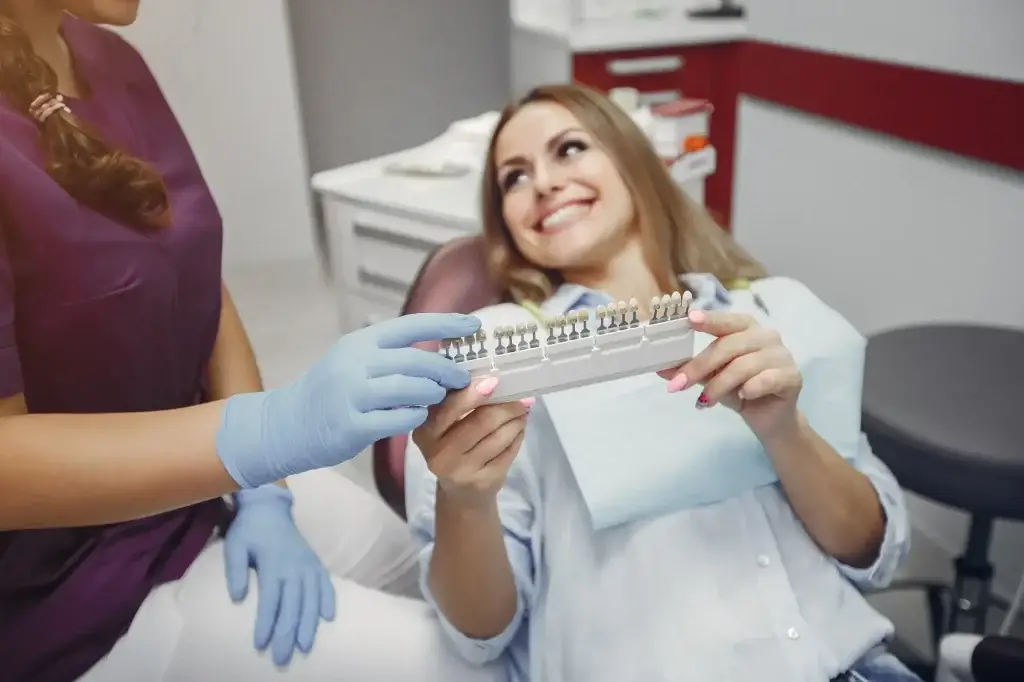

Porcelain Veneers in Colombia Cost & Clinics

If you’re looking for a confident, picture-perfect smile, porcelain veneers in Colombia are one of the best cosmetic dentistry solutions available. Colombia has become a global hub for affordable smile makeovers, attracting patients from the U.S., Canada, and Europe. With advanced dental technology and skilled cosmetic dentists, you can achieve natural, long-lasting veneers at nearly 70% lower costs compared to North America. Through MyMediTour, you can easily find top-rated clinics and plan your entire dental trip to Colombia with convenience and safety. Porcelain veneers in Colombia cost between $250 and $500 per tooth, offering world-class quality at a fraction of U.S. prices. This affordable range makes Colombia one of the most sought-after destinations for cosmetic dentistry, especially for patients looking to enhance their smiles without spending thousands of dollars. In the United States, the same veneers can cost anywhere from $1,000 to $2,500 per tooth, meaning patients can save up to 70% while receiving the same level of expertise and materials. 1. What Are Porcelain Veneers?. “Porcelain veneers are thin custom shells placed over teeth to enhance color, shape, and alignment.”. Porcelain veneers are cosmetic restorations bonded to the front surface of teeth. They correct issues like discoloration, gaps, chips, or minor misalignment. Veneers mimic the look of natural enamel and provide long-lasting shine and durability. Colombian dental clinics use advanced materials and precision digital design systems for highly aesthetic results. 2. How Much Do Porcelain Veneers Cost in Colombia?. “Porcelain veneers in Colombia cost between $250 and $500 per tooth depending on the clinic, material, and dentist expertise.”. Here’s a breakdown of average dental veneer prices across Colombia:. Type of VeneerAverage Cost per Tooth (USD). Composite Veneer$150 – $250. Porcelain Veneer$250 – $500. E-max Veneer (Premium)$400 – $600. Full Smile (20 Veneers)$5,000 – $9,000 total. In the U.S., the same procedure can cost between $800–$2,000 per tooth, making Colombia an ideal destination for high-quality cosmetic dentistry at affordable rates. 3. Why Choose Colombia for Veneers?. “Colombia offers affordable, high-quality porcelain veneers with modern technology and expert dentists.”. Patients choose Colombia for:. Up to 70% cost savings compared to the U.S. Highly trained cosmetic dentists with international experience. Advanced CAD/CAM technology ensuring precise veneer fit. High-quality porcelain materials from global brands. Attractive tourism options during recovery. With MyMediTour, patients can access verified clinics that meet international dental standards. 4. The Veneer Procedure in Colombia. “The porcelain veneer procedure includes consultation, tooth preparation, veneer fabrication, and bonding.”. Typical steps include:. Consultation & Smile Design: Digital mockups are created to visualize results. Tooth Preparation: A thin layer of enamel is removed for veneer placement. Impression & Fabrication: Veneers are custom-made in a dental lab (2–5 days). Bonding & Polishing: Veneers are cemented and polished for a natural finish. The process usually takes 5–7 days, making it ideal for dental tourists. 5. How Long Do Porcelain Veneers Last?. “Porcelain veneers in Colombia can last 10–20 years with proper care.”. They are durable, stain-resistant, and maintain their luster for years. Regular dental hygiene, avoiding excessive force, and professional cleanings help maintain longevity. 6. Porcelain vs. Composite Veneers in Colombia. FeaturePorcelain VeneersComposite Veneers. Cost per Tooth$250 – $500$150 – $250. Longevity10–20 years5–7 years. AppearanceMore natural and glossyLess translucent. MaintenanceMinimalRequires polishing. Stain ResistanceHighModerate. Porcelain veneers are ideal for long-term results and aesthetics, while composite veneers suit short-term or budget-friendly smile makeovers. 7. Best Cities in Colombia for Veneers. “Bogotá, Medellín, and Cali are the top cities for porcelain veneers in Colombia.”. Bogotá: Leading dental clinics with modern facilities. Medellín: Known for cosmetic excellence and aesthetic dentistry. Cali: Offers affordable, high-quality smile makeover options. Each city provides bilingual staff and convenient travel options for international patients. 8. How Safe Are Veneers in Colombia?. “Porcelain veneers in Colombia are safe when done in accredited clinics following international standards.”. Top clinics follow ISO and JCI standards, use biocompatible materials, and ensure sterile environments. MyMediTour verifies each partner clinic for safety and quality, giving patients peace of mind. 9. How to Book Veneer Treatment Through MyMediTour. “MyMediTour connects international patients to trusted Colombian clinics offering affordable veneer treatments.”. Through MyMediTour, you can:. Compare veneer prices and treatment options. Consult dentists virtually before traveling. Arrange travel, accommodation, and local assistance. Enjoy transparent pricing and guaranteed quality. FAQs. 1. How many veneers do I need for a full smile?. Most patients choose 8–10 veneers per arch (16–20 total) for a complete smile makeover. 2. Is the procedure painful?. No. It’s typically pain-free and performed under local anesthesia. Mild sensitivity may occur briefly afterward. 3. How soon can I travel after getting veneers?. You can travel within 1–2 days after the final fitting — no major downtime is required. 4. Can veneers be replaced later?. Yes. Veneers can be replaced after several years due to wear or if aesthetic preferences change. 5. Do veneers look natural?. Yes. Modern porcelain veneers replicate enamel translucency, providing a highly realistic and beautiful smile. Conclusion. Getting porcelain veneers in Colombia is one of the most affordable and effective ways to achieve a stunning smile. With expert dentists, advanced technology, and unbeatable prices, Colombia has earned its place as a top cosmetic dental destination. To plan your dental trip and find trusted veneer specialists, visit MyMediTour — the industry leader in medical and dental tourism coordination.

Incisal Resin in Colombia Cost and Clinics

Your front teeth say a lot before you even speak. When the edges are chipped, worn down, uneven, or slightly discolored, it affects how you feel about your own smile — sometimes in ways that are hard to explain to others. Incisal resin is one of the most effective, minimally invasive ways to fix exactly that. It targets the biting edges of the front teeth — the incisors — using tooth-colored composite resin material to rebuild shape, length, and symmetry. Colombia has become one of the most visited destinations in Latin America for dental tourism, and for good reason. Cities like Medellín, Bogotá, and Cartagena are home to dental clinics in Colombia that operate at international standards, staffed by dentists trained in the US, Europe, and top Latin American universities. The quality of dental care here is not a compromise — it is the reason patients return, and why they refer their friends. People travel for incisal resin treatment because the cost difference between Colombia and the United States is substantial. A procedure that might cost $300 to $600 per tooth in the US can be done in Colombia for significantly less, while still using the same composite materials and clinical techniques. For patients who need multiple teeth treated, the savings quickly add up to thousands of dollars. Beyond cost, Colombia offers something the US dental system often does not — time. Dental appointments here are not rushed. You sit with your dentist, discuss what you want, review photos and digital mockups, and leave with a treatment plan that actually reflects your expectations. That level of care, combined with the opportunity to travel somewhere genuinely beautiful, is what keeps dental tourism in Colombia growing year after year. Treatment Highlights. What it is: A cosmetic dental procedure that uses composite resin to reshape, lengthen, or repair the biting edges of front teeth. Who it is for: Patients with chipped, worn, uneven, short, or mildly discolored incisal edges. Procedure type: Minimally invasive — no drilling required in most cases. Session time: Typically 1 to 2 hours depending on how many teeth are treated. Anesthesia: Usually none required; local anesthesia available if sensitivity is a concern. Stay required: 2 to 5 days in Colombia is generally sufficient. Cost advantage: 50% to 70% less than equivalent treatment in the United States. Results: Immediate visible improvement with results that can last 5 to 8 years with proper care. Incisal Resin Treatment — A Closer Look at What It Involves. Incisal resin bonding is a cosmetic dental procedure focused on the front edges of the upper and lower front teeth — the part of your teeth that shows most when you talk, laugh, or smile directly at someone. Over time, these edges can chip from biting hard foods, wear down from grinding, or simply look short compared to the rest of the tooth. Some people are born with lateral incisors that are naturally smaller or pointed, and resin bonding is one of the most practical ways to bring balance to the smile. The procedure itself works by applying a composite resin material — the same material used in white fillings — directly onto the tooth surface. The dentist sculpts it by hand, building up the shape layer by layer until the desired length, contour, and proportion are achieved. The resin is then hardened using a blue light, polished, and checked against your bite. In many cases, no removal of tooth enamel is needed, which makes this one of the most conservative cosmetic dental options available. Patients traveling to Colombia for this treatment are often surprised by how much attention goes into the shaping process. A skilled cosmetic dentist in Colombia will look at your full smile — the width, symmetry, lip position, gum line — before placing a single layer of resin. Many clinics use digital smile design software to show you a preview before any material is applied. That kind of planning reduces guesswork and increases satisfaction. Expected outcomes are realistic and immediate. You leave the clinic on the same day with a noticeably improved smile. The edges look even, the color blends with your natural teeth, and the texture feels smooth. Results are not permanent — composite resin is not as durable as porcelain — but with proper care, regular polishing, and avoiding habits like nail-biting or biting hard objects, the results hold up well for several years. How Much Does Incisal Resin Cost in Colombia?. This is usually the first question patients ask, and the honest answer is that pricing depends on several factors. As a general range, incisal resin bonding in Colombia costs between $80 and $200 USD per tooth, depending on the clinic, the city, the complexity of reshaping needed, and the dentist's level of experience in cosmetic dentistry. Factors that affect your final cost:. Number of teeth being treated (most patients treat 4 to 6 front teeth). Degree of reshaping or length addition required. Whether a digital smile design consultation is included. Clinic location (Medellín and Bogotá clinics vary in pricing). Any additional procedures needed, such as whitening or cleaning before bonding. Why Colombia offers real value:. The cost difference is not the result of cutting corners. Overhead costs for dental clinics in Colombia are lower than in the US. Dentists here are well-trained but do not carry the same student debt or malpractice insurance costs as in North America. That financial gap is passed on to the patient. The composite resin materials used are often sourced from the same international suppliers as US clinics — brands like 3M, Ivoclar Vivadent, and Kerr. Cost Comparison Table:. TreatmentColombia (USD)United States (USD). Incisal resin per tooth$80 – $200$300 – $600. 4 teeth treated$320 – $800$1,200 – $2,400. 6 teeth treated$480 – $1,200$1,800 – $3,600. Digital smile design$50 – $150$200 – $500. These are general estimates. Your final cost will be confirmed after your dentist reviews photos or X-rays and provides a personalized treatment plan. Who Is a Good Candidate for Incisal Resin in Colombia?. You may be a strong candidate if you:. Have one or more chipped or fractured front tooth edges. Have teeth that look short or worn from grinding (bruxism). Have a lateral incisor that is smaller or shaped differently than your other teeth. Want to close small gaps between front teeth. Are looking for a more affordable alternative to porcelain veneers. Have generally healthy teeth and gums with no active decay or infection. Are not happy with the shape or length of your smile but want to avoid major dental work. Have realistic expectations about composite resin longevity versus porcelain. You may not be a suitable candidate if you:. Have active gum disease or untreated cavities — these must be resolved first. Grind your teeth severely at night without a nightguard — this shortens the life of resin significantly. Are looking for results that match the durability and translucency of ceramic veneers. Have very large chips or damage that requires a crown or veneer for full coverage. Are not able to commit to follow-up care and basic maintenance. A proper dental evaluation — including photos, X-rays, and a bite assessment — is the only way to confirm whether incisal resin is the right choice for your situation. Any reputable clinic in Colombia will conduct this before recommending a treatment plan. Your Step-by-Step Patient Journey. Step 1 — Initial Inquiry. You reach out through a dental tourism platform or directly to a clinic. You describe what bothers you about your smile and ask about incisal resin treatment in Colombia. Step 2 — Submitting Your Photos or Records. The clinic asks for clear photos of your teeth — front view, side view, and close-up of the edges. Some clinics may ask for a recent X-ray. You send these digitally before booking anything. Step 3 — Remote Evaluation. A dentist reviews your photos and gives you a preliminary opinion — whether incisal resin is appropriate, how many teeth would benefit from treatment, and a cost estimate. Some clinics offer a video consultation at this stage. Step 4 — Treatment Plan Approval. You review the proposed plan, ask questions, and confirm the scope of treatment. You are given a price quote and an appointment window. Step 5 — Travel Planning. You book your flights and accommodation. Most patients stay between 3 and 5 days — enough time for the procedure plus a day of rest and a check-up before flying home. Medellín has direct or one-stop flights from most major US cities. Step 6 — Arrival and In-Person Consultation. On your first day, you visit the clinic for an in-person assessment. The dentist examines your teeth, takes X-rays if needed, and reviews the digital smile design with you. Any adjustments to the plan are made here. Step 7 — Procedure Day. The resin bonding procedure typically takes between 1 and 3 hours depending on how many teeth are treated. The dentist applies the composite in layers, shapes and sculpts each tooth, cures the material with a light, and polishes the surface. You leave the same day with your final result. Step 8 — Review Appointment. One or two days after the procedure, you return to the clinic for a quick check. The dentist assesses the bite, makes any minor adjustments, and confirms everything looks and feels right before you travel home. Step 9 — Return Home. You fly home with your completed treatment. The clinic provides written aftercare instructions and product recommendations. Step 10 — Remote Follow-Up. Most Colombian dental clinics that work with international patients offer WhatsApp or email follow-up. If you have questions or concerns after returning home, you can send photos and get a response from your treating dentist. Why Colombia Is a Strong Choice for Dental Tourism. Colombia's dental sector has developed significantly over the past two decades. The country's dental schools are among the most rigorous in Latin America, and many private clinics in major cities are equipped with digital imaging, CAD/CAM technology, and infection control protocols that meet international standards. Medellín in particular has become a hub for dental tourism. The city is well-connected, offers a wide range of accommodation at all price points, and has a comfortable year-round climate that makes recovery pleasant. Many clinics in Medellín have staff members who speak English and routinely work with patients from the United States, Canada, and Europe. The cost-to-quality ratio in Colombia is one of the strongest in Latin America. You are not choosing between affordability and quality — you are getting both. Patients who have visited clinics in Colombia frequently note that the level of attention, the time the dentist spends with them, and the overall experience compares favorably to private dental care in the US at a fraction of the price. Travel within Colombia is also straightforward. Flights from Miami to Medellín are under 3 hours. The city has reliable ride-share apps, good restaurant and café culture, and plenty of options for a comfortable short stay. What Is Included in a Colombia Incisal Resin Package. Initial remote consultation and photo review. In-person dental examination on arrival. Digital smile design review (where applicable). Incisal resin bonding procedure for agreed number of teeth. All composite resin materials. Finishing, polishing, and bite adjustment. Post-procedure review appointment. Aftercare instructions and product recommendations. Patient coordination and communication support throughout. What Is Not Included. International or domestic flights. Accommodation during your stay. Airport transfers (unless arranged separately). Additional dental treatments outside the agreed scope. X-rays or diagnostic tests not included in the package. Travel insurance. Companion expenses. Extended stay costs if recovery requires longer time. Recovery and Aftercare — What to Expect. Incisal resin bonding has virtually no recovery downtime. You leave the clinic the same day with your results, and most patients return to normal activities immediately. There is no swelling, no stitches, and no restricted diet for an extended period. In the first 48 hours, avoid foods and drinks that stain — coffee, tea, red wine, and dark sauces. The composite resin is slightly more porous right after placement and can pick up color more easily during this window. Bite sensitivity is possible for a day or two if your bite needed adjustment. This typically resolves on its own. If the bite feels slightly off when you eat, contact the clinic — a small adjustment takes minutes. Ongoing care for resin bonding is straightforward. Brush twice daily with a non-abrasive toothpaste, floss regularly, and schedule a professional polish once a year to keep the resin looking fresh. Avoid biting nails, chewing pens, or using your front teeth to open packaging. Longevity depends on how well you care for the bonding and your habits. In most patients, incisal resin lasts between 5 and 8 years before a touch-up or replacement becomes necessary. Patients who grind their teeth should wear a nightguard to protect the resin. Long-term results become more visible once the resin settles. Colors blend naturally with surrounding teeth within the first week, and the texture polishes down to feel completely smooth. Risks and Considerations. Like any dental procedure in colombia, incisal resin bonding comes with things worth knowing before you commit. Composite resin is not as strong as natural enamel or porcelain. It can chip if you bite down on something very hard. It is also more susceptible to surface staining over time, particularly in patients who drink a lot of coffee or tea. These are not reasons to avoid the procedure — they are reasons to go in with realistic expectations. Choosing a qualified cosmetic dentist matters. Shaping composite resin on front teeth is a skill that requires both technical knowledge and an eye for aesthetics. The difference between a good result and a flat or unnatural-looking result often comes down to the dentist's experience with anterior composite work specifically. Patients with active dental disease — cavities, gum inflammation, or infection — should have these issues resolved before undergoing any cosmetic treatment. Applying resin over a compromised tooth structure will not produce lasting results. If you have a history of severe teeth grinding, discuss this openly with your dentist before proceeding. A nightguard is a small investment that significantly extends the life of your bonding. Finally, traveling for dental work means your primary treating dentist is not local to you. Choose a clinic that offers clear remote follow-up support and has a track record of working with international patients. Ask for documentation of your treatment and bring a copy of your records home. Frequently Asked Questions. What is the cost range of incisal resin in Colombia?. Incisal resin bonding in Colombia generally ranges from $80 to $200 USD per tooth. Treating four to six front teeth — which is most common — brings the total to between $320 and $1,200 USD depending on the extent of reshaping needed. Your final quote will come after the dentist reviews your photos or completes the in-person evaluation. How long do I need to stay in Colombia for this treatment?. Most patients need between 3 and 5 days. The procedure itself is done in a single appointment, but staying an extra day or two allows for a follow-up check and any bite adjustments before you fly home. Is incisal resin in Colombia safe?. Yes, when performed by a qualified cosmetic dentist at a reputable clinic. Colombia has established dental schools and private clinics that follow standard infection control and clinical protocols. Research your clinic in advance, check patient reviews, and confirm the dentist's credentials. How long does the recovery take?. There is essentially no recovery period. You can eat, speak, and return to daily activities the same day. Minor sensitivity or bite adjustment may be needed within the first 48 hours, but this is brief and manageable. When will I see the final results?. Results are immediate — you see the change the same day the procedure is completed. Over the following week, the resin blends more naturally with surrounding teeth and the surface settles to its final texture and sheen. Can I fly home the day after my procedure?. Most patients are comfortable flying 24 to 48 hours after treatment. It is worth scheduling a quick check-up appointment before your flight so the dentist can confirm everything looks correct and make any adjustments needed. Is the procedure painful?. No, incisal resin bonding is not painful for most patients. No drilling is involved in the majority of cases, and the resin is applied to the surface of the tooth. If you have sensitivity, the dentist can apply a topical anesthetic to keep you comfortable. How long do the results last?. With proper care, incisal resin bonding typically lasts 5 to 8 years. Patients who avoid staining foods, maintain good oral hygiene, and wear a nightguard if they grind their teeth tend to see the longest-lasting results. What happens if the resin chips after I return home?. Small chips can be repaired by a local dentist in your home country. Composite resin bonding is a standard material that any general or cosmetic dentist can work with. Keep your treatment records and photos from Colombia — this makes repairs straightforward. Do I need follow-up care after returning home?. No major follow-up care is required beyond your normal dental check-ups. An annual professional polish helps maintain the appearance of the resin. Your Colombian clinic will typically provide remote support via WhatsApp or email if you have questions after returning home. Ready to Take the Next Step?. If you have been thinking about fixing the edges of your front teeth and the cost in the US has been holding you back, Colombia is worth a serious look. The combination of qualified cosmetic dentists, modern facilities, affordable pricing, and a genuinely comfortable travel experience makes it one of the most practical destinations for this kind of treatment. Getting started does not require a major commitment. A simple photo submission and remote consultation will tell you whether incisal resin is right for your teeth, how many teeth would benefit from treatment, and what a realistic cost looks like for your specific case. From there, you plan travel on your own timeline, arrive with a clear treatment plan already in place, and return home with a smile that reflects what you have always wanted it to look like. The process is straightforward, the support is there, and the decision is entirely yours to make at your own pace. Reach out today to request your free remote evaluation and get a personalized quote from a vetted cosmetic dentist in Colombia.

IVF in Colombia Cost and Clinics

Infertility treatments can be life-changing, and one of the most popular options worldwide is In Vitro Fertilization (IVF). Colombia has become a leading destination for medical travelers due to its modern clinics, skilled specialists, and competitive pricing. The IVF in Colombia cost is significantly lower than in the U.S. or Europe, without compromising on quality. Typically, couples or individuals can expect to pay between $3,500 and $7,000, depending on their specific medical needs. With advanced technology, personalized care, and internationally accredited hospitals, Colombia offers hope to many who are struggling with fertility challenges. What Is IVF?. IVF, or In Vitro Fertilization, is a fertility treatment in which eggs are collected from the ovaries, fertilized with sperm in a laboratory, and then transferred to the uterus. The process can include additional techniques such as:. ICSI (Intracytoplasmic Sperm Injection): Injecting a single sperm directly into the egg. PGT (Preimplantation Genetic Testing): Screening embryos for genetic conditions. Egg or Sperm Donation: Using donor gametes when needed. Embryo Freezing: Preserving embryos for future use. How Much Does IVF Cost in Colombia?. “IVF in Colombia costs between $3,500 and $7,000 depending on the clinic, doctor, medications, lab, technology, success rates, and additional procedures.”. The average IVF cycle in Colombia is highly affordable compared to Western countries. Prices vary mainly due to:. Clinic reputation and location. Required medications and hormone treatments. Whether donor eggs or sperm are used. Number of cycles needed. On average, an IVF cycle in the U.S. can cost $12,000–$20,000, making Colombia an attractive alternative for those seeking affordable fertility treatment without sacrificing care quality. Costs vary, depending on what exact services you need, the clinic, your place of residence vs being an international patient, etc. Some estimates:. Type of IVF / Related ServiceApproximate Cost (USD). Standard IVF with own eggs$5,000 – $8,500 . IVF with ICSI or more advanced lab workOften towards the higher end of that range or above it, depending on lab fees, medications. IVF with donor eggs / or involving donor packagesCosts increase—these may add several thousand dollars for donor compensation, screening, etc. Additional procedures (genetic screening, embryo freezing, etc.)These add extra costs—could be $1,000–$2,000 or more depending on the clinic and what exactly is done. Some clinics (e.g. Colombia Fertility) list a base price for IVF with own eggs starting at about US$6,000. So compared to the US / Western Europe, it's significantly cheaper—often 50-70% less for similar quality. Why Choose Colombia for IVF?. “Colombia offers affordable IVF with advanced technology, experienced specialists, and high success rates.”. Colombia is well-regarded for its modern fertility clinics and skilled reproductive specialists. Key benefits include:. Lower costs than North America and Europe. Experienced fertility doctors trained internationally. State-of-the-art technology in IVF labs. Personalized treatment plans tailored to each patient. English-speaking staff in major clinics catering to international patients. This combination of affordability and quality makes Colombia one of the top destinations for IVF. Legal / Regulatory / Ethical Framework. Colombia's laws are relatively inclusive. IVF is available to heterosexual couples, single women, and homosexual/lesbian couples. Egg and sperm donation are legal. Anonymous donation is also possible in many clinics. Surrogacy is a more complex issue. The country seems to allow altruistic surrogacy (i.e. surrogate mother can receive compensation for expenses, but surrogacy is not purely commercial in many interpretations). There isn’t a single, uniform national law that regulates every aspect of surrogacy; much depends on court precedents and local interpretations. This can introduce uncertainty. Constitutional protections in Colombia prohibit discrimination, which helps people of various family types access fertility treatments. IVF Success Rates in Colombia. “IVF success rates in Colombia are comparable to global standards, often 40–60% per cycle depending on age and health.”. Success rates depend on age, health condition, and whether donor eggs are used. On average:. Women under 35: 50–60% success per cycle. Women aged 35–40: 40–50% success. Over 40: 20–30% success. Colombian clinics follow international fertility standards, ensuring reliable and safe treatments. Additional Costs to Consider. “Beyond the IVF procedure, costs in Colombia may include medications, donor eggs/sperm, or embryo freezing.”. While the base IVF package may be between $3,500 and $7,000, additional expenses include:. Medication: $800–$1,500 per cycle. ICSI (Intracytoplasmic Sperm Injection): $800–$1,200. Donor eggs or sperm: $2,000–$5,000. Embryo freezing & storage: $500–$1,000. Patients should discuss all possible add-on expenses with their chosen clinic in advance. Best Cities in Colombia for IVF. “The best cities for IVF in Colombia are Bogotá, Medellín, and Cali due to top clinics and international patient services.”. Bogotá: Home to some of the most advanced fertility clinics with English-speaking staff. Medellín: Known for medical innovation and affordable IVF centers. Cali: Offers a blend of affordability and experienced fertility specialists. Each city has clinics with international accreditations, making them safe and reliable for foreign patients. FAQs about IVF in Colombia. 1. What is the average cost of IVF in Colombia?. The cost of IVF in Colombia typically ranges between $4,000 to $7,000 USD per cycle, depending on the clinic, technology used, and additional services. This is much lower than in the United States, where one IVF cycle can cost significantly more. If you add medications, donor eggs, embryo freezing, or genetic testing, the total price can increase. 2. Why is IVF cheaper in Colombia?. IVF is more affordable in Colombia because the country has lower operating costs, lower labor costs, and favorable exchange rates for international patients. Despite these lower prices, many clinics still offer modern fertility labs, trained specialists, and internationally focused patient care. 3. What is the success rate of IVF in Colombia?. The success rate of IVF in Colombia often ranges between 50% to 65% per cycle, but the exact outcome depends on the woman’s age, egg quality, sperm health, and the fertility clinic’s methods. Younger patients usually have higher success rates, while older patients may need more than one cycle. 4. Is IVF in Colombia safe for international patients?. Yes, IVF in Colombia is generally considered safe for international patients. Many fertility clinics use advanced equipment, follow strict safety standards, and have specialists with strong experience in reproductive medicine. It is still important to research the clinic, doctor credentials, and treatment plan before booking. 5. How long do I need to stay in Colombia for IVF treatment?. Most international patients stay in Colombia for about 2 to 3 weeks for one IVF cycle. This usually covers ovarian stimulation, monitoring, egg retrieval, fertilization, and embryo transfer. The exact stay can vary depending on how your body responds to medication and whether you need extra monitoring. 6. What tests are required before starting IVF in Colombia?. Before IVF begins, patients usually need hormone blood tests, pelvic ultrasound scans, infectious disease screening, and a semen analysis for the male partner. Some clinics also request additional fertility testing depending on the patient’s history. Many of these tests can often be completed in your home country before travel. 7. Can I use donor eggs or sperm in Colombia?. Yes, many IVF clinics in Colombia offer donor egg and donor sperm programs. Donors are usually screened for medical history, infections, and genetic risks. This can be a helpful option for women with low ovarian reserve, poor egg quality, or other fertility challenges. 8. Is gender selection allowed in Colombia?. Gender selection in Colombia is generally not allowed for non-medical reasons. However, it may sometimes be considered when there is a medical reason, such as avoiding a sex-linked genetic disorder. Policies can vary by clinic, so patients should always ask directly. 9. Are there age limits for IVF in Colombia?. Many clinics accept women into their late 40s or early 50s, especially when donor eggs are used. However, age limits can vary from clinic to clinic. Older patients may need extra medical screening before treatment, and success rates usually decline with age when using their own eggs. 10. What technologies are used in IVF clinics in Colombia?. Many IVF clinics in Colombia offer advanced reproductive technologies such as ICSI, embryo freezing, blastocyst culture, assisted hatching, and preimplantation genetic testing. These options may improve fertilization rates, embryo selection, and overall treatment outcomes for certain patients. 11. Do IVF clinics in Colombia speak English?. Yes, many leading fertility clinics in Colombia have English-speaking doctors, coordinators, or support staff who work with international patients. This helps make consultations, treatment planning, and follow-up communication easier for patients traveling from the US and other English-speaking countries. 12. Is IVF covered by insurance in Colombia?. For most international patients, IVF in Colombia is usually not covered by standard health insurance. Patients typically pay out of pocket. Some clinics may offer treatment packages, payment plans, or bundled prices to make the process more manageable. 13. How many IVF cycles are usually needed?. Some patients become pregnant after one IVF cycle, while others may need two or more cycles depending on age, diagnosis, embryo quality, and medical history. Fertility specialists usually create a personalized treatment plan after reviewing test results and reproductive history. 14. Can I combine IVF treatment with a vacation in Colombia?. Yes, many patients combine IVF treatment with a medical tourism trip to cities such as Bogotá, Medellín, or Cartagena. However, IVF is still a medical procedure, so rest, follow-up appointments, and doctor instructions should come first. Travel should be planned carefully around the treatment schedule. 15. What are the risks of IVF treatment?. IVF is generally safe, but there are still possible risks such as ovarian hyperstimulation syndrome, multiple pregnancy, side effects from fertility drugs, or failed implantation. A qualified fertility doctor will monitor your progress closely to reduce these risks as much as possible. 16. Does US health insurance cover IVF treatment in Colombia?. Most US insurance plans do not cover IVF treatment performed outside the United States. Even when fertility benefits exist, they are often limited to approved clinics inside the US network. Because of this, many Americans choose Colombia based on lower total out-of-pocket costs rather than insurance coverage. 17. Can I use my HSA or FSA for IVF treatment in Colombia?. In some cases, US patients may be able to use HSA or FSA funds for eligible IVF-related medical expenses abroad. This may include treatment procedures, lab testing, and prescribed fertility medications. Flights, hotel stays, and general travel expenses are usually not included, so patients should confirm with their benefits provider. 18. Is IVF in Colombia tax-deductible for US patients?. IVF expenses in Colombia may be tax-deductible for US patients if they qualify as eligible medical expenses under IRS rules. Patients should keep invoices, receipts, prescriptions, and medical records to support any deduction claim. It is also wise to speak with a tax professional before filing. 19. Do I need a visa to travel from the US to Colombia for IVF?. US citizens usually do not need a visa for short stays in Colombia, which makes treatment travel simpler. A valid passport and proof of onward or return travel are often enough for entry. Patients should still check current travel requirements before departure. 20. How do I plan travel logistics for IVF in Colombia?. Planning IVF travel usually includes booking flights to a major city, choosing accommodation close to the clinic, arranging airport transportation, and matching travel dates with the clinic schedule. Many fertility centers have international coordinators who help patients organize appointments and practical details. 21. How many trips are required from the US for IVF in Colombia?. Many patients can complete IVF in one extended trip of around 2 to 3 weeks. In some cases, a second trip may be needed for consultation, frozen embryo transfer, or follow-up treatment. The number of trips depends on the exact treatment plan and whether early testing is done in the US. 22. Can I start IVF testing in the US and complete the procedure in Colombia?. Yes, many patients begin their fertility work-up in the US by doing blood tests, scans, and semen analysis locally. They then travel to Colombia for the main IVF steps. This can reduce travel time abroad and make planning easier. 23. Are IVF medications available in the US or Colombia?. Patients may be able to buy IVF medications in the US before leaving or purchase them in Colombia, depending on clinic advice and cost. In some cases, medications may be less expensive in Colombia. Your doctor will guide you on the safest and most practical option. 24. What legal considerations should US patients be aware of?. US patients should understand that fertility laws in Colombia may differ from those in the United States. Important issues can include donor anonymity, parental rights, embryo handling rules, and surrogacy regulations. Legal advice is especially important for complex cases involving donor material or cross-border embryo transport. 25. Will my child automatically get US citizenship if born after IVF in Colombia?. If at least one parent is a US citizen, the child may generally qualify for US citizenship at birth, even if born abroad, depending on the legal requirements for transmitting citizenship. Parents usually need to apply for documentation such as a Consular Report of Birth Abroad through the appropriate US authorities. 26. Can embryos be transported between the US and Colombia?. Yes, embryo transport between countries is possible, but it usually requires specialized cryogenic shipping services, strict documentation, and close coordination between clinics. This process can be expensive, and patients should confirm both legal and medical requirements in advance. 27. What happens if I need follow-up care after returning to the US?. After returning home, patients can often do pregnancy tests, ultrasound monitoring, and follow-up care with a local doctor in the US. Many Colombian clinics also provide remote consultations to review results and continue support after treatment. 28. Are there language barriers for US patients?. Top IVF clinics in Colombia that serve international patients often provide English-speaking support, which helps reduce confusion during consultations and treatment. It is still helpful to confirm language support before choosing a clinic. 29. Is it safe to travel to Colombia for IVF treatment?. Many international patients travel to major Colombian cities for treatment without problems, especially when they stay in well-known medical areas and follow clinic guidance. As with any international trip, patients should use normal travel precautions and choose reputable clinics and accommodation. 30. Do clinics in Colombia provide support for US patients?. Yes, many fertility clinics in Colombia offer support services for US patients, including online consultations, treatment scheduling, travel guidance, accommodation help, and follow-up communication. These services can make the process more comfortable for first-time medical travelers. Conclusion. Choosing Colombia for fertility treatment provides both affordability and quality. With IVF costs ranging from $3,500 to $7,000, advanced clinics, and internationally trained specialists, Colombia stands out as a trusted medical tourism destination. To explore personalized medical tourism solutions, connect with mymeditour, the industry leader in global healthcare travel.

Cheapest Countries for IVF in the World

IVF (In Vitro Fertilization) has become a lifesaver for couples struggling with infertility. However, the cost of IVF can be prohibitively expensive in countries like the USA, Canada, or the UK, often reaching $12,000–$15,000 per cycle. Fortunately, several countries around the world offer affordable IVF treatments without compromising on quality or success rates. The cheapest countries for IVF not only provide cost-effective solutions but also world-class medical care, internationally trained specialists, and modern clinics equipped with cutting-edge technology. These destinations are also known for their medical tourism infrastructure, helping international patients access fertility treatments smoothly. The cheapest countries for IVF in the world include India, Turkey, Thailand, Mexico, Colombia, South Korea, Greece, and Spain, offering affordable, high-quality fertility treatments for international patients. 1. Colombia. "Colombia provides low-cost IVF treatments with modern facilities, experienced specialists, and comprehensive patient support.". Why Choose Colombia for IVF?. Affordable Pricing: One of the most budget-friendly IVF destinations in Latin America. Accredited Clinics: Many clinics follow international standards. Advanced Treatments: Egg donation, embryo freezing, and IVF with ICSI are available. Medical Tourism Infrastructure: Smooth travel, hotel partnerships, and language support. Cost Breakdown. CityIVF Cost per CycleNotes. Bogota$2,500 – $4,500Inclusive IVF packages with medications. Medellin$2,700 – $4,200Personalized care and high success rates. Patient Experience. Colombian clinics provide bilingual staff and concierge services, making the process stress-free for international patients. 2. Thailand. "Thailand combines affordable IVF with internationally accredited clinics, experienced specialists, and personalized patient care.". Why Choose Thailand for IVF?. Internationally Accredited Clinics: Many clinics hold JCI or ISO certification. Modern IVF Techniques: ICSI, PGD, and egg donation are commonly offered. Medical Tourism Friendly: Bangkok and Chiang Mai clinics often assist with visas, travel, and accommodation. High Success Rates: Clinics often report success rates comparable to Western countries. Cost Breakdown. CityIVF Cost per CycleNotes. Bangkok$3,000 – $5,000Inclusive packages with lab tests and consultation. Chiang Mai$3,200 – $4,800Personalized care for international patients. Patient Experience. Thailand’s fertility clinics emphasize patient comfort, often providing translators, flexible scheduling, and support for donors and surrogates. 3. Turkey. "Turkey provides affordable IVF treatments ranging from $2,500 to $5,000 per cycle with high-quality care and international standards.". Why Choose Turkey for IVF?. European-Standard Clinics: Istanbul and Ankara clinics follow EU-level medical protocols. Advanced Fertility Procedures: Services include egg/sperm donation, PGD, and embryo freezing. Convenient Travel: Close proximity for European patients with short flight times. Competitive Packages: Many clinics provide medications, lab tests, and multiple consultations in one package. Cost Breakdown. CityIVF Cost per CycleNotes. Istanbul$2,500 – $5,000All-inclusive packages available. Ankara$2,700 – $4,800High success rates with certified specialists. Patient Experience. Patients benefit from multilingual staff, transparent pricing, and personalized care coordinators. IVF cycles often include follow-ups via telemedicine for international patients. 4. Mexico. "Mexico offers accessible IVF treatments for North American patients, with costs between $3,000 and $5,500 per cycle and excellent care standards.". Why Choose Mexico for IVF?. Proximity to the USA and Canada: Short flights and familiar culture make it ideal for North Americans. Experienced Clinics: Cities like Mexico City and Guadalajara host highly rated fertility centers. Modern Facilities: Clinics equipped with advanced IVF technologies. Inclusive Packages: Often include accommodation, medication, and lab tests. Cost Breakdown. CityIVF Cost per CycleNotes. Mexico City$3,000 – $5,500Packages include medications and lab tests. Guadalajara$3,200 – $5,200Personalized international patient support. Patient Experience. Mexico provides an easy balance between affordability and quality care. Clinics often have coordinators to assist with travel, accommodations, and treatment logistics. 5. India. "India offers highly affordable IVF treatments ranging from $2,000 to $4,000 per cycle with excellent success rates and comprehensive care packages.". Why Choose India for IVF?. Cost-Effective Treatments: IVF costs in India are significantly lower compared to Western countries. Experienced Specialists: India has internationally trained fertility doctors in major cities like Delhi, Mumbai, and Bangalore. Advanced Facilities: Clinics are equipped with modern labs for procedures like ICSI, PGD, and egg freezing. Additional Services: Egg donation, surrogacy, and frozen embryo transfer options are available. Cost Breakdown. CityIVF Cost per CycleNotes. Delhi$2,000 – $4,000Includes consultation, lab tests, and some medications. Mumbai$2,500 – $4,000High-quality private clinics with English-speaking staff. Bangalore$2,200 – $3,800Known for specialized fertility centers. Patient Experience. Many international patients find India convenient due to direct flights and an English-friendly environment. IVF packages often include hotel accommodation, airport transfers, and a coordinator to assist throughout the treatment process. 6. South Korea. "South Korea offers some of the lowest IVF costs in Asia, ranging from $1,500 to $3,500 per cycle without compromising quality.". Why Choose South Korea for IVF?. Low-Cost IVF: Extremely affordable compared to Western Europe. Modern Clinics: Seoul host advanced fertility centers. Comprehensive Packages: Include medications, lab procedures, and consultations. International Patient Support: Many clinics provide travel, lodging, and telemedicine follow-ups. Cost Breakdown. CityIVF Cost per CycleNotes. Seoul$1,500 – $3,500Includes consultation and lab procedures. Incheon$1,700 – $3,400Multilingual support for international patients. Patient Experience. South korea is known for high success rates and complete patient support, with clinics offering assistance for visas and accommodation. 7. Greece. "Greece offers high-quality IVF care at reasonable prices, ranging from $3,500 to $6,000 per cycle with advanced fertility treatments.". Why Choose Greece for IVF?. European Standards: Clinics follow EU-level protocols for fertility treatments. Advanced IVF Techniques: Egg donation, embryo freezing, and PGD are widely available. International Support: English-speaking staff and medical tourism coordinators. Personalized Care: Many clinics provide tailored packages including medications, lab tests, and consultations. Cost Breakdown. CityIVF Cost per CycleNotes. Athens$3,500 – $6,000High-quality clinics with international accreditation. Thessaloniki$3,700 – $5,800Personalized care and packages for international patients. Patient Experience. Patients appreciate Greece’s high success rates and smooth travel experience, with many clinics assisting with accommodation and follow-ups. 8. Spain. "Spain provides excellent IVF treatments with slightly higher costs, ranging from $4,000 to $6,500 per cycle and top-notch fertility care.". Why Choose Spain for IVF?. Expertise in Reproductive Medicine: Spain is a leader in egg donation and fertility treatments. High Success Rates: Clinics follow international standards and advanced IVF protocols. All-Inclusive Packages: Many clinics include consultations, lab tests, medications, and accommodation. Multilingual Support: Clinics cater to international patients in English, French, and German. Cost Breakdown. CityIVF Cost per CycleNotes. Madrid$4,000 – $6,500Inclusive packages and international patient support. Barcelona$4,200 – $6,300Advanced fertility procedures and high success rates. Patient Experience. Patients from Europe and North America often travel to Spain for egg donation and IVF due to quality care and reputable specialists. FAQs About IVF Abroad. Q1: Is IVF safe in these countries?. Yes, all countries listed have internationally accredited clinics with experienced specialists, following strict medical protocols. Q2: Are medications included in the IVF cost?. Many clinics provide all-inclusive packages, but confirm details for medications, lab tests, and consultations. Q3: How long does IVF treatment take abroad?. IVF typically takes 4–6 weeks, depending on the patient’s cycle and clinic scheduling. Some countries offer rapid packages for international patients. Q4: Can I access egg donation or surrogacy abroad?. Yes, countries like India, Turkey, Thailand, Spain, and Greece provide egg donation and surrogacy services for international patients. Q5: How do I select the right clinic?. Choose clinics with international accreditation, positive patient reviews, experienced specialists, clear pricing, and support for international patients. mymeditour can connect you with trusted clinics globally. Conclusion. Choosing the right country for IVF can save thousands while ensuring high-quality care. India, Turkey, Thailand, Mexico, Colombia, South Korea, Greece, and Spain offer cost-effective, safe, and successful IVF treatments. For patients seeking reliable guidance, expert clinics, and a smooth medical tourism experience, mymeditour is the industry leader, helping patients explore global fertility options with confidence.

Angioplasty in Colombia Cost and Clinics

Individuals diagnosed with blocked or narrowed arteries are increasingly exploring advanced cardiac treatments beyond their home countries. Among these, angioplasty has become one of the most effective minimally invasive procedures for restoring proper blood flow. Exploring angioplasty in Colombia provides access to experienced cardiologists, modern hospitals, and cost-effective cardiac care tailored for international patients. Undergoing this life-saving procedure requires precision, advanced imaging, and continuous monitoring to ensure optimal outcomes. Hospitals in Colombia operate within highly regulated clinical environments where interventional cardiologists perform angioplasty using state-of-the-art catheter-based techniques. Most patients experience rapid symptom relief, improved heart function, and a significantly reduced risk of heart complications after the procedure. Testimonial Summary: A Second Chance at Life. A patient suffering from severe chest pain reported that undergoing angioplasty in Bogotá restored normal blood flow and allowed him to return to daily activities without discomfort. Did You Know?. Angioplasty is often performed as an emergency procedure during a heart attack to quickly restore blood flow and minimize heart damage. Why Colombia is a Leading Destination for Angioplasty. Colombia has emerged as a trusted destination for advanced cardiovascular treatments, including angioplasty. The country offers a strong combination of affordability, highly trained cardiologists, and internationally accredited hospitals. The healthcare system supports advanced interventional cardiology procedures, enabling hospitals to adopt cutting-edge technologies such as digital angiography and drug-eluting stents. This has led to a growing number of international patients seeking cardiac care in cities like Bogotá, Medellín, and Cali. Searching for reliable cardiac hospitals in Colombia reveals facilities equipped with modern catheterization labs, experienced medical teams, and bilingual support staff. These hospitals typically follow international safety standards and provide comprehensive patient care. Facts. Colombia is recognized for high-quality cardiac care, with many hospitals accredited by international healthcare organizations. Tips. Always choose a hospital with a dedicated cardiac catheterization lab and board-certified interventional cardiologists. Understanding the Science Behind Angioplasty. Angioplasty, also known as percutaneous coronary intervention (PCI), is a minimally invasive procedure used to open blocked or narrowed arteries. During angioplasty in Colombia, a thin catheter with a balloon at its tip is inserted into a blood vessel and guided to the affected artery. The balloon is then inflated to widen the artery and restore blood flow. In many cases, a stent is placed to keep the artery open and prevent future blockages. This significantly improves circulation and reduces symptoms such as chest pain and shortness of breath. The procedure is widely considered a critical intervention for preventing heart attacks and improving cardiovascular health. Stat Highlight. Clinical data shows that angioplasty procedures have high success rates, often exceeding 95% in restoring blood flow. Key Benefits of Angioplasty. Restores normal blood flow to the heart. Reduces chest pain (angina). Minimally invasive with shorter recovery time. Low risk compared to open-heart surgery. Improves overall heart function. Cost of Angioplasty in Colombia Compared to Other Countries. Financial transparency is essential when considering cardiac treatment abroad. The cost of angioplasty in Colombia is significantly lower than in the US or Europe while maintaining high-quality care. Angioplasty in Colombia typically costs between $7,000 and $8,000, depending on factors such as the number of blocked arteries, whether a stent is used, hospital quality, and surgeon expertise; in some cases, more complex procedures or premium hospitals can increase the price slightly, but overall Colombia remains significantly more affordable than countries like the US, where the same procedure can exceed $20,000+. Patients benefit from advanced treatment at a fraction of the cost, making Colombia a preferred destination for cardiac procedures. Procedure TypeAverage Cost in ColombiaUSA/UK Cost. Balloon Angioplasty$4,000 – $7,000$15,000 – $30,000. Angioplasty with Stent$6,000 – $10,000$20,000 – $40,000. Multiple Stents$8,000 – $15,000$30,000 – $60,000. Alert. Costs may vary depending on the number of stents used, hospital reputation, and patient condition. Always request a personalized treatment estimate. The Comprehensive Consultation and Screening Process. Before undergoing angioplasty in Colombia, patients must complete a detailed cardiovascular evaluation. Cardiologists typically perform diagnostic tests such as ECG, echocardiograms, and coronary angiography to assess the severity of blockages. These tests help determine whether angioplasty is the most appropriate treatment. In addition to diagnostic imaging, patients are evaluated for risk factors such as diabetes, hypertension, and cholesterol levels. Proper screening ensures safe and effective treatment outcomes. Tips. Carry all previous medical records and test reports to help doctors make accurate treatment decisions. Common Pre-Procedure Evaluations. Electrocardiogram (ECG). Echocardiogram. Coronary angiography. Blood tests and medical history review. What to Expect During the Angioplasty Procedure. Understanding the procedure can help reduce anxiety and improve preparedness. The process begins with local anesthesia at the catheter insertion site, usually in the wrist or groin. A catheter is then guided through the blood vessels to the blocked artery. Once in position, the balloon is inflated to open the artery, and a stent may be placed to maintain blood flow. The procedure typically takes 30 minutes to 2 hours, depending on complexity. Patients are closely monitored throughout the procedure to ensure safety and effectiveness. Did You Know?. Many patients remain awake during angioplasty and can communicate with the medical team throughout the procedure. Recovery and Healing Timeline. Recovery after angioplasty in Colombia is generally quick compared to surgical alternatives. Most patients stay in the hospital for one to two days for observation. Mild discomfort at the catheter site is common but resolves quickly. Patients can usually return to normal activities within a week, depending on their condition and doctor’s advice. Lifestyle changes and medications are often recommended to maintain heart health. Stat Highlight. Most patients resume normal daily activities within 5 to 7 days after angioplasty. Managing Expectations and Results. Angioplasty provides immediate improvement in blood flow, but long-term success depends on lifestyle and follow-up care. Patients can expect relief from symptoms such as chest pain and improved physical endurance. However, maintaining heart health through diet, exercise, and medication is essential. Choosing a reputable hospital significantly improves treatment outcomes and long-term success. Testimonial Summary: Rapid Recovery. A patient who underwent angioplasty reported significant improvement in breathing and energy levels within days of the procedure. Who is an Ideal Candidate for Angioplasty?. Angioplasty is suitable for individuals with blocked or narrowed arteries causing reduced blood flow to the heart. Ideal candidates include patients experiencing chest pain, shortness of breath, or those at risk of heart attack. Patients with severe blockages or complex conditions may require alternative treatments such as bypass surgery. Tips. Early diagnosis and treatment significantly improve outcomes and reduce the risk of complications. Risks and Safety Considerations. Although angioplasty is generally safe, some risks are associated with the procedure. Common risks include bleeding, infection, or minor complications at the catheter site. Rare complications may include artery damage or re-narrowing of the artery. Choosing experienced cardiologists and accredited hospitals minimizes these risks significantly. Facts. Advancements in stent technology have significantly reduced the risk of artery re-blockage after angioplasty. Why International Patients Choose Colombia for Angioplasty. Colombia offers a strong combination of affordability, advanced medical care, and experienced specialists. Patients benefit from modern hospitals, shorter waiting times, and personalized treatment plans designed for international patients. The country’s growing reputation in medical tourism continues to attract patients seeking high-quality cardiac care. How MyMediTour Supports Your Cardiac Treatment Journey. Navigating cardiac treatment abroad requires expert guidance and reliable support. MyMediTour connects patients with verified hospitals specializing in angioplasty in Colombia, ensuring safe and high-quality care. From initial consultation to post-treatment support, the platform simplifies the entire process for international patients. Key Support Services. Access to experienced cardiologists and accredited hospitals. Transparent pricing and treatment plans. Assistance with travel and accommodation. Continuous patient support. Tips. Always choose hospitals with international accreditation for safe and reliable cardiac treatment. Frequently Asked Questions About Angioplasty in Colombia. Preparing for a cardiac procedure abroad often raises critical questions regarding safety, recovery, effectiveness, and long-term outcomes. Patients considering angioplasty in Colombia typically seek detailed information about procedural techniques, risks, and expectations. Understanding these aspects helps individuals make informed and confident healthcare decisions. The following answers address the most important concerns for international patients. What is angioplasty and how does it improve heart health?. Angioplasty is a minimally invasive procedure used to open blocked or narrowed arteries that restrict blood flow to the heart. By inflating a small balloon and often placing a stent, the procedure restores proper circulation. This improved blood flow reduces chest pain, enhances heart function, and significantly lowers the risk of heart attacks. Is angioplasty in Colombia safe for international patients?. Yes, angioplasty in Colombia is generally safe when performed in accredited hospitals with experienced interventional cardiologists. Many facilities follow international medical standards and use advanced technologies. Comprehensive pre-procedure evaluations and continuous monitoring ensure patient safety throughout the treatment process. How long does the angioplasty procedure take?. The procedure typically takes between 30 minutes to 2 hours, depending on the complexity and number of blockages being treated. Patients are monitored closely before, during, and after the procedure to ensure optimal outcomes. Will I need a stent during angioplasty?. In many cases, a stent is placed to keep the artery open and prevent future blockages. The decision depends on the severity and location of the blockage. Drug-eluting stents are commonly used to reduce the risk of re-narrowing. How long should I stay in Colombia after the procedure?. Most patients stay for about 5 to 7 days, including hospital observation and follow-up consultations. This allows doctors to monitor recovery and ensure there are no complications before travel. What is the recovery time after angioplasty?. Recovery is usually quick, with most patients resuming normal activities within a week. However, patients are advised to avoid strenuous activities for a short period and follow medical advice carefully. Are the results of angioplasty permanent?. Angioplasty provides immediate improvement in blood flow, but long-term success depends on lifestyle changes and medication adherence. In some cases, arteries may narrow again, requiring additional treatment. What factors affect the cost of angioplasty in Colombia?. The cost depends on factors such as the number of stents used, hospital reputation, and patient condition. Additional diagnostic tests and hospital stay may also influence pricing. Patients should request a detailed treatment plan to understand all costs involved. Who is not a suitable candidate for angioplasty?. Patients with complex or multiple blockages may require bypass surgery instead. A thorough medical evaluation is necessary to determine the most appropriate treatment option. How do I choose the best hospital for angioplasty in Colombia?. Choosing the right hospital involves checking accreditation, cardiologist experience, and patient reviews. Hospitals with advanced cardiac facilities and proven success rates are the best options for safe and effective treatment. Final Thoughts. Angioplasty in Colombia is a highly effective and accessible solution for treating blocked arteries and improving heart health. With experienced cardiologists, modern hospitals, and affordable pricing, Colombia continues to be a top destination for cardiac care. For patients seeking safe, minimally invasive treatment with excellent outcomes, angioplasty offers a reliable path to better cardiovascular health.

Mommy Makeover in Colombia Cost and Clinics

For many women in the United States and Canada, the cost of cosmetic surgery without insurance can feel completely out of reach. A Mommy Makeover, which combines multiple body-contouring procedures into one surgical plan, is considered elective and is almost never covered by insurance. In the U.S., the total price can easily climb into the tens of thousands of dollars, making it unaffordable for many mothers who simply want to restore their bodies after pregnancy. Because of this, more women are now looking beyond their home countries for safe, high-quality, and affordable options. One of the most popular and trusted destinations for this procedure is Colombia. The cost of a Mommy Makeover in Colombia is significantly lower than in North America, while medical standards, surgeon expertise, and surgical facilities remain very high. Colombia has built a strong global reputation in plastic and cosmetic surgery, attracting international patients from the U.S., Canada, Europe, and the Middle East every year. For uninsured patients, retirees, and medical travelers, Colombia offers a realistic path to achieving cosmetic goals without financial strain. What Is a Mommy Makeover?. A Mommy Makeover is not a single surgery but a customized combination of procedures designed to address the physical changes caused by pregnancy, childbirth, and breastfeeding. Every woman’s body responds differently to pregnancy, so the procedure is tailored to each patient’s specific needs and goals. The purpose is to restore a more youthful, firm, and proportionate body shape in one coordinated surgical plan. Most Mommy Makeovers focus on the abdomen, breasts, and areas where stubborn fat accumulates. Instead of undergoing multiple surgeries months or years apart, these procedures are safely combined into one operation, reducing overall recovery time and total cost. This approach is especially appealing for women who want comprehensive results without repeated anesthesia and extended downtime. Procedures Commonly Included in a Mommy Makeover. While the exact combination varies, a Mommy Makeover in Colombia typically includes two or more of the following procedures:. Tummy tuck (abdominoplasty) to remove excess skin and tighten abdominal muscles. Breast lift to correct sagging after pregnancy and breastfeeding. Breast augmentation or reduction to restore volume or improve proportion. Liposuction of the abdomen, waist, hips, flanks, or back. Optional procedures such as arm liposuction or thigh contouring. The total cost depends on how many procedures are combined and the complexity of each one. Colombia allows patients to customize their Mommy Makeover while keeping costs manageable. Mommy Makeover Cost in Colombia: Average Price Range. The cost of a Mommy Makeover in Colombia generally ranges from $5,500 to $9,500 USD. This wide range reflects differences in procedure combinations, surgeon experience, clinic location, and post-operative care. For comparison, the same Mommy Makeover without insurance in the United States can cost $18,000 to $30,000 or more. In Canada, prices are also very high and often involve long waiting times for consultations and surgery dates. Colombia’s pricing structure allows patients to save 50–70% without compromising safety or quality. Cost Breakdown of a Mommy Makeover in Colombia. Below is a general breakdown of Mommy Makeover-related costs in Colombia:. ProcedureAverage Cost (USD). Tummy tuck$3,000 – $4,500. Breast lift$1,800 – $3,000. Breast augmentation$2,000 – $3,500. Liposuction (multiple areas)$1,500 – $3,000. Full Mommy Makeover$5,500 – $9,500. These prices are averages and may vary slightly depending on the city, clinic, and surgeon. Mommy Makeover Cost Comparison: Colombia vs Other Countries. For uninsured patients, comparing international prices makes the savings very clear:. CountryAverage Cost Without Insurance. United States$18,000 – $30,000. Canada$16,000 – $28,000. Mexico$7,000 – $12,000. Colombia$5,500 – $9,500. Turkey$6,000 – $10,000. Thailand$7,500 – $12,000. Colombia consistently ranks among the most affordable destinations for Mommy Makeover surgery while maintaining world-class surgical outcomes. Why Colombia Is a Top Destination for Mommy Makeover Surgery. Colombia has become a global leader in cosmetic and plastic surgery due to several key factors. Plastic surgeons in Colombia undergo rigorous training and many have international certifications or fellowships. The country also invests heavily in modern medical infrastructure, especially in major cities known for cosmetic surgery. Another major advantage is experience. Colombian surgeons perform a high volume of body contouring and post-pregnancy procedures, giving them deep expertise in Mommy Makeovers. This specialization leads to more refined techniques, natural-looking results, and smoother recoveries. Additionally, Colombia offers a supportive environment for international patients. Many clinics have English-speaking staff, international patient coordinators, and structured post-operative care plans designed specifically for medical travelers. What Is Usually Included in the Mommy Makeover Price?. One of the biggest advantages of having a Mommy Makeover in Colombia is that pricing is often more transparent and inclusive than in North America. Most packages include:. Surgeon’s professional fees. Anesthesia and anesthesiologist fees. Operating room and hospital costs. Compression garments. Post-operative follow-up appointments. Medications during hospital stay. In the U.S., these costs are often billed separately, significantly increasing the final total. Additional Expenses to Consider. While surgical costs are lower, patients should still plan for additional expenses such as:. Flights to and from Colombia. Accommodation for 10–14 days. Companion or caregiver expenses. Post-surgery massages or lymphatic drainage (if recommended). Even after including travel and accommodation, the total cost of a Mommy Makeover in Colombia is usually far lower than surgery alone in the United States. Recovery Time After a Mommy Makeover in Colombia. Recovery is a crucial part of Mommy Makeover planning. Because multiple procedures are combined, patients need adequate time to heal before traveling home. Typical recovery timeline includes:. Hospital stay: 1–2 days. Initial recovery in Colombia: 10–14 days. Light activity: after 2 weeks. Return to work (non-physical): 3–4 weeks. Full recovery: 6–8 weeks. Many international patients choose Colombia because they can recover in a calm, supportive environment with dedicated post-operative care. Is a Mommy Makeover in Colombia Safe?. Yes, a Mommy Makeover in Colombia is considered safe when performed by a qualified, board-certified plastic surgeon in an accredited medical facility. Safety standards in top Colombian clinics meet or exceed international guidelines. Patients are encouraged to verify surgeon credentials, understand the surgical plan, and follow all pre- and post-operative instructions carefully. Colombia’s strong reputation in cosmetic surgery is built on consistent results, strict medical oversight, and experienced surgical teams. Who Is a Good Candidate for a Mommy Makeover?. Ideal candidates for a Mommy Makeover in Colombia typically:. Are in good overall health. Have completed childbearing. Are close to their ideal body weight. Do not smoke or are willing to stop before surgery. Have realistic expectations about results and recovery. A thorough medical evaluation is always conducted before surgery to ensure patient safety. Benefits of Choosing Colombia for a Mommy Makeover. There are several advantages to choosing Colombia for this procedure:. Significant cost savings for uninsured patients. Highly experienced plastic surgeons. Modern hospitals and surgical centers. Shorter wait times compared to North America. Personalized care for international patients. Opportunity to recover in a private, comfortable setting. These benefits make Colombia an excellent option for women seeking quality cosmetic surgery without financial stress. Final Thoughts: Is a Mommy Makeover in Colombia Worth It?. For women without insurance coverage for cosmetic surgery, a Mommy Makeover in Colombia offers an ideal balance of affordability, safety, and quality. With prices ranging from $5,500 to $9,500 USD, patients can save thousands of dollars while receiving expert care from experienced surgeons in modern facilities. Colombia’s reputation as a global cosmetic surgery hub continues to grow because it consistently delivers excellent outcomes at accessible prices. For uninsured Americans, Canadians, expats, and retirees, traveling to Colombia for a Mommy Makeover is not just a cost-saving decision—it is a practical, safe, and empowering choice.

Facelift Surgey in Colombia Cost and Clinics

Facelift surgery, medically known as rhytidectomy, is one of the most effective cosmetic procedures for reversing visible signs of facial aging. As skin loses elasticity over time, wrinkles deepen, facial tissues sag, and the jawline becomes less defined. A facelift addresses these concerns by tightening underlying muscles, removing excess skin, and restoring a youthful, refreshed appearance. Colombia has become a top global destination for facelift surgery due to its combination of affordability, highly experienced plastic surgeons, advanced medical facilities, and excellent aesthetic results. International patients increasingly choose Colombia to achieve high-quality facial rejuvenation at a significantly lower cost than in the United States or Europe. This guide explains everything you need to know about facelift surgery in Colombia cost, including pricing ranges, procedure types, recovery timelines, and why Colombia is a preferred destination for this procedure. What Is Facelift Surgery?. A facelift is a cosmetic surgical procedure designed to reduce sagging skin, deep facial folds, jowls, and loose neck skin. The surgery works by repositioning facial tissues, tightening muscles, and removing excess skin to create a smoother, more youthful facial contour. Facelift surgery does not change facial features or stop aging entirely. Instead, it turns back the clock by several years, providing natural-looking, long-lasting rejuvenation when performed by a skilled surgeon. Facelift Surgery Cost in Colombia. The cost of facelift surgery in Colombia typically ranges from USD 3,500 to USD 6,800, depending on the type of facelift, surgeon expertise, and clinic location. In comparison, facelift surgery in the United States often costs between USD 10,000 and USD 18,000, not including anesthesia, hospital fees, or follow-up care. Colombia offers savings of 50–70% while maintaining high safety and quality standards. Facelift Cost Comparison by Country. Below is a general comparison to highlight Colombia’s affordability:. Colombia: USD 3,500 – USD 6,800. United States: USD 10,000 – USD 18,000. Canada: USD 9,000 – USD 15,000. United Kingdom: USD 8,500 – USD 14,000. Australia: USD 9,500 – USD 16,000. These savings make Colombia a highly attractive option for patients seeking premium results at a reasonable price. What Does the Facelift Cost in Colombia Include?. Facelift surgery packages in Colombia are often more inclusive than those in North America and Europe. While inclusions vary by clinic, most packages cover:. Surgeon’s fees. Anesthesia and anesthesiologist charges. Operating room and hospital fees. Pre-operative medical evaluations. Post-operative checkups. Compression bandages and garments. Medications during hospital stay. Some clinics also assist with recovery planning and accommodation coordination, further simplifying the process for international patients. Factors Affecting Facelift Surgery Cost in Colombia. Several factors influence the final price of facelift surgery. Type of Facelift Procedure. More extensive facelifts require longer surgical time and higher expertise, increasing overall cost. Surgeon’s Experience and Reputation. Highly experienced, board-certified plastic surgeons may charge more but provide safer procedures and more refined results. Facility and Hospital Standards. Accredited surgical centers with advanced equipment and private recovery suites can affect pricing. City of Treatment. Major cities such as Bogotá, Medellín, and Cali tend to have slightly higher costs due to demand and infrastructure. Combined Procedures. Facelift surgery is often combined with neck lift, eyelid surgery, or fat transfer, which increases total cost. Types of Facelift Surgery and Their Costs in Colombia. Different facelift techniques address different aging concerns. Mini Facelift. Ideal for early signs of aging and mild sagging. Estimated cost: USD 3,500 – USD 4,500. SMAS Facelift. Targets deeper facial tissues for longer-lasting results. Estimated cost: USD 4,500 – USD 6,200. Deep Plane Facelift. Addresses mid-face sagging and nasolabial folds with advanced technique. Estimated cost: USD 5,500 – USD 6,800. Lower Facelift. Focuses on jawline and jowls. Estimated cost: USD 4,000 – USD 5,500. Facelift with Neck Lift. Combines facial and neck rejuvenation for comprehensive results. Estimated cost: USD 5,800 – USD 7,500. Who Is a Good Candidate for Facelift Surgery?. Facelift surgery is suitable for individuals who:. Have sagging facial skin and deep wrinkles. Experience jowls or loss of jawline definition. Have loose neck skin. Are in good overall health. Do not smoke or can stop smoking before surgery. Have realistic expectations. Most facelift patients are between 40 and 70 years old, though suitability depends on skin condition rather than age alone. Recovery Timeline After Facelift Surgery. Recovery from facelift surgery is gradual and should be planned carefully. First Week. Swelling, bruising, and tightness are common. Patients usually rest and avoid strenuous activity. 2 Weeks. Most visible bruising subsides. Many patients feel comfortable going out in public. 3–4 Weeks. Light activities can be resumed, and facial swelling continues to improve. 6–8 Weeks. Most swelling resolves, and patients can return to full routines with surgeon approval. 3–6 Months. Final results become fully visible as tissues settle naturally. Results and Longevity of a Facelift. Facelift results are long-lasting and typically remain visible for 8–12 years. While aging continues naturally, patients appear significantly younger than they would without surgery. Maintaining a healthy lifestyle and skincare routine helps prolong results. Risks and Safety Considerations. Facelift surgery is generally safe when performed by experienced surgeons, but potential risks include:. Infection. Scarring. Temporary or permanent nerve injury. Asymmetry. Prolonged swelling. Choosing a reputable surgeon and accredited facility greatly minimizes these risks. Why Choose Colombia for Facelift Surgery?. Colombia is internationally recognized for excellence in cosmetic surgery. Patients benefit from:. Highly trained plastic surgeons with global experience. Modern, accredited hospitals and clinics. Affordable pricing with high medical standards. Strong focus on natural-looking aesthetic outcomes. Established medical tourism infrastructure. Colombian surgeons are especially known for delivering refined, balanced facial rejuvenation results. Final Thoughts on Facelift Surgery Cost in Colombia. Facelift surgery in Colombia offers an outstanding combination of affordability, expertise, and safety. With costs starting around USD 3,500, patients can achieve dramatic facial rejuvenation while saving thousands of dollars compared to procedures in the United States or Europe. For those seeking a youthful appearance, restored confidence, and professional care, Colombia stands out as one of the best destinations for facelift surgery worldwide. Contact MyMediTour for more details.

Stem Cell Therapy in Colombia Cost and Clinics

Stem cell therapy has become one of the fastest-growing areas of regenerative medicine—especially for chronic joint pain, sports injuries, arthritis, disc problems, autoimmune conditions, and “wellness/anti-aging” programs. Colombia is now on many patients’ shortlists because treatment is often priced far below the U.S., while major cities like Bogotá and Medellín have modern private hospitals, specialist clinics, and established medical-travel infrastructure. That said: “stem cell therapy” is not one single treatment. Costs in Colombia can swing widely depending on the cell source, dose, number of sessions, whether cells are expanded in a lab, and what condition is being treated. This guide breaks down real-world price ranges, what’s typically included, and how to compare quotes safely. Quick answer: typical stem cell therapy cost in Colombia. Stem Cell Therapy in Colombia Cost typically ranges from about $2,000 to $15,000 USD depending on the clinic, type of stem cells used, and number of treatment sessions. Colombia is often much more affordable than the U.S. and many Western countries while offering reputable regenerative medicine options. Across common, non-complex regenerative protocols marketed to medical travelers, a realistic Colombia budget is often between $3,000 and $15,000 USD for a full treatment plan (evaluation + procedure + short follow-up). Within that broad range, you’ll see smaller “single-area” orthopedic injections on the low end and multi-day, multi-step protocols (higher cell counts, multiple joints/spine levels, or condition-specific programs) on the high end. Some marketplaces list entry-level pricing around ~$2,850–$4,250 for basic “stem cell therapy” offers, which often reflects a narrower protocol or limited inclusions. For more complex offerings specifically labeled “mesenchymal stem cell therapy (MSC)”, published ranges can be dramatically higher (even $5,500 to $50,000 depending on protocol and indication). Condition / Treatment TypeTypical Cost Range (USD)Notes / What It May Include. General stem cell therapy$2,850 – $4,250 Standard procedures without specification of condition — basic packages reported. Knee stem cell therapy$3,850 – $6,000Common orthopedic use; average ~$4,925. Arthritis (general)$3,850 – $25,000Wide range depending on severity, protocol intensity. Orthopedic joint (e.g., ACL, meniscus)~$3,650 – $8,500+ Includes sports injuries, ligament/cartilage support. Spinal disc (bulging/herniated)~$13,500Package for disc-related regenerative therapy. Adult stem cell therapy (general/advanced)$10,000 – $15,000 Often broader systemic or higher-dose protocols. Multiple Sclerosis (MS)~$9,950+ Listed at some clinics for neurological condition. Autism support treatment~$8,000 – $11,000Regenerative protocol reported for pediatric autism. Atherosclerosis / cardiovascular type~$10,000Offered as systemic therapy aimed at vascular health. Brain injury / neurological trauma~$7,000 – $11,000+Broad category inclusive of serious neuro cases. Shoulder / other joint mobility treatment~$8,500+Regenerative therapy for shoulder mobility and pain. Dysfunction (e.g., erectile)~$9,950+Packages targeted at sexual function. Anti-aging / systemic wellness protocols~$4,500 – $13,200+Includes IV systemic therapies, exosomes, and wellness approaches. Weight-based IV stem cell therapy~$4,470 – $7,500†Pricing varies based on body weight (intravenous). Targeted injections by site (small areas)~$1,430 – $1,970† Site-specific injections (e.g., elbow, face, neck). Key point: When you see huge differences, it’s usually because the treatments are not comparable—either different cell types, different lab methods, different session counts, or different marketing labels. A practical cost table (USD) for Colombia. These are planning ranges, meant to help you sanity-check quotes. 1) Orthopedic & pain-related programs (most common). Single joint (knee/shoulder/hip): $3,000–$6,500. Two joints or a joint + PRP combo: $4,500–$8,500. Spine/disc/neck or multi-level injections: often $4,500–$10,500 depending on imaging review, guidance method, and cell dose. 2) Neurology / autoimmune-style programs (varies a lot). Condition-focused packages (marketed for MS, Parkinson’s, diabetes, etc.): commonly $7,000–$15,000+ (sometimes higher depending on infusion schedule and testing). One package marketplace example lists several condition programs around $8,000–$13,500. 3) “Anti-aging / longevity” programs. Often $3,500–$8,000 depending on add-ons (IV therapies, exosomes marketing, facial/skin protocols). Why Colombia can be cheaper than the U.S. In the U.S., many expanded-cell or donor-derived stem cell products are restricted outside clinical trials, and many regenerative procedures are cash-pay. Colombia’s pricing advantage typically comes from:. lower clinical overhead and staffing costs,. bundled “medical travel” packaging,. higher competition among private providers serving international patients,. different regulatory and operational frameworks. Patients often report savings versus U.S. sticker prices for similar goals (pain reduction, function improvement), though outcomes and protocols are highly variable and should never be treated as guaranteed. What drives the price up or down?. Here are the biggest cost drivers you’ll see in Colombian quotes. 1) Cell source: autologous vs donor-based (allogeneic). Autologous: cells come from you (commonly bone marrow aspirate or adipose-derived cells). Often cheaper and simpler logistically. Allogeneic (donor-derived): marketed in some places as higher-dose MSC therapy. Can cost more due to sourcing, screening, processing, and storage. 2) “Same-day concentrate” vs lab-expanded cells. This is one of the most important pricing differences:. Same-day concentrate (minimally manipulated): cells are collected and processed quickly for injection/infusion. Lab-expanded MSCs: cells are cultured to multiply. This is usually more expensive and may require a longer timeline, additional documentation, and stricter lab processes—quotes can jump significantly. 3) Dose and number of sessions. A single injection into one joint costs far less than:. multiple joints,. multiple spinal levels,. a protocol that includes 2–5 infusions/injections across several days. 4) Imaging and guidance. Clinics that include:. orthopedic specialist review,. MRI/X-ray review,. fluoroscopy or ultrasound-guided injections. often charge more (but guidance can be clinically meaningful for accuracy). Packages for neck/spine commonly highlight image-guided delivery. 5) Testing and add-ons. Costs rise with:. lab panels (inflammation markers, metabolic panels),. infectious disease screening,. physical therapy,. IV “regenerative cocktails,” peptides, NAD+, ozone, etc. (some have weaker evidence—be cautious with expensive stacks). What’s usually included in Colombia “packages”?. Many medical-travel packages include some mix of:. pre-treatment consult (in-person or remote),. case review of imaging and history,. the procedure (injection and/or IV infusion),. short follow-up visit,. airport transfers / concierge coordination (sometimes),. basic meds for comfort and aftercare instructions. But inclusions vary wildly—so always request a written list. Hidden costs to plan for (so your budget doesn’t explode). Even when the procedure price looks attractive, the total trip cost can change based on:. Flights (seasonal variability). Hotel / recovery lodging. Companion travel. Extra imaging if your scans are old or not accepted. Second procedure if your case needs more than one session. Complication care (rare, but you should plan for it). Work time off and recovery logistics. A good rule of thumb: add 20%–40% to the quoted medical price for travel + on-ground costs unless the package is truly all-inclusive. Safety and regulation: what you should know before you book. Stem cell therapy sits on a spectrum from well-established uses (like bone marrow transplant in hematology) to commercial regenerative offerings where evidence can be mixed depending on the indication. Colombia has an oversight environment that references INVIMA in many industry explanations, but patients should understand that the regulatory status can differ by product type, manipulation level, and clinical claim. Some medical tourism sources describe parts of the commercial landscape as a “grey area,” especially for processed/expanded products offered outside formal drug-style approvals. Practical takeaway. Instead of arguing about labels, focus on verifiable safeguards:. clear diagnosis and documented indication,. named physician with credentials,. sterile technique and facility standards,. transparent cell source and processing description,. realistic claims (no “cures”),. written consent listing risks and alternatives,. a follow-up plan and emergency pathway. How to compare quotes (clinic checklist). When two clinics give you different prices, ask these questions and compare line-by-line:. What exact product is being used? (autologous concentrate vs donor-derived vs expanded MSC). How many cells (or what dose) will I receive? Ask for a measurable spec. How many sessions are included? One injection? Multiple days? Follow-up infusions?. Where is it administered? (joint injection, intrathecal claims, IV infusion, etc.). Is image guidance included for joints/spine? (ultrasound/fluoroscopy). What labs are included (and which are extra)?. What is NOT included? (hotel, imaging, meds, companion costs, extra joints). What outcomes are realistic for my diagnosis? Ask for expected improvements, timeline, and what “non-response” looks like. What are the risks and complication rates? Demand a serious answer. What aftercare and follow-up do you provide once I’m back home?. Red flags. guaranteed cures for complex diseases,. refusal to specify cell type/source/dose,. pressure tactics (“book today”),. vague “proprietary blend” explanations,. no plan for adverse events. Example budgets (so you can visualize it). Scenario A: Knee arthritis (single joint). Medical quote: $3,500–$6,000. Travel + hotel + local costs: $1,200–$2,500. Estimated total: $4,700–$8,500. Scenario B: Neck pain / disc + guided injection. Medical quote: $4,500–$10,500. Travel + hotel + local costs: $1,200–$3,000. Estimated total: $5,700–$13,500. Scenario C: Multi-day condition-focused program. Medical quote: $8,000–$15,000+. Travel + 10–21 days lodging (if required): $2,000–$6,000+. Estimated total: $10,000–$21,000+. What results can you expect?. For musculoskeletal problems (tendons/ligaments/cartilage irritation), some patients seek:. pain reduction,. improved mobility,. faster return to activity,. delayed need for surgery. For systemic/neurologic/autoimmune conditions, expectations should be more cautious, evidence may be mixed, and reputable providers should present stem cell therapy as supportive rather than a guaranteed reversal. Your outcome depends heavily on:. diagnosis accuracy,. severity and chronicity,. protocol quality,. rehab adherence,. realistic goals. FAQs: Stem Cell Therapy Cost in Colombia. 1) What is the cheapest stem cell therapy option in Colombia?. Basic, limited-scope offers can appear around $2,850–$4,250 in some listings, but this may represent a narrow protocol with fewer inclusions. 2) Why do some MSC quotes go up to $20,000–$50,000?. Because they may involve expanded MSC products, donor sourcing, higher cell counts, multiple sessions, and more complex condition programs. Some published ranges for “mesenchymal stem cell therapy” listings are extremely broad. 3) Is Colombia “all-inclusive” pricing common?. Many clinics market packages including consult, procedure, and local coordination—sometimes transfers. Still, hotels, flights, imaging, and extra sessions are often separate. Always request a written inclusion list. 4) How many days should I plan to stay?. For single joint injections, some people stay 3–7 days. Multi-session protocols can be 1–3 weeks depending on follow-ups and infusion schedules. 5) Does insurance cover stem cell therapy in Colombia?. Usually no for most regenerative programs marketed to international patients; it’s commonly cash-pay. 6) What’s the best way to avoid overpaying?. Compare like-for-like:. same cell source,. similar dose/session count,. similar guidance (image-guided vs not),. similar inclusions (tests, follow-ups, rehab support). 7) Should I choose PRP instead if it’s cheaper?. PRP is not stem cell therapy, but it can be a cost-effective regenerative option for certain tendon/ligament issues. If a clinic bundles PRP as a “stem cell” substitute, ask for clarity. 8) What documents should I bring for a quote?. diagnosis and clinical notes,. MRI/X-ray reports (and images if possible),. current meds,. relevant lab results,. prior surgery history. Bottom line. If you’re researching stem cell therapy in Colombia cost, plan around $3,000–$15,000 for many real-world protocols, with some entry-level offers around $2,850–$4,250 and complex MSC programs potentially much higher depending on what’s actually being delivered. The smartest approach is to treat this like you would any major medical decision:. get a diagnosis-driven plan,. demand transparency on cell source/dose/sessions,. compare quotes line-by-line,. avoid miracle-claim marketing,. and budget for travel + contingencies. Contact MyMediTour for more details.

Best Countries for Breast Cancer Treatment

A breast cancer diagnosis is emotionally overwhelming. But beyond the fear and uncertainty, many patients and families are confronted with another devastating reality: the financial burden of treatment. In high-income countries such as the United States, the total cost of breast cancer care — including surgery, chemotherapy, radiation therapy, targeted therapy, imaging, hospitalization, and follow-up — can range from $150,000 to over $300,000, depending on the stage and treatment plan. For patients facing the cost without insurance, the financial strain can be life-altering. This reality has led many individuals to explore medical tourism in search of high-quality, evidence-based oncology treatment at a more affordable price. The best countries for breast cancer treatment in the world are not simply those offering the lowest advertised surgery price; rather, they are countries that provide comprehensive cancer care — diagnostics, surgery, chemotherapy, radiation therapy, and supportive oncology services — at significantly reduced overall costs compared to the United States, Canada, or Western Europe. Best countries for breast cancer treatment in the world, including India, Turkey, Thailand, Mexico, Malaysia, Colombia, and Poland, with detailed cost comparisons, affordable oncology options, and high-quality care for international patients seeking safe medical tourism solutions. Below is a detailed country-by-country analysis of the most affordable and medically reputable destinations for breast cancer treatment, focusing on cost, quality, technology, and overall value for international patients. India. India consistently ranks among the cheapest countries for breast cancer treatment in the world, offering comprehensive oncology services at a fraction of Western pricing while maintaining internationally recognized standards of care. Average Treatment Costs in India:. Breast Biopsy & Diagnostic Imaging: $800 – $2,000. Lumpectomy (Breast-Conserving Surgery): $3,000 – $6,000. Mastectomy (including modified radical): $4,000 – $8,000. Breast Reconstruction Surgery: $3,000 – $7,000. Chemotherapy (per cycle): $800 – $1,500. Radiation Therapy (full course): $3,000 – $6,000. Targeted Therapy (per cycle): $1,000 – $2,500. Estimated Total Cost (depending on stage and protocol):. $12,000 – $35,000. Comparison to the United States:. $150,000 – $300,000+. Patients can save 60% to 80% compared to U.S. pricing, even after factoring in travel, accommodation, and supportive care. India’s oncology centers are equipped with advanced diagnostic tools such as PET-CT scans, molecular pathology labs, immunohistochemistry, and genetic profiling for HER2 and hormone receptor status. Leading hospitals follow international cancer treatment guidelines and operate multidisciplinary tumor boards where surgeons, oncologists, radiologists, and pathologists collaborate on personalized treatment plans. India’s cost advantage is largely due to:. Lower operational and staffing costs. Government-regulated pharmaceutical pricing. High patient volumes improving efficiency. Advanced private oncology networks. For international patients seeking affordable treatment abroad, India offers an exceptional balance between cost and clinical expertise. Turkey. Turkey has rapidly become one of the most affordable yet advanced destinations for breast cancer treatment, particularly attractive to patients from Europe, the Middle East, and North America. Average Treatment Costs in Turkey:. Lumpectomy: $4,000 – $7,000. Mastectomy: $6,000 – $10,000. Reconstruction: $5,000 – $9,000. Chemotherapy (per cycle): $1,000 – $2,000. Radiation Therapy (complete course): $4,000 – $8,000. Targeted Therapy: $1,500 – $3,000 per cycle. Estimated Total Cost:. $18,000 – $45,000. Turkey offers modern oncology hospitals with advanced technologies such as IMRT, IGRT, robotic surgery, and precision radiotherapy systems. Many oncologists have trained in Europe or the United States and adhere to international treatment protocols. Turkey’s strengths include:. Advanced infrastructure. Strong government healthcare oversight. High survival outcomes for early-stage breast cancer. Short waiting times. Comprehensive international patient departments. Patients often report savings of 50% to 70% compared to U.S. private hospital treatment costs. Thailand. Thailand combines modern medical infrastructure with patient-centered hospitality, making it a strong contender among the best countries for breast cancer treatment in the world. Average Treatment Costs in Thailand:. Lumpectomy: $5,000 – $8,000. Mastectomy: $7,000 – $12,000. Reconstruction Surgery: $6,000 – $10,000. Chemotherapy (per cycle): $1,200 – $2,500. Radiation Therapy: $5,000 – $9,000. Estimated Total Cost:. $25,000 – $50,000. While slightly more expensive than India, Thailand provides premium private cancer centers, advanced diagnostic facilities, and structured international patient support services. Key benefits:. Internationally accredited hospitals. English-speaking oncology teams. Modern radiotherapy equipment. Personalized cancer treatment programs. Thailand remains significantly more affordable than U.S. healthcare, with total savings often exceeding 60%. Mexico. Mexico is a practical option for North American patients seeking cost savings without traveling long distances. Average Treatment Costs in Mexico:. Lumpectomy: $4,000 – $7,000. Mastectomy: $6,000 – $11,000. Chemotherapy (per cycle): $1,000 – $2,000. Radiation Therapy: $4,000 – $8,000. Targeted Therapy: $1,200 – $2,800 per cycle. Estimated Total Cost:. $20,000 – $45,000. Mexico offers:. Reduced travel costs. Shorter flights for U.S. and Canadian patients. U.S.-trained oncologists in private hospitals. Modern diagnostic and surgical capabilities. For uninsured American patients facing extreme treatment costs at home, Mexico can reduce overall expenses dramatically while maintaining quality standards. Malaysia. Malaysia is increasingly recognized as one of the best countries for breast cancer treatment, especially in Southeast Asia. Average Treatment Costs in Malaysia:. Lumpectomy: $4,500 – $7,500. Mastectomy: $6,000 – $10,000. Chemotherapy (per cycle): $900 – $1,800. Radiation Therapy: $4,000 – $7,000. Targeted Therapy: $1,200 – $2,500 per cycle. Estimated Total Cost:. $18,000 – $40,000. Malaysia’s government actively promotes medical tourism, and private hospitals are internationally accredited. Oncology centers are equipped with advanced radiation therapy and chemotherapy facilities. Patients benefit from:. English widely spoken. Transparent pricing. Comprehensive cancer packages. High safety standards. Malaysia combines affordability with structured cancer care coordination. Colombia. Colombia has emerged as a competitive Latin American destination for oncology care. Average Treatment Costs in Colombia:. Lumpectomy: $3,500 – $6,000. Mastectomy: $5,000 – $9,000. Chemotherapy (per cycle): $900 – $1,800. Radiation Therapy: $4,000 – $7,000. Estimated Total Cost:. $18,000 – $40,000. Colombia offers modern private hospitals, experienced oncologists, and competitive pricing compared to North America. Savings can range from 50% to 70%, depending on the treatment protocol. Poland. Poland provides cost-effective oncology care within Europe, making it appealing for EU and UK patients seeking lower prices than Western Europe. Average Treatment Costs in Poland:. Lumpectomy: $5,000 – $8,000. Mastectomy: $7,000 – $12,000. Chemotherapy (per cycle): $1,200 – $2,500. Radiation Therapy: $5,000 – $9,000. Estimated Total Cost:. $25,000 – $55,000. Poland’s private hospitals offer modern cancer treatment technology and structured oncology programs at reduced pricing compared to countries like Germany or France. Critical Considerations When Choosing a Country. When evaluating the best countries for breast cancer treatment in the world, patients must consider:. Cancer stage and aggressiveness. Availability of HER2-targeted drugs. Access to immunotherapy. Multidisciplinary cancer team involvement. Hospital accreditation. Post-treatment follow-up options. Length of required stay. Affordable treatment abroad can dramatically reduce financial stress, but quality and safety must remain top priorities. Final Perspective. Breast cancer treatment in the United States can cost hundreds of thousands of dollars, especially for patients paying the full cost without insurance. Fortunately, several countries — including India, Turkey, Thailand, Mexico, Malaysia, Colombia, and Poland — provide comprehensive oncology care at 40% to 80% lower cost. These countries are considered among the best countries for breast cancer treatment in the world because they combine affordability, experienced oncology teams, advanced technology, and patient-centered care for international patients. For many families, exploring medical tourism is not just about saving money — it is about gaining timely access to life-saving treatment without financial devastation.

Cheapest Countries for Dental Work in the World

Dental treatment can be expensive, especially in the U.S., Canada, and much of Western Europe. For many, dental tourism has become the most practical solution to access affordable, high-quality dental care abroad. From implants and crowns to veneers and orthodontics, people are traveling overseas to save up to 70% on costs while receiving world-class treatment. This blog explores the cheapest countries for dental work in the world. We’ll cover average treatment cost ranges in each country, why these destinations are popular, and what makes them stand out for international patients. For anyone considering dental tourism, platforms like MyMediTour, the leader in the industry, can help connect patients with trusted clinics worldwide. The cheapest countries for dental work in the world include Mexico, Costa Rica, Turkey, Colombia, Hungary, Dominican Republic, Thailand, South Korea, India, and Croatia, offering high-quality care at a fraction of the cost found in the U.S. or Western Europe. 1. Mexico. "Mexico is one of the cheapest countries for dental work, offering treatments at a fraction of U.S. costs.". Mexico is the most popular dental tourism destination for Americans and Canadians due to its proximity and affordability. Border towns such as Los Algodones, often called “Molar City,” specialize in catering to international patients. Top Dental Procedures in Mexico. Average Costs in Mexico: Dental Implants: $800 – $1,200. Crowns: $250 – $500. Veneers: $300 – $600. Root Canals: $200 – $400. Dental work in Mexico generally ranges from $200 for simple treatments to $12,000 for complex full-mouth restorations. Patients often find that even with travel costs, the savings are significant compared to the U.S., where full-mouth procedures can exceed $30,000. 2. Costa Rica. "Costa Rica offers affordable dental work combined with high-quality care and natural beauty.". Costa Rica is known for its accredited dental clinics and strict quality standards. Many dentists receive training in the U.S. or Europe, ensuring international-level expertise. Patients often combine dental treatment with a relaxing recovery in Costa Rica’s natural beauty. Top Dental Procedures in Costa Rica. Average Costs in Costa Rica: Dental Implants: $900 – $1,500. Crowns: $300 – $600. Veneers: $350 – $650. Root Canals: $250 – $450. Dental work in Costa Rica typically ranges from $250 for basic procedures to $15,000 for extensive treatments like full-mouth rehabilitation. The balance of affordability, quality, and natural surroundings makes it a top choice for North Americans. 3. Turkey. "Turkey is one of the cheapest countries for dental work, especially popular for implants and cosmetic dentistry.". Turkey has quickly become a dental tourism hub, particularly in Istanbul, Antalya, and Izmir. Clinics often offer package deals, including accommodation and transfers, which attract patients from Europe and the Middle East. Top Dental Procedures in Turkey. Average Costs in Turkey: Dental Implants: $700 – $1,000. Crowns: $200 – $400. Veneers: $250 – $500. Root Canals: $150 – $350. Dental work in Turkey generally ranges from $150 for simple treatments to $10,000 for advanced procedures like multiple implants or smile makeovers. This wide range allows patients to choose treatments tailored to both their dental needs and budget. 4. Colombia. "Colombia provides affordable dental work with internationally trained professionals.". Colombia is growing in popularity as a medical and dental tourism destination, especially in Bogotá and Medellín. The country boasts modern clinics equipped with advanced technology at much lower costs than in North America. Average Costs in Colombia: Dental Implants: $750 – $1,100. Crowns: $250 – $450. Veneers: $300 – $550. Root Canals: $200 – $350. Dental work in Colombia typically ranges from $200 for small procedures to $9,000 for full-mouth restorations. Patients appreciate the combination of affordability, modern facilities, and a vibrant cultural experience. 5. Hungary. "Hungary is known as the dental capital of Europe, offering high-quality treatment at low costs.". Hungary, particularly Budapest, has been a top European dental destination for decades. Many patients from the UK, Germany, and France visit Hungary for reliable, cost-effective treatment with advanced technology. Average Costs in Hungary: Dental Implants: $800 – $1,200. Crowns: $250 – $500. Veneers: $300 – $600. Root Canals: $200 – $400. Dental work in Hungary generally ranges from $250 for minor care to $11,000 for complex treatments such as full arch implants. Its reputation as Europe’s dental hub continues to attract patients year after year. 6. Dominican Republic. "The Dominican Republic offers some of the cheapest dental work in the Caribbean.". The Dominican Republic is known not only for vacation tourism but also for affordable healthcare, including dental treatments. Clinics in Santo Domingo and Punta Cana attract international patients seeking affordable yet high-standard dental care. Average Costs in the Dominican Republic: Dental Implants: $700 – $1,100. Crowns: $200 – $450. Veneers: $300 – $550. Root Canals: $150 – $350. Dental work in the Dominican Republic usually ranges from $150 for simple fillings to $9,500 for advanced procedures. Patients enjoy combining treatment with a beach holiday, which enhances the value of the trip. 7. Thailand. "Thailand is one of Asia’s leading dental tourism destinations, offering affordable and reliable care.". Bangkok, Chiang Mai, and Phuket are home to world-class dental clinics serving international patients. Thailand is already a trusted name in medical tourism, and dental care is no exception. Top Dental Procedures in Thailand. Average Costs in Thailand: Dental Implants: $1,000 – $1,500. Crowns: $300 – $600. Veneers: $350 – $700. Root Canals: $250 – $450. Dental work in Thailand ranges from about $250 for routine care to $14,000 for full-mouth procedures. Although costs are higher than some countries, patients value Thailand’s advanced facilities and safety standards. 8. South Korea. "South Korea offers affordable dental work supported by advanced technology and expertise.". South Korea is renowned for technological advancements in healthcare, including dental treatments. Seoul and Busan are leading cities where patients can access both basic and complex dental procedures at reasonable costs. Top Dental Procedures in South Korea. Average Costs in South Korea: Dental Implants: $1,200 – $1,800. Crowns: $350 – $650. Veneers: $400 – $700. Root Canals: $300 – $500. Dental work in South Korea generally ranges from $300 for standard treatments to $16,000 for advanced cosmetic or restorative care. Its reputation for precision and technology makes it a sought-after destination. 9. India. "India is among the cheapest countries for dental work, offering massive cost savings.". India is one of the most affordable dental tourism destinations worldwide. Clinics in cities like Delhi, Mumbai, and Bangalore provide high-quality care at remarkably low prices. Many dentists are internationally trained, ensuring reliable standards. Average Costs in India: Dental Implants: $500 – $900. Crowns: $150 – $300. Veneers: $200 – $400. Root Canals: $100 – $250. Dental work in India ranges from as little as $100 for minor treatments to $8,000 for complete restorations. This affordability, combined with skilled professionals, makes India one of the most attractive global dental destinations. 10. Croatia. "Croatia is an affordable European destination for dental work with modern facilities.". Croatia, particularly Zagreb and Split, is becoming increasingly popular for dental tourism, especially for patients from nearby Western Europe. Clinics provide high-quality care with prices significantly lower than in Germany or the UK. Average Costs in Croatia: Dental Implants: $800 – $1,200. Crowns: $250 – $500. Veneers: $300 – $550. Root Canals: $200 – $400. Dental work in Croatia typically ranges from $200 for basic treatments to $10,500 for advanced procedures like multiple implants. With affordable pricing and modern standards, it is a strong competitor in European dental tourism. FAQs. 1. What country has the cheapest dental implants?. India often offers the cheapest dental implants, with prices ranging from $500 to $900. 2. Is dental work abroad safe?. Yes, when choosing accredited clinics in countries known for dental tourism, treatment can be as safe as in Western countries. 3. How much can I save with dental tourism?. Patients can save between 50%–80% on dental procedures abroad compared to the U.S. or Western Europe. 4. Which is the best country in Europe for dental work?. Hungary is widely recognized as Europe’s dental capital due to its affordability and long-standing reputation. 5. How do I choose a trusted dental clinic abroad?. Platforms like mymeditour help connect patients with verified, trusted international clinics. Conclusion. Dental tourism makes it possible to receive world-class dental treatments at affordable prices across countries like Mexico, Turkey, India, and Hungary. Whether you’re seeking implants, crowns, or cosmetic procedures, these destinations combine cost savings with high-quality care. For safe and reliable options, explore mymeditour, the leader in medical tourism facilitation, to connect with accredited clinics worldwide. When exploring dental treatment abroad, it’s important to consider international standards and accreditations that ensure patient safety and clinical quality. Global organizations such as ISO and Joint Commission International (JCI) play a key role in setting healthcare benchmarks, helping patients identify trustworthy facilities worldwide.

Breast Lift Surgery in Colombia Cost and Clinics

Breast lift surgery, medically known as mastopexy, has become one of the most sought-after cosmetic procedures among women looking to restore a youthful, firm, and uplifted breast shape. Over time, factors such as pregnancy, breastfeeding, weight fluctuations, aging, and gravity can cause the breasts to sag and lose volume. While a breast lift does not significantly increase breast size, it dramatically improves breast position, contour, and symmetry. Colombia has emerged as a leading destination for breast lift surgery due to its affordable pricing, highly skilled plastic surgeons, modern hospitals, and strong reputation in aesthetic medicine. Patients from the United States, Canada, and Europe increasingly choose Colombia to achieve high-quality results at a fraction of the cost compared to their home countries. This guide provides a complete breakdown of breast lift surgery in Colombia cost, what affects pricing, procedure types, recovery expectations, and why Colombia is one of the best countries for this procedure. What Is Breast Lift Surgery?. A breast lift is a cosmetic surgical procedure designed to raise and reshape sagging breasts by removing excess skin, tightening surrounding tissue, and repositioning the nipple and areola to a more youthful height. The procedure restores firmness and improves overall breast appearance without the need for implants, although implants can be added if additional volume is desired. Breast lift surgery is ideal for women who are satisfied with their breast size but unhappy with drooping, stretched skin, or downward-pointing nipples. Breast Lift Surgery Cost in Colombia. The cost of breast lift surgery in Colombia typically ranges between USD 2,500 and USD 4,800, depending on the complexity of the procedure, the surgeon’s expertise, and the city where the surgery is performed. In contrast, the same procedure in the United States usually costs between USD 8,000 and USD 12,000, excluding anesthesia, hospital fees, and post-operative care. This significant price difference makes Colombia an attractive option for international patients seeking affordability without compromising quality. Average Breast Lift Cost Comparison. Here is a general cost comparison to highlight the savings:. Colombia: USD 2,500 – USD 4,800. United States: USD 8,000 – USD 12,000. Canada: USD 7,500 – USD 11,000. United Kingdom: USD 7,000 – USD 10,000. Patients choosing Colombia can save up to 60–70% on total procedure costs. What Is Included in the Cost in Colombia?. Breast lift surgery packages in Colombia often include more comprehensive services compared to other countries. While inclusions may vary by clinic, many packages cover:. Pre-operative medical evaluation. Surgeon’s fees. Anesthesia fees. Operating room and hospital charges. Compression garments. Post-operative checkups. Medications during hospital stay. Some clinics also offer airport assistance, recovery support, and hotel coordination, which further reduces the overall cost for international patients. Factors That Affect Breast Lift Surgery Cost in Colombia. Several factors influence the final price of breast lift surgery in Colombia. Type of Breast Lift Technique. Different mastopexy techniques vary in complexity and surgical time. More advanced techniques typically cost more. Surgeon’s Experience. Highly experienced, board-certified plastic surgeons may charge higher fees, but they also deliver safer procedures and more natural results. Clinic and Hospital Facilities. Accredited hospitals with modern surgical equipment and private recovery rooms may increase the overall cost. City Where Surgery Is Performed. Major medical tourism cities such as Bogotá, Medellín, and Cali may have slightly higher prices compared to smaller cities, though still far lower than international rates. Combination Procedures. Patients who combine a breast lift with breast implants or fat transfer will incur additional costs. Types of Breast Lift Procedures and Their Costs. The technique used depends on the degree of sagging and the patient’s anatomy. Crescent Lift. Suitable for minimal sagging. Estimated cost in Colombia: USD 2,500 – USD 3,200. Periareolar (Donut) Lift. Ideal for mild sagging and areola reshaping. Estimated cost: USD 2,800 – USD 3,800. Vertical (Lollipop) Lift. Used for moderate sagging and reshaping. Estimated cost: USD 3,200 – USD 4,300. Anchor (Inverted-T) Lift. Recommended for severe sagging and excess skin. Estimated cost: USD 3,800 – USD 4,800. Breast Lift with Implants Cost in Colombia. Many women choose to combine a breast lift with implants to restore both shape and volume. This combination provides fuller, lifted breasts in a single surgery. The cost of a breast lift with implants in Colombia typically ranges from USD 3,800 to USD 6,500, depending on implant type, brand, and surgical complexity. Even with implants, the total cost remains significantly lower than in North America or Europe. Who Is a Good Candidate for Breast Lift Surgery?. Breast lift surgery is suitable for women who:. Have sagging or drooping breasts. Experience nipple position below the breast crease. Have stretched skin due to pregnancy or weight loss. Are physically healthy and non-smokers. Have realistic expectations. Women planning future pregnancies may be advised to postpone the procedure, as pregnancy can affect results. Recovery Timeline After Breast Lift Surgery. Recovery after breast lift surgery is generally smooth when post-operative instructions are followed carefully. First Week. Patients may experience swelling, bruising, and mild discomfort. Pain is usually manageable with prescribed medication. 2–3 Weeks. Most patients can return to light daily activities and desk work. Swelling gradually decreases. 4–6 Weeks. Patients can resume exercise and normal routines with surgeon approval. 3–6 Months. Final results become more visible as the breasts settle into their new shape. Risks and Safety Considerations. Breast lift surgery is considered safe when performed by qualified plastic surgeons in accredited facilities. However, like all surgical procedures, it carries some risks, including:. Infection. Scarring. Changes in nipple sensation. Asymmetry. Delayed wound healing. Choosing an experienced surgeon significantly reduces these risks. Why Choose Colombia for Breast Lift Surgery?. Colombia is internationally recognized for excellence in plastic and cosmetic surgery. The country offers:. Highly trained, board-certified plastic surgeons. Modern hospitals and surgical centers. Competitive pricing without compromising quality. Short waiting times. Strong medical tourism infrastructure. Colombian surgeons are especially known for natural-looking aesthetic results, making the country a top choice for breast lift procedures. Final Thoughts on Breast Lift Surgery Cost in Colombia. Breast lift surgery in Colombia offers an excellent balance of affordability, safety, and high-quality outcomes. With costs starting as low as USD 2,500, patients can achieve beautiful, long-lasting results while saving thousands of dollars compared to treatment in the United States or Europe. For women seeking a rejuvenated breast shape, improved confidence, and expert surgical care, Colombia remains one of the most trusted destinations for breast lift surgery worldwide. Contact MyMediTour for more details.
Dental Implants in Colombia Cost & Clinics

Dental implants have become a popular solution for people looking to replace missing teeth and restore their smile. If you’ve been considering dental implants, you might have heard about Colombia becoming a top destination for dental tourism. Known for its high-quality care, skilled professionals, and affordable prices, Colombia has become a go-to country for people seeking dental procedures. This blog will explore everything you need to know about dental implants in Colombia, from the procedure itself to aftercare, and why it's a fantastic option for dental tourism. What Are Dental Implants?. Dental implants are titanium posts that are surgically placed into the jawbone to replace missing teeth. Once in place, a crown, bridge, or denture can be attached to the implant, providing a long-lasting and natural-looking solution to tooth loss. The implants are designed to integrate with the bone through a process called osseointegration, making them secure and stable. Why Is Colombia a Popular Destination for Dental Implants?. Colombia has quickly become a hub for dental tourism due to its combination of excellent healthcare, highly trained professionals, and affordability. Compared to the United States and other Western countries, dental implants in Colombia can cost significantly less—without compromising on quality. This affordability, combined with world-class treatment options, has made Colombia an attractive option for people looking to save money while receiving top-notch care. The Process of Getting Dental Implants in Colombia. The procedure to receive dental implants in Colombia begins with an initial consultation. During this appointment, the dentist will assess your oral health and determine if you are a suitable candidate for implants. Imaging tests, such as X-rays or CT scans, will be taken to examine the jawbone. If your bone is healthy enough, the implant surgery will be scheduled. After the implant is placed, a healing period of 3 to 6 months is required for the bone to fuse with the implant. Once this process is complete, a crown or bridge will be attached to the implant to restore your smile. Explore More About Dental Implants in Colombia. What are dental implants, and how do they work?. Dental implants are titanium posts placed into the jawbone to replace missing teeth. They serve as artificial tooth roots, allowing a crown or bridge to be securely attached for a natural-looking, permanent solution. Why is Colombia a popular destination for dental implants?. Colombia offers skilled dentists, modern facilities, and affordable prices, making it an ideal location for dental tourists seeking high-quality care at a fraction of the cost of other countries. What makes the dental implant procedure in Colombia safe and reliable?. Dental implants in Colombia are performed by certified professionals using the latest technology and internationally recognized materials. The country's clinics adhere to strict hygiene standards and provide high-quality care to ensure patient safety. How much do dental implants cost in Colombia compared to other countries?. Dental implants in Colombia typically range from $800 to $1,500 per implant, significantly less than the $3,000 to $4,500 cost in the U.S. and other Western countries. Procedure / TreatmentEstimated Cost (USD)Estimated Cost (COP)Details / Inclusions. Single Titanium Dental Implant (implant only)$650 – $9502,500,000 – 4,000,000Includes titanium screw placement; excludes abutment and crown. Implant + Abutment + Porcelain Crown$1,300 – $1,6005,000,000 – 7,000,000Complete restoration for one tooth; includes crown and abutment. Zirconia Implant + Zirconia Crown$1,500 – $1,8006,000,000 – 7,500,000Premium option offering superior aesthetics and biocompatibility. Bone Graft (per gram)$200 – $250800,000 – 1,200,000Required when bone density is insufficient for implant placement. Sinus Lift (Unilateral / Bilateral)$400 – $8001,500,000 – 3,200,000Performed to increase bone height in the upper jaw for implants. Temporary (Immediate) Crown$200 – $240800,000 – 1,000,000Used for aesthetics and function before final crown placement. All-on-4 Implants (Acrylic Bridge, One Jaw)$6,000 – $7,00022,000,000 – 28,000,000Includes 4 implants and a fixed acrylic bridge for one jaw. All-on-4 Implants (Porcelain Bridge, One Jaw)$9,000 – $10,00032,000,000 – 38,000,000Premium option with porcelain bridge offering higher durability. Full Mouth Dental Implants (Top + Bottom)$13,000 – $15,00048,000,000 – 55,000,000Complete mouth restoration; includes 8–12 implants and two bridges. Key Factors Affecting Dental Implant Costs in Colombia. Implant Material: Titanium is standard, while zirconia offers a more aesthetic, metal-free option at a higher cost. Crown Material: Porcelain and zirconia crowns cost more than acrylic ones due to strength and appearance. Clinic Location: Major cities like Bogotá and Medellín may charge slightly more than smaller towns. Surgeon Experience: Highly experienced implant specialists and clinics with advanced technology tend to charge more. Additional Procedures: Bone grafts, sinus lifts, or extractions will increase the overall cost. Type of Restoration: Single implants are cheaper, while full-arch procedures like All-on-4 or All-on-6 are significantly higher. Are dental implants in Colombia covered by insurance?. While many U.S. insurance plans may not cover dental implants abroad, some clinics in Colombia offer packages with insurance options, so it's worth checking with your provider and the clinic before traveling. How long do dental implants last in Colombia?. Dental implants can last 25 years or longer with proper care and maintenance, providing a long-term solution to missing teeth. Are the materials used for dental implants in Colombia the same as in the U.S.?. Yes, most clinics in Colombia use high-quality, internationally recognized implant materials such as Nobel Biocare, Straumann, and Zimmer Biomet, which are also commonly used in the U.S. and Europe. Can I get multiple dental implants at once in Colombia?. Yes, depending on the complexity of your case, multiple dental implants can be placed in a single visit. Is it necessary to speak Spanish when getting dental implants in Colombia?. While Spanish is the primary language, many dental clinics in Colombia have English-speaking staff, especially in major cities like Bogotá, Medellín, and Cartagena. How do I choose the right dental clinic in Colombia for implants?. Look for clinics that are accredited by international dental organizations, have positive patient reviews, and offer transparent pricing and clear treatment plans. Procedure-Related Questions. What is the process for getting dental implants in Colombia?. The process involves an initial consultation, diagnostic imaging, implant placement surgery, a healing period of 3 to 6 months for osseointegration, and finally, the placement of the crown or bridge. What are the benefits of dental implants over traditional dentures?. Dental implants provide a permanent, natural-looking solution that does not require adhesives or removals, unlike dentures. They also help preserve jawbone structure and prevent bone loss. Can I get dental implants if I have gum disease or a weakened jawbone?. In some cases, patients with gum disease or insufficient bone may require additional treatments, such as gum disease management or bone grafting, before dental implants can be placed. Is the dental implant procedure in Colombia painful?. The procedure is usually done under local anesthesia, so there should be little to no pain during the surgery. Post-surgery discomfort is typically mild and can be managed with prescribed pain medications. How long does it take to recover from dental implant surgery?. The initial recovery from surgery typically takes about 7 to 10 days, but the full healing process, including osseointegration, takes 3 to 6 months. Can I eat after getting dental implants?. For the first few days, you’ll need to stick to soft foods to avoid disturbing the implant site. After the implant has fully healed and the crown is in place, you can return to eating normally. What happens if my dental implant fails?. In the rare case of implant failure, your dentist will assess the situation and may suggest replacing the implant or exploring other treatment options. What is the healing process like after dental implants?. The healing process involves managing post-surgical discomfort, avoiding smoking and hard foods, and attending follow-up appointments to monitor progress. Full bone integration with the implant takes several months. How can I maintain my dental implants after surgery?. Maintaining good oral hygiene, avoiding smoking, and attending regular dental check-ups are crucial for ensuring the longevity of your implants. Are there any dietary restrictions after getting dental implants?. After surgery, you should avoid hard, chewy foods for a few days. Once fully healed, you can eat normally, but it’s important to maintain good oral hygiene to ensure the implants remain healthy. Success, Benefits, and Maintenance. What is the success rate of dental implants in Colombia?. Dental implants in Colombia have a high success rate, typically around 95% to 98%, due to the expertise of the dentists and the quality of materials used. What are the advantages of dental implants over other alternatives like bridges or dentures?. Implants are more durable, permanent, and provide better function compared to dentures or bridges. They also prevent bone loss, which bridges and dentures cannot do. Can dental implants improve my self-esteem?. Yes, dental implants can restore your smile and confidence, as they look and feel like natural teeth, offering both aesthetic and functional improvements. Do dental implants affect my ability to speak or chew?. No, dental implants function just like natural teeth and will not interfere with speaking or chewing. They provide a comfortable and stable solution for everyday activities. How do dental implants compare to dental bridges?. Dental implants are more stable and permanent, while bridges rely on adjacent teeth for support, potentially weakening them over time. Implants also prevent bone loss, which bridges cannot do. Can dental implants restore my ability to eat and speak normally?. Yes, dental implants restore full function, allowing you to speak and eat comfortably and confidently, without the concerns associated with dentures. How can I ensure the longevity of my dental implants?. To ensure the longevity of your implants, practice excellent oral hygiene, avoid smoking, and visit your dentist regularly for check-ups and professional cleaning. What should I do if I experience discomfort or complications with my implants?. Contact your dentist immediately if you experience discomfort, swelling, or other complications. Early intervention can prevent more serious issues and ensure the success of your implants. Are dental implants permanent?. Yes, dental implants are designed to be permanent, offering a long-term solution to missing teeth. Proper care will help ensure their durability. How often should I visit my dentist after receiving dental implants?. Routine dental checkups are important to monitor the health of your implants. Initially, follow-up visits may be more frequent, but annual check-ups should suffice once the implants are fully healed. Travel and Logistics. How long should I stay in Colombia for dental implants?. You may need to stay for about 7 to 10 days for the initial consultation, surgery, and follow-up. If additional procedures like bone grafting are required, your stay may need to be extended. Do I need to travel back to Colombia for follow-up care?. While follow-up visits are recommended to ensure proper healing, some clinics offer remote consultations, allowing patients to check in virtually after returning home. Is it safe to travel to Colombia for dental treatment?. Yes, Colombia is a safe destination for dental tourism. Many major cities, including Bogotá, Medellín, and Cartagena, have high-quality clinics with experienced professionals. Can I combine my dental treatment with a vacation in Colombia?. Yes, many patients choose to combine their dental procedure with a vacation, as Colombia offers beautiful tourist destinations, rich culture, and vibrant cities. What documents do I need to travel to Colombia for dental treatment?. You will need a valid passport, and if your stay exceeds 90 days, you may need a visa. It’s also important to check for any specific medical travel requirements. How do I find reliable dental clinics in Colombia?. Look for clinics with international certifications, good patient reviews, and transparency in pricing and treatment plans. Dental tourism agencies can also help you select a reputable clinic. Are transportation and accommodations provided by dental clinics in Colombia?. Many dental clinics partner with local hotels and transportation providers to offer convenient packages for international patients. How do I know if a dental clinic in Colombia is legitimate?. Look for certifications from international dental organizations, positive patient testimonials, and clear transparency about pricing and treatment plans. Can I bring a companion for my dental trip to Colombia?. Yes, you can bring a companion for support during your treatment. Many patients choose to travel with someone for added comfort. Can I book my dental implants online in Colombia?. Many clinics offer online booking systems, and dental tourism agencies specialize in organizing dental trips to Colombia, including medical and travel arrangements. Conclusion. Dental implants in Colombia provide an excellent opportunity for those looking to restore their smile at an affordable price. With skilled professionals, advanced technology, and a high success rate, Colombia is a top destination for dental tourism. By understanding the process and preparing for your trip, you can enjoy a safe, effective, and life-changing dental procedure. Contact MyMediTour for more details.



Block Bone Graft in Colombia Cost and Clinics

If you've been told you need a block bone graft before implants are possible, you already know how confusing and expensive this process can get in the US, UK, or Canada. Colombia has become a go-to destination for patients facing exactly this situation, and for good reason: skilled oral surgeons, modern clinics, and pricing that often runs at a fraction of what you'd pay at home. A block bone graft isn't a small procedure, but it's also not as intimidating as it sounds once you understand what's involved. It's typically needed when there isn't enough jaw bone width or height to support a dental implant, often after tooth loss, gum disease, or long-term denture wear. Colombian dental clinics that specialize in this kind of reconstructive dental work see international patients regularly, which means their teams are used to coordinating care for people traveling from abroad. Bogotá and Medellín in particular have built strong reputations among dental tourists. Both cities have clinics equipped with the imaging technology and surgical experience needed for bone grafting, plus the kind of patient coordination that makes traveling for a procedure feel manageable rather than overwhelming. Many patients combine the graft with implant placement later, planning their trips around the healing timeline rather than rushing everything into one visit. What draws people here isn't just the lower price. It's the combination of qualified specialists, shorter wait times than many public health systems back home, and a treatment experience that doesn't feel like an assembly line. That said, this is reconstructive surgery, and the right decision starts with an honest look at your bone loss, your overall health, and what your timeline realistically allows. Treatment Highlights. Block bone grafting rebuilds areas of the jaw where bone has thinned or resorbed, creating a stable foundation for future implants. Bone is typically taken from the patient's own jaw (chin or back molar area) or sourced from donor/synthetic material depending on the case. Ideal for patients with moderate to severe bone loss who still want fixed implants rather than removable dentures. Colombia offers experienced oral and maxillofacial surgeons at costs significantly below US and UK pricing. Healing before implant placement generally takes four to six months, sometimes longer depending on graft size. Pricing sits in the mid-range compared to other dental tourism destinations — affordable without cutting corners on materials or technique. Most patients plan a stay of five to ten days for the grafting procedure itself, with a return trip later for implants. Recovery is manageable but does involve swelling, some discomfort, and dietary adjustments during the first two weeks. Overview: What a Block Bone Graft Actually Involves. A block bone graft is a surgical procedure that adds a solid piece of bone to an area of the jaw that's lost width, height, or both. Unlike smaller particulate grafts, a block graft uses a shaped piece of bone secured with tiny screws, giving the area structure while it integrates with your existing jawbone over the following months. This becomes necessary most often after teeth have been missing for a while. Bone tends to shrink in areas without tooth roots stimulating it, which is why someone who lost a molar five years ago might now be told there isn't enough bone left for a standard implant. Gum disease and trauma can cause similar bone loss. The surgery itself is performed under local anesthesia with sedation, or sometimes general anesthesia depending on the extent of grafting needed and patient preference. The surgeon exposes the jaw area, shapes and secures the bone block, and closes the site. If the bone is taken from your own body (autogenous graft), there's a second small surgical site, usually in the chin or the back of the lower jaw, which adds its own healing requirement. Patients consider doing this abroad mainly because of cost. In the US, block grafting alone can run into thousands of dollars before implants are even factored in, and that's often not covered by insurance since it's considered a precursor procedure. Colombia's lower overhead and cost of living translate into real savings without necessarily compromising surgical skill, since many surgeons there trained internationally or maintain active continuing education in implant and grafting techniques. Outcomes are generally good when the graft is performed correctly and healing goes as planned. Most patients go on to receive a successful implant once the grafted bone integrates. It's worth being clear, though, that graft success isn't universal — smoking, uncontrolled diabetes, and poor oral hygiene can all affect how well the bone takes, which is part of why a proper evaluation matters before committing to treatment. How Much Does Block Bone Graft Cost in Colombia?. Block bone grafts in Colombia generally range from $800 to $2,500 USD, depending on the size and complexity of the graft, the type of bone material used, and whether sedation or general anesthesia is required. This is a starting estimate — your actual cost depends entirely on what your imaging and consultation reveal. Several factors influence where you'll land in that range. A small graft using your own bone from a nearby site costs less than a large reconstruction requiring donor bone or membrane support. Surgeon experience and clinic reputation also factor in, as does whether your case requires additional imaging like a 3D CT scan beforehand. Add-ons such as sinus lifts, performed alongside grafting in upper jaw cases, will increase the total. Colombia offers value largely because of lower clinic overhead, lower cost of living for staff and specialists, and a currency exchange rate that stretches further for patients paying in USD, GBP, or EUR. This doesn't mean lower quality — many clinics use the same bone graft materials and implant systems found in North American and European practices. It's important to understand that no reputable clinic should quote a final price without first reviewing your scans and medical history. Bone loss varies enormously from patient to patient, and an honest provider will want to see your specific situation before confirming cost. Cost Comparison: Colombia vs. United States. ProcedureColombia (USD)United States (USD). Block bone graft (single site)$800 – $1,500$2,500 – $4,500. Block bone graft (extensive)$1,500 – $2,500$4,500 – $7,000+. Sinus lift (added separately)$400 – $900$1,500 – $3,000. CT scan/imaging$80 – $150$300 – $600. Who Is a Good Candidate for Block Bone Graft?. Good candidates typically include:. Patients with confirmed bone loss in the jaw who want implants rather than dentures or bridges. People who've had teeth missing for an extended period and have noticeable ridge thinning. Patients in generally good health with no uncontrolled chronic conditions affecting healing. Non-smokers, or those willing to pause smoking during the healing period. Patients who understand and accept the longer treatment timeline grafting requires before implants. This procedure may not be suitable for:. Patients with uncontrolled diabetes or autoimmune conditions affecting bone healing. Heavy smokers unwilling to reduce or quit during recovery. Patients with active gum disease that hasn't been treated first. Anyone unable to commit to the follow-up visit needed several months later. A proper candidacy decision can only be made after imaging and a full medical history review. What looks straightforward on the surface sometimes turns out to need a different approach once a surgeon sees the actual bone structure. The Patient Journey: Step by Step. Initial inquiry and consultation — You reach out describing your situation, ideally with any existing dental records or recent X-rays. A care coordinator or the clinic team gathers your basic information and treatment goals. Medical file or photo submission — You'll be asked to send recent dental X-rays or a panoramic scan if you have one. If not, this gets arranged once you arrive, before any treatment planning begins. Doctor evaluation — The oral surgeon reviews your case remotely where possible, or flags that an in-person 3D scan will be needed first. This step determines whether you're a straightforward candidate or need additional imaging. Treatment plan approval — Once the surgeon has enough information, you'll receive a proposed plan outlining the graft type, estimated cost, and timeline. This is your chance to ask questions before committing. Travel planning — With dates confirmed, you arrange flights and accommodation. Many patients build in a few extra buffer days in case the clinic wants additional pre-op imaging. Arrival and in-person consultation — On arrival, you'll meet your surgeon, undergo a CT scan if not already done, and finalize the exact surgical approach based on your actual bone condition. Procedure day — The graft is performed, typically as a same-day outpatient procedure under local anesthesia with sedation. You'll have someone accompany you back to where you're staying, as driving afterward isn't advised. Recovery phase — The first few days involve rest, swelling management, and a soft food diet. Most clinics schedule a check-in within the first week to confirm healing is on track before you fly home. Follow-up care — Sutures, if non-dissolvable, are typically removed before departure or coordinated with a local dentist back home. The clinic provides instructions for ongoing care during the months-long healing window. Return home and remote support — You'll stay in contact with the clinic as the graft integrates, often through photo check-ins or video calls, until you return for implant placement once healing is complete. Why Colombia for Dental Bone Grafting. Colombia has built a solid international reputation for dental work, and bone grafting specifically benefits from the country's strong base of oral and maxillofacial training programs. Surgeons performing this work often have specialized education beyond general dentistry, which matters for a procedure this technical. International patients are common enough in cities like Medellín and Bogotá that clinics have systems in place for translation, airport coordination, and accommodation recommendations. This isn't a guessing game for the clinic staff — they handle patients from the US, Canada, and Europe regularly. The cost-to-quality ratio is the clearest advantage. You're not paying less because materials or training are inferior; you're paying less because the overall cost structure of running a clinic in Colombia is different from running one in Miami or London. Flights from major US hubs are direct and relatively short, often under six hours, which makes the travel portion far less draining than flying to other popular dental tourism destinations. Recovery environments matter too. Many patients choose to recover in a quiet apartment or boutique hotel rather than a hospital setting, with mild climates in cities like Medellín making outdoor walks and fresh air part of a comfortable healing process. What's Included. Initial consultation with the oral surgeon. Diagnostic imaging (CT scan/panoramic X-ray) as part of treatment planning. The bone grafting procedure itself, including materials and surgical fees. Sedation or anesthesia as required for the procedure. Immediate post-operative check-up before departure. Coordination support throughout your visit. What's Not Included. International flights. Accommodation, unless specifically bundled by the clinic. Additional dental work unrelated to the graft (cleanings, fillings, extractions). Implant placement itself, which happens in a separate later procedure. Companion travel and lodging costs. Extended stay costs if healing requires more time than initially planned. Recovery and Aftercare. The first 48 to 72 hours after a block bone graft are the most uncomfortable, with swelling typically peaking around day two or three before gradually improving. Mild to moderate pain is normal and managed with prescribed medication. Bruising on the cheek or jawline isn't unusual, especially if bone was taken from the chin area. Most patients return to light daily activity within a week, though strenuous exercise should wait two to three weeks to avoid disrupting healing. A soft food diet is necessary for the first one to two weeks, slowly transitioning back to normal eating as comfort allows. The real healing process happens beneath the surface over the following months. Bone integration generally takes four to six months, sometimes up to eight for larger grafts, before the area is ready for implant placement. During this window, patients typically feel completely normal day to day but need to avoid pressure on the grafted site and attend any scheduled remote check-ins. Long-term success is usually clear by the time of the follow-up CT scan before implant placement, which confirms whether the graft has properly integrated. If it has, implant placement proceeds as planned. If healing is incomplete, additional time or, in rare cases, a second grafting attempt may be recommended. Risks and Considerations. Like any surgical procedure, block bone grafting carries some risk, including infection, graft failure, nerve sensitivity changes, or incomplete bone integration. These risks are relatively low when the procedure is performed by an experienced surgeon and aftercare instructions are followed carefully, but they're not zero, and no honest provider will claim otherwise. Choosing a qualified, experienced oral surgeon matters more in this procedure than almost any other dental treatment, since the technique and material selection directly affect whether the graft will hold. Asking about a surgeon's specific experience with block grafts, not just implants generally, is a reasonable and important question. Aftercare compliance plays a real role in outcomes too. Smoking, poor oral hygiene, or skipping follow-up imaging can all reduce the chances of successful integration. Patients who follow the recovery plan closely tend to see the most predictable results. Ultimately, this is a decision that should be made with full information rather than urgency. A proper evaluation, clear communication about your specific bone condition, and realistic expectations about timeline all contribute to a better outcome than rushing into treatment based on price alone. Frequently Asked Questions. What is the cost range of block bone graft in Colombia?. Block bone grafts in Colombia generally range from $800 to $2,500 USD depending on graft size, complexity, and materials used. Final pricing is confirmed after imaging and a consultation with the surgeon. How long do I need to stay in Colombia for this procedure?. Most patients plan for five to ten days to allow for the consultation, the procedure itself, and a follow-up check before flying home. Implant placement happens on a separate trip later, once the graft has healed. Is block bone grafting safe?. Yes, when performed by an experienced oral surgeon, block bone grafting is a well-established procedure with predictable outcomes. As with any surgery, there are risks, which your surgeon will review with you beforehand. How long does recovery take?. Initial recovery, meaning reduced swelling and return to normal activity, takes about one to two weeks. Full bone integration before implants can be placed typically takes four to six months. When will I see final results?. You won't see a visible "result" right away, since this is a foundational procedure. The real outcome becomes clear once implants are placed successfully on the healed graft, usually several months later. Is travel for this procedure complicated?. Not particularly. Flights from major US cities to Bogotá or Medellín are often direct and under six hours, and clinics experienced with international patients typically assist with scheduling and logistics. Am I a good candidate for a block bone graft?. You're likely a good candidate if you have confirmed jaw bone loss and want implants rather than removable options, and you're in reasonably good health. A scan and consultation will confirm this with certainty. Is the procedure painful?. There's some discomfort during the first few days, similar to what you'd expect after dental surgery, managed with prescribed pain medication. Most patients describe it as manageable rather than severe. How long do the results last?. Once a graft has successfully integrated and an implant is placed, results are generally long-lasting, often for many years, provided good oral hygiene and regular dental care continue. What follow-up care is needed after I return home?. You'll typically have remote check-ins with your clinic through photos or video calls to monitor healing, and you'll return for an in-person follow-up before implant placement once the graft has fully integrated. Ready to Take the Next Step?. If bone loss has been standing between you and a permanent, fixed solution, getting clear answers starts with a proper evaluation, not guesswork. Every case is different, and the right plan depends on your specific bone structure, health history, and goals. A consultation costs you nothing but a conversation, and it's the only way to get an accurate picture of timeline, cost, and what your treatment would actually involve. From there, planning your trip becomes straightforward, with support at every stage from initial scans through recovery and beyond. Reach out, share your situation, and let's figure out what the right path looks like for you.

Discover the latest articles, patient guides, and destination insights for medical tourism in Colombia. From clinic comparisons and cost breakdowns to travel tips and patient success stories, our content helps you plan your medical journey with confidence.

Why Trust Our Medical Tourism Content?

1 What to expect from medical tourism in Colombia
2 Top procedures and specialties available in Colombia
3 Patient visa, travel, and accommodation logistics
4 Cost guides and payment options for international patients
5 Clinic quality standards and accreditation in Colombia

Frequently Asked Questions

What procedures are popular in Colombia?

Browse our Colombia articles to discover the most in-demand procedures, top-rated clinics, and specialist surgeons available in the region.

How do I prepare for medical travel to Colombia?

Our Colombia guides cover visa requirements, accommodation options, pre-travel consultations, and what to expect during your stay and recovery.

How do I find a trusted clinic abroad?

Look for internationally accredited facilities, board-certified surgeons, and verified patient reviews. Our articles and clinic guides walk you through the vetting process step by step.

Get a Free Quote