















Advanced Cataract Surgery for Clearer Vision, Enhanced Eye Health & Improved Quality of Life
Cataract Surgery is one of the most effective and commonly performed eye procedures for restoring vision affected by cataracts. As the natural lens of the eye becomes cloudy with age or certain medical conditions, everyday activities such as reading, driving, and recognizing faces may become increasingly difficult. Cataract Surgery removes the clouded lens and replaces it with a clear artificial intraocular lens (IOL), helping patients regain sharper, brighter vision.
Patients from around the world choose Cataract Surgery in Istanbul, Turkey because of the country’s modern medical infrastructure, experienced ophthalmologists, and advanced diagnostic technology. At Avicenna Hospital, treatment is planned according to each patient’s eye condition and visual needs. The goal is not only to remove the cataract but also to improve long-term visual quality and help patients return to their daily activities with greater comfort and confidence.
🩺 What Is Cataract Surgery?
Cataract Surgery is a specialized ophthalmic procedure performed to remove the eye’s cloudy natural lens and replace it with a clear artificial intraocular lens. Cataracts usually develop gradually due to aging, although they may also occur because of diabetes, eye injuries, certain medications, or congenital conditions.
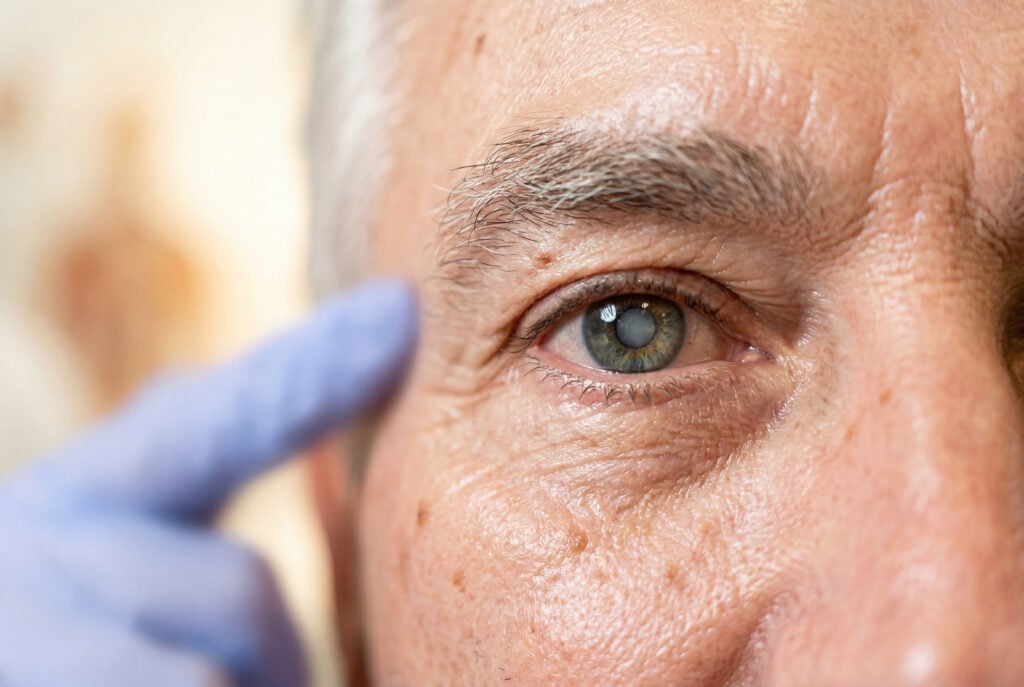
The procedure is typically performed using modern microsurgical techniques. A small incision is created in the eye, allowing the surgeon to carefully remove the cloudy lens while preserving the surrounding structures. Cataract Surgery is intended to improve visual clarity and reduce the limitations caused by cataracts. Many patients notice significant improvements in reading, driving, watching television, and other everyday activities following recovery. Overall, Cataract Surgery is considered a highly successful treatment for cataracts when performed by experienced ophthalmologists using modern surgical techniques.
🩺 Types of Cataract Surgery
• Phacoemulsification Cataract Surgery – Uses ultrasound technology to break up and remove the cloudy lens through a small incision before inserting an artificial intraocular lens.
• Femtosecond Laser-Assisted Cataract Surgery – Utilizes laser technology to assist selected surgical steps, providing additional precision during specific stages of the procedure.
• Monofocal Intraocular Lens Implantation – Replaces the cloudy lens with a single-focus lens designed to provide clear vision at one primary distance.
• Multifocal Intraocular Lens Implantation – Uses a specialized lens designed to improve vision at multiple distances for appropriately selected patients.
• Toric Intraocular Lens Implantation – Corrects cataracts while also addressing pre-existing corneal astigmatism in suitable candidates.
🩺 Who Is a Good Candidate?
Cataract Surgery is recommended for individuals whose cataracts interfere with daily life or reduce visual quality. A comprehensive eye examination helps determine the most appropriate treatment plan based on each patient’s vision and overall eye health.
✔️ Individuals experiencing blurred or cloudy vision caused by cataracts
✔️ Patients with increasing difficulty reading or performing daily activities
✔️ People affected by glare or halos around lights, especially at night
✔️ Individuals noticing faded colors or reduced visual sharpness
✔️ Patients whose cataracts interfere with driving or occupational activities
✔️ Adults diagnosed with age-related cataracts
✔️ Individuals with cataracts related to diabetes or other medical conditions after appropriate evaluation
✔️ Patients seeking improved visual function through lens replacement
✔️ Adults with stable general health suitable for eye surgery
🩺 Consultation & Preparation
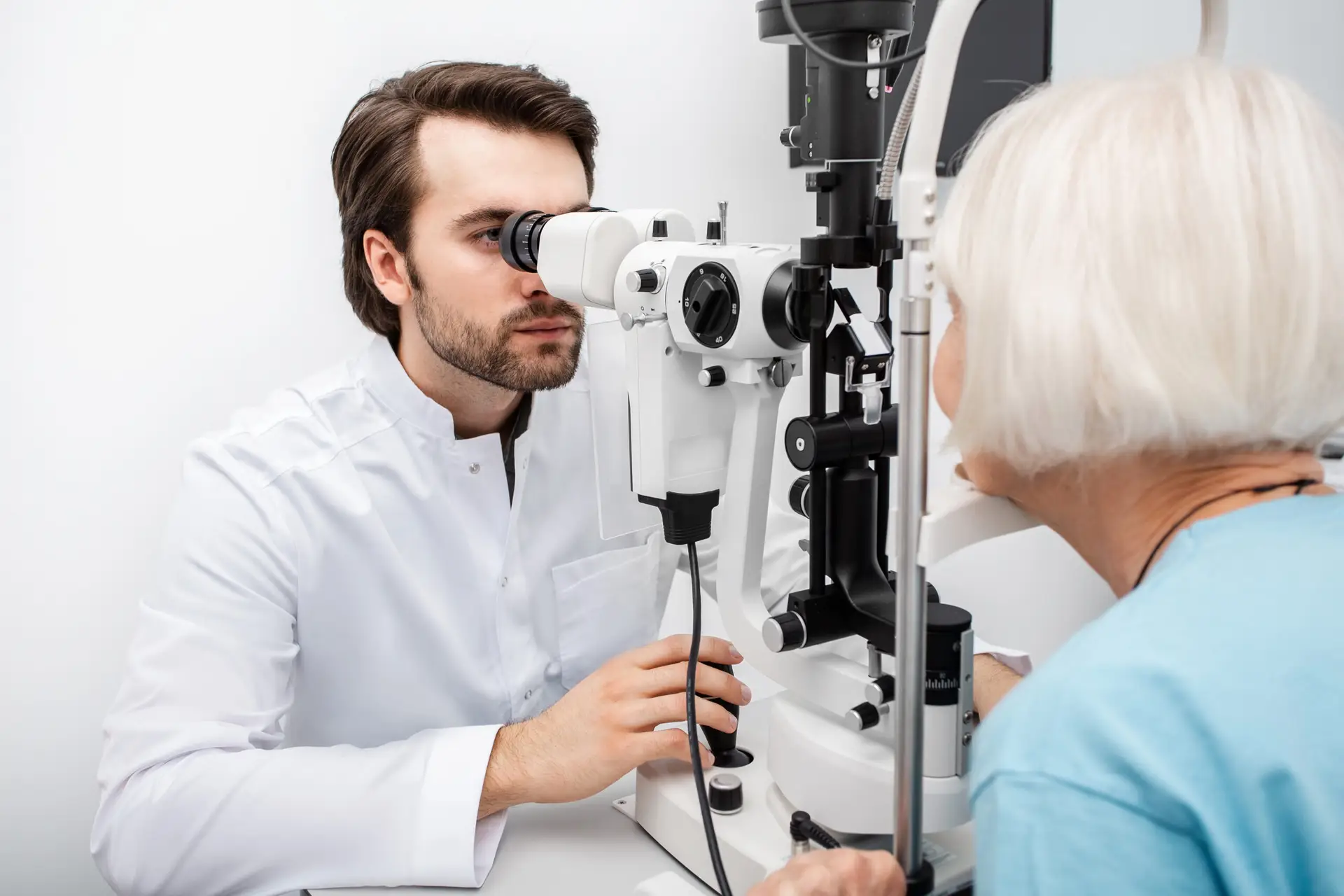
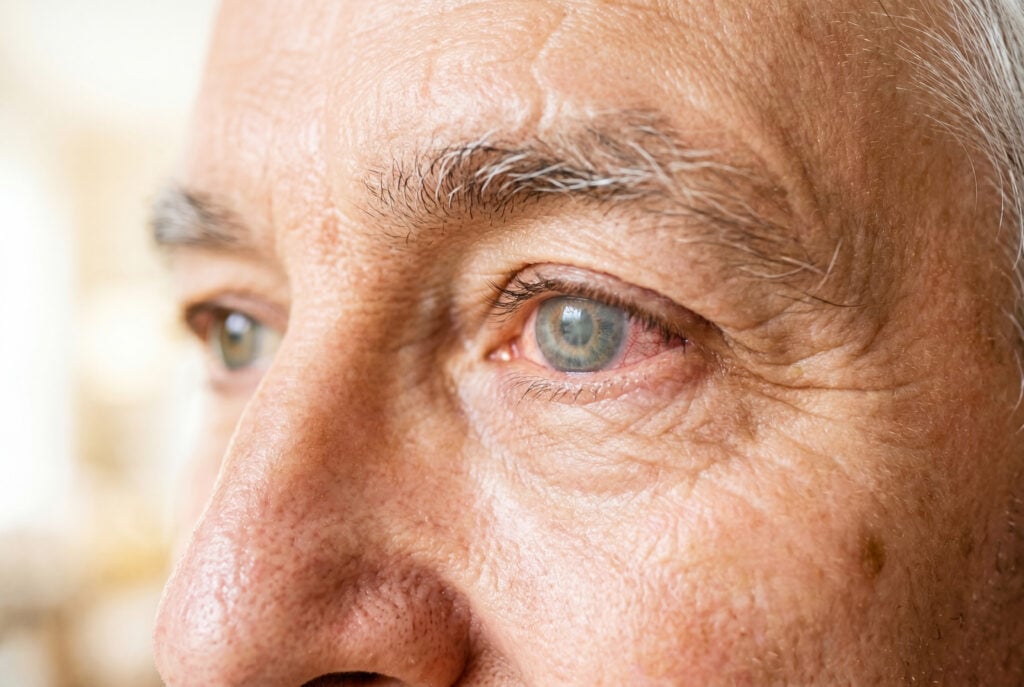
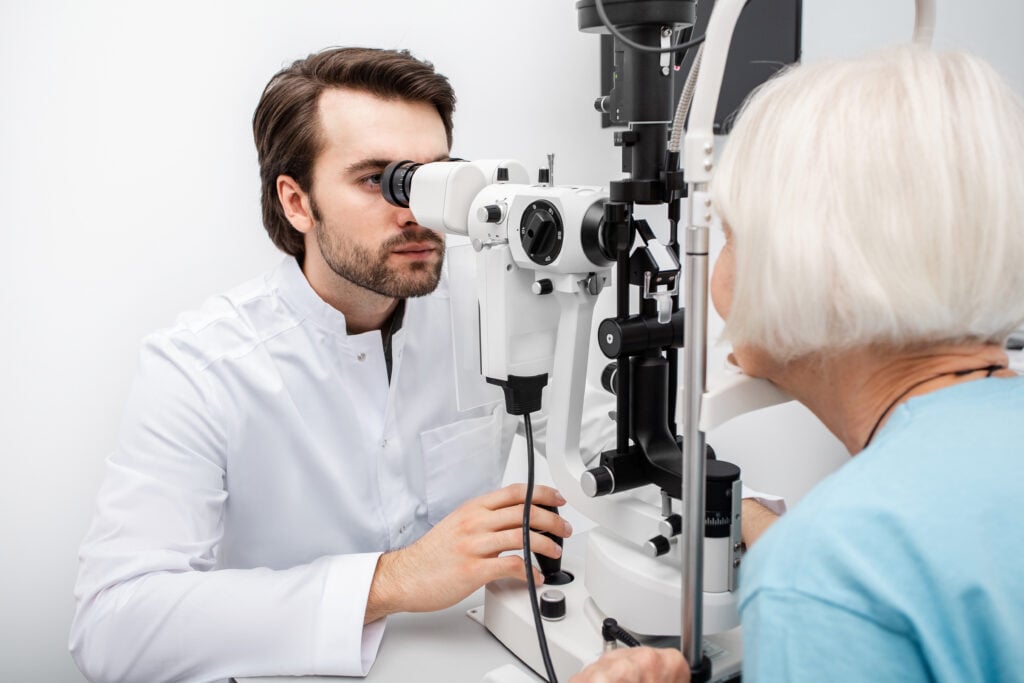
Every Cataract Surgery begins with a detailed ophthalmic assessment to determine the severity of the cataract and evaluate overall eye health. During the consultation, the ophthalmologist discusses symptoms, lifestyle requirements, lens options, and expected visual outcomes before creating an individualized treatment plan.
✔️ Comprehensive eye examination and vision assessment
✔️ Detailed review of medical history and current medications
✔️ Cataract evaluation using advanced diagnostic equipment
✔️ Measurement of the eye for accurate intraocular lens selection
✔️ Discussion of available intraocular lens options
✔️ Evaluation for other eye conditions that may influence treatment planning
✔️ Instructions regarding medications before surgery if necessary
✔️ Guidance about eating, drinking, and arrival time on the day of surgery
✔️ Explanation of the surgical procedure and recovery process
🩺 Recovery & Aftercare
Recovery following Cataract Surgery is generally gradual, with many patients noticing improvements in vision during the first few days, while complete healing continues over the following weeks. Following the ophthalmologist’s instructions helps support proper healing and protects the eye during recovery.
✔️ Mild blurred vision during the early healing period may occur
✔️ Use prescribed eye drops exactly as instructed
✔️ Avoid rubbing or putting pressure on the treated eye
✔️ Wear the recommended protective eye shield when advised
✔️ Avoid heavy lifting and strenuous physical activity during the initial recovery period
✔️ Protect the eyes from dust, water, and potential injury
✔️ Attend all scheduled follow-up examinations
✔️ Resume daily activities according to medical guidance
✔️ Report any unusual pain or sudden vision changes immediately
✔️ Continue regular eye examinations to monitor long-term visual health

🌍 Why Choose Avicenna Hospital for Cataract Surgery?
Choosing the right hospital for Cataract Surgery is essential for achieving safe treatment and optimal visual outcomes.

Avicenna Hospital combines experienced ophthalmology specialists, advanced diagnostic technology, and personalized patient care to support every stage of the treatment journey for local and international patients.
✔️ Experienced ophthalmologists performing modern cataract procedures
✔️ Comprehensive eye examinations before treatment planning
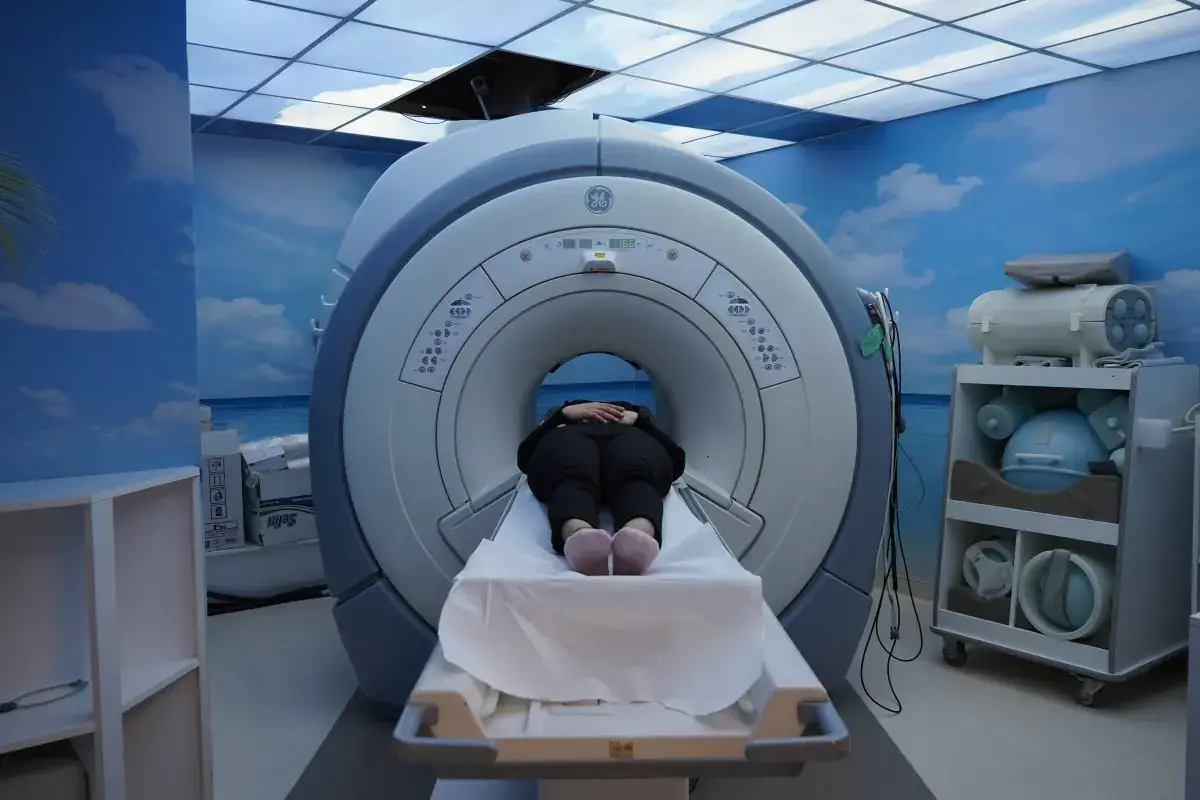
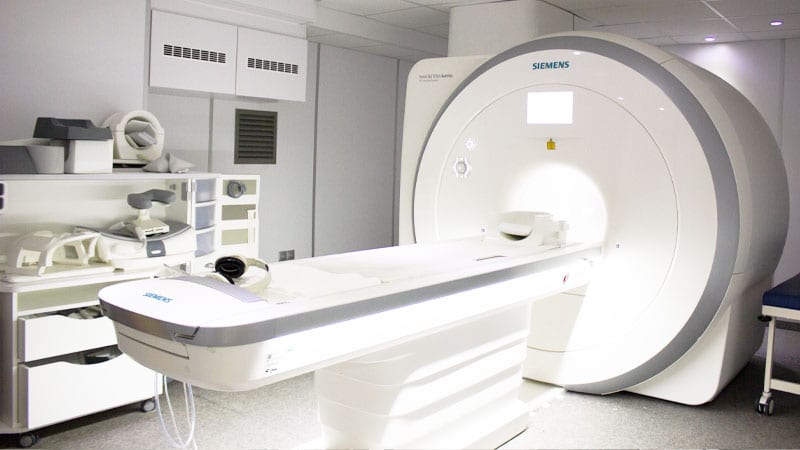
✔️ Advanced diagnostic and ophthalmic imaging technology
✔️ Personalized intraocular lens selection based on patient needs
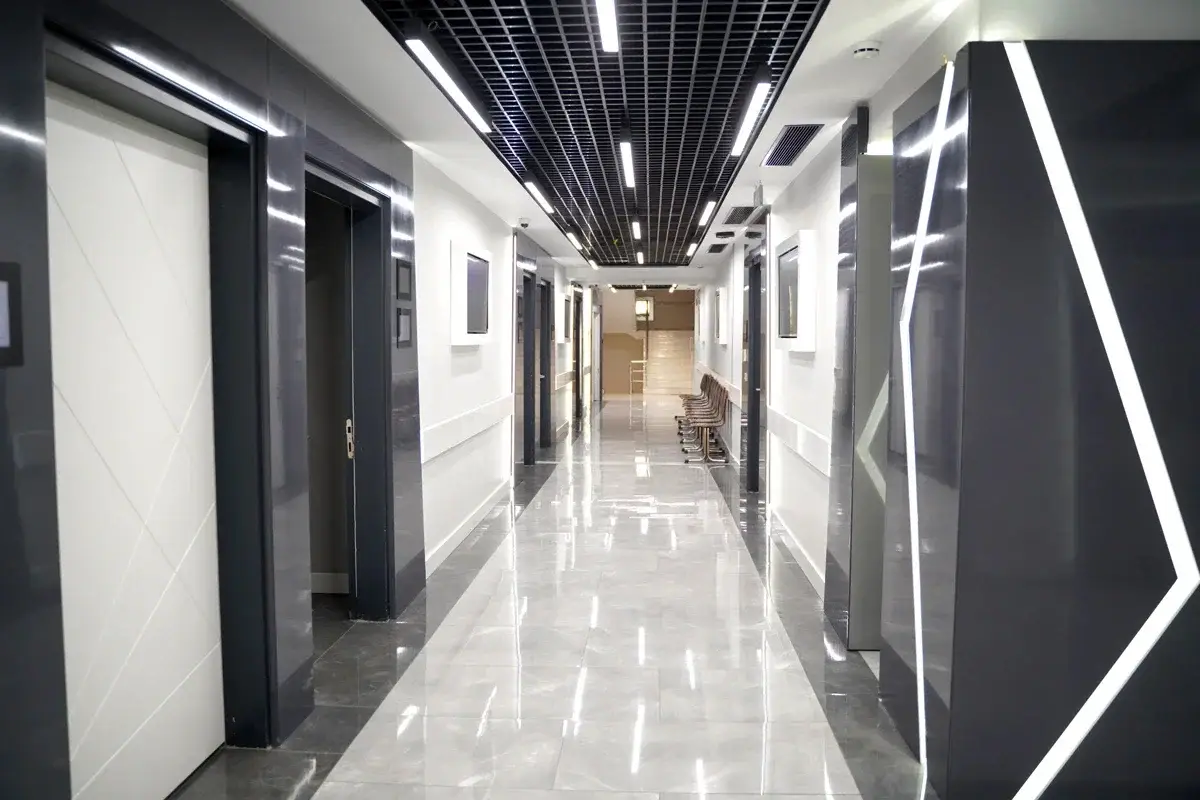
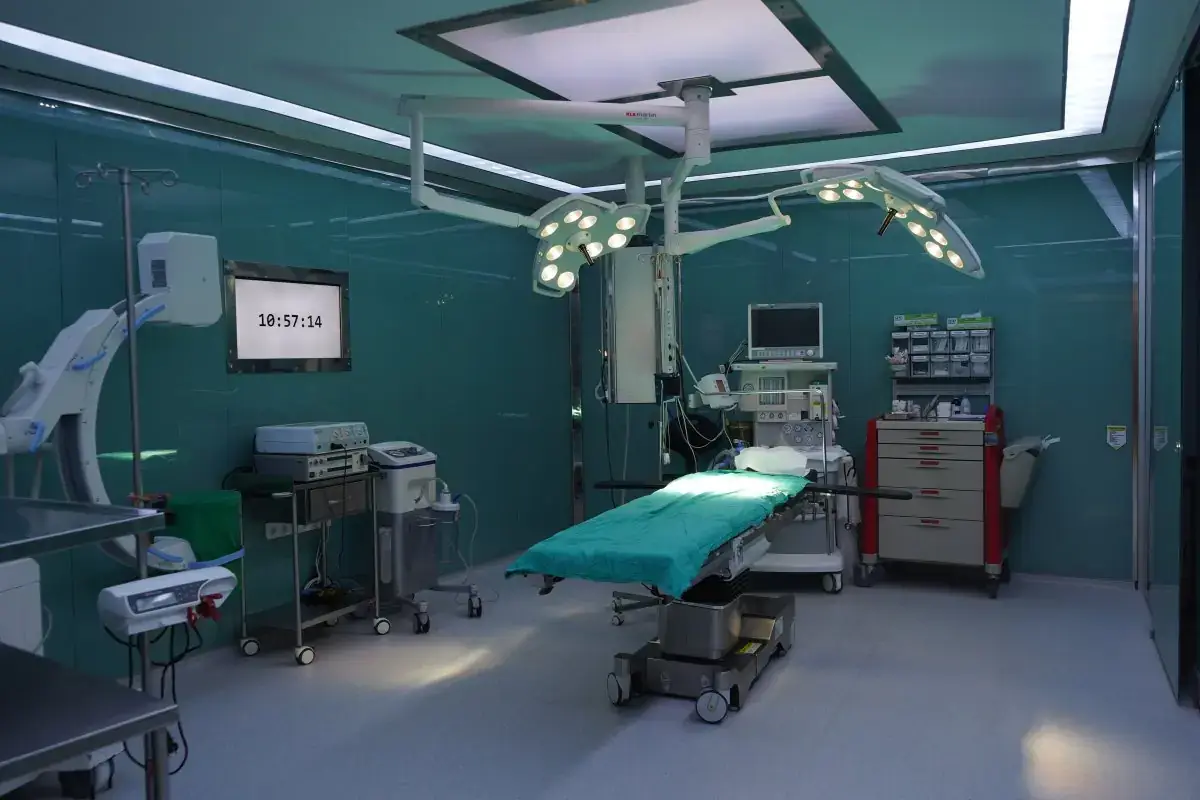
✔️ Modern operating rooms designed for ophthalmic surgery
✔️ Multidisciplinary medical support when required
✔️ Dedicated international patient coordination services
✔️ Individualized follow-up care after surgery
✔️ Focus on patient safety, comfort, and long-term visual health