


















Advanced Hepatic Resection, Liver Transplant Evaluation & Multidisciplinary Cancer Care for Complex Liver Tumors
Liver Cancer Surgery in Seoul, South Korea at Asan Medical Center offers advanced surgical care for patients diagnosed with primary liver cancer, hepatocellular carcinoma, and selected liver tumors requiring expert evaluation. Treatment may involve hepatic resection, minimally invasive liver surgery, open liver surgery, or liver transplantation, depending on tumor stage, liver function, cirrhosis severity, and overall health. Asan Medical Center’s Liver Cancer Center uses a multidisciplinary approach to help patients receive a personalized treatment plan that supports cancer control, liver preservation, and long-term follow-up care.
🔍 What Is Liver Cancer Surgery?
Liver cancer surgery is a specialized treatment used to remove cancerous tumors from the liver or replace the diseased liver in carefully selected patients. It is most commonly considered for patients with hepatocellular carcinoma, especially when the tumor is limited to the liver and the remaining liver function is strong enough to support recovery. The main surgical option is hepatic resection, also called liver resection.

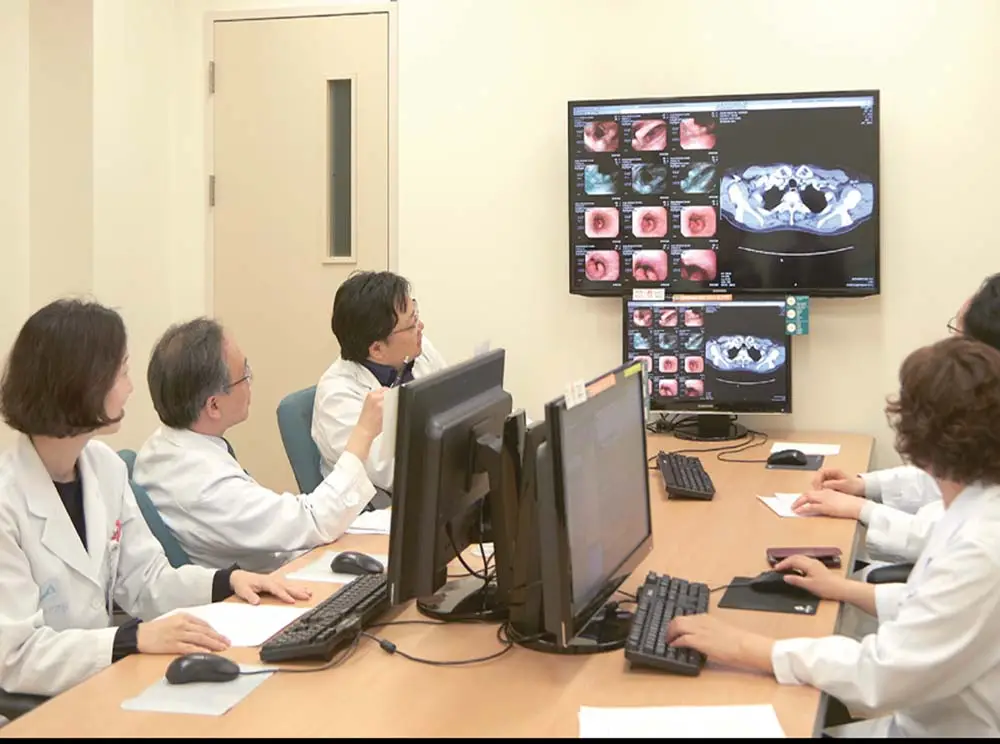
During this procedure, the surgeon removes the part of the liver that contains the tumor while preserving as much healthy liver tissue as possible. For some patients, liver transplantation may be considered instead of tumor removal alone. This may be suitable when cancer is present along with significant cirrhosis or poor liver function. In these cases, the diseased liver is replaced with a healthy donor liver. Liver cancer surgery may also be combined with other treatments such as radiofrequency ablation, transcatheter arterial chemoembolization, targeted therapy, immunotherapy, chemotherapy, or radiotherapy. These treatments may be used before surgery, after surgery, or when surgery is not the safest first option. The goal is to choose the most appropriate treatment sequence for each patient’s condition. At Asan Medical Center in Seoul, liver cancer care is supported by coordination between liver surgeons, hepatologists, oncologists, radiologists, radiation oncologists, pathologists, transplant specialists, and international patient teams.
🩺 Types of Liver Cancer Surgery
- Hepatic Resection – Removes the portion of the liver containing the tumor while preserving healthy liver tissue.
- Laparoscopic or Robotic Liver Surgery – Minimally invasive approaches using small incisions and advanced instruments for selected cases.
- Open Liver Surgery – Used for large, complex tumors or when minimally invasive surgery is not suitable.
- Liver Transplantation – Replaces the diseased liver with a donor liver in selected patients who meet transplant criteria.
- Combined Multidisciplinary Treatment – Uses surgery together with treatments such as TACE, RFA, targeted therapy, immunotherapy, chemotherapy, or radiotherapy when needed.
🩺 Who Is a Good Candidate?
Liver cancer surgery is suitable only after detailed evaluation. A good candidate is usually someone whose cancer can be safely removed or treated through transplant-based planning while preserving enough liver function. The decision depends on imaging results, blood tests, liver reserve, tumor number, tumor size, cancer stage, cirrhosis severity, and overall medical condition.
✔️ Patients diagnosed with primary liver cancer or hepatocellular carcinoma
✔️ Individuals with tumors limited to the liver
✔️ Patients with a liver tumor that may be safely removed
✔️ Individuals with preserved liver function
✔️ Patients with early-stage liver cancer requiring surgical evaluation
✔️ Patients with selected recurrent liver cancer after previous treatment
✔️ Individuals who may qualify for liver transplantation
✔️ Patients with cirrhosis who require transplant-based assessment
✔️ Adults with acceptable heart, lung, kidney, and general health status

📝 Consultation & Preparation
Consultation for liver cancer surgery begins with a complete review of the diagnosis, imaging studies, liver function, medical history, and previous treatments. The goal is to confirm whether surgery is safe, whether the cancer is removable, and whether additional treatment is needed before or after surgery.

✔️ Review of diagnosis, pathology reports, and previous treatment history
✔️ Evaluation of CT, MRI, ultrasound, PET scan, or other imaging results
✔️ Liver function assessment through blood tests and clinical evaluation
✔️ Tumor marker testing such as AFP when medically appropriate
✔️ Hepatitis B, hepatitis C, cirrhosis, and alcohol-related liver disease review
✔️ Assessment of tumor size, number, location, and vascular involvement
✔️ Evaluation for portal hypertension or reduced liver reserve
✔️ Surgical planning for hepatic resection, minimally invasive surgery, open surgery, or transplant evaluation
🩺 Recovery & Aftercare
Recovery after liver cancer surgery varies based on the type of procedure, liver function, tumor complexity, and overall health, with minimally invasive surgeries often allowing faster recovery than open surgery or transplantation, which requires longer and more intensive follow-up. After surgery, patients are closely monitored for liver function, complications, and healing, with ongoing imaging and tests to detect recurrence and ensure long-term care.
✔️ Hospital monitoring after surgery based on the procedure type
✔️ Pain control and medication management
✔️ Early walking when approved by the medical team
✔️ Gradual return to eating and normal digestion
✔️ Monitoring for fever, jaundice, bleeding, swelling, or severe pain
✔️ Avoiding alcohol and liver-damaging substances
✔️ Medication guidance for hepatitis, cirrhosis, or transplant care if needed
✔️ Follow-up imaging to assess healing and detect recurrence
✔️ Long-term liver cancer surveillance after treatment
✔️ Nutritional support to protect liver health and recovery
🌍 Why Choose Asan Medical Center for Liver Cancer Surgery?
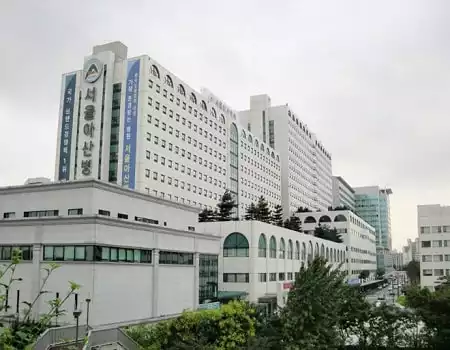
Choosing the right hospital for liver cancer surgery is critical because treatment requires advanced surgical skill, accurate diagnosis, liver function expertise, and coordinated cancer care. Asan Medical Center in Seoul, South Korea is known for its dedicated Liver Cancer Center, specialized hepatobiliary surgery services, liver transplantation expertise, and multidisciplinary treatment planning for complex liver tumors.
✔️ Dedicated Liver Cancer Center for coordinated liver cancer treatment
✔️ Experienced hepatobiliary and liver transplantation surgical teams
✔️ Advanced hepatic resection planning for selected liver tumors
✔️ Laparoscopic and robotic liver surgery options when medically suitable
✔️ Open liver surgery expertise for complex or advanced cases
✔️ Liver transplantation evaluation for selected liver cancer patients
✔️ Multidisciplinary review involving surgery, hepatology, oncology, radiology, pathology, and radiation oncology
✔️ Treatment planning based on tumor stage, tumor location, liver function, and cirrhosis severity